Mentoria de Cinema Estratégico. O Brasil tem mais filmes prontos não exibidos do que filmes prontos exibidos nas telas de cinema!
Se vc tem uma ideia de filme entre em contato! Me chame no Zap, Conheça a Mentoria no DRCode. Ou entre no link abaixo:
goo.su/xPK1zT
12 h

5
5
61

Mar 7
The new world order: @netanyahu , the Isrealis prime minister calls the tune, @POTUS45 dances, and @narendramodi follows the steps. Quite a trio.. A perfectly synchronized geopolitical ballet.
Can anyone drcode and tell me what going on between them.??? #Geopolitics
#TrioThrills
4
10
26
1,082

अपने आगोश में ले इक मुक़म्मल सी विदाई दे दे
खुद को मुझसे निकाल और मुझको रिहाई दे दे
#शैलेष त्रिपाठी
@Meribaatey
@719Manisha
@kavitakiran
@archana_anirudh
@drcode
@ChhotiKavita
2
25

4 Nov 2025
He blocked me for asking questions about his hood authenticity. It's a white guy, probably gay.
Then again, I thought Gene Drcode was a big chubby guy instead of a little goblin man. I could be off.
1
2
57

What are you working on today?
Today, I’m working on improving the consistency of our call-to-action buttons across our Fashion E-commerce website called Africa.
My Team at @enoverlab uses AGILE principle in executing this project.
Like & Comment
#100daysofcoding #DrCode
1
1
3
113


🧠AI API Testing: Not Just About 200 OKs! 🚫✅
AI-driven API testing is powerful—automating test cases, checking response codes, and speeding up validation. But here’s the catch: can it detect business logic flaws? 🤔
Just because your API returns a 200 doesn’t mean it’s doing the right thing.
📦 Ordered 1 item, but got charged for 3?
💸 Refund API returns success... but the money never left the system?
That's where business logic bugs love to hide. 🕳️🪤
✅ Developers still need to validate test coverage beyond just status codes.
👀 The good news? DrCode is building AI that goes deeper—to detect logic flaws, not just surface-level errors.
💬 What’s the sneakiest business logic bug you’ve ever faced? Let’s swap some war stories! 👇
#APITesting #AIChallenges #BusinessLogic #DrCode

3
28
💬 Dev & Tester Conversation: API Security Edition 💬
👨💻 Dev: "Our API is live! Time to celebrate! 🎉"
🕵️♂️ Tester: "Did you security test it?"
👨💻 Dev: "Uh… it works, isn’t that enough?"
🕵️♂️ Tester: "Tell that to the 40% of cyberattacks exploiting untested APIs. 🛡️💀"
👨💻 Dev: "Oh… so, uh… should we, like… test it?"
🕵️♂️ Tester: "Yes. Before the hackers do it for you. 🔥"
Security testing isn’t an option—it’s a necessity! 💻🔒
🔍 When was the last time you ran a security test on your APIs? Drop a 🔒 if you prioritize API security or a ⏳ if it’s still on your to-do list!
#SecurityTesting #CyberSecurity #AI #ML #2025Goals #AITesting #UserDiscovery #ProductInnovation #DrCode

3
32
🚀 𝗦𝘁𝗼𝗽 𝗪𝗮𝘀𝘁𝗶𝗻𝗴 𝗧𝗶𝗺𝗲 𝗼𝗻 𝗥𝗲𝗽𝗲𝘁𝗶𝘁𝗶𝘃𝗲 𝗖𝗼𝗱𝗲—𝗟𝗲𝘁 𝗔𝗜 𝗗𝗼 𝗜𝘁!
𝗗𝗲𝘃𝗲𝗹𝗼𝗽𝗲𝗿𝘀 spend 𝟯𝟬-𝟱𝟬% of their time on repetitive coding tasks—debugging, refactoring, writing boilerplate code. What if 𝗔𝗜 could handle that for you? 🤖💡
Here’s How AI Saves Your Team Hours Every Week:
✅ 𝗔𝘂𝘁𝗼𝗺𝗮𝘁𝗲𝗱 𝗖𝗼𝗱𝗲 𝗥𝗲𝘃𝗶𝗲𝘄𝘀 – AI scans pull requests, finds issues, and suggests fixes instantly.
✅ 𝗔𝗜-𝗣𝗼𝘄𝗲𝗿𝗲𝗱 𝗔𝗣𝗜 𝗧𝗲𝘀𝘁𝗶𝗻𝗴 𝘄𝗶𝘁𝗵 𝗗𝗿𝗖𝗼𝗱𝗲 – No more manual debugging! DrCode's AI-driven API testing tool catches inconsistencies, validates responses, and ensures seamless integrations. Try it now on VS Code Marketplace!
marketplace.visualstudio.com…
✅ 𝗕𝗼𝗶𝗹𝗲𝗿𝗽𝗹𝗮𝘁𝗲 𝗖𝗼𝗱𝗲 𝗚𝗲𝗻𝗲𝗿𝗮𝘁𝗶𝗼𝗻 – Generate APIs, unit tests, and documentation in seconds.
✅ 𝗥𝗲𝗳𝗮𝗰𝘁𝗼𝗿𝗶𝗻𝗴 & 𝗢𝗽𝘁𝗶𝗺𝗶𝘇𝗮𝘁𝗶𝗼𝗻 – AI cleans up messy code and suggests improvements for better efficiency.
💡 𝗧𝗵𝗲 𝗥𝗲𝘀𝘂𝗹𝘁? Your team spends more time on 𝗶𝗻𝗻𝗼𝘃𝗮𝘁𝗶𝗼𝗻, less on 𝗿𝗲𝗽𝗲𝘁𝗶𝘁𝗶𝗼𝗻.
🚀 How much time could AI save your team? Let’s discuss! 👇
#AIForTeams #DevProductivity #TimeManagement #Automation #DrCode

2
31
𝗣𝗿𝗼𝗱𝘂𝗰𝘁𝗶𝘃𝗶𝘁𝘆 𝗧𝗶𝗽: How much time does your team spend on repetitive coding tasks? Let AI handle it while you focus on the fun stuff. 🎉
💻 𝗦𝘁𝗼𝗽 𝗪𝗮𝘀𝘁𝗶𝗻𝗴 𝗧𝗶𝗺𝗲 𝗼𝗻 𝗥𝗲𝗽𝗲𝘁𝗶𝘁𝗶𝘃𝗲 𝗖𝗼𝗱𝗶𝗻𝗴 𝗧𝗮𝘀𝗸𝘀!
🔄 Rewriting boilerplate code?
🔍 Debugging the same type of issues?
📑 Updating outdated documentation?
𝗟𝗲𝘁 𝗔𝗜 𝗗𝗼 𝘁𝗵𝗲 𝗛𝗲𝗮𝘃𝘆 𝗟𝗶𝗳𝘁𝗶𝗻𝗴!
𝗛𝗲𝗿𝗲’𝘀 𝗛𝗼𝘄 𝗔𝗜 𝗦𝗮𝘃𝗲𝘀 𝗬𝗼𝘂 𝗧𝗶𝗺𝗲:
1️⃣ 𝗖𝗼𝗱𝗲 𝗚𝗲𝗻𝗲𝗿𝗮𝘁𝗶𝗼𝗻: Tools like DrCode create boilerplate code in seconds.
⏱️ 𝘛𝘪𝘮𝘦 𝘚𝘢𝘷𝘦𝘥: 3-5 𝘩𝘰𝘶𝘳𝘴 𝘱𝘦𝘳 𝘸𝘦𝘦𝘬
2️⃣ 𝗘𝗿𝗿𝗼𝗿 𝗗𝗲𝘁𝗲𝗰𝘁𝗶𝗼𝗻: AI catches bugs faster and suggests fixes immediately.
⏱️ 𝘛𝘪𝘮𝘦 𝘚𝘢𝘷𝘦𝘥: 2-3 𝘩𝘰𝘶𝘳𝘴 𝘱𝘦𝘳 𝘸𝘦𝘦𝘬
3️⃣ 𝗗𝗼𝗰𝘂𝗺𝗲𝗻𝘁𝗮𝘁𝗶𝗼𝗻 𝗨𝗽𝗱𝗮𝘁𝗲𝘀: Automatically generate and maintain up-to-date documentation.
⏱️ 𝘛𝘪𝘮𝘦 𝘚𝘢𝘷𝘦𝘥: 2 𝘩𝘰𝘶𝘳𝘴 𝘱𝘦𝘳 𝘸𝘦𝘦𝘬
𝗪𝗵𝗮𝘁 𝗖𝗼𝘂𝗹𝗱 𝗬𝗼𝘂 𝗗𝗼 𝗪𝗶𝘁𝗵 𝗘𝘅𝘁𝗿𝗮 𝗛𝗼𝘂𝗿𝘀?
🎉 Innovate new features
👥 Collaborate better with your team
🌟 Focus on solving challenging problems
📣 𝗬𝗼𝘂𝗿 𝗧𝗶𝗺𝗲 𝗜𝘀 𝗩𝗮𝗹𝘂𝗮𝗯𝗹𝗲—𝗟𝗲𝘁 𝗔𝗜 𝗚𝗶𝘃𝗲 𝗜𝘁 𝗕𝗮𝗰𝗸 𝘁𝗼 𝗬𝗼𝘂!
👉 Ready to reclaim your time? Share this with your team and let’s revolutionize the way we code.
#AIForTeams #DevProductivity

5
34
✨ Ready for 2025? Let’s Build Better Code Together! 💻
2024 was transformative for Dr Code, as we prioritized user discovery and problem validation to address key challenges in the software development lifecycle. Through in-depth discussions with CXOs, engineering managers, tech leads, developers, and QA professionals, we gained valuable insights into workflows and solution gaps. This product discovery process shaped our PR review and API testing tools, which have received an overwhelmingly positive response.
✨ Highlights from 2024:
-Engaged with 150 companies to uncover critical pain points and validate hypotheses. 🤝
-100 installs of our API testing tool on the Visual Studio Marketplace in less than a month. 🚀
-200 conversations driving iterative improvements and shaping feature prioritization. 💬
-Excellent adoption metrics and actionable feedback from users. 📊
-Early success in addressing critical gaps in testing workflows and tool usability. 🔧
✨ What’s coming in 2025?
-Smarter, more adaptive testing workflows to optimize your SDLC🚀
-Features refined through continuous user research and feedback loops🤖
-Seamless integrations to fit into your existing developer and QA ecosystem💻
We’re grateful to our community for their trust and feedback throughout this journey. Let’s co-create the next wave of testing solutions in 2025! What challenge would you like us to solve next? 💡
#NewYear #Christmas #AI #ML #2025Goals #AITesting #UserDiscovery #ProductInnovation #DrCode

5
86
🚀 At DrCode, we’re redefining how devs & tech leads handle code reviews, testing, and production issues. With DrCode.AI, focus on building while we take care of the repetitive work!
✨ AI-Driven Code Reviews
⚡ Automated Test Generation
📊 API Performance Testing (Load Testing)
🔧 Issue Tracking & Fixes
Boost your dev productivity! Try for free 👉 drcode.ai
#CodeReview #AI #LoadTesting #DevTools #Productivity #SoftwareTesting
7
143

14 Aug 2024
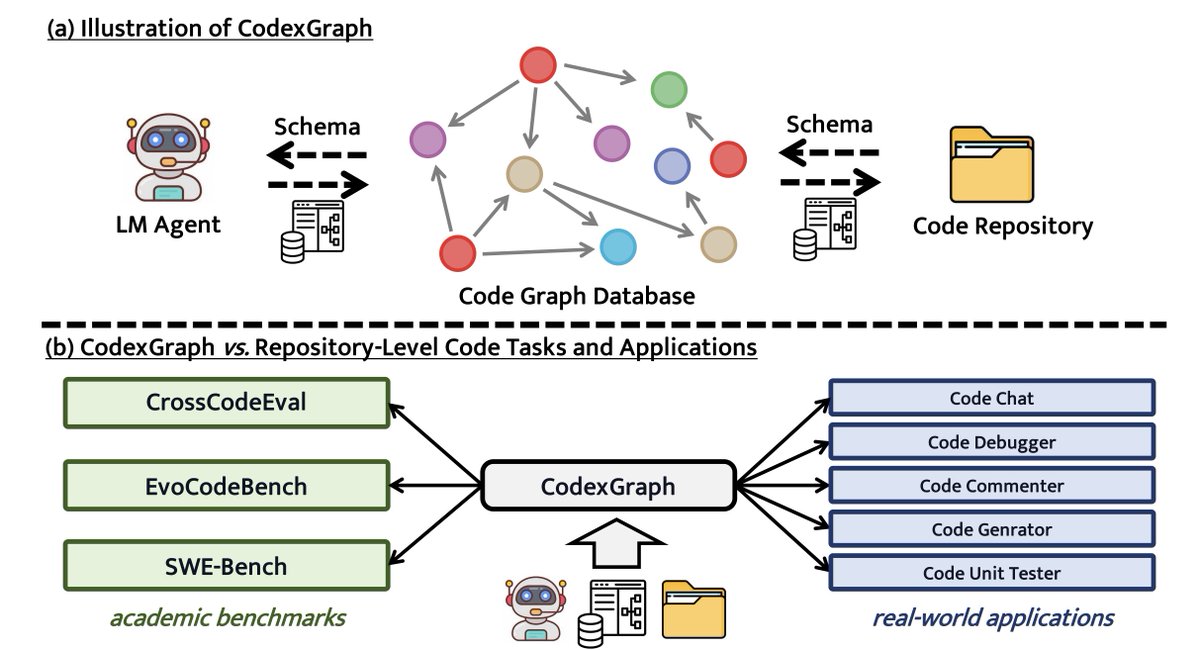
2/n Comparison with other work
1. Similarity-based Retrieval (RAG for Code)
Prior Work: Approaches like DrCode (Zhang et al., 2023), CodeT5 (Wang et al., 2023), and CoCoNut (Yu et al., 2023) rely on embedding code snippets and retrieval based on semantic similarity.
Contrast with CODEXGRAPH: CODEXGRAPH argues that similarity-based retrieval often struggles with complex tasks requiring multi-hop reasoning and understanding of code structure. It emphasizes that simply finding similar code snippets is often insufficient for tasks like code completion in a large repository, where understanding dependencies and relationships between code elements is crucial.
2. Tool/API-based Interfaces
Prior Work: Examples include approaches that use LLMs to interact with APIs for specific tasks like code summarization (Deshpande et al., 2024) or bug fixing (Arora et al., 2024).
Contrast with CODEXGRAPH: CODEXGRAPH argues that these approaches are often task-specific and require significant manual effort to design and implement. Building a separate tool or API for every code-related task is not scalable. In contrast, CODEXGRAPH aims for a more generalizable solution where the same code graph database can be used for various tasks.
3. Hybrid Approaches
Prior Work: Some approaches (Orwall, 2024) combine similarity-based retrieval with a limited set of manually designed tools or APIs.
Contrast with CODEXGRAPH: While hybrid approaches acknowledge the need for both retrieval and structured reasoning, they still rely on manually crafted tools for specific tasks. CODEXGRAPH aims to provide a more unified and flexible framework through the code graph database.
4. Agentless (Xia et al., 2024)
Prior Work: Agentless preprocesses the code repository's structure and file skeleton to make it easier for LLMs to understand.
Contrast with CODEXGRAPH: While Agentless improves LLM's understanding of code structure, it still relies on the LLM's limited context window to process the preprocessed information. CODEXGRAPH, on the other hand, allows LLMs to interact with the codebase through a queryable database, enabling more efficient and targeted access to relevant information.
In summary: CODEXGRAPH distinguishes itself from prior work by proposing a code graph database as a central, task-agnostic interface between LLMs and code repositories. This approach aims to overcome the limitations of purely similarity-based retrieval, manual tool design, and reliance on LLMs' limited context window, enabling more effective and generalizable LLM-based code understanding and manipulation.
1
5
6
879


23 May 2024
Astrology Uses Symbols To Help U Drcode & Transcend Your Reality! S1:E2 OF CHIRON & COFFEE OUT NOW ON YOUTUBE! Subscribe To 👉🏾@vontelegacy
#Astrology #LearnAstrology #ChironAndCoffee #Chiron #Coffee #Aries #BirthChart #metaphysical #metaphysics #spirituality #inspirational
2
189


16 Nov 2023
Ya Allah typo decide jd drcode 😭
16 Nov 2023

Korang ok tak tu? Dah boleh drcode ke belum nak grab yg mana? 😍
Kalau grab all 5 codes i belanja postage 🫶🏼

2
199
16 Nov 2023
Korang ok tak tu? Dah boleh drcode ke belum nak grab yg mana? 😍
Kalau grab all 5 codes i belanja postage 🫶🏼
2
17
16
2,019