••Space••Dog••Incarnate••🌙 retweeted

11h
Joey Diaz reveals how he tried to beat a drug test with Drano and ended up getting taken to court for breaking the machine
"I put the drain on my d**k and I walked up to the counter and I put it on the desk. And he asked you questions. How's it been? And I'm looking at the thing and it's starting to foam. This thing is coming out of the bag and I'm looking at this thing going this motherfucker."
"He just picked it up and threw it in the bag. When they pick it up and test it sometimes you leave the cop top off, that was an old trick. But the time with the Drano it started like it was shaking, foam was coming out of the f***ing sides."
"He called me a few days later. He's like, listen, I wrote up a thing. I'm taking you to court because you broke the machine. This cannot continue. This is like a f***ing cat and mouse game. What did you put in your body?"
4
4
168
103,750

A Cramp, a Gorie, and a Pussy Galore walk into a bar.
“ What can I get ya?” the bartender asks.
Drano Hot Shot, Thunderbird ESQ, & some heroin please.
1
1
13


I’ve been a criminal defense lawyer for over 30 years. All of my clients that are on probation and continue to use, put crystal Drano under their nails and then piss on the nail that has crystal Drano under it when they take their piss test. This is work every single time!
8
1,293

I see the puss coming out of Trumps pocket. Use Drano! DHS Mullen will unclog it. He eats algae to feed his Ego🙈
3

Kunststoff stell ich mir schwierig vor, am besten ist es wohl alle halbe Jahre so eine Flasche Drano Powergel vorsorglich über Nacht in den Abfluss zu gießen...
1
3
38
Robert Steward retweeted

Jun 15
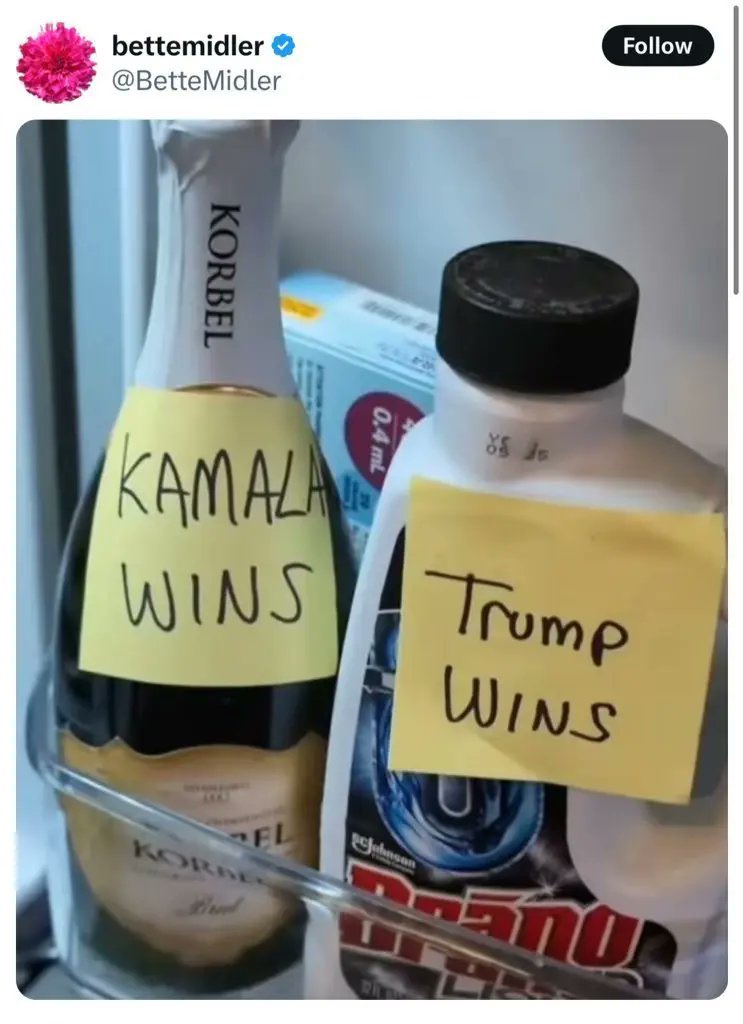
But she said she was going to drink Drano. She’s still here?
1
1
11
113

Jun 15
Ridglan Farms is officially shutting down. A lot of focus has been on beagles, but as we move away from dogs in research, what about other species?
On May 15th, High Quality Research in Fort Collins shut down thanks to the work of many individuals and groups.
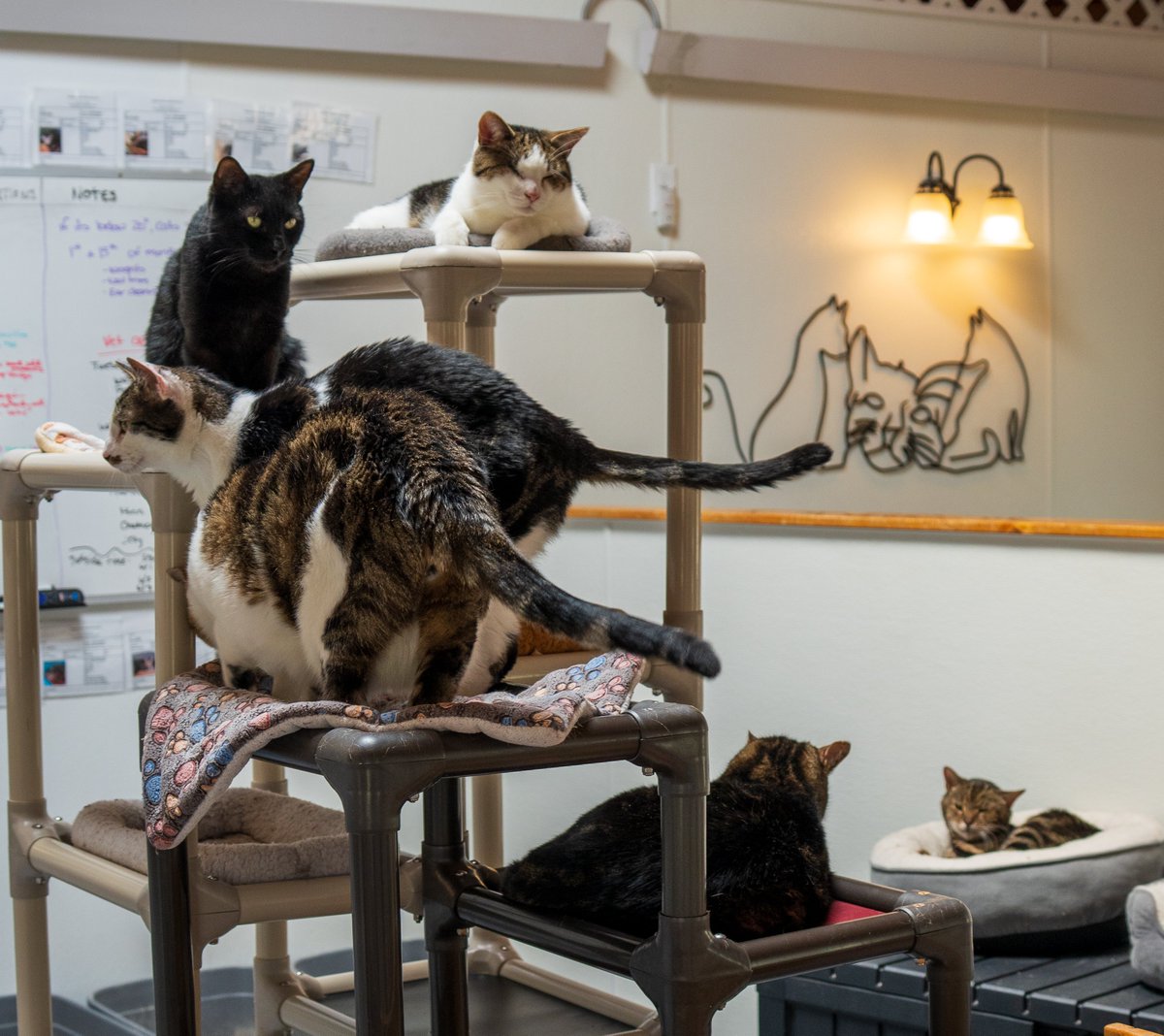
These are some of the cats released to Kindness Ranch after that facility closed. They were bred at a place called Liberty Research, which sells them to labs for $1700 each.
In 2025, the USDA reported 12,632 cats held or used by research facilities. Of those, 1,274 were held and not used; 7,700 were used in procedures reported as causing no more than momentary pain/distress; 3,577 were used in painful/distressful procedures with pain relief; and 81 were used in painful/distressful procedures without pain relief because the drugs were said to interfere with the study.
Will boycotting products that test on animals help stop these experiments? I don’t want to discourage anyone from becoming a conscientious objector to animal exploitation. Boycotts can shift some consumer markets, but they will not, on their own, end vivarium-based biomedical research.
What kind of experiments are these cats used in? Were they fed Drano and laundry detergent? No.
They are used to study cat diseases like FIV, FeLV, FIP/coronaviruses, toxoplasmosis, cardiomyopathy, kidney disease, ophthalmic disease, and inherited neurologic diseases. FIV has also been used as a lentivirus model relevant to HIV/AIDS because of the biological similarities between FIV infection in cats and HIV infection in humans.
Historically, cats have been used in toxoplasmosis research because they are the definitive hosts for Toxoplasma gondii.
USDA’s own cat toxoplasmosis program became a major source of controversy and was discontinued in 2019 after public and congressional pressure; USDA ARS said it would not reinstate the use of cats in any ARS lab.
Most of us would not deny our cats vaccines, antivirals, antibiotics, anesthesia, or emergency care because animal studies were part of their development. Using these prevention and treatment measures does not make you a hypocrite, but it does show that consumer boycotts alone are not a complete theory of change.
Instead, we can seek to change how research is conducted to develop prevention and treatment for cats.
What if veterinary research followed a pediatric-style model: patients with naturally occurring disease, guardian consent, independent oversight, minimization of harm, and a realistic prospect of benefit?
Cats would not be confined to vivariums, but instead, when you bring your cat to a veterinarian for care, some of their diagnostics and treatments would be publicly funded for the benefit of society, and they would be entered into studies and their health would be monitored by researchers who are part of that study.
What other research are cats used for?
Cats have long been used in visual neuroscience because of their developed visual system and forward-facing eyes; classic kitten deprivation studies helped shape modern understanding of visual cortical development. Cats are also still used in auditory neuroscience, cochlear implant, and auditory nerve implant research, including surgical models for implanting devices into the feline auditory nerve.
How can we conduct this research in a way that is more clinically relevant and more aligned with unmet needs? By not purposefully harming cats in cages and instead providing diagnostics and care to human beings and other animals who currently lack access to medical care. How much information are we missing because we simply aren’t caring for those with existing visual and auditory impairments?
Cats are also used in some movement, gait, spinal cord injury, and neural control studies because their locomotion has historically been treated as a model for mammalian walking. Recent reporting described NIH-funded studies involving spinal cord injury and treadmill walking in cats, highlighting that some active cat experiments remain highly invasive. In vivarium-based settings, the spinal cords of cats are purposefully damaged for this research.
While working in a highly impacted animal shelter, every day I would care for cats suffering from paralysis, paresis or traumatic brain injuries. My staff would provide the best care they could, but if they didn’t make progress in a few days, they would be euthanized. What a missed opportunity for knowledge. How much might we learn if they were all afforded the diagnostics and care those purposefully harmed cats received in research settings?
Cats are also used in genetic disease and gene therapy models. Research cats are bred with naturally occurring or induced genetic disorders, including neurologic storage diseases, to test gene therapies. NIH project descriptions have cited feline gangliosidosis models as support for moving some AAV gene therapy approaches toward human clinical trials. What if we provided resources and diagnostics for cats with genetic disorders and tried gene therapy approaches on them?
Cats are also used in veterinary teaching, surgery, anesthesia, physiology, or clinical skills training. Instead, we can teach students on cats who actually need care, under the guidance of experienced veterinarians. Students learn more clinically relevant skills without wasting valuable time and resources on less productive teaching methods.
The biggest challenge society faces is not the lack of prevention and treatments for dreaded diseases, but the lack of access to existing prevention and treatments.
We now have a highly effective treatment for the formerly fatal cat disease feline infectious peritonitis (FIP). In the development of this treatment, many cats were purposefully infected and killed. Meanwhile, many more cats were euthanized in veterinary clinics across the country because there was no treatment available to them. What if we could bridge the gap between researchers and clinicians?
Sadly, though, now that there is a treatment, few people can afford it. Every cat who dies because of a lack of access to care should be considered just as much of a loss as a death due to a lack of a known cure.
Almost 2 billion humans, about one-third of the global population, lack regular access to essential medicines. Tuberculosis is now preventable and curable. Yet 1.23 million humans died from the disease in 2024.
By redirecting resources away from vivarium-based research and towards epidemiologic research, diagnostics, and access to care, we will be able to solve the biggest medical crises of our time for all species.
Simply boycotting products that test on animals, though an admirable endeavor, will not end vivarium-based research.
Many veterinarians and researchers are working on just that. Will you join us?
#ridglanbeagles #vetmed #animalresearch #animaltesting #animalexperimentation #animalwelfare #vetschool #vetstudent
2
8
30
566

Jun 15
Well..the dope now contains fentanyl, carfentanyl, rat poison, benzos, zalizine, metimitdine, liquid Drano...etc etc, none of these products are meant for human consumption. Might be why more homeless people are dying..just a thought
17



Jun 15
Drill a hole in the tree below the ground and inject it with drano.
156

Jun 15
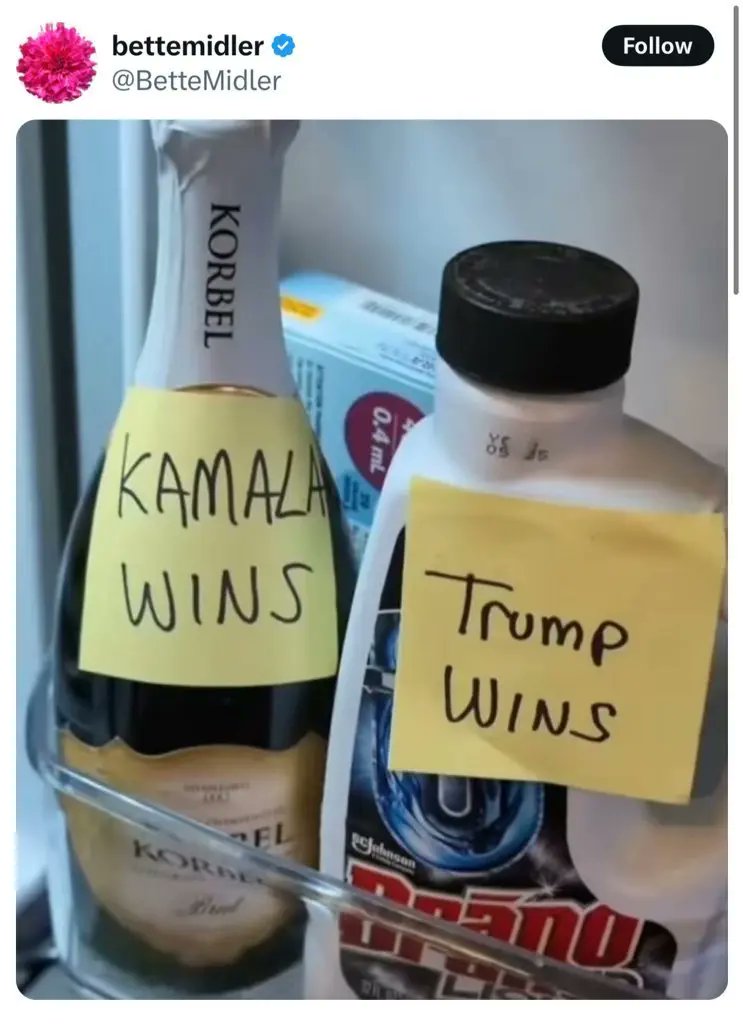
Bette can't be trusted to do anything she says she's going to. After all, she did post a chilled bottle of Drano she was going to partake in if Trump won.
5
157