12h
“The Phone Notification That Made Her Cause a Car Accident”
[A story shared by millions , because it could happen to any of us]
She was only going to glance at it.
That's what she told herself as the familiar buzz vibrated against the center console. A notification. Probably nothing. Maybe something. The light turned green, traffic began to move, and her eyes — just for a second — dropped from the road.
Two seconds later, metal hit metal.
It Happens in Less Time Than It Takes to Read This Sentence
That notification sound creates an almost irresistible urge to check your phone, especially for younger drivers who feel constant pressure to stay connected. We know this. We've been told this. And yet, every single day, millions of us do it anyway — because the brain is wired to respond to alerts like a Pavlovian dog to a bell.
Here's what the data says about that one glance:
Texting while driving creates a perfect storm of distraction — visual, manual, and cognitive — which explains why texting drivers are 23 times more likely to crash than undistracted drivers. Twenty-three times. Not 23 percent. Twenty-three times.
In 2023 alone, there were 3,021 fatal motor vehicle crashes that involved distraction — representing 8% of all fatal crashes nationwide. These crashes involved 3,143 distracted drivers and resulted in 3,275 deaths.
Behind every one of those numbers is someone who thought: it'll just take a second.
What Was the Notification? (It Doesn't Matter — and That's the Point)
Maybe it was a text from her ex. Maybe a like on Instagram. Maybe a food delivery update. Maybe Grok summarizing the latest news on X.
It doesn't matter.
According to the National Safety Council, drivers admit to being distracted more than half of their time behind the wheel. We have normalized dividing our attention at 60 miles per hour as casually as we multitask at a desk. But a desk doesn't have a steering wheel.
Gen Zers and Millennials are involved in 72% of all distracted driving violations. These are the most digitally connected generations in human history — and their phones are literally killing them.
The Silence After the Crash
She sat in the driver's seat, airbag deployed, hands shaking.
No one died — this time. But nearly 290,000 people are injured annually in distracted driving crashes, and these injuries are often severe, including traumatic brain injuries and spinal cord damage leading to lifelong consequences.
The other driver stepped out of their car. A stranger. Someone's parent, someone's child. They were staring at the crumpled hood of their vehicle — the vehicle they'd saved up for, the one they drove their kids to school in every morning.
All because of a notification.
The Phone Knows You're Driving — and Still Pings You
Here's what makes this story enraging: the technology to prevent it already exists.
Apps like DriveMode and Apple Focus automatically block incoming notifications while driving. New cars are being built with AI-powered driver monitoring systems that detect and warn about distracted behavior. Automakers and tech companies are facing growing pressure from regulators to include more distraction-prevention features in future vehicles.
But the social media apps — the ones engineered to be as addictive as possible — have no such defaults. Their business model depends on your attention. Every notification is a hook. Every buzz of that phone is a small voice whispering: you might be missing something important.
You're not.
What's important is the road in front of you.
What She Did After the Crash
She deleted three apps from her phone before the tow truck arrived.
Not permanently. Not dramatically. Just — gone, for now. Because sitting in that driver's seat, breathing hard, watching the other driver make a phone call she couldn't hear, something clicked louder than the airbag had.
No notification in the history of her life had ever been worth this.
2
523

Apr 30
And every genius has no other explanation for being this reckless. What you think?
#Driving #CarLife #DriveMode #CarLovers #RoadTrip #Carsofinstagram
1
5
722

Apr 29
Ini beberapa isu yang leceh pada Proton S70!
#soyacincau #proton #protons70 #protons70mc1 #drivemode
1
13
363


the parasitic loss must be so crazy that they have to add a whole separate drivemode so you don't start slowing down like you hit the brakes whenever you let off the gas
oh wait
Feb 11

German engineering at its finest! A look inside the engine of an Audi 3.0 v6.
12
305

2
2
91
4,795

2 Dec 2025
Blonde model in full drive mode… hair messy, energy high, and that “don’t blink or you’ll miss it” kind of vibe. I swear, when I get like this, someone always ends up wanting a closer look… Are you ready to keep up?
#DriveMode #BlondeModel #WeekendVibes #GoodEnergyOnly #SpicyFeed #ModelLife #PhotoDrop #ViralShots #FYP #TrendingNow #XExclusive #StayTuned
1
13
2,997

16 Nov 2025
2
2
6
106

28 Sep 2025
26 Sep 2025

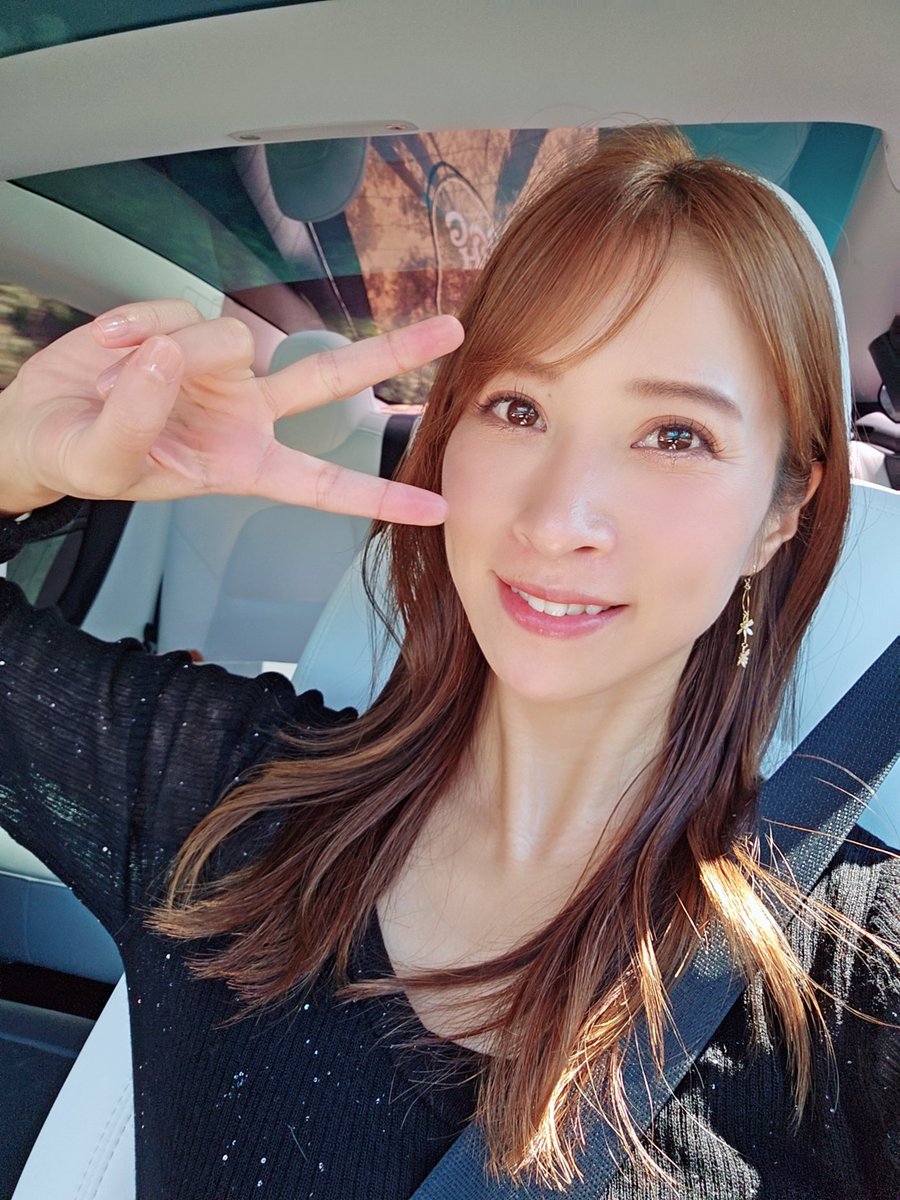
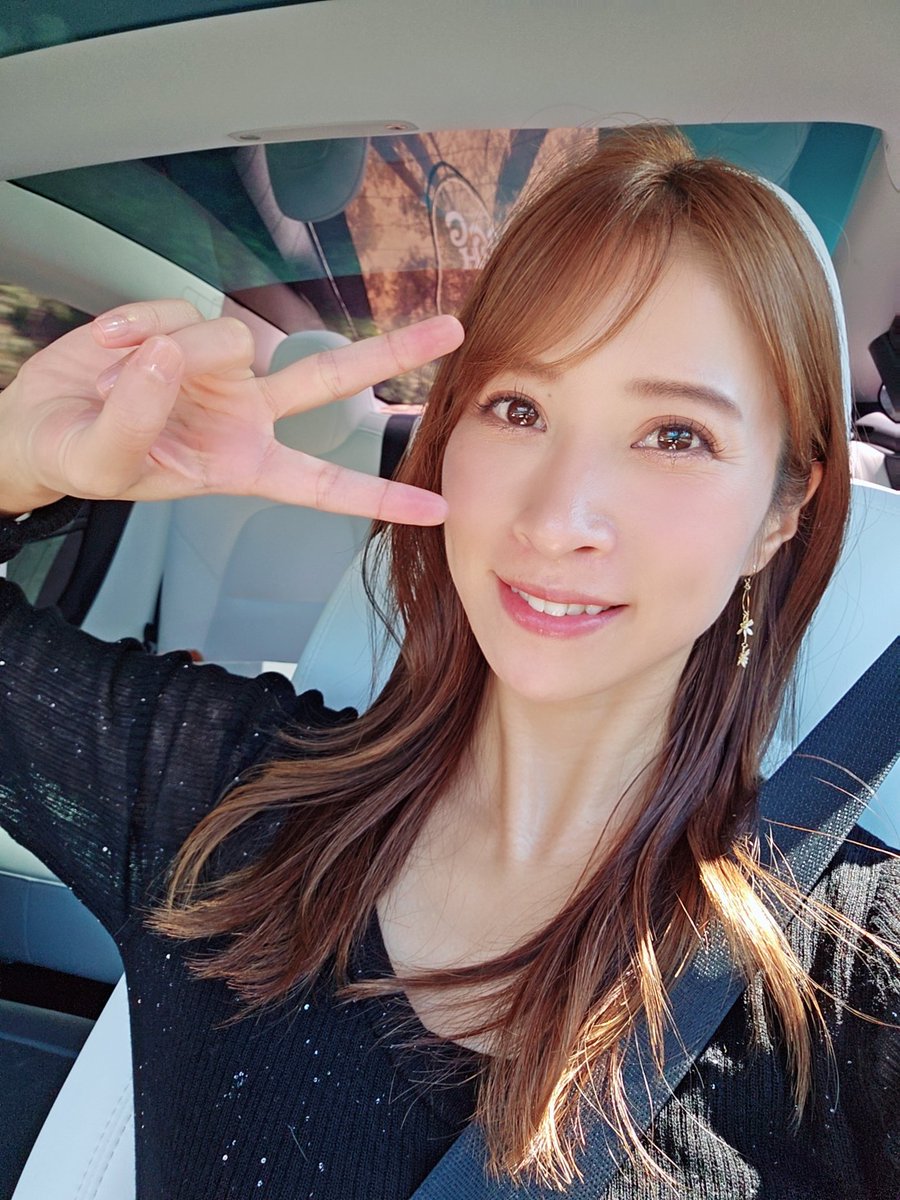
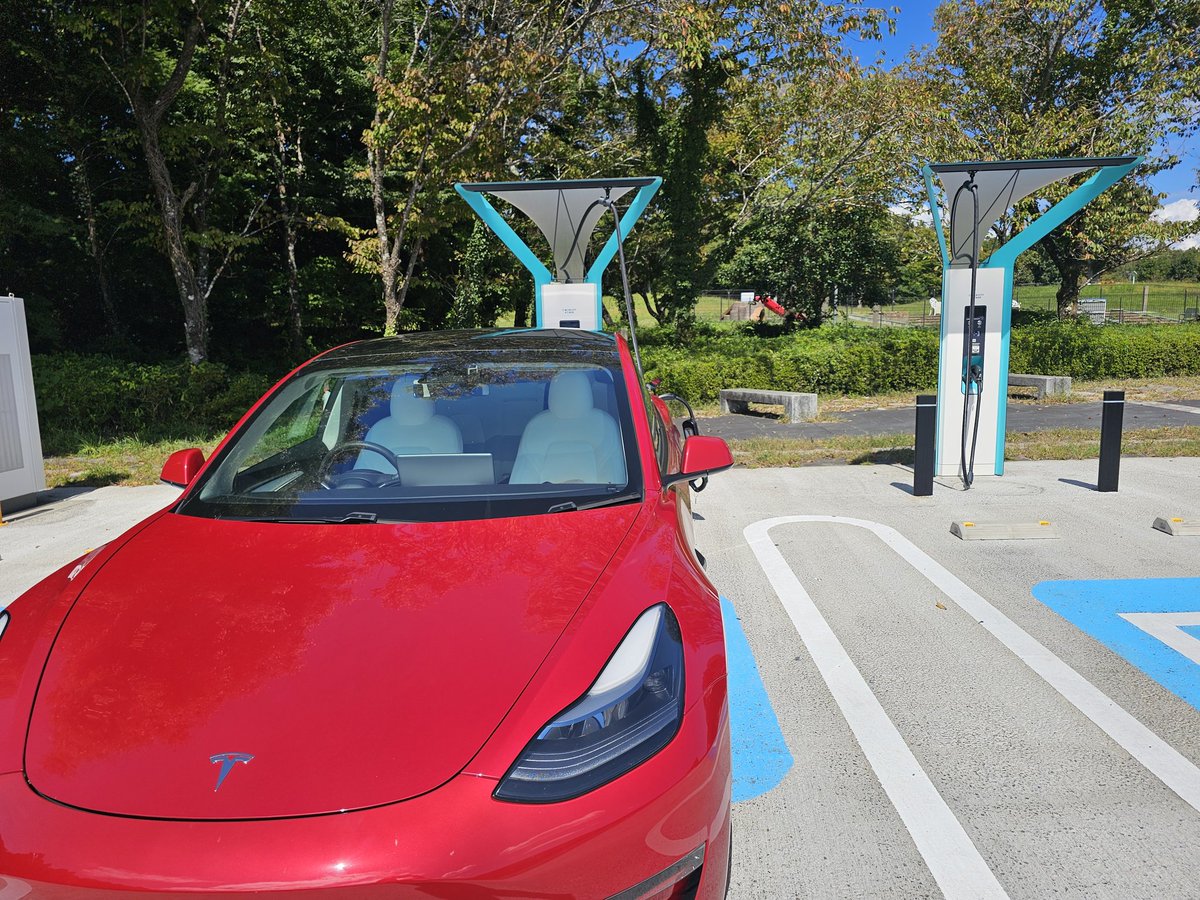
東京~水戸~静岡~東京のテスラドライブ🚘️⚡🔌
往復累計600kmくらいはいったかなぁ🚘️
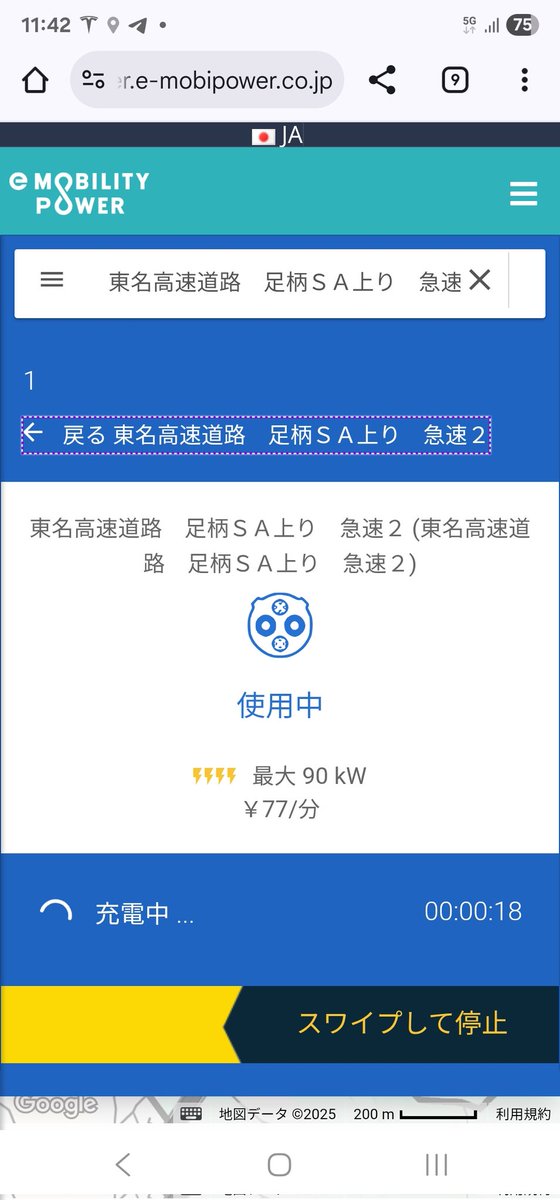
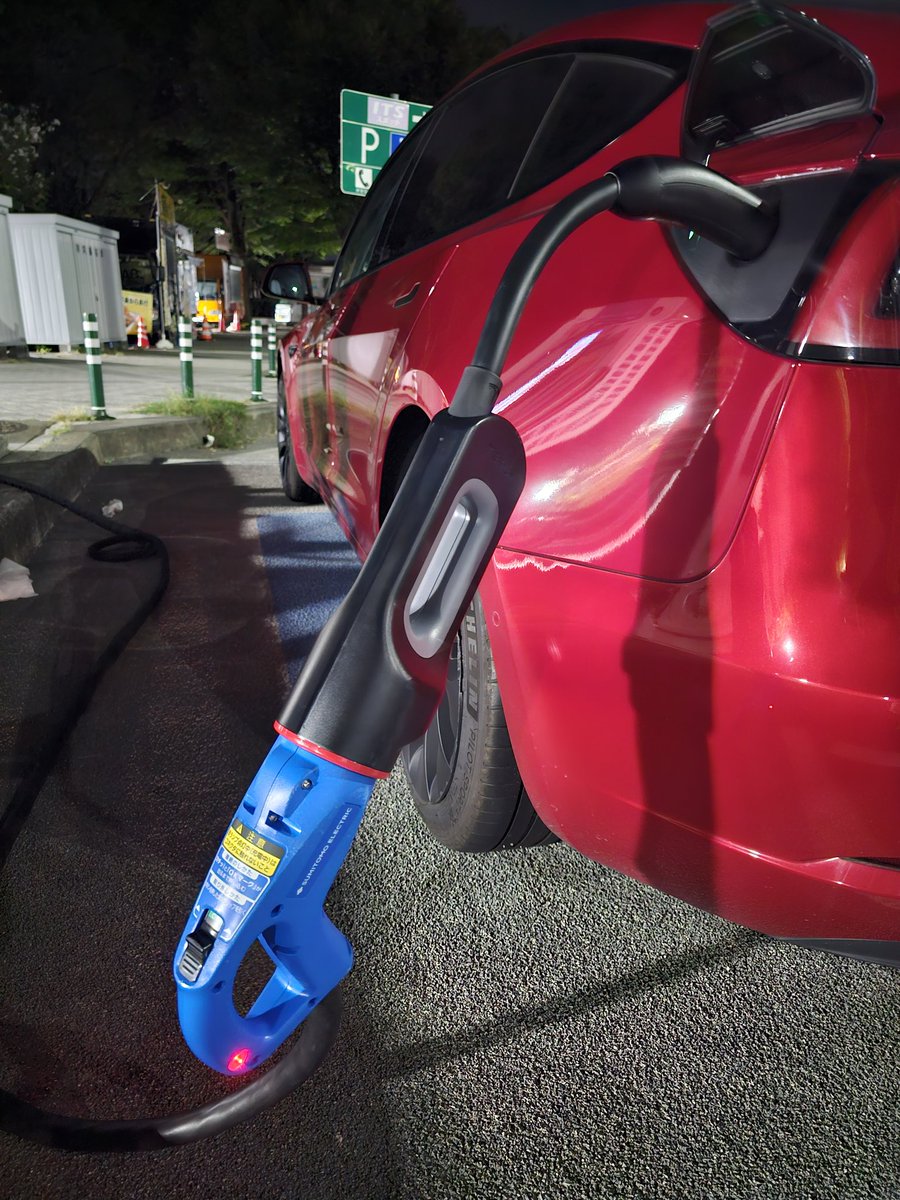
ちょこちょこ5回充電しましたが、高速のSAで休憩がてら15分充電したり、お土産買いがてら焼津SCで充電したり、流山TSUTAYAで寄り道したり、なんだかんだ無理なく楽しくドライブできました~✨
EV充電のサービサーによっては、ひと手間あるところも確かにありますし、地図で故障中が反映されていないとこがあるのも事実です。しかし、今はEV充電器に対してEVが少ないので、わりと優遇されてるなとはおもいます☺️
EVになると充電経路も計画にいれるので、旅計画が楽しくなったり、ふとした寄り道で新たな発見もありますね♪
EV充電器協議会(イーチャ)の理事として、EVをユーザー目線で楽しく便利に✨をモットーに検証続けて参ります😊
#EV #電気自動車 #EV充電 #テスラ #イーチャ
4
174
28 Sep 2025
26 Sep 2025
東京~水戸~静岡~東京のテスラドライブ🚘️⚡🔌
往復累計600kmくらいはいったかなぁ🚘️
ちょこちょこ5回充電しましたが、高速のSAで休憩がてら15分充電したり、お土産買いがてら焼津SCで充電したり、流山TSUTAYAで寄り道したり、なんだかんだ無理なく楽しくドライブできました~✨
EV充電のサービサーによっては、ひと手間あるところも確かにありますし、地図で故障中が反映されていないとこがあるのも事実です。しかし、今はEV充電器に対してEVが少ないので、わりと優遇されてるなとはおもいます☺️
EVになると充電経路も計画にいれるので、旅計画が楽しくなったり、ふとした寄り道で新たな発見もありますね♪
EV充電器協議会(イーチャ)の理事として、EVをユーザー目線で楽しく便利に✨をモットーに検証続けて参ります😊
#EV #電気自動車 #EV充電 #テスラ #イーチャ
3
218

ఈ మోడ్స్ తో మీ కారు మైలేజ్ ఇంకా పెంచుకోండి! How does your Car's Drive Modes Actually Work
watch the video to find out more!
youtube.com/shorts/q69-WbbtB…
#telugucarreviews #carmodes #carinfo #drivingtips #cartech #carkosam #carlovers #drivemode #trip #ontheroad #ecomode #india
2
58

6 Sep 2025
【シリコンバレー起業家】古賀洋吉 Drivemode CEO/失敗のススメ/こんな日本人起業家見たことない!/愛の伝道師か危険人物か/山本康正 youtu.be/_lF-PuMz660?si=tRu-… @YouTubeより
1
7
1,423

5 Sep 2025
安野貴博氏については、複数の情報源から、日本の財閥系企業や特定の宗教団体との明確な関係は確認されていません。氏の経歴は東京大学卒業後、ボストン・コンサルティング・グループ(BCG)での勤務を経て、AI関連スタートアップの創業(Drivemode、Tier IVなど)、SF作家としての活動、そして政治家としてチームみらいの党首を務めるものです。 企業関係では、BCG在籍時に日本企業へのコンサルティングに携わっていた可能性はありますが、特定の財閥(例: 三菱、住友、三井など)との個人的つながりを示す証拠は見当たりませんでした。政治活動では、公明党議員との対談やAIをテーマにした議論が見られますが、これらは政策議論の範疇です。 宗教団体については、ネット上で創価学会や真如苑との関連を指摘する噂が存在しますが、安野氏やチームみらい側は「特定の政党や団体との関係を有していない」と明確に否定しています。 これらの噂は選挙関連の憶測が多く、事実に基づく証拠は乏しいようです。創価学会(質問の「創価学界」はタイポと推測)との関係は特に否定されており、氏の政策(AI活用、経済成長など)は宗教色のないものとなっています。 BCGについては、日本の大手企業や財閥系との深い関係が確認されます。1966年に日本進出以来、伊藤忠商事との合弁会社設立(I&Bコンサルティング)や、三菱商事、三井物産、住友商事、丸紅などの総合商社(旧財閥系)をクライアントとして戦略コンサルティングを提供しています。 これらはデジタルトランスフォーメーション、M&A、事業再生などの分野で、経済産業省などの公的機関とも協力しています。 宗教団体との関係では、創価学会の組織改革やリストラ計画にコンサルティングを提供した過去の言及が見られますが、これはクライアントとしての業務で、BCGが直接所属や提携しているわけではありません。 BCGはグローバルに社会影響や国際開発を扱うコンサルティングも行っており、宗教団体への関与は一般的なビジネス範囲内です。 創価学会との直接的な所属関係はなく、過去のコンサルティング事例が散見される程度です。
1
11
99
44,286

21 Aug 2025
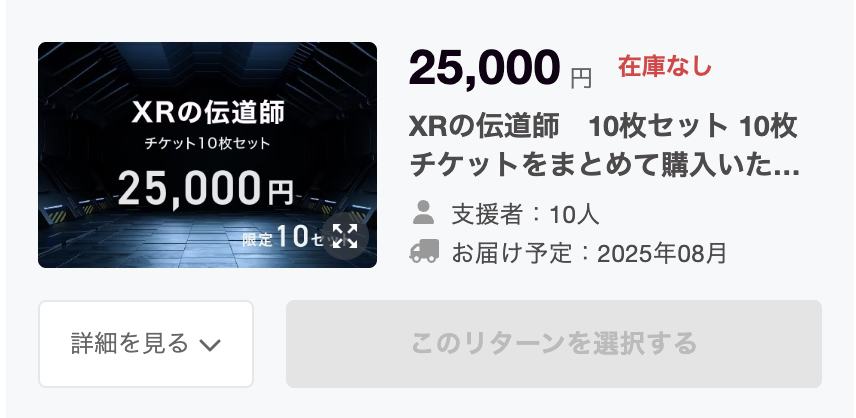
クラファンのXRの伝道師(10枚チケット)プランが売り切れました!ご支援者の皆さま、誠にありがとうございます。
XRの伝道師を紹介します!
Gino 北尾さん ゲーム界隈の起業仲間 @ginoVR_kk
Nonagon capital シリコンバレーの同志 岡本ずしさん @Mavymix
ダイナモアミューズメント バイオハザード、inifinity warsなど数々を手掛ける 小川さん@DynamoAmusement
Drivemode シリコンバレーのメンターで元大手VRのプロマネ 河根さん @TakuKawane
MoguraVR 言わずと知れた最高のVRメディア すんくぼさん @tyranusII
ボードゲームクリエイター 早実中高大の同級生で中学ラグビー部同期 @zakimiyayu
中野の小学校の同級生 Mさん!
Japan Open Chain 本クラファン最大のサポーターで実は早実関連でも! よく奢っていただいてます 稲葉さん
Cinema Leap 横浜immersive journeyが大盛況! @Kanamonomono
ねおあみ 日本で最もVRアトラクションに通い、そして趣味で本まで書き続けているまさに伝道師 @netanker
そして、新たに10セット限定でXRの伝道師を追加しました!
次の10人の伝道師をお待ちしております!!
1
5
8
745

14 Aug 2025
10
24

28 Jul 2025
9
377

13 Jul 2025
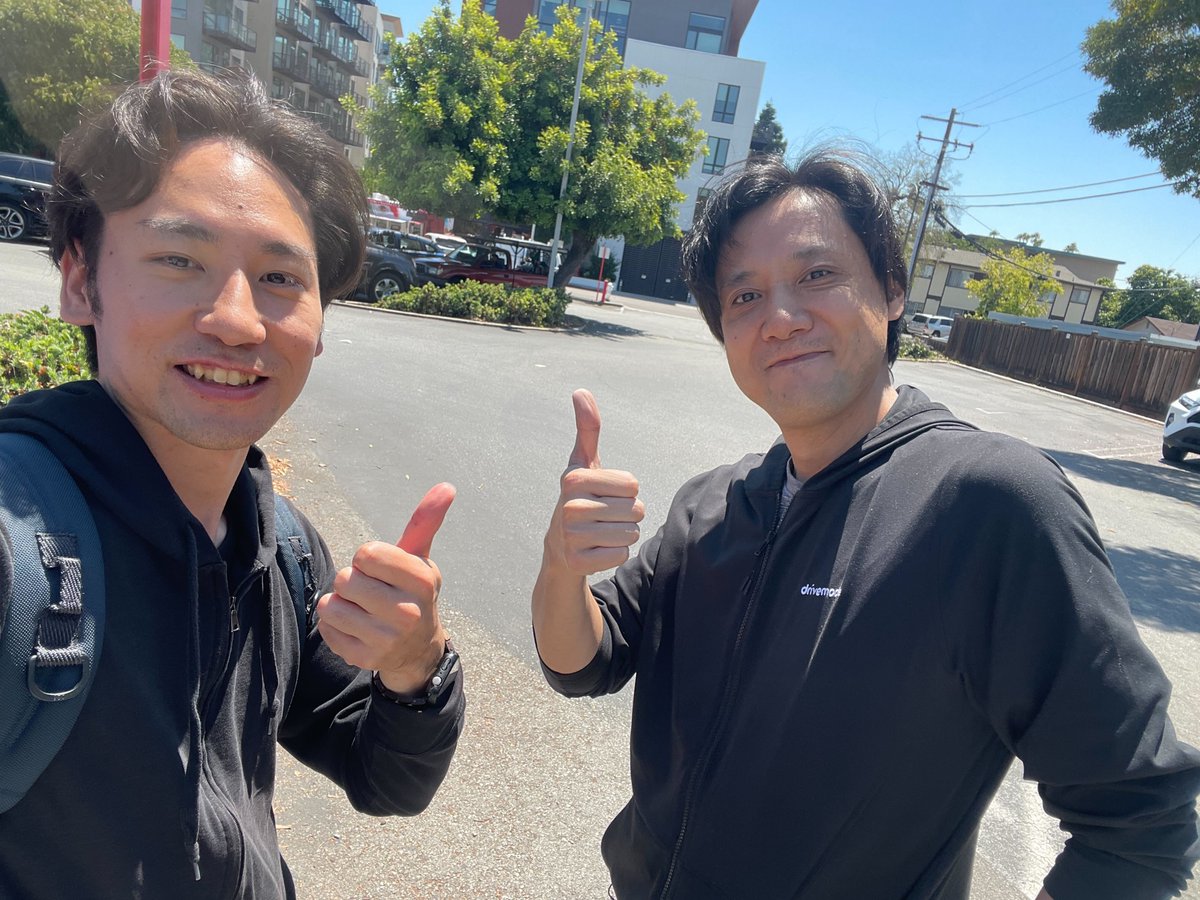
So inspired by my chat with @yokichi (Drivemode founder, Honda software lead). His insights on avoiding "mimetic desire" and finding your own path to happiness really hit home for my mission of maximizing human potential. Admire his incredibly balanced leadership.
3
304

12 Jul 2025
3-DOPAMİNİN EFENDİSİ OL.
Dopamin senin kılıcın olabilir — ya da zincirin.
Onu sen yöneteceksin, o seni değil.
Yoksa “sıkıldım” diyen zayıflardan biri olursun.
Uygulama:
-Sabah: güneş kafein DriveMode™
-Günlük 1 ana hedef: yaz, yap, bitir
-Topraklan, yeni yerler keşfet, yalnız ve izole kalma.
-Sosyal medya detoksu yap - çöp içerik tüketme.
-Akşam: mavi ışık yok, meditasyon L-theanine
-Niasin (flush), sessizlik, yürüyüş = dopamin dengeleme
-Anlık hazlar yerine derin, uzun vadeli hedefler
Dopamin kontrolü = hayat kontrolü
1
1
19
3,158