
Jun 12
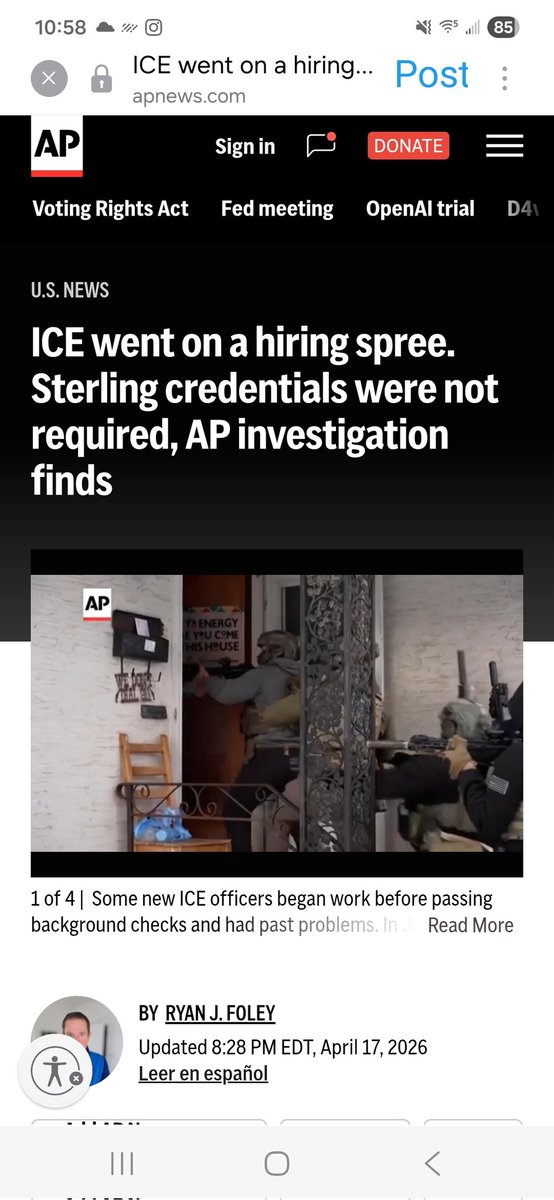
Made up of unprofessional, improperly trained thugs and traitors nowadays it seems. #ICEGESTAPO #ICELawlessness #FightFascism #DueProcessMatters #TheConstitutionMatters
1
6
21
523

Jun 9
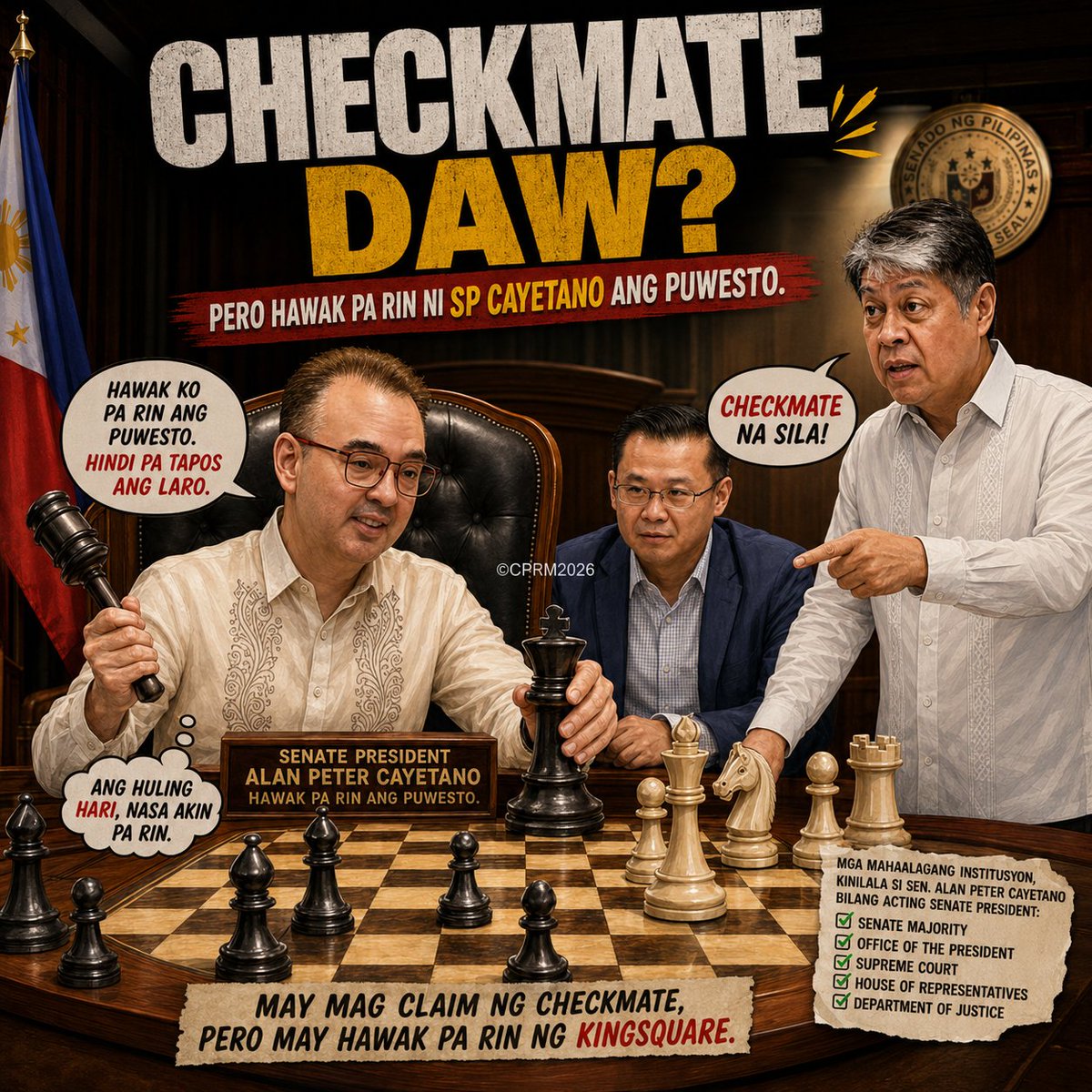
Checkmate? Cayetano still controls the game
#CheckmateDaw #Senado #SPCayetano #KikoPangilinan #WinGatchalian #SenateLeadership #PHPolitics #RuleOfLaw #DueProcessMatters #PoliticalCommentary #CPRMRadio #HomeOfOPM
12
Jun 8
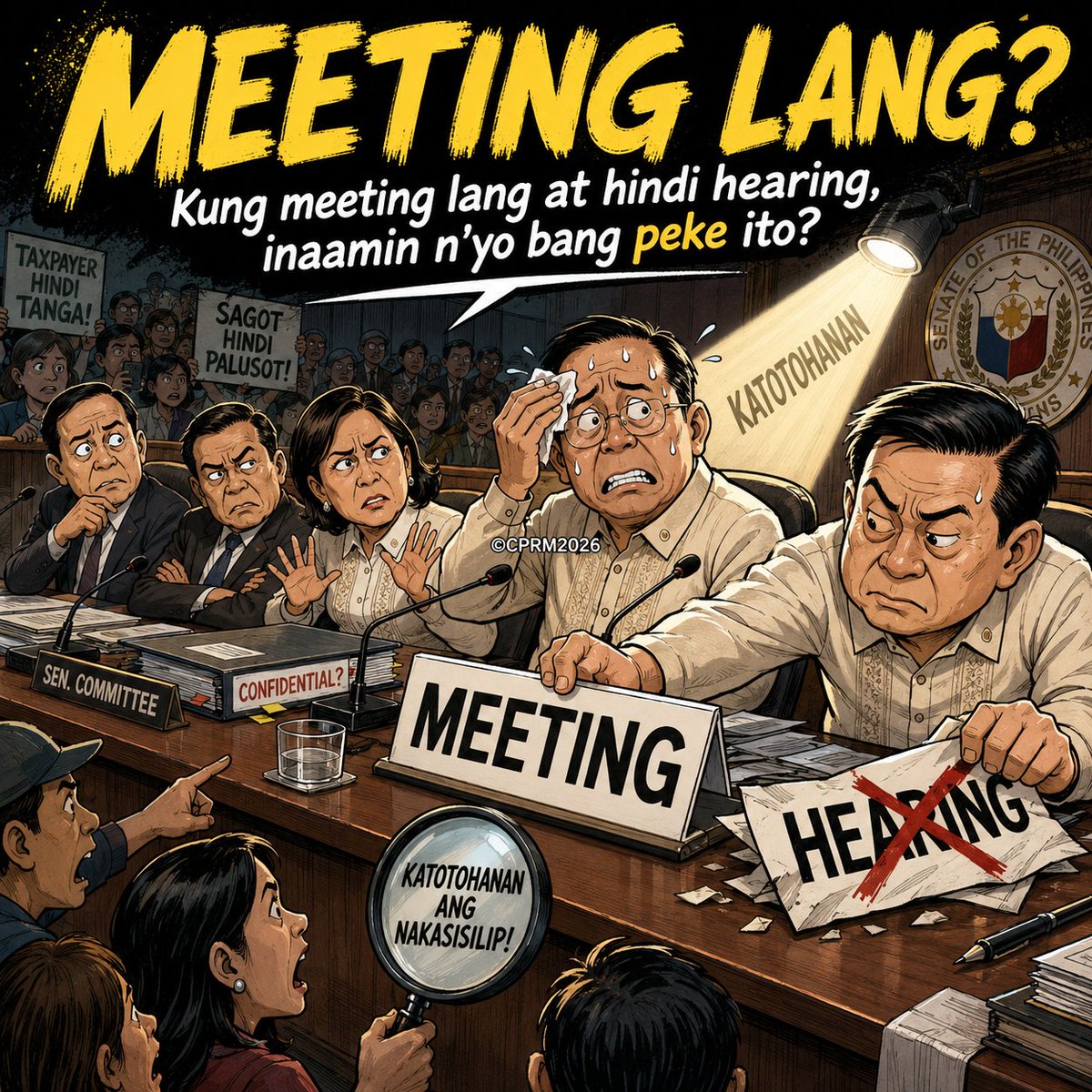
kung MEETING LANG... THEY ADMIT NA?
#MeetingLang #HindiHearing #FakeProcess #SenateDrama #KatotohananAngNakasisingil #AccountabilityNow #PublicTrust #DueProcessMatters #TaxpayersMoney #GoodGovernance #PoliticalCommentary
24
Jun 7
Quorum Is Math, Not Malacañang Magic
You cannot use 12 senators to replace a seat that the Constitution protects with 13.
Atty. Suplico’s explanation goes straight to the point: if the Senate has 24 members, then the constitutional majority is 13. Quorum is not a political shortcut. It is a number written into the rules of democracy.
If the Constitution requires majority of all members, then no amount of political pressure, palace backing, or legal twisting can magically turn 12 into 13.
Quorum is math. Leadership legitimacy must follow the Constitution.
Video Credit: Atty. Rolex Suplico
#SenateQuorum #ConstitutionMatters #RuleOfLaw #MajorityOfAllMembers #SenatePresident #DueProcessMatters #QuorumIsMath #PHPolitics #GoodGovernance #Accountability
1
6
2,051
Jun 7
Atty. Quimco: Dili Cayetano vs. Gatchalian — Balaod ang Sukaran
Ang punto ni Atty. Quimco klaro: dili ni personalidad, dili ni kampo, dili ni Cayetano vs. Gatchalian. Balaod ni.
Kung gray area pa unta, adto sa Supreme Court. Pero kung ang 1987 Constitution ug Senate Rules mismo nag-ingon nga ang Senate President pilion sa majority of all members, lisod na ni tuyukon. Sa 24 ka senador, ang majority is 13. Dili 11. Dili 12. Trece.
Mao ni ang rason nganong delikado ang “present members” logic. Kay kung ang bilang mausab depende sa kinsa ang absent, preso, nagtago, o gipugos sa pulitika, mahimo nang dulaan ang Senado. Ug kung ang Senado mahimo rang sunod-sunoran sa Malacañang, patay ang check and balance.
Ang “all members” dili dekorasyon sa Constitution. Panalipod na batok sa diktadura, maniobra, ug power grab.
Sa balaod ta. Dili sa palasyo. Dili sa paksyon. Dili sa palusot.
Video Credit: Atty. Vermin Quimco of Lanao del Norte
#SenateQuorum #RuleOfLaw #1987Constitution #MajorityOfAllMembers #DueProcessMatters #ChecksAndBalances #ConstitutionFirst #ProcessNotPolitics #GoodGovernance #PublicTrust
45
Jun 7
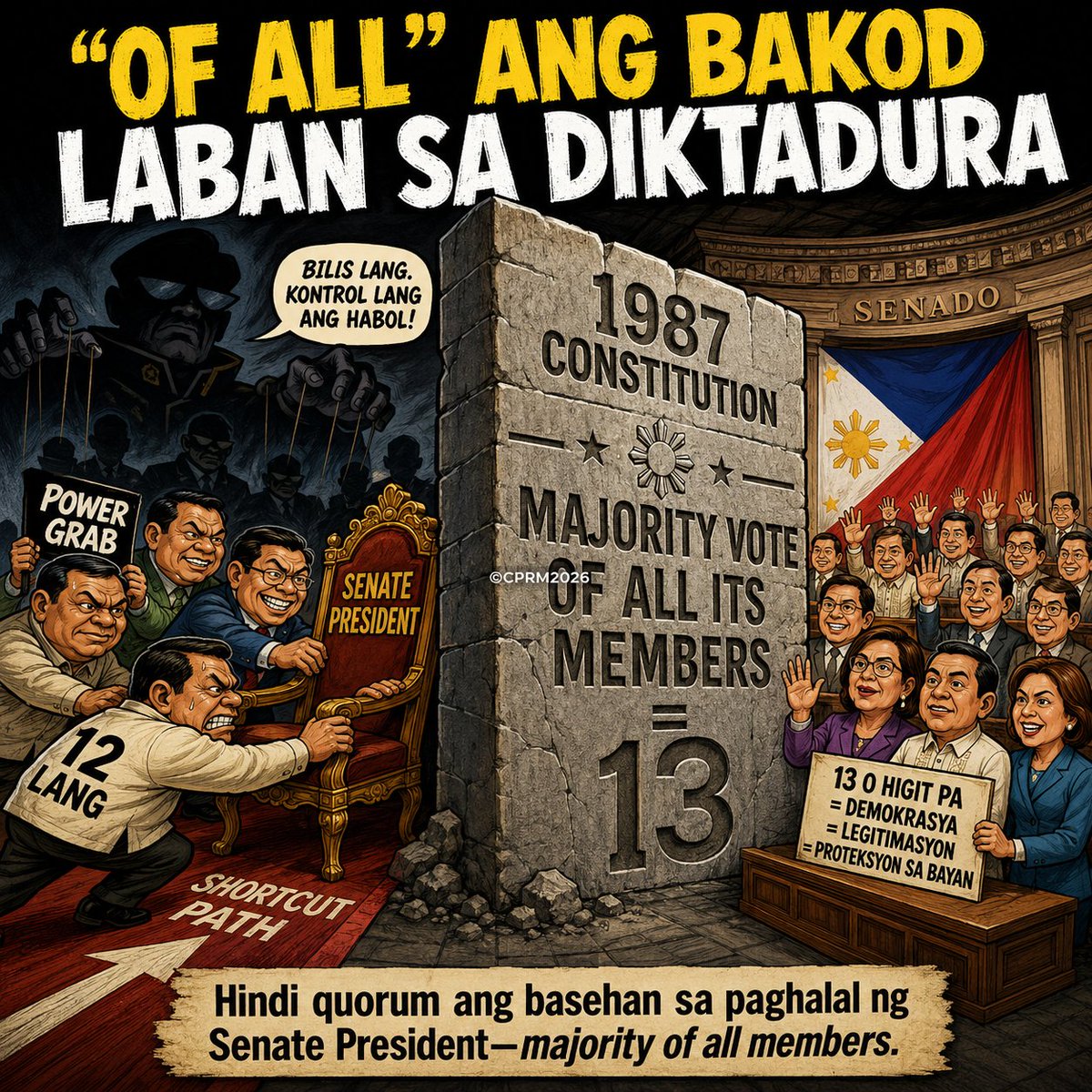
“OF ALL” ANG BAKOD LABAN SA DIKTADURA
The 1987 Constitution did not accidentally add the phrase “by a majority vote of all its Members.”
That wording was born from history.
After dictatorship, after one-man rule, after institutions were bent by power, the Constitution was written to make sure that leadership in Congress cannot be captured by shortcuts, walkouts, pressure, or political magic tricks.
Sa 1935 Constitution, walang malinaw na “of all.”
Sa 1987 Constitution, nilagay na mismo: majority vote of all members.
That means the Senate President is not chosen by whoever remains in the room. Not by 12 claiming they are enough. Not by convenience. Not by palace whisper. Not by political arithmetic.
With 24 senators, the number is 13.
The word “all” is not decoration.
It is a constitutional guardrail.
Kapag binalewala ang “of all,” binubutas mo mismo ang proteksyon na inilagay matapos ang diktadura.
#ConstitutionFirst #MajorityOfAll #RuleOfLaw #SenatePH #NoShortcutToPower #DueProcessMatters #ChecksAndBalances #GuardrailsAgainstDictatorship #PublicTrust #GoodGovernance
9
Jun 7
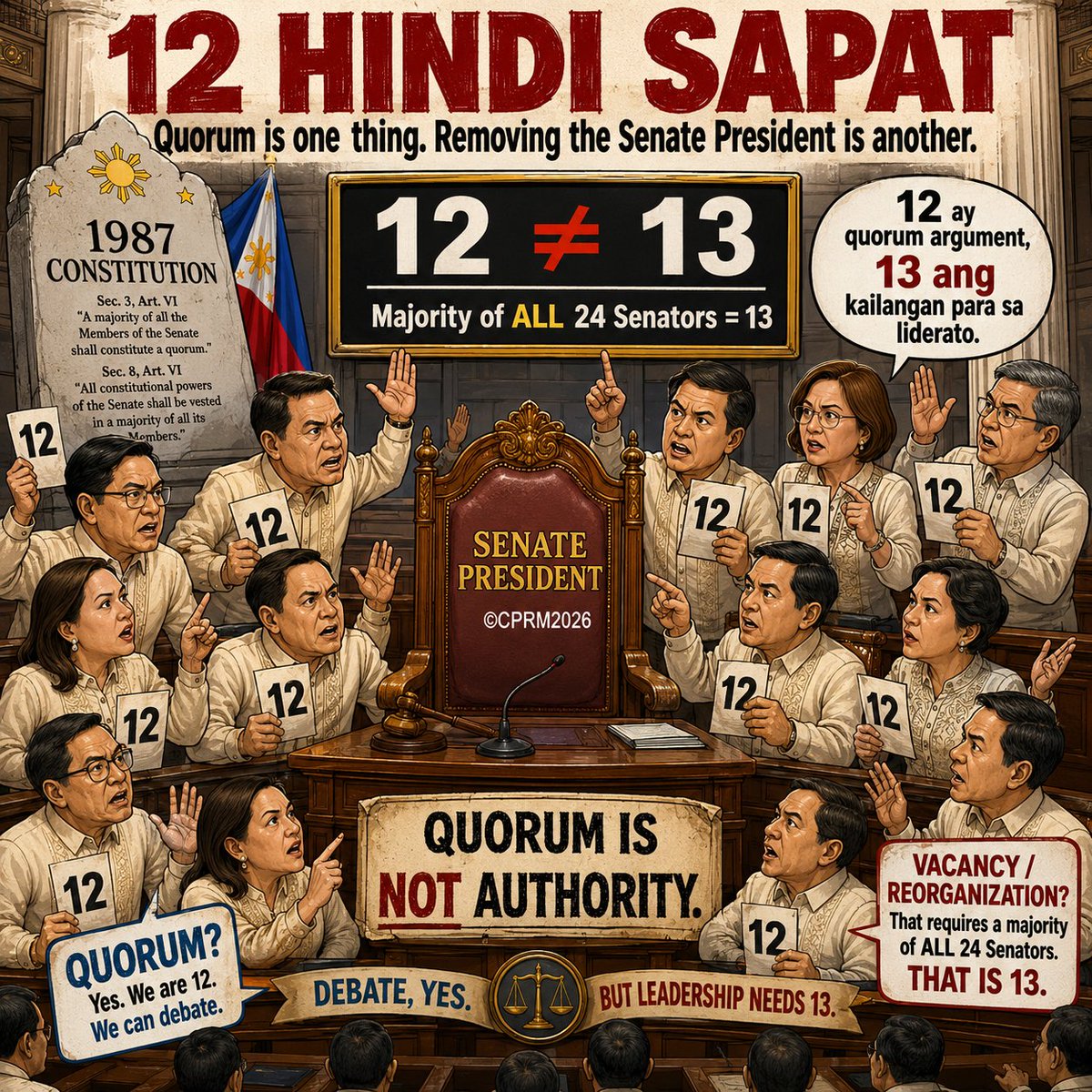
12 AY QUORUM ARGUMENT.
13 ANG KONSTITUSYONAL NA BATAYAN.
Dito dapat malinaw ang guhit.
Puwedeng sabihin ng isang grupo na sapat ang 12 senador para magkaroon ng quorum. Sige, ibang usapan iyon.
Pero ang pagdedeklara na bakante ang posisyon ng Senate President ay hindi ordinaryong negosyo ng Senado. Iyan ay aktwal na pagtanggal o pagpapalit sa liderato ng isang constitutional body.
Malinaw ang 1987 Constitution: ang Senate President ay dapat mahalal sa boto ng majority ng lahat ng miyembro ng Senado. Kung 24 ang Senado, ang majority ay 13 — hindi 12.
Kung hindi mo kayang maghalal ng Senate President gamit ang 12 boto, hindi rin dapat puwedeng magtanggal ng Senate President gamit ang 12 boto sa pamamagitan lang ng tawag na “vacancy” o “reorganization.”
Kung papayagan iyan, magiging shortcut game ang Konstitusyon. Ang hindi kayang gawin diretso, gagawin sa likod ng procedural maneuver.
Ang kapangyarihan ay hindi nagiging lehitimo dahil lang nagtagumpay. Nagiging lehitimo lang ito kapag ginawa ayon sa Konstitusyon at rule of law.
12 ay maaaring pambukas ng session.
13 ang kailangan para baguhin ang liderato.
#SenatePH #ConstitutionFirst #RuleOfLaw #DueProcessMatters #QuorumIsNotAuthority #13VotesMatter #GoodGovernance #ChecksAndBalances #PoliticalCommentary
1
27
Jun 7
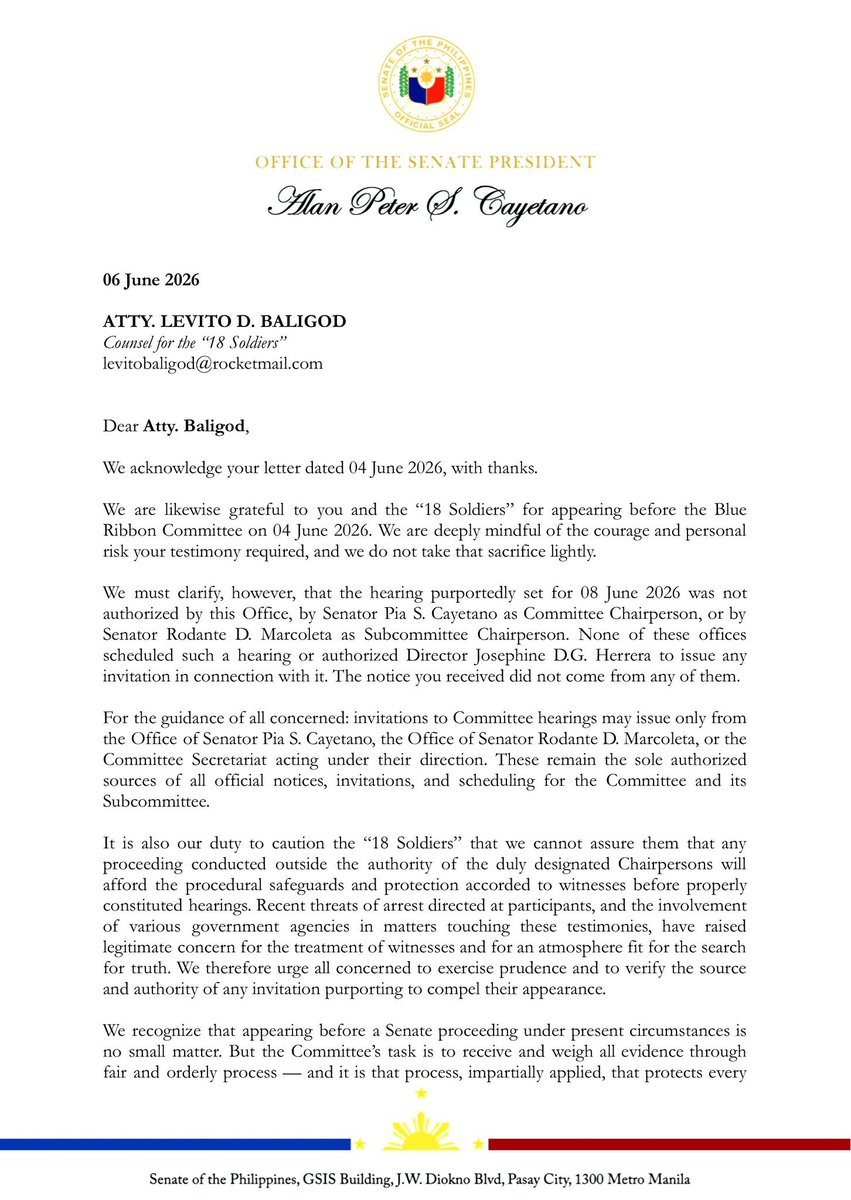
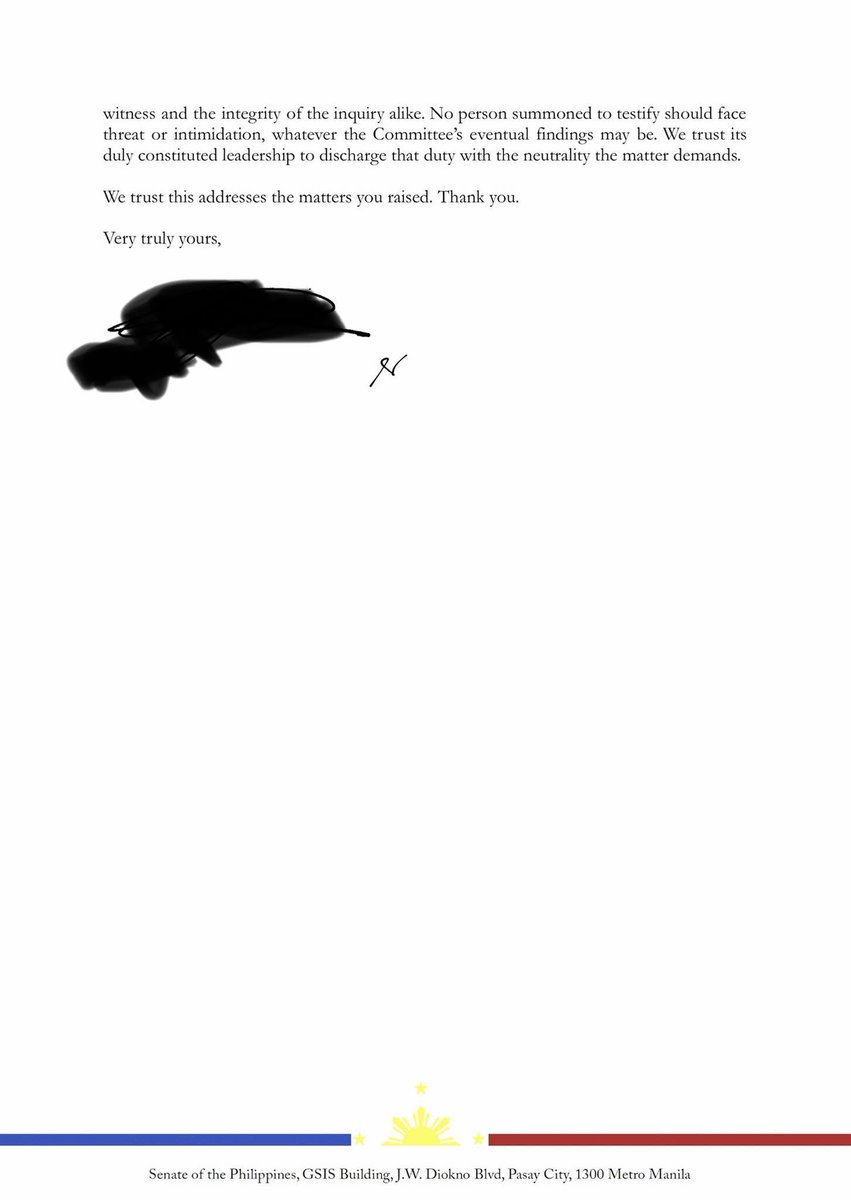
CAYETANO WARNS “18 SOLDIERS”: JUNE 8 HEARING NOT AUTHORIZED
This letter from the Office of the Senate President raises a serious issue: who really has authority to call the hearing involving the “18 Soldiers”?
On paper, it is framed as protection for witnesses and proper procedure. But in the middle of a divided Senate, it also looks like a warning shot — a reminder that even witnesses may now be caught in the power struggle.
When the search for truth becomes tangled in a fight over authority, the public loses confidence. The Senate must be clear, transparent, and consistent. Witnesses should not be confused, intimidated, or used as pawns in an internal political battle.
Process matters. But process should never become a weapon to bury the truth.
#SenatePH, #BlueRibbonCommittee, #18Soldiers, #AlanCayetano, #PiaCayetano, #RodanteMarcoleta, #WitnessProtection, #DueProcessMatters, #RuleOfLaw, #PublicTrust, #PoliticalCommentary
25
Jun 7
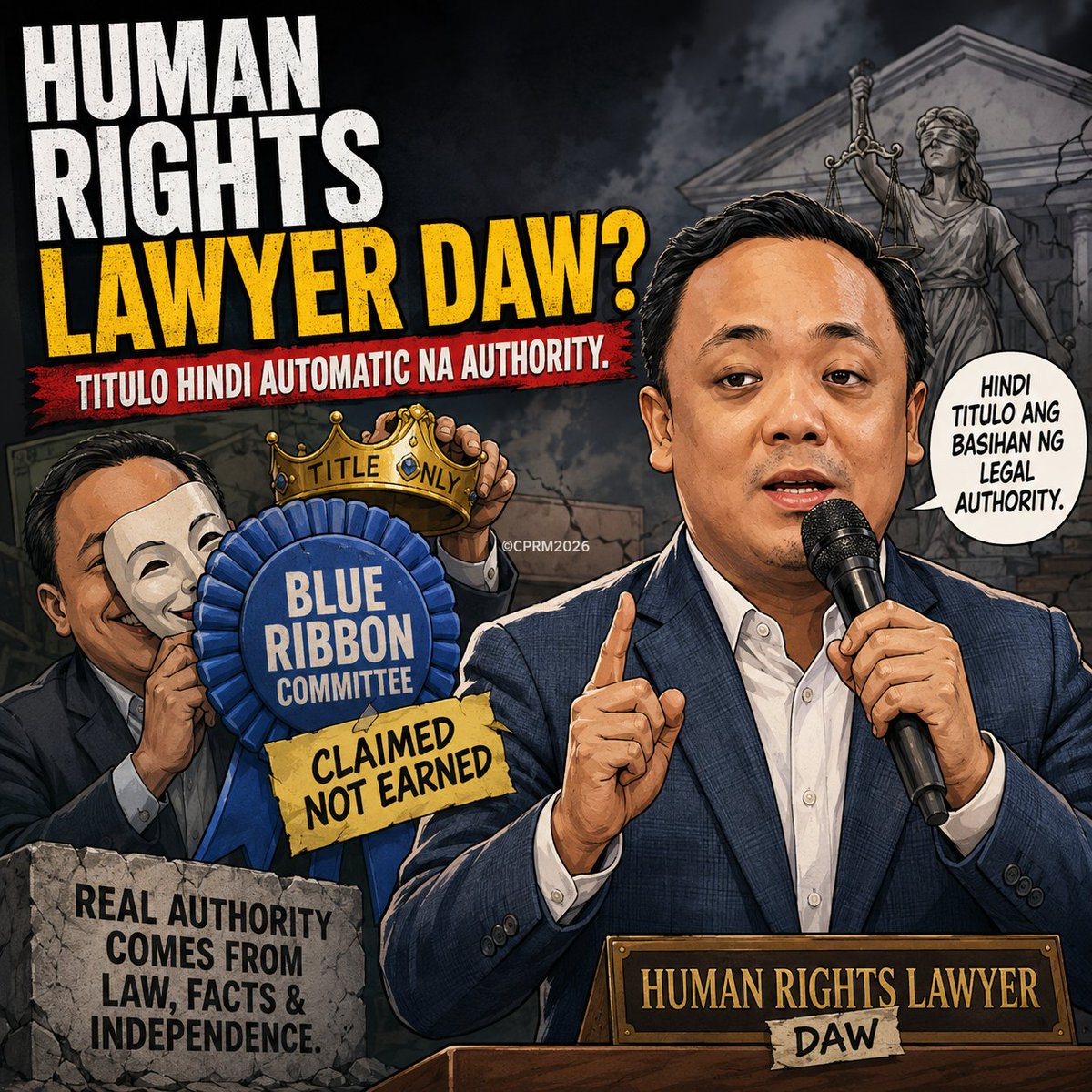
Titulo Hindi Katibayan, Abogado Hindi Automatic na Tama
“Human rights lawyer daw.”
Okay. Pero sa usapin ng Senado, hindi titulo ang final authority — batas, rules, at jurisdiction ang sukatan.
Kahit abogado ka, kahit anong label pa ang ikabit sa pangalan mo, hindi ibig sabihin ay immune na sa tanong. Kung sinasabing may “usurpation of authority,” ilatag ang malinaw na legal basis. Hindi sapat ang matapang na salita. Hindi sapat ang TV quote. Hindi sapat ang credential.
Ang Blue Ribbon Committee ay hindi costume na isuot kapag convenient. Hindi rin ito kulay na puwedeng angkinin dahil lang gusto mong magmukhang may kapangyarihan.
Hard cut: ang tunay na legal argument hindi umaasa sa titulo ng nagsasalita. Umaasa ito sa batas.
Kaya ang tanong ng bayan:
May authority ba talaga — o may nagpapanggap lang na meron?
#BlueRibbon #SenatePH #LegalAuthority #RuleOfLaw #DueProcessMatters #PublicTrust #Accountability #PhilippinePolitics
11
Jun 1
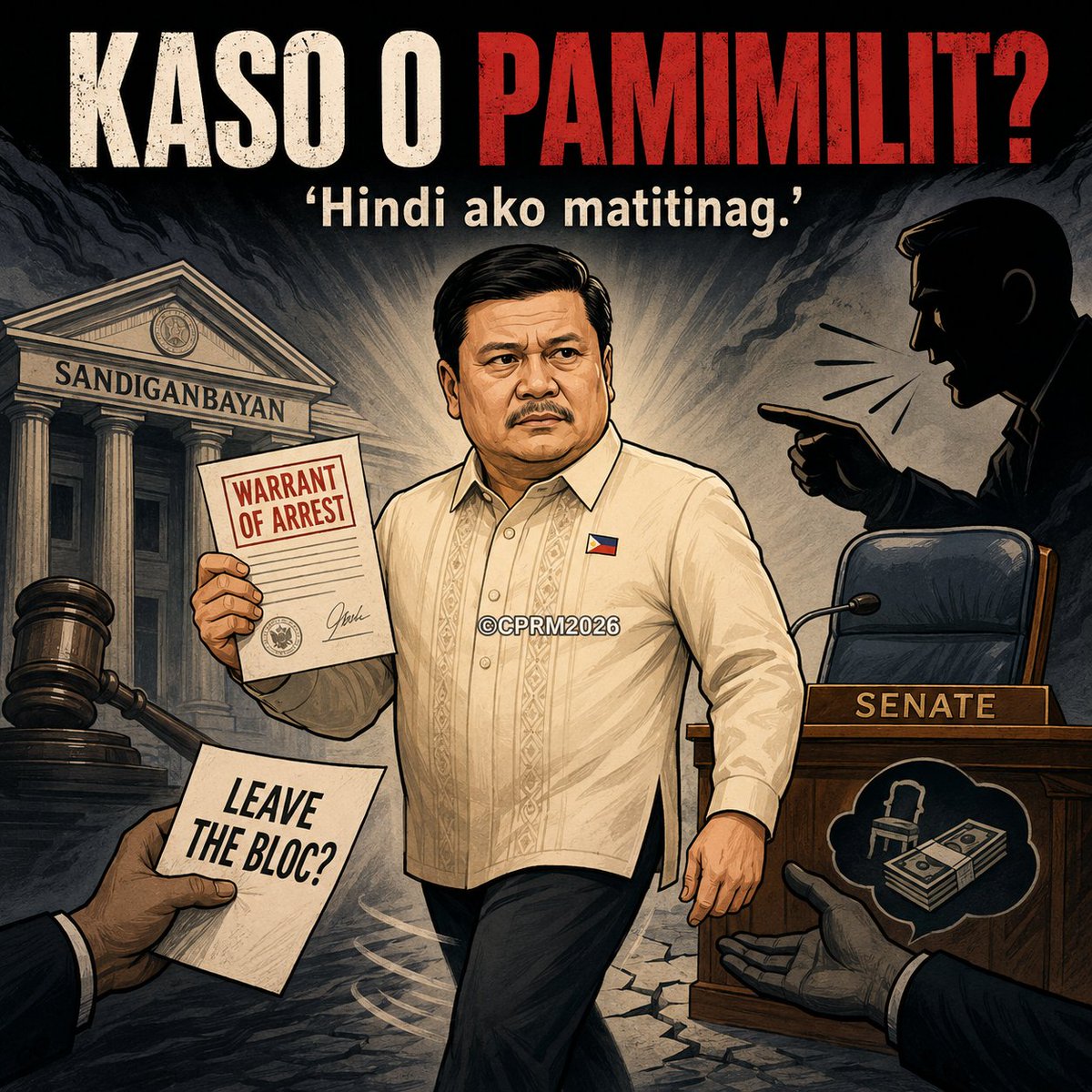
“Kaso o Pamimilit? Estrada Says He Won’t Leave the Majority Bloc”
A warrant is one thing.
But the bigger issue here is the claim behind it.
Sen. Jinggoy Estrada says he was offered a deal: leave the independent majority bloc and the case would supposedly be dropped. If true, that is no longer just a legal issue. That becomes a question of political pressure.
He also says he will not seek Senate custody, will not use the institution as a shield, and even asked that his salary be put on hold while he clears his name. That is a direct answer to those saying officials hide behind power when cases come.
Now the public deserves two things: due process in court, and the truth behind the alleged pressure.
If the case is strong, prove it in court.
If the pressure is real, expose who is behind it.
Because the Senate cannot call itself independent if cases become tools to move votes.
#DueProcessMatters #SenateIndependence #Sandiganbayan #FloodControlScandal #PoliticalPressure #RuleOfLaw #AccountabilityWithProof #PhilippinePolitics #GoodGovernance #PublicTrust
1
3
6
780
May 30
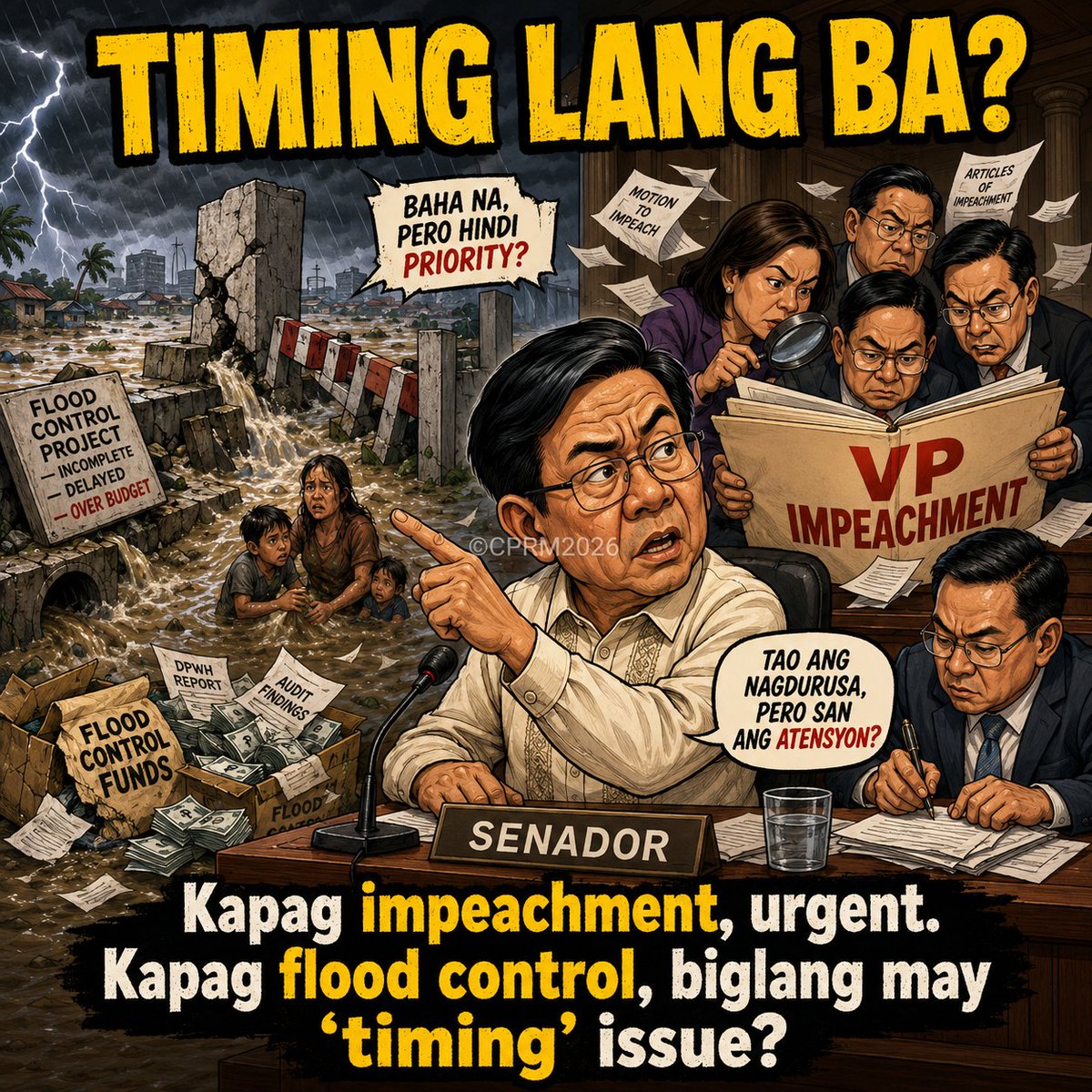
Kapag Impeachment, Dali-Dali. Kapag Flood Control, “Timing” Ang Problema?
The question should not be “why now?”
The real question is: why not now?
Kung bilyon-bilyong pondo ng flood control ang pinag-uusapan, hindi puwedeng sabihing “wrong timing” dahil may impeachment. Public money does not wait for political convenience. Taxpayers do not pause their suffering because politicians want only one scandal on the table.
Yes, the Senate must handle the VP impeachment properly. Due process must be followed. But flood-control corruption is also a public-interest issue. Kung may anomalya, ghost project, kickback, o palpak na proyekto, dapat imbestigahan—hindi tabunan.
Kaya nakakatawa ang timing argument. Kapag kalaban ang target, urgent. Kapag sariling bakuran ang posibleng tamaan, biglang “focus muna tayo.”
No. The Senate can walk and chew gum. Impeachment deserves process. Flood-control corruption deserves daylight.
Accountability is not selective.
Thank you, Lord, for everything.
#FloodControl #InfrastructureAccountability #TaxpayersMoney #PublicSpending #EvidenceOverPolitics #DueProcessMatters #GoodGovernance #PublicTrust #AccountabilityWithProof
1
2
30

We need to actively call the Democrat leaders and let them know our POV on what they are saying and doing publicly about Eric. Why do we always eat our own? Is anyone else sick of this shit?
#FloodThePhoneLines #DueProcessMatters
21
37
62
1,392

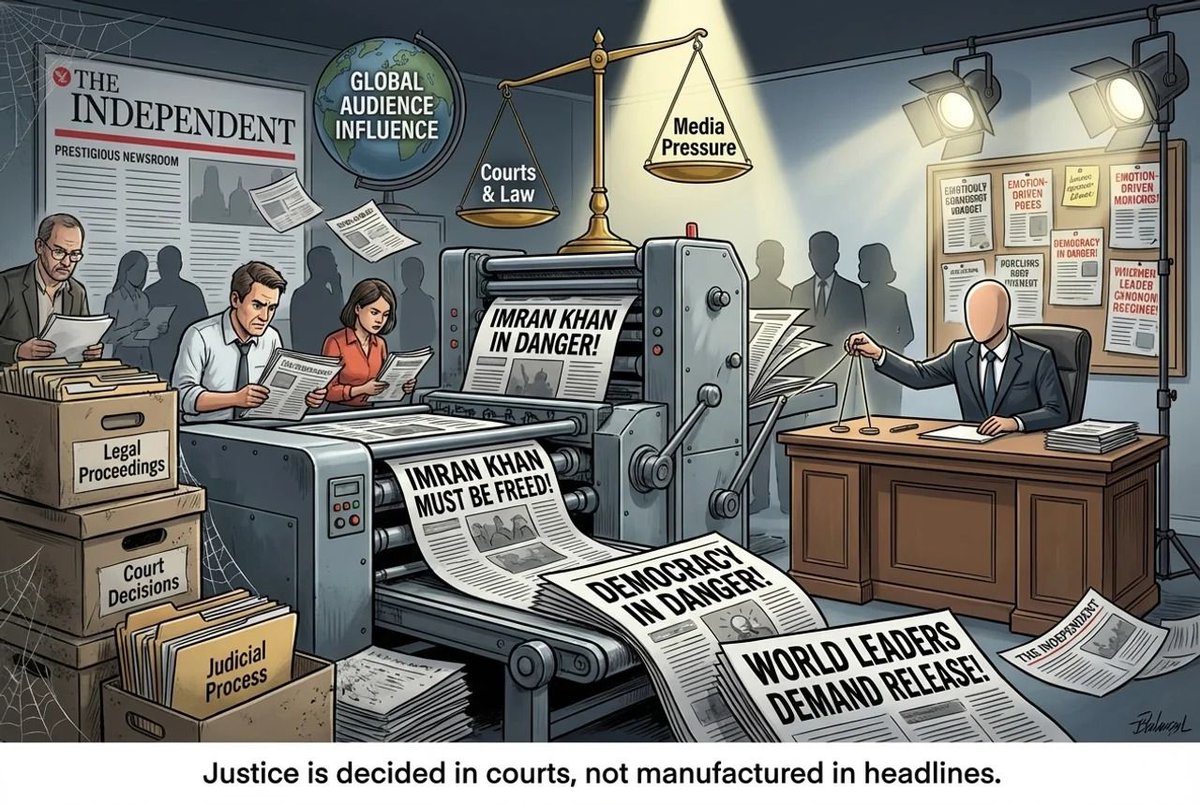
قانون پہلے، بیانیہ بعد میں۔
عمران خان کا معاملہ عدالتوں میں ہے—فیصلہ بھی وہیں ہوگا، کالمز یا لابنگ سے نہیں۔
ریاستیں اداروں سے چلتی ہیں، کسی ایک فرد سے نہیں۔
#DueProcessMatters #NoOneAboveLaw #LegalNotPolitical
17
15
115

Mar 31
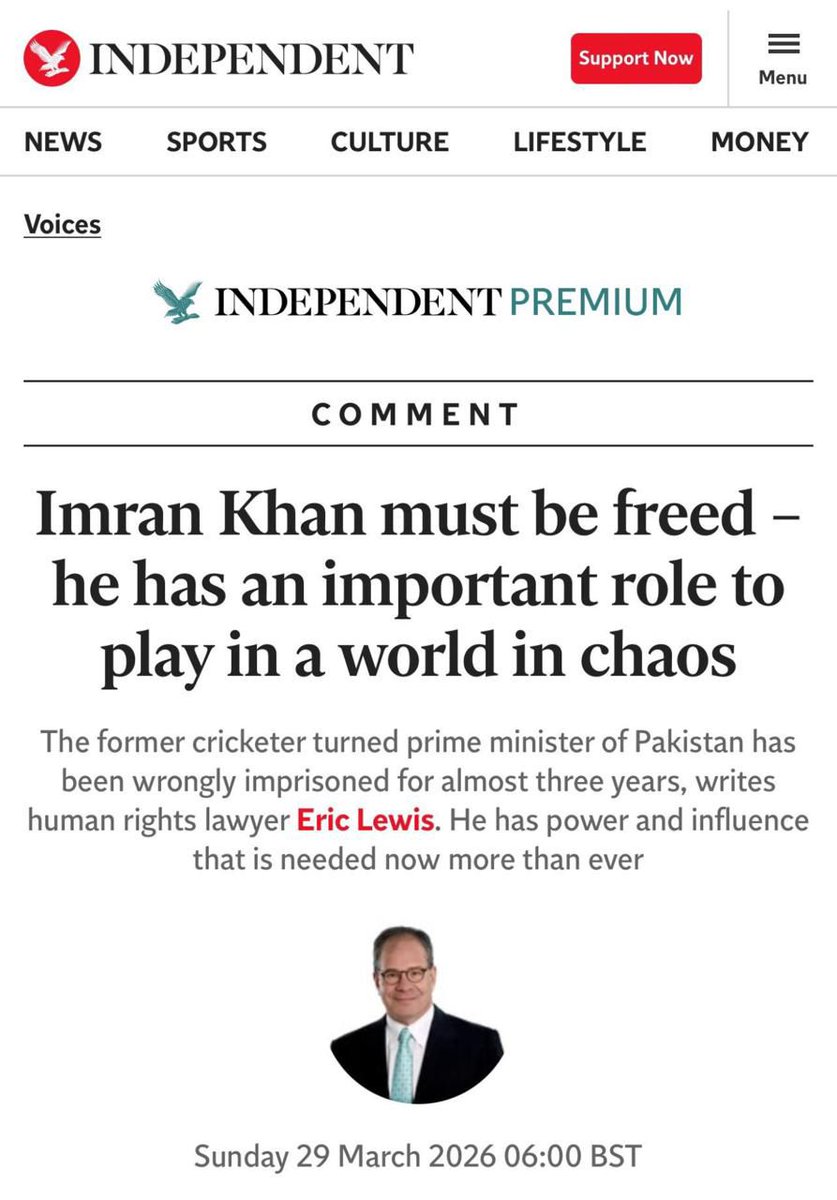
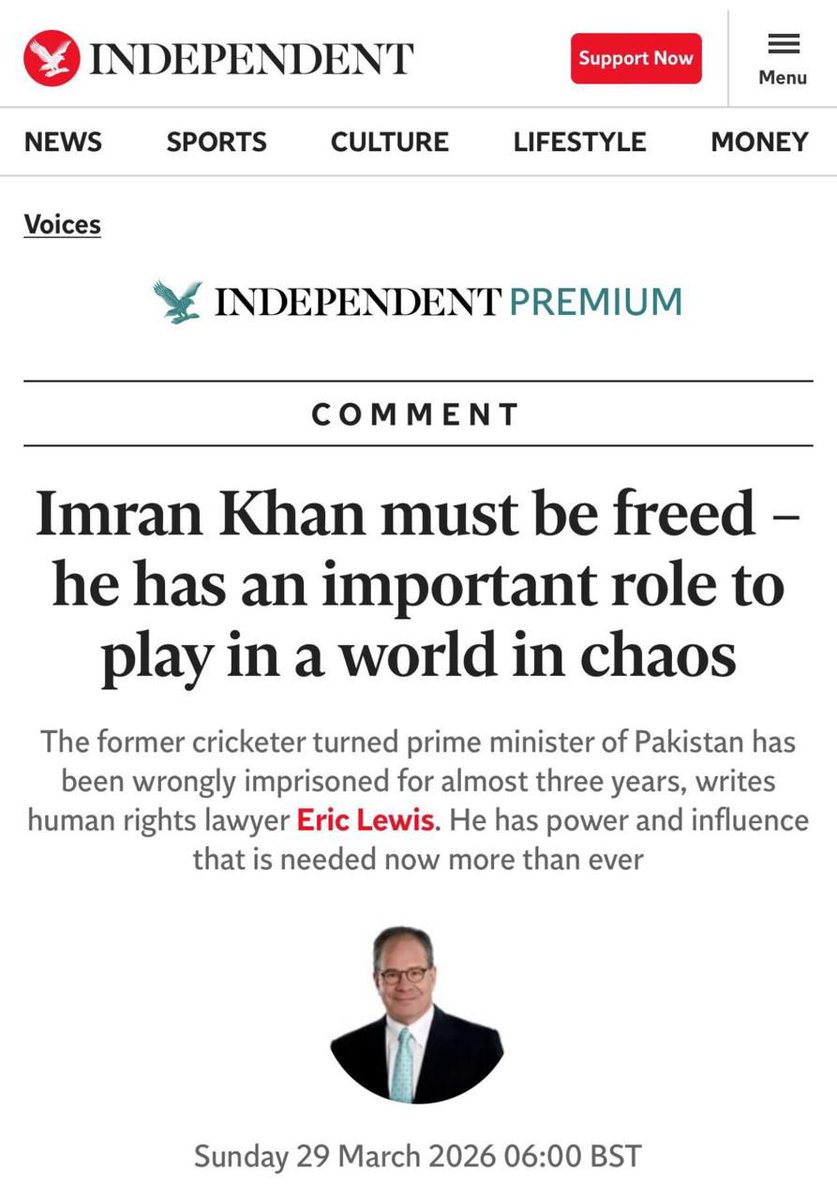
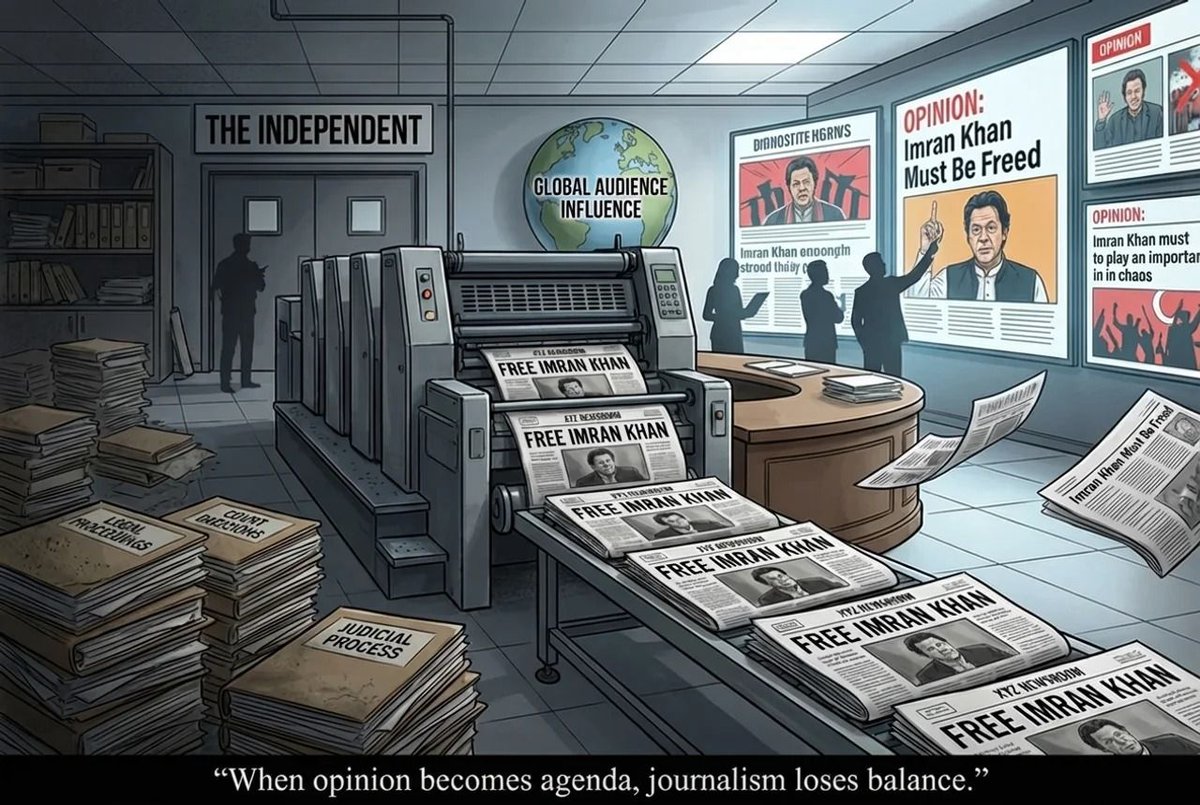
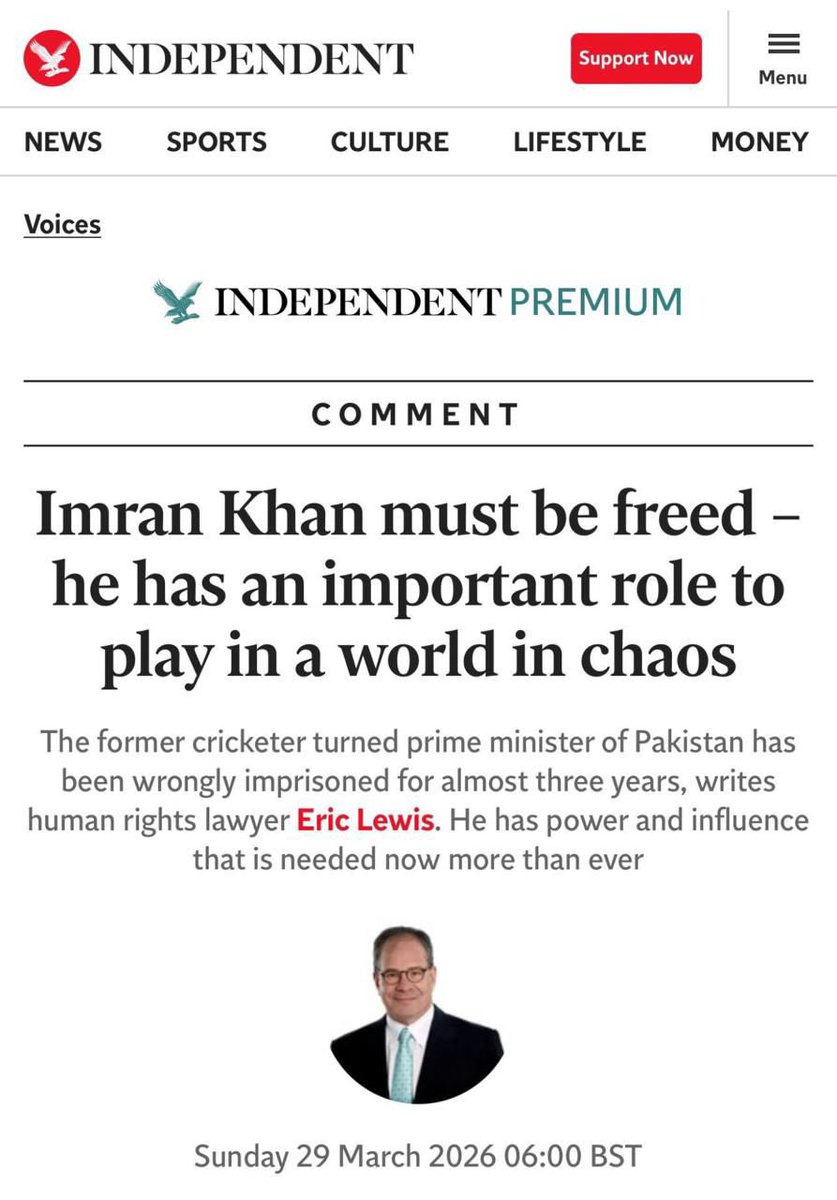
Once respect for the law is set aside, his argument loses credibility. This op-ed isn’t about justice it’s about trying to sidestep it. The fate of those facing legal proceedings in Pakistan will be decided by its courts, not by opinions published abroad. Let the law take its course.
#DueProcessMatters
#NoOneAboveLaw
#LegalNotPolitical
#StopLobbying
#FactsOverNarratives
4
8
111

Mar 31
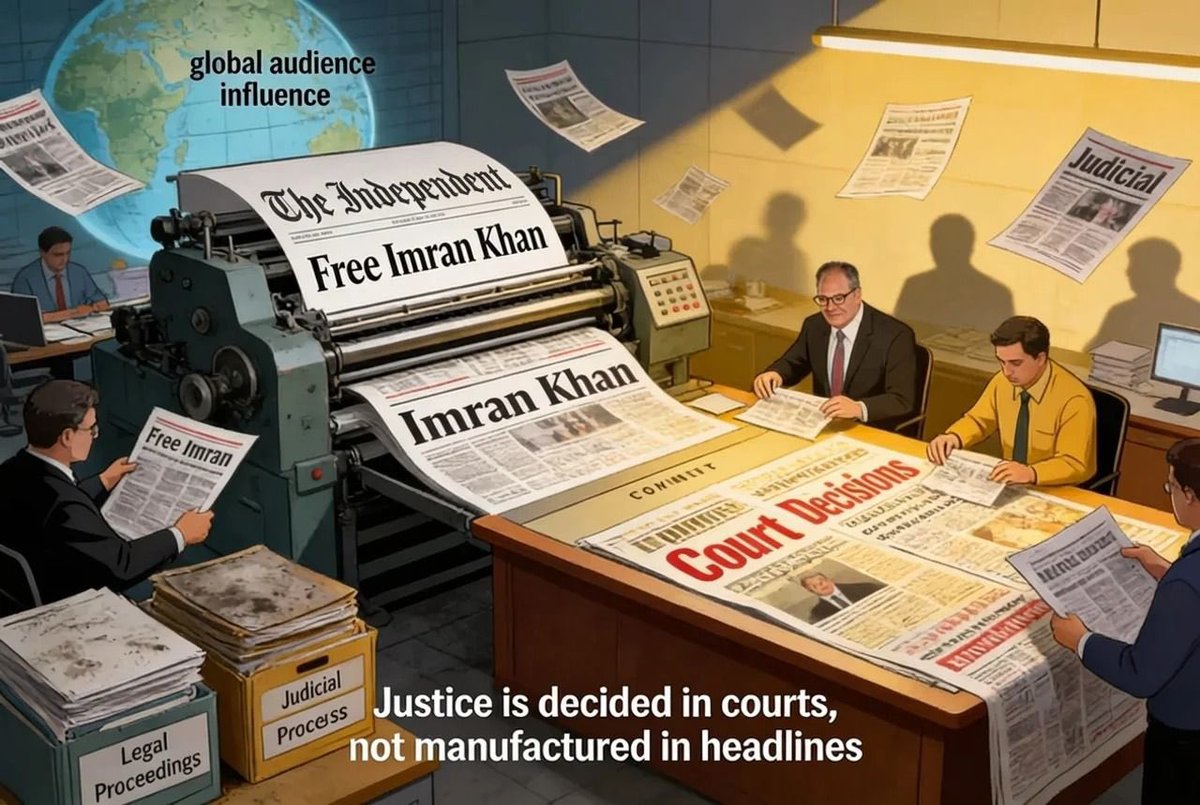
Once respect for the law is set aside, his argument loses credibility. This op-ed isn’t about justice it’s about trying to sidestep it. The fate of those facing legal proceedings in Pakistan will be decided by its courts, not by opinions published abroad. Let the law take its course.
#DueProcessMatters
#NoOneAboveLaw
#LegalNotPolitical
#StopLobbying
#FactsOverNarratives
6
10
12
86

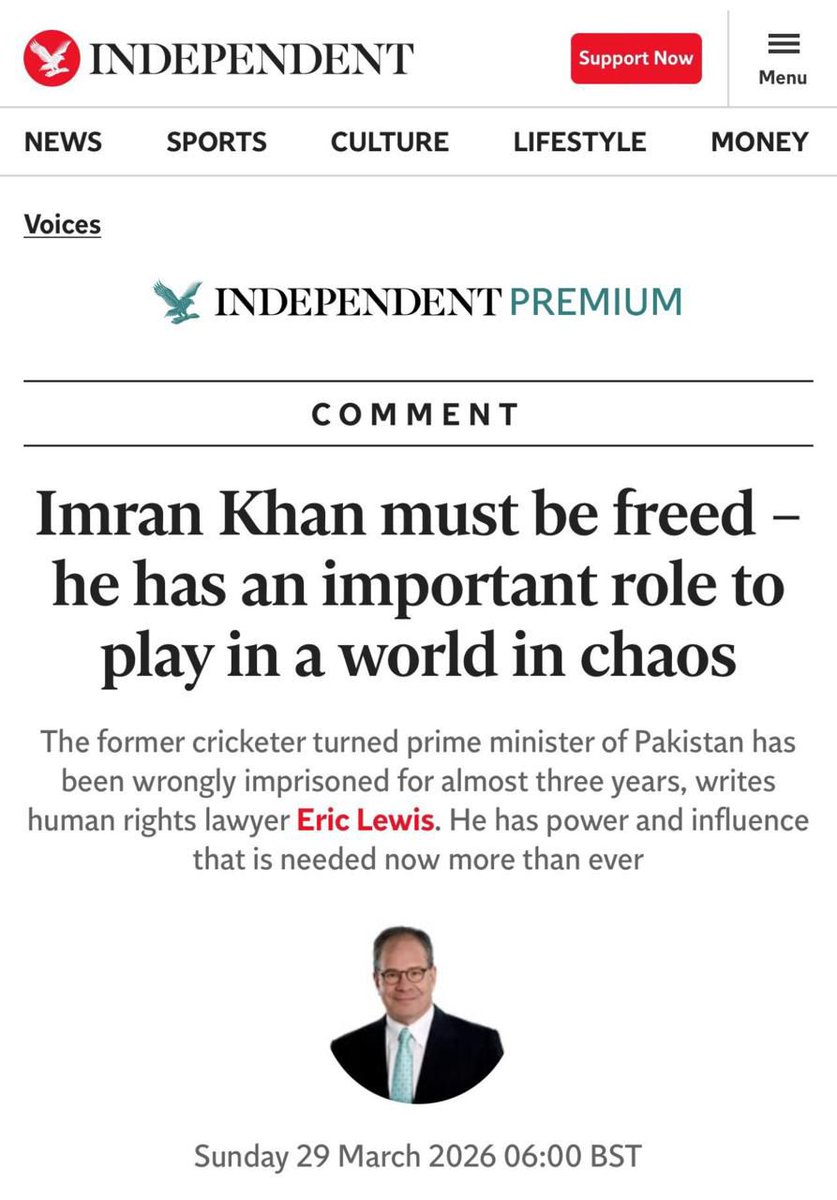
Law, not lobbying, must prevail. Attempts to influence or bypass the justice system in the Imran Khan case undermine the rule of law and institutional integrity. Accountability should be decided in courts not shaped by pressure campaigns or narratives.
The idea that a country or an entire region depends on one individual is fundamentally flawed. Nations are sustained by strong institutions, not personalities. Pakistan’s global engagements with China, the Gulf, the US, and beyond continue smoothly, as clearly seen today. Narratives suggesting otherwise only reflect ignorance or deliberate exaggeration.
#DueProcessMatters
#NoOneAboveLaw
#LegalNotPolitical
#StopLobbying
#FactsOverNarratives

1
101

Mar 25
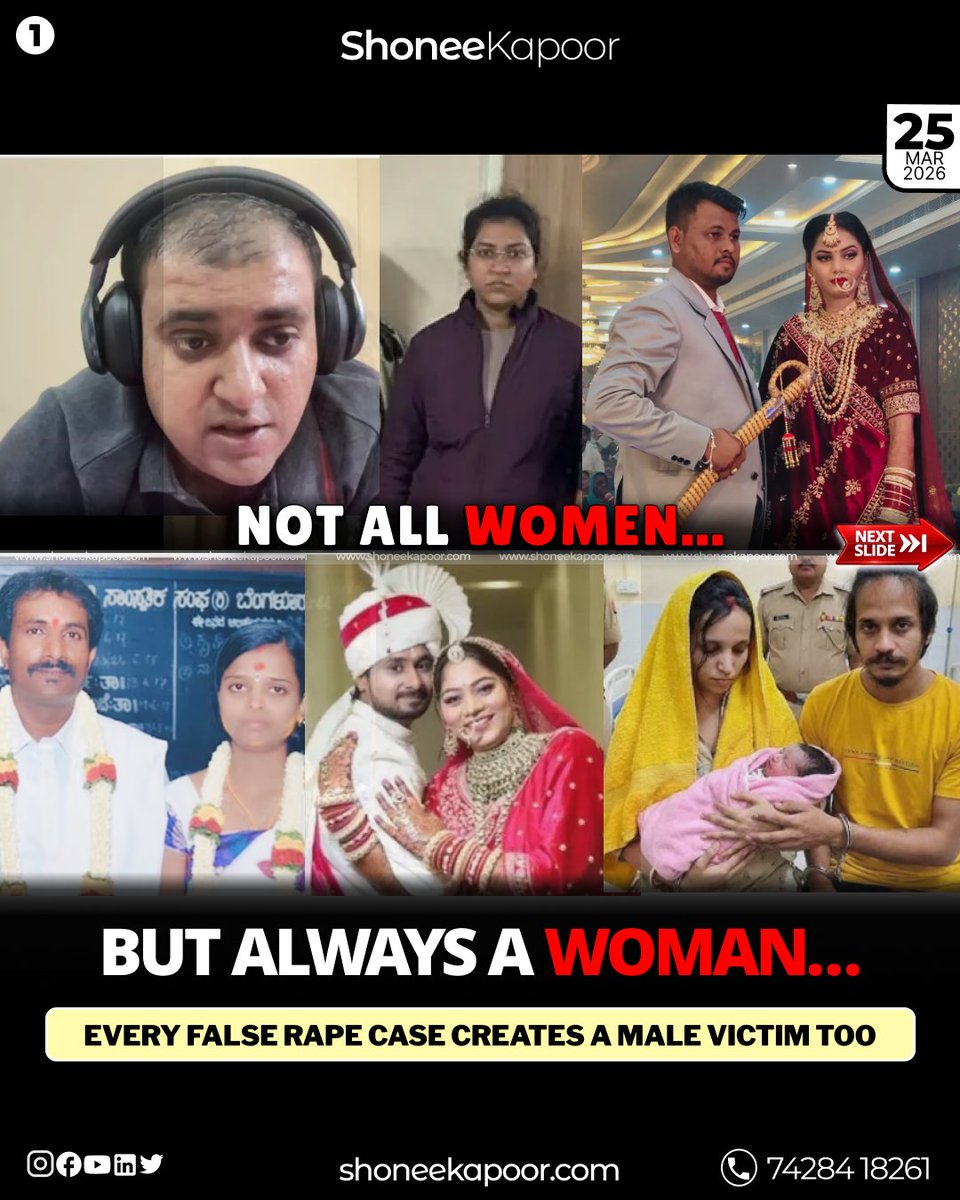
Different cities. Different headlines. Same pattern:
when rape law is misused, an innocent man is punished before any trial concludes.
This is not a denial of real sexual violence. It is a demand for equal seriousness toward false accusations, extortion rackets, honeytraps, and weaponised FIRs.
Recent reported cases from Gurugram, Mumbai, and Bareilly show why this matters. The Delhi High Court has also warned that the system is increasingly burdened when failed consensual relationships are converted into rape allegations. And the present legal framework still does not even recognise adult male rape under the rape provision in a gender-neutral way.
A civilised legal system must do three things at once:
believe in justice for genuine victims, protect the innocent from false implication, and punish extortion through sexual-offence allegations with the same seriousness with which it punishes sexual crime itself.
If you're also trapped in these types of false cases and want legal guidance, please contact us:👇
🌐 shoneekapoor.com
📞 Call / WhatsApp: 91 7428 418 261
#JusticeForMen #FalseCasesMatter #DueProcessMatters #GenderNeutralLaws #MensRights #EqualityBeforeLaw #LegalReform #FalseRapeCases #ExtortionByLaw #InnocentUntilProvenGuilty #MensProtection #JusticeNotNarrative #FamilyLawReform #LegalTruth #StopMisuseOfLaw
5
74
130
2,443

I was a professor for 15 years at the University of Guelph-Humber.
I said Hamas were Nazis — in a comment to a stranger in Pakistan, unrelated to my job.
A faculty member with thousands of posts calling Jews “filth” and “subhuman” helped lead the campaign against me.
I was suspended without charges.
Within hours, a completely false story about me was circulating across campus.
The university refused to correct it — and let it spread for two years.
Their “human rights” department didn’t investigate him. They cleared him.
Jewish students had already told me they felt they had to hide their Stars of David.
I told them they could come to my office if they ever felt unsafe.
I was fired.
They were left without that protection.
If you think this matters, restack this.
#CampusClimate #AcademicIntegrity #DueProcessMatters #InstitutionalAccountability #FreeInquiry #ProtectStudents #EqualStandards #CivilLiberties
@HeterodoxAcademy @TheFIREorg @speechunion @ARPAcanada @CIJAinfo @bnaibrithcanada @nationalpost @JohnIvison
open.substack.com/pub/paulfi…
163
2,642
7,170
108,710

Civil Lawsuit Stalled as Criminal Proceedings Take Center Stage.
Nearly a year after controversy erupted, the 4 billion won damages lawsuit filed by Frombio against actor Kim Soo Hyun remains effectively frozen, with no civil trial date set.
According to Green Economy Newspaper, the delay stems from the fact that the civil case is closely tied to an ongoing criminal complaint filed by Kim Soo Hyun’s side against the Garosero Research Institute and its representative, Ga Se-yeon.
The outcome of that criminal case is expected to significantly influence the direction of the civil proceedings.
Frombio, which alleges breach of advertising contract, claims and compensation based largely on penalty clauses commonly included in endorsement agreements.
In total, advertisers are reportedly seeking approximately 7.3 billion won across multiple cases, including 3.96 billion won from Frombio, 2.8 billion won from Cuckoo Electronics and affiliates, and 510 million won from Trend Maker.
However, Kim Soo Hyun’s legal representative, Attorney Bang Sung-hoon of LKB & Partners, firmly denies any contractual breach.
The defense maintains that a penalty can only be enforced if an actual breach is proven. If no breach occurred, they argue, there is no legal basis for damages. The attorney further stated that once the criminal proceedings establish the facts surrounding the allegations, the civil lawsuit may naturally lose momentum if the claims are proven unfounded.
The dispute traces back to March 10 of last year, when the YouTube channel “Garosero Research Institute” alleged a past relationship between Kim Soo Hyun and the late Kim Sae Ron, including claims that she was a minor at the time. Kim Soo Hyun’s side categorically denied these allegations and pursued legal action.
As the allegations spread, several advertising contracts were terminated, prompting lawsuits from brands seeking financial recovery. Meanwhile, Frombio itself has reportedly been facing significant financial strain, recording consecutive operating losses over three years, declining stock prices, and increasing debt ratios. Analysts suggest that the stalled litigation has become a major variable for the company’s financial outlook.
At present, the civil case will proceed only after the criminal case establishes the core facts. Until then, the lawsuit remains suspended without a confirmed trial date leaving the final outcome uncertain but heavily dependent on judicial findings.
🔗 Source:
greened.kr/news/articleView.…�
#WeStandWithKimSooHyun
TRUTH WAITS FOR VERDICT
FACTS BEFORE PENALTIES
#JusticeThroughLaw
#FactsOverFabrication
#DueProcessMatters
#TruthWillStand

4
30
122
2,305

Feb 20
Calling this “tax evasion” when the article literally says NO CONCEALED INCOME is wild.
The NTS didn’t “expose” anything; they disagreed on structure.Income was reported. Taxes were paid. The state just wants it taxed again, differently.
That’s why this case matters beyond EunWoo.
It’s a boundary test between lawful tax planning and state re-characterization.
Because it tests how far the state can go in saying:
“We know you followed the law, buttttt we don’t like the outcome.”
That’s why this isn’t about scandal.
It’s about power, boundaries, and predictability in tax law.
Fairness requires rules that don’t move after you follow them!!
#차은우 #이동민 #DueProcessMatters #FactsOverNarratives

📰 Park Jaehyuk, Tax Accountant: “Cha Eunwoo 20 Billion Won: The Boundary Between Private Autonomy and the Principle of Substantive Taxation”
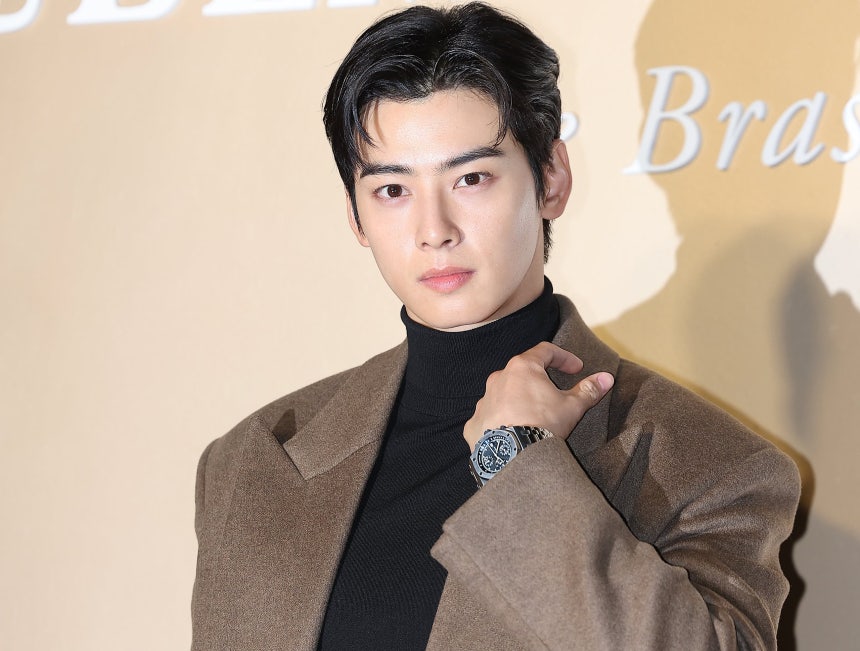
Recently, an issue has shaken both the entertainment industry and the tax community at the same time. The National Tax Service reportedly imposed approximately 20 billion won in additional taxes on top star Cha Eunwoo. This matter is too significant to be dismissed simply as “a celebrity tax issue.” It represents a collision between the structure of income attribution for entertainers, the limitations of operating an agency through a family corporation, and the scope of the principle of substantive taxation under the Framework Act on National Taxes.
— Not Concealed Income, but a Chosen Attribution Structure
According to reports, Cha Eunwoo established an entertainment agency corporation operated by his family and chose a structure in which a portion of the income generated from his entertainment activities was attributed to that corporation. This is a tax planning method often considered by high-income earners, particularly when taking into account the top personal income tax rate of 45%, local income tax, and the burden of the four major social insurance contributions, which together can push the effective tax rate close to 70%.
One point must be made clear at the outset. This case differs in nature from typical forms of tax evasion such as unreported revenue, borrowed-name accounts, or double bookkeeping. The issue is not that income was concealed, but rather to whom the income generated from entertainment activities should be attributed.
Cha Eunwoo’s side appears to maintain that the corporation was established transparently, that his entertainment activities were managed through it, and that corporate taxes were duly paid on income attributed to the company. In principle, an individual’s choice of economic structure and the design of transaction arrangements within the bounds permitted by law fall within the realm of private autonomy.
— The National Tax Service’s View: Substance Over Form
However, the judgment of the National Tax Service differed. It determined that the agency corporation was merely formal in nature and that the income in question was, in substance, attributable to Cha Eunwoo personally, thereby applying the principle of substantive taxation.
At this precise point, private autonomy and the principle of substantive taxation collide head-on.
A key issue highlighted in the investigation was the corporation’s substantive existence. According to media reports, the registered address of the corporation was not a professional office space but a restaurant operated by the family. Questions were also raised as to whether the corporation had independent personnel or business facilities. From the tax authority’s perspective, a management corporation handling revenues worth tens of billions of won lacked the corresponding human and material infrastructure, and the actual services performed by the corporation were not clearly demonstrated.
On the other hand, Cha Eunwoo’s side likely argued that his mother, as the corporation’s representative, handled schedule management, mediated transactions with agencies, and oversaw brand management, including image and portrait rights. On that basis, they may have contended that attributing a portion of the income to the corporation was justified.
#CHAEUNWOO #차은우 #이동민
#チャウヌ #车银优 #ชาอึนอู #車銀優
20
82
1,396