
Jun 12
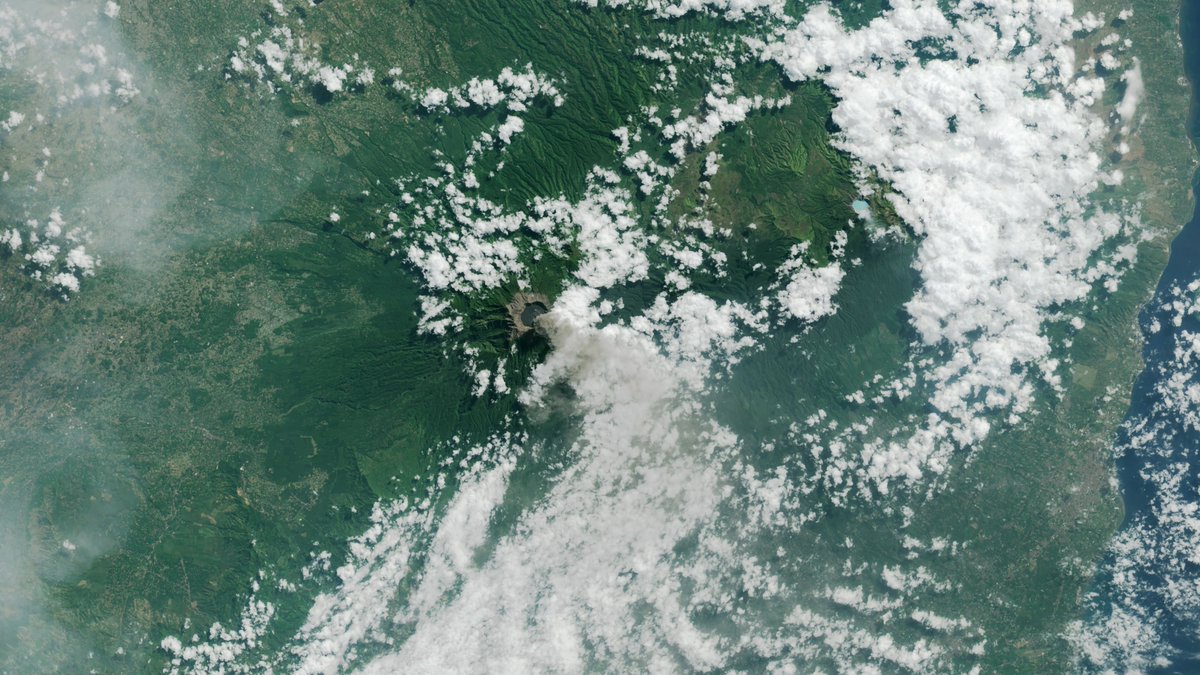
NASA’s Dynamic Targeting is the kind of AI that matters in space: the satellite looks ahead, processes imagery onboard, and decides where to point next in under 90 seconds. Passive sensing is turning into active sensing.#NASA #SpaceAI #DynamicTargeting #SatelliteAI #EarthObservation
1
7
312

Mar 5
Not always. You might find this interesting:
“Missions typically use a combination of pre-planned and dynamictargeting. While the primary objectives are meticulously mapped out before takeoff, modern combat systems allow pilots to identify and strike new "targets of opportunity" in real-time.
Target Classification
•Pre-Planned Targets: The vast majority of strikes focus on fixed, static locations identified through months of intelligence gathering.
◦Strategic Sites: Nuclear infrastructure, ballistic missile production facilities, and command centers.
◦Static Defense: Fixed surface-to-air missile (SAM) batteries and known radar installations.
•Dynamic (Reactive) Targets: Some targets are determined only after jets reach Iranian airspace or while they are en route.
◦Mobile Threats: Road-mobile ballistic missile launchers (TELs) are often hunted in real-time as they move to launch positions.
◦Emergent Threats: New air defense radars that "turn on" to engage the incoming jets.
◦Leadership: High-value individuals whose locations may only be confirmed by sensitive intelligence while the mission is already underway. 
◦The International Institute for Strategic Studies
9
How Targets Are Assigned Mid-Flight
•Onboard Sensors: Jets like the F-35I "Adir" use advanced AESA radar and infrared sensors to detect and lock onto threats within seconds.
•Data Fusion: Pilots receive real-time updates from AWACS (Early Warning) aircraft or satellite links, which pass coordinates for new targets directly to the jet's computer.
•Joint Coordination: Missions are often synchronized through joint coordination cells that manage intelligence flow between Israeli and U.S. forces to shift priorities during the operation.”
Sources:
1
3
25

10 Nov 2025
ปฏิวัติภาพถ่ายดาวเทียม! NASA เปิดตัว AI "Dynamic Targeting" ปรับมุมกล้องอัตโนมัติใน 90 วินาที
องค์การอวกาศ NASA ได้พัฒนาระบบ "Dynamic Targeting" ซึ่งเป็นเทคโนโลยี AI ตรวจจับและระบุภาพสำหรับใช้งานบนดาวเทียมโดยเฉพาะ เพื่อแก้ปัญหาข้อจำกัดเดิมที่ต้องอาศัยการควบคุมจากมนุษย์ ระบบนี้ช่วยให้ดาวเทียมสามารถประมวลผลเหตุการณ์และตัดสินใจ ปรับองศาการเก็บข้อมูลแบบเรียลไทม์ ได้เองภายในเวลาเพียง 90 วินาที
AI ตัดสินใจเอง: กรองเมฆ-โฟกัสภัยพิบัติ
ปัจจุบัน ภาพถ่ายดาวเทียมมักสิ้นเปลืองเวลา, แบนด์วิธ และพื้นที่จัดเก็บข้อมูลไปกับการถ่ายภาพ ก้อนเมฆ หรือสิ่งกีดขวาง Dynamic Targeting จึงถูกออกแบบมาเพื่อ:
- ลดข้อมูลขยะ: เมื่อ AI ตรวจพบเมฆหรือสิ่งกีดขวาง จะทำการ ปรับองศาการจับภาพโดยอัตโนมัติ เพื่อให้ได้ภาพที่มีคุณภาพและลดการสิ้นเปลืองทรัพยากร
- ตอบสนองฉุกเฉิน: เมื่อตรวจจับเหตุการณ์น่าสนใจ เช่น แนวโน้มก่อตัวของภัยธรรมชาติ หรือ จุดความร้อนในป่า ดาวเทียมจะปรับการตั้งค่าเพื่อ โฟกัสตำแหน่งดังกล่าว และบันทึกภาพโดยละเอียดทันที ช่วยเพิ่มขีดความสามารถในการจับภาพให้แม่นยำยิ่งขึ้น
อนาคตการสำรวจ: รวดเร็ว คล่องตัว ลดภาระมนุษย์
การนำ Dynamic Targeting มาใช้ถือเป็นก้าวกระโดดสำหรับเทคโนโลยีภาพถ่ายดาวเทียม เนื่องจากปัจจุบันการตั้งค่ากล้องเพื่อหลีกเลี่ยงเมฆอาจใช้เวลานานถึง 10–15 นาที หรือนานหลายชั่วโมงกว่าจะแก้ไขข้อมูลจากภาคพื้นดินได้
- ประโยชน์: ลดข้อมูลขยะ, ประหยัดต้นทุนเวลาและค่าใช้จ่ายในระยะยาว, ลดภาระบุคลากร และที่สำคัญคือ ตอบสนองเหตุการณ์ฉุกเฉินได้เร็วยิ่งขึ้น ช่วยเพิ่มระยะเวลาในการรับมือภัยพิบัติ
- การใช้งาน: ระบบนี้เริ่มทดสอบใช้งานในดาวเทียมขนาดเล็ก CogniSAT‑6 และมีศักยภาพในการขยายผลไปสู่การสำรวจดวงจันทร์หรือดาวอังคารในอนาคต
Dynamic Targeting ถือเป็นเทคโนโลยีที่จะทำให้ดาวเทียมในอนาคตมีความฉลาด, คล่องตัว และคุ้มค่ายิ่งขึ้น โดยลดการพึ่งพาการส่งผ่านคำสั่งจากสถานีภาคพื้นดิน
#NASA #DynamicTargeting #AISatellite #ภาพถ่ายดาวเทียม #เทคโนโลยีอวกาศ #ภัยพิบัติ

1
3
546

SPACENEWS: Earth observation firms are trying to solve a latency problem with ‘Dynamic Targeting’
Read the article: zurl.co/UjHIZ
#DynamicTargeting #NASA #ubotica
#SPACEAI #EarthObservation #SmartSatellites #LiveEarthIntelligence #CognitiveEarthObservation
2
121

30 Jul 2025
NASA recently tested a new technology called Dynamic Targeting on a small satellite named CogniSAT-6 launched in March 2024. This system allows the satellite to make decisions on its own while flying at nearly 17,000 mph in low Earth orbit.
Dynamic Targeting lets the satellite analyze its surroundings in real time. It can tilt itself 40 to 50 degrees to look ahead, scan for cloud-free areas, and choose whether to capture images or skip cloudy regions—all within 60 to 90 seconds.
The onboard AI processes preview images to detect clear skies up to 300 miles ahead. If the view is blocked by clouds, it saves its resources for better conditions. If the view is clear, it snaps the photo.
NASA's next step: use the system to target clouds instead of avoiding them. The goal is to track short-lived weather events like ice storms, wildfires, and volcanic eruptions—phenomena that are often missed by traditional satellites.
NASA is also exploring how this tech could support future missions, such as spotting geysers on icy moons, dust storms on Mars, or plumes from comets.
#NASA #SatelliteAI #Space #DynamicTargeting #AI #Satellite

1
1
2
368

12 Jan 2022
Dynamic Targeting by prefrontal cortex implements domain-general inhibitory control
Principles, mechanism & evidence from @dcdace @Memory_Control @mrccbu @NatureComms
Highly relevant impulsive neuro disorders like FTD
#DynamicTargeting #InhibitoryControl
nature.com/articles/s41467-0…
1
4
8