

11 May 2024
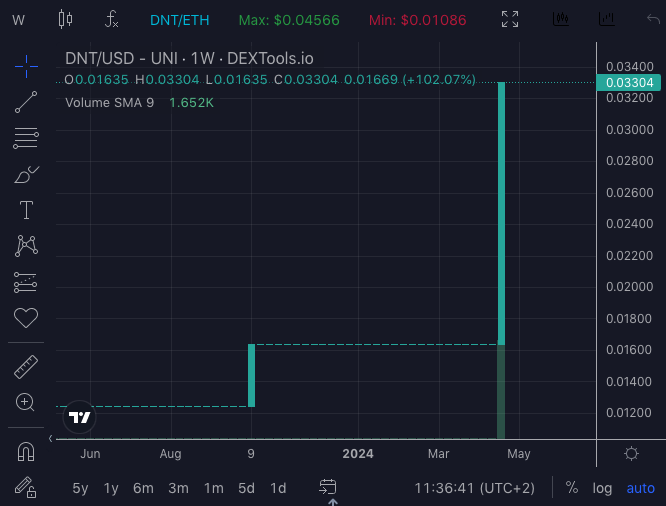
Check us out on DexTools: dextools.io/app/en/ether/pai…
#DynamicNetwork #ETH #BTC #SOL #BNB #Cryptocurency #DeFi #crypto #Bitcoin #altcoin #Dextools
16
6
151

28 Mar 2024
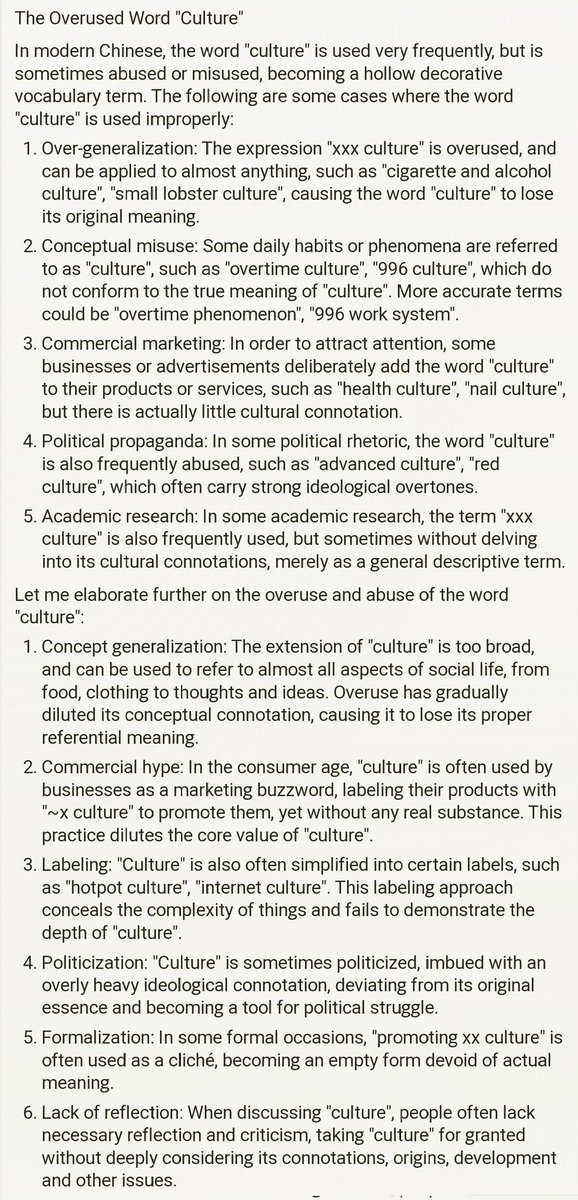
The Overused Word "Culture"
In modern Chinese, the word "culture" is used very frequently, but is sometimes abused or misused, becoming a hollow decorative vocabulary term. The following are some cases where the word "culture" is used improperly:
1. Over-generalization: The expression "xxx culture" is overused, and can be applied to almost anything, such as "cigarette and alcohol culture", "small lobster culture", causing the word "culture" to lose its original meaning.
2. Conceptual misuse: Some daily habits or phenomena are referred to as "culture", such as "overtime culture", "996 culture", which do not conform to the true meaning of "culture". More accurate terms could be "overtime phenomenon", "996 work system".
3. Commercial marketing: In order to attract attention, some businesses or advertisements deliberately add the word "culture" to their products or services, such as "health culture", "nail culture", but there is actually little cultural connotation.
4. Political propaganda: In some political rhetoric, the word "culture" is also frequently abused, such as "advanced culture", "red culture", which often carry strong ideological overtones.
5. Academic research: In some academic research, the term "xxx culture" is also frequently used, but sometimes without delving into its cultural connotations, merely as a general descriptive term.
1. Concept generalization: The extension of "culture" is too broad, and can be used to refer to almost all aspects of social life, from food, clothing to thoughts and ideas. Overuse has gradually diluted its conceptual connotation, causing it to lose its proper referential meaning.
2. Commercial hype: In the consumer age, "culture" is often used by businesses as a marketing buzzword, labeling their products with "~x culture" to promote them, yet without any real substance. This practice dilutes the core value of "culture".
3. Labeling: "Culture" is also often simplified into certain labels, such as "hotpot culture", "internet culture". This labeling approach conceals the complexity of things and fails to demonstrate the depth of "culture".
4. Politicization: "Culture" is sometimes politicized, imbued with an overly heavy ideological connotation, deviating from its original essence and becoming a tool for political struggle.
5. Formalization: In some formal occasions, "promoting xx culture" is often used as a cliché, becoming an empty form devoid of actual meaning.
6. Lack of reflection: When discussing "culture", people often lack necessary reflection and criticism, taking "culture" for granted without deeply considering its connotations, origins, development and other issues.
#TRADITIONALCULTURE #CLEANWORLD #GanJingWord #CULE #HONGYIN #FALUNGONG #FALUNDAFA #SONYDAFA #Japan #Asia #Christian #Church #USA #UnitedNations #EpochTimes #NTD #DYNAMICNETWORK #Translation
2
100
28 Mar 2024
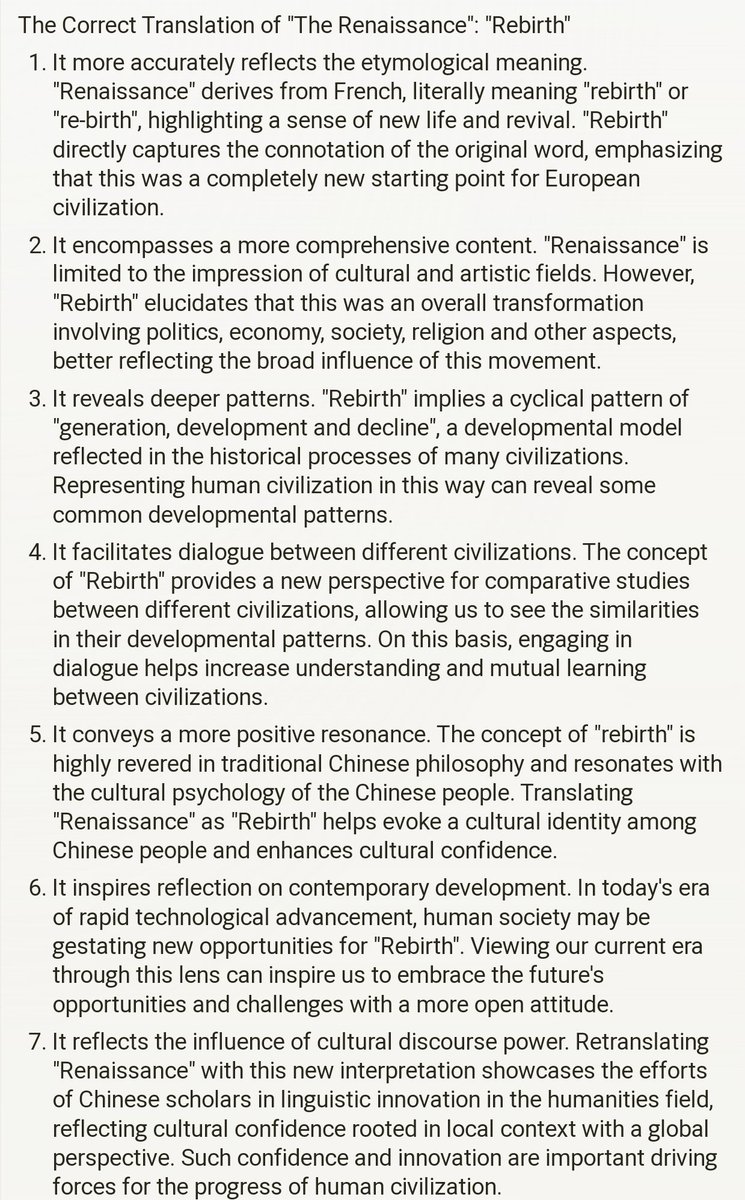
The Correct Translation of "The Renaissance(文艺复兴)": "Rebirth(再诞生)"
1. It more accurately reflects the etymological meaning. "Renaissance" derives from French, literally meaning "rebirth" or "re-birth", highlighting a sense of new life and revival. "Rebirth" directly captures the connotation of the original word, emphasizing that this was a completely new starting point for European civilization.
2. It encompasses a more comprehensive content. "Renaissance" is limited to the impression of cultural and artistic fields. However, "Rebirth" elucidates that this was an overall transformation involving politics, economy, society, religion and other aspects, better reflecting the broad influence of this movement.
3. It reveals deeper patterns. "Rebirth" implies a cyclical pattern of "generation, development and decline", a developmental model reflected in the historical processes of many civilizations. Representing human civilization in this way can reveal some common developmental patterns.
4. It facilitates dialogue between different civilizations. The concept of "Rebirth" provides a new perspective for comparative studies between different civilizations, allowing us to see the similarities in their developmental patterns. On this basis, engaging in dialogue helps increase understanding and mutual learning between civilizations.
5. It conveys a more positive resonance. The concept of "rebirth" is highly revered in traditional Chinese philosophy and resonates with the cultural psychology of the Chinese people. Translating "Renaissance" as "Rebirth" helps evoke a cultural identity among Chinese people and enhances cultural confidence.
6. It inspires reflection on contemporary development. In today's era of rapid technological advancement, human society may be gestating new opportunities for "Rebirth". Viewing our current era through this lens can inspire us to embrace the future's opportunities and challenges with a more open attitude.
7. It reflects the influence of cultural discourse power. Retranslating "Renaissance" with this new interpretation showcases the efforts of Chinese scholars in linguistic innovation in the humanities field, reflecting cultural confidence rooted in local context with a global perspective. Such confidence and innovation are important driving forces for the progress of human civilization.
#TRADITIONALCULTURE #CLEANWORLD #GanJingWord #CULE #HONGYIN #FALUNGONG #FALUNDAFA #SONYDAFA #Japan #Asia #Christian #Church #USA #UnitedNations #EpochTimes #NTD #DYNAMICNETWORK #Translation
2
80
28 Mar 2024
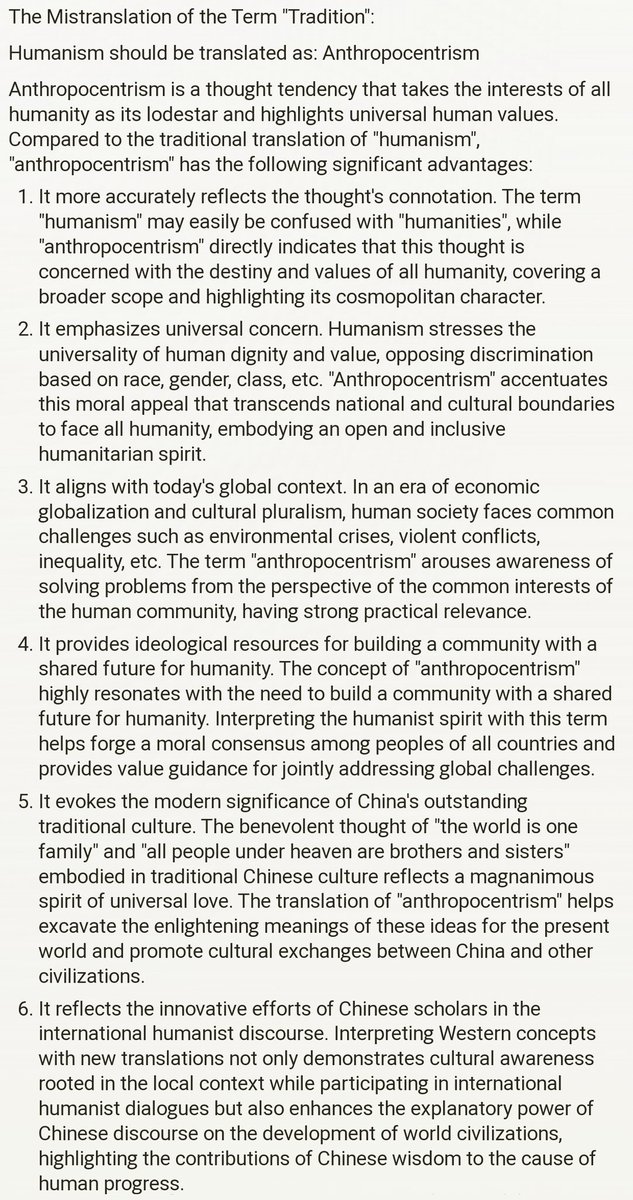
The Mistranslation of the Term "Tradition":
Humanism(人文主义/People-Article-ism)should be translated as: Humanism(The following content is translated by the App):
Anthropocentrism is a thought tendency that takes the interests of all humanity as its lodestar and highlights universal human values. Compared to the traditional translation of "humanism", "anthropocentrism" has the following significant advantages:
It more accurately reflects the thought's connotation. The term "humanism" may easily be confused with "humanities", while "anthropocentrism" directly indicates that this thought is concerned with the destiny and values of all humanity, covering a broader scope and highlighting its cosmopolitan character.
It emphasizes universal concern. Humanism stresses the universality of human dignity and value, opposing discrimination based on race, gender, class, etc. "Anthropocentrism" accentuates this moral appeal that transcends national and cultural boundaries to face all humanity, embodying an open and inclusive humanitarian spirit.
It aligns with today's global context. In an era of economic globalization and cultural pluralism, human society faces common challenges such as environmental crises, violent conflicts, inequality, etc. The term "anthropocentrism" arouses awareness of solving problems from the perspective of the common interests of the human community, having strong practical relevance.
It provides ideological resources for building a community with a shared future for humanity. The concept of "anthropocentrism" highly resonates with the need to build a community with a shared future for humanity. Interpreting the humanist spirit with this term helps forge a moral consensus among peoples of all countries and provides value guidance for jointly addressing global challenges.
It evokes the modern significance of China's outstanding traditional culture. The benevolent thought of "the world is one family" and "all people under heaven are brothers and sisters" embodied in traditional Chinese culture reflects a magnanimous spirit of universal love. The translation of "anthropocentrism" helps excavate the enlightening meanings of these ideas for the present world and promote cultural exchanges between China and other civilizations.
It reflects the innovative efforts of Chinese scholars in the international humanist discourse. Interpreting Western concepts with new translations not only demonstrates cultural awareness rooted in the local context while participating in international humanist dialogues but also enhances the explanatory power of Chinese discourse on the development of world civilizations, highlighting the contributions of Chinese wisdom to the cause of human progress.
#TRADITIONALCULTURE #CLEANWORLD #GanJingWord #CULE #HONGYIN #FALUNGONG #FALUNDAFA #SONYDAFA #Japan #Asia #Christian #Church #USA #UnitedNations #EpochTimes #NTD #DYNAMICNETWORK #Translation
2
71




30 May 2023
#highlycitedpaper
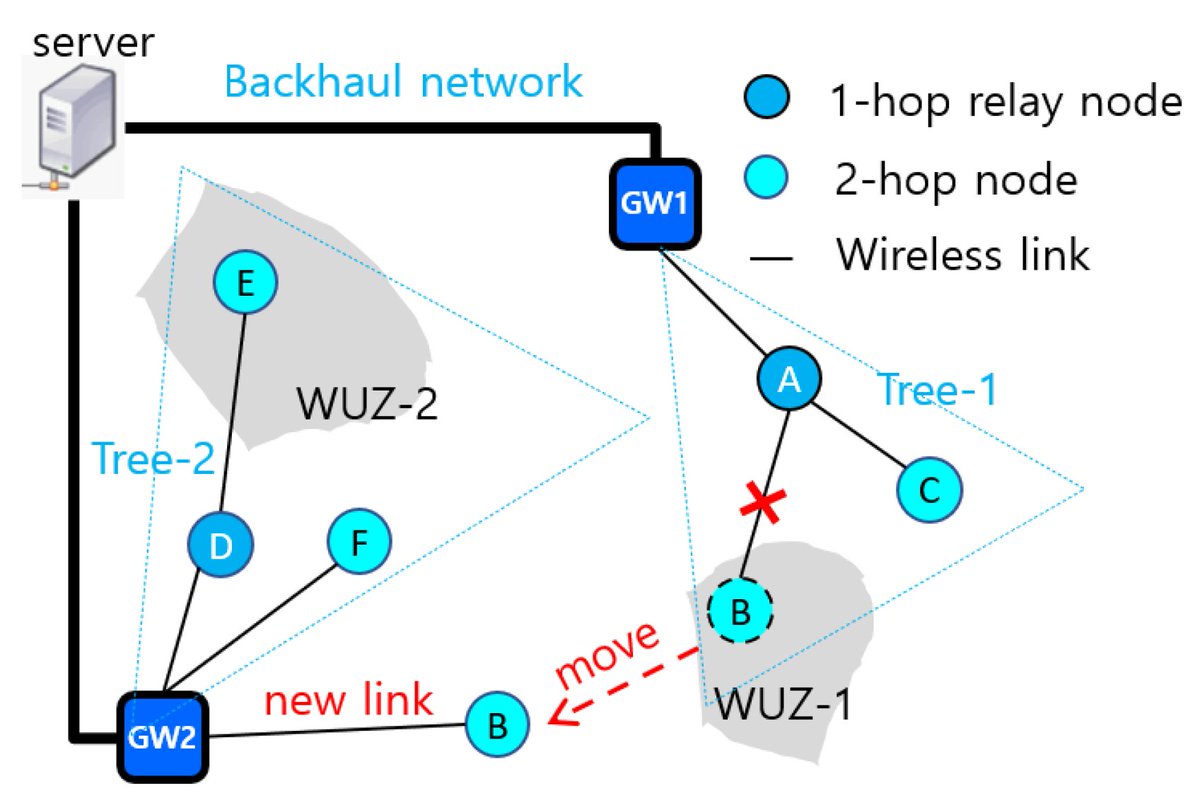
Design and Implementation of a Multi-Hop Real-Time LoRa Protocol for Dynamic LoRa Networks
mdpi.com/1424-8220/22/9/3518
University of Ulsan
#multihopLoRaprotocol #dynamicnetwork #realtimescheduling
2
269
30 Mar 2023
What are your thoughts about defi? Is it the future of finance?
We think so and we believe that the power should be in the hands of the people!
#DNT #ETH #BTC #crypto #Cryptocurency #NFTCommunity #Ethereum #Solana #Cardano #DynamicNetwork
1
5
259
26 Mar 2023
It's happening.
New & improved, take a look and see what you think:
dynamicnetworktoken.com/
#CryptoCommunity #Crypto #cryptocurrency #ETH #Bitcoin #Solana #Polygon #dynamicnetwork #DNT2023

1
1
3
221

14 Dec 2022
📢 The most viewed paper published in 2021. Top 1:
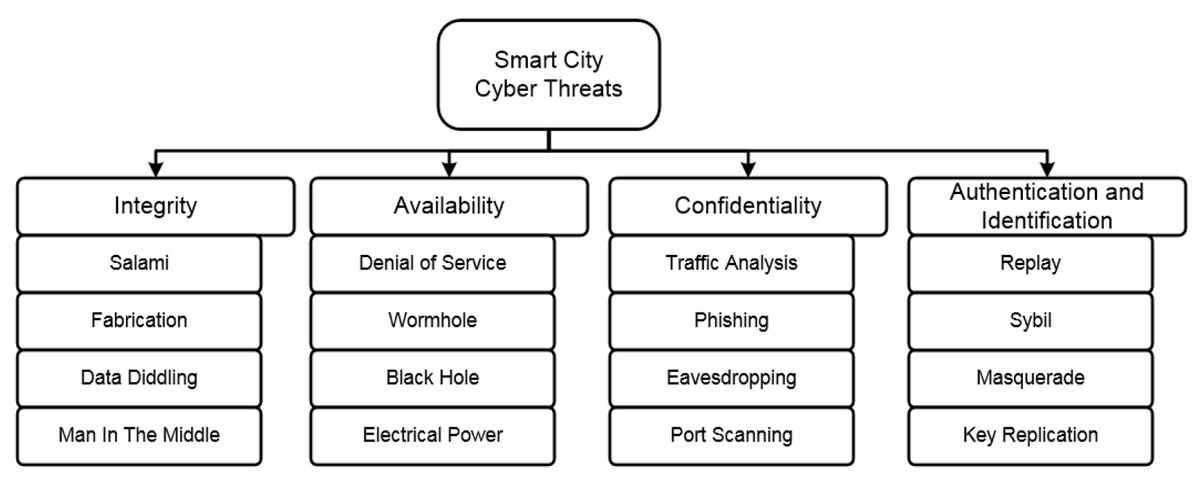
Cybersecurity Risk Assessment in Smart City Infrastructures
edited by Maxim Kalinin, Vasiliy Krundyshev and Peter Zegzhda
read more at: mdpi.com/2075-1702/9/4/78
#smartcity #machinelearning #iot #riskassessment #dynamicnetwork
1
5 Jul 2022
The participation in the #airdrop is going crazy! From 700 to 14500 in under one day📈#DynamicNetwork
Check out our discord to participate! LINK IN BIO.
#cryptocurrencies #cryptocurrency #bitcoin #BTC #ETH #Ethereum #NFTGiveaway #NFTs #AirdropCrypto #Coinbase #Binance #Solana
2
3
4
4 Jul 2022
New #airdrop LIVE NOW! Check it out on our Discord to participate! #DynamicNetwork
#cryptocurrencies #cryptocurrency #bitcoin #BTC #ETH #Ethereum #NFTGiveaway #NFTs #AirdropCrypto #Coinbase #Binance #Solana
8
7
15
20 Jun 2022
Our first airdrop back in September. We will soon do another one! Stay tuned. #DynamicNetwork
#ETH #BTC #NFTGiveaway #Solana #AVAX #CryptoCommunity #cryptocurrency #crypto #DNT
10 Sep 2021

We are excited to be live and to start build the Dynamic Network community with you!🥳
To celebrate this, we have decided to airdrop 420000 tokens to 420 winners! Follow the instruction on: dynamicnetworktoken.com/ to participate!
3
7
5 Jun 2022
During crypto winter we build. Fortune favours the one who stays true to their beliefs. #Dynamicnetwork
#BTC #ETH #Solana #cryptocurrencies #cryptotrading #bitcoin
1
9 Aug 2021
Hello, World!
The Dynamic Network is now on Twitter and we will try to keep you updated on progress as much as possible here.
We look forward to building this community with you and create a new paradigm in finance together!
#DynamicNetwork #DynamicNetworkToken

3

1 Aug 2021
'#ergm' 4.1.2 and '#tergm' 4.0.2 #statnet #RStats packages for #networkanalysis and #dynamicnetwork analysis are now on CRAN. These are mostly bugfix releases, but there are some new features and algorithmic improvements as well. #SNA #networkscience @SocNetAnalysts
8
31
24 Jun 2021
#ergm's #dynamicnetwork companion, #RStats package '#tergm' 4.0, now features a highly flexible and intuitive model specification interface and can now fit both separable and non-separable temporal #ERGM s. Its estimation speed has also improved. 3/6
1
3
5

11 May 2021
#Dynetviewer Such an amazing app of #cytoscape . How beautifully the dynamics of essential genes during embryo development have been visualized. @cytoscape @BinfoTrends #dynamicnetwork
2

12 Oct 2020
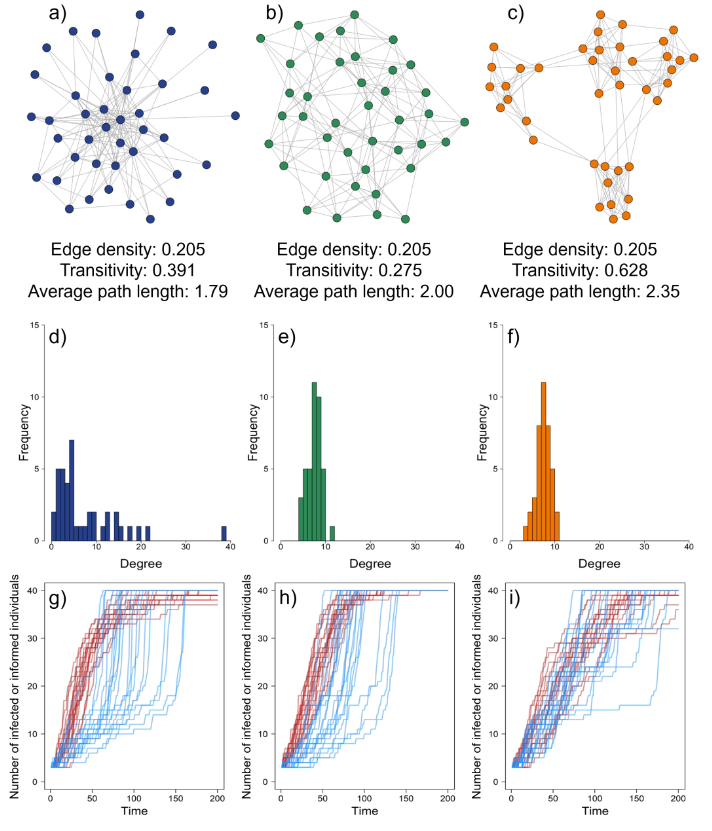
FORUM PAPER: Infected or informed? Social structure and the simultaneous transmission of information and infectious disease
onlinelibrary.wiley.com/doi/… (Free Access)
@wileyecology @NordicOikos #epidemic #socialevolution #socialnetwork #sociallearning #dynamicnetwork #groupliving
9
8
28 Jul 2020
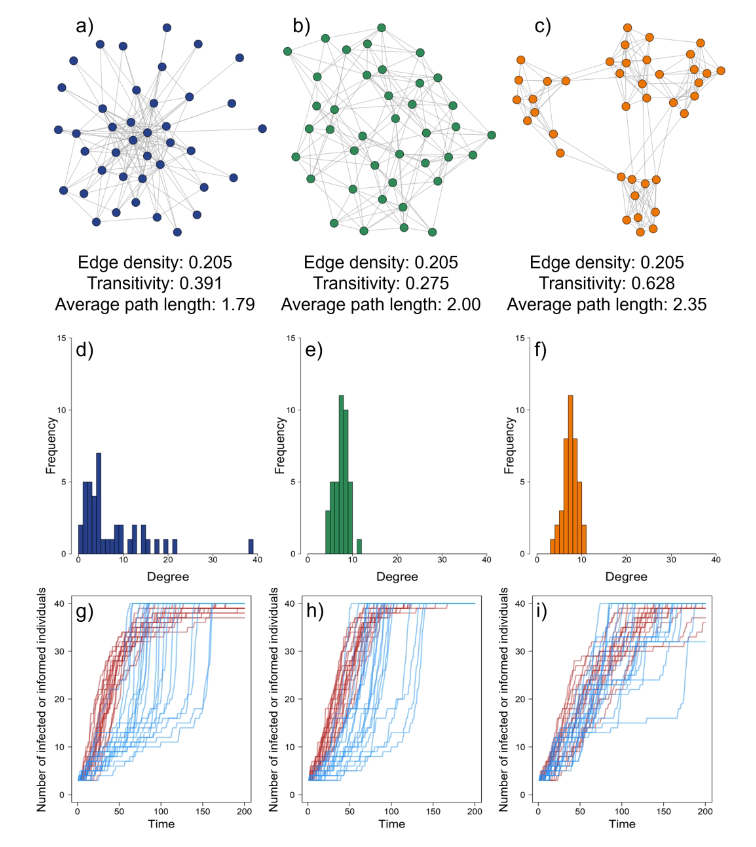
Accepted: Evans et al: Infected or informed? Social structure and the simultaneous transmission of information and infectious disease
doi.org/10.1111/oik.07148
@wileyecology @NordicOikos #socialnetwork #sociallearning #epidemic #dynamicnetwork
1
8
20