
Jun 12
It is about protecting the estate, honoring the family, and making informed decisions with the right support.
#ProbateRealEstate #ProbateSeller #InheritedProperty #EstateProperty #CaliforniaProbate
(3/3)
15

6 Sep 2025
Heirs deserve peace of mind.✅
Estate property title searches safeguard ownership, prevent costly challenges & ensure smooth transfers.
📩 Contact SearchPros@RealTitleServicesInc.com
today.
#EstateProperty #HeirsInheritRealEstate #PropertyOwnership #TitleSearch #HeirsRights
10

25 Jul 2025
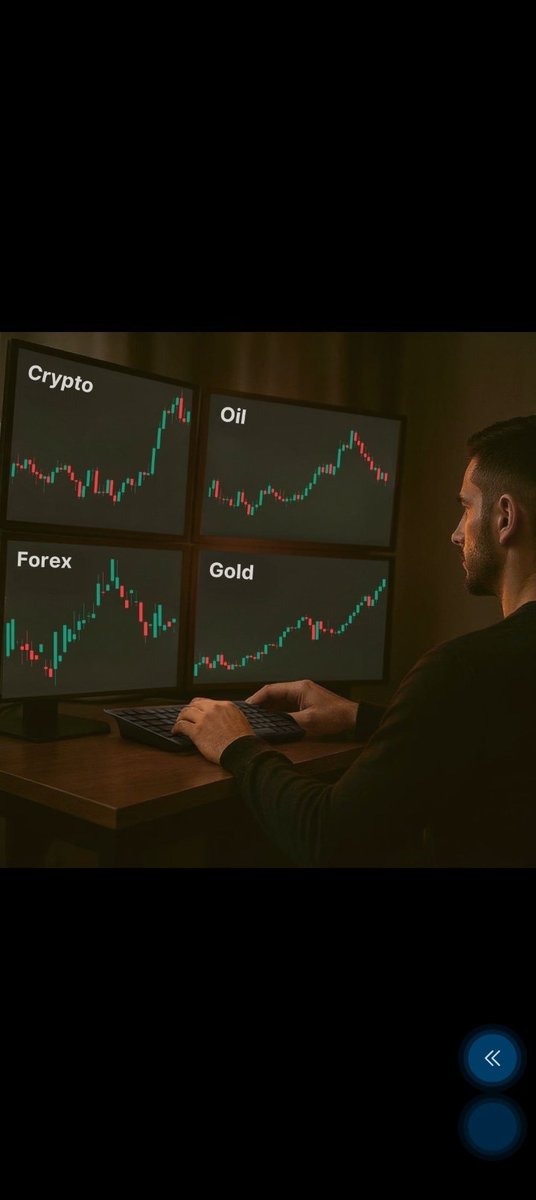
Everything you need to know about TradFi 🧵
Before the advent of crypto (pre-2009), the financial market was fully TradFi (Traditional Finance), slower, and controlled by institutions.
----------------------------------
🏦 1. Centralized Gatekeepers
All financial activity was controlled by banks, brokers, and governments.
You needed a broker to buy stocks.
Bank transfers could take days.
Access to Forex or commodities required special accounts.
Only institutions or accredited investors could trade complex products like derivatives.
✅ No 24/7 markets. No self-custody. No DeFi.
--------------------------------
⏳ 2. Limited Accessibility
Markets were closed on weekends.
Stocks: Open 9:30 AM – 4 PM (NYSE, NASDAQ)
Global investors faced barriers: high fees, KYC, currency restrictions
You couldn’t easily trade international assets unless you had special accounts.
---------------&:::::::::::::::
💼 3. Heavily Regulated
Every market was regulated by government agencies:
SEC (U.S. Securities and Exchange Commission)
CFTC (Commodities Futures Trading Commission)
FCA (UK)
FINRA, Basel accords, etc.
Regulation added protection but also friction and exclusion.
------------------------------
💰 4. Institutional Dominance
Hedge funds, investment banks, and asset managers ran the game.
Retail investors had limited influence and worse tools/data.
Market-making and liquidity were largely handled by big Wall Street firms.
Front-running, insider access, and lobbying were common.
----------------------------------
📈 5. Traditional Asset Classes
The main things people traded were:
AssetDescription
StocksOwnership in companies
BondsLoans to governments or companies
ForexCurrency pairs traded globally
CommoditiesPhysical goods like oil, gold, wheat
Real EstateProperty, REITs
IndicesBaskets of stocks (S&P 500, Dow, FTSE)
---------------------------------
🕹️ 6. Old School Technology
Trade execution took minutes or hours
Paper-based processes still common in some countries
Wire transfers could take days
No real-time settlement: T 2 or T 3 (trade date 2/3 days)
-------------------------------
🔐 7. Custody & Trust
You never really “held” your assets brokers and banks did.
You trusted centralized entities to:
Protect your assets
Execute trades
Keep accurate records
----------------------------------
🔄 8. Slow Innovation
New products (ETFs, derivatives) took years to develop and approve.
User experience wasn’t a priority—Wall Street catered to institutions.
-----------------------:-:--------
⚖️ Summary: Pre-Crypto Financial Markets
CategoryDescription
AccessGatekept, slow, limited
SpeedSlow (T 2 settlements, slow wires)
ControlCentralized institutions
CustodyYou didn’t hold your assets
InnovationSlow-moving and top-down
Market HoursMostly weekdays only
--------------------------------
When crypto came along 24/7 trading, permissionless access, self-custody, and programmable finance
Thank you for your attention to this matter
1
2
403

28 May 2025
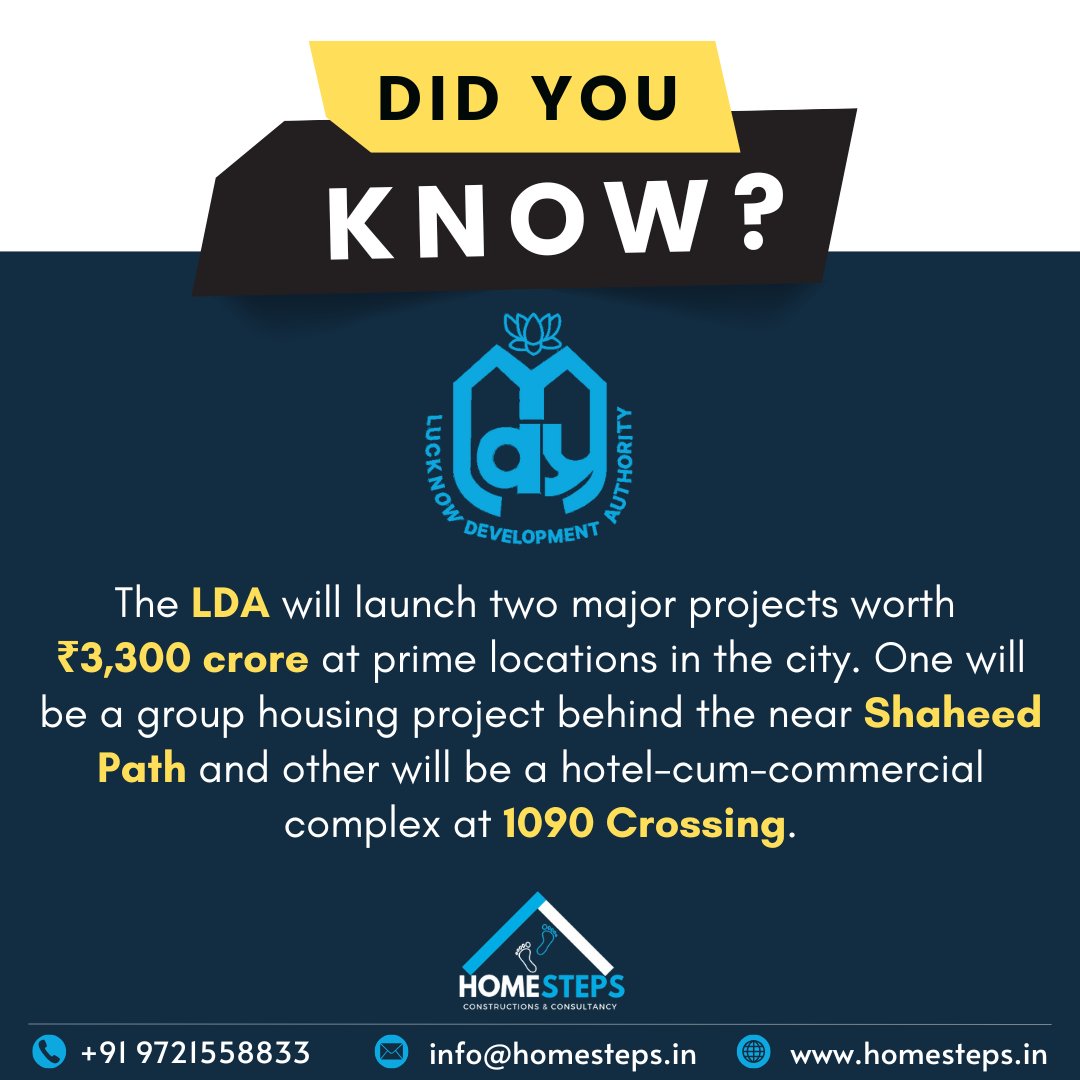
𝐃𝐢𝐝 𝐘𝐨𝐮 𝐊𝐧𝐨𝐰?
The LDA will launch two major projects worth ₹3,300 crore at prime locations in the Lucknow city.
Contact Us:
📞 9721558833
📧 info@homesteps.in
🌐 homesteps.in
.
#estateproperty #property #homesteps #LDA #lucknow
2
18

24 May 2024
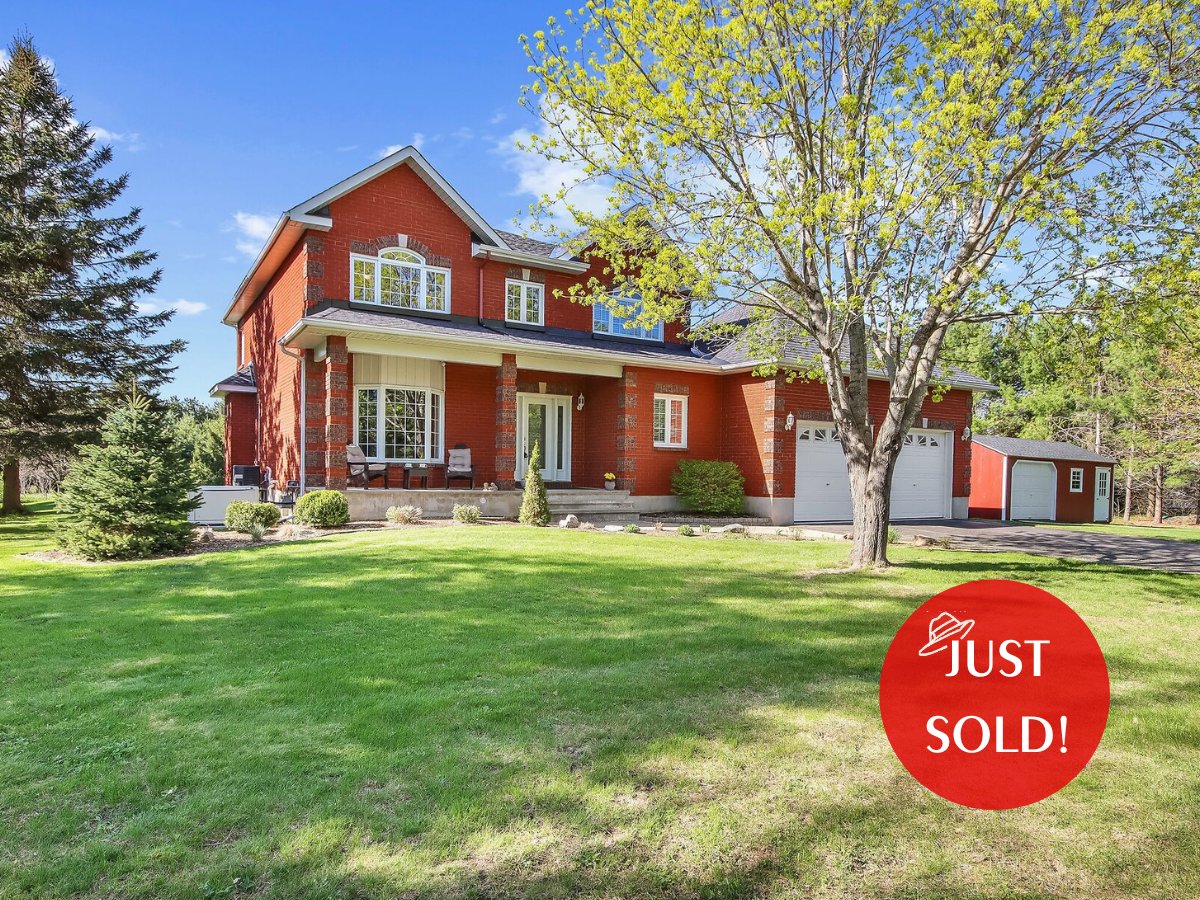
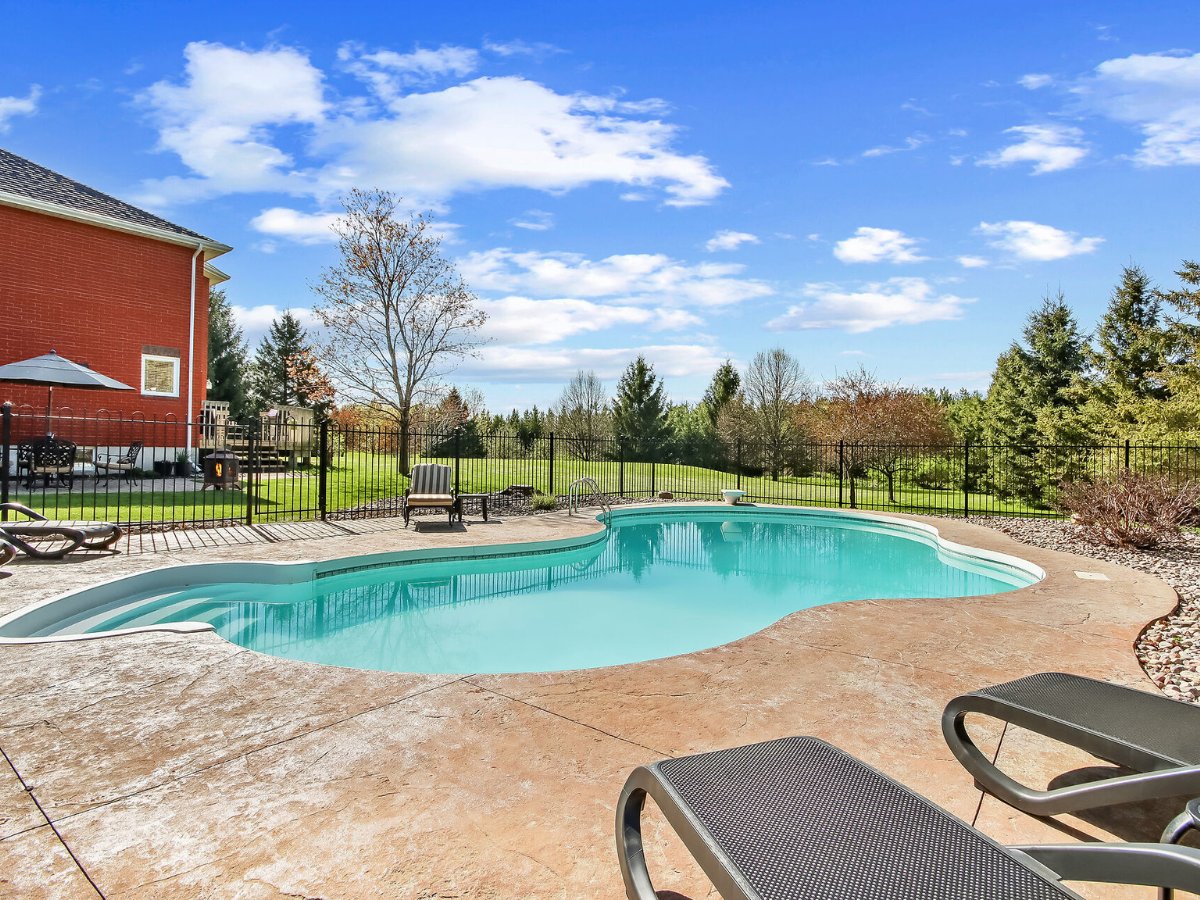
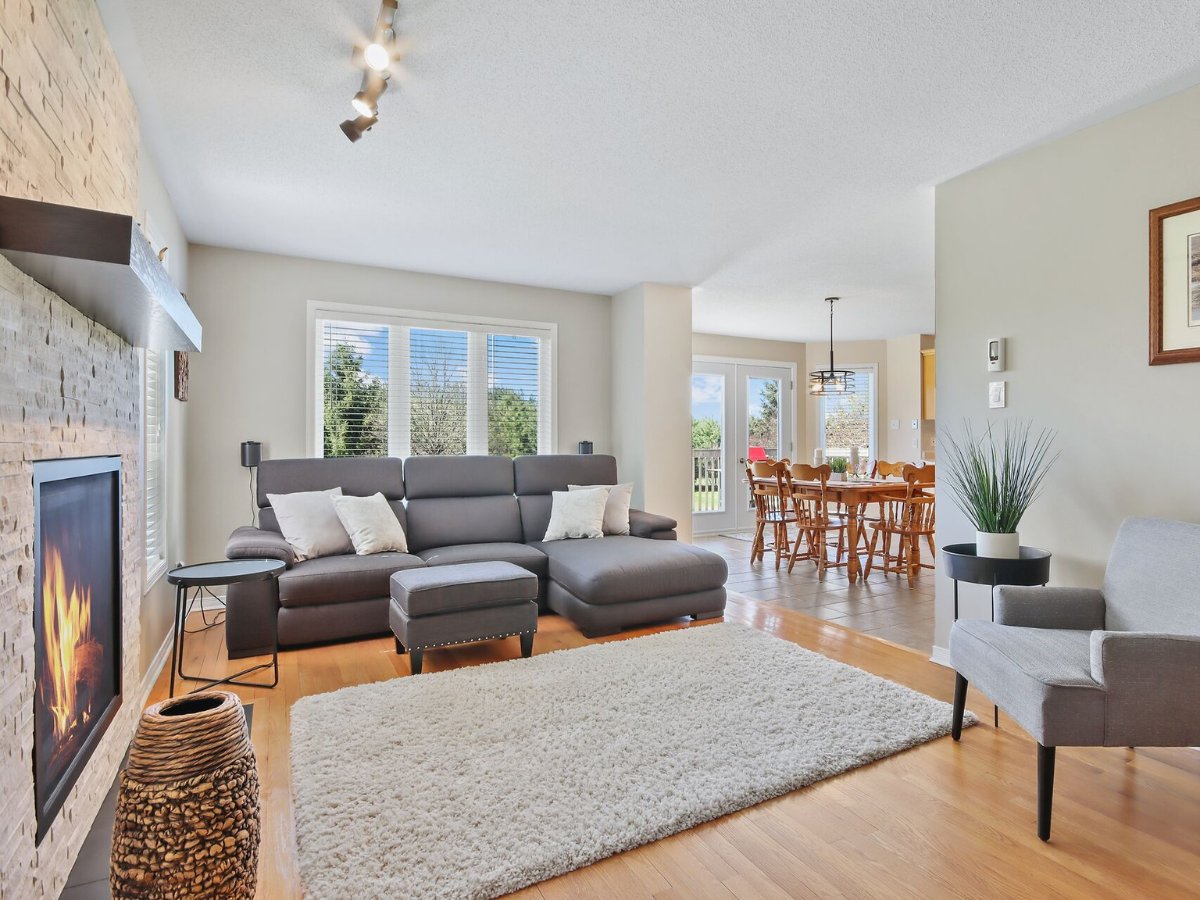
Our warmest congratulations to our Sellers on the successful sale of their stunning estate property in Kanata North! Thank you to our clients for their trust.
#justsold #happyclients #ottawarealestate #ottawarealtor #kanatarealtor #kanatanorth #kanatarealestate #estateproperty
1
20

8 Mar 2024
Land banking near the airport is a smart investment choice with the potential for high returns.
The recent price increase alert signals the growing demand and value of property in this area.
If you're looking to expand your real estate portfolio or capitalize on a prime location, now is the perfect time to consider investing in our Bronze Estate immediately after the Port Harcourt International Airport.
Secure a slot more for N1,200,000. Don't wait till 18th March.
Send us a DM now.
-
-
-
#winrealty #realestateproperty #bronzecity #estateproperty #portharcourt

1
49

20 Jul 2023
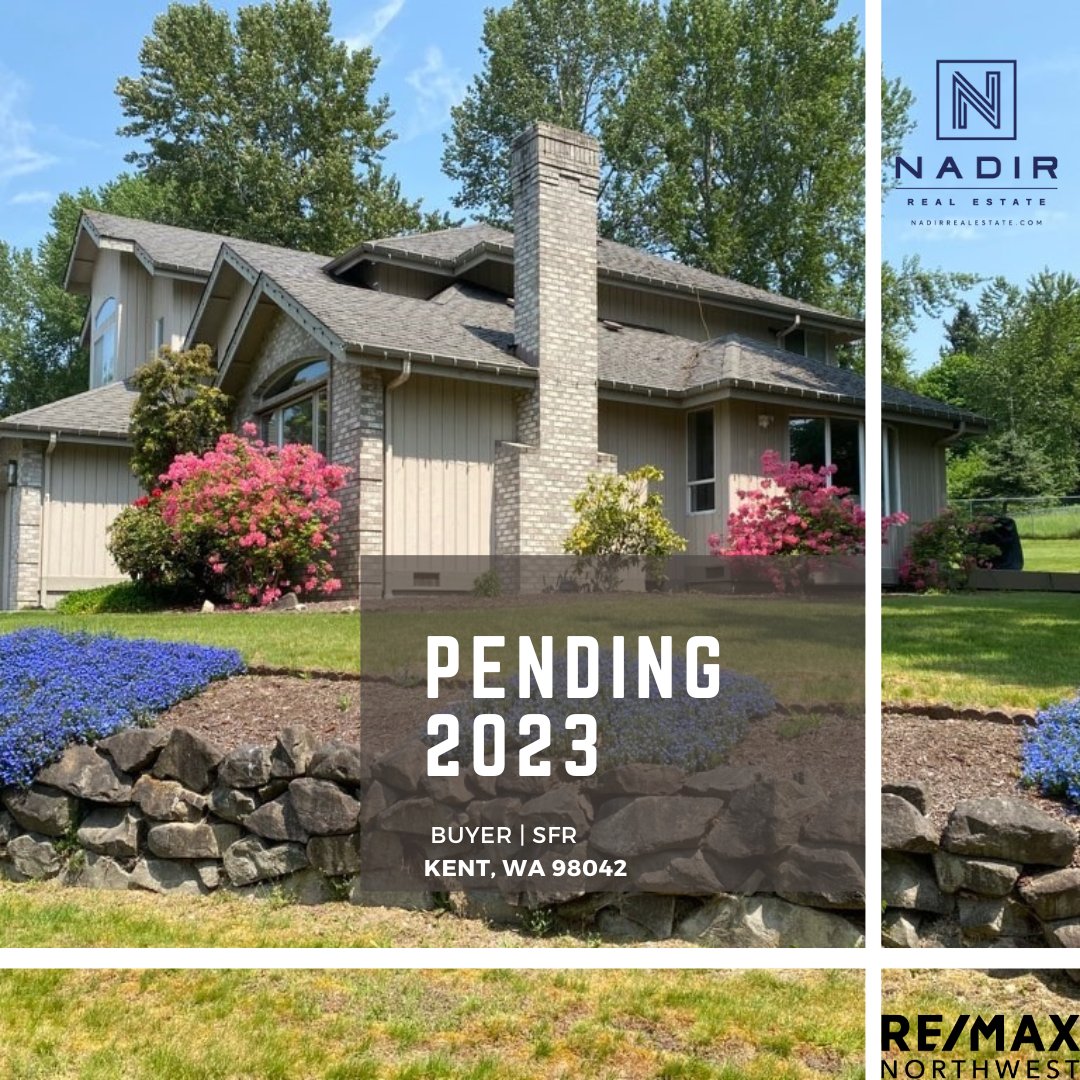
With specific request and a limited timeframe, I had no time to waste. Preparation is KEY when opportunity presents itself. Closing Soon 🏠
🤳🏾 DM me when you're ready to Buy or Sell.
#PENDING | KENT, WA
_______
#Kent #Estateproperty #Homebuyer
#NadirTheBroker #SaletoSOLD
2
62

21 Jun 2023
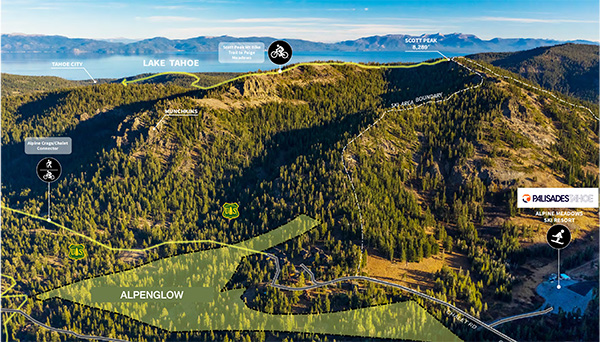
ALPENGLOW | 47 Acre Residential Development Opportunity
Learn More: bit.ly/3lDXtwp
Listed By: Jeff Brown
DRE 01995145
#mountainestate #estateproperty #skiestate
2
37

20 Mar 2023
Talk to Our Team: Our team of experts is here to help you navigate the process of owning a home in Abuja. We can answer any questions you have about financing, construction, and maintenance.
#regalavenue #realestate #abujahomes #ownahome #smarthomes #estateproperty
2
41
20 Mar 2023
Explore Financing Options: Our team can help you explore financing options that make owning a home in Abuja accessible.
#smarthomes #estateproperty #abujarealestate
1
2
46
20 Mar 2023
Welcome to the new week!
Are you currently renting and have often wondered how you can go from renting to actually owning your own home and in the choicest locations in Abuja?
#regalavenue #realestate #abujahomes #ownahome #smarthomes #estateproperty #abujarealestate

1
2
81

15 Jan 2023
Whether you are looking for your next home to buy, rent, or sell, we will keep you updated on industry news & the latest home improvement ideas, trends, & tips. Start your journey with us! propertylisthub.com/ now!
#estateproperty #realestatelagos #realestatenigeri

2
32
31 Dec 2022
A new year, a new home, and a new property? Don't look much further; we're right here for you. PropertyListHub can help you uncover the best property deals in your area!
Simply go to propertylisthub.com.
#estateproperty #realestatedevelopment #realestatelagos

2
22
9 Dec 2022
In a world where you can be a tenant, be a homeowner. Take advantage of today's low-interest rates. What are you waiting for? See our latest listings today. propertylisthub.com/
#estateproperty #realestatedevelopment #realestatelagos #realestatenigeria #propertyowner

2
11 Feb 2022
This pretty, calm, water view estate is a buy-and-build estate with good road networks that are planned to feature luxurious living with world-class amenities. propertylisthub.com/estate-p…
#landforsale #estateproperty #propertyinlekki #realestatelagos #propertylisting #propertyowner

1
2

11 Feb 2022
🏆 https://fungifamily/
2,116.00 HNS
0.16 ETH
$488.91
🥈 https://estateproperty/
2,103.00 HNS
0.16 ETH
$485.91
🥉 https://burgerkingcoin/
350.00 HNS
0.03 ETH
$80.87
#Handshake #HNS $HNS $ETH #NFT
4
17 Jan 2022
We believe that a sophisticated, prestigious person like you deserves an elegant place to stay or live in. Indulge yourself in the beauty of these luxury apartments: midakproperties.com/estate_p…
#estateproperty #luxuryapartment #realestatedevelopment #realestatelagos

1

11 Nov 2020
Do you know your home’s value? Value is more important than the cost so focus on value.
#homesforsaleinsiliconoasis
#realestate #housing #landsforsale #estateproperty
#estateland #homeforsale #investmentopportunity #invest #realestateagent #dprealestate #dprealestateconsultant

2

3 Oct 2019
Our mission is to make property ownership to many easy by acquiring, developing & selling affordable #Land that will definitely appreciate in value over time.
@Gidi_Traffic
#maonhomes
#Estateproperty
#ibejulekki

3
4

16 Sep 2019
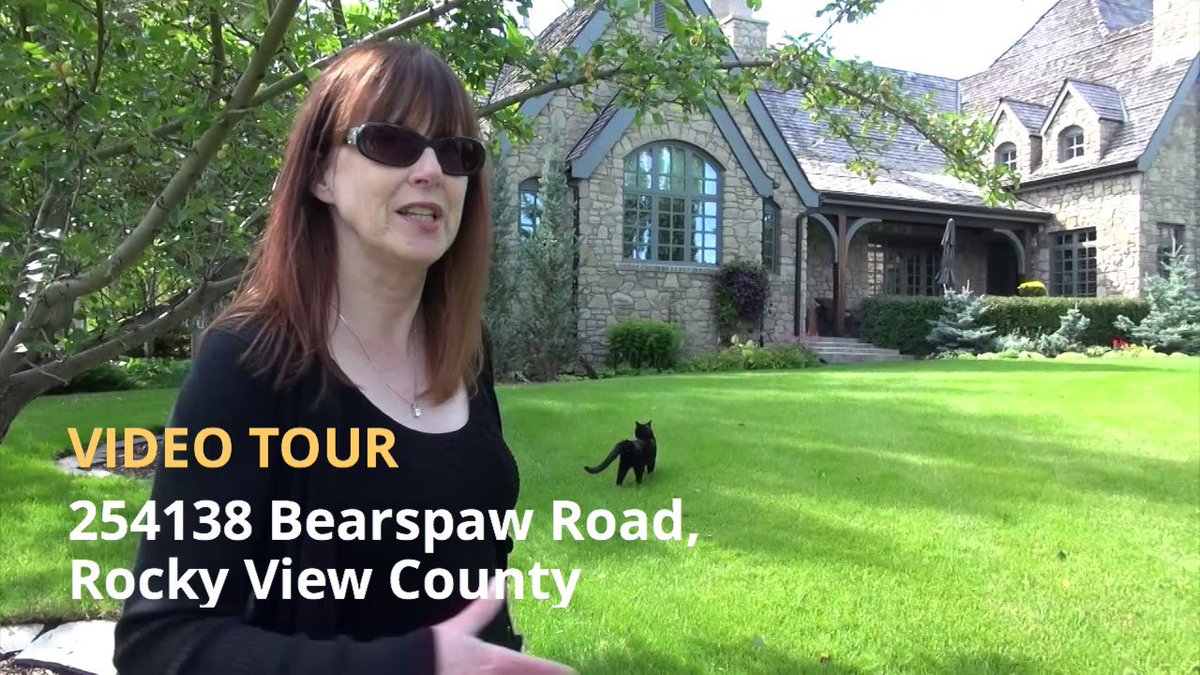
MUST SEE: Magnificent #estateproperty @ 254138 Bearspaw Road in #rockyviewcounty on 5.2 acres of incredible landscaping. The interior is 4004 sq ft of the very best of design, craftsmanship & decor. Contact Kelly McKelvie to view. VIDEO TOUR: ow.ly/qGRa50wbFw3
1
3