
Same here. Had several brand-new ICE cars, every one had issues, and service departments were quick to point fingers.
4½ years with my 2021 Tesla Model 3 LR: zero issues, performance still like Day 0. Only change? Range from 540 km down to 500 km.
#Tesla #Model3 #EVReliability #NoMoreICE #EVLife #ElectricCars #LongRange #EVWins #FutureIsElectric
1
96

19 Jul 2025
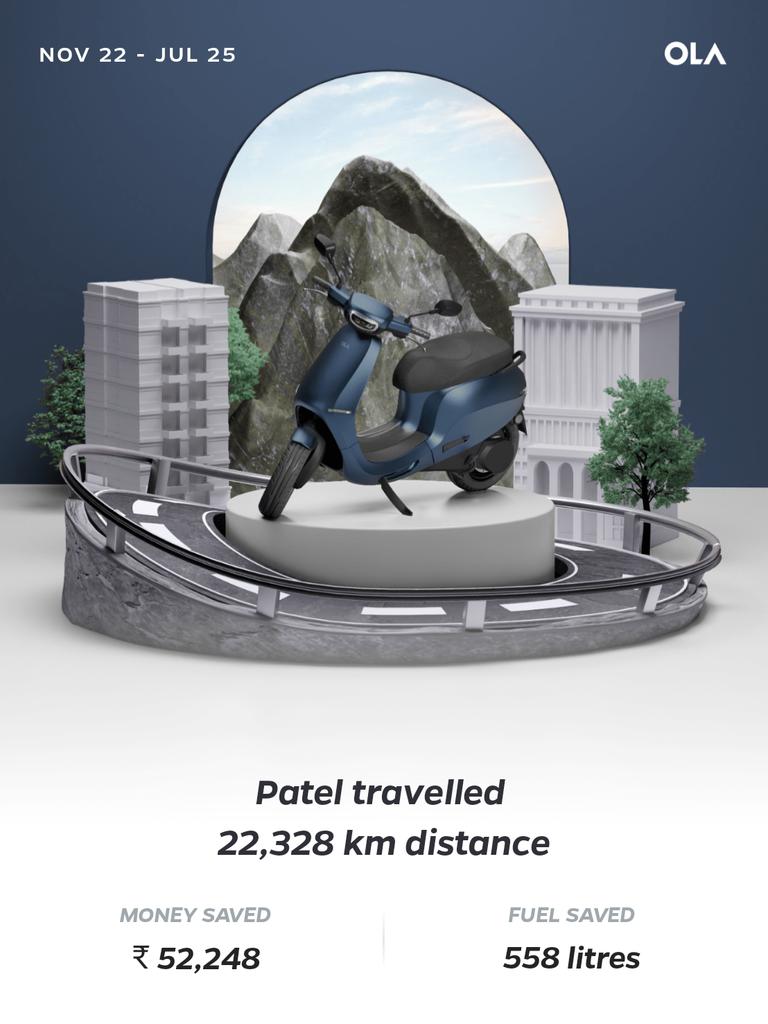
My #OlaS1 only visited the service center for a brake pad change.
That’s the only maintenance I’ve needed for this beautiful machine, which has clocked 22,328 km to date.
#EVLife #ElectricScooter #SustainableTravel #OlaElectric #TwoWheeler #RideElectric #EVReliability
3
1
6
864

13 May 2025
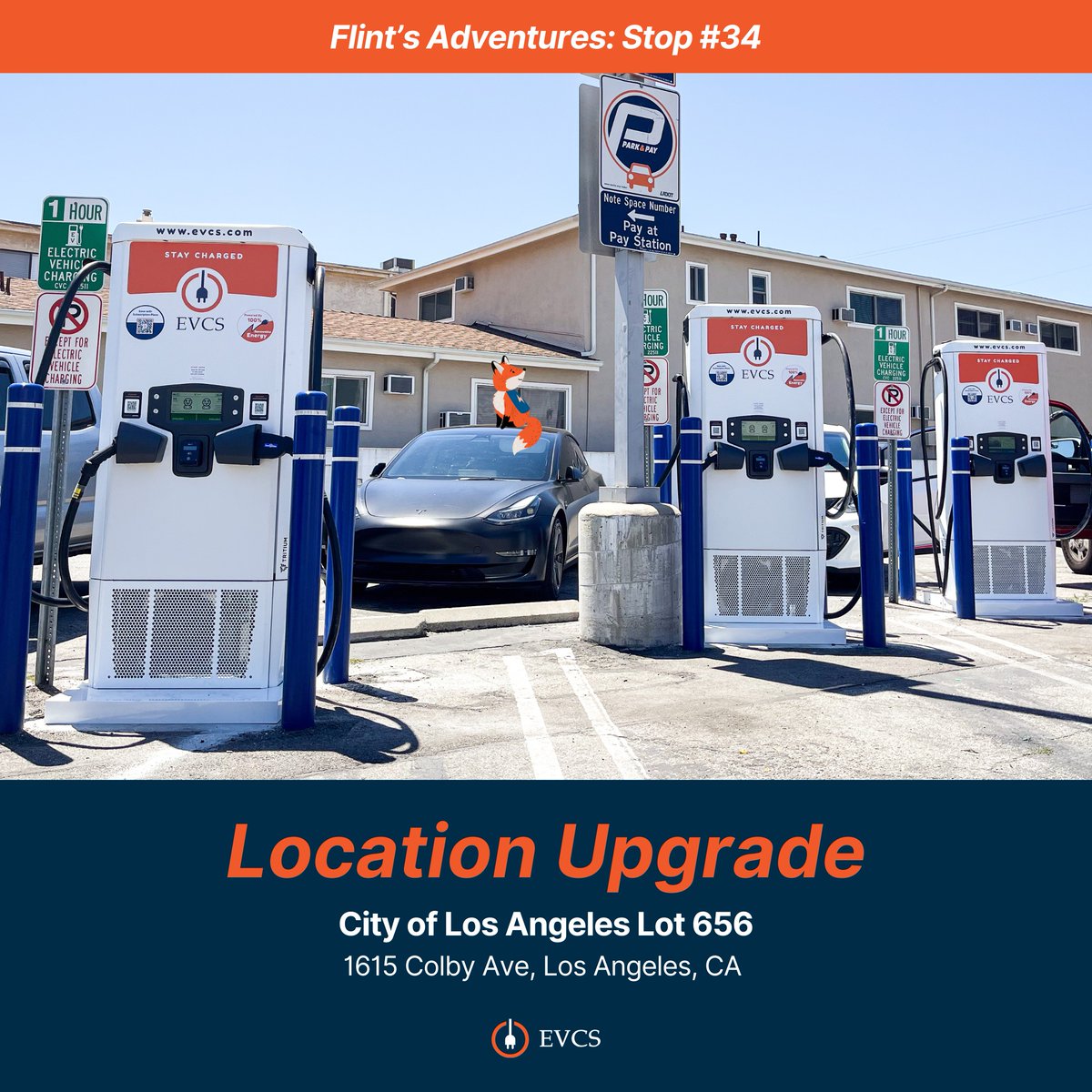
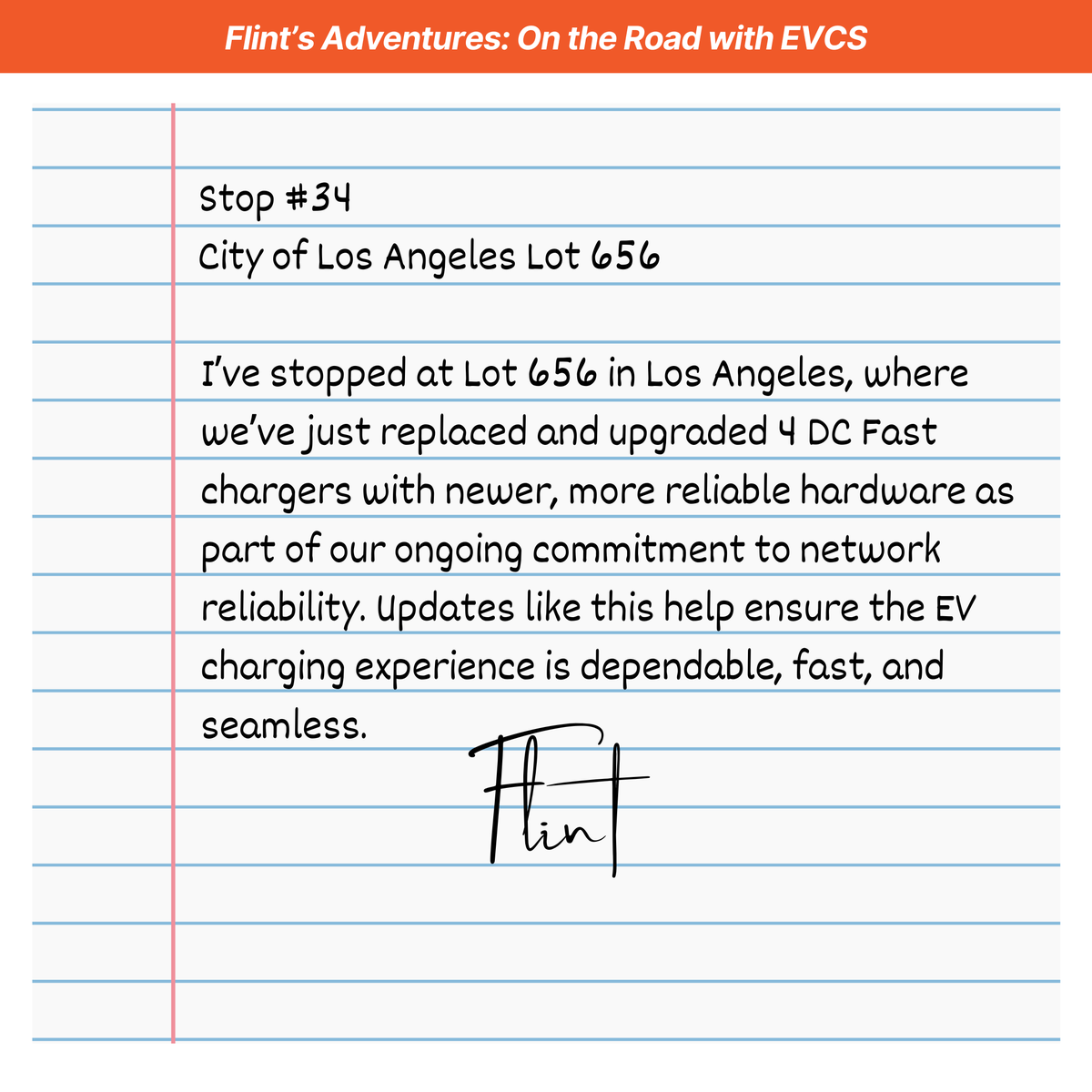
Flint’s returned to Lot 656 in Los Angeles, where we've swapped out the aging equipment and installed new, improved hardware to deliver a smoother, more consistent charging experience for our customers. 🦊⚡
#EVCS #FlintsAdventures #LosAngeles #EVCharging #EVReliability
2
47

10 Mar 2025

3
242

4 Mar 2025
Just received a $2,733 repair estimate from #Tesla for AC compressor and manifold issues on our 2020 Model Y. With three Teslas in the family, we’ve had mostly good experiences—but larger sample sizes provide a clearer reality on reliability and costs. One data point isn’t the whole story. #Tesla #EVreliability #SampleSizeMatters
1
4
317

26 Dec 2024
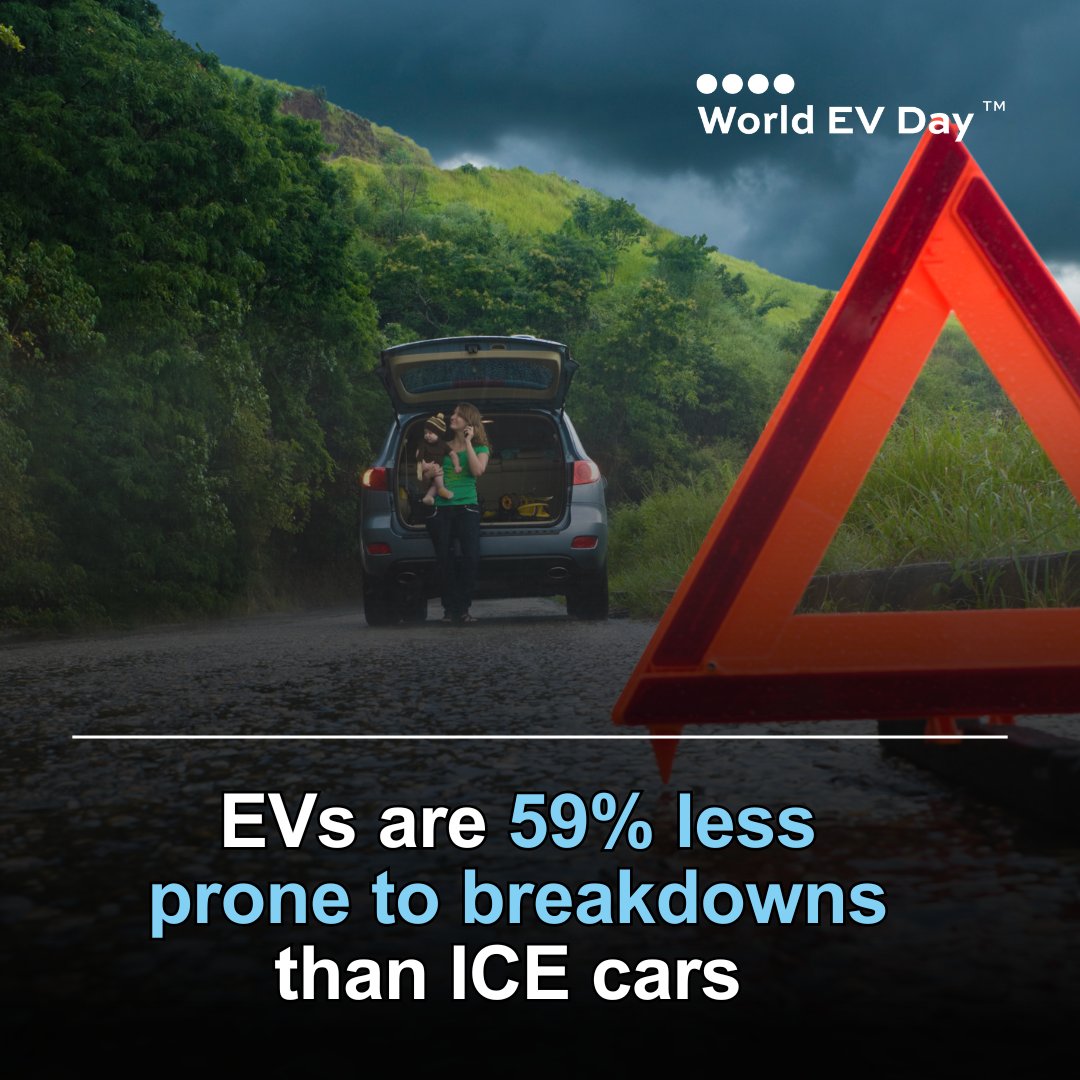
Research from Start Rescue reveals that Battery Electric Vehicles (BEVs) aged between 1-10 years are 59% less likely to break down than Internal Combustion Engine (ICE) vehicles of the same age.
#WorldEVDay | #Breakdowns | #EVReliability | #Sustainability | #ElectricFuture
4
121

10 Jul 2024
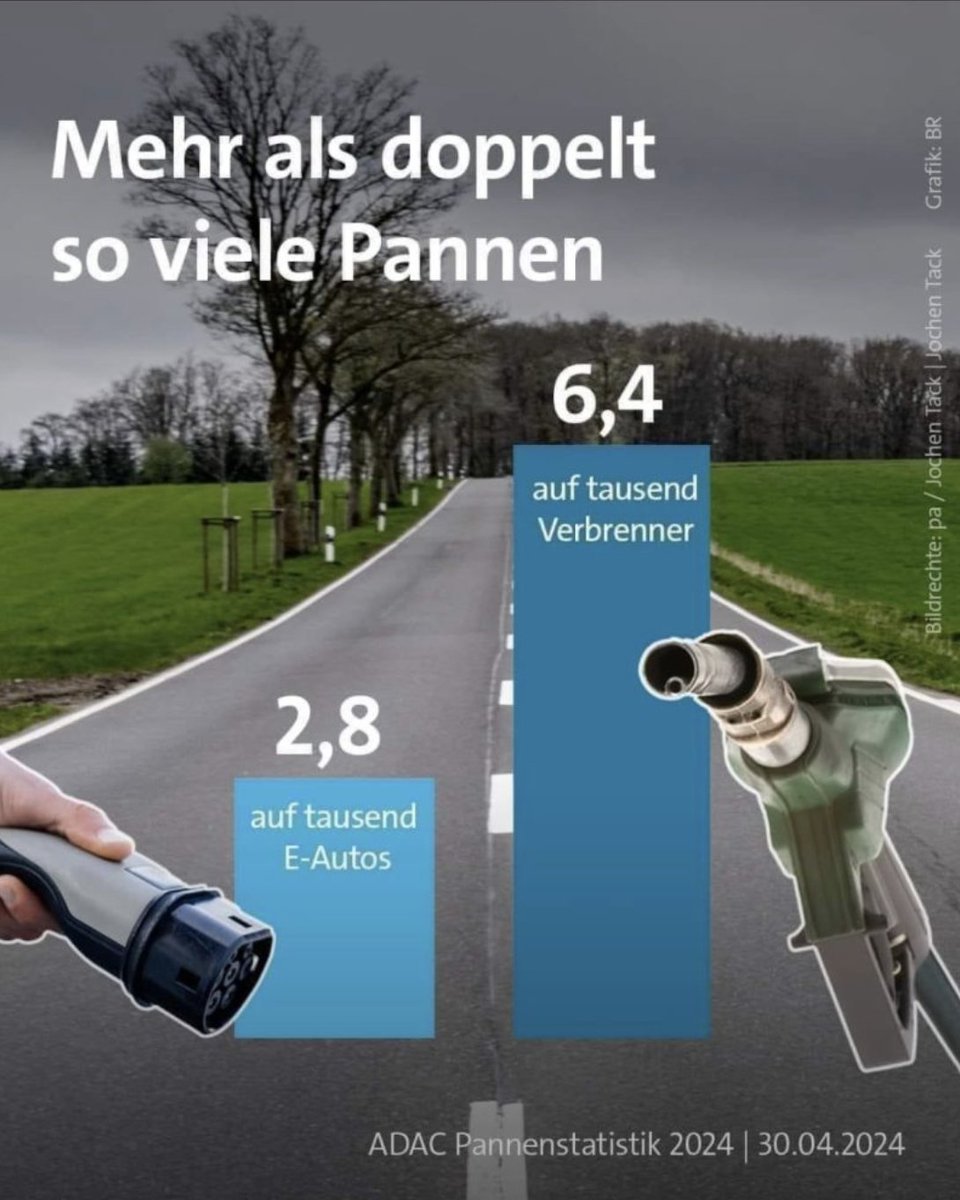
The claim that electric vehicles (EVs) are unreliable is contradicted by recent statistics and studies, particularly those from the ADAC, Germany’s largest automobile club. According to their analysis, for every 1,000 vehicles, only 2.8 EVs experience a breakdown compared to 6.4 internal combustion engine (ICE) vehicles. This reliability gap can be attributed to the mechanical simplicity of EVs, which have fewer moving parts, no combustion process, and reduced vibration issues compared to ICE vehicles .
Furthermore, specific models like the @Tesla Model 3 have shown even better reliability. The ADAC found that only 1.1 out of 1,000 Tesla Model 3 vehicles experienced a breakdown, far outperforming both other EVs and ICE vehicles . This suggests that Tesla vehicles might indeed have even fewer breakdowns compared to the average EV.
While EVs face challenges such as battery production emissions and infrastructure requirements, their operational and maintenance reliability is a clear advantage over ICE vehicles. This is a critical factor as the automotive industry moves towards sustainable transportation solutions .
Thus, the narrative that EVs are less reliable is not supported by the latest data. On the contrary, EVs, especially models like those from Tesla, have demonstrated superior reliability, which is a significant advantage as we transition to greener transportation options.
#EVReliability #ADACStats #TeslaModel3 #ElectricVehicles #SustainableTransport #EVVsICE #FutureOfMobility #TechInnovation #GreenEnergy #ClimateAction #VehicleReliability #DrivingChange #EcoFriendlyCars #AutoIndustry #CleanEnergy
9 Jul 2024

German vehicle break-down statistic from ADAC
For every 1,000 vehicles, 2.8 EVs had a breakdown and 6.4 ICE vehicles.
More parts, combustion, vibration, more moving parts and systems - it's no surprise.
I assume that breakdowns are even rarer with Tesla vehicles.
3
85


7 May 2020
So...the alternator went out on my Highlander. I am so ready to be done with this ICE money pit game. #evreliability #lessparts
6