Because it threatens several things they depend on simultaneously.
**The credentialing monopoly**
Boys Town style results — genuinely transforming difficult kids into capable adults — would demonstrate that the pathway to human development doesn't require universities, education schools, or certified pedagogy. That's an existential challenge to the credentialing infrastructure academics control and profit from.
**The research and theory class**
Academic education departments have built careers on studying, theorizing, and consulting about poverty and educational failure. Solving the problem collapses the problem industry. There's an uncomfortable incentive to manage dysfunction rather than eliminate it — managed dysfunction generates grants, papers, and consulting contracts. Eliminated dysfunction generates nothing.
**Ideological commitments**
Legacy academia has largely embraced a framework where poor outcomes for disadvantaged kids are primarily explained by systemic structural forces — racism, poverty, inequality. A model that says "change the environment and expectations and kids transform" implicitly challenges that framework. It suggests agency and culture matter enormously, which conflicts with deterministic structural accounts. That's politically uncomfortable territory in contemporary academia.
**Union and institutional politics**
Certified teachers, administrators, and education bureaucracies have enormous political influence over public education. A model that bypasses certification requirements, union rules, and administrative structures threatens those power bases directly.
**The deeper irony**
Elite boarding schools — Exeter, Andover, Choate — essentially validate your model for wealthy kids without controversy. Nobody questions whether structured residential education with high expectations works for privileged children. The resistance only appears when you propose extending that model to poor kids. That asymmetry is worth sitting with.
Gaja retweeted

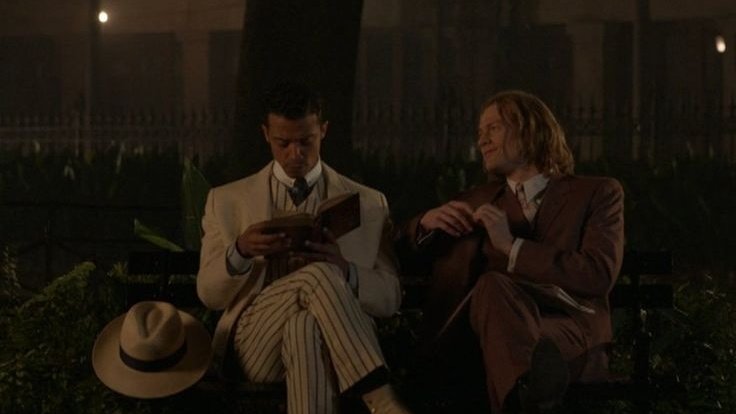
«expectations? none. nothing. just sit with me. please!»



28
193
1,421
🇮🇳deshpremi🇮🇳 retweeted

Emphasised that the Global South has immense expectations from the world. More than support, it seeks partnership.
We must move beyond the donor-recipient mindset and work as equal partners!
We must walk together and not merely alongside one another.
Partnerships must be linked to dignity, not dependency.
52
631
2,245
83,711

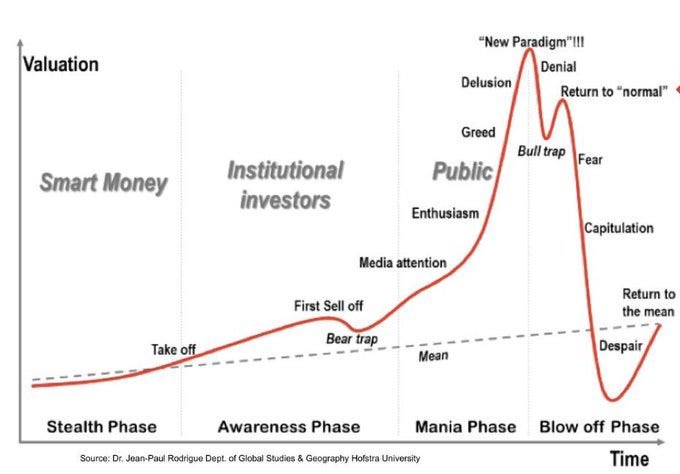
$ARM might be one of the most expensive mega-cap stocks.
• 475x earnings
• $440B market cap
• 260% YTD
Great business, but expectations have become enormous.
The chart is starting to look less like growth and more like euphoria. Will it play out ?


miu miu | olivia’s version retweeted

expectations coming on after listening and crying to purple, the cure, begged, what’s wrong with me, and less :
3
19
209
2,138
Paolo Miguel retweeted

Jun 12
how expectations by olivia rodrigo got me feeling like
11
2,400
13,627
218,895
miu miu | olivia’s version retweeted

love that expectations got a cunty pic

1
66
1,798
14,317
💖Kelly//LIVE AND BREATH CARTOONS//💖 retweeted

He literally has an emotionally abusive mother who thinks of him as a disgrace if he doesn't live up to her expectations and had total control over his life.
You can hate Logan all you want but don't lie about what actually happens to justify you're hatred, this is insensitive.

Read the comic and I still hate Logan sorry
It was jarring going from Jade being sad because she lost and had actual life plans to his pasty ass being all like “I won… but now everyone sees me as perfect 😔 Look at all my trophies.”
“First World Problems” Personified


3
11
44
834

we expected magic and messi still exceeded our expectations. what a player
64
anita retweeted

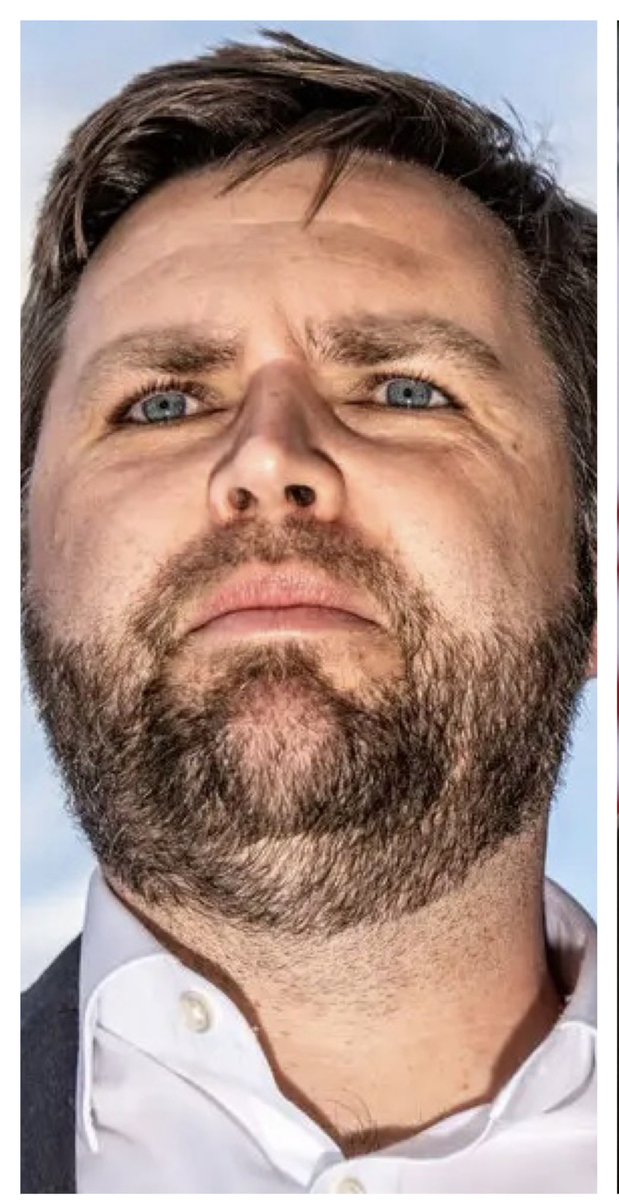
When you write a book called Hillbilly Elegy and suddenly find yourself on the world stage, the expectations were already low.
But damn, JD Vance managed to underwhelm even those.
The guy who once called Trump “America’s Hitler” and warned us about the dangers of cynical populism is now the biggest bootlicker in the room — trading his Appalachian authenticity for whatever the latest power play demands.
Hillbilly roots were supposed to mean something real. Instead we got a polished shape-shifter who ditched the diagnosis for the grift.
From voice of the forgotten to just another suit forgetting where he came from.
Disappointing doesn’t even cover it.
The holler deserves better.
3
5
19
248

CNN is reporting that PM Carney has seen the text of the U.S./Iran agreement - and Carny says it's "exceeded my expectations"

41

top atualizado de you seem pretty sad for a girl so in love
1- the cure
2- cigarette smoke
3- stupid song
4- my way
5- maggots for brains
6- expectations
7- u me = <3
8- drop dead
9- purple
10- what’s wrong with me
11- begged
12- less
13- honeybee
ps: amei todas menos honeybee
2

Well they have what it takes to defy @jimgeraghty s expectations!
4
Yumi ིྀ retweeted

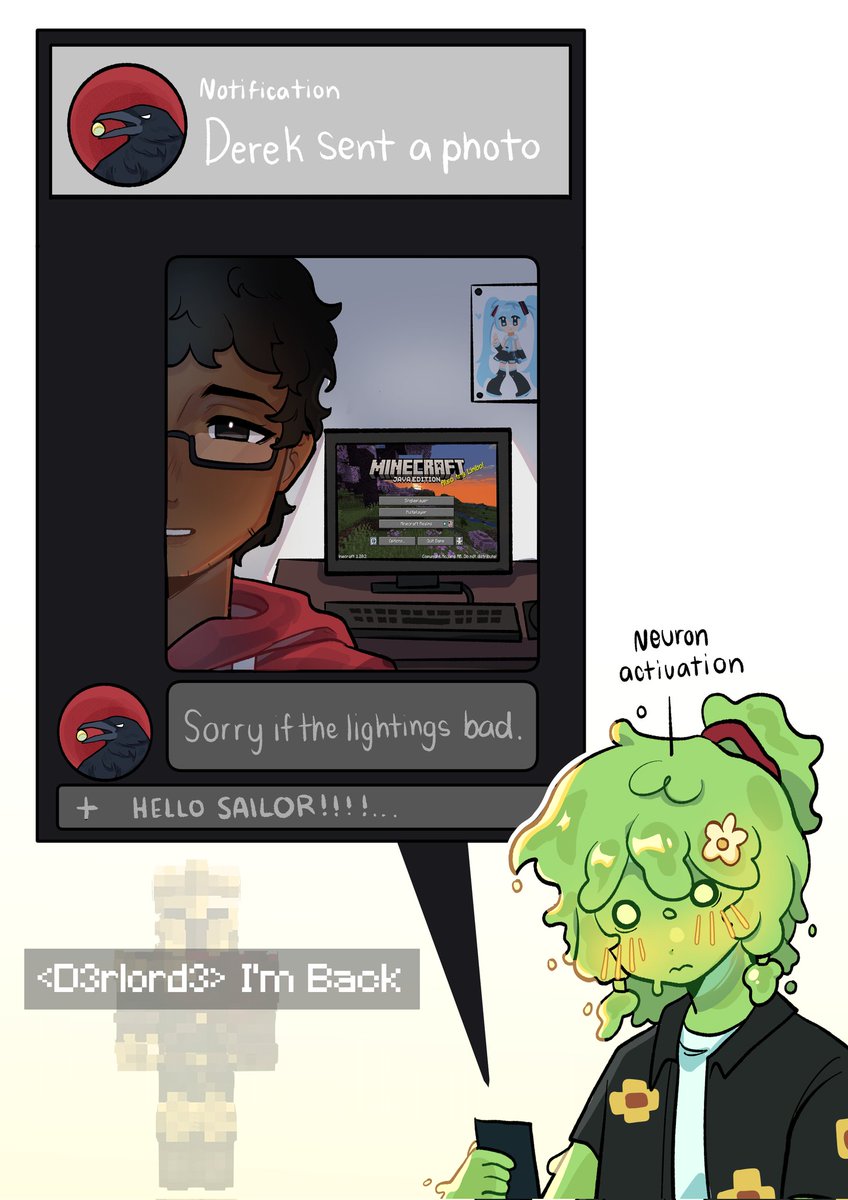
Hoyofair animations aren't canon. You guys built expectations into something, and now you are frustrated because your headcanons and ideations aren't real. I'm not defending Hoyo, but making them stereotypical villains would be way worse as we are getting closer to Celestia.
3
29
1,402
25,891
🦋 , eli ⋆˚࿔ jimonmaxxing retweeted





4
74
548
2,963
PC Class of 93 retweeted

Its June so I don’t want to set unreasonable expectations but Dink Pate might be that dude who just loves being a Friar. Devin Carter type.

2
3
71
1,957


ㅤ
His attention returned to the figures.
Asia Pacific had been the company's fastest-growing region for the past three years. Luxury watch sales across Japan, Singapore, South Korea, and China had consistently exceeded expectations set by headquarters in Switzerland.
ㅤ
1
5