
Apr 9
📜 Britain’s 19th century assessment of Indian hemp cultivation…
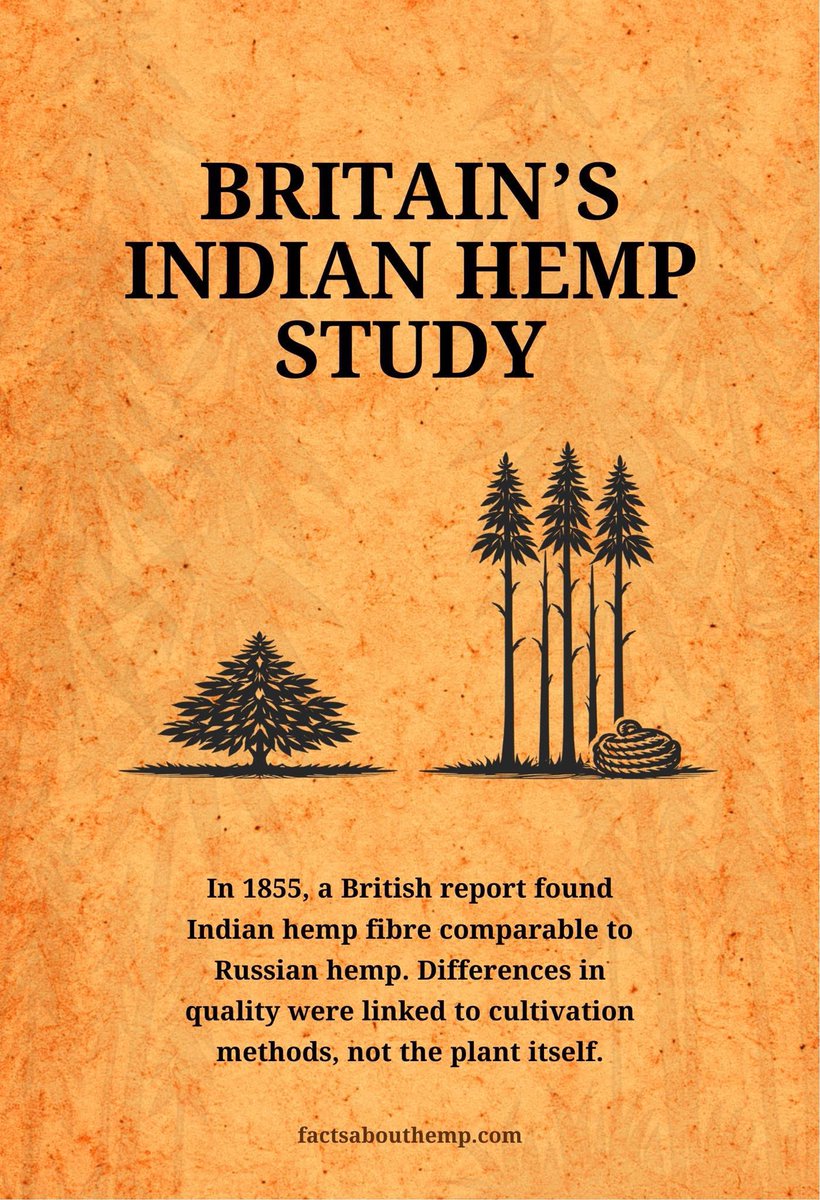
Published in 1855, The Fibrous Plants of India: Fitted for Cordage, Clothing, and Paper examined plant fibres of economic importance to the British Empire. One aim was to identify alternatives to imported Russian hemp, which was widely used but costly.
The report noted that hemp in India was commonly grown for intoxicating uses such as bhang and ganja. Plants were typically spaced far apart, producing short, branched stems that were unsuitable for fibre.
However, fibre from Himalayan hemp was found to be strong and comparable to the best Russian hemp available at the time. The authors concluded that the limitation was not the plant, but how it was cultivated.
They proposed that closer planting would produce taller, straighter stems suitable for fibre, outlining how changes in agricultural practice could support a domestic fibre supply.
#FactsAboutHemp #HempHistory #EconomicBotany #IndustrialHistory
3
8
16
255
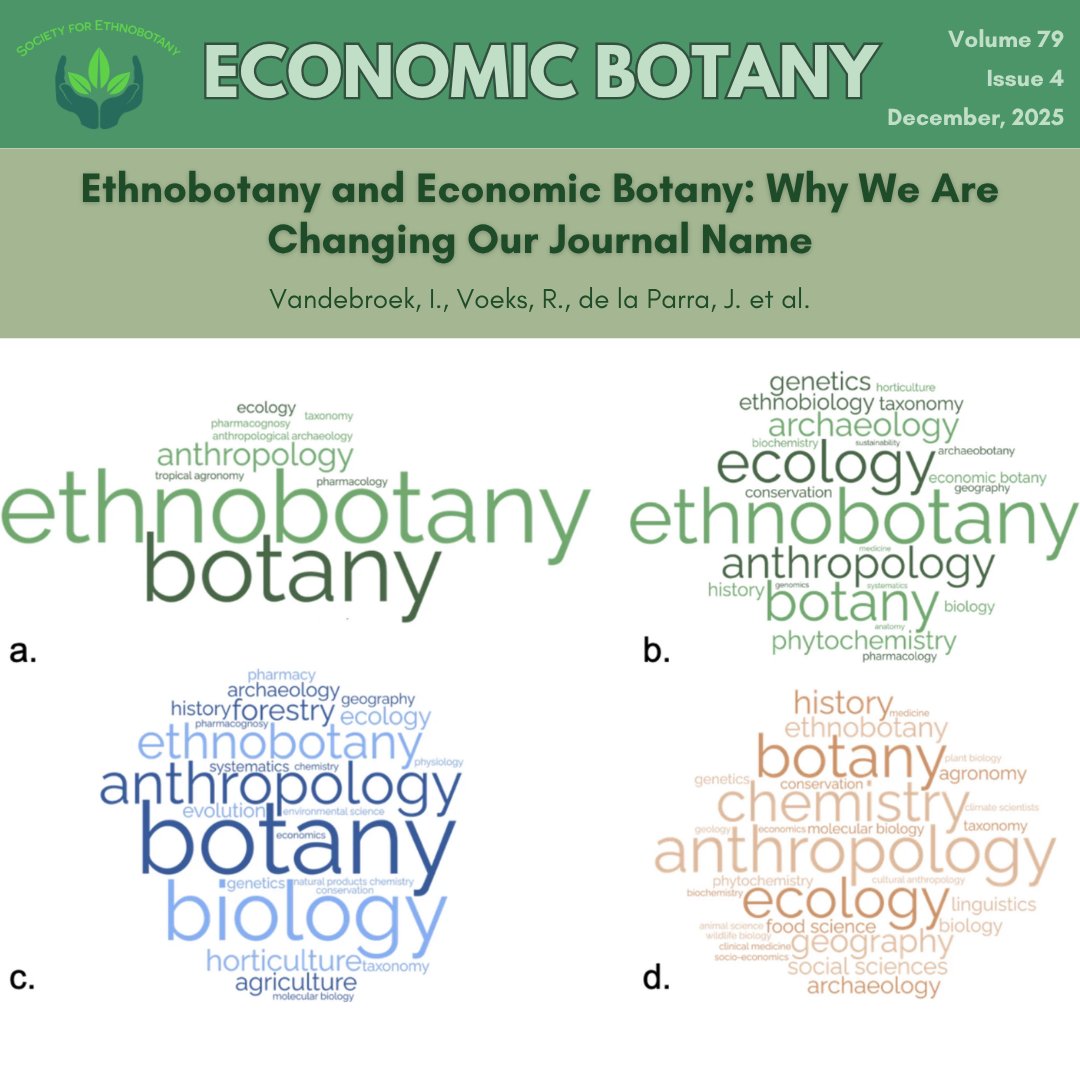
Learn more about why we're changing our journal name in our last issue of "Economic Botany"!
Members, log in at ethnobotany.org to read more 🌱
#SEBotany #EconomicBotany #Ethnobotany
4
76
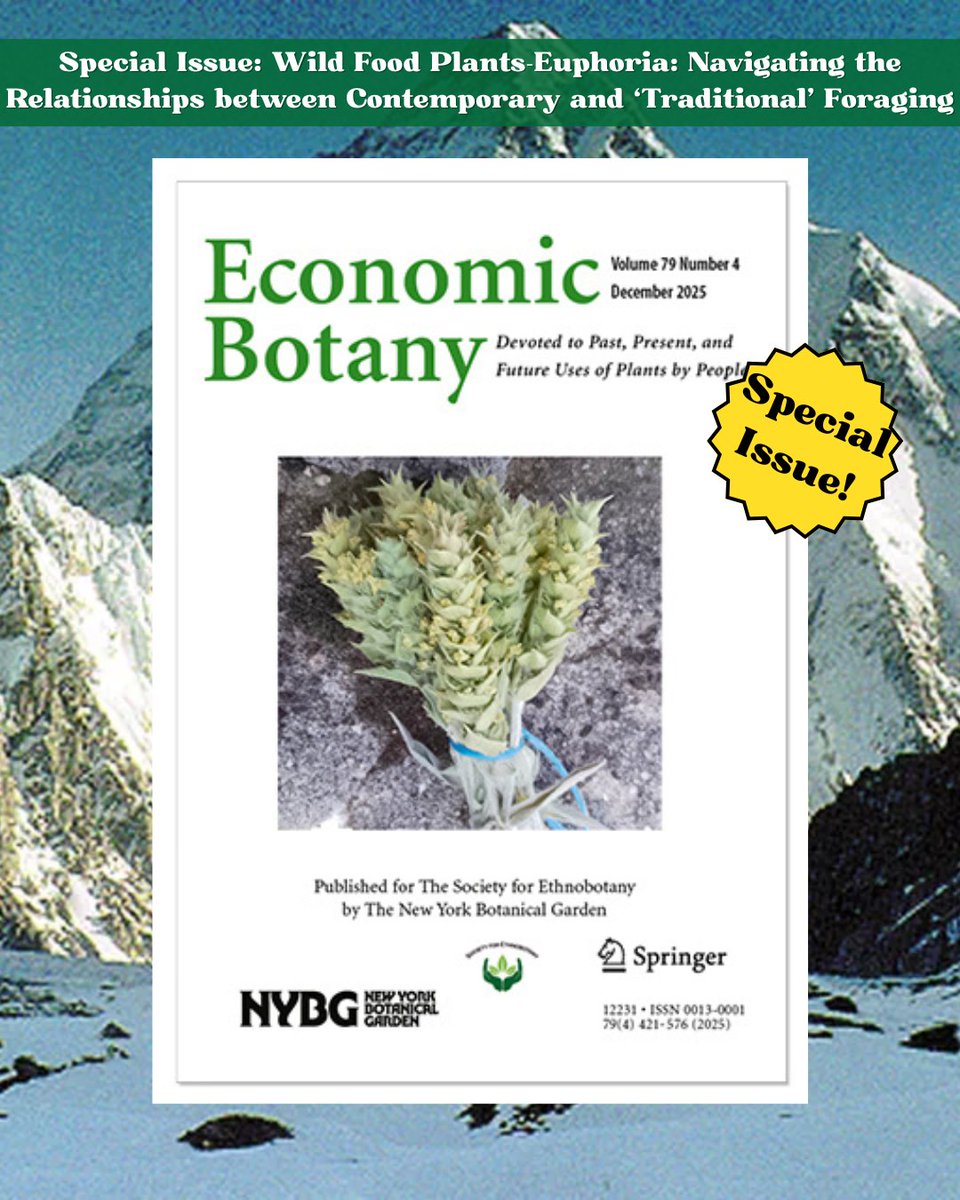
Don't miss Economic Botany's Special Issue!
This will be our last journal published under the name 'Economic Botany', featuring an article explaining our upcoming name change 🌻
#Sebotany #economicbotany #ethnobotany #specialissue #foraging
1
4
92
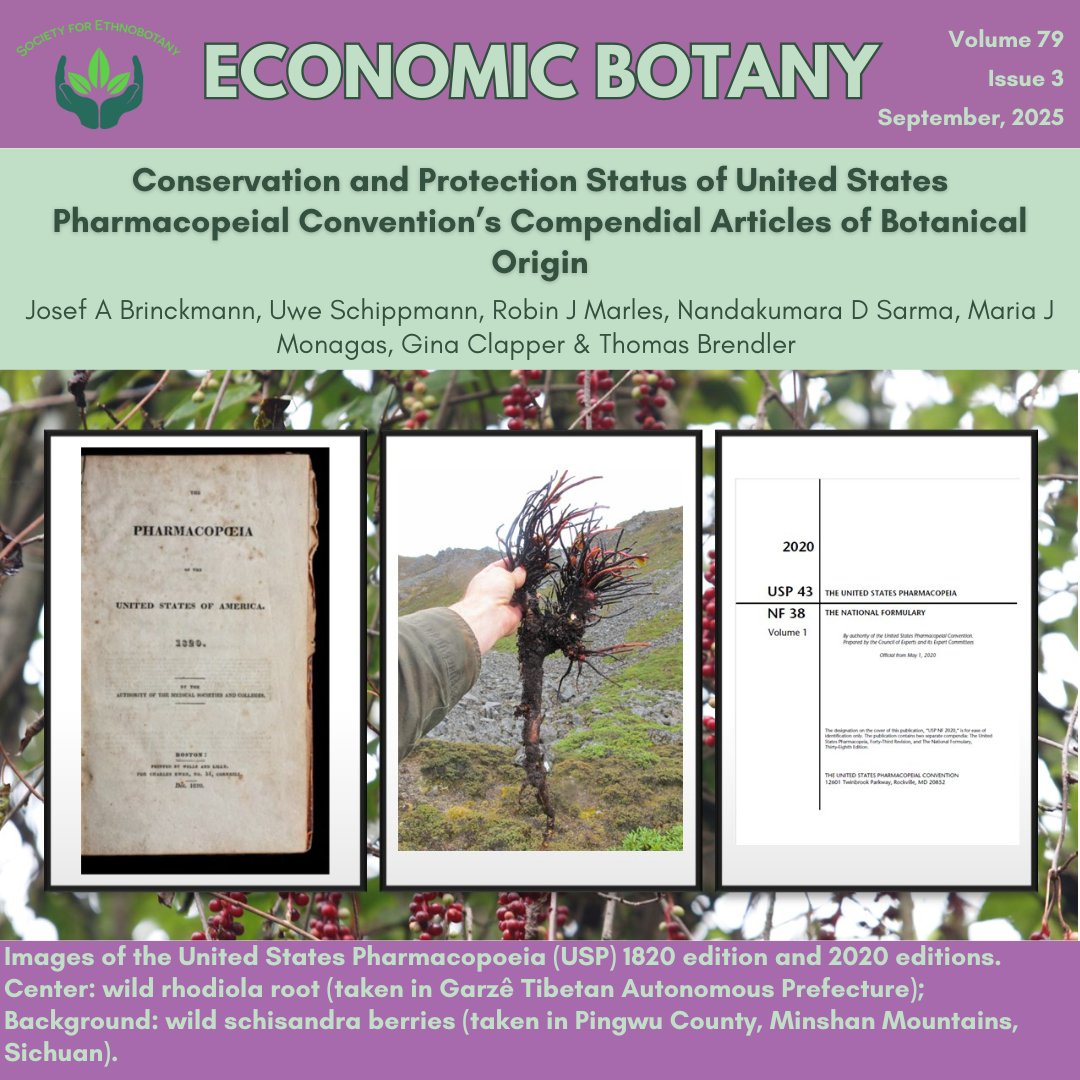
We're excited to share this paper in the latest issue of Economic Botany!
Visit ethnobotany.org & login at the top to read more about the conservation and protection status of the U.S. Pharmacopeial Convention's compendial articles of botanical origin.
#EconomicBotany
3
68

30 Dec 2025
New @ESRC LSE × Kew collaborative PhD: Planting Decolonization 🌱
3.5 yrs from Sept 2026 | fees stipend (£22,780 for 2025/26) | Lead: @KasiaPaprocki
For master’s grads w/ archival or fieldwork experience.
Apply by 14 Jan 2026 👉 zurl.co/TbRfG
@Economicbotany
2
5
486
30 Nov 2025
New @ESRC LSE × Kew collaborative PhD: Planting Decolonization 🌱
3.5 yrs from Sept 2026 | fees stipend (£22,780 for 2025/26) | Lead: @KasiaPaprocki
For master’s grads w/ archival or fieldwork experience.
Apply by 14 Jan 2026 👉 zurl.co/TbRfG
@Economicbotany
3
2
377

3 Oct 2025
#PLANTATION #SCIENCE & #EMPIRE in the 20TH CENTURY: 3.5 yrs funded PhD @LSEGeography @lsehistory & @KewGardens supervised by Kasia Kaprocki & @Economicbotany Details: lse.ac.uk/study-at-lse/Gradu…
![Tobacco Plantation Rhodesia by Frank C. Papé for the Empire Marketing Board [1928]](https://venexa.site/media/G2XW8lFWUAA99M8.jpg)
ALT Tobacco Plantation Rhodesia by Frank C. Papé for the Empire Marketing Board [1928]
1
7
21
1,023
11 Jun 2025
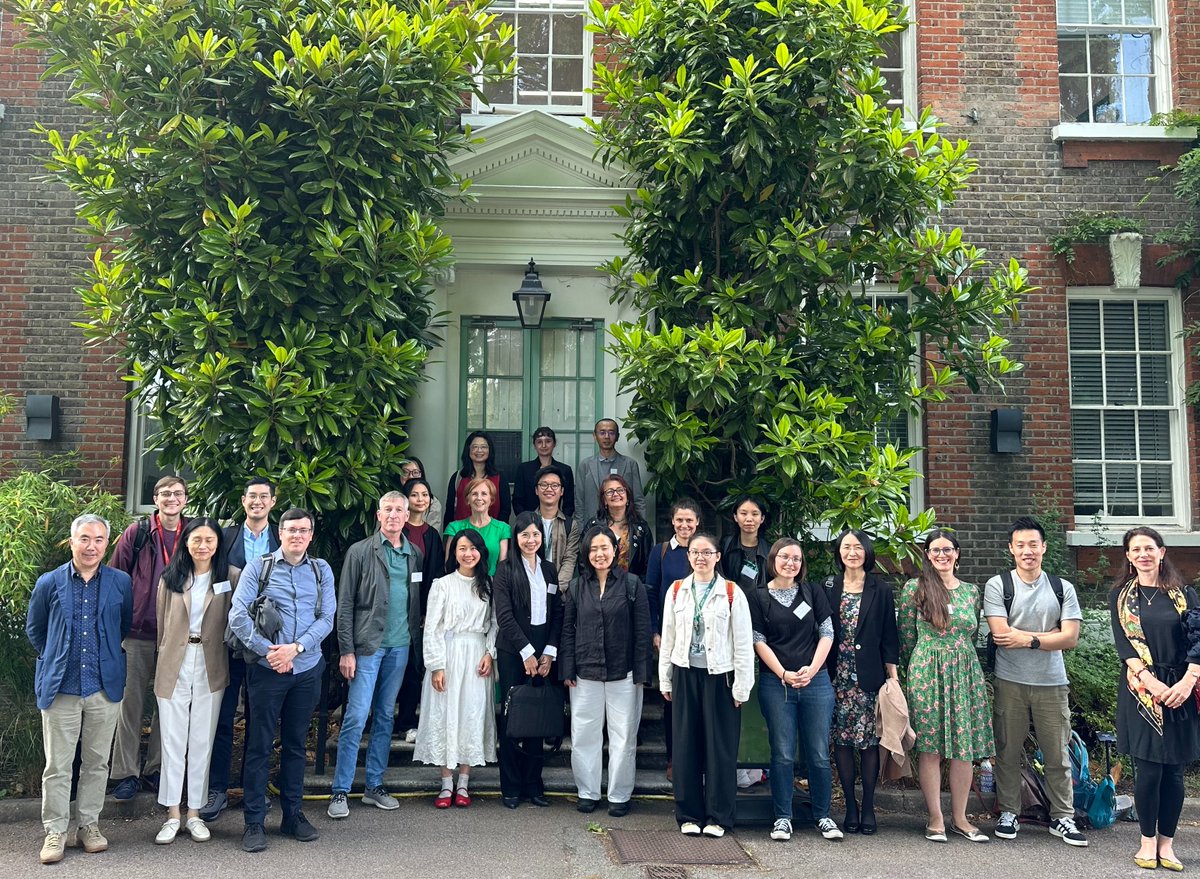
And it's a wrap! #EastAsia & #EconomicBotany symposium @KewGardens 2 days of amazing papers, discussions & delegates! Huge thanks to all! @RHULHistory @V_and_A @uniofedinburgh @UniofExeter @The_RHS @KingsCollegeLon @Princeton @HKUniversity @MancHSTM @univienna @lunduniversity
16
380

28 May 2025
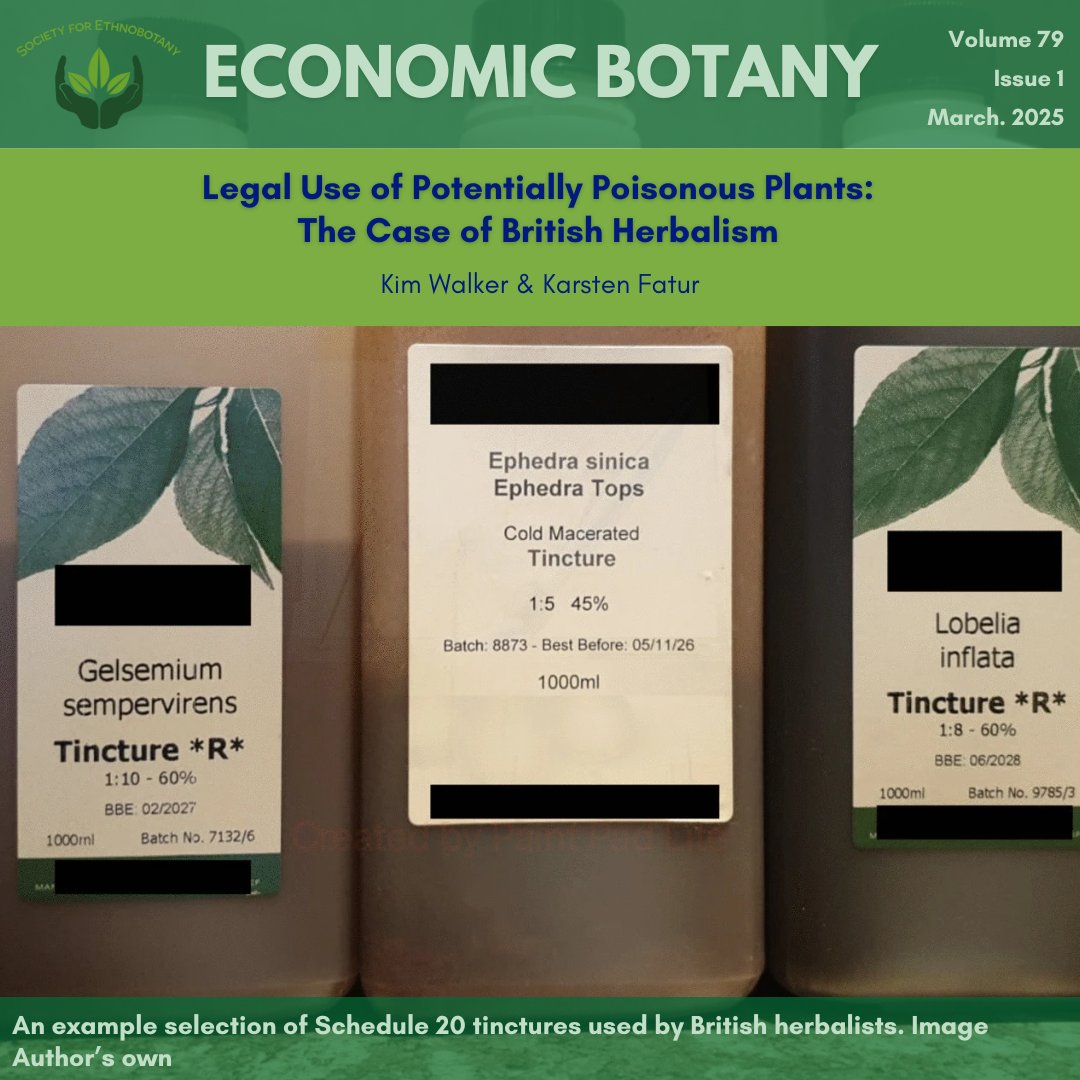
We're excited to share this new article, "Legal Use of Potentially Poisonous Plants: The Case of British Herbalism”
Don't miss this, or any of the articles in the newest Economic Botany issue. Visit ethnobotany.org & login at the top to check it out!
#EconomicBotany
1
4
112
30 Apr 2025
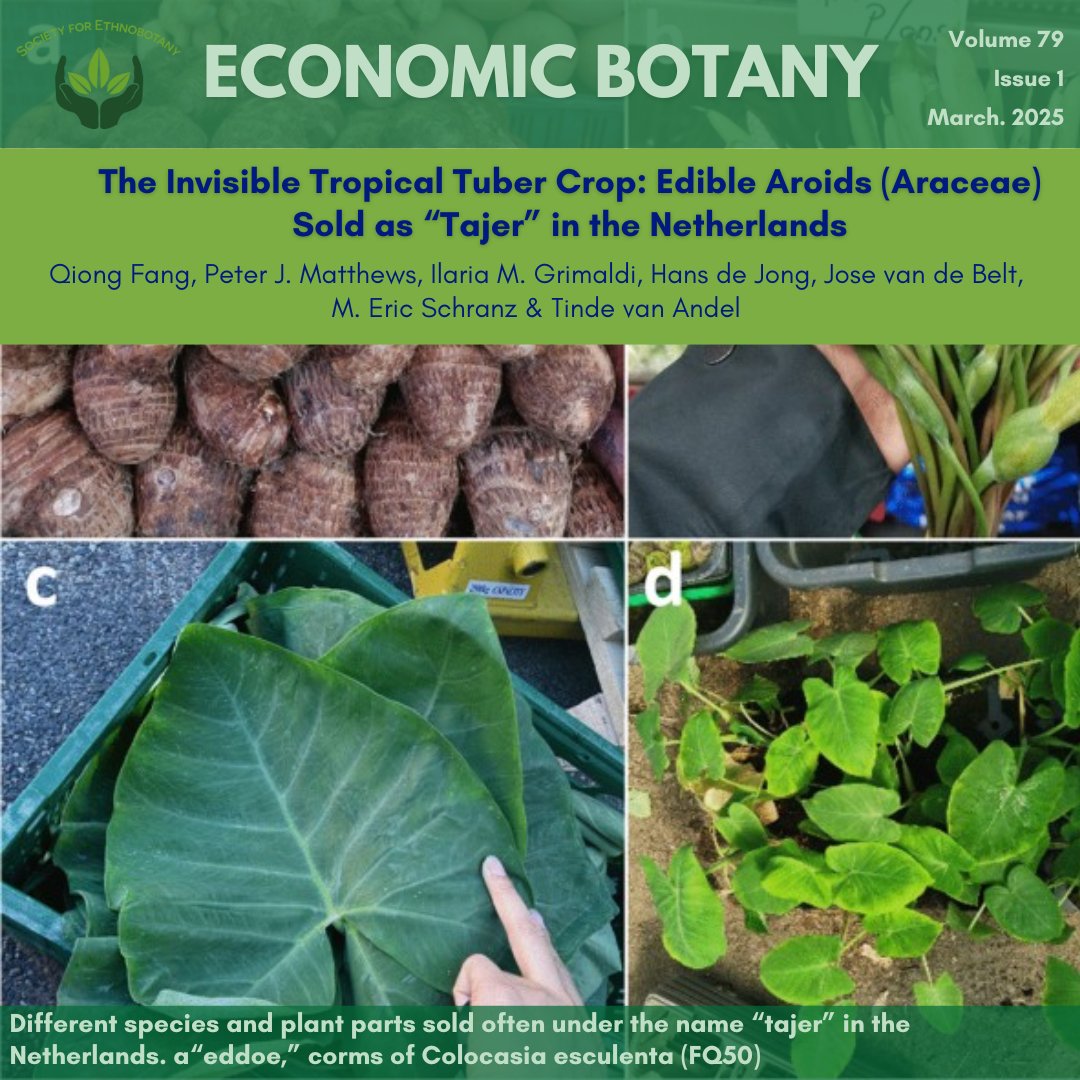
We're excited to share this new article, "The Invisible Tropical Tuber Crop: Edible Aroids (Araceae) Sold as "Tajer" in the Netherlands”
Don't miss this, or any of the articles in the newest Economic Botany issue. Visit ethnobotany.org to check it out!
#EconomicBotany
9
230
21 Apr 2025
The latest issues of the Society for Ethnobotany's publications, Economic Botany and Plants and People, are now available! To learn about these issues, visit ethnobotany.org/home/publica….
#SEBpublications #EconomicBotany #PlantsandPeople
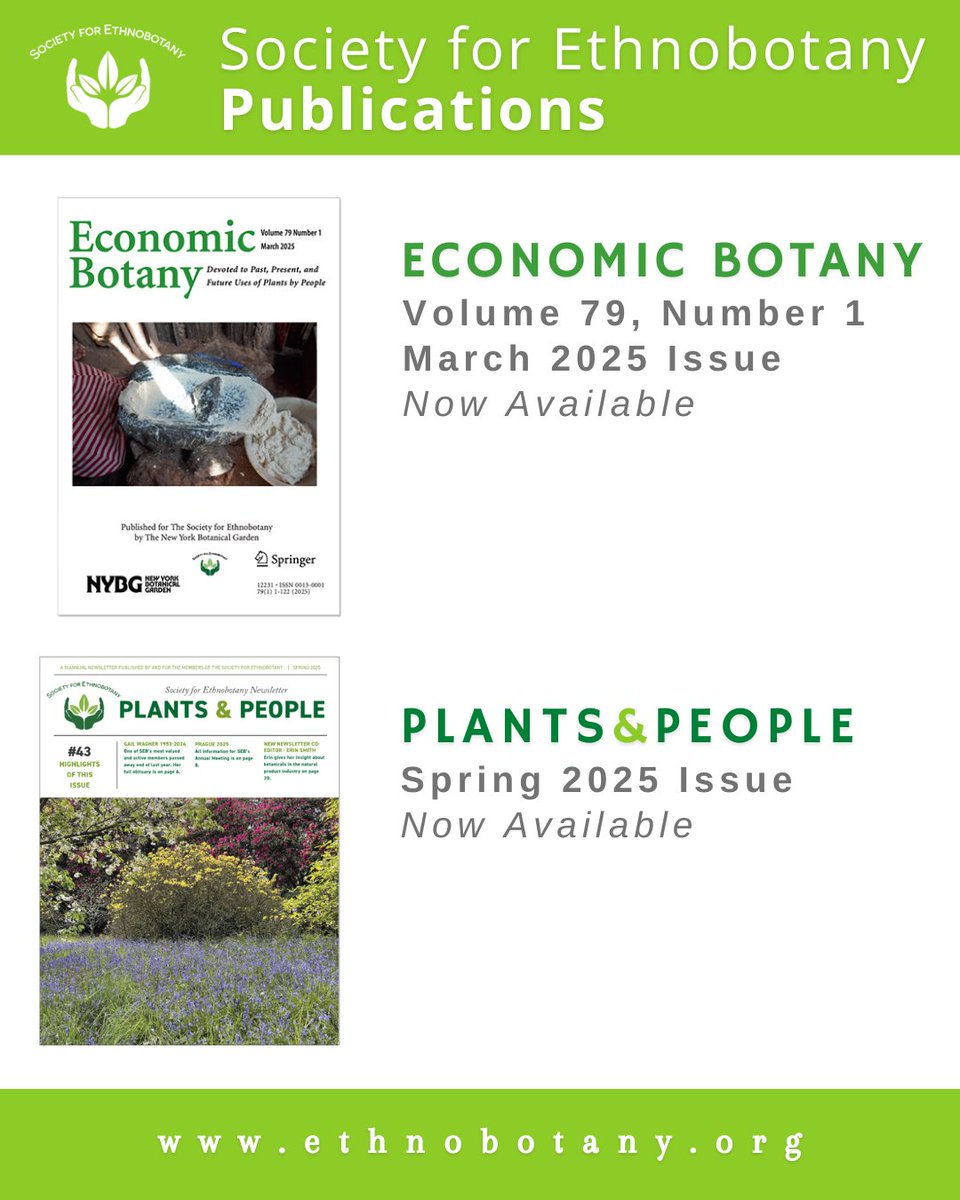
ALT This image shows that 2 SEB publications, Economic Botany, and Plants and People, have a new issue out and available for viewing. To learn more, visit www.ethnobotany.org and click on the publications pages.
5
8
267
19 Mar 2025
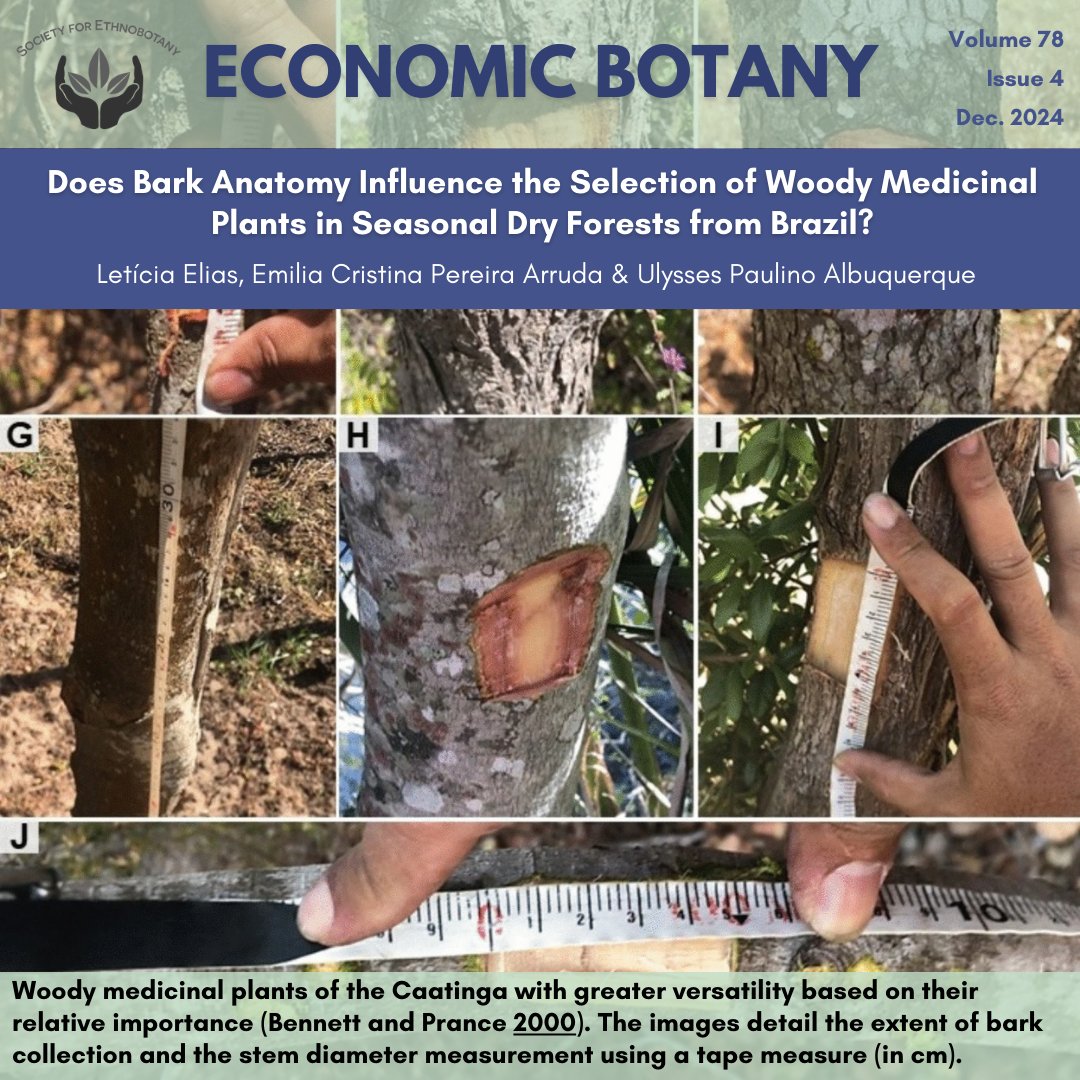
We're excited to share this new article, "Does Bark Anatomy Influence the Selection of Woody Medicinal Plants in Seasonal Dry Forests from Brazil?”
Don't miss any articles in our newest issue at ethnobotany.org
#EconomicBotany #SEBpublications #SEBmembers
2
10
291


16 Jan 2025
Thrilled to have Professor Mark Nesbitt @Economicbotany @KewScience opening our *online* seminar in March speaking on #materiamedica as #materialculture
Evolving Traditions: Influences on Western Herbal Practice
Date: 19 mar • 14:30
Book below ⬇️
eventbrite.co.uk/e/evolving-…
4
5
523

12 Nov 2024
Huge thanks to @RoyalHolloway Postdoctoral Research Fellow Dr Diego Molina, Dr Caroline Cornish & Gayathri Anand from Kew Gardens for making this visit possible! #RHULGeogUndergrad #RHULGeogResearch #Geography #Museums #Botany #KewGardens #EconomicBotany #Herbarium #RoyalHolloway
2
88

7 Nov 2024
We feel terrible about this disruption to your travel plans. Kindly switch to DMs with your confirmation code, and let us know how we can help.
39
6 Nov 2024
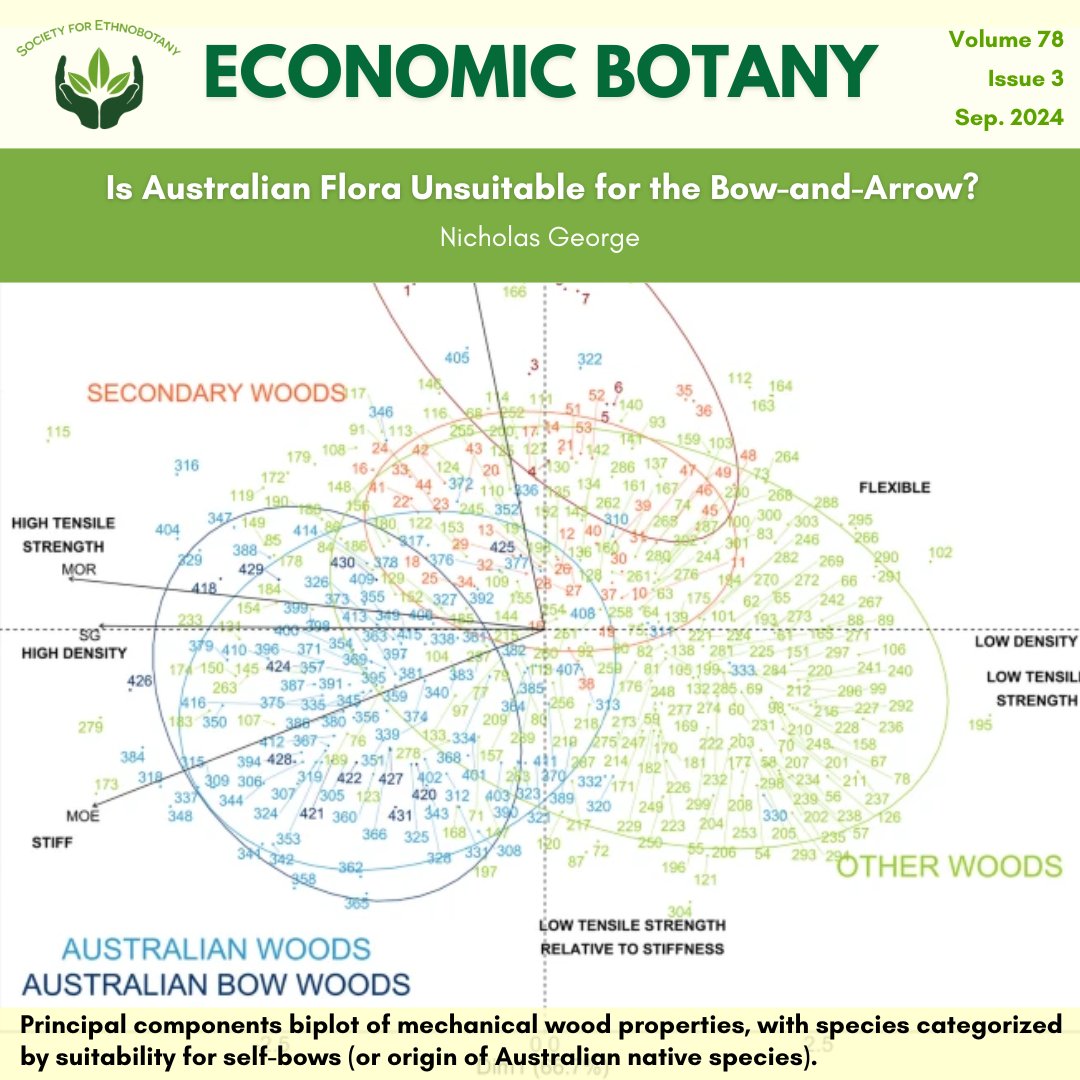
We're excited to share this new article, "Is Australian Flora Unsuitable for the Bow-and-Arrow?”
Don't miss this, or any of the articles in the newest Economic Botany issue. Visit ethnobotany.org to check it out!
#EconomicBotany #SEBpublications #SEBmembers
1
5
147
30 Oct 2024
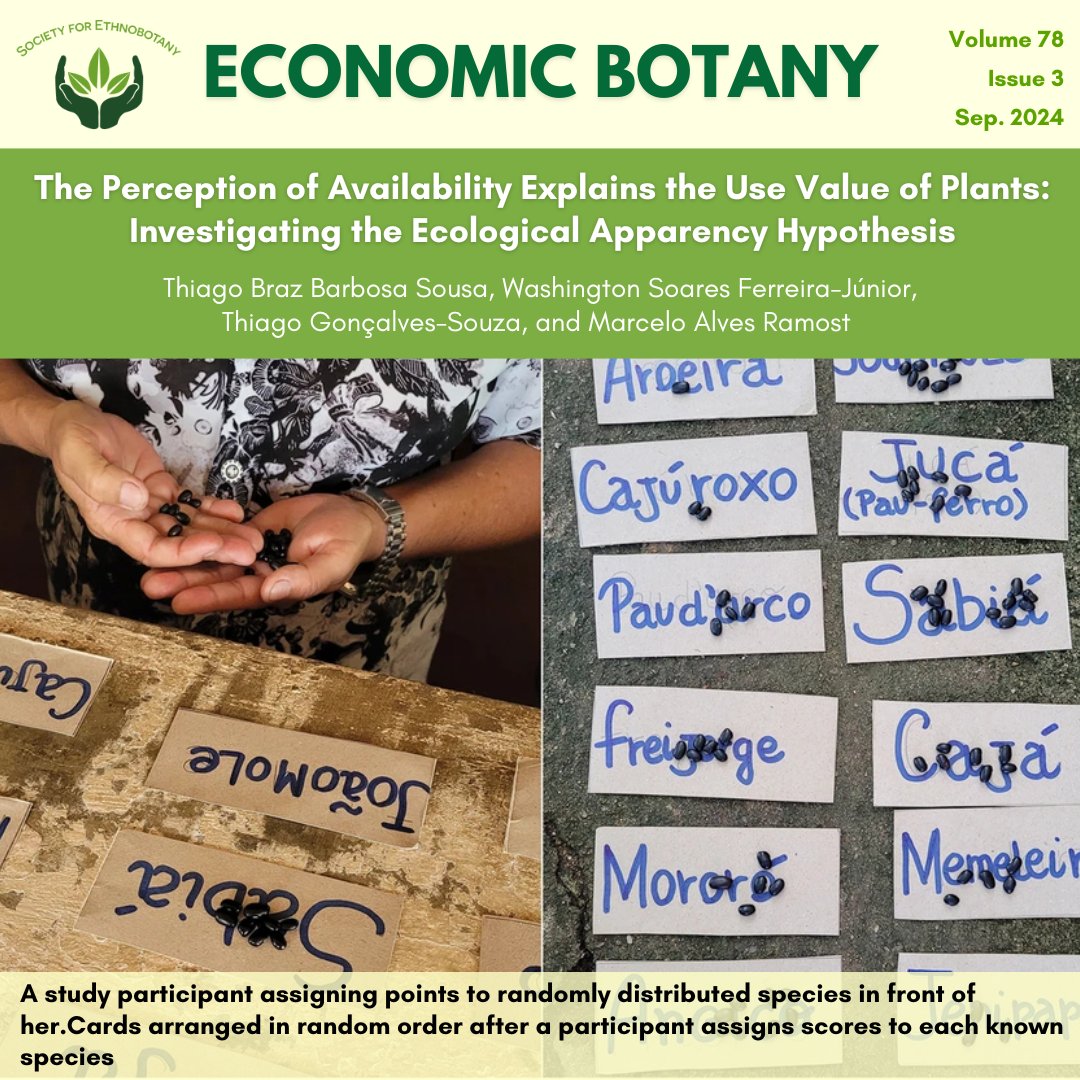
Check out the new Economic Botany article, "The Perception of Availability Explains the Use Value of Plants: Investigating the Ecological Apparency Hypothesis”
Visit ethnobotany.org and login at the top right of the page to gain access!
#EconomicBotany #SEBpublications
1
7
238

10 Sep 2024
More memories #BUC2024. Teams surprised at who was awarded Nobel prize after large team of scientists discovered biochemistry of C3 photosynthesis in 1940s - 1960s. @obga @Kewscience @Economicbotany @bitheolaidhe @drmgoeswild @John_in_Aber
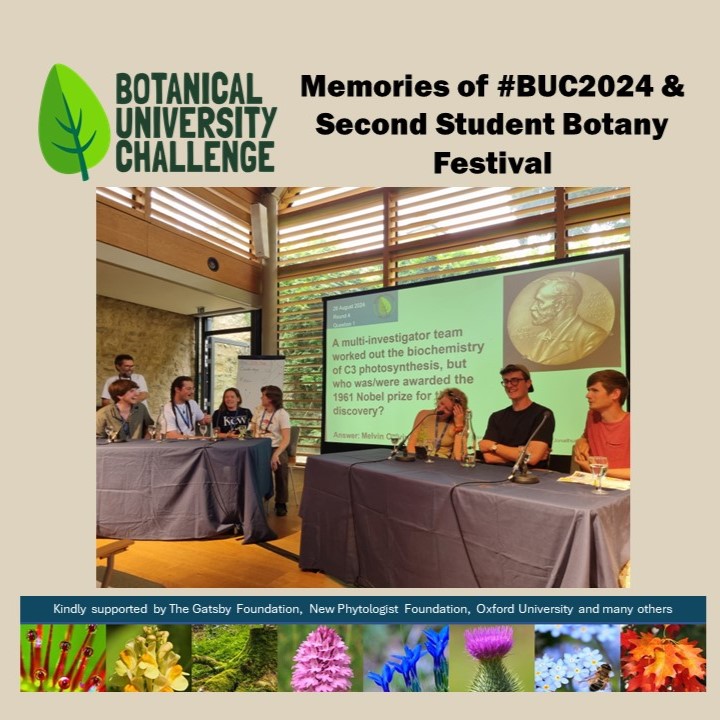
ALT Two teams of students in Botanical University Challenge, with question about the discovery of C3 photosynthesis and who was awarded a Nobel prize for it in 1961.
1
1
284
28 Aug 2024
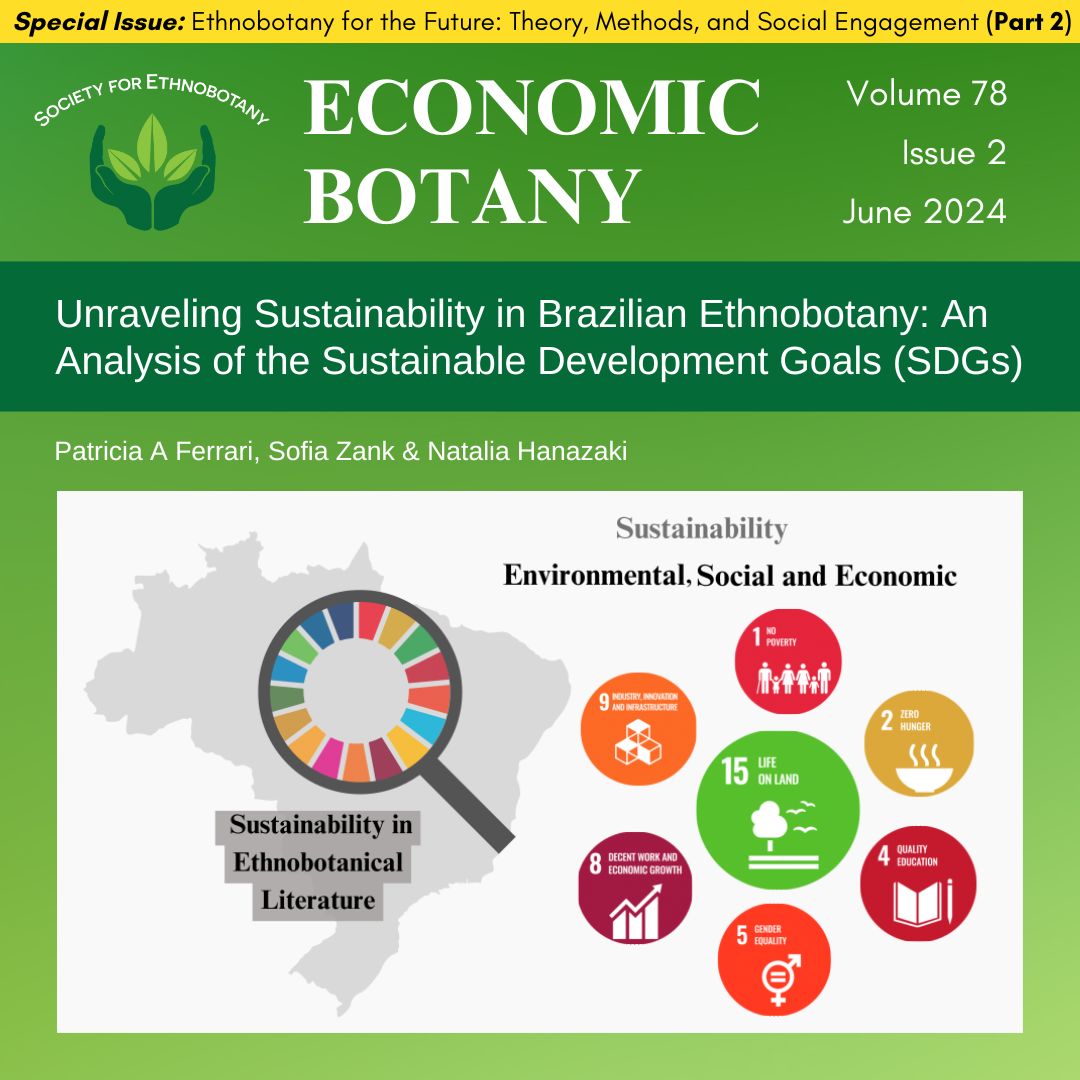
Don't miss the newest Economic Botany special issue article: "Unraveling Sustainability in Brazilian Ethnobotany: An Analysis of the Sustainable Development Goals (SDGs)"
#EconomicBotany #SEBmembers #SEBpublications #SEBspecialissues #ethnobotany #sustainabledevelopmentgoals
3
110