
Light rain at Roseworthy: 2.0mm in the last hour at 2:30pm 15/06/26, 2.4mm since 9am
Other observations:
Station: Cape Borda: 5.4mm (in the last hour), 8.2mm since 9am
Station: Edithburgh: 3.8mm (in the last hour), 3.8mm since 9am
Station: Minnipa: 3.2m… ift.tt/iAIsFhH
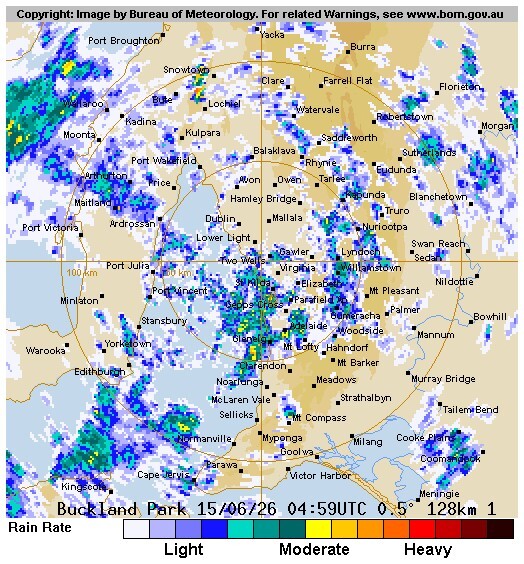
Light rain at Roseworthy: 2.0mm in the last hour at 2:30pm 15/06/26, 2.4mm since 9am
Other observations:
Station: Cape Borda: 5.4mm (in the last hour), 8.2mm since 9am
Station: Edithburgh: 3.8mm (in the last hour), 3.8mm since 9am
Station: Minnipa: 3.2m… ift.tt/iAIsFhH
2

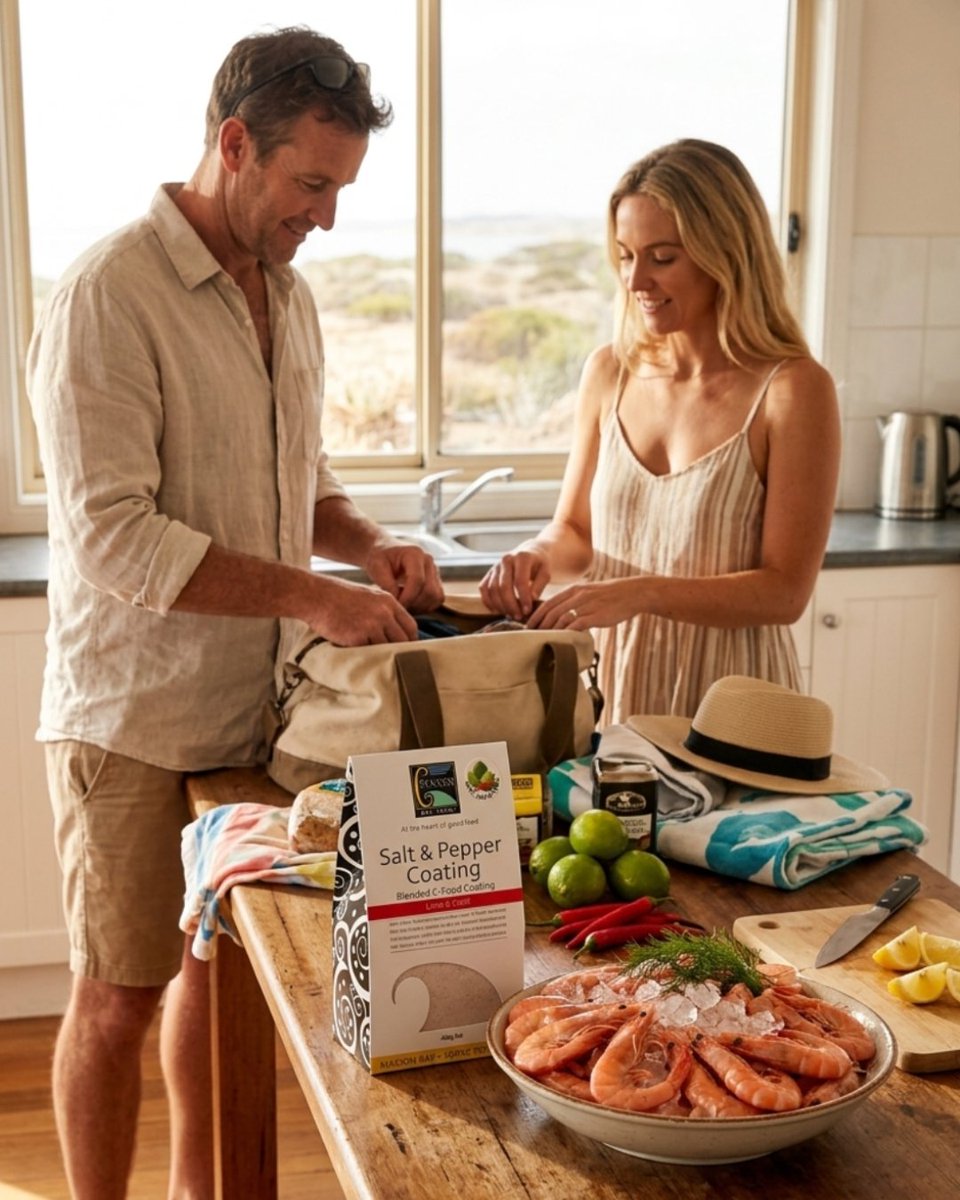
Heading to Edithburgh on the Yorke Peninsula?
☕️ Stop into the brilliant Location Cafe and grab some MBC Foods Salt & Pepper Coating to take home!
Wet. Coat. Fry. Enjoy. 🍤 Dinner sorted - it's that easy!
Made with real Yorke Peninsula sea salt! 🌊
2
51

Mar 25
$321.9 Ardrossan
$320.9 Edithburgh
$319. Balak
DIESEL
🤦♀️😡🤬
1
2
12
269

Mar 1
Pirsa - some results form Sardis catch and release
•King George Whiting: Evidence of recent declines with widespread indication of post-settlement failure.
King George Whiting surveys were undertaken across GSV and SG in 2025. Across the 18 locations sampled, post-settled King George Whiting densities were at their lowest levels on record, with declines of 37-97% since the most recent survey in 2017. The greatest reductions occurred in Lower Eyre Peninsula, Northern GSV and Southern GSV, while Southern SG was the only region to show an increase.
•Southern Calamari
Decline 50-80%
Five fishery-independent diver surveys of Southern Calamari egg masses have been completed to date: four in GSV and one in SG. In GSV, no eggs were observed at either location during October to December 2025 surveys, compared with the ~7,000-10,500 eggs recorded each month in 2005-06. In SG, first-time surveys across four exploratory sites recorded four small egg masses (154 strands) in clear water with normal fauna, suggesting low Southern Calamari abundance rather than localised effects of the algal bloom.
Southern Garfish: Severely affected with additional evidence of egg mass and juvenile declines
87% effected
•Western King Prawn: Strong evidence from scientific surveys of low catches and very little bycatch. 72% decline GSV
•Blue Swimmer Crab: Catches are very low, well below historical levels.
Abalone: High mortality observed in parts of the gulf. ( this will have changed now with Spencer’s bloom event )
Fishery-independent dive surveys were undertaken to the West (Corny Point, Hardwicke Bay, Port Victoria and Tiparra Reef) and East (Stansbury and Edithburgh) of Yorke Peninsula between August and November 2025.
The surveys at Corny Point and Tiparra Reef had the highest number of legal sized Greenlip Abalone since surveys began in 2015 and 1990, respectively. For Hardwicke Bay, counts of both legal- and sub-legal-sized Greenlip Abalone were higher in 2025 than the most recent survey in 2023, and similar to counts from surveys in 2019 and 2021. At Port Victoria, counts of Greenlip Abalone were similar to those recorded in the previous 2023 survey. From the 11 transects completed at Tiparra Reef, counts were the highest on record. Consequently, there was no evidence of algal bloom impacts on Greenlip Abalone in SG.
In contrast, at all sites surveyed by divers at Stansbury and Edithburgh, there was evidence that the algal bloom has impacted abalone in GSV. At Stansbury, divers observed unwell, dying or dead abalone of all
three species (Haliotis laevigata, H. scalaris, H. cyclobates). Samples of these three species (n = 10) were
collected and tested for Abalone Viral Ganglioneuritis (AVG), with all tests returning a negative result.
Some live abalone were observed at this location, and abundance varied among sites (Mean 1.075 Greenlip Abalone/min). There are no previous surveys for temporal comparison but estimates from all four dive sites suggested 70% to 90% of Greenlip Abalone were unwell or dead, and almost all other abalone species were dead. At Edithburgh, there was also evidence of impact from the algal bloom, but these appeared to be less severe than those observed at Stansbury. Overall, however, there was strong evidence of algal bloom impacts on Greenlip Abalone
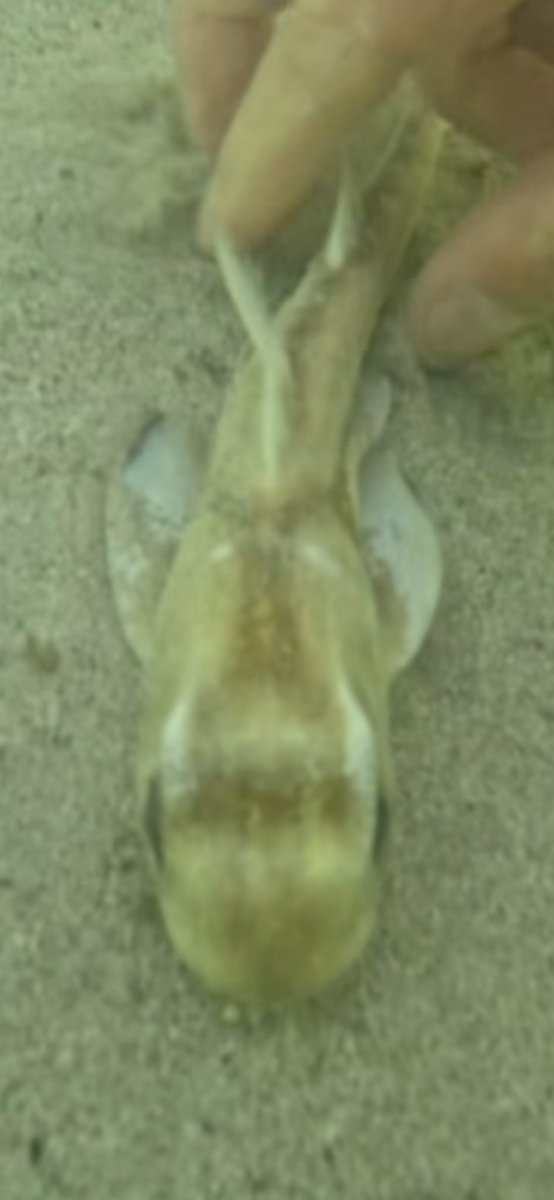
Also hatchlings of port Jackson sharks have been found dead on the bottom by diver Jeff Bradley - Spencer gulf
😩😢
@GLH_books ( thanks Gen )
pir.sa.gov.au/__data/assets/…
Photo
from Jeff Bradly; diver
1
5
159

Feb 22
The York Peninsula council installed a set of rate payer funded Tesla Destination Chargers across the Yorke Peninsula Council area including Edithburgh, Ardrossan, Maitland, Minlaton, and Yorketown.
Wheres my free petrol ?
1
1
3
51
Feb 22
Made it to Edithburgh for a fish yesterday.
Bit of a mixed bag.
Fishing was slow.
Moved around for 7 whiting from 33cm to 45cm.
1 salmon few tommies.
Relesed lots of rock cod & a
1 metre Port Jackson shark.
No squid
No squid marks on jetty but tonnes of tommies.
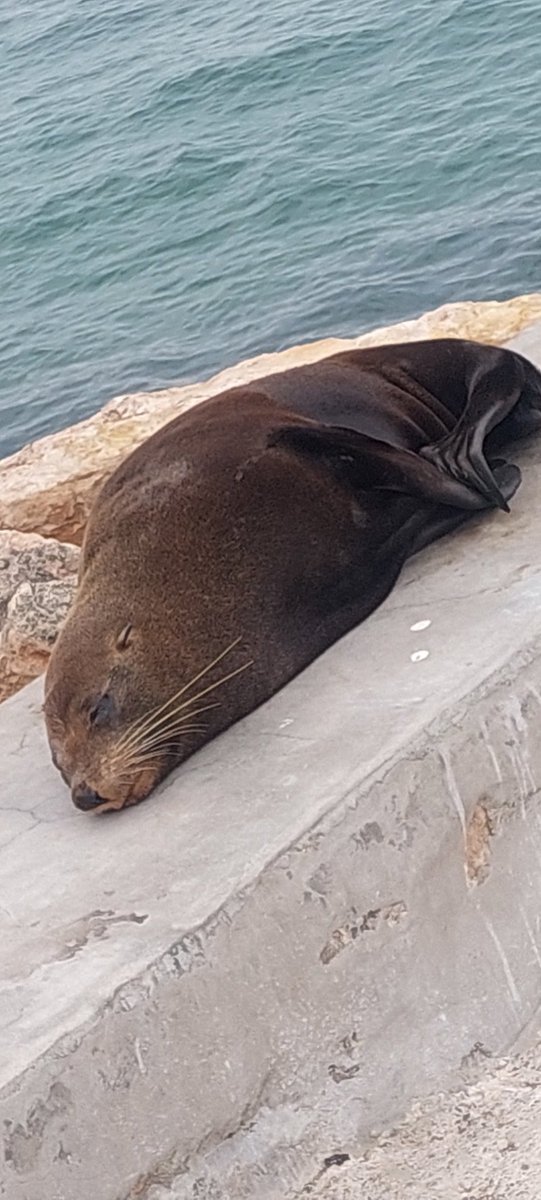
Seal was present.
3
1
4
119
Feb 6
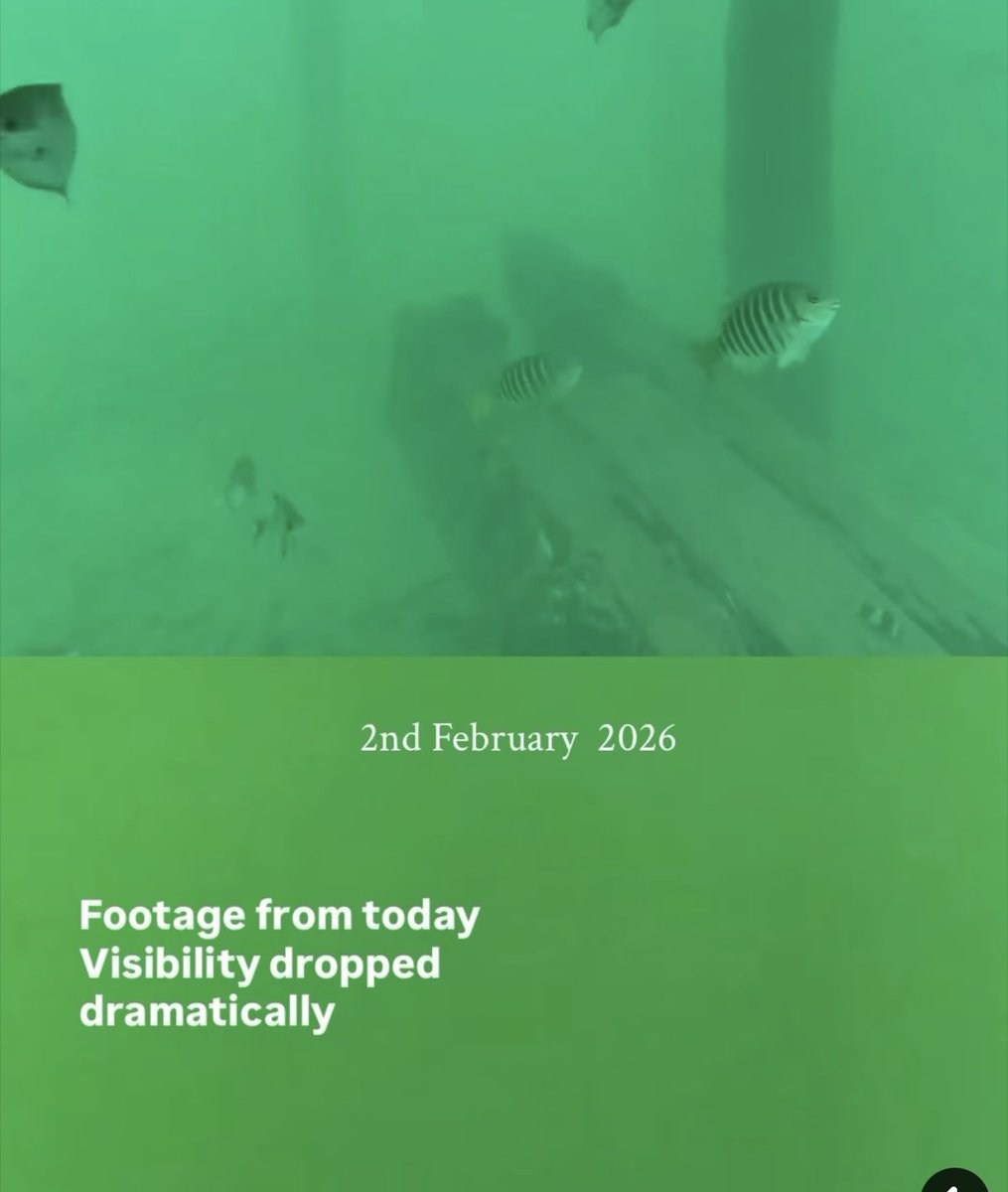
So the bloom has gone from Sultana Point
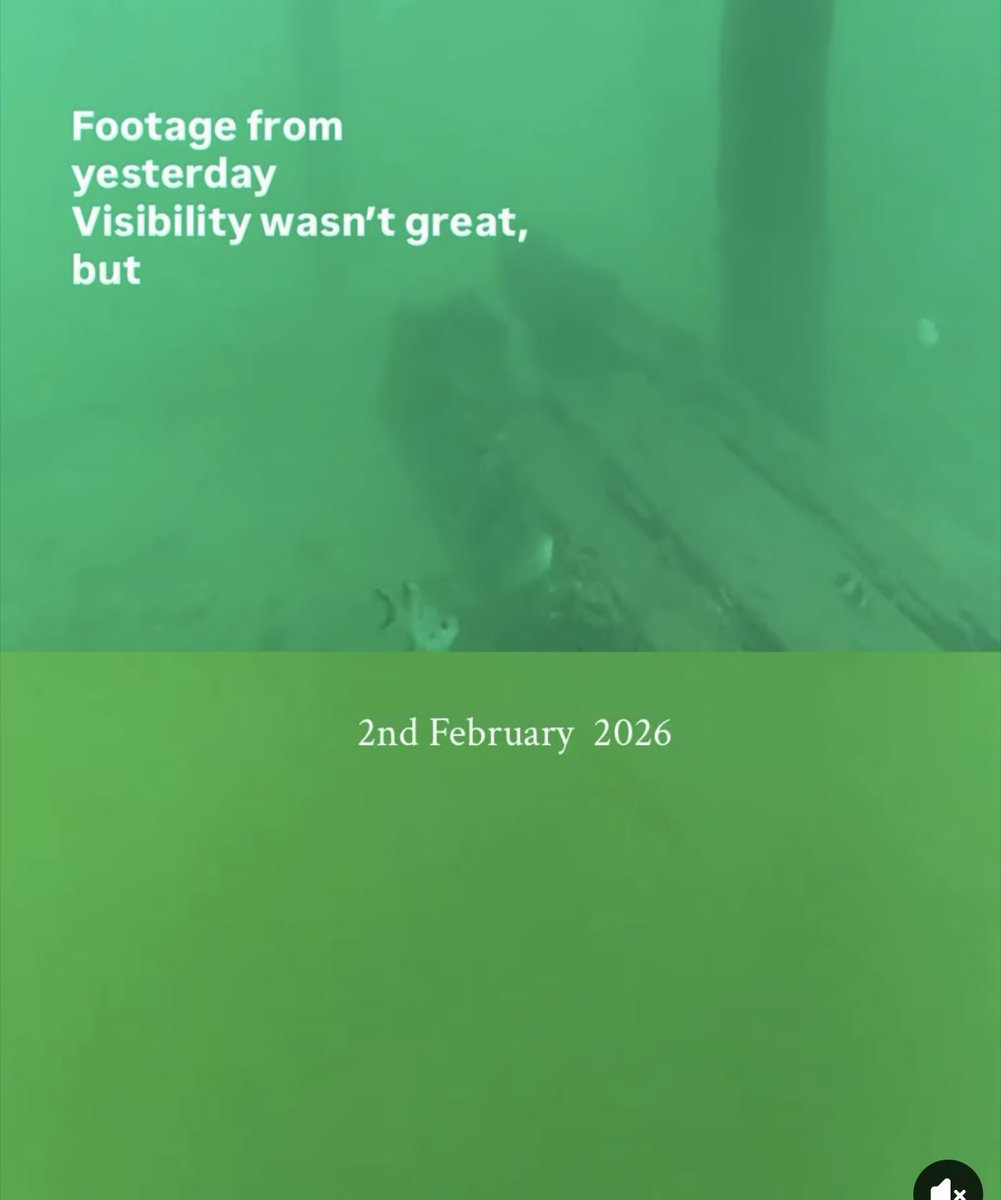
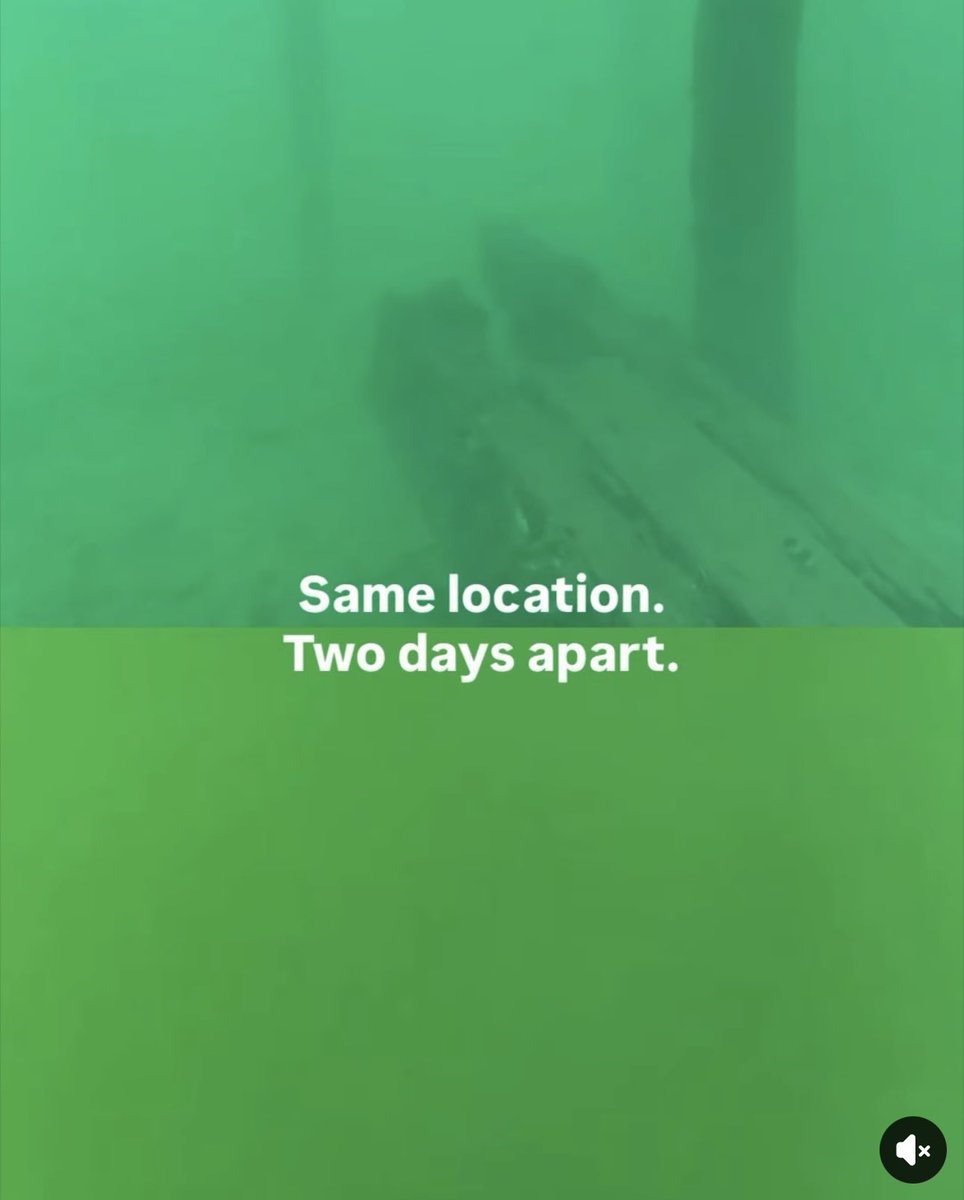
Edithburgh water has turned green, as shown in dive photos the other day from AU Ocean. Now it’s in Wool Bay, not far from Stansbury.
🤦♀️ that’s all I can say it’s heading up the GSV.
Fortunately, we won’t see the many millions of deaths like last year; nothing much is left
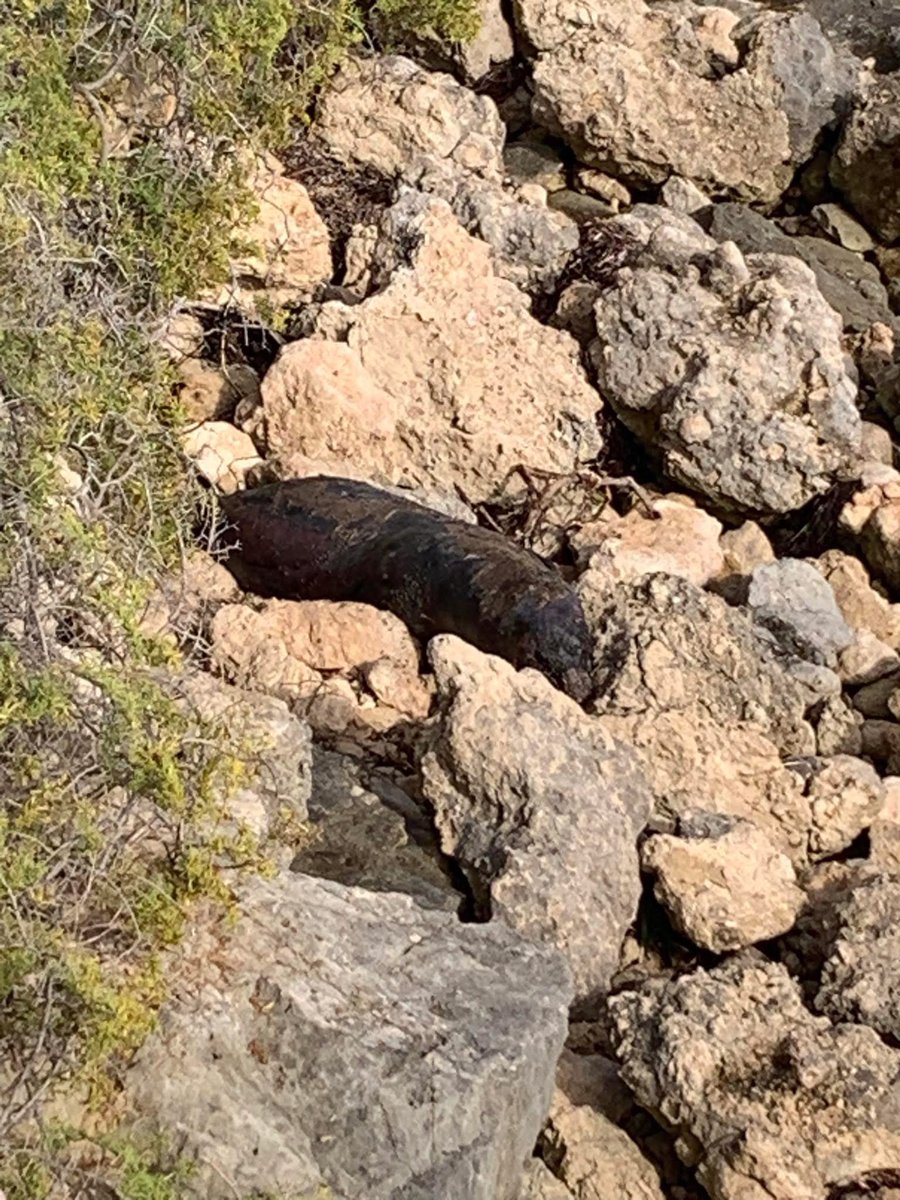
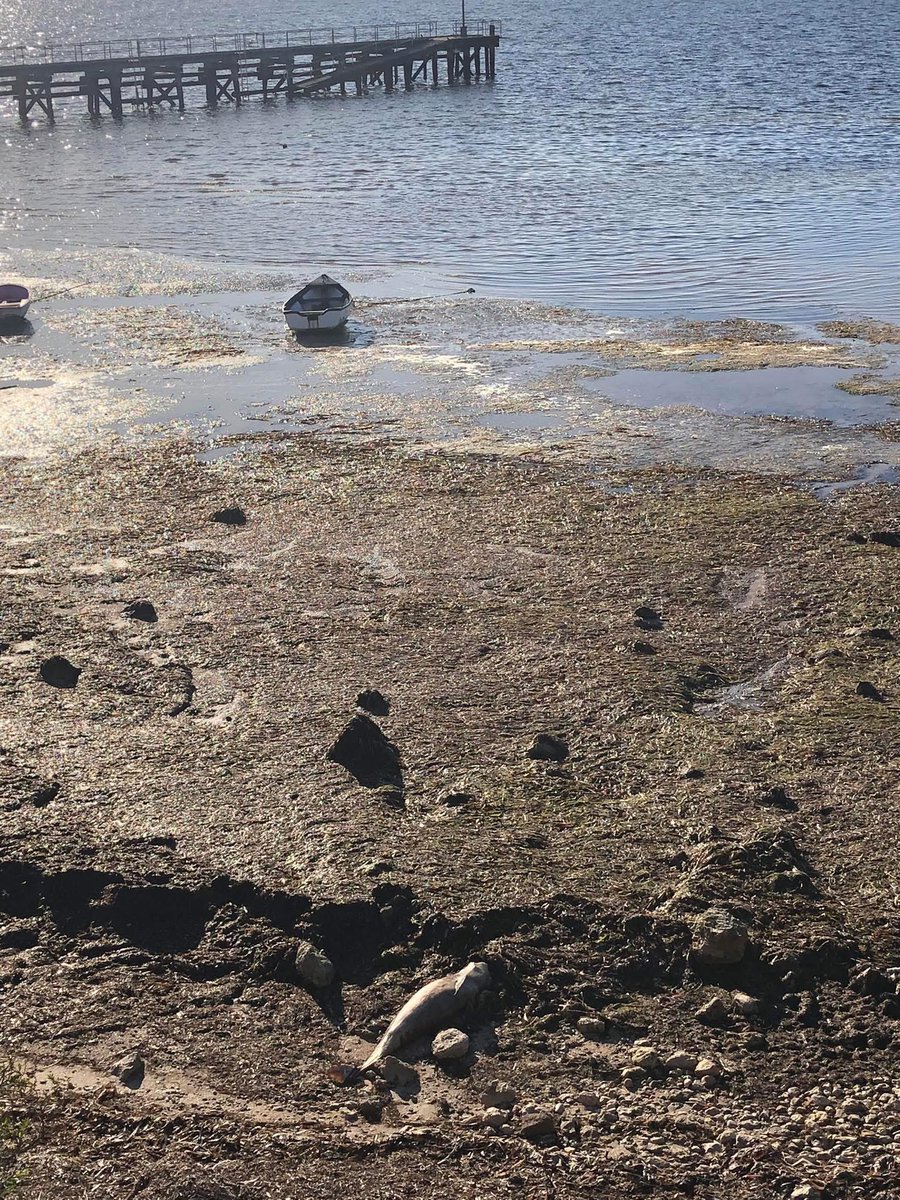
however, some fish are starting to wash up.
A farmer called during the week to say that a local dog ate a fish on the beach and was rushed to the Port Vincent vet. The owner lives in Port Vincent and is a tradie.
It’s now not far from Stansbury 13 km by car so my logical thinking is: if no brevetoxins are found in Steve’s oyster farm this time, then what the actual hell is in our waters?
I don’t want to see any oyster farm lose business for 244 days again; however, we must really watch this and see what occurs.
I truly believe, wholeheartedly, that we have been whitewashed by Labor and SARDI.
Now, an update on licence and quota buybacks:
It’s going to take a long time, and the Labor government is bringing in “experts” as they just don’t know how many licences to leave, because nobody knows how long it will officially take before our gulf is replenished with stock.
PIRSA has told some commercial operators it could take up to 7–10 years; SARDI said the same.
The process for buybacks will be a very long one.
In Spencer Gulf, regions of increased chlorophyll-a concentrations include waters of upper Spencer Gulf north of Lucky Bay in the west and Wallaroo in the east.
Elevated chlorophyll-a concentrations remain around the southern tip of Yorke Peninsula, from Stenhouse Bay to Port Turton, and extend offshore in a plume toward Wedge, Althorpe, and Wardang Islands.
Now, why are more people and dogs sicker than ever when the metro areas are supposed to be free of the bloom?
Nothing is adding up.
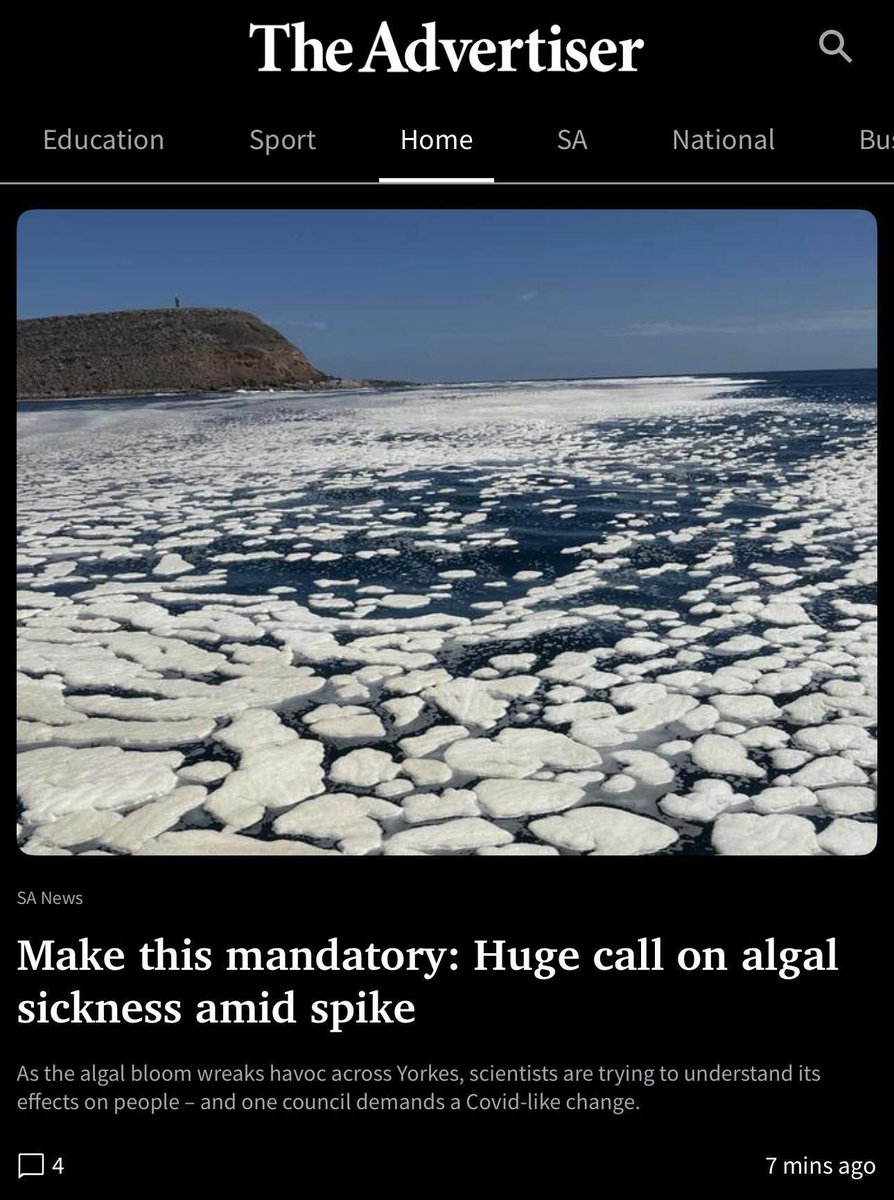
Council in they city are calling for Drs to mandatory ask if people have been to the beach with their symptoms.
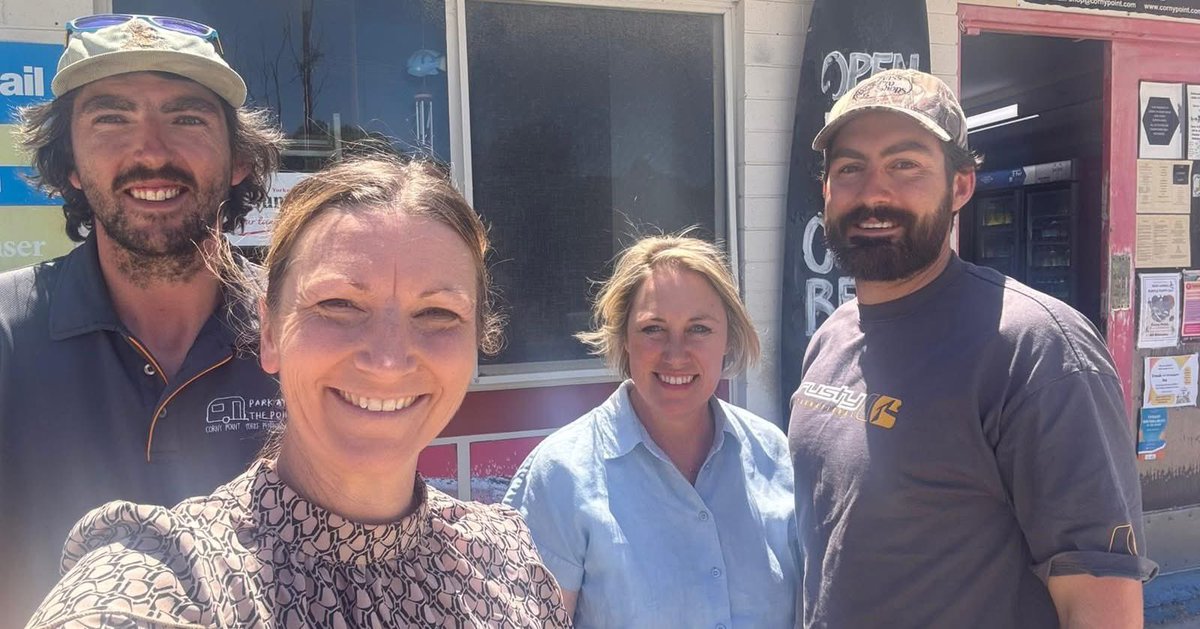
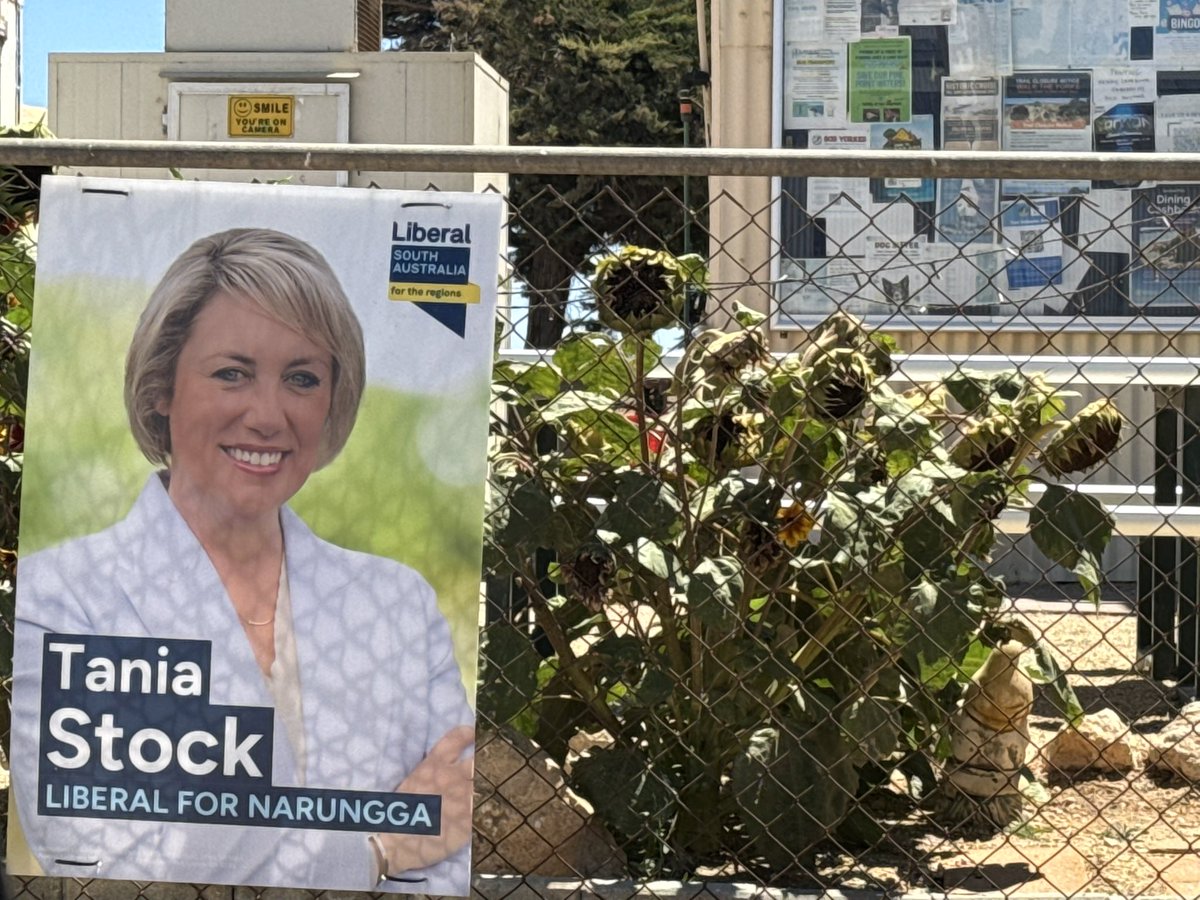
Big huge shout out to Tania Stock and @NicolaCentofan1 as usual down the bottom end caring about the bloom with these 2 legends Lochie & Ryan ❤️❤️❤️
1
2
10
221

Jan 28
Mate, I've come down Horrocks Pass a few times and what they've done to the southern Flinders ranges and PT Augusta is a blight on the visual amenity. And don't get me started on the wind mines at Edithburgh, what a disaster.
5
146

9 Dec 2025
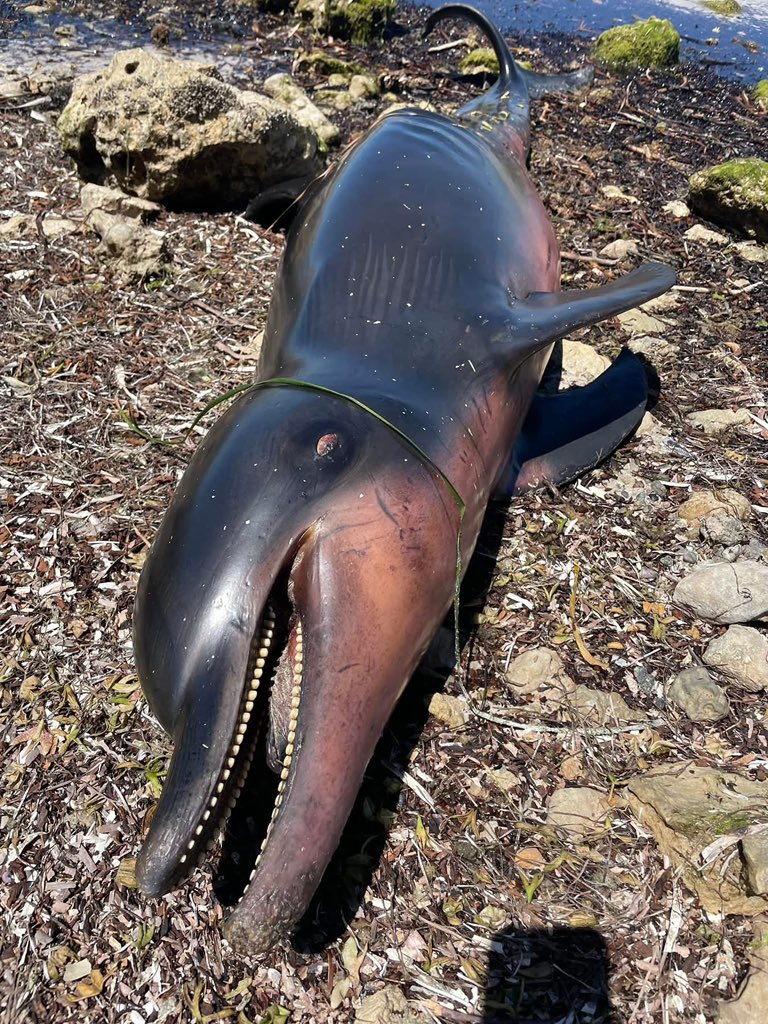
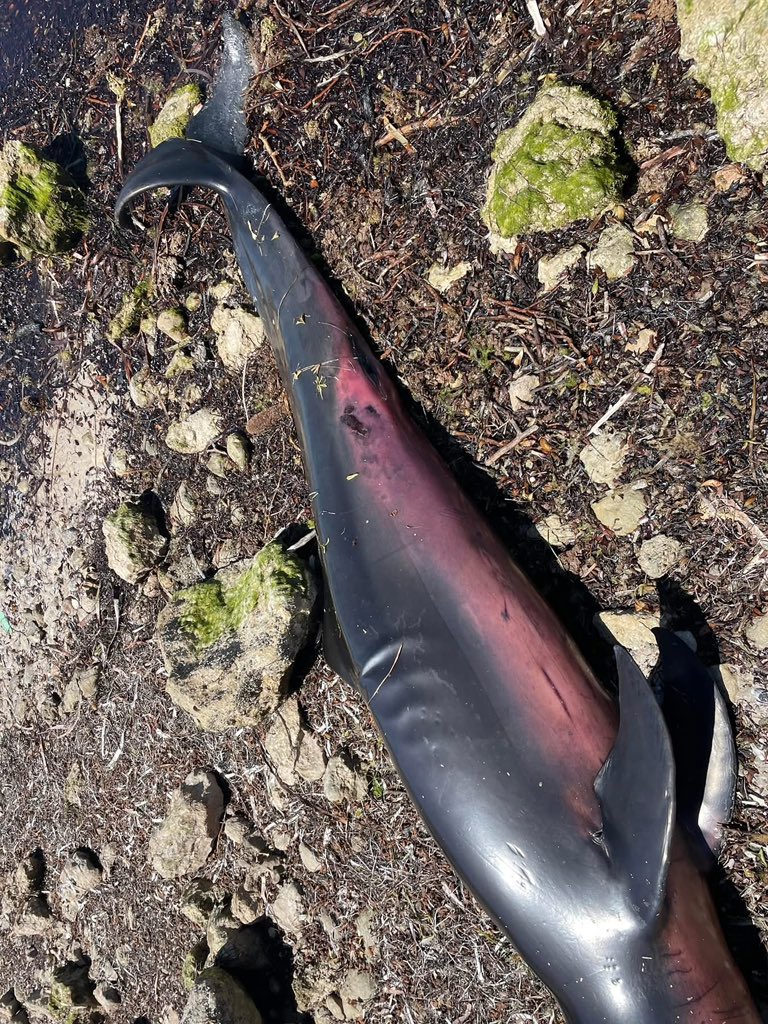
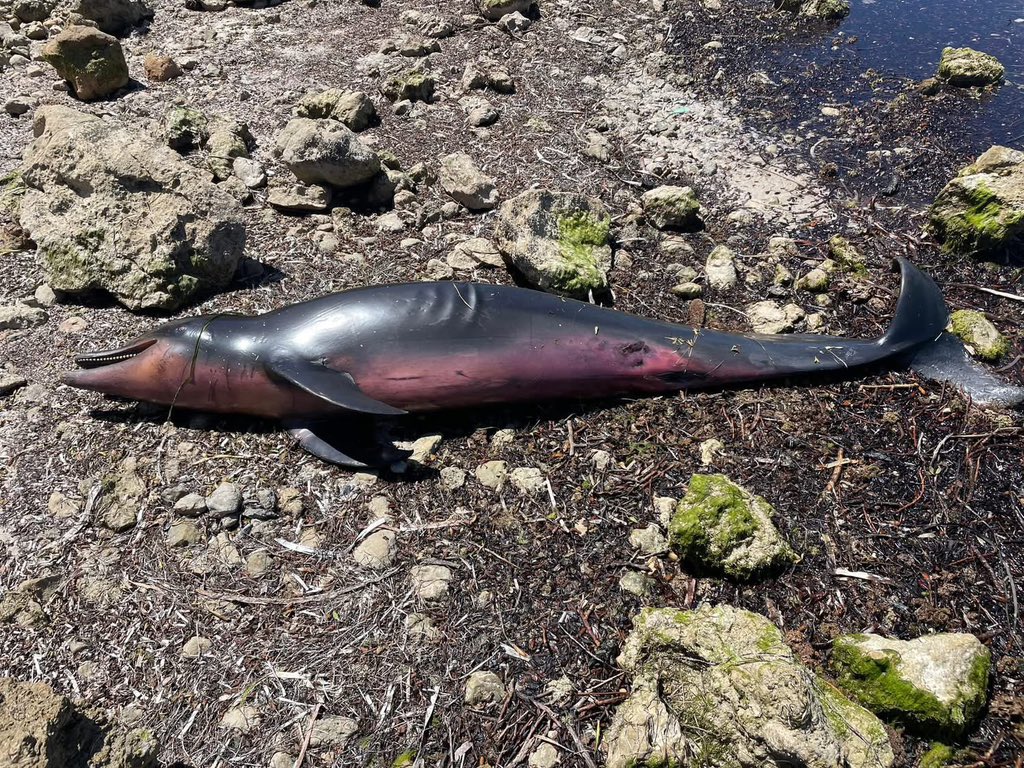
Not at top of GSV ..
They are seeing some life under the jetty at Edithburgh
Then I heard they wash up dead.
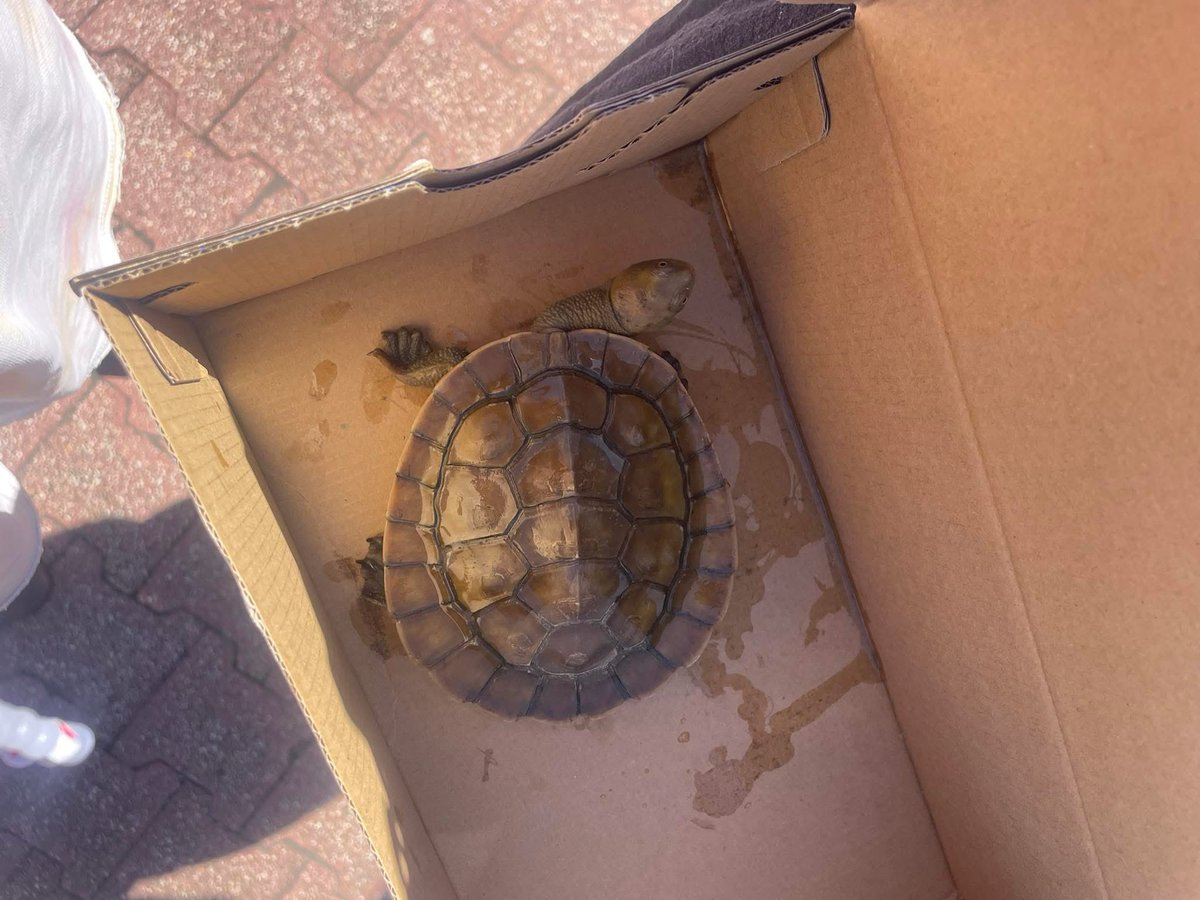
Turtle was found at holdfast bay
It will take years to repair 💔💔
1
2
9
102
17 Nov 2025
Lincoln is still good
Port Victoria , wallaroo and balgowan good - that side ..
Although under the jetty at wallaroo is starting to get high cell counts.
Maybe Edithburgh ? I’ll find out as I heard that’s starting to get the bloom
Back ..
KI was good but that’s been decimated again ..
1
2
32

5 Nov 2025
And i'm certain that my great great grandmother was an exceptional lady who drove (and balanced out) a stonemason from Germany.
The left with little, bought 20ac in Springton and sold that to buy 400ac near Edithburgh. That property is still Preuss'
1
162

21 Oct 2025
After months of loss, signs of resilience are emerging
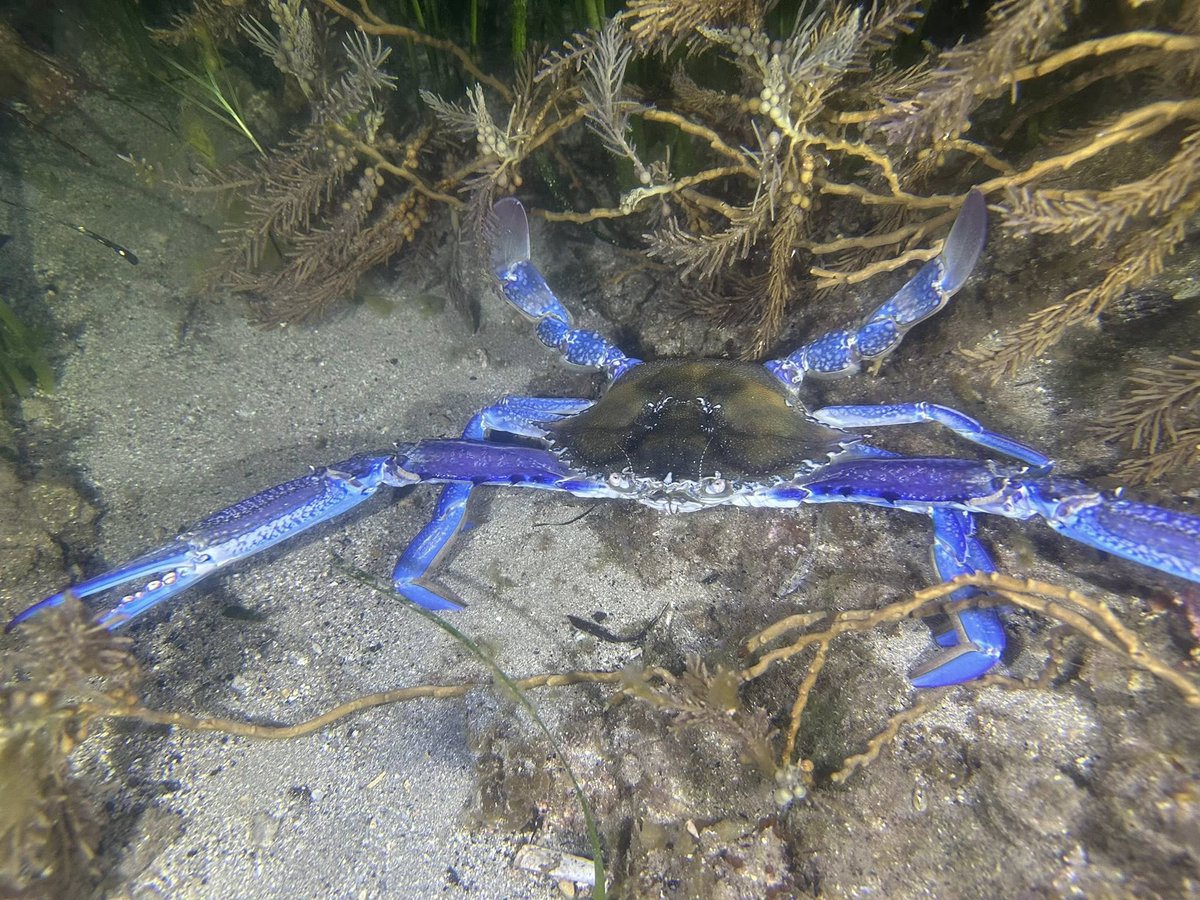
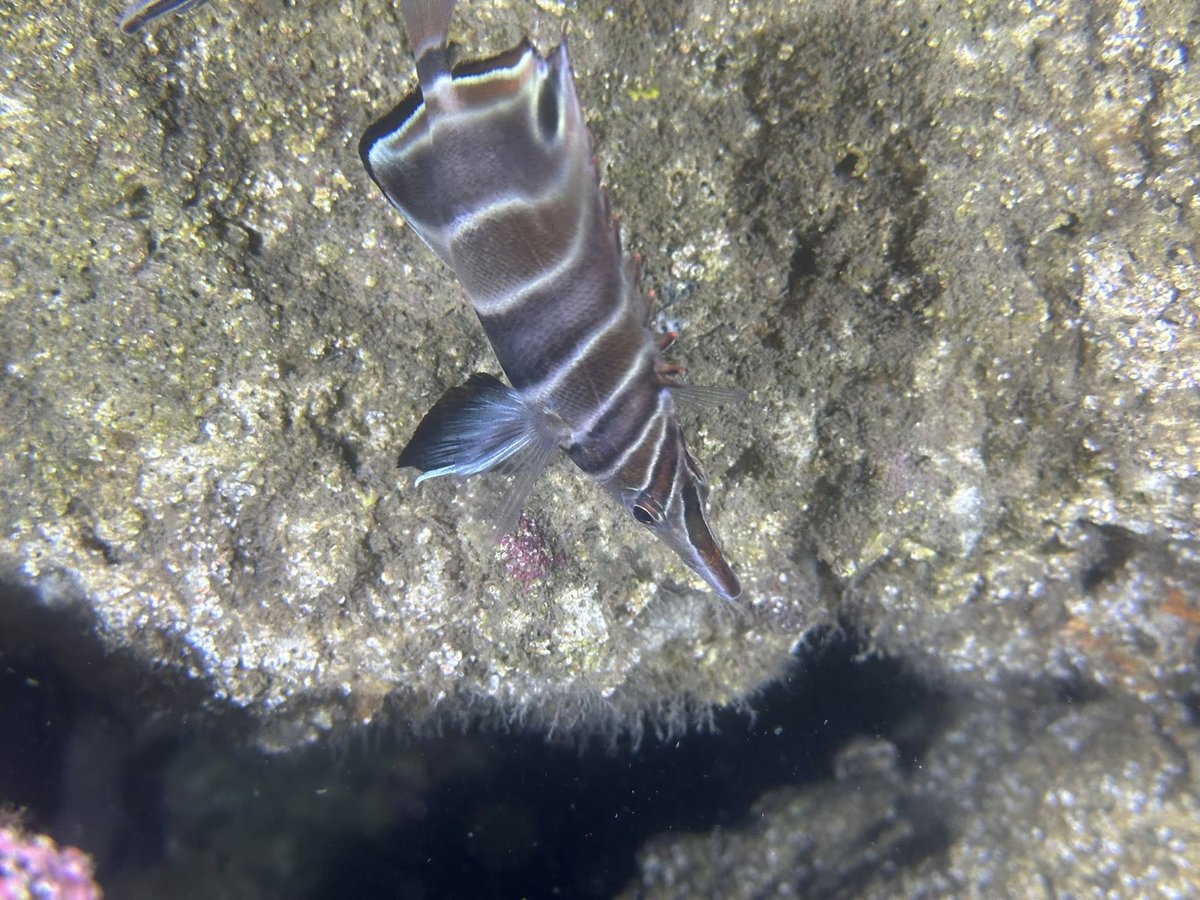
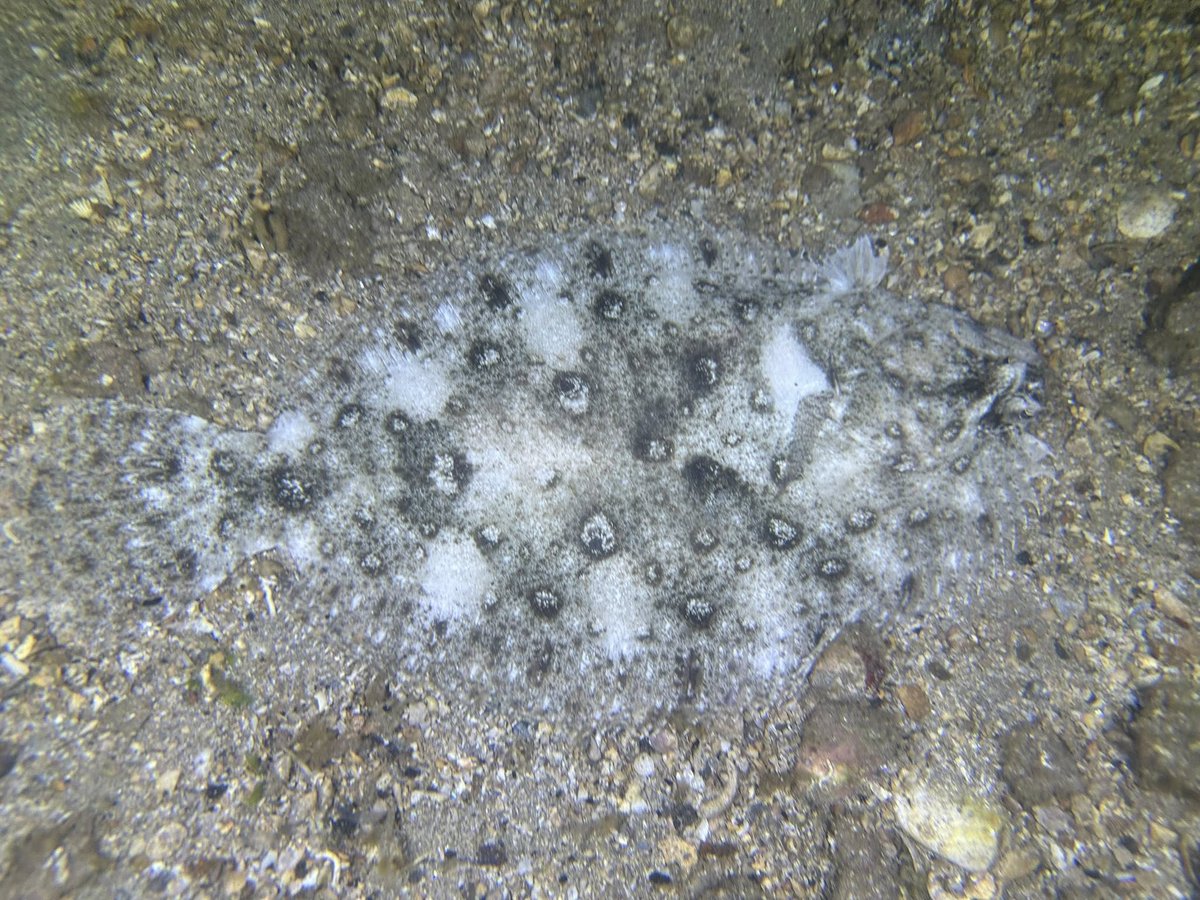
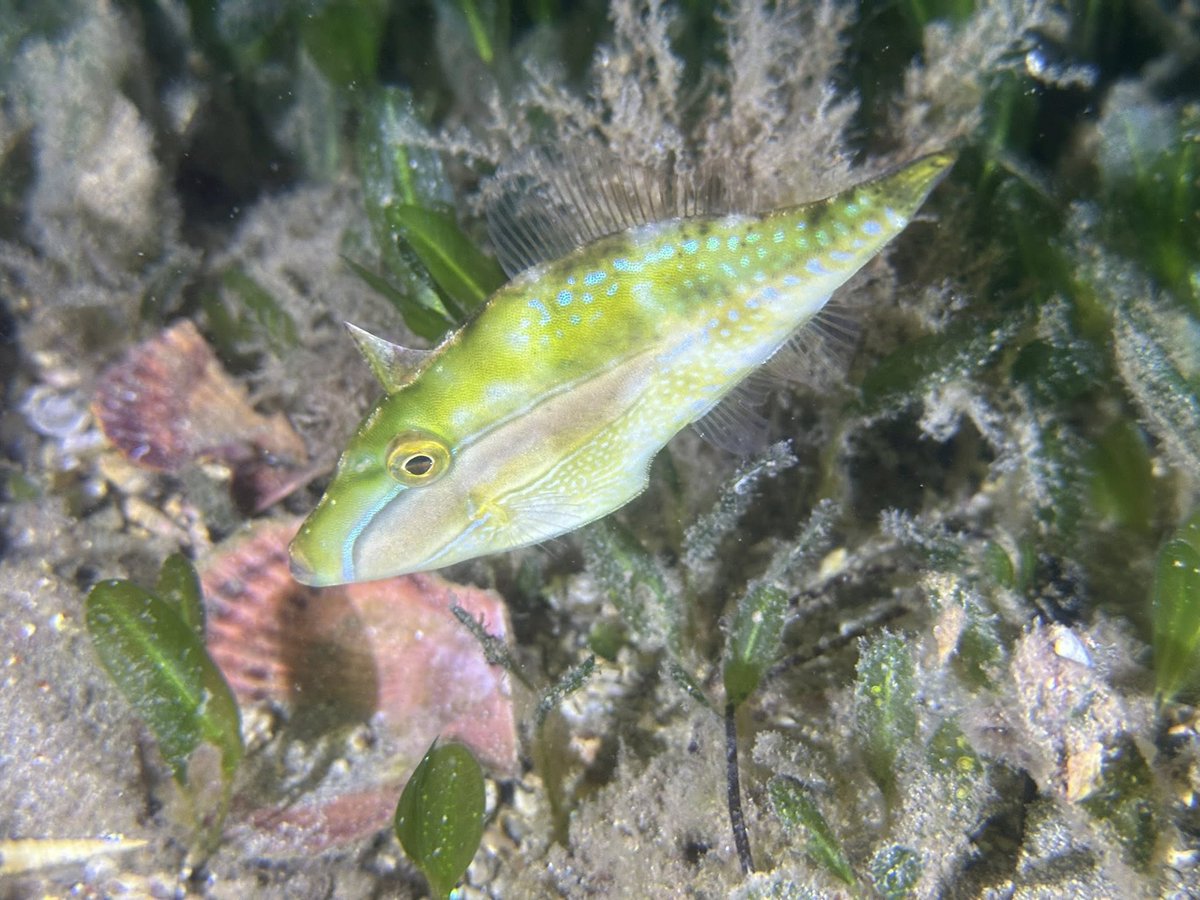
In areas where the harmful bloom damaged habitats and biodiversity for months, there are now signs of life. Divers at Edithburgh and Wool Bay have recorded surviving species and new recruits at previously devastated sites.
Photos of live sand crabs, blue crabs and young reef fishes offer hope for recovery on the south-western side of Gulf St Vincent. Citizens scientists on Kangaroo Island are monitoring seagrass recovery, and fishes are starting to return to some locations on both sides of Investigator Strait.
Read Janine Baker’s full Spring Situation update, which will document over the remainder of spring, more signs of resilience and recovery, as the bloom dissipates in some areas and people return to the water:
greatsouthernreef.com/2025-s…
Images: Troy Johnson. Taken at Edithburgh
4
78