
Joined March 2012
- Tweets 14,805
- Following 3,890
- Followers 1,725
- Likes 26,956
1,794 Photos and videos




Pinned Tweet

Jan 23
I used Grok AI to check my posts and then dive deeper into every post, searching for potential hate speech. Nothing, Nada and a sigh of relief.
Should the new laws change and no one know then it could be an issue.
As for now, I debate and question draconian rule.
x.com/i/grok/share/3961edb9b…
2
9
936
May 9
My exact thoughts
"John Coyne, Australian Strategic Policy Institute national security director, says Australian governments that rely on commodity exports for revenue should study the BHP deal and consider how checks can be introduced to a pricing system that is increasingly controlled by the customer"
China Mineral Resources Group deal with BHP marks paradigm shift for iron ore pricing share.google/j0ZtgiLqhdE0lFz…
2
169
James Preuss retweeted

Mar 30
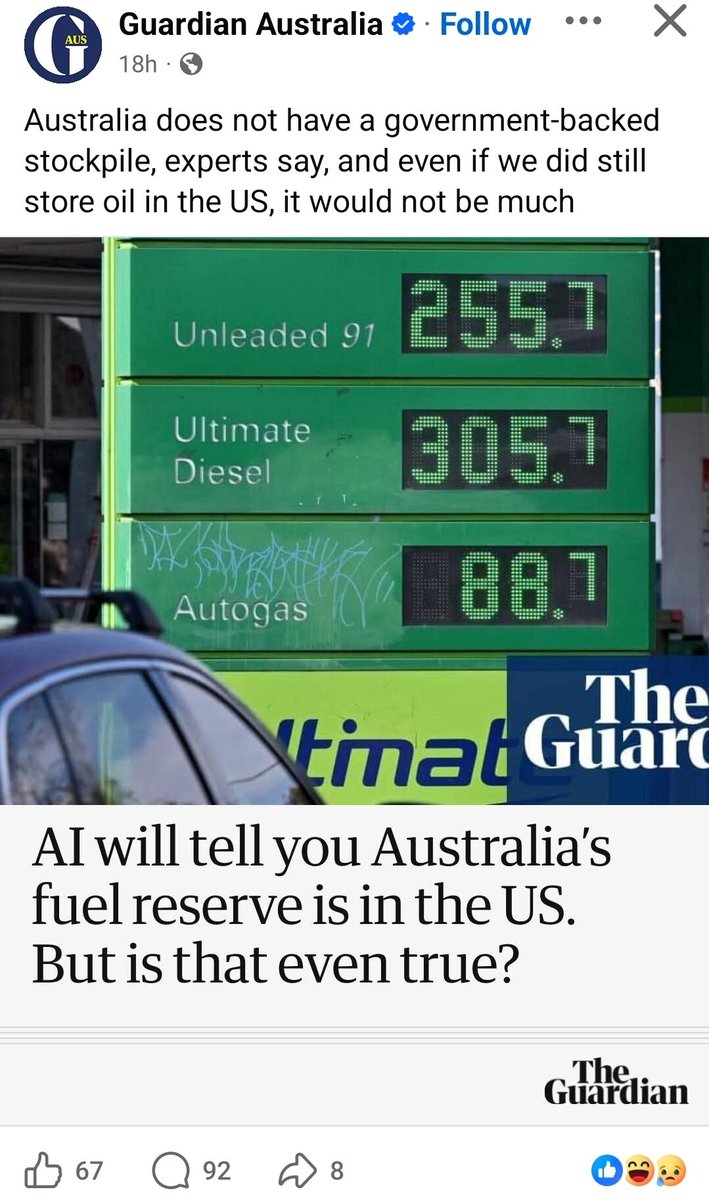
Australia must drill, refine and store fuel - never again can we be where we are today.
523
744
4,968
105,445
James Preuss retweeted

Mar 28
You won't see feminists in the West marching against this... but they marched in their millions when Trump was elected.
Mar 27

Horrific. 9-year-old Muslim girl shares how she was forced into marrying a 70-year-old man
Children CANNOT consent to marriage.
212
2,252
7,296
86,087

James Preuss retweeted

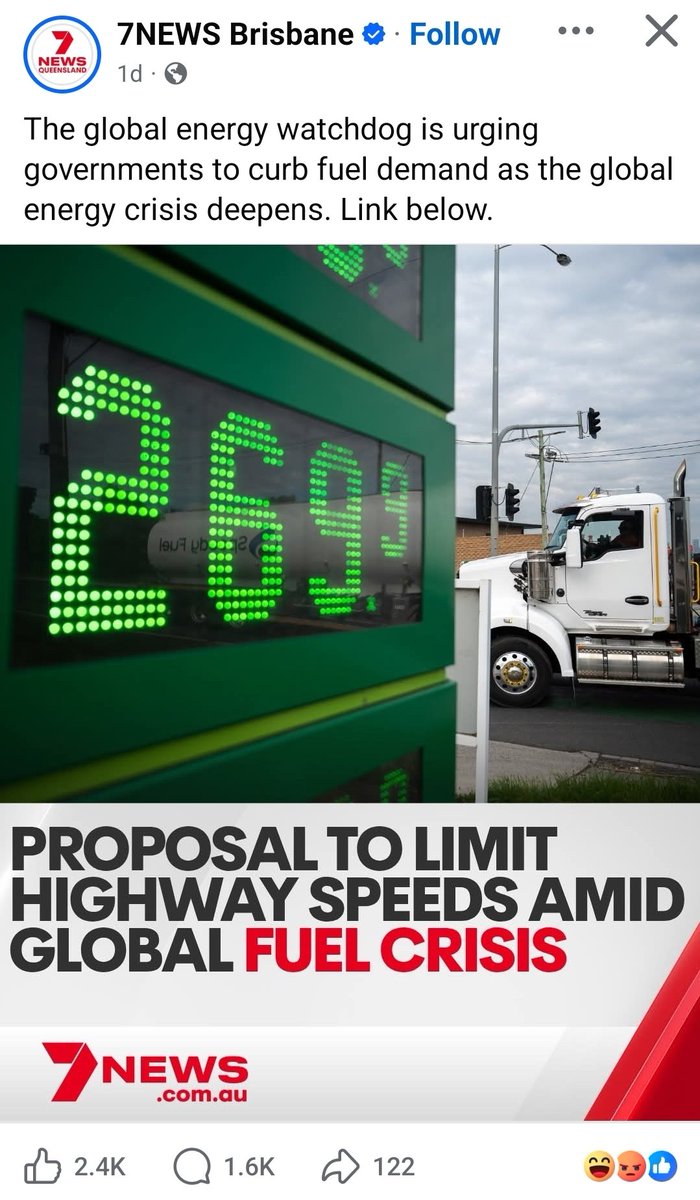
As more servos run empty and fuel rises past $3 a litre, One Nation is the only party with a clear plan to help Australians. Here's what the Government should be doing in this fuel crisis:
Trigger the Liquid Fuel Emergency Act 1984 to force fuel supplies into the regions and stop the price gouging by Big Oil.
Start precautionary rationing so priority supplies for hospitals, emergency services, defence and food production can be saved if the Strait of Hormuz remains closed.
Cut the fuel excise by 100% for 3 months and/or remove GST on fuel which is a tax on a tax. This will give immediate relief to Australians.
Finally, ditch net-zero so we can drill Australia's own oil, rebuild refineries and never get into this situation again.
It's time for the government to step up and demonstrate they actually have a plan. If the government doesn't want panic then they need to lead.
One Nation is happy to show them what to do.
453
1,150
6,319
109,807
James Preuss retweeted

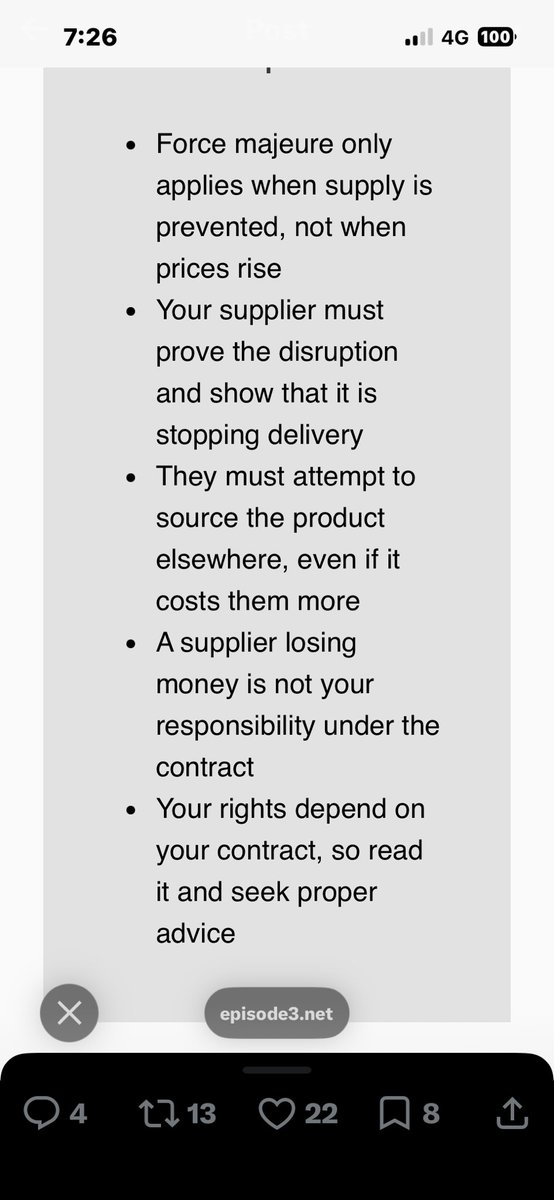
Force Majeur is not a “simple way out” as I believe is being used atm. Farmers. Understand your rights !!
5
9
43
5,428
James Preuss retweeted

Mar 25
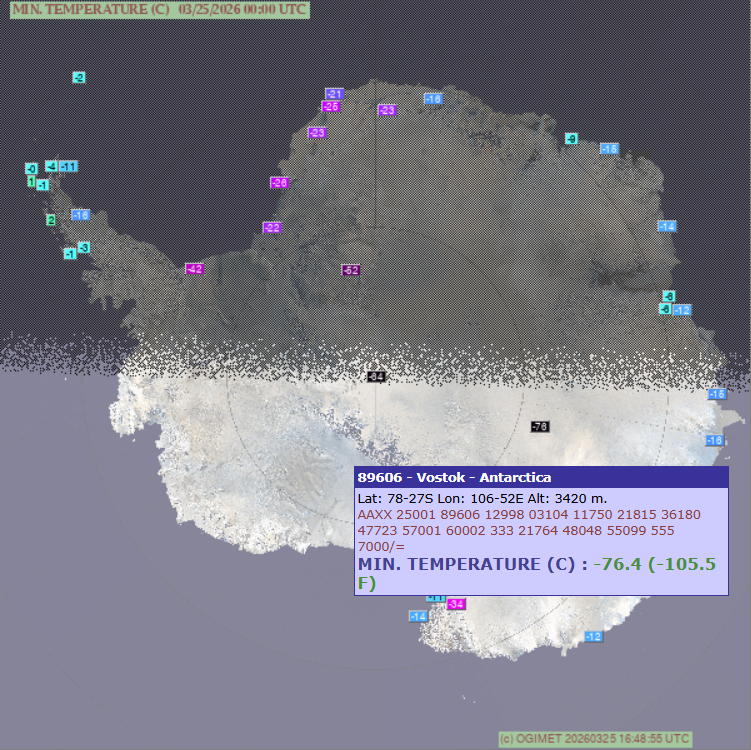
Vostok, Antarctica bottomed out at −76.4°C (−105.5°F) sometime between 12:00 UTC yesterday and 00:00 this morning. 🇦🇶
If confirmed, this sets a new continental and worldwide record low temperature for March. 🌡️🏆
But you won't hear a peep about it in the press.
291
3,130
8,824
352,265
James Preuss retweeted

Mar 25
Mind blowing.
South Australia alone could be the Saudi Arabia of the Southern Hemisphere says Sam Bamford.
With shale oil of approx. 200 billion barrels worth 60 trillion.
Senator Bridget McKenzie :
‘We’re literally prioritising emissions reduction in this country above our own fuel security ..
We have enough resource onshore and in The Great Australian Bight to actually make sure that we have sovereign fuel capacity.’
And yet here we are !!
347
1,354
5,065
145,760
James Preuss retweeted

Australia, Australian farmers and the @NationalFarmers have been totally played. This FTA wasn’t about trade, it was about locking in the Paris Agreement and net zero.
Mar 24

The only thing worse than being completely decimated by the EU unfair trade deal today, was driving home listening to @andy_park on @abcnews saying that Australia got close to 35,000t of "tariff free" beef access. That is actually complete rubbish. 8 years ago we voluntarily gave up access to 35,000t of tariff free access to the EU so that the USA would be more friendly to them.
Today we got:
- Under 4000 t of new tariff free access
- Our existing 3300 t of access with the tariff removed
- 3180 t of new quota with a tariff (you know those bad things that Trump imposes)
There is some distant glimmer of this increasing to almost 14,000 tonnes of tariff free quota in 10 years time.
No doubt in the fine print, Australian farmers will give up more land to renewables, carbon abatement and fanciful deforestation definitions.
Great news for EU consumers, in 10 years time they will be able to purchase 1/10 of one burger paddy each, once a year, from Australian farmers.....
Today once again, the Labor party showed their absolute disdain for Australian farmers.
6
25
2,056
Mar 25
If climate change is real, we should soon be able to see a sharp increase in global temperatures

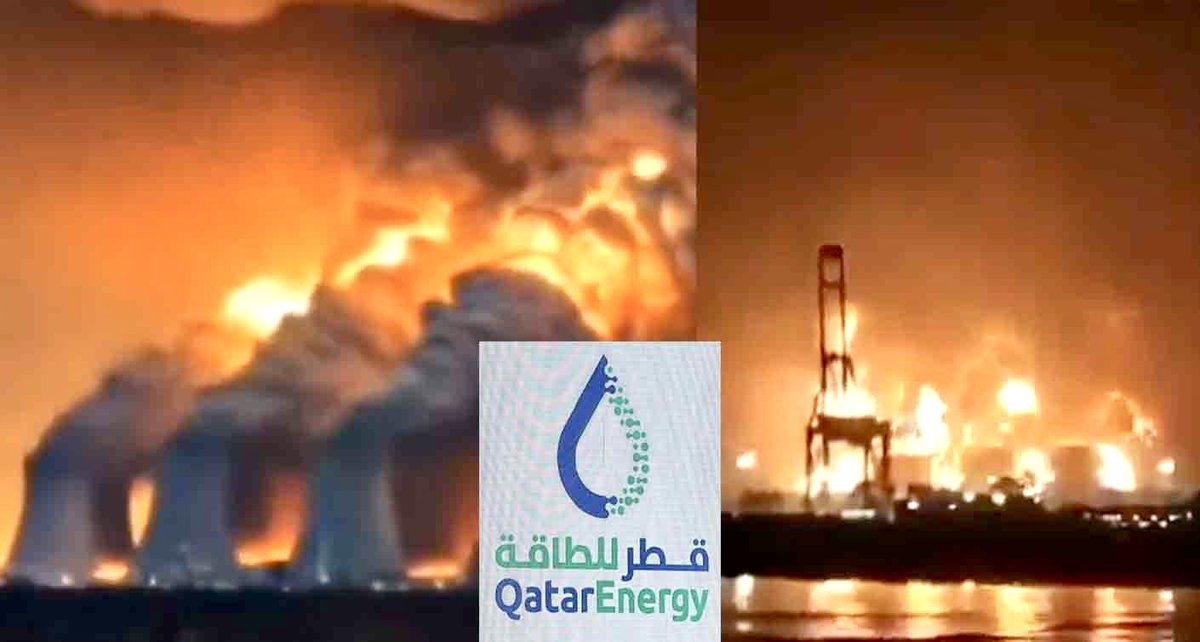
BREAKING: QatarEnergy has declared force majeure on LNG contracts with China, Italy, South Korea, and Belgium. CEO Saad al-Kaabi confirmed that 17 percent of Qatar’s 77-million-tonne annual capacity is structurally impaired following Iranian strikes on the Ras Laffan complex. Repairs will take 3 to 5 years. The force majeure extends up to 5 years. Thirteen million tonnes of liquefied natural gas per year just disappeared from the global market with a legal clause and a press conference.
Asia LNG spot prices surged 40 to 60 percent in 48 hours. European TTF jumped 25 to 35 percent. Four countries that signed long-term contracts expecting reliable supply for decades just learned that “reliable” has a force majeure clause and the clause has a war trigger and the war is 25 days old with no end in sight.
The selection is not arbitrary. Force majeure applies only to contracts directly tied to the specific Ras Laffan phases that were struck. China, Italy, South Korea, and Belgium hold the largest long-term fixed-price agreements linked to those damaged facilities. Japan, India, Taiwan, the UK, Spain, France, and Germany are unaffected because their contracts draw from different terminals or operate on spot terms. The legal clause is facility-specific. The geopolitical effect is global.
South Korea now faces a double crisis. It is already rationing fuel with a one-day-per-week government vehicle ban. It imports 73 to 87 percent of its oil from the Middle East. And now its LNG lifeline from Qatar, the molecule that generates 27 percent of South Korea’s electricity, carries a force majeure notice that could last half a decade. The country that fabricates a quarter of the world’s memory chips is losing both its oil supply and its gas supply simultaneously from the same 21-mile chokepoint.
Italy depends on Qatari LNG for winter heating and industrial gas. Belgium’s Zeebrugge terminal is a hub for northwest European redistribution. Both face structural shortfalls that spot purchases cannot replace because the spot market is surging 40 to 60 percent on the same news. The replacement molecules cost twice what the contract molecules cost. And there are not enough.
Qatar itself absorbs $8 to $12 billion in annual revenue loss from offline capacity. But Qatar also profits. The remaining 83 percent sells at spot prices surging 40 to 60 percent. Force majeure removes cheap contract volumes and replaces them with expensive spot revenues. The sovereign wealth fund exceeds $1.6 trillion. The GDP drag is 1.2 to 2.1 percent, cushioned by reserves most nations cannot imagine.
Meanwhile, Al Udeid Air Base sits 80 kilometres from Ras Laffan. Ten thousand American troops operate from Qatari soil as CENTCOM’s forward headquarters for the same war that damaged the facility those troops are supposed to help protect. The base that coordinates the strikes exists in the country that absorbs the strikes’ consequences. Qatar hosts the war and pays the price of the war simultaneously.
Ras Laffan and South Pars sit on opposite sides of the same geological formation, the North Field and South Pars gas reservoir. Iran’s side was struck on March 18. Qatar’s side was struck by Iranian retaliation. The world’s largest gas field is now damaged on both shores. The molecules that produce LNG for four continents, ammonia for global agriculture, and helium for semiconductor fabrication all originate from the same rock. Both sides of that rock are offline. Both sides declared force majeure on different days for different reasons from the same war.
The molecules remain trapped. On both sides of the median line.
Full analysis: open.substack.com/pub/shanak…
205
James Preuss retweeted

Mar 24
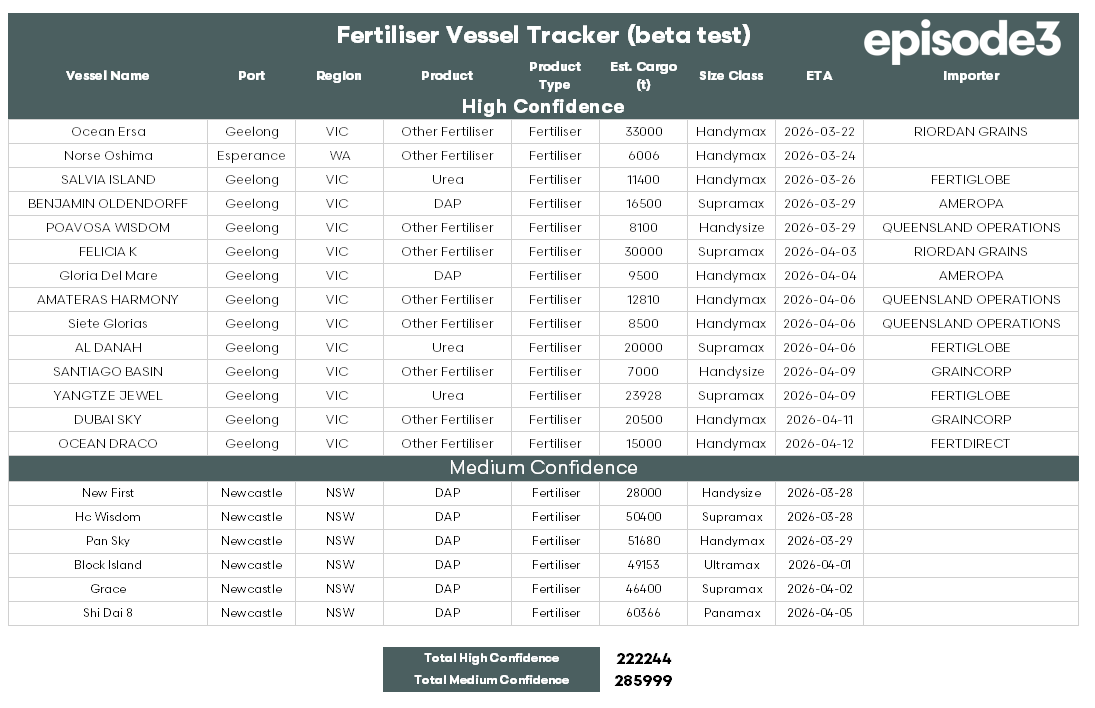
This is a test of tracking vessels coming to Australia. It is based on the load port, shipping stem information, and a whole bunch of logical rules.
It doesn't yet cover all ports. Share to support this work and further development, and subscribe to episode3.net
6
36
84
12,658
Mar 25
Greenwashing again 💸 💸
Mar 24

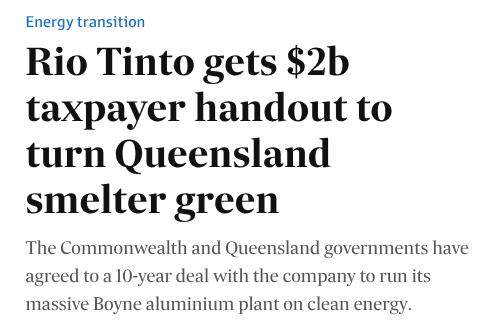
Another day, *yet another* $2 billion for the private sector.
This time Rio's aluminium smelter in Queensland.
The federal government is fast becoming one of the most irresponsible users of taxpayers' money in my lifetime... and that's saying something.
1
178
Mar 25
Peak toilet 🧻 and fully masked with syringe 💉 in his bio... same people different "Emergency"

231
Mar 24
The war is fought with missiles, the famine with molecules. Nitrogen access has been shut down by the BRICS nations
BREAKING: The nitrogen trap just closed. Three locks snapped shut simultaneously. The planting window is closing behind them. And the food the world eats next year is now being decided by molecules that cannot reach the soil in time.
Lock one: the Strait of Hormuz. The IRGC permissioned corridor allows oil tankers from friendly nations to pay $2 million in yuan and pass. It does not allow fertiliser vessels to pass at any price. Zero approved fertiliser transits in 24 days. The Gulf supplies 49 percent of the world’s exported urea and roughly 30 percent of traded ammonia. That supply is not delayed. It is denied. The gate opens for molecules that fund the gatekeeper. It stays closed for molecules that feed the planet.
Lock two: Russia. The world’s largest exporter of ammonium nitrate just halted all AN exports until after April 21. Three to four million tonnes per year, gone from global markets at the exact moment the Northern Hemisphere needs it most. The official reason is “domestic priority.” The strategic effect is leverage. Russia earns windfall revenue from the oil price spike its ally’s war created, then removes the fertiliser that farmers need to plant through the crisis. The disease and the cure, again, from the same address.
Lock three: China. Beijing has banned exports of nitrogen-potassium blends and phosphate fertilisers through August 2026. China is the world’s largest phosphate producer and a major nitrogen supplier. The ban removes the last alternative source that could have compensated for Hormuz and Russia. Three locks. Three countries. Three deliberate decisions timed to the same biological calendar.
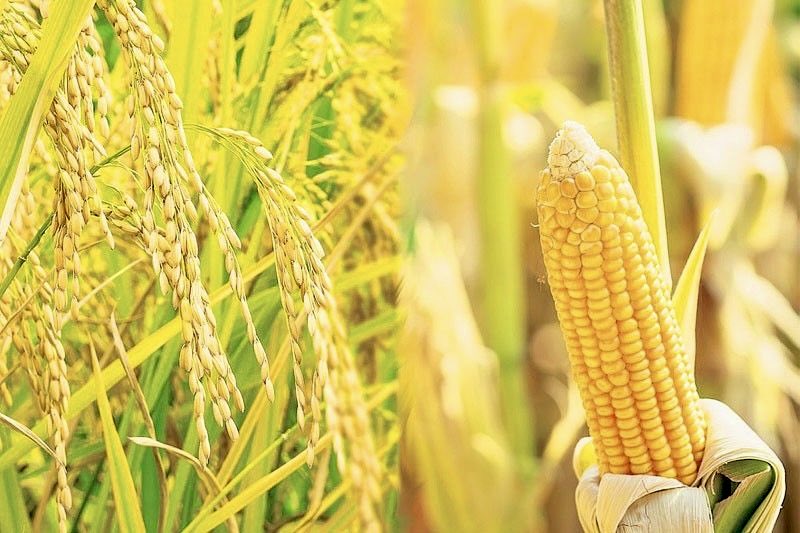
The biological calendar does not negotiate. Corn requires nitrogen at the V6 to VT growth stage or kernel set is permanently reduced. Wheat requires it at tillering and jointing or grain fill collapses. Rice requires it at transplanting or yield drops 20 to 40 percent in low-input systems. These are not economic models. They are cellular processes. The plant either receives nitrogen during the window or it does not. If it does not, no subsequent application, no price increase, no policy reversal can recover what was lost. The damage is written into the biology of the seed.
The US Corn Belt window closes mid-April. European top-dressing is happening now. Indian Kharif preparation begins in May. Bangladeshi Boro rice transplanting is underway this week. Every one of these windows is closing while the three largest sources of nitrogen on Earth are simultaneously locked: Hormuz by military blockade, Russia by export decree, China by trade ban.
The USDA Prospective Plantings report arrives March 31. The FAO Food Price Index publishes April 3. These will quantify what the molecules already know: the nitrogen did not arrive. The yield loss is locked in. The 5 to 10 percent global drag will concentrate where the buffers are thinnest: subsistence farms in Bangladesh, Sub-Saharan Africa, South Asia, where a 20 percent shortfall does not mean lower profits. It means hunger.
Sri Lanka banned synthetic fertiliser in 2021. Rice yields collapsed 40 percent. The government fell. In 2008, fertiliser and oil spiked simultaneously and food riots erupted across 30 countries. In 2026, the strait blocks fertiliser while Russia and China withdraw the alternatives, and the planting windows close on a planet with nowhere else to turn.
The war is fought with missiles. The famine is fought with molecules. The molecules are trapped behind three locks on three continents, timed to the one calendar that cannot be paused, extended, or negotiated: the calendar written into the DNA of every seed in the soil.
Full analysis: open.substack.com/pub/shanak…
187
Mar 24
WTAF

Climate landmines hidden in the new EU trade deal
'For the first time in a free trade agreement, Australia (and the EU) has made a binding commitment to implement obligations under the Paris Agreement on climate change.'
We have been sold out by the Albanese government.
Credlin
3
146
James Preuss retweeted

Mar 23
Just a few days ago, this diabolical dickhead called the fuel crisis a ‘right wing conspiracy’.
Now he’s working to secure the fuel Australia needs.
Vote for One Nation, or at least anyone other than the ALP/Greens/Teals coalition.
Mar 23

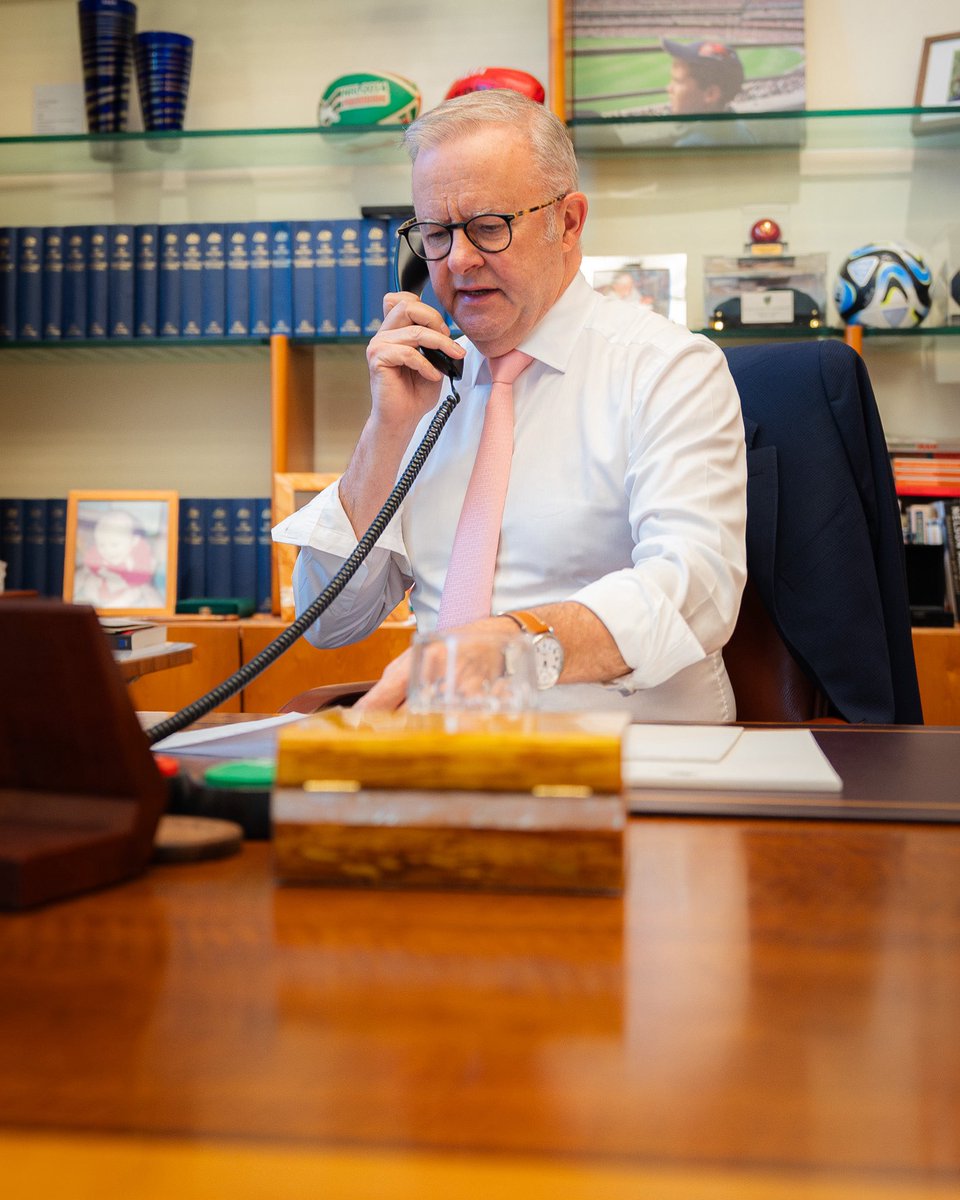
We’re working to secure the fuel Australia needs with our international partners and longstanding friends.
Today, Prime Minister @LawrenceWongST of Singapore and I agreed to support the flow of essentials goods including petroleum oils, such as diesel, and liquified natural gas between our two countries.
We'll keep working closely as we deal with the impacts of the conflict in the Middle East.
5
14
52
868
Mar 24
Anyone else wish they still had a gas conversion commodore?
3
8
774
Mar 24
Been suggesting those emergency powers could be used again
Mar 24

With fuel stations running dry across Australia and farmers warning of empty supermarket shelves from diesel shortages, I get a distinct feeling of COVID déjà vu.
Could we soon see COVID-style government interventions: movement restrictions, rationing, and lockdowns to ‘manage’ the crisis?
No surely that’s just another “conspiracy theory”!
To hear more from me and stay up to date, signup to my email newsletter here:
alexantic.com.au/join
1
169
James Preuss retweeted
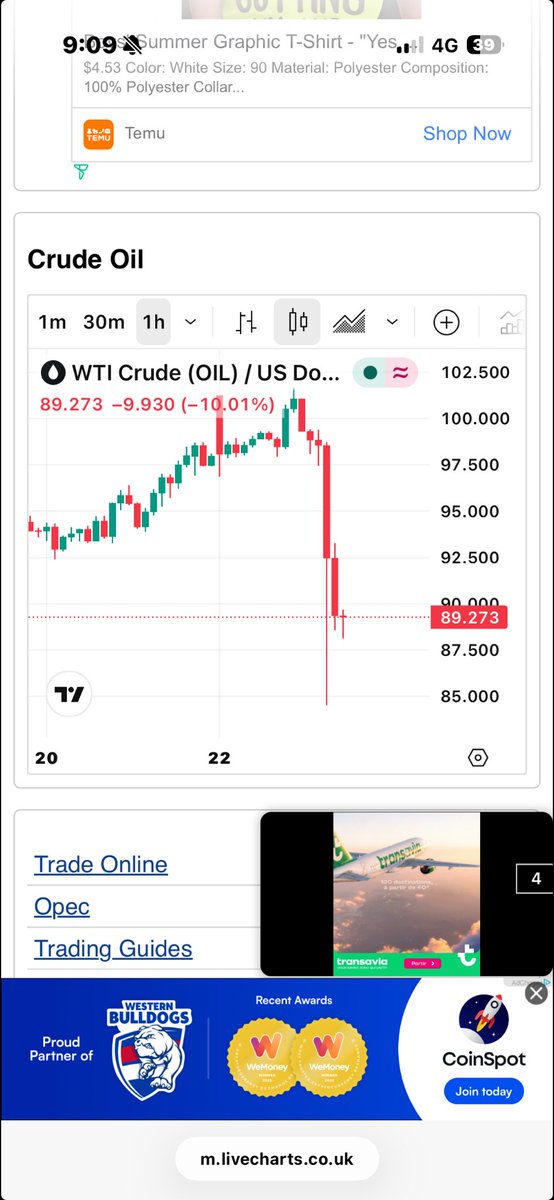
So. Fuel should be $1/L cheaper tomorrow……..
25
10
84
7,241
James Preuss retweeted

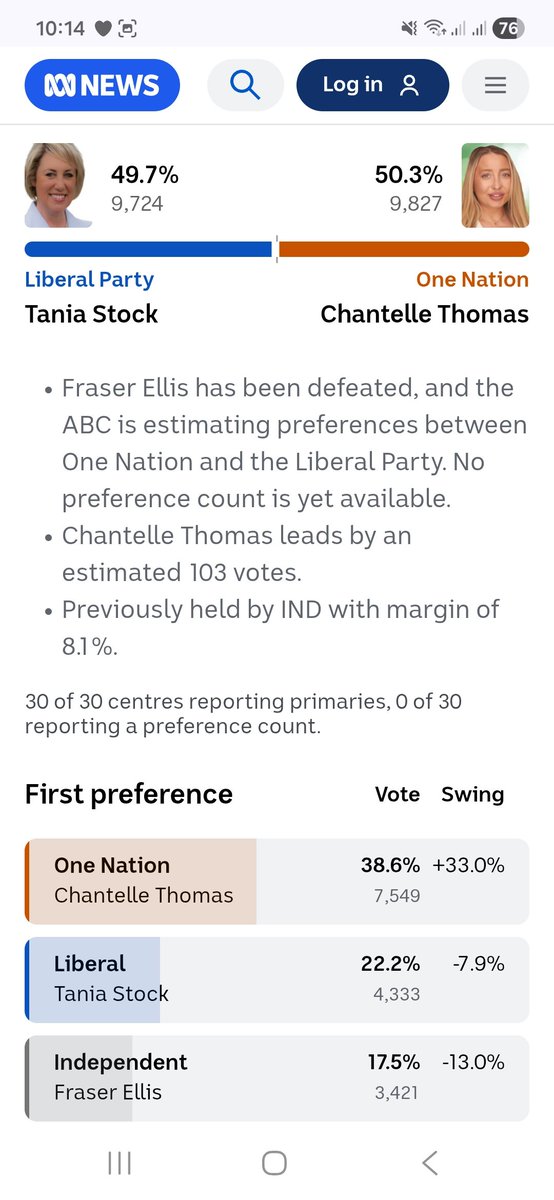
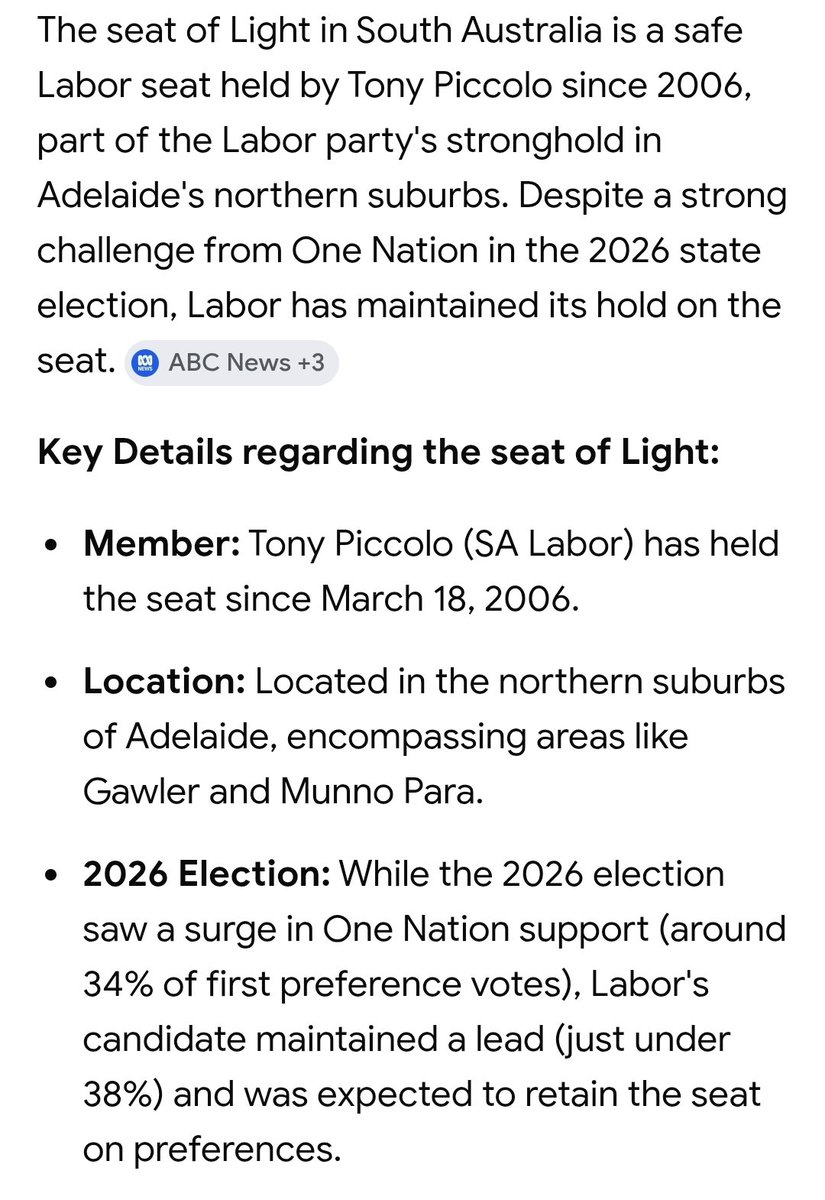
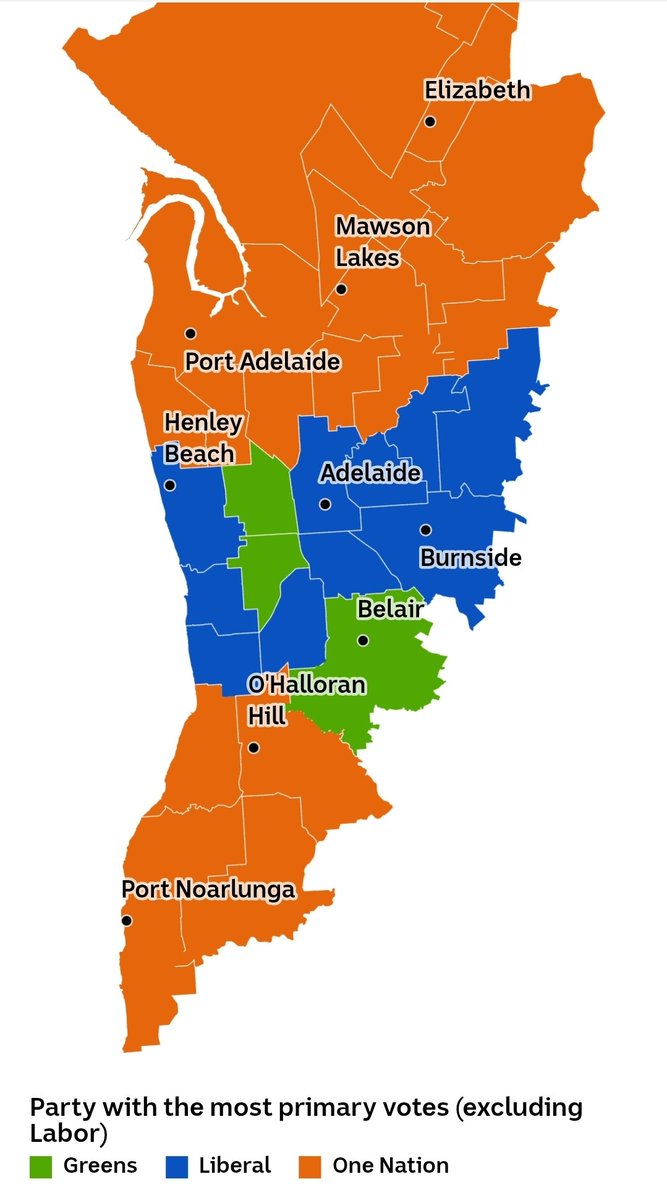
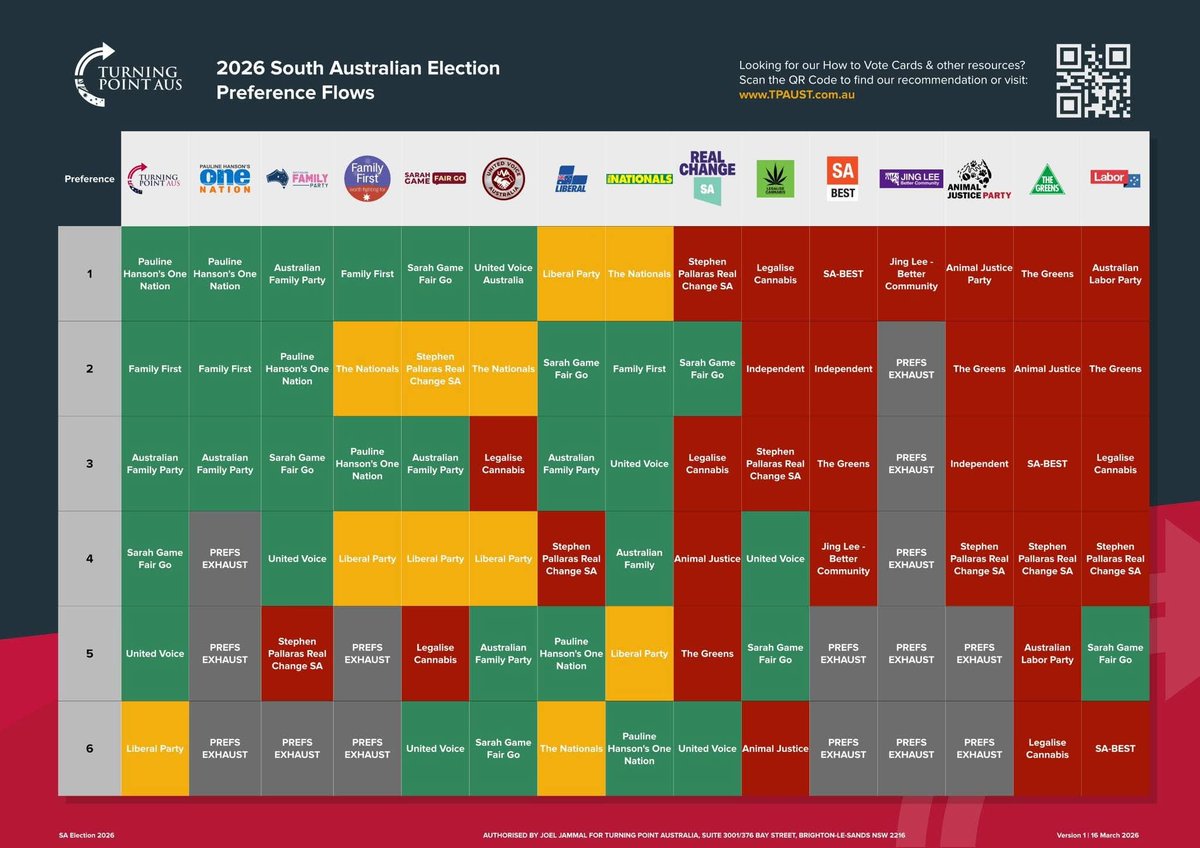
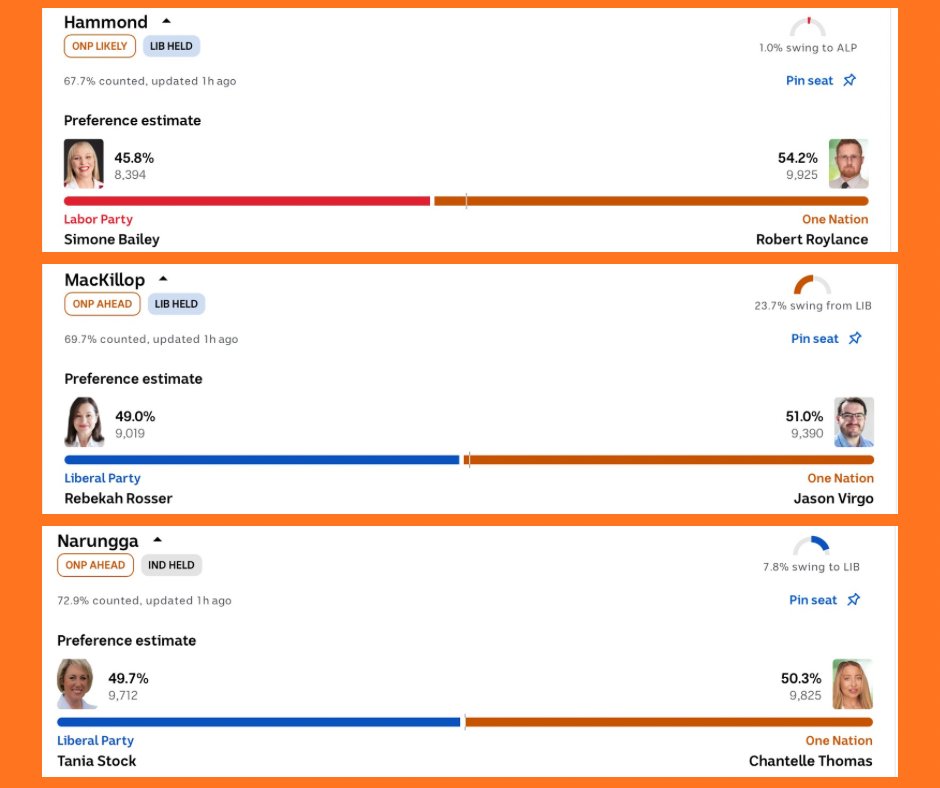
In SA, One Nation have so far won 3 Upper Seats and 1 in the Lower House, but they are also leading in 3 other lower house seats.
If the numbers hold, they’ll have seven members of Parliament in South Australia.
149
458
3,516
46,280