
May 5
🚨 FBI DIRECTOR KASH PATEL JUST CONFIRMED MASSIVE RAIDS ARE COMING IN THE 2020 ELECTION INVESTIGATION
“There are dozens of federal agents being briefed across the country for a raid we’ll be conducting to bring in nine suspects.”
He added: “Needless to say, we’re way ahead of schedule.”
Patel wouldn’t name names yet, but dropped this bombshell: “There will be some pretty big surprises.”
This is it.
The real investigation into the stolen 2020 election is no longer talk — it’s active, aggressive, and moving faster than anyone expected.
Nine suspects.
Dozens of agents.
Raids in the works.
The deep state that thought they got away with it is about to get a serious wake-up call.
For years they mocked, censored, and destroyed anyone who dared question the integrity of that election.
Now the hunter has become the hunted. Kash Patel was put in that seat for exactly this moment — and he’s delivering.
No more endless hearings with zero consequences.
No more protecting the elites who rigged the system.
Real accountability is finally here, and it’s coming with handcuffs and federal raids.
The American people have waited long enough for the truth.
If big names start dropping soon, it could shake the entire political establishment to its core.
SHARE IF YOU WANT TO SEE FULL JUSTICE FOR 2020 AND THE DEEP STATE EXPOSED 🔥🇺🇸
This is what winning looks like. America First is cleaning house.
Follow @shadowJ47 for the raw truth they’re terrified of.
#KashPatel #2020Investigation #ElectionRaid #DeepStateExposed #NineSuspects #AmericaFirst #TrumpWasRight #DrainTheSwamp #BigSurprisesComing #JusticeFor2020

111
585
1,265
17,600

Apr 21
சிக்கியது ரூ.2.44 கோடி!!! திமுக நிர்வாகி காரில் கட்டுக் கட்டாய் பணம்!! அட்டை பெட்டியில் பதுக்கல்!!
#Breakingnews #Tamilnews #Tamilwire #Perambalur #DMK #ElectionRaid
tamilwire.in/news/politics/p…
2
11

Apr 10
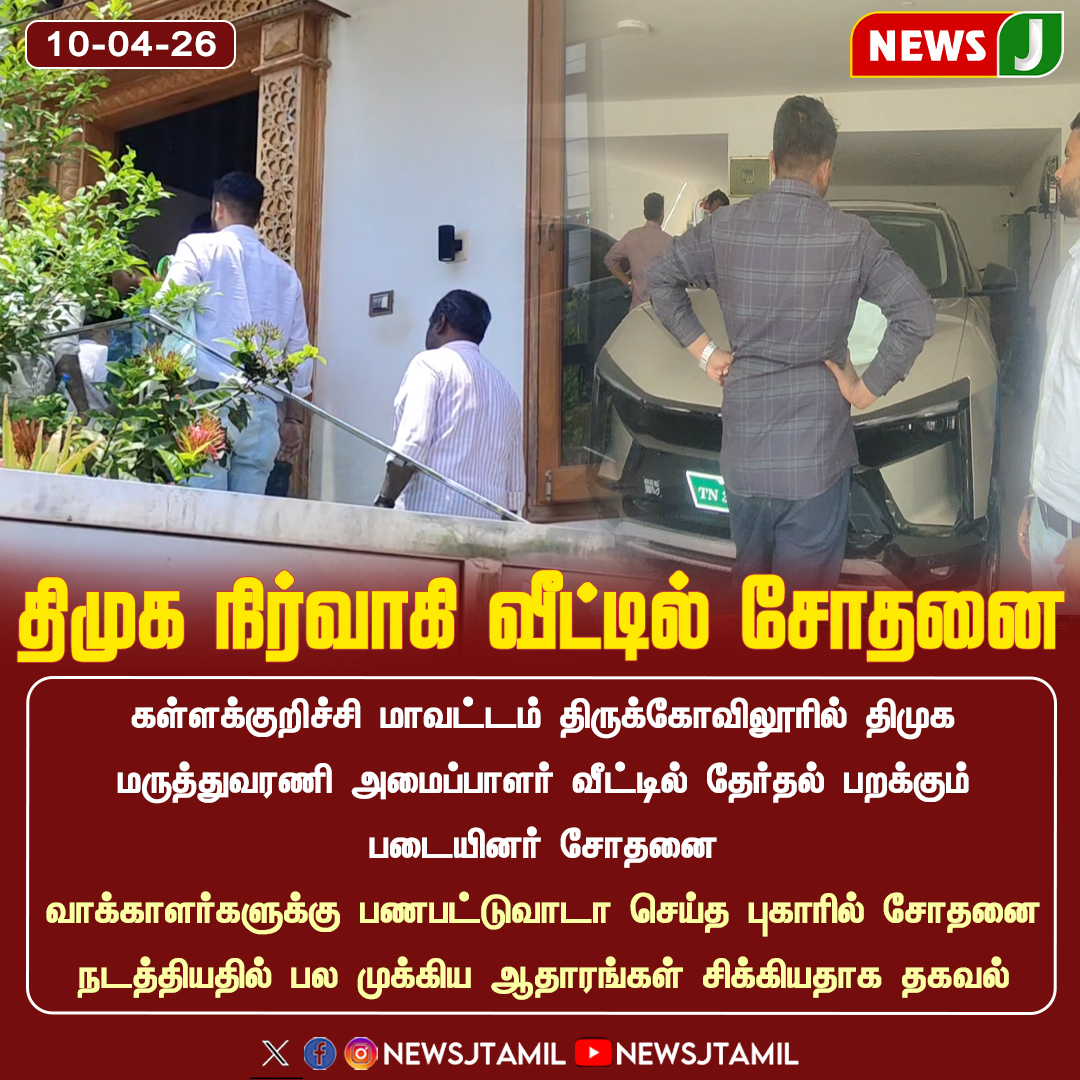
#NewsUpdate || திமுக நிர்வாகி வீட்டில் சோதனை
#Kallakurichi #DMKFailTN #ElectionRaid #CashForVotes #FlyingSquad #TNPolitics #NEWSJ
34
99
1,042
Mar 27
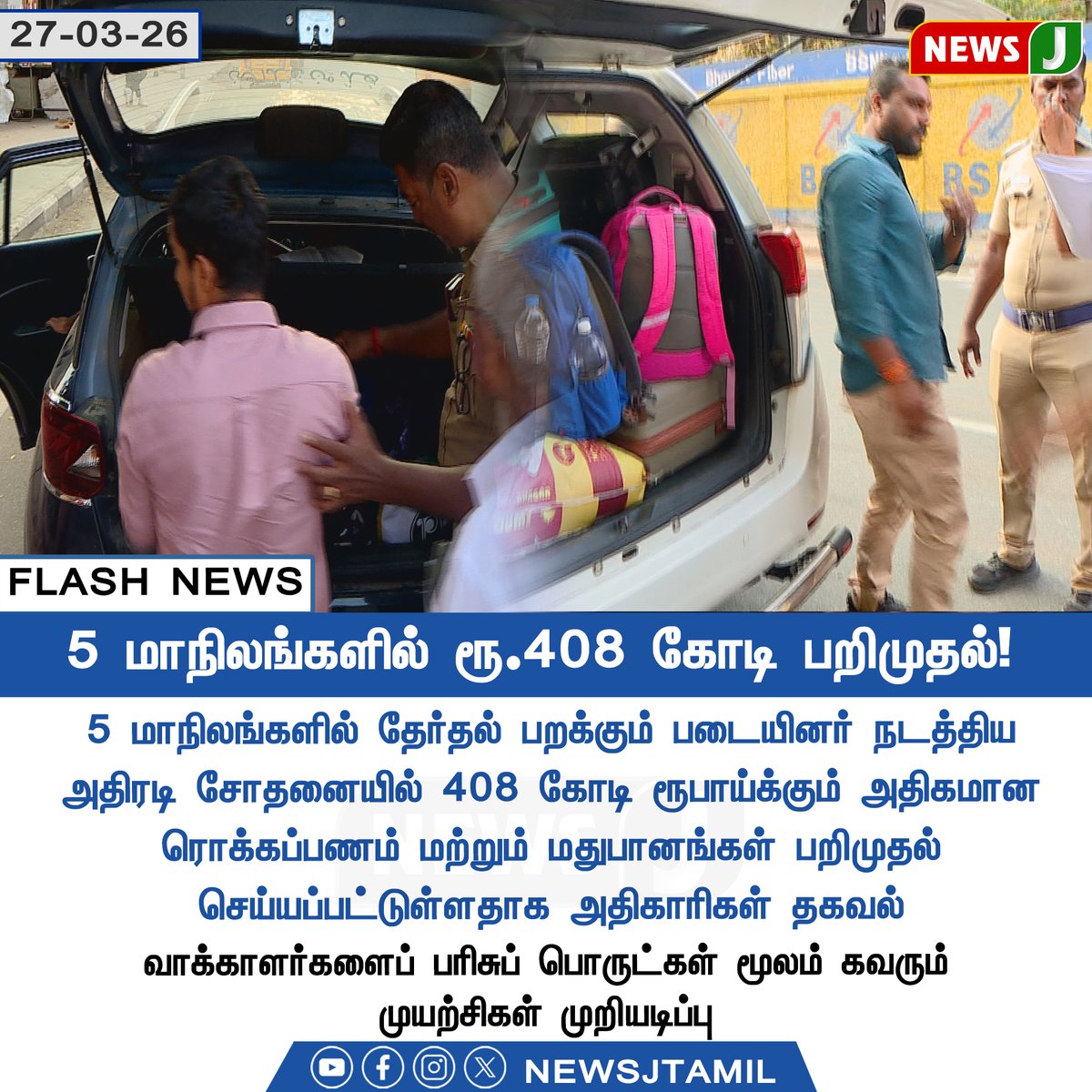
#FLASHNEWS || 5 மாநிலங்களில் ரூ.408 கோடி பறிமுதல்..!
#ElectionRaid #CashSeizure #408Crore #FiveStates #ElectionWatch #Enforcement #IndiaPolitics #PoliticalUpdate #newsj
6
13
435

சென்னை அதிர்ச்சி… AK-47 துப்பாக்கிகள் பறிமுதல் | Flying Squad | Guns Seizure | Kumudam News
#KumudamNews24X7 #KumudamNews #justnow #chengalpattu #flyingsquad #cashseizure #electionraid #tamilnaduelection #breakingnews #latestnews #tamilnews #policeaction #electionnews
2
164

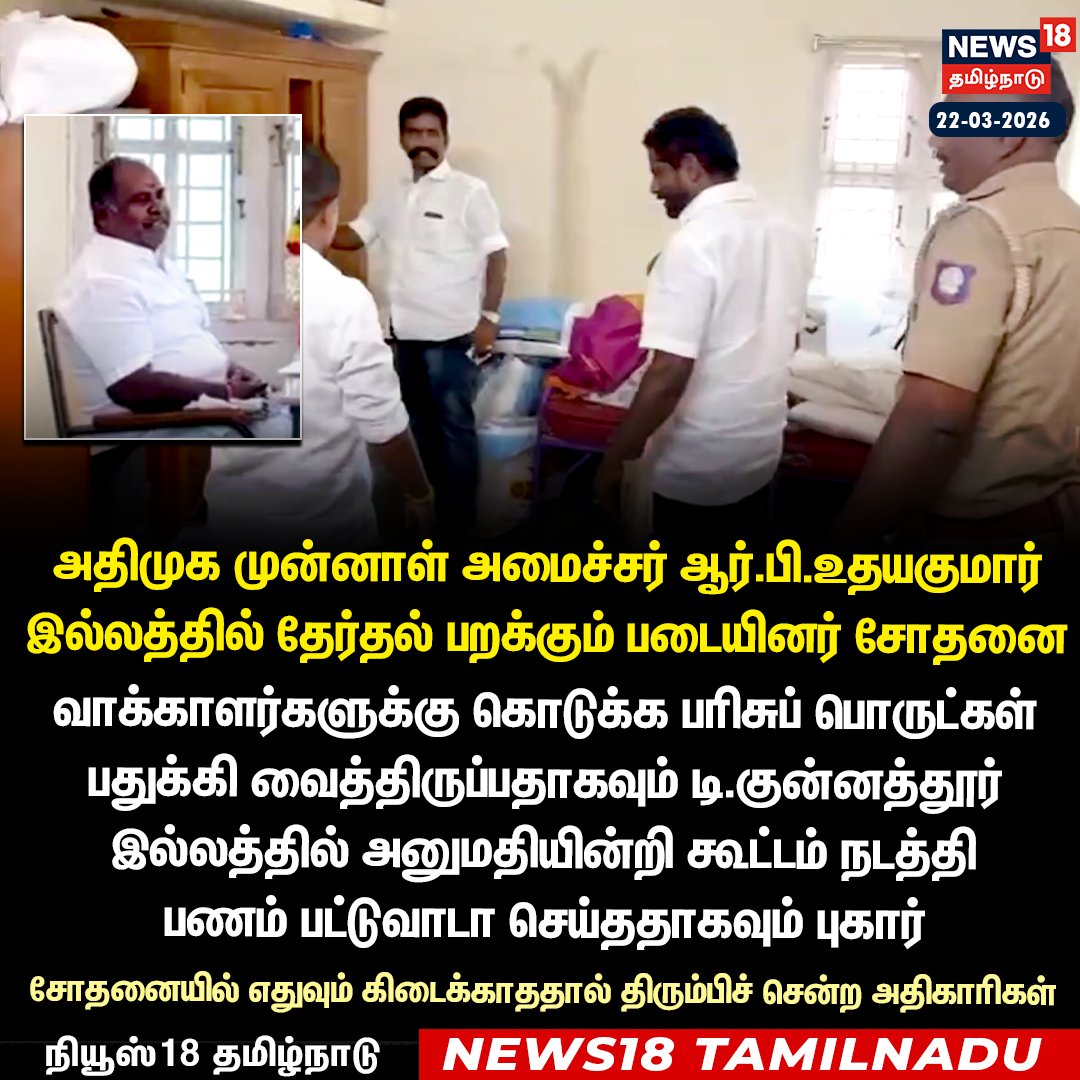
அதிமுக முன்னாள் அமைச்சர் ஆர்.பி.உதயகுமார்
இல்லத்தில் தேர்தல் பறக்கும் படையினர் சோதனை
#AIADMK #Udhayakumar #ElectionRaid #TamilNaduPolitics #BreakingNews #News18Tamilnadu | News18Tamil.com
4
27
96
4,543

Mar 20
CM வாகனத்தையே மடக்கிய POLICE - அதிரடி சோதனையில் ஈடுபட்ட பரபரப்பு காட்சிகள்
| Viruthunagar | Cm Car | Election Raid | Viral Video |
#viruthunagar #cmcar #electionraid #viralvideo
1
8
1,171
Mar 20
சட்டை பையிலிருந்து எடுக்க எடுக்க வந்த SHOCK - பறக்கும் படையினருக்கு இப்படி ஒரு TWIST -ஆ ?
| Election Raid | Viral Video | Gold News |
#electionraid #viralvideo #goldnews
3
30
4,784
Mar 18
தேர்தல் நெருங்க நெருங்க அதிரடி - பறக்கும் படையால் பறிமுதல் செய்யப்படும் பல லட்சங்கள் | Election Officers | Election Raid | Viral Video |
#electionofficers #electionraid #viralvideo
3
8
1,075
Mar 18
தேர்தல் நெருங்க நெருங்க அதிரடி📷 - பறக்கும் படையால் பறிமுதல் செய்யப்படும் பல லட்சங்கள்
| Election Officers | Election Raid | Viral Video |
#electionofficers #electionraid #viralvideo
3
13
1,640

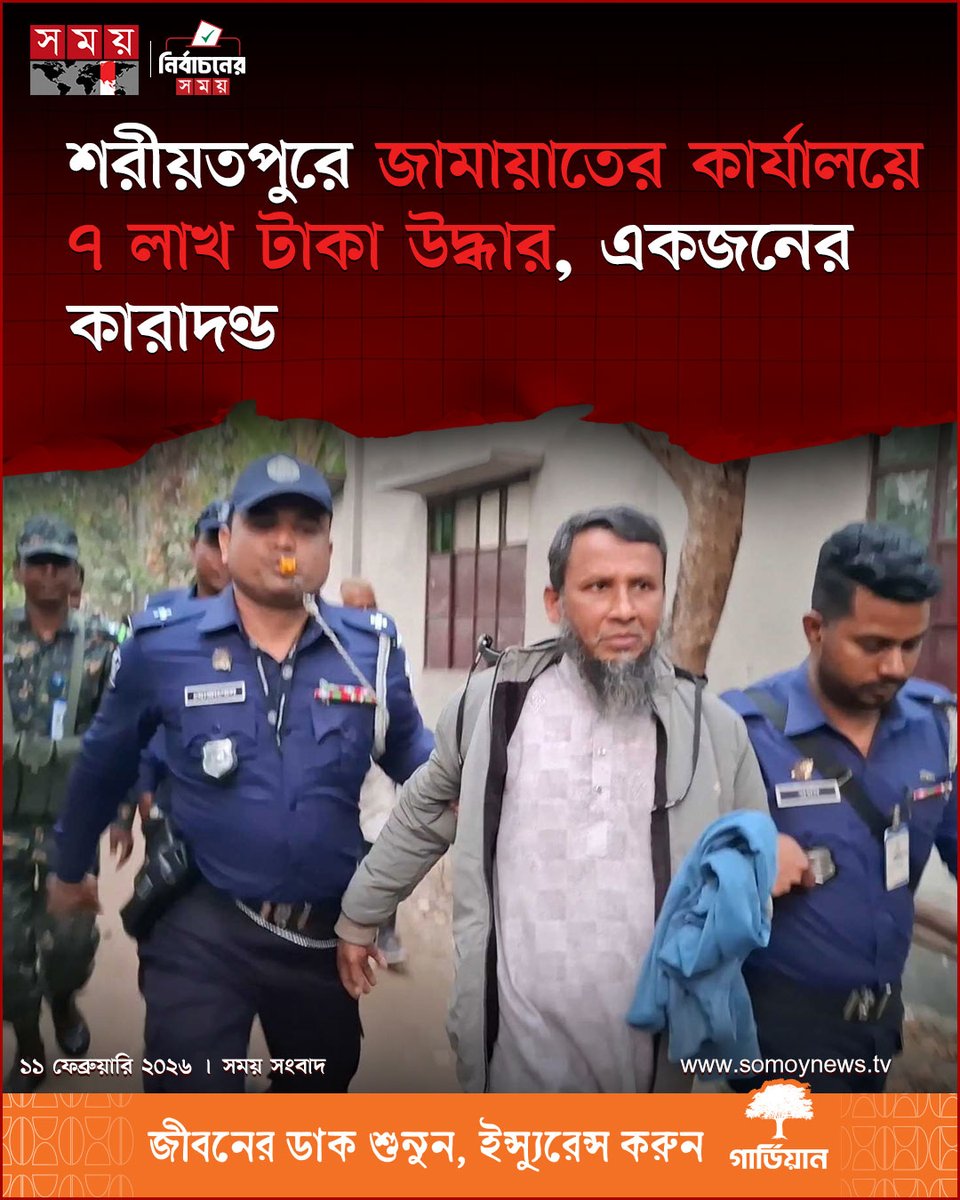
শরীয়তপুরের নড়িয়া পৌরসভার দক্ষিণ বৈশাখীপাড়া এলাকায় জামায়াতে ইসলামী’র একটি নির্বাচনী কার্যালয়ে অভিযান চালিয়ে ৭ লাখ ২০ হাজার টাকা উদ্ধার করেছে যৌথ বাহিনী
বিস্তারিত : somoynews.tv/news/2026-02-11…
#ElectionRaid #ShariatpurUpdate #PoliticalNews #somoytv
7
168

Major Action in Vashi Amidst Municipal Elections: Rs. 16.16 Lakhs in Cash Seized from Luxury Car
#VashiAction
#CashSeizure
#ElectionWatch
#ModelCodeOfConduct
#NMMC_Elections
#NaviMumbaiNews
#MercedesSeized
#ElectionIntegrity
#FlyingSquadAction
#BlackMoney
#ElectionRaid
#ALGNIG
2
939

5 Dec 2025
The insurrection trial of former President Yoon Suk Yeol—stemming from his December 3, 2024, martial law declaration that deployed troops to storm parliament and detain lawmakers, sparking his February 2025 impeachment and April removal—has veered into a credibility minefield.
Key witness Lt. Gen. Kwak Jong-geun, ex-Army Special Warfare commander, has been a linchpin for prosecutors, testifying Yoon ordered him to "drag out" assembly members and raid the National Election Commission (NEC) based on a late-night call alleging servers held "election fraud" evidence.
But in a dramatic November 2025 Seoul courtroom turn, cross-examination revealed Kwak's account of a casual "bro" exchange—where a female colleague supposedly asked about the NEC's location and servers—riddled with holes: mismatched handwriting on notes, unmentioned assistants, and Kwak's own aversion to the term "bro," which he called "thug-like" and his most hated word.
This unraveling isn't procedural nitpicking; it's a gut-punch to the prosecution's narrative, with Yoon's defense alleging coached falsehoods from Democratic Party circles, echoing earlier disputes over NIS deputy Hong Jang-won's memo.
As the trial drags toward a potential 2026 verdict—with Yoon's detention at stake—these fissures risk discrediting the very democratic safeguards that halted his power grab, amid Lee's ongoing reforms that critics say weaponize justice.
Societies can't afford blind spots here: when star witnesses crack under scrutiny, it doesn't just prolong trials—it poisons public trust in the gavel's swing, turning accountability into endless accusation.
When the star witness in an insurrection trial collapses under scrutiny, should the nation question Yoon’s actions—or the political machinery that framed them?
#YoonTrial #KwakJongGeun #MartialLawTestimony #KoreanInsurrection #ElectionRaid
2
11
21
556

4 Feb 2025
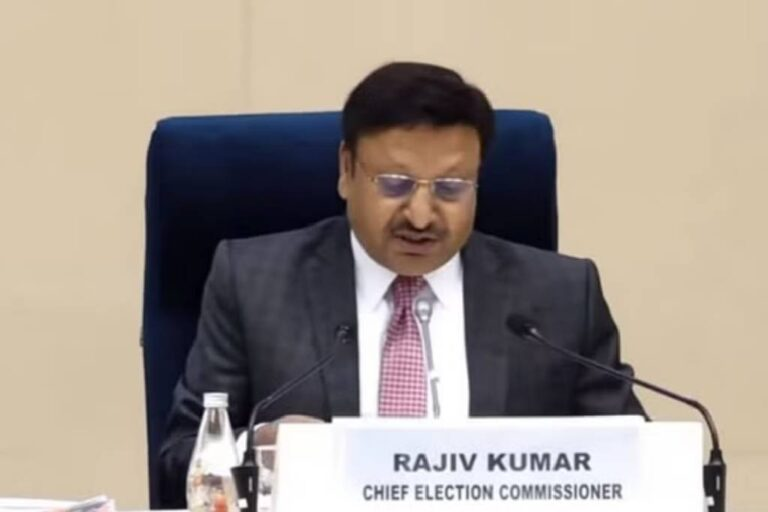
'દિલ્હીમાં ચૂંટણી પંચની છબી ખરાબ કરવાના વારંવાર પ્રયાસો થઈ રહ્યા છે': ચૂંટણી પંચ
વધુ માહિતી માટે વાંચો ⬇:
newscapital.com/repeated-att…
#ElectionCommission #DelhiElection #ElectionTension #ElectionIntegrity #PunjabChiefMinister #ArvindKejriwal #ElectionRaid
2
212

16 Apr 2024
IT Raid in Dharwad: ಧಾರವಾಡದಲ್ಲಿ ಐಟಿ ಅಧಿಕಾರಿಗಳ ಭರ್ಜರಿ ಬೇಟೆ, ಬರೊಬ್ಬರಿ 18 ಕೋಟಿ ಹಣ ಪತ್ತೆ
.
.
.
WATCH #RepublicKannada LIVE: youtube.com/watch?v=y_704-At…
.
.
.
#itraid #dharwad #loksabhaelection2024 #ElectionRaid #BasavarajDattannanawavar #dharwad #republickannada #loksabhaelection #kannadanews #kannadalatestnews #karnatakanews #karnatakalatestnews #karnatakatodaynews #kannadanewslive
2
103