ShinoSarna retweeted

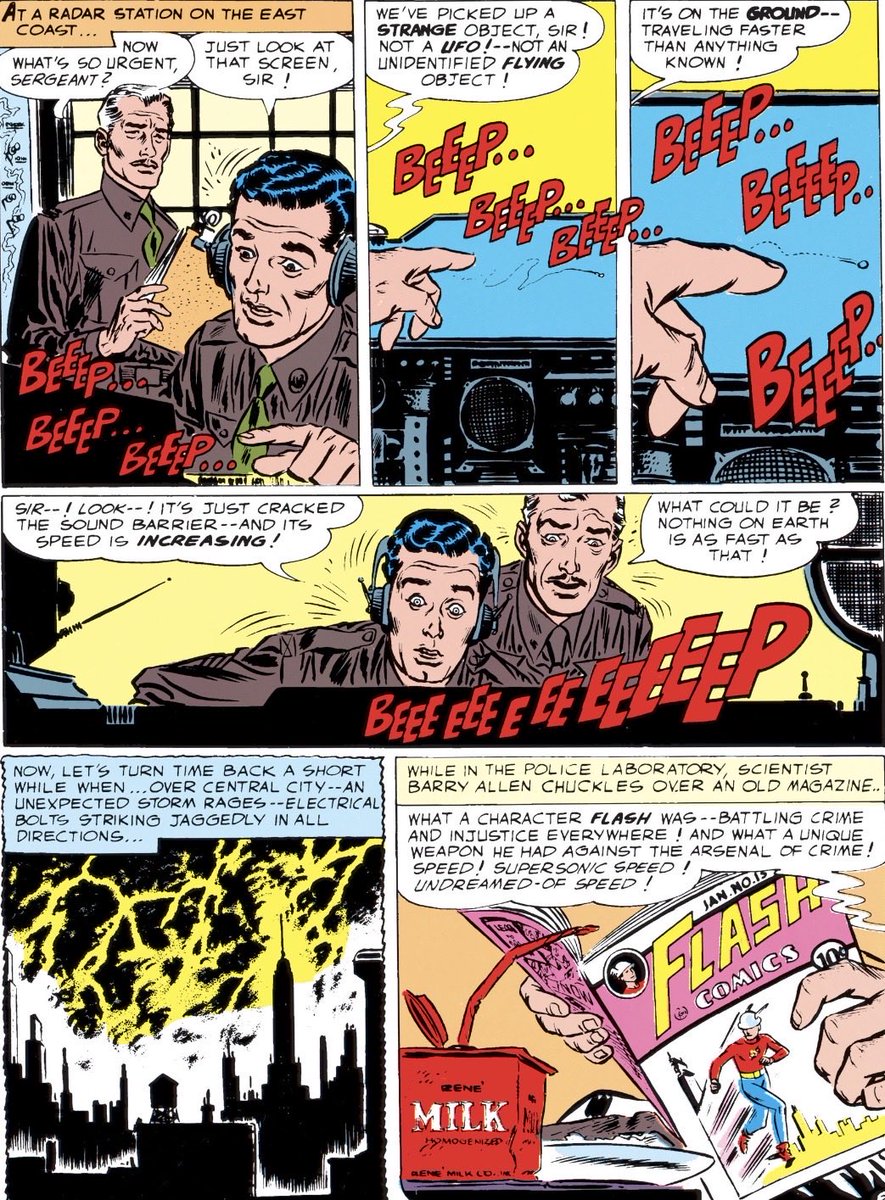
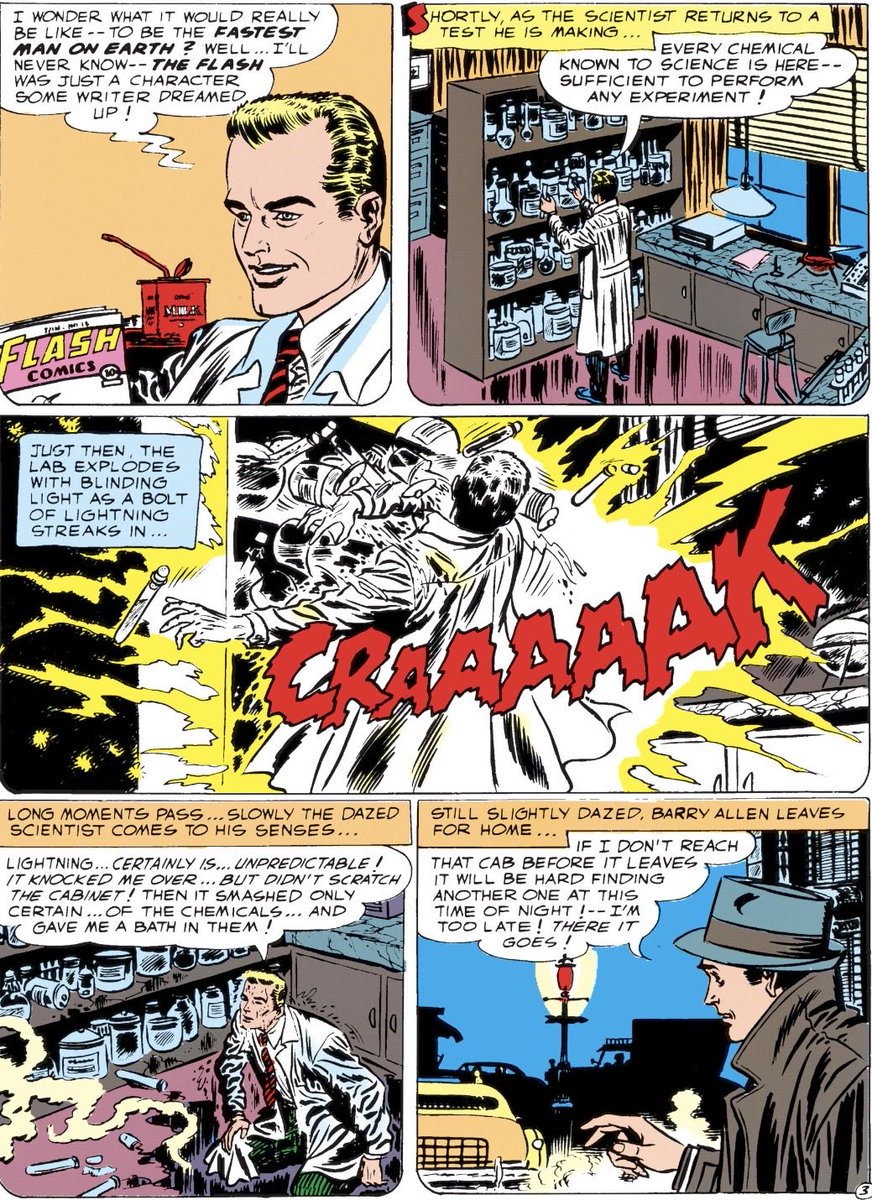
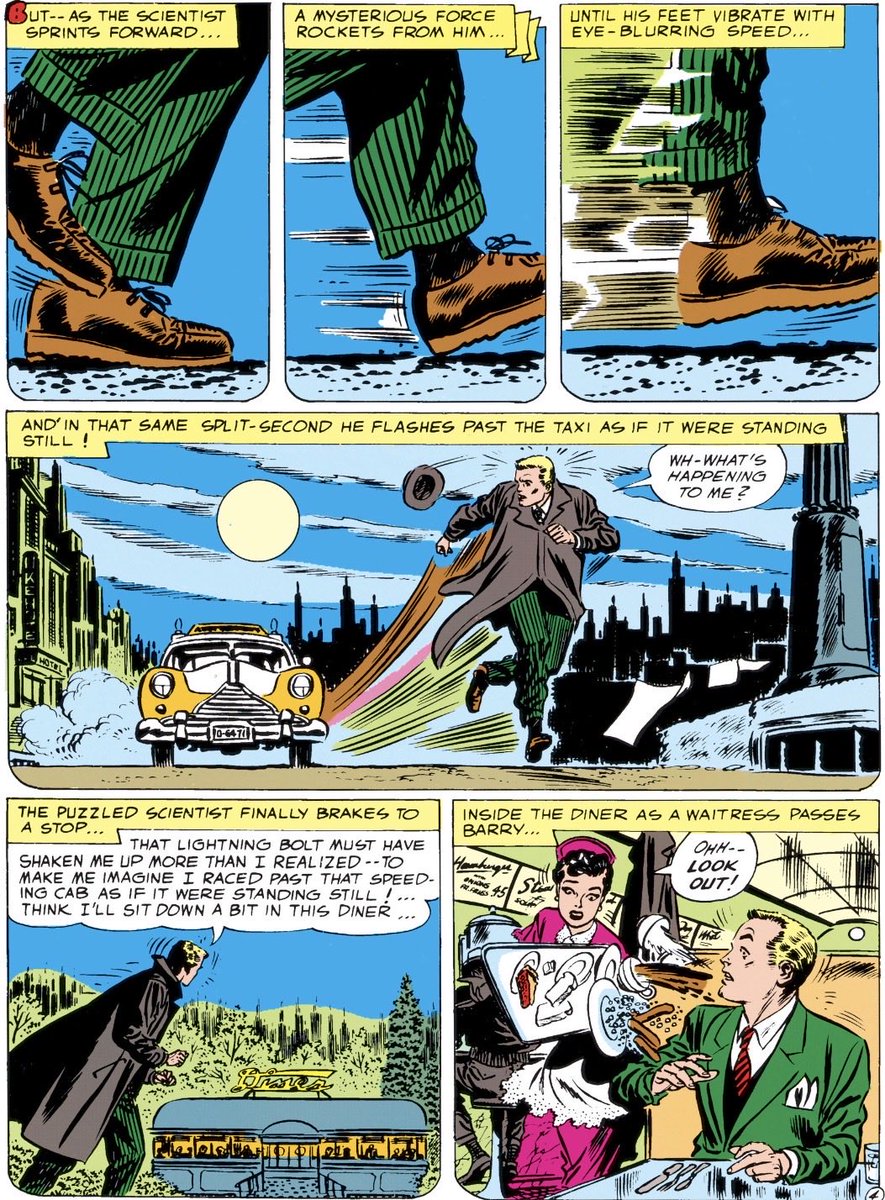
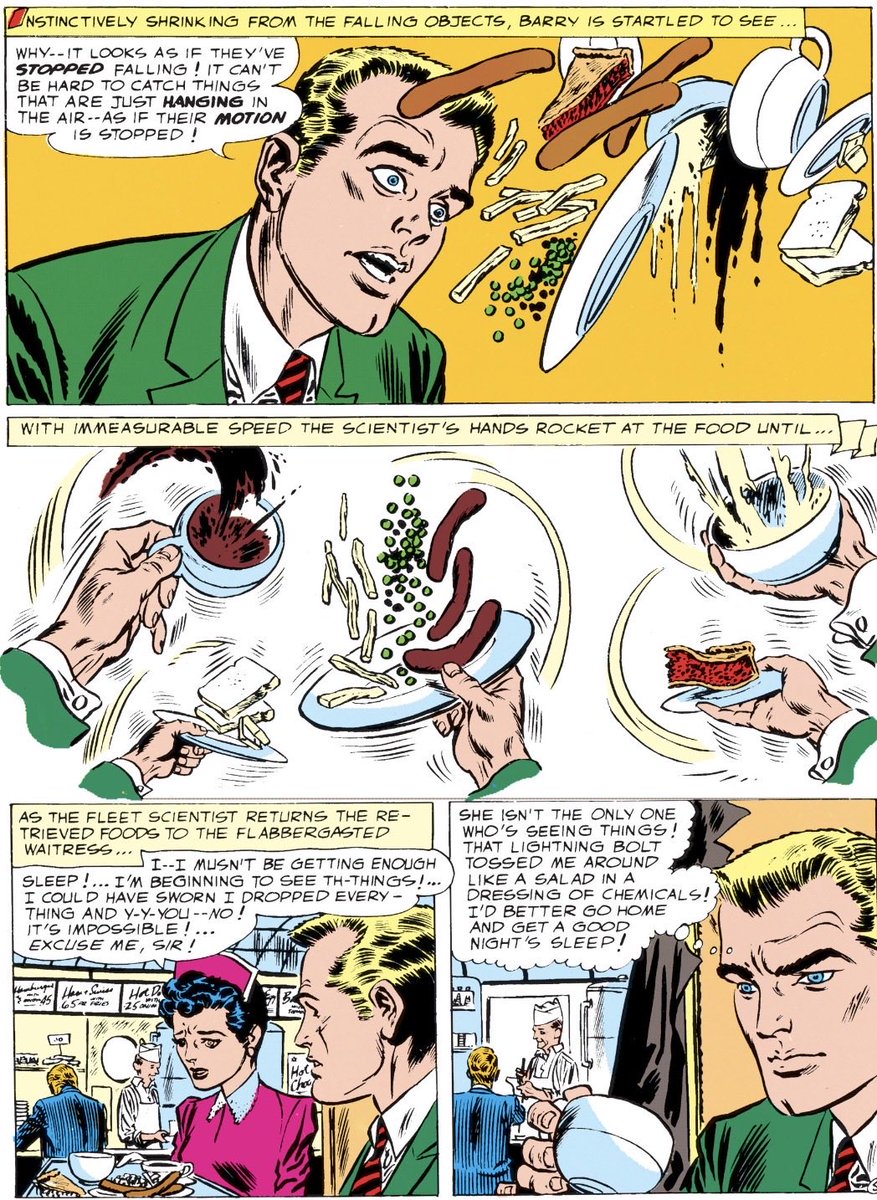
Honestly these two pages perfectly encapsulate why Barry Allen is The Flash better than the dead Mom retcon ever could
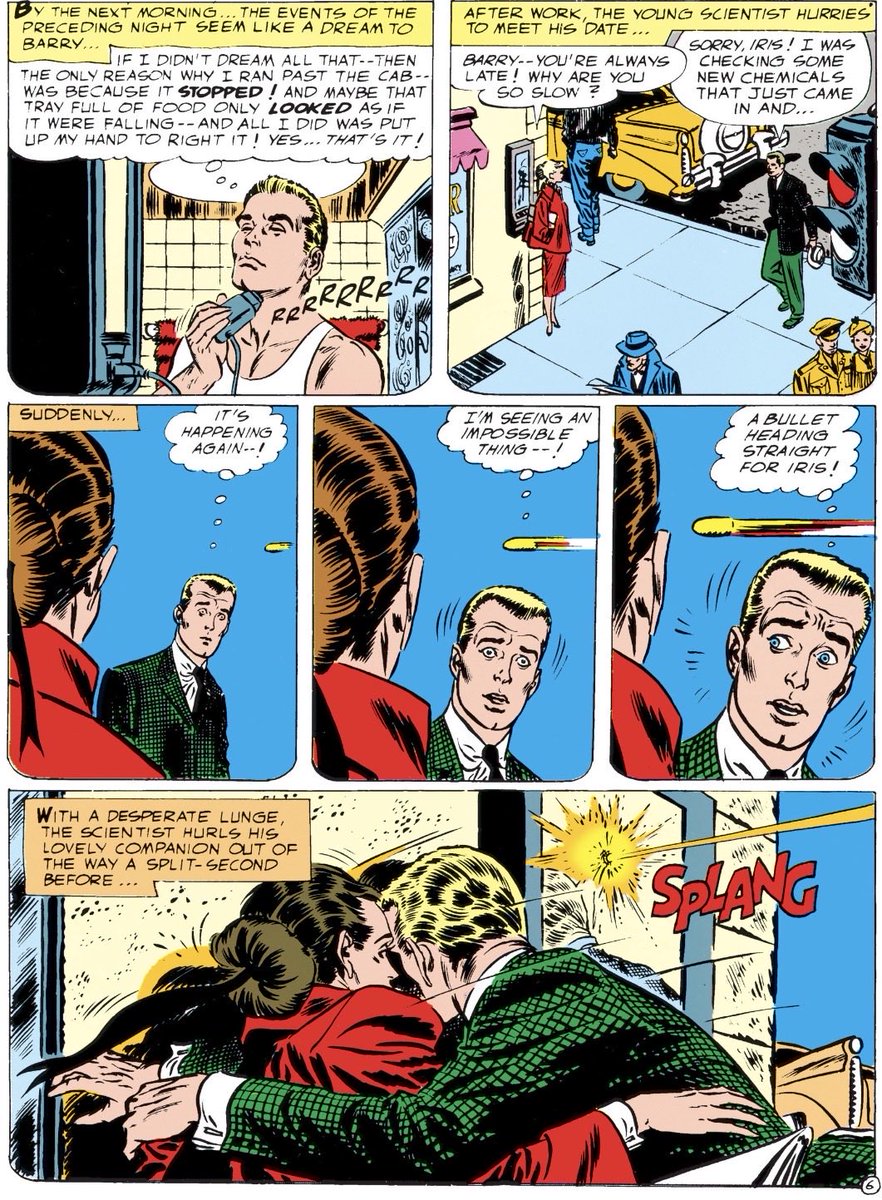
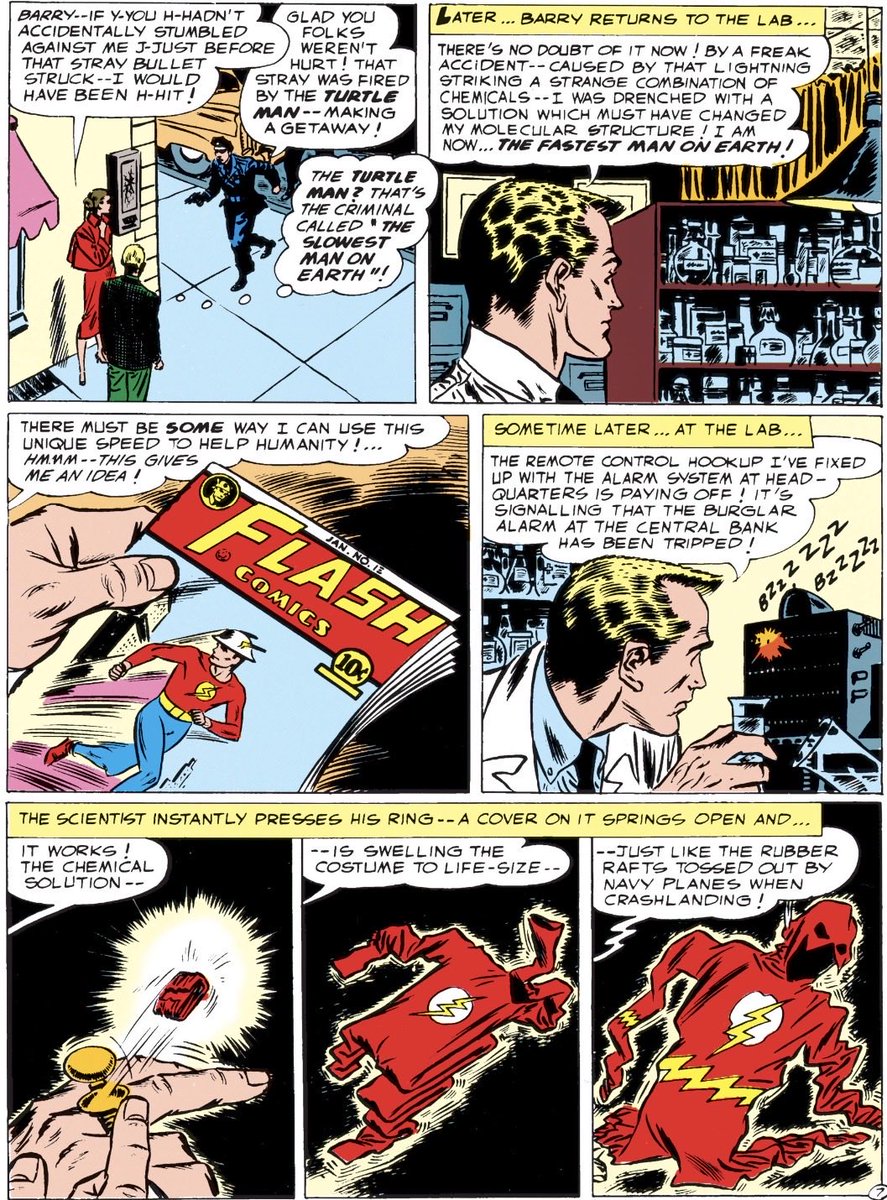

It’s honestly amazing how well Showcase no 4 holds up to time, in large part because Barry Allen invented the archetypal origin story that virtually all Silver Age superheroes follow
3
5
18
546

Stop trying to fix your AI agents by tuning the prompt.
If your LLM-backed agent is failing in production, the issue usually isn't the raw intelligence of the model, nor is it the phrasing of your system prompt. It is almost always a failure of the environment built around it.
In 2026, the engineering community is realizing a fundamental truth:
Agent = Model Harness
The raw foundation model is just an engine of non-deterministic probabilities. To make it perform reliable, repeatable work, you need a production-grade "harness." Harness engineering is the intentional design of the control plane, tool execution layers, safety constraints, and automated verification loops that encapsulate a model.
When you look at why proofs-of-concept fail to scale into production, it typically traces back to three missing layers in the harness architecture:
Computational vs. Inferential Feedback Loops:
Relying entirely on "LLM-as-a-judge" (inferential) to evaluate an agent's output is slow, expensive, and non-deterministic. A mature harness relies heavily on fast, deterministic CPU-bound processes (computational). If an agent writes code or configurations, the harness should immediately route it through a local linter, compiler, or structural test suite. The precise stack trace is then fed back to the model for automated self-correction before human eyes ever see a pull request.
Isolated Execution Contexts (Sandboxing):
Giving an autonomous agent a general-purpose tool like a bash shell or an internal API endpoint without boundary controls is an operational hazard. A robust execution harness isolates the agent within transient, walled-off environments (like secure Docker containers), limits network access, and enforces command allow-lists.
Just-in-Time Context Hydration:
Dumping an entire codebase or database schema into a 1-million-token context window leads to attention degradation and massive token waste. The information layer of a harness must surgically index and inject data via structures like Language Server Protocol (LSP) or Model Context Protocol (MCP) servers, map out dependencies first, and pass only the exact symbol maps needed for the immediate subtask.
The architectural shift here is profound. We are moving away from treating AI as a "black box" that requires magical prompting, and moving toward treating it as a standard, non-deterministic microservice wrapped in deterministic software scaffolding.
The Practical Takeaway
If you are designing an agentic workflow this week, shift 70% of your engineering effort away from the prompt and into the harness:
Build deterministic verification checkpoints into every step of the agent's cycle.
Constrain the solution space by feeding the model real file paths, explicit schemas, and rigid structural expectations rather than open-ended instructions.
Create a fast fail-safe mechanism so that if a deterministic validation fails three times, the harness gracefully halts and alerts an operator.
The power of an enterprise AI application does not come from the model alone. It comes from the constraints of the harness that shape what the model can perceive, execute, and safely learn from.
For those running agentic systems in production: Where is your harness currently spending the most time—in computational validation (testing/linting) or inferential evaluation?
#ArtificialIntelligence #SoftwareEngineering #SystemArchitecture #LLMOps #SoftwareArchitecture

19

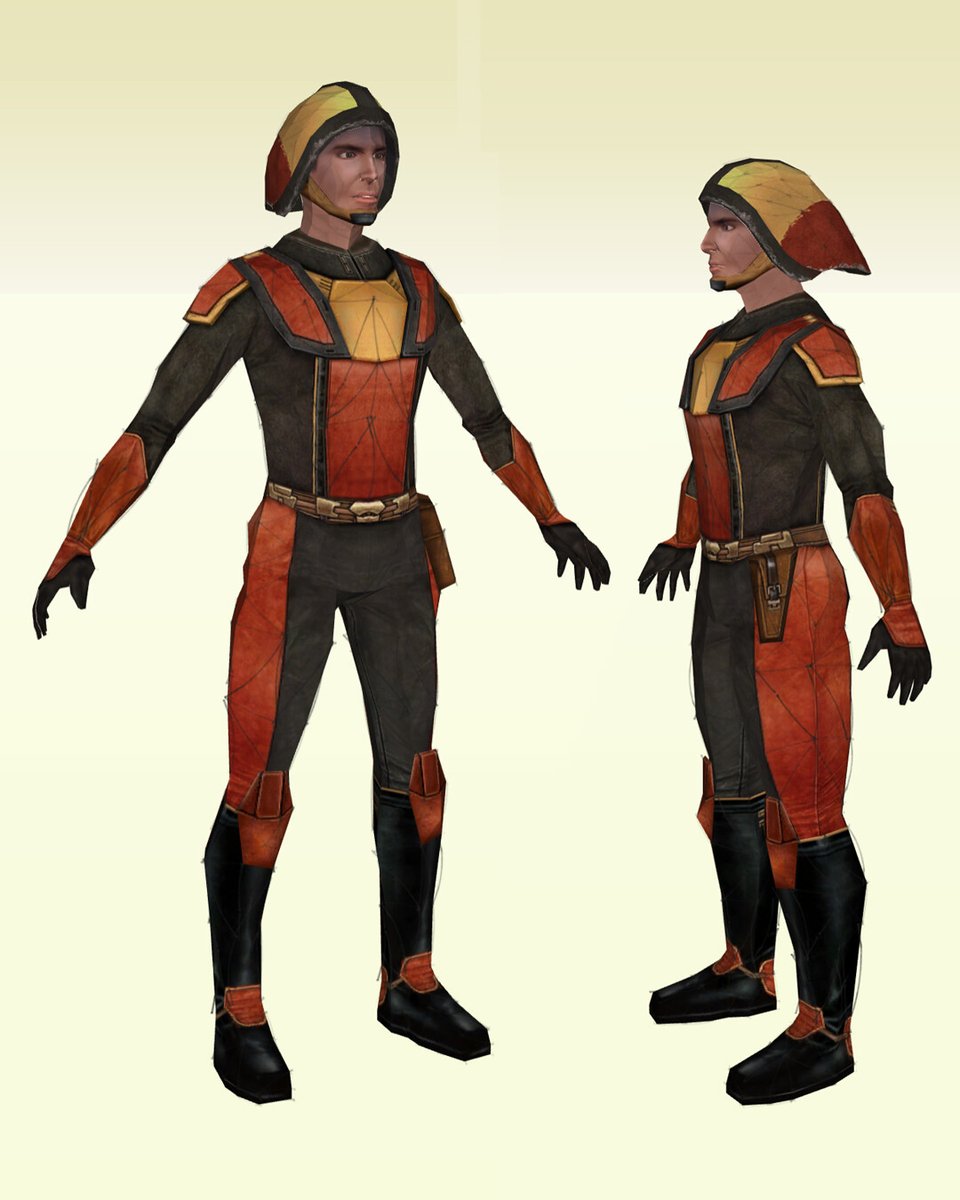
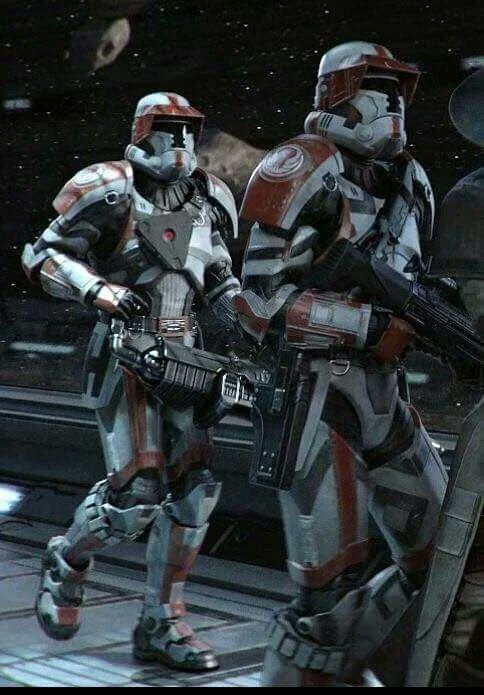
Honestly both of these designs kinda encapsulate how Star Wars has been reheating nachos for the last 20 years.
Their standard trooper designs are extremely derivative. Cool, but derivative.

03 and 2011 Old Republican Trooper designs is probably the best encapsulation of the historical divide between pre and post clone slopification within the Star Wars franchise imho
15

I would imagine county lines work the same way in the UK they do in the US... They most certainly are geographic lines that encapsulate elected leader's authority. Most counties have agreements but even then, sheriff's from one county's jurisdiction only go 1 or 2 mile into other
3
24
アーキ retweeted

13h
💎 This is what a very rare quartz "enhydro" looks like Such crystals encapsulate sand and water, which can persist in them in pristine form for millions of years.
6
20
331

You can start a long form post with a question.
I think you should write long form content. Single tweets are too short to encapsulate your worldview/your insights. New viewers will probably miss some of your banger ideas. You’re right that your own takes seem mundane because yea they’re yours and live in your head. You probably also interact with like-minded people who share similar takes, so you might think there’s no point writing even more about them.
You should still write. Good ideas are worth repeating. We have to repeat and refine and put things in our own words. Does everyone in the world agree with you? No? Then keep writing.
1
1
12

You are a idiot and a fake too. This has been going on for thousands of years and now you want to encapsulate with less than 4 years? Your intelligence has been compromised by your lack of knowledge. Is that your white face? Would you subject your mother and sister to Sharia law?

❓ who are your favourite pages on here? trying to find new content
💬 @MEATCLEAVEHER.
@Vesangre.
They both perfectly and elegantly encapsulate a very specific esoteric vibe that I’m looking for. So far, no one else quite gets it. tellonym.me/TH4T0RCH1A/answe…
2
3
153

How does "φ is provable" not semantically encapsulate "φ is true"?
Or does "φ is provable" actually mean "φ is provable if true"?
1
157


Bro, touch some grass. The moldy basement air and paranoia have set in from doom-scrolling and listening to conspiracy grifters. The crime scene was processed normally, like any public crime scene ...look up the process yourself. What did you expect? for them to encapsulate it and block it off forever? If you weren't retarded, you'd know what normally happens at a public crime scene and the timeframe involved.
What kind of ammo was being used? How old was it? Was the rifle held firmly? Bullets can do things well outside your realm of imagination.
Forensic autopsies in suspicious or criminal deaths are ordered by medical examiners or law enforcement. Reports often remain confidential until the case is resolved (or are selectively released via court order). This protects evidence integrity and witness safety. It also avoids contaminating the jury pool before trial. If you weren't retarded, you might know that too.
I expect the FBI to get all the evidence, and it will all be used to prosecute the twinky leftist brainwashed kid who shot his grandpa's rifle and killed Charlie Kirk. If you have any evidence that someone else killed him, feel free to present it. Go ahead, I'll wait. ⏳
1
2
24

Ugh, you're a hot mess. Never picked up a real history book. Cognitive dissonance encapsulate
1
7
Cecilia Tran retweeted

Jun 15
one four letter word to encapsulate a ten word album? hope. watch olivia's full interview with zane lowe now on @applemusic
oliviarodrigo.lnk.to/girlsoi…
46
138
1,133
24,878


beautiful, dreamy, haunting, creepy and the perfect song to encapsulate the album. truly a masterpiece that will stand the test of time.
12h

this song is genuinely so beautiful and i’ll be waiting for u all to come around to it
35