

በሲቢኢ ብር ባሉበት እቁብ ይጣሉ!
ቨርቹዋል እቁብ
#Virtual_Equb
******
በሲቢኢ ብር ፕላስ መተግበሪያ ሚኒ አፕስ ውስጥ የሚገኘውን #Virtual_Equb በመቀላቀል
በተለያዩ አማራጮች ባሉበት እቁብዎን ይጣሉ!
******
#cbe #virtual #equb #cbebirr #digitalbanking
1
7
558

Crypto = Digital EQUB! 🇪🇹
In Ethiopia, our Equb runs with no bank, no middleman — everyone contributes & everyone watches 👀
Crypto does the SAME thing, but for the whole world 🌍🚀
Our grandmothers understood blockchain before it had a name 😄
#AfricaByUs @Blvcky58 @Scalperfx84
2
51

The coordination is real but the explanation is simpler — rotating credit systems like hagbad and equb let diaspora communities pool capital and undercut on price in ways individual township entrepreneurs can't match without equivalent networks.
That's a structural advantage, not an intelligence operation. The real question is why SA never built the same cooperative credit infrastructure for its own informal sector.
May 3

I refuse to believe that the domination of foreign spaza shops by Somalis, Ethiopians & Pakistanis is purely coincidental or the result of hard work. Money is not a key driver of this situation; there could be coordination by foreign intel. It's too coordinated to ignore
1
2
353

Apr 30
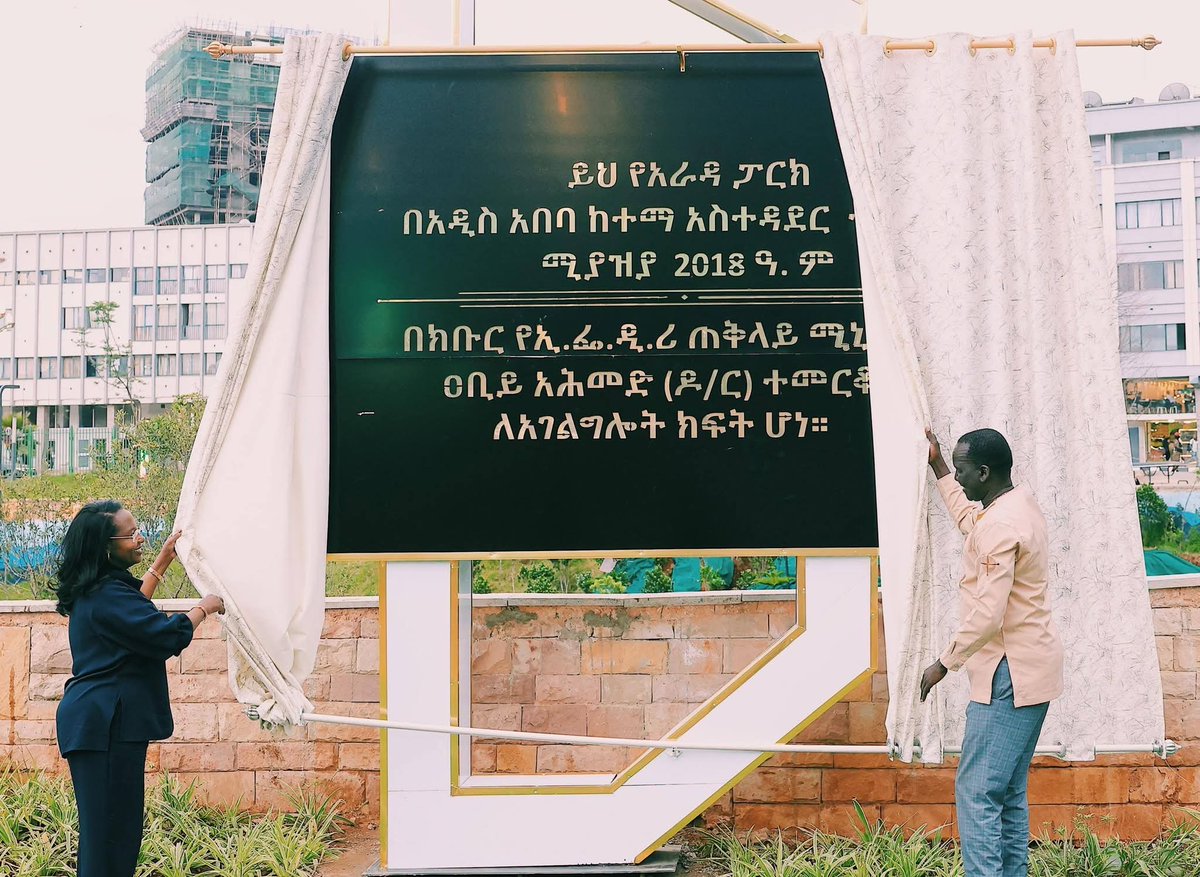
#AddisAbaba,
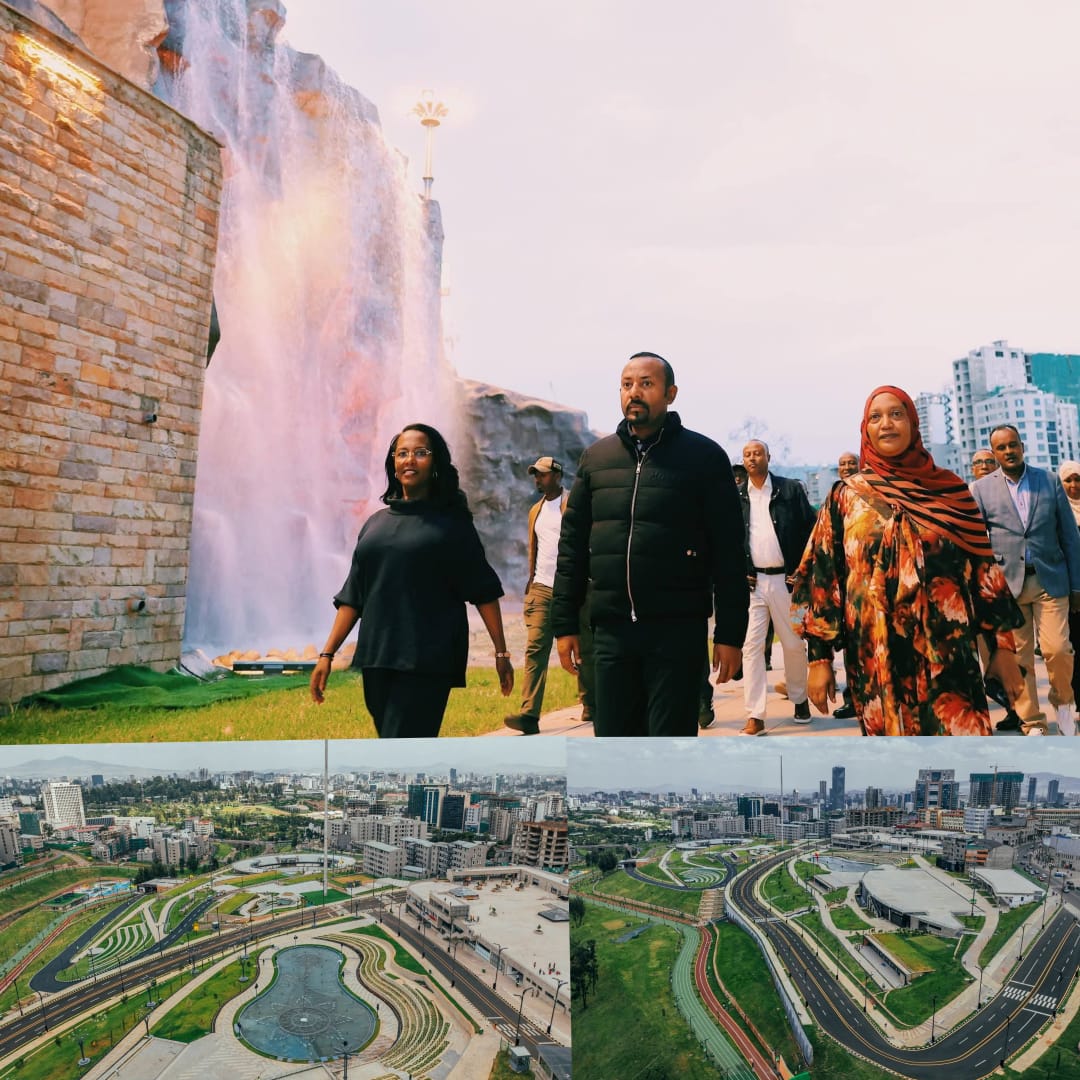
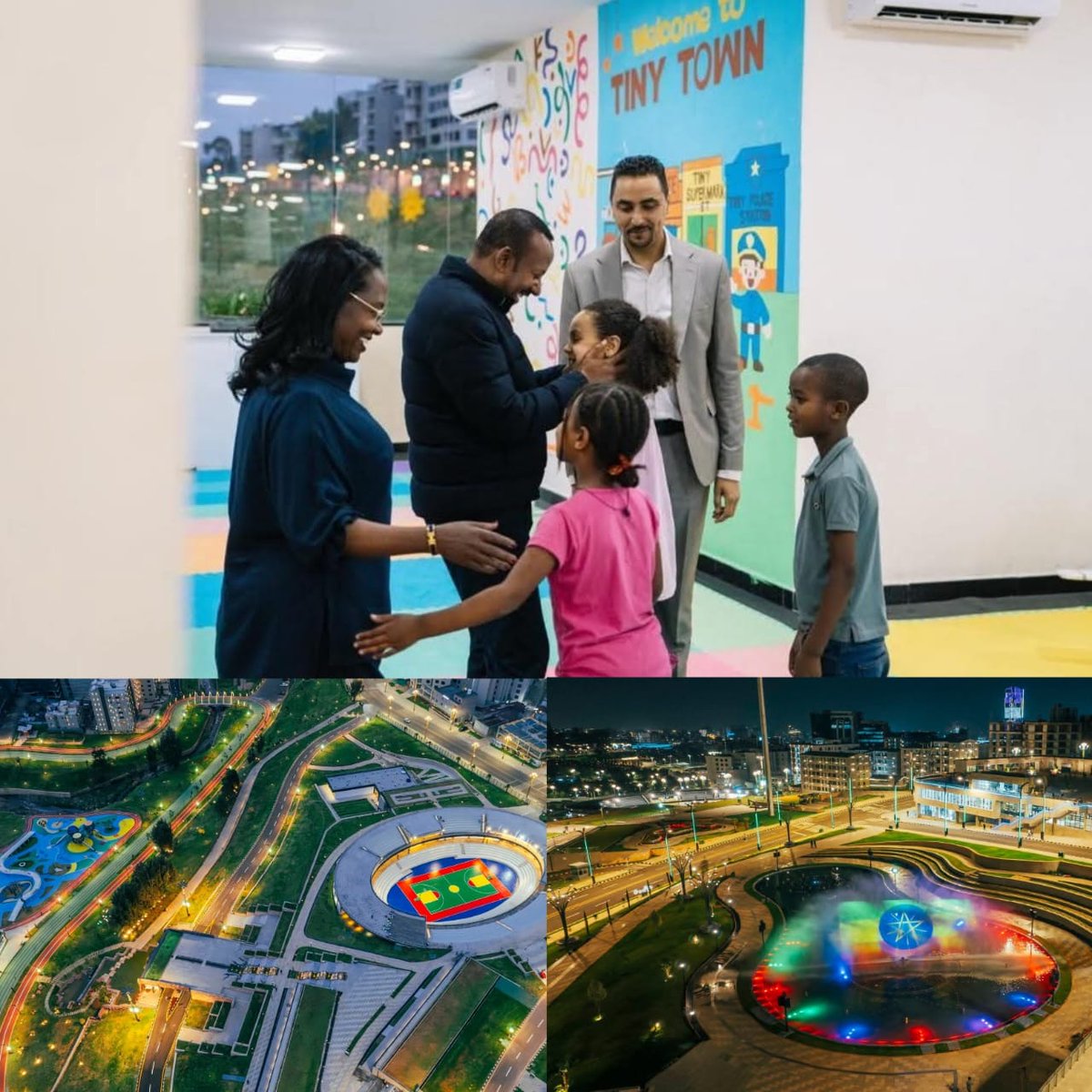
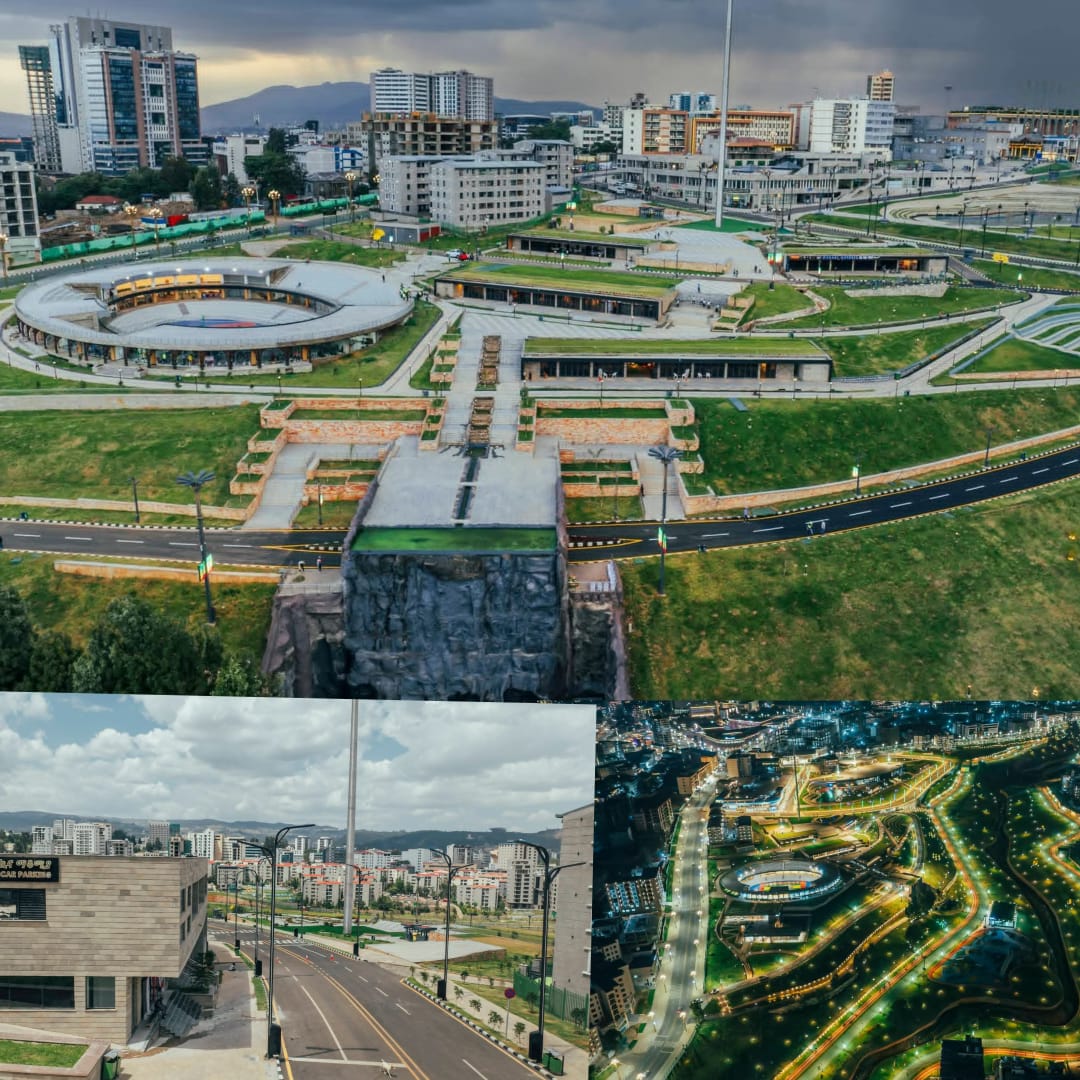
The New Arada Park: A Nexus of History, Beauty, and Modernity
Arada Park stands as a landmark achievement, transforming a legacy of urban decay, pollution, and extreme poverty. By moving past the negative vestiges of the past and collectively forging a new era of Ethiopian beauty, we have defined a renewed national identity.
We have relocated residents from the Piazza area—moving them from substandard conditions into dignified, modern housing. These new homes are healthy, spacious, and fully equipped with essential infrastructure. Crucially, we have ensured their social fabric remains unbroken, allowing traditional communal bonds like Iddir and Equb to flourish.
The reconstruction of Piazza reflects true civilization and the authentic spirit of "Arada" (urban sophistication). Our rivers have been reclaimed from pollution and disease; today, they serve as vibrant tourist destinations, symbols of natural beauty, and catalysts for job creation.
Congratulations to all!
May God bless #Ethiopia and its people!
29
104
315
7,898

Apr 3
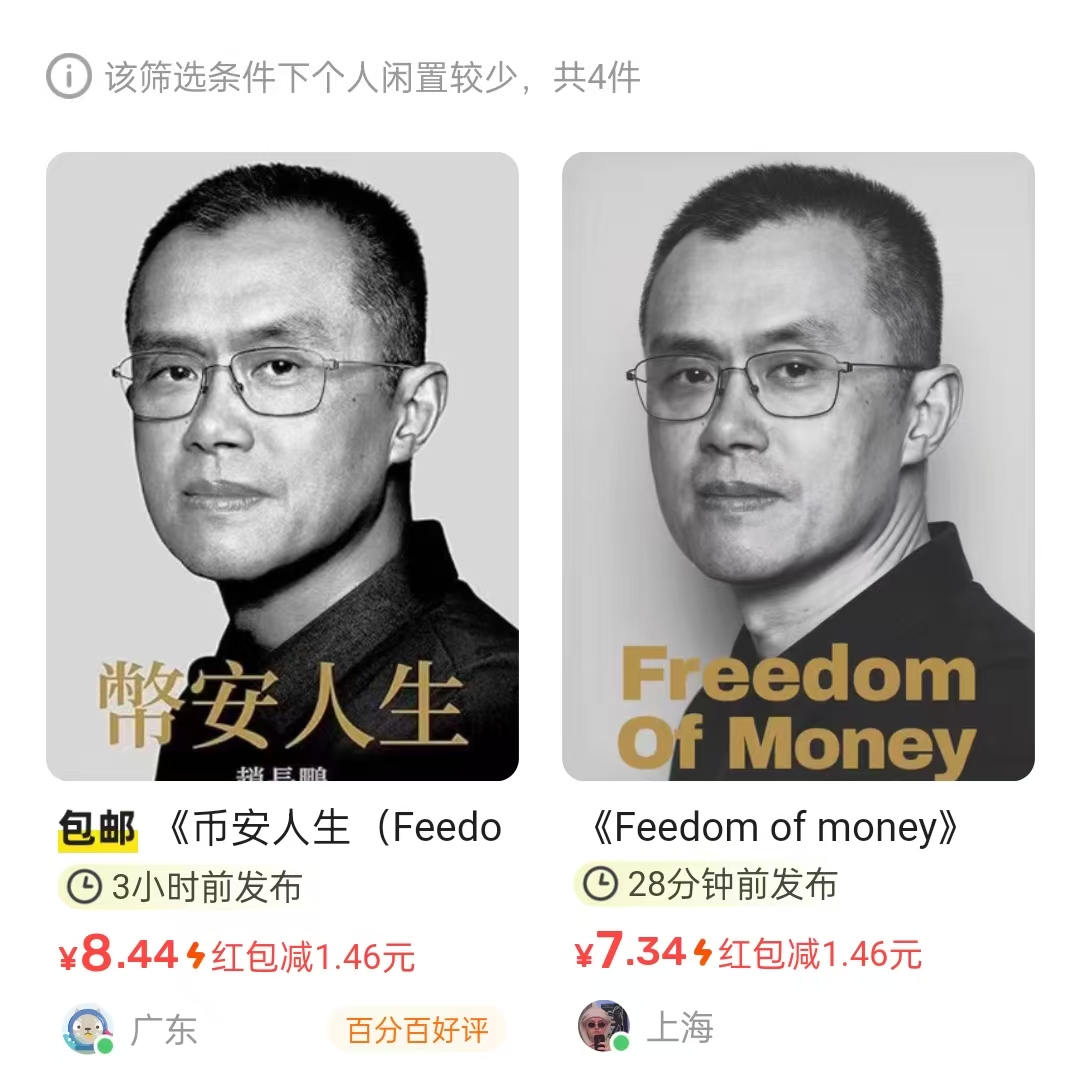
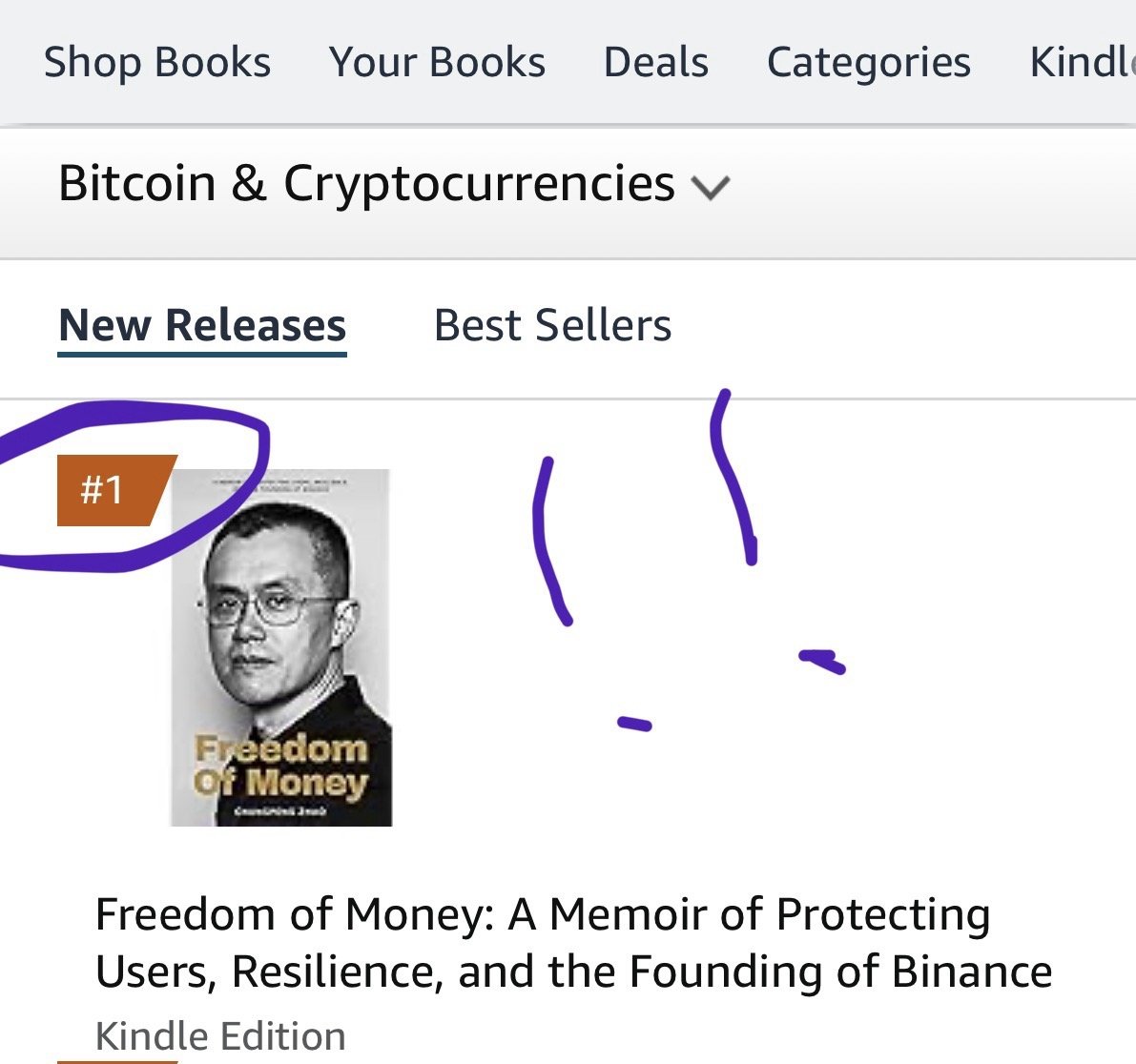
CZ新书来了
今天一上线,这个消息排名NO.1
咸鱼依然发挥稳定,已经有了7RMB的电子版
只是这个错别字我有点没绷住(feedoom),是不是为了后续查体提前打好的预防针?😎😎😎
我有更加好的方法,等待Z-Library上线新书,我会制作适配Kindle的版本(AZW3/EQUB),免费帮助@cz_binance 扩充影响力,免费才能更好的建立IP
没钱只能捧人场了哈哈哈哈哈哈🤓🤓🤓
淘宝以及拼多多全部都没有相关书籍,到时一大堆周边,怎么币安的帽子才不到10RMB。比我自己的都便宜好多?
#GoodFriday
#CZ

14
1
9
364


Mar 16
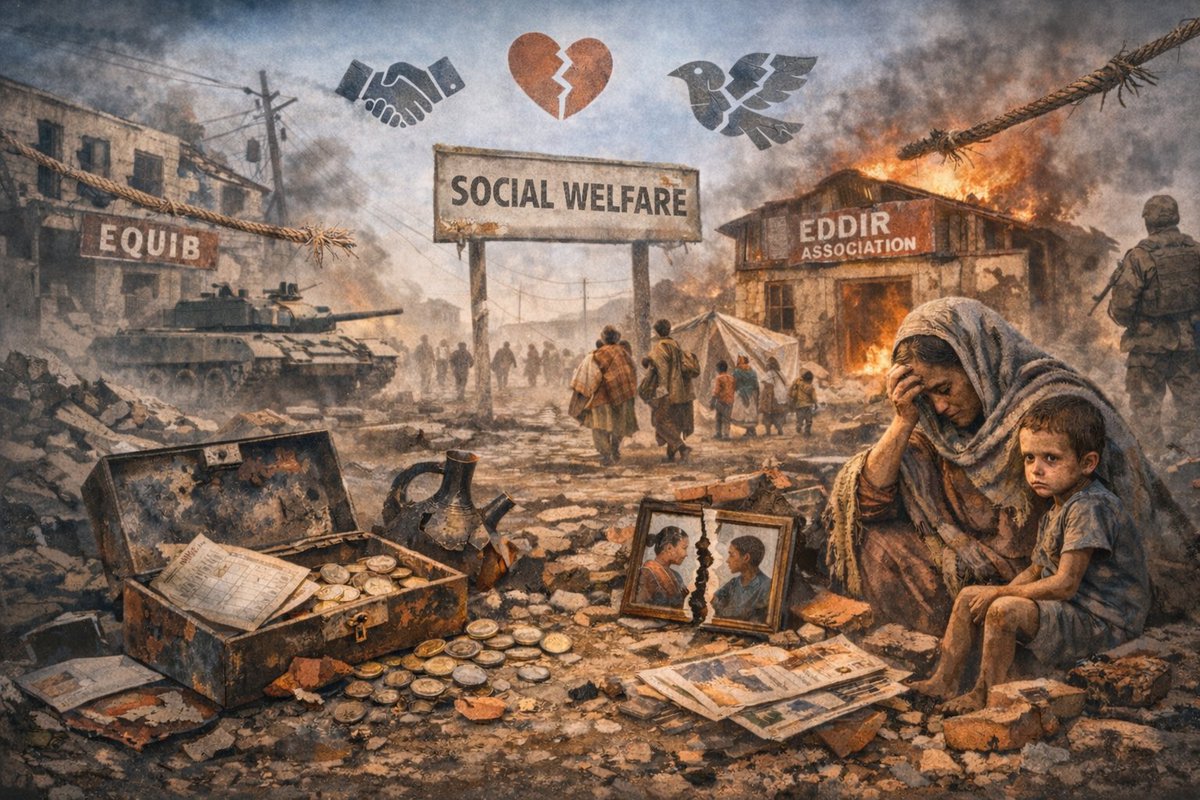
War, siege, and blockades devastated Tigray’s social welfare systems. Equb, Eddir, and other community institutions, once pillars of mutual support, suffered losses exceeding $278M Read more👇citghub.org/the-systematic-u…
15
14
632
በሲቢኢ ብር ባሉበት እቁብ ይጣሉ!
ቨርቹዋል እቁብ
#Virtual_Equb
******
በሲቢኢ ብር ፕላስ መተግበሪያ ሚኒ አፕስ ውስጥ የሚገኘውን #Virtual_Equb በመቀላቀል
በተለያዩ አማራጮች ባሉበት እቁብዎን ይጣሉ!
#cbe #virtual #equb #cbebirr #digitalbanking
6
898

Bilibili Morimens Spring Festival Gala Fan-Stream codes for those who doesn't know
ZVFT-FMZJ-DTLS
EQUB-ATGJ-PJUV
HKAJ-UQAG-BFTV
DXCN-YDEA-JCKA
1
10
1,211

Feb 14
NEW CODES
EQUB-ATGJ-PJUV
HKAJ-UQAG-BFTV
ZVFT-FMZJ-DTLS
300 silver each ~
4
35
269
6,414
በሲቢኢ ብር ባሉበት እቁብ ይጣሉ!
ቨርቹዋል እቁብ
#Virtual_Equb
***
በሲቢኢ ብር ፕላስ መተግበሪያ ሚኒ አፕስ ውስጥ የሚገኘውን #Virtual_Equb በመቀላቀል
በተለያዩ አማራጮች ባሉበት እቁብዎን ይጣሉ!
***
#cbe #virtual #equb #cbebirr #digitalbanking
2
7
968

Feb 3
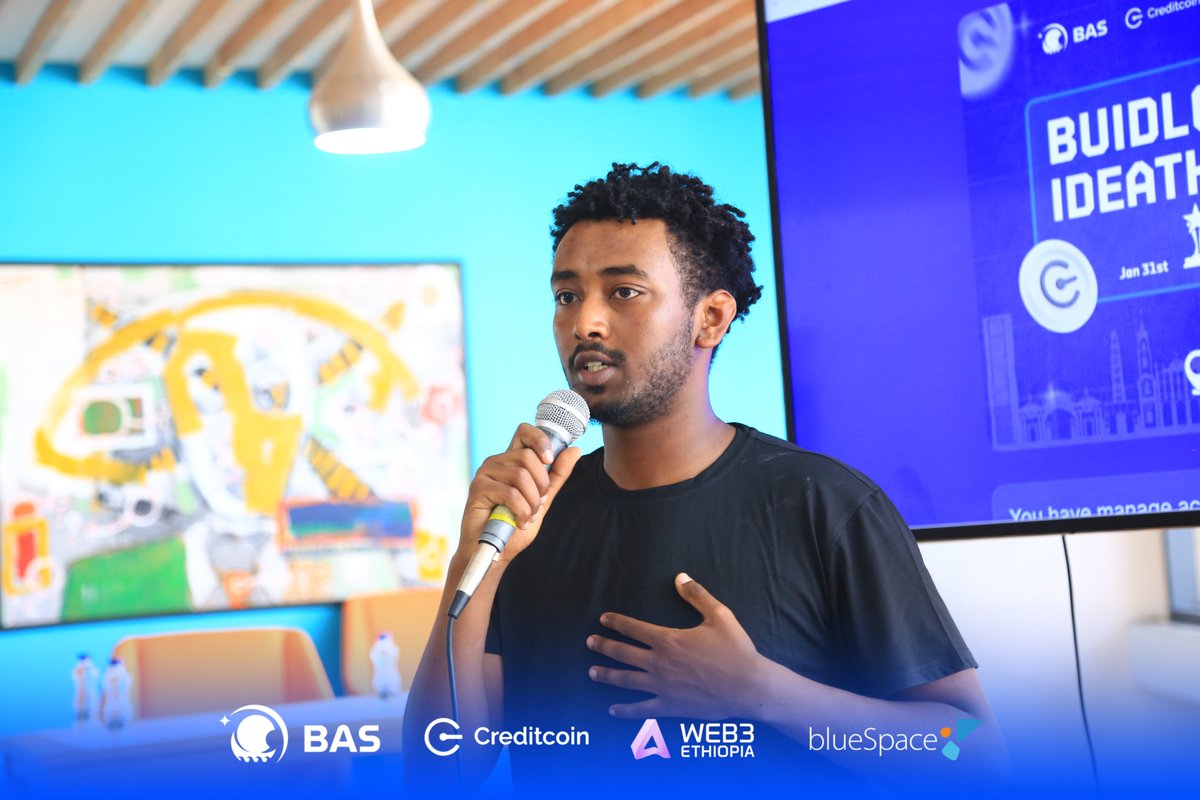
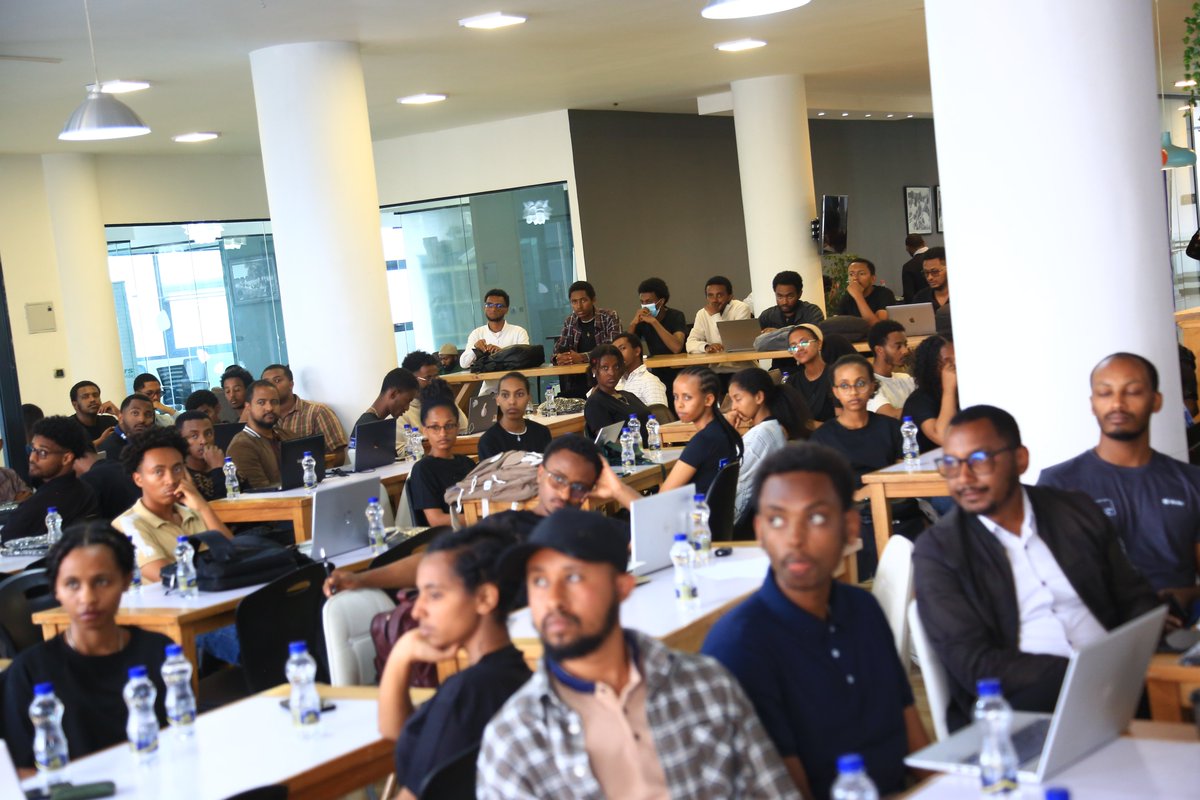
The past weekend, we brought together 100 developers with one goal: ideate real Web3 use cases and build what matters
30 projects were pitched across DeFi, RWA, DePIN, and local-first ideas, from healthcare systems, cross-border payments & remittances, to credential verification and on-chain models inspired by Equb & Edir
This wasn’t just about sparking interest. It was about proving that local problems local builders = meaningful on-chain innovation
Ethiopia is ready to build, and the ecosystem is just getting started 🚀

1
4
19
533

Jan 12
Markdownがトレンドに上がってるので、mdファイルから出力出来る
pdf
HTML
docx
pptx
LaTeX
equb
各種wiki
方式に変換出来るPandocの事知って欲しい。
pandoc.org/
2
132

23 Dec 2025
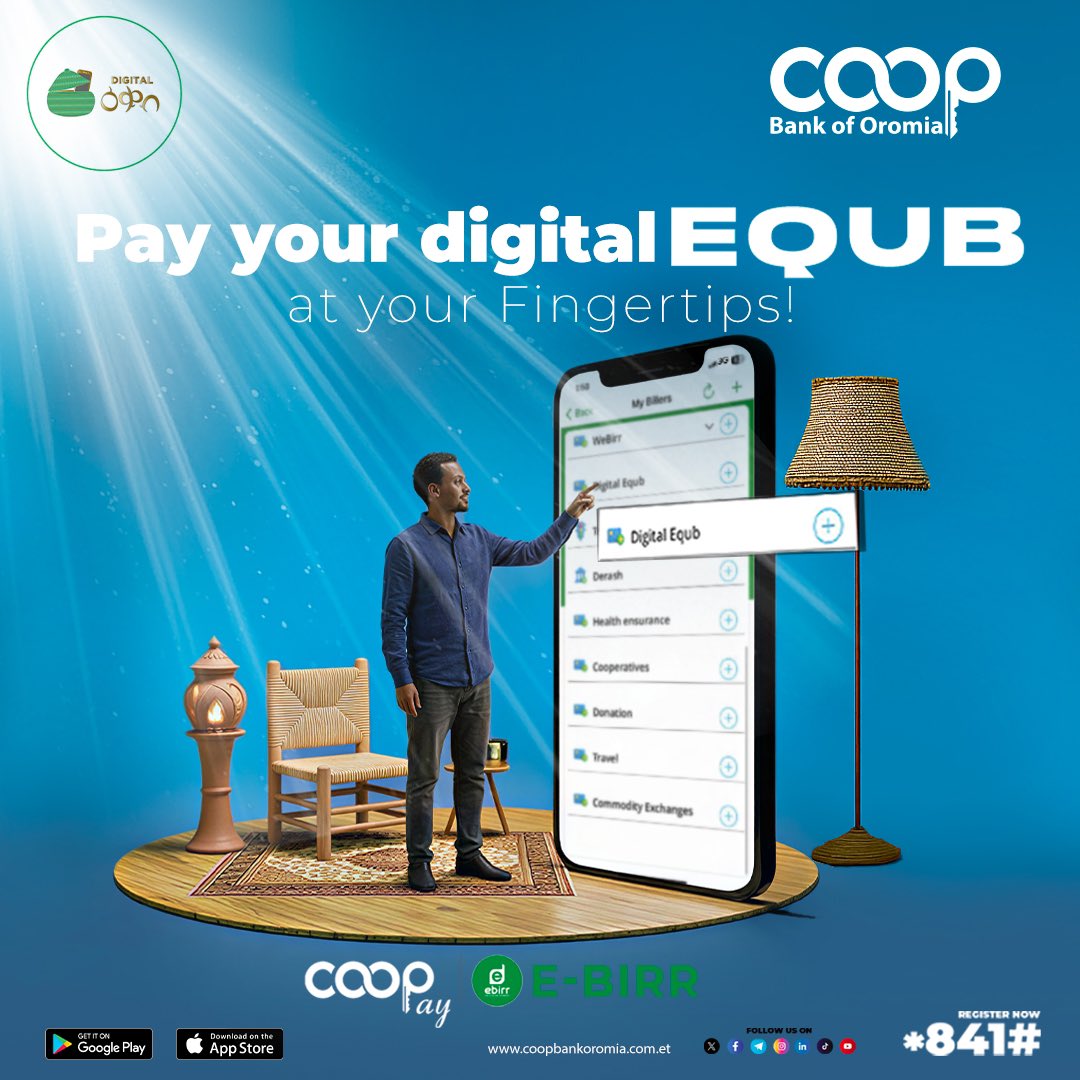
Pay your Digital Equb contributions effortlessly with Coopay E-birr. Enjoy the convenience of modern, hassle-free transactions anytime, anywhere.
#Coobank #CoopayEbirr #DigitalEqub #SmartSaving #EasyPayments #ModernLiving
4
69

25 Oct 2025
በዙዎች ታማኝነቱ የተመሰከረለትን የዲጂታል ዕቁብን በመቀላቀል አንድ እርምጃ ወደስኬትዎ ይቅረቡ!
•ዕለታዊ ከብር 300 - 1,000 የሚጥሉበት የሹፌሮች፣
•ዕለታዊ ከብር 500 - 10,000 የሚጥሉበት የነጋዴዎች፣
•ወርሃዊ ከብር 2,000 - 30,000 የሚጥሉበት
#Equb
2
11

10 Oct 2025
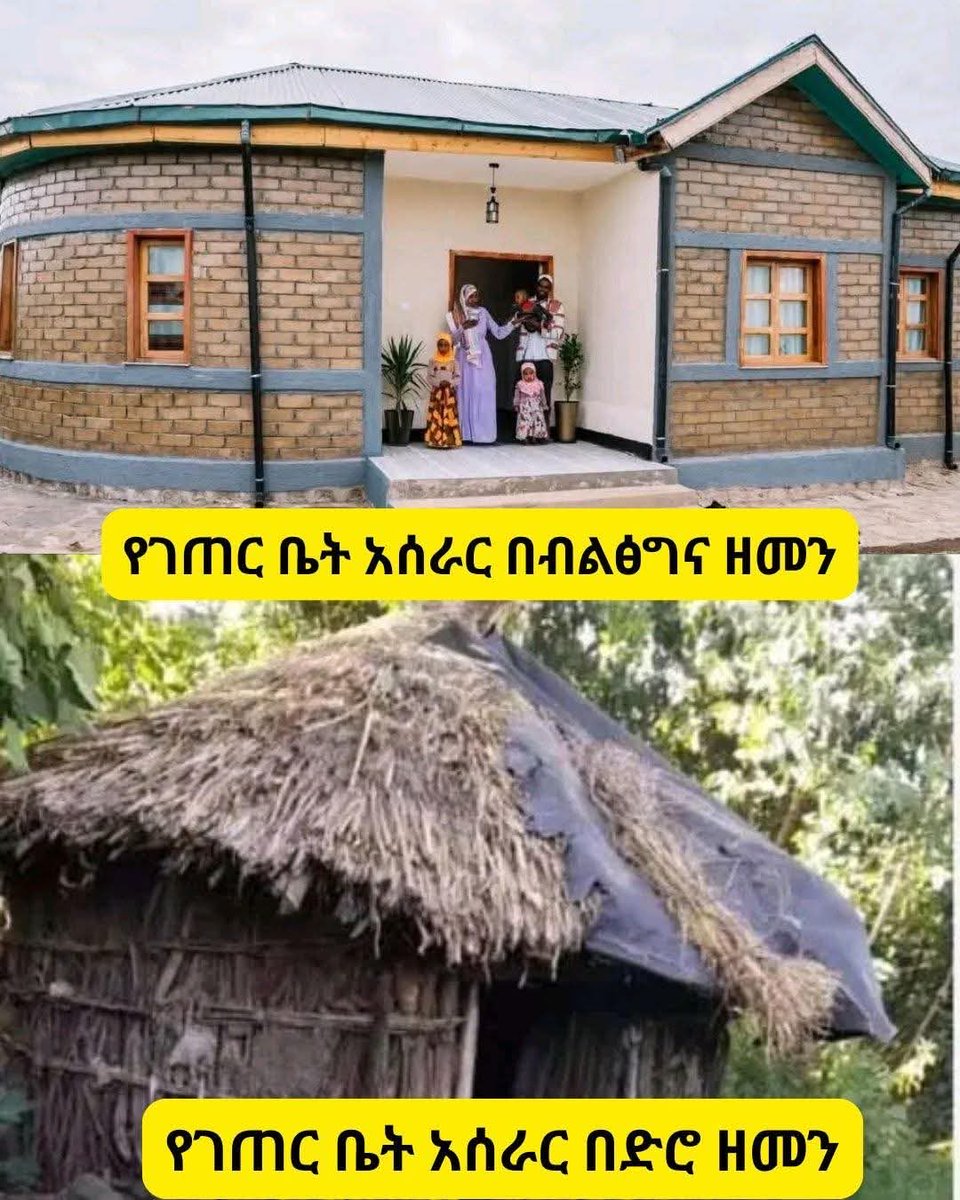
Abiy Ahmed's Vision: Transforming Ethiopia's Rural Homes into Vibrant Havens ‼️
In Ethiopia’s sun-scorched highlands and fertile valleys, where over 80% of the population lives rurally, a transformation is unfolding. Traditional tukuls—round huts of mud, thatch, and wood—have long symbolized resilience, offering basic shelter against harsh rains and droughts. Yet, under Prime Minister Dr. Abiy Ahmed’s leadership since 2018, the “Rural Corridors Initiative” is redefining rural life, turning these modest dwellings into modern, sustainable homes that honor Ethiopia’s heritage while embracing innovation.
Launched in early 2025, the initiative focuses on flood- and drought-prone areas, with pilot projects in the Central Ethiopia Region. In June 2025, Dr. Abiy broke ground in Halaba, Kebata, Adiya, Silte, and Gurage zone for model villages. By October 8, 2025, these were handed over to residents in a vibrant ceremony, described by Dr. Abiy as “a promising beginning in transforming the lives of our farmers.” Similar clusters have emerged in Hadiya and Kembatta zones, each a self-sustaining hub irrigating over 2,000 hectares for maize, vegetables, and fruits, turning barren lands into thriving gardens.
Characteristics of These Houses:
1. Modern Design: Each home features three bedrooms and one bathroom, offering comfort and functionality for rural families.
2. Solar Power: Integrated solar systems provide electricity, illuminating homes and powering small appliances sustainably.
3. Water Storage: A backyard water tank ensures reliable access to clean water, critical in drought-prone regions.
4. Biogas System: A biogas mechanism converts animal waste into gas for cooking, reducing reliance on firewood and promoting eco-friendly energy.
5. Modern Farming: Front and back yards are designed for farming lettuce, tomatoes, and various fruits and vegetables, boosting food security and income.
6. Cattle Raising: Dedicated spaces allow residents to raise cattle, supporting livelihoods and biogas production.
Rooted in Dr. Abiy’s Medemer philosophy of synergy, this initiative weaves housing, agriculture, and community empowerment into a unified vision. The homes, built with local materials like adobe bricks and bamboo, echo the circular tukul design but are fortified with compressed earth blocks to withstand erosion and termites. Thatched roofs slope over walls painted in earthy ochres and terracottas, adorned with murals of pastoral scenes and harvest festivals. Solar panels and rainwater harvesting systems blend modern and traditional ingenuity, while communal layouts preserve cultural practices like “idir” (mutual aid societies) and “equb” (rotating savings groups).
These villages are more than homes—they’re engines of prosperity, balancing heritage with progress. By merging sustainable technology with Ethiopia’s rural soul, the initiative offers a blueprint for a future where tradition and innovation thrive together, lighting up the countryside one vibrant hamlet at a time.
4
249
2 Oct 2025
ቀላል ፣ ዘመናዊ ፣ ደህንነቱ የተረጋገጥ አስተማማኝ ዕቁብ በዲጂታል ዕቁብ ዛሬዉኑ ይጀምሩ ህልምዎንም ያሳኩ!
የዲጂታል ዕቁብን መተግበሪያን ለማውረድ onelink.to/pm8mtg ይጫኑ!
#EqubBehindSuccess #DigitalEqub #StartEqubToday #DFS #Equb #Digital #Ekub

1
9
29 Sep 2025
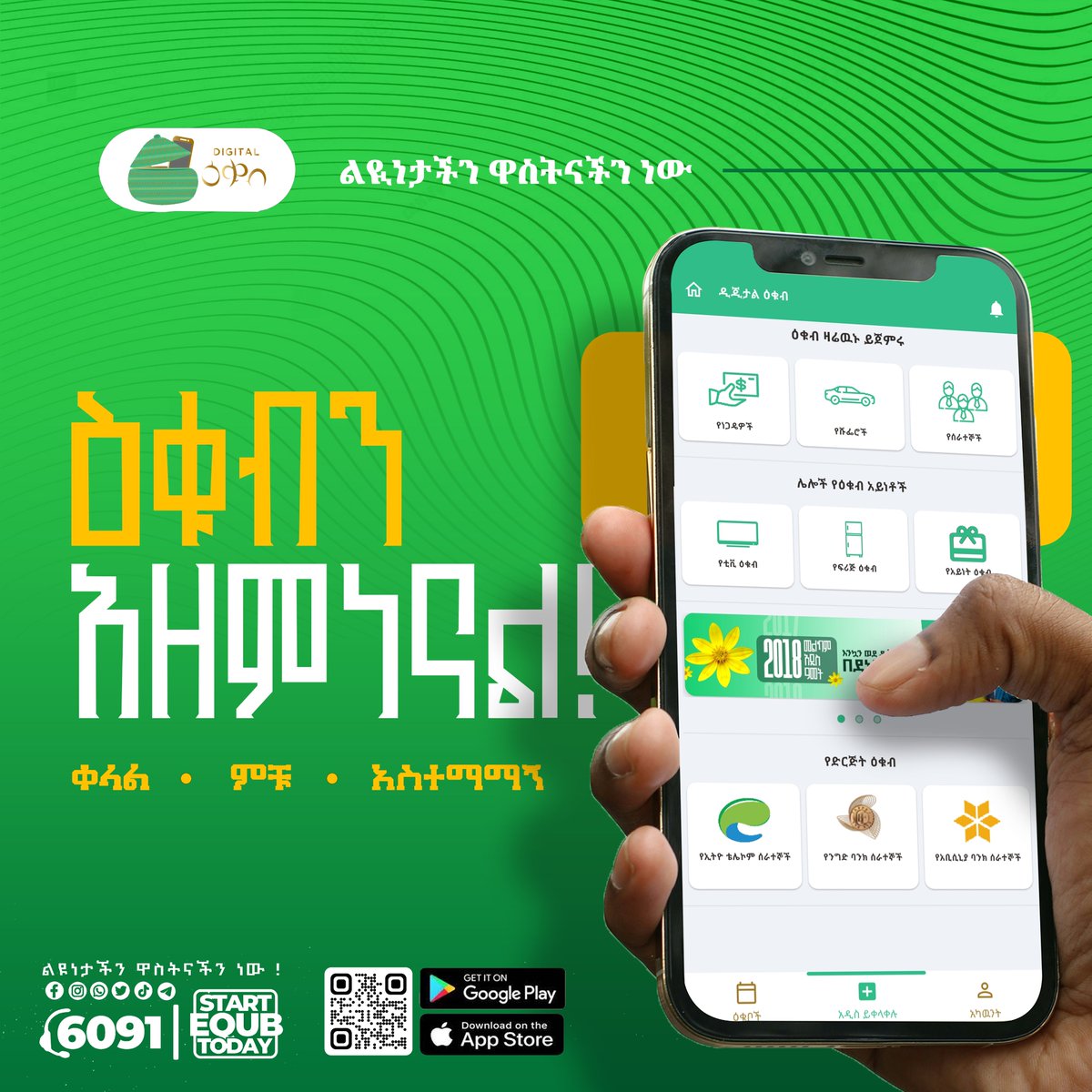
ከብዙ ስኬቶች ጀርባ ዲጂታል ዕቁብ አለ!
እርስዎስ በዚህ አዲስ ዓመት ምን ሊያሳኩ አቅደዋል?
ዛሬ ሰኞ መስከረም 18፣2018 በሞባይል መተግበሪያችን ላይ የሚጀመሩ ዕቁቦችን አሁኑኑ በመቀላቀል ዕቅድዎን ያሳኩ።
#DigitalEqub #Equb #Digital #Hagbad #Iqubii
3
12