
Feb 17
Five teachers, who were caught allegedly facilitating #masscopying during an #HSC (Class 12) #examinationpaper at a centre in #Maharashtra's #Beed district, have been suspended, an official said on Tuesday.
deccanherald.com/india/five-…
2
2
189

17 Nov 2025
GTUના પેપર છબરડાને લઈ ABVP કાર્યકર્તાઓનો વિરોધ
#GTU #ExaminationPaper #ABVP #Protest #Gujarat #SandeshNews
164

26 Aug 2025
Chutiyo...
Assessing the Document’s Authenticity
Initial Visual and Stylistic Cues
The header reads “BRITISH HOME DEPARTMENT” in a large, stylized typeface, whereas genuine British-Indian Home Department letters from the 1920s–1940s typically bore the legend “Government of India, Home Department” with a file number (e.g., HO/212/) below.
The use of bold and highlighted text (“RSS” in bold; “anti-British movement” in yellow) is a modern design choice not found in period stationery.
The aged paper texture appears uniformly applied, suggesting a digital filter rather than natural oxidation or watermarks.
These features alone strongly suggest a contemporary reproduction rather than an original archival record.
Key Elements for a Conclusive Authentication
Provenance and Chain of CustodyWhere and how was this document acquired?
Is there an unbroken record—auction catalogue, estate sale, library accession—tracing it back to British India?
Archival Reference NumbersAuthentic Home Department files include references such as “File No. HO/212/0110/25.”
Genuine letters often carry a date line, official stamp impressions, and routing notations in margins.
Physical ExaminationPaper type: Period documents used rag-based stationery with watermarks (e.g., “J. Whatman”).
Ink and seal: Genuine seals are embossed or intaglio-stamped; signature ink should show age-related cracking, not flat color.
Hand-written or typewritten text: Most official correspondence was typed on manual or early electric typewriters, exhibiting telltale strike-through and spacing irregularities.
Archival Cross-CheckingConsult the UK National Archives (HO series) or India Office Records at the British Library.
Search metadata for any official Home Department report on the RSS between 1925 and 1947.
Compare format, letterhead design, and file references with digitized collection samples.
Historical and Contextual Notes
The RSS was founded in 1925 and primarily organized social and cultural drills; it generally avoided direct anti-British confrontation, focusing on community building.
British intelligence did monitor the RSS for potential sedition, but their reports were filed under security or intelligence branches, not the civilian Home Department.
A flat claim—“RSS did not participate in any anti-British movement”—would more likely appear in retrospective analyses or propaganda, not as an official 1930s memo.
Conclusion and Next Steps
Based on visual styling, lack of period-specific formatting, and absence of file references, this appears to be a modern reproduction or propaganda piece rather than an authentic British Home Department record. To definitively verify:
Obtain high-resolution images or the physical document.
Engage a paper conservator to inspect watermarks, ink composition, and embossing.
Cross-reference with the National Archives’ HO series and the India Office Records.
Further Exploration
Review published RSS surveillance reports in the India Office Records for genuine excerpts.
Explore memoirs of British officials (e.g., Home Department secretaries) for references to RSS activities.
Investigate how the RSS’s stance on British rule evolved post-1947, including their participation in independent India’s political landscape.
3
6
33
3,792

3 Mar 2025
ਵੱਡੀ ਖ਼ਬਰ: ਪ੍ਰੀਖਿਆ ਦੌਰਾਨ PSEB ਦਾ ਵੱਡਾ ਫ਼ੈਸਲਾ, ਇਹ ਪੇਪਰ ਕੀਤਾ ਰੱਦ
#BigDecision #PSEB #Exam #English #ExaminationPaper #Canceled #Jagbani #12thClass
jagbani.punjabkesari.in/punj…
118

27 Nov 2021
સરકારે ધોરણ 9-12ની પરીક્ષા પેપરની પદ્ધતિમાં ફેરફાર કર્યો...bit.ly/3d06ue1 #education #Changes #EducationMinister #ExaminationPaper #Gujara #Chitralekha

5

14 Sep 2021
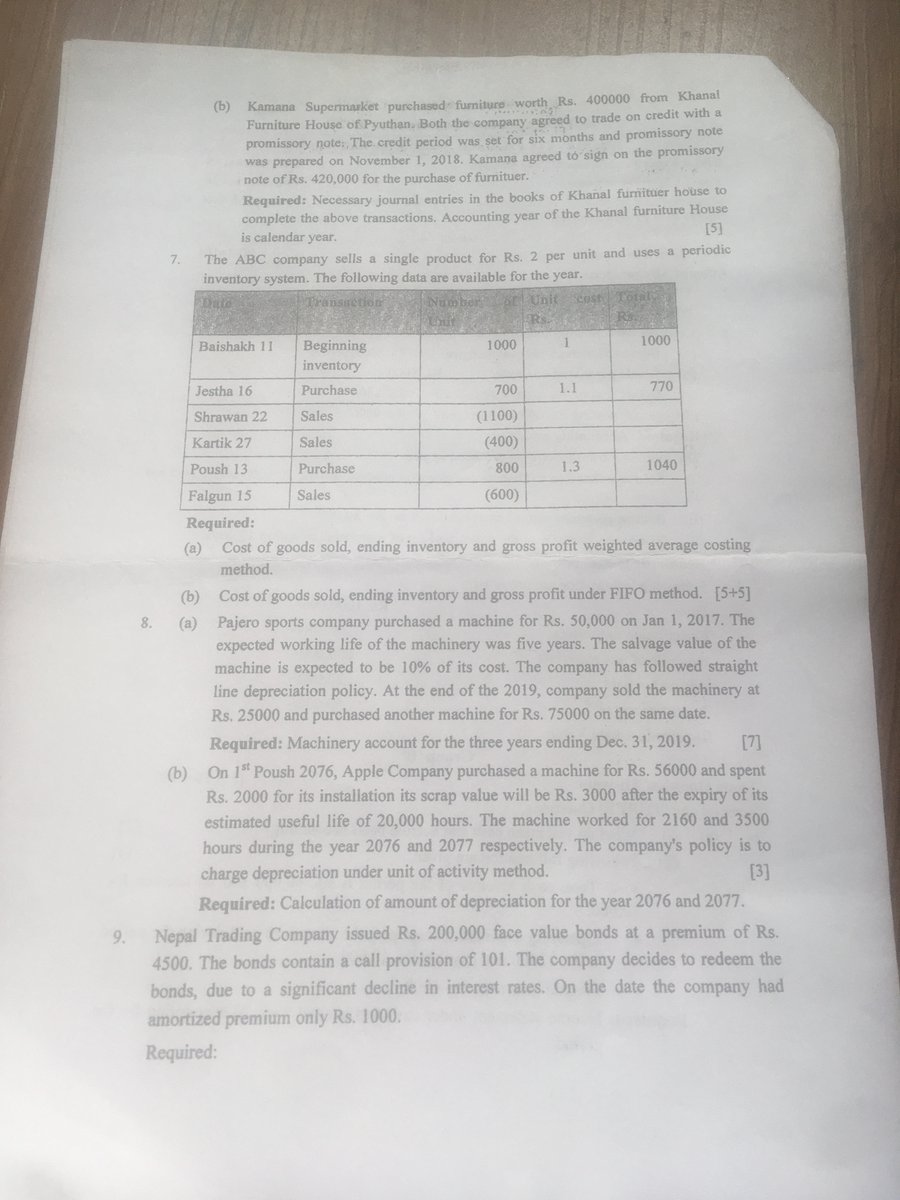
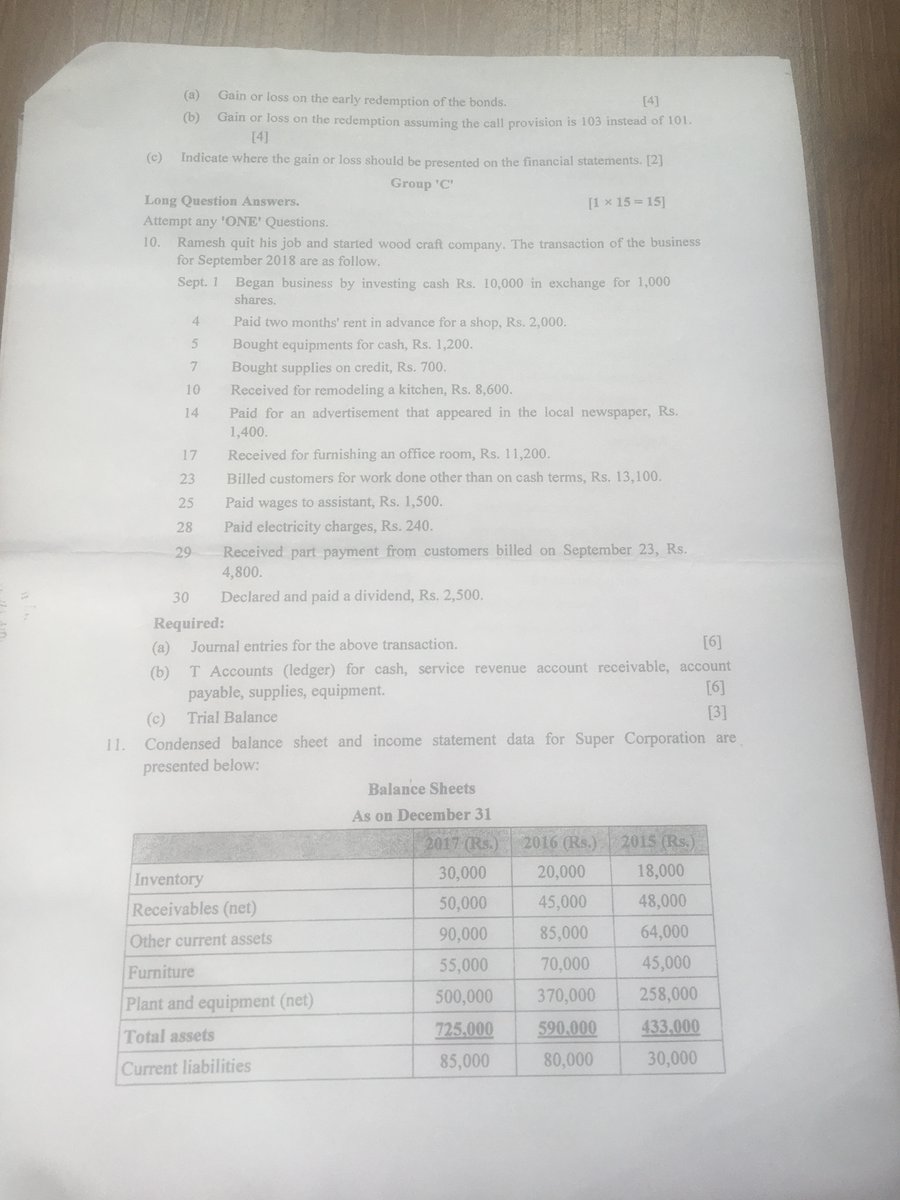
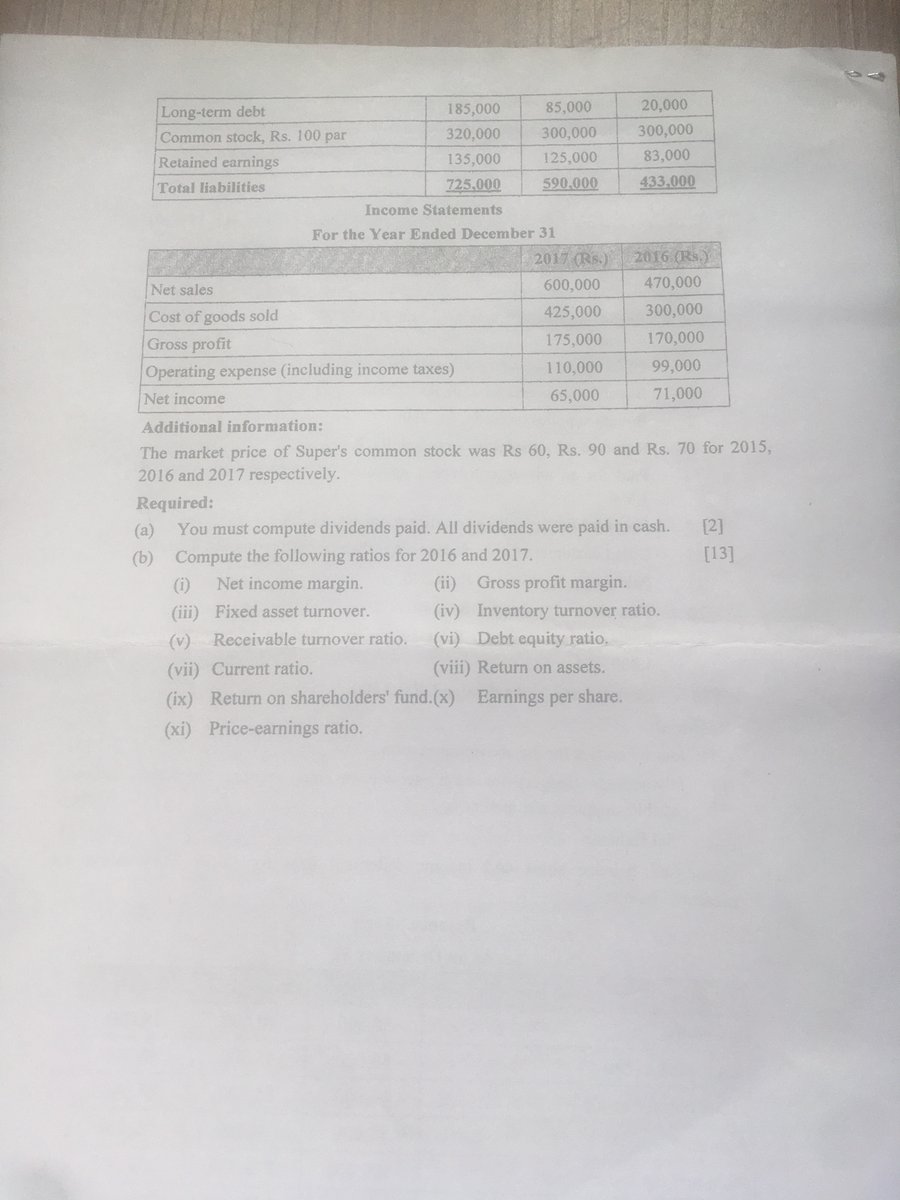
Found this Bachelor's level #ExaminationPaper the other day. It's pretty pathetic & sad! 😟😟☹️☹️
NOT a single "Why" question & that's ONLY 1 of many issues.
Q6. (a)(i) is in classic Nepanglish: "What do you mean cash and accrual basis accounting?" #Nepal #education

2
1
4

18 Mar 2020
ગુજરાતના વિદ્યાર્થીઓનું ભવિષ્ય રોડ ઉપર: વીરપુર હાઈવે પર ધો.10-12ની ઉત્તરવહીઓ રઝળતી મળી
#Rajkot #VirpurHighway #GujaratBoard #ExaminationPaper
gujaratsamachar.com/news/sau…
1
8
18 Mar 2020
ગુજરાતના વિદ્યાર્થીઓનું ભવિષ્ય રોડ ઉપર: વીરપુર હાઈવે પર ધો.10-12ની ઉત્તરવહીઓ રઝળતી મળી
#Rajkot #VirpurHighway #GujaratBoard #ExaminationPaper
16
44
187


6 Jan 2018
मुंबई विद्यापीठाला पेपर तपासणीसाठी प्राध्यापक मिळेनात
maharashtratimes.indiatimes.… #shortage #professors #check #examinationpaper #mumbaiuniversity
1
1

14 Jun 2017
#BiharClass12thexam results: Govt deployed #incompetentteachers to check class 12th #examinationpaper, says report financialexpress.com/india-n…

1