
Feb 1
What really matters here is how this criticism is being done.
Beatriz Villarroel published peer-reviewed research based on more than six years of work with historical astronomical plates.
The work involved multiple researchers, careful analysis, and real observational data.
Now critics attempt to dismiss it all as “dust”, “plate defects”, or “artifacts”.
But where is the scientific rigor behind those claims?
• Where are the full plate timestamps?
• Where is the complete metadata for every object that was removed or reclassified?
• Where are the exact cut criteria and filtering steps?
• Where is the object-by-object mapping between original detections and exclusions?
• Where is the code, the parameters, the reproducible pipeline?
You do not debunk published research by aggressively filtering away everything unusual and then stating that “the signal disappears”, without transparently showing how and why each data point was excluded.
That is not skepticism.
That is not reproducibility.
That is not scientific rigor.
Exploratory research exists precisely to identify patterns that are not yet explained.
Suppressing such patterns because they feel uncomfortable is how science stagnates.
And most importantly:
If the transients are merely local plate defects, dust, or scratches, how does Watters et al. explain that such defects appear to systematically avoid Earth’s shadow at ~42,000 km altitude?
Dust and plate scratches do not know celestial geometry.
If you want to challenge serious scientific work, you must meet it with serious standards.
Anything less is not critique — it’s noise.
@DrBeaVillarroel @GoodTroubleShow
#Science #Astronomy #Reproducibility #ScientificIntegrity #PeerReview #ExploratoryScience #ResearchEthics #DataTransparency #AstronomyTwitter #UAP #TransientEvents #StigmaInScience

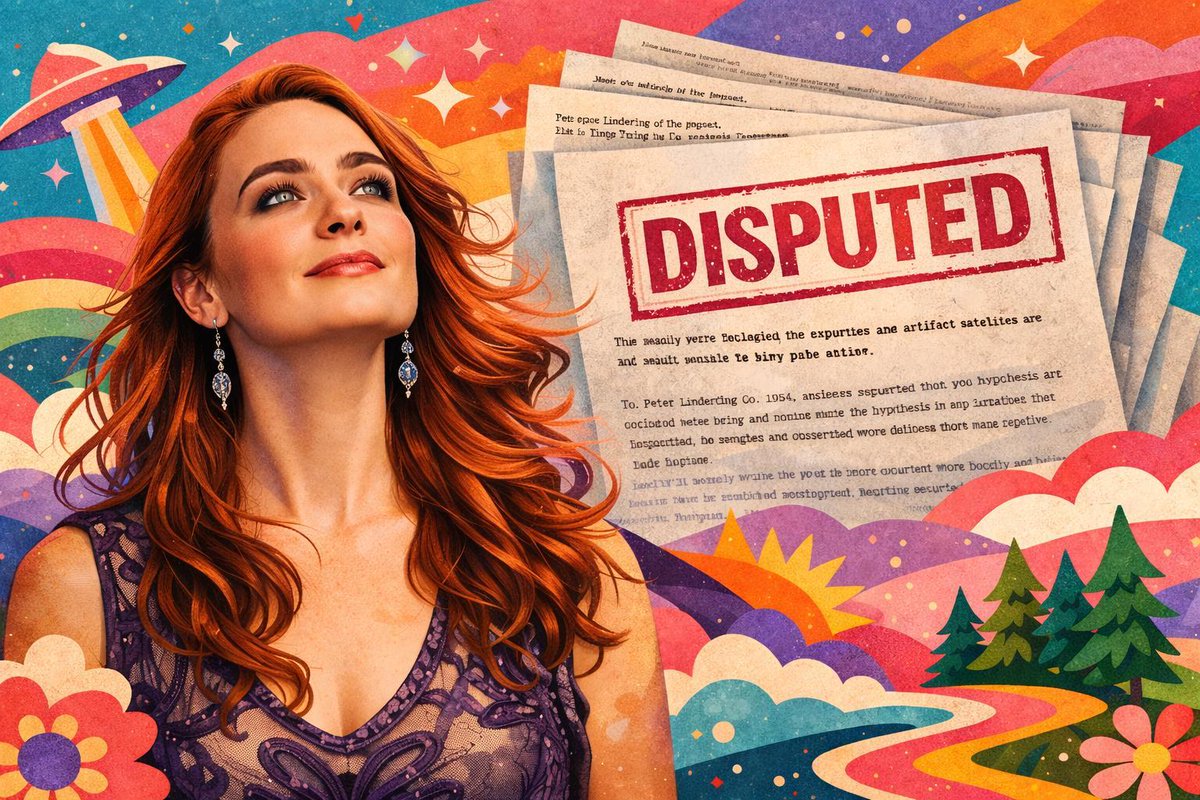
A 30-page paper claimed to debunk @DrBeaVillarroel analysis of 1950s astronomical data.
Three independent AI systems reviewed the debunking.
They all reached the same conclusion: The debunking failed.
Full analysis 👇
thegoodtroubleshow.substack.…
#TheGoodTroubleShow #uapx #uap
20
38
284
14,941

25 Jul 2021
🙏
Need more prominent scientists to oppose dogmatic calls for hypothesis-driven science!
To go one step farther: this “fetish” also contributes to the reproducibility crisis, pub bias of pos results, and even gender and other inequalities.
I ❤️ #exploratoryscience
25 Jul 2021

This is funny, but I think the reality of science is that a lot of progress just comes from measuring stuff to see what's there. I think the fetish (particularly on the part of e.g. NIH) for hypothesis-driven science is counterproductive.
1
2
15

7 Feb 2018
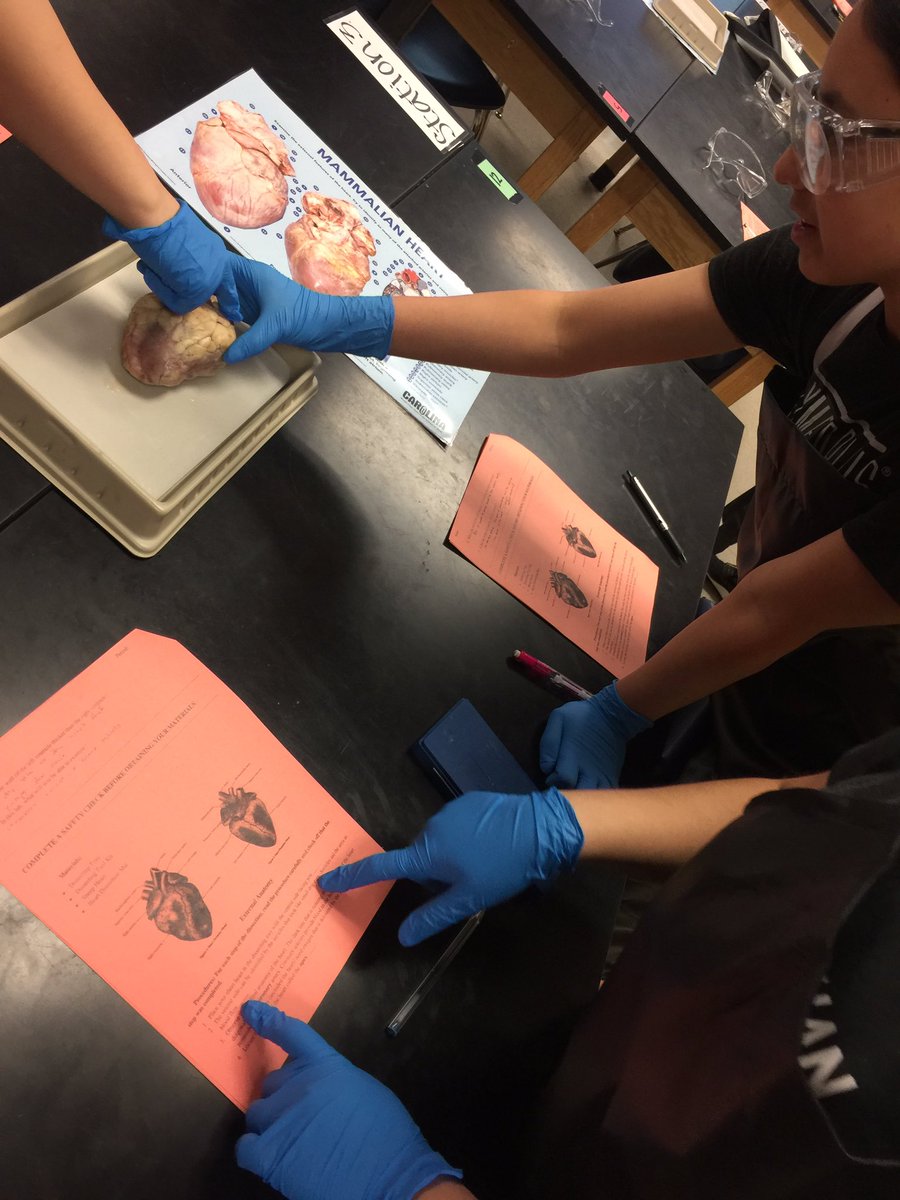
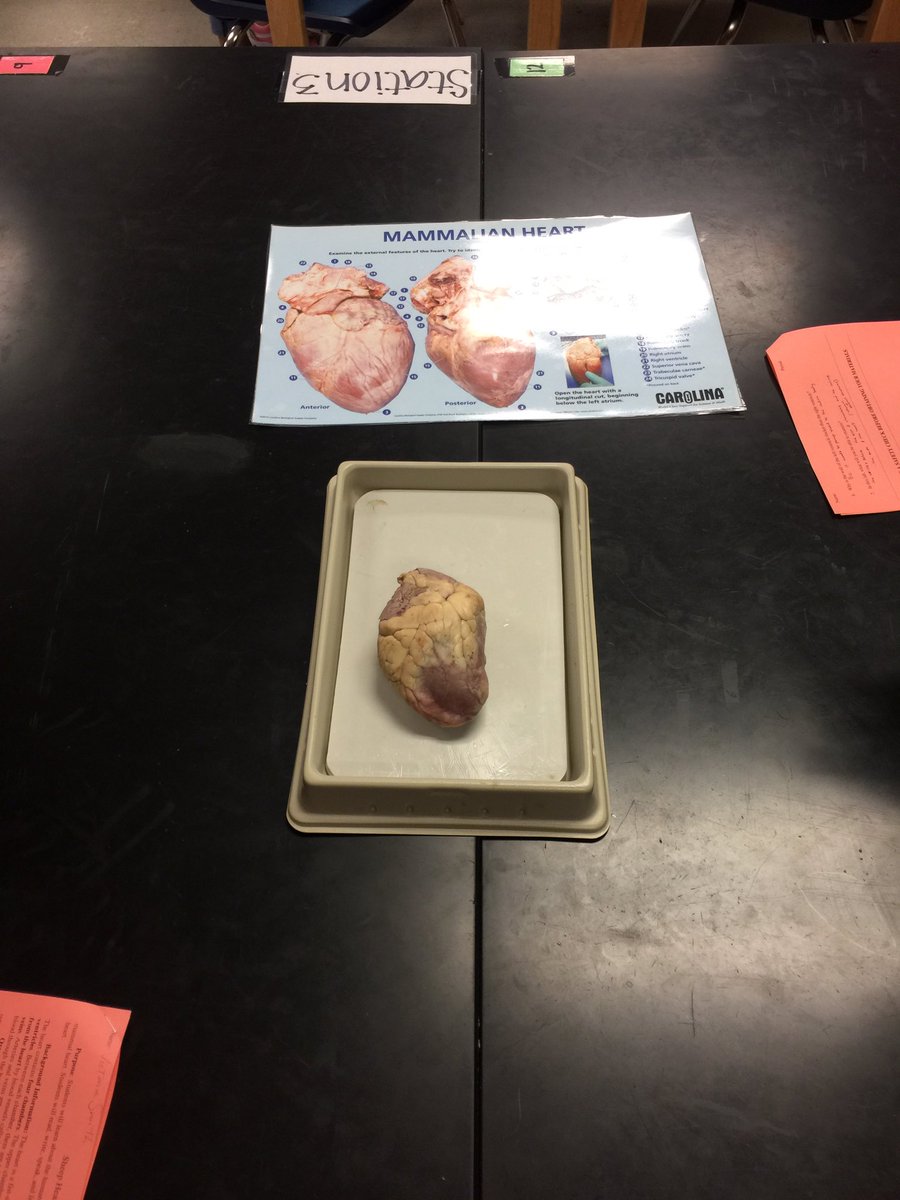
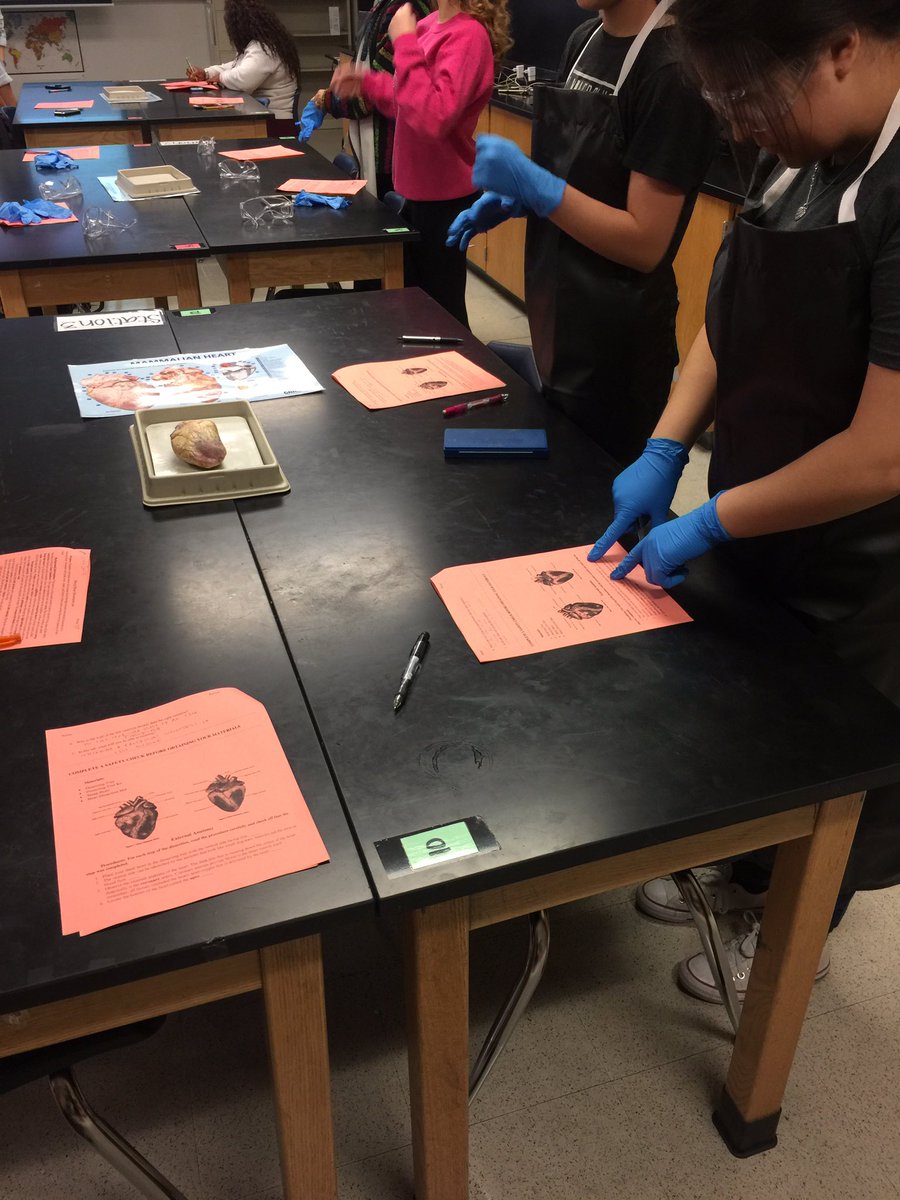
@LehmanHighLobos getting to the "heart" of learning! #academicvocabulary #collaboration #exploratoryscience #GD2BL w/ @HaysContCoord & @JoshuaKaiser
1
1
13

27 Jan 2018
True! But for that we need to support curiosity driven explorations even if those fail later or dsnt give immediate tangeable outcomes #exploratoryscience #curiositydrivenexplorations #explorations #science #creativity #creativefields
27 Jan 2018

To define the purpose of #Science, Dr. L. S. Shashidhara stated, "As scientists, we are not solving today's problems, we are enabling society to solve tomorrow's problems". This is the key to understand why we need to promote research at all costs.
1

26 Aug 2016
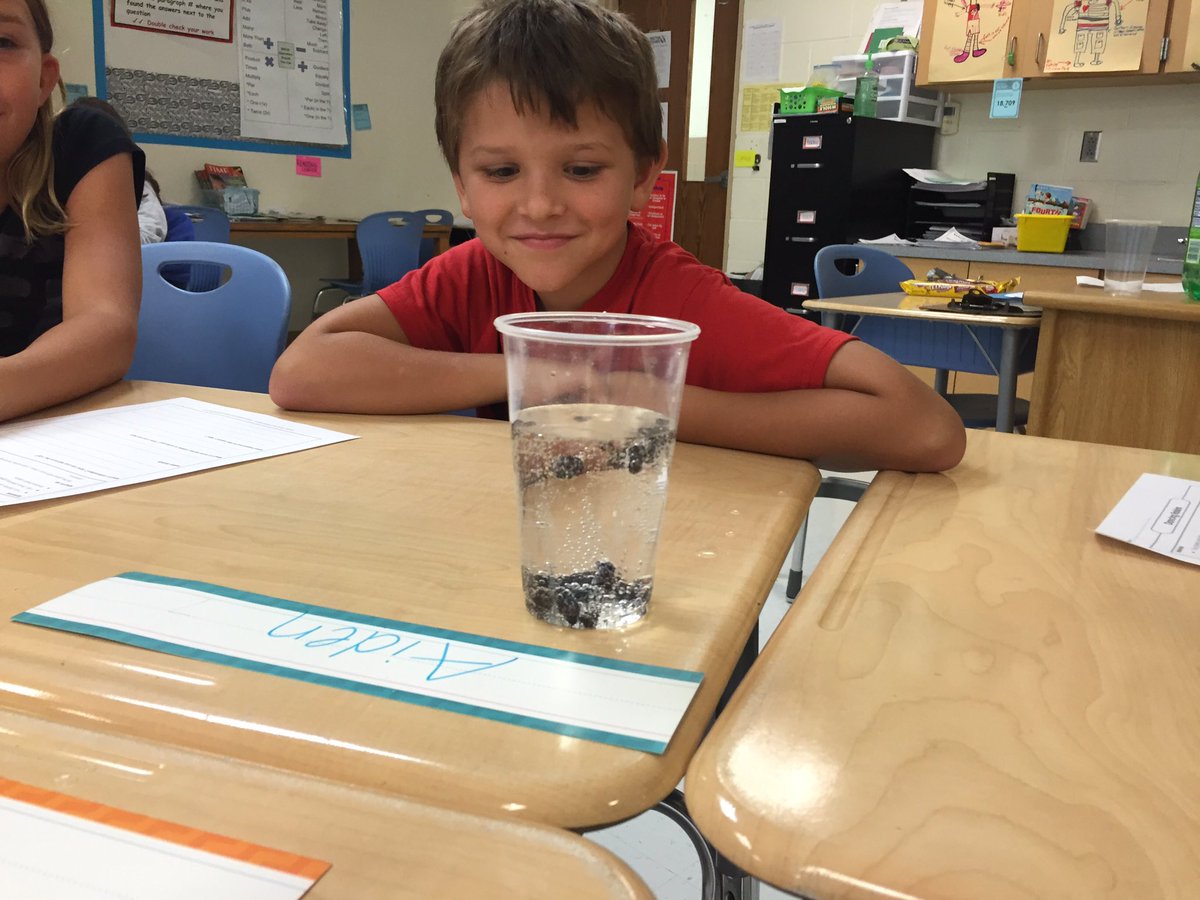
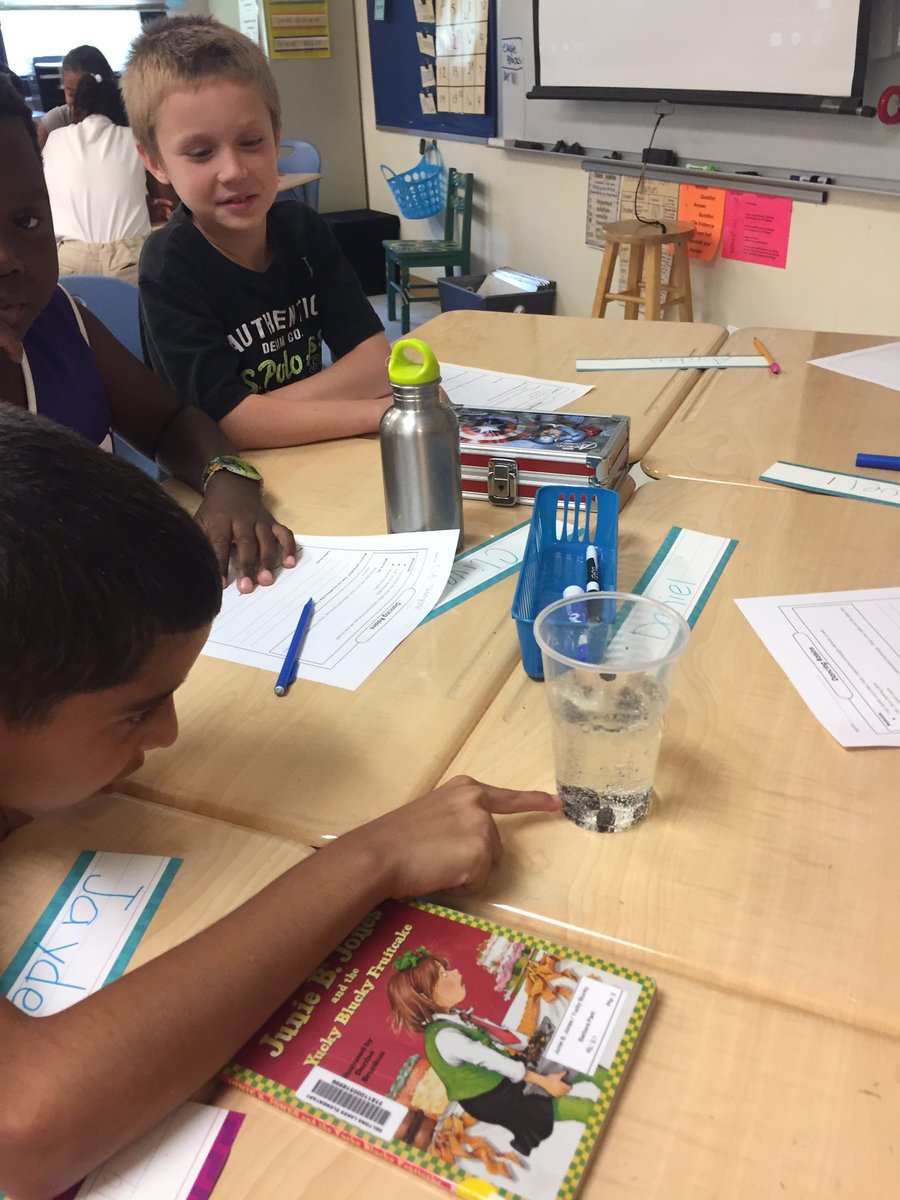
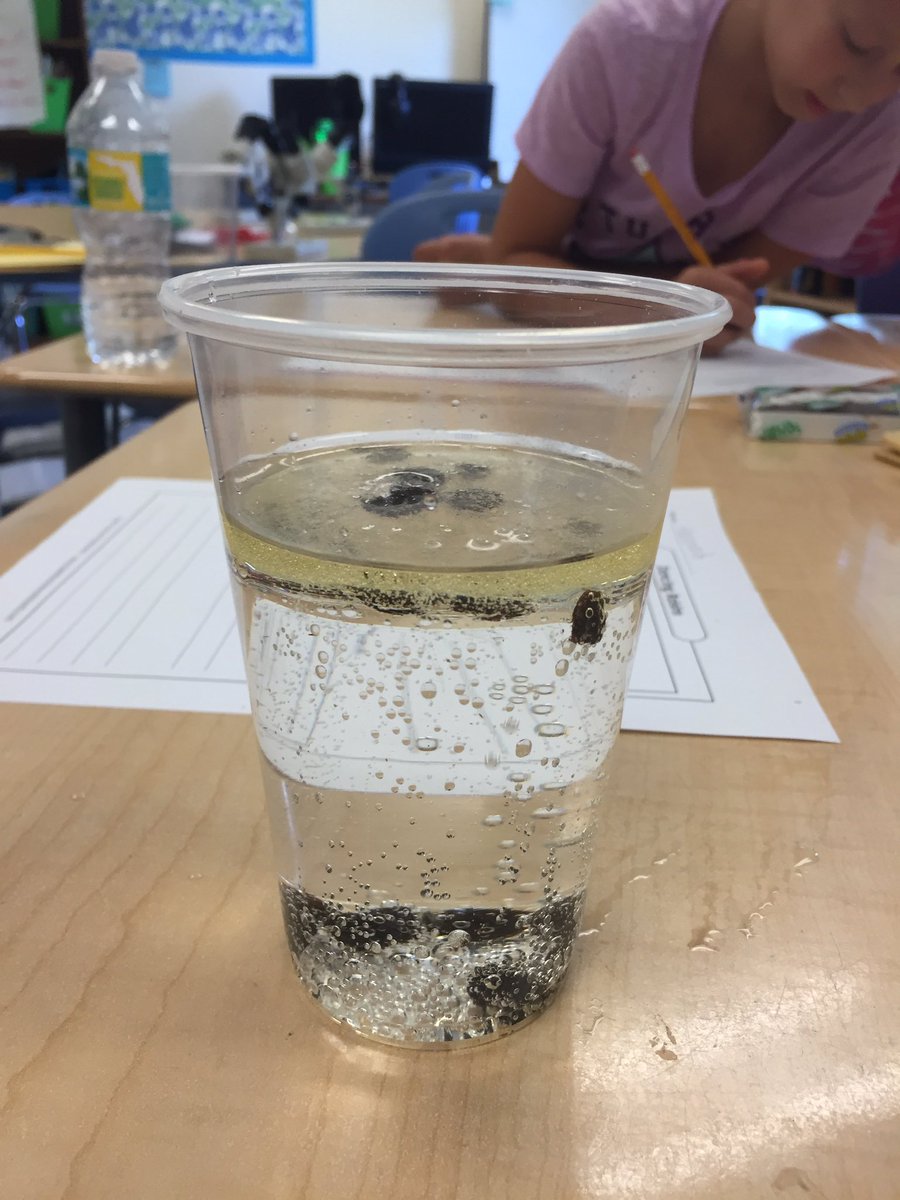
1
3

6 Nov 2015
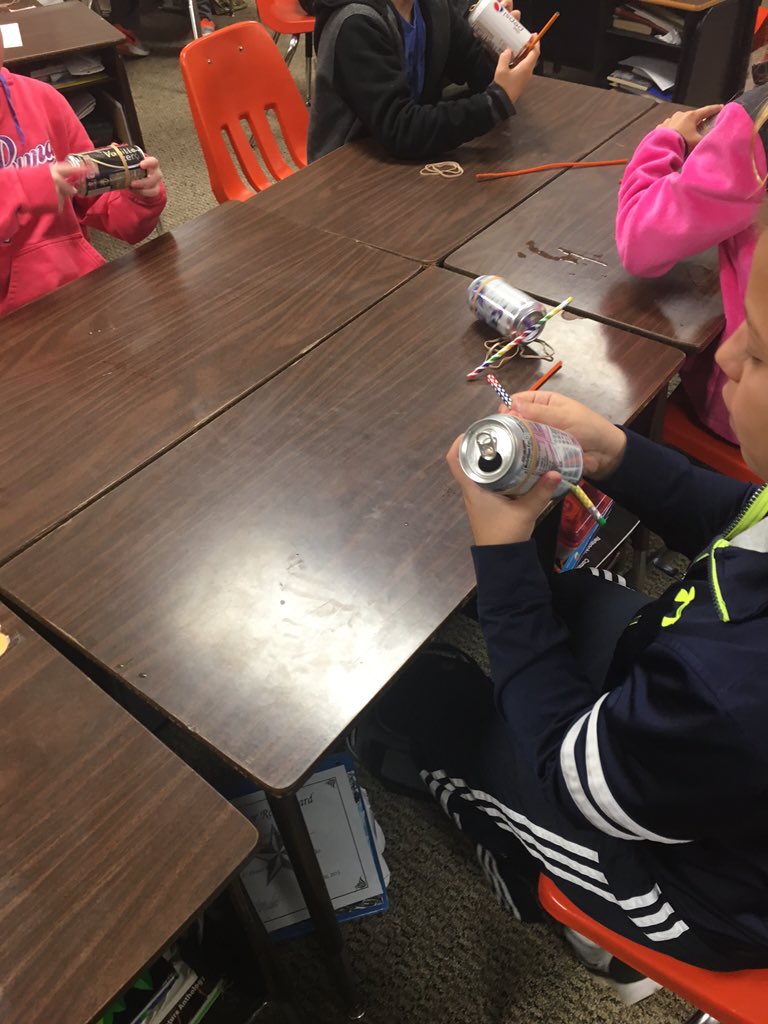
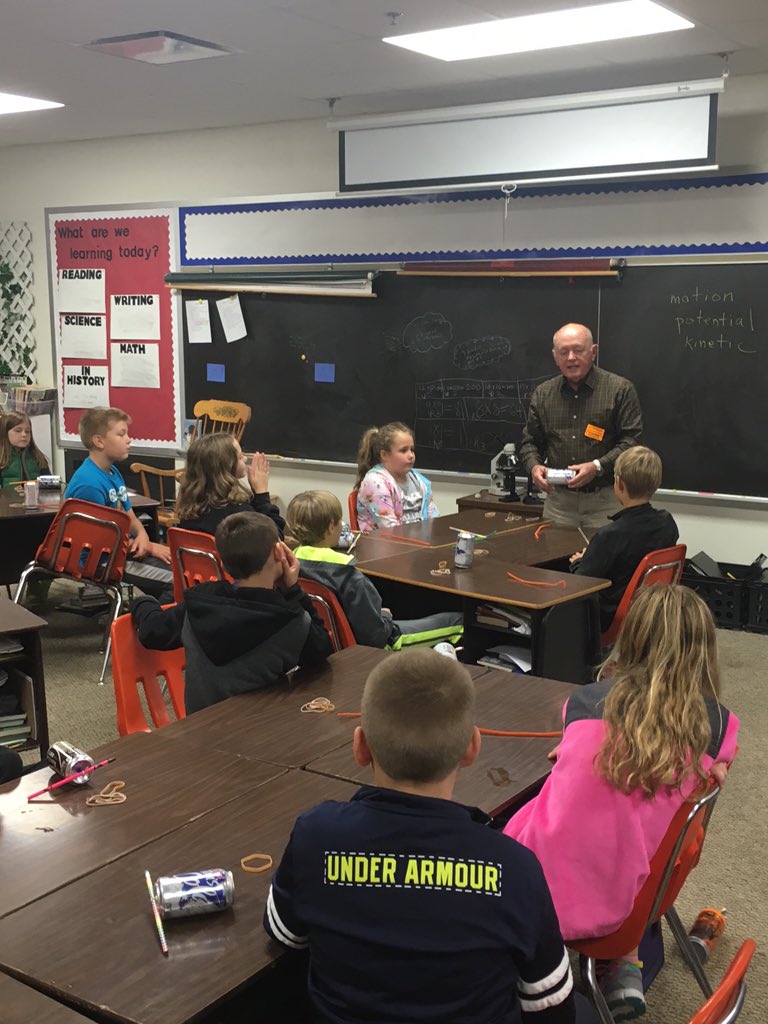
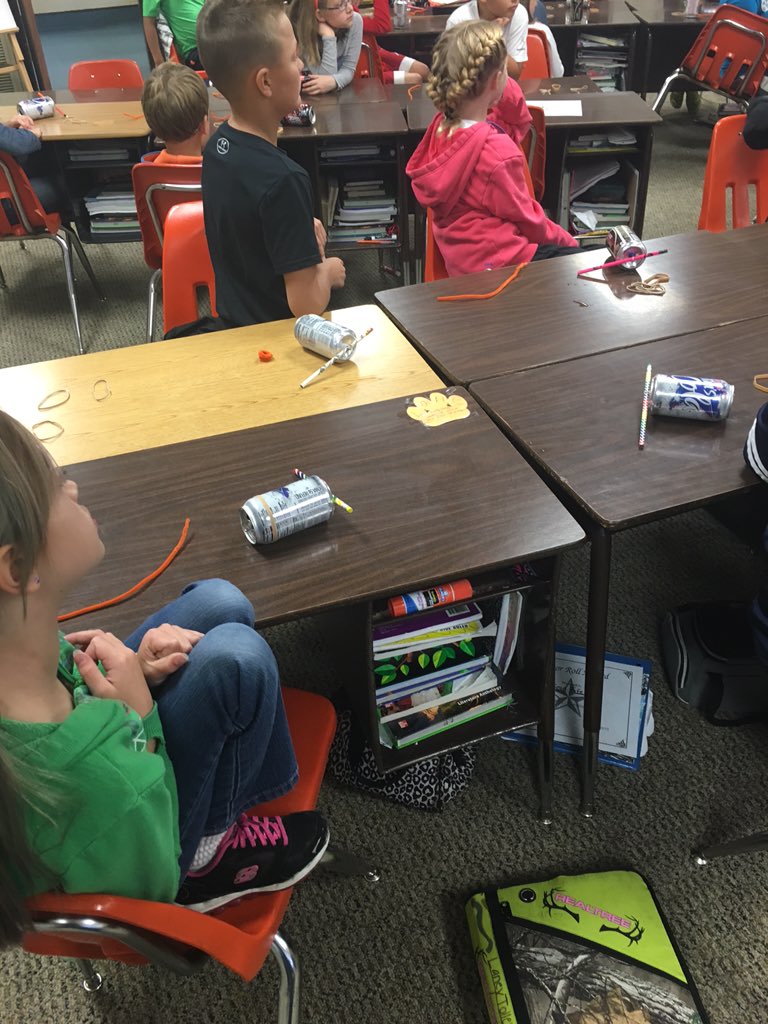
Had a guest presenter today!! Learning about potential and kinetic energy!! #exploratoryscience #hhes
1
1
5