
15 Dec 2025
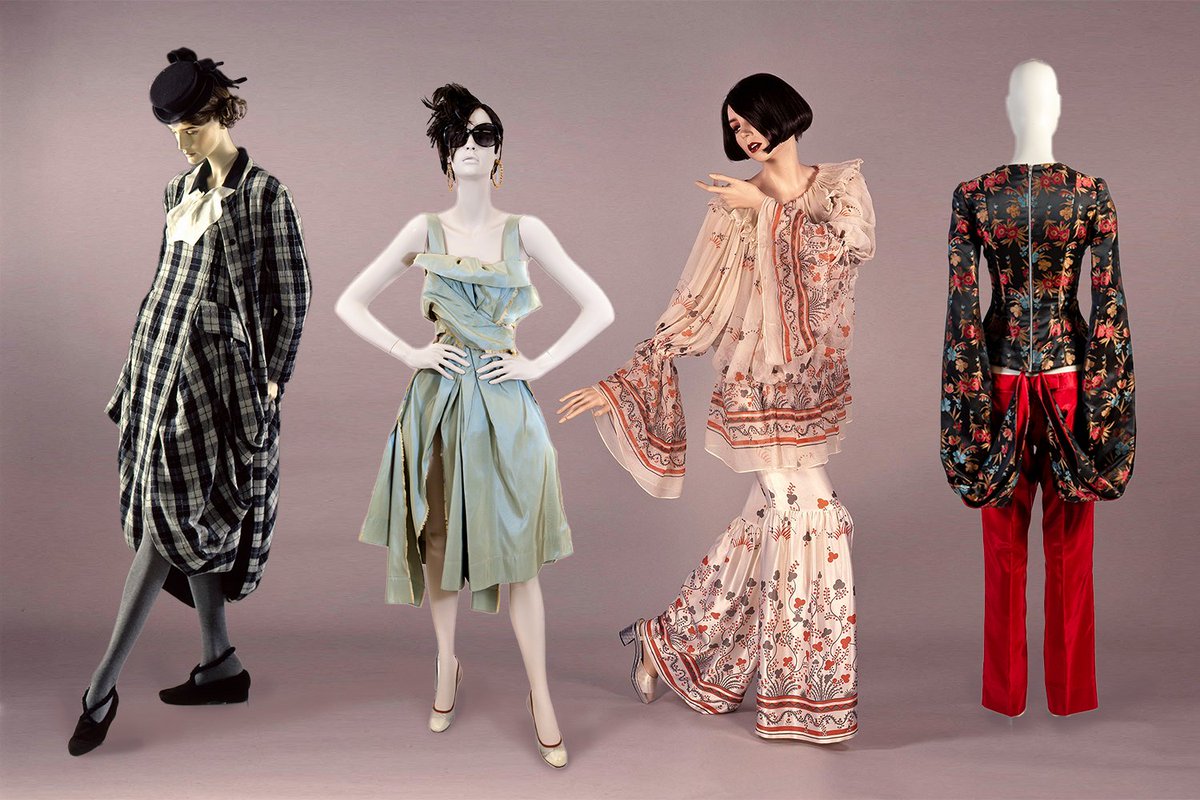
Sneak peek! Try our Explore the Collection prototype before launch. For the first time, every Dress of the Year object will be searchable online!
📍 Bath Central Library
🗓 16 Dec 1–3.30
fashionmuseum.co.uk/listing-…
Feedback welcome! #DressOfTheYear #ExploreTheCollection #BathEvents
5
14
719

7 Jul 2025
Warning: may cause staring 😈
The Playboy Men’s Collection is here at Adam & Eve — briefs, thongs, and boxers made to be taken off. 👀
Go ahead... unwrap him 👉 bit.ly/3TrYgkh
#MensUnderwear #PlayboyVibes #CanYouHandleIt #FlirtHard #UndressTheRest #ExploreTheCollection #AdamandEve
2
9
16,063

Step into the spotlight with Oppenheimer's award-winning designs! 🏆 From red carpet glamour to everyday elegance, our collection shines bright like an Oscar 💫
Shop now 👉 TeeFury.com
#teefury #oppenheimer #shopnow #explorethecollection


2
1,164

8/ Join us as we go deeper into story & explore the fascinating symbolism within! Immerse yourself in the world of independence, creativity, & community.
@unlockcontent @sandramp @NatiyaKrikheli
#HouseOfPanther #SymbolicArt #ExploreTheCollection #AllowList #JoinTheJourney
1
2
3
86

9 Aug 2019
Found yourself in @theUL during the rain? We have “Amateur Boat Building”at 9415.d.706, “Modern Boat Building” at 9420.b.347 and “Steel Boat Building” at 423.b.98.46 #explorethecollection
1
5

28 Feb 2019
#Explorethecollection
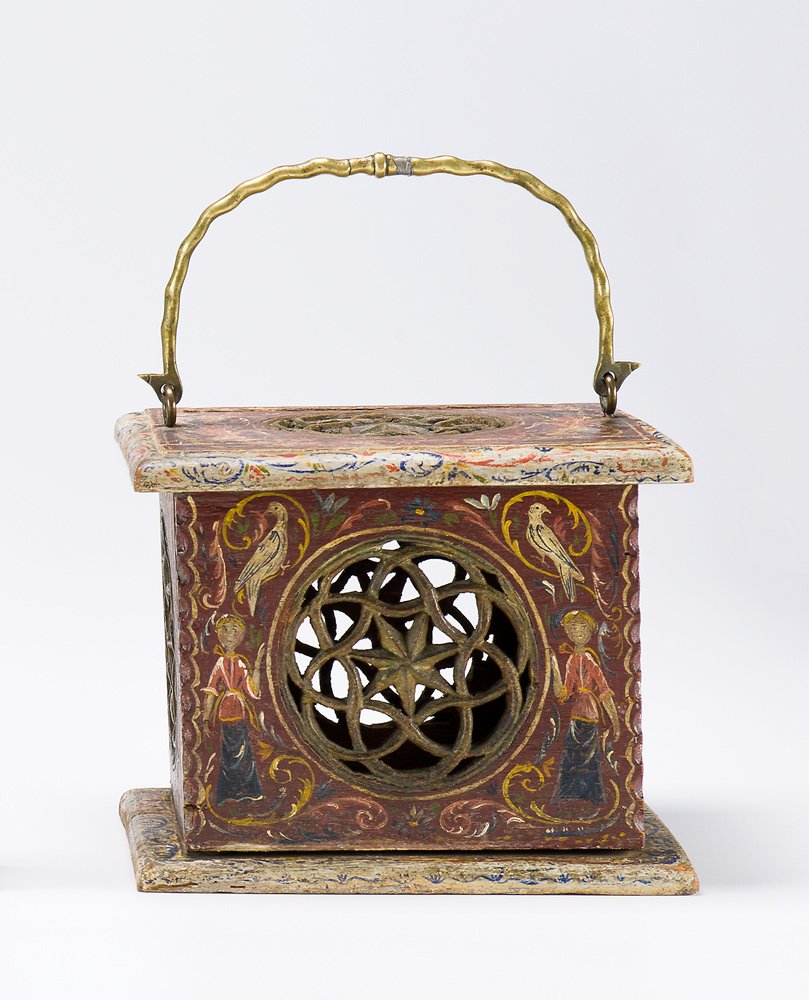
During the 19th century, foot warmers were very popular for sleigh rides. These small boxes were filled with charcoal or glowing embers, and the heat escaped through the openings. This foot warmer was made between 1800 and 1830.
CMH, 77-153
2
26 Feb 2019
#Explorethecollection
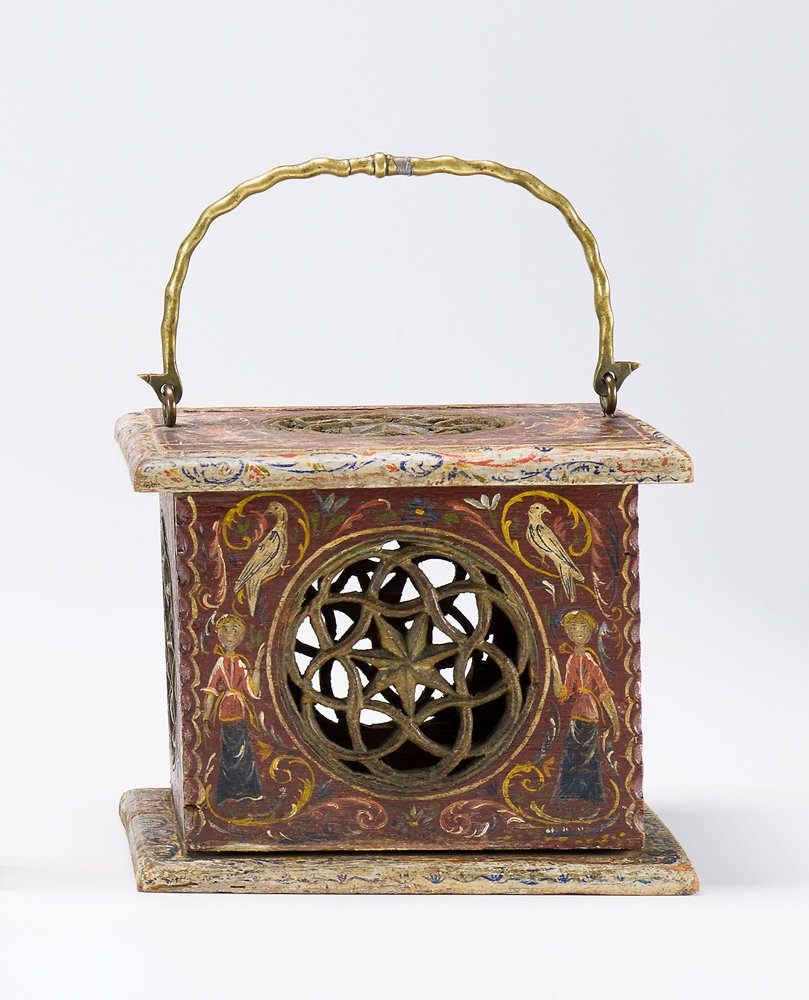
During the 19th century, foot warmers were very popular for sleigh rides. These small boxes were filled with charcoal or glowing embers, and the heat escaped through the openings. This foot warmer was made between 1800 and 1830.
3
8
24 Feb 2019
#Explorethecollection
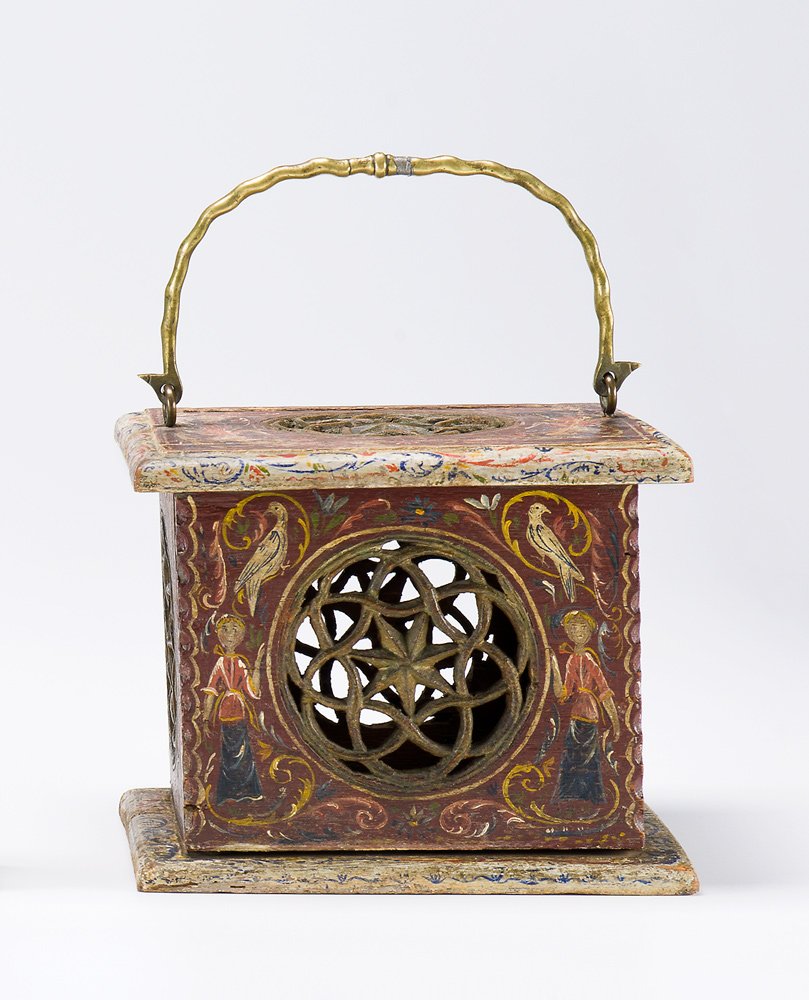
During the 19th century, foot warmers were very popular for sleigh rides. These small boxes were filled with charcoal or glowing embers, and the heat escaped through the openings. This foot warmer was made between 1800 and 1830.
CMH, 77-153
2
5
21 Feb 2019
#Explorethecollection
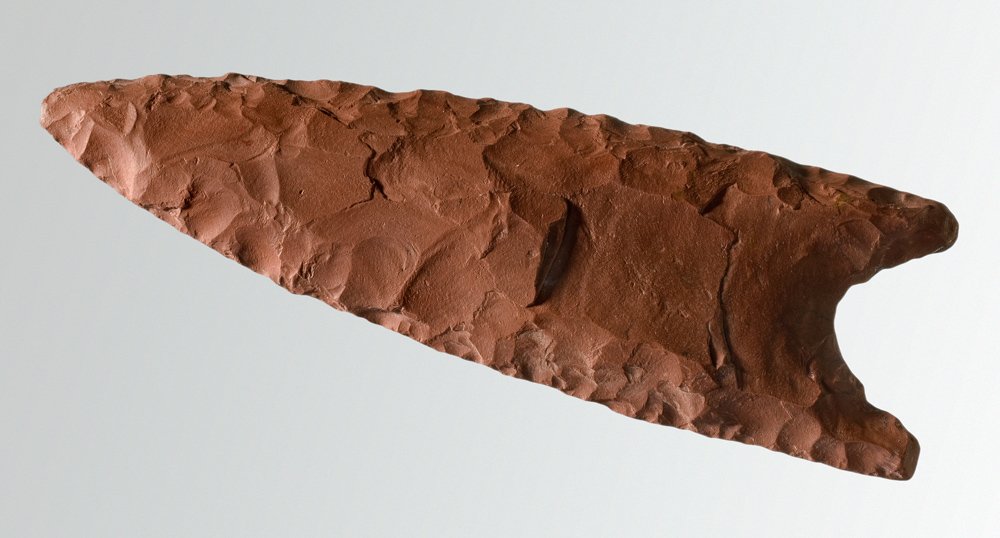
This spear point, found in New Brunswick, dates back 10,000 to 11,000 years. Spear points made by the first inhabitants of what is now Canada are distinctive and rare.
Canadian Museum of History, VIII-D:58, IMG2008-0583-0270-Dm
2
8
19 Feb 2019
#Explorethecollection
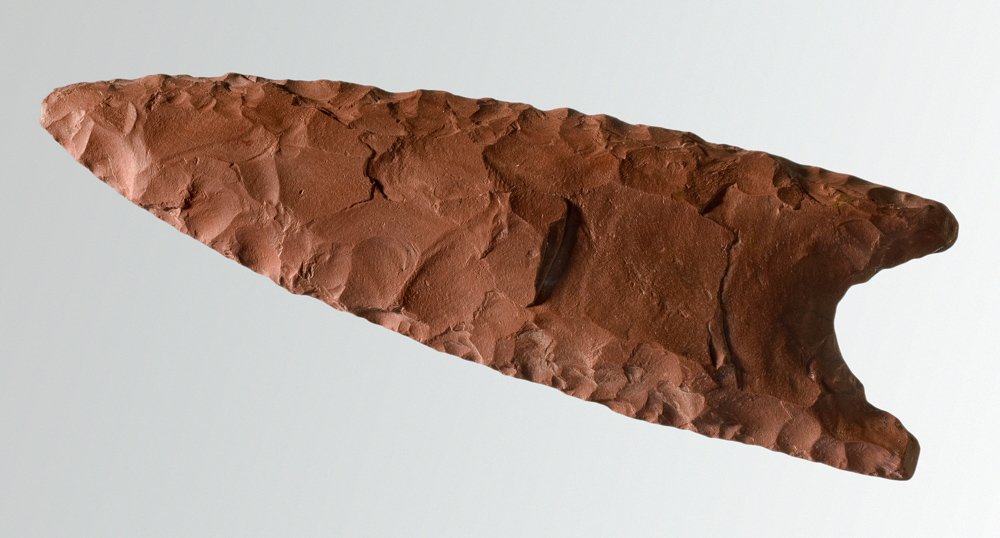
This spear point, found in New Brunswick, dates back 10,000 to 11,000 years. Spear points made by the first inhabitants of what is now Canada are distinctive and rare.
Canadian Museum of History, VIII-D:58, IMG2008-0583-0270-Dm
8
19
17 Feb 2019
#Explorethecollection
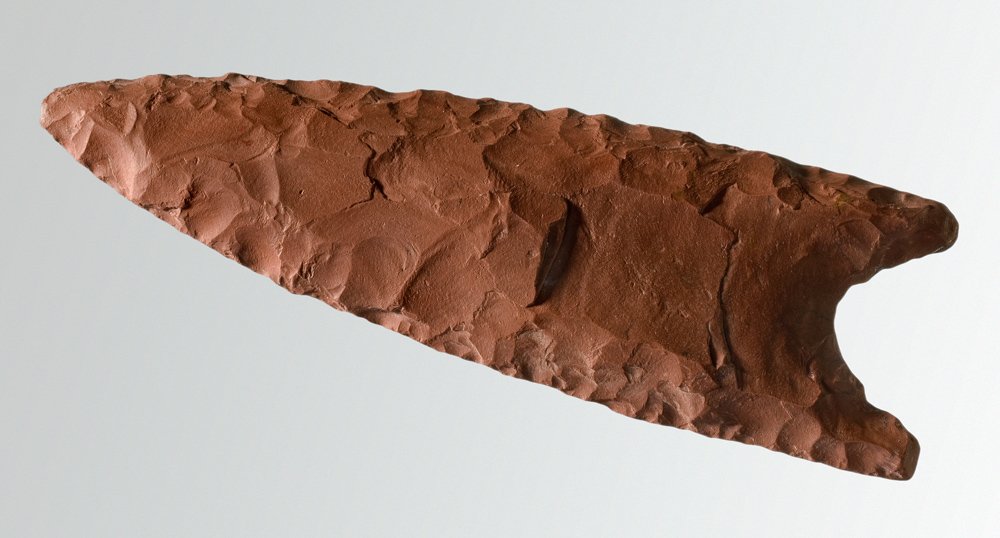
This spear point, found in New Brunswick, dates back 10,000 to 11,000 years. Spear points made by the first inhabitants of what is now Canada are distinctive and rare.
Canadian Museum of History, VIII-D:58, IMG2008-0583-0270-Dm
1
17
14 Feb 2019
#ExploretheCollection
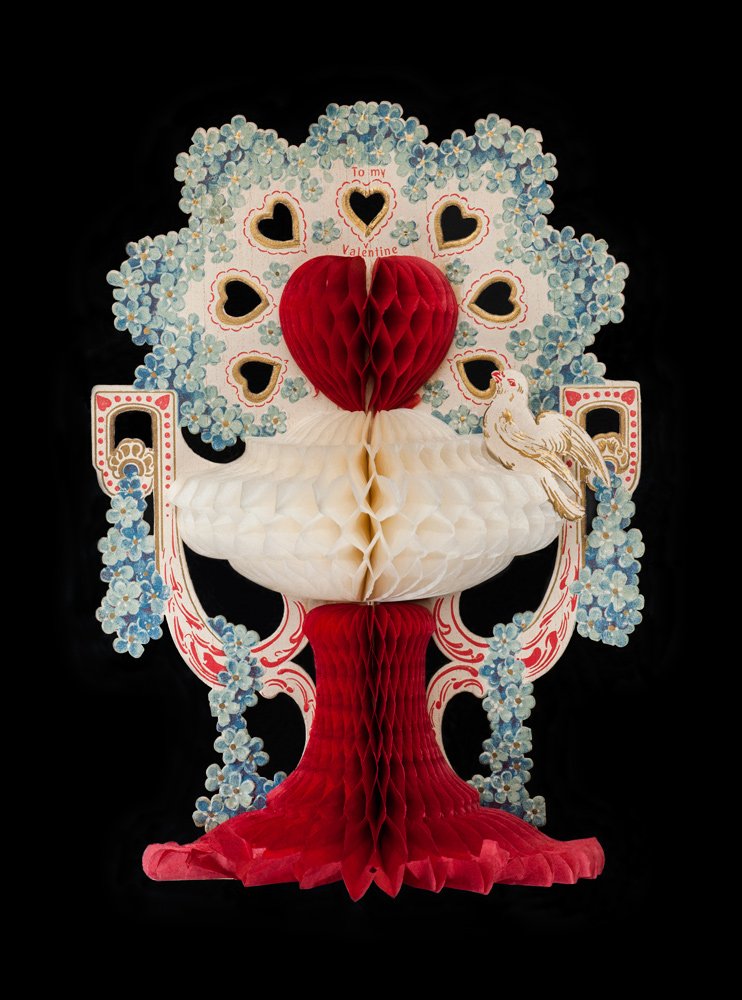
This type of Valentine’s Day card was introduced in the early 1900s. Such elaborate cards, made from honeycomb paper and assembled by hand, were meant to be exhibited in full view in the house.
Canadian Museum of History, 2011.P0008.37, IMG2015-0002-0001-Dm
1
1
6
12 Feb 2019
#ExploretheCollection
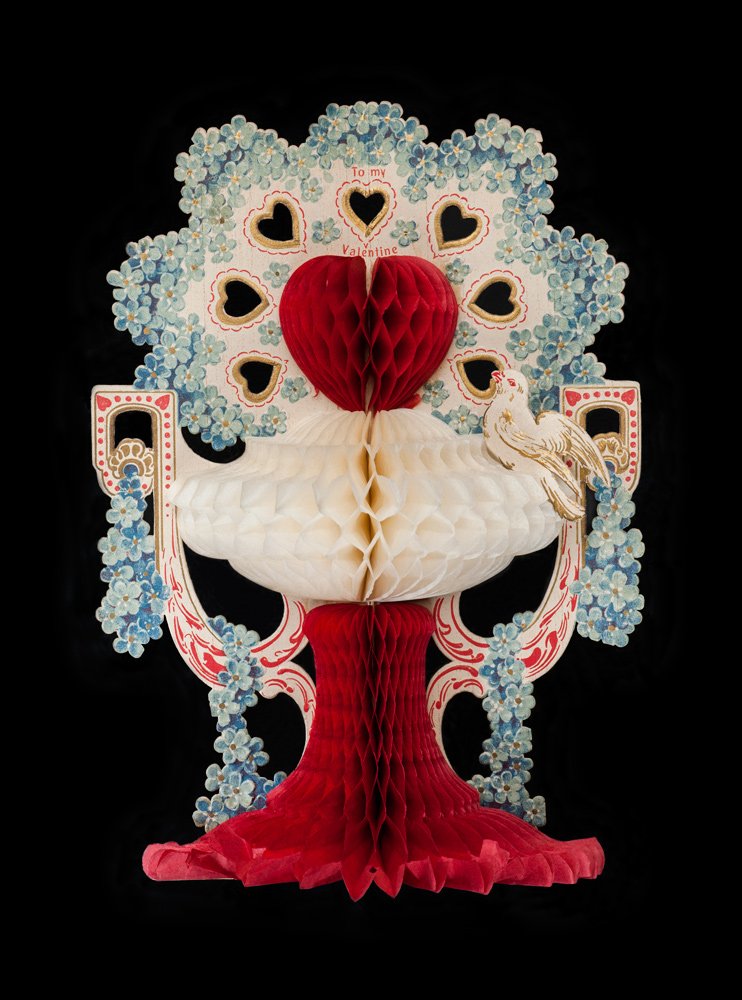
This type of Valentine’s Day card was introduced in the early 1900s. Such elaborate cards, made from honeycomb paper and assembled by hand, were meant to be exhibited in full view in the house.
Canadian Museum of History, 2011.P0008.37, IMG2015-0002-0001-Dm
2
4
10 Feb 2019
#ExploretheCollection
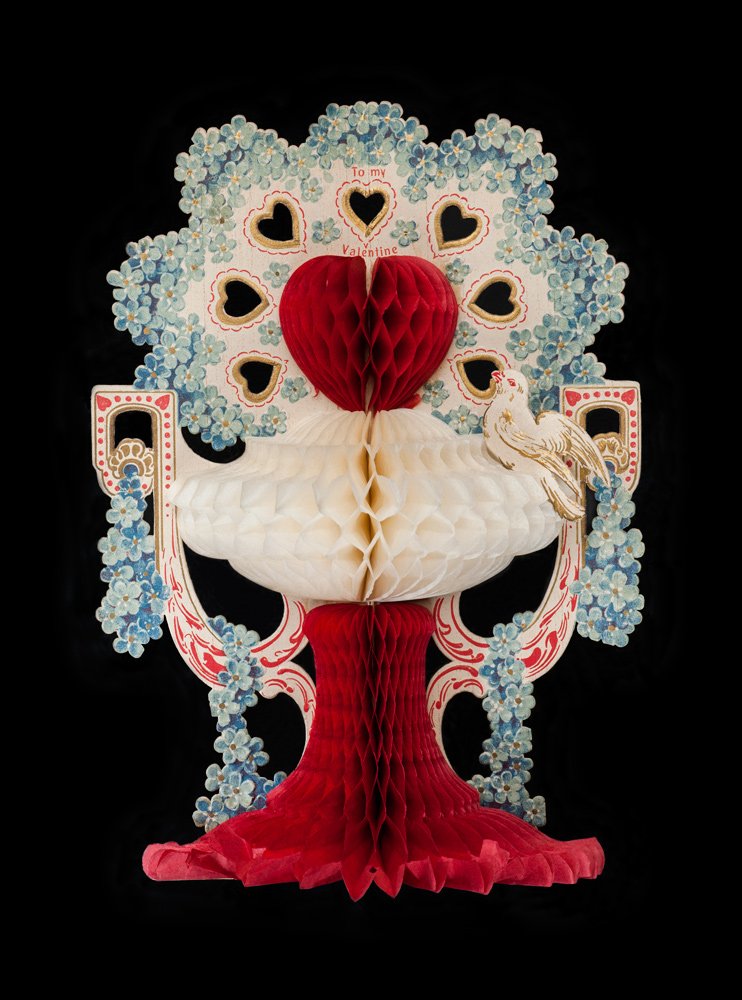
This type of Valentine’s Day card was introduced in the early 1900s. Such elaborate cards, made from honeycomb paper and assembled by hand, were meant to be exhibited in full view in the house.
Canadian Museum of History, 2011.P0008.37, IMG2015-0002-0001-Dm
1
3
7 Feb 2019
#ExploretheCollection
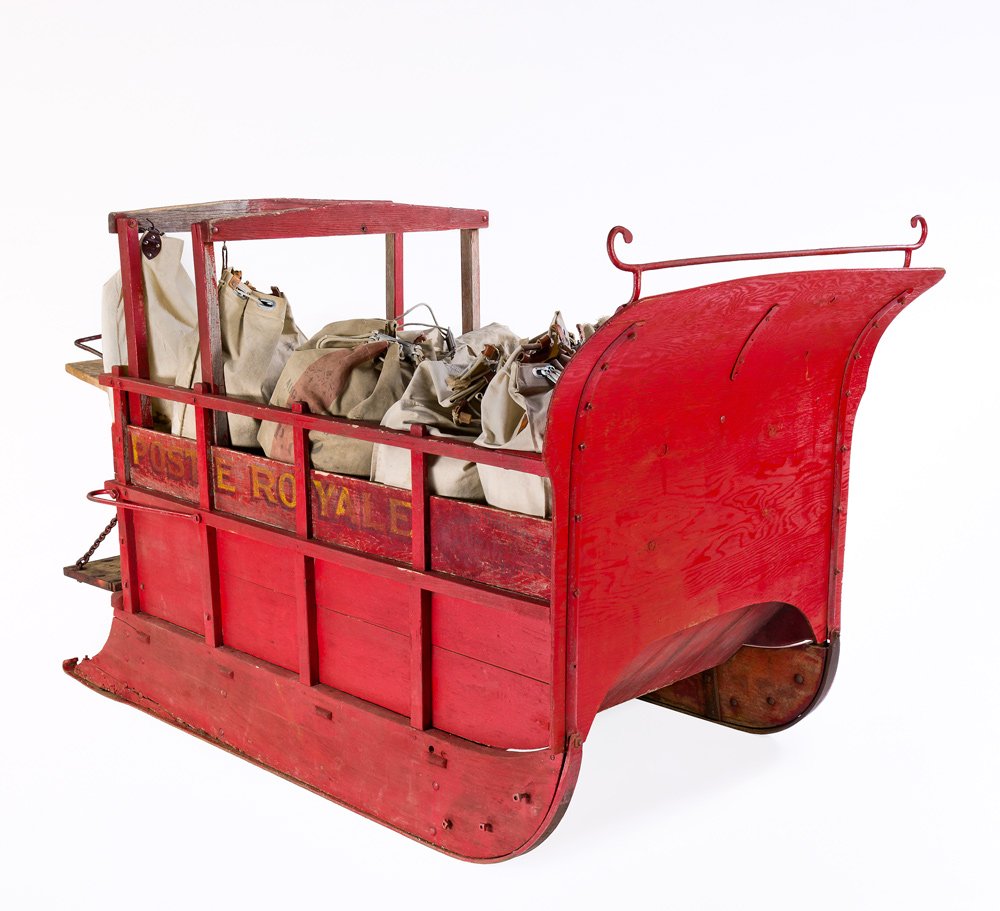
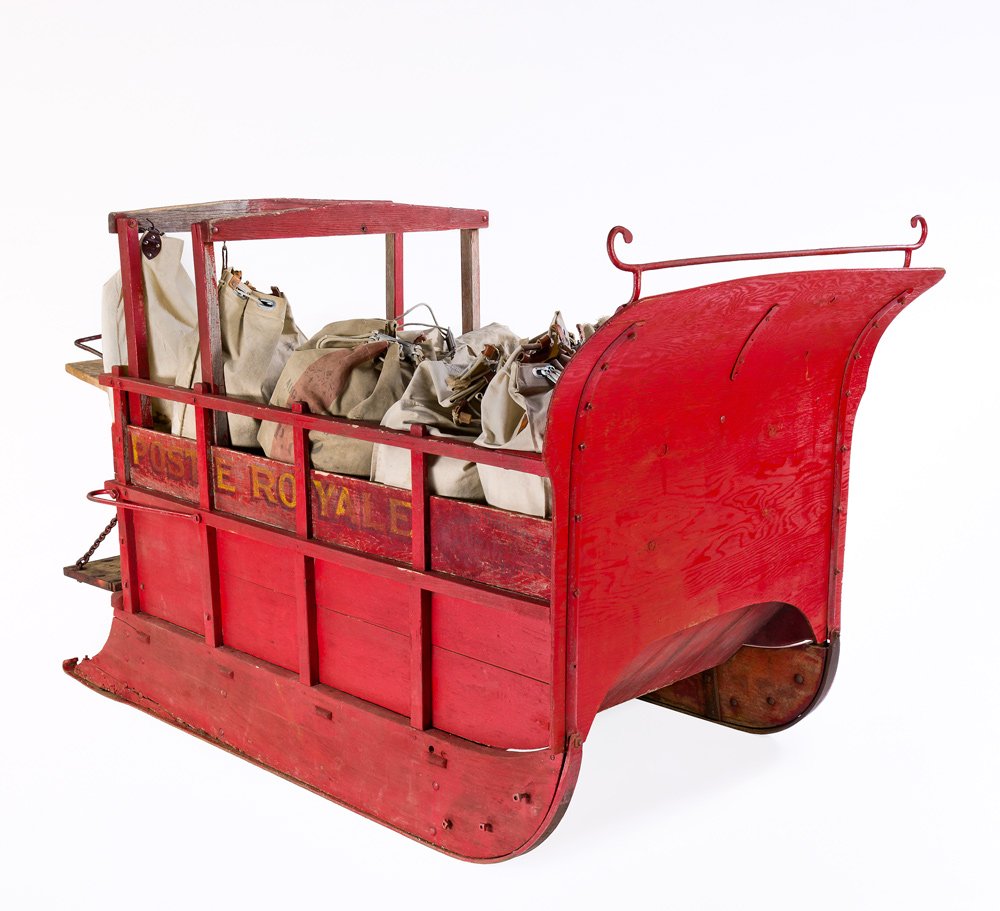
This sleigh was used at the turn of the 20th century by the Canadian Transfer Co. Limited, which had a contract with the Post Office Department for the transportation of mail.
Canadian Museum of History, 1997.7.1, IMG2013-0142-0030-Dm
1
1
6 Feb 2019
#ExploretheCollection
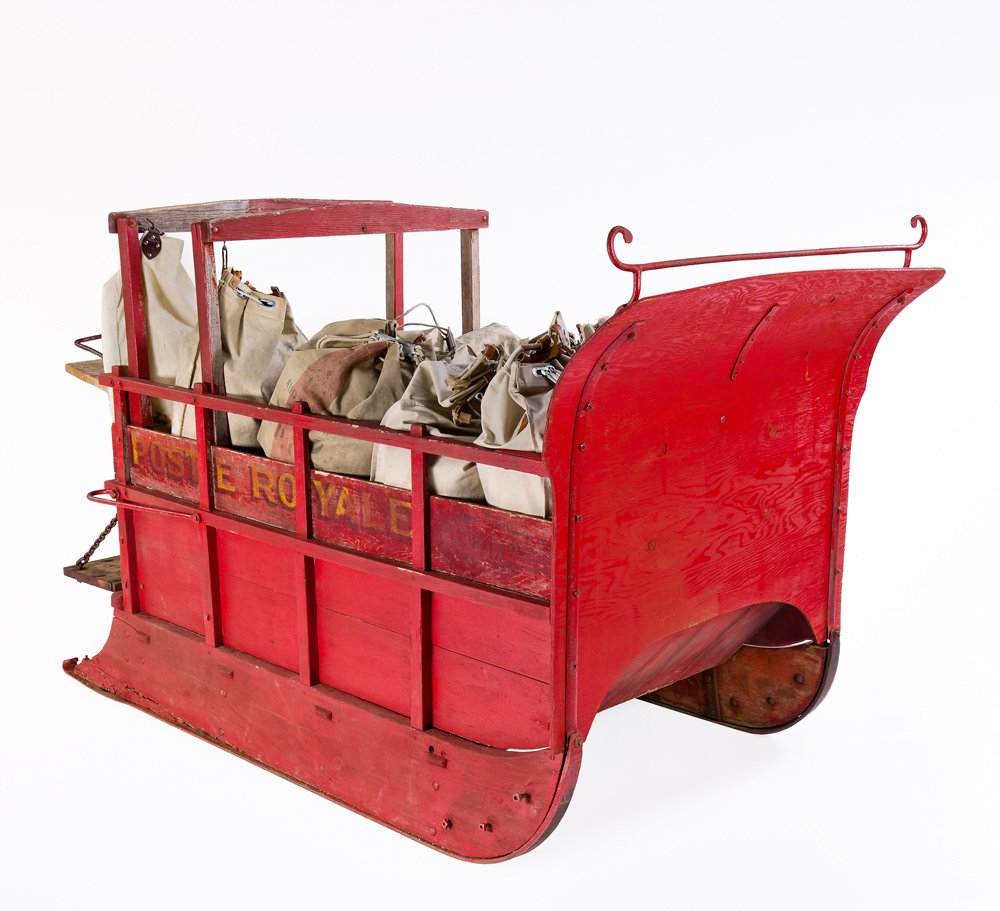
This sleigh was used at the turn of the 20th century by the Canadian Transfer Co. Limited, which had a contract with the Post Office Department for the transportation of mail.
Canadian Museum of History, 1997.7.1, IMG2013-0142-0030-Dm
3
3
3 Feb 2019
#ExploretheCollection
This sleigh was used at the turn of the 20th century by the Canadian Transfer Co. Limited, which had a contract with the Post Office Department for the transportation of mail.
Canadian Museum of History, 1997.7.1, IMG2013-0142-0030-Dm
1
3
1 Feb 2019
#Explorethecollection
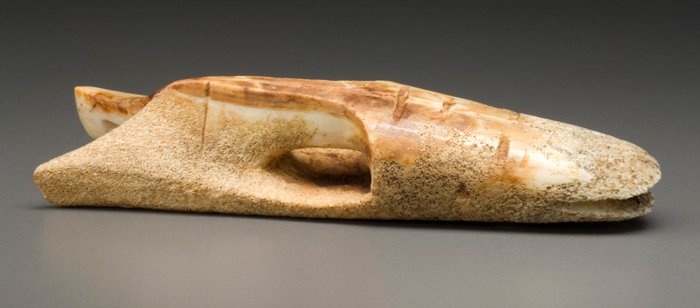
This harpoon head features a human face. It was carved 1,200 to 2,000 years ago in antler or ivory by the Dorset people.
CMH, NhHd-1: 2658, IMG2008-0583-0110-Dm
#canhistory
4
30 Jan 2019
#Explorethecollection
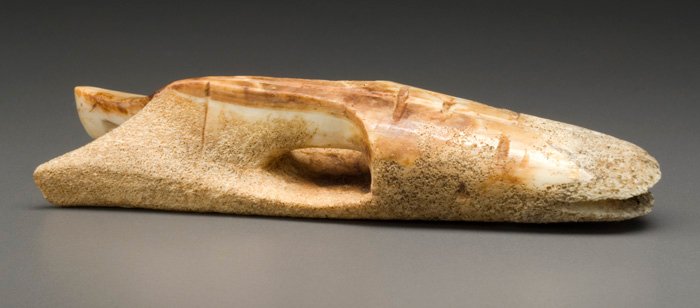
This harpoon head features a human face. It was carved 1,200 to 2,000 years ago in antler or ivory by the Dorset people.
CMH, NhHd-1: 2658, IMG2008-0583-0110-Dm
#canhistory
2
4
28 Jan 2019
#Explorethecollection
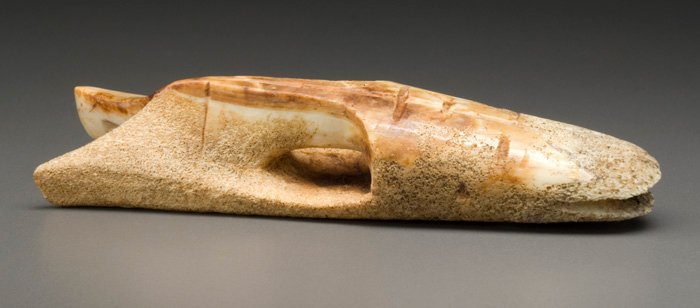
This harpoon head features a human face. It was carved 1,200 to 2,000 years ago in antler or ivory by the Dorset people.
CMH, NhHd-1: 2658, IMG2008-0583-0110-Dm
#canhistory
4
11