
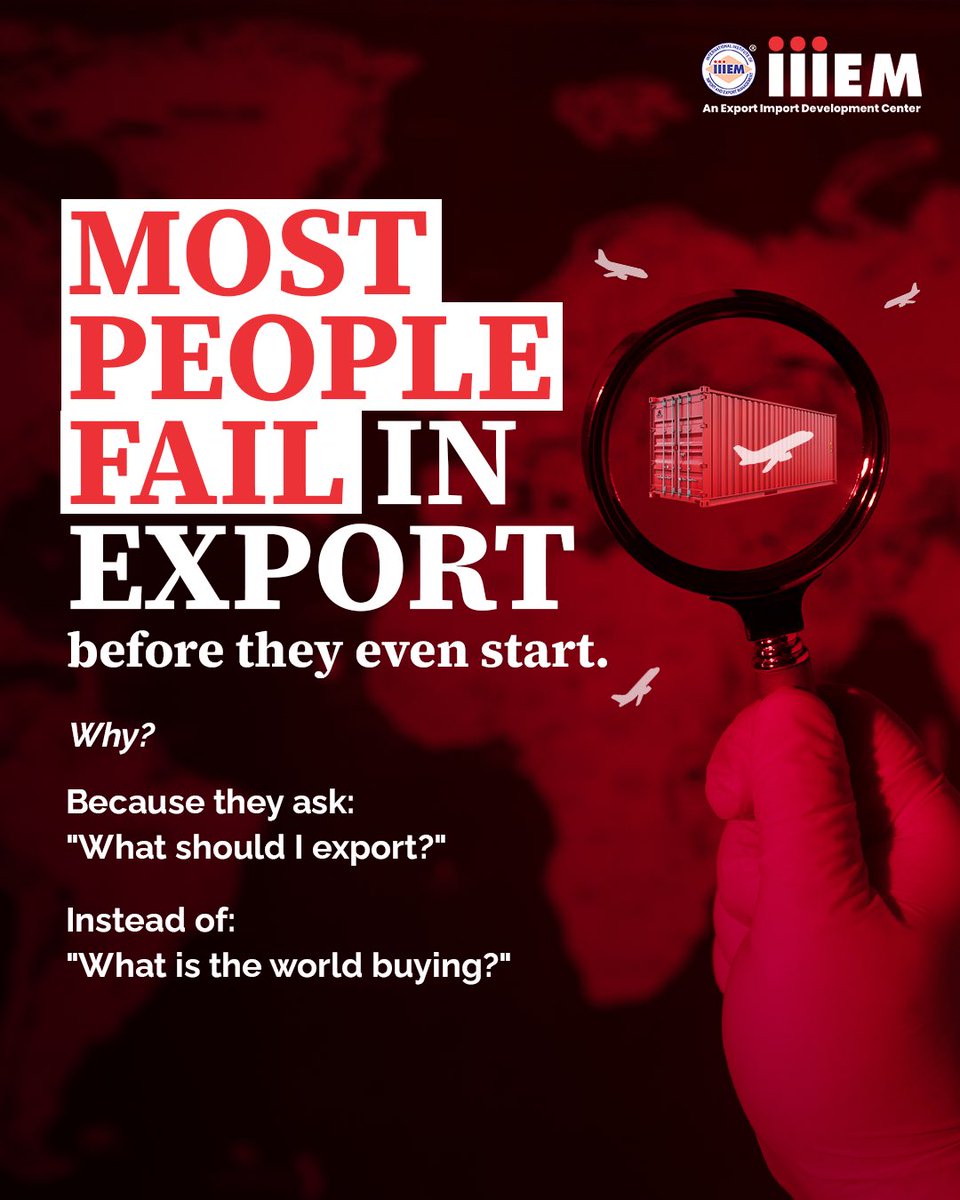
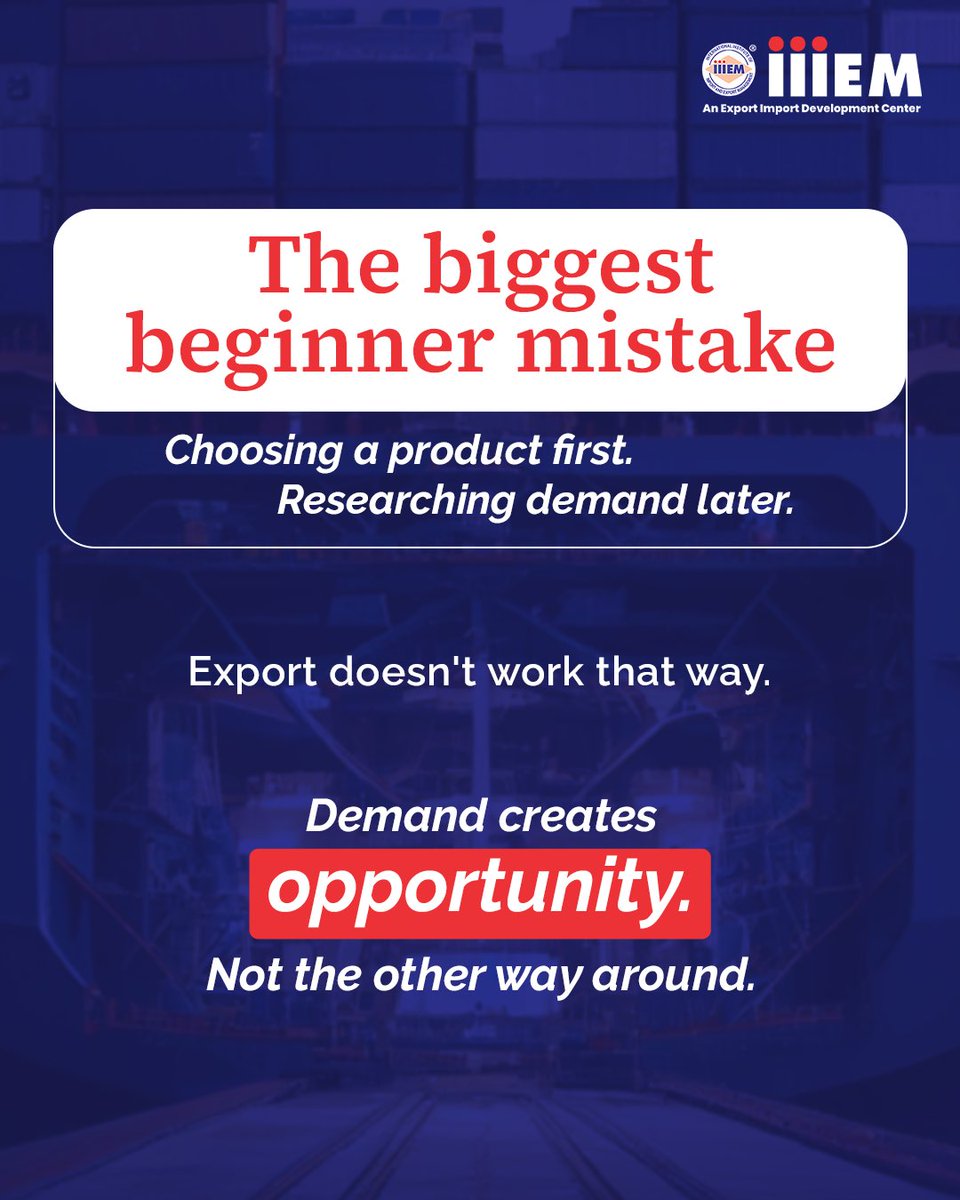
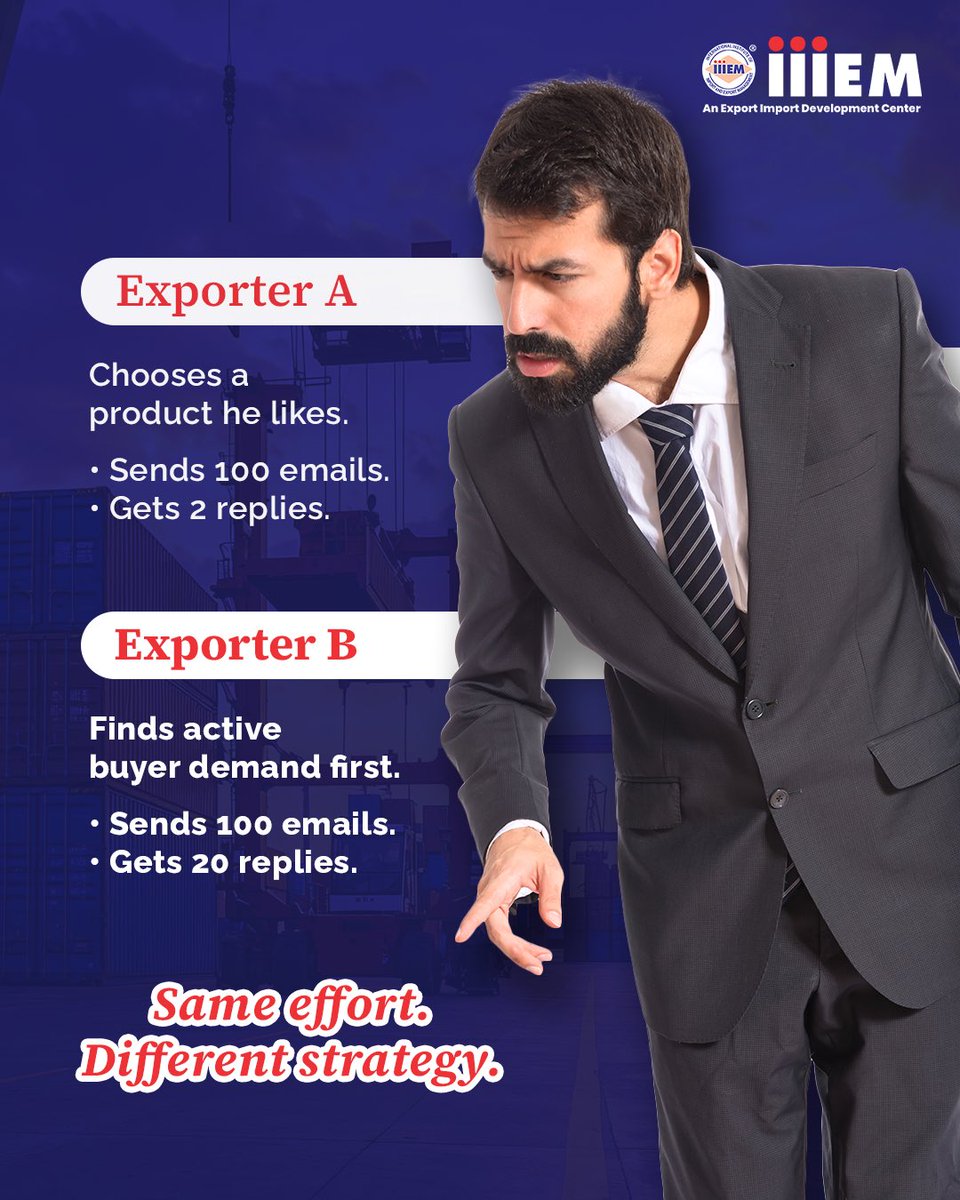
Don't ask, “What do I want to export?” Ask, “What does the world want to import?” That simple shift can save time, reduce risk, and improve your chances of export success.
What product would you export first?
#iiiEM #ExportBusiness #ExportStrategy #GlobalTrade

1
8

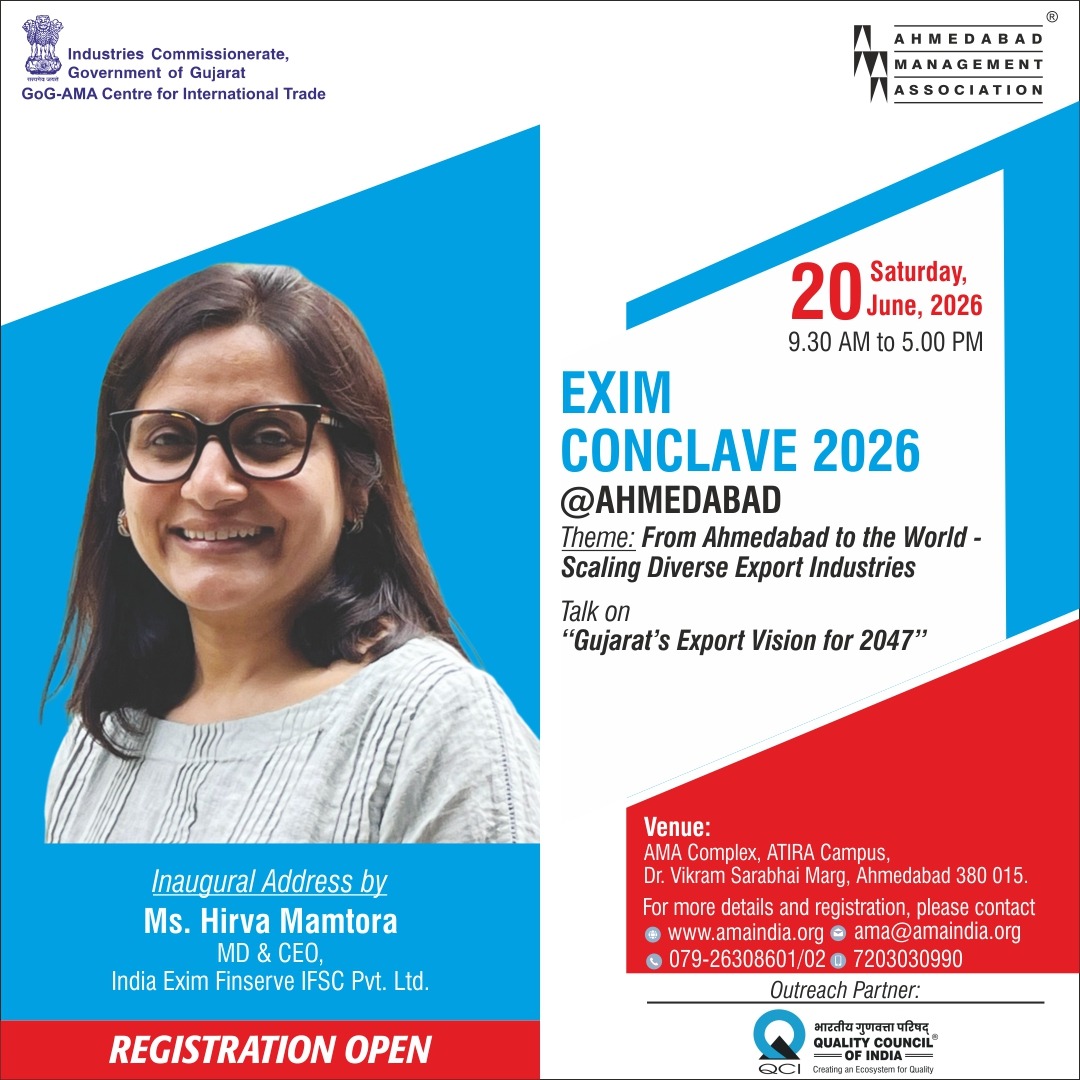
Gain a strategic perspective on the future of exports at the Inaugural Address, "Gujarat’s Export Vision for 2047", featuring Ms. Hirva Mamtora, MD & CEO, India Exim Finserve IFSC Pvt. Ltd. Explore the opportunities, financial ecosystems and long-term vision that can help shape Gujarat's global export leadership in the years ahead.
Date: Saturday, June 20, 2026 | 9:30 AM to 5:00 PM
Venue: AMA Complex, ATIRA Campus, Ahmedabad
Register Now: amaindia.org/ama-events-prog…
@Unmeshdixit @QualityCouncil @icgujarat @EximFinserve
#ama #amaindia #eximconclave #exportstrategy #globalbusiness
1
1
32

Jun 9
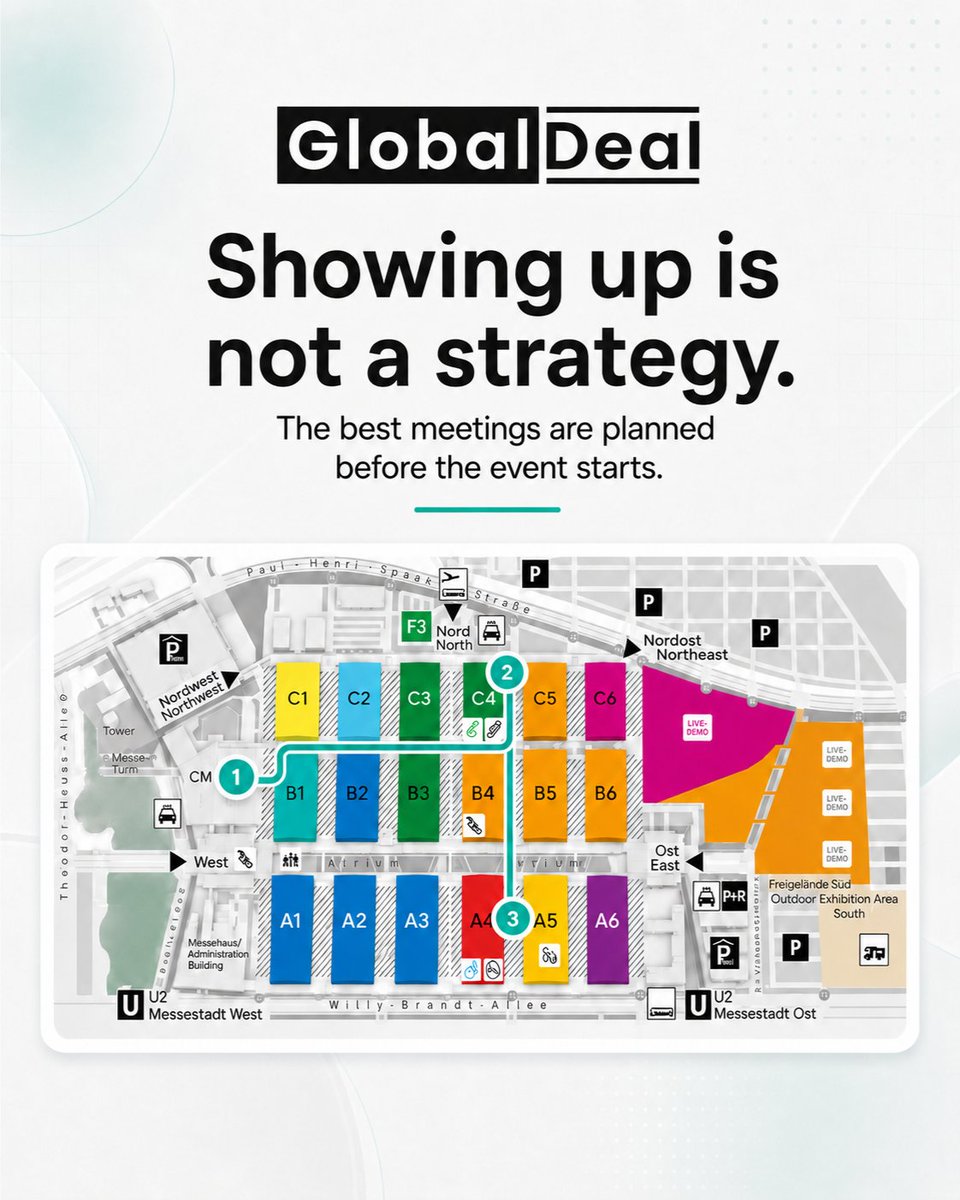
Showing up is not a strategy. Before a trade show, companies need to know who is attending, who matters, and which conversations are worth prioritizing.
GlobalDeal helps companies approach events with a clearer plan, so trade shows can lead to actual business opportunities instead of random conversations.
#GlobalDeal #TradeShows #TradeShowStrategy #BusinessDevelopment #MarketEntry #InternationalBusiness #B2BMarketing #ExportStrategy #TradeIntelligence #GlobalGrowth
1
6

Jun 8
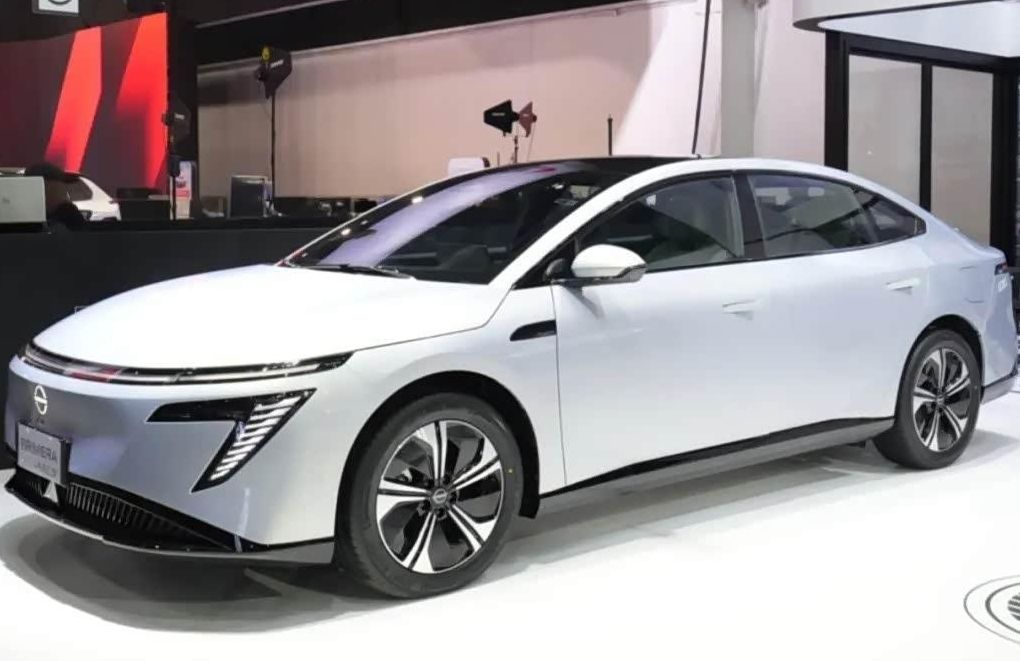
Nissan Revives ‘Primera’ Nameplate with China-Developed EV Debut in Philippines
#electricvehicles #exportstrategy #frontierpro #n7 #nissan
chinapev.com/?p=28490
34

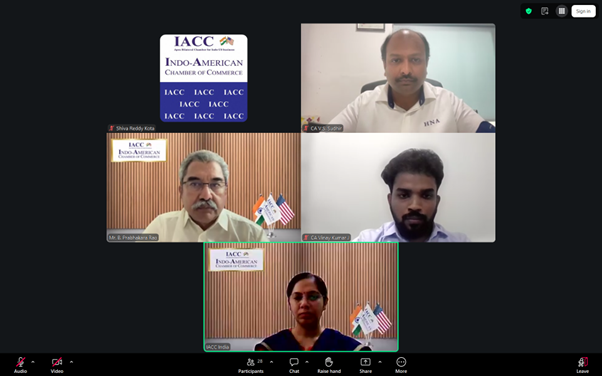
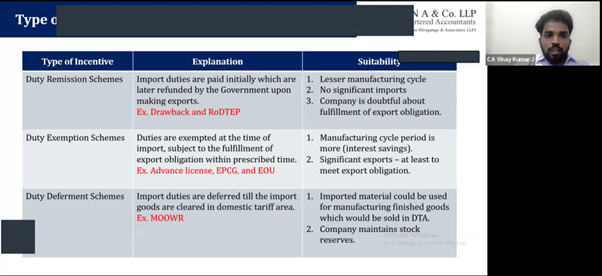
The Indo-American Chamber of Commerce AP & TG successfully hosted an insightful webinar on “Choosing the Right Export Incentive Scheme: A Practical Decision Framework for Businesses” on May 19, 2026, via Zoom.
The session began with welcome remarks by Mr. Prabhakara Rao Bhogavalli, Vice Chairman, IACC AP & TG.
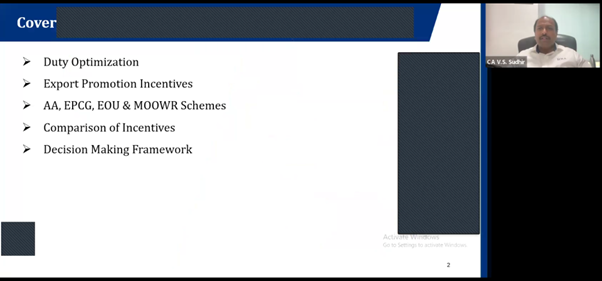
Esteemed speakers - CA Sudhir V.S, Partner and CA Vinay Kumar J, Deputy Manager, H N A & Co LLP delivered valuable insights into export incentive frameworks and strategic decision-making for businesses with detailed presentation. Watch full webinar now: youtu.be/LyDx2qnUznw
Key Takeaways from the Session:
_Identifying hidden duty costs and unlocking savings opportunities
_Understanding duty exemption, remission, and deferment mechanisms
_Gaining clarity on Advance Authorization, EPCG, MOOWR, and EOU schemes
_Comparing schemes to enable informed business decisions
_Exploring working capital and duty-saving benefits
_Learning through practical case studies on cost optimization
_Avoiding common compliance pitfalls and risk areas
The webinar concluded with an engaging Q&A session, where participants received practical guidance tailored to real-world business challenges.
Thanks to our distinguished speakers and all participants for making the session highly interactive, insightful, and impactful. We look forward to continuing such knowledge-driven engagements that empower businesses and strengthen the trade ecosystem.
#IACC #IACCAPTG #ExportIncentives #InternationalTrade #EPCG #MOOWR #EOU #AdvanceAuthorization #BusinessGrowth #TradeCompliance #Exports #Webinar #KnowledgeSharing #IACC #IACCAPTG #ExportIncentives #InternationalTrade #ExportBusiness #GlobalTrade #TradeCompliance
#BusinessWebinar #ExportGrowth #EPCG #MOOWR #EOUScheme #AdvanceAuthorization #ExportStrategy #DutySavings #BusinessInsights #TradeExperts #ExportSuccess #ImportExport #BusinessLearning #EconomicGrowth #TradeEcosystem #ComplianceManagement #KnowledgeSharing #BusinessNetworking
@DSreedevi @HNACOLLP @Prabhogavalli @kasalasrikanth @surapanenimay16
2
64

Apr 22
BUSINESS
US starts tariff refunds; Indian exporters need to engage with buyers, says GTRI
Click - dailypioneer.com/news/us-sta…
#USTariffs #IndiaExports #GlobalTrade #GTRI #TradePolicy #ExportStrategy #USIndiaTrade
2
42

Apr 7
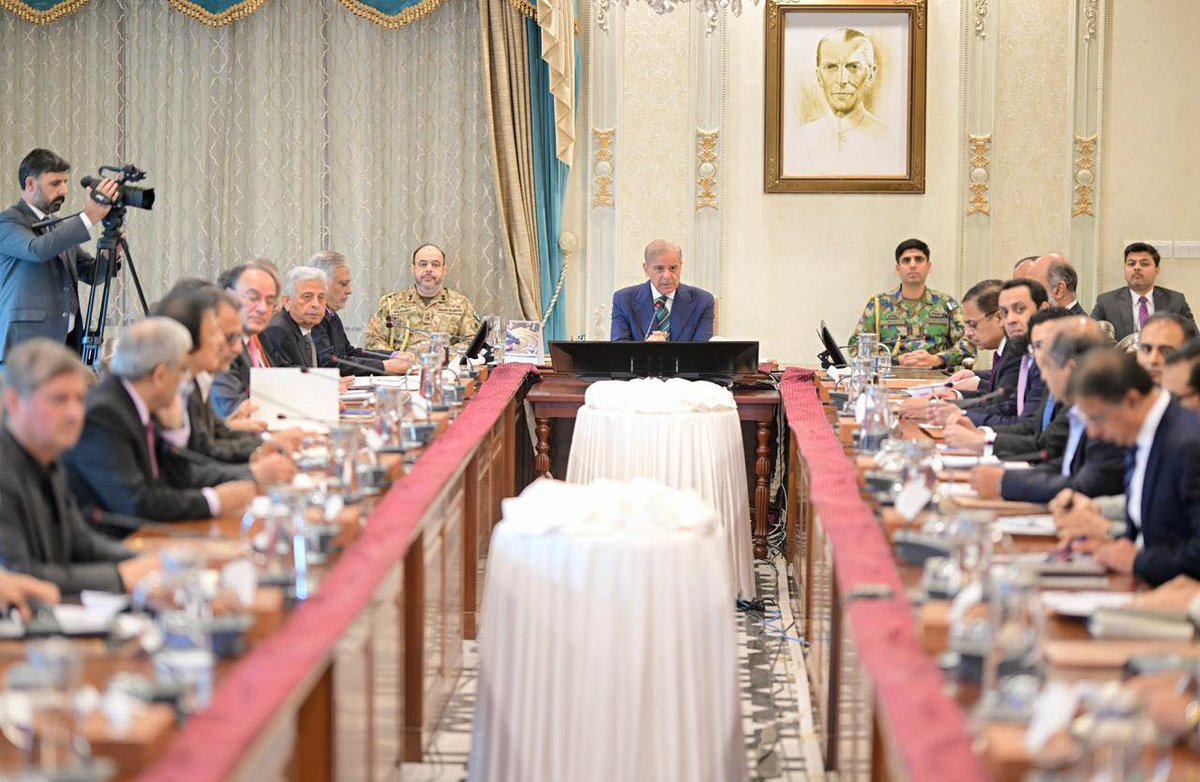
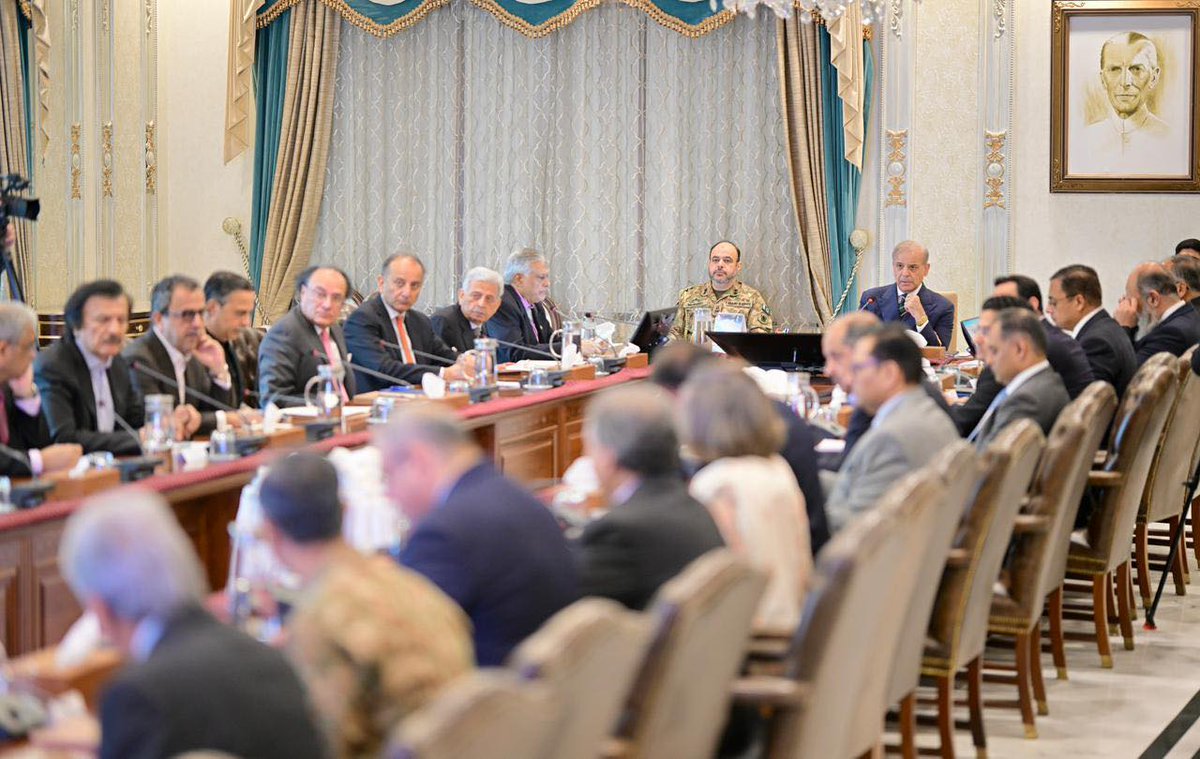
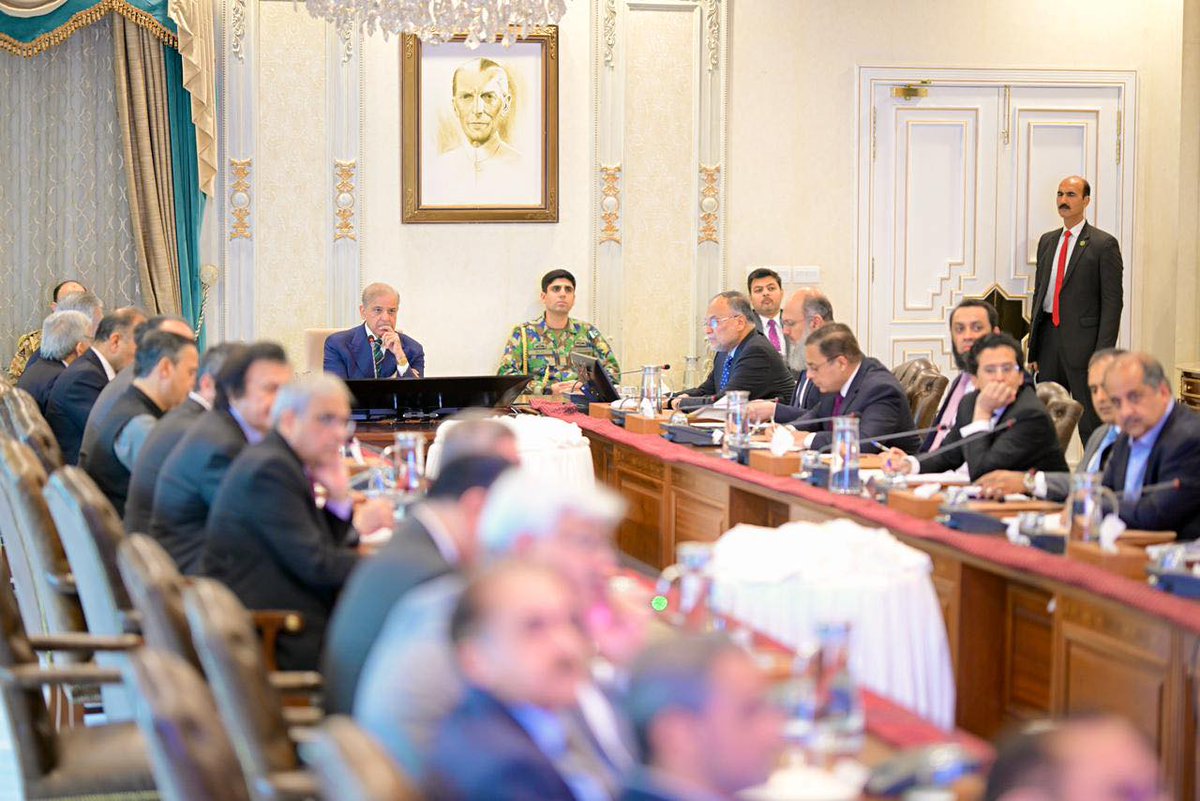
Islamabad: Prime Minister Muhammad Shehbaz Sharif chairs a meeting regarding long term energy planning and export strategy during current international situation.
#ShehbazSharif #PMShehbazSharif #Islamabad #EnergyPlanning #ExportStrategy
1
87

TV Américas News Morning Edition presenta / presents
Comercio, agricultura e innovación en las Américas.
Trade, agriculture & innovation across the Americas.
En Guadalajara, más de mil trescientas empresas fortalecen sus estrategias de exportación agroalimentaria hacia United States.
In Guadalajara, over 1,300 companies are strengthening agri-food export strategies to the United States.
La comunidad de Cherán avanza hacia una agricultura 100% orgánica, marcando un modelo de sostenibilidad.
The community of Cherán is advancing toward 100% organic agriculture, setting a sustainability model.
Una inversión de 350 millones de dólares impulsa el comercio portuario en Puerto de Lázaro Cárdenas con Asia.
A $350 million investment is boosting port trade in Puerto de Lázaro Cárdenas with Asia.
La Dominican Republic se asocia con Italy para fortalecer la competitividad del mango y aguacate.
The Dominican Republic partners with Italy to enhance mango and avocado competitiveness.
La soberanía cultural se impulsa con iniciativas como los libros vivos de la Cámara de las Artes, mientras Cali atrae turismo con su gastronomía tradicional.
Cultural sovereignty grows through initiatives like living books from the Chamber of the Arts, while Cali attracts tourism through traditional cuisine.
En Puerto Rico, la biotecnología avanza con nuevos ingredientes funcionales y desarrollos agrícolas.
In Puerto Rico, biotechnology advances with new functional ingredients and agricultural developments.
El CAM contigo / CAM with you.
#TVAmericasNews #MorningEdition #AgriculturalTrade #OrganicFarming #ExportStrategy #PortTrade #Biotech #SustainableAgriculture #CulturalSovereignty #FoodSecurity #AmericasNews
3
4
43

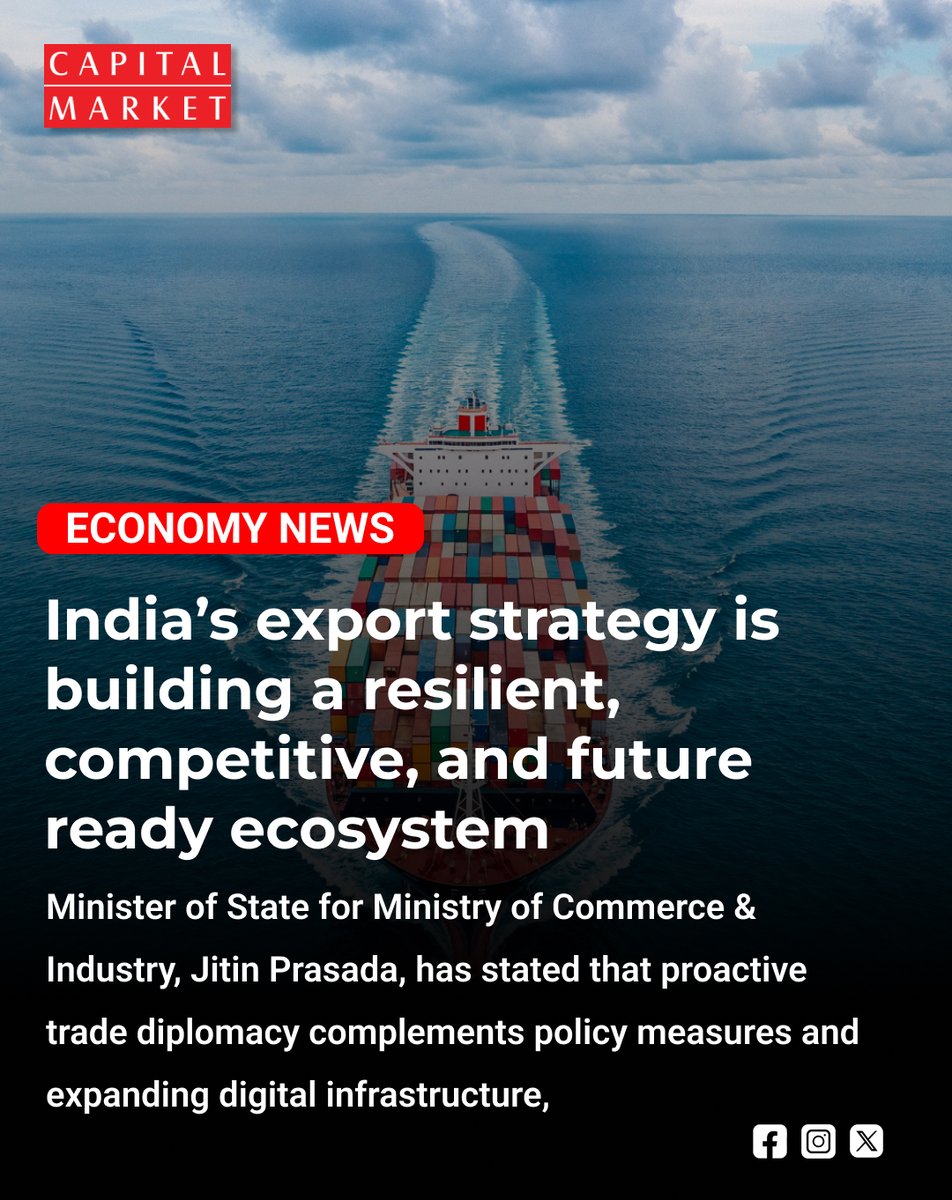
India Builds Resilient, Competitive & Future-Ready Export Ecosystem Amid Global Shifts
capitalmarket.com
#IndiaExports #ExportStrategy #GlobalTrade #ResilientEconomy #CompetitiveEdge #FutureReady #IndiaGrowth #TradeEcosystem #MakeInIndia #PLI #SupplyChain #ExportGrowth #EconomicReforms #LogisticsBoost #MSMEExports #TradePolicy #TradeExpansion #ManufacturingHub #Diversification #GrowthStory
2
89

Mar 11
"The Gulf Crisis Has Reached Our Exports"
The lesson is bigger than the current conflict. A country that depends too heavily on external routes will always feel the shock first.
Uganda’s exporters are being called to respond with planning, market discipline, and stronger regional cooperation.
The future is not panic. It is preparation, resilience, and building African trade systems that can withstand disruption.
#ExportAdvisory #ExportStrategy #ExportPromotion
10
38
93
7,257

Mar 2
MCSV Strategic Depth: Localized Storytelling for Global Hits
MCSV moves from translation to deep localization with global production nodes
🔗 mcsv.tv
#LocalizedStorytelling #ExportStrategy #GlobalDistribution #EmotionalResonance #CulturalMedium #MarketDeepDive
11
12
1,775

Feb 19
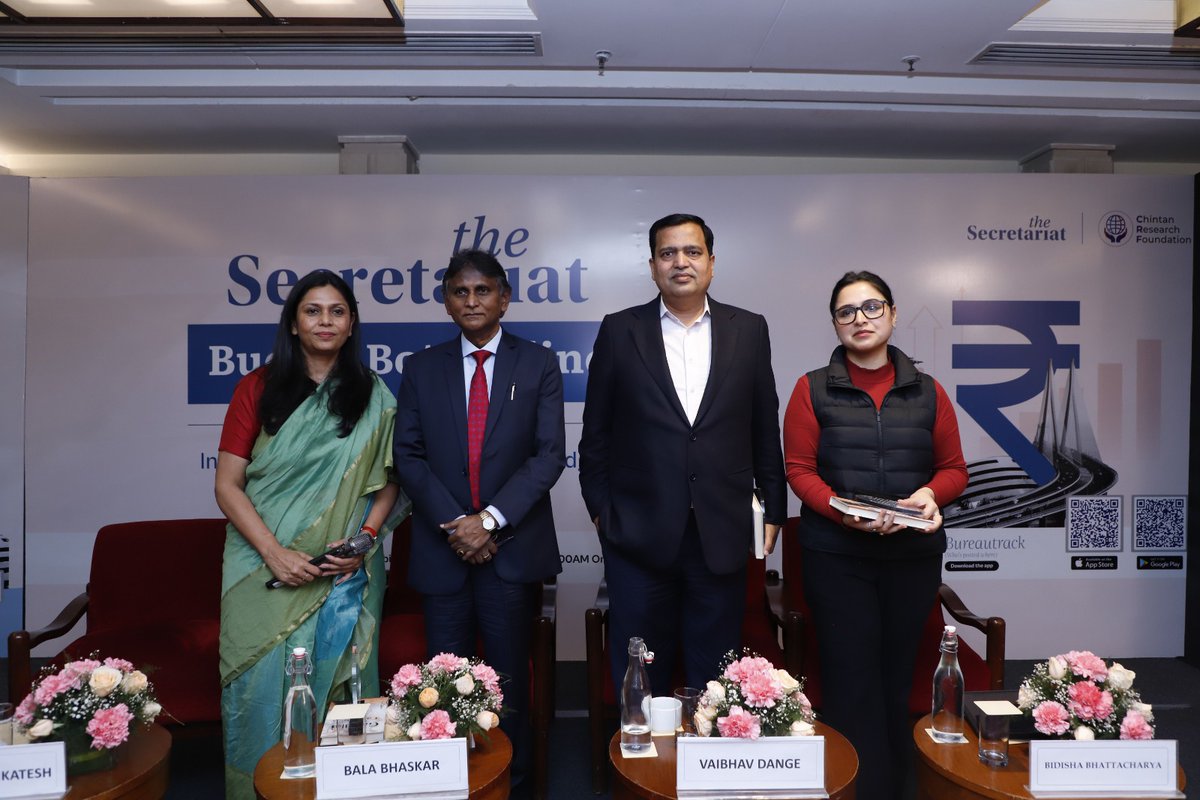
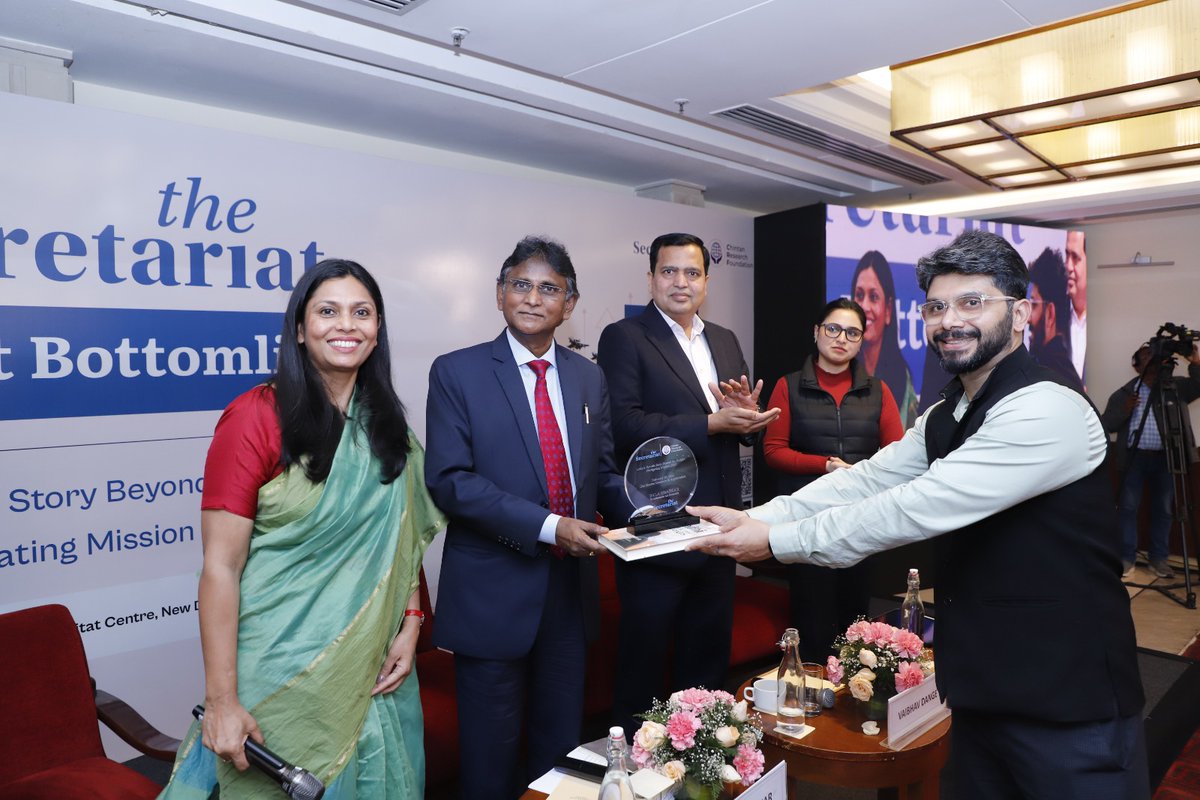
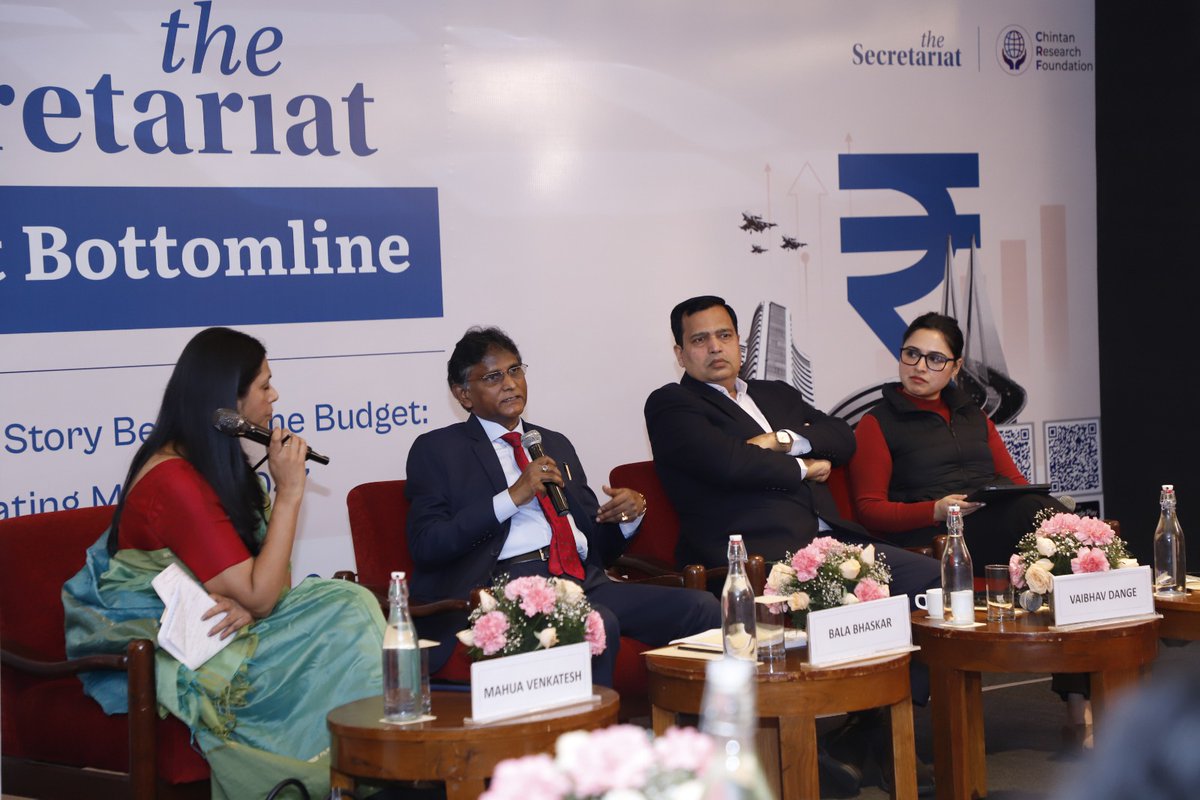
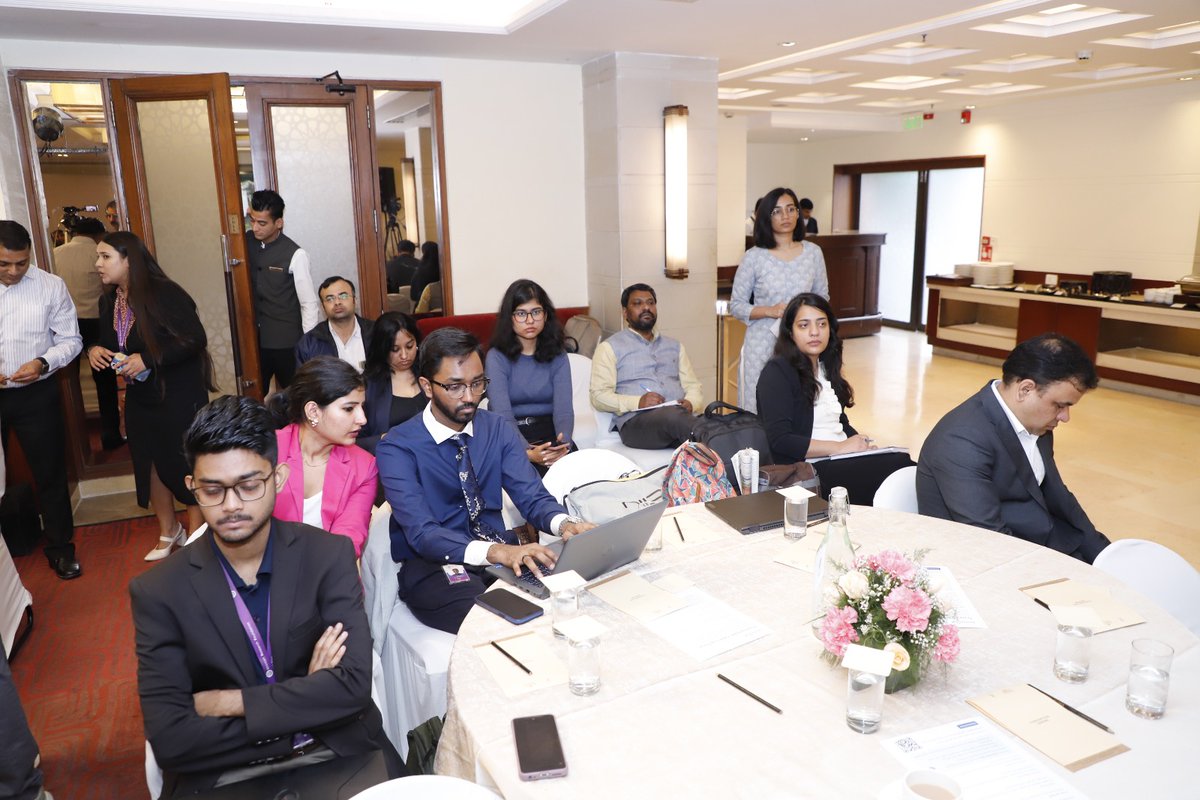
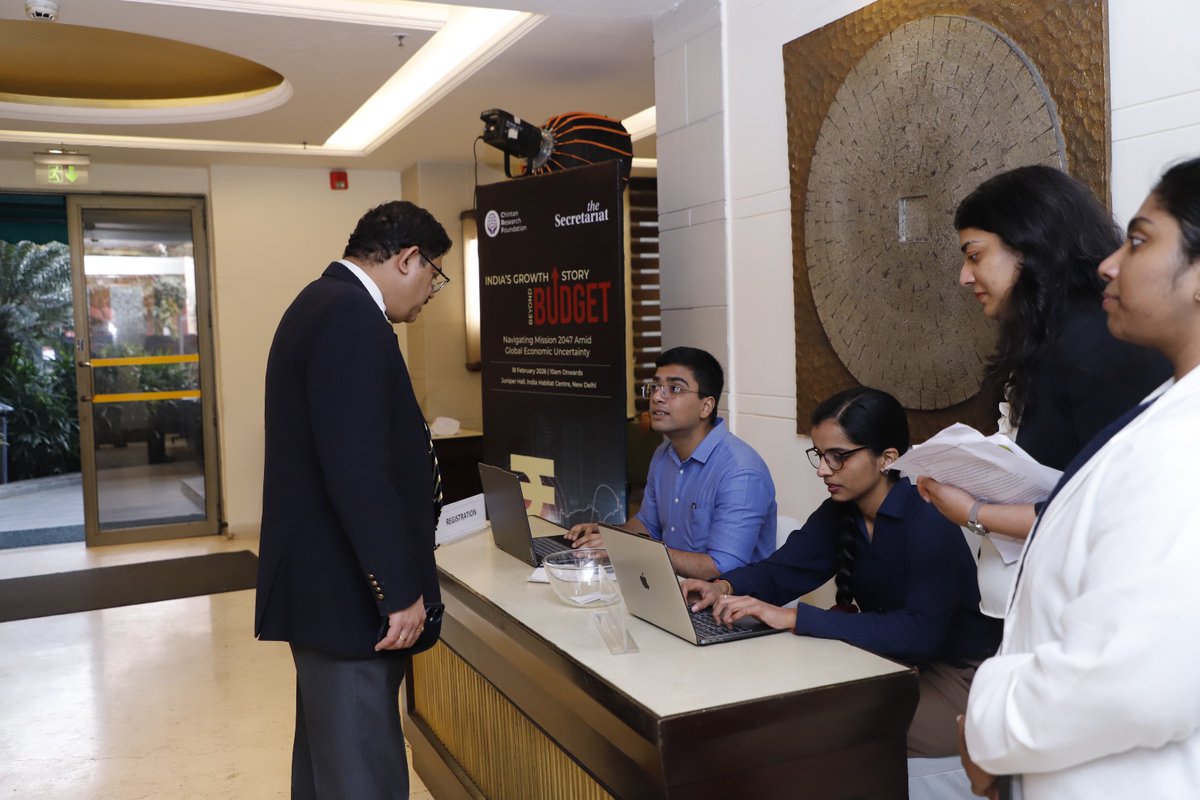
A thought-provoking panel discussion brought together industry voices to deliberate on long-term strategies for India to maintain its growth momentum, as part of a high-level policy session convened by The Secretariat and Chintan Research Foundation at India Habitat Centre on February 18.
@Bidishabh
@ChintanResearch
@MahuaVenkatesh
@priyadarshi_crf
@Prabir_India
@vaibhav_74
@partners_primus
@Ahlurahul
@sanjeevahlu
#indiaeconomy #indiagrowth #indianeconomy #gdpgrowthrate
#viksitbharat #india2047 #economicreforms #makeinindia #infrastructuregrowth #SupplyChain #GlobalEconomy #ExportStrategy
#TradePolicy #Geopolitics #ManufacturingIndia
2
6
128
Feb 19
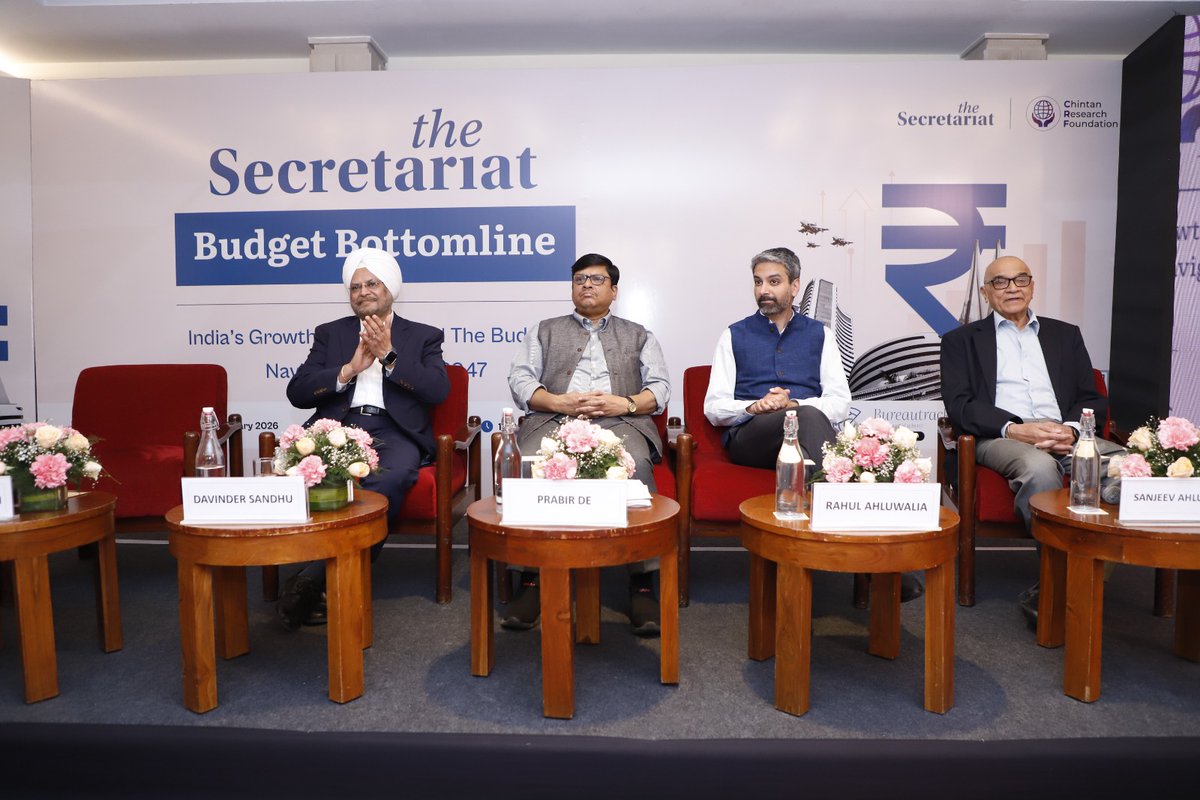
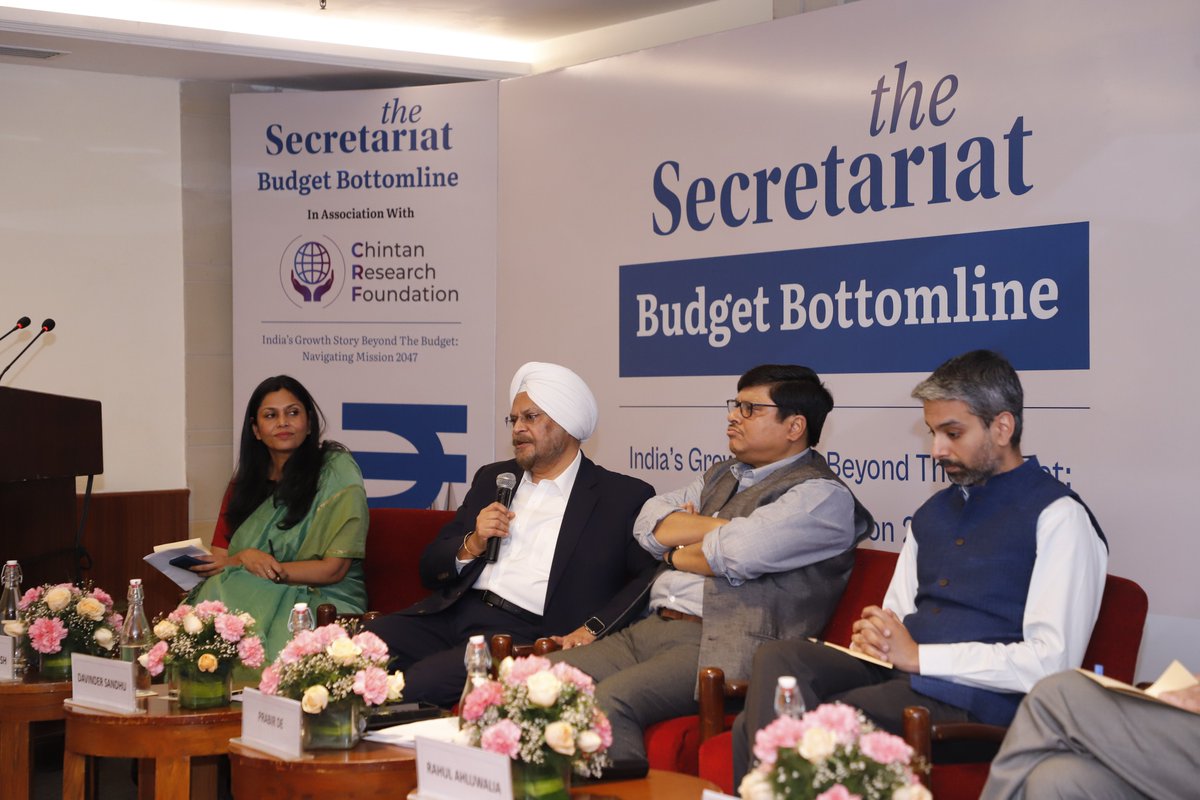
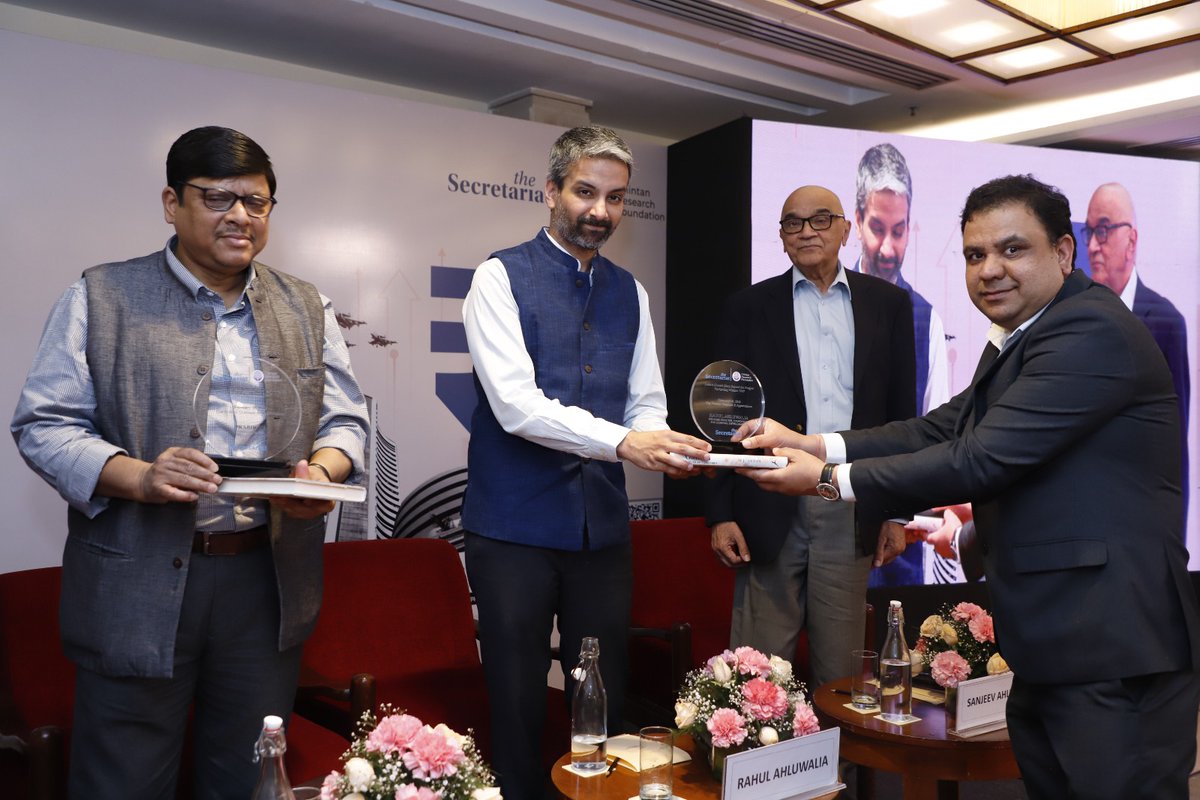
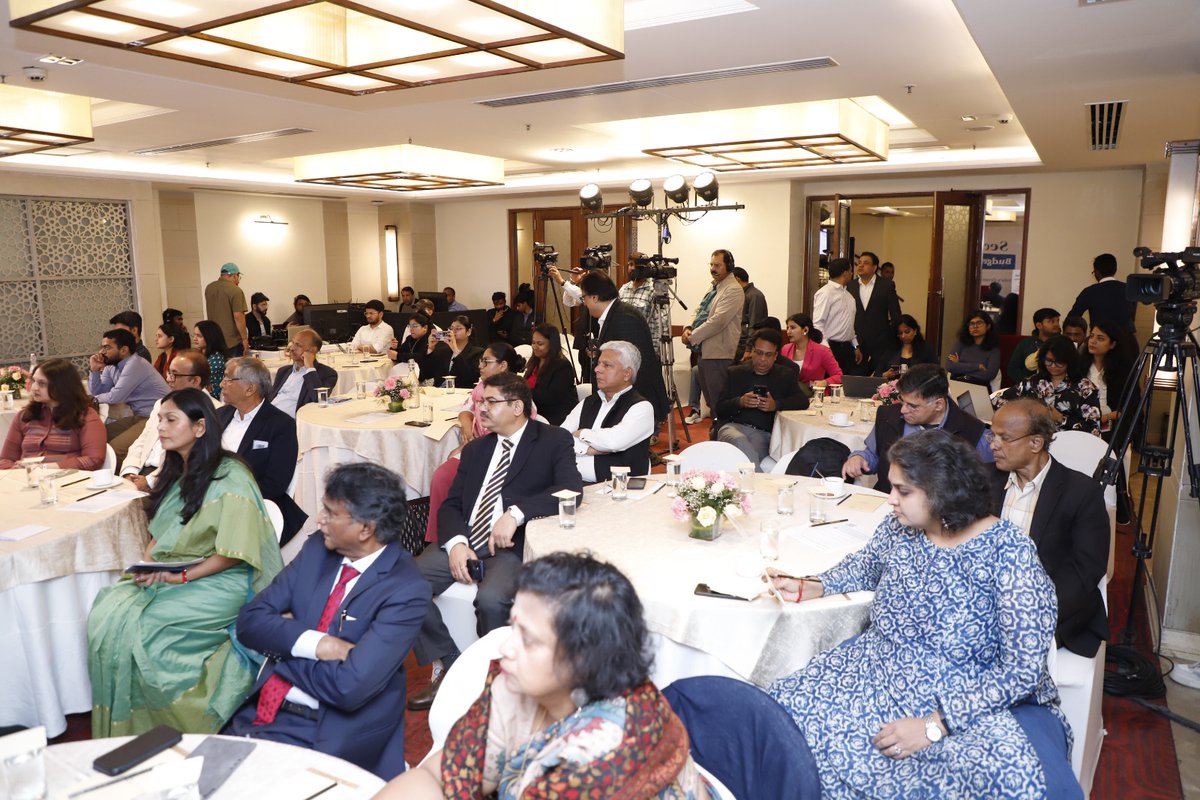
The high-level policy discussion organised by The Secretariat and Chintan Research Foundation at India Habitat Centre on February 18 saw industry leaders and policymakers coming together to discuss long-term strategies for India to maintain its growth momentum.
@Bidishabh
@ChintanResearch
@MahuaVenkatesh
@priyadarshi_crf
@Prabir_India
@vaibhav_74
@partners_primus
@Ahlurahul
@sanjeevahlu
#indiaeconomy #indiagrowth #indianeconomy #gdpgrowthrate
#viksitbharat #india2047 #economicreforms #makeinindia #infrastructuregrowth #SupplyChain #GlobalEconomy #ExportStrategy
#TradePolicy #Geopolitics #ManufacturingIndia
1
6
85
Feb 19
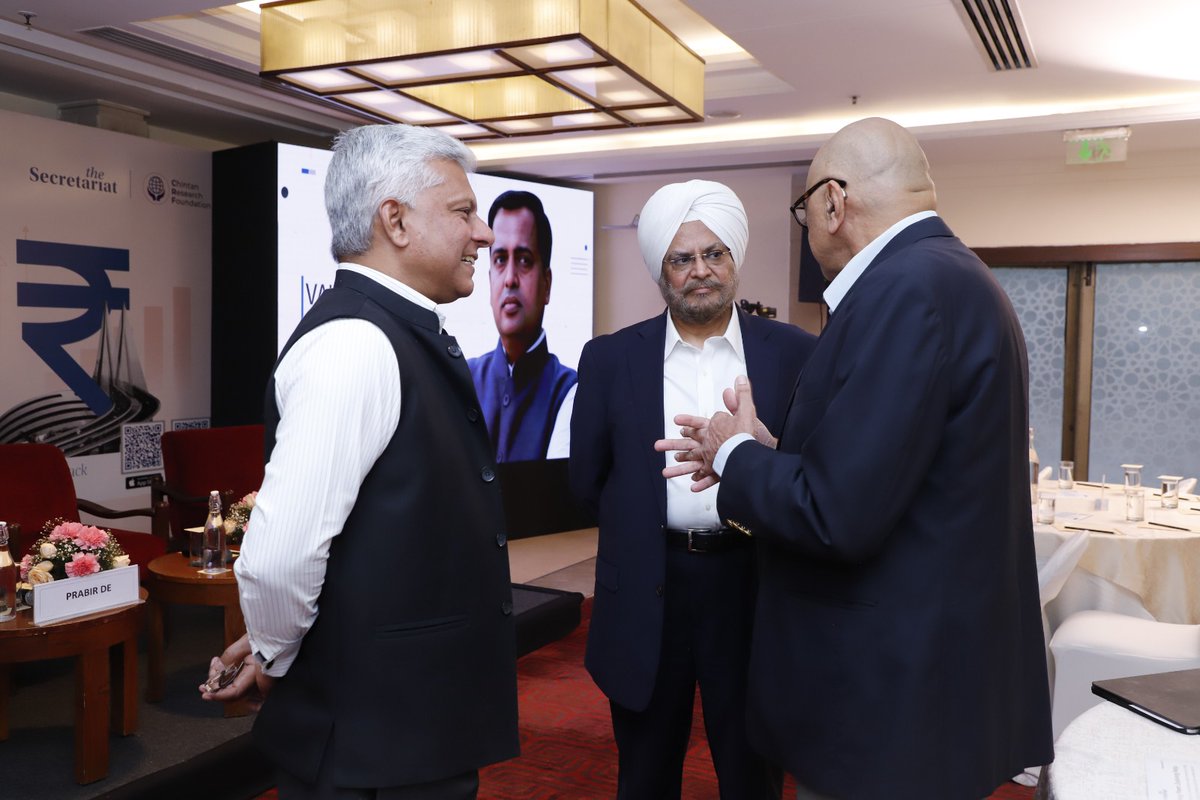
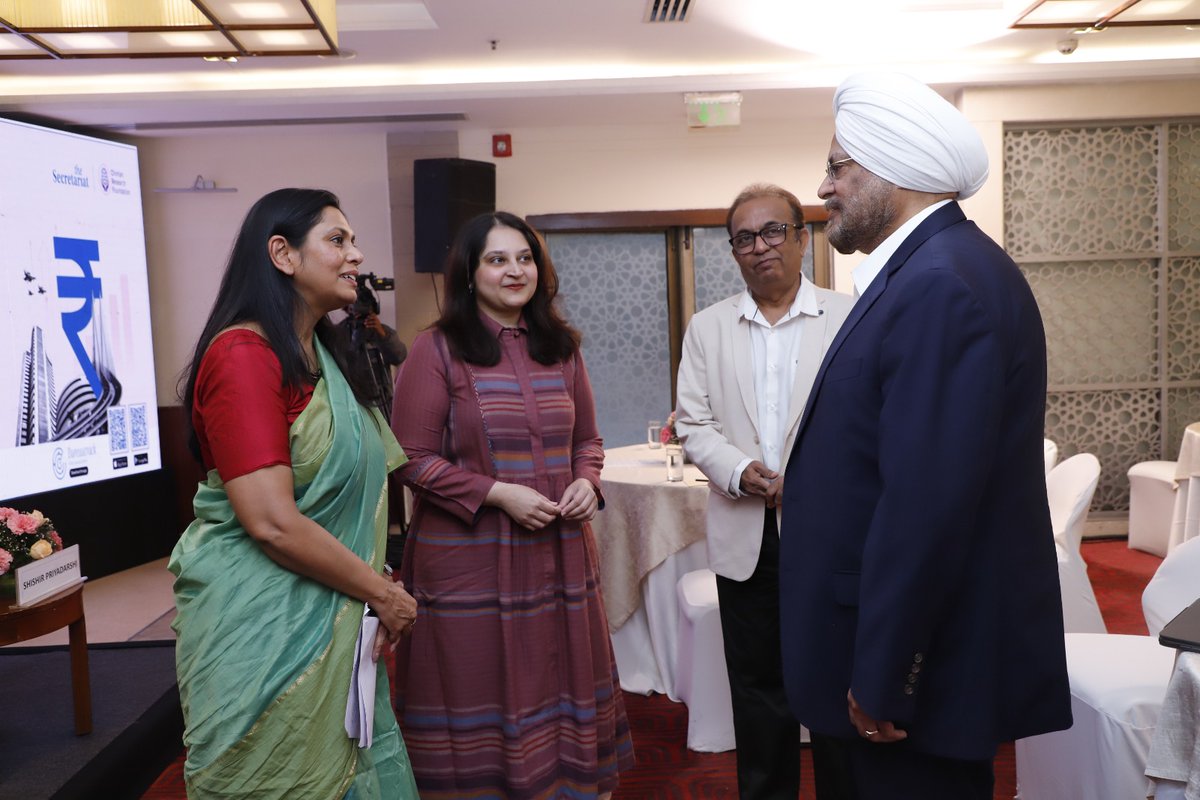
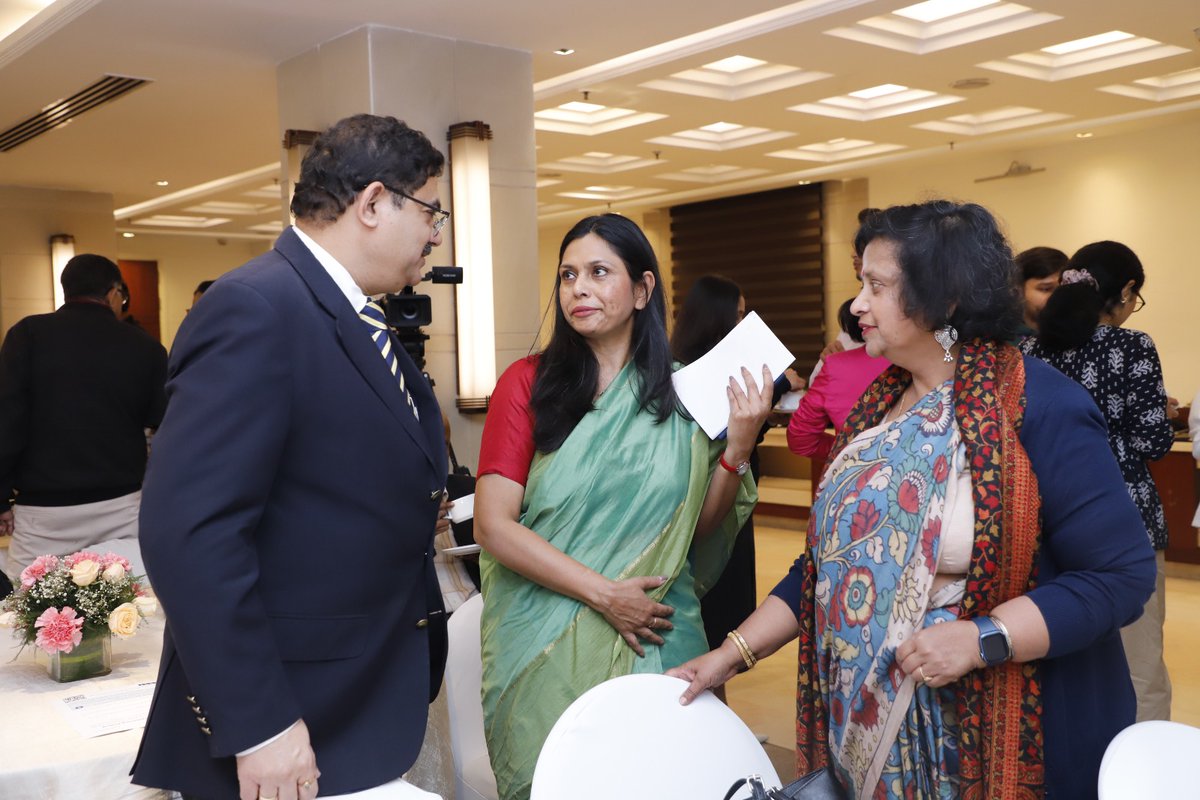
Senior policymakers and industry leaders engaged in high-level deliberations and interactive sessions during the policy dialogue hosted by The Secretariat in collaboration with Chintan Research Foundation, at India Habitat Centre on February 18.
@Bidishabh
@ChintanResearch
@MahuaVenkatesh
@priyadarshi_crf
@Prabir_India
@vaibhav_74
@partners_primus
@Ahlurahul
@sanjeevahlu
#indiaeconomy #indiagrowth #indianeconomy #gdpgrowthrate
#viksitbharat #india2047 #economicreforms #makeinindia #infrastructuregrowth #SupplyChain #GlobalEconomy #ExportStrategy
#TradePolicy #Geopolitics #ManufacturingIndia
6
64
Feb 19
India’s 2047 Masterplan, Supply Chains, FTAs & Strategic Autonomy Explained | Session 2
Are geopolitics, sanctions, and AI reshaping the global order?
Top diplomats, economists & industry leaders decode India’s rise amid global disruption, exploring the shifting power dynamics between the US, China, and Russia.
Strategic autonomy, supply chain resilience & mineral security will define the next decade.
This session is a must-watch for those wanting to decode India's growth trajectory and the roadmap to Mission 2047.
@Bidishabh
@ChintanResearch
@MahuaVenkatesh
@priyadarshi_crf
@Prabir_India
@vaibhav_74
@partners_primus
@Ahlurahul
@sanjeevahlu
youtube.com/watch?v=LC7vvRal…
#indiaeconomy #indiagrowth #indianeconomy #gdpgrowthrate
#viksitbharat #india2047 #economicreforms #makeinindia #infrastructuregrowth #SupplyChain #GlobalEconomy #ExportStrategy
#TradePolicy #Geopolitics #ManufacturingIndia
3
7
407
Jan 31
BUSINESS
Uncertainty shocks, firms’ actions
Click- dailypioneer.com/news/uncert…
#EconomicSurvey2025 #UnionBudget2026 #BusinessAnalysis #IndianEconomy #PolicyReview #EconomicShocks #MidSizedFirms #MSMEs #SmallBusinessResilience #LargeCaps #CorporateInvestment #BusinessGrowth #SMEIndia #ManufacturingIndia #ServicesSector #Capex #FixedAssets #IndustrialGrowth #SupplyChainDisruptions #Engineering #Geopolitics #GlobalUncertainty #ExportStrategy #TradeDynamics #UncertaintyShocks #ForeignTrade #Exporters #CapitalExpenditure #ResearchAndDevelopment #InvestmentTrends #AssetSize #InnovationIndia #CorporateStrategy #Agility #ResourceBuffers #FinancialStability #IndiaResilient #MacroEconomy #EconomicVulnerability
5
70

Q1 is the perfect time to evaluate, strategize, and position. 🎯
We're curious: What's the ONE thing you're doing this month to boost your exports this year?
Reply and let's share insights 👇
#NewYearNewGoals #ExportStrategy #2026Planning #AfricanBusiness #SellerAfrica
#DO
7
25

Jan 11
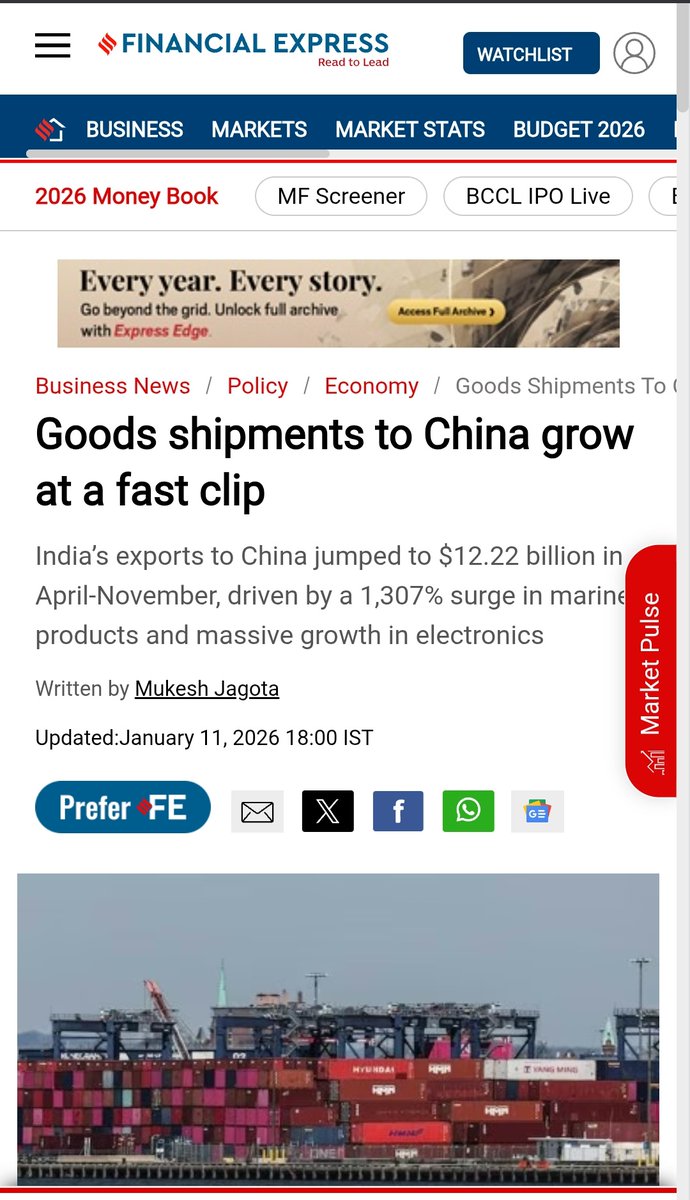
India’s Strategic Win Amid US Tariff Pressure: Rising Exports to China and a Shift in Global Economics
A long-pending anti-India bill has finally received approval to be introduced in the US Parliament. Under this proposed legislation, countries that purchase crude oil from Russia could face extremely high American tariffs. For India, fears were raised that existing tariffs of 50% could rise tenfold to nearly 500%. This created serious concern for Indian exporters and the broader economy.
However, amid this uncertainty, a major development has emerged that has the potential to completely alter the narrative.
Despite a global economic slowdown, India’s exports to China are growing at an extraordinary pace. Recent reports indicate that Indian exports to China have surged by 33%, with goods worth over 12 billion dollars already sold in the Chinese market. More importantly, this growth is expected to accelerate further in the coming months.
The primary reason behind this surge lies in products that China cannot sufficiently manufacture on its own, regardless of intent.
The most prominent among these is the seafood sector. Since China opened its market to Indian seafood such as fish, shrimp, and other marine products, export growth in this category has reached an astonishing 1200%. China’s massive population, rising income levels, and changing consumption habits have turned seafood from a luxury into a preferred dietary choice. Domestic production is unable to meet this growing demand, making imports from India unavoidable.
Alongside seafood, the electronics sector has emerged as another critical pillar. Circuit boards and related electronic components are areas where China heavily depends on India. In just the past few months, Chinese traders have purchased circuit boards worth over 1 billion dollars from India, with exports of associated electronic equipment also on the rise. In addition, India is identifying niche products that may seem insignificant domestically but hold high value and popularity in the Chinese market. Exporters are being incentivized to focus on such products to offset potential losses caused by American tariffs.
The momentum does not stop there. India has also identified several metals that are in strong demand within China’s heavy industries, including aluminum, refined copper billets, and agriculture-based industrial metals. Exports in these categories are expected to grow sharply, potentially surprising global observers in the near future.
A natural question arises: why would China, often seen as a strategic rival to India, open its market so widely? The answer lies in pragmatic trade-offs. After the Galwan Valley clash in 2020, Chinese companies were barred from participating in Indian contracts. Now, India’s finance authorities are considering limited relaxations, particularly for certain government and private infrastructure projects such as roads, bridges, and large construction initiatives.
China’s construction sector has been severely hit by its real estate crisis, leading to widespread bankruptcies. India, with its massive and rapidly expanding infrastructure ambitions, represents a vital opportunity for Chinese firms.
This evolving scenario highlights a broader strategic lesson. International relations are ultimately driven by long-term national interests rather than emotions alone.
Even amid rivalry and mistrust, nations often choose negotiation and cooperation when circumstances demand it. India’s ability to diversify export markets and adapt to shifting global dynamics demonstrates a balanced and realistic approach to safeguarding its economic future.
#IndiaTrade
#GlobalEconomy
#ExportStrategy
1
4
166

29 Dec 2025
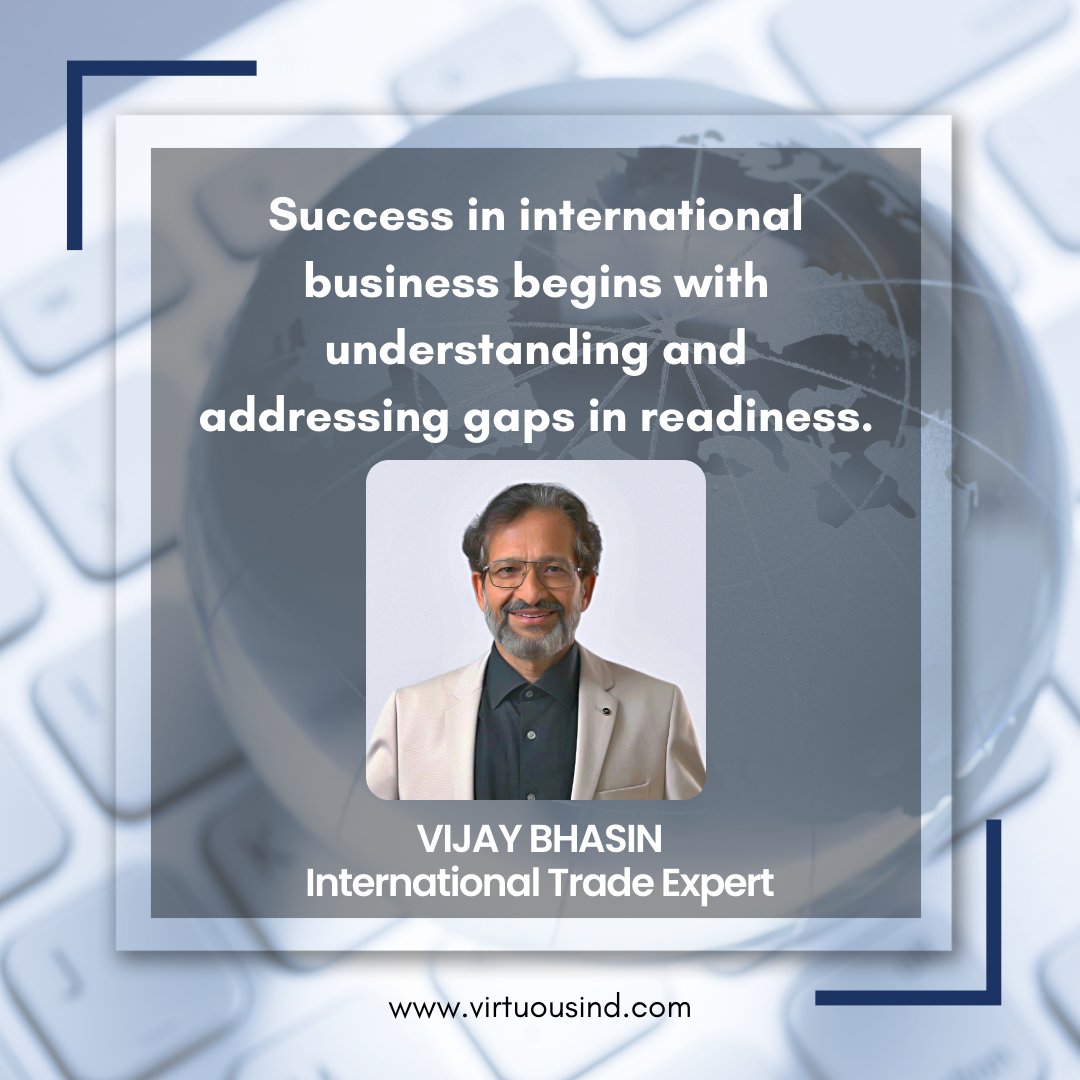
Success in international business begins with understanding and addressing gaps in readiness.
#InternationalBusiness #GlobalTradeReadiness #ExportStrategy #MarketReadiness #BusinessPreparedness #GoGlobalSmart #TradeInsights #GlobalExpansion #MSMEExports #StrategicGrowth
2
6
23 Dec 2025
Despite global headwinds, India’s textile exporters are holding their grounds.
Rising tariffs and uncertainty have pushed exporters to diversify beyond the US, with Europe, Japan, Argentina, and Africa emerging as key alternative markets. Multiple trade agreements are helping the sector gain momentum, but quality compliance remains a critical challenge India must address to stay globally competitive.
#IndiaTextiles #ExportGrowth #TradeDiversification #GlobalTrade #MadeInIndia #TextileExports #SupplyChainShift #TradeAgreements #ExportStrategy #EconomicResilience

3
5
114