
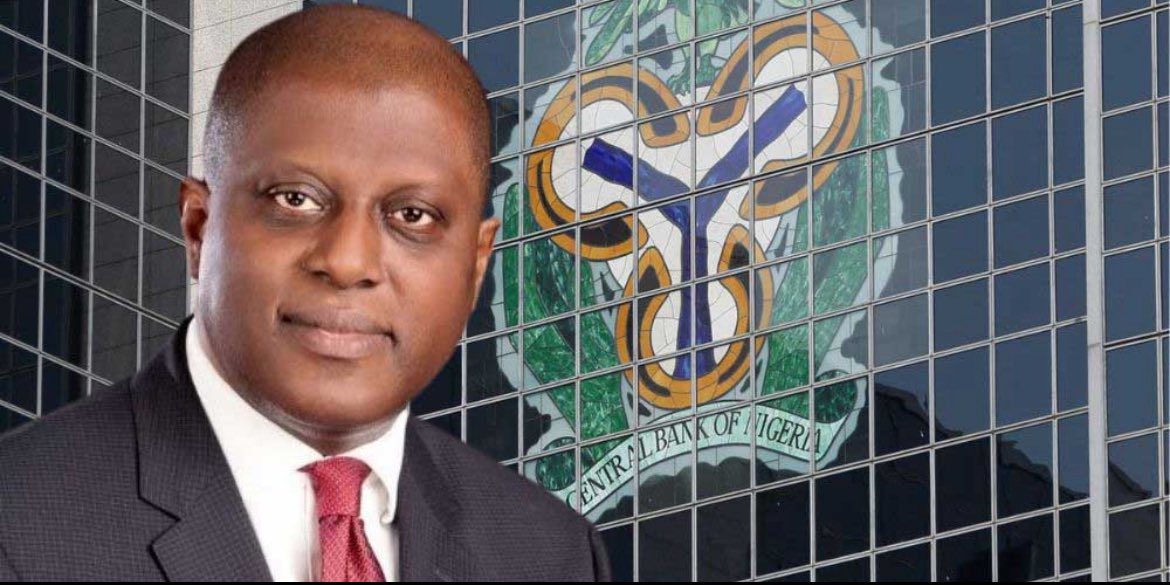
Nigeria’s external reserves have climbed above $46 billion, reaching their highest level in eight years. The milestone strengthens macroeconomic stability, supports the naira, boosts Nigeria’s capacity to meet external obligations and reinforces investor confidence in the economy.
The rise reflects the impact of ongoing reforms under President Bola Ahmed Tinubu. Despite early challenges, the measures are delivering measurable results, positioning Nigeria on a path of sustained recovery, renewed financial strength and improved global credibility.
#NigeriaEconomy #ExternalReserves #EconomicReforms #MacroeconomicStability #Naira #InvestorConfidence #FiscalPolicy #EconomicRecovery #FinancialStrength #GlobalCredibility

2
2
70

Jan 25
Nigeria’s external reserves have crossed $46 billion ➡️ the highest level in nearly 8 years.
Crossing $46bn in external reserves is more than a headline, it has real economic implications if managed well.
How it improves the economy
🔹Stronger naira support: Higher reserves give the CBN firepower to intervene in FX markets, reducing sharp volatility and speculative attacks.
🔹Investor confidence: Foreign investors look at reserves as a safety signal. Strong buffers attract capital, lower country risk, and improve access to global financing.
🔹Import stability: Nigeria relies heavily on imports (fuel, food, machinery). Healthy reserves mean smoother payments and fewer supply shocks.
🔹Debt credibility: It improves Nigeria’s ability to service external debt, lowering default fears and future borrowing costs.
🔹Policy breathing room: Government and CBN get more flexibility to implement reforms without immediate FX pressure.
What it means for the average consumer
🔹Slower inflation growth: A more stable naira reduces the cost of imported goods food, fuel, medicine, electronics.
🔹Price predictability: Businesses can plan better, reducing panic pricing and frequent price hikes.
🔹Job creation (indirect): Improved FX access helps manufacturers operate consistently, protecting and creating jobs.
🔹Lower pressure on household income: When inflation eases, purchasing power stops eroding as fast.
💥The key truth
Reserves alone don’t fix the economy.
If not backed by productive exports, transparency, and structural reforms, the relief will be temporary.
Strong reserves are potential energy.
Good policy turns it into real power for the people.
#NigeriaEconomy
#ExternalReserves
10
18
30
1,016

16 Nov 2025
Nigeria’s usable external reserves increased as the nation’s gross balance climbed to $43.535 billion, as per the Central Bank (CBN)’s latest update
dmarketforces.com/short-term…
#ExternalReserves
2
72

23 Sep 2025
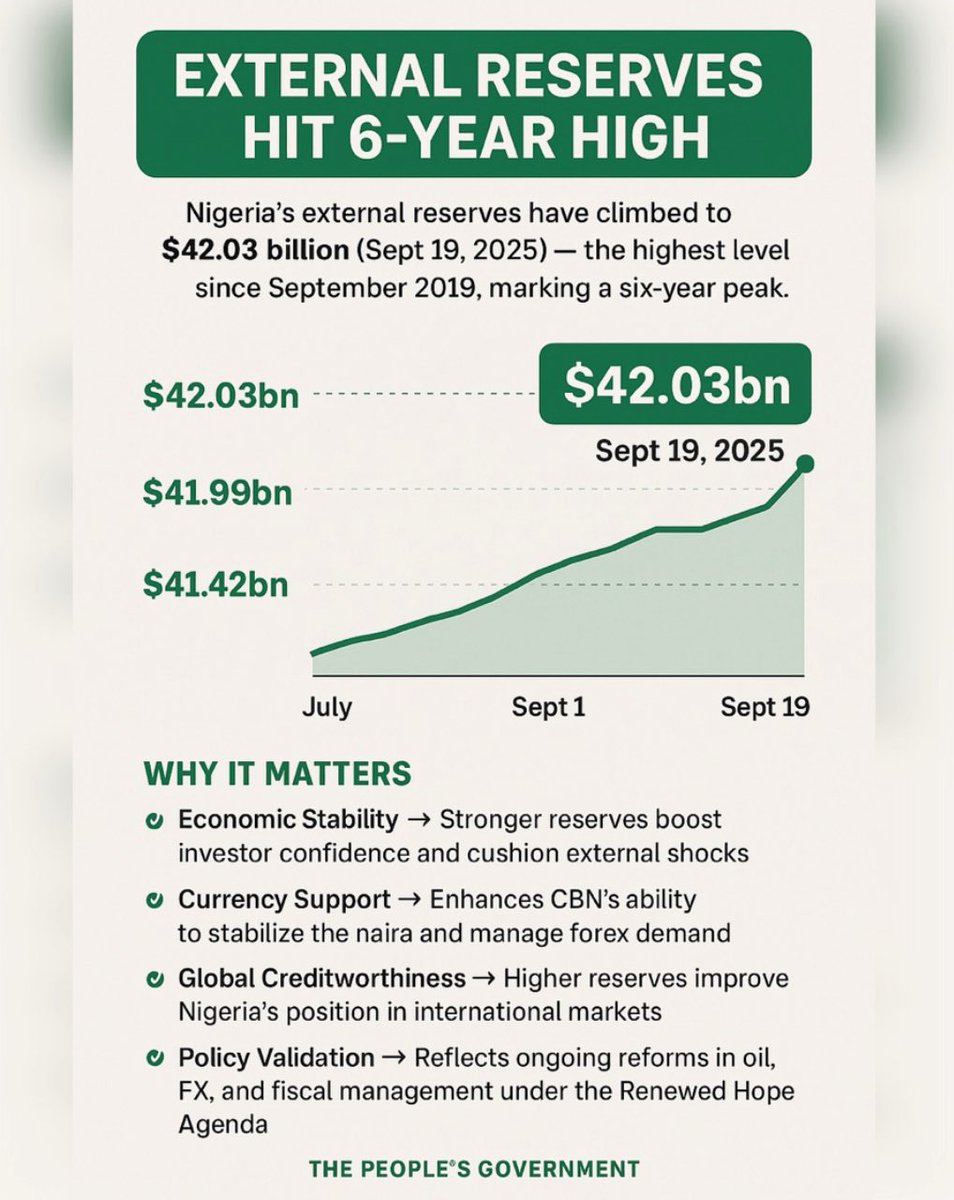
EXTERNAL RESERVES HIT 6-YEAR HIGH 💵🌍
Nigeria’s external reserves have climbed to $42.03 billion (Sept 19, 2025) — the highest level since September 2019, marking a six-year peak.
📌 The Numbers
•$42.03bn on Sept 19, up from $41.99bn the previous day.
•Well above $41.42bn recorded at the start of September.
•Last time reserves were higher: Sept 26, 2019 ($42.05bn).
•Gains fueled by sustained rally since July, accelerating this month.
✅ Why It Matters
•Economic Stability → Stronger reserves boost investor confidence and cushion external shocks.
•Currency Support → Enhances CBN’s ability to stabilize the naira and manage forex demand.
•Global Creditworthiness → Higher reserves improve Nigeria’s position in international markets.
•Policy Validation → Reflects ongoing reforms in oil, FX, and fiscal management under the Renewed Hope Agenda.
Nigeria’s external buffers are strengthening — a vital step towards deeper macroeconomic stability and sustainable growth.
— The People’s Government
#ThePeoplesGovernment #ExternalReserves #EconomyUpdate #TPG
2
4
26

14 Sep 2025
The pavilion of the External State Reserves Office, affiliated with the Ministry of Environment and Climate Change, at the Katara International Hunting and Falconry Exhibition "Suhail 2025," welcomed a visit from an Emirati delegation led by Saud Abdulaziz Al Hosani, Undersecretary of the Department of Culture and Tourism, accompanied by Mr. Mohammed Khalifa Al Nuaimi from the Presidential Court – Special Hunting and Reserves Affairs Program, along with their delegation.
During the visit, the delegation was introduced to the office’s responsibilities in managing external reserves. They also explored the informational section dedicated to the Rawdat Al Faras Center for Houbara Bustard Breeding and learned about the veterinary techniques used there, which reflect Qatar’s efforts to protect this bird and promote the sustainability of wildlife.
#Qatar #Suhail2025 #Katara #Falconry #WildlifeConservation #Houbara #Sustainability #QatarEnvironment #ExternalReserves #CultureAndTourism #QatarUAE #QatarExhibitions #KataraCulturalVillage #MOECC

1
411

27 Nov 2024
Governor Cardoso puts Nigeria’s external reserves at $40.88 Billion as of November 2024, enough to cover 17 months of imports, signalling more robust external sector performance despite global challenges. #ExternalReserves 8/12
1
1
109
26 Nov 2024
CBN Governor Cardoso puts Nigeria’s external reserves at $40.88 Billion as of November 2024, enough to cover 17 months of imports, signalling more robust external sector performance despite global challenges. #ExternalReserves 8/12
1
2
1
282

14 Oct 2024
Why rising external reserves fail to stabilise Naira
#naira #externalreserves #cbn #fxmarket #nafem #businessday
businessday.ng/business-econ…
1
3
3
561

9 Jul 2024
Our Partner and Head of Transfer Pricing, Josh Bamfo, Ph.D. Bamfo, will be speaking on Channels Television today, July 9th, 2024, at 10 AM. He will be discussing the critical topic of "Nigeria External Reserves Issues." Don't miss this insightful discussion!
#ExternalReserves

2
2
51
30 Mar 2023
Naira gains as external reserves rise by 2.9%
#naira #nairagain #externalreserves #businessday
businessday.ng/business-econ…
1
1
393

9 Mar 2023
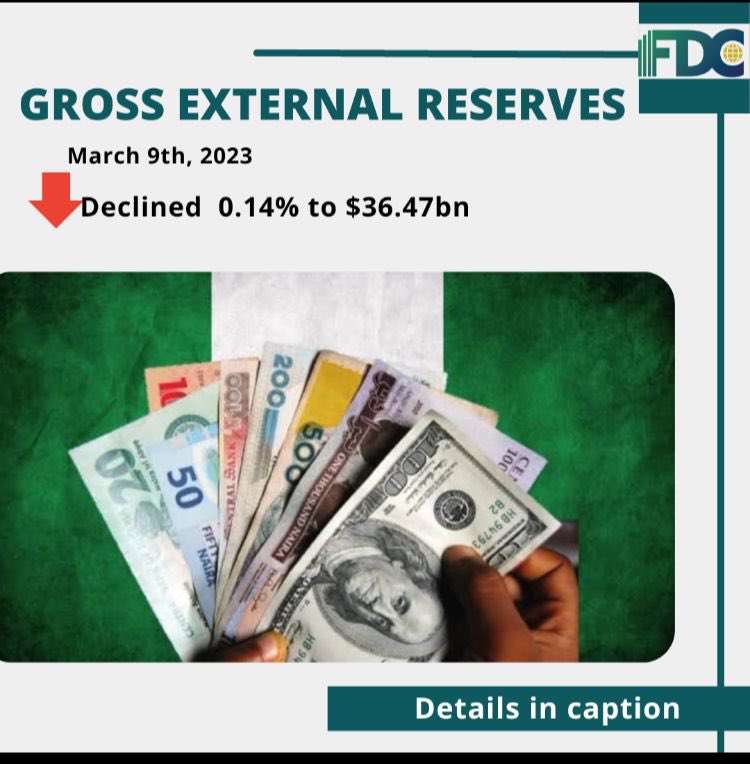
The level of Nigeria’s gross external reserves declined by 0.14% (50mn) to $36.47bn on March 07 from $36.52bn on March 06. Cumulative depletion in March so far is $210mn compared to depletion of $140mn in the same period in February.
#externalreserves
3
302
12 Oct 2022
Explainer: Nigeria’s external reserves invested or idle?
#Naira #usd #dollar #businessday #externalreserves businessday.ng/energy/oiland…

🔗 lnkd.in/eNQgGPPJ
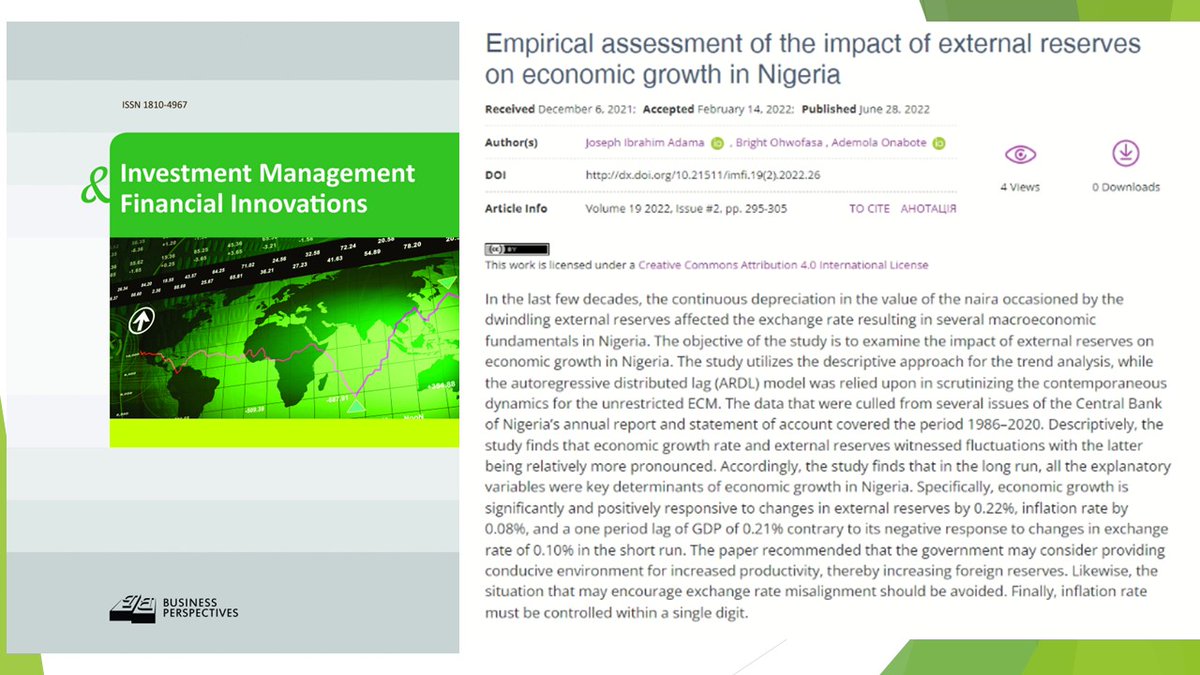
📘Empirical assessment of the impact of external #reserves on economic growth in Nigeria
👥 Joseph Ibrahim Adama , Bright Ohwofasa , Ademola Onabote
#ARDLmodel, #economicgrowth, #externalreserves, #tradeopenness
2
6

14 Jun 2021
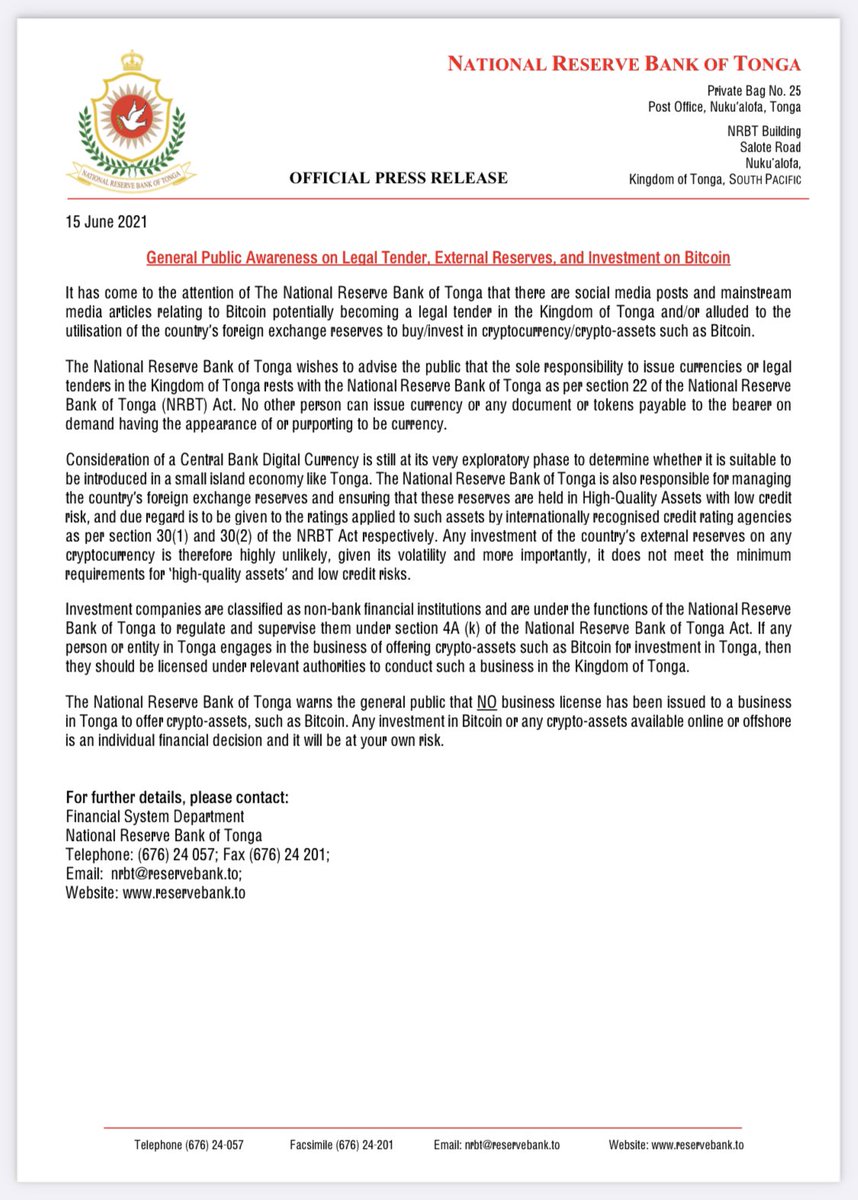
National Reserve Bank of Tongaʻs PR on #legaltender #externalreserves and #bitcoin for awareness‼️ #tonga #reservebank
10
28

6 May 2020
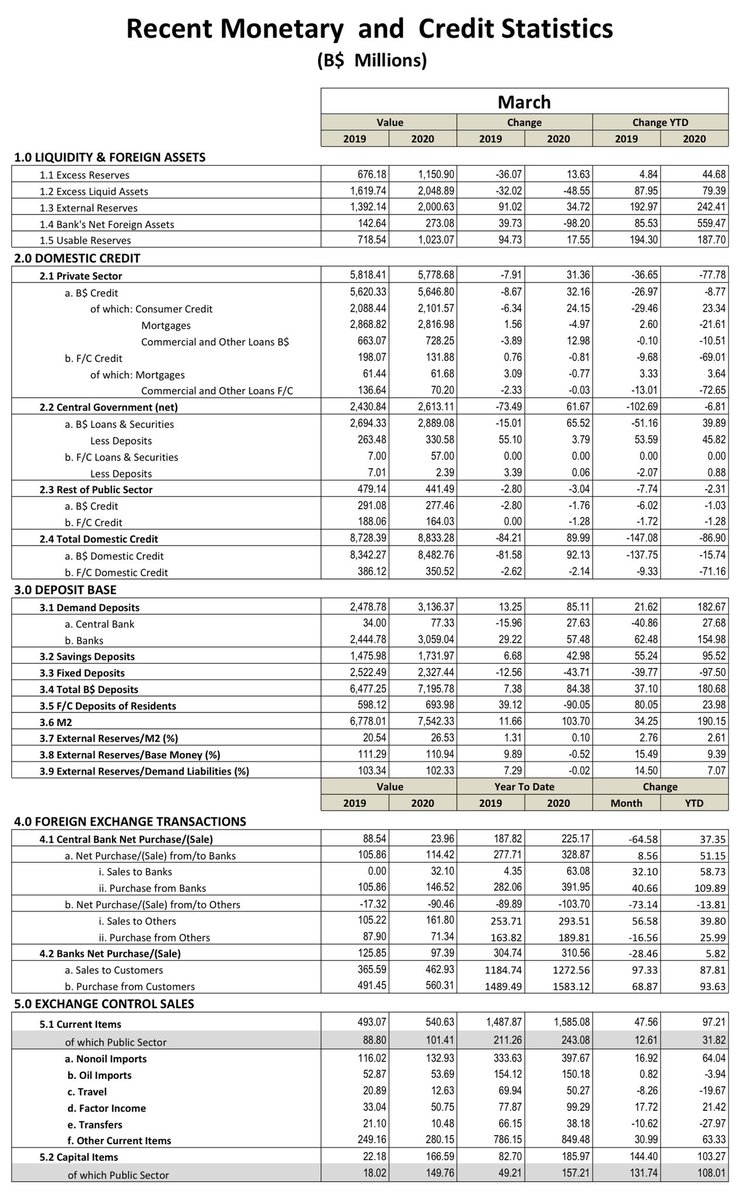
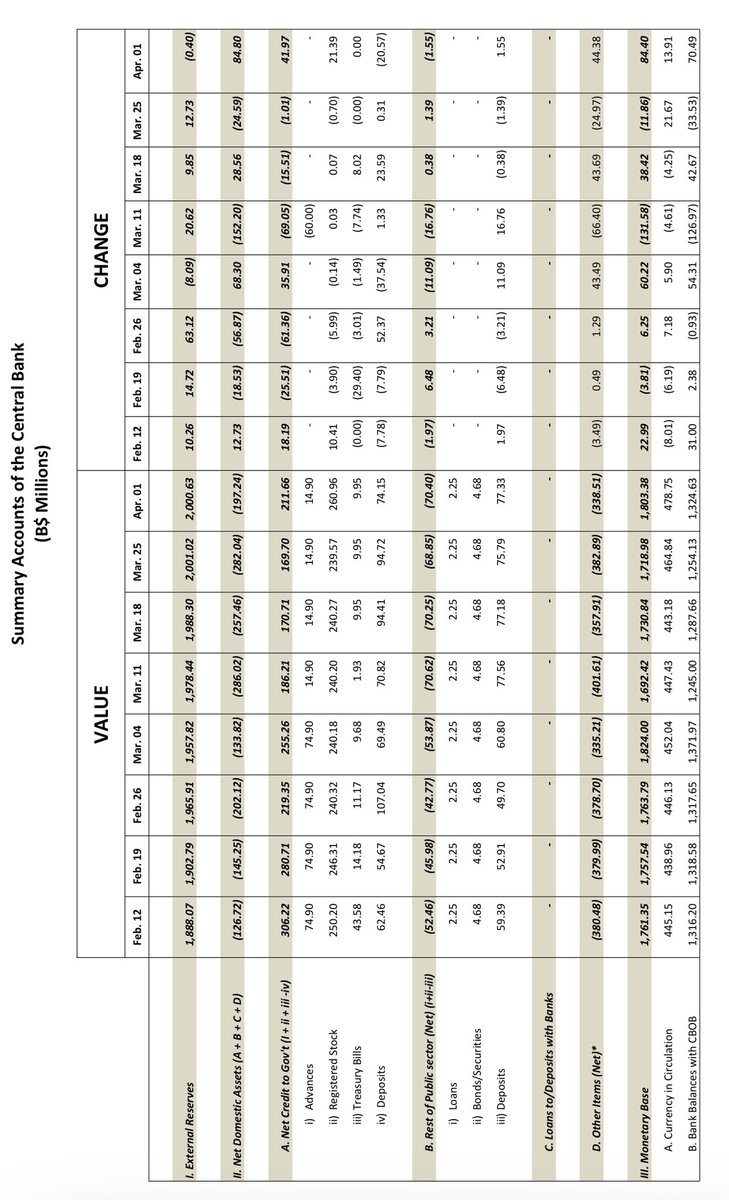
For the #Bahamas’ banking sector, data is tracked daily or weekly, & published monthly. Key drivers of policy responses are on just two charts. Get to know them! bit.ly/2xJ3Bxs
#CreditGrowth, #MoneyGrowth, #ForexTrends, #ExternalReserves, #ImportSpending, #Liquidity
4
2

The steady decline in #Nigeria's #externalreserves has sparked fresh concern around the country's ##exchangerate regime. The principal reason for the trend decline has been the exit of foreign portfolio investors. #FBNQuestResearch

1
4

30 Nov 2019
#ExternalReserves in Focus:
While CBN says the drop in reserves below $40billion should not cause any panic. Do you also know that the position can only cover 5Mths imports ( Goods & Services)?
====
External #FX Reserves is now stood at $39.8 billion - 2Yrs low
3
3

8 Aug 2019
Nigeria’s #externalreserves slip below $45 billion in just two months
nairametrics.com/2019/08/07/…
2
1

15 Jan 2019
With the implementation of the ERGP, the nation's external reserves have nearly doubled since September 2016, from $23.81 billion to $43 billion by early December 2018
.
.
#ERGP
#NigeriaFirst
#Theplanisworking
#ExternalReserves
#EconomicPlan
#JobCreation
#ForeignReserves
1
4
11