
Jun 11
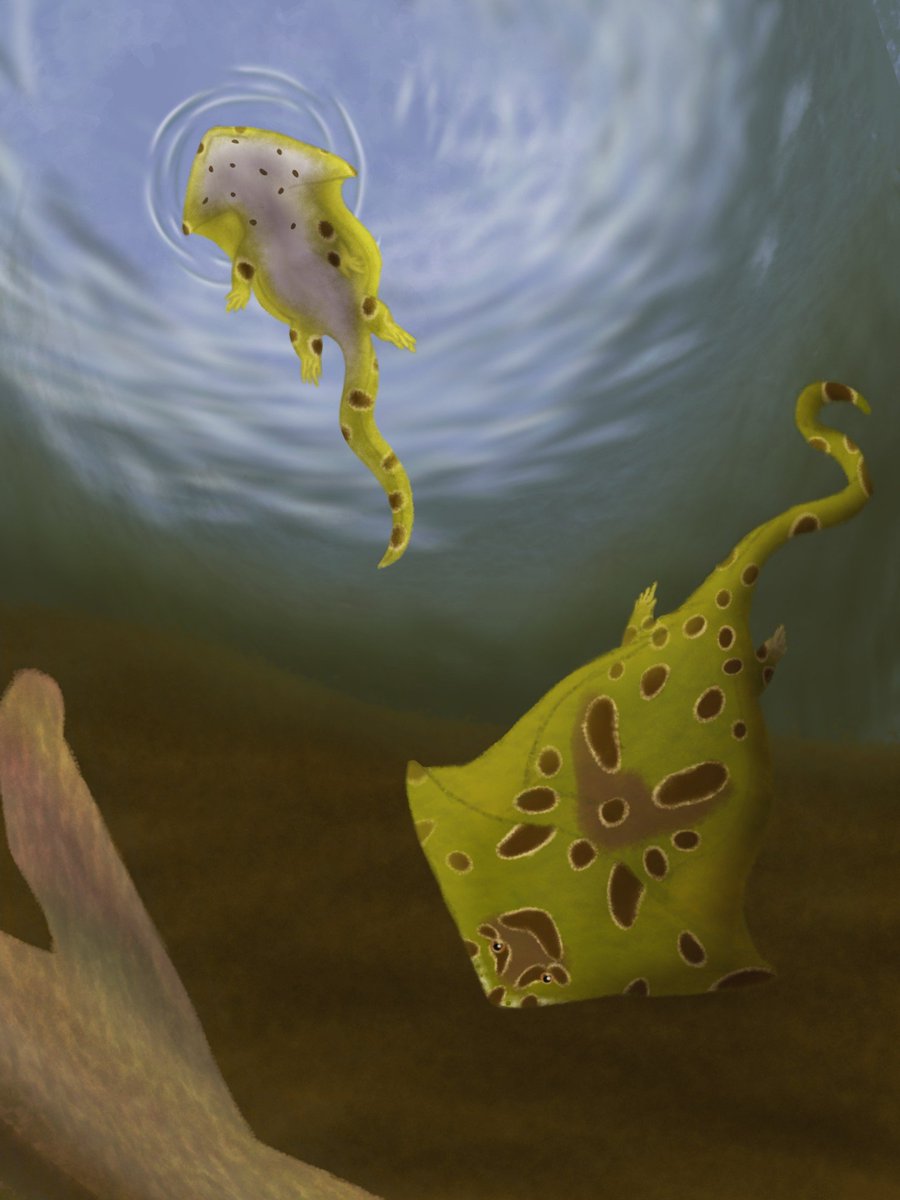
What would you do if you saw this strange amphibian swimming beneath your boat 300 million years ago? 🌊🦎 Meet #diplocaulus, one of prehistory's most unique creatures.
#Paleoart #Carboniferous #PrehistoricLife #Paleontology #ExtinctAnimals #digitalart
1
35
235
2,104

A Texas biotech just made history — hatching 26 healthy chicks from fully artificial eggs with no shell and no hen. Colossal Biosciences used 3D-printed structures and silicone membranes to pull it off.
#ColossalBiosciences #DeExtinction #GiantMoa #ArtificialEgg #Biotech #ScienceNews #ExtinctAnimals #BiotechBreakthrough
9
15
2,302

May 10
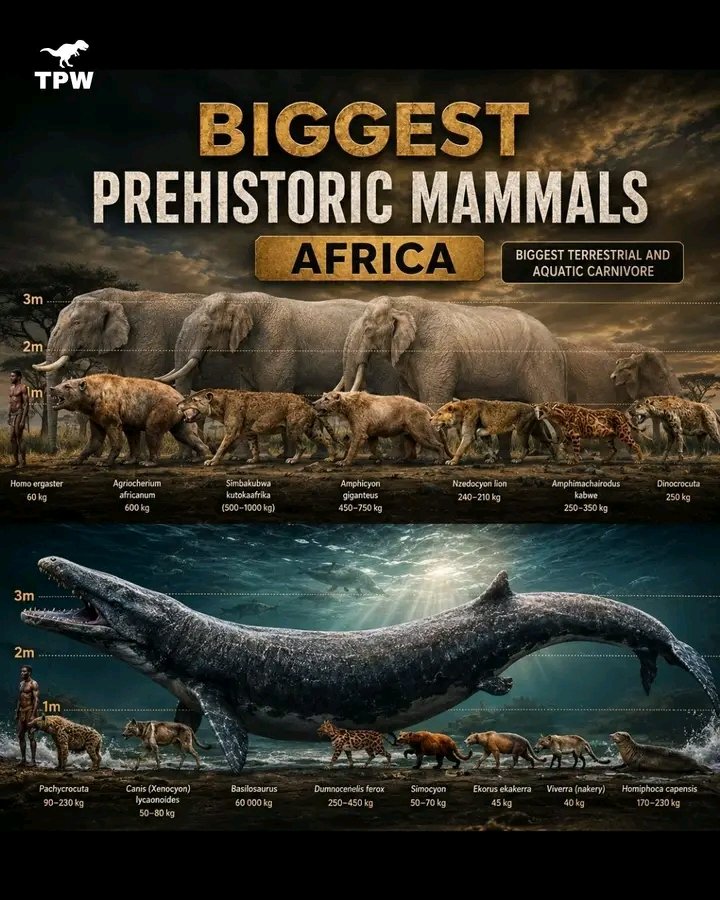
Long after the dinosaurs vanished, Africa became a stage for some of the most powerful mammalian predators to ever exist. These were not just hunters. They were apex rulers that shaped entire ecosystems with strength, intelligence, and survival instincts.
One of the most formidable was Megistotherium, a giant member of the extinct hyaenodonts that lived around 23 million years ago during the Miocene. With a skull over a metre long and an estimated body weight that may have exceeded 500 kilograms, it was among the largest land carnivorous mammals ever discovered. Its crushing jaws were built for bone, allowing it to dominate prey and scavenge with ease.
Another terrifying predator was Hyainailouros, a close relative of Megistotherium. This animal stretched several metres in length and combined power with surprising mobility. It likely hunted large herbivores, using ambush and strength rather than speed alone. These hyaenodonts were not related to modern hyenas, despite the similarity in name. They represent a completely different evolutionary path that eventually disappeared.
Africa also hosted early relatives of modern carnivores. Dinofelis, often called a false sabre toothed cat, roamed parts of Africa during the Pliocene. It had elongated canine teeth and a muscular build, making it a specialised predator capable of taking down sizeable prey. Later, true sabre toothed cats such as Megantereon appeared, refining these deadly adaptations even further.
What makes these predators fascinating is how they reflect a period of evolutionary experimentation. After the extinction of the dinosaurs, mammals rapidly diversified, filling ecological roles once held by reptiles. In Africa, this led to a mix of ancient lineages like hyaenodonts and more modern carnivores competing for dominance.
Over time, true carnivorans such as big cats and hyenas outcompeted many of these earlier predators. Changing climates and shifting environments also played a role in their decline. Yet, for millions of years, these giants stood at the top of the food chain, shaping the evolution of the animals around them.
Here is a strange and intriguing fact. Some extinct predators like Megistotherium had teeth so robust that they could crush bone more efficiently than many modern carnivores, leaving behind fossilised bite marks that still puzzle scientists today.
#ThePreHistoricWorld #paleontology #dinosaurs #jurassicworld #facts #prehistoric #africa #extinctanimals #fossils #ancientlife #earthhistory #science
#animallife
1
1
2
53
Apr 30
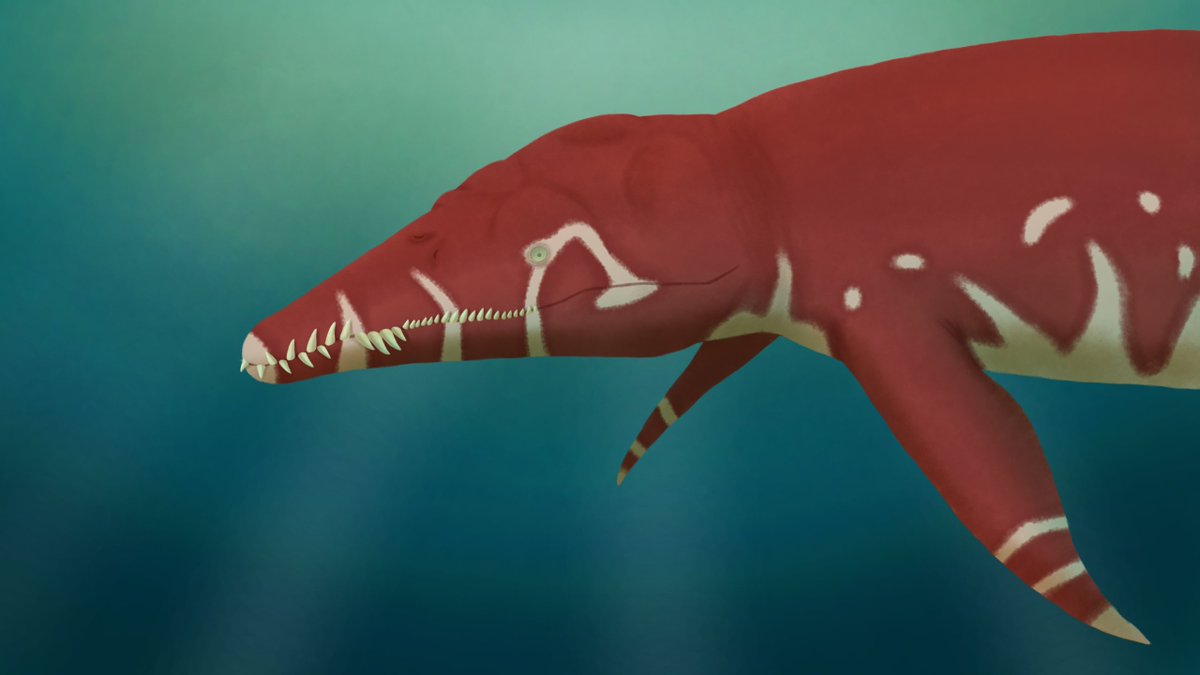
Kronosaurus ruling the ancient seas… 🐋🦴
A powerful prehistoric marine predator brought to life with a unique artistic style, blending science and creativity. What do you think?
#Paleontology #PaleoArt #DigitalArt #MarineReptile #Prehistory #creaturedesign #ExtinctAnimals
1
11
58
637

Apr 30
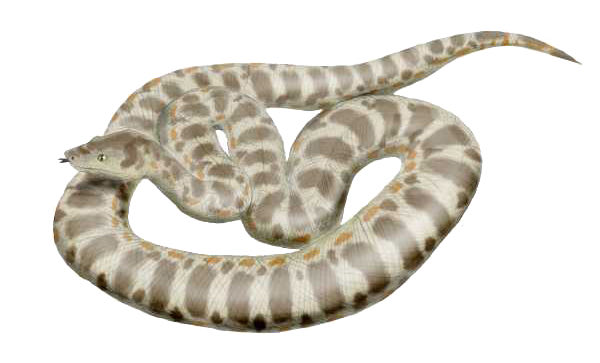
Titanoboa: genere di serpente vissuto in Sudamerica, 60 milioni di anni fa. È il più grande serpente che sia mai stato scoperto: raggiungeva i 11.5 m di lunghezza e pesava poco meno di 1000 kg.
#NaturalHistory
#ExtinctAnimals
2
4
130
Apr 29
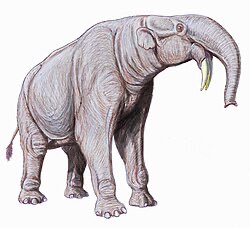
Deinotherium: genere di mammiferi erbivori vissuti tra i 15-1 mln di anni fa in Europa, Africa e Asia. Imparentati con gli elefanti ma con evidenti differenze tra cui le zanne rivolte verso il basso, il collo e un cranio differenti e dimensione ridotta orecchie.
#ExtinctAnimals
1
2
7
92
Apr 23
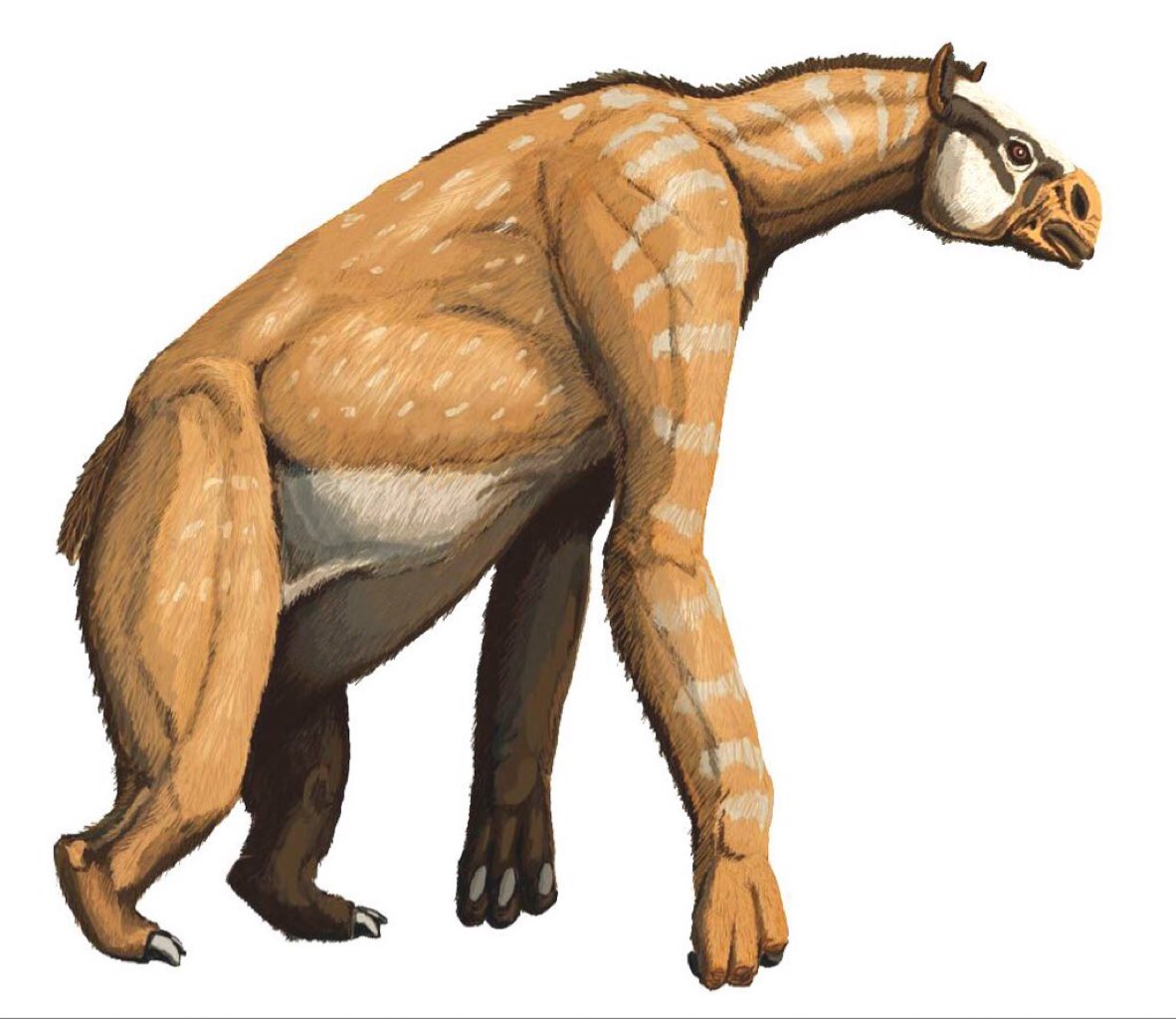
Anisodonte: mammifero erbivoro con zampe anteriori molto lunghe e artigli nonché dall’aspetto particolare. Apparteneva allo stesso ordine, Perissodattili, di cavalli e tapiri(sembra un tapiro, almeno nel volto).
Europa, Miocene.
#NaturalHistory
#ExtinctAnimals
1
2
42
Apr 22
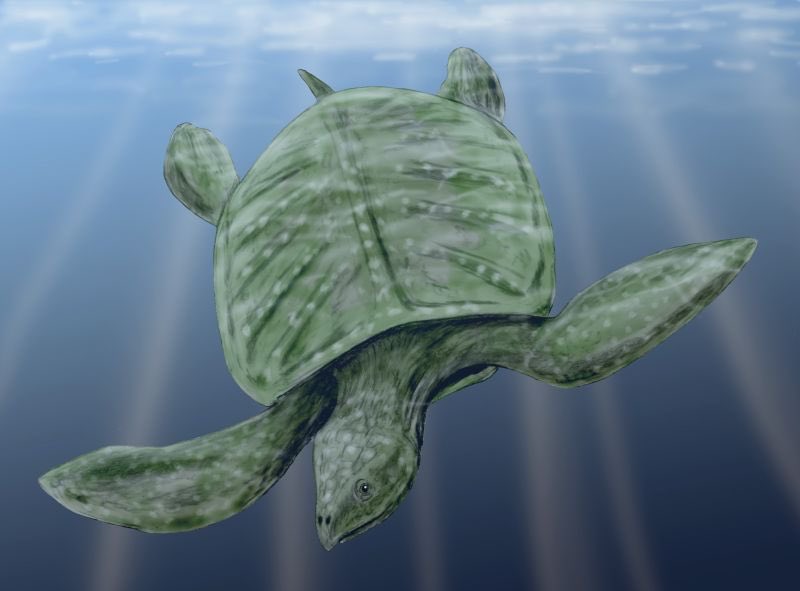
Archelon ischyros: genere di tartaruga vissuto nel Cretaceo superiore in Nord America. Lungo quattro metri e pesante più di duemila kg.
#NaturalHistory
#ExtinctAnimals
2
7
114
Apr 20
Discover the 7 most powerful lions in history — from the mighty American Lion to the legendary Asiatic Lion. Ranked from largest and most formidable to the surviving subspecies today.
#Lions #BigCats #animallife #NatureEducation #ExtinctAnimals #AsiaticLion #AmericanLion

1
3
445
Apr 20
Discover the 7 most powerful lions in history — from the mighty American Lion to the legendary Asiatic Lion. Ranked from largest and most formidable to the surviving subspecies today.
#Lions #BigCats #animallife #NatureEducation #ExtinctAnimals #AsiaticLion #AmericanLion

5
347
Apr 20
Discover the 7 most powerful lions in history — from the mighty American Lion to the legendary Asiatic Lion. Ranked from largest and most formidable to the surviving subspecies today.
#Lions #BigCats #animallife #NatureEducation #ExtinctAnimals #AsiaticLion #AmericanLion

3
4
105
Apr 19
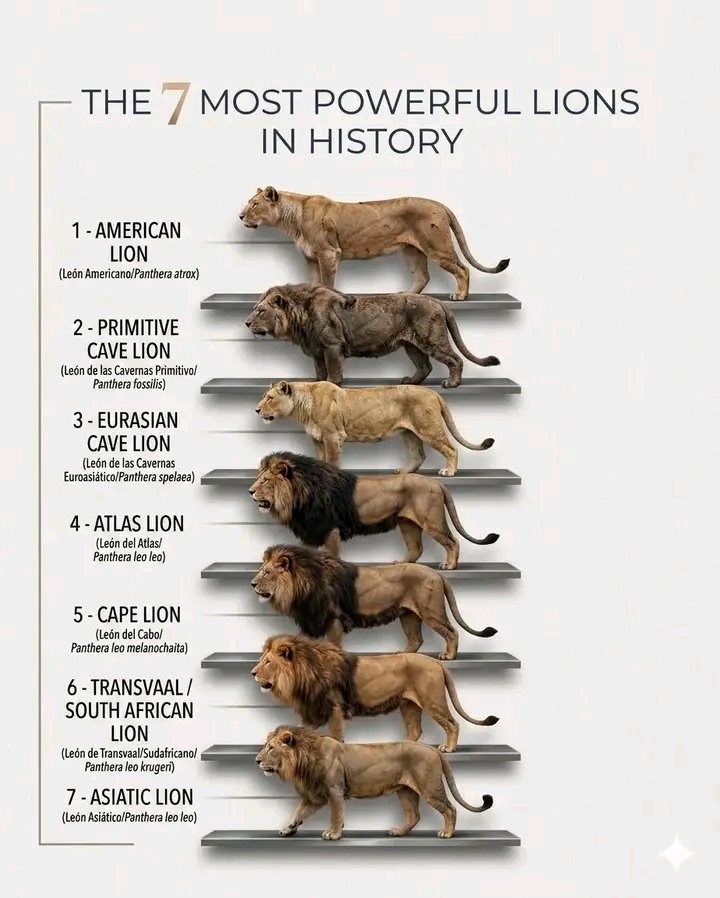
Discover the 7 most powerful lions in history — from the mighty American Lion to the legendary Asiatic Lion. Ranked from largest and most formidable to the surviving subspecies today.
#Lions #BigCats #animallife #NatureEducation #ExtinctAnimals #AsiaticLion #AmericanLion
1
5
892
Apr 19
Discover the 7 most powerful lions in history — from the mighty American Lion to the legendary Asiatic Lion. Ranked from largest and most formidable to the surviving subspecies today.
#Lions #BigCats #animallife #NatureEducation #ExtinctAnimals #AsiaticLion #AmericanLion

1
20

Apr 19
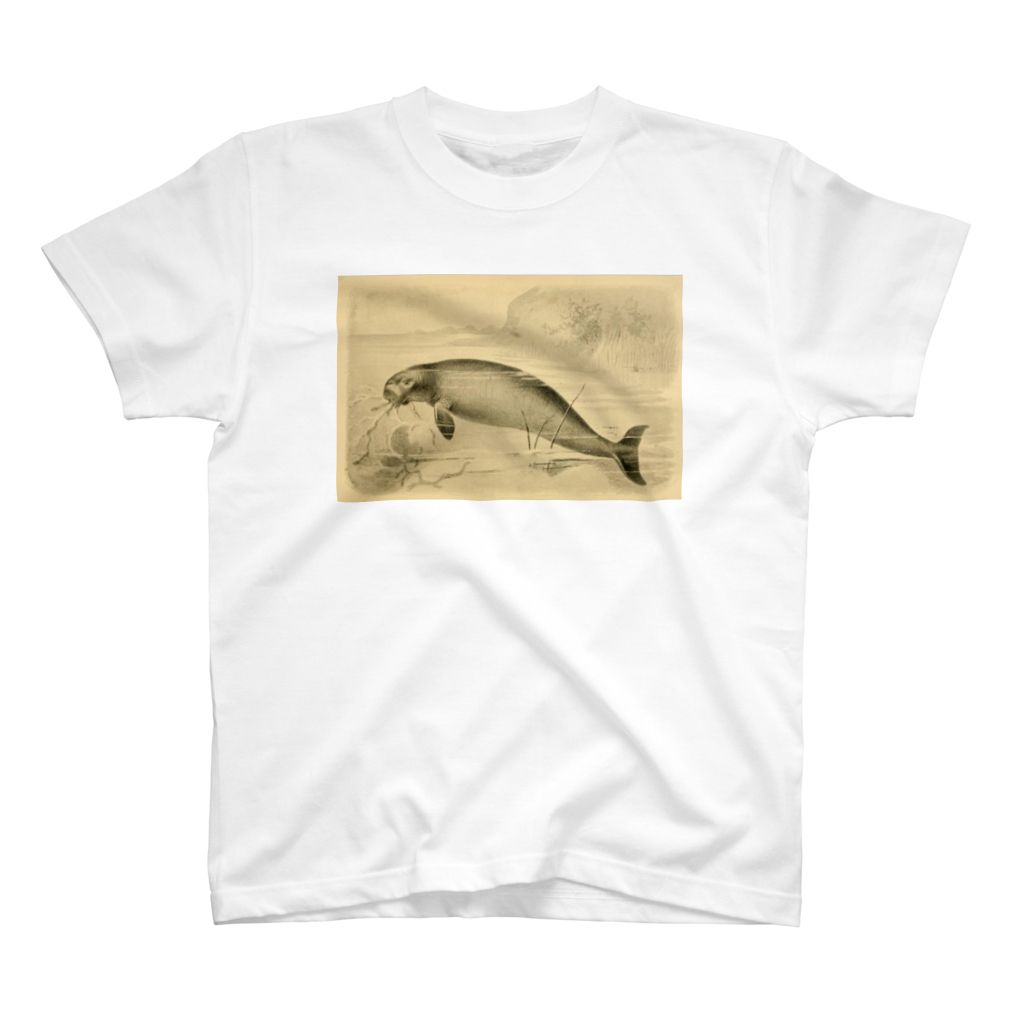
ステラーカイギュウグッズがEtsyで大好評。日本の江戸期絵師・栗本丹洲の博物画から着想したデザイン。SuzuriではTシャツ・ポスターを多数展開。リンクはリプライ欄です。
#ExtinctAnimals #LostFauna
SUZURI:suzuri.jp/lost_fauna
Etsy:etsy.com/shop/LostFauna
1
2
36
Apr 19
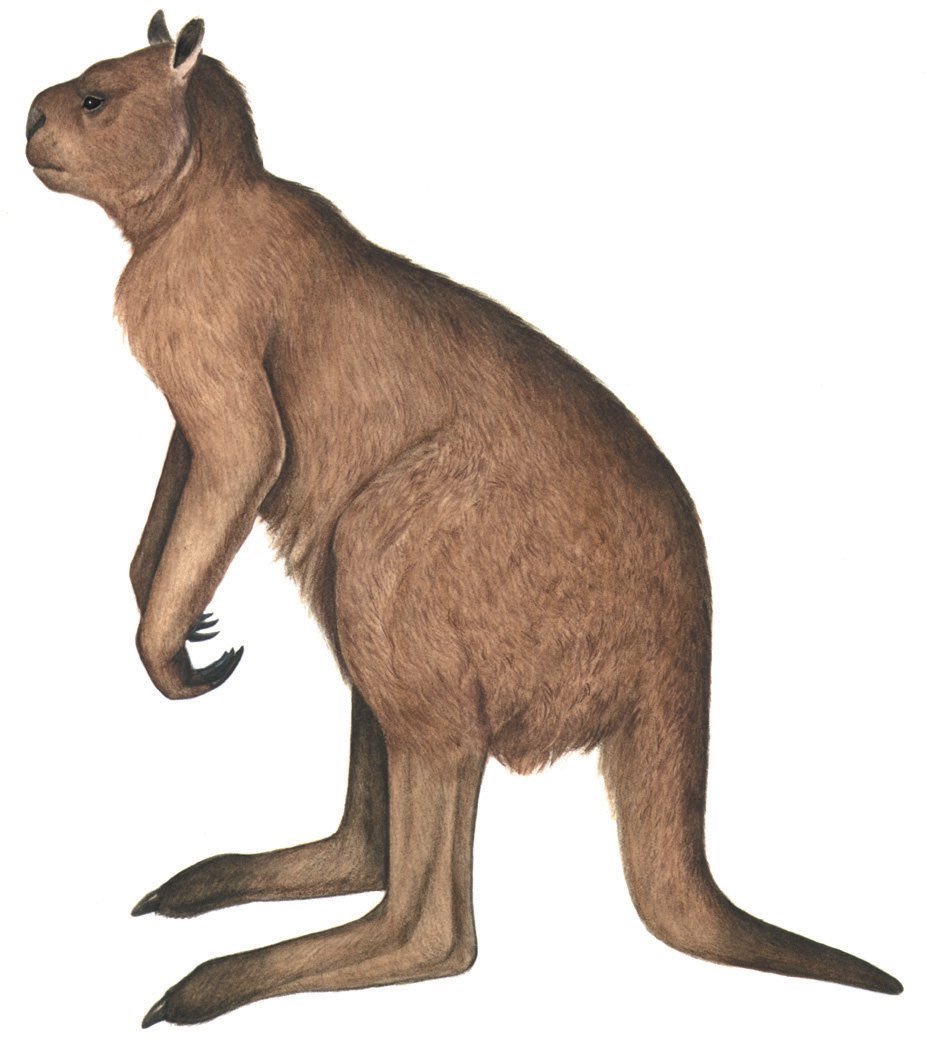
Procoptodonte: canguro preistorico gigante.
Australia, Pleistocene. Rispetto ai canguri odierni il muso era molto più corto, così come la coda.
#NaturalHistory
#ExtinctAnimals
1
1
3
48
Apr 18
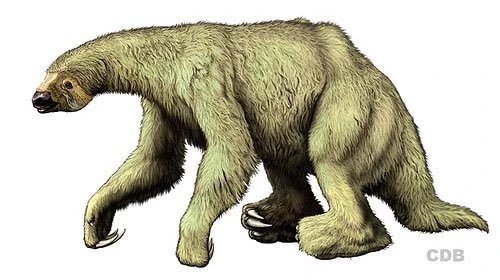
Eremotherium: genere estinto di bradipo gigante(6 metri di lunghezza e 4-5 metri d’altezza) appartenente alla famiglia dei Megatheriidae. Visse tra il Pleistocene e inizio Olocene nelle Americhe.
#NaturalHistory
#ExtinctAnimals
1
2
4
69

[youtu.be/PnxQ-hRB6rA?si=eZd4…]
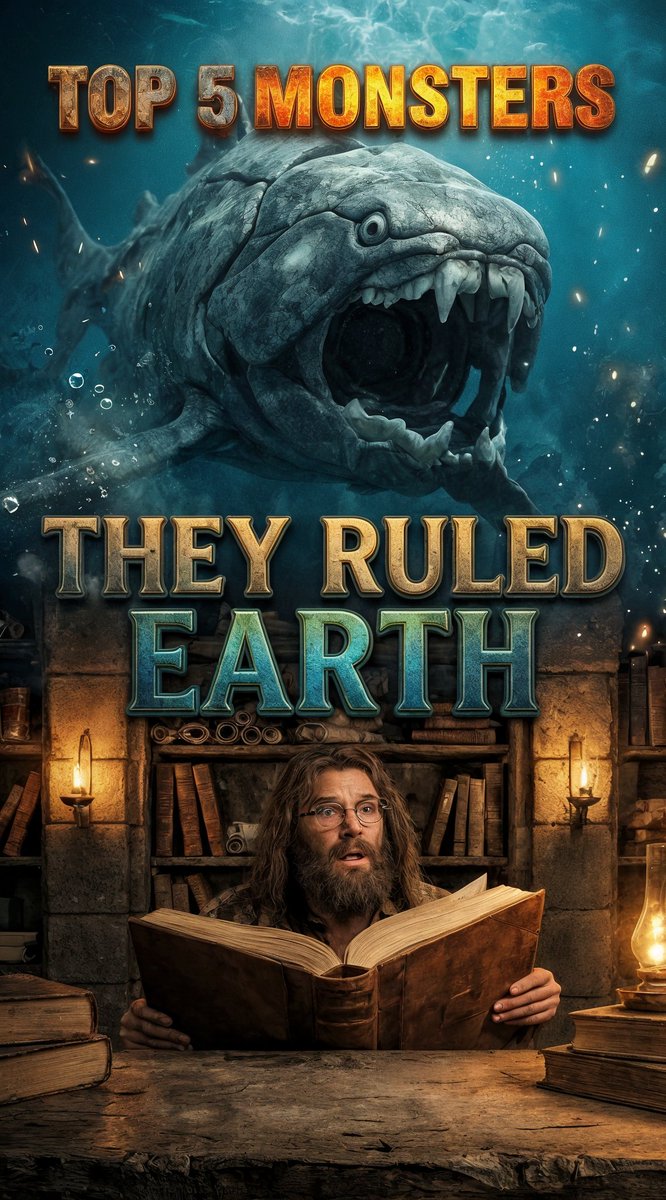
Top 5 Deadliest Prehistoric Monsters (Worse Than T-Rex!) 🦖
Think the T-Rex was the ultimate nightmare? Think again! 🦖📚 Join our Prehistoric Professor as we open the dark archives to reveal the Top 5 deadliest and most terrifying extinct animals to ever rule the Earth.
From the massive Spinosaurus lurking in the rivers to the heavily armored Dunkleosteus crushing everything in the ocean, these prehistoric predators will give you chills! 🌊🦅
👇 Which of these monsters is the scariest? Let us know in the comments! 🔔 Subscribe to ArmartProject Hub so you don't miss PART 2!
#prehistoric #dinosaurs #top5 #extinctanimals #scarymonsters #spinosaurus #dunkleosteus #terrorbird #paleontology #creepyfacts #animation #shorts #history #ArmartProjectHub
30
279
Apr 14
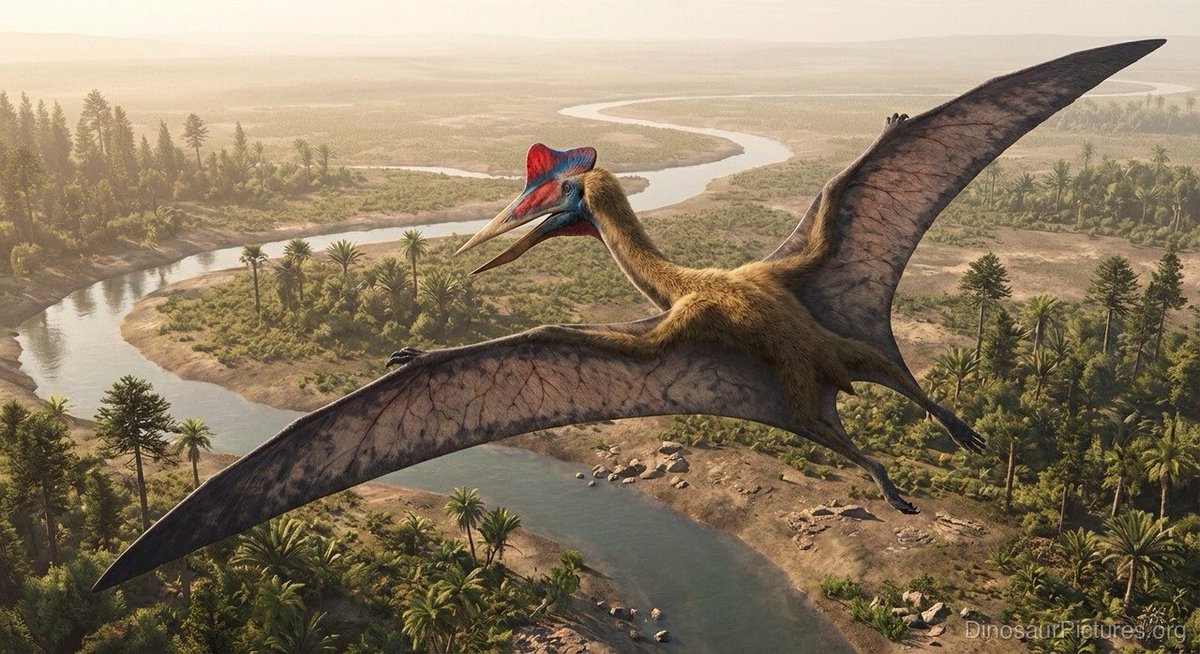
Quetzalcoatlus: fu l’animale volante più grande mai esistito. Aveva un’apertura alare di 16 m. Becco e collo lunghi. Carnivoro.
Nord America, fine Cretaceo(71-66 mln di anni fa, quando si estinsero i dinosauri).
#NaturalHistory
#ExtinctAnimals
3
6
74
Apr 12
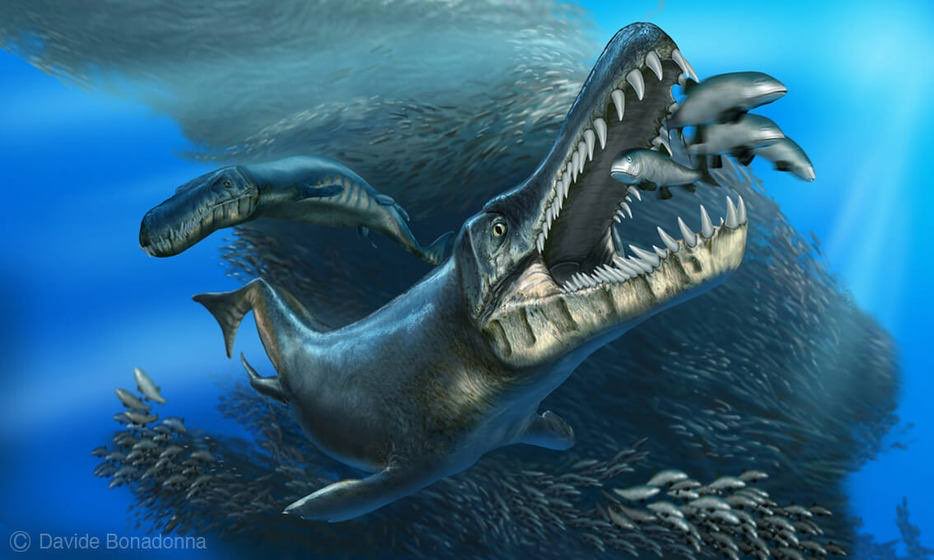
Neptunidraco ammoniticus: estinto, parente stretto dei coccodrilli moderni e appartenente alla famiglia dei Metriorhynchidi.
Italia, 160 milioni di anni fa (Giurassico Medio)
#ExtinctAnimals
#NaturalHistory
2
5
57
The true king of beasts long before lions. 🌩️ An epic look at the Megistotherium against a gathering storm. True Miocene wildlife atmosphere straight from the Paleo Eden universe.
Movie about this monster will be on my channel soon !
👉[youtube.com/@ArmartProjectHu…]
#PaleoEden #ExtinctAnimals #EpicLandscape #Megistotherium #ArmartProject #NatureDocumentary
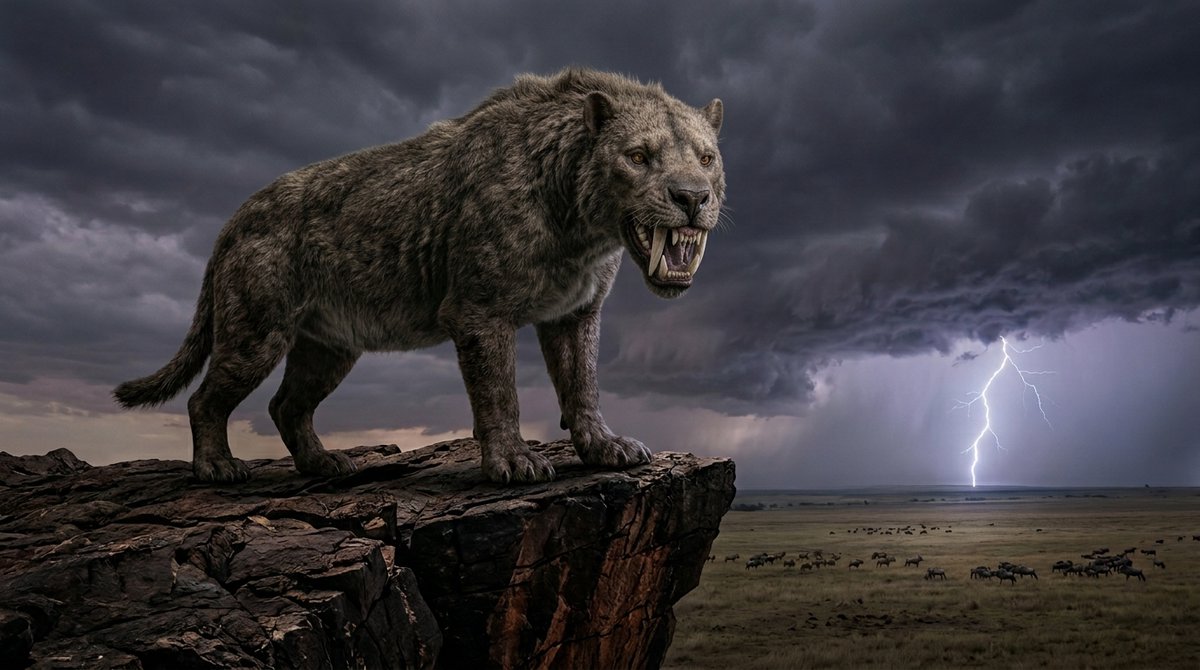
ALT Megistotherium, ArmartProject, Paleo Eden, prehistoric animals, paleontology, extinct predators, Miocene epoch, prehistoric wildlife, apex predator, paleoart, cinematic nature documentary.
1
19
224