
Let us be honest about what a township is.
In the United States, people call them ghettos, the hood, the projects, or the trenches in other countries . In Brazil they are called favelas. Across Africa they are known by different names, but the reality is often the same: overcrowded communities, inadequate infrastructure, failing public services, unemployment, cr!m£,sewage problems, and poverty. South Africa 🇿🇦 is on massive scale where you can find 2-3 million living in these shanty ghettos townships
Many townships suffer from poor roads, failing sewage systems, inadequate sanitation, unreliable electricity, overcrowding,In some informal settlements, residents still lack proper access to clean drinking water, sanitation facilities, and stable housing. Large sections are run down, neglected, and burdened by years of municipal dysfunction.
This is where millions of Black South Africans live.
Across South Africa’s estimated 532 townships, more than 21 million people reside. More than 40% of urban households are located in townships. These communities contain nearly 38% of the nation’s working-age population, yet they carry a disproportionate share of unemployment and poverty.
Cr!me remains one of the most serious challenges. Murd£r,armed robbery, carjacking, gang activity, and gender-based v!olence plague many communities. Frequent power outages create dark zones where criminals operate with ease. Vandalized infrastructure leaves surveillance systems inoperable. Dense informal settlements often lack proper road access, slowing emergency response times and making law enforcement less effective.
The sanitation crisis is equally severe. Aging wastewater facilities, infrastructure neglect, cable theft, and population growth have overwhelmed many municipal systems. In some areas, raw sewage spills into streets, wetlands, and residential communities, creating environmental and public health disasters.
Electricity shortages continue to cripple township life. Illegal connections overload local grids and destroy transformers. Municipal debt prevents necessary upgrades. Utility workers often face intimidation, extortion, and security threats, making maintenance increasingly difficult.
South Africa’s H!V epidemic also disproportionately affects poor communities. High unemployment, poverty, overcrowding, substance abuse, and gender-based violence create conditions that worsen transmission rates. Although antiretroviral treatment is available, many clinics remain overcrowded and under-resourced.
Yet some Facebook warriors continue to boast that South Africa 🇿🇦 is the “best country in Africa.”
____
The question remains: Compared to what?
Are they comparing township life to affluent suburbs such as Cape Town’s elite districts, Sandton, Constantia, Umhlanga, and wealthy sections of Durban where affluent professionals and business elites live?
Or are they comparing themselves to major African cities such as Abidjan, Abuja, and Addis Ababa?
Because you cannot honestly compare struggling townships to the best districts of those cities and then claim superiority.
The reality is that South Africa remains one of the most unequal societies on earth.
The overwhelming majority of Black South Africans do not control the country’s wealth, commercial real estate, agricultural land, or major economic assets. The racial wealth gap remains among the largest in the world. The typical Black household possesses only a fraction of the wealth held by the typical White household. Large portions of commercial real estate, agricultural land, and corporate wealth remain concentrated in the hands of a relatively small segment of the population.
Millions remain dependent on overcrowded public schools, underfunded public healthcare facilities, and municipalities that struggle to provide basic services.
1
4
Quintus van Rensburg retweeted

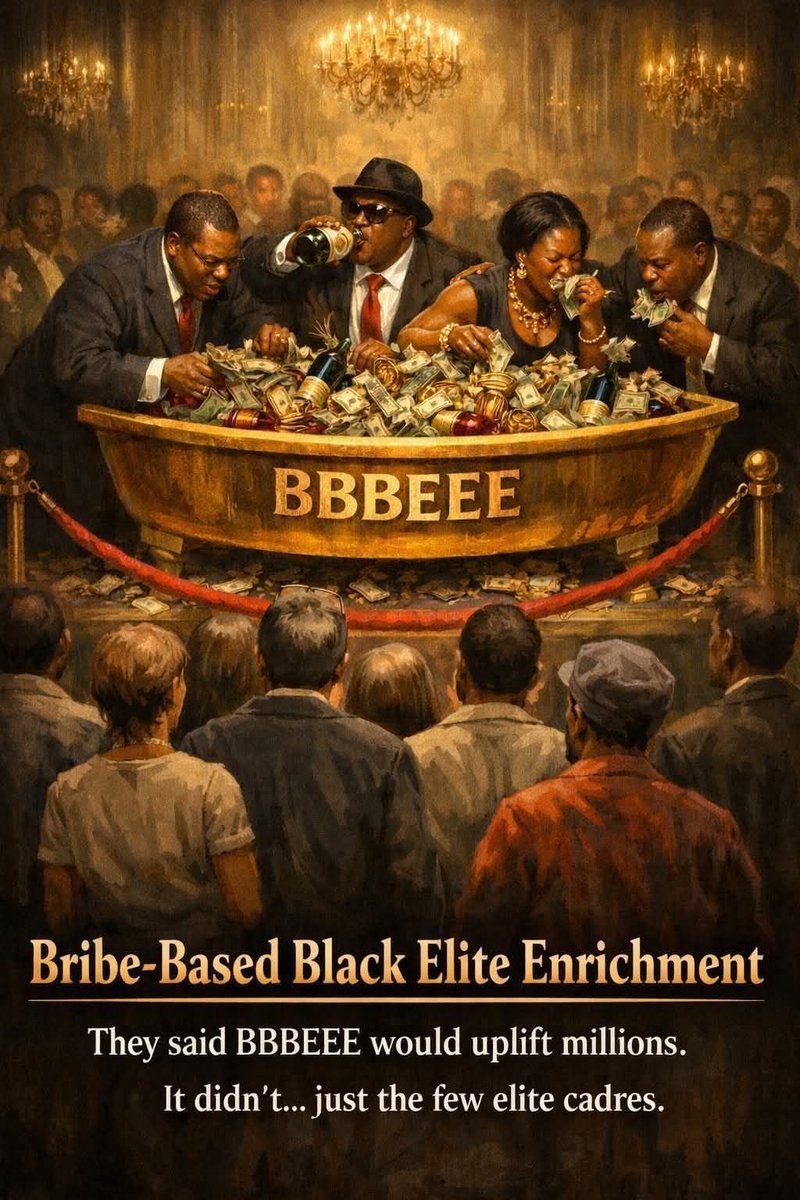
If the most successful entrepreneur, in the history of mankind, calls out the SA BBBEE laws for the extortion racket it is , certainly it is about time to terminate these economy destroying policies ? Not so?
3
16
24
289

Dawould zeebrahim ran a drugs, extortion, contract killing, hafta vasooli empire in broad daylight, in the streets of MH under this OG larper. Apart from beating up H's of other states, he didn't do zilch against mleccha gangsters.
Jun 11

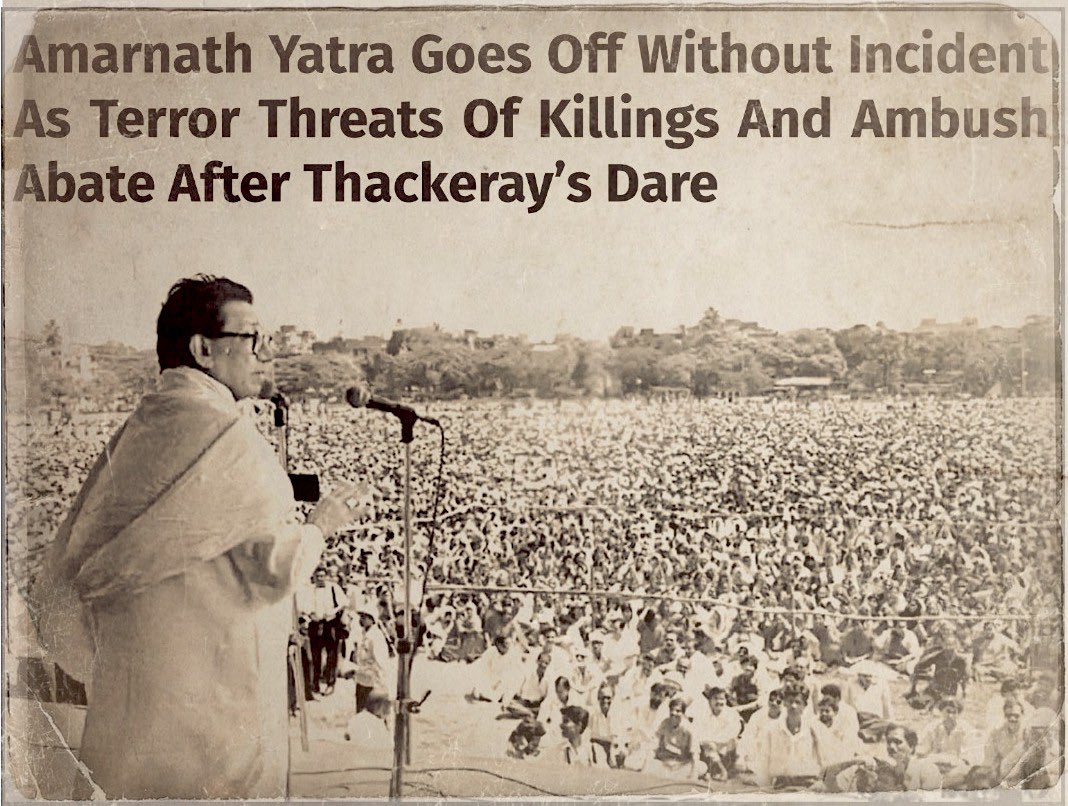
If a single pilgrim is attacked during Amarnath Yatra, I promise you this: that I will ensure not a single pilgrim flies off for Haj. - Balasaheb Thackeray, 1993.
7
24
191
7,330
Gurudath retweeted

He is Abhijit,
He is son of Naihati Municipality Chairman & TMC leader.
He was running an extortion network collecting "Cut Money" from locals under Political protection.
Today, after his arrest the anger of public has reached so high that they welcomed him with Eggs, laat Ghuse, thappads...🤭
WB is healing. 🔥

* She is Mousumi Maity,
* She is Pradhan of Amradah Gram Panchayat in Shyampur.
* She misappropriating public funds for a long time.
There is a limit for everything, now she is facing the public anger bcz of her corruption.
KARMA.
5
50
76
1,428

Spoke to a promoter client in Kolkata who is in the building business. Been told for now Syndicate and extortion in KMC area where they work has been completely stopped. Great job!
6
Nox retweeted

Doing business is getting tougher with the growing extortion culture. Another day, another such video. This one is from Sector 11, Chandigarh.
Time for some serious action before this becomes the new normal.
 Gagandeep Singh
11
43
173
162,883

When last you checked unemployment stats that has drastically increased during #CyrilRamaphosa tenure while some Taxi owners keep on buying new Taxis.
They can’t read the room while some are buying more Taxis coz of extortion money


Should've thought before purchase. Law of jungle rules the power dynamics here apparently. Forget major extortion attempts. Someone can easily pull the jump b4 the car insurance payout scam after marking the car as a "cash cow" wala.
3

Harrow need to be sued by everyone who has been fined this is extortion by gangsters
3

Karnataka RTO !
Look how they put everyone's lives at risk just for their illegal extortion.
They should be behind bars. @KarnatakaCops
1
2

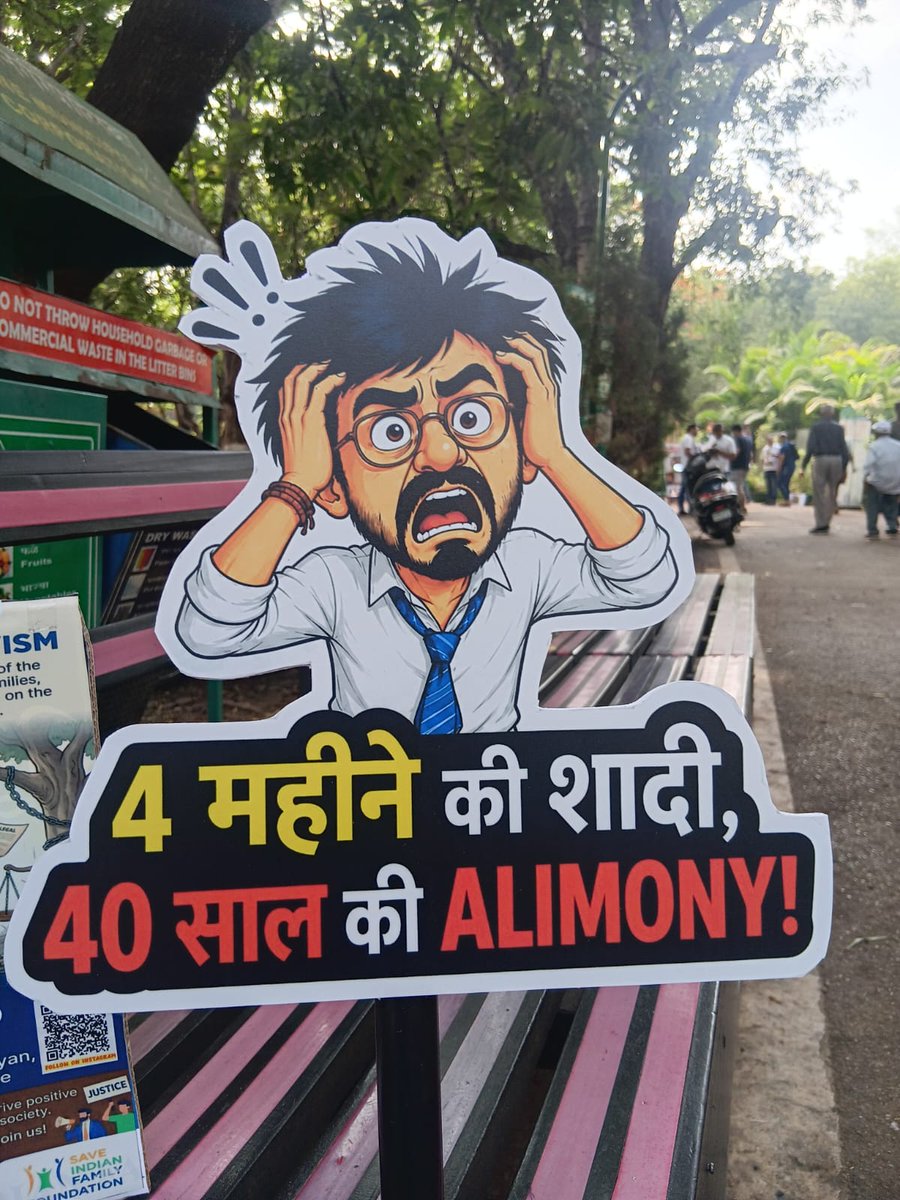
New Extortion business run by some greedy females & their family members

Maintenance must protect genuinely dependent spouses, but it should not become a lifelong entitlement without proper assessment of income.
Paul Zismo 🌊🌎🌊 retweeted

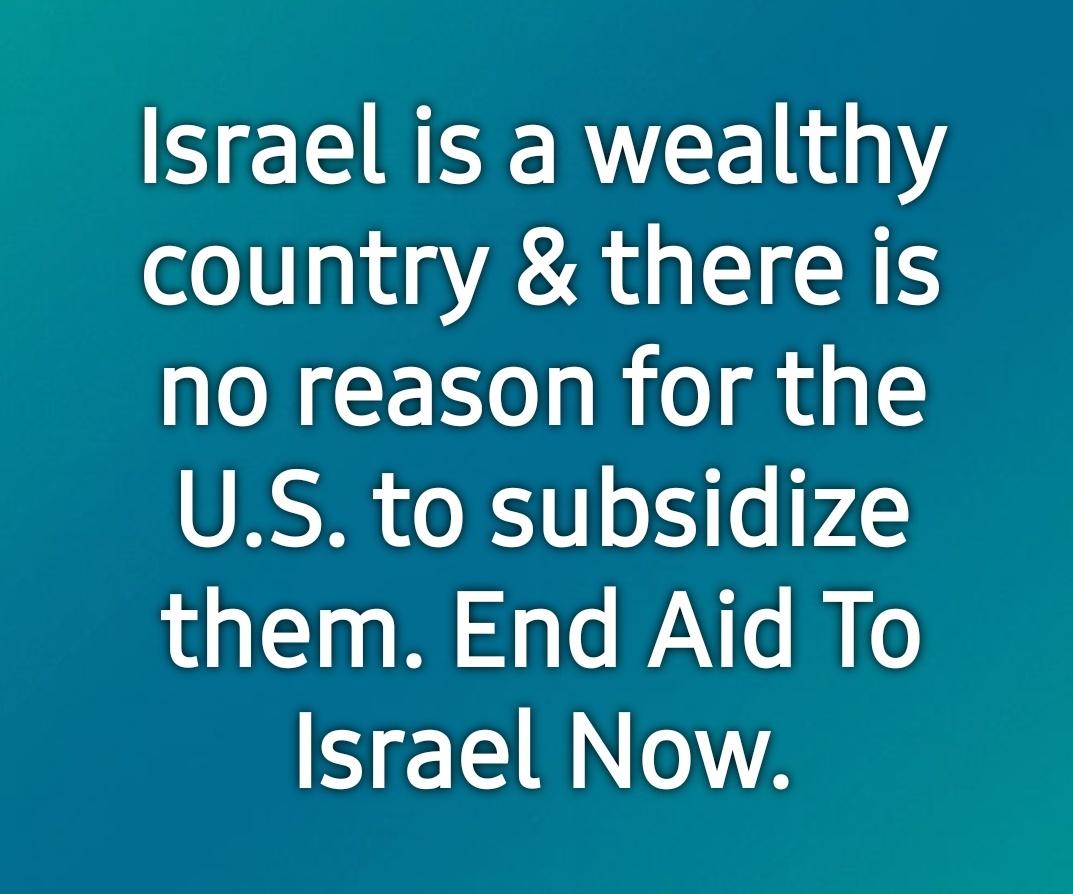
Its not funding
Its extortion
4
126
243
926

If socialism is to force people (and AI) to pay extra taxes after paying the ones already incurred (weighted by capacity), that's just extortion. Socialism should encourage giving, not force it.
2

Booked and got a wait listed tatkal ticket for Rs. 3334.Ticket got cancelled being waitlisted and received a refund of Rs. 3180. Lost Rs. 154 for no reason and no fault of mine. Isn't this a forced extortion by GoI? Pnr- 2838295144. @IRCTCofficial @AshwiniVaishnaw @narendramodi
6