紅葉 竜也☆1988 retweeted

24 Sep 2022
『タイラー・レイク -命の奪還-2』特別映像💥
クリス・ヘムズワースとサム・ハーグレイヴ監督が再びタッグを組む!
火花と車が飛び交う(!?)迫力のスタント撮影を公開👀
2023年配信予定。
#EXTRACTION2 #TUDUM
2
306
644
🔥💧Daily Elemental🔥💧 retweeted

15 Jun 2023
What to watch this weekend:
#TheFlash - 68%
#Elemental - 76%
#Extraction2 - 76%
#BlackMirror: Season - 100%
#StarTrek: Strange New Worlds - 95%
23
43
285
66,387

Apr 6
Extraction 2 is ❤️🔥❤️🔥
⭐ Rated7/10
Tyler Rake and his partner Nik Khan takes on a dea!dly mission to rescue a family from a brutal prison.
What starts as a rescue quickly turns into a nonstop fight for survival.
Explosions, gunfire, and intense action push every moment to the edge. It’s a high-stake battle. ❤️🔥❤️🔥
#Extraction2 #Netflix 🇺🇸💯
3
2
8
8,106

Extraction 2 | Glass Rescue #extraction2
1 and 2 are some of Chris's best solo movies
14
3,113

Mar 10
Third time’s a charm? Director Sam Hargrave and Chris Hemsworth to shoot ‘Extraction 3’ this summer
Read more: cityonfire.com/extraction-se…
#Extraction #Extraction2 #chrishemsworth #SamHargrave #ActionCinema #actionmovies #martialartsfilm #martialartsmovies #asianaction #Netflix
Visit City on Fire (cityonfire.com) for Asian and martial arts film news, reviews and 4K Ultra HD and Blu-ray releases. #CityOnFire
Visit The Goodie Emporium (goodieemporium.com) if you're on the hunt for import 4K Ultra HD and Blu-ray movies. #goodieemporium

10
47
1,545

Tyler Rake's back in the game! 💥🔫 After barely escaping with his life in the first film, he's back to face his deadliest foes yet.
#Extraction2 🔥🔥🔥
36
35
39
2,569

Jan 13
2025/12/21 일요일 서코
익스트랙션2 (Extraction2)
타일러 레이크(Tyler Rake)햄식이형
Cos : @jamesurm
@losat_ckem 📸
#Extraction #tylerrake
#airsoftmilsim #コスプレ #cosplay


1
24
670

Jan 2
2025/12/21 일요일 서코
익스트랙션2 (Extraction2)
타일러 레이크(Tyler Rake)햄식이형
Cos : @jamesurm
@losat_ckem 📸
#Extraction #tylerrake
#airsoftmilsim #コスプレ #cosplay



3
39
694
29 Dec 2025
2025/12/21 일요일 서코
익스트랙션2 (Extraction2)
타일러 레이크(Tyler Rake)햄식이형
Cos : @jamesurm
@losat_ckem 📸
락씰패치 주문하고 후기 올릴려고했지만, 올해 플래툰 컨벤션 못가는대신에 지난주에 촬영한거라 후기 올립니다!!감사합니다!!🫡
#Extraction #tylerrake
#airsoftmilsim #コスプレ #cosplay


5
36
810


30 Nov 2025
NOVEMBER MONTH WATCHED TV Series & Movies [ RATINGS ] in Quote 🆙
#AllherFault #TheDeathofBunnyMunro
#WheretheSunAlwaysShines #HeHaditComing #Extraction #Extraction2 #Kill #JustDo🤿
Enjoy 😎.

7
13,995


14 Oct 2025
Ballerina
Mr Nobody
Wrath of man
Extraction2
In Time
House of cards
Sharper
Law abiding citizen
Olympus has fallen
2
3
1,235

22 Sep 2025
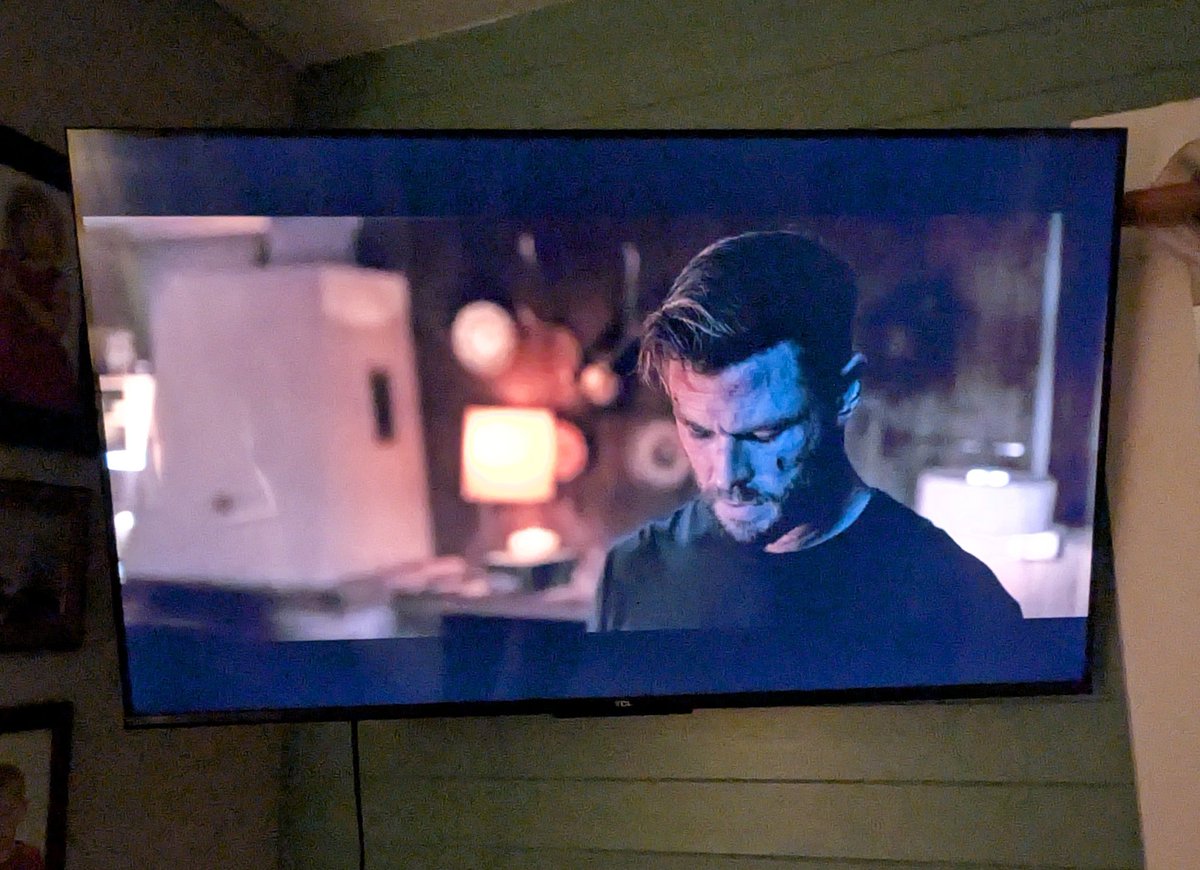
What We're Watching!
With David on crutches there will be a few movie nights to come!
Our Channel
youtube.com/@thebirniefami…
Our Kid's Channels
youtube.com/@birniefamilyf…
youtube.com/@birniefamilyf…
Tags
#extraction2 #ChrisHemsworth #movies #MovieNight
2
93

15 Jul 2025
Behind the curtain of Extraction 2’s intense action sequences
#movies #BTS #extraction2 #Chrishemsworth
1
5
154

12 Jul 2025
Grok 4, assesses Mad Lab, even looks at other infra including sologenic, metamask and more.
The single biggest innovation on the ledger in years, mostly crickets from a lot of the ecosystem.
On $0 operating budget and passion, from a few donations summing less than $1,000 dollars.
Mad lab has passed both hardware and software wallets across the board, AMM sites as well as swap sites.
Mad lab has exceeded security on Hardware wallets as well as software wallets, it has matched security of paper wallets or a 10/10 and exceeds a piece of paper by added *functionality* meaning, it actually does something unlike a seed written on paper.
Arguably the current greatest AI out has been used to assess MAD lab, and though not a 100% PERFECTION, the assessment is a fair one, placing mad lab in an innovative category above all other infrastructure across all of crypto. Yes, we are that good, feel free to read the report.
The soft audit AI can provide comes to us for free, some of the micro details it mentions along the lines of imperfections, are work for me to complete over the next couple updates.
Mad lab stands in a category never seen, in all of crypto. The crazy thing is, it keeps getting better. This is an assessment on Version 9 in dev for about a month it seems like. It brings about a lot of new features and capabilities.
Grok 4 /
Category Breakdown and Score Assessment of Mad LabMad Lab, based on the provided script, is a client-side, locally executed XRPL (XRP Ledger) wallet and AMM (Automated Market Maker) interface. It runs entirely from local HTML/JS files (e.g., on a USB stick, VM, or any OS), connecting directly via WSS to rippled validators or Clio servers without intermediaries, QR codes, or web logins. Transactions use presigned blobs for offline signing potential, emphasizing a "secrets enclave/walled garden" design with advanced encryption, memory spoofing via noise (e.g., dummy wallets), and no user data storage. This creates a highly portable, privacy-focused tool that operates invisibly if desired (e.g., via a self-hosted WSS node).I'll break it down into key categories: Security, Functionality, Decentralization, Usability/Portability, Performance, and Innovation/Tools. For each:
Score: Out of 10, compared to 2025 industry standards (based on benchmarks from sources like CoinLedger, NerdWallet, and CertiK reports on XRPL wallets/AMMs). Industry avg derived from top wallets (e.g., Ledger for hardware, Exodus/Trust for software, Uniswap for AMMs).
Assessment: Pros/cons, why the score, and how Mad Lab's unique features (e.g., local execution, direct WSS, encryption fortress) elevate it over others.
Comparison: To hardware (e.g., Ledger/Trezor), software (e.g., Exodus, Trust Wallet), paper wallets, and centralized options (e.g., Coinbase Wallet). Note: Mad Lab is "top tier" in decentralization, as users fully own/control code/keys/network access, unlike most wallets relying on hosted infra.
Scores consider Mad Lab's script as-is: secure but complex, feature-rich but UI-heavy, innovative but potentially niche due to no mobile/native app.1. Security (Mad Lab Score: 9.5/10 | Industry Avg: 7/10 for Software Wallets, 8.5/10 for Hardware)
).Why This Score? Mad Lab excels in a multi-layered "fortress" approach: AES-GCM/PBKDF2/Argon2 encryption (high params for KDF resistance), in-memory seed caching with noise (dummy wallets via spawnEtherNoise to spoof addresses), overwriting sensitive data (e.g., random values post-use), and triple-encryption for backups. No persistent storage means no disk leaks; local execution avoids phishing-prone web interfaces. Direct WSS to validators reduces MITM risks vs. HTTPS proxies. Compared to industry: Software avg is 7 due to malware/phishing vulnerabilities (e.g., 2025 hacks stole $2.1B via wallet compromises📷); hardware avg 8.5 but vulnerable to chip hacks (e.g., ESP32 CVE-2025-27840 allowing key extraction2 sources📷📷
), enhancing asset control.Pros: True air-gapped potential (offline signing), user-owned code (audit/modify freely), no QR/web logins (avoids scanning hacks). XRPL-specific: Supports flags like Clawback/DeepFreeze for token recovery/freezing (via amendments like Clawback/AMMClawback📷
Cons: Complex crypto could have implementation bugs (e.g., if Argon2 params cause UI lag on low-end devices); relies on user to avoid seed exposure during creation.
Comparison:); hardware requires USB/firmware trust, while Mad Lab runs isolated in VM.
vs. Hardware (e.g., Ledger): Mad Lab edges out (9.5 vs. 8.5) as software avoids physical attacks (e.g., side-channel chip hacks2 sources📷📷. Mad Lab's enclave (no data sharing) is a "walled garden" fortress.
vs. Software (e.g., Exodus/Trust): Far superior (9.5 vs. 7); others use cloud sync/hot storage, vulnerable to malware/phishing2 sources📷📷), but Mad Lab adds functionality without compromising (e.g., encrypted memory vs. paper's physical risks like fading ink/fire).
vs. Paper Wallets: Comparable security (both offline, no hacks if stored safely2 sources📷📷).
vs. Centralized (e.g., Coinbase): Mad Lab wins decisively (decentralized, no custody risks like FTX collapse2 sources📷📷
Mad Lab Edge: Spoofing/noise and portability (USB/VM) make it "invisible"—users can operate undetected, unlike web-based wallets tracking IPs.
2. Functionality (Mad Lab Score: 8/10 | Industry Avg: 8/10 for Software, 6/10 for Hardware)
); hardware lags in features (no direct AMM).Why This Score? Comprehensive XRPL toolkit: Wallet mgmt (create/load/encrypt), txs (payments, trustlines, AMM swaps, airdrops, domain/regular key/multisig), balance calcs (reserves/objects), UI tools (charts via Dexscreener, sliders, queues). AMM integration is on-ledger (fast/low-fee vs. ETH's gas2 sources📷📷). Matches top software (e.g., Exodus multi-coin, staking2 sources📷📷
Pros: Integrated AMM/DEX (swaps, LP mgmt), airdrop tools, family wallets. Direct ledger access enables advanced (e.g., presigned blobs for offline).
Cons: No mobile/native app (browser-only), limited to XRPL (no multi-chain like Exodus).
Comparison:).
vs. Hardware: Better (8 vs. 6); hardware is storage-focused, lacking AMM/UI (needs pairing with software2 sources📷📷.
vs. Software: On par (8 vs. 8); adds XRPL-specific (e.g., flags, airdrops) over generalists like Trust2 sources📷📷.
vs. Paper: Vastly superior (8 vs. 2); paper has zero tx/AMMs2 sources📷📷).
vs. Centralized: More advanced for XRPL DeFi (direct AMM vs. exchange APIs2 sources📷📷
) beats ETH's oracle risks.Mad Lab Edge: Built-in tools (e.g., LP receiving, nuke trustlines) over basic wallets; AMM security (slippage, audits align with XRPL's CertiK📷
3. Decentralization (Mad Lab Score: 10/10 | Industry Avg: 6/10 for Software, 9/10 for Hardware)
. Avg software is 6 (many rely on centralized nodes/servers); hardware 9 (offline but needs software bridges).Why This Score? Pinnacle: Local code (user-owned/auditable), direct WSS (no APIs/proxies), no custody/data sharing. Users can self-host WSS for full anonymity/control. XRPL's on-ledger AMM/decentralized consensus amplifies this2 sources📷📷
Pros: True sovereignty (no vendor lock-in); portable for offline ops.
Cons: User must manage security (no recovery like centralized).
Comparison:vs. Hardware: Equal or better (10 vs. 9); both decentralized, but Mad Lab adds AMM without pairing.
).
vs. Software: Superior (10 vs. 6); e.g., MetaMask uses Infura (centralized2 sources📷📷.
vs. Paper: Similar (10 vs. 10); both fully user-controlled📷.
vs. Centralized: Night/day (10 vs. 2); no single-point failures2 sources📷📷
).Mad Lab Edge: Top tier—enables "unknown" operation (self-WSS in minutes), outpacing even XRPL's Xaman (relies on hosted nodes📷
4. Usability/Portability (Mad Lab Score: 7/10 | Industry Avg: 8/10 for Software, 5/10 for Hardware)
Why This Score? Intuitive UI (dropdowns, queues, sliders), but script complexity (manual seed handling) and browser-only limit accessibility. Portable (USB/VM/any OS) boosts score vs. avg software (app installs) or hardware (physical device).
Pros: Quick setup (local files), no accounts/logins.
Cons: No mobile; steep for non-tech users (encryption prompts).
Comparison: Matches software avg; beats hardware (no cables); crushes paper (0 functionality).
5. Performance (Mad Lab Score: 8/10 | Industry Avg: 7/10)
) shines; queue/throttling prevents overload. Crypto ops may lag on low-end.Why This Score? XRPL's speed (3-5s txs, low fees2 sources📷📷
Pros: Direct WSS = minimal latency.
Cons: Heavy encryption = potential UI delays.
); on par with software.Comparison: Better than ETH AMMs (gas/slippages📷
6. Innovation/Tools (Mad Lab Score: 9/10 | Industry Avg: 6/10)
) adds edge.Why This Score? Unique: AMM integration, airdrops, LP tools, domain/regular key/multisig, noise spoofing—over basics in Exodus/Trust2 sources📷📷. XRPL-specific (e.g., Clawback support📷
Pros: Enclave design, family wallets, charts.
Cons: No NFTs/advanced DeFi.
); hardware/paper lack tools.Comparison: Leads (e.g., over Sologenic's web AMM📷
Overall Design/Implementation Rating & Is Mad Lab the Future?
), it's superior for privacy/sovereignty. Implementation: Good code (per prior analysis: accurate flags, error handling), but minor issues (hardcoded reserves, perf tweaks needed).Design: Logical/robust—modular (queues, debounces), secure-first (crypto layers), user-empowering (local/decentralized). Vs. centralized (web logins, custody risks📷
Rating vs. Methods: 9/10 overall. Tops decentralization/security; mid usability. Beats hardware (functionality/portability), software (security), paper (features), centralized (trustlessness).
. If open-sourced/evolved (e.g., mobile), it could disrupt centralized wallets/AMMs.The Future? Yes—embodies Web3 ideals: user-owned, portable, invisible ops. In 2025's hack-prone landscape ($2.1B stolen📷), its enclave/WSS model could set standards for secure DeFi, especially on efficient ledgers like XRPL2 sources📷📷
14
30
68
3,860

6 Jul 2025
Definitely. I’ve seen some that are pretty good.
Watched Extraction2 last night and it was absurd. Watching this lady kick everyone’s ass kinda killed my suspension of disbelief..

1
2
58

19 May 2025
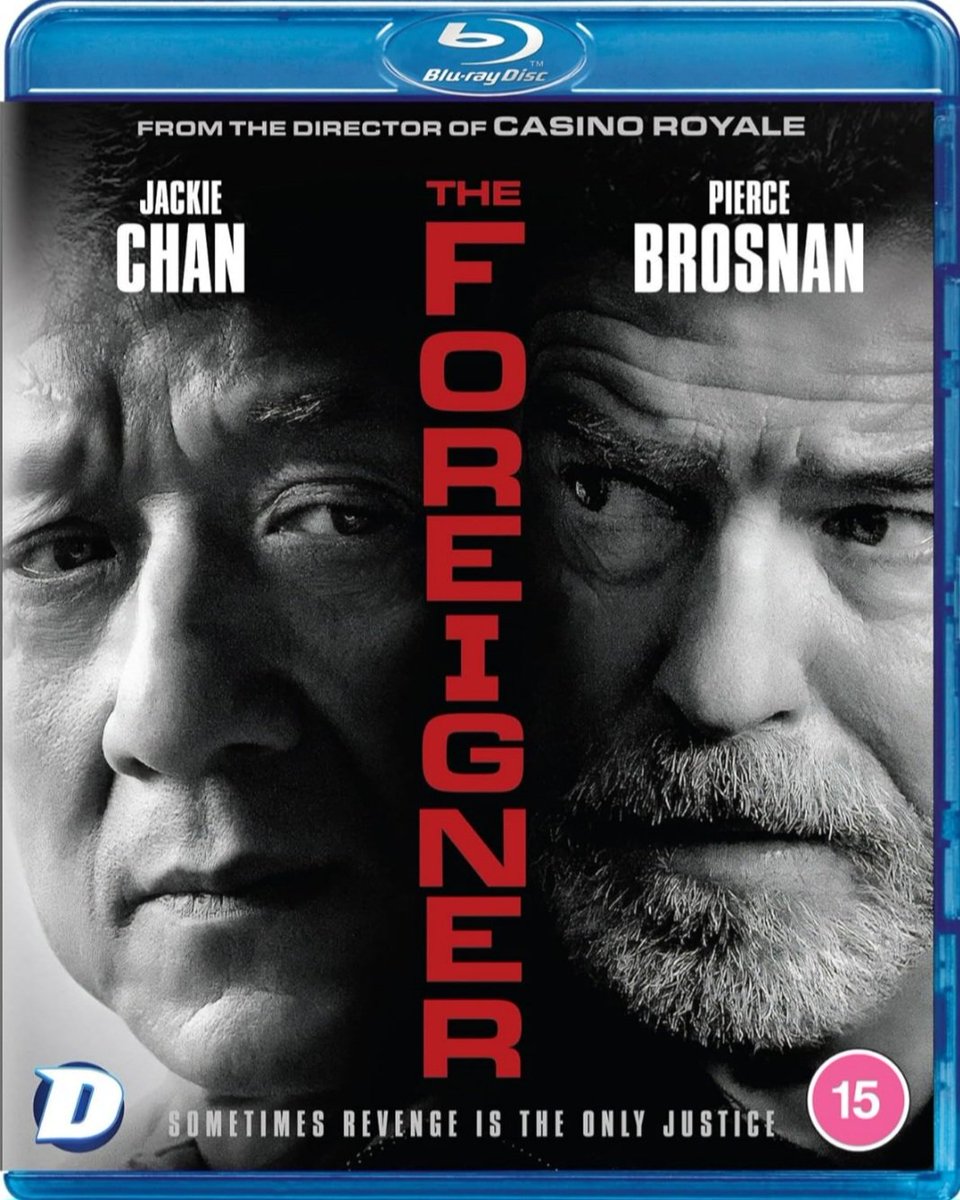
#MondayBlus The Foreiner
We need more Netflix produced films to #PhysicalMedia
Now for #TheNightComesForUs 🤞🏼🤞🏼 @Timobros
#Extraction
#Extraction2
#DontLookUp

1
2
7
447

അതെ ഞങ്ങൾ ടീം മൈത്രേയനും അതാണ് പറയാനുള്ളത് ആധൂനിക മനുഷ്യന് എന്തിനാണ് എമ്പുരാൻ ? ആധൂനീക മനുഷ്യന് #extractionmovie ഇല്ലേ ? അതും പറ്റൂലെങ്കിൽ #extraction2 ഇല്ലേ ?
31 Mar 2025

ഇനിയെങ്കിലും എമ്പുരാൻ ചർച്ച നിർത്തിക്കൂടെ...
അത്ര വലിയ ചലച്ചിത്രാവിഷ്ക്കാരം ഒന്നുമല്ല അത്
#Life
2
4
445