
14 Dec 2025
At 4:45 PM on October 30, Nyagatare District Hospital faced a crisis. A mother in labor suffered a placental abruption, causing severe bleeding. Both of her twins were born prematurely and in distress. Three lives were in danger and the hospital's blood supply was low.
By road this blood resupply would take more than six hours. Not fastenough to save these three lives. But this hospital was in luck: this hospital is a part of the Zipline network.
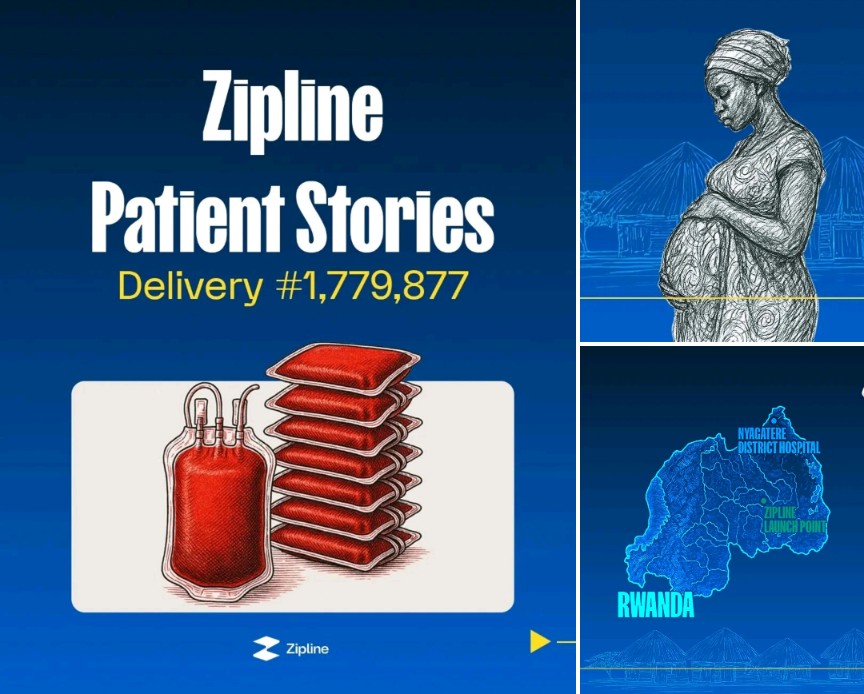
Acting fast, the lab technician did what she's done several times a day for the last 6 years: she sent a WhatsApp message to Zipline, placing an emergency order of blood. This order was for 8 units of B-red blood cells, platelets, plasma, and cryoprecipitate. This is as much blood as the mother had in her body, before this crisis unfolded.
71 kilometers away Zipline's team received the request. The team of pharmacists and flight operators packed nearly 7 pounds of blood bags into a Zip. Within 120 seconds, the order was launched and flying to the hospital at 70 miles per hour.
Less than 40 minutes later the hospital received their emergency blood order. Inside the delivery room, clinicians transfused the mother and prepared oxygen therapy for the twins. The hospital team provided two hours of intensive care before updating Zipline on the situation
The mother had stabilized, and both her twins were alive and breathing on oxygen. This remarkable outcome highlights the tragic divide that still exists in too much of our world today: basic lifesaving healthcare is still determined by your GPS location.
In October we crossed 9 years of operations in Rwanda. Now, at thousands of clinics just like Nyagatare, Rwanda, maternal deaths have been nearly eliminated thanks to faster, reliable logistics
When in need, Zipline delivers.
16 Nov 2025

How Zipline’s Drone Service, Born in Rwanda, Is Saving Lives Around the World.
On the evening of March 28th at 17:00 GMT, a 4-year-old girl was playing outside her home in Gbintiri, a farming village in the north east region of Ghana, when she was bitten by a venomous snake hiding under a pile of firewood.
Her parents, realizing the severity of the bite, rushed her to Gbintiri Health Center, the closest facility in the area.
The health workers quickly assessed the girl's condition and confirmed signs of envenoming: swelling and fading Consciousness.
They immediately checked their stockroom, only to discover they had run out of antivenom. The next referral hospital was over two hours away by rough road, but this little girl had 45 minutes before the venom would paralyze her heart.
With no time to spare, the medical team placed an emergency order to Zipline, requesting snake antivenom from the nearest Zipline distribution center, 77 km away.
Cruising at over 100 km/h, the Zip approached the health center in under 30 minutes
Without slowing down, the Zip released the lifesaving vial in a box with a paper parachute. Health workers retrieved it immediately and administered it to the little girl.
Within the hour, the little girl began to show signs of recovery. Her swelling reduced and she gradually regained consciousness.
The next day, Zipline followed up. The nurse on duty reported with joy that the child was stable, responding well to the treatment, and expected to make a full recovery. The prompt delivery, they said, had made the critical difference between life and death.
This little girl's story is a powerful reminder that every second counts. Access to life-saving medicine shouldn't be a privilege. When in need, Zipline delivers.
📍Ghana

1
12
25
2,041

29 Nov 2025
was Not rushed or lacking study
they Needed the Disease
to fast-track an MRNA gene editing therapeutic that was Not getting approved FastEnough for bottomline$
TruthIsLight 🕯️
September 3, 2018
cen.acs.org/business/start-u…
1
2
4
172

12 Nov 2024
And by a large margin. No other admin in my 50 years of life has created more division in Americans. This trashfire of an admin cant be removed fastenough
1
2
113


4 Jul 2024
At this moment 50 years ago I was priming tobacco on a harvester with a headset type Winston racing radio, volume wide open, waiting for this race to begin … #FastEnough

David Pearson vs. Richard Petty for the win in the 1974 Firecracker 400 @ Daytona. #SilverFox
11
10
153
6,078

23 Jun 2024

1
6
188


29 Feb 2024

8
1,201

20 Jan 2024
It seems the libertarian minded people on the R side have been increasing in numbers, Not fastenough IMHO but gaining a voice more a more
3
35


29 Oct 2023
Mahomes continues to make the most of that 4.8 speed. Every. Single. Time. #fastenough #ChiefsKingdom 😂
1
1
10
3,329

15 Sep 2023
last two games it appears that the wheel route has burned Miami. Tamu did it a couple of times went 2for3 two being big gains and so did Bethune 1 for 2 the first miss was wide open. what is the U doing wrong on that play?LB not getting there fastenough? NC/fsu will exploit
2
44

18 Jul 2023
This is my approach to giving CLE's too... Do BikeLaw 101 in 60 minutes? Sure...I've got 3 hours of material so if I talk FASTENOUGH and don't double space when I finish each sentence maybe I can get through 1/4 of it... OOPS spent too long on history and not enough on ...LAW...
1
21

10 Mar 2023
Your eager-eyed #anticipation of success,eventually,made me try SoVeryHard
But I couldn't make the world see
Nor clear your path of stones FastEnough
Each tiny piece of grit tripped you up
Over&Over
til you fell,headlong
I still think about it,every night
#autistic
#carer
#vss365
1
12
103

5 Jan 2023
This is true! Some people didn't even bother to do some more "research" about it, they got it fastenough coz it seems to make them look like the "good guys" or to be "cool" & it gives them the "right" to look down, insult or hate or blame the unvaxxed
3
60

15 Dec 2022
You have no idea how lucky you are to have someone like Danielle. Come here to Ontario and see how you like things. Two of my boys moved to Alberta from Ontario a dozen years or so ago. I know now is the time I follow them. Albertans don’t take any shit, can’t get ther fastenough
2
4
27

28 Nov 2022
#ChirpChirpAlert🐥
#January can’t get here #Fastenough! #HappYellaChick Entertainment Presents: #MainEvent @stubbs_thegoat vs @pdxoceanviews1
Happening in #Detroit

3

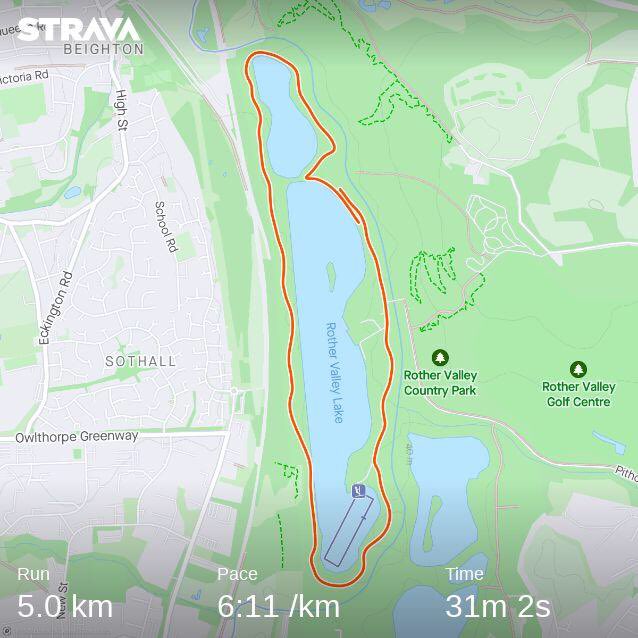
To say we set off to have a steady run, chuffed with this time @timbuckke 🏃♀️ 🏃♂️#fastenough 💨 Check out my run on Strava.
strava.app.link/a4foR9h9Dsb
2

21 Apr 2022
Although there r still gaps in our understanding,we knw that degrading our soils is costing us dear,& that we must 🔄 the trend.
The evidence is mounting,& the URGENCY to #saveoursoils is increasing, yet we have failed to act FASTenough.
Hence #SaveSoilMovement by @SadhguruJV
1
2

4 Apr 2022
Sports Direct launches podcast for Muslim runners this Ramadan campaignlive.co.uk/article/s… via @campaignmag
@SportsDirectUK @Muslim_Runners @Haroon_Mota @pitchlondon
#Ramadan #Running #Fasting #MuslimRunners #FastEnough
3
8