Ma retweeted

Stunning innovation in China!
The swimming pool at Tongji University features a retractable roof that opens in summer, transforming the indoor pool into an open‑air space under the sky — an engineering spectacle that’s truly impressive.
A design that’s hard to believe!
11
52
256
12,706


For the first time in history, the 2026 FIFA World Cup is being hosted by three countries—Canada, the USA, and Mexico—and it also features three mascots, another historic first.
Smaller nations are qualifying and competing in the tournament.
#FifaDünyaKupası
#FIFA
1
Amichai retweeted

day 7 of cool features in @usebrilliant, and today..
Replay! Select any frame, export as replay and get a sweet video for sharing on social media. Examples below 🧵

1
2
4
12

Despicable Me (2010).🍿📽️
It features Gru laying down his strict house rules for Margo, Edith, and Agnes. only for Agnes to immediately test his patience with those infamous cheek-popping sounds
1
2
Dimitris GR 900 Liverpol Fan Account retweeted

The smallest, richest group in history is now in power.
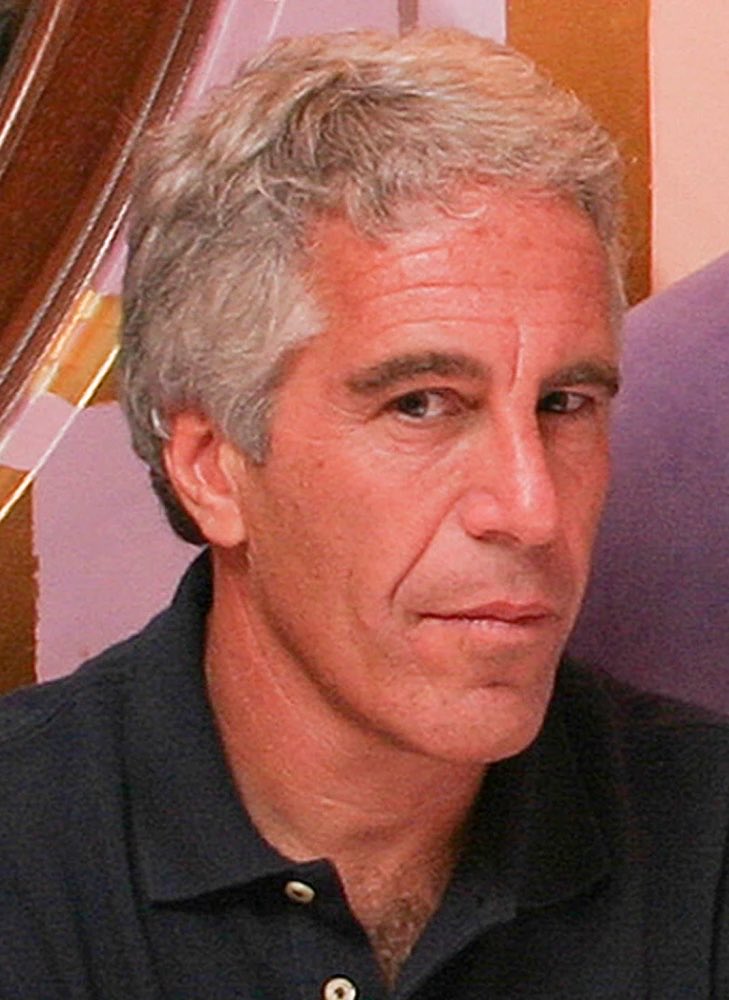
One of the striking features of the Epstein files is not a single relationship (Jewish, Russian, CIA) but a pattern: Epstein repeatedly surfaces around billionaires, tech executives, royalty, and political power brokers.
The degree of overlap is impossible to dismiss as mere coincidence.

51
1,074
2,092
14,384
बीरबल पंडित ( मोदी का परिवार) retweeted

Jun 13
The NDA Government is one that is strongly working towards youth-led development. One of the defining features of the last 12 years has been the confidence with which India’s youth have pursued their aspirations.
Through initiatives such as Startup India, Digital India, Skill India and Atal Innovation Mission, an ecosystem has emerged that encourages innovation, entrepreneurship and enterprise.
Today, India is among the world’s leading StartUp destinations and many of these success stories are being scripted by our Yuva Shakti and that too from smaller towns and villages.
#12YearsOfYuvaShakti
1,607
3,361
21,207
1,499,115
PluralHotH retweeted

it is well established in fandom spaces that lynette has heats. since lyney is her twin and he also has catlike features i would like to propose the idea that he has a knot and also enters rut cycles. In this essay I will
2
1
11
67

You don’t really see girls with boyish haircuts and slightly angular features nowadays.
Last time we found one we made her internet-famous as a “greek towelboy”.

7

Matchup #1 for this weeks Angels vs Demons series features two women who’s speed and flexibility are superb 😌
Will the winner be Angel Max 😇🏃♀️ who can please your desires in a flash?
Or will it be Demon Mina 😈🩴who is down for any position to get what she wants?
4

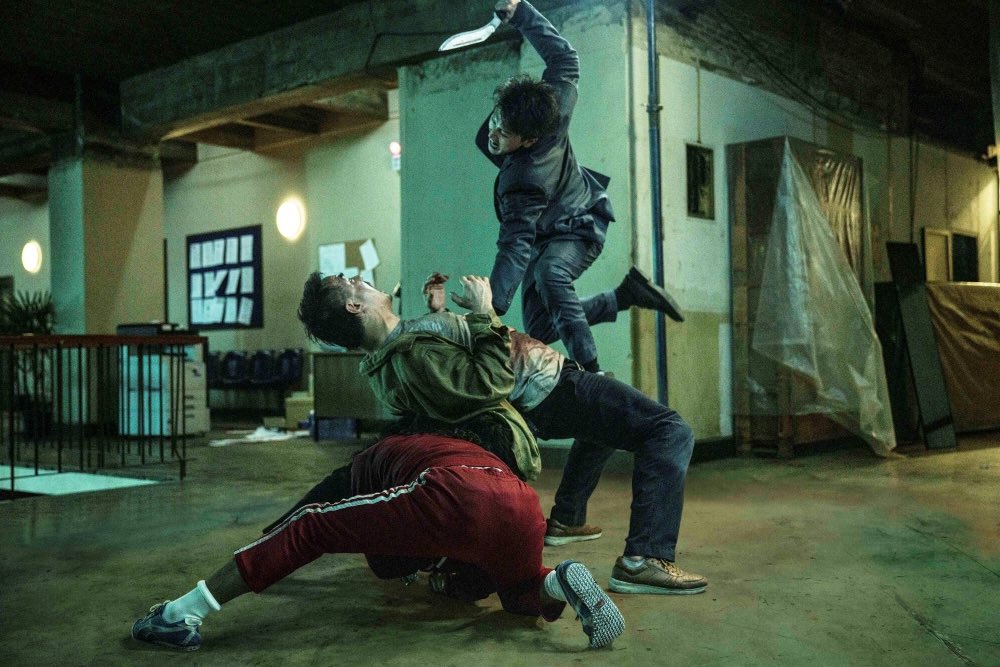
Damn! #TheFurious is a brutal, bloody, relentless adrenaline rush from Kenji Tanigaki that features some of the best and most inventive fight choreography I’ve seen in a long time. Watching it with a crowd was SUCH a blast. I’ll be amazed if we get a better action film this year.
1
6
37
454

23 is the biggest one. Never let it online. Don’t use the smart features. Make it a display only. Get a Roku or Apple TV, the experience is infinitely better that way.
3

"We either died, or we did this."
Gustav
Co founder of @Spotify says
He pointed out 3 major factors Spotify used to tackle Apple Music
1. They offered free premium for about a month or so allowing you to try its features before paying
Which is a lowkey marketing tactic
Used to get you to stay on the app since you’ve enjoyed the features you
Wouldn’t want to stop
So you’d rather pay for subscription to continue. x.com/internetkid69/status/2…
 Internet Kid
1
1
1

Analysis of the image:
This is a close-up, highly detailed photograph (or photorealistic rendering) of a humanoid figure with classic “Gray alien” features: an oversized, bulbous head; large, dark, almond-shaped eyes (appearing damaged or cloudy); a small nose with slit-like nostrils; a wide-open mouth; thin neck with wrinkled, textured skin; and grayish, mottled, leathery-looking flesh showing signs of decay, burns, or trauma (especially on the right side of the face and neck). A human hand is partially visible in the bottom right, suggesting someone is holding or presenting the subject.
Key visual details:
•Skin and texture: Wrinkled, scarred, and uneven with glossy/wet areas, possible fluid or tissue damage. It has a realistic organic look with pores, folds, and discoloration.
•Eyes: Large, dark, with visible “damage” — one appears sunken or ruptured.
•Mouth: Agape, revealing a dark interior, no visible teeth.
•Lighting: Dramatic, high-contrast with strong highlights on the face and neck, creating a clinical or autopsy-like feel.
•Overall impression: It strongly evokes a “dead extraterrestrial” or autopsy subject, reminiscent of sci-fi props, practical effects, or modern CGI.
Likely origin and authenticity:
This matches the style of numerous well-known alien hoax images and props circulating online for decades. It draws heavily from:
•The 1995 “Alien Autopsy” hoax film (Ray Santilli).
•Various “crashed Gray alien corpse” photos that have been debunked as models, mannequins, sculptures, or digital creations.25
No credible scientific or official sources have ever verified any real extraterrestrial body matching this description. Images like this are commonly created for:
•Hoaxes and viral content.
•Movies/TV (e.g., The X-Files, alien autopsy recreations).
•Art, AI generation, or special effects.
The presence of a human hand and the hyper-detailed “injured” aesthetic are typical techniques used to make props seem more “real” in staged photos. Similar images have repeatedly been exposed as fakes (e.g., models made from latex, silicone, or even food items in some joke cases).
Conclusion:
This is almost certainly not a genuine extraterrestrial being. It is a fabricated prop, special effects creation, CGI, or heavily edited image designed to look like a deceased Gray alien. While visually striking and effective at evoking unease, it shows no anomalous features that couldn’t be achieved with modern makeup/CGI techniques.33
If this is part of a larger set of images, a video, or you have context (source, location, date), share more details for deeper investigation. These kinds of images are fun for speculation but consistently fall apart under scrutiny.
2

FEYNYN PB Speaker Go Hands-On - Small Size, Big Features, Fun RGB Design #shortvideo
Buy it from ozon.ru/product/feynyn-bluet…
Read more on chinagadgetsreviews.com
Hashtag: #chinagadgetsreviews #feynyn
Please subscribe and like if you enjoy.
1

1m
Just my thoughts 💭
One thing I've learned in this space over the years is that the best opportunities often arise when the excitement fades.
They tend to show up when fear takes the reins.
I've noticed this pattern time and again.
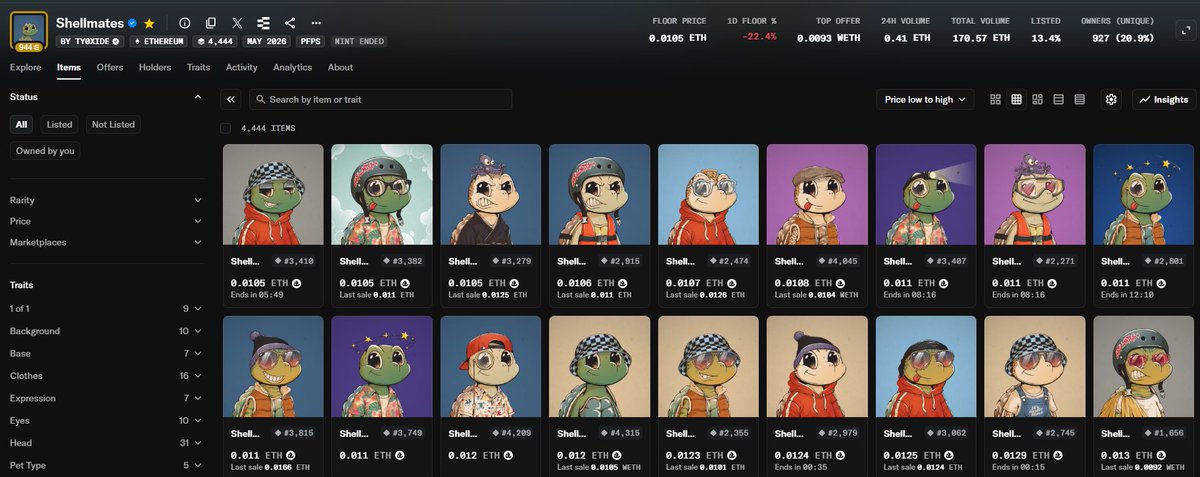
While panic sellers fixate on the floor price, builders are busy focusing on the future.
That’s why I always keep an eye on what a team is creating, rather than getting caught up in the daily fluctuations of the charts.
With @heyshellmates the building never slowed down.
The Pet Portal is already up and running.
Daily feeding earns you points and those points unlock all sorts of opportunities through customization, raffles, rewards and future ecosystem features.
While some people are only concerned with today’s floor price, others are strategically positioning themselves for what’s coming next.
The real question is pretty straightforward🧠
Are you in it for a quick flip or are you here for the journey?
Everyone has their own approach and that’s perfectly fine.
For me conviction stems from understanding what’s being built and having faith in the people behind it.
Floor prices go up.
Floor prices go down.
What truly matters are vision, community and execution.
As always do your own research.
The strongest hands are usually forged in the moments when everyone else is looking the other way 🐢🔥💚
1
3
4
15
꒰ Bee 🌱 ⊹˖ ࣪ retweeted

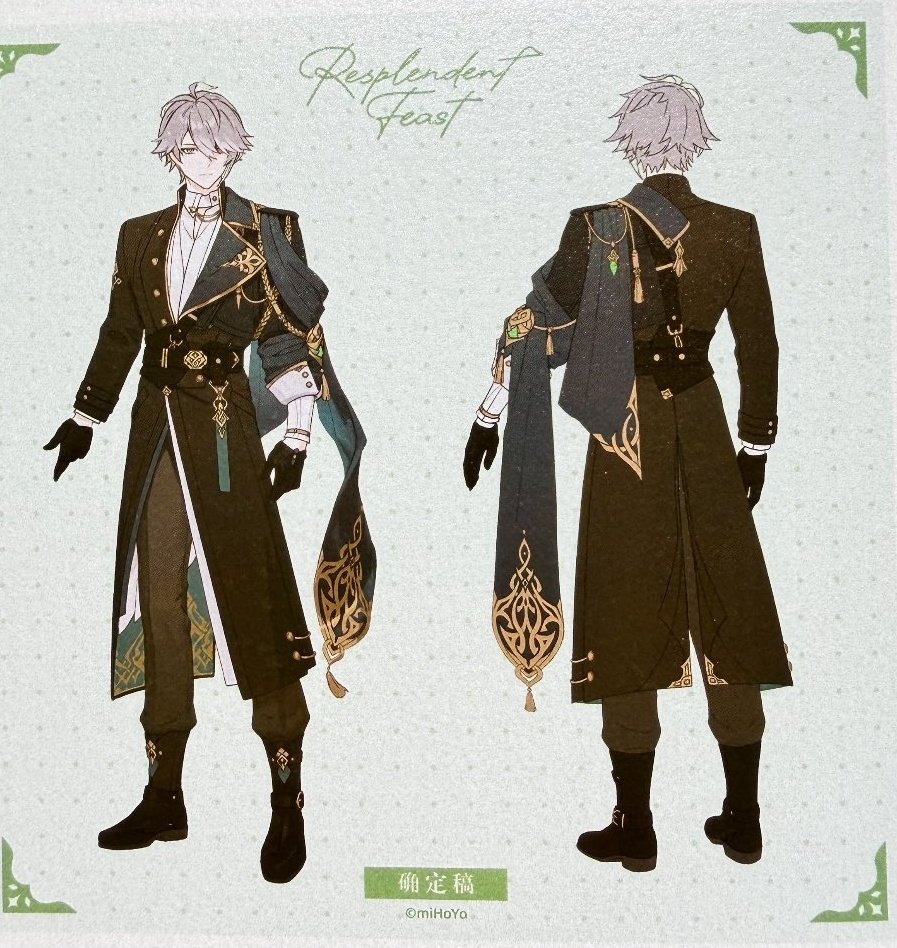
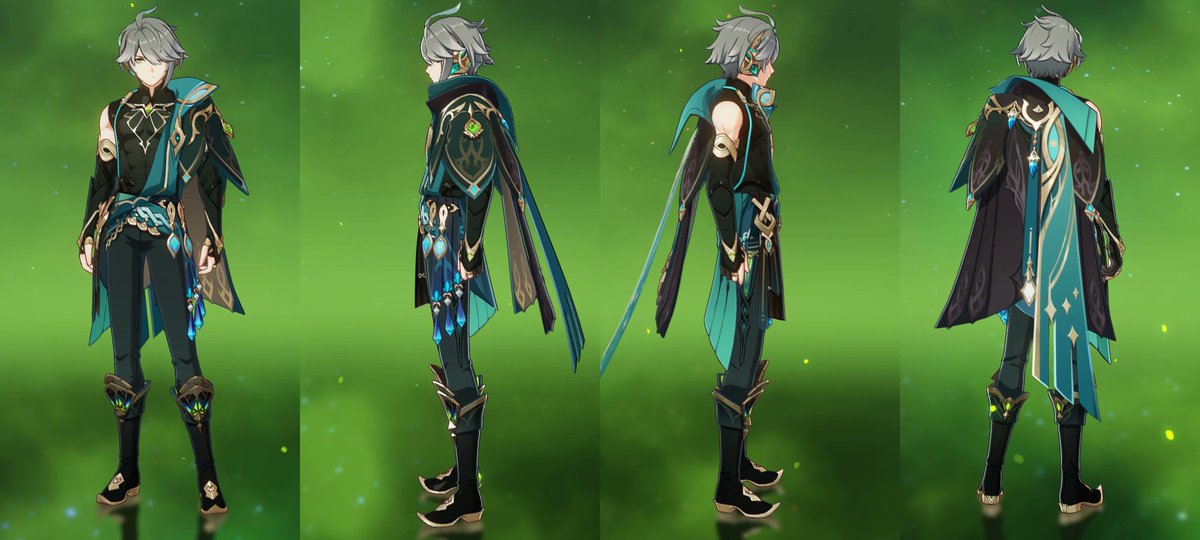
I love it so much when they match the features of alhaitham's outfit with his in game one like look at how appealing the similarities are in every single way PEAK DESIGN SINCE DAY 1

1
1
21
301

Spy and Villain by Joy Lilley, is a compelling short story that has touched readers with its poignant blend of suspense, compassion, and quiet heroism, earning praise for its heartfelt portrayal of observation, empathy, and the triumph of kindness over suspicion in a tale infused with gentle Christian themes. This concise yet impactful narrative centers on Mavis, a physically handicapped woman confined to a wheelchair following an unfortunate accident, who spends her days discreetly observing the world from behind her curtains. When she becomes convinced that her neighbor across the road is enduring abuse—marked by troubling signs and the woman's eventual disappearance—Mavis refuses to dismiss her instincts, even as her husband brushes off her concerns. Determined to uncover the truth, Mavis transforms into an unlikely "spy," venturing beyond her home to befriend the vulnerable woman, leading to a dramatic revelation that proves her right and forges a meaningful, supportive friendship amid ongoing distress.
Readers have appreciated the story's emotional warmth and moral depth despite its brevity. An Amazon reviewer shared, “A charming short story... the lady in the wheelchair who spends much of her time looking at others through her window,” highlighting its engaging premise. Another noted the Christian undertones that guide the protagonist's actions toward redemption and connection, with one calling it “a tale of a spy... proved to be right. And becomes a friend of the abused woman.” Promotional features on blogs like Book Marketing Global Network and Something or Other Publishing emphasize its dramatic turn and themes of suspicion turning to solidarity, while its availability on Kindle Unlimited has helped it reach fans of inspirational short fiction. With a solid 3.6-star average on Amazon from early readers, it stands out for its relatable character and uplifting resolution.
@joygerken
zurl.co/D93va
zurl.co/fLW97
zurl.co/MXzve
zurl.co/Roeoy
zurl.co/yZ3pC
zurl.co/1LEiS
Joy M. Lilley, a British author and retired registered nurse (real name Joy Gerken), has built a devoted following with her empathetic, character-focused stories that draw from life's challenges and triumphs. Residing in Kent—the garden of England—and a proud grandmother, her nursing background at places like the Royal Victoria Hospital lends authentic insight into human vulnerability, which shines in her diverse works spanning romance, historical fiction, contemporary drama, and short tales. Acclaimed titles include *Figs, Vines and Roses*, *The Liberty Bodice*, *Time's Pendulum Swings Again*, *Strawberry Moon*, *Joyful Pussy Cat Tales*, and *Bleeds When Broken*. Reviewers commend her graceful handling of sensitive topics, with one praising her ability to weave “compelling narratives around complex issues.” Inspired by family, faith, and her peaceful surroundings, Lilley connects warmly with readers through her blog and social media, offering stories that inspire reflection and hope.
Spy and Villain is a touching inspirational short story, its themes of vigilance, friendship, and faith-driven compassion affirming its appeal for readers seeking quick, meaningful reads with heart. Joy M. Lilley’s skillful blend of suspense and tenderness makes this compact gem a shining example of her compassionate storytelling legacy.
2
Autojhey🚘🚐✈️ retweeted

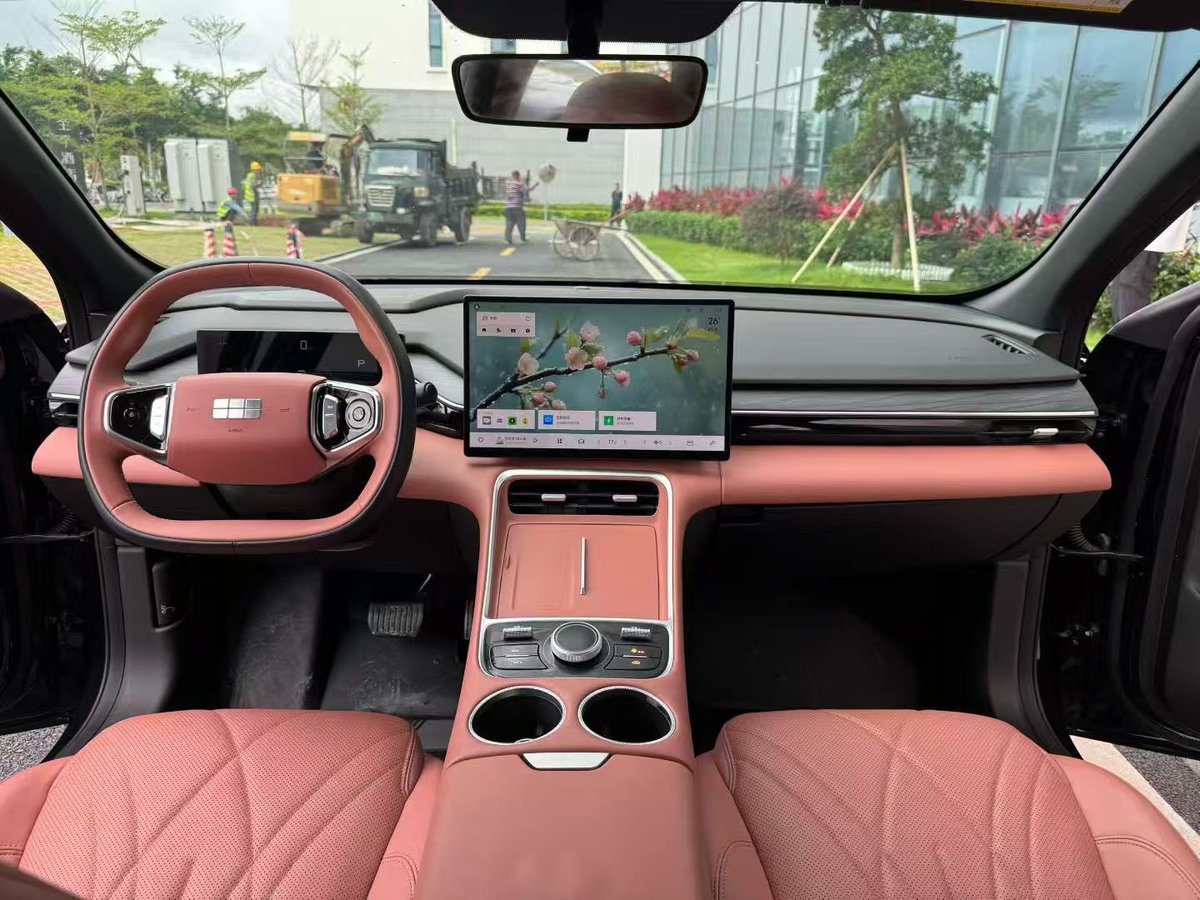
2025 GEELY GALAXY L9 - 1.5T 🇨🇳
HYBRID
Keyless
Electric range of 60 kilometers.
Features a multifunctional steering wheel.
Electric seats.
skylight
Navigation.
🏷️ 21.5M
Home Delivery (🇳🇬)
Shipping, Clearing & Duty (included)
ETA 45 - 60 Days.
Text @Wizarab10 for verifications



15
58
194
26,626