


Mar 15
You either believe me and buy or you don’t have the money
That’s the only two reasons you wouldn’t own $FEFE
But you will end up believing whether you buy $FEFE @fefecoinerc or not…
#fefecoin #pepecoin #crypto #memecoin #altcoinseason
4
18
528

Mar 11
There is only one #FefeCoin 🐸
$FEFE on Ethereum
Fefe the frog the representation of Pepe the frog
FefeCoin.org
30 Jun 2025

🐸 $FEFE Official Links 🐸
Telegram: t.me/fefecoinercTG
Linktree: linktr.ee/fefecoinerc
Website: fefe.vip
Dextools: dextools.io/token/fefe
YouTube: youtube.com/@fefecoinerc
Contract: 0xfefe157c9d0ae025213092ff9a5cb56ab492bab8

4
12
203
Feb 22
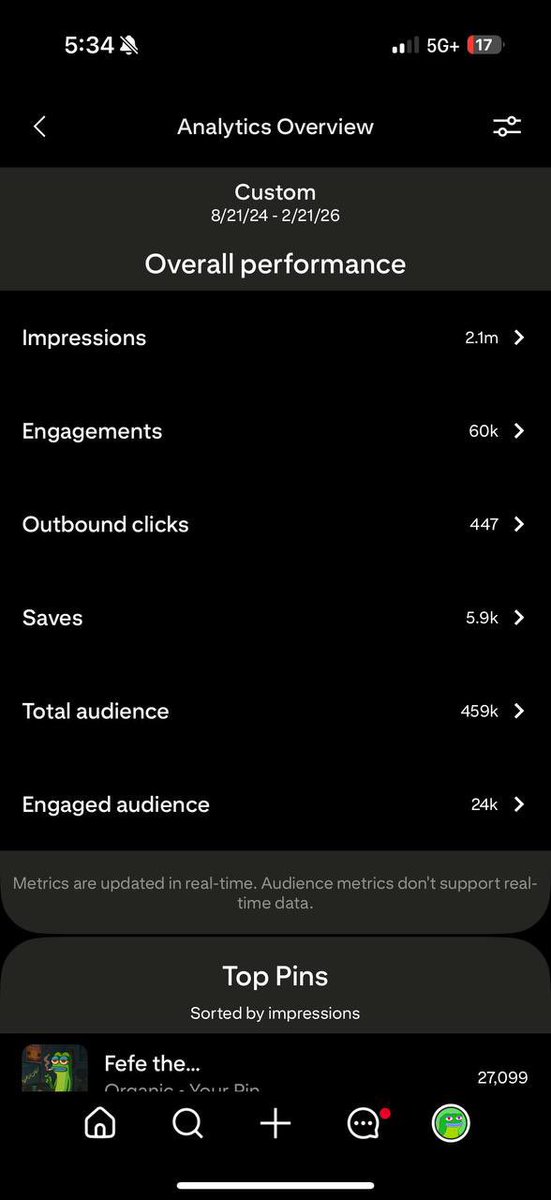
and he’s accrued millions and millions of impressions, at this point tens of millions or more and that’s not just an exaggeration. That is a guarantee fact.
Pinterest alone has 2 over million impressions.
Read this about the fefecoin Pinterest account
chatgpt.com/share/699a4310-9…
1
5
5
74

Jan 12
$fefe @fefecoinerc is probably at the best entry point it’s been at IN A LONG TIME, the party is just getting started and you’re incredibly EARLY
#altcoinseason #pepecoin #fefecoin #memecoin #altcoin
1
8
12
218
Jan 12
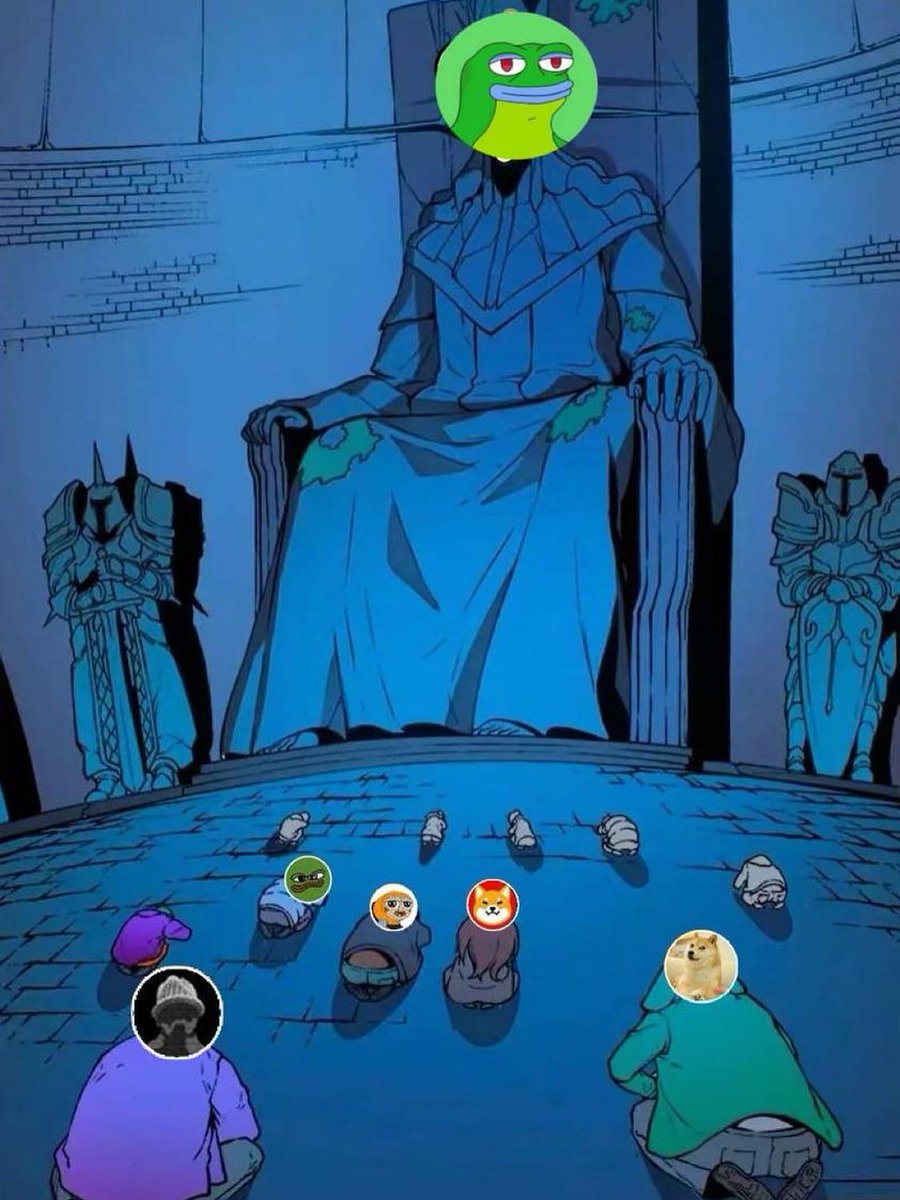
As the timeline above shows, $fefe @fefecoinerc is the third frog after $Pepe which is INCREDIBLE 🐸
#altcoinseason #pepecoin #fefecoin #altcoin #doge
5
9
89



17 Nov 2025
@fefecoinerc @fefecoinz @fefecoinx @sagaofficially @sagaofficialx
#fefeofficially #crypto #memecoin #pepecoin #pepe #pepememe #fefecoin #fefememe
17 Nov 2025

I DON’T GIVE A FUCK WHAT YOU THINK
WE WILL WIN
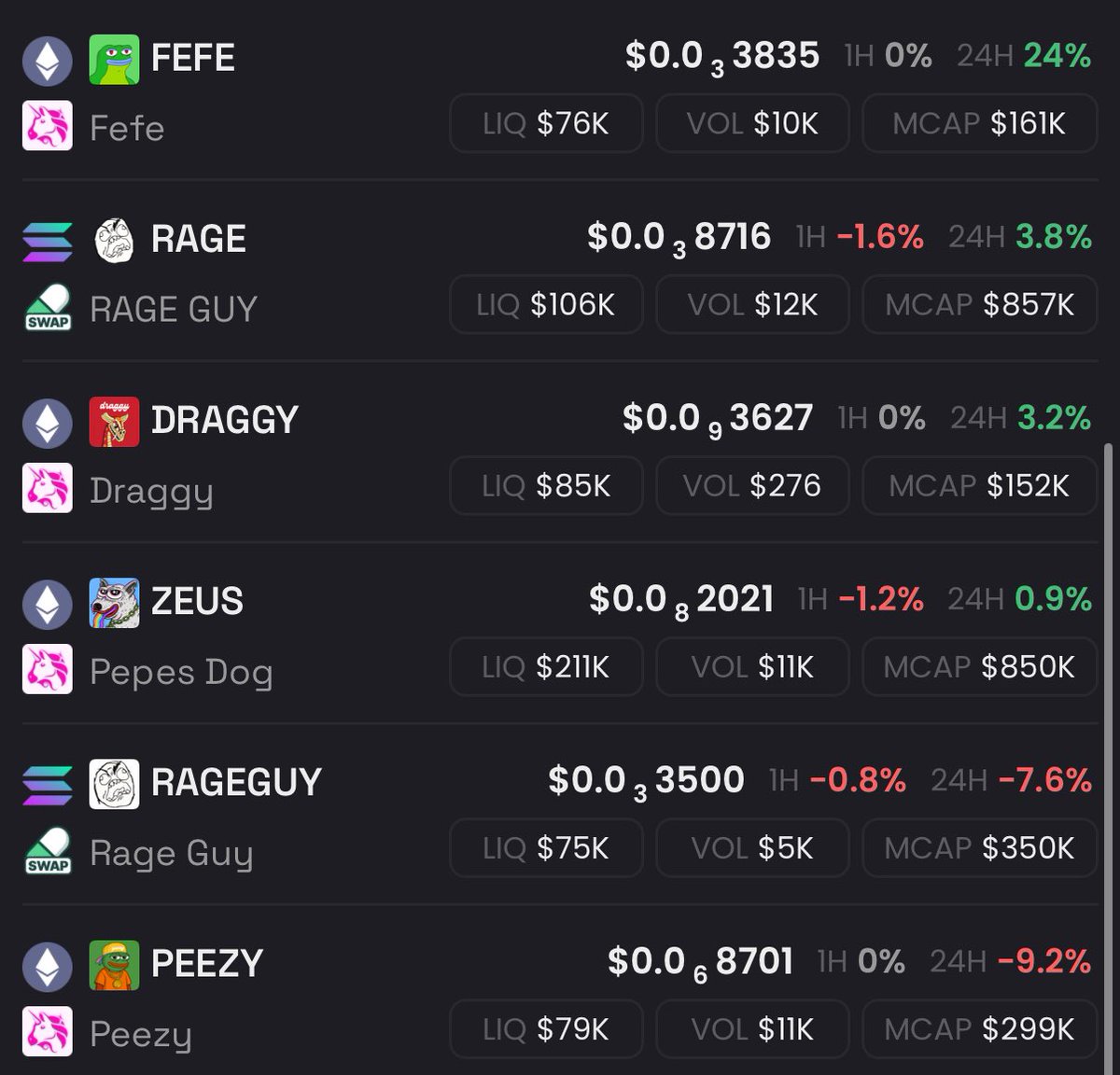
UP 24%
NO ONE IS AFRAID TO BUY $FEFE BECAUSE WE KNOW WHATS GOING ON HERE
THE MOST TRANSPARENT #MEMECOIN IN THE GAME
$FEFE
2
3
125
17 Nov 2025
We're the frogs they can't ignore. $FEFE is the energy they wish they had.
@fefecoinerc @fefecoinz @fefecoinx @sagaofficially @sagaofficialx
#fefeofficially #crypto #memecoin #pepecoin #pepe #pepememe #fefecoin #fefememe



1
4
4
140

7 Nov 2025
You can’t directly choose an Ethereum contract address — they’re deterministic, derived from the deployer’s address and nonce — but you can influence it by brute-forcing deployments until the resulting address starts with your desired prefix (e.g., 0xfefe...). This is called generating a vanity contract address.
Here’s how it works in detail:
⸻
🔹 1. Why It’s Hard
An Ethereum contract’s address is generated by:
keccak256(rlp.encode([sender, nonce]))[12:]
That means you can’t just “pick” it — you must change the inputs (sender or nonce) until the hash happens to produce an address that begins with your prefix.
⸻
🔹 2. Practical Ways to Do It
Option A: Vanity Deployer Script
Use a script to:
1. Generate random private keys.
2. Compute the address of the contract that would be deployed from that wallet at nonce 0.
3. Check if it starts with your prefix (like 0xfefe).
4. If not, repeat.
Example tools:
• vanity-eth
• eth-vanity
• vanitygen
This process can take minutes to days depending on how many characters you want fixed — each hex digit adds 4 bits of difficulty (≈16× more work per character).
⸻
🔹 3. Smart Contract Deployment Trick
Once you find a wallet address that would produce a contract address starting with your prefix at a certain nonce:
1. Import that private key into your wallet.
2. Make exactly (nonce) number of dummy transactions to increment the nonce.
3. Deploy your contract as the next transaction.
4. The resulting contract address will have the prefix you targeted (like 0xfefe...).
⸻
🔹 4. Example Difficulty
Prefix Avg. Attempts Est. Time (fast GPU)
0xfe 256 seconds
0xfefe ~4 billion hours–days
0xfefec ~68 billion days–weeks
So going beyond 4–5 fixed characters is usually impractical without a mining cluster.
⸻
🔹 5. Simpler Alternative
If you don’t need the actual address to start with fefe, you can:
• Embed “FEFE” in the token symbol or name (FefeCoin, FEFE), or
• Put it in the ENS name, e.g. fefe.eth.
$FEFE #MemeCoin #Ethereum #Crypto
⸻

1
3
8
152
18 Oct 2025
1
8
18
635
17 Oct 2025
The story of Fefe the frog and fefecoin the #memecoin and how it became and where it is now 🐸
$fefe
youtu.be/ZXBEWKCzufw?si=SkaN…

1
3
166