

..
“Giving yourself permission doesn’t stop Filch or the ghosts from spotting us, you absolute child.” Yet, looking at that massive, victorious grin on his face, she knew there was absolutely no talking him out of it now—and truth be told,
..
1
22

Erm… Argus?! Like, Filch?!

⬜ ⬜ ⬜ 🟨 🟨
you got two letters in wrong places.
113

17h
The whole point of Israel is to filch $300,000,000,000 from the US taxpayer (literal amount), never say thanks, and whine like babies for more money.
3

Mrs. Norris hissed at me out of no where and suddenly Filch tries to give me detention
24

21h
Maaf bgt nih jadi keinget Argus Filch yg ada di Harry Potter, soalnya bawa2 kucing mulu dia juga
29

Bir ara Filch tam olarak bu yuzden öğrencilerden nefret ediyor yoksa çok iyi adam gibi söylemler vardı aklıma o geldi😂😂 yani en azindan kedi sever biraz işkenceye meyilli ise ne olmuşkine🤣🤣
2
2
31

okay the casting for this show has been surprisingly solid so far.
including peeves proves they are actually trying to stick to the deeper book lore this time around. can't wait to see him throwing chalk at students and annoying filch
8
2,331

Jun 15
Filch : Are you a fan of word games, Peeves?
Peeves: Well, to be honest, Argus... I don't think that's any of your business
359

Jun 14
The weird Filch looking dude who tinkers around the Muscatine mall as the roaches crawl around and floor tiles disintegrate pisses me off
234

Jun 14
Bisa gak mereka masuk kategori Squib aja kayak Argus Filch. Gak ada magis-magisnya 4 orang itu masalahnya.
108

Jun 14
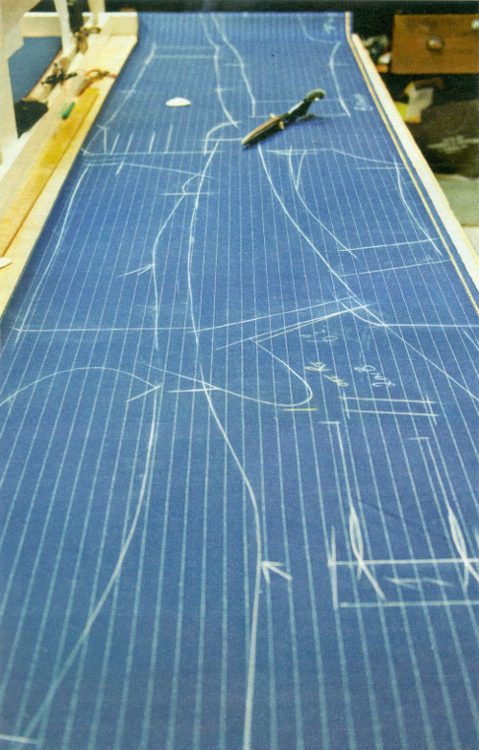
In today's Observer, Sir Frank Bowling R.A. has fingered the overlooked source of drawing’s alchemistic powers – its symbiotic relationship with… things-made. We filch this important mini-essay and honour its publication with an example below of an unsung craftsman’s draughtsmanship that Matisse would have envied (- as published in the Telegraph Magazine when the King made his first visit in 30 years to his tailor). Sir Frank first:
“I always maintained that I knew nothing about art while I was growing up in Guyana. But now that I’m a very old man looking back, I realise that arts and crafts – drawing, measuring, cutting out and making – were very much part of my childhood. It all starts with my mother, Agatha Elizabeth Franklin Bowling, who was a dressmaker, a seamstress and milliner. She had six Singer sewing machines in the house, pleating gear, embroidery machines – the whole operation. And as a small boy, it was my job to brush the mosquitoes from her legs while she sewed right through the night. I watched her hands, the needle finding its way through fabric, making a pattern out of nothing.
“When I was a teenager, my mother put me to work as a huckster – a travelling salesman – cycling on a carrier bike along the coast of Guyana, hawking fabrics and threads, and taking orders for dresses and saris. I was deep inside the world of material, of texture and colour, and the way things are made. And then she sent me to work in my uncle’s cabinet-making workshop as an apprentice, and that’s where I learned about geometry: how you could put a circle in a square, or use intersecting triangles to make rock-solid furniture. I picked up carpentry skills too from the road workers who came and went through my mother’s yard, and from them I learned how to use a theodolite, a level.
“At school in Berbice, we did technical drawing: plan and elevation, the logic of the drawn line, how it could describe a three-dimensional thing on a flat surface. Three-dimensional drawings were my forte. We were also made to draw the map of Guyana freehand. Over and over. You were supposed to get it right; that particular coastline, those particular rivers. I never quite did. It left a kind of agony in me that I did not understand until decades later, when I was in New York making map paintings and found South America appearing in the stained canvas on the floor – unbidden, unplanned, just there – and the feeling that came back was that childhood agony, that trying and trying to get the shape right. Suddenly, the shape that had tormented me was the shape I was claiming. Drawing the map of Guyana freehand as a boy turned out to be one of the most important things I ever did. I was drawing before I knew I was drawing. I have been drawing ever since.”
observer.co.uk/culture/art/a…
1
2
85



Jun 13
An assembly of such persons should be called what:
A- a disaster;
B- a poopsmear;
C- a cancer;
D- a filch;
Comment below
2

Jun 13
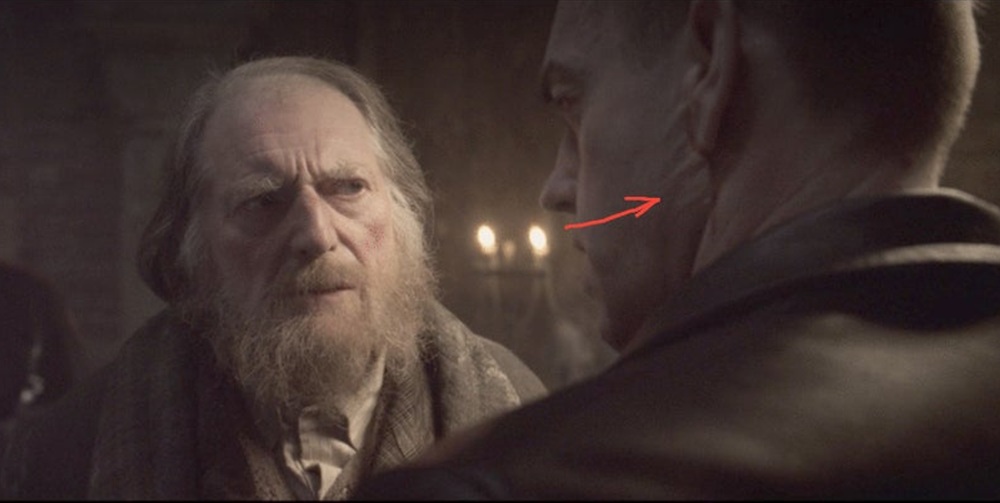
David Bradley en Capitán América: el primer vengador (2011). El actor interpreta al guardia de la torre de Tønsberg en Noruega que custodia el Teseracto en 1942. Seguro que lo recuerdas también como Argus Filch, el conserje de Hogwarts, o como Walder Frey en Juego de Tronos.
14