antonio antonov retweeted

Emekli sirk fili, 25 yılı aşkın süredir birlikte çalıştığı partnerinin yere yığılıp ölmesinin ardından yas tutarken ve onu teselli etmeye çalışırken görüntülendi.
Jenny ve Magda, 25 yılı aşkın süredir Rusya'da birlikte gösteri yapan iki arkadaştı.
Jenny geçen yıl öldüğünde, Magda saatlerce veterinerlerin yanına yaklaşmasına izin vermedi ve fili kucakladı.
Baza haber ajansının bildirdiğine göre, "Trajediden sonraki ilk dakikalarda, arkadaşını hafifçe itti ve onu kaldırmaya çalıştı, sonra da kucaklamaya başladı."
"Magda, Jenny'ye saatlerce veda etti ve veterinerlerin yanına yaklaşmasına izin vermedi."
Çok üzücü. 🥺💔
3
8
90
5,197
Malazgirt 1071 ☝️🇹🇷🇹🇷🇹🇷 retweeted

Jun 8
Belgelerle Gerçekler - 56
Yıl 1922!
Filsitin, Suriye ve Irak'ta manda yönetimi kurulmasını proteste eden Suriye ve Filistin milletvekili heyetinin Misak-ı Milli kararlarının uygulanmasına dair talepleri:
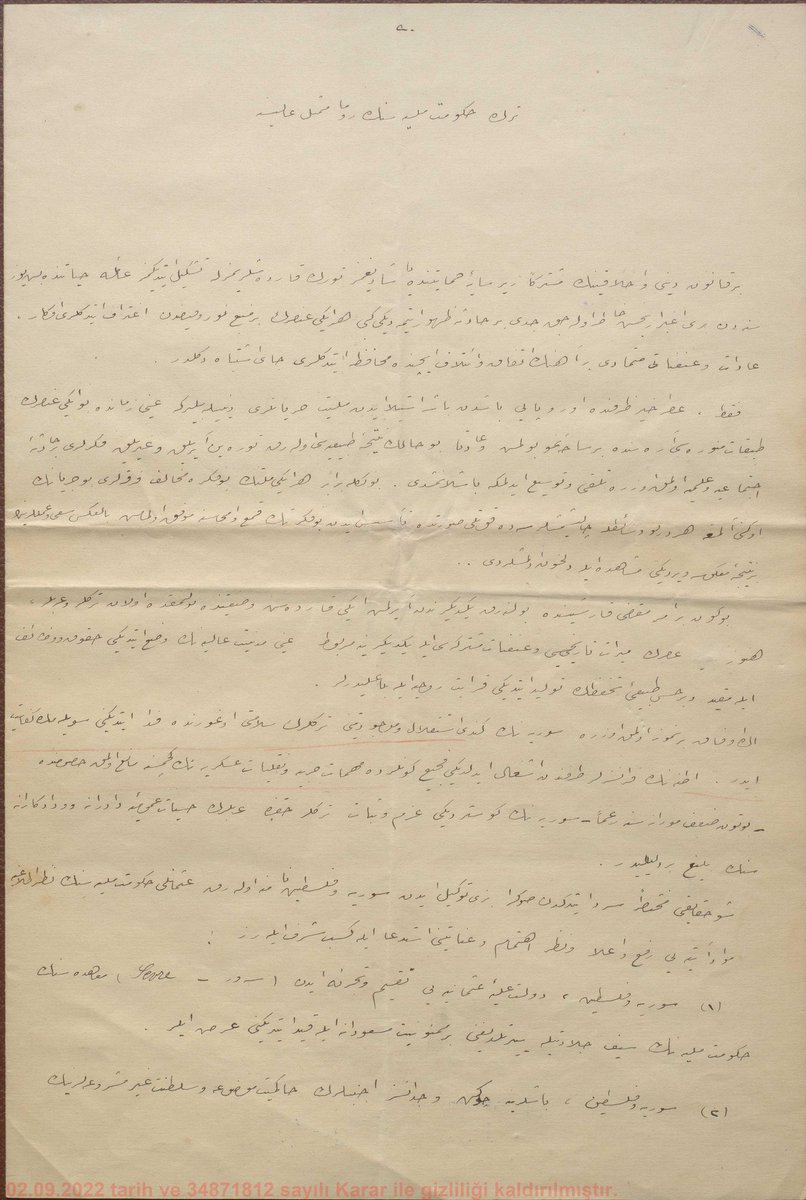
ALT Kaynak Kurum: 522 Yer Bilgisi: 2706-23772-5
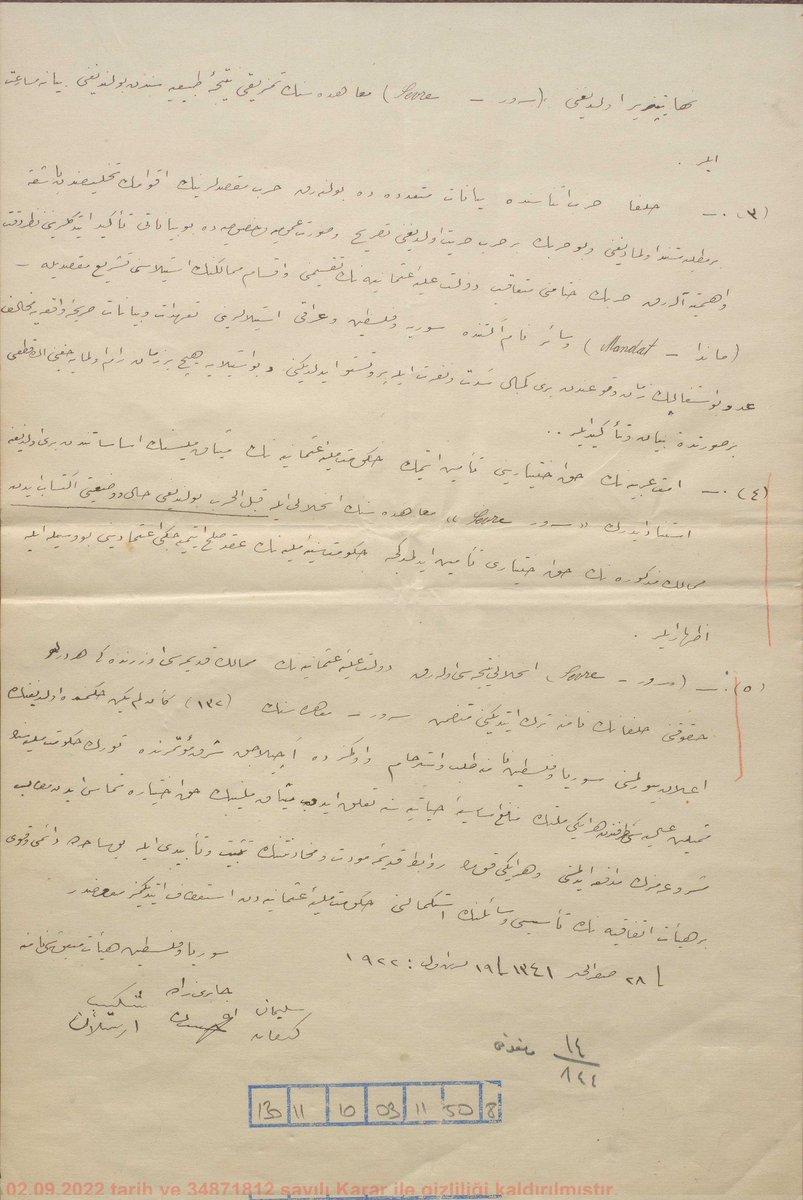
ALT Kaynak Kurum: 522 Yer Bilgisi: 2706-23772-5
Jun 7

Belgelerle Gerçekler - 55
Yıl 1922!
Gaziantep'te bulunan Halep Müdafaa-i Hukuk Cemiyeti'nin Suriye'nin Türkiye'ye ilhakının Lozan Konferansı'nda görüşülmesine dair talebi:
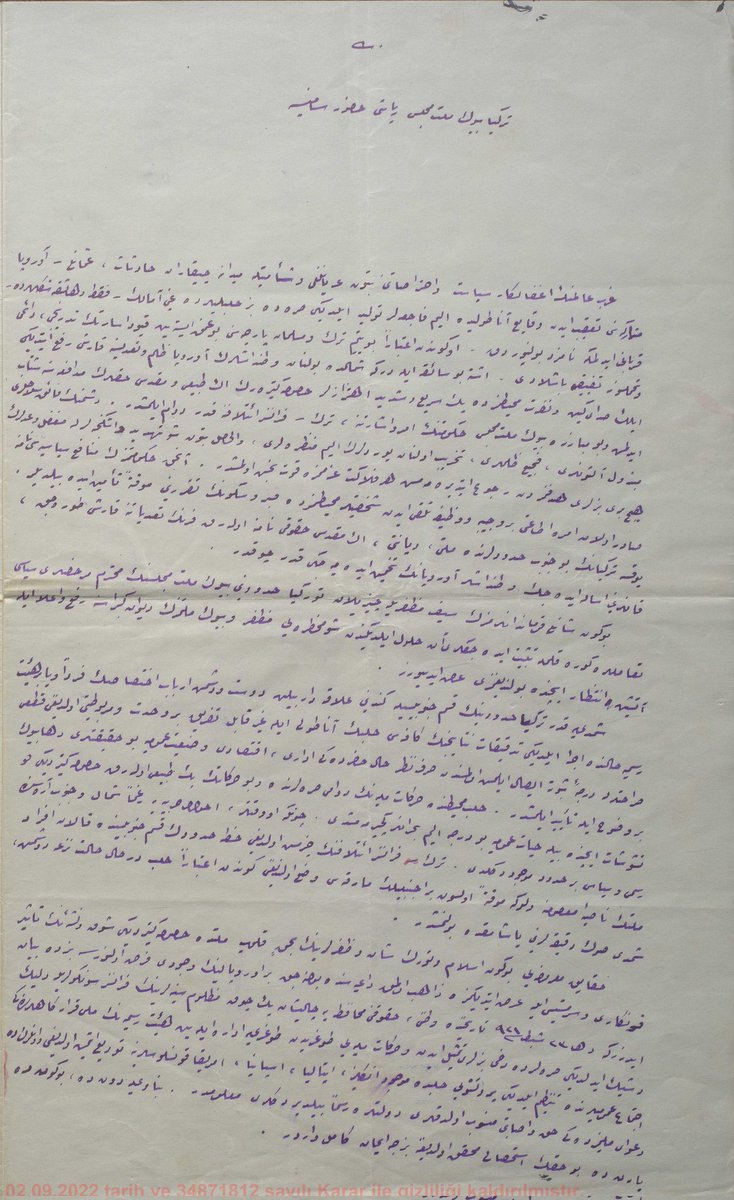
ALT Kaynak Kurum: 522 Yer Bilgisi: 2706-23772-6
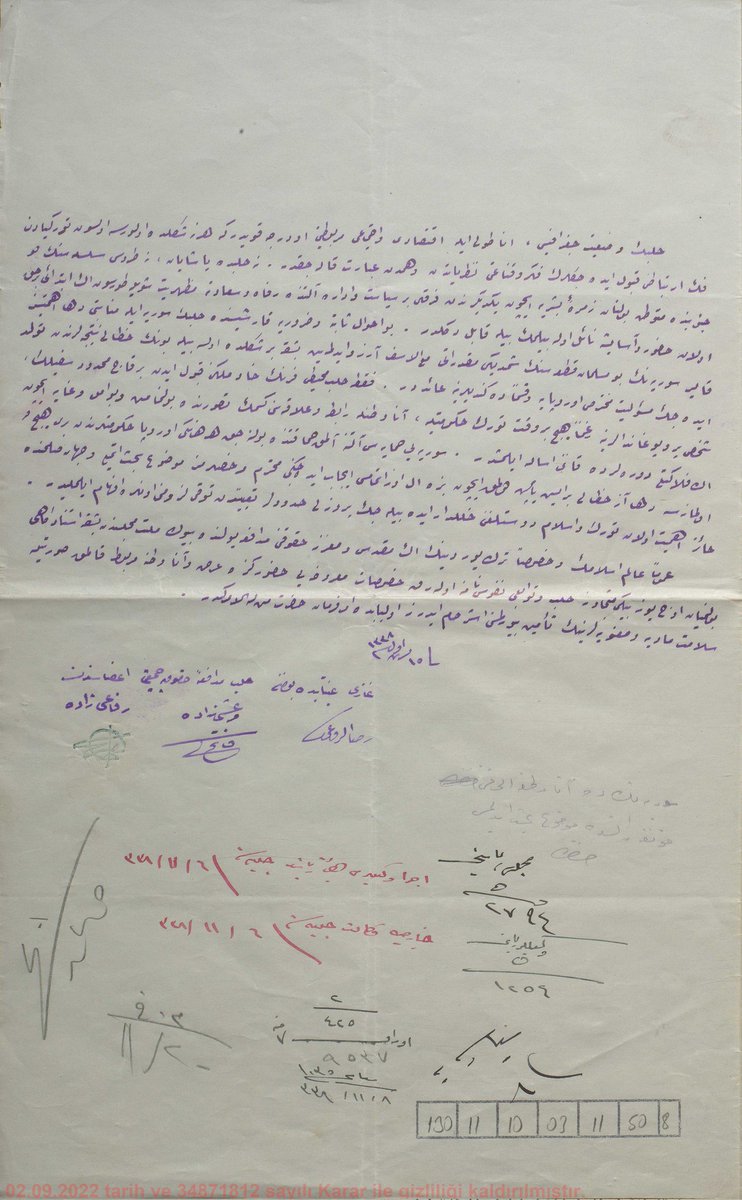
ALT Kaynak Kurum: 522 Yer Bilgisi: 2706-23772-6
1
6
16
895
Murat Dönmez retweeted

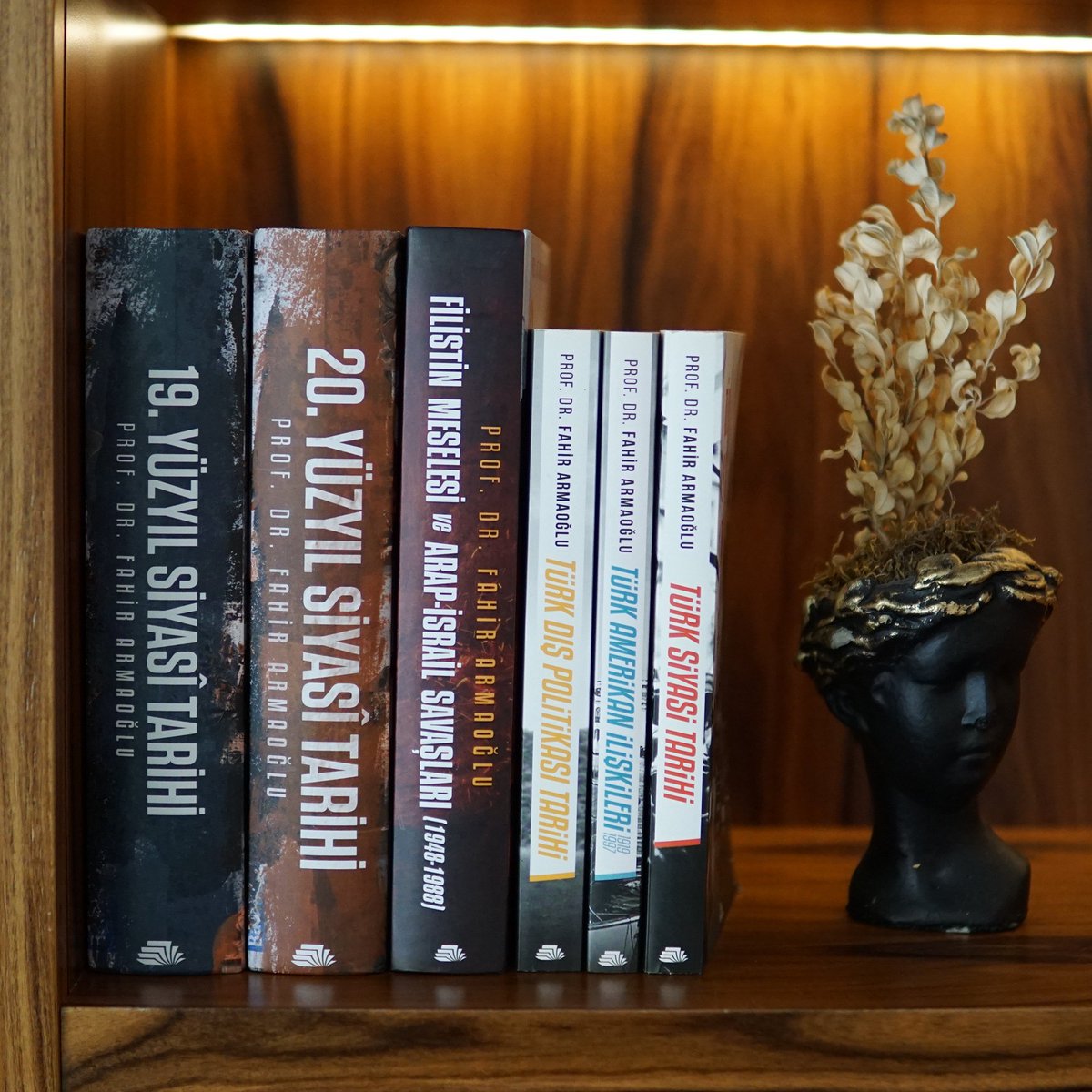
Prof. Dr. Fahir Armaoğlu Kitaplığı;
• Türk Siyasi Tarihi
• Türk - Amerikan İlişkileri
• Türk Dış Politikası Tarihi
• Filistin Meselesi ve Arap - İsrail Savaşları
• 19. Yüzyıl Siyasi Tarihi
• 20. Yüzyıl Siyasi Tarihi
🔗: kronikkitap.com/kategori/tar…
15
1,850


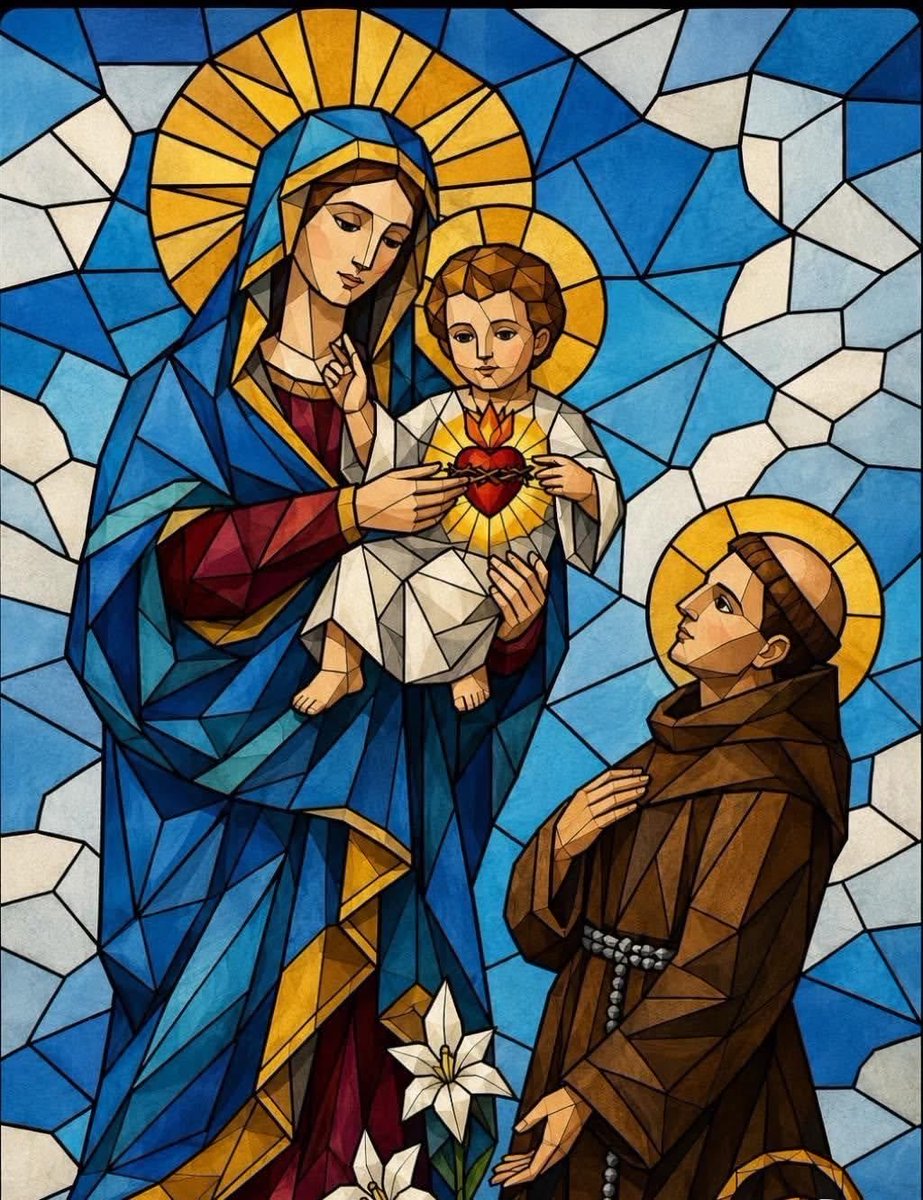
Il legame tra Sant’Antonio di Padova e la Vergine Maria è uno dei fili più luminosi della sua spiritualità. Nei suoi Sermoni, Antonio parla di Maria con un linguaggio poetico, teologico e profondamente affettivo: la contempla come presenza viva, guida del popolo di Dio, “stella del mare” che illumina il cammino dei credenti.
12

Exactly. Naga wanda tace ma yawancin su 'yan iska ne kawai bai fito fili bane

Duk wadda kukaga tana goyon bayan shedanci to itama shedaniya ce
8
Valeria retweeted

“Ti aspetto tra le pieghe del vento
Ti aspetto là dove i sogni non fanno rumore, tra i fili d’erba che il sole accarezza prima che l’alba svanisca. Ti aspetto nel silenzio che precede l’onda e nel vuoto d’un cielo che s’impara mentre insegna.”
#ViaDallaMediocrità
#SalaLettura

2
21
52
613

Wata Habibu ana tsula tsiya a kasar nan wallahi. Shi yaga hasara a fili s*cking kawai 5k 😂😂😂😂
67



It’s giving our Rizal exam
about El Fili and we had to fill in the blank, “Simoun said with a ______ smile” like how are we supposed to remember how Simoun smiled in that scene😭
(the answer was enigmatic btw I am never forgetting this)


8


Dole rashin tsaro ya cinye mu a arewa.. Mu Maida sabon Allah ba komai... Muna yi a Fili da boye
36
ThunderMoon retweeted

Jun 11
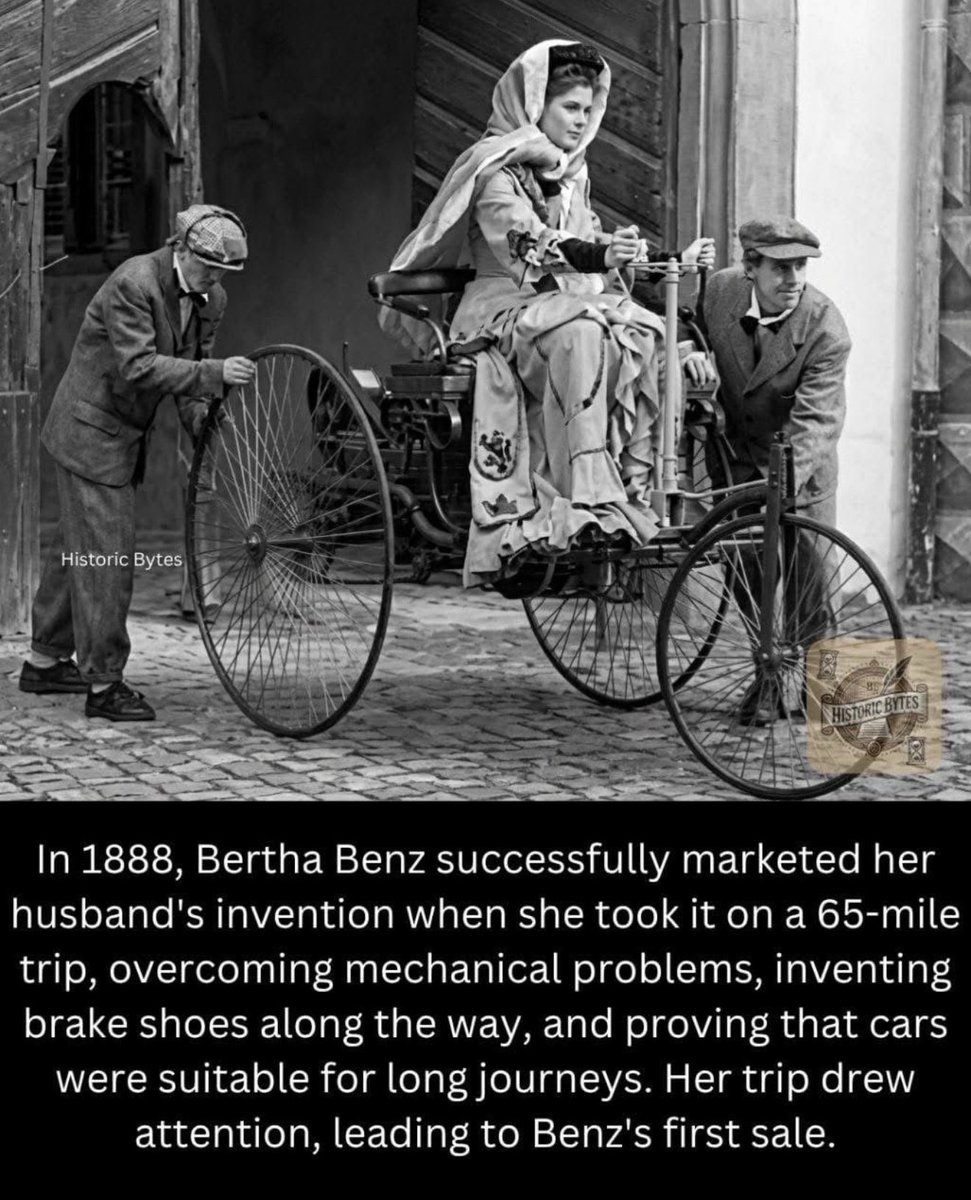
Carl Benz had invented the automobile. What he had not managed to do was convince anyone to buy one.
Two years after filing his patent in January 1886, the Benz Patent-Motorwagen sat largely unsold, dismissed by a skeptical public that saw a three-wheeled, horse-less carriage as a novelty rather than a practical machine.
Carl was a brilliant engineer and a poor businessman, and the gap between his invention and commercial success was widening. His wife understood exactly what needed to happen.
On August 5, 1888, while Carl was still asleep, Bertha Benz left a note on the kitchen table, loaded their two teenage sons into the Motorwagen, and drove north from Mannheim toward Pforzheim, sixty-five miles away, without telling him where they were going or when they would return.
The roads were unpaved. No one had driven an automobile this distance before.
There were no mechanics, no fueling stations, and no map designed for a machine rather than a horse.
She stopped at a pharmacy in Wiesloch to buy Ligroin, a cleaning solvent that happened to work as fuel for the single-cylinder engine.
The pharmacist sold it to her without fully understanding what she needed it for. That pharmacy, still operating today, is recognized as the world’s first filling station.
When the fuel line clogged, she cleared it with her hat pin. When the ignition wire wore through, she insulated it with her garter.
When the wooden brake blocks burned down to nothing on a steep descent, she pulled into a cobbler’s workshop and had him nail leather strips to the brake shoes, inventing brake lining on the spot.
Sometimes you do have to go a long way to make a point
4
31
95
2,365
Philip Michael Jugo Mateo retweeted

♰ Fridays are Dedicated to the Passion of Our Lord Jesus Christ ♰
🇻🇦 Domine Iesu Christe, Fili Dei, miserere mei, peccatoris 🙏
🇺🇸 Lord Jesus Christ Son of God have mercy on me a sinner 🙏
🎥 Making a wearable cross from black hornbeam wood.
Video Korban Woodcraft

♰ Fridays are Dedicated to the Passion of Our Lord Jesus Christ ♰
🇻🇦 Domine Iesu Christe, Fili Dei, miserere mei, peccatoris 🙏
🇺🇸 Lord Jesus Christ Son of God have mercy on me a sinner 🙏
🎥 Kerygma Art Exposition, Granada Cathedral, Spain 🇪🇸
Celebrating the Centenary of the Royal Federation of Brotherhoods and Confraternities and the Fifth Centenary of the Cathedral.
Video Pasion por un Sentir
9
93
654
20,900

Holy fuckkk I didn’t know I was craving Julia sooo bad I love how tiny and tight she is and her legs make me melt 🫠🤤💜
Julia Filippo
#JuliaFilippo #smallcock #cumshot #celebrity #cumtributeِs #gooner #wankchat #tiktoker


2
15
691