

Apr 13
이제 백도어 분석 시간이 매우 단축될 예정
BPF 백도어 같은 건 200개 이상의 명령어로 구성된 필터를 수작업으로 분석하면 하루가 걸렸고, 그 지연이 침해 대응의 최대 병목이었다.
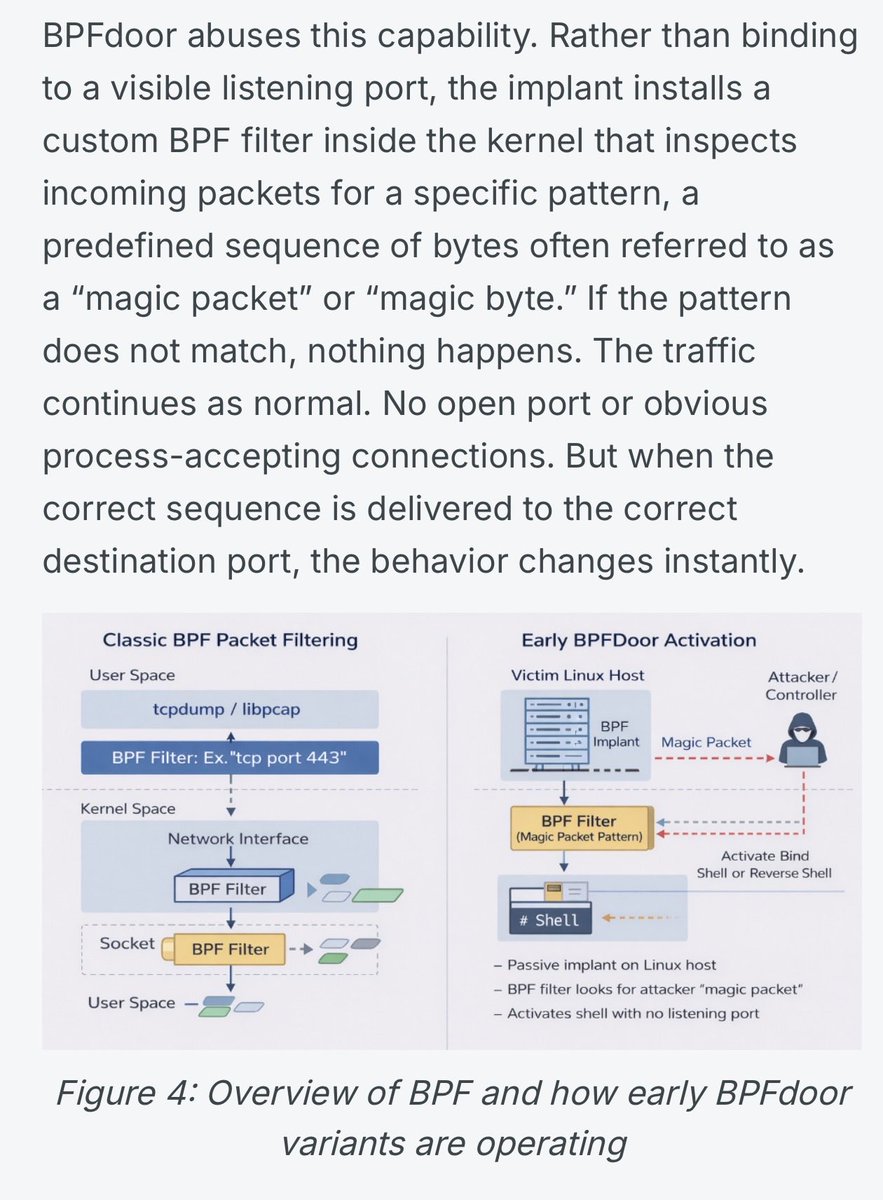
커널 내부에서 모든 트래픽을 감시하면서 특정 매직 패킷을 받을 때만 활성화됐기 때문에, 포트를 열지 않기 때문에 기존 포트 스캔 기반 탐지를 원천 회피해 왔다.
Cloudflare는 Z3 솔버와 심볼릭 실행을 결합해 BPF 명령어 집합을 제약 조건으로 변환하고 수락 경로를 자동으로 역산했다.
그 결과 분석 시간이 수 초로 단축됐다.
filterforge 오픈소스 공개는 전체 분석 속도를 공격자의 난독화 속도보다 빠르게 만들 수 있다.
blog.cloudflare.com/from-bpf…
1
61

Apr 13
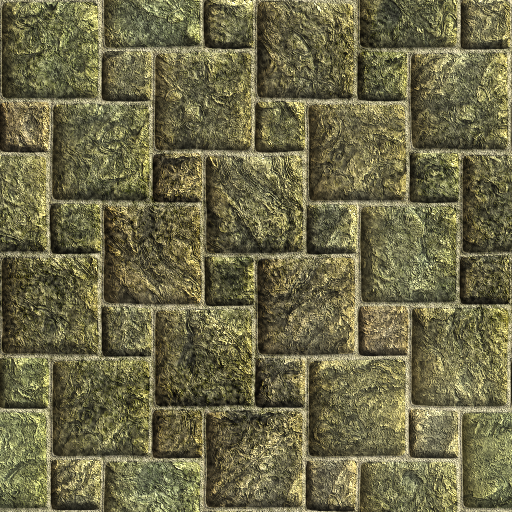
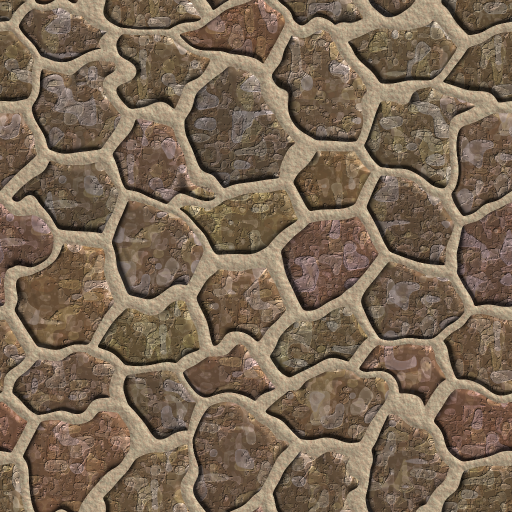
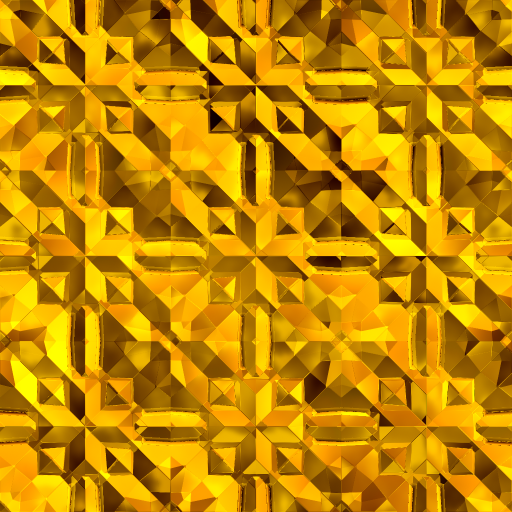
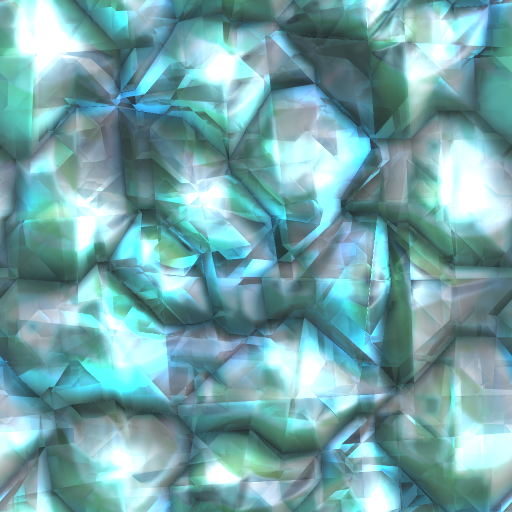
semi-related but a few years back a texturing software called genetica went out of business and they had a bunch of preset textures on their website with a distinct baked style, I know filterforge is still going strong and they have a similar style
1
136

Apr 9
I recently posted the filterforge project, yesterday we released the blogpost detailing how it works under the hood!
Apr 8

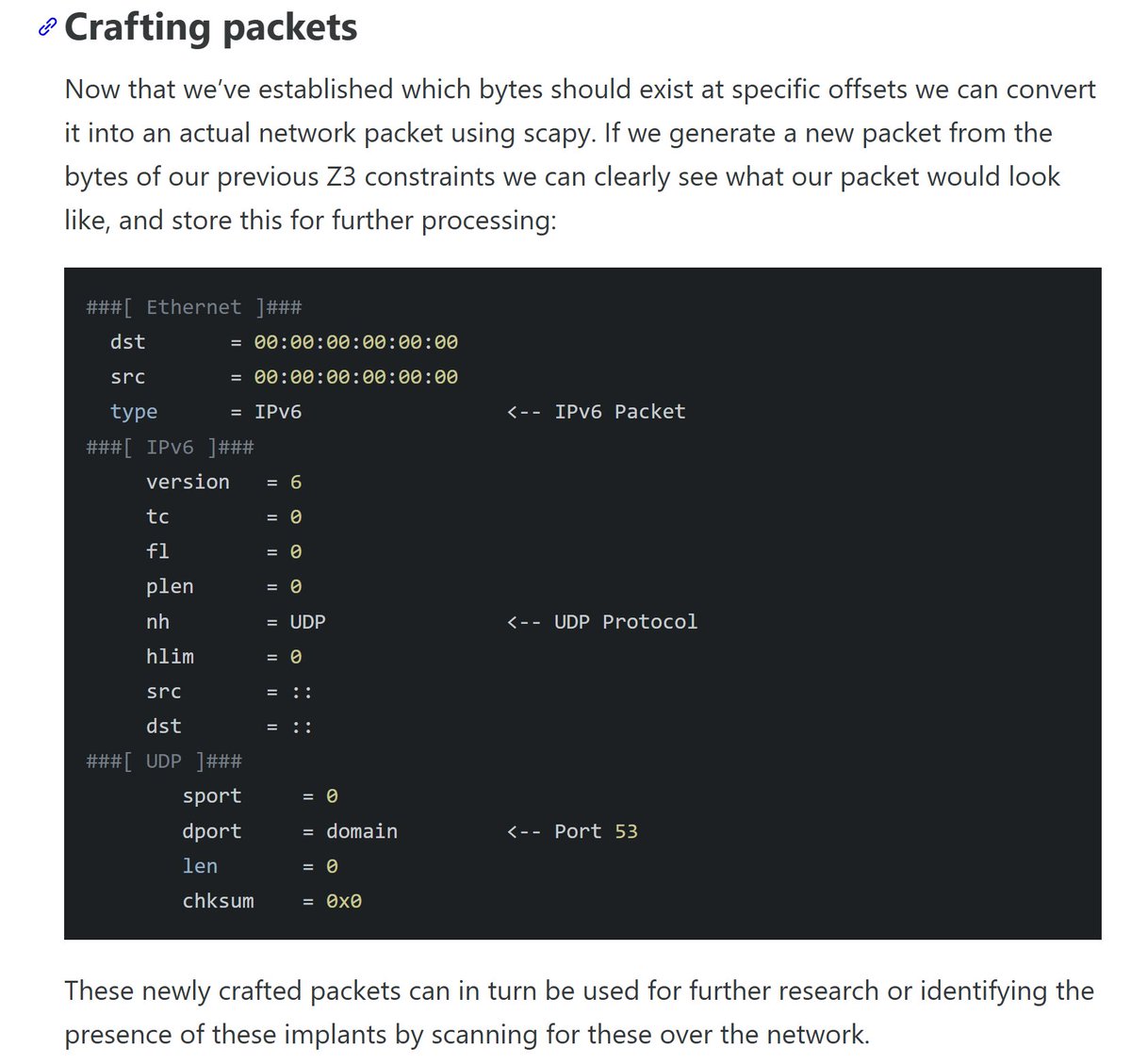
By applying symbolic execution and the Z3 theorem prover to BPF bytecode, we’ve automated the generation of malware trigger packets, cutting analysis time from hours to seconds. Here's how: cfl.re/4c6gYqA
1
3
5
588

Apr 9
Many Linux malware samples (notably BPFDoor and similar) hide using classic BPF (Berkeley Packet Filter) socket filters. These filters keep the malware dormant until it receives a very specific “magic packet” ,only then does it activate and reveal itself.
Manually reverse-engineering complex BPF programs (often 100–200 instructions with heavy branching) to figure out the exact trigger packet used to take hours or even days. Cloudflare’s solution turns this into a process that runs in seconds.
blog.cloudflare.com/from-bpf…
filterforge:
github.com/cloudflare/filter…
Mar 27

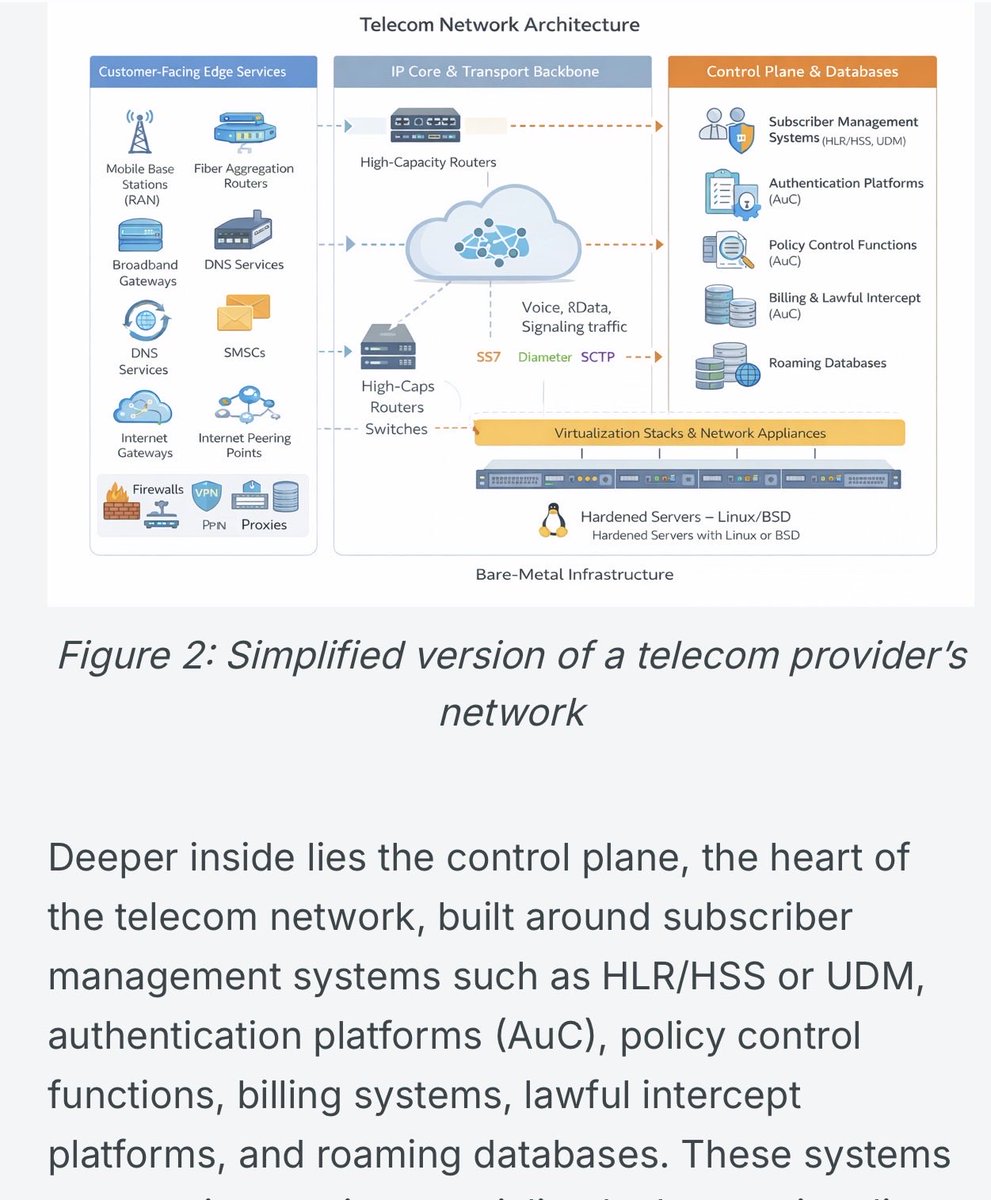
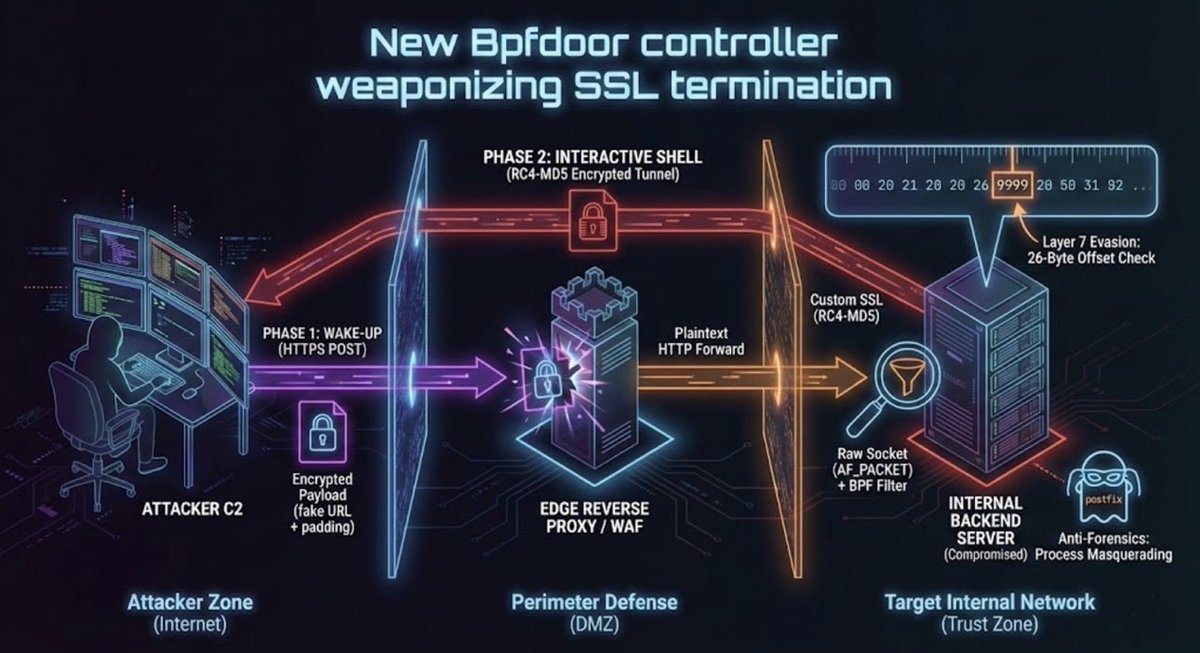
The newly observed capabilities demonstrate how BPFdoor has evolved beyond a stealth backdoor into a layered access framework.
The updated variant combines encrypted HTTPS triggers, proxy-aware command delivery, application-layer camouflage techniques, ICMP-based control signals, and kernel-level packet filtering to bypass multiple layers of modern network defenses.
Each technique targets a different security boundary, from TLS inspection at the edge, to IDS detection in transit, and endpoint monitoring on the host, illustrating a deliberate effort to operate across the full defensive stack.
2
42
177
18,822

Apr 9
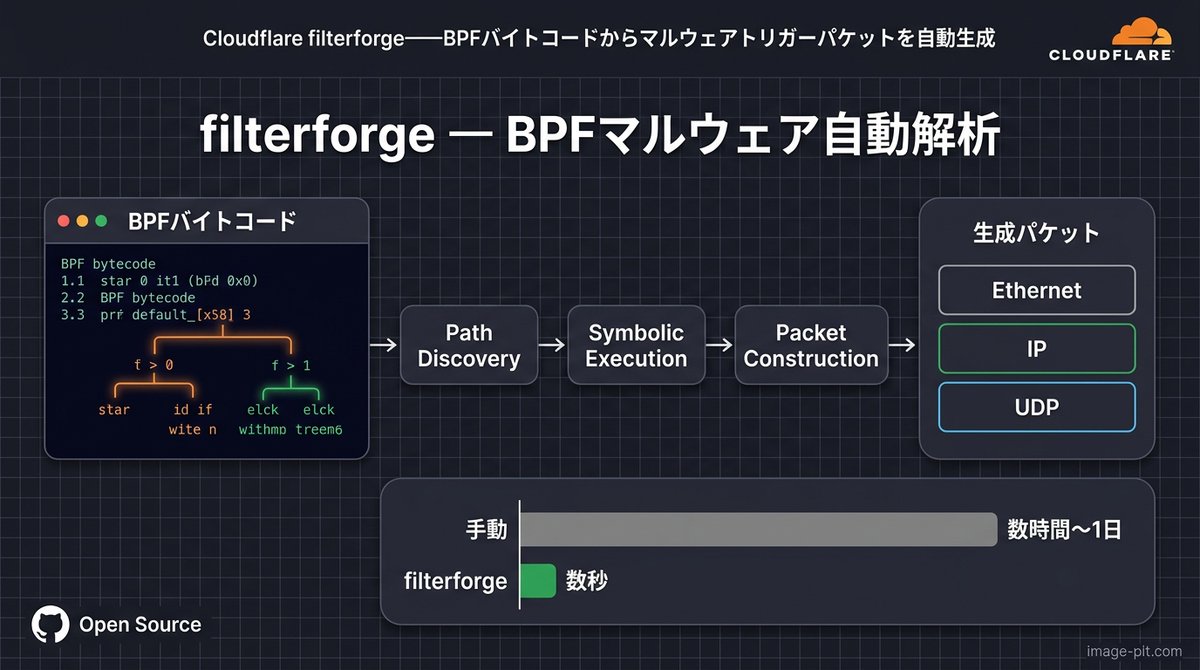
Cloudflareがセキュリティツール「filterforge」をOSS公開。
BPFDoor(ポートを開かないステルスマルウェア)のトリガーパケットを自動生成。
・Z3定理証明器でBPFバイトコードを解析
・従来: 数時間〜1日かかる手作業
・filterforge: 数秒で自動生成
・Python実装、GitHub公開済み
インシデントレスポンスの現場が変わる技術。
詳細 → media.image-pit.com/articles…
1
1
1
126

Mar 16
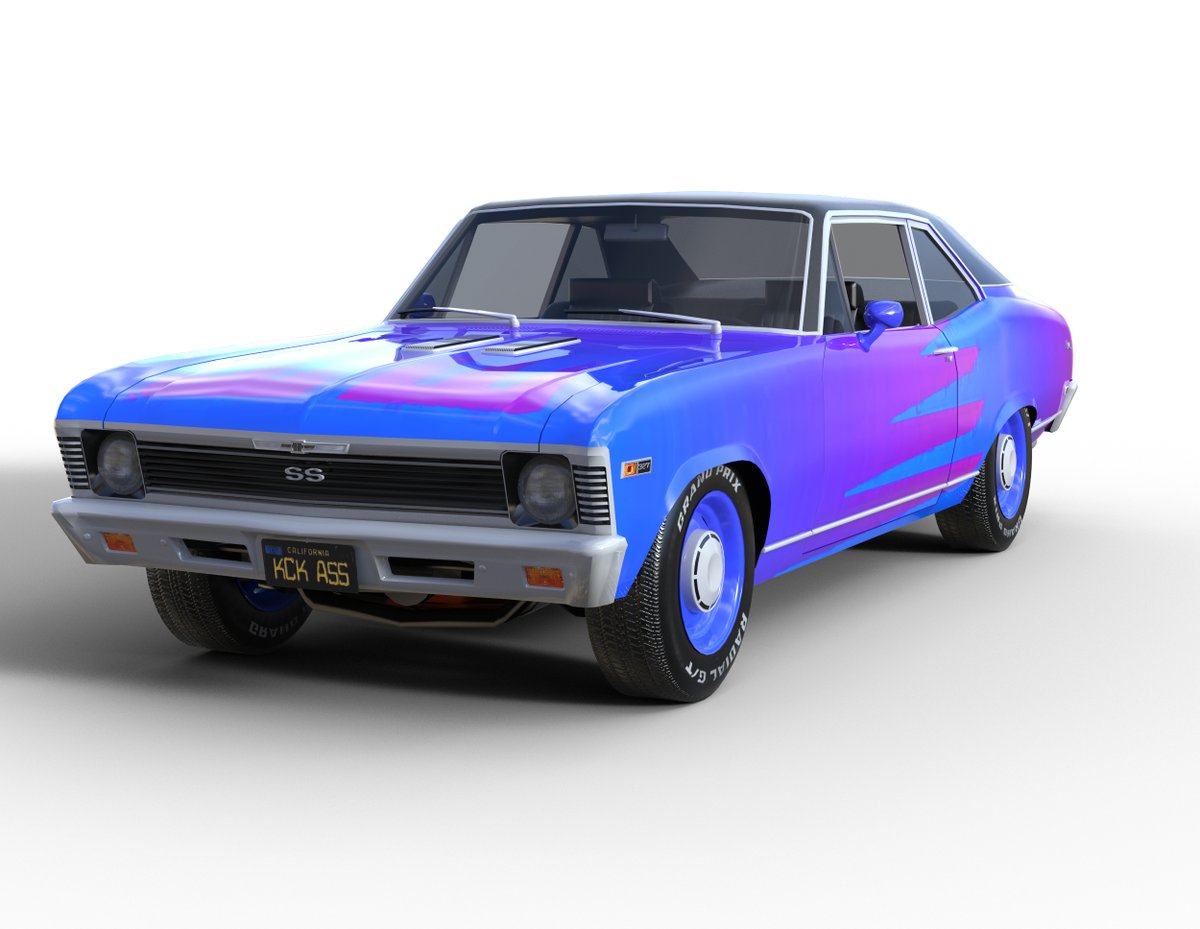
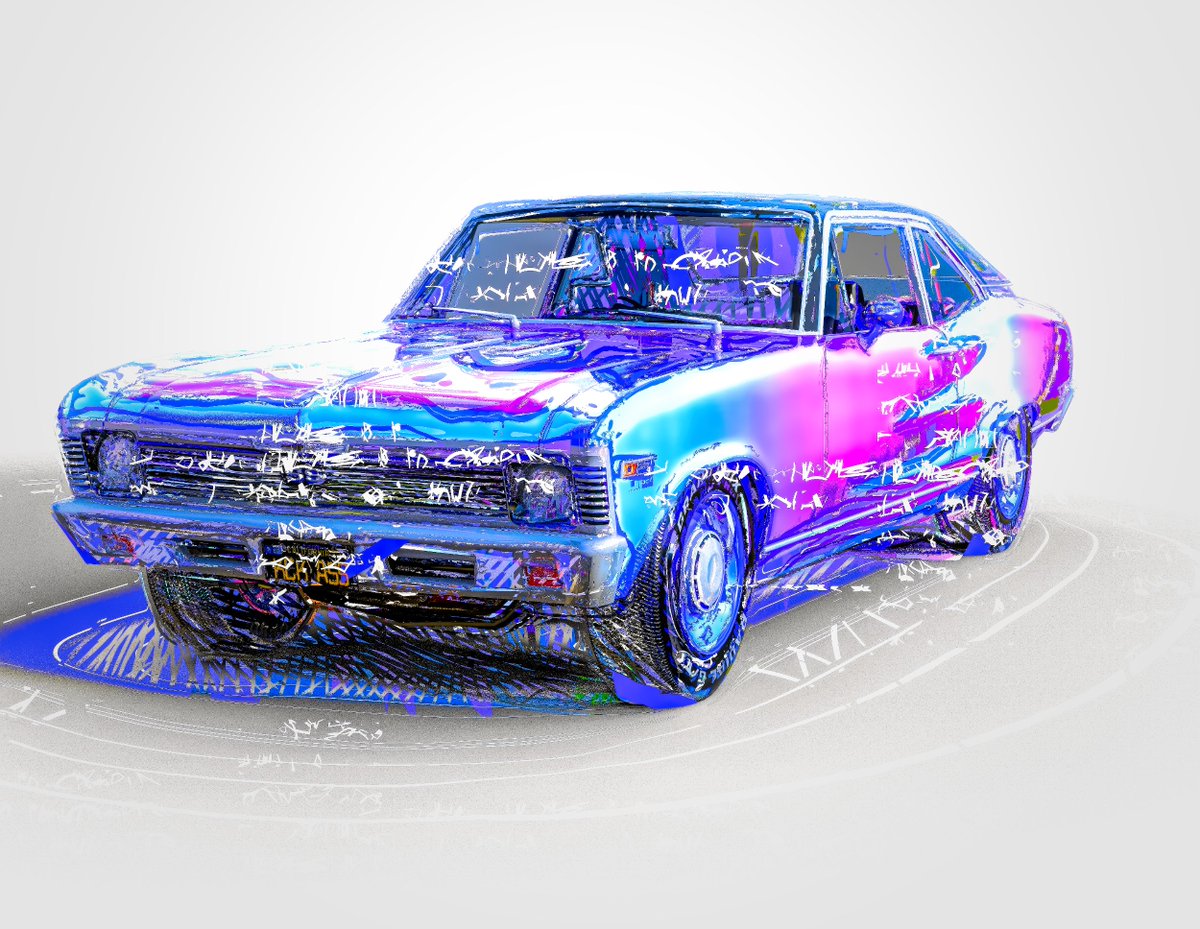
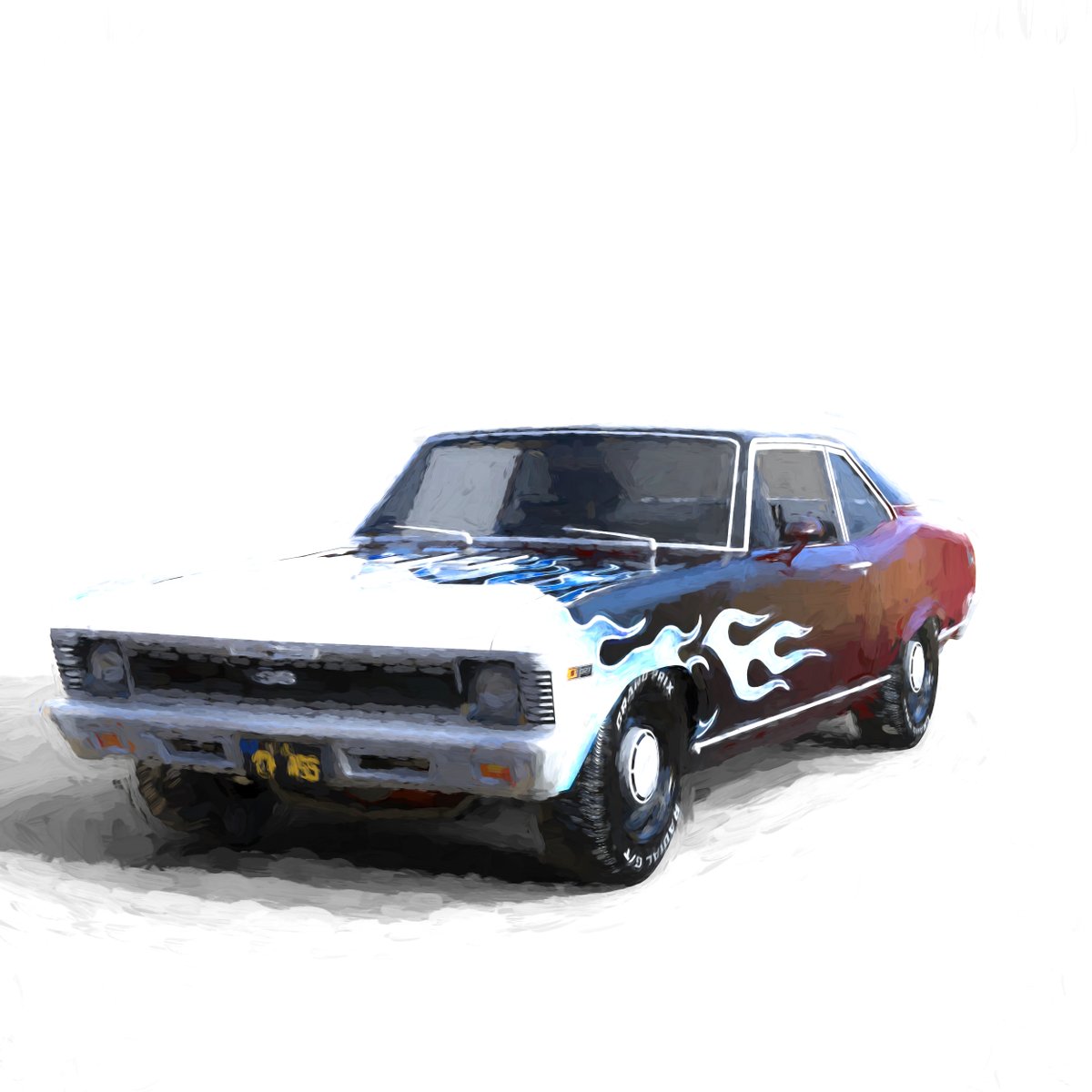
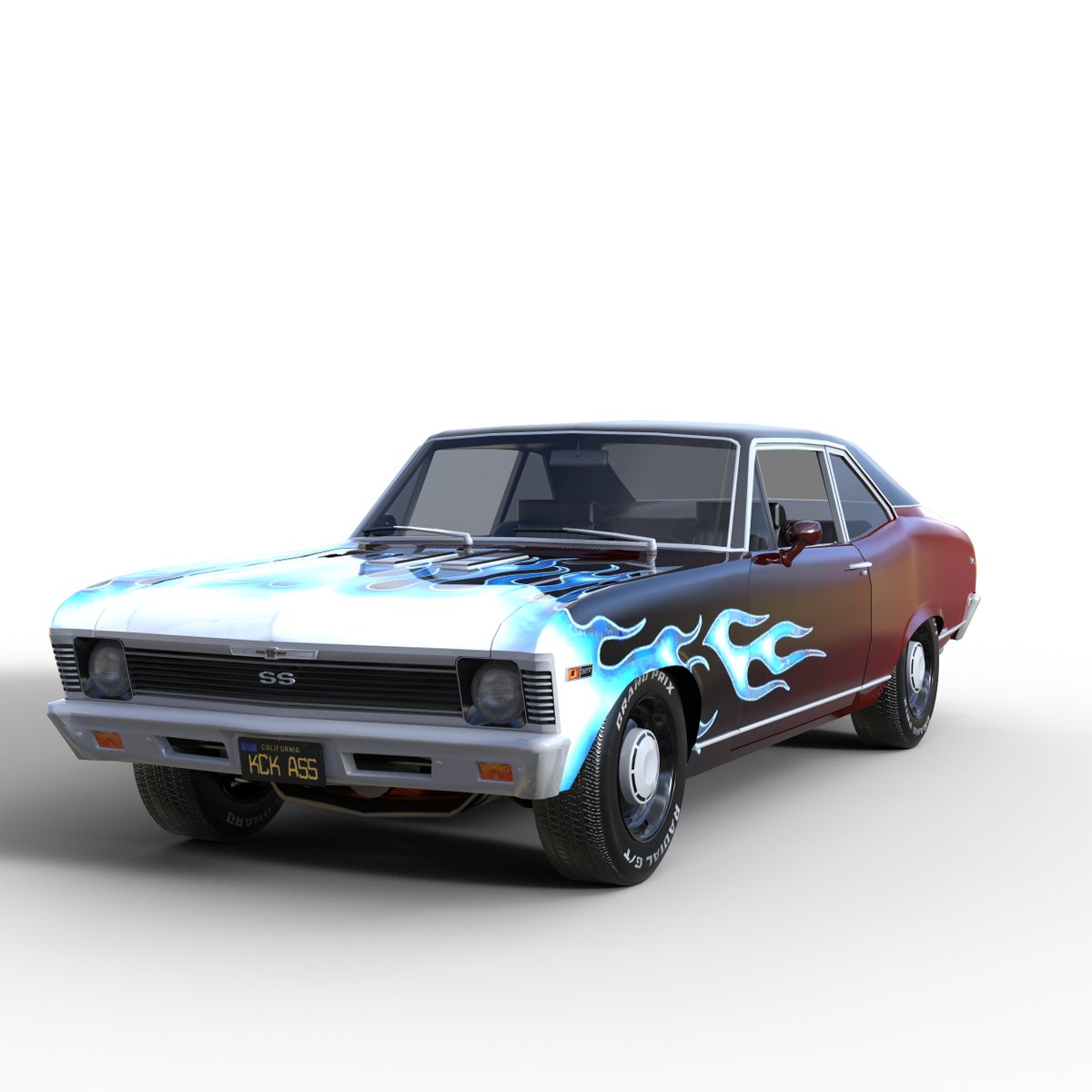
Classic cars rendered and postworked
#classiccar #charger #daz3d #filterforge #affinityphoto #topazstudio #
1
33

Feb 25
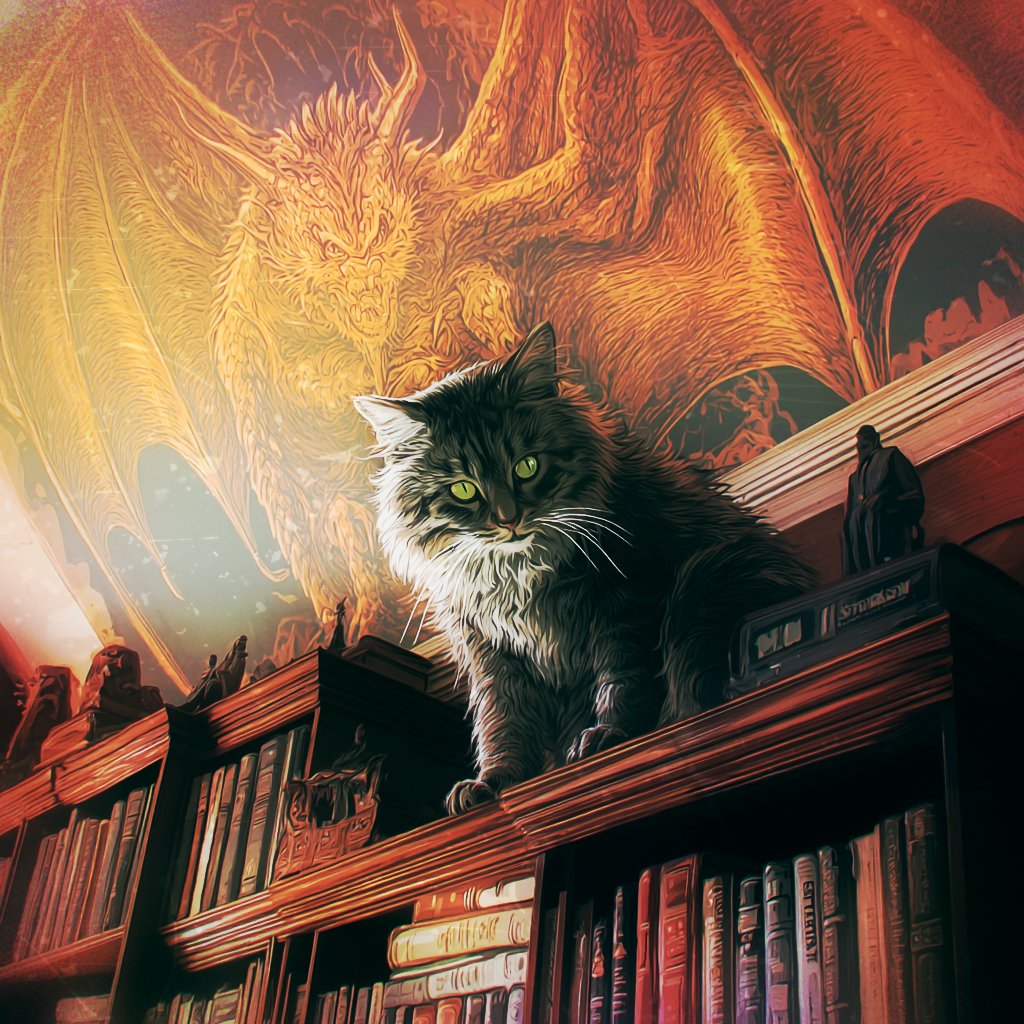
Cat's imagination and defiance. They can be sneaky little critters and often think they have mind control and superpowers to boot.
Just try to get me down from here, human! You will meet my inner dragon for sure!
AI art
#Midjourney #filterforge
2
43
Long Emergency - Variations - Part 2
Scanned original paintings, modified with 2d filters and tools. 2025.
more info: cafargo.com/?p=52020
#art #painting #digitalart #thelongemergency
@filterforge
1
2
487
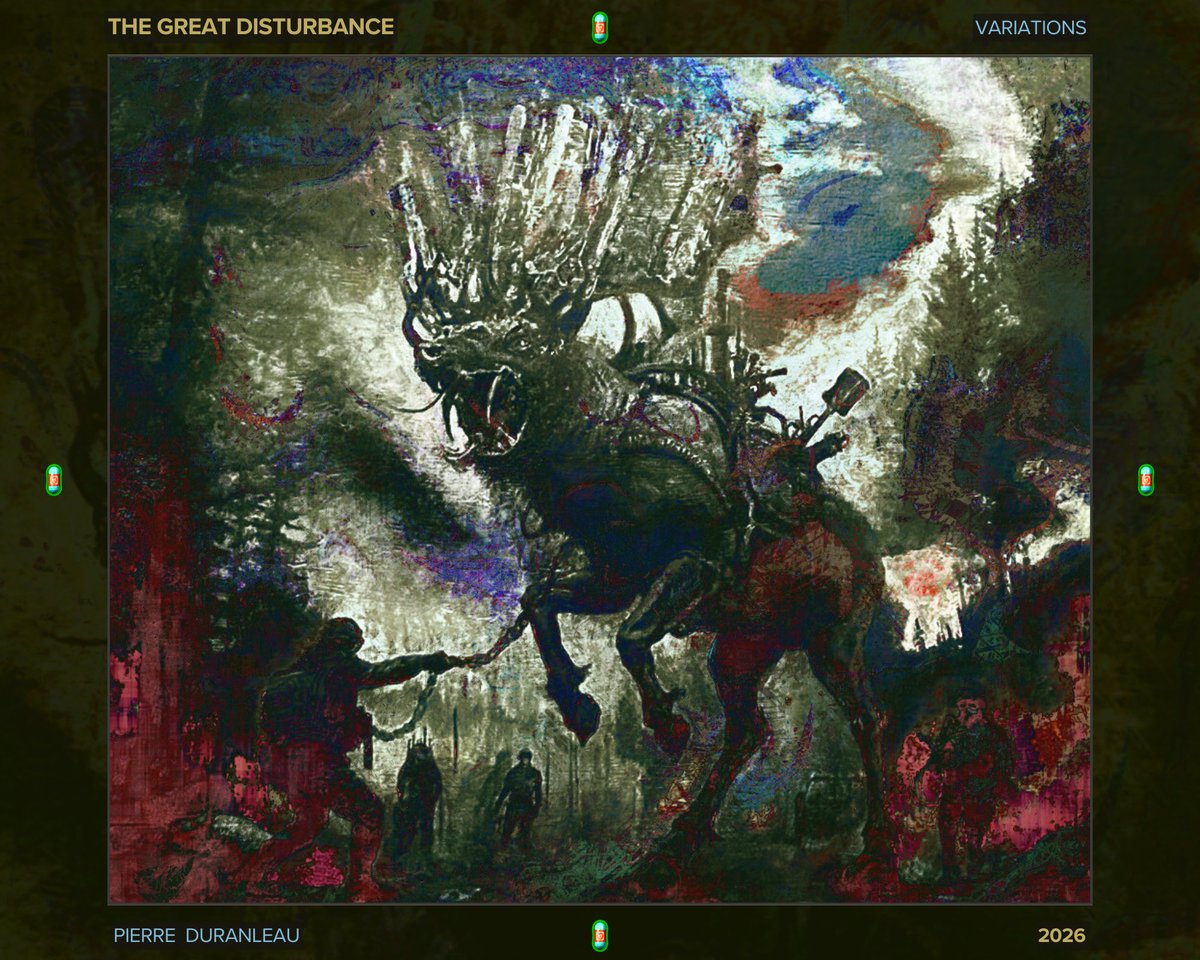
The Great Disturbance - Variations on a Theme
Part of the Long Emergency graphics series.
Scanned original painting, modified with 2d filters and tools. 2025-26.
more info: cafargo.com/?p=51797
#art #painting #digitalart #thelongemergency #Filterforge
1
3
94
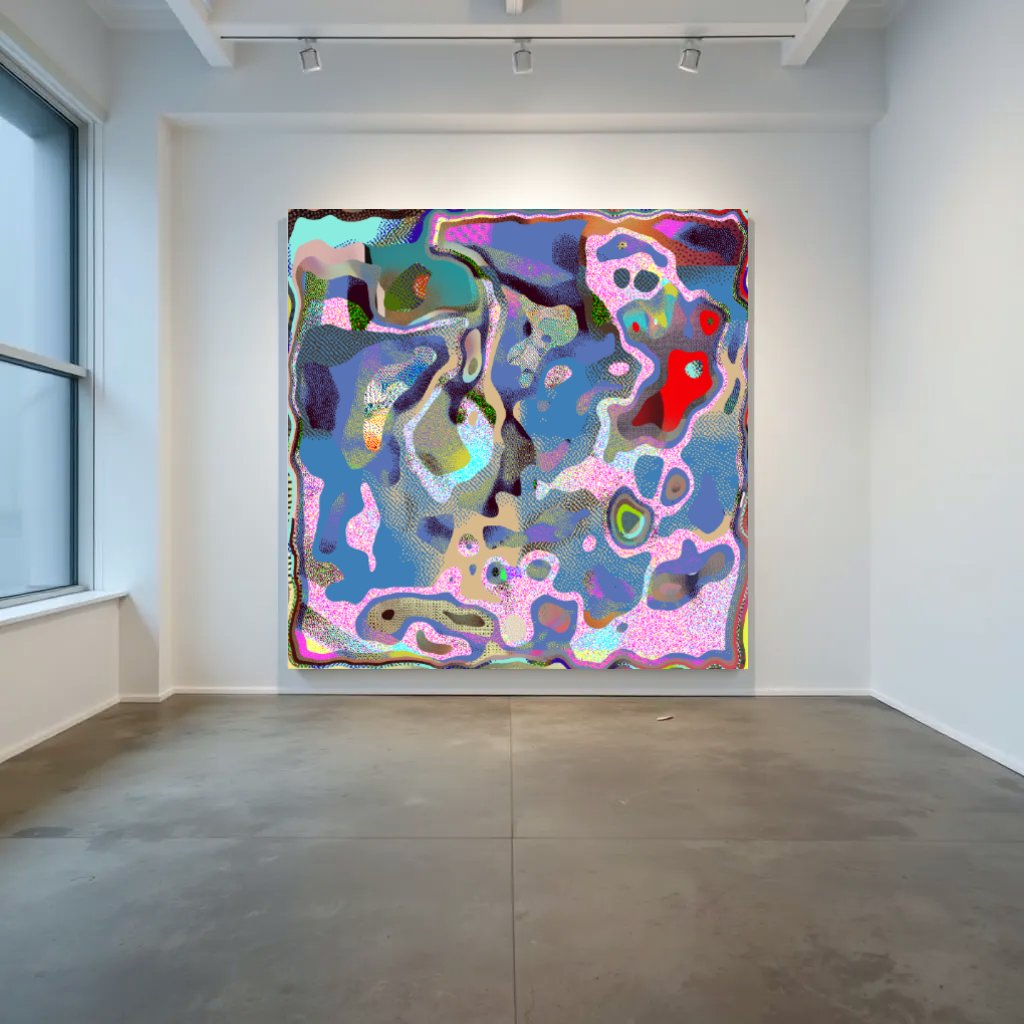
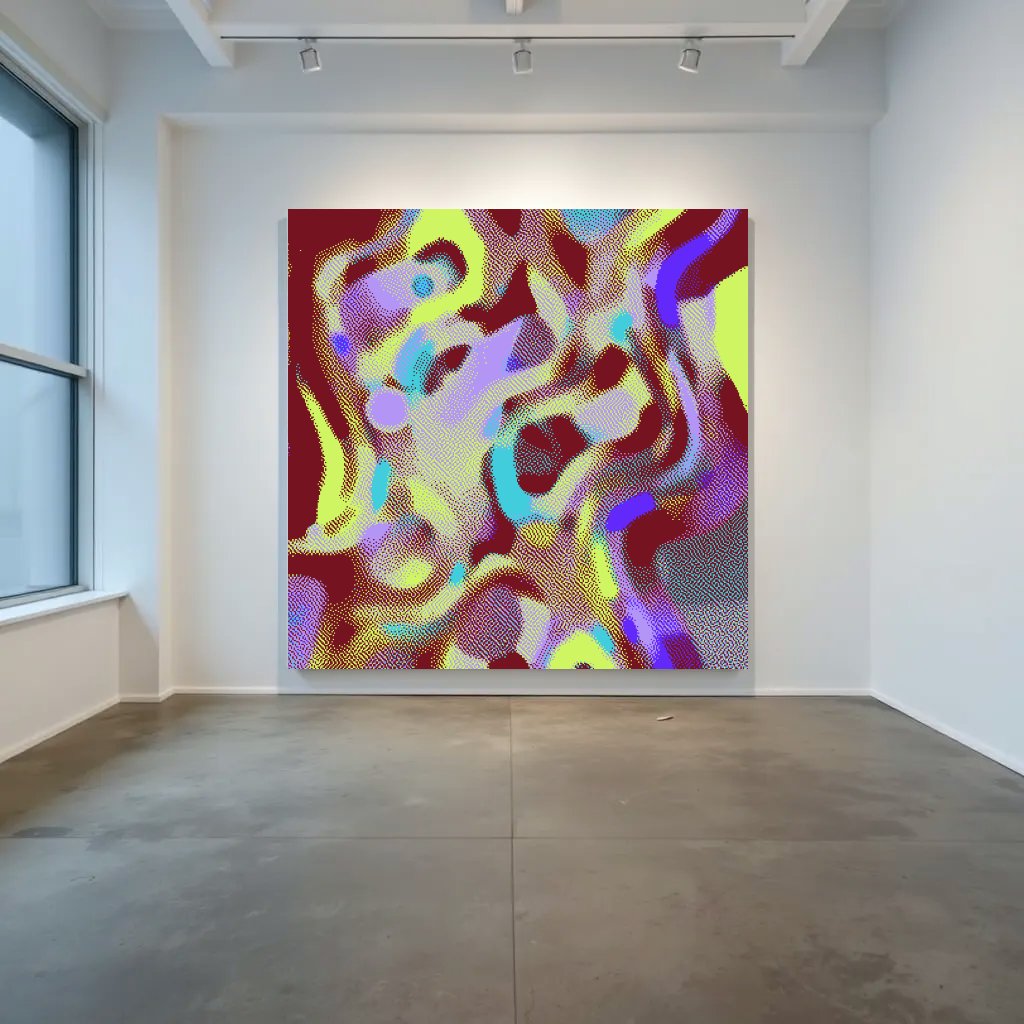
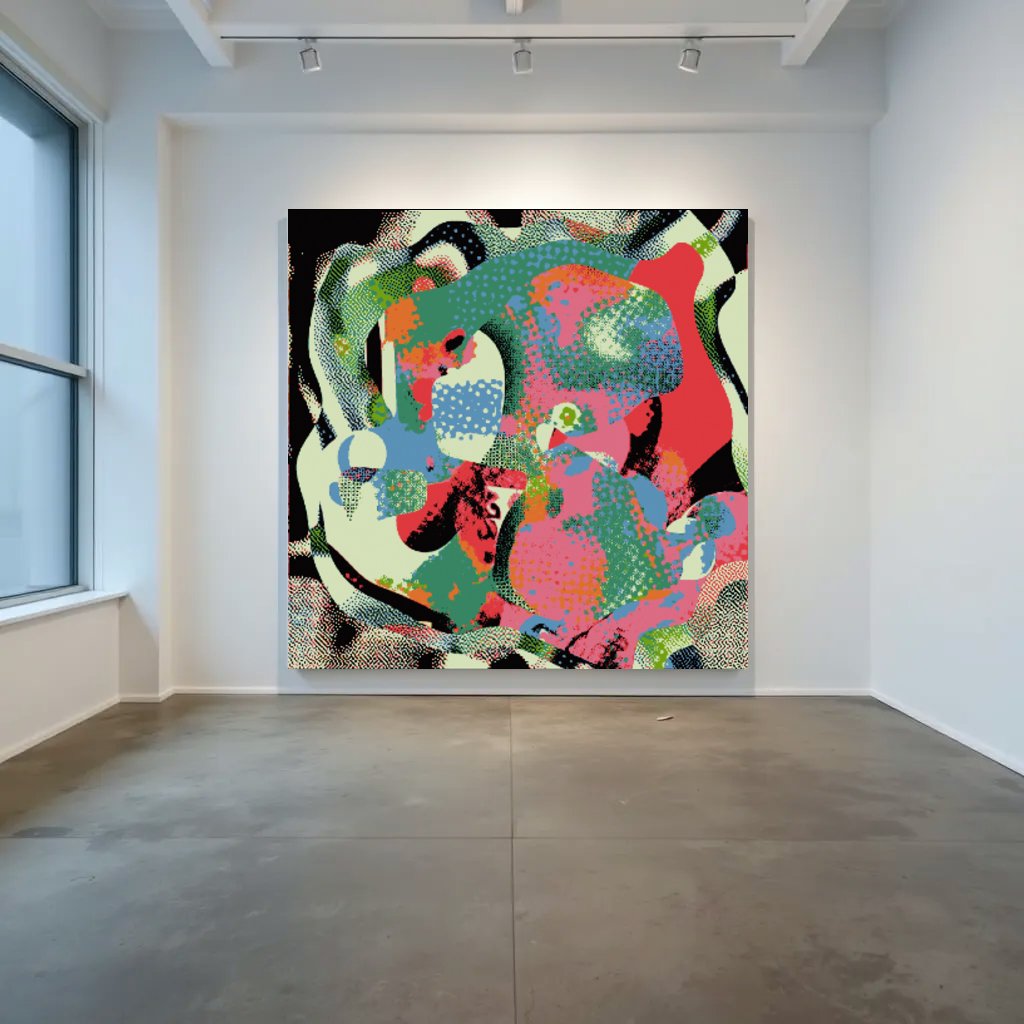
Various design experiments using dithering algorithmic systems, grayscale mapping, PBR workflow and rasterizing to start the year. 📂✨️
Thanks for the encouragement and support 🫂
#dithering #FilterForge #procedural #generative #creativecoding #newmedia
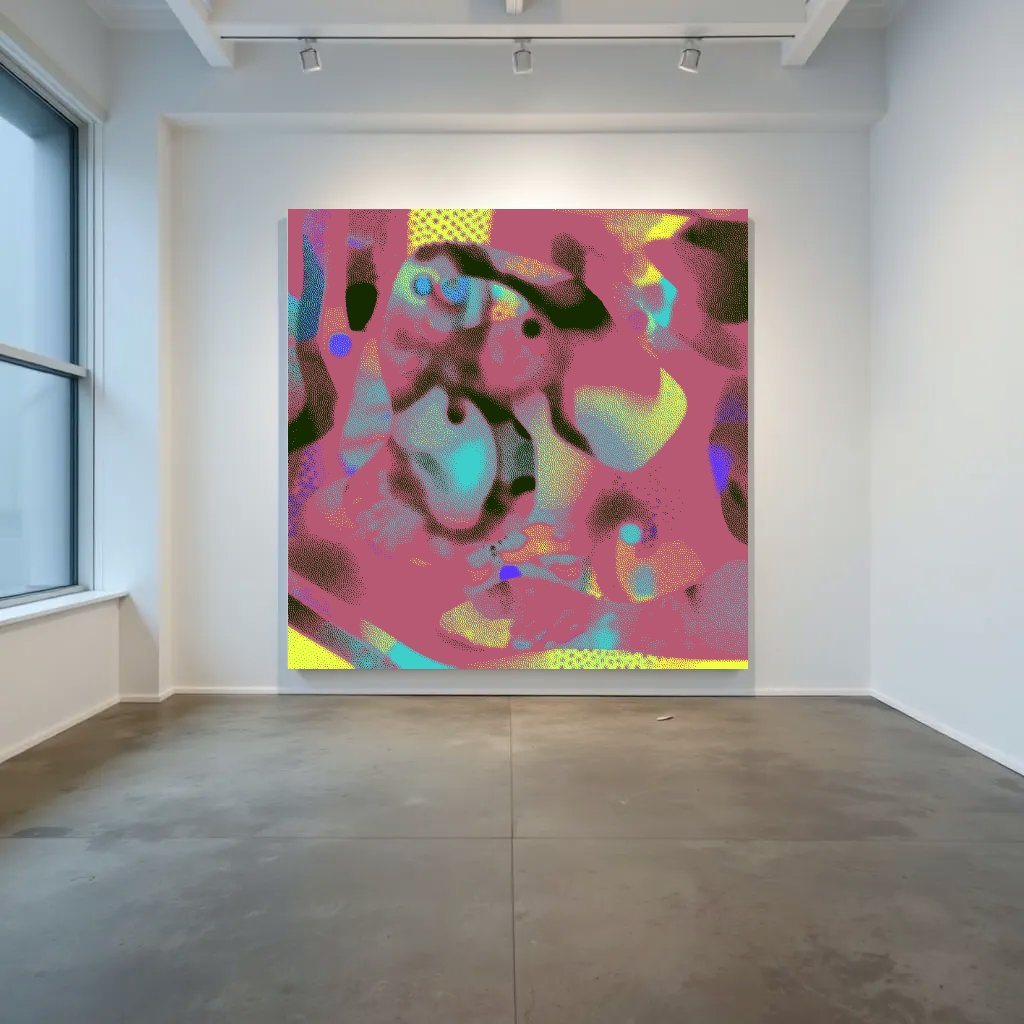
1
270
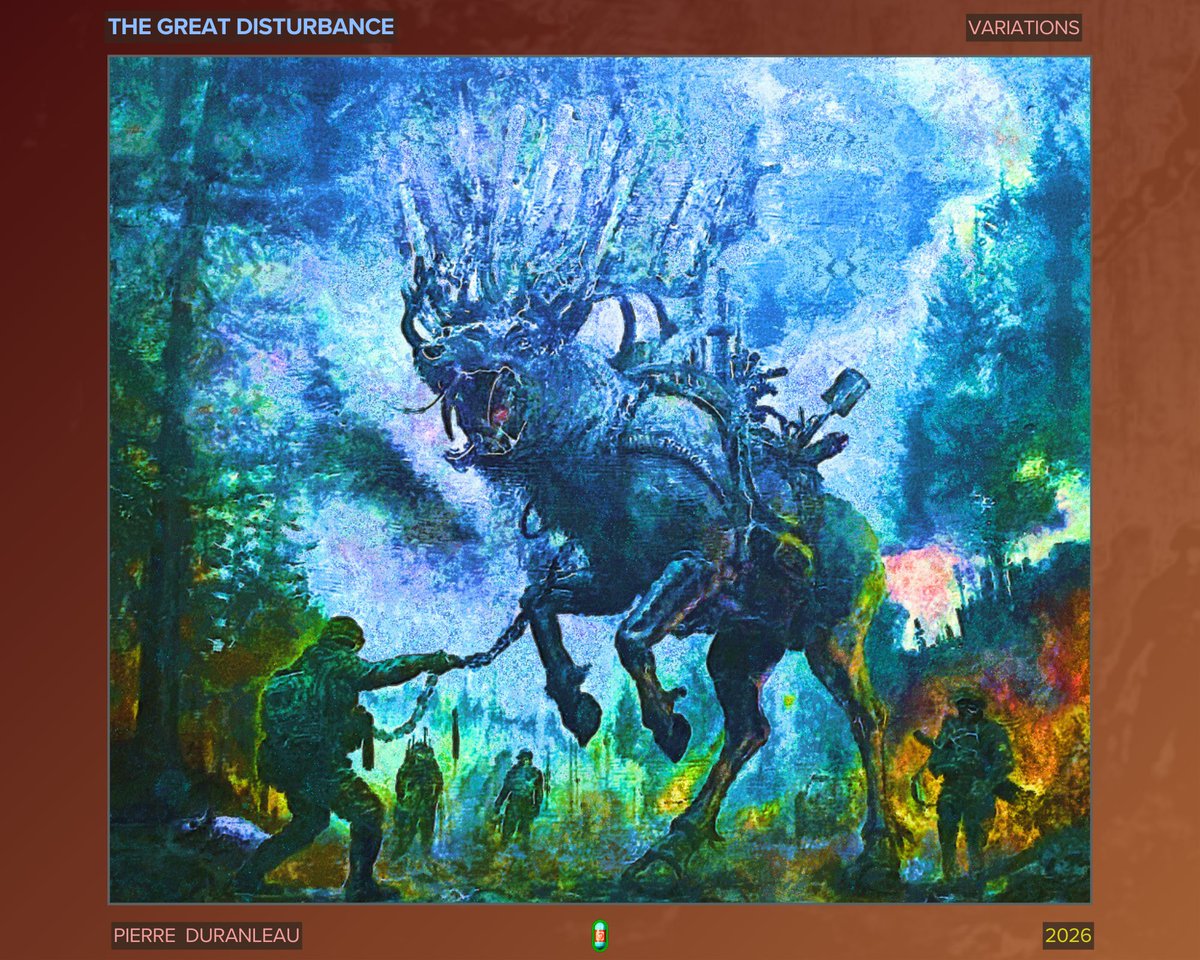
The Great Disturbance - Variations on a Theme
Part of the Long Emergency graphics series. Scanned original painting, modified with 2d filters and tools. 2025-26.
more info: cafargo.com/?p=51797
#art #painting #digitalart #thelongemergency #Filterforge
2
1
3
111
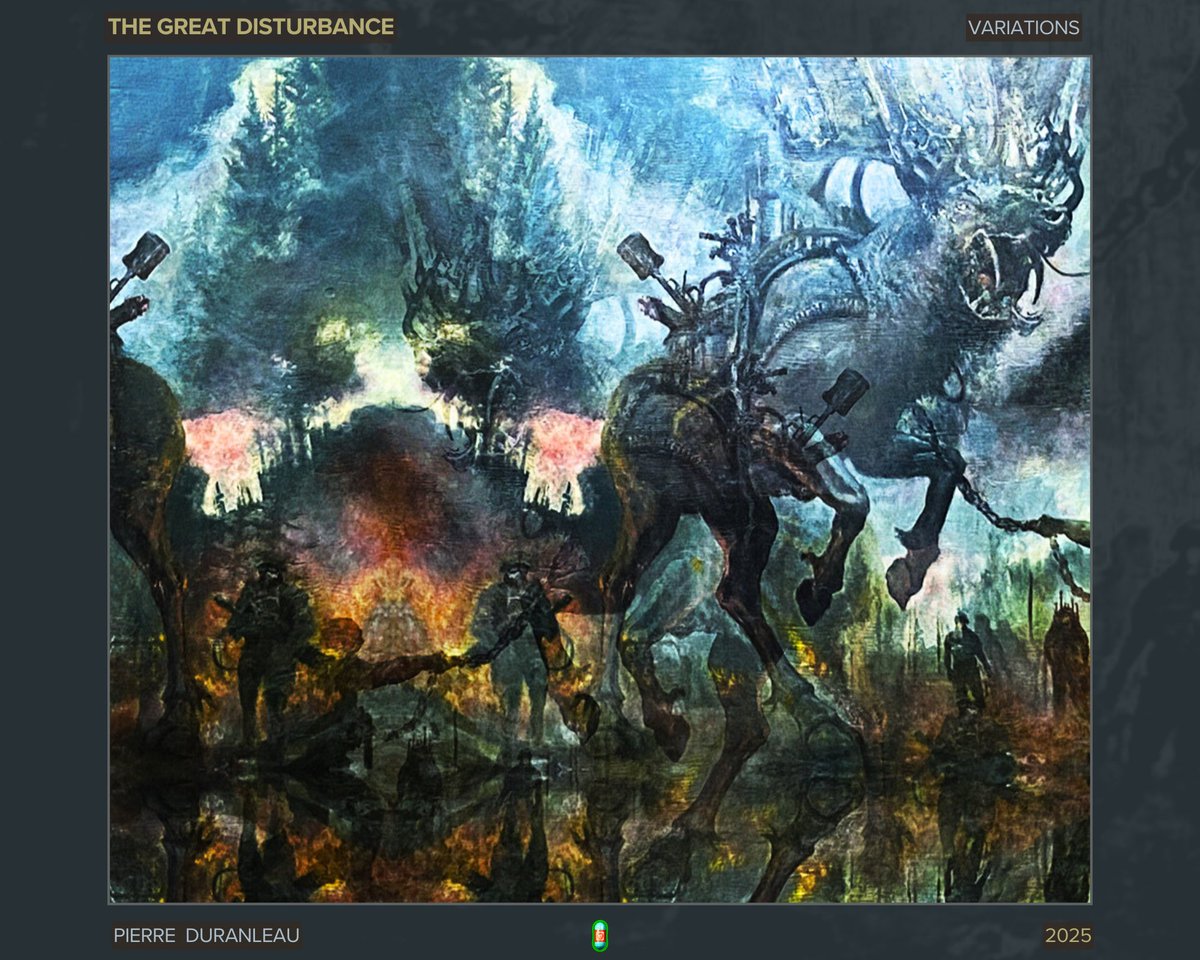
The Great Disturbance.
Part of the Long Emergency graphics series.
Scanned original painting, modified with 2d filters and tools. 2025.
more info: cafargo.com/?p=51797
#art #painting #digitalart #thelongemergency #Filterforge
1
4
141
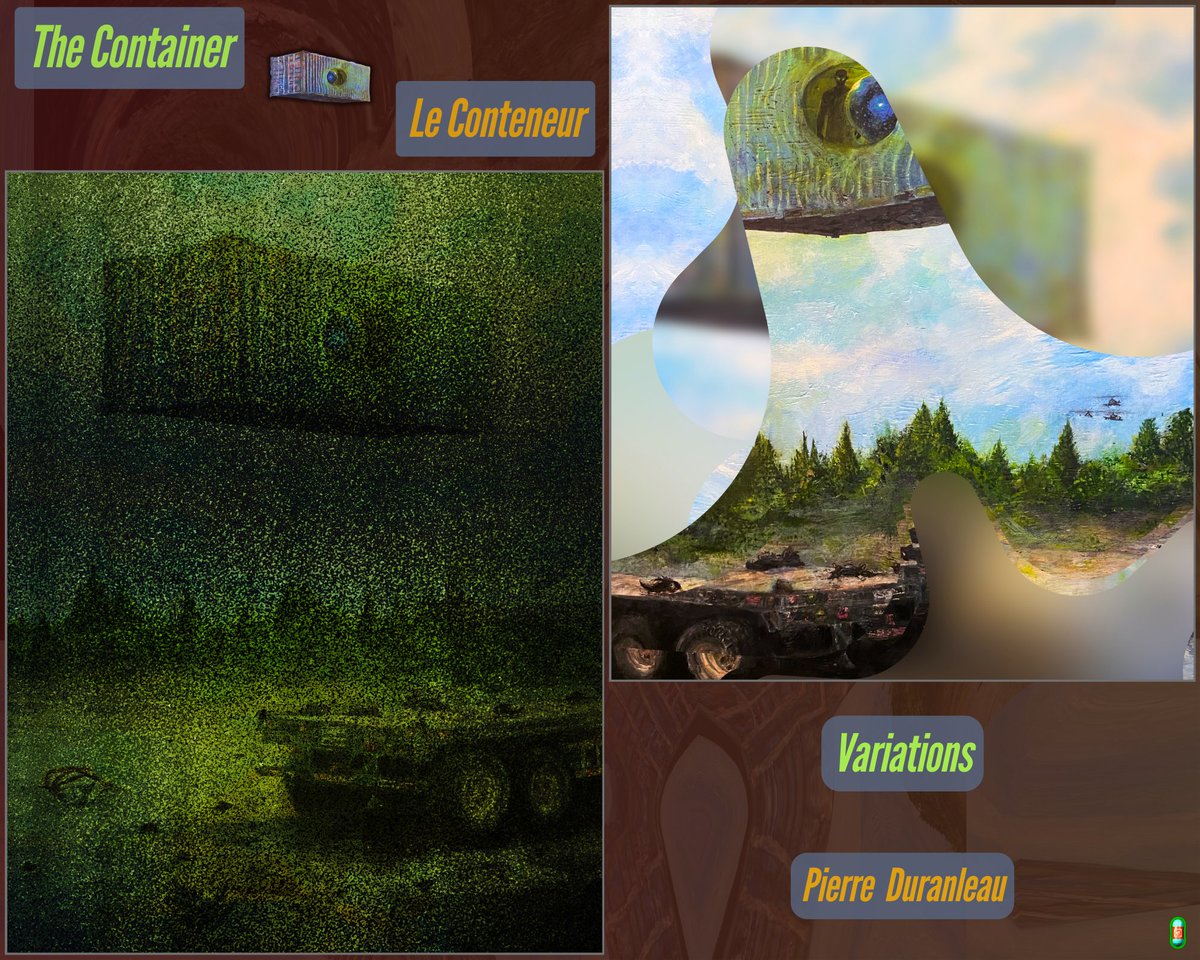
The Container - Variations on a Theme (part 7) Scanned original painting, modified with 2d filters & tools. 2026.
more info: cafargo.com/?p=52020
#digitalart #painting #thelongemergency #Filterforge
1
2
75
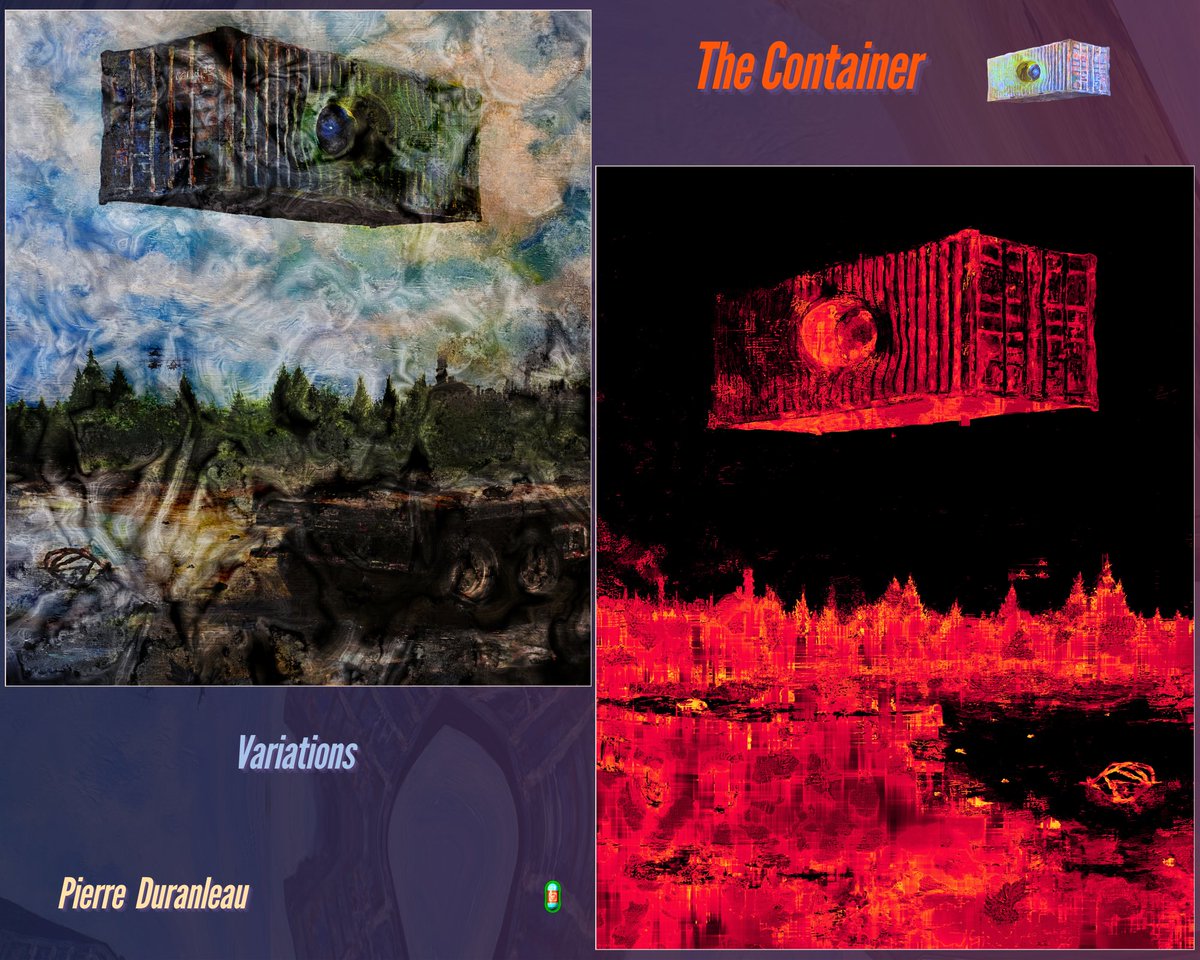
The Container - Variations on a Theme (part 6) Scanned original painting, modified with 2d filters & tools. 2026.
more info: cafargo.com/?p=51928 #digitalart #painting #thelongemergency #Filterforge
1
4
93
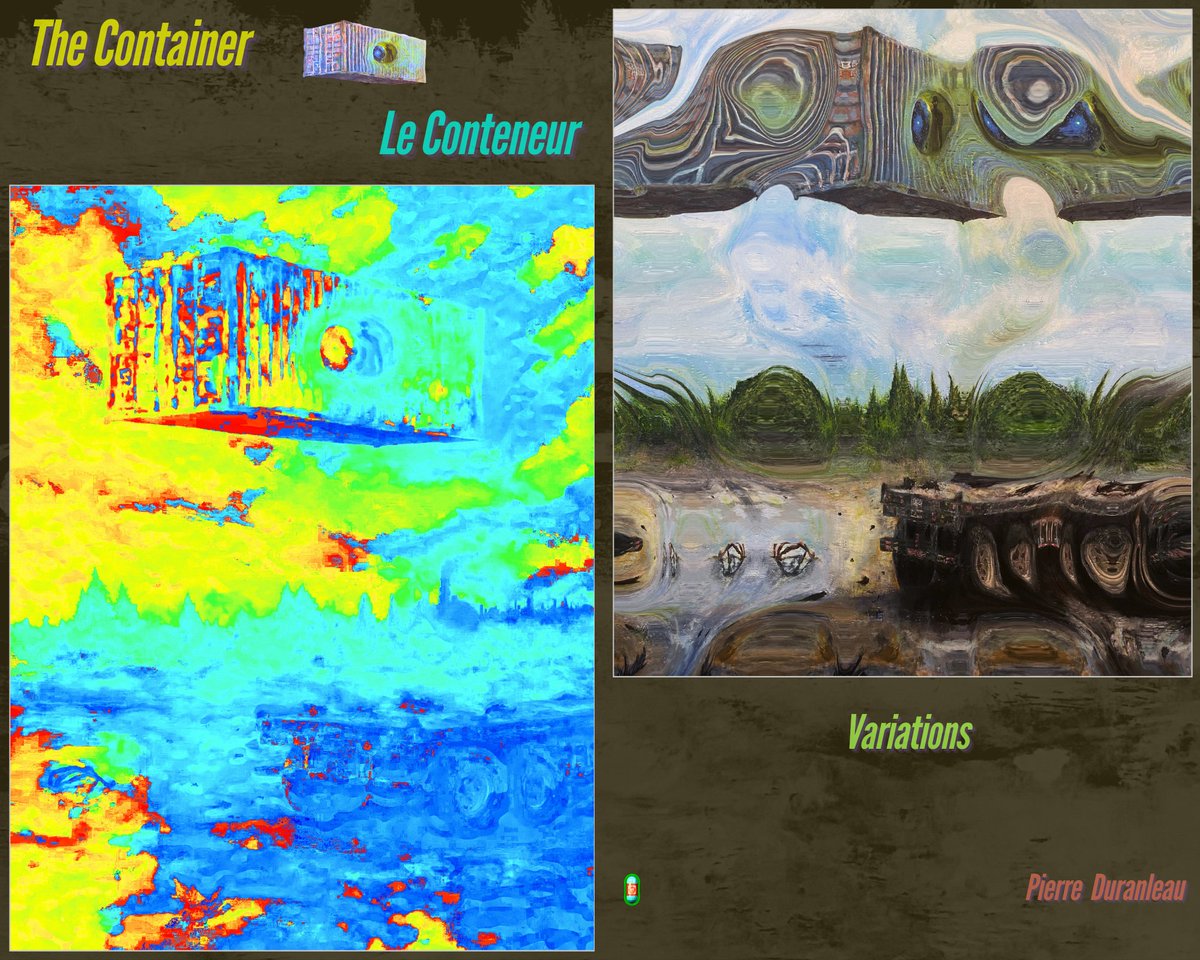
The Container - Variations on a Theme (part 5)
Scanned original painting, modified with 2d filters & tools. 2025.
more info: cafargo.com/?p=51928
#digitalart #painting #thelongemergency #Filterforge
1
3
76

29 Dec 2025
Various design experiments using dithering algorithmic systems, grayscale mapping, PBR workflow, rasterizing and collage from this year, part 2. 📂✨️
Thanks for the encouragement and support 🫂
#dithering #FilterForge #procedural #generative #creativecoding #newmedia
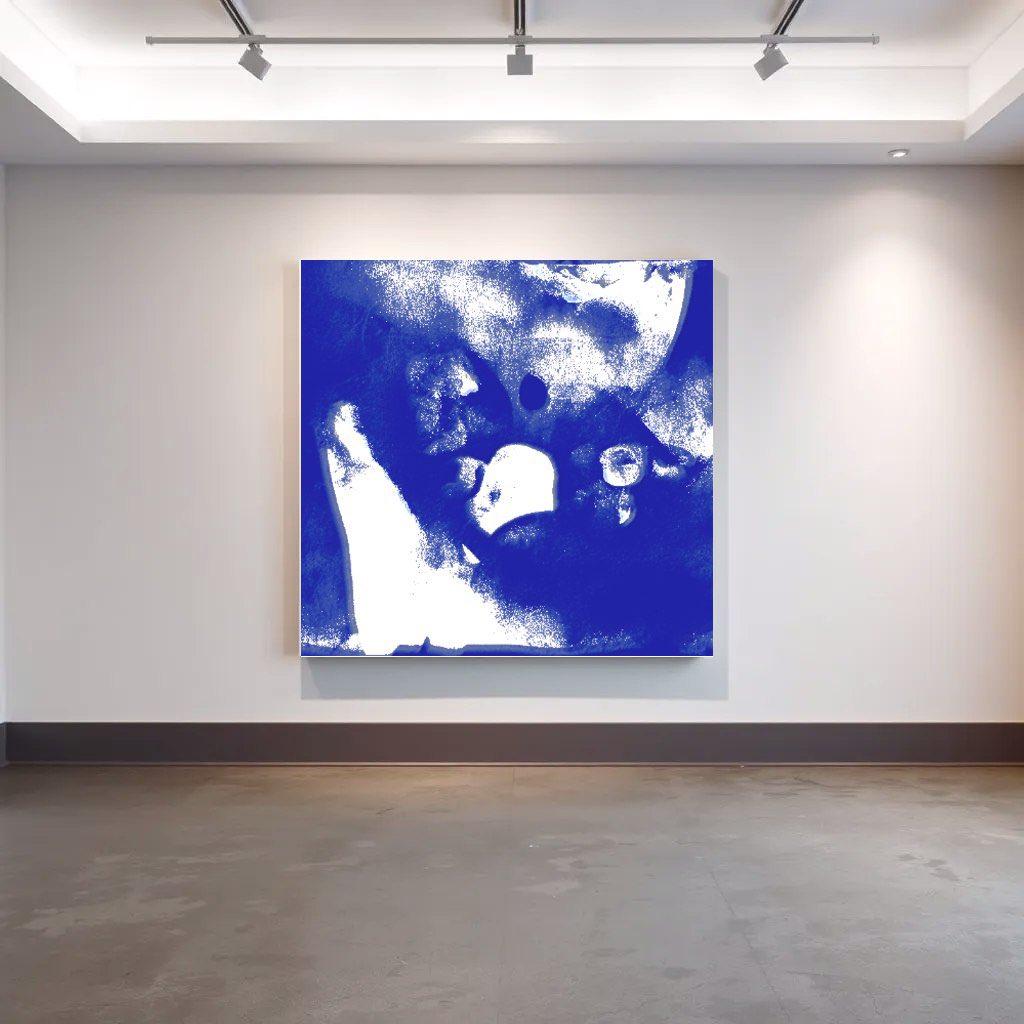
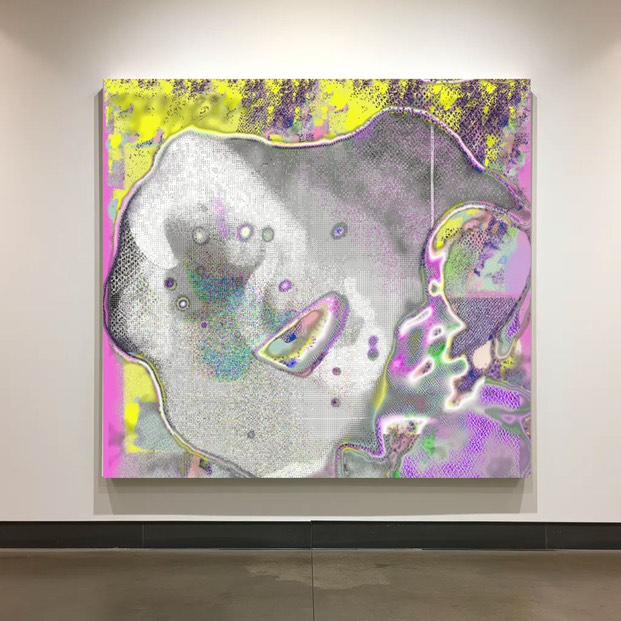
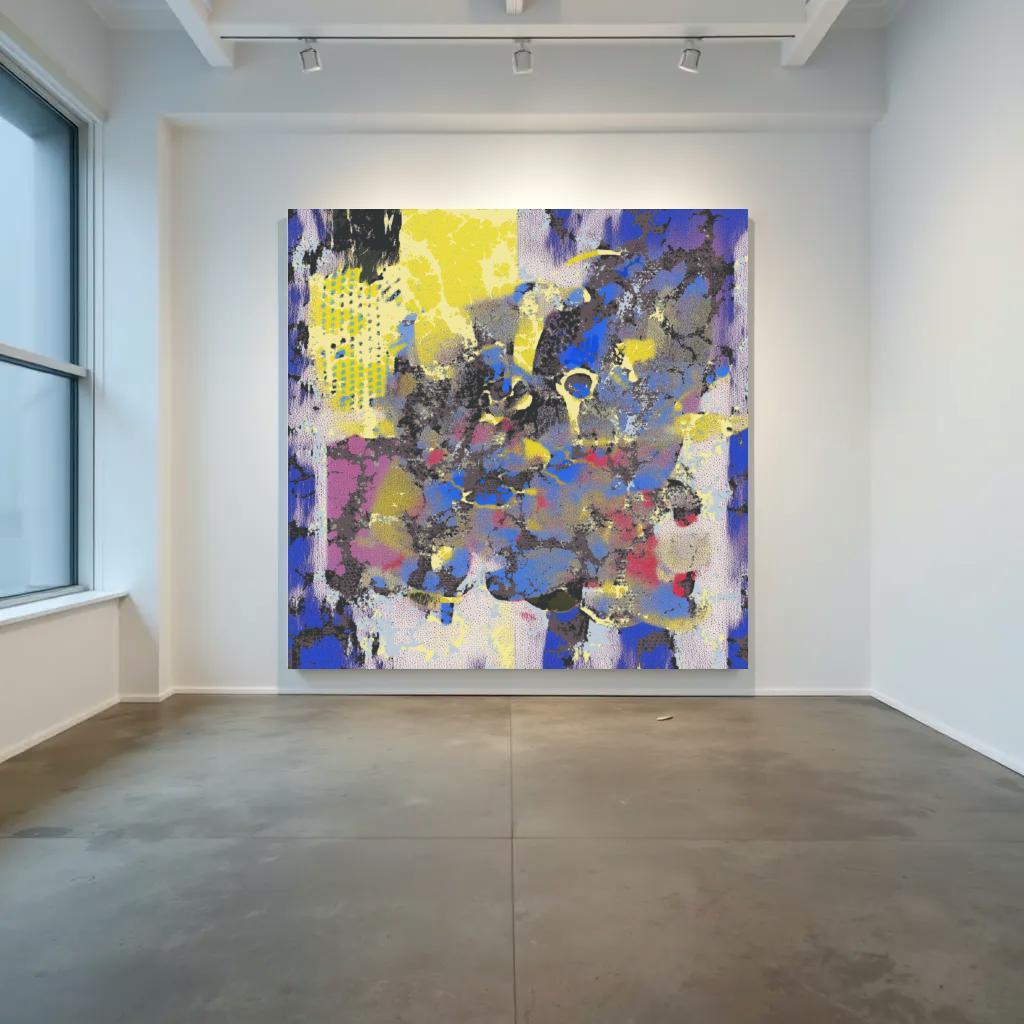
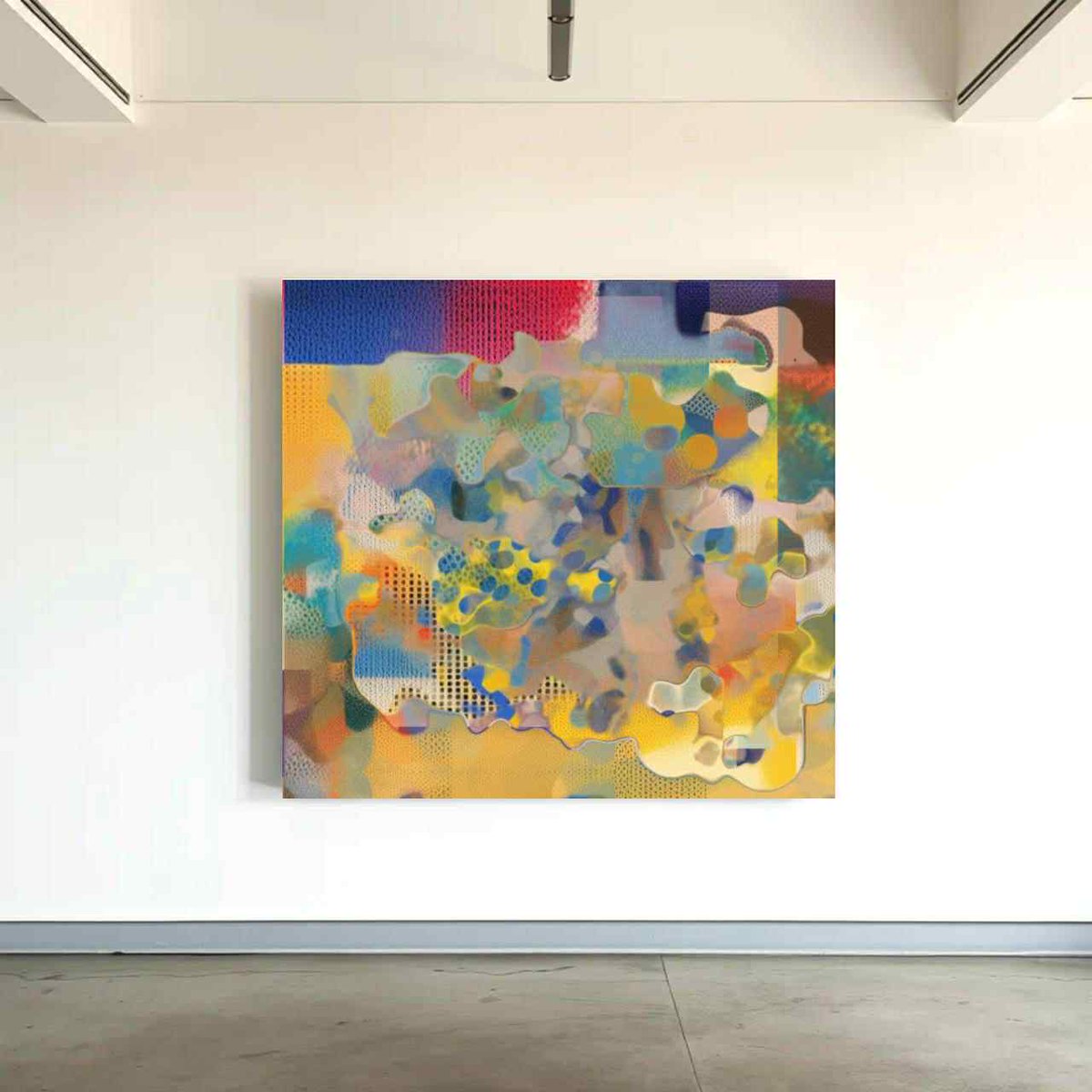
1
1
256
28 Dec 2025
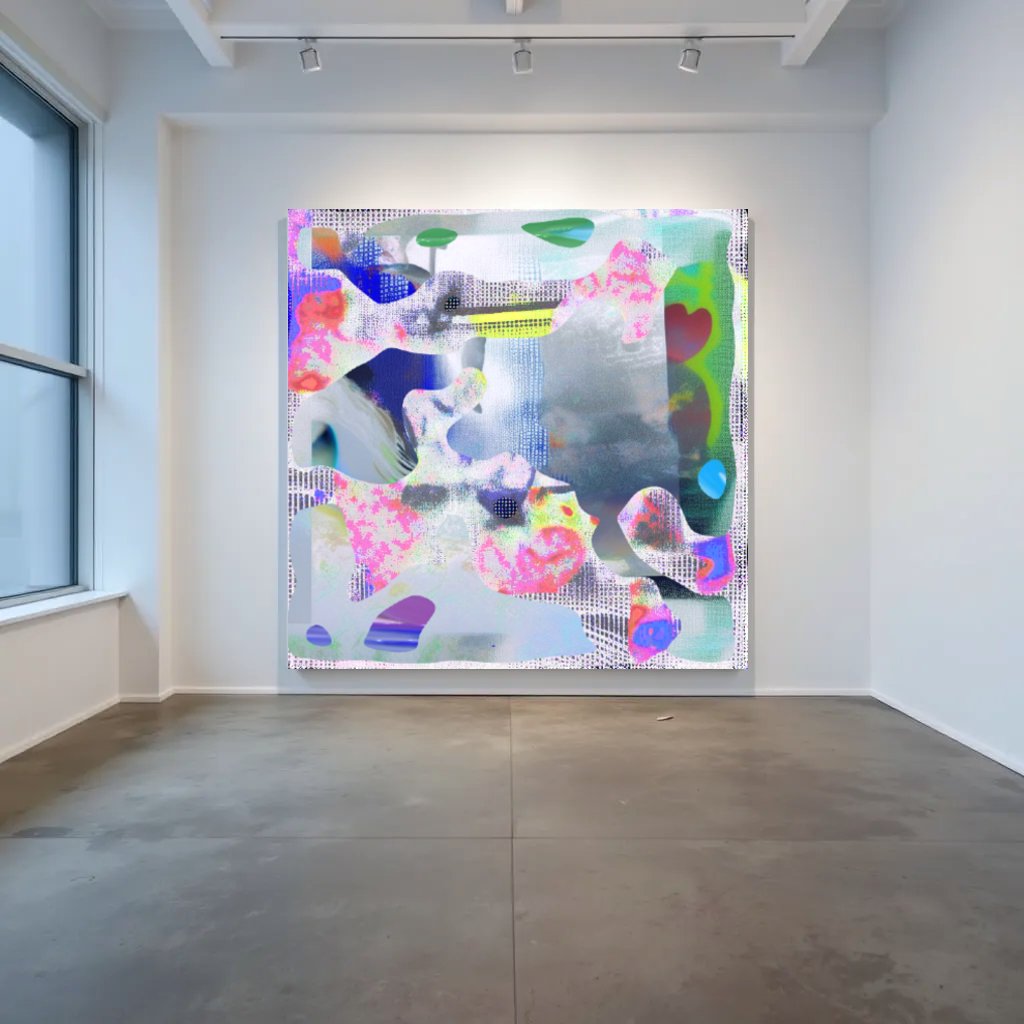
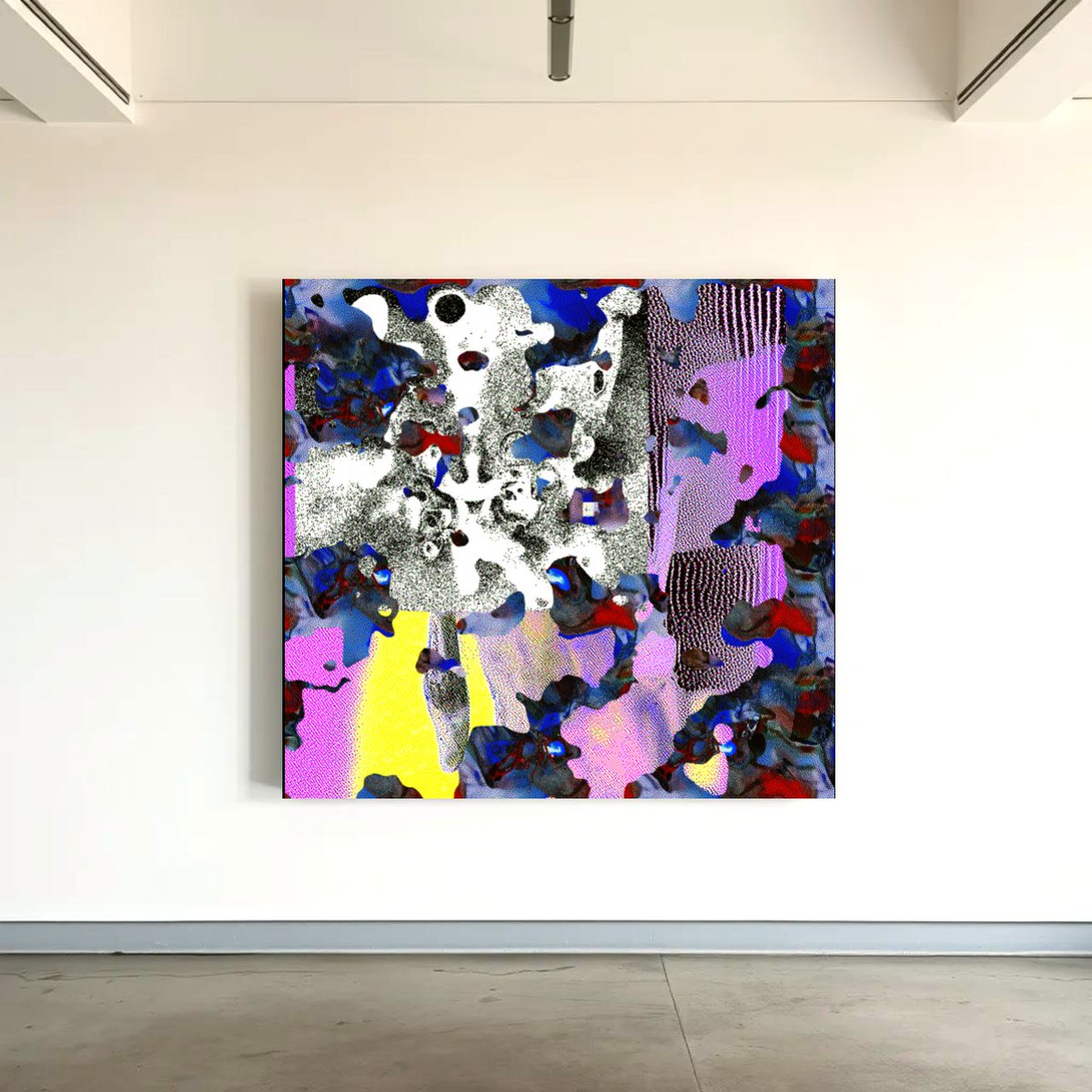
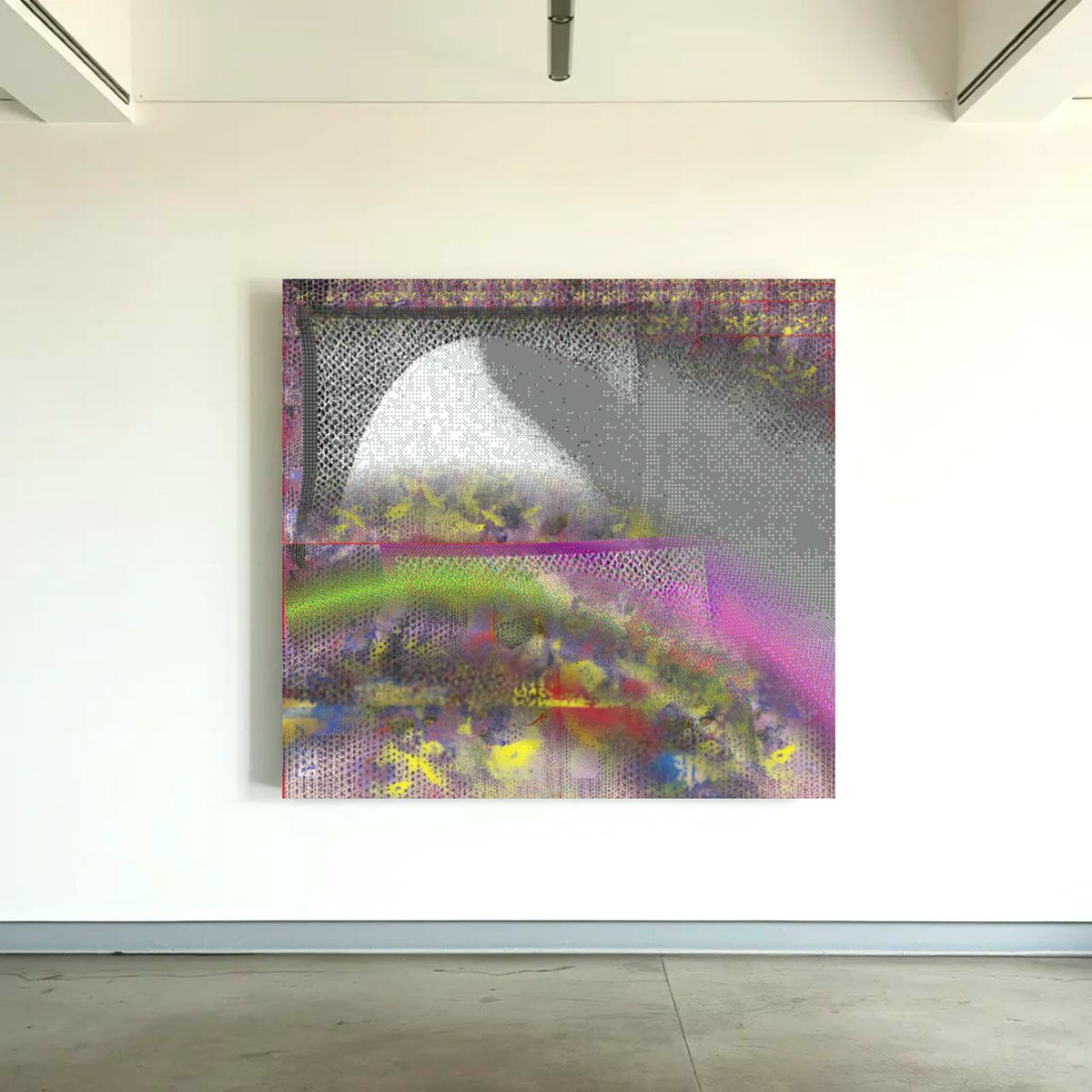
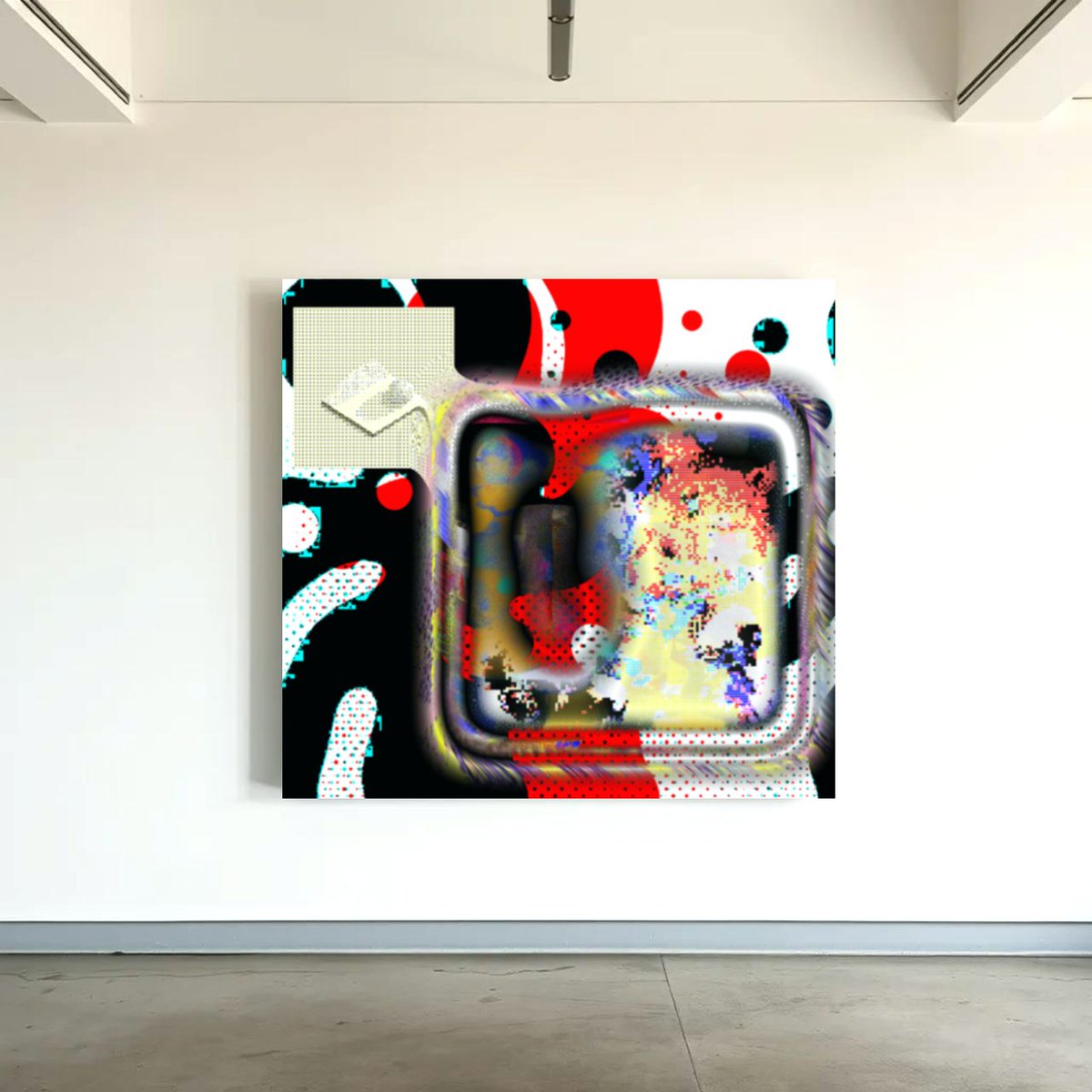
Various design experiments using dithering algorithmic systems, grayscale mapping, PBR workflow, rasterizing and collage from this year. 📂✨️
#dithering #FilterForge #procedural #generative #creativecoding
1
194
25 Dec 2025
I use Daz Studio and Poser as a starter before adding my own touches using software like Affinity Photo, FilterForge, Topaz Studio and ON1 and I support content creators through the purchase of their 3d models.
49

13 Dec 2025
An invitation to view my profile on @filterforge
Take a look: filterforge.com/more/custome…
1
1
54