
Commissioner Sid Miller says: Tex-Port your seafood — don’t import it.
Our Gulf is your clean, coastal backyard, packed with sweet shrimp, blue crab, flavorful oysters, and fresh finfish. Why look elsewhere when Texas has it all?
For information, visit TxGulfSeafood.com.
1

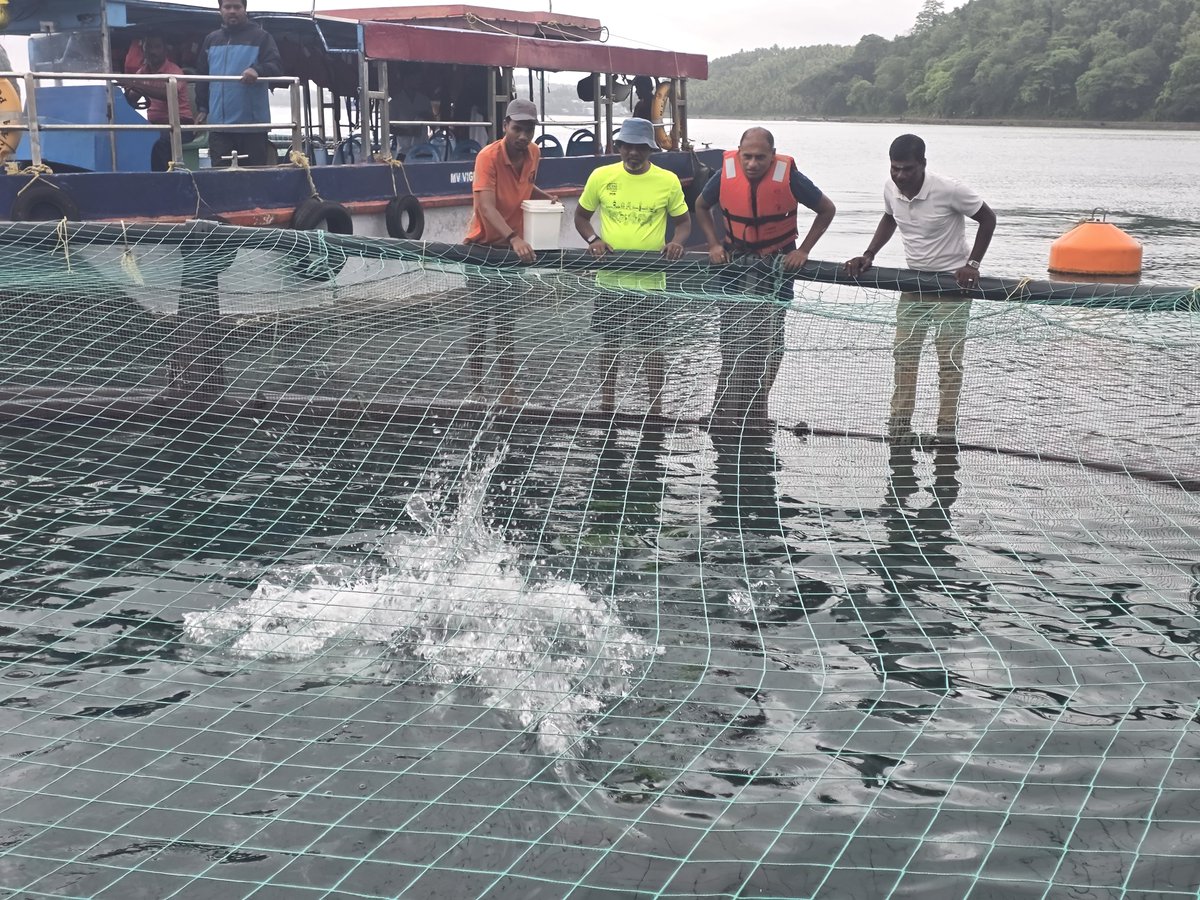
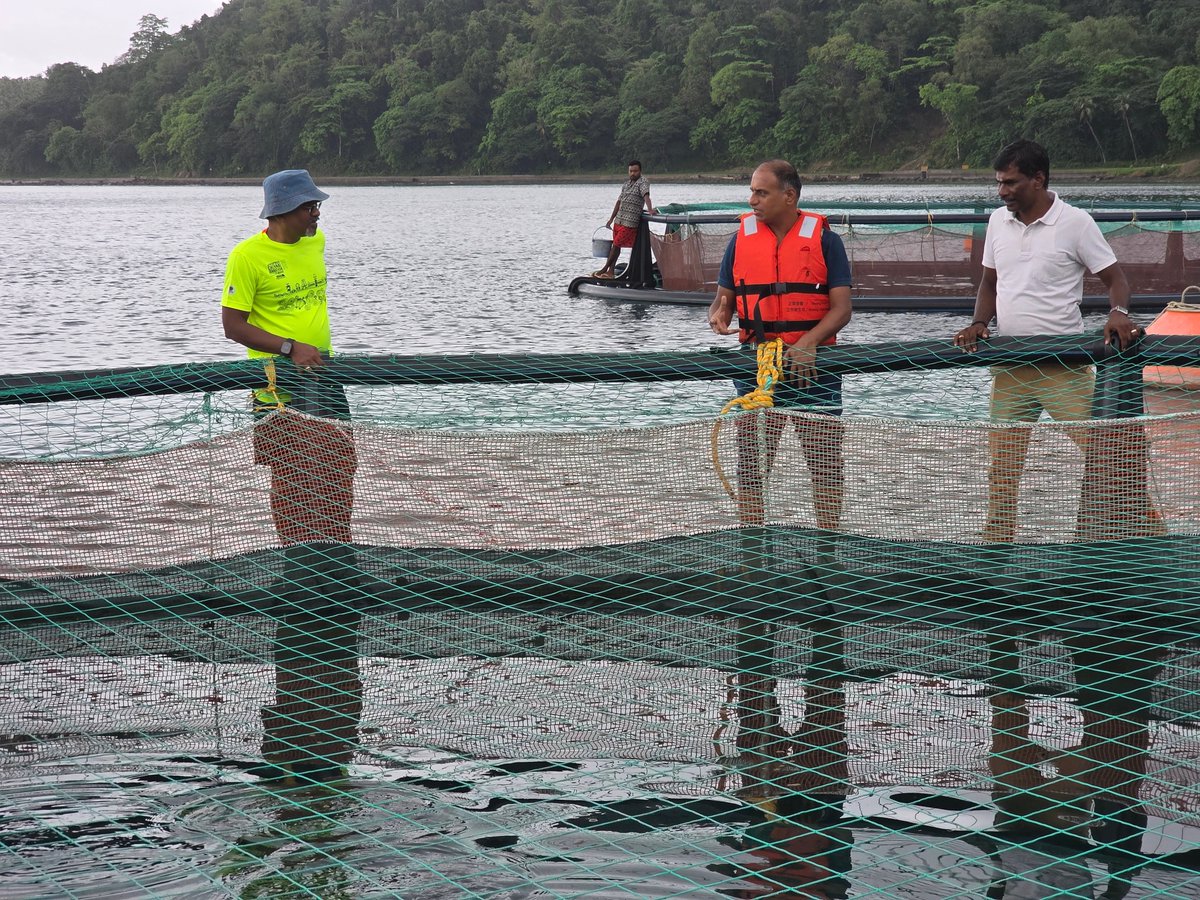
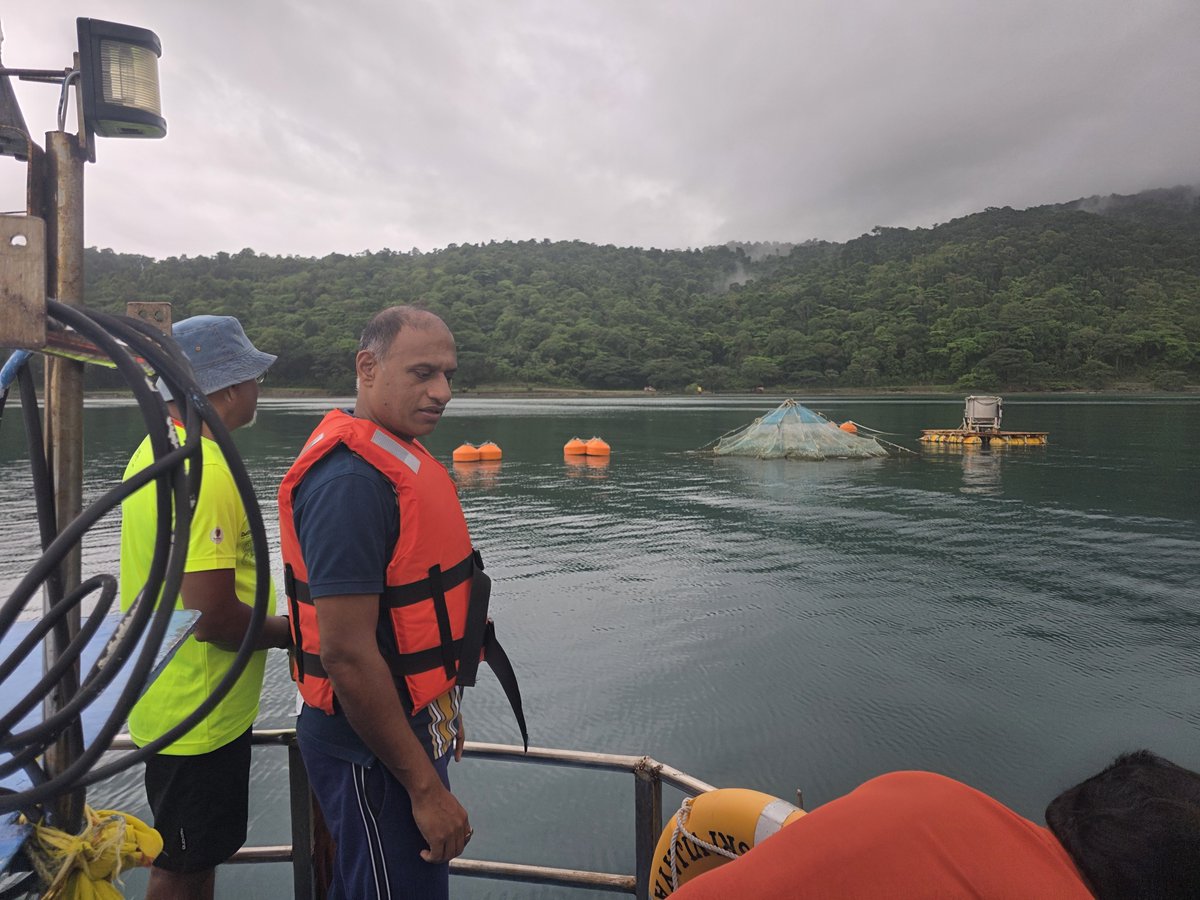
Director, NIOT,visited North Bay, Sri Vijaya Puram, Mariculture Facilities, Assesses Finfish Cage Culture Operations
Prof. Balaji Ramakrishnan, Director, NIOT, visited the North Bay facility in the Andaman and Nicobar Islands on 06.06.2026 and reviewed the ongoing activities under NIOT’s Open Sea Cage Culture programme for marine finfish, along with the Broodstock Maintenance Facility. During the visit, he assessed the operational status and performance of the Submerged Finfish Cage Culture system and the Automated Feeder Facility established at North Bay. The Director interacted with the technical team, reviewed the progress of the projects, and emphasized the importance of strengthening sustainable mariculture technologies for enhancing fish production and supporting livelihood development in the islands.
4
10
339

Jun 13
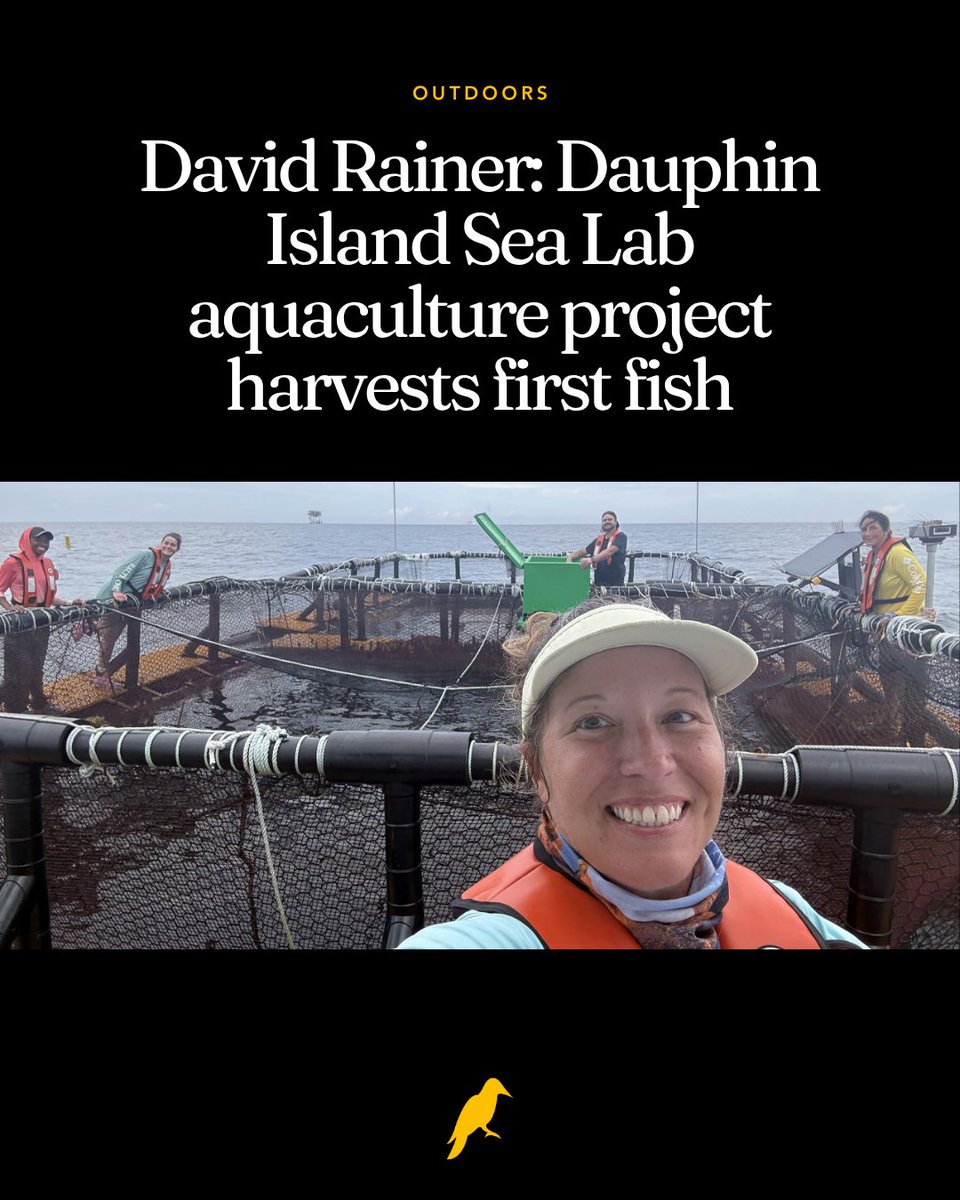
"An aquaculture project funded during former Alabama Senator Richard Shelby’s tenure in Washington has finally been revived in Gulf of America’s nearshore waters off Alabama.
Last year, a platform and fish pen were erected and moved into place about 2 miles off Fort Morgan to study the feasibility of raising finfish to marketable size along with other species like oysters and seaweed," David Rainer writes.
Read full piece: yellowhammernews.com/david-r…
#Alabama #Outdoors #DauphinIsland #SeaLab
3
8
551

Jun 13
Advancing Small-Scale Aquaculture in Alabama’s Nearshore Waters
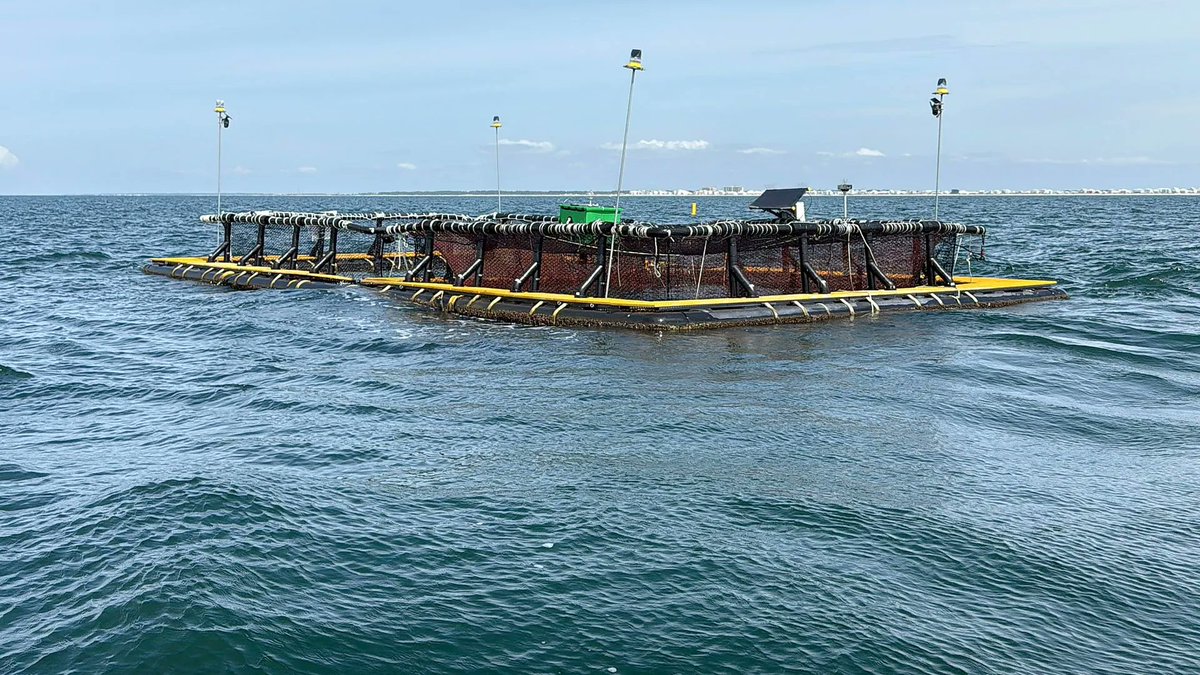
The Dauphin Island Sea Lab is testing a sustainable pilot project for aquaculture in the nearshore waters off Fort Morgan, focusing on integrated methods designed for small-form operations. This initiative aims to establish a viable protein source while minimizing the environmental footprint typical of large-scale industrial farming.
Multi-Species Approach: The operation raises red drum alongside hanging baskets of native oysters and macro algae (seaweed).
Waste Mitigation: The oysters and seaweed serve as natural filters, absorbing particulate organic matter and inorganic matter—such as dissolved nitrogen—produced by the finfish. This design addresses the common environmental concerns of excessive nutrient pollution found in larger, monoculture-style farms.
Local Genetic Integrity: To maintain environmental responsibility, the project exclusively uses native species sourced from the Mobile Bay area, ensuring that the stock is genetically compatible with the local ecosystem.
The project utilizes a custom platform designed to withstand the specific conditions of the Gulf environment, while maintaining a focus on individual ownership rather than mass-market industrialization.
The current setup is a 55-by-20-foot platform featuring two dedicated fish bays, anchored in 33 feet of water via a four-point mooring system intended to endure significant wave energy and rough weather.
Researchers are currently evaluating the durability of the cage structures and mesh materials, specifically regarding their ability to prevent fish escapes and resist potential damage from sharks or extreme weather.
While the project faced initial delays due to permitting and logistical hurdles—resulting in a late deployment and smaller-than-intended harvest—the current harvest of red drum is being used for market testing. The team is gathering data on sales volume and price points to refine their strategies for future cycles and to determine the market feasibility of emerging products like seaweed, which is currently a secondary but developing part of the crop.
33

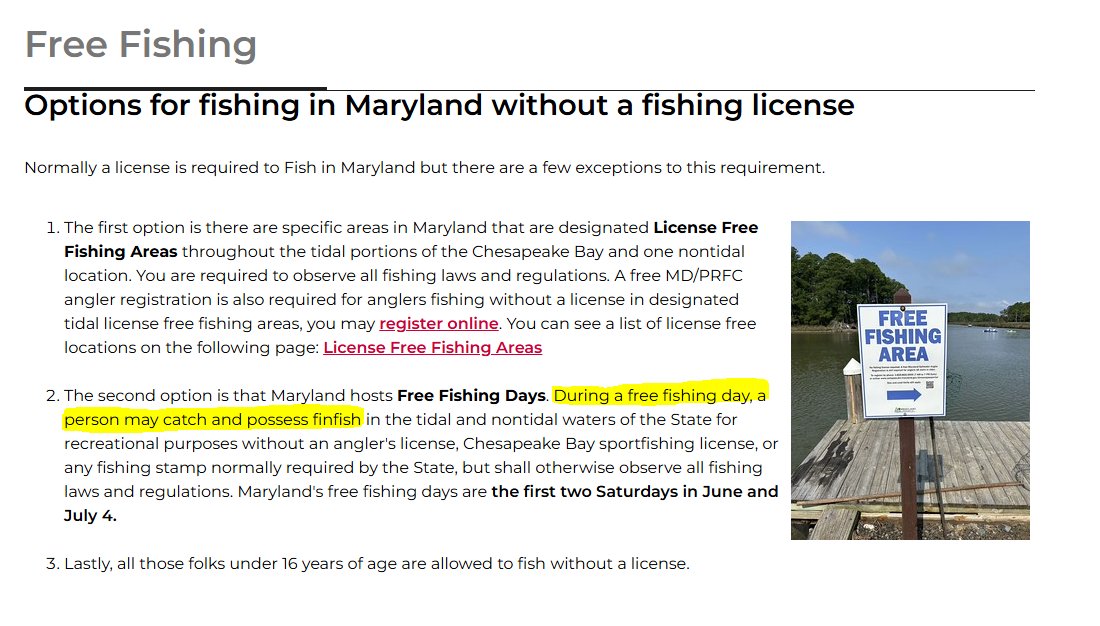
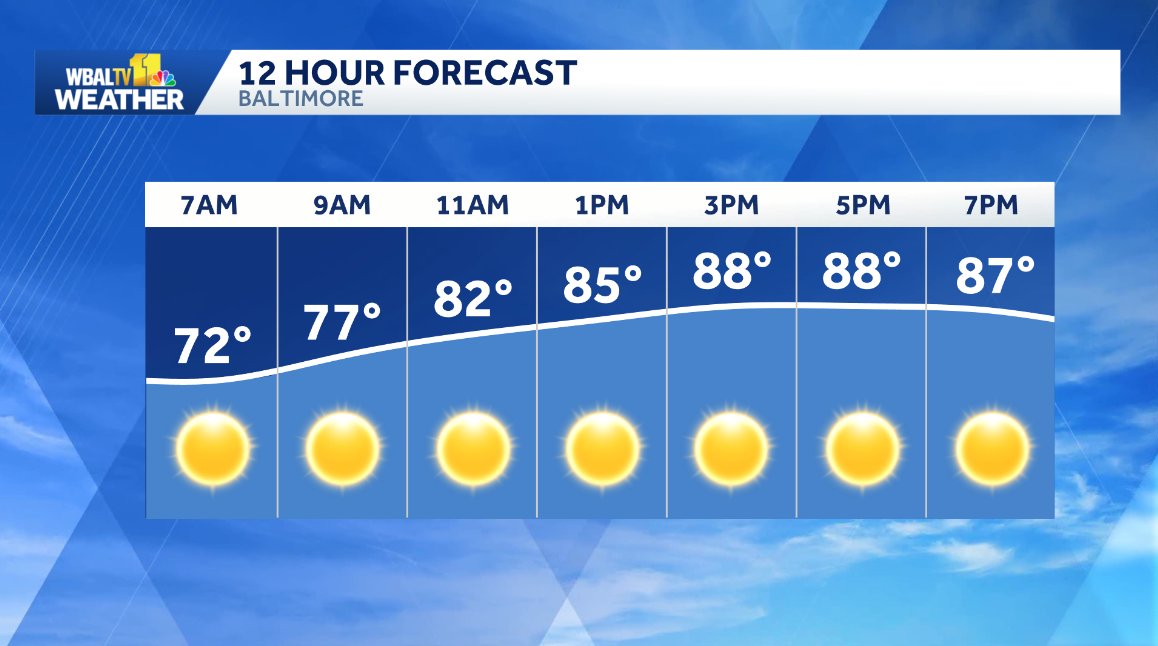
Free to fish today in Maryland!
No fishing license is needed today for recreational fishing. NOTE: This applies to finfish only and does not include crabbing.
Looks like a great day to get out on the water! @wbaltv11 @MarylandDNR
4
66

Jun 12
“The Coalition of First Nations for Finfish Stewardship recently released a five-point plan that would increase Indigenous participation throughout the aquaculture supply chain, expand seafood processing capacity, establish an Indigenous-led Centre for Aquatic Health Sciences
1
5

Jun 12
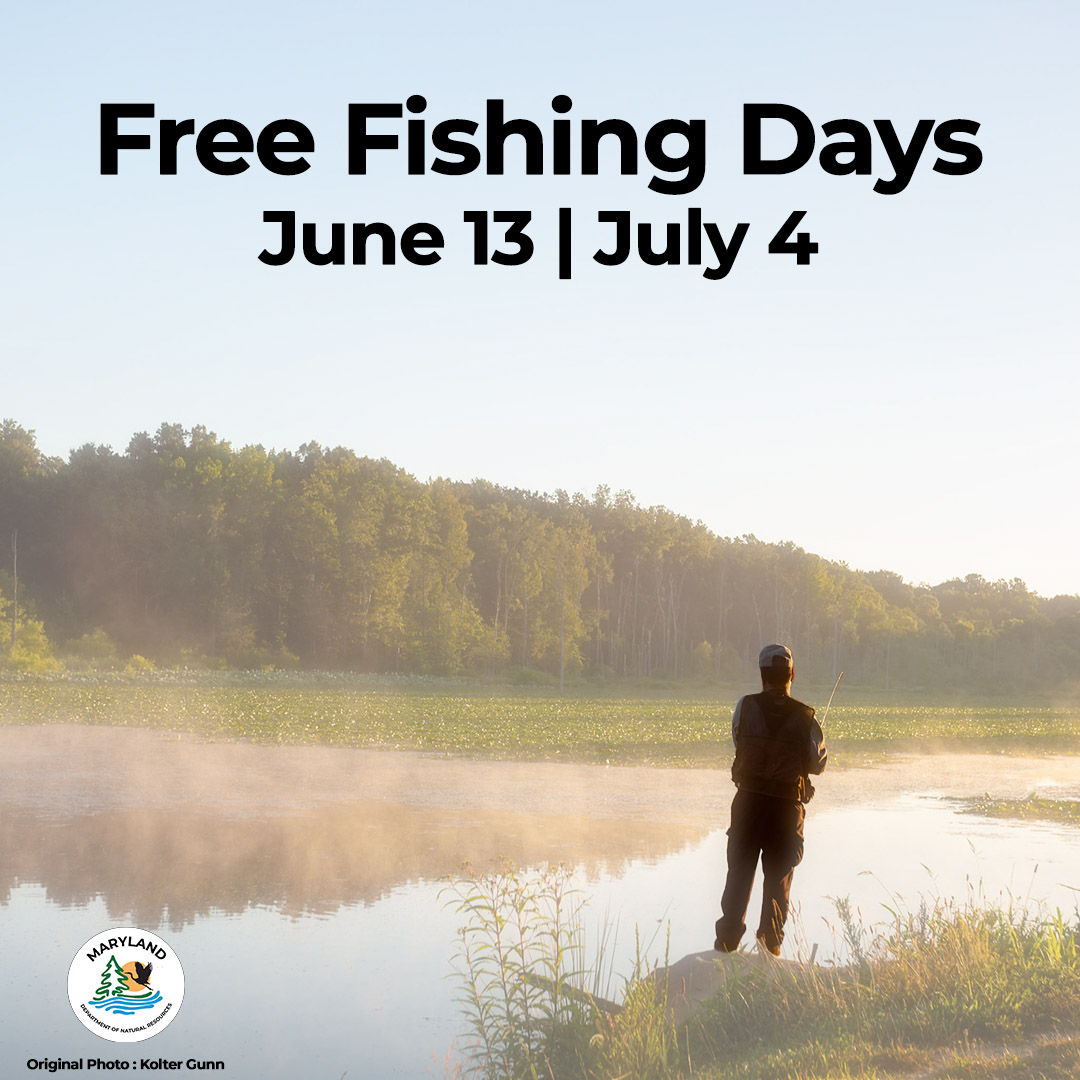
All state residents and visitors can fish without needing a fishing license, trout stamp, or registration. Annual license-free fishing days provide a unique chance to explore the state’s diverse fishing opportunities. They are also a great time for licensed anglers to introduce a friend or family member to fishing.
The Maryland Department of Natural Resources (DNR) hosts license-free fishing every year on the first two Saturdays of June and on Independence Day to take advantage of peak spring and summer fishing. On these days, any individual may catch and possess finfish for recreational purposes in any tidal and nontidal waters of Maryland.
All anglers must follow current regulations, including size and catch limits found in the department’s fishing and crabbing guide.
DNR also has dozens of resources to help new and experienced anglers, including an interactive angler access map and fish identification charts. In addition, anglers of any level are encouraged to sign up for the weekly Maryland Fishing Report, which provides up-to-date fishing information.
Any angler looking to make a positive impact on the health of the Chesapeake Bay can use these free fishing opportunities to catch invasive species such as Chesapeake Channa (northern snakehead) and blue catfish. These fish threaten native species, but they are fun to catch and make a tasty, high-protein meal. There are no seasons or limits on catching invasive fish.
Aside from these free fishing days and certain license-free areas, anyone age 16 or older fishing in Maryland must possess a fishing license when fishing in Maryland. Licenses can be obtained or renewed online, in person at a department service center or participating retail sports license agents, or by phone at 866-344-8889. Fishing license, tackle, boat, and marine fuel purchases fund DNR’s fish conservation work.
1
3
437

Commissioner Sid Miller says: Tex-Port your seafood — don’t import it.
Our Gulf is your clean, coastal backyard, packed with sweet shrimp, blue crab, flavorful oysters, and fresh finfish. Why look elsewhere when Texas has it all?
For information, visit TxGulfSeafood.com.
19

Jun 7
I'm literally struggling with why we didn't finfish the Islamic terrorists when we had them cornered. Stay safe friends
1
13
348
NIOT-ACOSTI celebrated World Environment Day on 5 June 2026 with a series of technology-driven initiatives and field demonstrations focused on sustainable utilization of marine resources and ecosystem restoration in the Andaman and Nicobar Islands.
The event was inaugurated by Dr. Chandra Bhushan Kumar, IAS, Chief Secretary, A&N Administration, in the auspicious presence of Prof. Balaji Ramakrishnan, Director, NIOT.
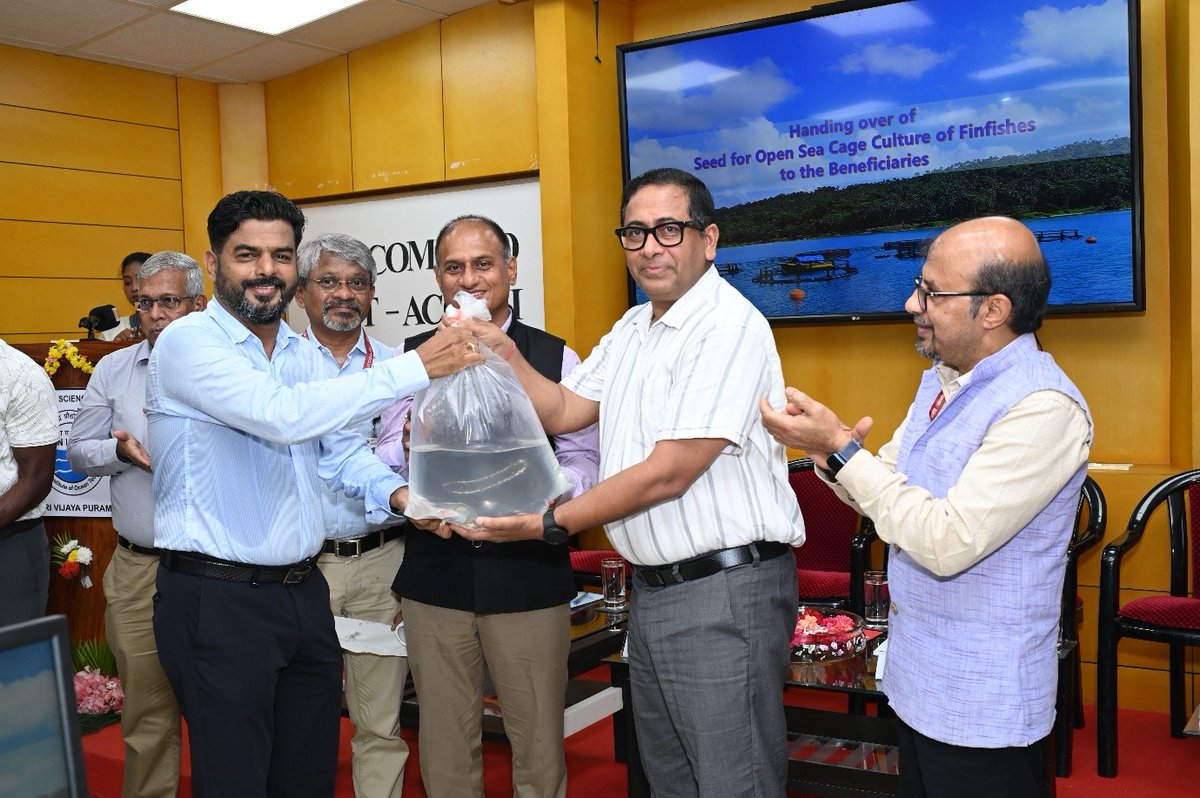
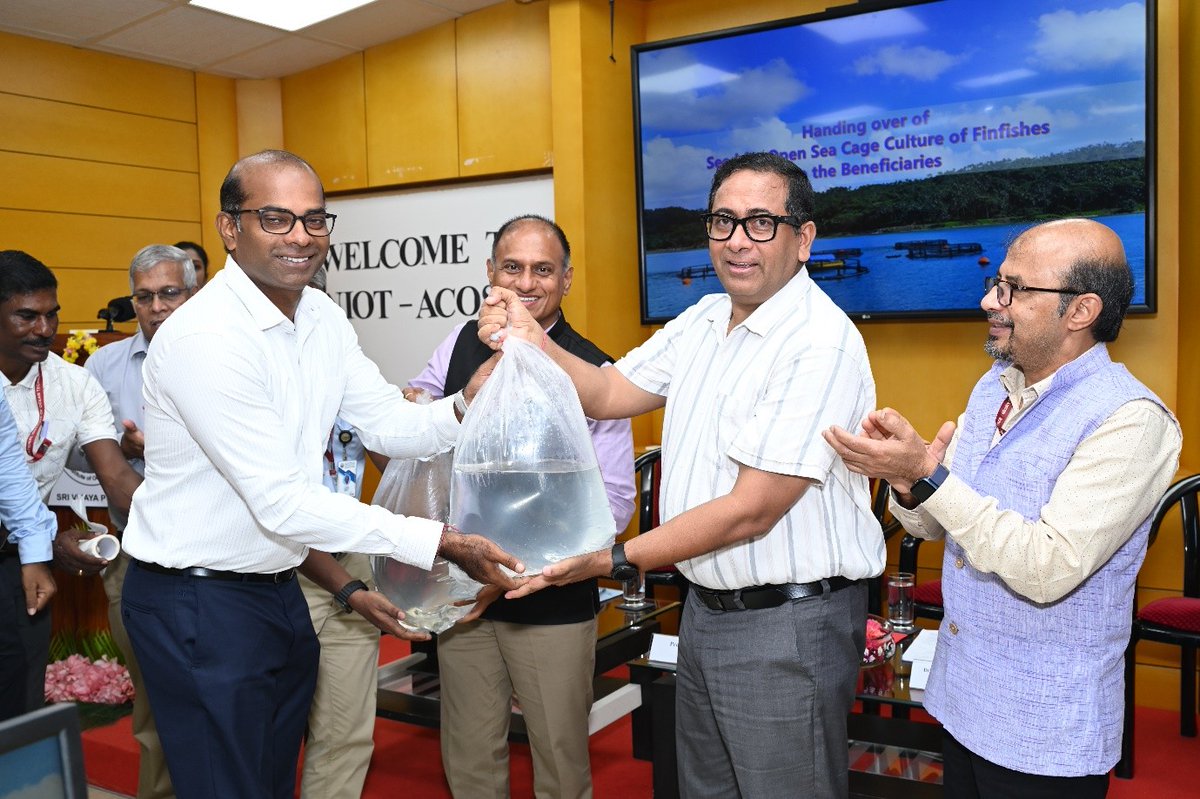
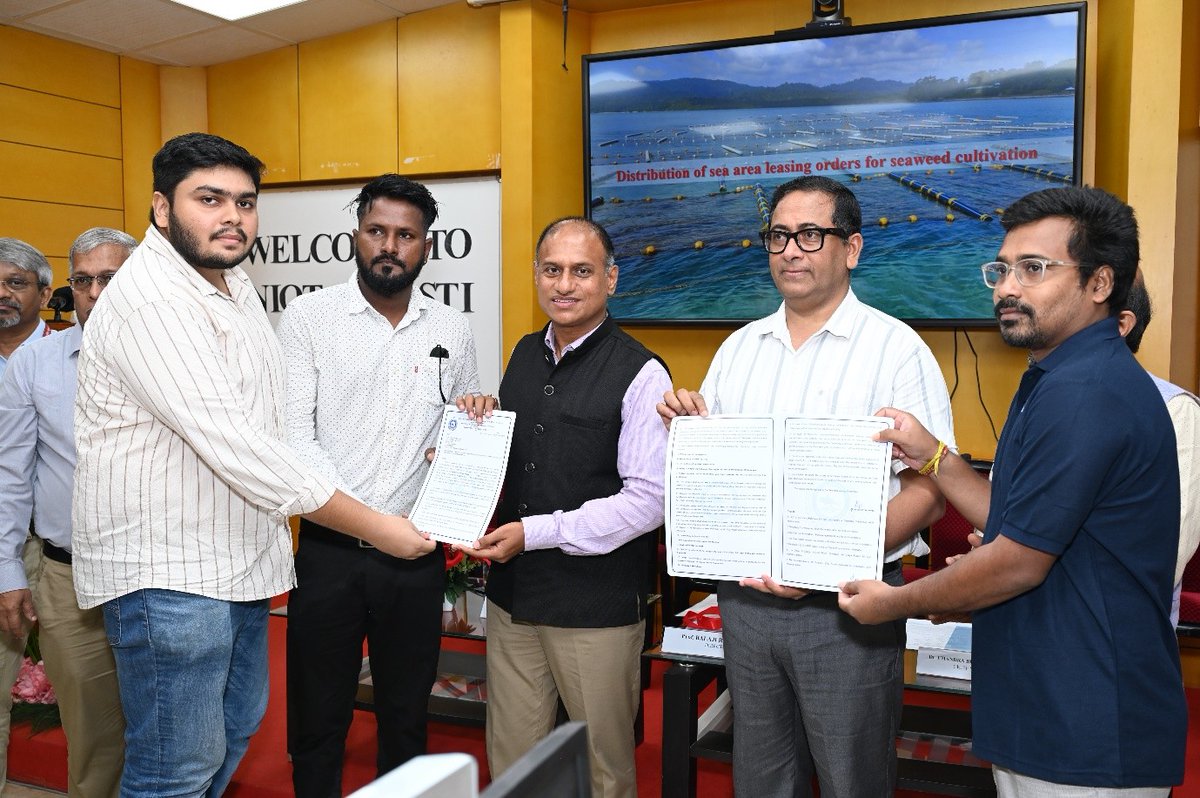
On this occasion, pilot-scale seed stocking in open-sea cages was carried out at Chidiyatappu, alongside a joint demonstration of the entrepreneur model of open-sea cage culture of finfish by NIOT and the Department of Fisheries, A&N Administration. Sea area leasing orders were distributed to beneficiaries to promote seaweed cultivation as a sustainable livelihood initiative.
A 3D printed artificial reef, developed jointly by IIT Guwahati and NIOT, was also deployed to support marine biodiversity enhancement and habitat restoration.
As part of the celebrations, a student innovation competition was organized, with prizes awarded to encourage young minds to pursue environmental sustainability.
#WorldEnvironmentDay #NIOT #ACOSTI #BlueEconomy #MarineEcosystem #AndamanAndNicobar #SustainableDevelopment
@DrJitendraSingh
@BalajiR_IITB
@moesgoi
@CentreCoastal
@incoismoes
1
4
12
354

Jun 6
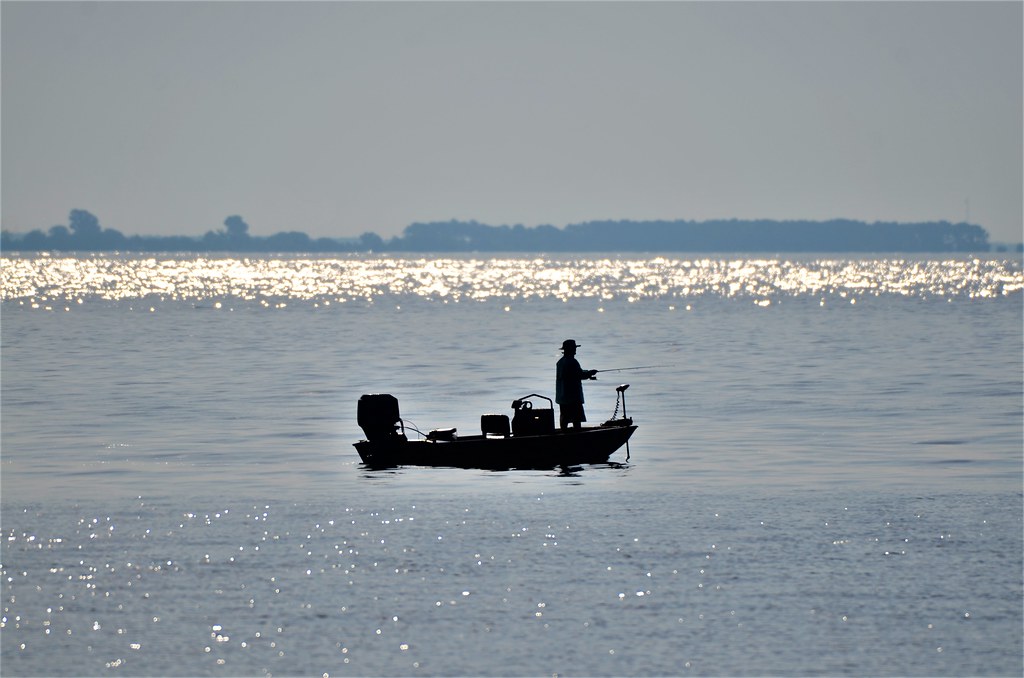
Today, June 6, is the first license-free fishing day of the year!
On the first two Saturdays in June and July 4, fishing licenses are not required to recreationally catch and possess finfish in Maryland.
Fishing regulations can be found here: mddnr.info/4bG0DaG
4
11
1,478
Jun 5
All state residents and visitors can fish without needing a fishing license, trout stamp, or registration. Annual license-free fishing days provide a unique chance to explore the state’s diverse fishing opportunities. They are also a great time for licensed anglers to introduce a friend or family member to fishing.
The Maryland Department of Natural Resources (DNR) hosts license-free fishing every year on the first two Saturdays of June and on Independence Day to take advantage of peak spring and summer fishing. On these days, any individual may catch and possess finfish for recreational purposes in any tidal and nontidal waters of Maryland.
All anglers must follow current regulations, including size and catch limits found in the department’s fishing and crabbing guide.
DNR also has dozens of resources to help new and experienced anglers, including an interactive angler access map and fish identification charts. In addition, anglers of any level are encouraged to sign up for the weekly Maryland Fishing Report, which provides up-to-date fishing information.
Any angler looking to make a positive impact on the health of the Chesapeake Bay can use these free fishing opportunities to catch invasive species such as Chesapeake Channa (northern snakehead) and blue catfish. These fish threaten native species, but they are fun to catch and make a tasty, high-protein meal. There are no seasons or limits on catching invasive fish.
Aside from these free fishing days and certain license-free areas, anyone age 16 or older fishing in Maryland must possess a fishing license when fishing in Maryland. Licenses can be obtained or renewed online, in person at a department service center or participating retail sports license agents, or by phone at 866-344-8889. Fishing license, tackle, boat, and marine fuel purchases fund DNR’s fish conservation work.
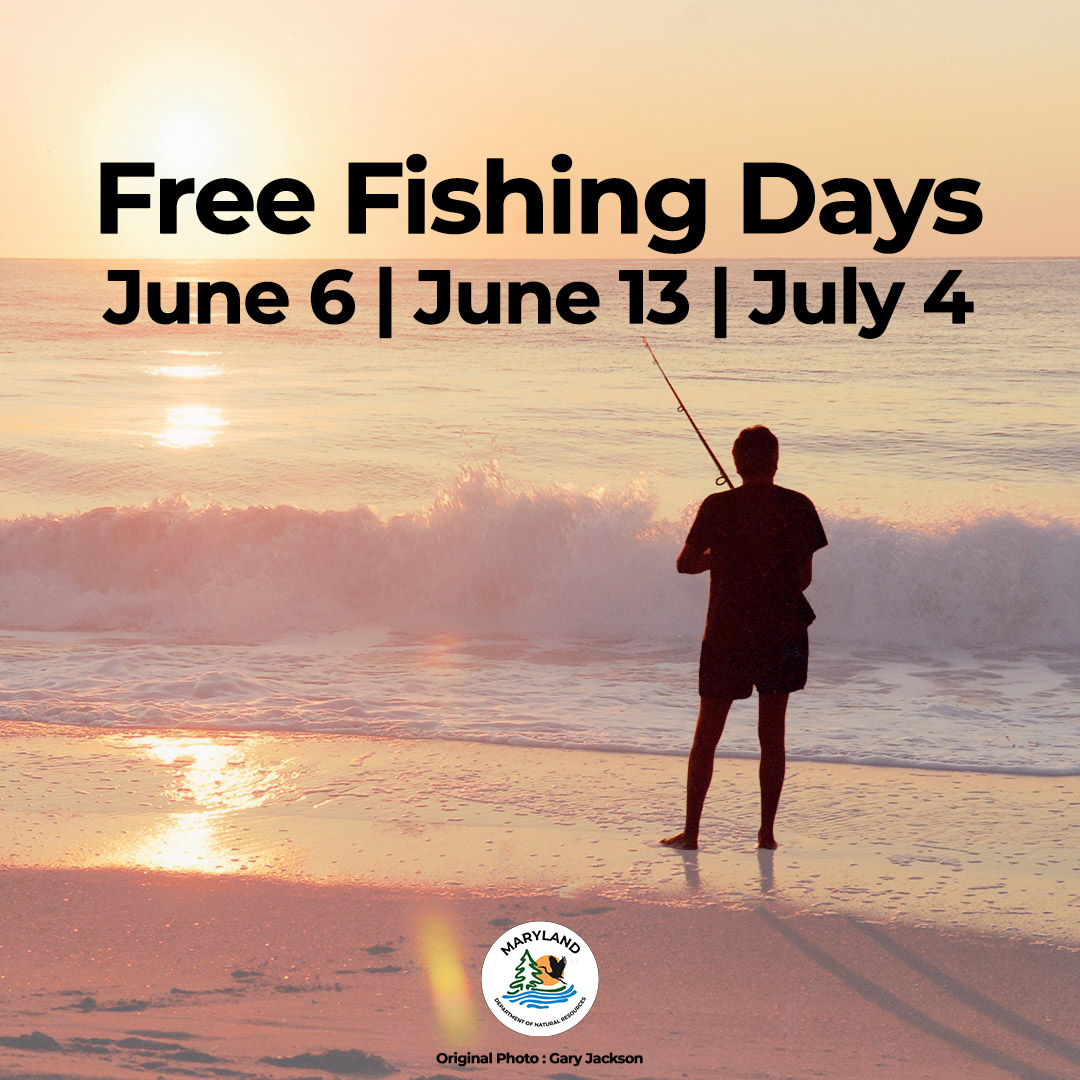
ALT Free Fishing Days June 6 June 13 July 4
4
414
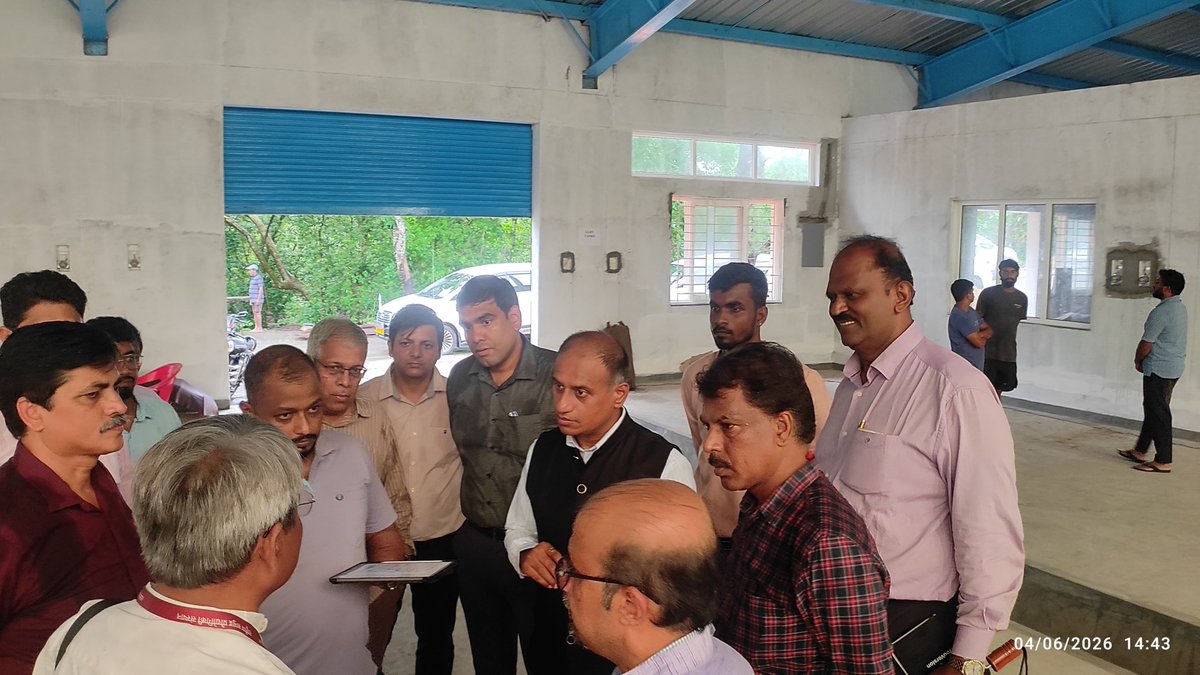
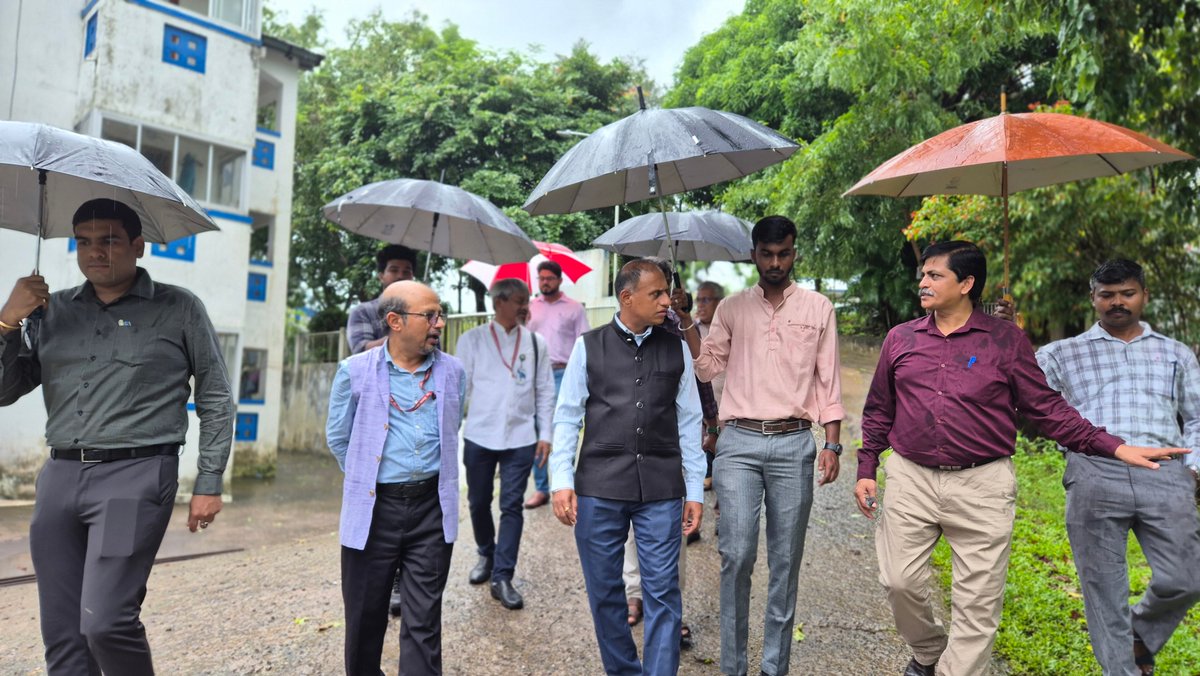
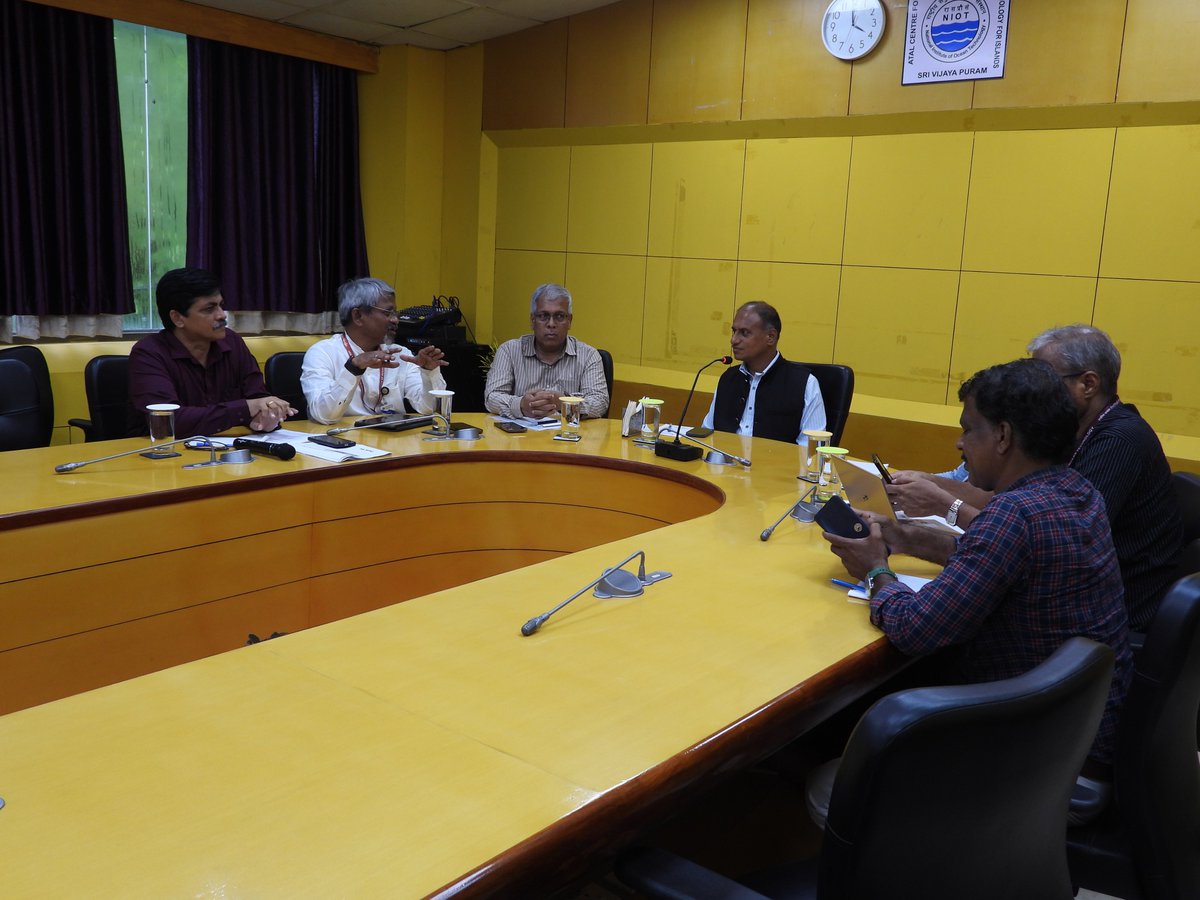
ONGOING INFRASTRUCTURE DEVELOPMENT REVIEW BY THE DIRECTOR
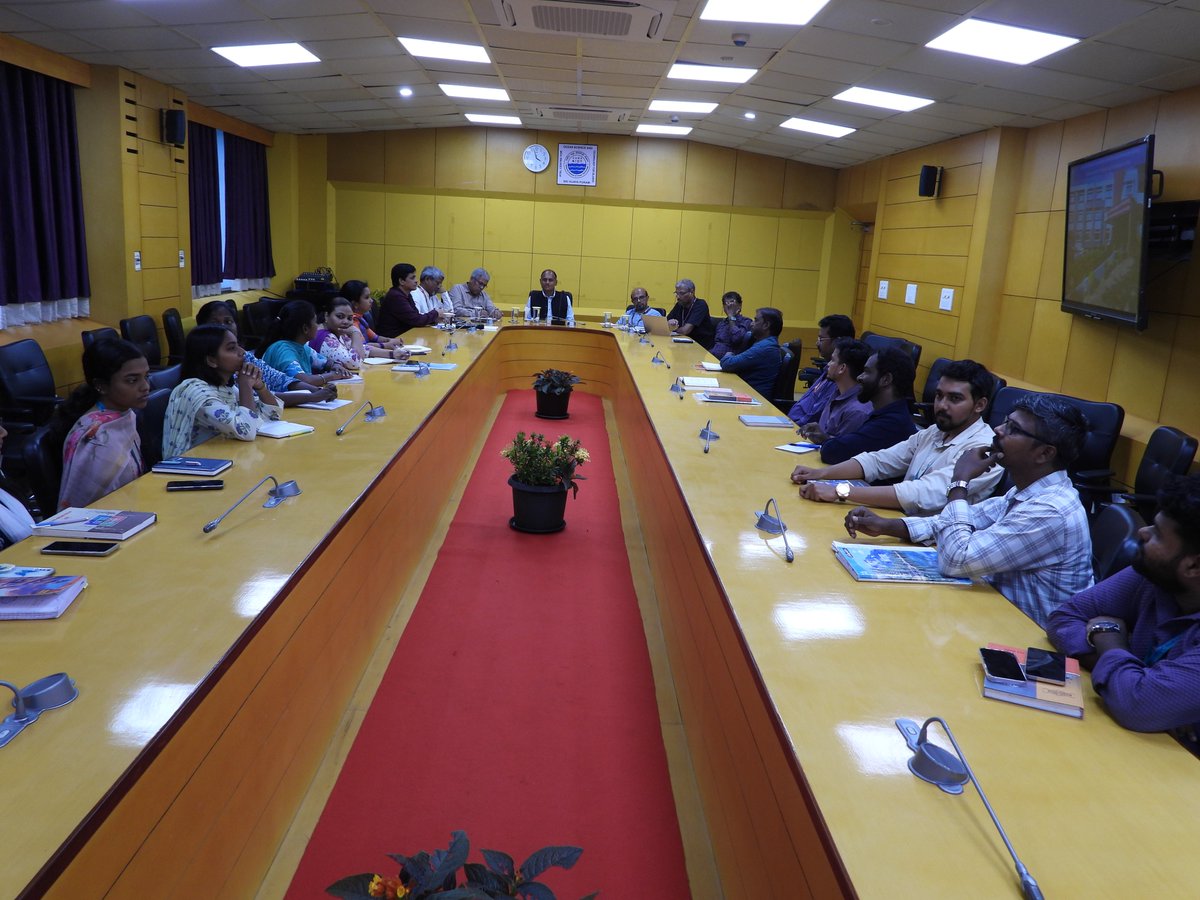
Prof. Balaji Ramakrishnan, Director, NIOT, along with CPWD and MoES/NIOT officials visited the NIOT-ACOSTI campus and reviewed key infrastructure facilities, including the Marine finfish Hatchery, the Seawater Intake Facility, andother infrastructures along with officials from the Central Public Works Department and NIOT.
During the visit, the Director assessed the progress of ongoing research and development activities at ACOSTI, highlighting the institute's commitment to advancing ocean science and technology for the islands. Hereviewed ongoing work and provided suggestions for strengthening operational efficiency and future growth initiatives.
The visit reaffirmed NIOT's focus on fostering innovation, enhancing infrastructure, and ensuring effective administration in support of national ocean technology missions.
#NIOT #ACOSTI #OceanTechnology #ResearchAndDevelopment #Innovation #MarineScience #CPWD
3
10
335

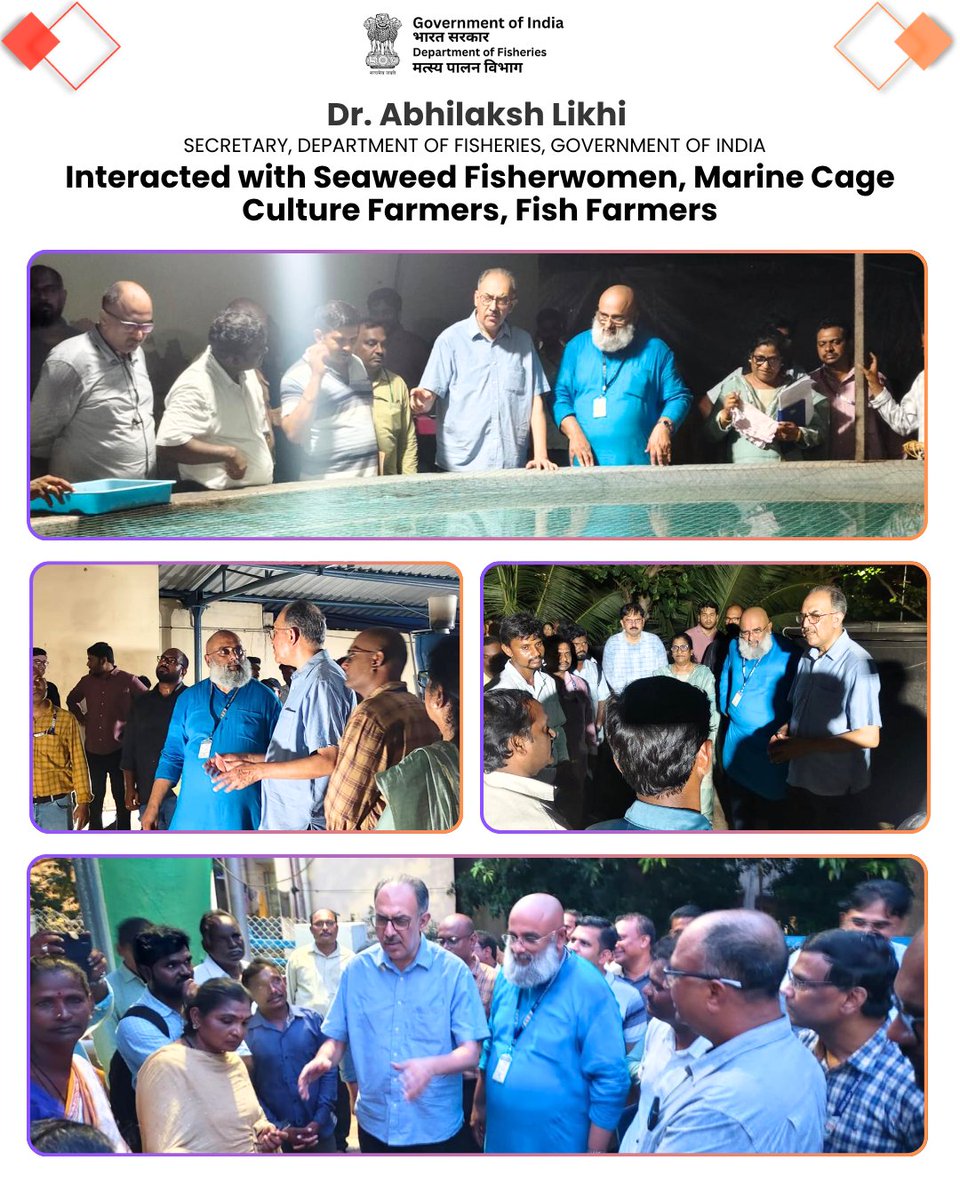
Dr. Abhilaksh Likhi, Secretary, Department of Fisheries, Government of India, visited the Regional Centre of ICAR-CMFRI at Visakhapatnam and reviewed various facilities established at the Centre, including the marine fin fish hatchery, nursery, broodstock rearing systems, Recirculatory Aquaculture System (RAS) and other research and demonstration facilities.
During the visit, Dr. Likhi interacted with seaweed fisherwomen, marine cage culture farmers, fish farmers and other stakeholders from different districts of Andhra Pradesh. The interaction provided an opportunity to understand field-level experiences, discuss challenges and opportunities.
Regional Centre of ICAR-CMFRI is contributing to the development of marine finfish aquaculture through broodstock management, seed production and technology dissemination for commercially important marine fish species.
#SeafoodExports #BlueEconomy #FisheriesSector
1
11
278

Oh man, we learned the hard way in the United States before Europe did. If you over fertilize and you allow runoff into streams and bays, you kill finfish and shellfish.
5
40

May 31
Global Consumption and Production Highlights
• Total aquatic animal production (2022): 185.4 million tonnes.
• Aquaculture (farmed): 94.4 million tonnes (51% of total aquatic animal production — the first year it surpassed wild capture).
• Capture fisheries (wild-caught): 91 million tonnes (49%). fao.org fao.org
• For human consumption (2022): Approximately 164.6–165 million tonnes (about 89% of total production). The rest (~20.8 million tonnes) is used mainly for fishmeal/oil or other non-food purposes. fao.org
• Per capita consumption:
• Global average: 20.7 kg per person per year (live-weight equivalent) in 2022 — a new record high.
• This has more than doubled since 1961 (when it was 9.1 kg).
• Growth rate: Apparent consumption of aquatic foods has risen ~3.0% annually since 1961 (faster than world population growth of ~1.6%). knowledge4policy.ec.europa.e… fao.org
• Regional trends: Asia dominates (71% of global consumption), driven by China. Per capita is highest in wealthier or fish-rich regions (e.g., parts of Europe, Oceania, and East Asia) and lowest in Africa. fao.org
• Long-term shift: Aquaculture now supplies over 57% of the aquatic animal foods eaten by humans. Wild capture has stabilized, while farming has grown rapidly. fao.org
Scale of Individual Animals (the “Exploitation” Numbers)
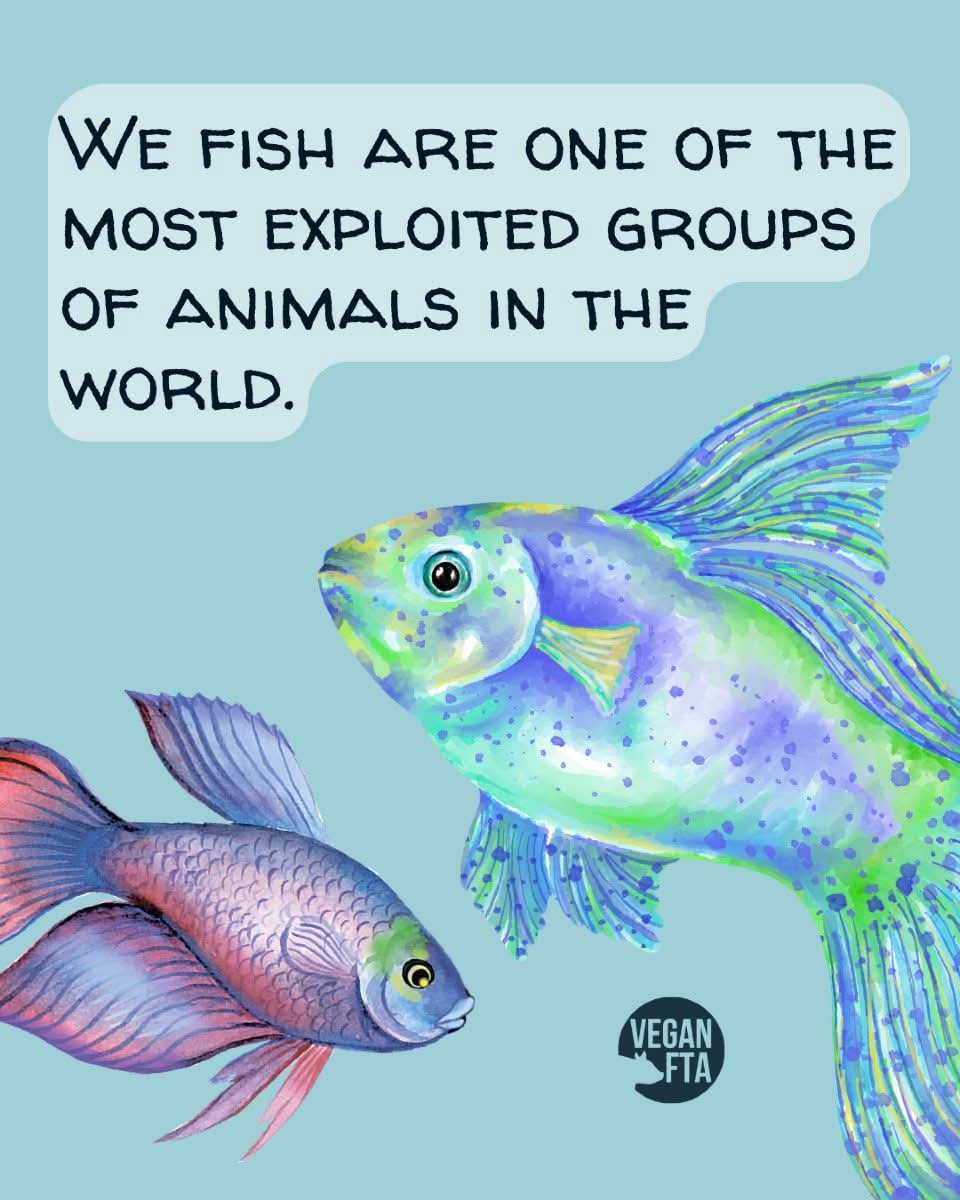
The post’s claim about fish being “one of the most exploited groups” aligns with the sheer number of individual animals involved, even though consumption stats are usually reported in tonnes (biomass). Because many fish are small, the individual count is enormous compared to land animals:
• Farmed finfish slaughtered annually: ~130 billion (range 86–180 billion) in recent estimates (2022). This has increased ~9-fold since 1990. Common species include carp, tilapia, and catfish. fishcount.org.uk faunalytics.org
• Wild-caught finfish: An estimated 1.1 to 2.2 trillion individuals per year globally. ciwf.org.uk
• Total: Over 1 trillion to ~2.3 trillion finfish killed annually for food (farmed wild). This dwarfs the ~80 billion farmed land birds and mammals combined. (Note: These figures exclude crustaceans/shellfish, bycatch, and on-farm deaths before slaughter.)
These numbers come from peer-reviewed analyses by groups like FishCount.org and are widely cited in animal welfare discussions. pmc.ncbi.nlm.nih.gov
In short, global fish consumption has grown steadily and is now at an all-time high per person, increasingly supplied by farming rather than wild capture. If you’re looking at the vegan post’s angle on exploitation, the individual-animal numbers are indeed staggering compared to any other group of vertebrates used for food

1
4
73

May 21
Alaska Board of Fisheries
Ethics? What Ethics?
While some Alaskan’s we’re all out here trying to make a living on the water, the suits in Anchorage just reminded us why so many of us are fed up with “management” that smells more like backroom deals than science or conservation.
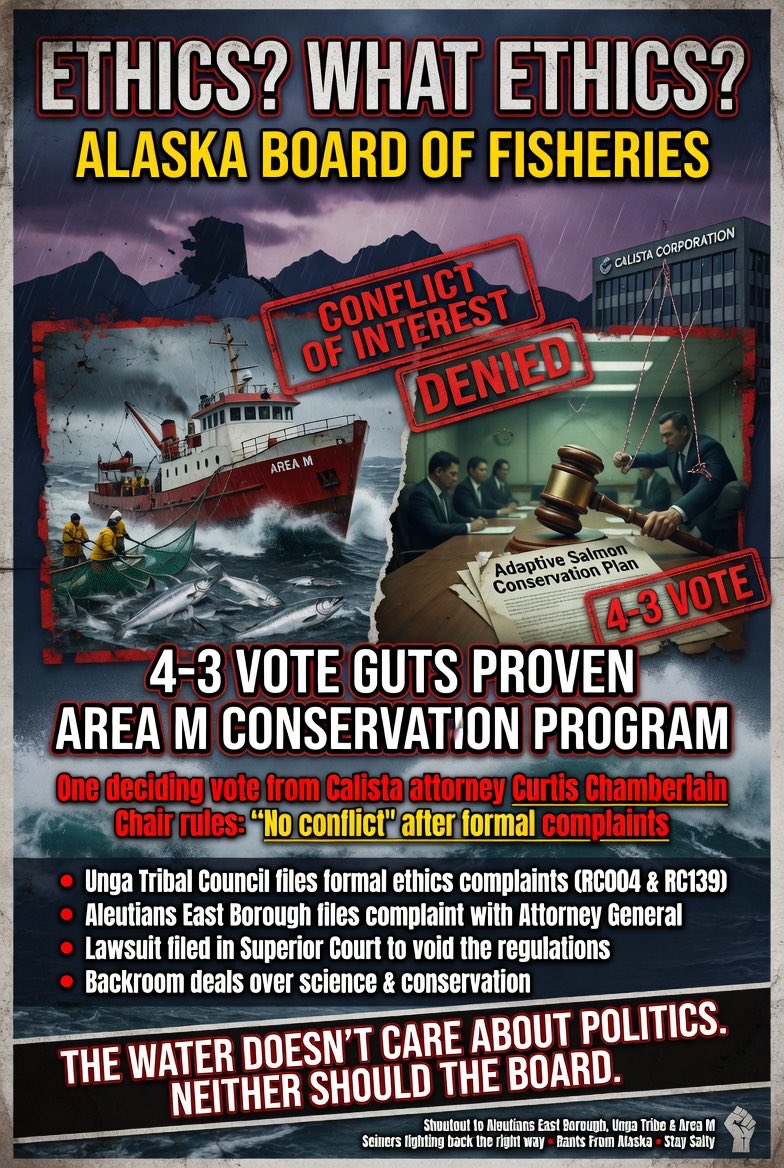
In February 2026, during the Alaska Board of Fisheries meeting on Alaska Peninsula/Aleutian Islands/Chignik Finfish, the board voted 4-3 to gut a proven, adaptive conservation program in Area M the South Alaska Peninsula commercial salmon fishery.
One deciding vote came from Board Member Curtis Chamberlain, an attorney for Calista Corporation. Calista has spent years publicly pushing to restrict or outright close Area M fisheries to benefit other regions.
But Conflicts of interest were flagged loud and clear before the vote. Formal complaints hit the record. The Unga Tribal Council laid it out in black and white. Chair Marit Carlson-VanDort looked at the documented ties, the prior advocacy, the employer positions and ruled “none.” Business as usual.
Now, according to recent reports circulating, the Lieutenant Governor has received a strong disapproval letter calling this out.
Good.
It’s about damn time someone higher up got the unfiltered truth dropped on their desk.
The Primary Sources Don’t Lie
This isn’t conspiracy chatter from the dock. It’s straight from the official record:
• Unga Tribal Council letters (RC004 and RC139) detailing Chamberlain’s conflicts, his statements on the record, and why his participation should have been disqualified. These were entered into the Board meeting record. Direct PDFs available on the ADF&G site.
• Aleutians East Borough and tribal leaders’ formal ethics complaint filed with the Attorney General on Feb 23, 2026. They didn’t mince words: the 4-3 vote dismantled Alaska’s most successful in-season salmon conservation program. They want the AG to investigate and the regulations reviewed.
• Lawsuit filed in April 2026 by Aleutians East Borough, Native Village of Unga, Area M Seiners Association, and others in Superior Court to void the conflicted regulations. The complaint alleges undisclosed conflicts and even false statements on the record by board members.
This adaptive management plan worked. It protected migrating chum salmon headed for Yukon and Kuskokwim systems while allowing sustainable harvest in Area M. Locals, tribes, and seiners on the Peninsula built a system that balanced conservation with livelihoods. Then one conflicted vote and a chair who wouldn’t enforce basic ethics turned it upside down.
This Is Bigger Than One Vote
Alaska’s fisheries are too important and too contested to let this slide.
Area M isn’t some distant problem it’s families, boats, processors, and communities on the line. When board members with clear ties to one side of the allocation fight get to cast deciding votes after denying any advocacy, it erodes trust in the entire process.
The Board of Fisheries is supposed to serve all Alaskans, not play favorites for powerful corporations or regional interests. Ignoring documented conflicts isn’t oversight it’s a failure of duty.
Shoutout to the Aleutians East Borough, the tribes, and the Area M fishermen who are fighting this the right way with public records, complaints, and court filings. Not whining on the internet (though we’re doing plenty of that too).
Lieutenant Governor if you’re reading the disapproval letter, act on it.
Attorney General should investigate thoroughly. Alaskans deserve transparent, ethical management of our resources, not this.
The water doesn’t care about politics. Neither should the Board.
Drop your experiences in the comments. Share this if you’re tired of the same old game.
Stay salty,
Rants From Alaska
2
4
10
386