
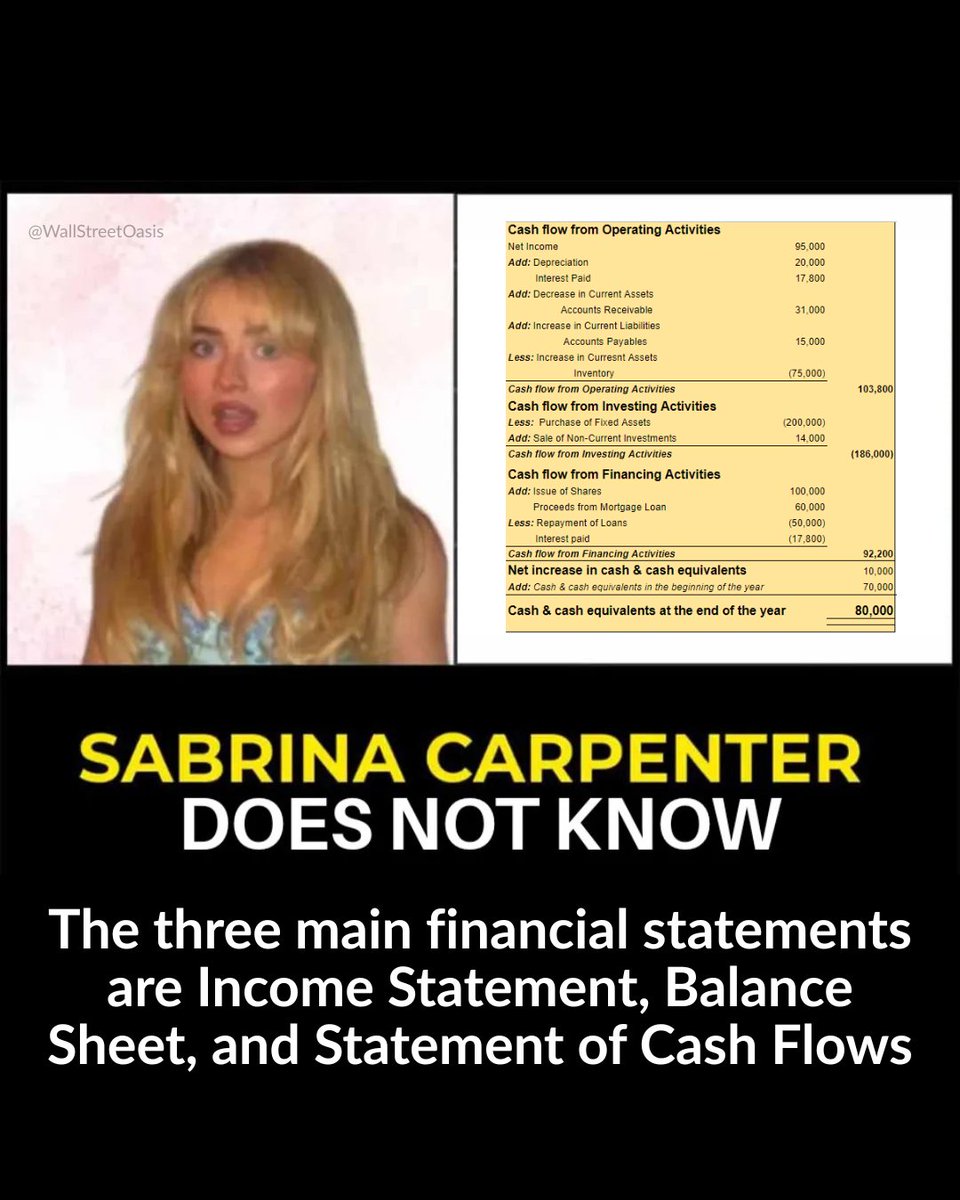
🚨 One of the BIGGEST MISTAKES candidates make in investment banking recruiting?
🤨 Memorizing answers instead of understanding concepts.
Because trust us, interviewers can tell.
⛔ They don't just want the right answer.
They want to see that you can:
✅ Think critically
✅ Apply concepts to new situations
✅ Explain the "why" behind your answer
💪 That's what separates strong candidates from everyone else.
And that's exactly what WSO Academy helps you develop.
🎯 Apply to WSO Academy now & secure at least one top job offer 👉 wallstreetoasis.com/academy/… 🔗
#investmentbanking #wallstreet #memes #workmemes #financialmodeling
60
2/2
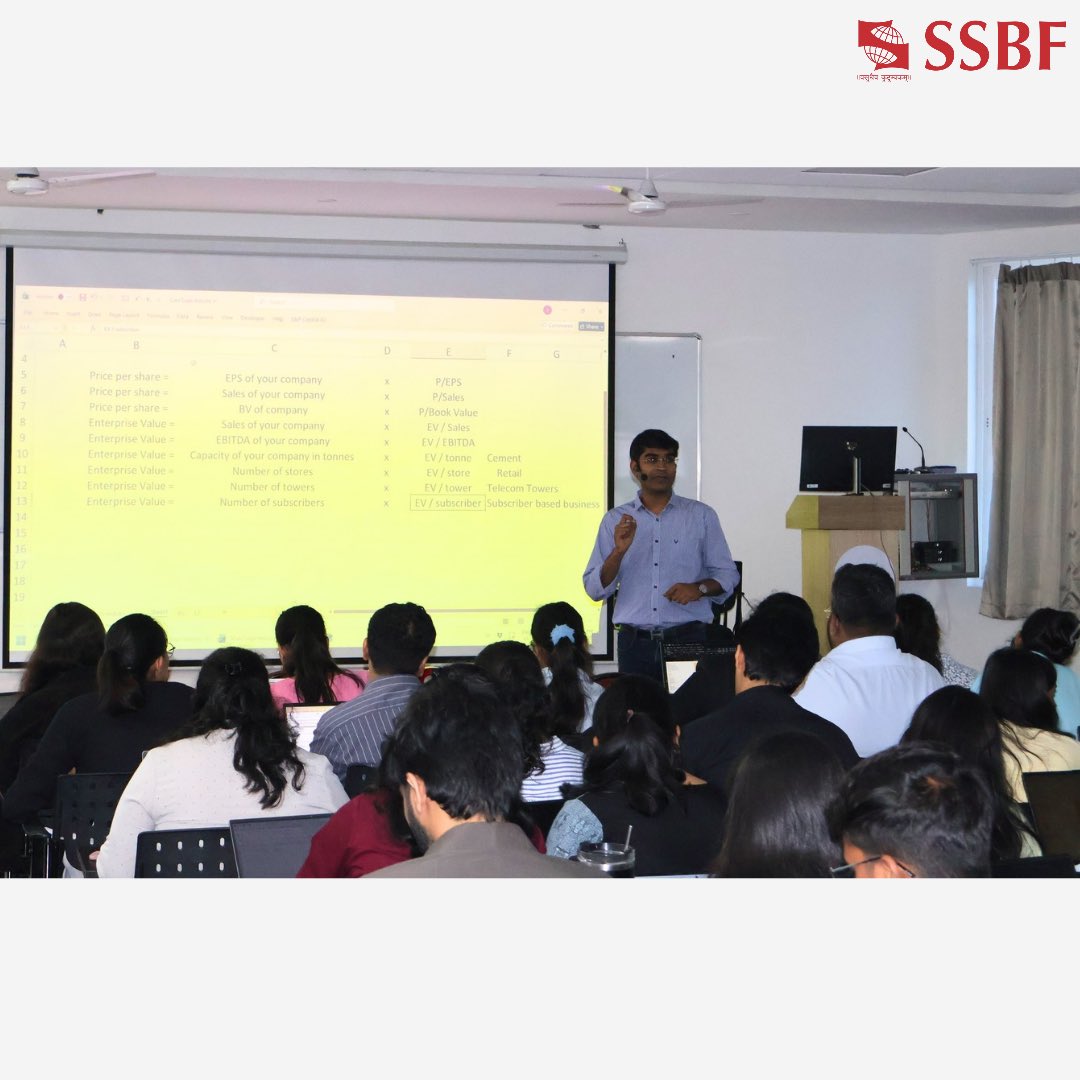
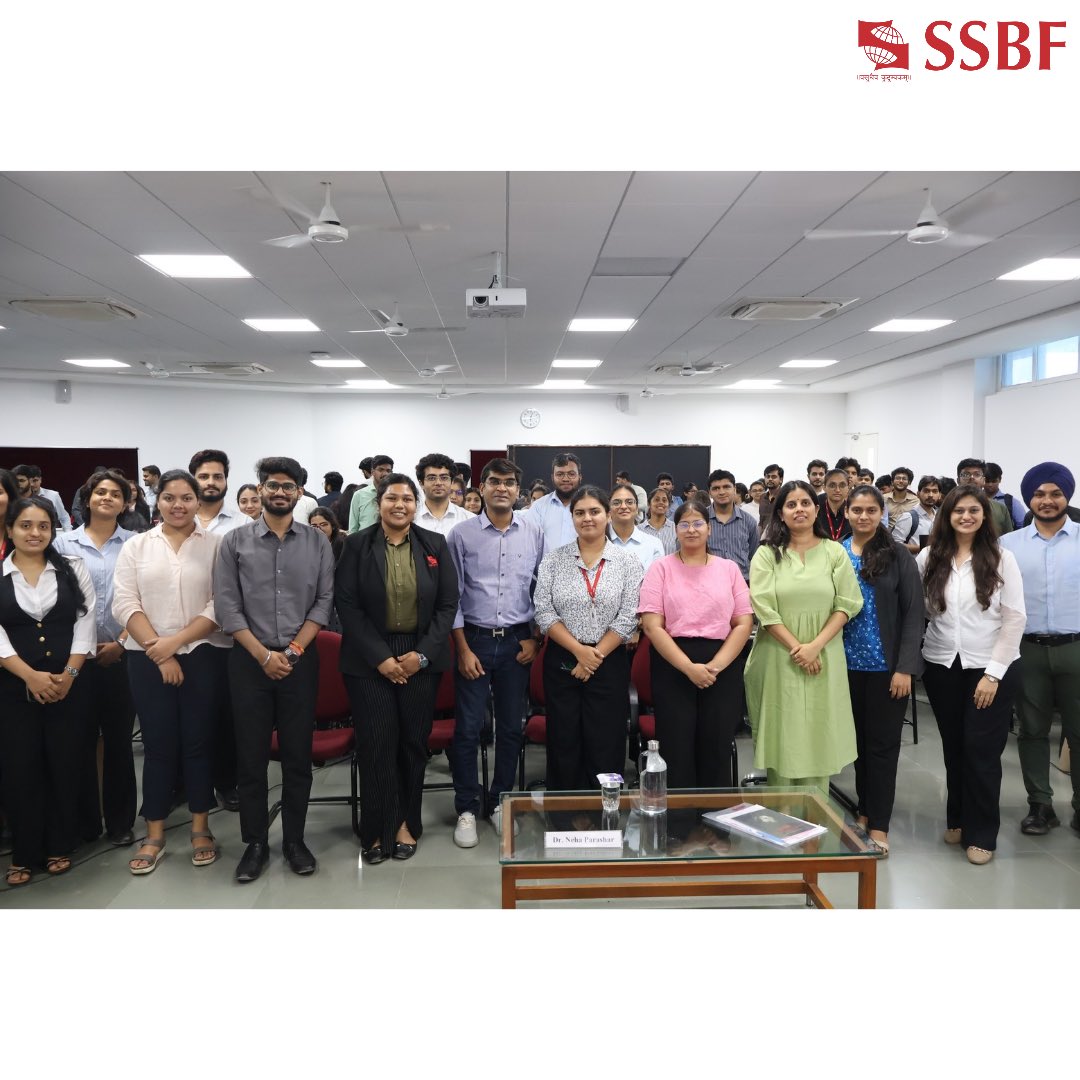
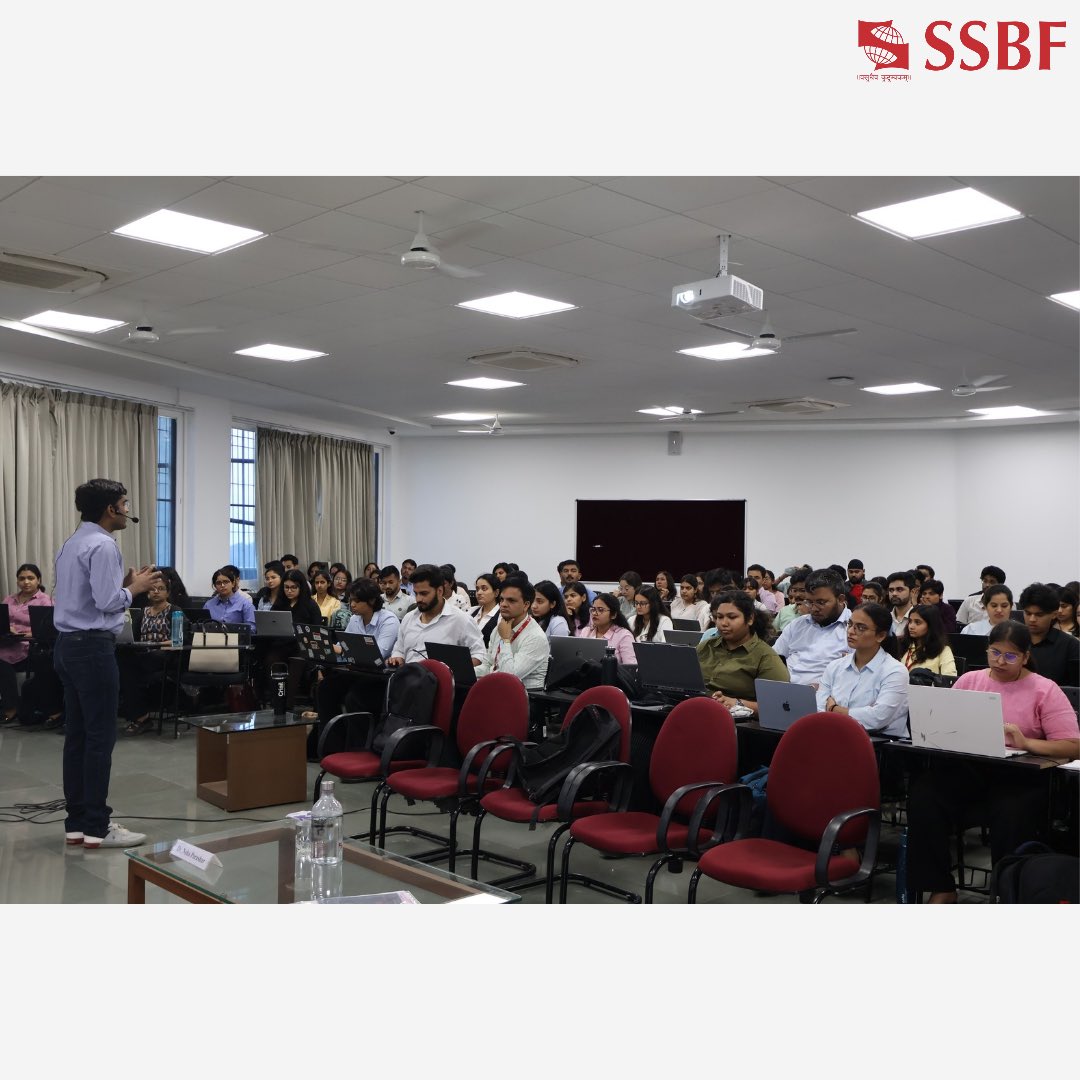
We extend our sincere gratitude to Mr. Tarun Bothra for sharing his expertise and valuable industry insights.
#ssbf #ssbfpune #bankingandfinance #symbiosis #financialmodeling #valuation #financeeducation #mba #futureleaders #finance #corporatefinance #financialanalysis
4
1/2
SSBF MBA (Banking & Finance) Orientation 2025–27 featured a session by Tarun Bothra (Valuation Professional) on Financial Modeling, offering insights into valuation, financial analysis and model building.
#ssbf #financialmodeling #valuation #financeeducation #mba

7

⚡ How insic works — a full walkthrough
insic runs a multi-model DCF valuation on any NYSE or NASDAQ stock. Here's exactly what happens when you type a ticker:
━━━ THE 5-MODEL BLEND ━━━
1. FCFF DCF (Unlevered)
Free cash flow to the firm, discounted at WACC. The Damodaran standard. WACC is calculated from CAPM country risk premium.
2. FCFE DCF (Levered)
Free cash flow to equity, discounted at the cost of equity. Strips out the debt layer.
3. DDM (Dividend Discount Model)
For dividend-paying companies. Prices the dividend stream.
4. Forward P/E multiple
Relative valuation anchored to analyst consensus EPS.
5. EV/EBITDA multiple
Enterprise value relative to operating earnings.
━━━ THE OUTPUT ━━━
Each model is weighted by company type (growth, financial, dividend, etc.) and blended into a single consensus fair value.
You also see: bear/base/bull scenarios, ROIC vs WACC, Piotroski score, Altman Z-score, Beneish M-score, analyst estimates, EPS surprises, financial statements.
━━━ WHAT MAKES IT DIFFERENT ━━━
Every assumption is shown. You can override WACC, CAGR, and terminal growth and see the fair value update in real time.
No black box. No opinion. Just a transparent model you can stress-test.
Free for any stock → insic.app
#DCF #Investing #StockAnalysis #FinancialModeling
37

Jun 15
Role - #InvestmentBankingExpert / #InvestmentBanker / #FinancialAnalyst / #MAndAAnalyst
Location - #Remote (#UnitedStates, #UnitedKingdom, #Canada, #Europe & #Australia)
Pay - $100-$130/hour
Type - Independent Contractor
A leading AI research organization is hiring experienced #InvestmentBanking professionals to help train and evaluate next-generation AI systems.
Key Requirements:
• 2 years of experience at a top #investmentbanking firm
• Expertise in one or more of:
#FinancialModeling
#PitchDecks
Investment Memos
Company & Industry Analysis
• Strong analytical and communication skills
Role Details:
• Fully #Remote
• Flexible schedule
• Minimum 10 hours/week
• Initial 4-week engagement with potential extensions
• Weekly payments via Stripe or Wise
Ideal for professionals with experience in #InvestmentBanking, #MergersAndAcquisitions, #CorporateFinance, #EquityResearch, #Valuation, and #FinancialAnalysis.
Apply / Refer now: t.mercor.com/HqJrl
#Hiring #FinanceJobs #InvestmentBankingJobs #FinancialModeling #MandA #CorporateFinance #EquityResearch #AIJobs #RemoteJobs #FreelanceJobs #ContractJobs
1
17
💡 In this video, you’ll learn how to project free cash flow in an LBO model, step by step.
💪 This is the kind of technical knowledge top candidates master before interviews.
📖 Want the full roadmap to break into investment banking, private equity, or hedge funds?
✅ Apply to WSO Academy now >>> 🔗 wallstreetoasis.com/academy/…
As a student, you get access to:
✔️ 3,000 mentors
✔️ Lifetime course access
✔️ 30 hours of mock interviews
✔️ 8 weekly office hours
✔️ Live bootcamps
✔️ 1:1 mentorship with industry professionals
#investmentbanking #privateequity #wallstreet #lbo #financialmodeling
130

Jun 15
3/3
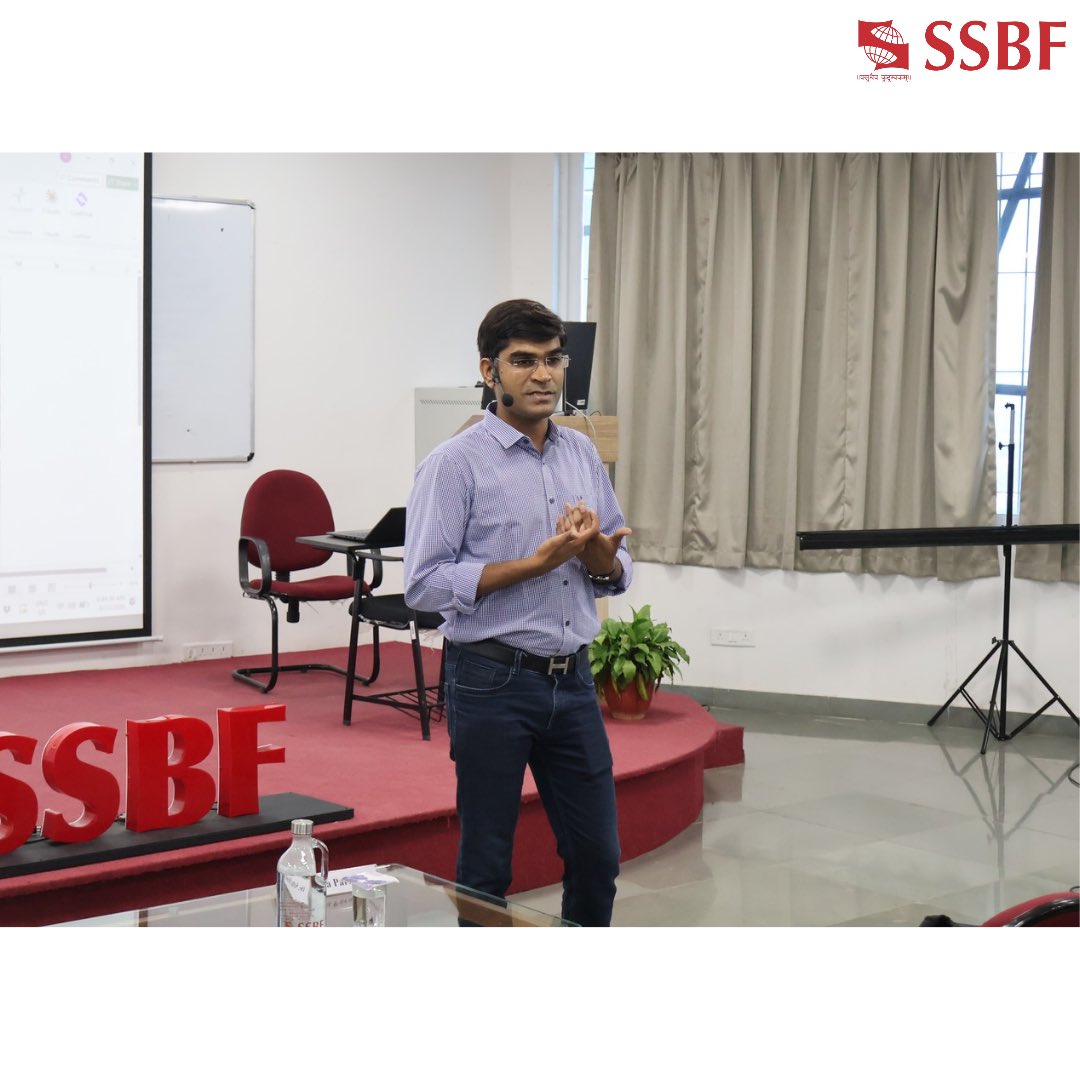
SSBF MBA (Banking & Finance) Orientation 2025–27 features a session by Tarun Bothra (Valuation Professional) on Financial Modeling, covering model building, valuation and financial analysis.
#ssbf #financialmodeling #valuation #financeeducation #mba #futureleaders

4

Jun 14
Stop writing formulas like:
=B2*(1 C5)-D10
Use Named Ranges instead:
=Revenue*(1 TaxRate)-Discount
Learn how to make Excel models cleaner and easier to maintain.
codewithfimi.com/how-to-use-…
#Excel #SpreadsheetTips #FinancialModeling
1
1
63
Jun 14
Want Excel to find the best answer automatically?
Learn how to use Solver for:
✅ Profit maximization
✅ Cost reduction
✅ Budget allocation
✅ Resource optimization
codewithfimi.com/excel-solve…
#Excel #Solver #Optimization #FinancialModeling
1
14
📈 How to think about growth in a DCF model
The growth assumption is the single biggest driver of fair value. Get it wrong and you can be off by 50%. Here's how to think about it rigorously.
━━━ THREE GROWTH SIGNALS ━━━
1. Historical CAGR (3-year)
What the business has actually delivered. Backward-looking, but grounded in reality. High-growth companies often can't sustain their historical rate as they scale.
2. Analyst forward estimates
Consensus revenue growth from sell-side analysts. More forward-looking, but subject to herding bias. More weight when coverage is deep (10 analysts).
3. Fundamental growth rate
Derived from ROE × earnings retention rate. What the business can organically grow without external capital. A sanity check on the other two.
━━━ THE CONVERGENCE DISCOUNT ━━━
No company grows fast forever. Damodaran's research shows that high-growth companies systematically mean-revert toward industry and economy-wide growth rates.
We apply a convergence discount: raw blended growth gets haircut toward a stable long-run rate. This prevents models from pricing in perpetual 40% growth.
━━━ WHAT THIS MEANS IN PRACTICE ━━━
A stock pricing in 30% perpetual growth is almost always a bad bet.
A stock pricing in 8% growth on a business delivering 20% might be a great one.
See the growth model for any stock → insic.app
#Valuation #DCF #GrowthInvesting #FinancialModeling
17
Jun 13
Annual budgets become outdated quickly.
Learn how to build rolling forecasts in Excel:
✅ Dynamic planning
✅ Revenue forecasting
✅ Scenario analysis
✅ Better financial visibility
codewithfimi.com/how-to-buil…
#Excel #Forecasting #FinancialModeling #FPandA
1
680
Jun 13
Seeing a Circular Reference warning in Excel?
Learn:
✅ What causes it
✅ How to find it
✅ How to fix it
✅ When it's actually intentional
codewithfimi.com/excel-circu…
#Excel #SpreadsheetTips #DataAnalysis #FinancialModeling
1
230

Excel & Dynamics 365 BC: Accounting & Financial Modeling Pro
⏱️ 19.2 hours
⭐ 3.00
👥 81
🔄 May 2026
💰 $14.99 → 100% OFF
comidoc.com/udemy/excel-dyna…
#Excel #Accounting #FinancialModeling #udemy

14
Jun 12
Large Excel workbook giving you headaches?
Learn how to audit formulas using:
✅ Trace Precedents
✅ Trace Dependents
✅ Evaluate Formula
✅ Error Checking
codewithfimi.com/how-to-audi…
#Excel #SpreadsheetTips #FinancialModeling #DataAnalysis
1
543
Jun 12
Want to compare best-case and worst-case business outcomes in Excel?
Learn how Scenario Manager helps with:
✅ Forecasting
✅ Budgeting
✅ Risk analysis
✅ Decision-making
codewithfimi.com/excel-scena…
#Excel #FinancialModeling #Forecasting #BusinessAnalysis
1
266
Jun 12
Excel is still one of the most important tools in corporate finance.
Learn how finance teams use it for:
✅ Revenue forecasting
✅ Budget planning
✅ Cash flow analysis
✅ Scenario modeling
codewithfimi.com/how-finance…
#Excel #Finance #FinancialModeling #Forecasting #DataAnalytics
1
35

Jun 12
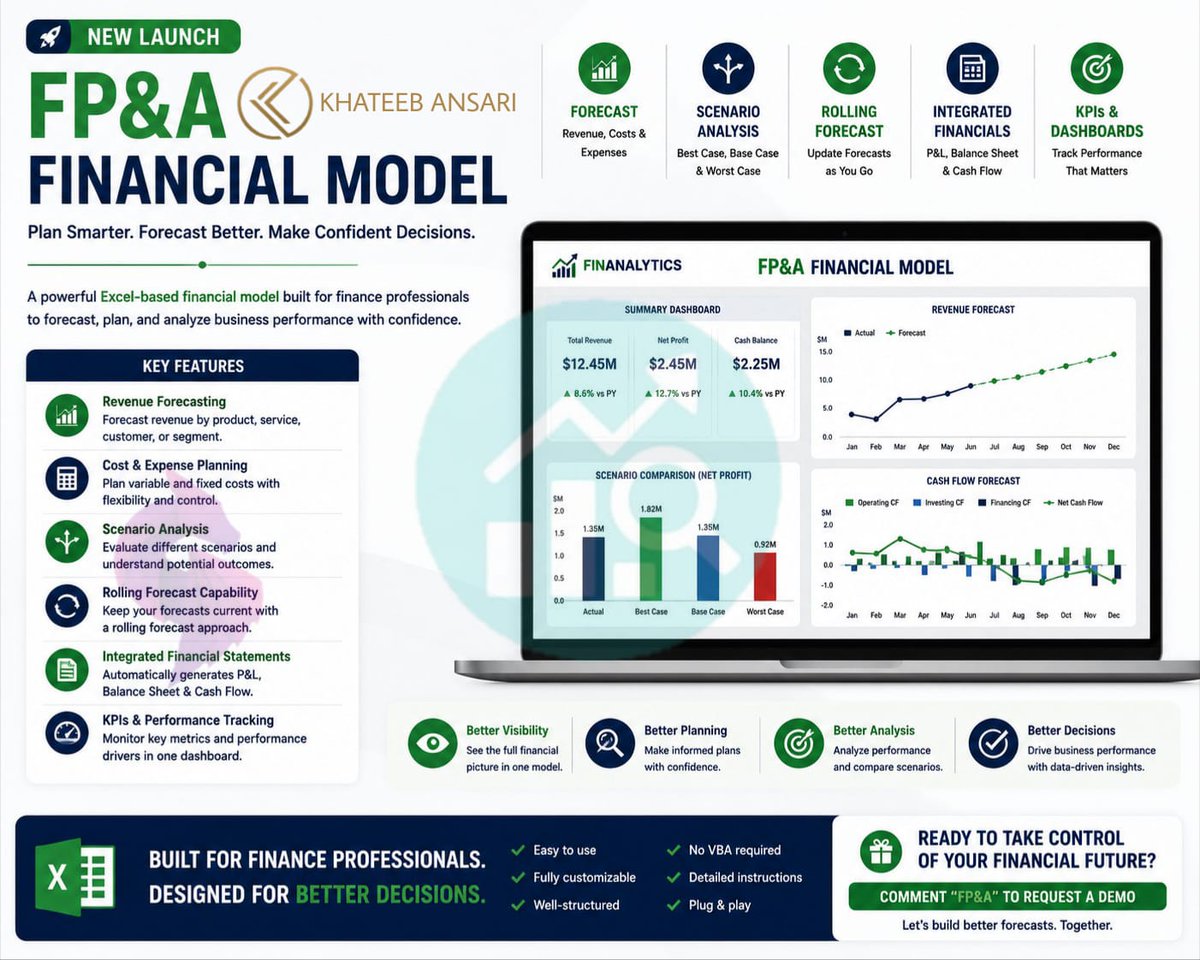
Most finance teams don't need more spreadsheets.
They need better visibility into the future.
The FP&A Financial Model helps you forecast, plan, analyze scenarios, and make smarter decisions.
Comment "FP&A" to see a demo.
#FPandA #Finance #Forecasting #FinancialModeling #CFO
1
74

Jun 11
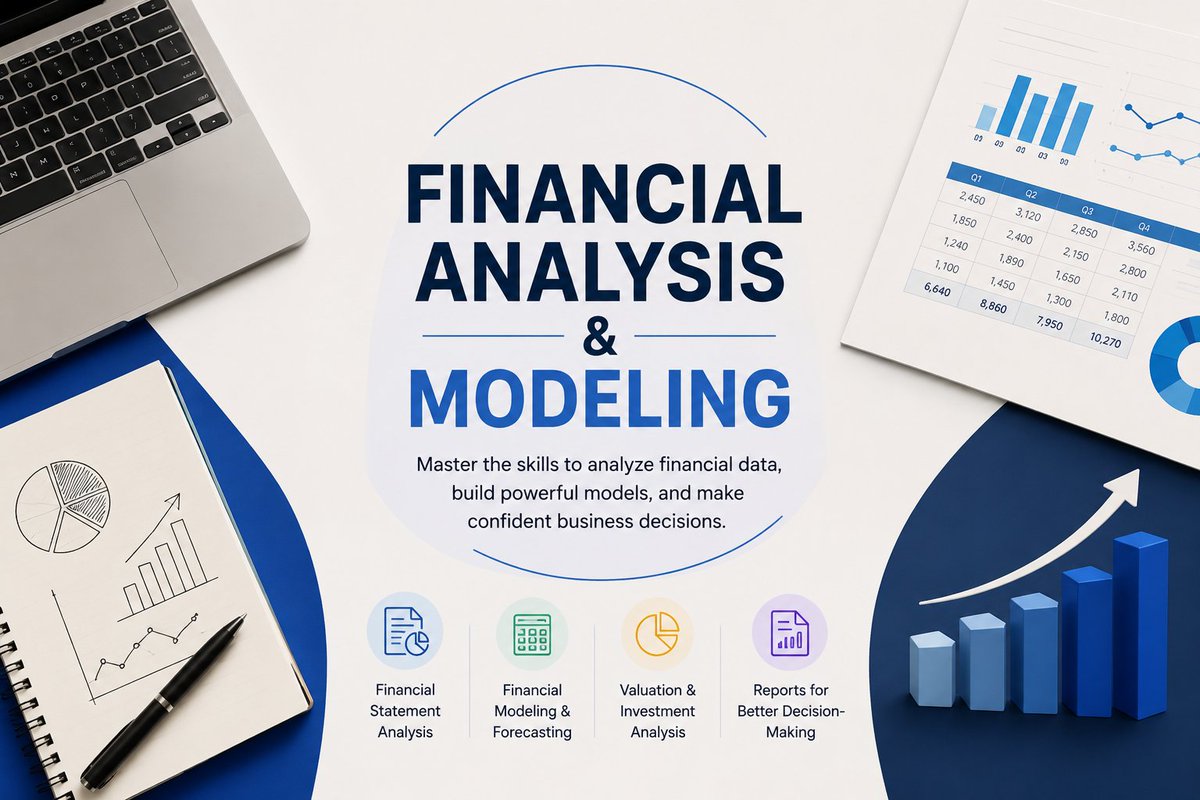
Every successful business decision starts with understanding the numbers behind it.
Financial analysis is more than reading reports. It's about evaluating performance, identifying opportunities, forecasting outcomes, and turning data into informed business decisions.
In this course, you'll learn how to:
📊 Analyze financial statements and key performance metrics
📈 Build financial models for forecasting and planning
💰 Apply valuation techniques used in finance and consulting
📑 Create reports and recommendations backed by data
You'll also explore scenario analysis, cash flow evaluation, and business performance assessment through practical exercises designed to strengthen your analytical thinking.
Upon completion, you'll earn a shareable certificate that can be added to your LinkedIn profile, resume, or portfolio to demonstrate your knowledge of financial analysis and modeling.
Whether you're interested in finance, consulting, business strategy, or analytics, this course provides a strong foundation in the tools and techniques used to support data driven decision making.
Explore here 👉 coursera.org/learn/financial…
#FinancialAnalysis #FinancialModeling #BusinessStrategy #FinanceSkills #CareerGrowth #IBMSkillsNetwork
1
59
🚨 Investment banking interviews coming up?
Then you need to understand technical concepts like:
📚 Accretion & Dilution
🤝 Synergies
📊 Goodwill
Don't worry, we've got you covered.
In this video, Tim, Head Mentor at WSO Academy, breaks down all of these key concepts and explains them in a way that's easy to understand.
👨💼 Want to do mock interviews with industry pros like Tim?
🎯 Apply to WSO Academy now 👉 wallstreetoasis.com/academy/… 🔗
#investmentbanking #wallstreet #financecareers #financeeducation #financialmodeling
138

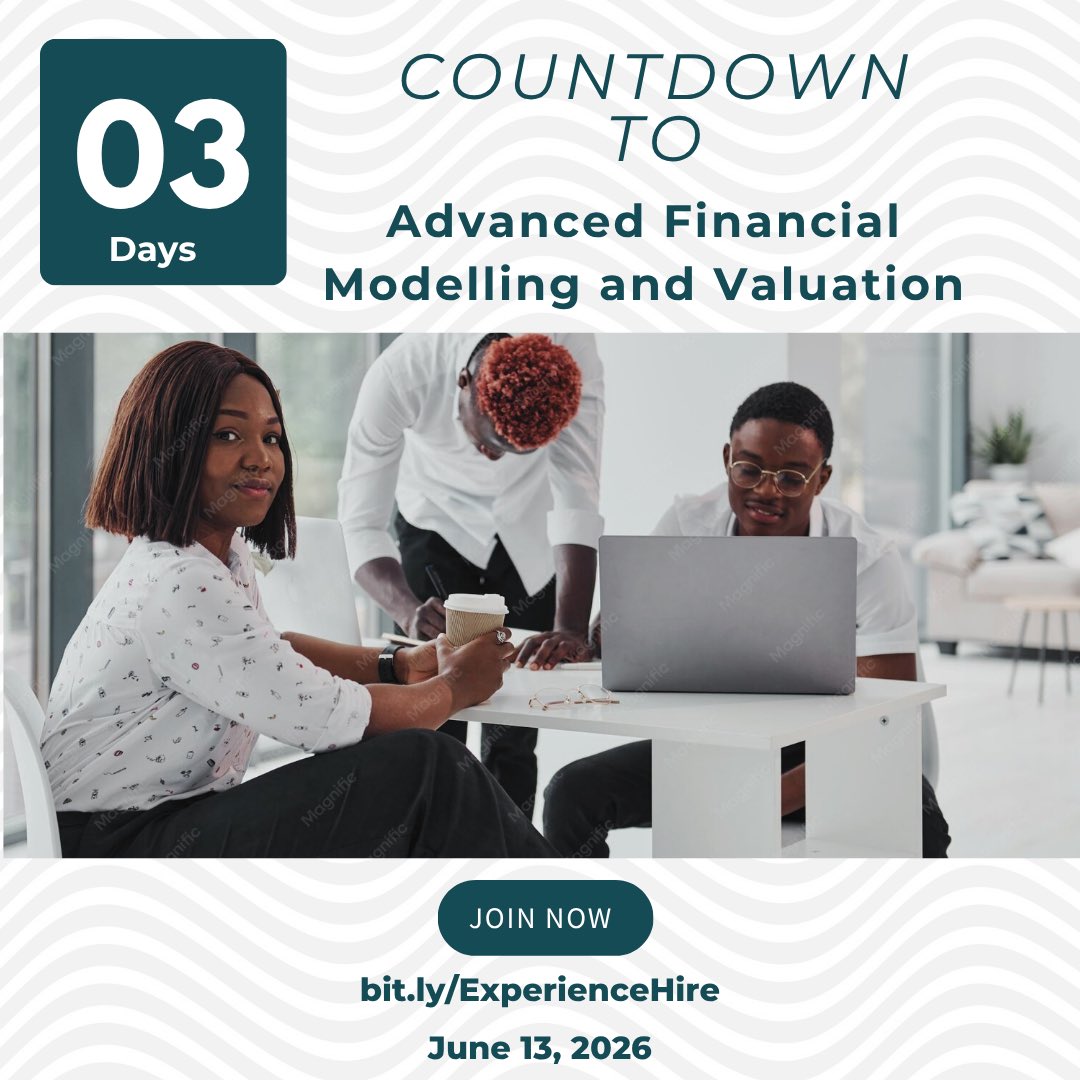
⏳ Only 3 Days to Go!
The AFM Program starts June 13. Learn financial modeling, valuation, and practical finance skills that can accelerate your career.
🔗 bit.ly/ExperienceHire
#AFM2026 #FinanceCareers #Valuation #FinancialModeling
1
1
512