
Apr 23
The God Complex: Why Nigeria’s Culture of Hero Worship Is Destroying the Nation It Claims to Honour
By Kio Amachree
There is a ritual that plays out in Nigeria with such regularity that most people have stopped seeing it for what it is — a civilisational wound dressed up as cultural pride. Men of accomplishment, men of talent, men of wealth, prostrate themselves flat on the ground before other men. They chant. They spray money. They compete to outdo one another in the performance of submission. They call it respect. I call it something closer to a social disease.
I watched it again recently. Davido, accompanied by Cubana Chief Priest and other associates, made a high-profile visit to President Bola Tinubu at Aso Rock   — a man increasingly frail in body and, by many accounts, diminished in his capacity to govern. There they were, some of Nigeria’s most celebrated and commercially successful figures, performing the familiar theatre of prostration and deference before a man whose legitimacy to hold any office at all remains, to put it charitably, deeply contested. I watched with dismay. Not because of the individuals involved, but because of what the moment revealed about us as a people.
Nigeria has produced, across its short history as a nation, figures of genuinely titanic stature. Sir Ahmadu Bello, the Sardauna of Sokoto, served as the first and only Premier of Northern Nigeria from 1954 until his assassination in 1966, dominating national affairs for over a decade and uniting the vast, diverse peoples of the north through a combination of vision, religious authority, and unmistakable presence.  When the soldiers came to kill him on the night of January 15, 1966, even those dispatched to end his life were momentarily stopped in their tracks by the sheer weight of the man’s bearing — his wives forming a human shield, his senior guard standing with bow and arrow against men with machine guns.  That is what genuine authority looks like. It commands without demanding. It does not need a room full of kneeling celebrities to confirm itself.
The Sardauna did not need prostrations. He had earned something rarer and more real — a moral gravity that made itself felt without ceremony. And yet it was precisely the culture that elevated him beyond accountability, that made men around him feel the only appropriate response to power was total surrender, that contributed to the conditions that ended the First Republic and brought the soldiers to his door in the first place.
I saw the same pattern with MKO Abiola. I watched him at high society gatherings in Lagos, surrounded by adoring crowds who had run out of songs and superlatives. I said to myself then — with a certainty I wish had proved wrong — that these same people will one day destroy this man. The love was too loud. The praise was too absolute. It always is. In Nigeria, to be worshipped by the crowd is to have a target painted on your back.
This is not an accident of temperament. It is structural. Nigeria is predominantly a polygamous society. Many children grow up competing for the attention of fathers who are divided, distracted, or absent. The hunger for affirmation, for being seen and celebrated, is not just personal — it is historical. And when those children grow into powerful men and women, some of them spend fortunes attempting to purchase the love they could not access as one of many. They build cults of personality. They reward sycophancy. They surround themselves with those who will never say no. And the country suffers.
The same culture that produces this prostration also tolerates — even celebrates — a man who uses multiple names, holds passports that do not belong to him, claims to have graduated from institutions that records show were not yet operating in the manner he describes, and insists he is 74 despite a family arithmetic that tells a different story. A man with a documented drug-related legal history in the United States who now styles himself Jagaban, a self-appointed king of a country he appears to regard as his personal inheritance. The titles multiply. The sycophants amplify. The questions go unasked because asking them out loud, in a culture that genuflects before the big man, is itself considered a form of indecency.
It is not indecent to ask hard questions. What is indecent is the spectacle of grown, accomplished people flattening themselves on the floor of a presidential residence as though the ground beneath a politician’s feet is sacred soil. What is indecent is spraying cash at public events while millions cannot afford a single meal. What is indecent is a political class that demands deference while delivering dysfunction.
The prostration must end — not because tradition is without value, but because the form it has taken in modern Nigerian political culture is not about honouring elders. It is about power performing itself. It is about powerful men requiring visible submission as a condition of access. That is not tradition. That is coercion dressed in cultural clothing.
Nigeria in 2026 does not need more gods. It needs citizens.
I have never prostrated myself before any living man, and I never will. Not out of arrogance. Out of the conviction that a country cannot build itself on the premise that some human beings are divine. The man who demands that you prostrate before him will, eventually, fall. They always do. The question is how much of the country falls with him.
Kio Amachree is President of Worldview International and a political commentator whose work has appeared in Vanguard, Sahara Reporters, and other publications.
#Nigeria #NigerianPolitics #Tinubu #Jagaban #HeroWorship #Sycophancy #NigerianCulture #Accountability #AfricanGovernance #Diaspora #WorldviewInternational #KioAmachree #NigeriaDecides2027 #SardaunaOfSokoto #FirstRepublic #MKOAbiola #Davido #CivilSociety #PoliticalReform #AfricanLeadership
12
17
447

Feb 25
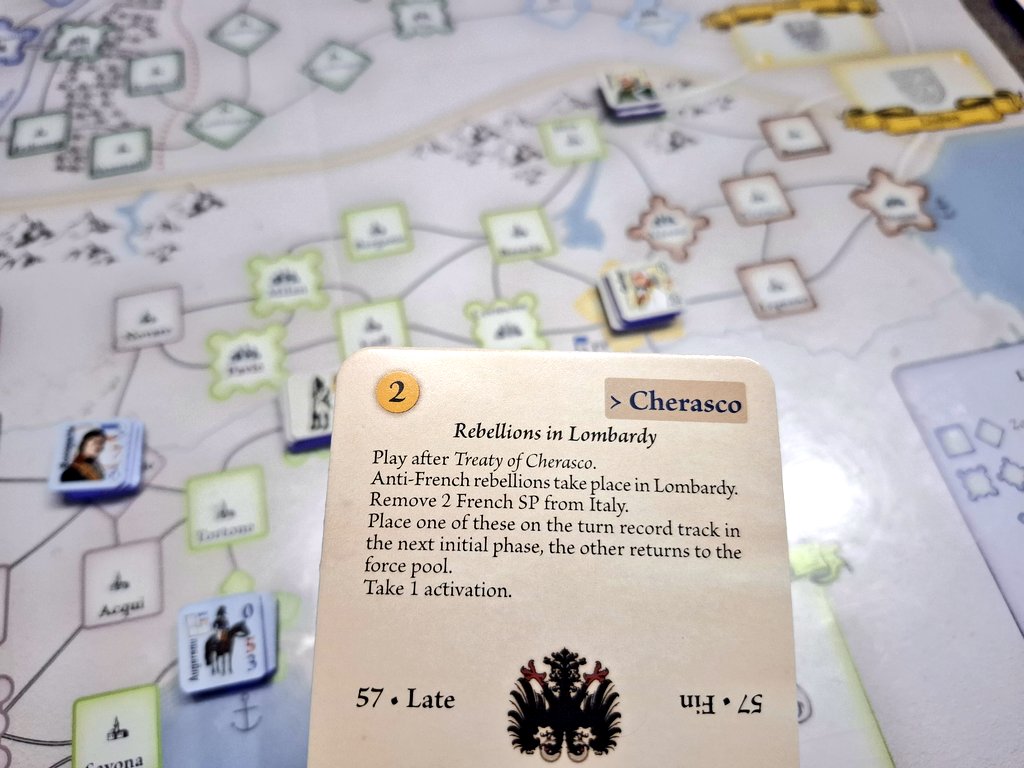
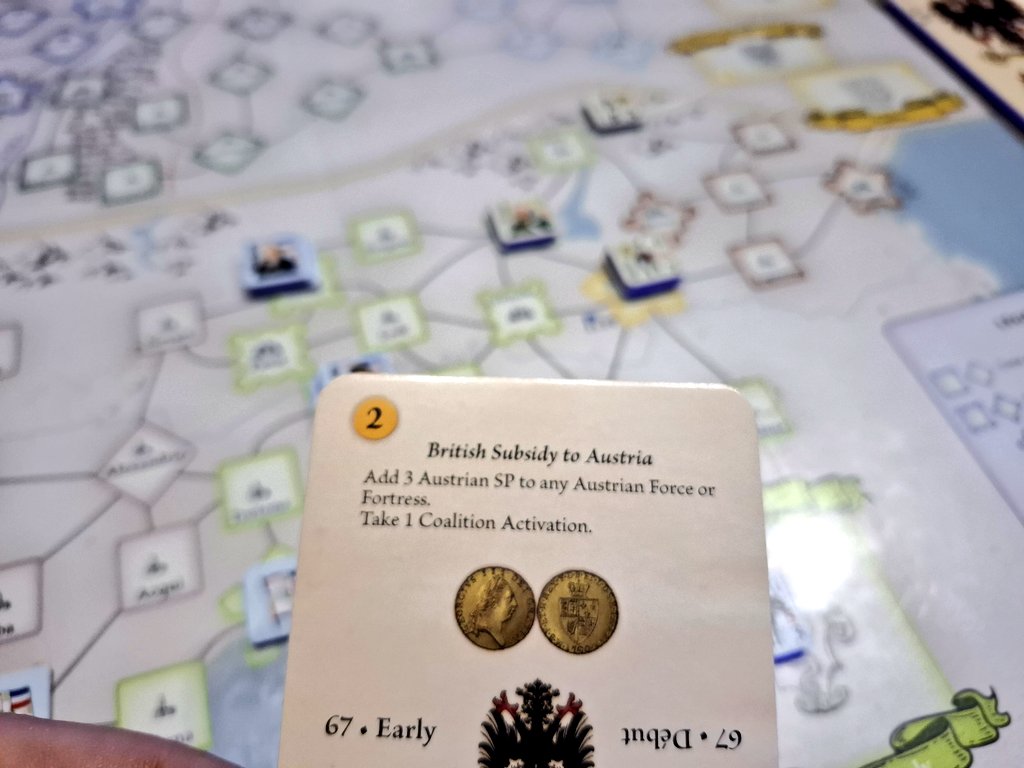
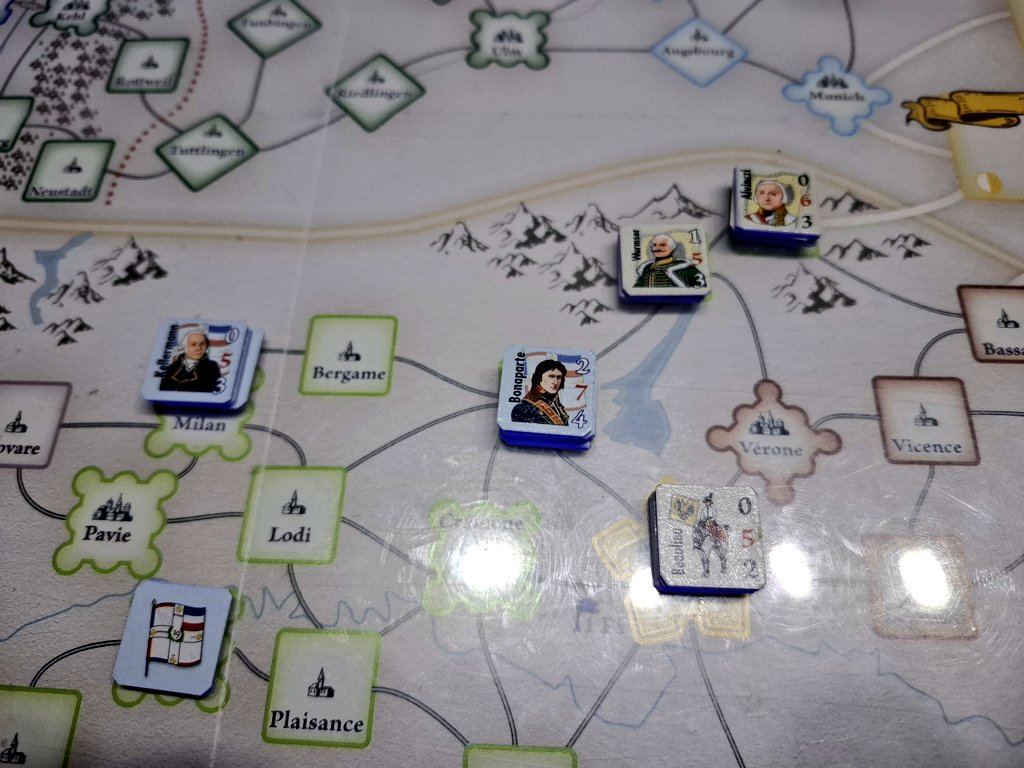
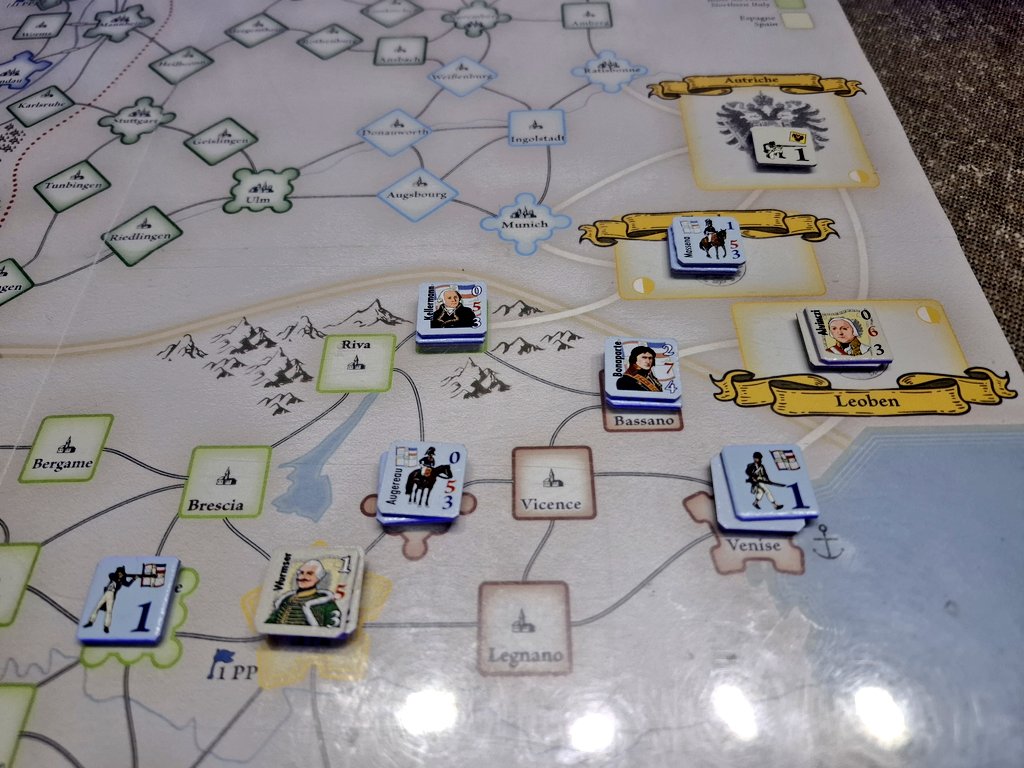
Solo hemos jugado el escenario pequeño del norte de Italia...pero este #FirstRepublic nos ha gustado....el sabor histórico que transmiten las cartas es fantástico..... por cierto, el pequeño Corso es una máquina!! @VaeVictis
5
4
48
1,309

Jan 12
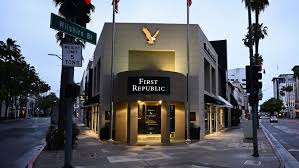
Look what they did to #firstrepublic first republic bank. Before JPM took it over for pennies on the dollar. @DOGE @elonmusk @SECGov @SECPaulSAtkins
1
3
166

24 Dec 2025
From 2013? One lender, became an enabler.
Deutsche Bank, Cantor Fitzgerald, BankAmerica, Mellon Bank, FirstRepublic, etc.
1
5
227
9 Nov 2025
Paul Mellon was a white supremacist. A member of WACL.
He began a ”bank”? With proceeds of crime? Recall, T Barrack and FirstRepublic? T Barrack is now US ambassador to Turkey.
Timmy can’t write this off?
4
16
686

8 Aug 2025
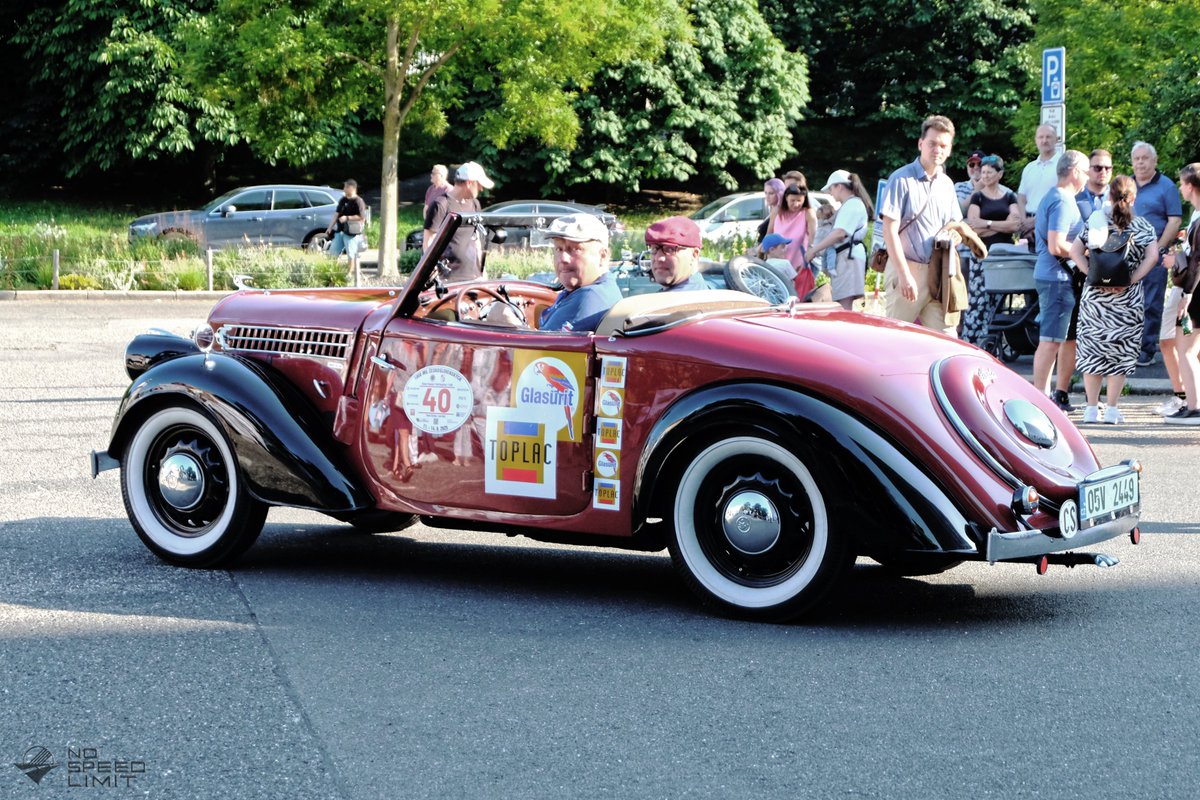
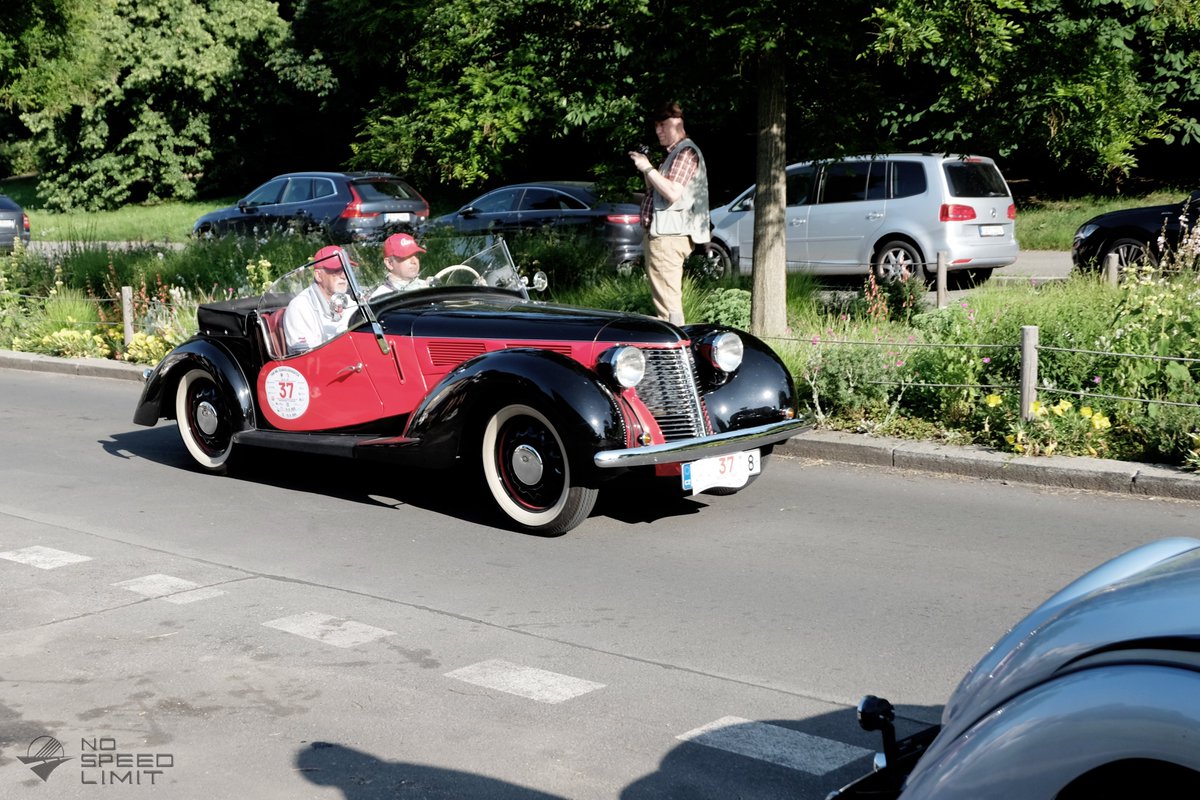
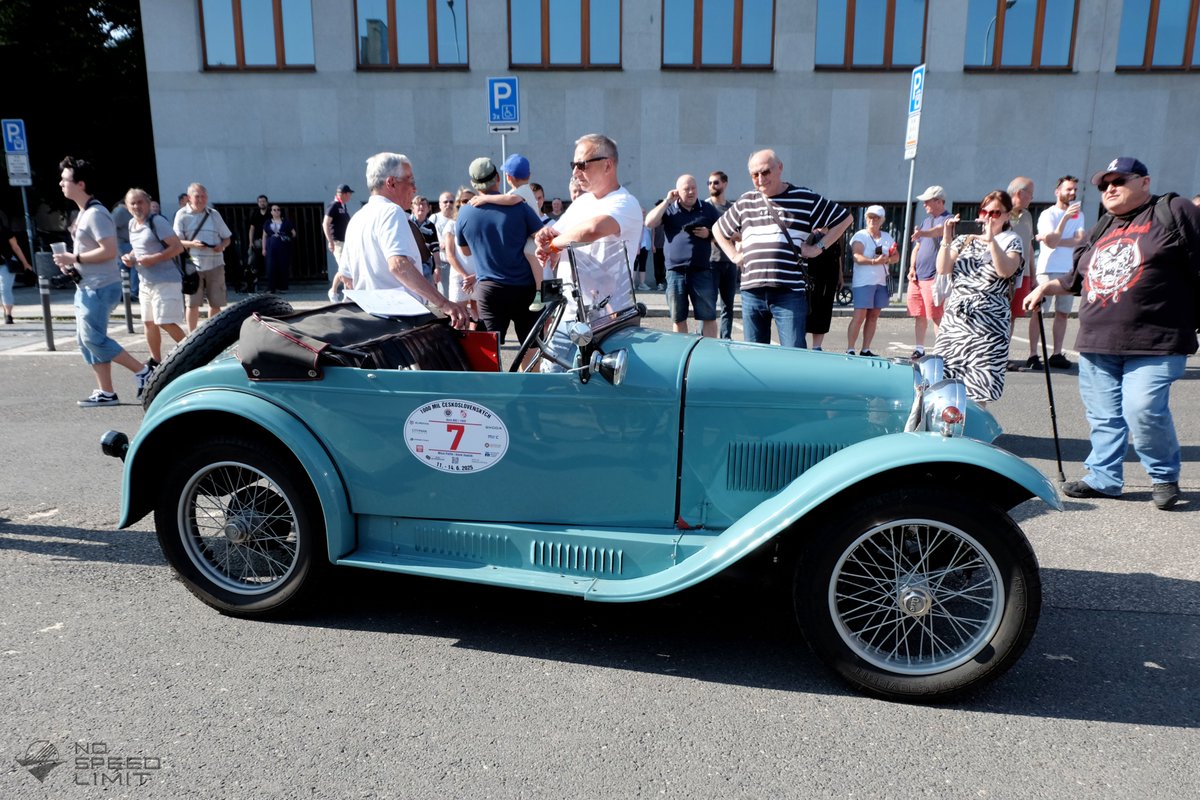
1938 #ŠkodaPopulár1100Roadster 1000 mil Československých (1000 miles of #Czechoslovakia) 🇨🇿📷 2025 #1000milCS #Prague #czechia #Praga #interwarcars #classiccars #vintagecars #FirstRepublic #millemiglia #timelessbeauty For more: no-speedlimit.it/1000_mil_CZ…
1
5
402
3 Aug 2025
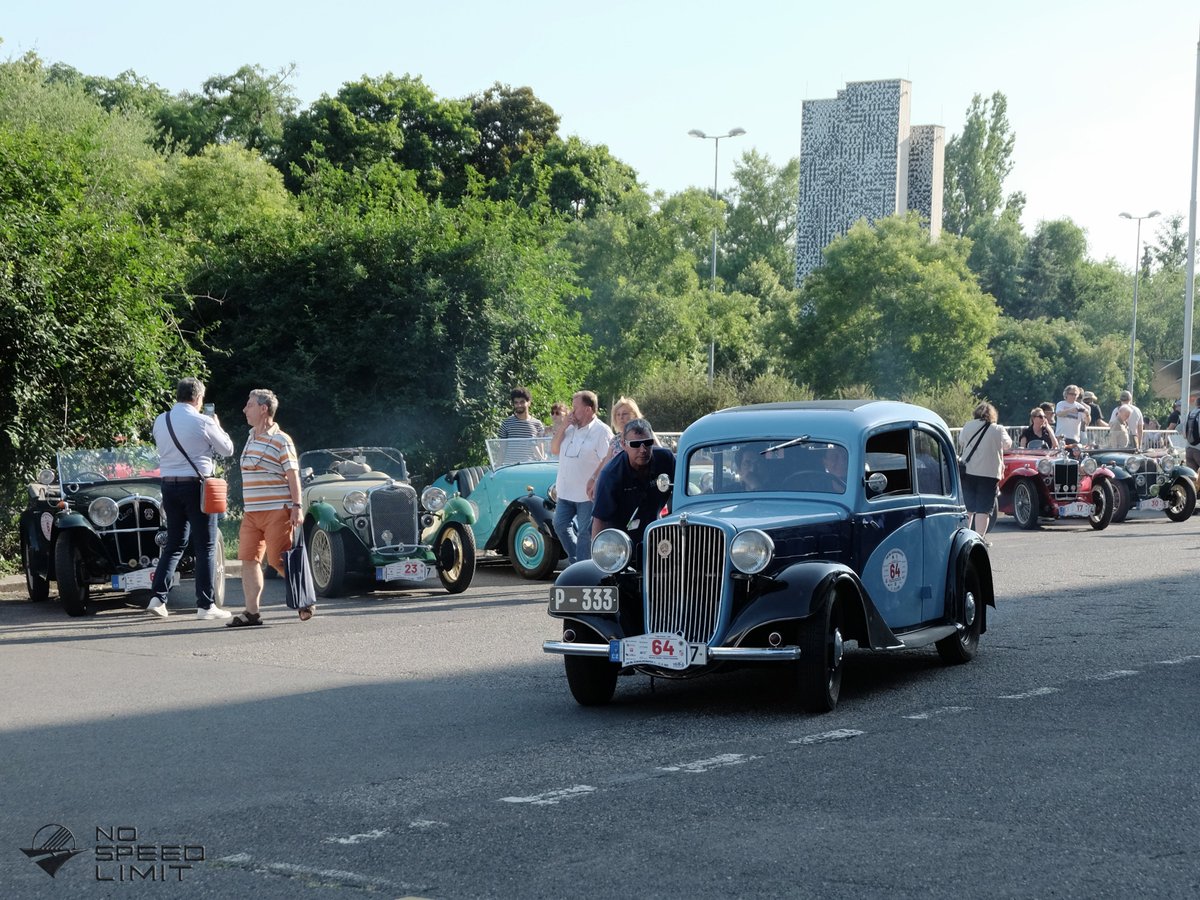
1935 #PragaPiccolo 1000 mil
Československých (1000 miles of #Czechoslovakia)
🇨🇿🇸🇰 2025 #1000milCS #Prague #czechia #Praga
#interwarcars #classiccars #vintagecars #FirstRepublic
#millemiglia #timelessbeauty #madeinczechoslovakia For more:
no-speedlimit.it/1000_mil_CZ…
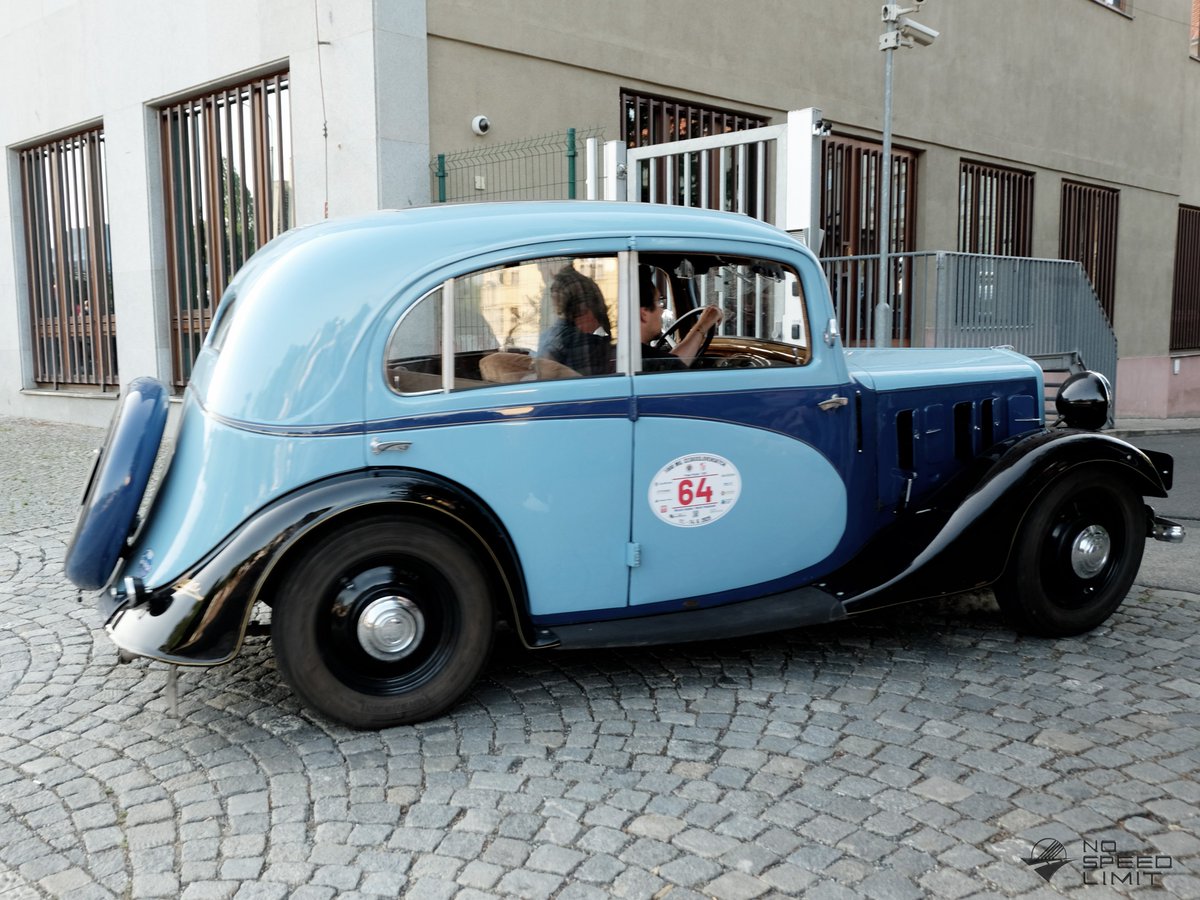
1
4
445
29 Jul 2025
#madeinczechoslovakia 1927 #WalterP4SuperSport 1936 #Aero30 1000 mil
Československých (1000 miles of #Czechoslovakia)
🇨🇿🇸🇰 2025 #1000milCS #Prague #czechia #Praga
#interwarcars #classiccars #vintagecars #FirstRepublic
#millemiglia #timelessbeauty For more:
no-speedlimit.it/1000_mil_CZ…
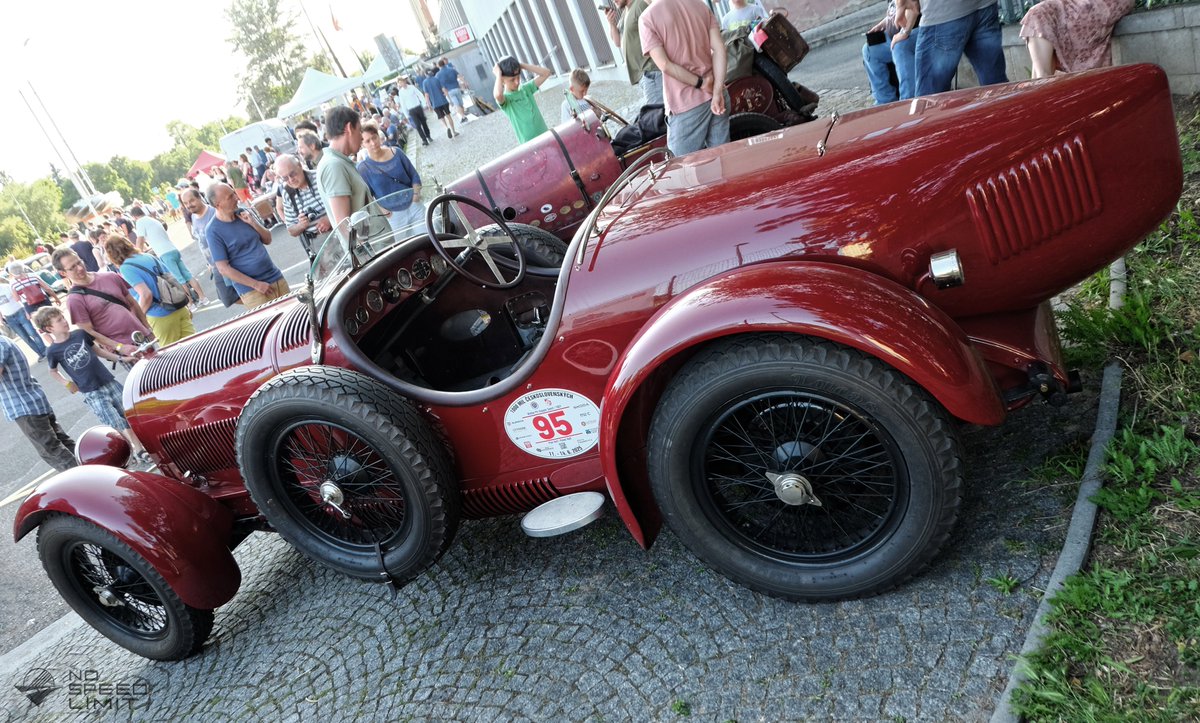
3
9
933
26 Jul 2025
1936 #Aero30 1000 mil
Československých (1000 miles of #Czechoslovakia)
🇨🇿🇸🇰 2025 #1000milCS #Prague #czechia #Praga
#interwarcars #classiccars #vintagecars #FirstRepublic
#millemiglia #timelessbeauty For more:
no-speedlimit.it/1000_mil_CZ…
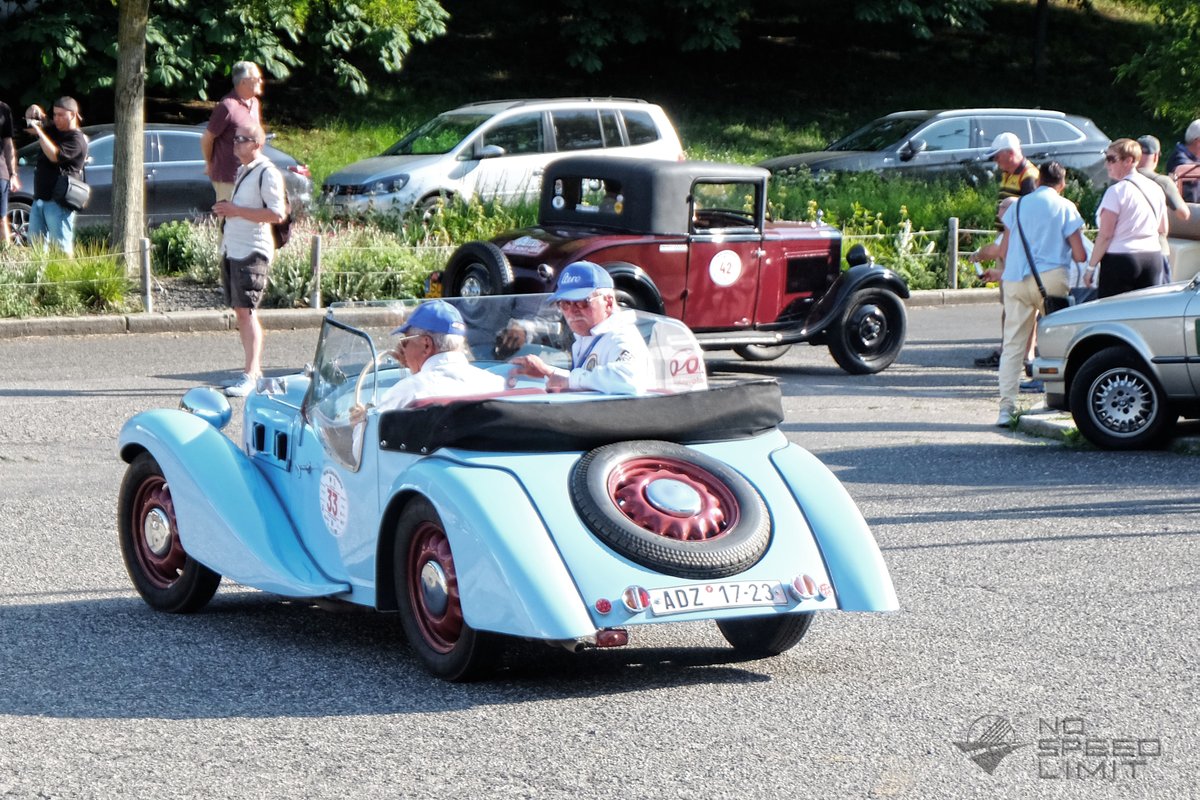
1
2
528
23 Jul 2025
1931 #Aero18hp 1000 mil Československých (1000 miles of #Czechoslovakia) 🇨🇿📷 2025 #1000milCS #Prague #czechia #Praga #interwarcars #classiccars #vintagecars #FirstRepublic #millemiglia #timelessbeauty For more: no-speedlimit.it/1000_mil_CZ…
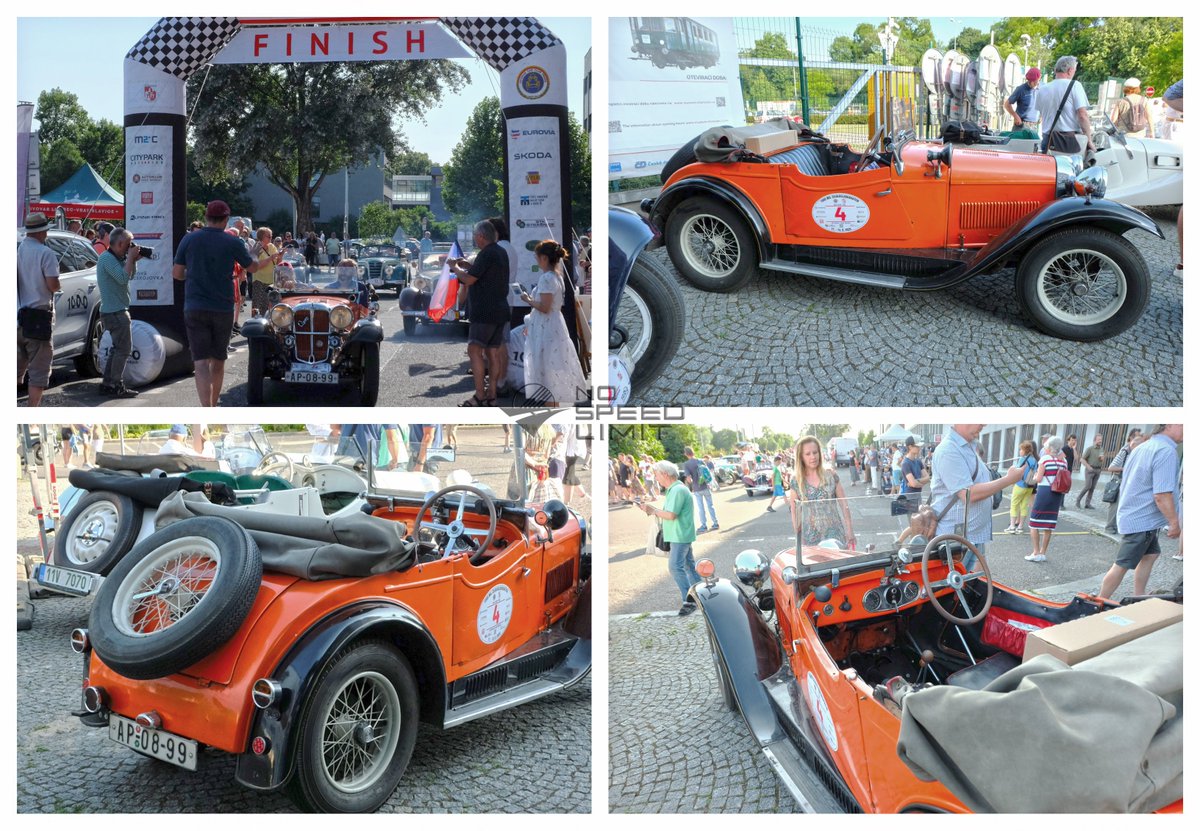
1
6
461
20 Jul 2025
#madeinczechoslovakia 1938 #Aero30 1000 mil
Československých (1000 miles of #Czechoslovakia)
🇨🇿🇸🇰 2025 #1000milCS #Prague #czechia #Praga
#interwarcars #classiccars #vintagecars #FirstRepublic
#millemiglia #timelessbeauty For more:
no-speedlimit.it/1000_mil_CZ…
1
5
536
18 Jul 2025
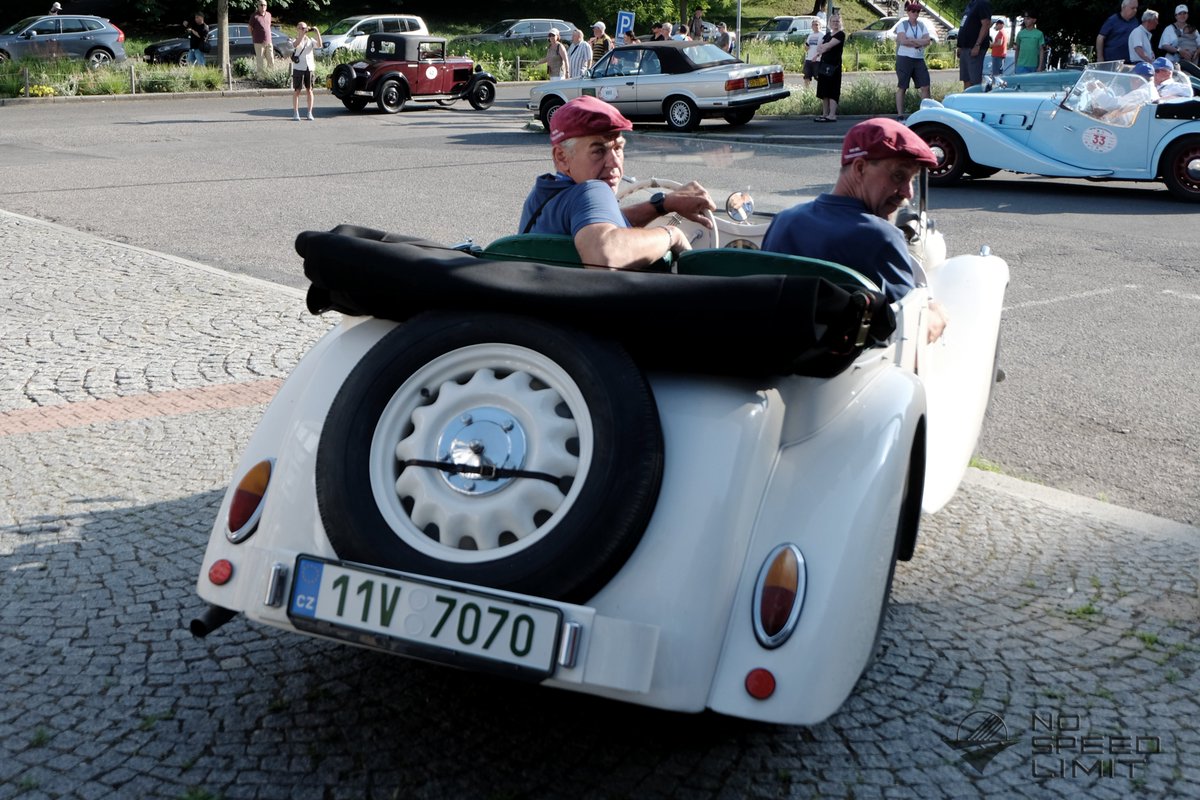
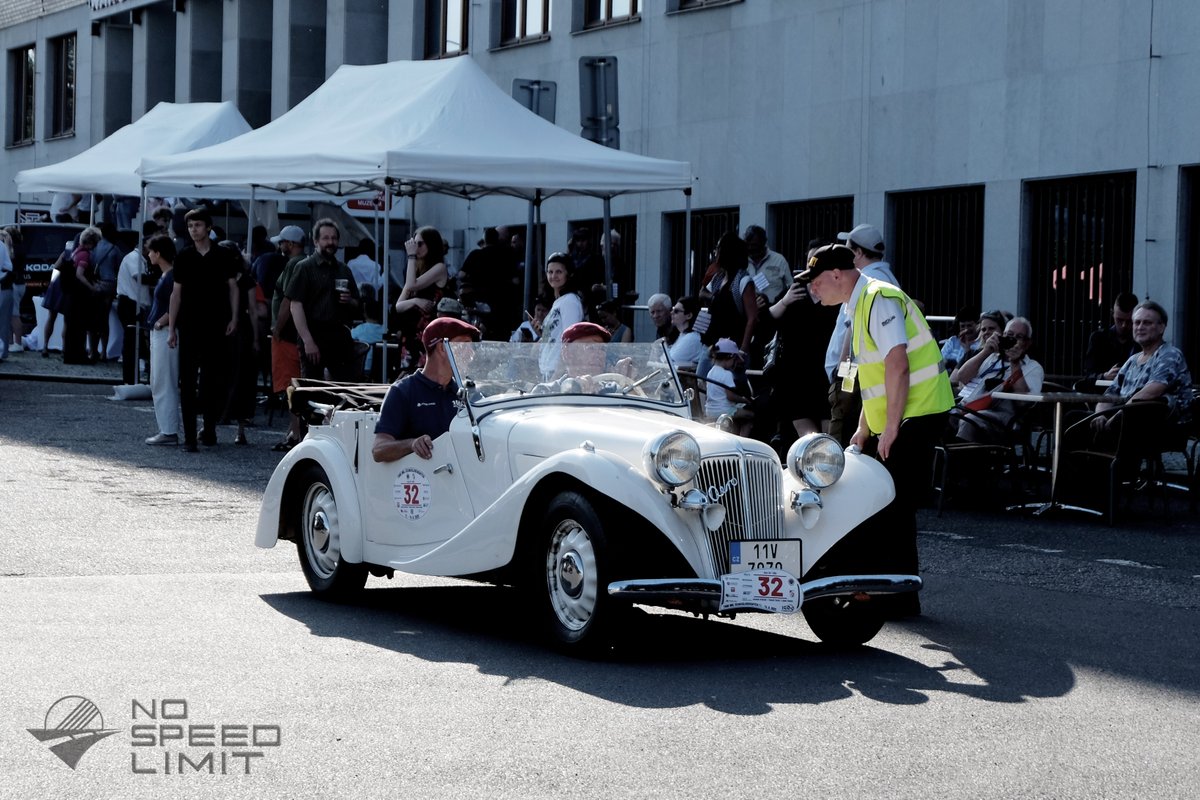
1935 #Aero30 1000 mil
Československých (1000 miles of #Czechoslovakia)
🇨🇿🇸🇰 2025 #1000milCS #Prague #czechia #Praga
#interwarcars #classiccars #vintagecars #FirstRepublic #madeinczechoslovakia
#millemiglia #timelessbeauty For more:
no-speedlimit.it/1000_mil_CZ…
1
4
461
17 Jul 2025
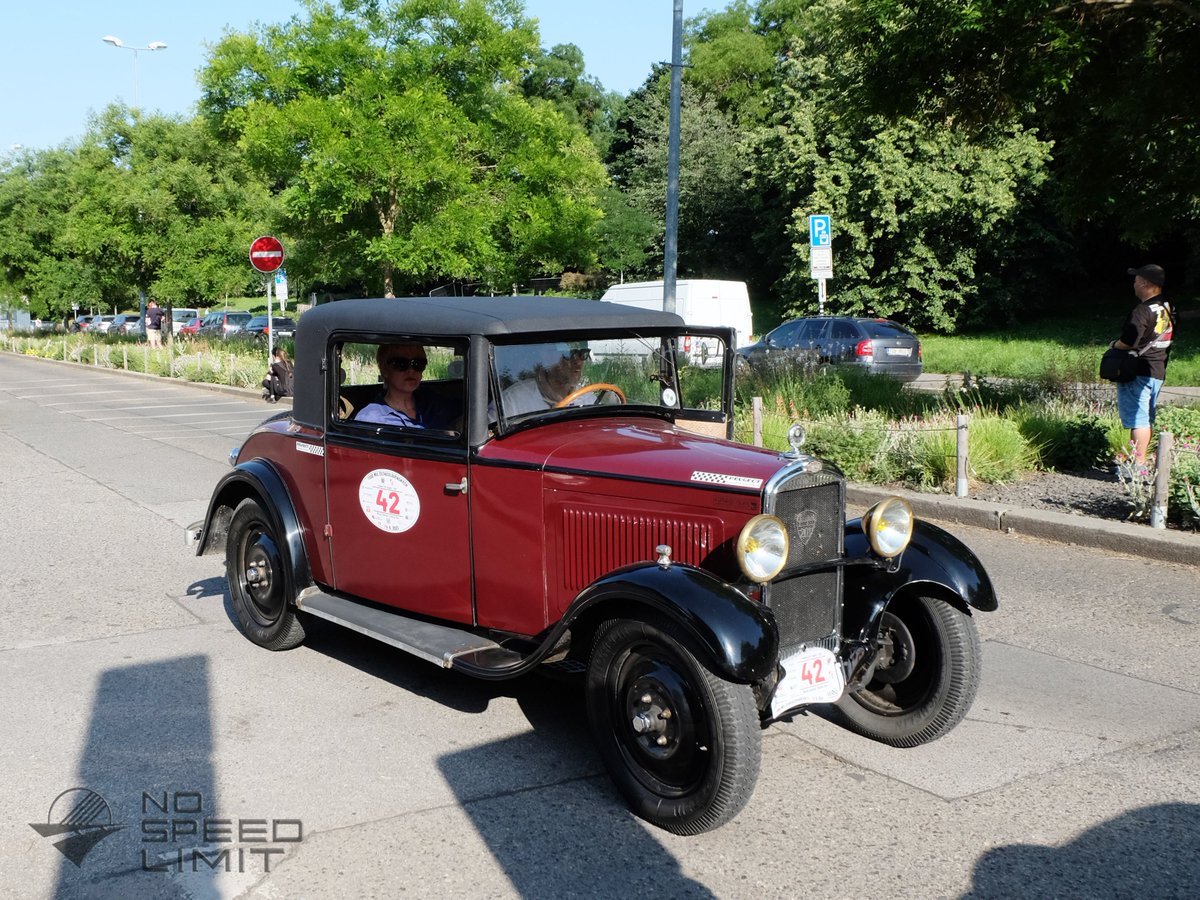
1932 #peugeot201coupe 1000 mil
Československých (1000 miles of #Czechoslovakia)
🇨🇿🇸🇰 2025 #1000milCS #Prague #czechia #Praga
#interwarcars #classiccars #vintagecars #FirstRepublic #madeinfrance
#millemiglia #timelessbeauty For more:
no-speedlimit.it/1000_mil_CZ…
2
7
429
12 Jul 2025
Same guy who had a bank to “wash….”.
How did Colony Capital build an investment portfolio? Pension funds helped.
FirstRepublic collapsed along with Signature and SVB. 2023 May? 2nd largest bank failure in the U.S.
Off topic but you know……
1
4
123
6 Jul 2025
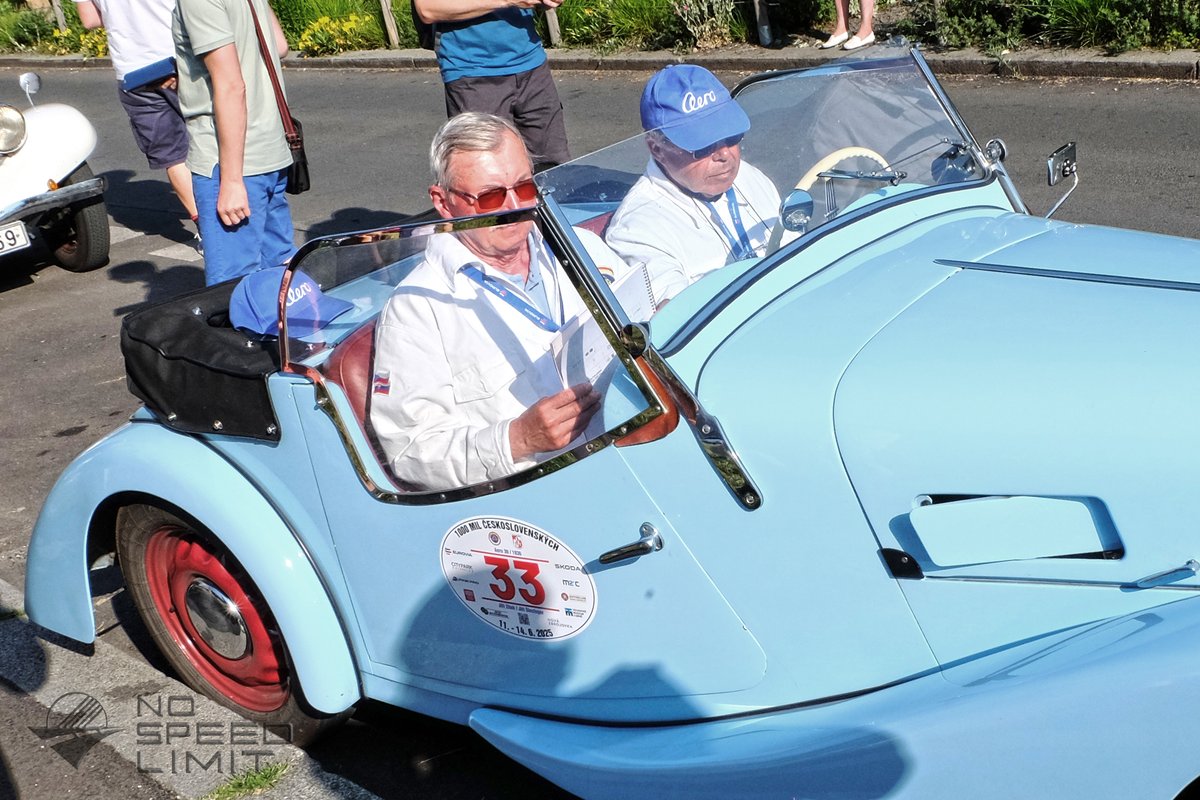
#motorheads 1936 #Aero30 1000 mil
Československých (1000 miles of #Czechoslovakia)
🇨🇿🇸🇰 2025 #1000milCS #Prague #czechia #Praga
#interwarcars #classiccars #vintagecars #FirstRepublic
#millemiglia #timelessbeauty For more:
no-speedlimit.it/1000_mil_CZ…
1
6
596

2 Jul 2025
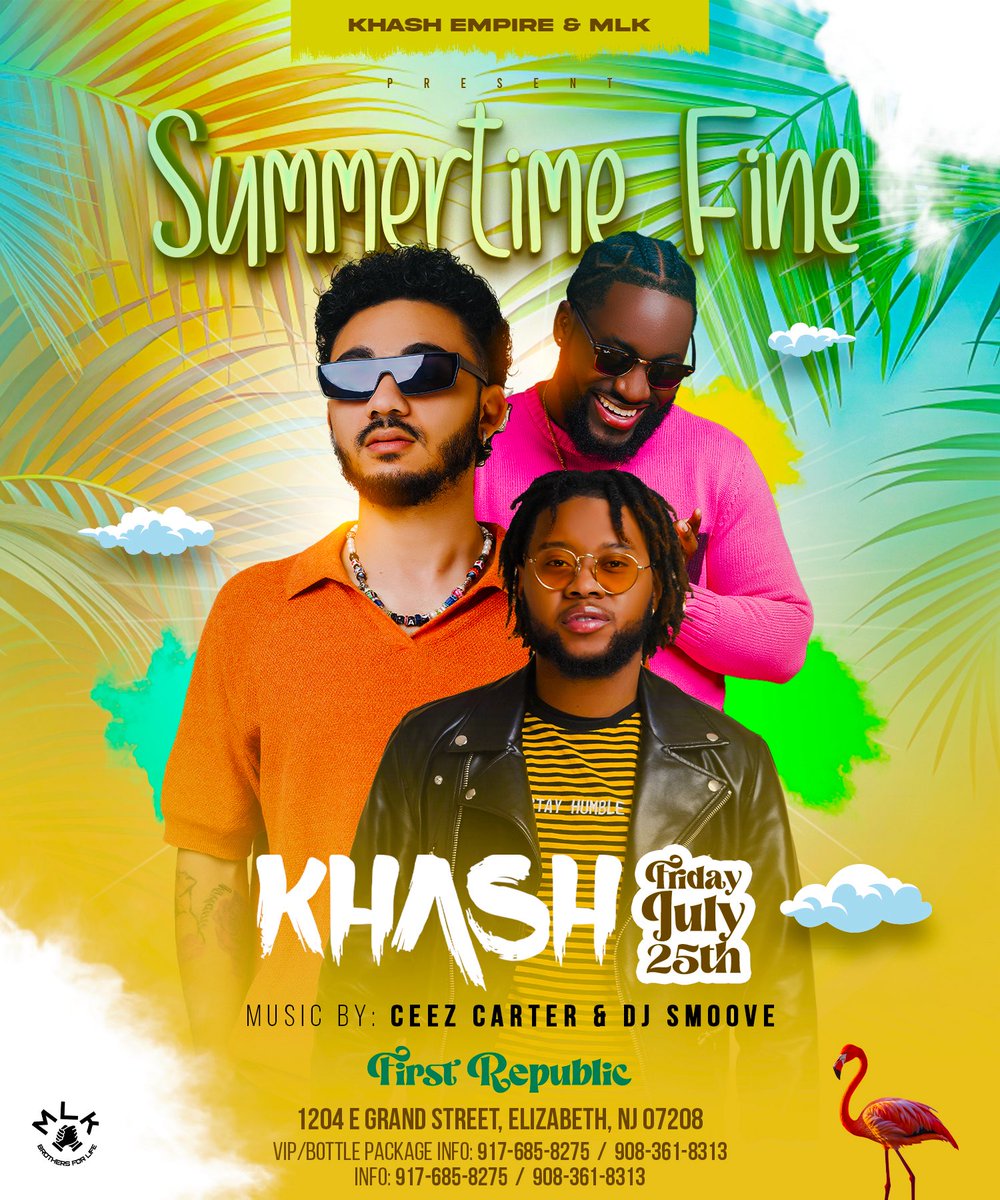
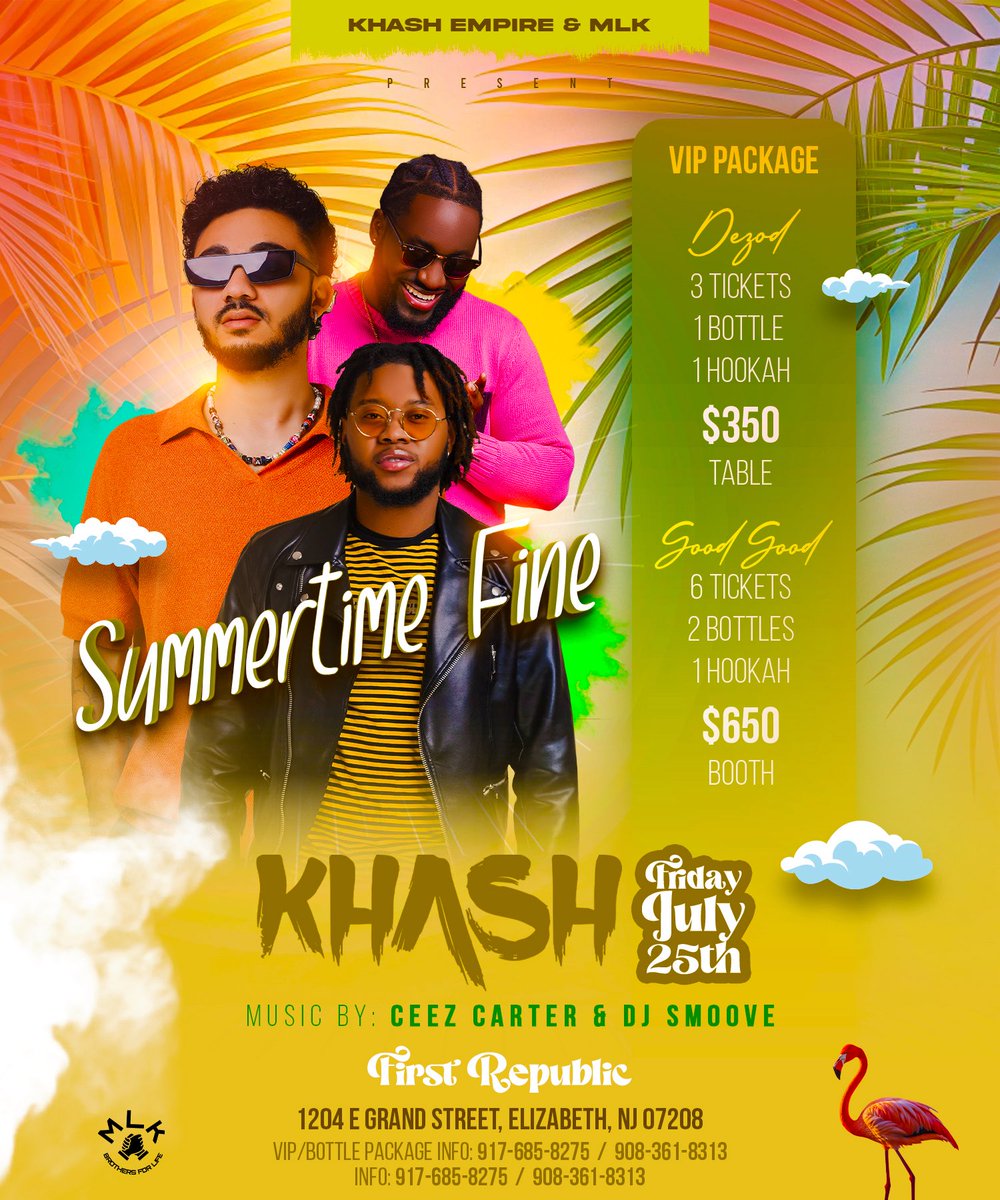
SUMMERTIME FINE - JULY 25th
@khash_empire will be live ALL NIGHT 🔥
New Jersey (@firstrepubliclounge)
Link:
eventbrite.com/e/summertime-…
#khash #summertimefine #nj #firstrepublic #summervibes
1
2
105
29 Jun 2025
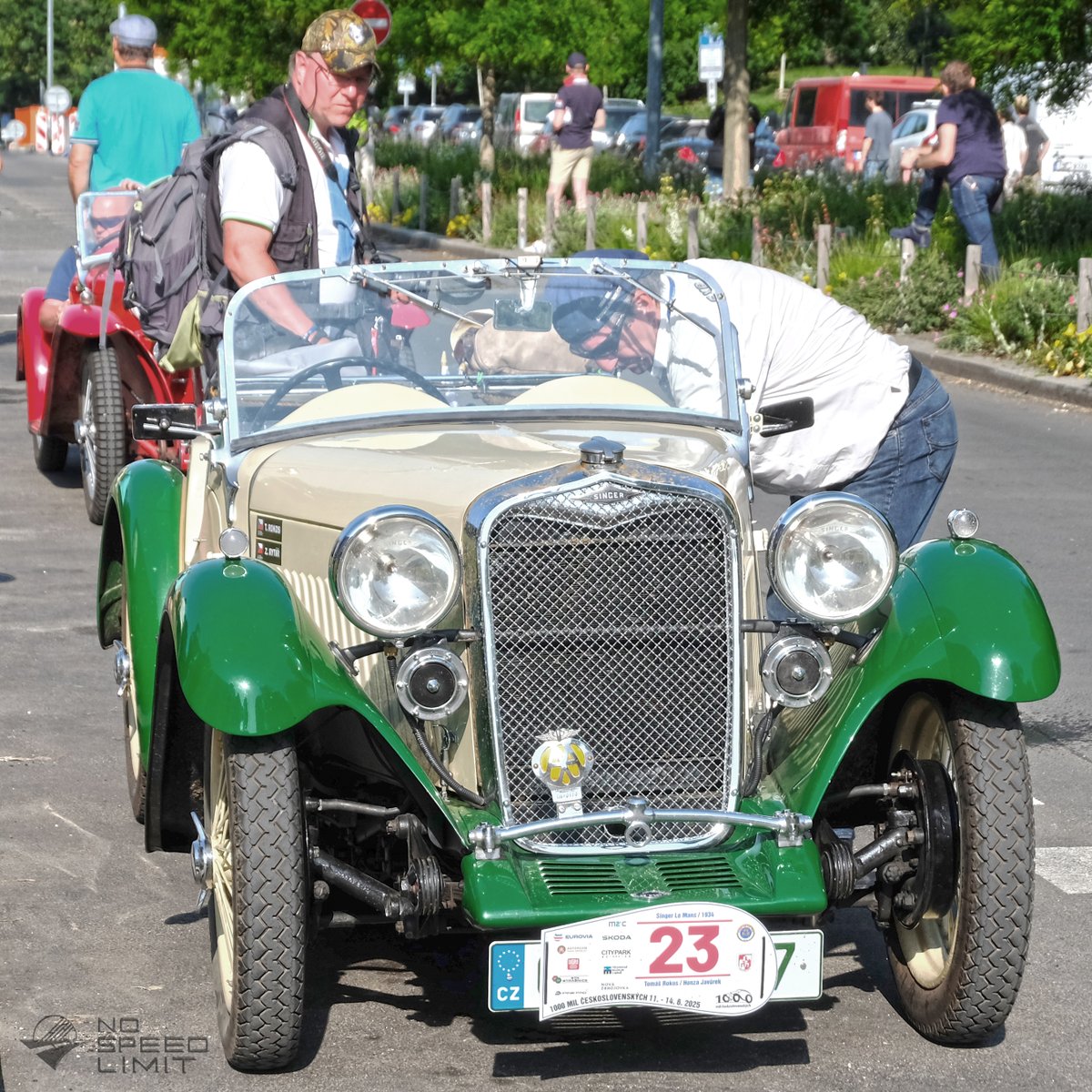
1934 #SingerLemans 1000 mil
Československých (1000 miles of #Czechoslovakia)
🇨🇿🇸🇰 2025 #1000milCS #Prague #czechia #Praga
#interwarcars #classiccars #vintagecars #FirstRepublic
#millemiglia #timelessbeauty For more:
no-speedlimit.it/1000_mil_CZ…
1
7
555
24 Jun 2025
1000 mil Československých (1000 miles of #Czechoslovakia) 🇨🇿🇸🇰 2025 #1000milCS #Prague #czechia #Praga #interwarcars #classiccars #vintagecars #FirstRepublic #millemiglia #timelessbeauty For more: no-speedlimit.it/1000_mil_CZ…

1
4
605
19 Jun 2025
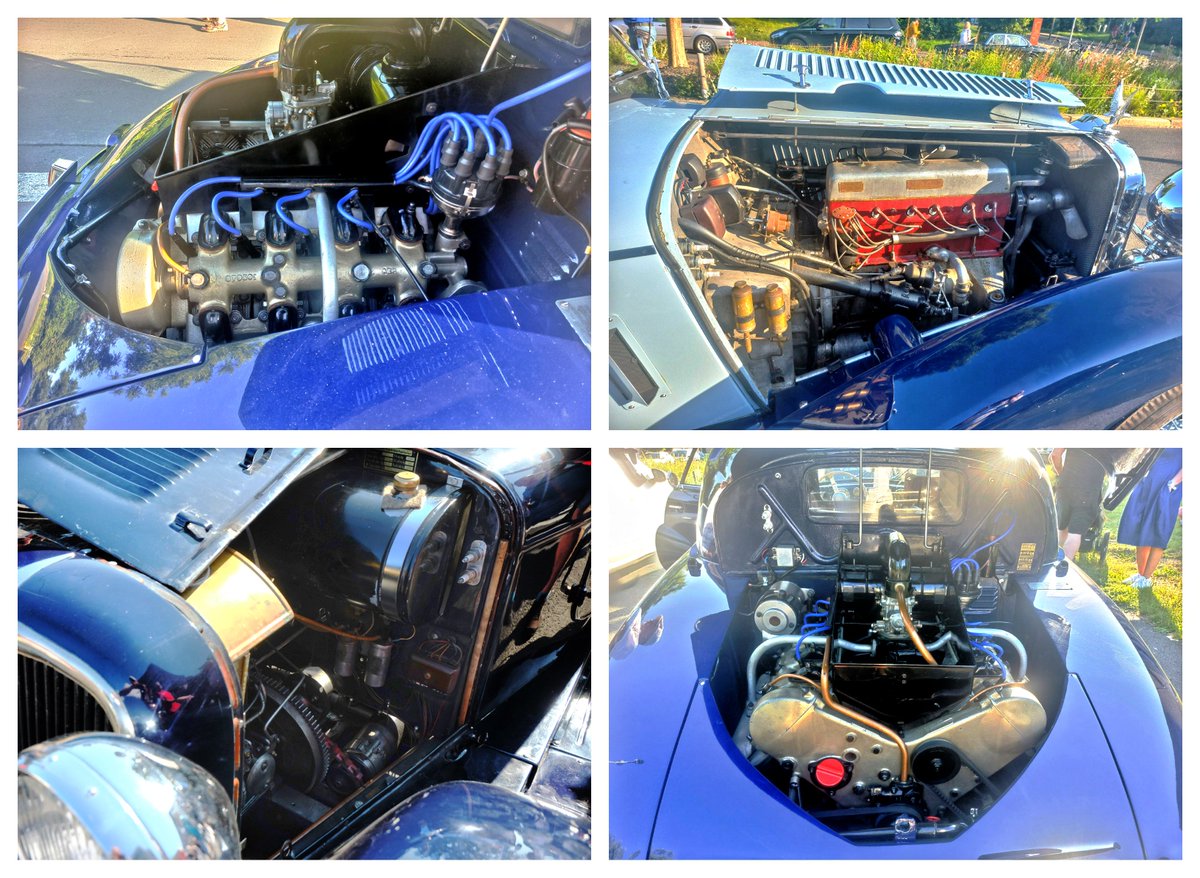
#engineporn #carporn 1000 mil Československých (1000 miles of #Czechoslovakia) 🇨🇿🇸🇰 2025 #1000milCS #Prague #czechia #Praga #interwarcars #classiccars #vintagecars #FirstRepublic #millemiglia #timelessbeauty For more: no-speedlimit.it/1000_mil_CZ… #tatra #alvis #aero
3
3
518
17 Jun 2025
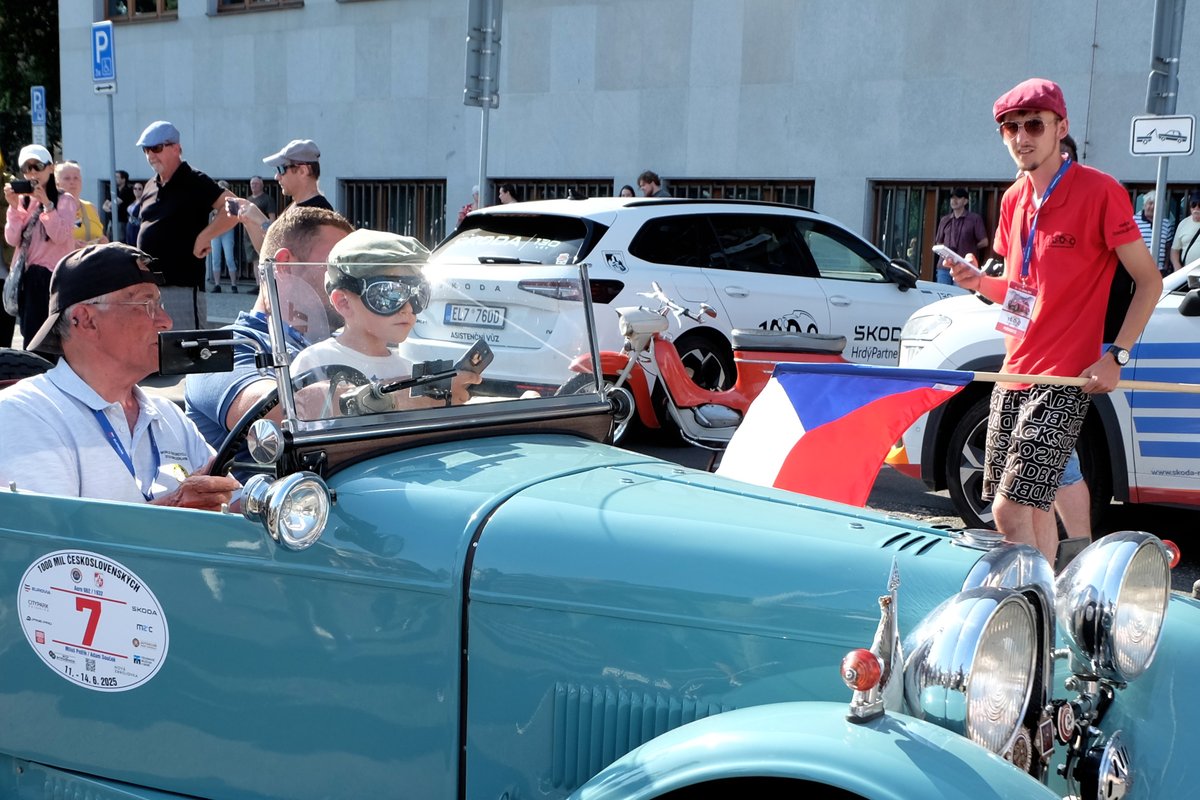
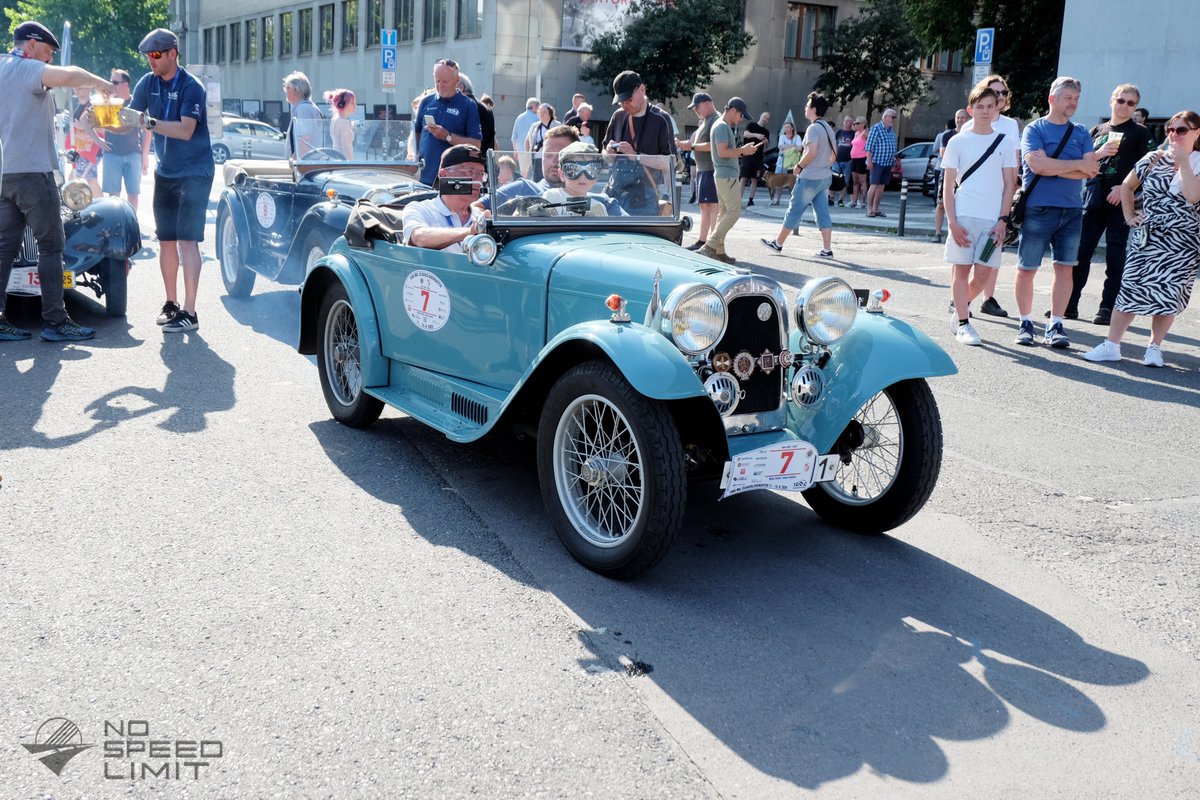
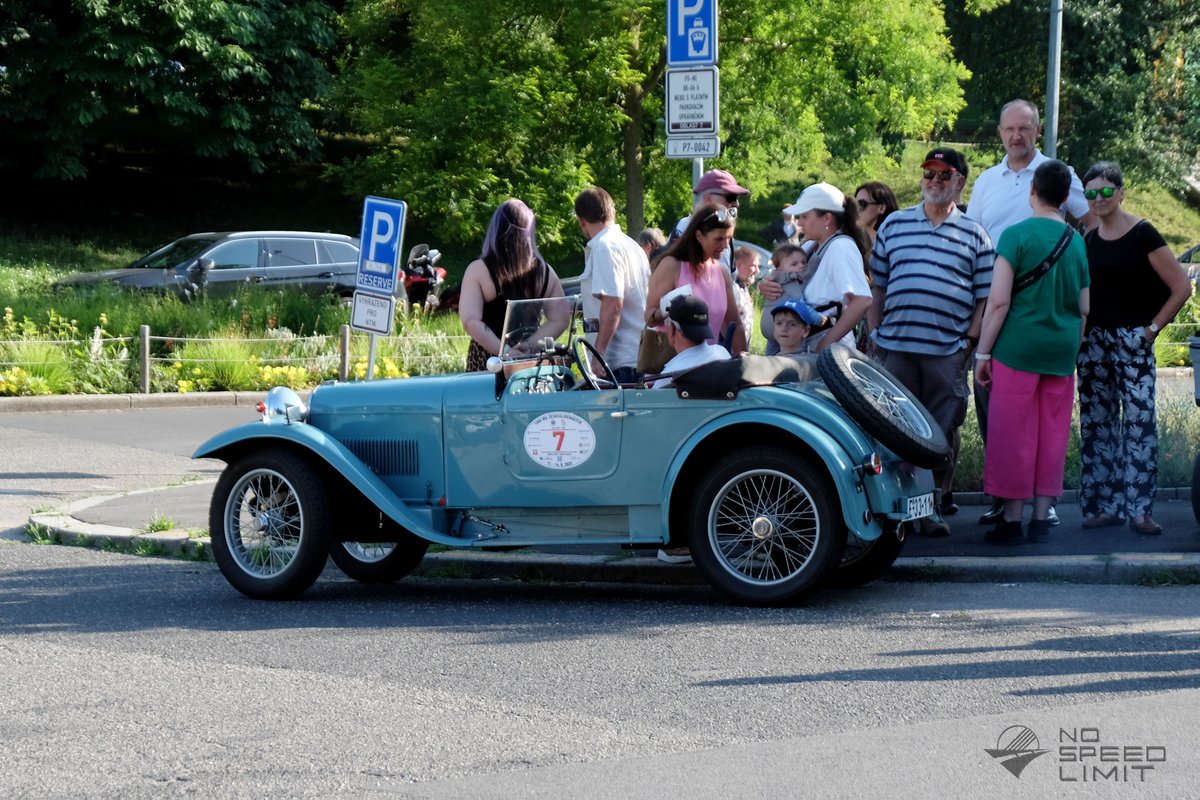
1932 #Aero662 1000 mil Československých (1000 miles of #Czechoslovakia) 🇨🇿🇸🇰 2025 #1000milCS #Prague #czechia #Praga #interwarcars #classiccars #vintagecars #FirstRepublic #millemiglia #madeinczechoslovakia #timelessbeauty For more: no-speedlimit.it/1000_mil_CZ…
1
7
552