
Char Dham Yatra 2026: Registration Started | Full Details
@ubarea_ia @ubarea_ia @centralcommand_india @indianarmy
#ubarea_ia #SuryaCommand #uttarbharat #update2026 #FirstUpdate #radioibextarana #CharDhamYatra2026
7
9
315

Added Xiaoyi/Celia Briefing and “Cinematic Effects” editing functions: Huawei Mate 80 series has updated the HarmonyOS 6.0.0.115 system, which can be updated at hand
#Mate80series #FirstUpdate #Patch #Update #HarmonyOS6 #Build115 #SP8 #Huawei #Rollout
harmonyoshub.com/added-xiaoy…
1
7
188

8 Nov 2025
Codes List:
release - 5 Minutes of x2 Food
dragon - 5 Minutes of x2 Food
verysecret - 5 Gems
thanksforthelikes - 5 Gems
firstupdate - 5 Minutes of x2 Food
asmallone - 5 Gems
2
102

15 Aug 2025
I’ve read your linked article (however, not the entire thread here). You have analyzed code, but missed, most importantly, that there’s a name database, which holds a name creation forever once it has been created. You can access this name anytime and request its data anytime using both, the name_show and the name_history RPC. You can even perform DNS resolution on an expired asset without any issue as I’ve proven here:
👉🏻 namecoin.pro/SitePages/Namec…
One might now argue the name database is not part of the block database, but it’s undoubtedly retrieved from the block database when the name index is being created.
You now interpret McCoy’s term “this blockchain entry” as transaction output, but what is actually a transaction output? Despite the fact that you analyzed code sections, you missed this very fundamental question. A transaction output is the ScriptPubkey, so a code snippet in the Script language, granting access on code execution in the future if the correct condition (ScriptSig or unlocking code) is provided.
So why would you interpret that part of Script code as “the blockchain entry”? Why would “the blockchain entry” only be a very small part of the whole asset, which actually and undoubtedly is a key/value pair, with the entire transaction history assigned to that unique name in a cryptographically secured and documented way, using Bitcoin’s cryptographic model? So it is not only the undoubted community consensus, it is not only the undoubted policy rule, but code consensus, means it is fixed at the highest level it could have ever been defined, in other words: It is not only the law - it is the constitution!
This constitution is obvious by Namecoin’s own code implementation, the name_history call, which will NOT distinguish between registration lifecycles, it will show the entire history and it will not show name_new operations, which are technically only pre-registrations. This block explorer shows the live output from this name_history RPC:
👉🏻 namecoin.online/explorer/his…
Furthermore, you missed another fundamental fact: If you really tie “the blockchain entry” to the transaction output, you tie it to data written in an immutable and uncensorable way - so how could anyone “control” this immutable part of the blockchain? You only can control future code execution and future updates, and for having this control, one of the following five conditions must be met:
1. You need access to the name by creating it the very first time. Means you need to “control” the colored coin of 0.01 NMC which will be auto-generated by the code. This colored coin, also called the "name coin", is burnt on expiration. But this doesn’t mean it ceases to exist. It still exists on the blockchain, even if the control over this colored coin was lost - which will be lost even having the private key of that "name coin". Especially it doesn’t mean that the key/value data, which contains McCoy’s declaration, would cease to exist. Btw, you could even bind the asset to a colored coin of any amount of NMC via custom raw transactions. So this would be an overpaid colored coin as used in the Electrum wallet to pay future transaction fees. Consequently it means, the size of an overpaid colored coin can decrease and partially be reused for payment over the time and it’s nothing fixed at all. So binding a legal title to this specific colored coin won’t make sense at all.
2. Alternatively, you need to get the name transferred into your wallet, which will tie the colored coin as well as the name to a new private key (with a new NMC address). So this transfer of ownership is done on-chain.
3. Alternatively, you need to get shared the existing private key, so you can import it to your own wallet. This transfer of ownership is done off-chain.
4. Alternatively, the current owner can sell the entire wallet by sharing the wallet.dat file, which is also an off-chain transfer. The owner can share the wallet file in any way, even selling his entire laptop. In any case, these off-chain transfers also grant “control”.
5. Alternatively, you need to wait until the name expires, and you reregister it - which also ties the asset to a new private key, so technically, it’s the same as a name transfer. And, as you confirmed yourself, the code section alone for registering a name doesn’t take care of whether a name already exists or not.
So here’s the conclusion: McCoy did not explicitly specify how the control over the assets would have to be obtained for the transfer of the title. Since option 1, the initial creation, was already his own control, it can be any of the remaining three options for control. And, as stated above, “this blockchain entry” meant undoubtedly not the ScriptPubkey, it did not mean the colored coin, it didn’t even mean the specific data value written to the blockchain by the firstupdate OP, because, as shown above, the data value (McCoy’s declaration) remains immutable on the blockchain, so the only control one can have over this entry is during the creation process. Once it’s minted, it’s burned into the blockchain. So as consequence, “this entry” can only mean the entire asset, which consists of ALL key/value pairs attached to it, the historic ones and the current one, independent of the registration lifecycles.
In the end, McCoy’s declaration was not a technical declaration at all. It was the intention to deliver the proof of concept of digital ownership and transfer of digital ownership, creating two things: The proof of existence, as well as the declaration of future ownership. And he didn’t even declare: “Title transfers to whoever gets this blockchain asset transferred”. He explicitly let the kind of transfer open saying “Title transfers to whoever controls this blockchain entry”, leaving for options for transfer open. And the closest object to the “blockchain entry” is the entire asset, since this (the name) is the only controllable “entry” on the blockchain as concluded above.
@EarlyNFT owns the name, so he already owns the proof of existence independently from McCoy’s declaration. So this already defines the value as digital collectible, similar to the Twitter Eggs minted on Namecoin, whose ownership won’t grant ownership over the avatars and their artwork themselves, but ownership over this proof of existence. McCoy’s declaration, however, gives the additional legal commitment that @EarlyNFT owns the artwork quantum.gif itself hosted on McCoy’s server – and, btw. – immutably preserved fully on-chain on the Namecoin blockchain in the NMC-V Standard, the world’s very first on-chain asset with a size of 9 MB:
👉🏻 namecoin.online/explorer/det…
#Namecoin #Quantum #NFT
1
2
411
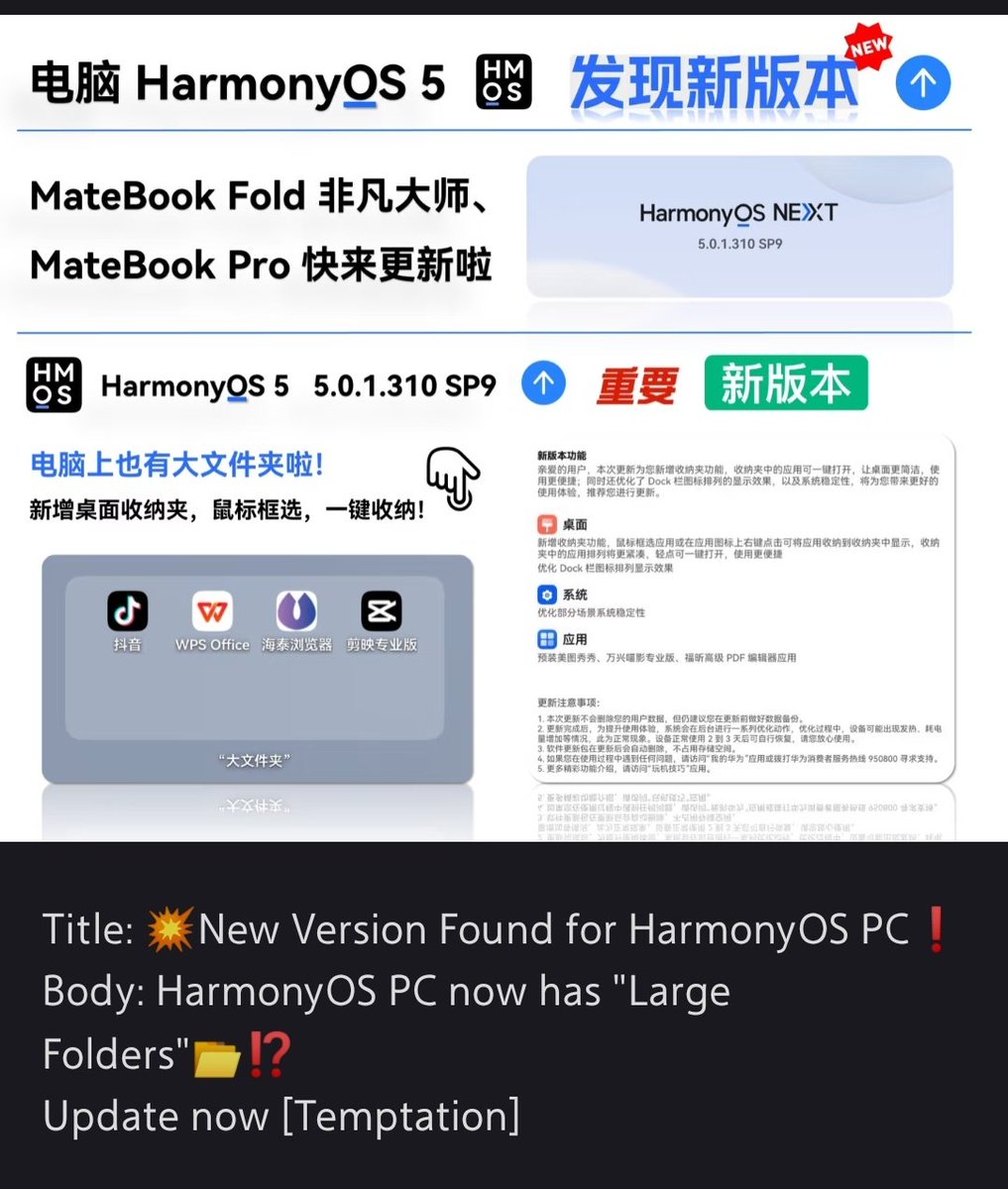
MateBook Fold MateBook Pro
5.0.1.310SP9
HarmonyOS 5.0.1.310SP9
Very first update
Title : New Version Found for HarmonyOS PC Body : HarmonyOS PC now has " Large
Folders (that can be placed on home screen)"!?
Update now [ Temptation ]
#HarmonyOS #PC #FirstUpdate
13
370

13 Sep 2024
Tomorrow will be our last #FirstUpdate for a new Thalapathy film. Hereafter whatever announcements, updates whatever happens that will be our last First Thing. It feels like my whole life is coming to an end, I'm at my last breath😭💔 #Thalapathy69
 ᴮᶦᵍᶦˡ Ak
4
51
2,491

12 Sep 2024
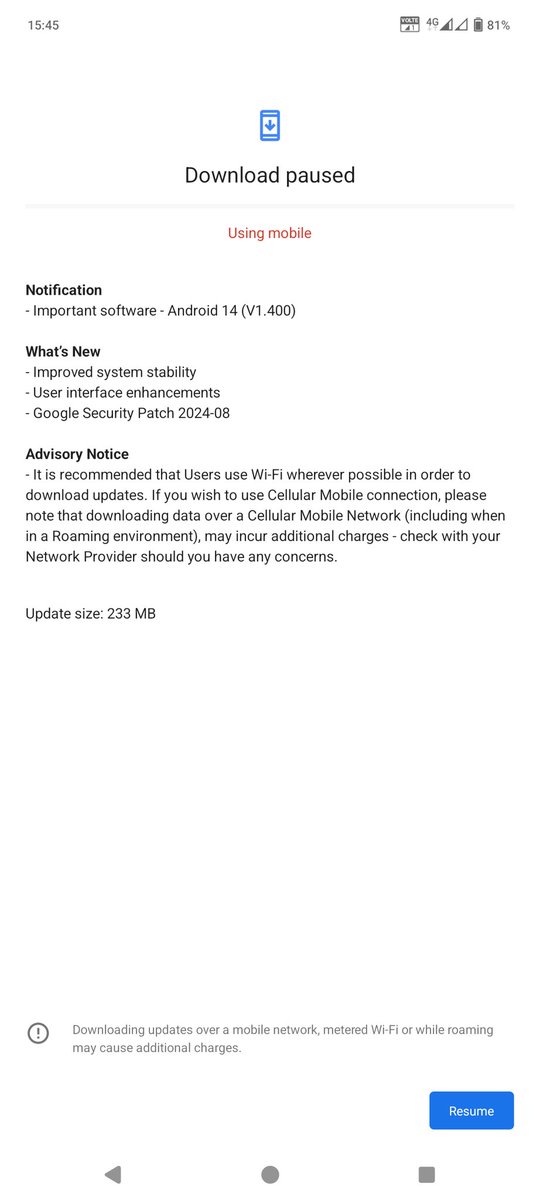
2024 - 08 Google Security update along with Android 14 software update v1.4 is available to Download OTA for #HMDCRESTMAX_5G devices in #India .. #firstupdate @HMDdevicesIN @NokiamobBlog @Nokiapoweruser
3
100

3 Sep 2024
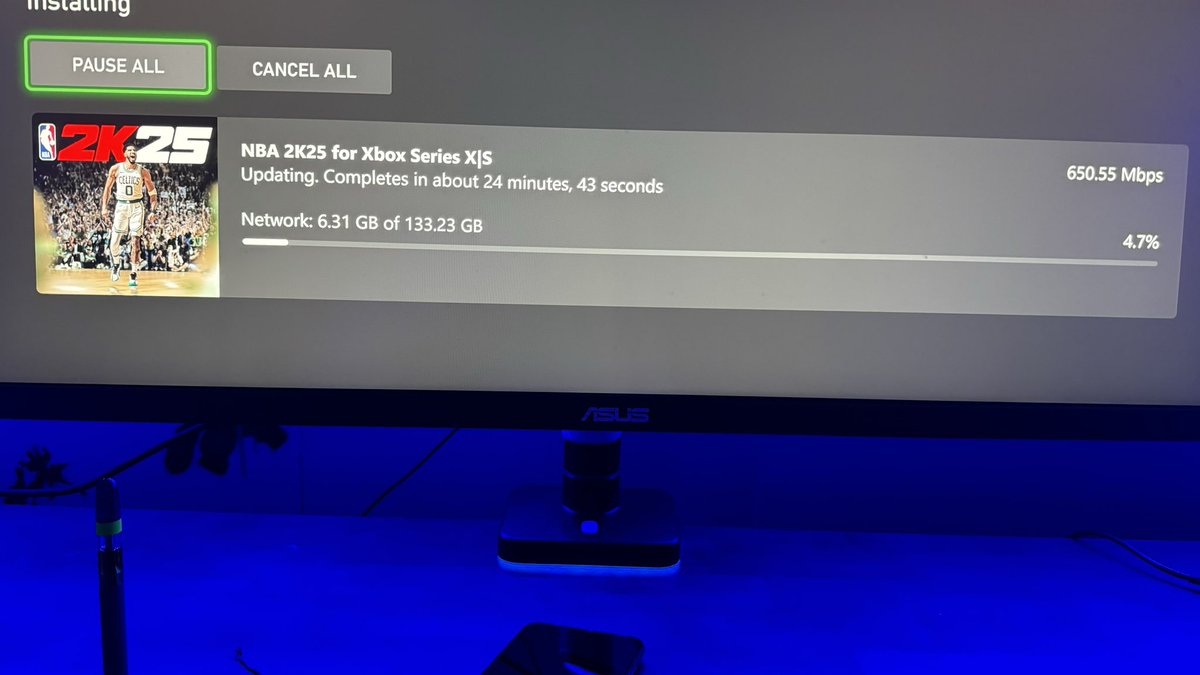
NBA 2k25 first update is 133GB folks with slow internet won’t play until Monday. Shit is crazy #NBA2k25 #FirstUpdate #133GB #XboxseriesX
2
1,793

2 Aug 2024
The First Descendant - First Update #TheFirstDescendant #firstupdate #luna #ultimatevalby #trailer #gametrailer #gametrailers
2
2
3
512

24 Jan 2024
🍀New Code for [Dance For UGC💃]
Expires in 4 Hours! Don't miss the chance!
🎁Code : FirstUpdate
🎁Reward : 35000 Fame Point
🎮Game : roblox.com/games/15792006934…
👾Discord : discord.com/invite/naEt9XZjR…
🩷Group : bit.ly/3O4r28U
#Roblox #RobloxUGC #FreeUGC #DanceForUGC
41
17
284
29,844

7 Dec 2023
New In-Game Code: "FirstUpdate"
Redeem for:
60 Credits and
$10k In-game cash
#DealershipLifeRP #DLRP #RobloxDev
3
1,674

23 Nov 2023
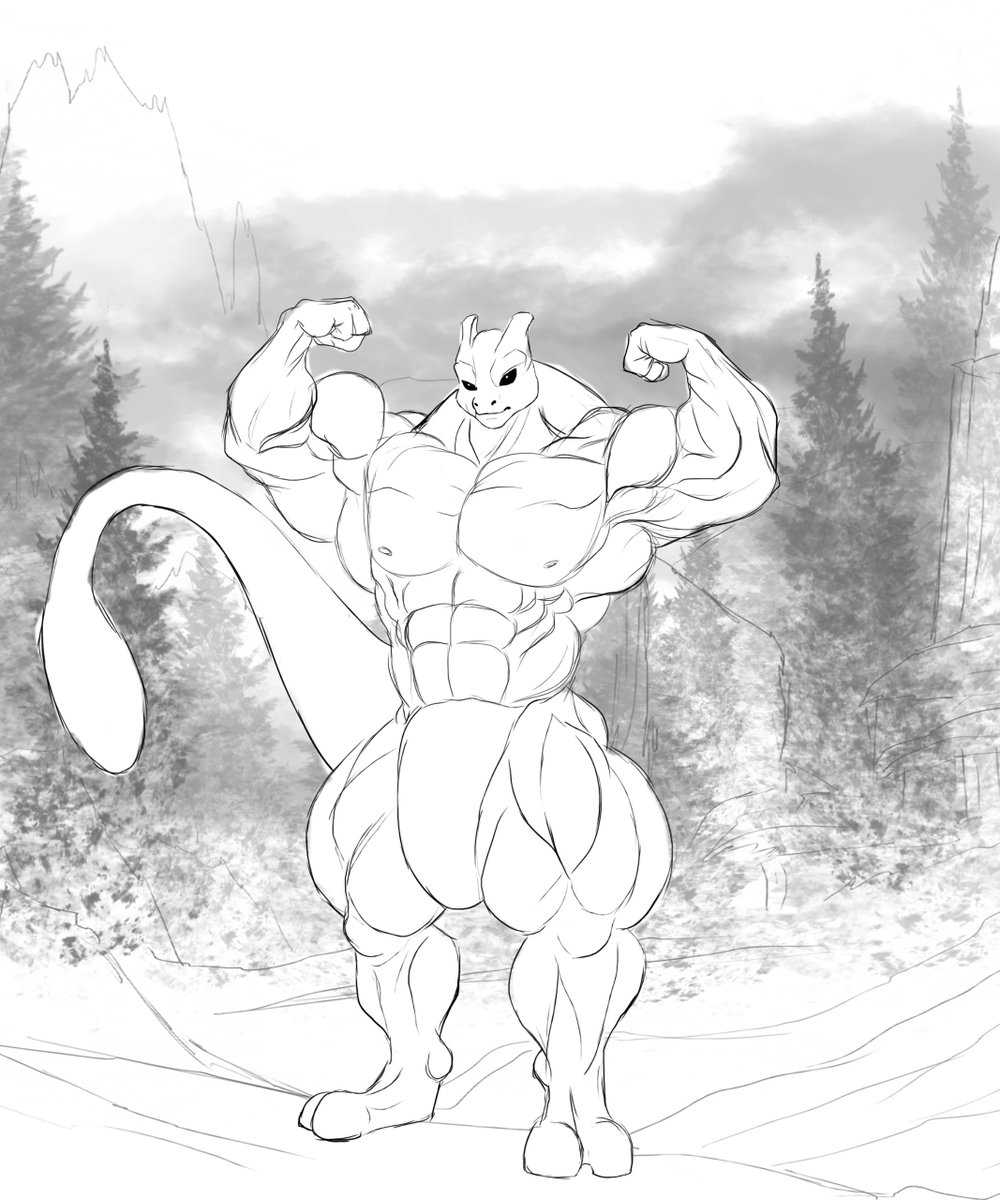
Something amazing is cooking, stay tuned.
Commissions are open, Feel free to contact me.
#commissionsopen #artist #sketch #firstupdate
1
11
446

20 Aug 2023
Today at 6:00 PM, the first update for the Pet Merge Simulator game will be released! 🚀
You'll also be able to use these two secret codes then:
1. "firstupdate" - 5 minutes frenzy! ✨
2. "secretcode" - 100 Extra gems! 💎
4
144

26 Jun 2023
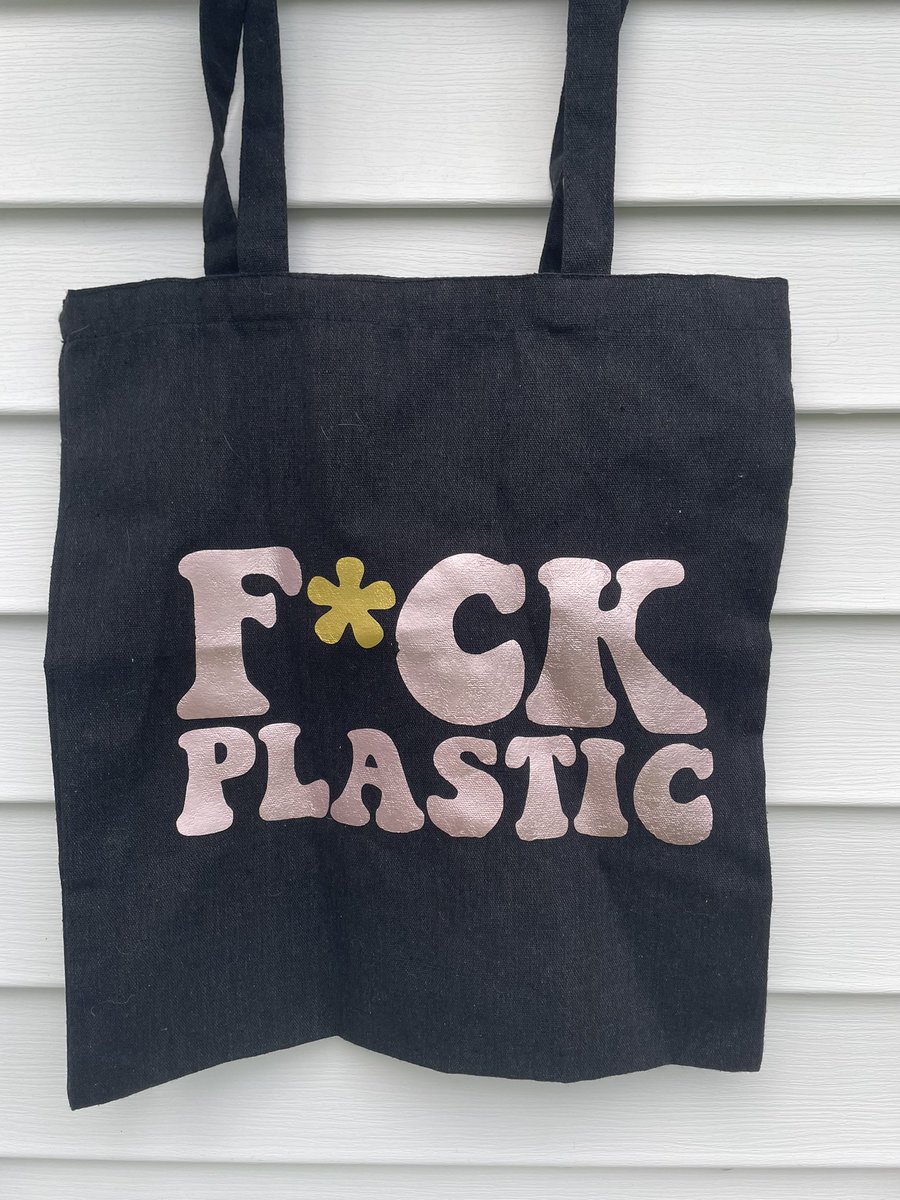
these items and more are available in my etsy shop now!
✨use the code: FIRSTUPDATE for 15% off your order!✨
etsy.com/shop/MadeByMadisenS…



1
16
16
447

We've just released a new update to Fart in a Box!💩
Use code "FirstUpdate" for 1,000 free coins!🪙
ONLY AVAILABLE TILL FRIDAY!
Play Here: roblox.com/games/12778252069…
#Roblox #RobloxDev

7
35
9,226

1 Apr 2023
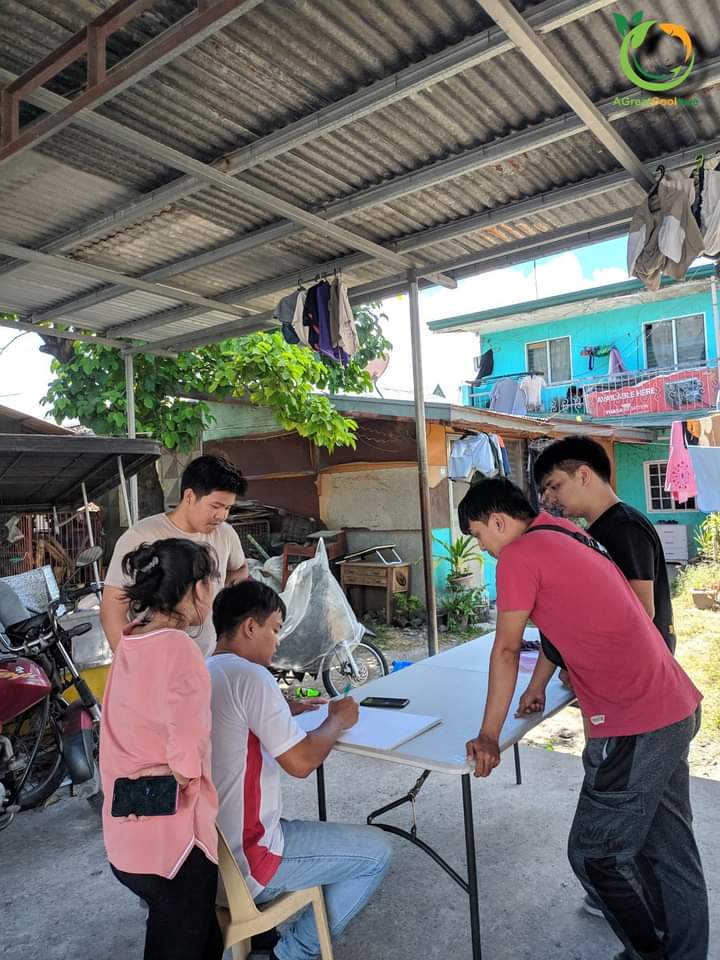
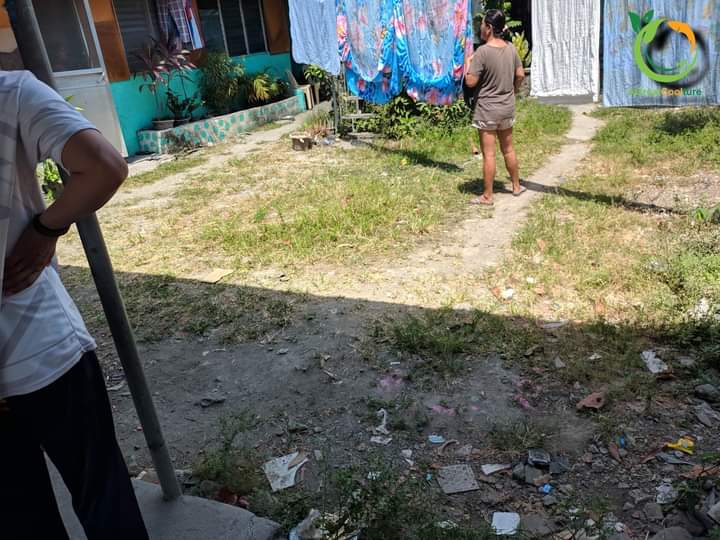
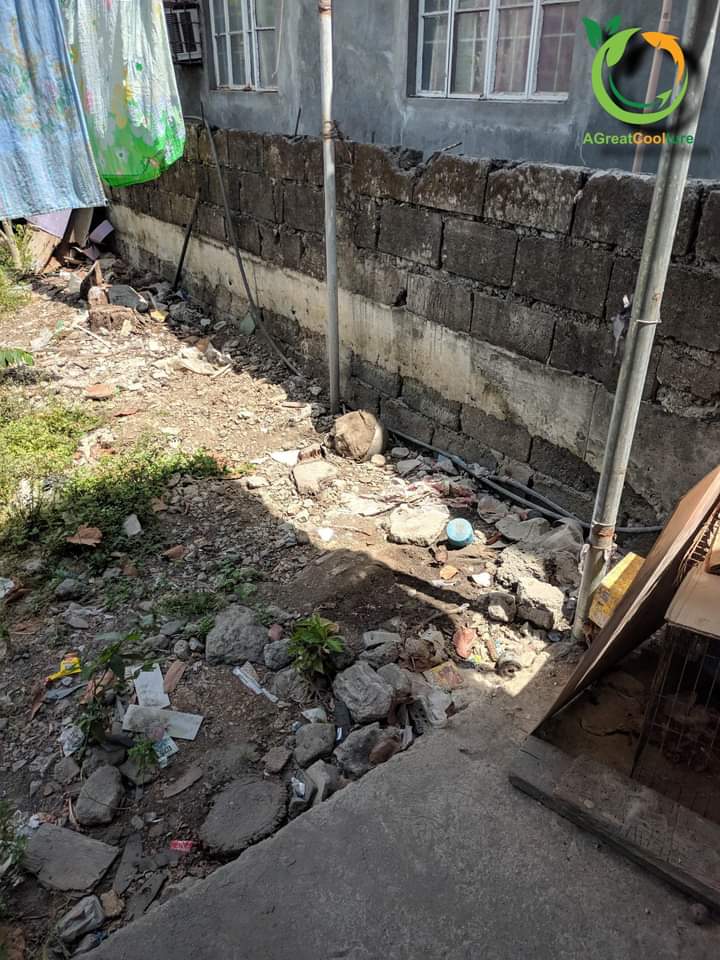
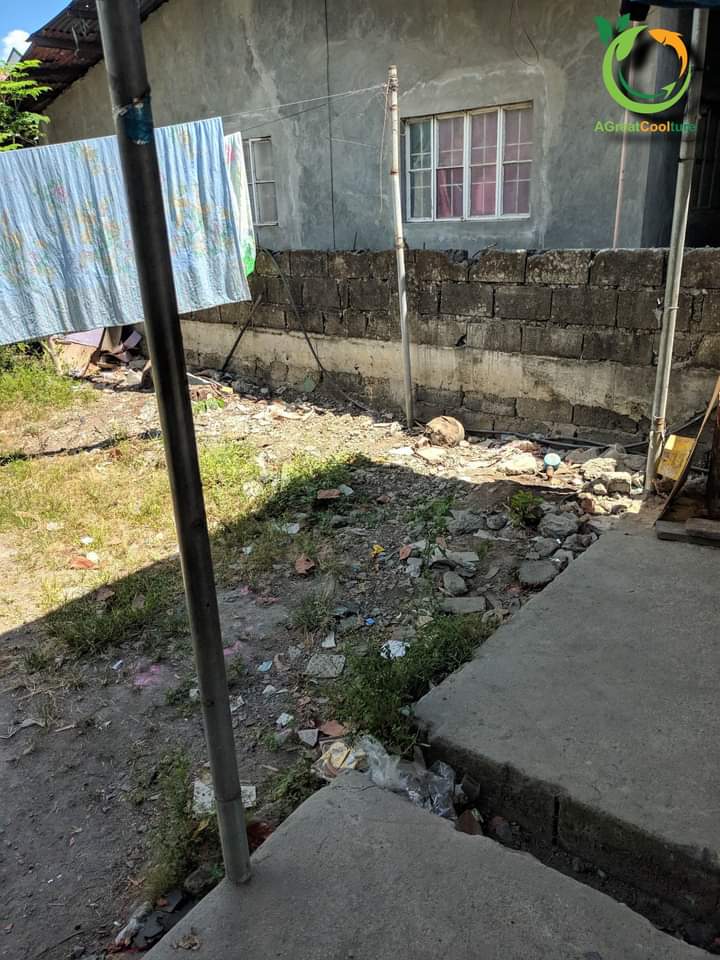
Chapter 1: Location Unlocked
As a headstart, the Operations Department and other respective BODs conducted an ocular visit for the project location. The hydroponics system will be built in this constrained farming area. 🌾🌱
#aGREATCOOLture
#FirstUpdate
1
6
149



12 Feb 2023
#AK62 - FirstUpdate Comes With Title Too Thats The Reason For Update Delay.
5
83
308
4,721

1 Nov 2022
1
2

First update for Pet Simulator X is OUT! Fantasy world, 3 new areas, 24 new pets, enchanting circle, new enchantments, and a lot more! ✨💎
Use code "FirstUpdate" for a free boost!
Play: web.roblox.com/games/1000941…

2