
wow just saw my commodore 64 but no vic 20 wow #vic20 #commodore64 #homecomputer #firstcomputer #nostalgia #collection
 AlphaFox
4
1,781

8 Aug 2025
Do you remember what it was like when your family first got a home computer? Was it a big deal? What did you use it for back in the day, and what were your first experiences with the internet like? Share your memories! #VintageTech #FirstComputer #80sMemories #90sNostalgia #RetroGaming
3
1
224

7 Apr 2025
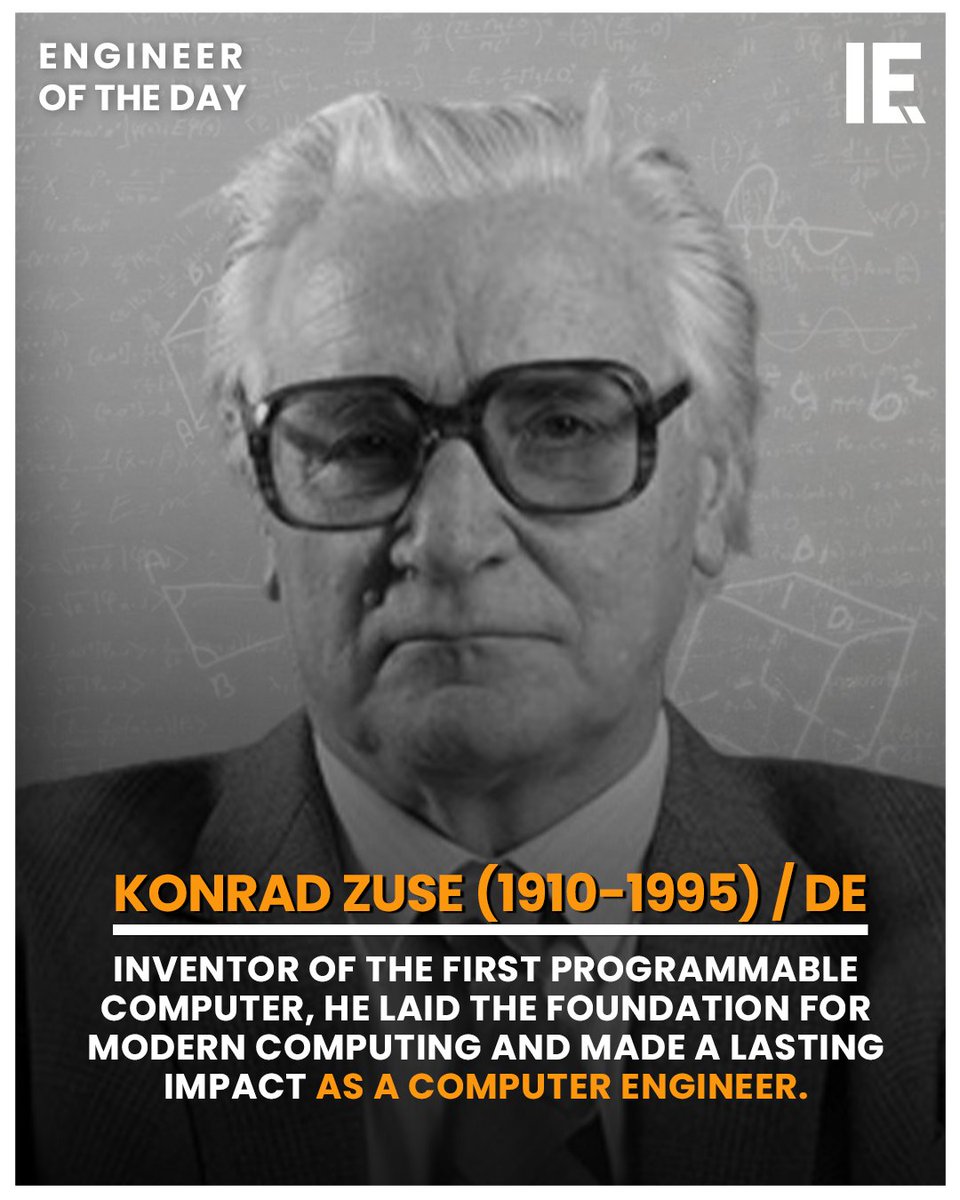
While the world was at war, Konrad Zuse quietly built the future. In 1941, he created the Z3—the first programmable computer—laying the foundation for modern computing.
Discover more: link.ie.social/jZzIdO
#KonradZuse #Z3Computer #FirstComputer #ComputerPioneer
1
3
21
4,377

25 Mar 2025
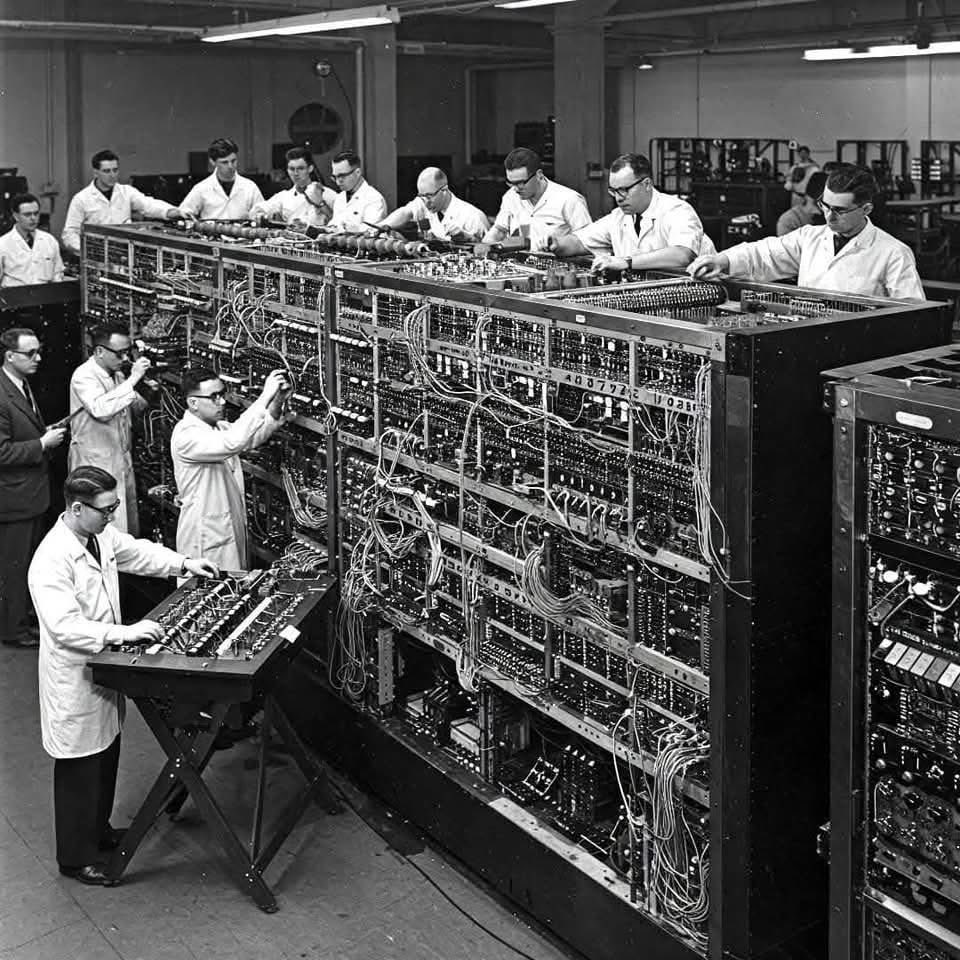
5 Fascinating facts about the world’s first computer:
Name and size – The first computer, ENIAC (1945), was a massive 30 meters long and weighed 27 tons. 💻📏🔧
No internal storage – It didn’t have a hard drive; data was entered using punch cards. 🃏💾✂️
High energy consumption – It required 150 kW of electricity, enough to power a small town. ⚡🏙️💡
Surprisingly slow – Although revolutionary, its processing power was much lower than that of a modern smartphone. 🐢📱🖥️
Unexpected blackout – In 1955, when it was turned off, it caused a power outage in the entire city of Philadelphia. 💥⚡🌆
Source: Curiosity
#TechHistory #Innovation #ENIAC #FirstComputer #TechTrivia
2
10
14
1,233

18 Dec 2024
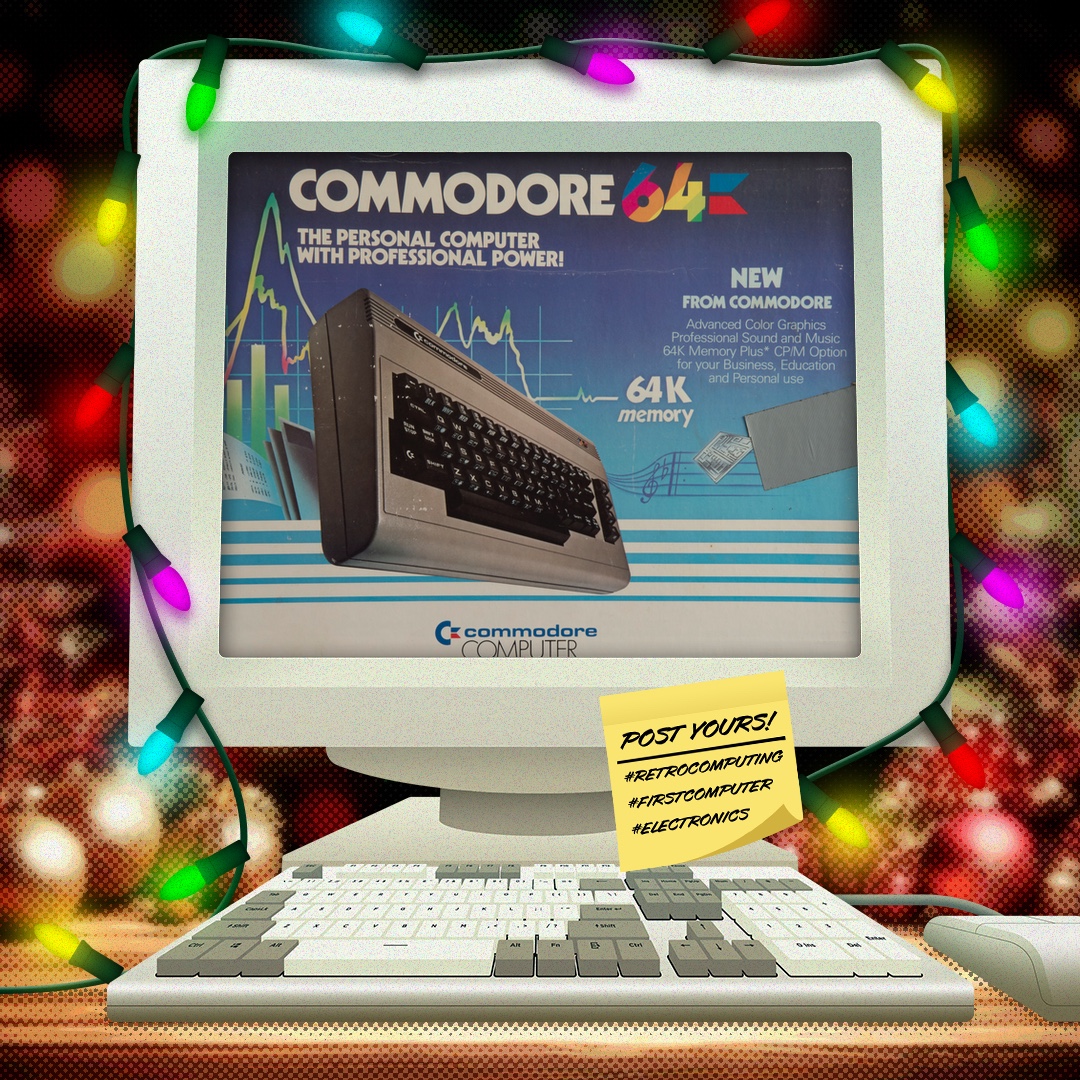
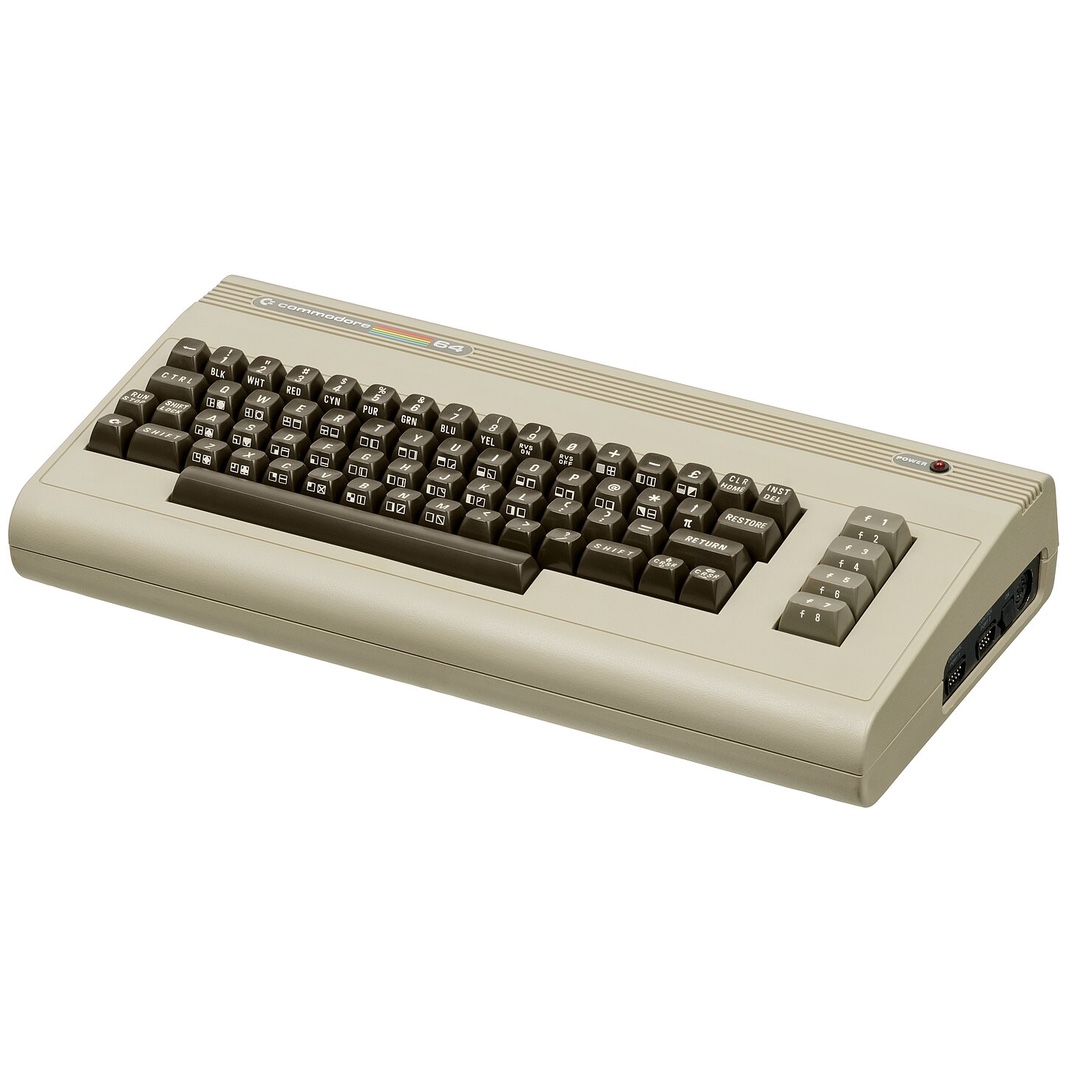
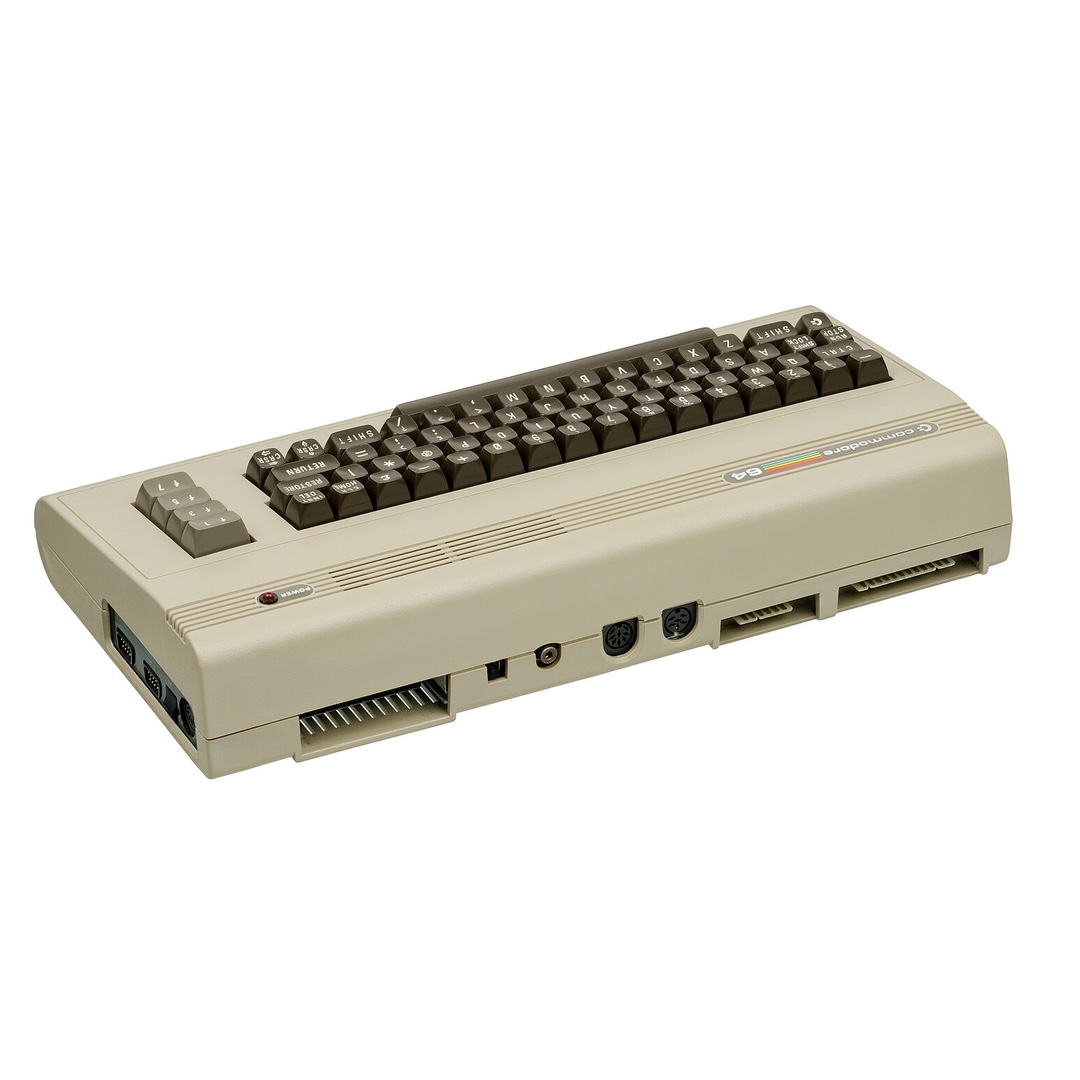
🎄💾🗓️ Day 18: Retrocomputing Advent Calendar - Commodore 64🎄💾🗓️
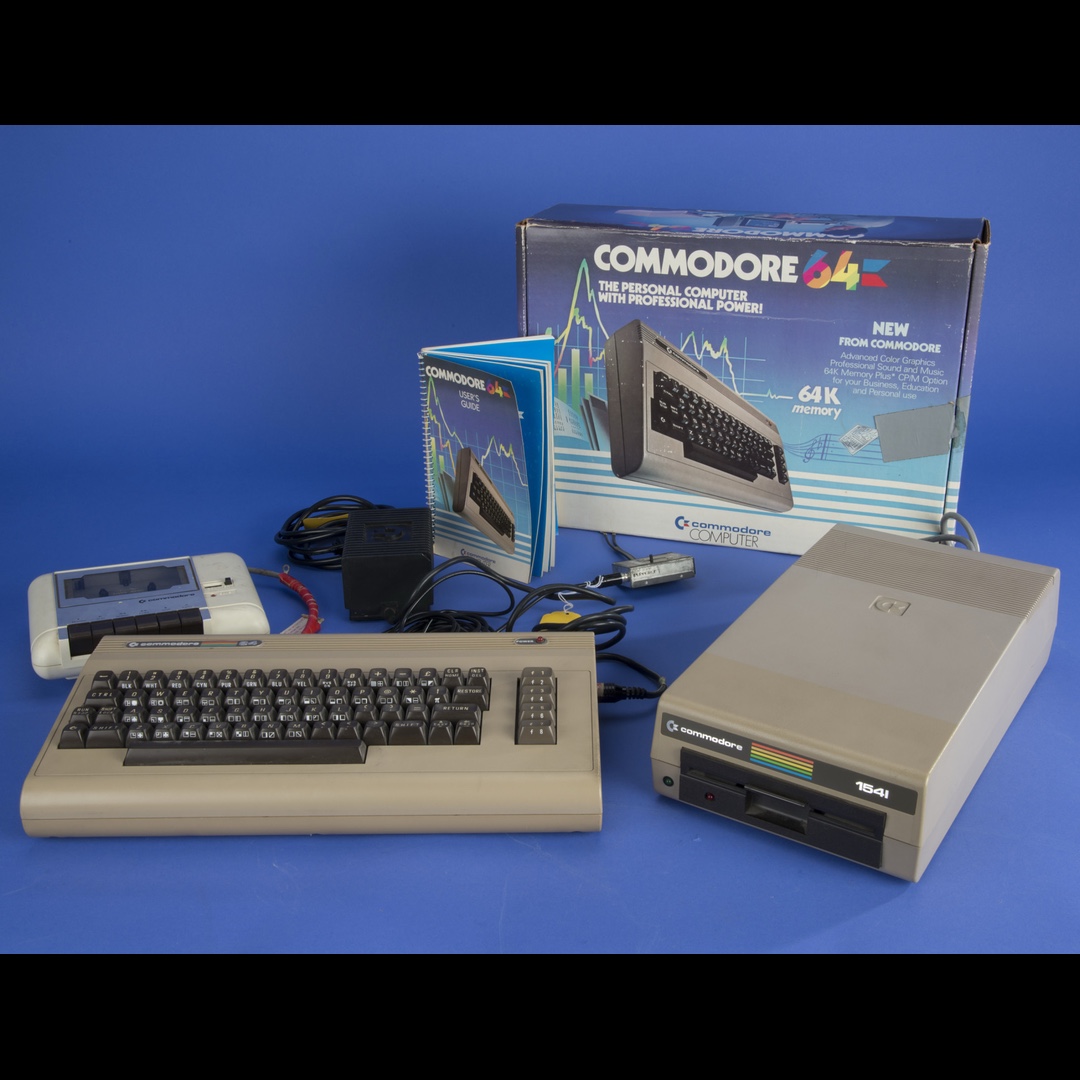
The Commodore 64, released in 1982, is one of the ones we keep hearing got many people their start in their own computing history. Powered by a MOS Technology 6510 processor at 1.02 MHz and featuring 64 KB of RAM, it became the best-selling single computer model of all time, with an estimated 12.5–17 million units sold. Its graphics were driven by the VIC-II chip, capable of 16 colors, hardware sprites, and smooth scrolling, while the SID (Sound Interface Device) chip delivered advanced audio, supporting three voices with waveforms and filters, making it a lot of fun for gaming and music.
Featured a built-in BASIC interpreter, allowing users to write their own programs out-of-the-box. The C64’s affordability, large software library, lots of games, productivity, and educational applications made it a household name. It connected to TVs as monitors and supported peripherals like the 1541 floppy disk drive, datasette, and various joysticks. With over 10,000 commercial software titles and a thriving homebrew scene, the C64 helped define a generation of computer enthusiasts.
Its impact on gaming was gigantic, iconic titles like The Last Ninja, Maniac Mansion, and Impossible Mission. The C64 also inspired a demoscene, where programmers pushed its hardware for visual and audio effects. The Commodore 64 remains a symbol of computing for the masses and creative innovation, still loved by retrocomputing fans today.
Check out the National Museum of American History, and Wikipedia.
americanhistory.si.edu/colle…
en.wikipedia.org/wiki/Commod…
And...! An excellent story from Jepler -
==
While I started on the VIC 20, the Commodore 64 was my computer for a lot longer. Its SID sound chip was a headline feature, and many of my memories of it center around music. Starting with Ultima III, each game in the series had a different soundtrack for each environment (though each one was on a pretty short loop, it probably drove my folks nuts when I would play for hours). There were music editors floating around, so I tried my hand at arranging music for its 3 independent voices, though I can't say I was any good or that I have any of the music now. You could also download "SID tunes" on the local BBSes, where people with hopefully a bit more skill had arranged everything from classical to Beatles to 80s music.
Folks are still creating cool new music on the Commodore 64. One current creator that I like a great deal is Linus Åkesson. Two videos from 2024 using the Commodore 64 that really impressed me were were a "Making 8-bit Music From Scratch at the Commodore 64 BASIC Prompt", a live coding session (linusakesson.net/programming…) and Bach Forever (linusakesson.net/scene/bach-…) a piece played by Åkesson on two Commodore 64s.
Like so many things, you can also recreate the experience online. Here's the overworld music for Ultima III: deepsid.chordian.net/?file=/… -- the site has hundreds or thousands of other SIDs available to play right in the browser.
Ultima III overworld screen from lemon64.com/game/ultima-3
==
Have first computer memories? Post’em up in the comments, or post yours on socialz’ and tag them #firstcomputer #retrocomputing – See you back here tomorrow!
2
5
27
3,093

16 Dec 2024
New 6502 based computer!! Open Source! Https://en.osolabs.tech #firstcomputer #retrocomputing @anne_engineer
2
54
16 Dec 2024
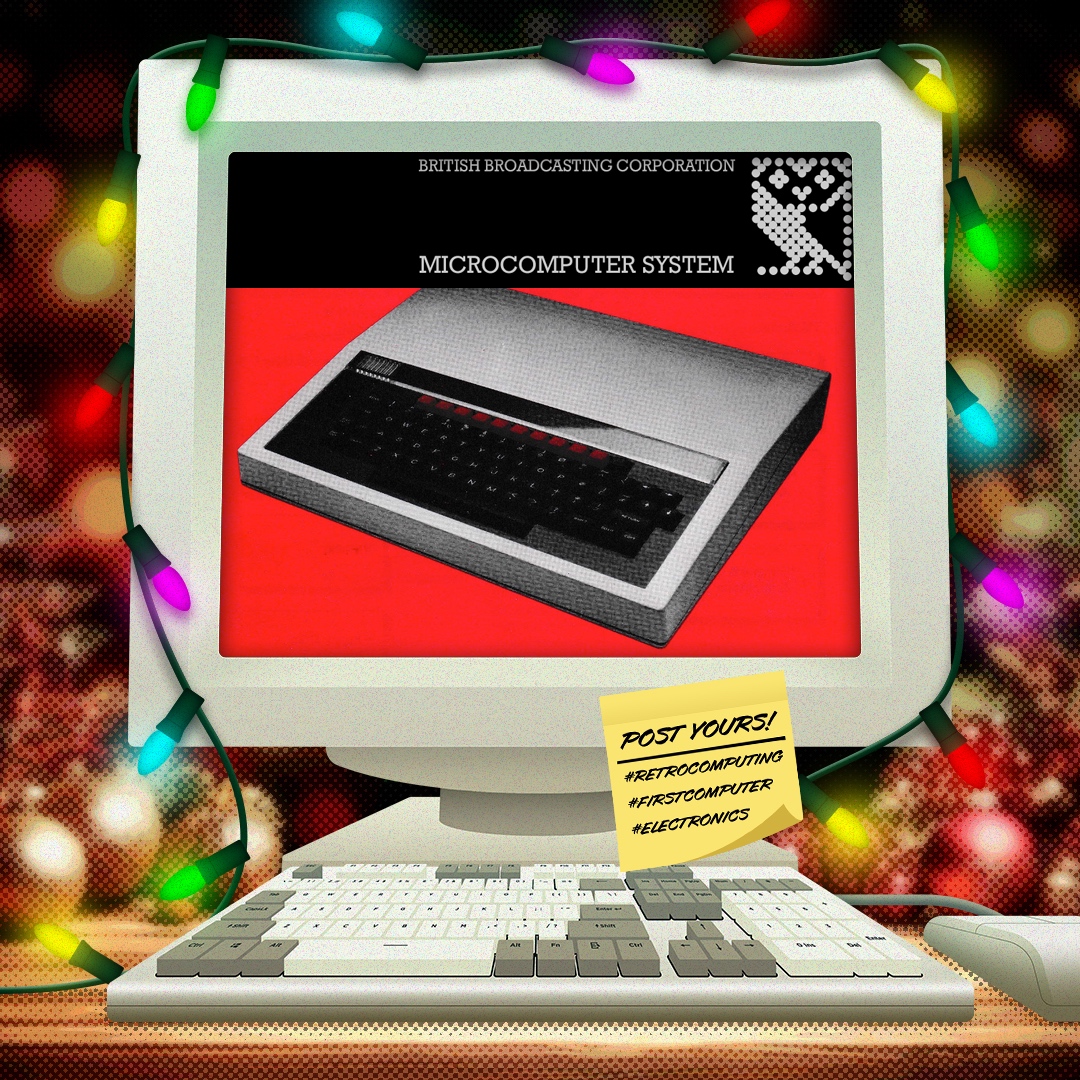
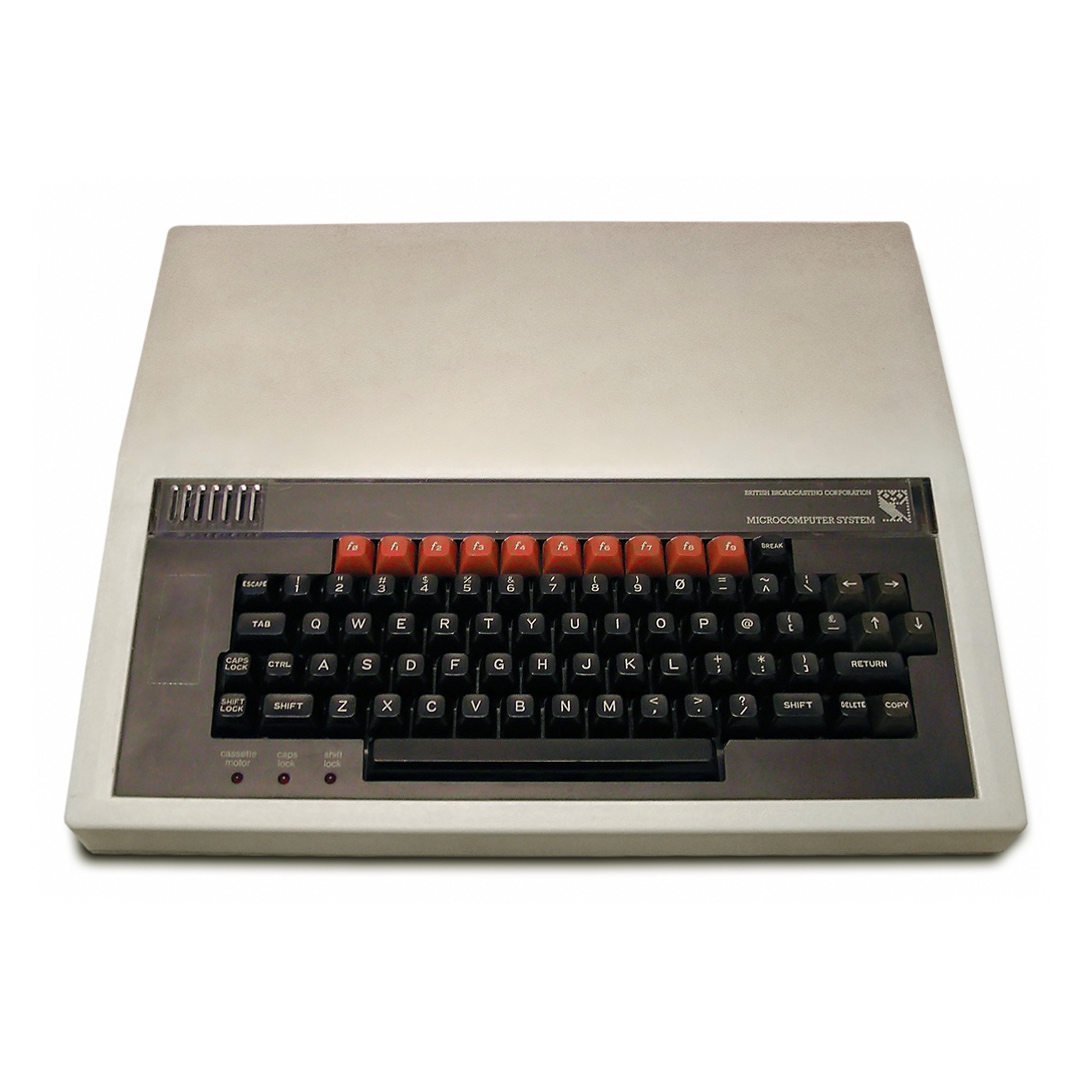
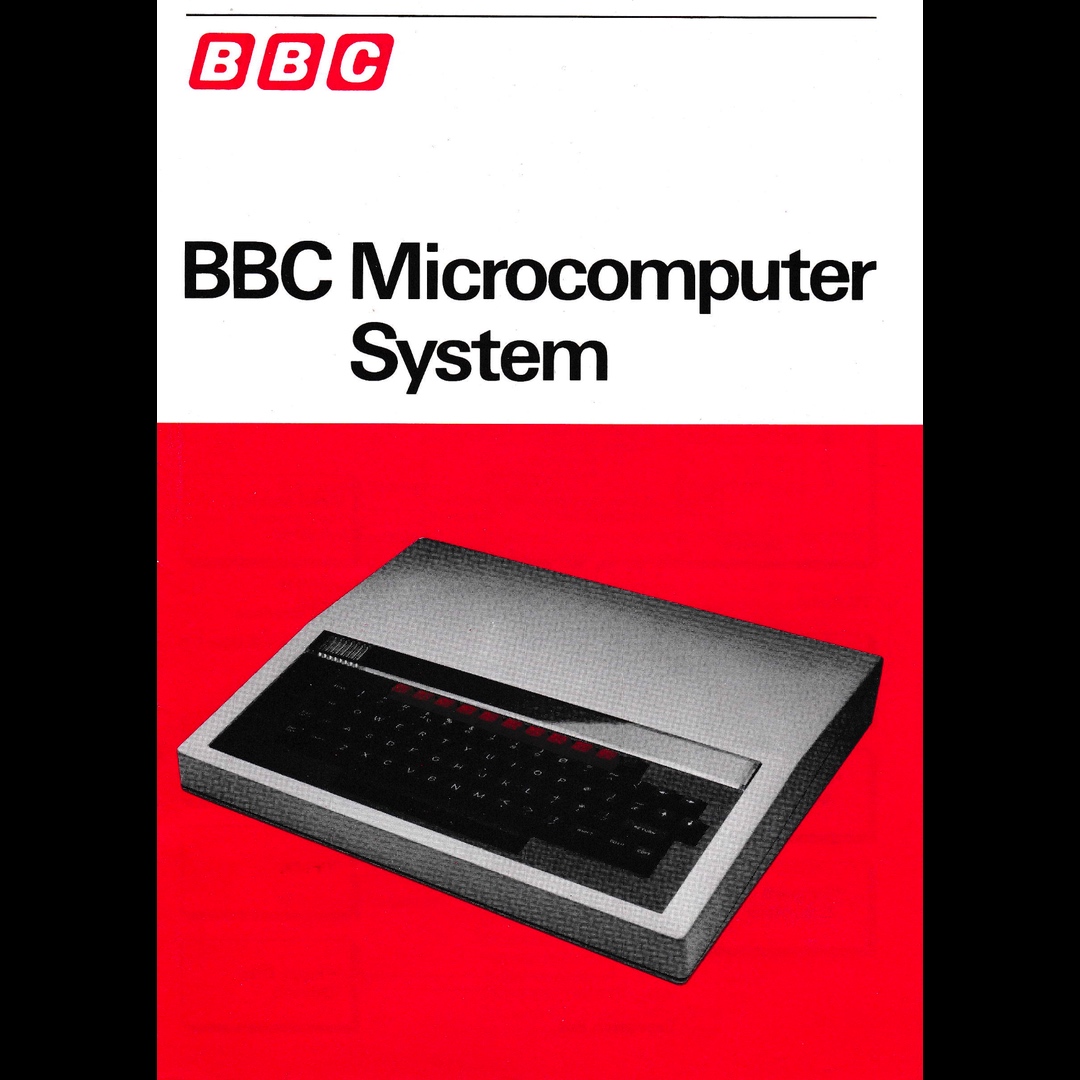
🎄💾🗓️ Day 15: Retrocomputing Advent Calendar - BBC Micro🎄💾🗓️ ⌨️🇬🇧
The BBC Micro was an 8-bit microcomputer introduced in 1981 by Acorn Computers under the BBC Computer Literacy Project of the UK, launched with a 6502A processor running at 2 MHz, supported 16 KB to 32 KB of RAM, and featuring a BASIC environment. The machine was versatile, having very good-for-its-time graphics and multi-colors. Expansion capability for educational and experimental use with an assortment of I/O ports, which included a 1 MHz bus, user port, and cassette interface.
The BBC Micro was known for its reliability and emphasis on teaching programming and computer science. The system software, Acorn MOS, was simple and intuitive. With peripherals such as floppy drives and second processors, it performed tasks well beyond its initial use and extended its lifetime by at least a decade or more.
The BBC Micro also pushed forward a lot of gaming and software since this open architecture inspired a thriving community of developers. It also played a big role in the development of the ARM architecture by Acorn Computers, which would change the way modern computers are made in years to come. The BBC Micro has a special place in computing history, which expanded education and brought computing to schools and society through the 1980s.
Have first computer memories? Post’em up in the comments, or post yours on socialz’ and tag them #firstcomputer #retrocomputing – See you back here tomorrow!

2
4
24
3,553
15 Dec 2024
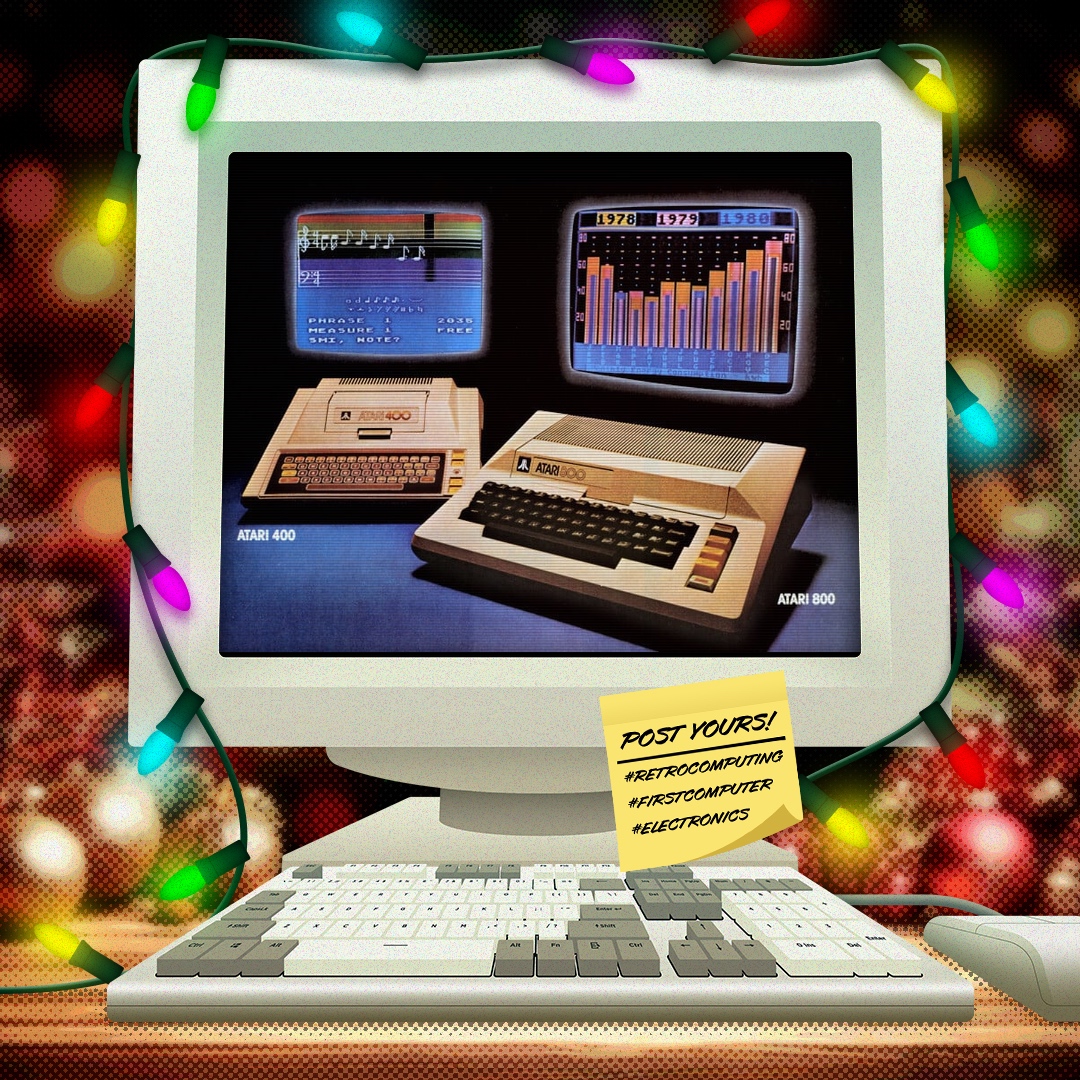
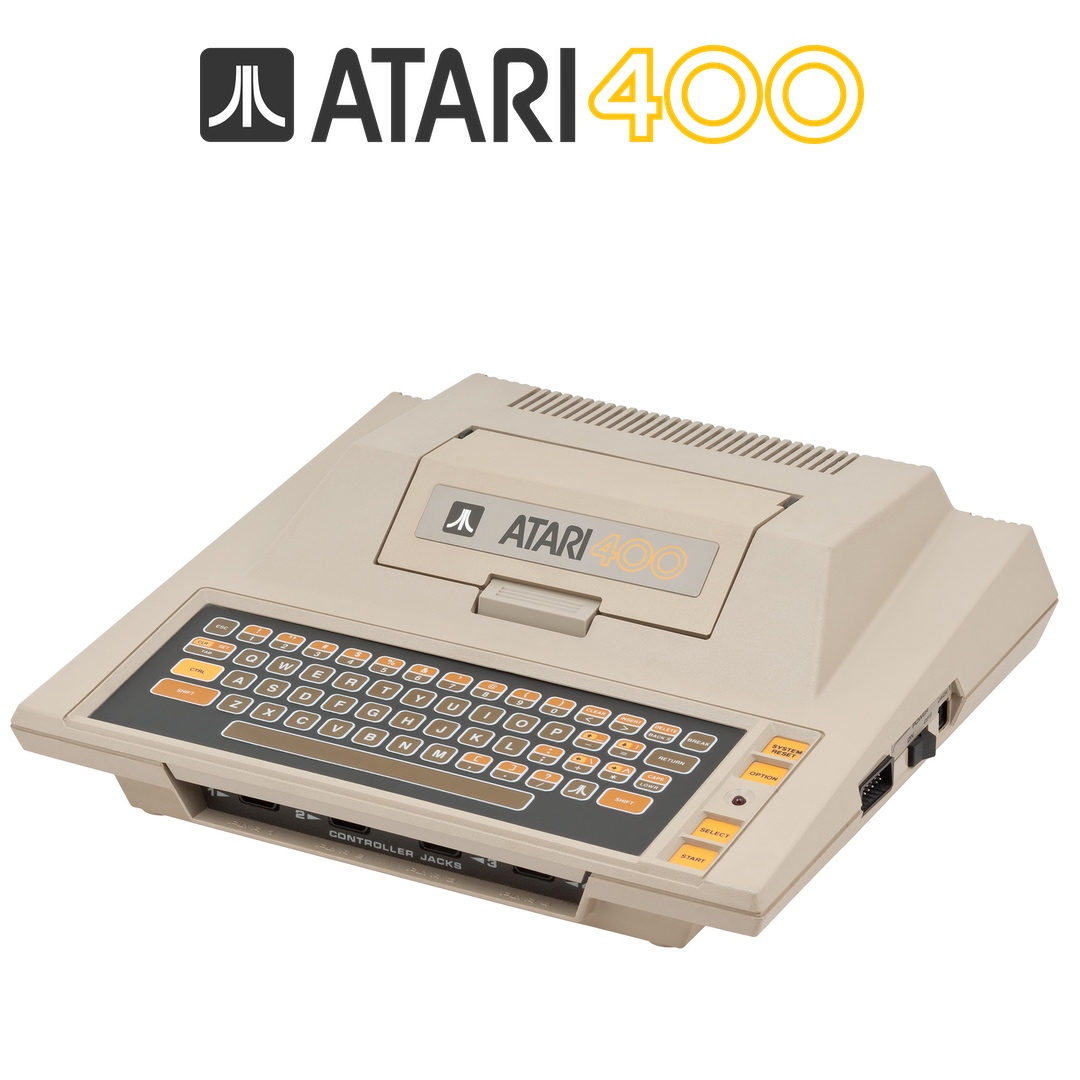
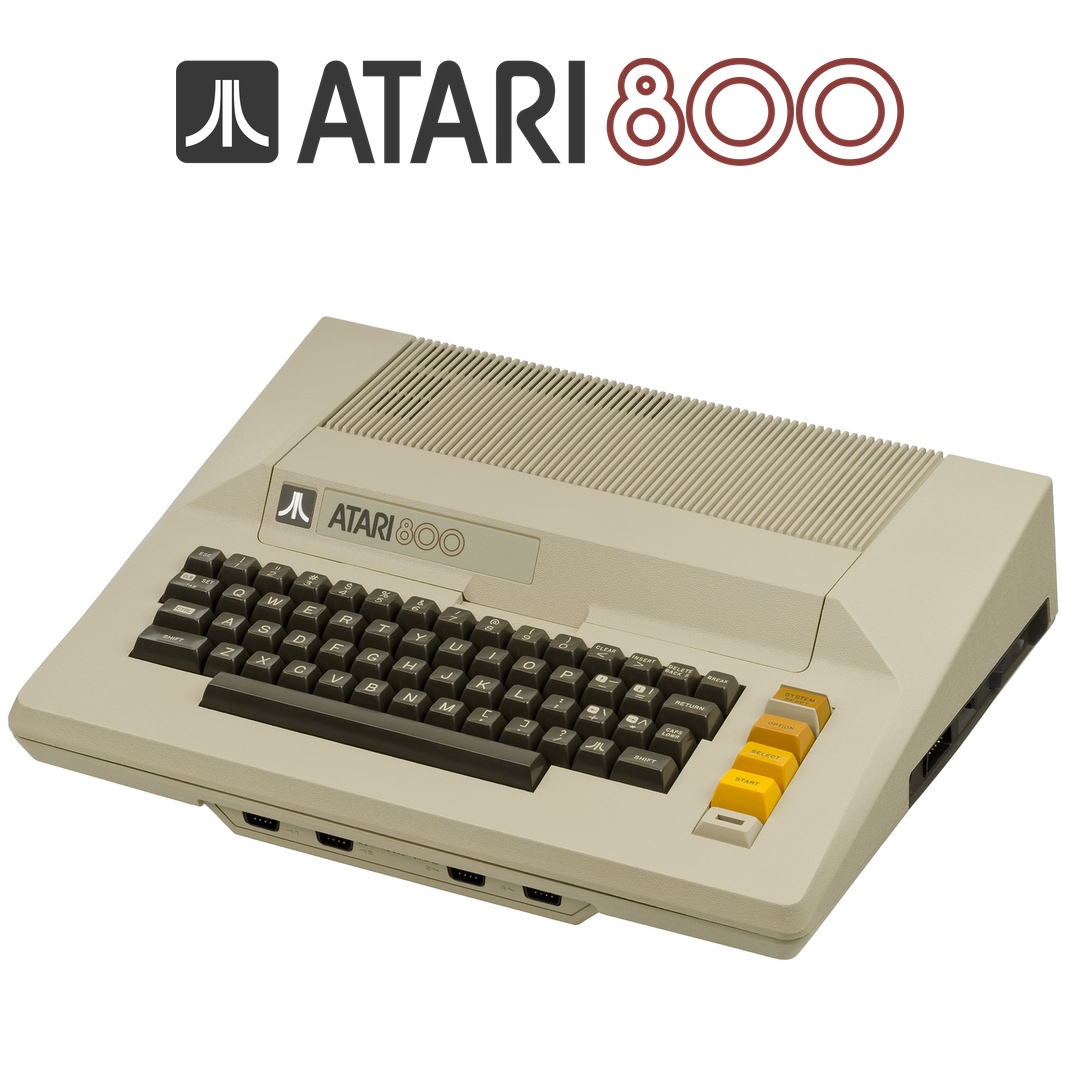
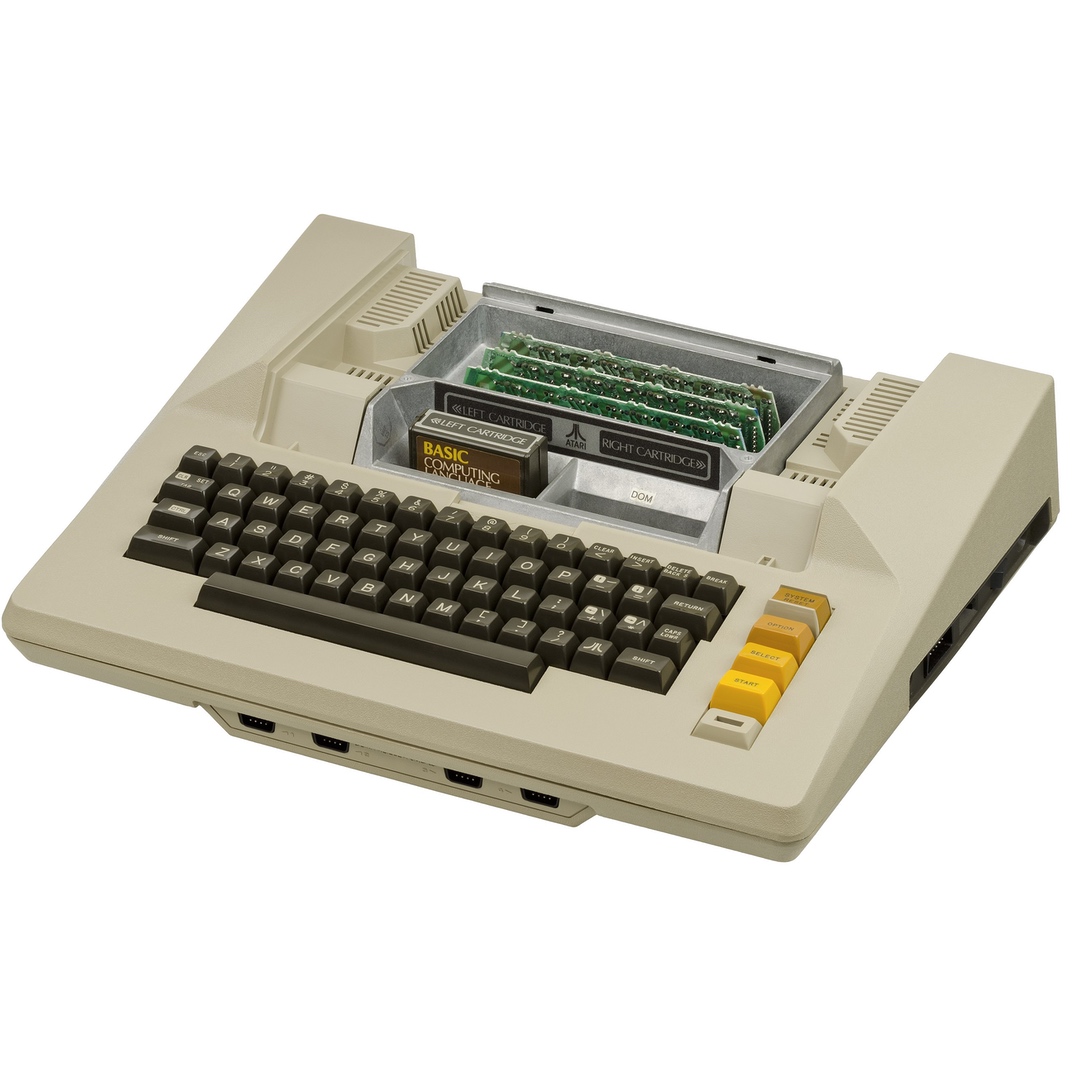
🎄💾🗓️ Day 14: Retrocomputing Advent Calendar - Atari 400/800🎄💾🗓️
The Atari 8-bit computer line was launched in 1979 with the Atari 400 and Atari 800. Both were advanced for home computers at the time. Both were driven by a 1.79 MHz MOS Technology 6502 CPU, with ANTIC and CTIA/GTIA custom chips for advanced graphics and the POKEY chip handling sound and input/output duties. The Atari 800 was the premium model, featuring a full mechanical keyboard, user-expandable to 48 KB of memory, more metal shielding, and more durability. The Atari 400 was a lower-cost alternative with a membrane keyboard, limited to 16 KB of RAM, and a simplified construction.
With hardware-accelerated scrolling, Player/Missile graphics, and rich sound, the Atari 8-bit systems were known for gaming and creative applications. They were a versatile platform with cartridge-based software, cassette, and floppy disk storage. Atari's proprietary SIO (Serial Input/Output) port allowed daisy-chaining peripherals such as printers, modems, and disk drives, making connecting them easier than with other systems.
Newer models were more compact, combined memory expansion to as much as 128KB, and compatibility with developing software and peripherals improved. Atari's 8-bit computers are remembered for having groundbreaking hardware and a very colorful game library, and they are still being used by the retrocomputing community.
While doing research for this, I saw the XE Game System, never saw it before, very 80s for sure!
=
The Atari XEGS (XE Game System) was launched in 1987. A repackaged 65XE with a removable keyboard, it boots to the 1981 port of Missile Command instead of BASIC if the keyboard is disconnected.
=
Have first computer memories? Post’em up in the comments, or post yours on socialz’ and tag them #firstcomputer #retrocomputing – See you back here tomorrow!
2
1
16
3,218
14 Dec 2024
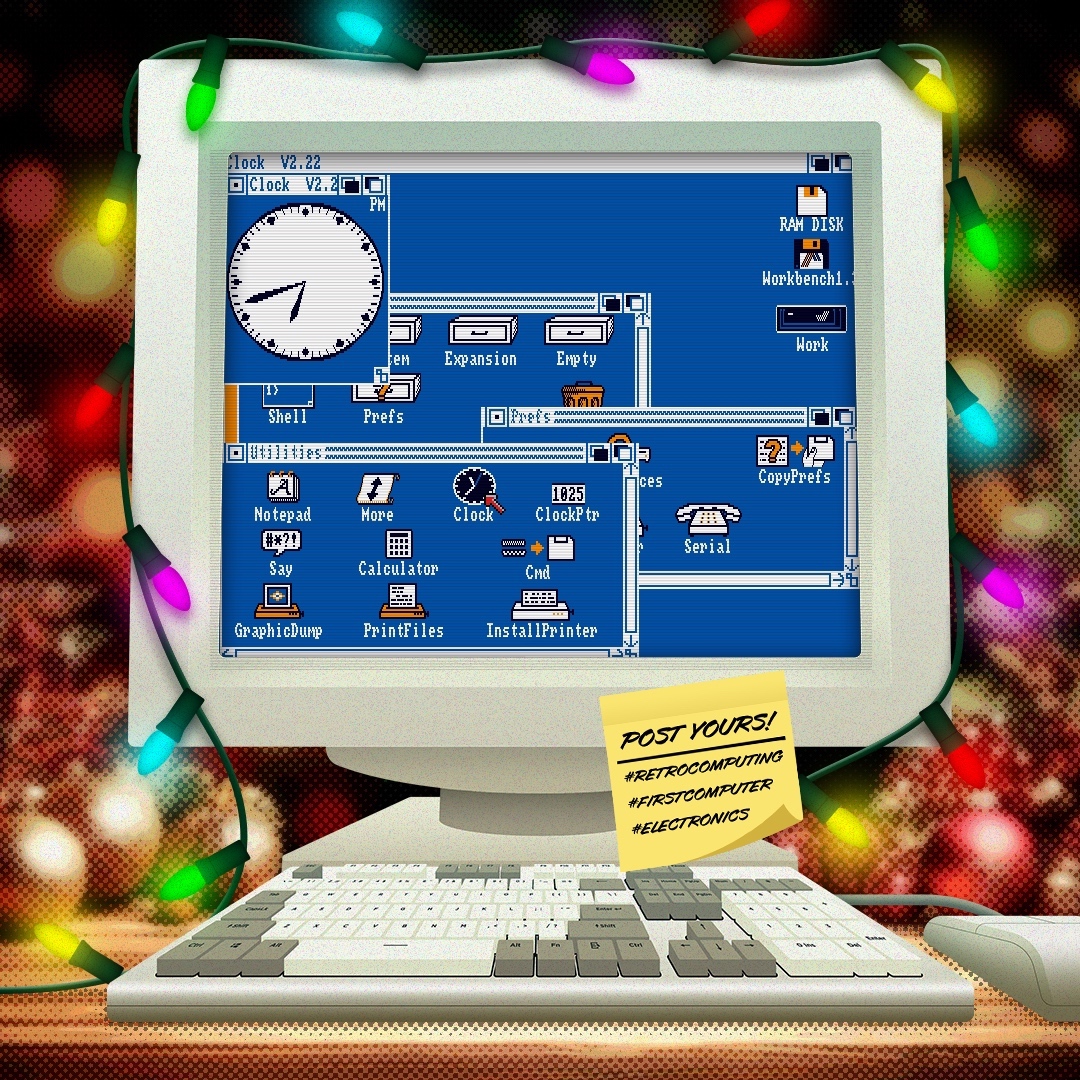
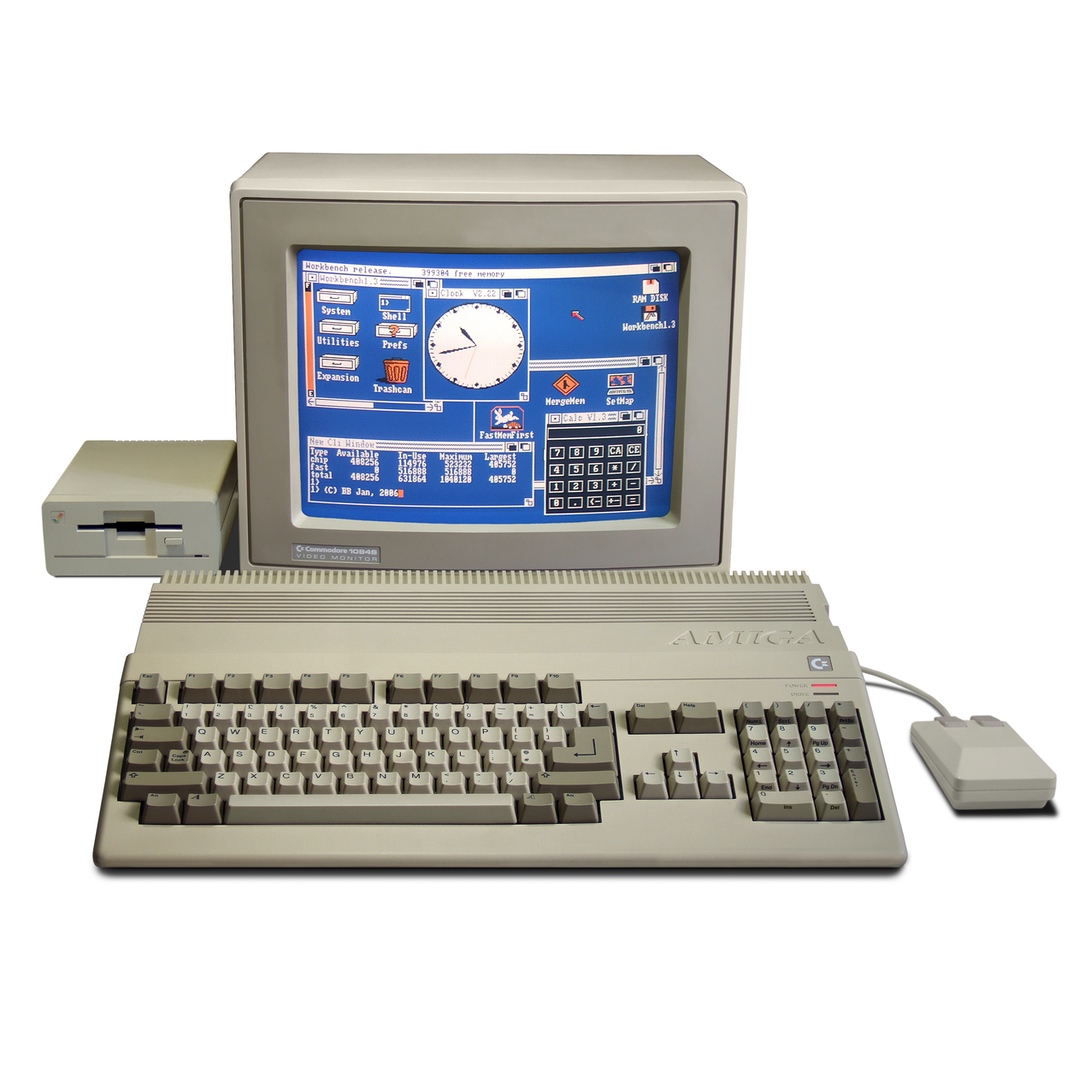
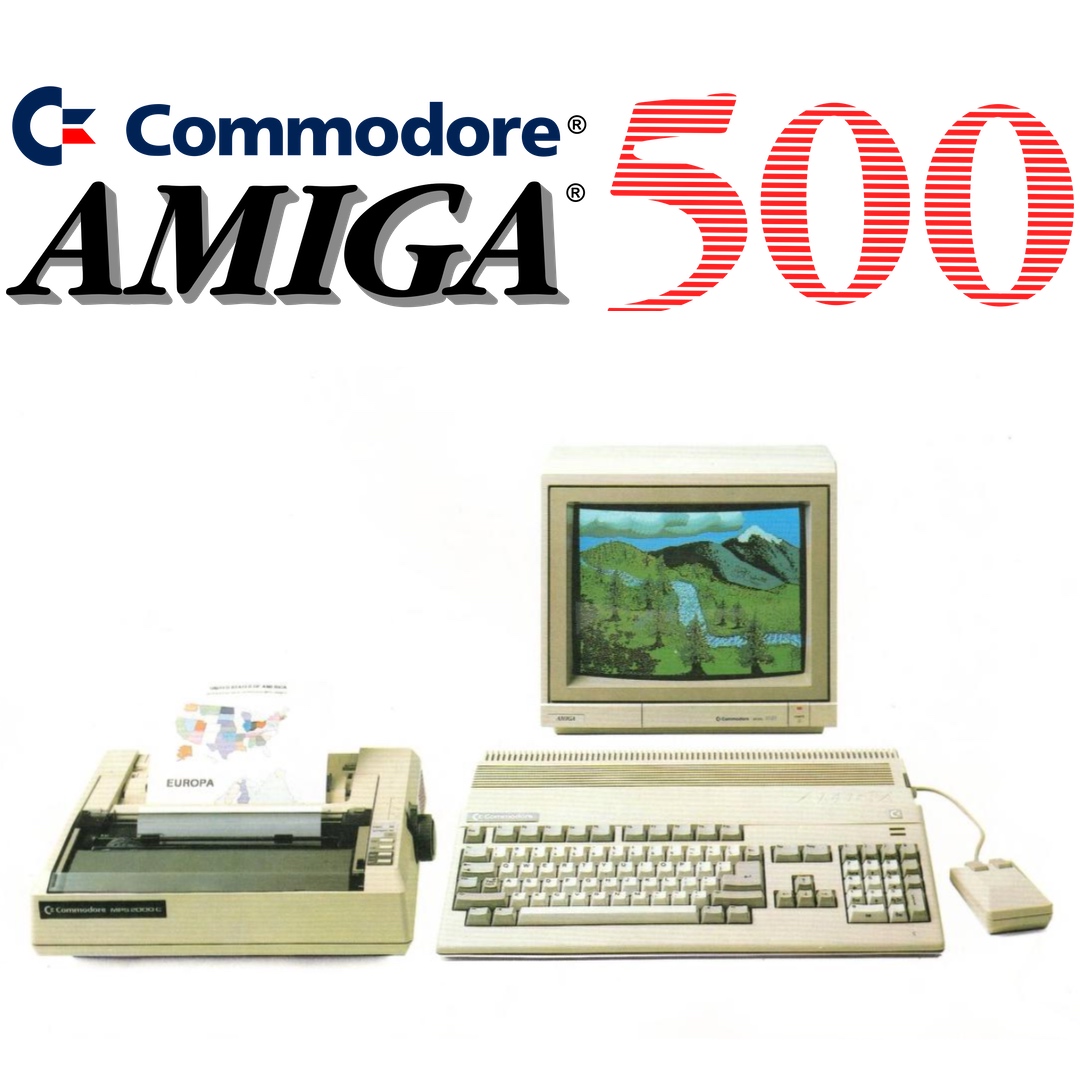
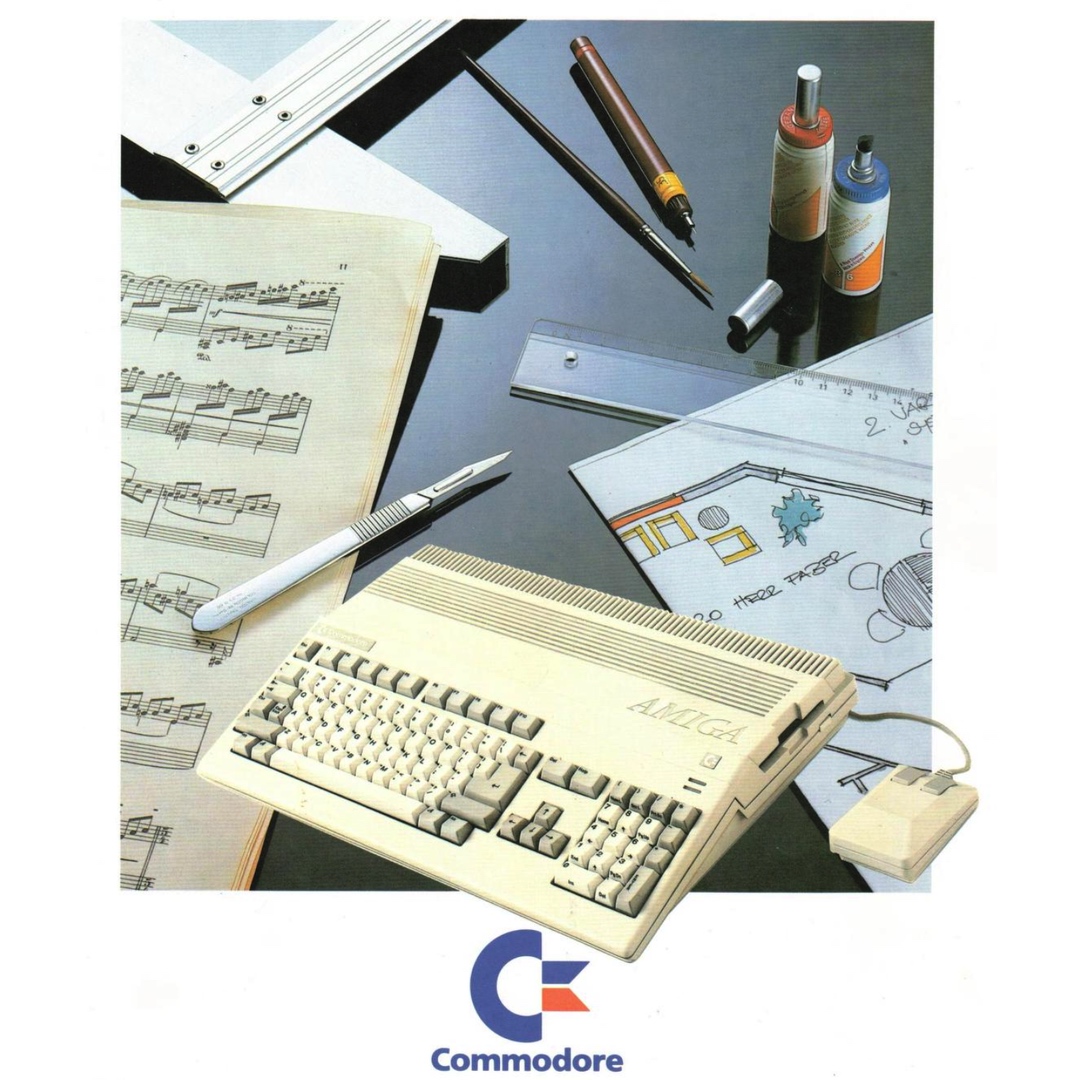
🎄💾🗓️ Day 13: Retrocomputing Advent Calendar -🎄Amiga 500 💾🗓️
The Amiga 500 is considered one of Commodore's most important home computers, introduced in 1987; it was important because of how advanced the features were for the time. It was based on a Motorola 68000 CPU running at 7.16 MHz in NTSC versions and at 7.09 MHz for PAL ones, with the main version of 512 KB RAM expandable up to 9 MB. Its OCS provided respectable graphics performance, going up to 736×567 interlaced, with 32 colors out of 4096. The sound system consisted of four 8-bit PCM channels and could give out stereo at as high as 28 kHz. With the keyboard integrated and a compact design, it was ready for home users, while the multitasking operating system, AmigaOS, differentiated it from the rest. At a price the market could afford and featuring multimedia capabilities, this combination contributed to its popularity as it went on to sell about 2.6 million units worldwide.
en.wikipedia.org/wiki/Amiga_…
Making of the Amiga bouncing ball.
generationamiga.com/2020/04/…
Have first computer memories? Post’em up in the comments, or post yours on socialz’ and tag them #firstcomputer #retrocomputing – See you back here tomorrow!
#amiga500 #commodore #amiga
3
5
24
3,360
13 Dec 2024
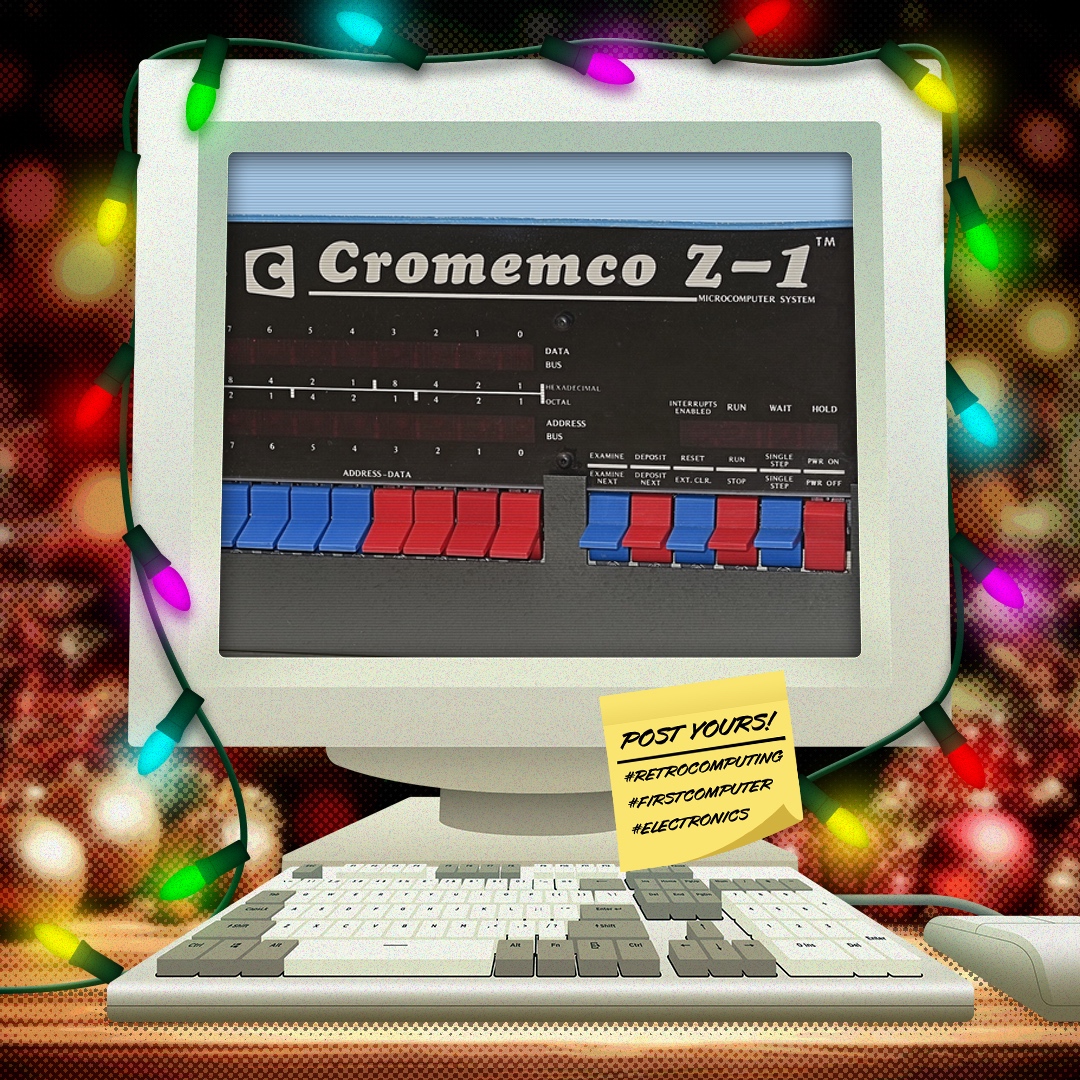
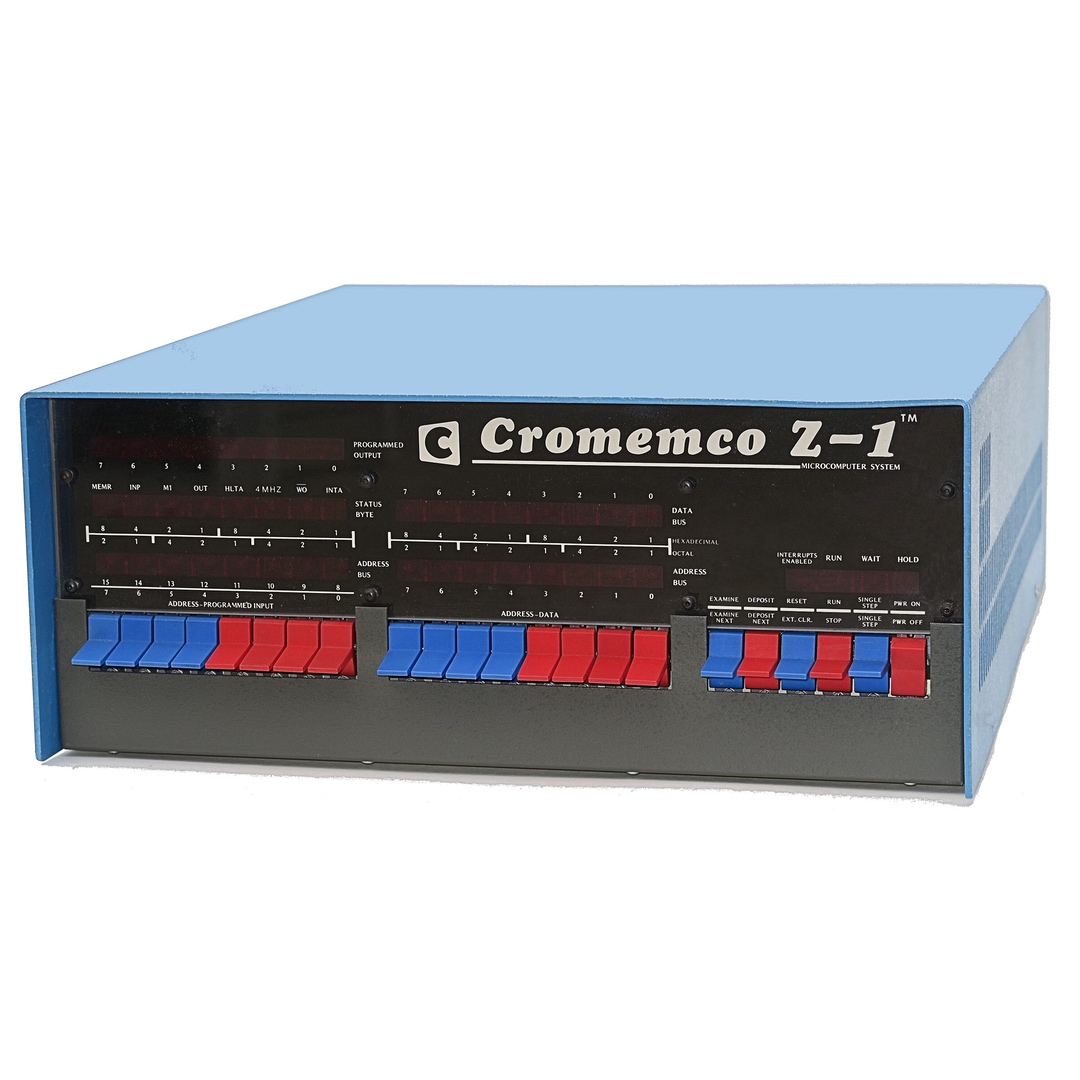
🎄💾🗓️ Day 12: Retrocomputing Advent Calendar - Cromemco Z-1🎄💾🗓️
A different one today! Cromemco was founded in 1974 by Stanford Ph.D. students Harry Garland and Roger Melen to develop a series of peripherals for early microcomputers, such as the Cyclops digital camera and the Dazzler color graphics interface. In 1976, they came out with their first full microcomputer, the Z-1, which used the same chassis as the IMSAI 8080 but fitted with a 4 MHz Zilog Z80 processor instead of the Intel 8080. The Z-1 was very flexible for the time, with 8 KB of static RAM and 22 S-100 bus expansion slots. This allowed the computer to immediately function upon power-up, without manually loading a boot program. Cromemco's vibe from what I could read was a commitment quality and reliable system, its systems found wide acceptance, and by 1986, more than 80% of major-market U.S. television stations were using the system for news and weather graphics. The company continued to keep going until it was acquired by Dynatech Corporation in 1987.
thehighnibble.com/cromemcoZ1…
en.wikipedia.org/wiki/Cromem…
Adafruit team member Franklin's story ...
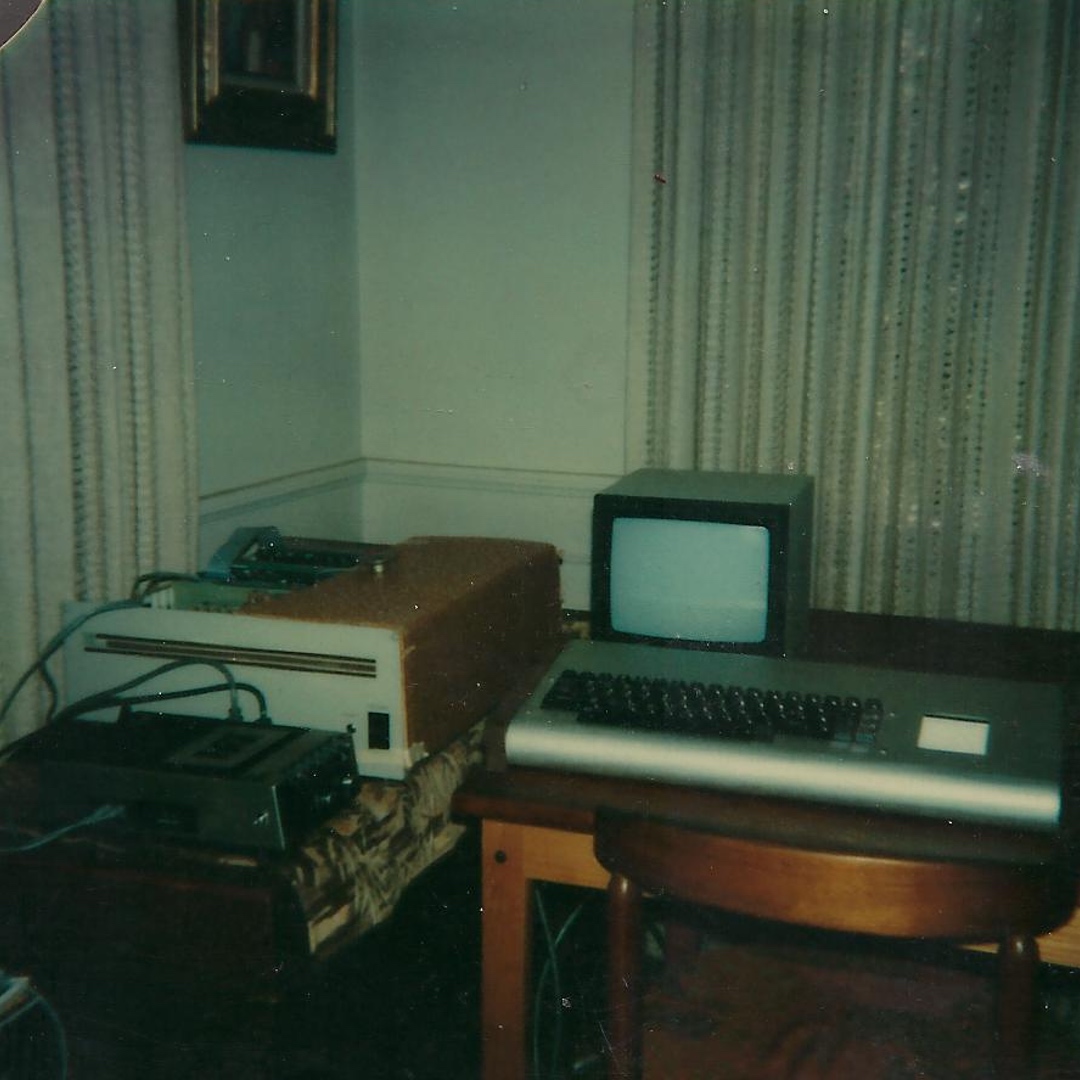
After reading Byte magazine and Jerry Pournelle's Chaos Manor articles I bought a Cromemco motherboard, (Cromemco named for CROthers MEMorial Hall - the Stanford residence where the founders lived, came into existance in the mid 1970s, and grew to become a major player in the S-100 business systems market.) Cromemco began by making S-100 boards. Their first system called the Z-1 was based on an IMSAI chassis with Cromemco boards, however they quickly moved on to building their own complete systems. I hand soldered the S-100 daughter boards and placed them in a TEI case but had no way to program it. Jerry wrote about Tony Pietch who was in Cal Tech close to me so I looked him up and contacted him. He agreed to burn ROMs for XMON and, with XMON and Tarbell Basic I had a working computer. That was sometime in the late 70's.
So of course I needed to find out more about Jerry Pournelle and Chaos Manor! One of the first bloggers!
Pournelle's journalism focused primarily on the computer industry, astronomy, and space exploration. From the 1970s until the early 1990s, he contributed to the computer magazine Byte, writing from the viewpoint of an intelligent user, with the oft-cited credo, "We do this stuff so you won't have to."[4] He created one of the first blogs, entitled "Chaos Manor", which included commentary about politics, computer technology, space technology, and science fiction.
en.wikipedia.org/wiki/Jerry_…
Have first computer memories? Post’em up in the comments, or post yours on socialz’ and tag them #firstcomputer #retrocomputing – See you back here tomorrow!
1
9
2,106
11 Dec 2024
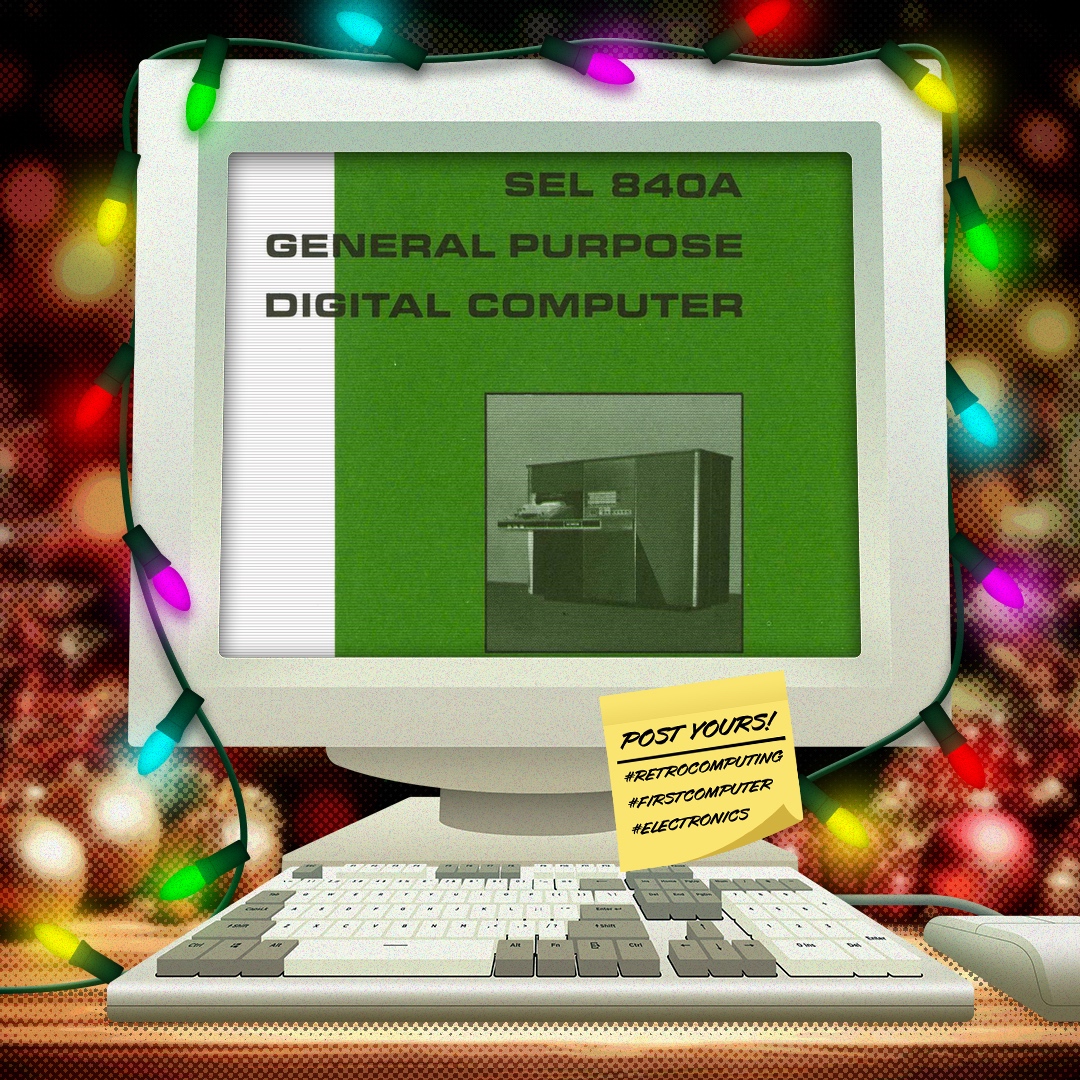
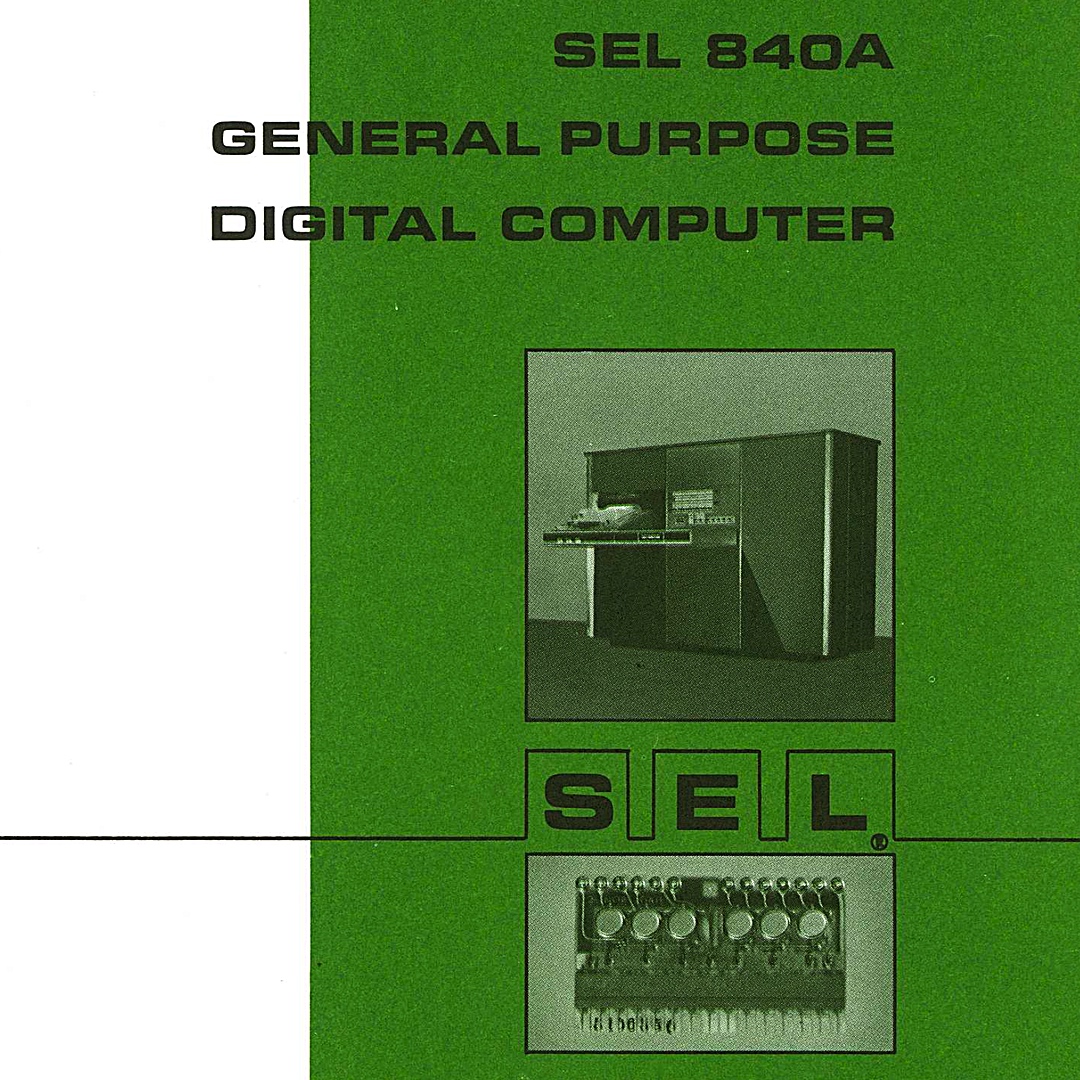
🎄💾🗓️ Day 11: Retrocomputing Advent Calendar - The SEL 840A🎄💾🗓️
Systems Engineering Laboratories (SEL) introduced the SEL 840A in 1965. This is a deep cut folks, buckle in. It was designed as a high-performance, 24-bit general-purpose digital computer, particularly well-suited for scientific and industrial real-time applications.
en.wikipedia.org/wiki/System…
Notable for using silicon monolithic integrated circuits and a modular architecture. Supported advanced computation with features like concurrent floating-point arithmetic via an optional Extended Arithmetic Unit (EAU), which allowed independent arithmetic processing in single or double precision. With a core memory cycle time of 1.75 microseconds and a capacity of up to 32,768 directly addressable words, the SEL 840A had impressive computational speed and versatility for its time.
Its instruction set covered arithmetic operations, branching, and program control. The computer had fairly robust I/O capabilities, supporting up to 128 input/output units and optional block transfer control for high-speed data movement. SEL 840A had real-time applications, such as data acquisition, industrial automation, and control systems, with features like multi-level priority interrupts and a real-time clock with millisecond resolution.
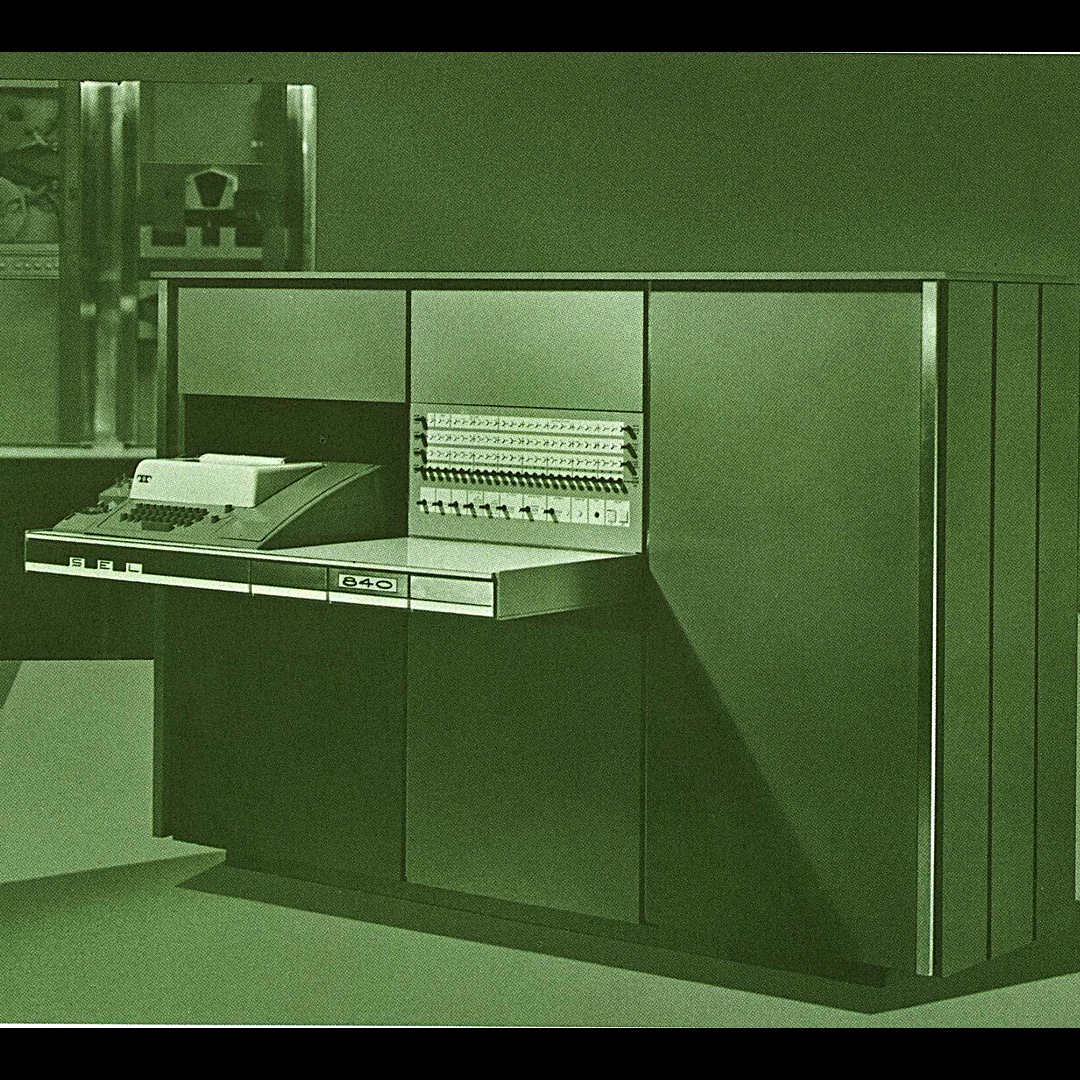
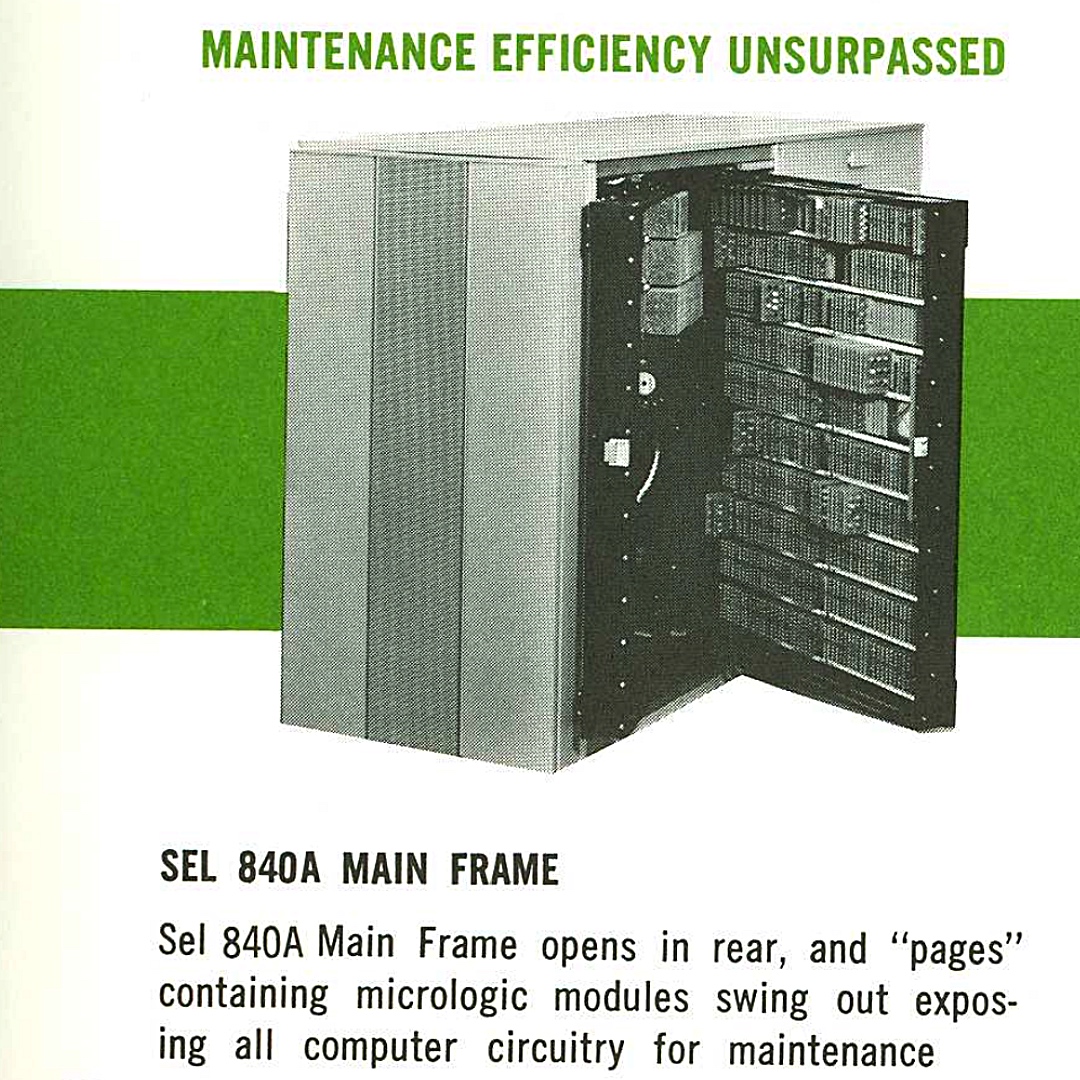
Software support included a FORTRAN IV compiler, mnemonic assembler, and a library of scientific subroutines, making it accessible for scientific and engineering use. The operator’s console provided immediate access to registers, control functions, and user interaction! Designed to be maintained, its modular design had serviceability you do often not see today, with swing-out circuit pages and accessible test points.
And here's a personal... personal computer history from Adafruit team member, Dan...
==
The first computer I used was an SEL-840A, PDF:
bitsavers.informatik.uni-stu…
I learned Fortran on it in eight grade, in 1970. It was at Oak Ridge National Laboratory, where my parents worked, and was used to take data from cyclotron experiments and perform calculations. I later patched the Fortran compiler on it to take single-quoted strings, like 'HELLO', in Fortran FORMAT statements, instead of having to use Hollerith counts, like 5HHELLO.
In 1971-1972, in high school, I used a PDP-10 (model KA10) timesharing system, run by BOCES LIRICS on Long Island, NY, while we were there for one year on an exchange.
onlineonly.christies.com/s/f…
This is the front panel of the actual computer I used. I worked at the computer center in the summer. I know the fellow in the picture: he was an older high school student at the time.
ricomputermuseum.org/collect…
The first "personal" computers I used were Xerox Alto, Xerox Dorado, Xerox Dandelion (Xerox Star 8010), Apple Lisa, and Apple Mac, and an original IBM PC. Later I used DEC VAXstations.
===
Dan kinda wins the first computer contest if there was one... Have first computer memories? Post’em up in the comments, or post yours on socialz’ and tag them #firstcomputer #retrocomputing – See you back here tomorrow!
1
8
1,976
10 Dec 2024
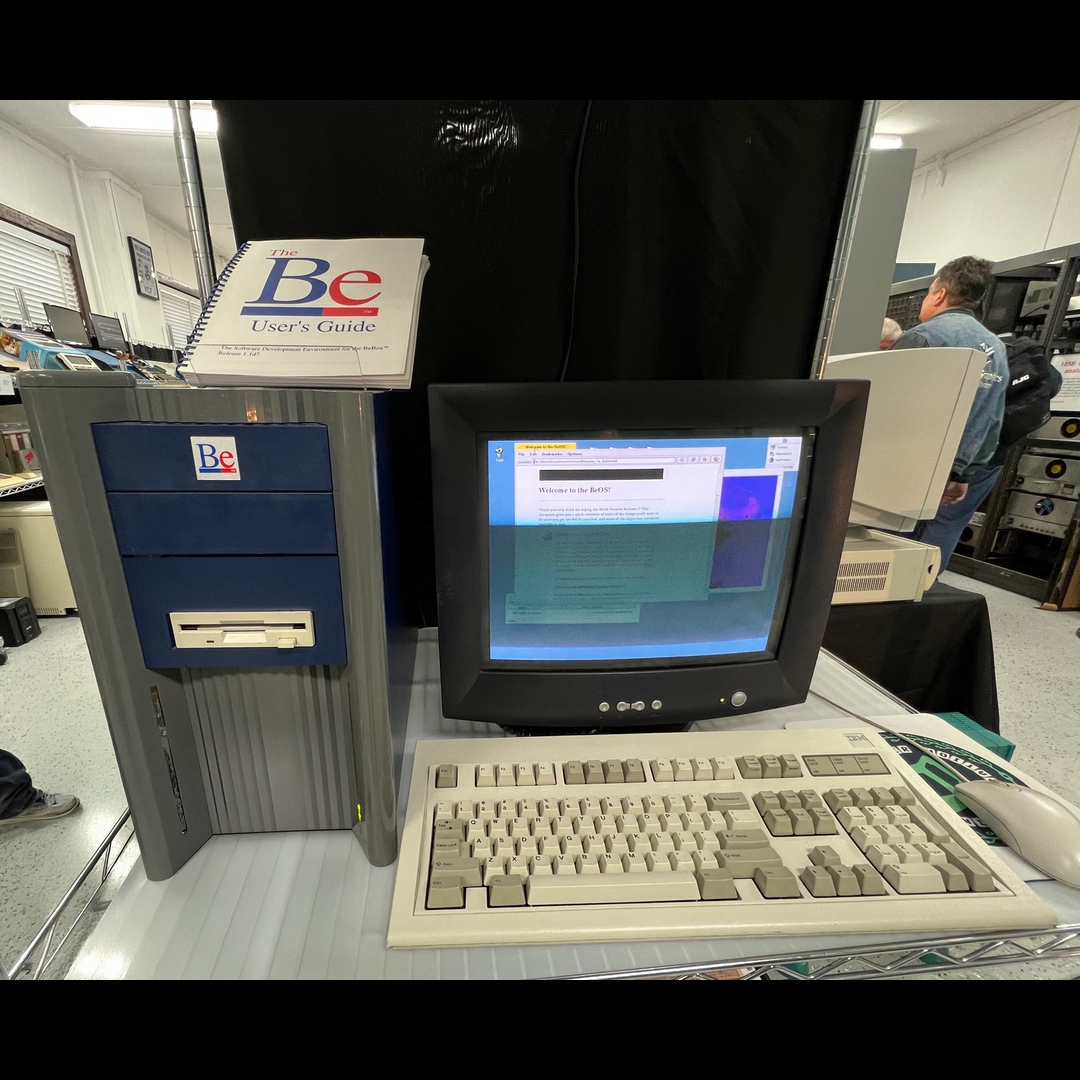
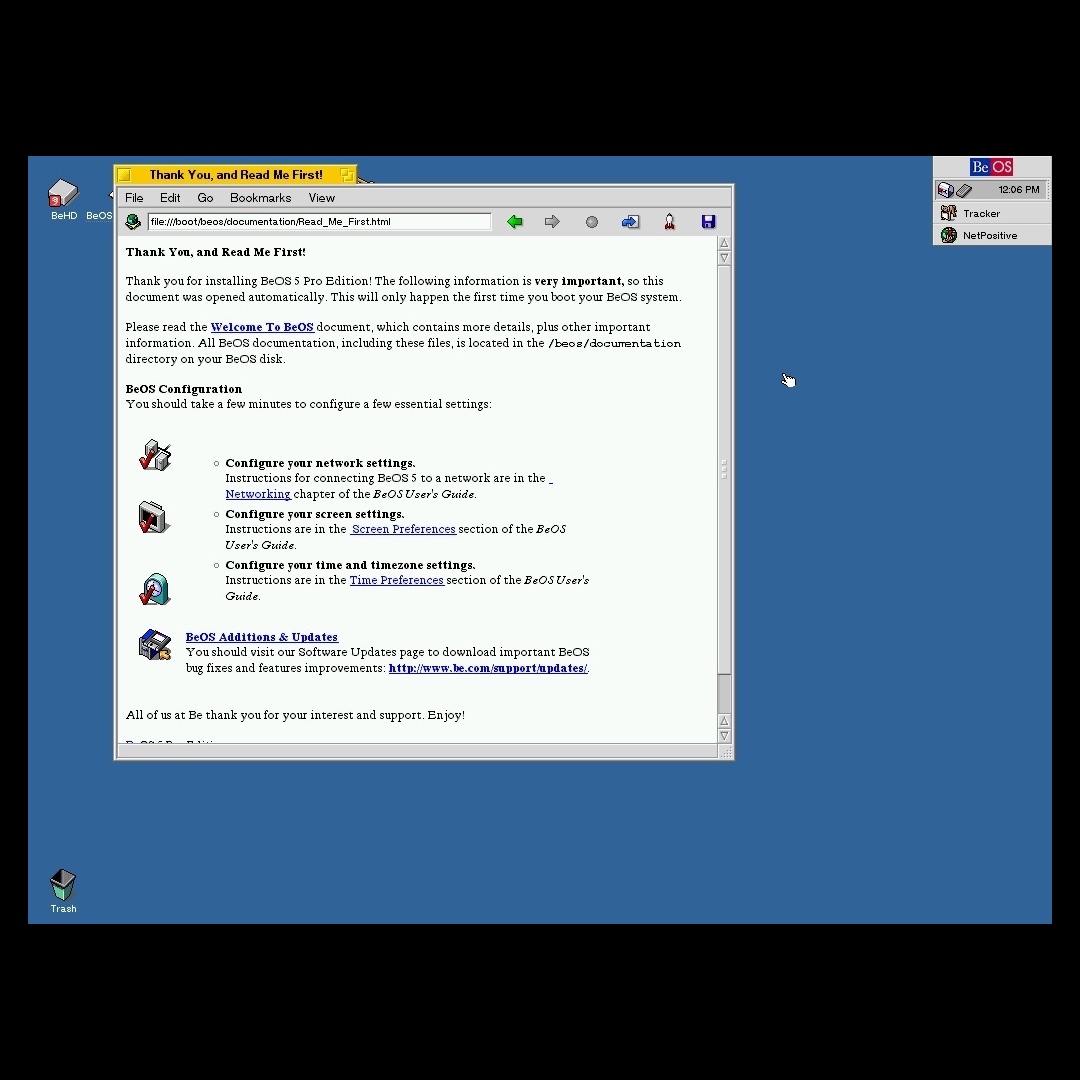
🎄💾🗓️ Day 10: Retrocomputing Advent Calendar - BeOS 🎄💾🗓️
BeOS, developed by Be Inc. in the mid-1990s, was an operating system for multimedia applications, multitasking, and multithreading. Initially designed for the BeBox—a proprietary hardware platform featuring dual PowerPC processors—BeOS was later ported to the Macintosh and x86 architectures. Its kernel was monolithic, and the system was primarily written in C . It featured a 64-bit journaling Be File System (BFS), which supported metadata and allowed rapid file queries and fast performance for multimedia tasks. Despite its technical strengths, including support for symmetric multiprocessing and a responsive graphical user interface, BeOS struggled to gain market traction. Development ceased in 2001 after Palm Inc. acquired Be Inc.'s assets. BeOS continues through Haiku, an open-source project aiming for binary compatibility with BeOS R5.
A bunch of resources and links for this one!
en.wikipedia.org/wiki/BeOS
operating-system.org/betrieb…
homecomputermuseum.nl/en/col…
learn.adafruit.com/build-a-b…
bbenchoff.github.io/pages/Be…
🖥️💾🎨📀
Have first computer memories? Post’em up in the comments, or post yours on socialz’ and tag them #firstcomputer #retrocomputing – See you back here tomorrow!

4
4
19
2,812
9 Dec 2024
🎄💾🗓️ Day 9: Retrocomputing Advent Calendar - The Apple Lisa 🎄💾🗓️
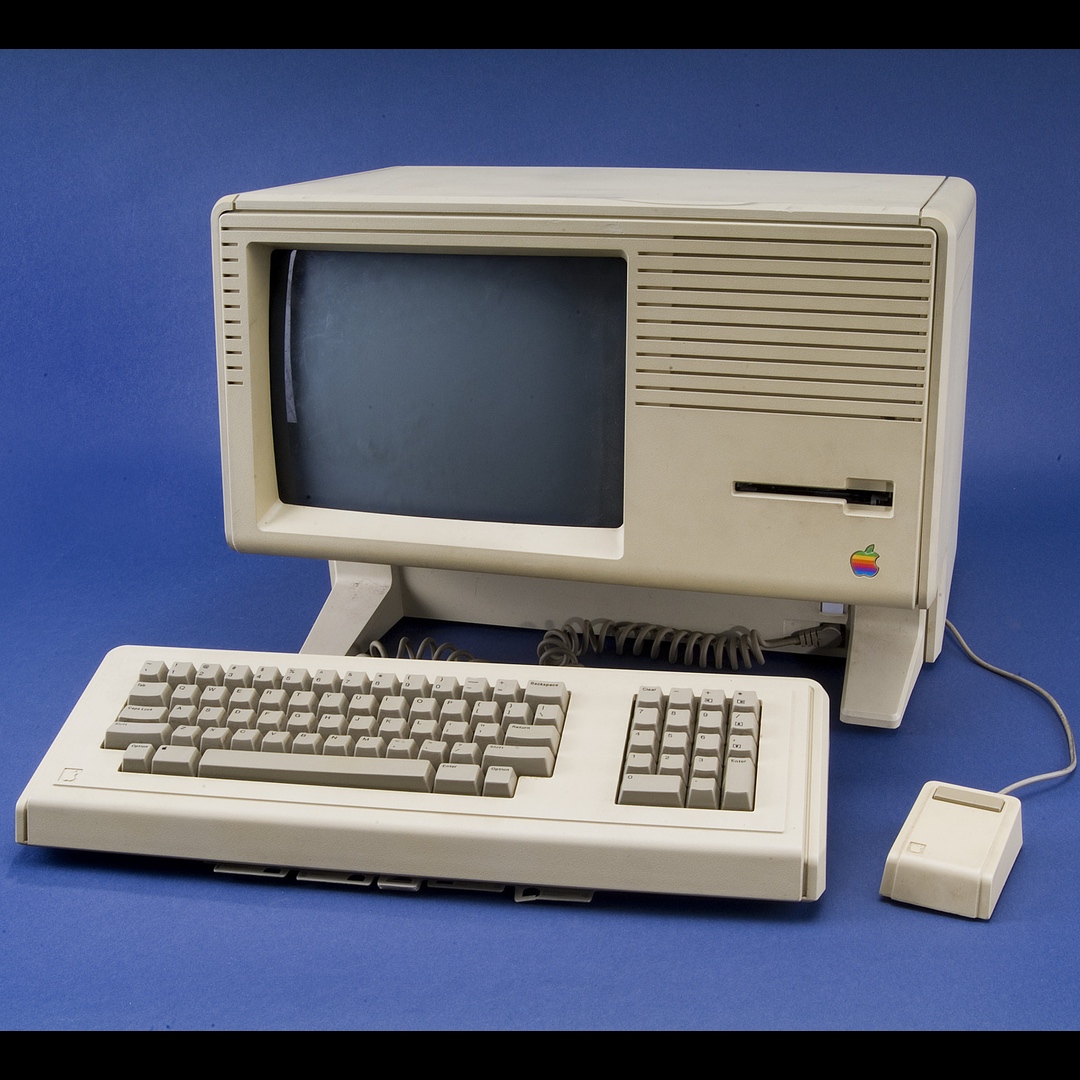
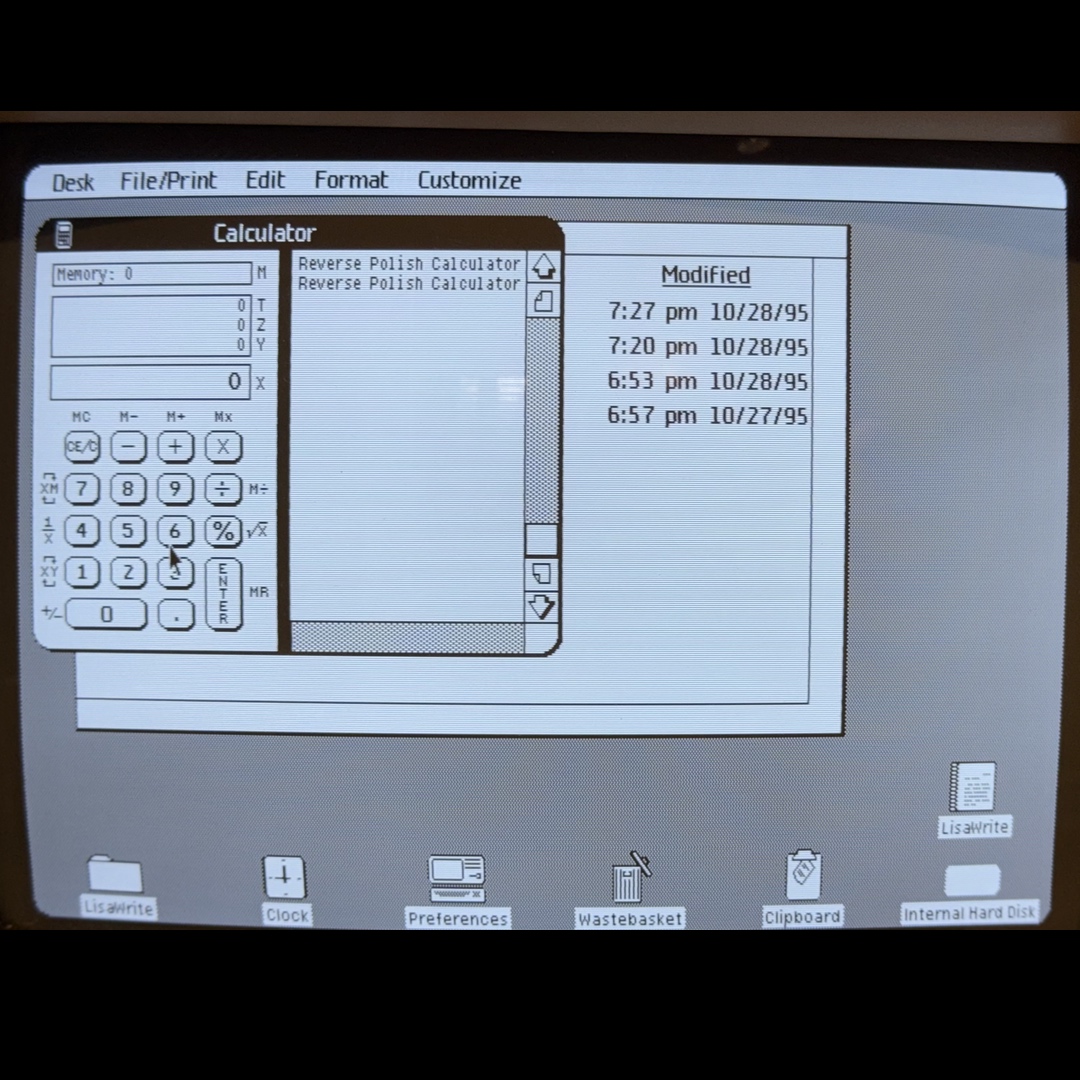
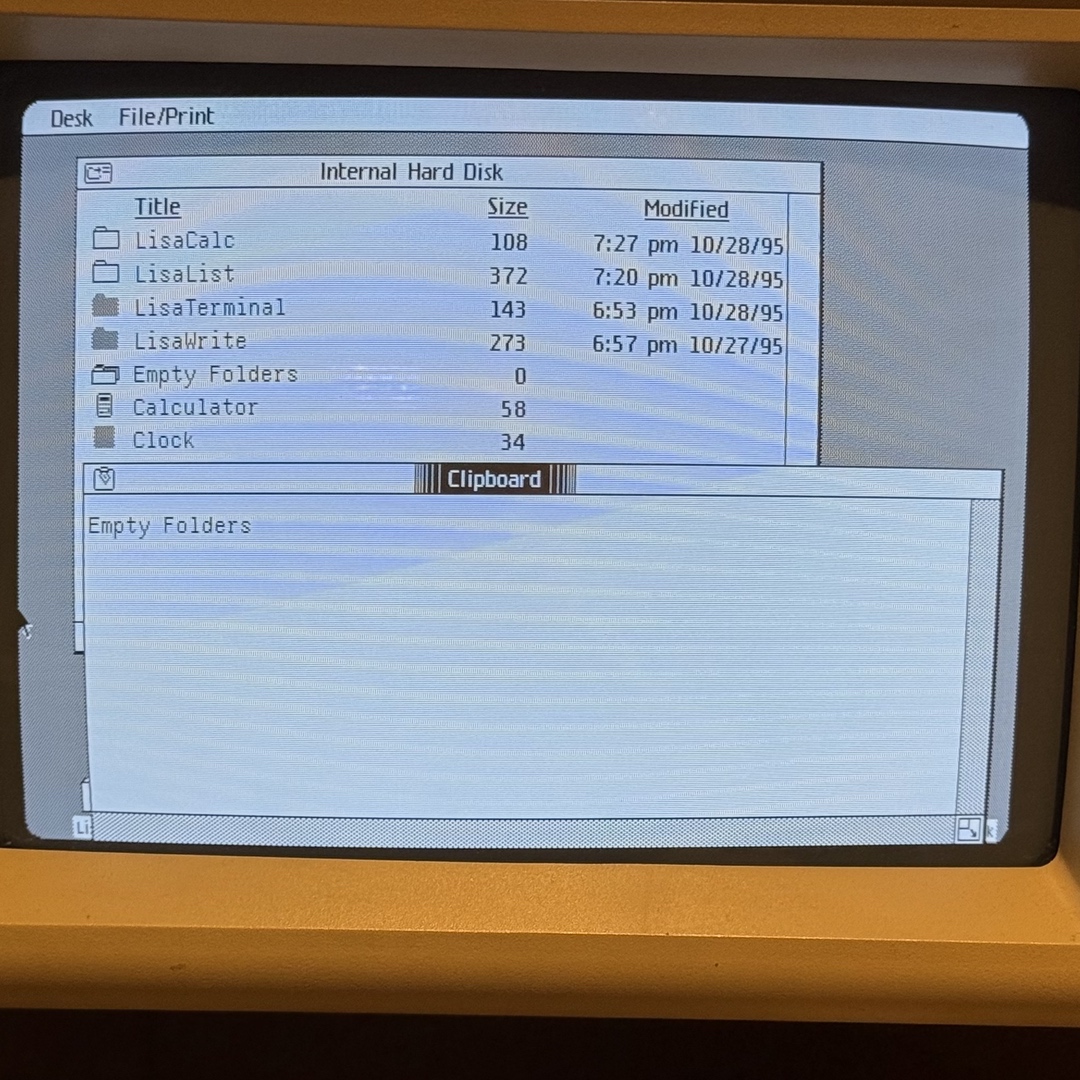
The Apple Lisa, introduced on January 19, 1983, was a pioneering personal computer notable for its graphical user interface (GUI) and mouse input, a big departure from text-based command-line interfaces. Featured a Motorola 68000 CPU running at 5 MHz, 1 MB of RAM (expandable to 2 MB), and a 12-inch monochrome display with a resolution of 720×364 pixels. The system initially included dual 5.25-inch "Twiggy" floppy drives, later replaced by a single 3.5-inch Sony floppy drive in the Lisa 2 model. An optional 5 or 10 MB external ProFile hard drive provided more storage.
The Lisa's price of $9,995 (equivalent to approximately $30,600 in 2023) and performance issues held back its commercial success; sales were estimated at about 10,000 units.
It introduced advanced concepts such as memory protection and a document-oriented workflow, which influenced future Apple products and personal computing.
The Lisa's legacy had a huge impact on Apple computers, specifically the Macintosh line, which adopted and refined many of its features. While the Lisa was not exactly a commercial success, its contributions to the evolution of user-friendly computing interfaces are widely recognized in computing history.
These screen pictures come from Adafruit fan Philip " It still boots up from the Twiggy hard drive and runs. It also has a complete Pascal Development System." ..."mine is a Lisa 2 with the 3.5” floppy and the 5 MB hard disk. In addition all of the unsold Lisa machines reached an ignominious end."
What end was that? From the Verge -
theverge.com/23724804/lisa-c…
==
In September 1989, according to a news article, Apple buried about 2,700 unsold Lisa computers in Logan, Utah at a very closely guarded garbage dump. The Lisa was released in 1983, and it was Apple’s first stab at a truly modern, graphically driven computer: it had a mouse, windows, icons, menus, and other things we’ve all come to expect from “user-friendly” desktops. It had those features a full year before the release of the Macintosh.
==
Article, and video...
tech-insider.org/mac/researc…
youtu.be/rZjbNWgsDt8
Check out the Apple Lisa page on Wikipedia en.wikipedia.org/wiki/Apple_…, the Computer History's article - computerhistory.org/blog/the… and the National Museum of American History – Behring center - americanhistory.si.edu/colle…
Have first computer memories? Post’em up in the comments, or post yours on socialz’ and tag them #firstcomputer #retrocomputing – See you back here tomorrow!
2
1
23
2,568
8 Dec 2024
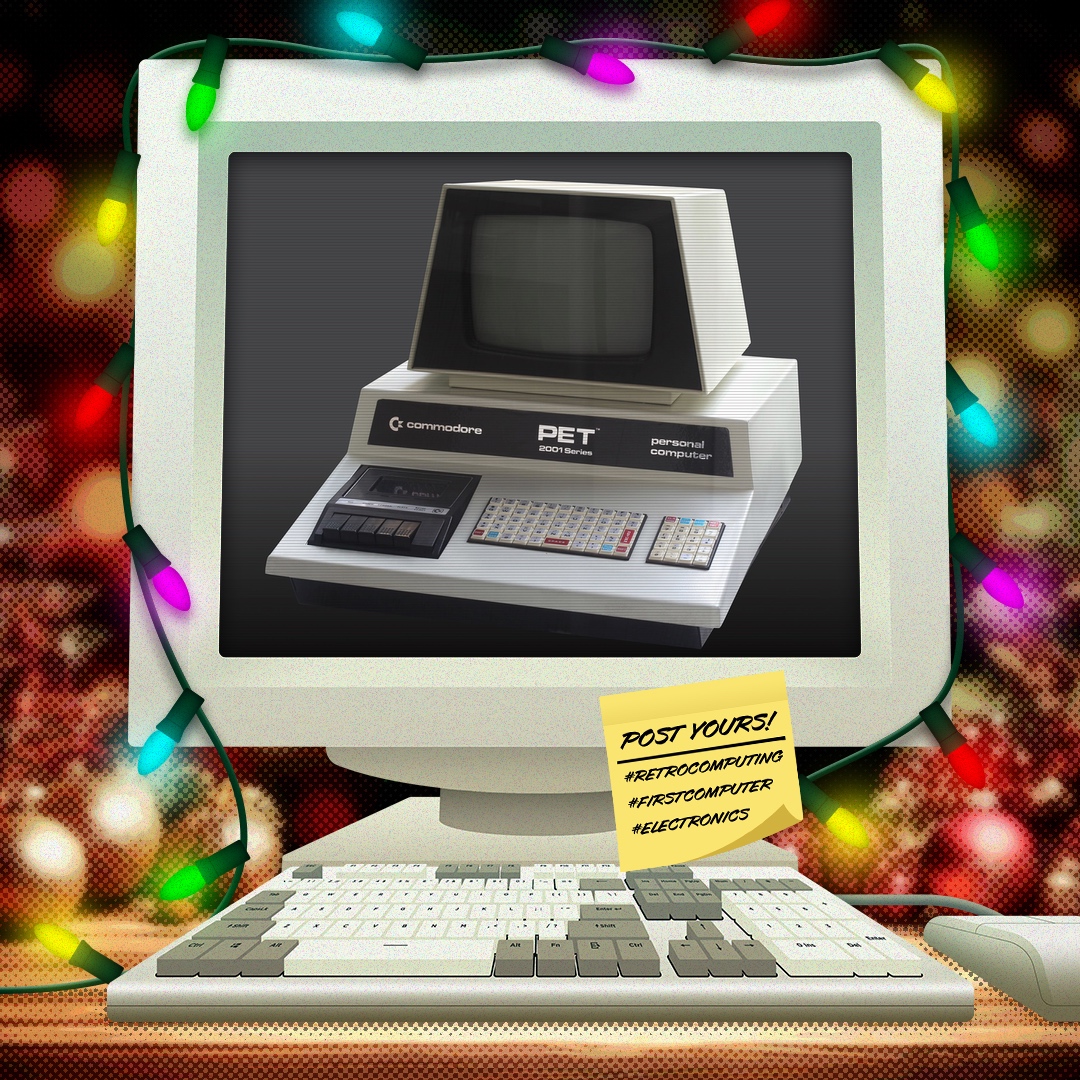
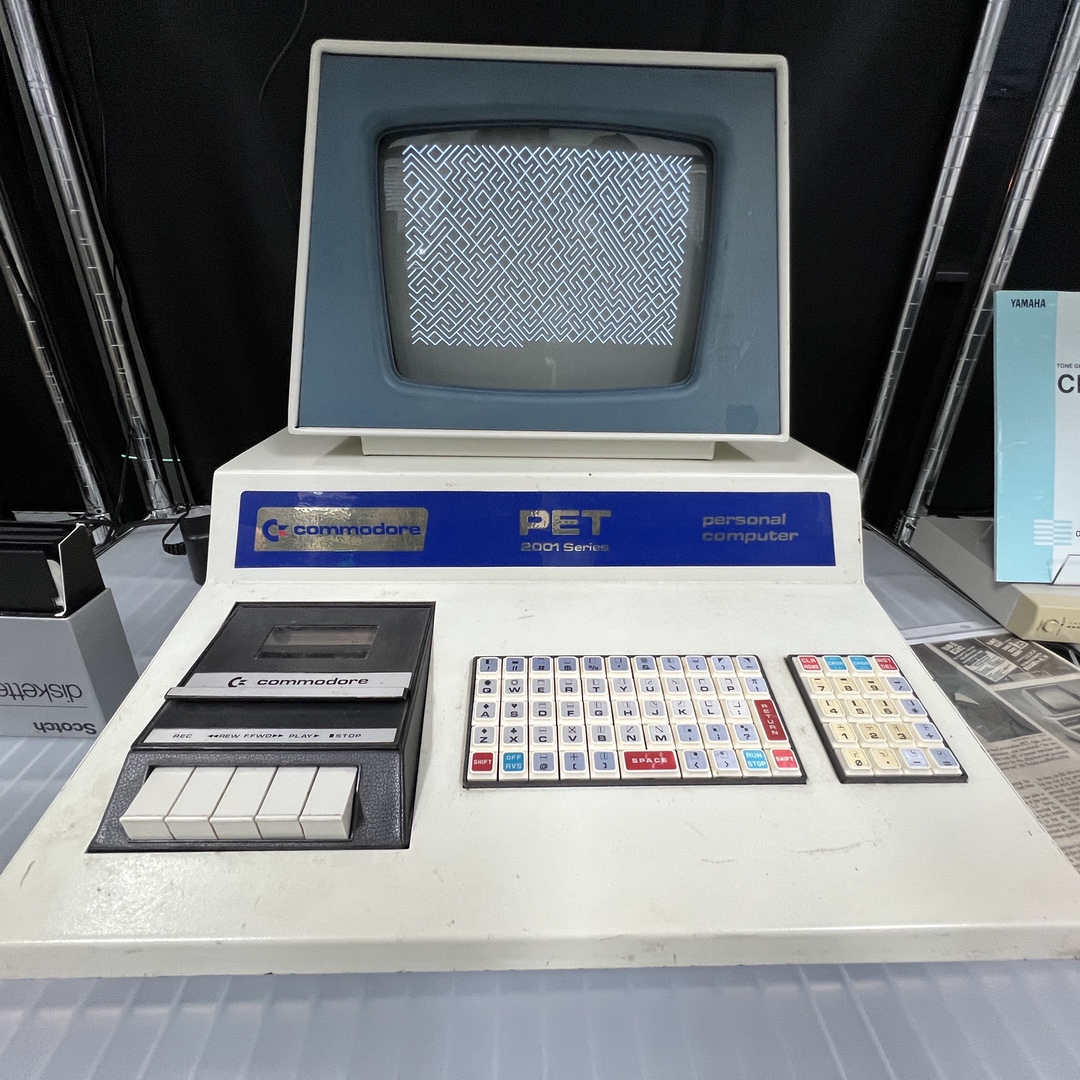
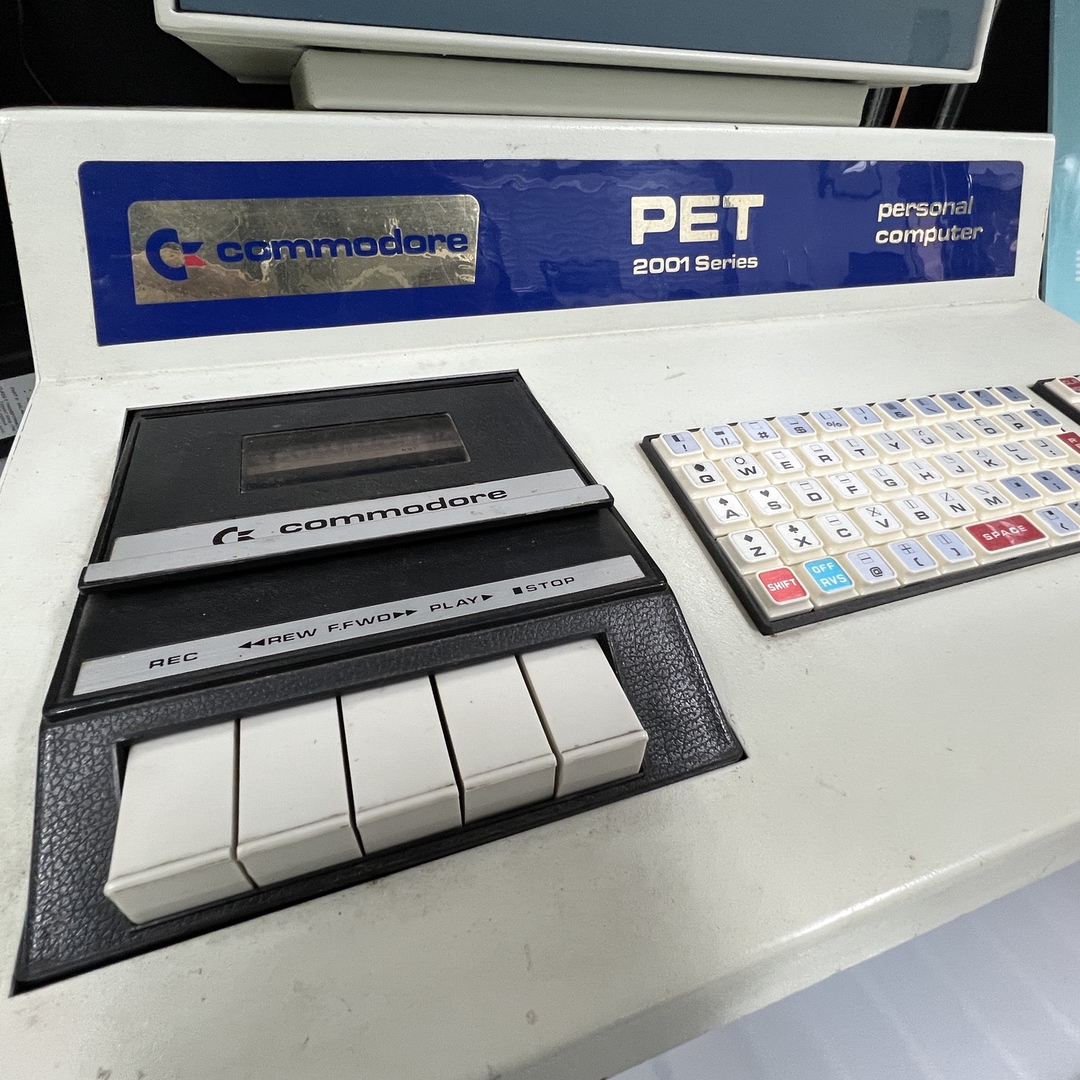
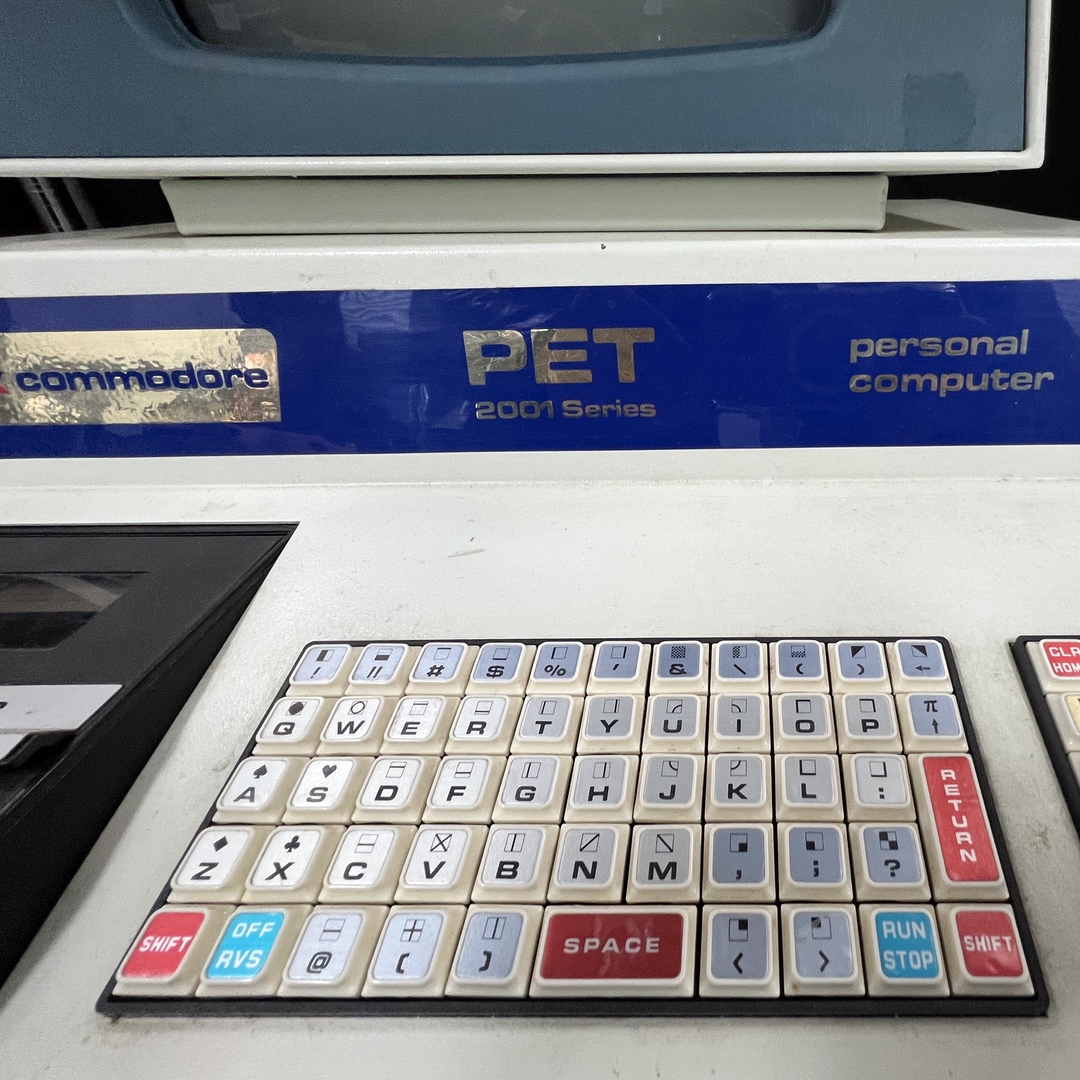
🎄💾🗓️ Day 8: Retrocomputing Advent Calendar - Commodore PET 🎄💾🗓️
The Commodore PET (Personal Electronic Transactor) came out in 1977 and was among the earliest personal computers - featuring an all-in-one design with a keyboard, monochrome monitor, and cassette deck - all within a single chassis. Powered by an MOS Technology 6502 microprocessor running at 1 MHz, it had 4 KB of RAM and was expandable up to 96 KB in later models. The PET had Commodore BASIC stored in ROM, allowing users to write and execute programs directly. Its display supported text resolutions of 40×25 or 80×25 characters, using the PETSCII character set for semigraphic capabilities. While early models did not have sound, later versions included a basic beeper. PET's all-in-one design and user-friendly interface contributed to its popularity in education and business, and it sold approximately 219,000 units before its discontinuation in 1982.
Check out the wikipedia page for some extended history and great photos -
en.wikipedia.org/wiki/Commod…
Have first computer memories? Post’em up in the comments, or post yours on socialz’ and tag them #firstcomputer #retrocomputing – See you back here tomorrow!
4
4
9
2,922
7 Dec 2024
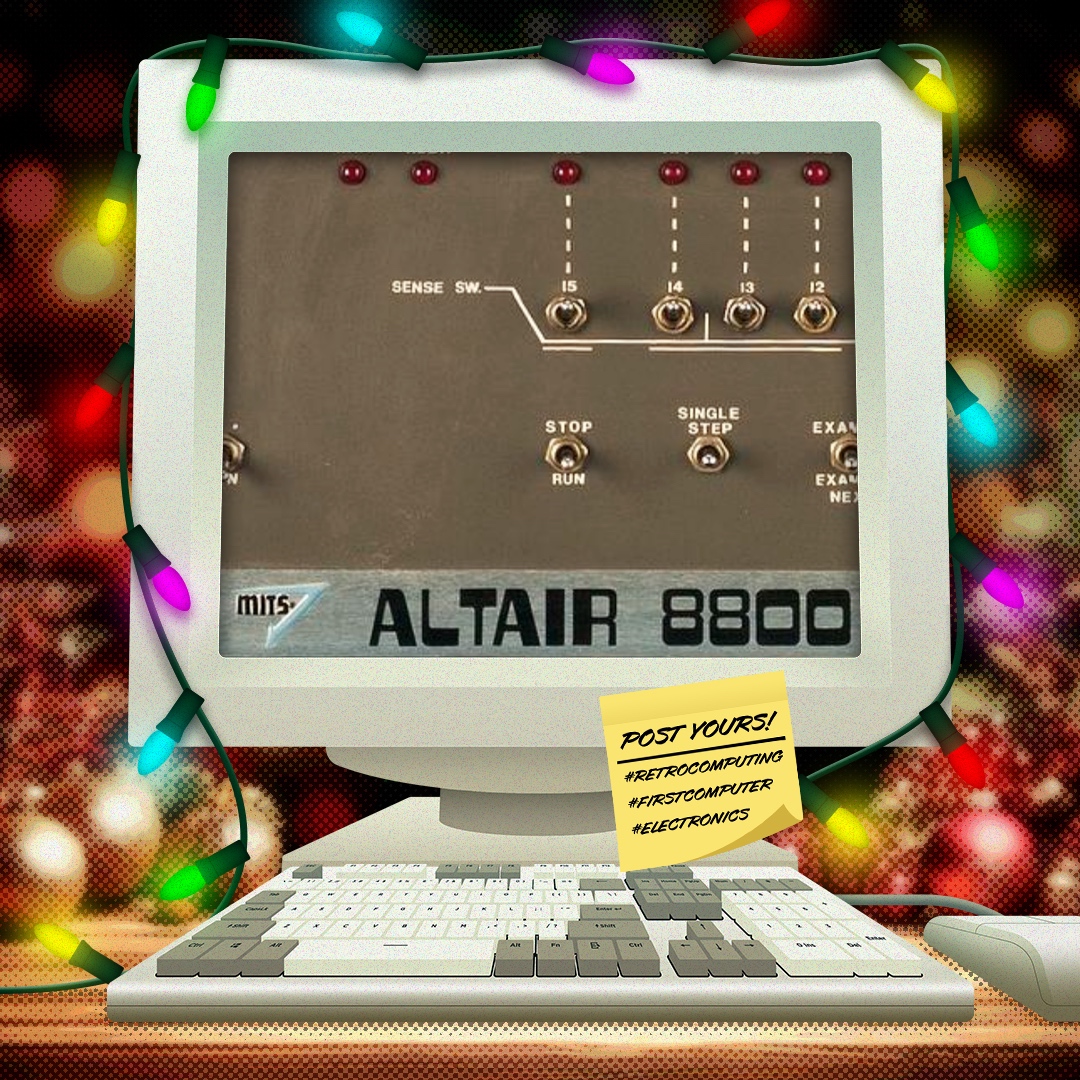
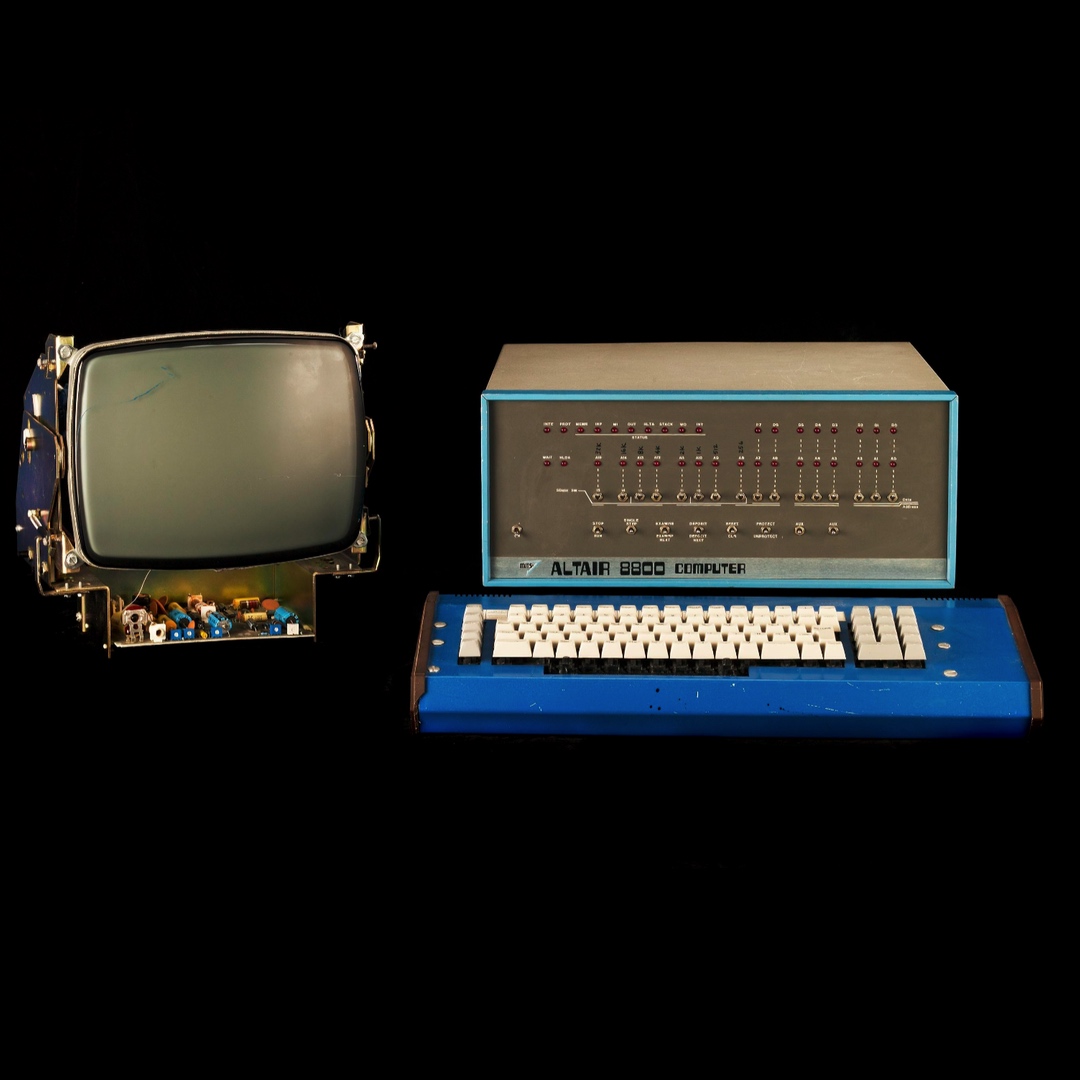
🎄💾🗓️ Day 7: Retrocomputing Advent Calendar - Altair 8800🎄💾🗓️
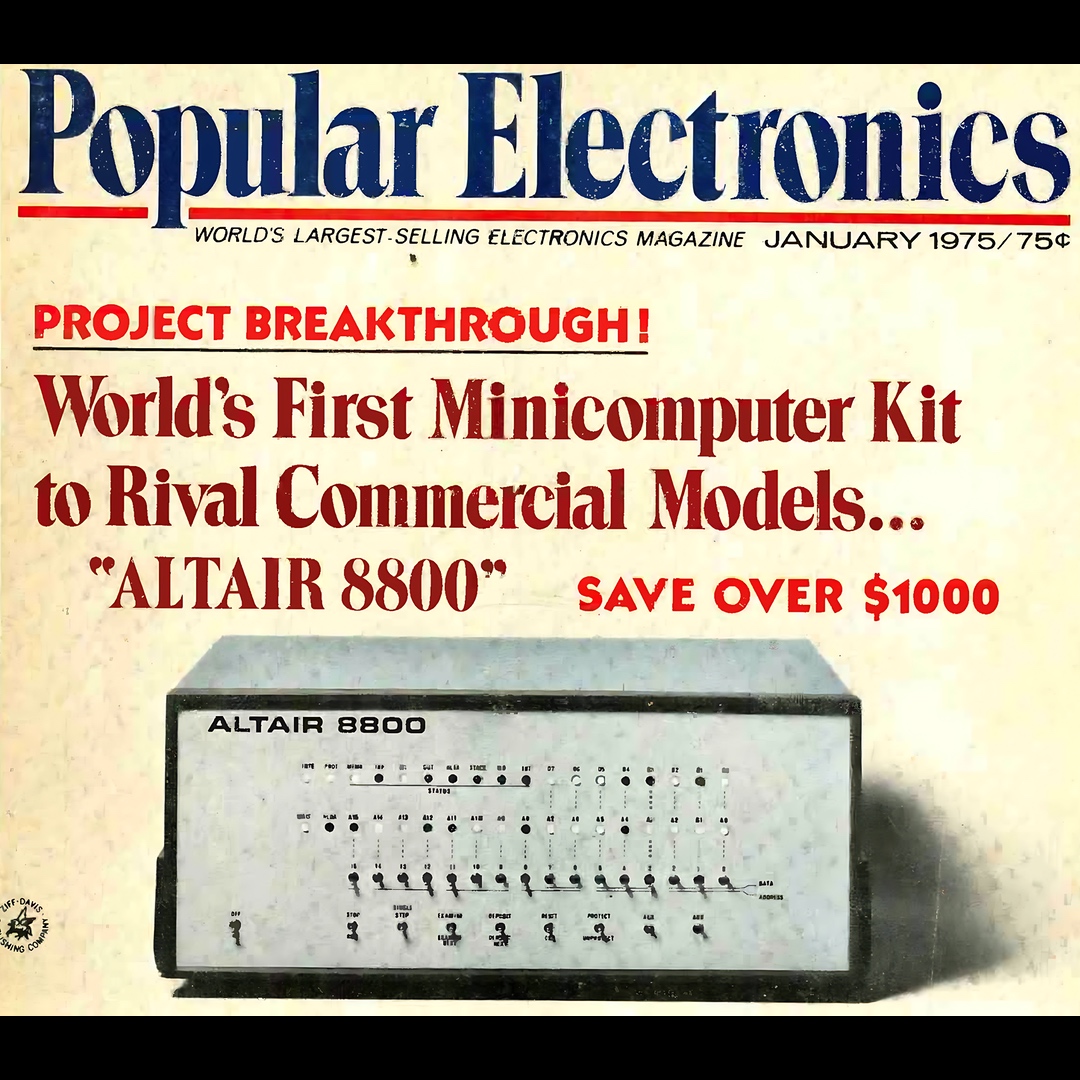
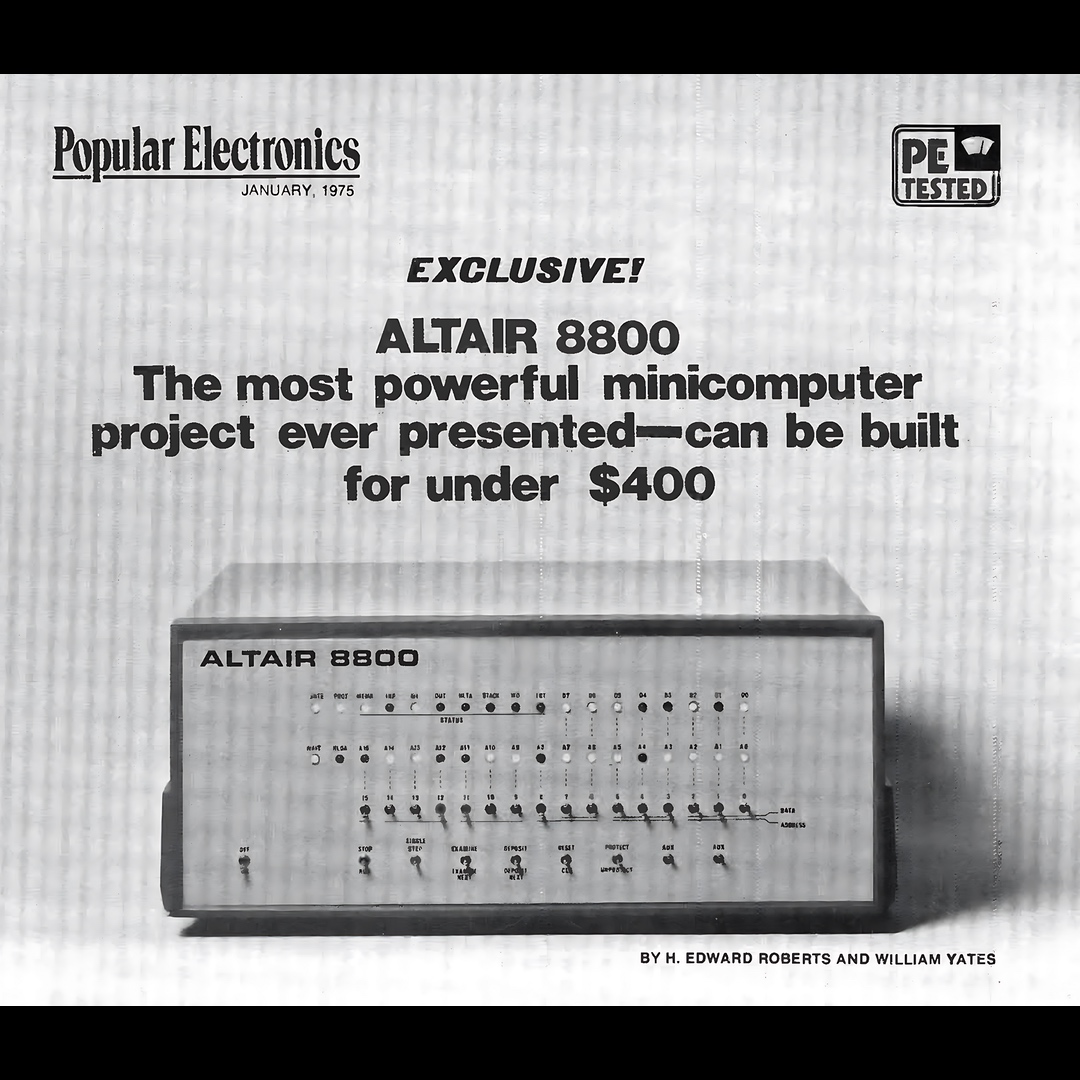
The Altair 8800 was one of the first commercially successful personal computers, introduced in 1975 by MITS, and also one of the most memorable devices in computing history. Powered by the Intel 8080 CPU, an 8-bit processor running at 2 MHz, and initially came with 256 bytes of RAM, expandable via its S-100 bus architecture. Users would mainly interact with the Altair through its front panel-mounted toggle switches for input and LEDs for output.
The Altair 8800 was popularized through a Popular Electronics magazine article, as a kit for hobbyists to build.
worldradiohistory.com/Archiv…
It was inexpensive and could be expanded, creating a following of enthusiasts that launched the personal computer market. Specifically, it motivated software development, such as Microsoft's first product, Altair BASIC.
The Altair moved from hobbyist kits to consumer-ready personal computers because of its modular design, reliance on the S-100 bus that eventually became an industry standard, and the rise of user groups like the Homebrew Computer Club.
Many of ya'll out there mentioned the Altair 8800, be sure to share your stories! And check out more history of the Altair on its Wikipedia page - en.wikipedia.org/wiki/Altair… along with the National Museum of American History - Behring center - americanhistory.si.edu/colle…
Have first computer memories? Post’em up in the comments, or post yours on socialz’ and tag them #firstcomputer #retrocomputing – See you back here tomorrow!
2
2
12
3,193
6 Dec 2024
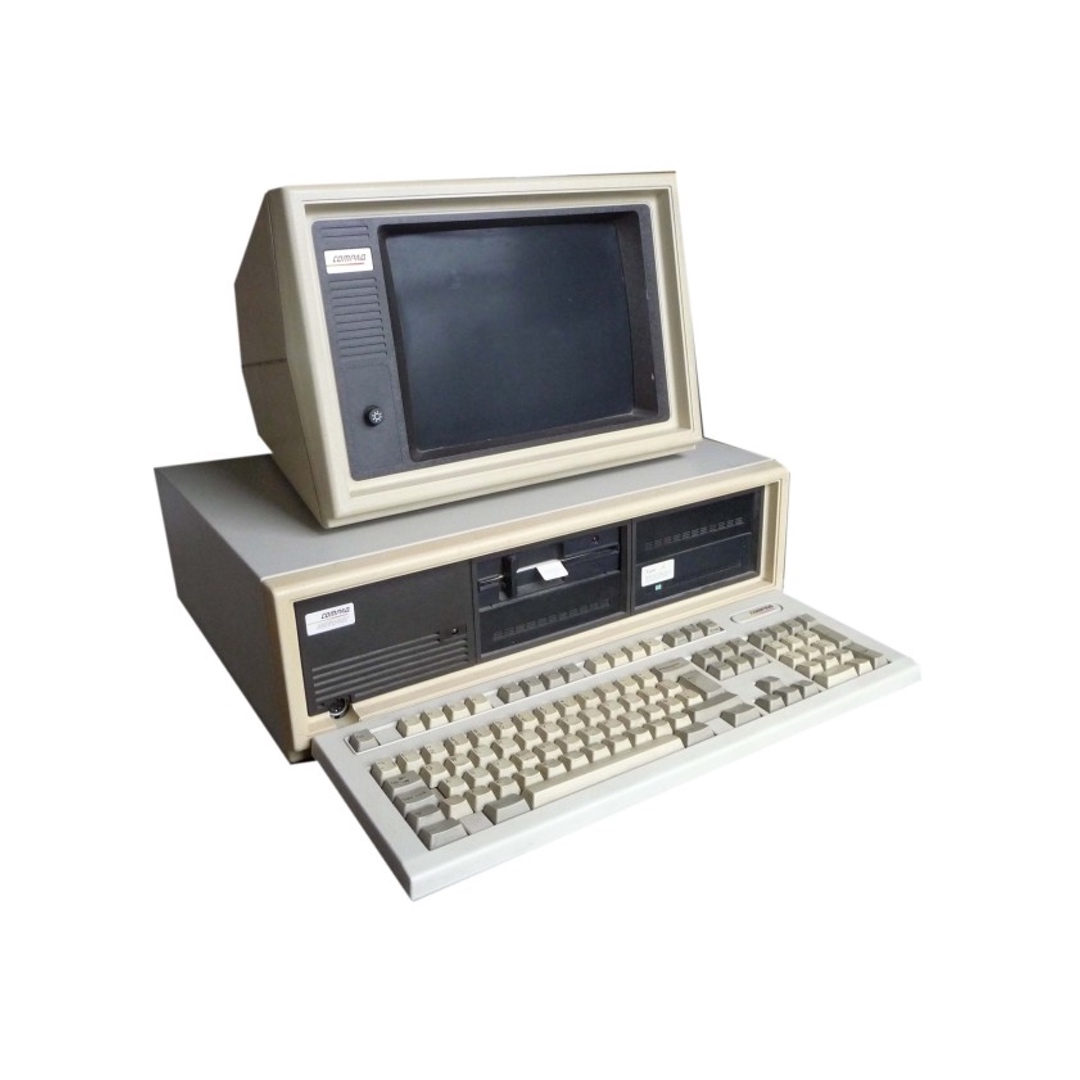
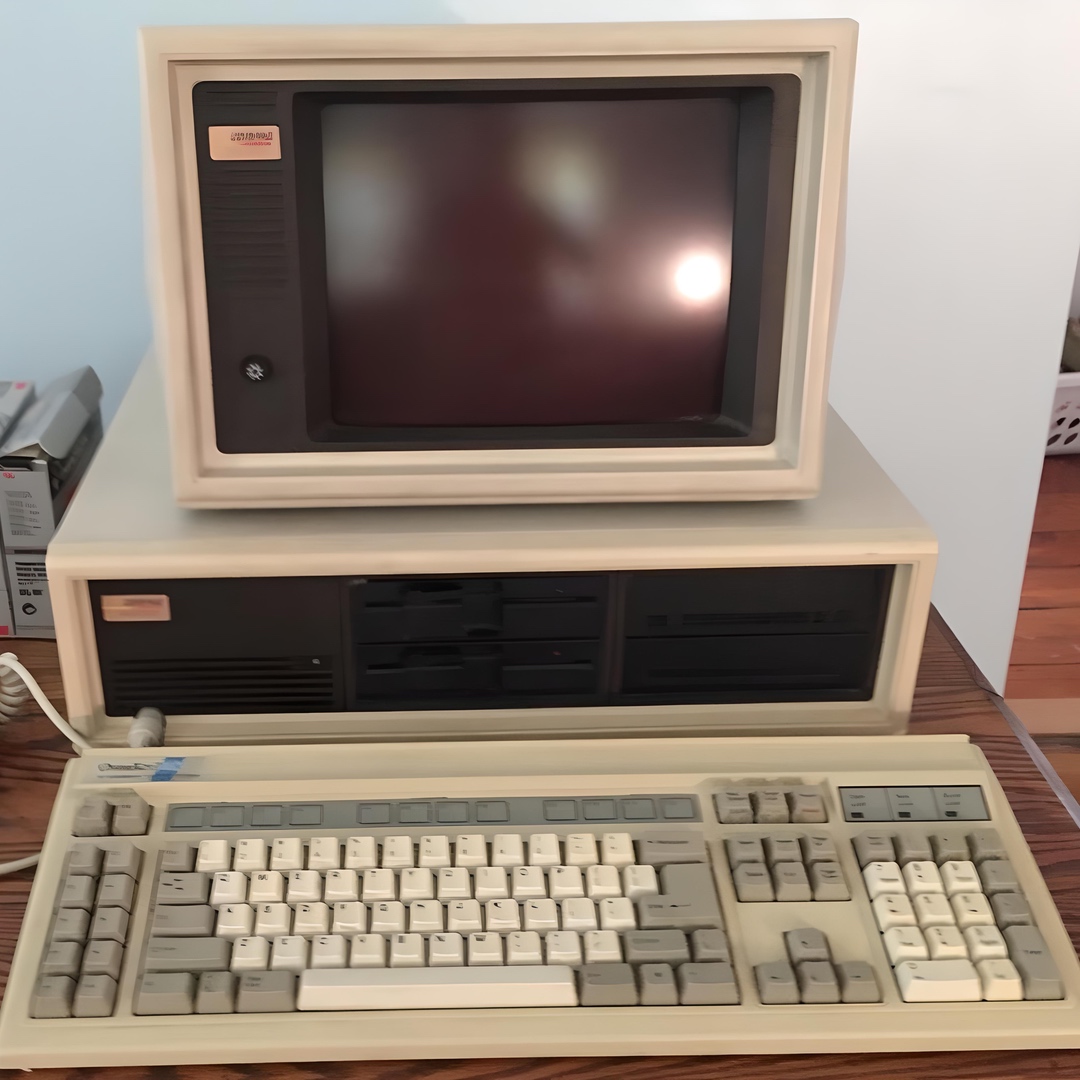
🎄💾🗓️ Day 5: Retrocomputing Advent Calendar - Compaq DeskPro 1 🎄💾🗓️
The Compaq Deskpro Model 1, introduced in 1984, featured an 8 MHz Intel 8086 CPU, which had better performance than the IBM PC's 4.77 MHz 8088 processor. It combined Color Graphics Adapter (CGA) graphics with high-resolution Monochrome Display Adapter (MDA) text, delivering enhanced text display. This improved speed and better text clarity over IBM PCs equipped with standard graphics. The Deskpro's architecture allowed for various disk configurations and was an influence for many personal computers.
Check out The Centre for Computing History's Compaq DeskPro 1 page (and other resources there!)
computinghistory.org.uk/det/…
And here's a somewhat "first computer" story from Adafruit team member Anne!
"In my first year of EE (junior) we were limited to larger computers. My senior year we could check out Compaq Portables (really luggables) which allowed us to run C compilers and compile cross assemblers onto a machine for ease of use.
When I graduated, I needed a computer and went to a PC store. They contrasted the IBM PC/XT 8088 with the newly released Compaq DeskPro 1. With an 8086 processor running at 7.16 MHz, it was faster. It came with monochrome graphics (green or yellow) with both CGA and text mode video. I bought the dual 5.25" floppy version to start, to have enough money for an IBM ProPrinter for output.
The machine was great and I spent many hours on programming, databases, word processing and more. It was upgraded eventually to a 30MB RLL hard disk and an added 720k 3.5" floppy.
It got through the '286 era and was supplanted by a '386 machine. I still have the DeskPro and I intend to resurrect it in the not too distant future."
Have first computer memories? Post’em up in the comments, or post yours on socialz’ and tag them #firstcomputer #retrocomputing – See you back here tomorrow!
2
2
17
3,187
5 Dec 2024
🎄💾🗓️ Day 4: Retrocomputing Advent Calendar - The DEC PDP-11! 🎄💾🗓️
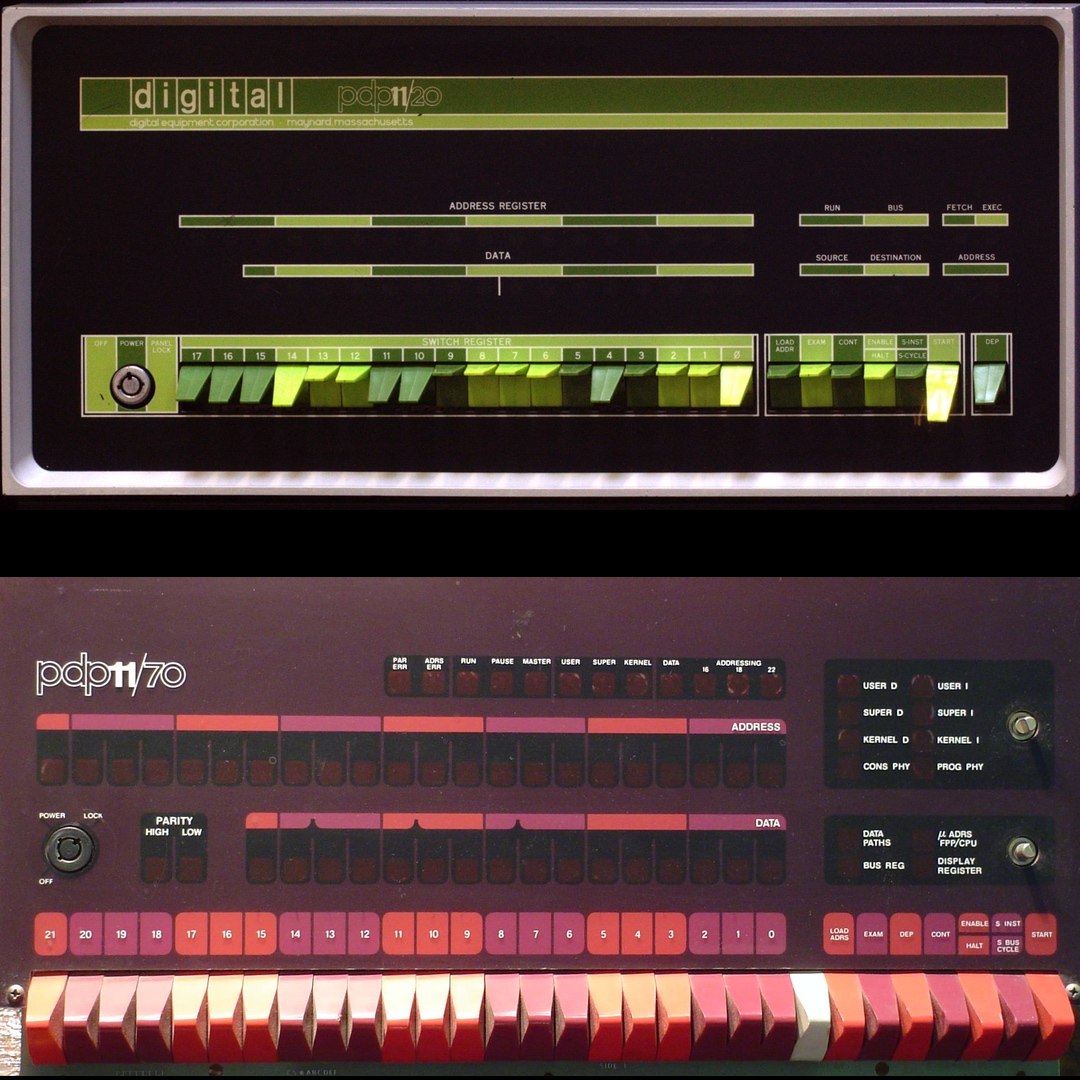
Released by Digital Equipment Corporation in 1970, the PDP-11 was a 16-bit minicomputer known for its orthogonal instruction set, allowing flexible and efficient programming. It introduced a Unibus architecture, which streamlined data communication and helped revolutionize computer design, making hardware design more modular and scalable. The PDP-11 was important in developing operating systems, including the early versions of UNIX. The PDP-11 was the hardware foundation for developing the C programming language and early UNIX systems. It supported multiple operating systems like RT-11, RSX-11, and UNIX, which directly shaped modern OS design principles. With over 600,000 units sold, the PDP-11 is celebrated as one of its era's most versatile and influential "minicomputers".
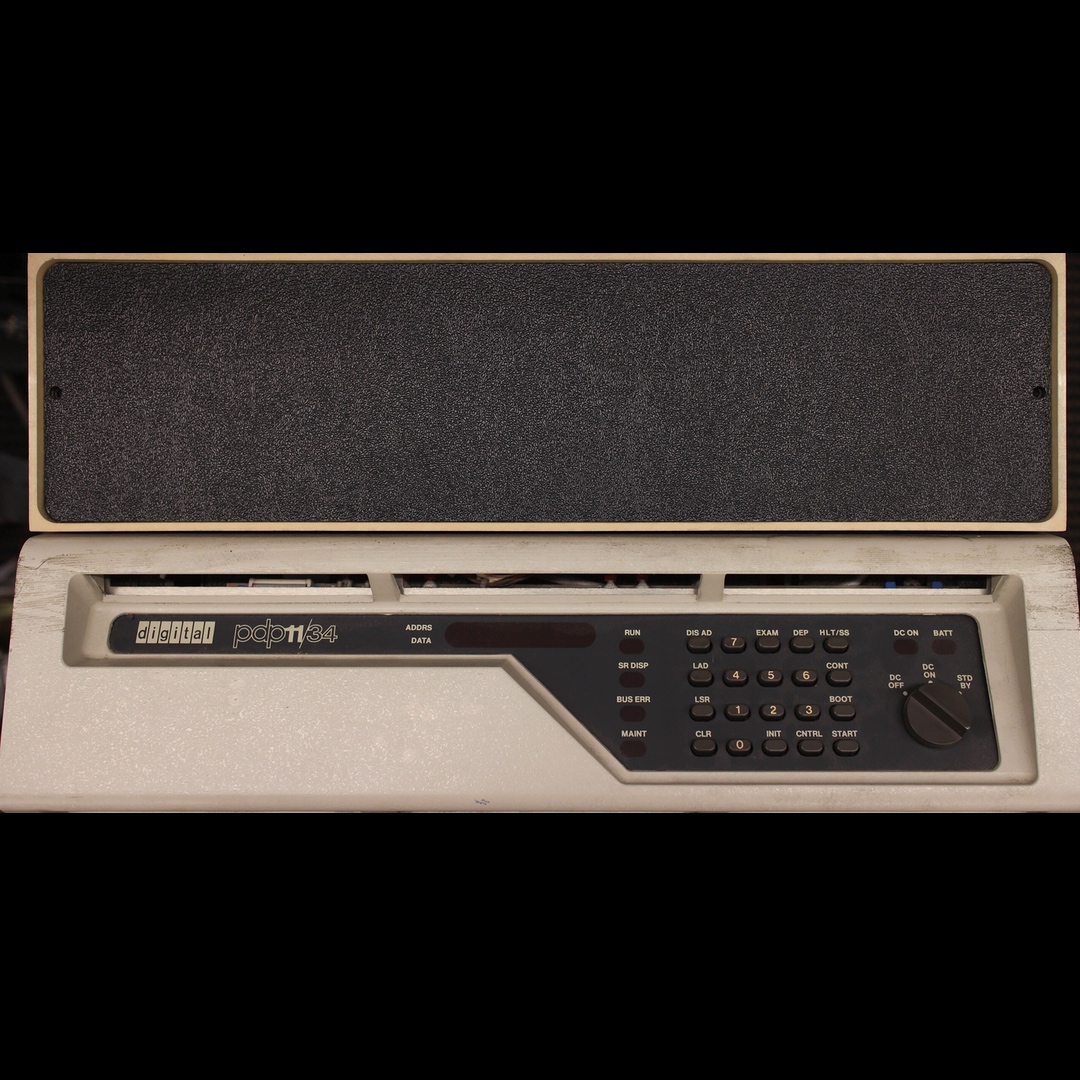
Check out the wikipedia page for some great history, photos (pictured here), and more -
en.wikipedia.org/wiki/PDP-11
And here's a story from Adafruit team member, Bill!
The DEC PDP-11 was the one of the first computers I ever programmed. That program was 'written' with a soldering iron.
I was an art student at the time, but spending most of my time in the engineering labs. There was a PDP-11-34 in the automation lab connected to an X-ray spectroscopy machine. Starting up the machine required toggling in a bootstrap loader via the front panel. This was a tedious process. So we ordered a diode-array boot ROM which had enough space to program 32 sixteen bit instructions.
Each instruction in the boot sequence needed to be broken down into binary (very straightforward with the PDP-11 instruction set). For each binary '1', a diode needed to be soldered into the array. The space was left empty for each '0'. 32 sixteen bit instructions was more than sufficient to load a secondary bootstrap from the floppy disk to launch the RT-11 operating system. So now it was possible to boot the system with just the push of a button.
I worked with a number DEC PDP-11/LSI-11 systems over the years. I still keep an LSI-11-23 system around for sentimental reasons.
Have first computer memories? Post’em up in the comments, or post yours on socialz’ and tag them #firstcomputer #retrocomputing – See you back here tomorrow!

1
1
11
2,522

4 Dec 2024
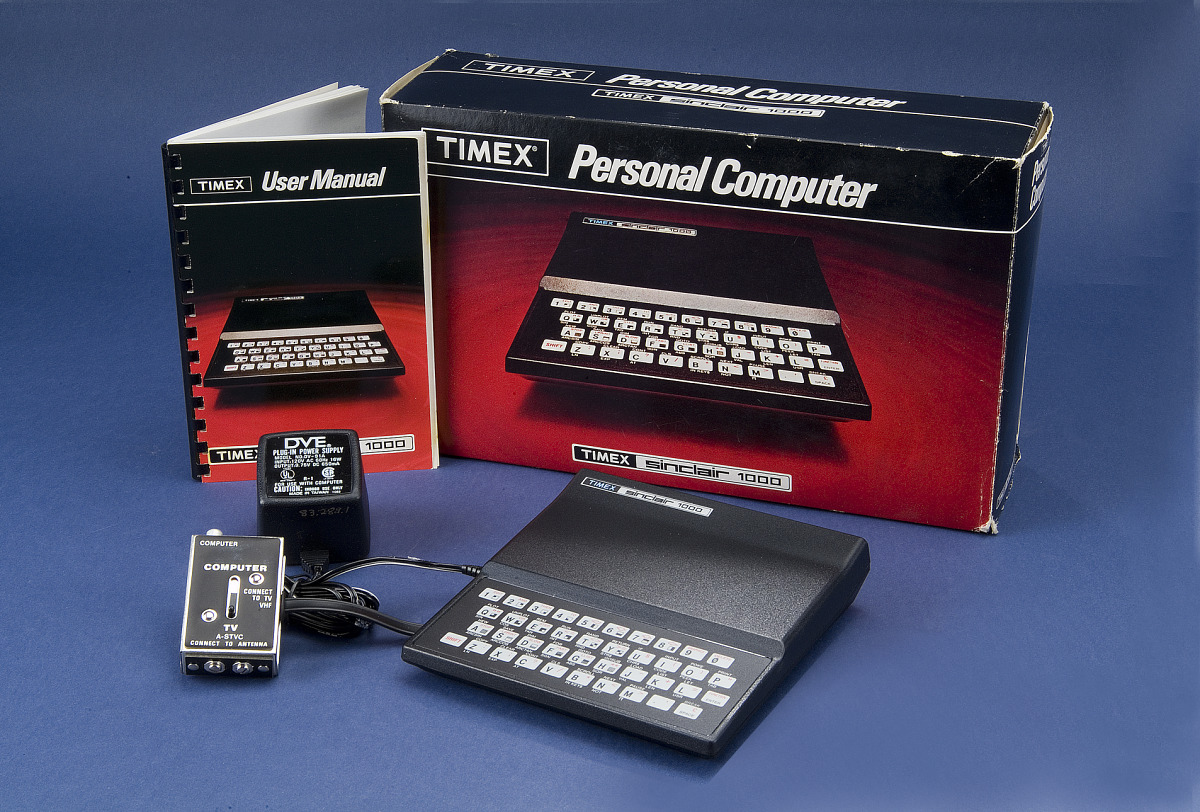
Throwback to My First Computer: The Timex Sinclair 1000 (I still own it and it still works...)
It’s amazing how far technology has come, but there’s something magical about the first computer you ever owned. For me, it was the Timex Sinclair 1000, a tiny black-and-white machine that kick-started my love for technology.
With its massive 2 KB of RAM (expandable to 16 KB with an add-on!), the Sinclair wasn’t exactly cutting-edge even then, but to me, it was the gateway to an entirely new world. I spent hours poring over the manual, painstakingly typing commands into its membrane keyboard, and learning the basics of programming in BASIC.
#ThrowbackTech #FirstComputer #TimexSinclair1000 #BASICProgramming #RetroComputing #TechNostalgia #DIYProgramming #CodingJourney #OldSchoolTech #ComputerHistory #LearnToCode #PersistencePaysOff #HobbyToCareer #TechRoots
1
27
3 Dec 2024
🎄💾🗓️ Day 3: Retrocomputing Advent Calendar presents the Commodore VIC-20! 🎄💾🗓️
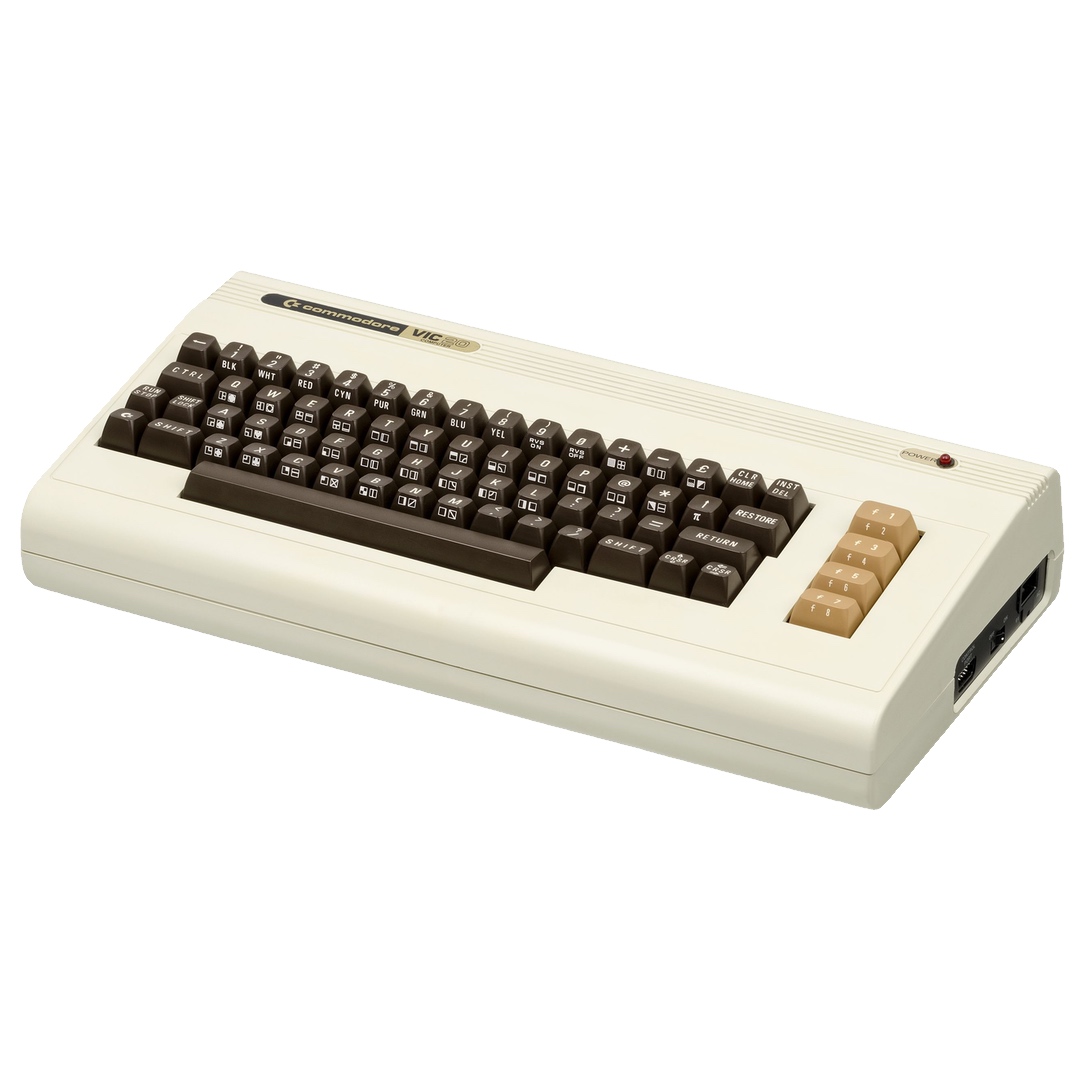
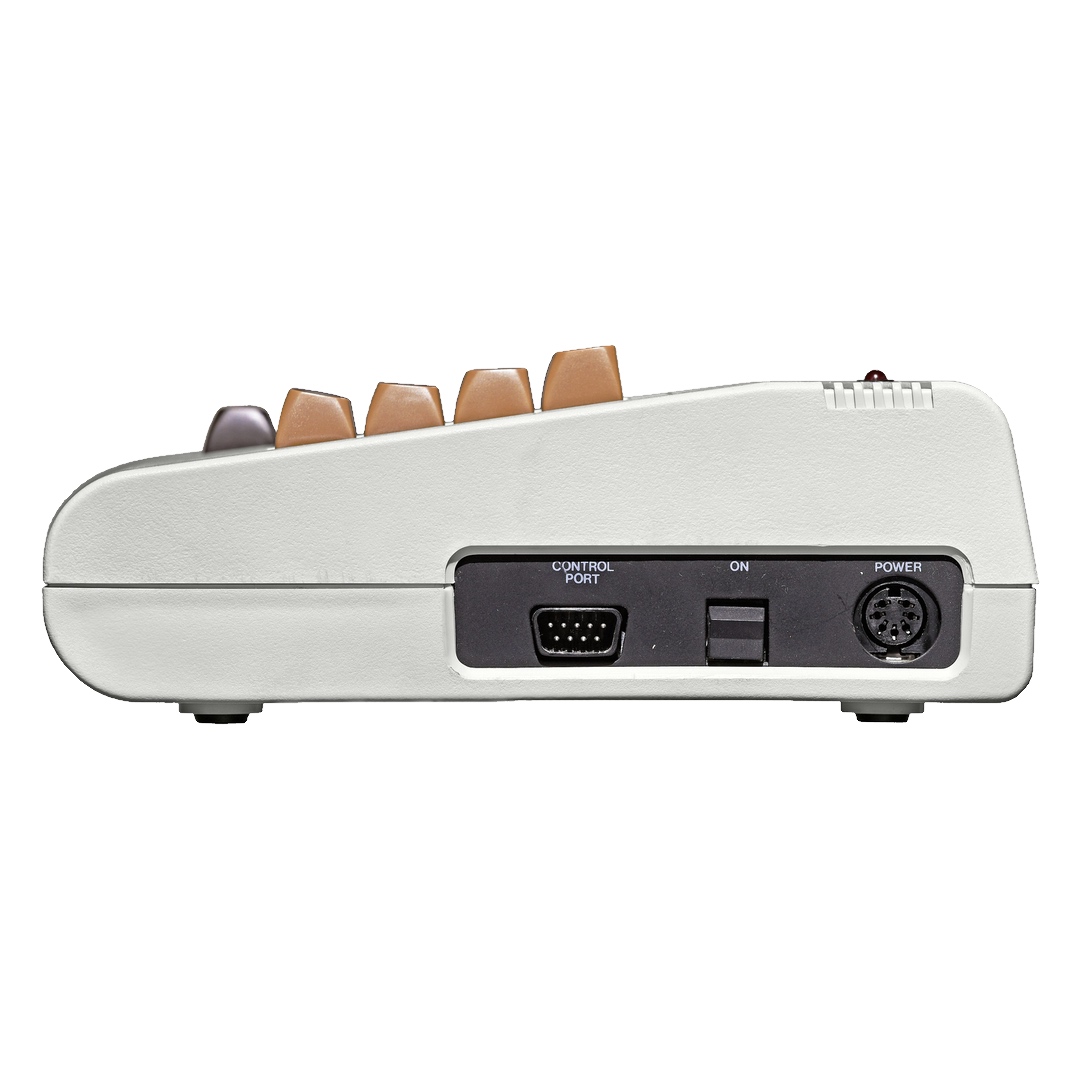
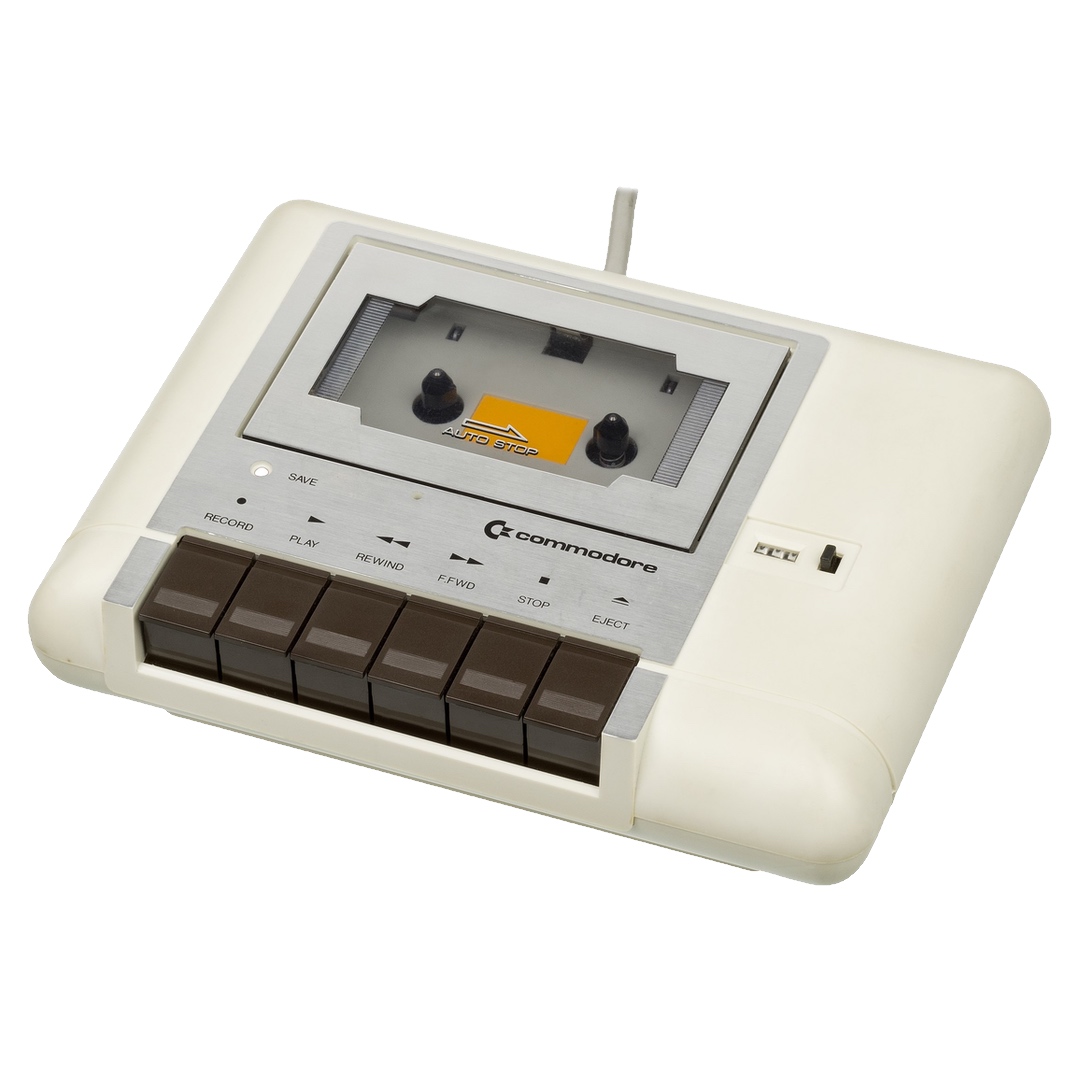
The VIC-20 ⌨️📺🕹️, released in 1980 by Commodore, was the first computer to sell over a million units. It had a 6502 CPU running at 1 MHz, 5 KB of RAM (expandable), and displayed up to 22 characters per line on a color-capable screen. An affordable and friendly computer, the VIC-20 was great at games and basic programming and was supported by a library of software and peripherals. It connected to TVs for display and included Commodore's BASIC interpreter for programming. Its success allowed other computers like the Commodore 64 to make its mark.
And since this is a #firstcomputer celebration here's a fantastic story from Jeff -
My first home computer was the Commodore VIC-20. I must have been in second grade (1986/1987). My Dad was working somewhere away from home, but one weekend Mom drove us two kids to spend the night at the motel that was his home base.
He had bought this computer, the VIC-20, and hooked it up to the hotel TV. I remember entering the program pictured below (probably Mom typed it in, actually) and being blown away by the birds flapping their wings across the screen.
The other distinct memory I have is the next morning my folks woke me up and asked whether I was hungry. No, I very much wanted to play with the VIC-20, so I made up the most obvious word that came to mind: "No, I'm Vic-y". I think they were very puzzled. We probably went and had breakfast regardless of whether we wanted to see the birds flying again.
Check out the wikipedia page for some great history, photos (pictured here), and more -
en.wikipedia.org/wiki/VIC-20
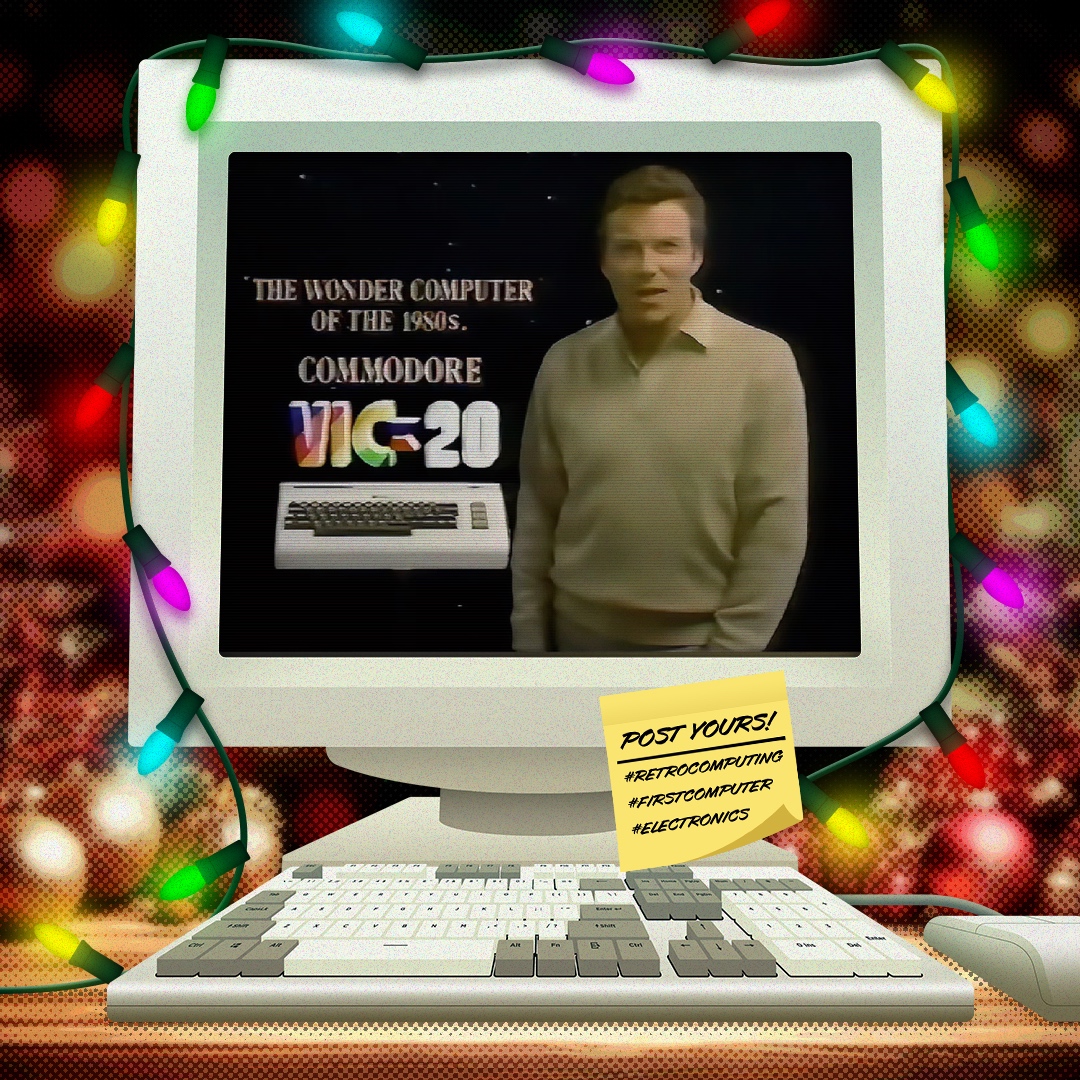
And the COMMODORE vic-20 commercial commercial compilation, featuring William Shatner.
youtu.be/ak0YU8ymkBc
Have first computer memories? Post’em up in the comments, or post yours on socialz’ and tag them #firstcomputer #retrocomputing - See you back here tomorrow!
3
5
29
2,117
2 Dec 2024
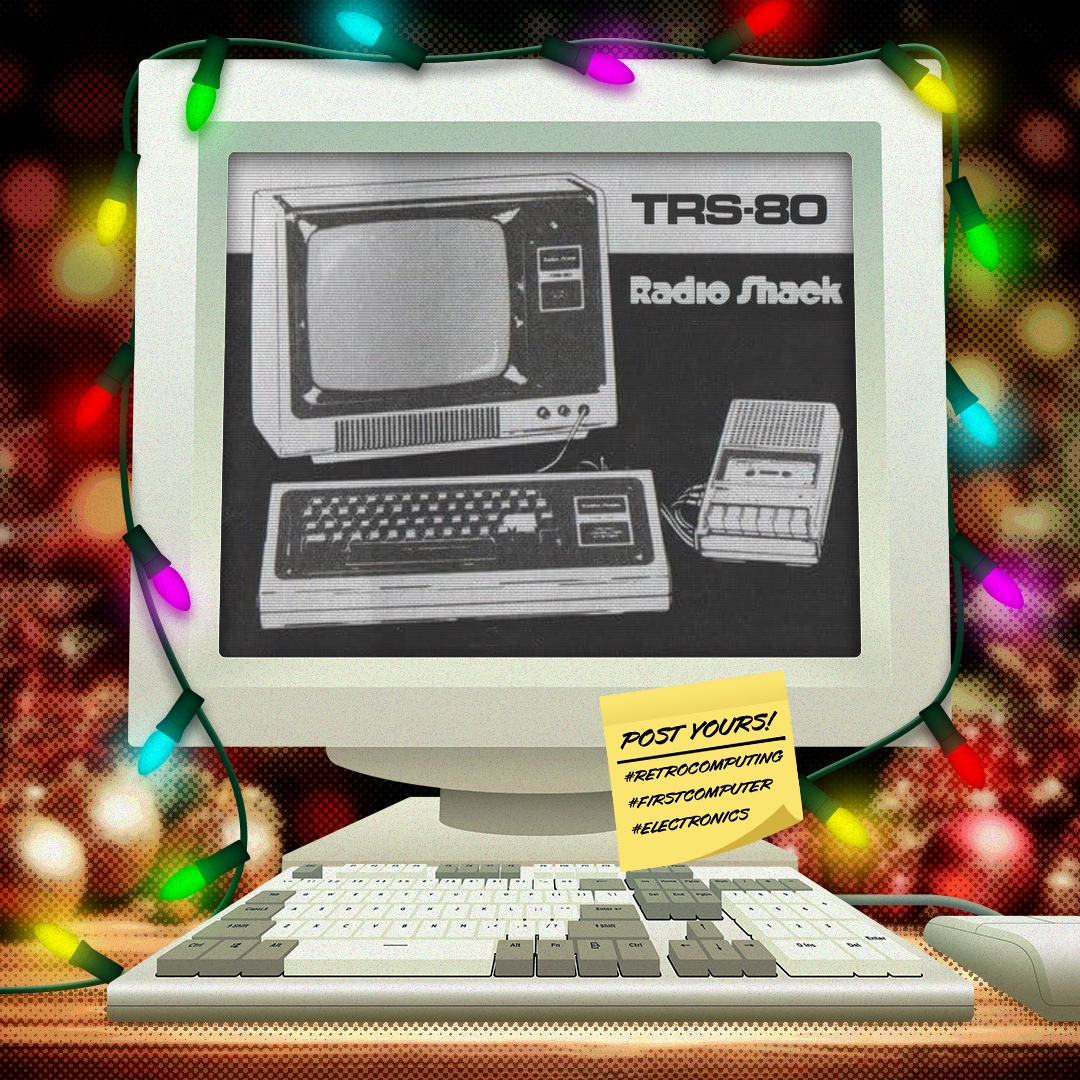
🎄💾🗓️ Day 2: Retrocomputing Advent Calendar brings us the TRS-80! 🎄💾🗓️
Released in 1977, the TRS-80 (also lovingly called the "Trash-80") was a popular personal computer by Radio Shack and Tandy Corporation. Designed for affordability and approachability, it was one of the first mass-market computers, bringing computers into homes, schools, and small businesses.
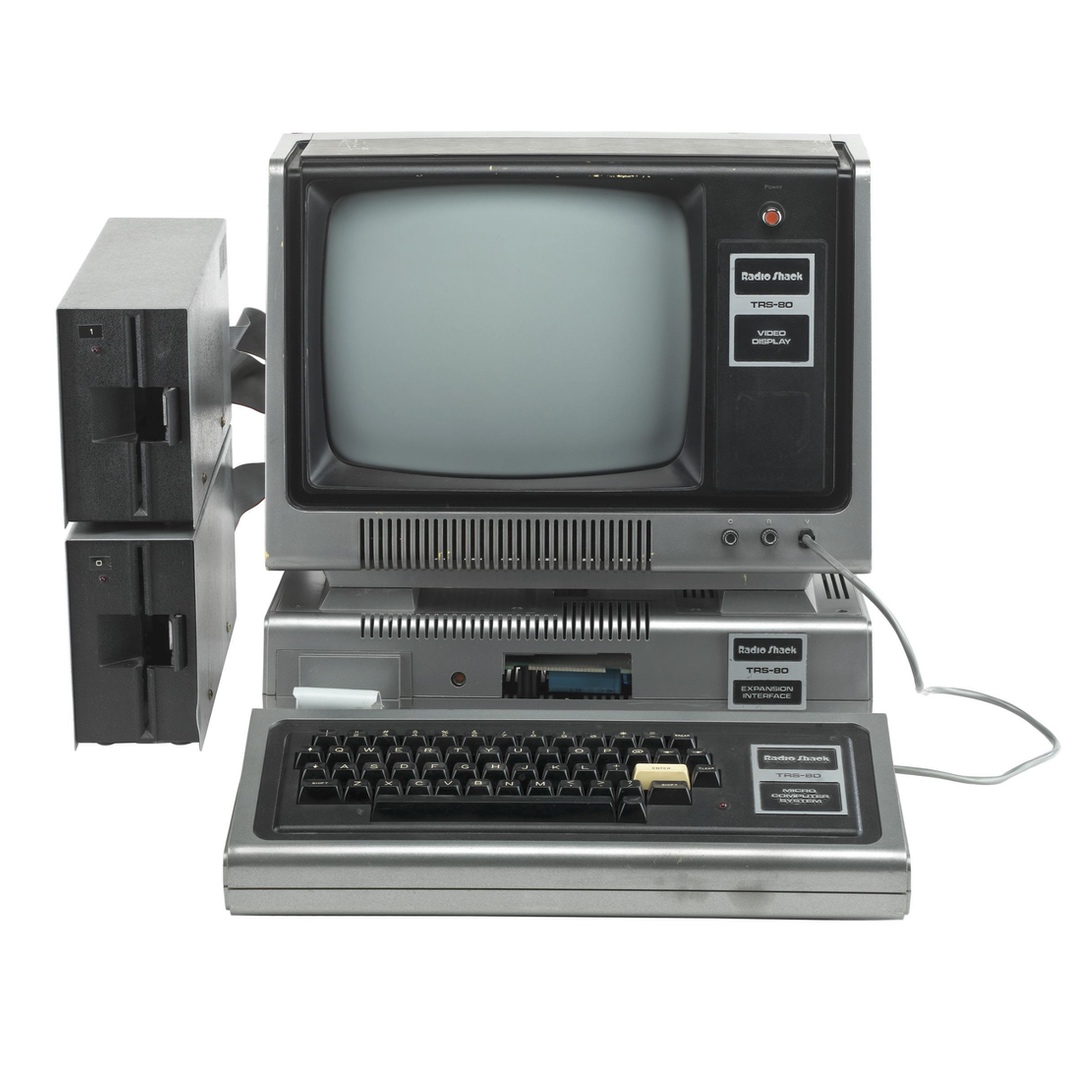
Powered by a Zilog Z80 processor running at 1.77 MHz, the TRS-80 Model I came with 4KB of RAM (expandable to 16KB) and an 8KB ROM, preloaded with the Microsoft BASIC programming language. Its black-and-white display supported a resolution of 64x16 characters. It used external cassette tapes for storage, which offered a low-cost solution before floppy drives became more available.
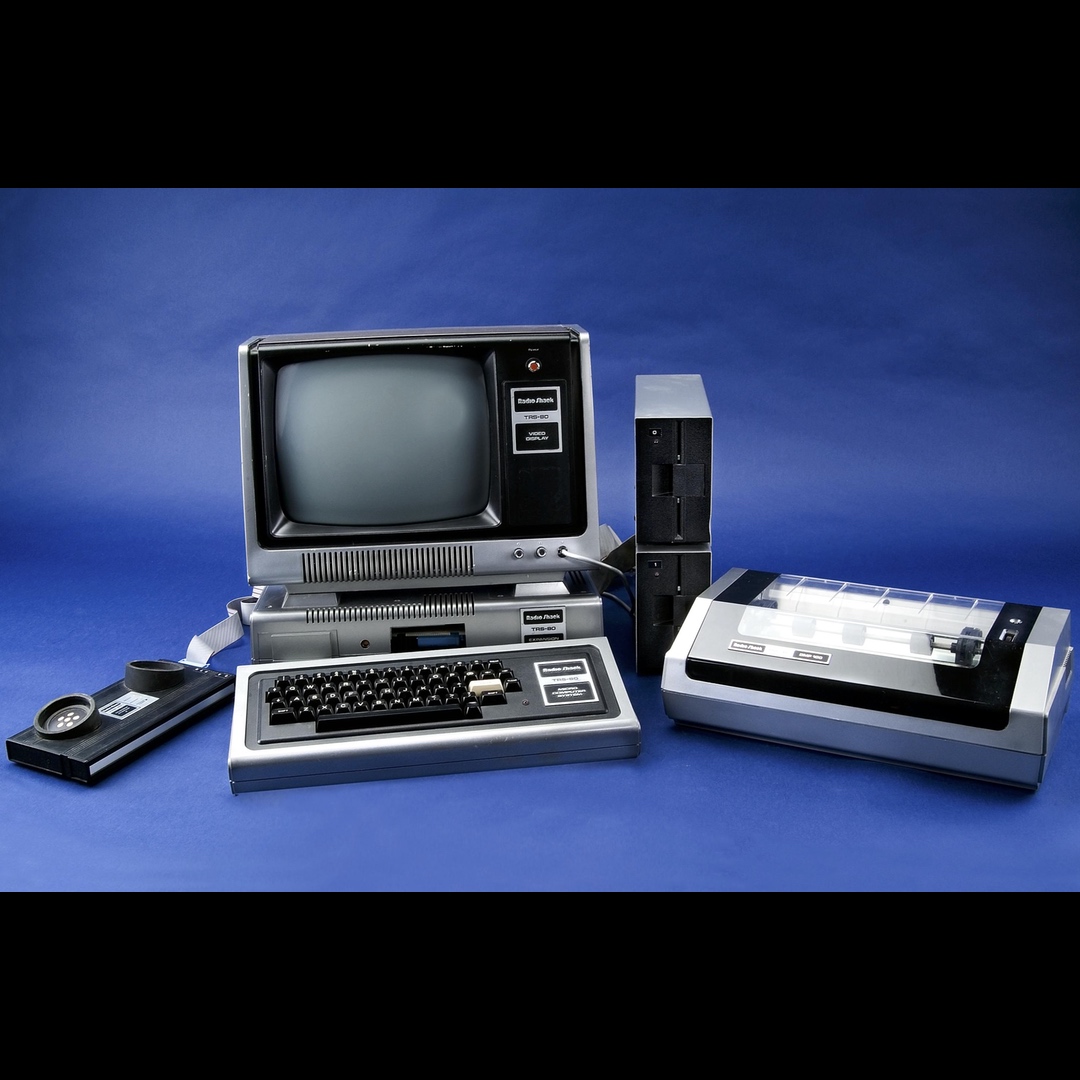
The TRS-80's also had an ecosystem. Radio Shack offered complete setups, monitors, printers, and software - making it easy for beginners. The machine became a favorite for hobbyists and programmers, popularizing early text-based adventure games, educational software, and business applications.
Eventually overtaken by the IBM PC and Apple systems, the TRS-80's legacy lives on!
I had some so-so photos, but these from the Smithsonian are the best I've seen, along with their section on their site - si.edu/object/radio-shack-tr…
Have TRS-80 memories, or retro computing memories? Post’em up in the comments, or post yours on socialz’ and tag them #retrocomputing #firstcomputer #electronics see you back here tomorrow!
2
12
3,026