
Jun 11
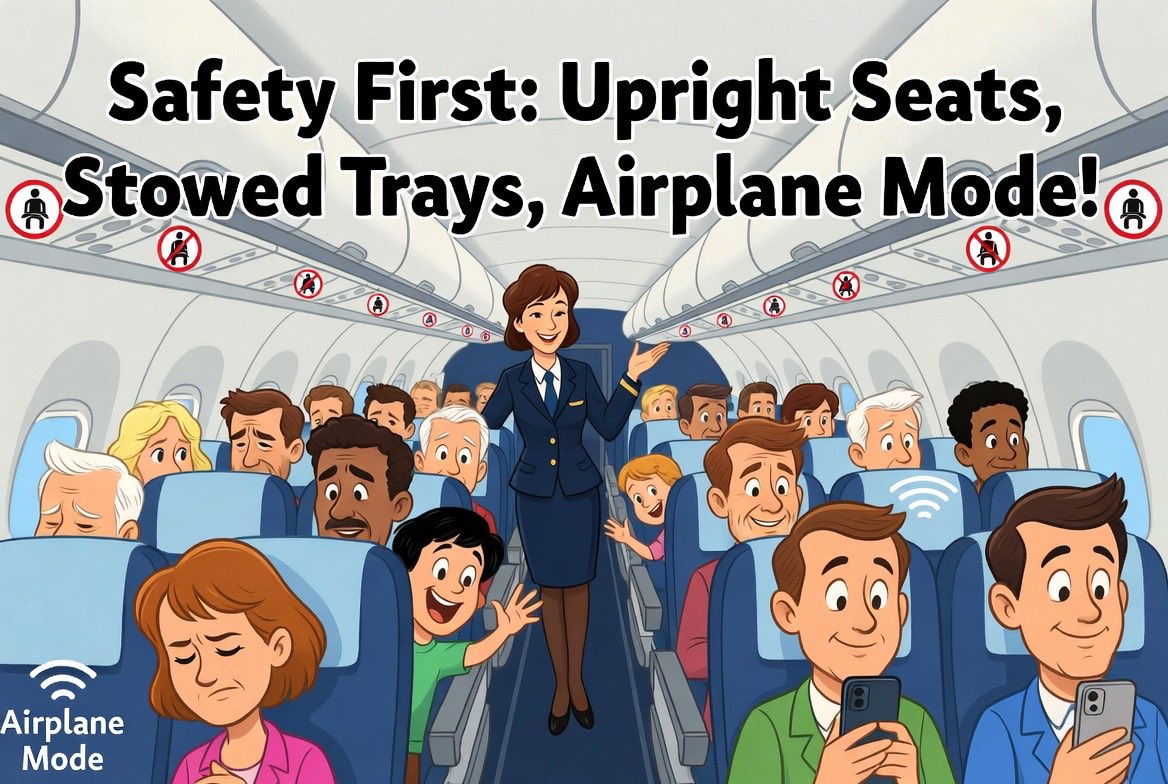
Why Do Airlines Require Seat Backs Upright, Tray Tables Stowed, Devices Unplugged, and Phones in Airplane Mode During Takeoff and Landing?
These instructions might feel like annoying rituals, but they’re rooted in rigorous safety standards designed for the most critical phases of flight: takeoff and landing. These are when the plane is closest to the ground, moving at high speeds, and any emergency would offer the least time to react. Here’s the breakdown.
1. Seat Backs Upright
Reclined seats are less secure in an impact. When upright and locked, the seat is in its strongest position to handle g-forces. A reclined seat can lurch forward during sudden deceleration (like a rejected takeoff or hard landing), potentially injuring you or the person behind. It also reduces the chance of “submarining” under the seatbelt.
Evacuation efficiency is the bigger reason. FAA certification requires that a full plane can be evacuated in 90 seconds or less in an emergency. Reclined seats create obstacles, block movement, and slow the flow—especially in smoke, darkness, or chaos. Upright seats maximize space and clear pathways.
This is federal law under regulations like 14 CFR 121.311.
2. Tray Tables Stowed and Locked
An open tray table is a literal barrier. It can pin people in, obstruct aisles or exits, and turn into a hazard in turbulence or impact. Stowing it ensures a clear path for rapid evacuation and prevents it (or items on it) from becoming a projectile.
Again, it’s explicitly required by FAA rules (e.g., 14 CFR 121.577) before the plane can move, take off, or land. Non-compliance can delay departure or even lead to removal.
3. Devices Unplugged from Seat Power
This one is primarily about evacuation hazards. Charging cables create tripping risks in a hurried exit. In an emergency—potentially with smoke, tilted cabin, or panic—one tangled cord can block an aisle and slow the all-important 90-second evacuation.
Airlines (like Alaska) emphasize being “fully unplugged” during these phases to avoid passengers fumbling with cords or devices when every second counts. It also reduces minor electrical issues or lithium battery concerns during high-stress moments.
4. Phones (and Devices) in Airplane Mode
The original concern was electromagnetic interference (EMI) with aircraft navigation, communications, and avionics. Older planes and early cell tech raised theoretical risks, especially during precise low-visibility approaches.
Modern aircraft are better shielded, and studies (including RTCA and FAA reviews) show minimal risk from most devices in airplane mode. However:
• The rule persists for caution, especially in rare low-visibility landings where extra interference tolerance isn’t fully certified.
• It stops phones from aggressively scanning for towers (which drains battery and burdens ground networks).
• It keeps passengers alert and attentive to crew instructions and safety briefings during critical phases. Distractions can delay responses in real emergencies.
FCC rules also ban active cellular use in flight to avoid ground network issues. Wi-Fi is often allowed once approved by the airline.
Bottom line: These rules aren’t about inconvenience—they’re proven engineering and procedural safeguards. Takeoff and landing account for most accidents, even if rare overall. Following them helps ensure the cabin is optimized for survival if the worst happens.
Next time the flight attendant reminds you, remember: it’s about getting everyone off safely in under 90 seconds. Safe travels!
What’s your biggest pet peeve with these rules—or have you seen them save time in turbulence? Share below.
#AviationSafety #FlyingTips #TravelFacts
(Sources include FAA regulations, aviation safety analyses, and expert explanations.)
1
1
108

Jun 9
“Clear Air Turbulence.” Perfect tutorial.
What is Clear Air Turbulence?
It’s “invisible” turbulence that hits airplanes even when the sky is bright blue and completely cloudless.
Why does it happen?
It’s caused by wind shear — when fast-moving air currents (like jet streams) suddenly change speed or direction right next to slower air. These invisible “rivers of air” crash into each other and create bumpy eddies, like rapids in a river.
The challenging part:
• No clouds = no warning on radar
• It usually happens at high altitudes (cruising level)
• It can jolt the plane suddenly, sometimes throwing passengers around
Bottom line: That’s why you hear me bitching at you to “Keep your seatbelt fastened when seated.”
Even on the smoothest-looking flights, a little invisible bump can surprise you! And me.
#Aviation #FlyingTips x.com/Fahadnaimb/status/2064…
 Fahad Naim
12
13
123
4,394

Apr 30
क्या फोन को Airplane Mode पर न रखने से Crash हो सकता है Plane? | Bharat Express
#airplanemode #flightsafety #mobilephone #signalinterference #aviationsafety #airtrafficcontrol #pilotcommunication #aircraftcommunication #wirelesssignals #flyingtips #bharatexpress
5
6
68

Meaningful Markers Most Miss! (Where to Sit for the PERFECT Wing and Engine View)
FOLLOW for more! 👤📲
Videos by Pete the Irish Pilot 📸
Commentary by Pete the Irish Pilot 🎙️
#aviation #windowseat #seatselection #wingview #engineview #traveltips #AvGeek #aviationvideos #flyingtips
3
22
1,143

Mar 17
Uçuş sırasında beklenmedik bir "hizmet" isteyenler? 😂 💅
Yan koltuğunuzda böyle bir manzara olsa tepkiniz ne olurdu? Biz çözüm olarak oje sürmeyi seçtik! Bazı yolculuklar gerçekten unutulmaz anlara gebe...
#ucakyolculugu #seyahatgünlükleri #komikvideolar #travelhumor #flyingtips
7
185

Mar 15
એક નાનકડી ભૂલ અને આખી ફ્લાઇટમાં લાગી શકે છે આગ! જાણો ખાવાની આ વસ્તુ પર કેમ છે પ્રતિબંધ?
#FlightAlert #AirportSecurity #FlightSafety #AviationNews #AirlineRules #AirportRules #FlyingTips #TravelNews #NewsUpdate #DailyNews #TrendingNews #TravelUpdate
tv9gujarati.com/travel-2/fli…
178

Mar 5
I fly often, so I’ve picked up a few useful air-travel hacks.
Before boarding the plane, people usually stand in line while their boarding passes and carry-on sizes are checked.
In my opinion, there’s really no point in standing there the whole time.
Just sit somewhere nearby and relax, then board last.
The entire plane will still be waiting for you anyway.
There’s another advantage to boarding last.
If your assigned seat isn’t very comfortable, you can simply walk down the aisle and choose any free seat you like, not just the one printed on your ticket.
Personally, I usually sit in the back of the plane.
Statistically, it’s considered the safest area.
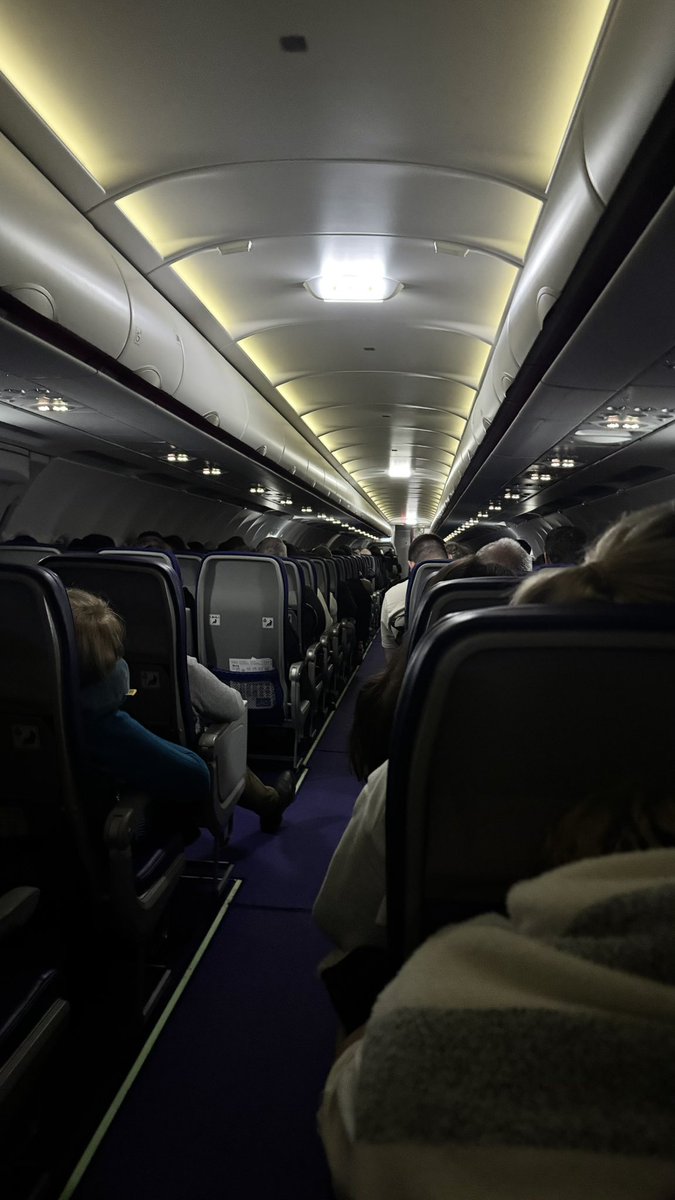
Always fasten your seatbelt.
On my last flight we hit turbulence, and one passenger who wasn’t buckled up was thrown into the air.
He smashed his face into the overhead plastic panel.
The impact was strong, and he had to be hospitalized.
When leaving the plane and boarding the airport bus, don’t rush in right away.
Your goal is to enter last and stand right by the door.
That way you’ll be the first one to get out and reach passport control before everyone else.
#travelhacks
#flyingtips
#airtravel
#traveltips
#frequentflyer
#flighttips
#travelsmart
#airporttips
#boardinghacks
2
1
14
128
Not sure about what to bring in my carry-on bag when flying? Use my handy Carry-on Checklist for frequent flyers to make sure you're always prepared. wanderlustphotosblog.com/201…
#TravelEssentials #CarryOnCheck #FrequentFlyer #PackingTips #TravelSmart #JetSetter #Wanderlust #FlyingTips #TravelHacks #CarryOnBag
1
1
3
116

Feb 21
#アイカツ
#アイカツプラネット
ヒルーイン公演配信で見た!とてもよかった〜✨
アイカツミュージックフェスタのときはいなかった、ローズこと宇野愛海さんも含めた6人でのパフォーマンス、感動✨ファンタスティックイマジネーションご本人バージョン観られて良かった☺️FLYINGTIPSも大好きTiCTACも💖
6
267

7 Oct 2025
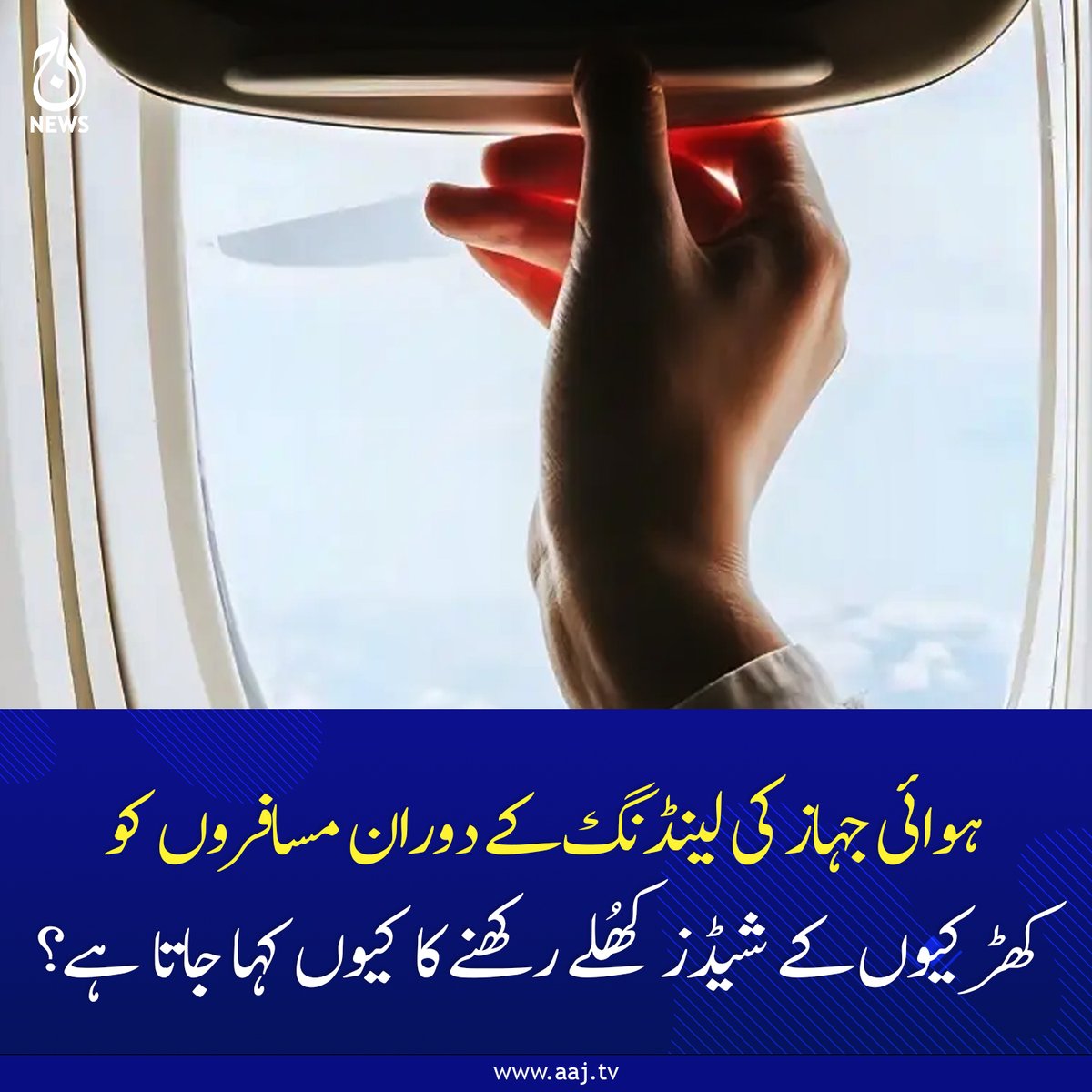
یہ محض منظر دیکھنے کا موقع فراہم کرنے کے لیے نہیں ہوتا ہے۔
مزید پڑھیے : aaj.tv/news/30485800/
#AirTravel #FlightSafety #AviationFacts #WindowShades #LandingProtocol #FlyingTips #AajNews
1
456

✈️ उड़ान के लिए तैयार हैं? अपने कैरी-ऑन बैग की दोबारा जाँच करके सुरक्षा जाँच में समय बचाएँ। तरल पदार्थों की सीमा का पालन करें, प्रतिबंधित वस्तुओं का इस्तेमाल न करें, और एक आरामदायक यात्रा के लिए समझदारी से सामान पैक करें। सुरक्षित यात्रा! ✨#FlyingTips @AAI_Official @aairedner
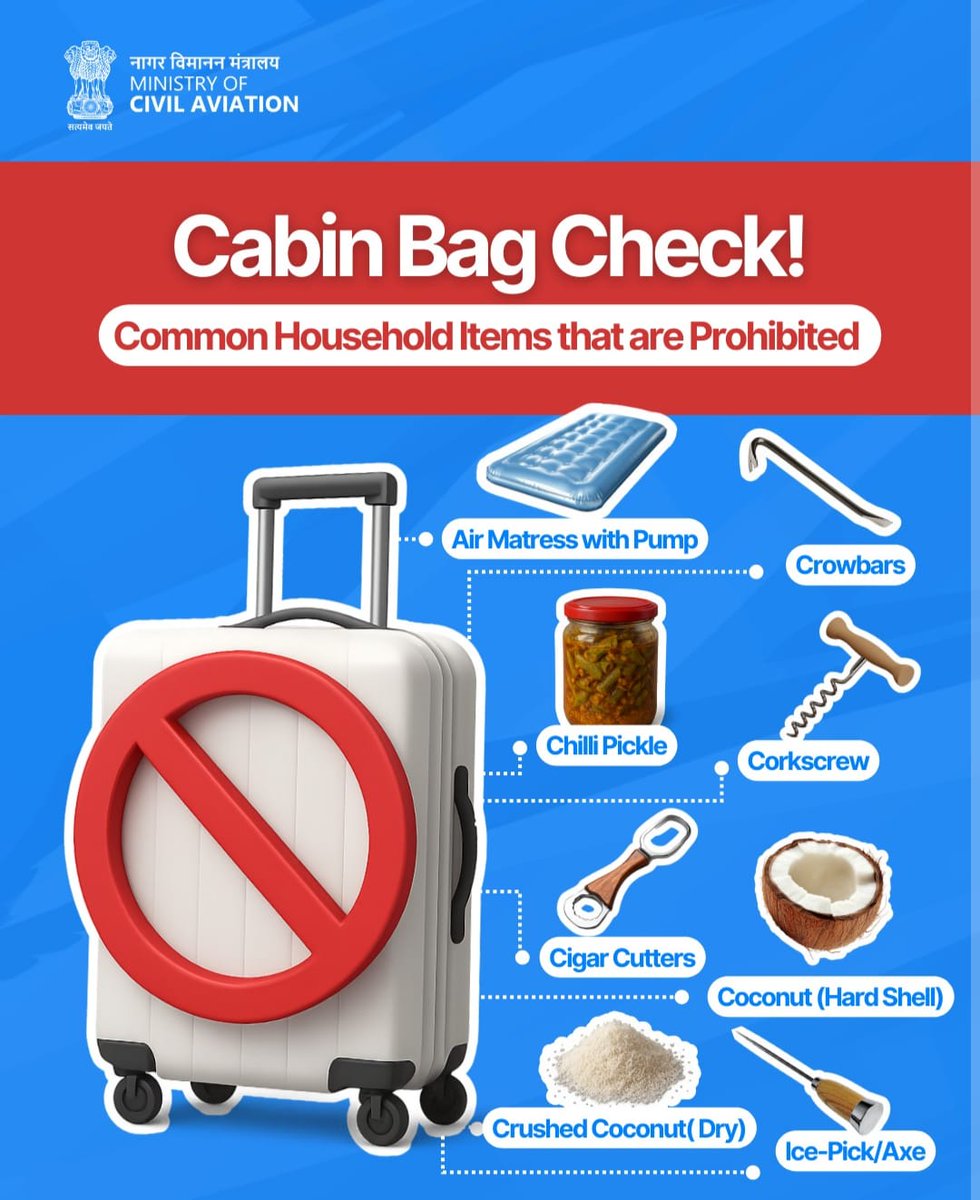
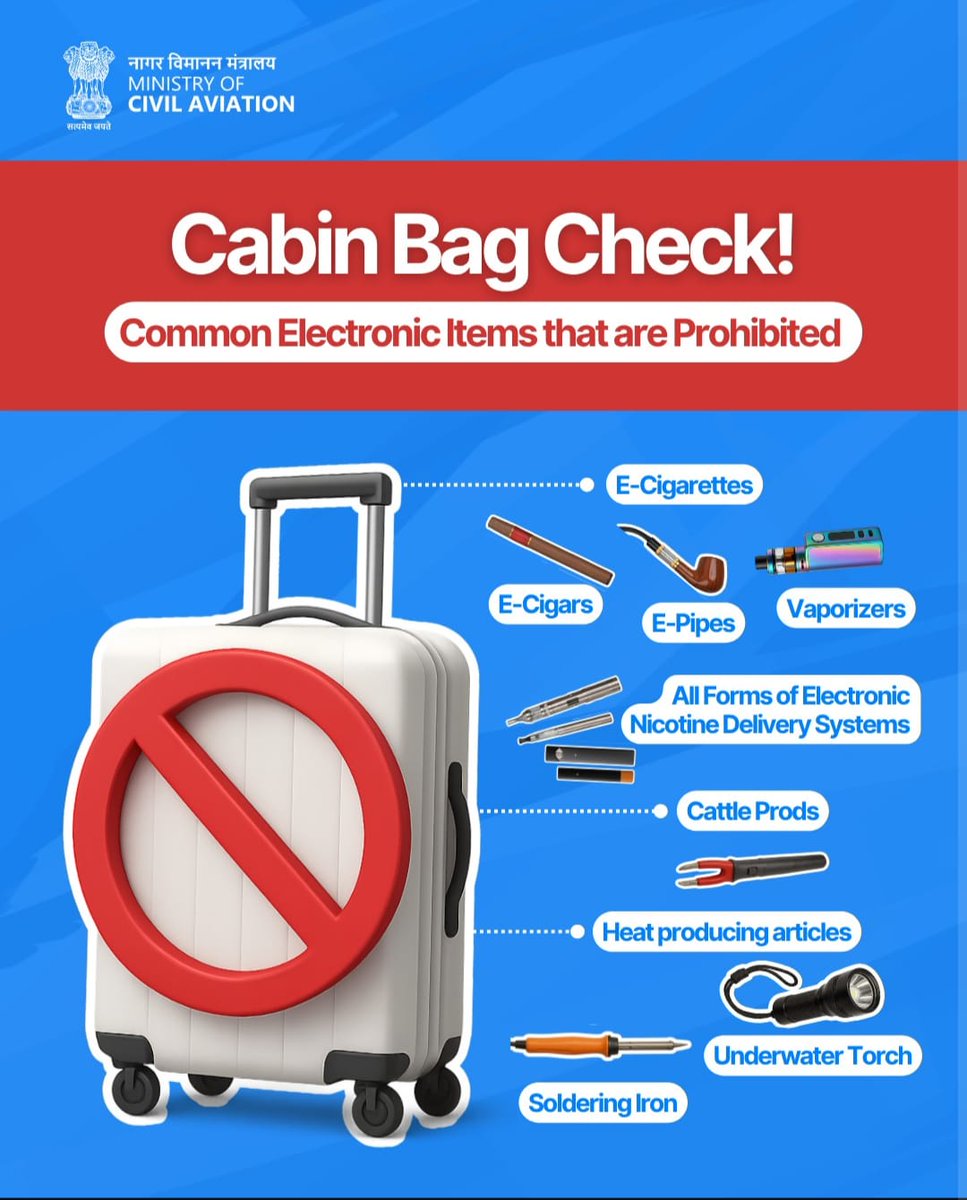
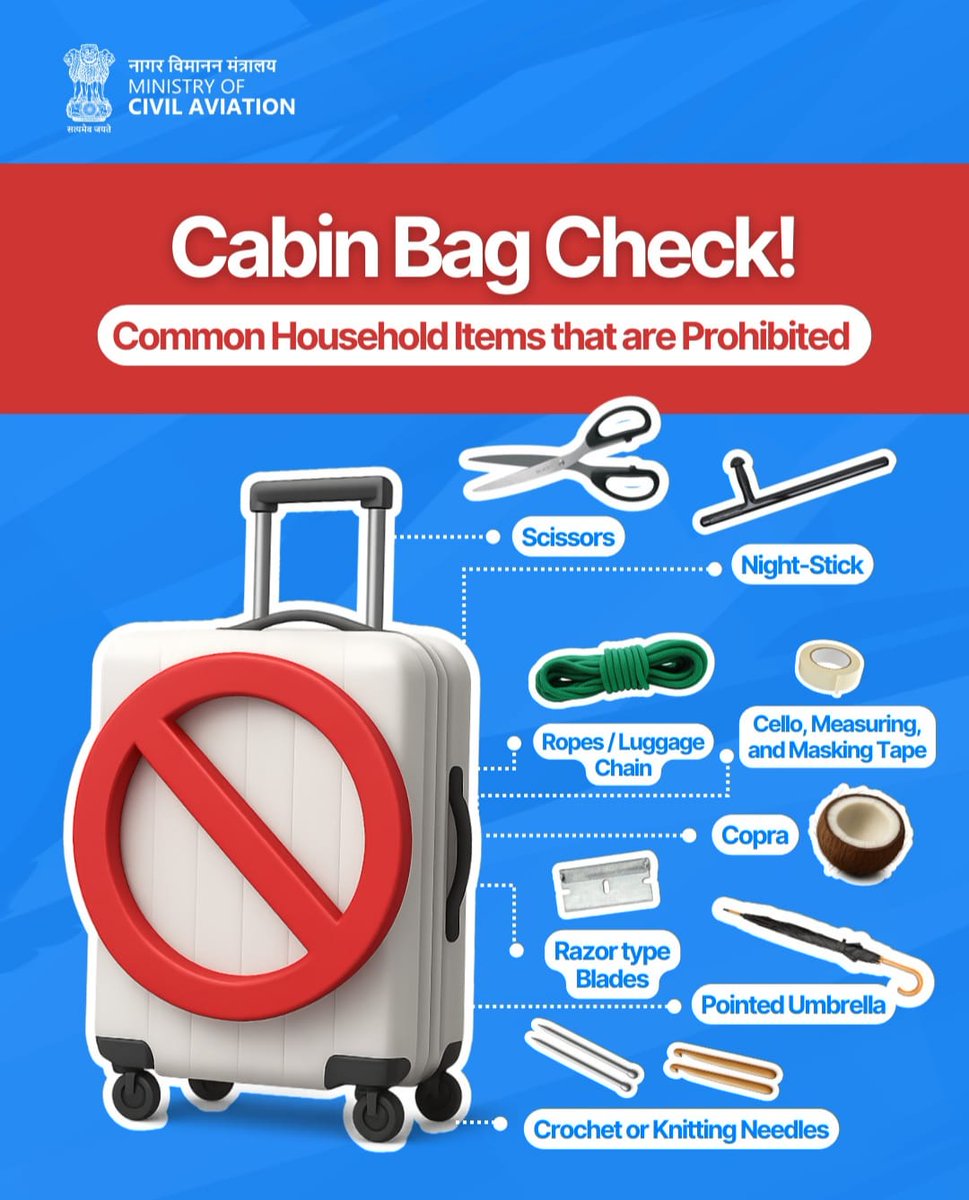
61

14 Jul 2025
🛫 Flying soon? Don’t ignore your ears!
Air pressure & cabin noise can hurt more than you think.
🦻 Discover the best earplugs for a smoother flight.
tycoonstory.com/protecting-y…
#flyingtips #earcare #travelsmart #frequentflyer @alpinehearing @loopearplugs @TycoonStoryCo
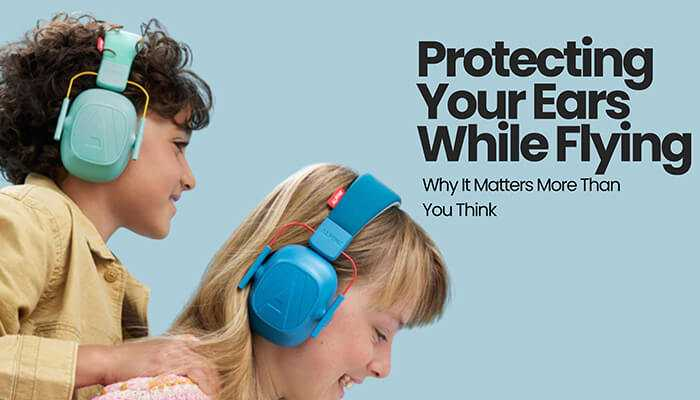
ALT Two children wearing colorful noise-reducing headphones with a headline that reads “Protecting Your Ears While Flying – Why It Matters More Than You Think” on a light blue background.
4
29

12 Jul 2025
✈️ Flying soon?
Don’t ignore your ears. Cabin noise hits 85–100dB — enough to cause damage.
Learn why ear protection while flying is essential 👇
tycoonstory.com/protecting-y…
#flyingtips #travelhealth #airplaneear #noisecancelling #hearinghealth @loopearplugs @EargasmEarplugs
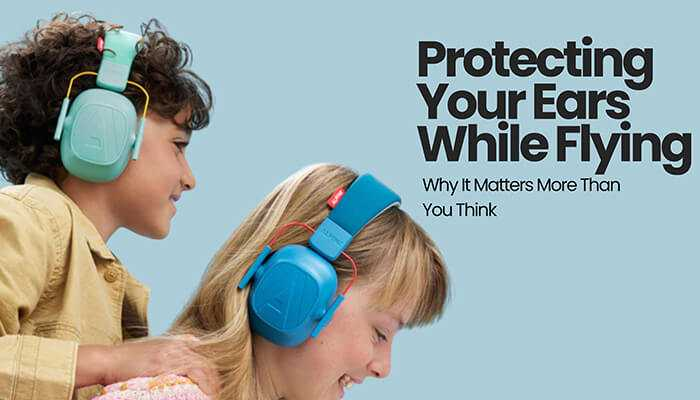
ALT Discover why ear protection while flying matters. Learn simple ways to prevent pain, pressure, and hearing damage on your next flight.
9
47

2 Jul 2025
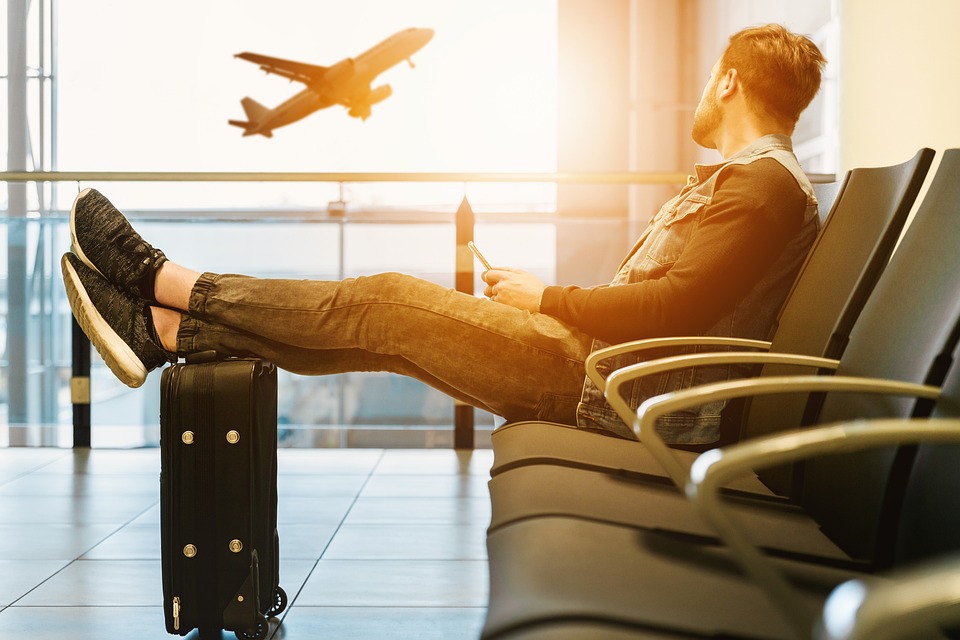
Not sure about what to bring in my carry-on bag when flying? Use my handy Carry-on Checklist for frequent flyers to make sure you're always prepared. wanderlustphotosblog.com/201…
#TravelEssentials #CarryOnCheck #FrequentFlyer #PackingTips #TravelSmart #JetSetter #Wanderlust #FlyingTips #TravelHacks #CarryOnBag
1
3
8
195

13 Apr 2025
Shoe wars at 36,000 feet? We’re stepping into the great in-flight debate: should you keep your shoes on or let those toes breathe? It’s time to take a stand—or a seat—on this travel dilemma.
elliott.org/on-travel/shoe-w…
#AirTravel #TravelEtiquette #FlyingTips #InFlightDrama #Travel
1
2
549

13 Apr 2025
Shoe wars at 36,000 feet? We’re stepping into the great in-flight debate: should you keep your shoes on or let those toes breathe? It’s time to take a stand—or a seat—on this travel dilemma.
elliott.org/on-travel/shoe-w…
#AirTravel #TravelEtiquette #FlyingTips #InFlightDrama #Travel
2
94

5 Apr 2025
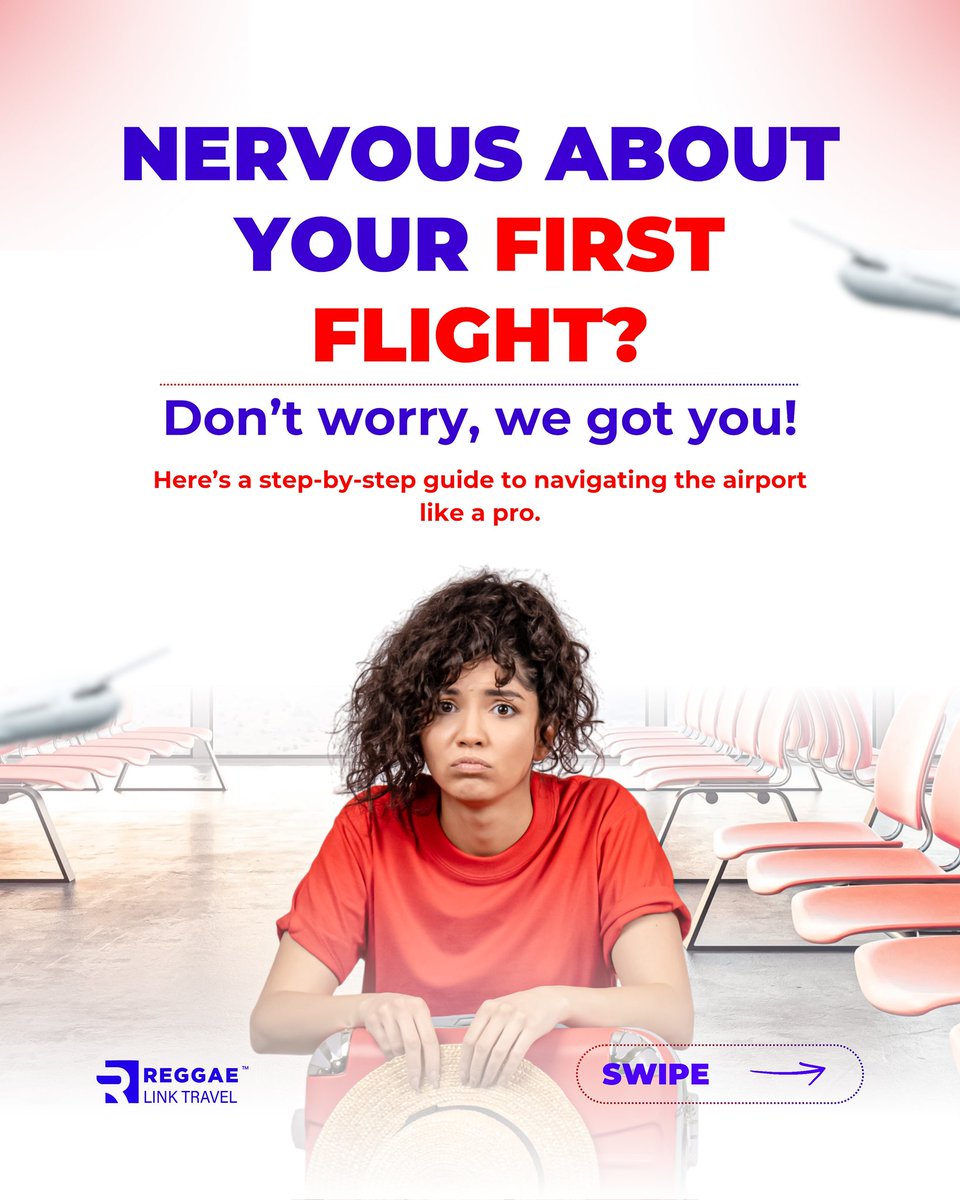
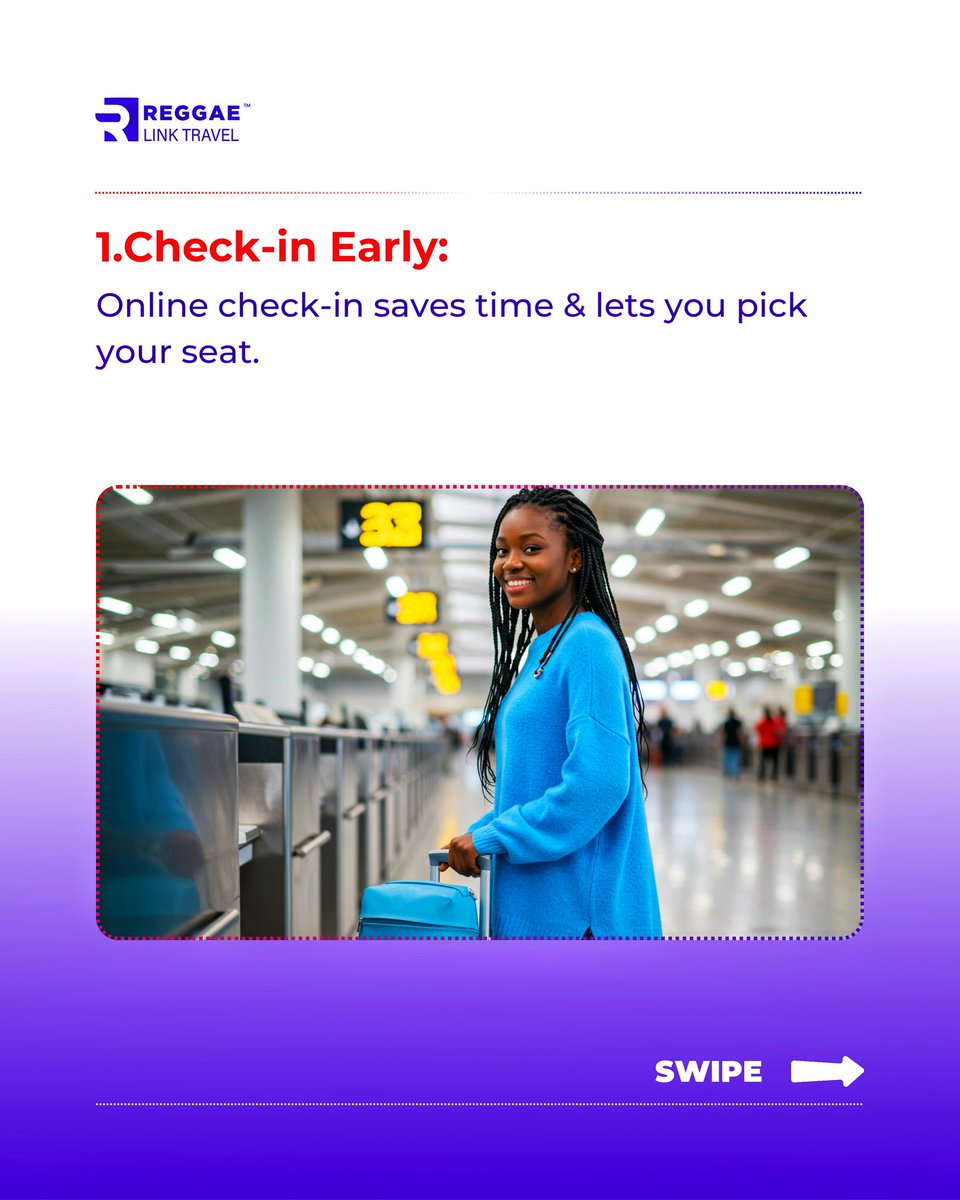
First time flying?
We’ve got you covered! Travel smart and breeze through #RGIAairport, Hyderabad, with our travel tips that will help you navigate the airport like a pro.
Swipe through and get ready for a smooth, stress-free journey!
To know more, visit: hyderabad.aero/airport-facil…
#HYDAirport #ExperienceEpicEveryday #FirstTimeFlyers #TravelTips #PackingSmart #Navigation #BreezeThrough #StressFree #Journey #Seamless #Travel #HassleFree #Experience #TravelLikeAPro #Essentials #FlyingTips #TravelGuide #Hacks #Efficiency #TravelHacks #FlyingMadeEasy #PassengerExperience
@HiHyderabad @HyderabadTrails @AAI_Official @MoCA_GoI @RamMNK @ACIAPACMID @TelanganaCMO
5
708
2 Apr 2025
ફ્લાઇટમાં જતા પહેલાં તમારે શું ન ખાવું જોઈએ?
#AirTravel #HealthyEating #FlightTips #TravelFood #DigestiveHealth #FlyingTips #EatLight #TravelHacks #HealthyTravel #AvoidBloating
tv9gujarati.com/web-stories/…
179

28 Feb 2025
First time flying? Save this & message us for travel assistance!.
#firsttimeflyer #travelguide #airporttips #travelsmart #flyingtips #flyingtipsandtricks
1
2
4
47

22 Feb 2025
2
22