
Big news for our athletes and families 🚨
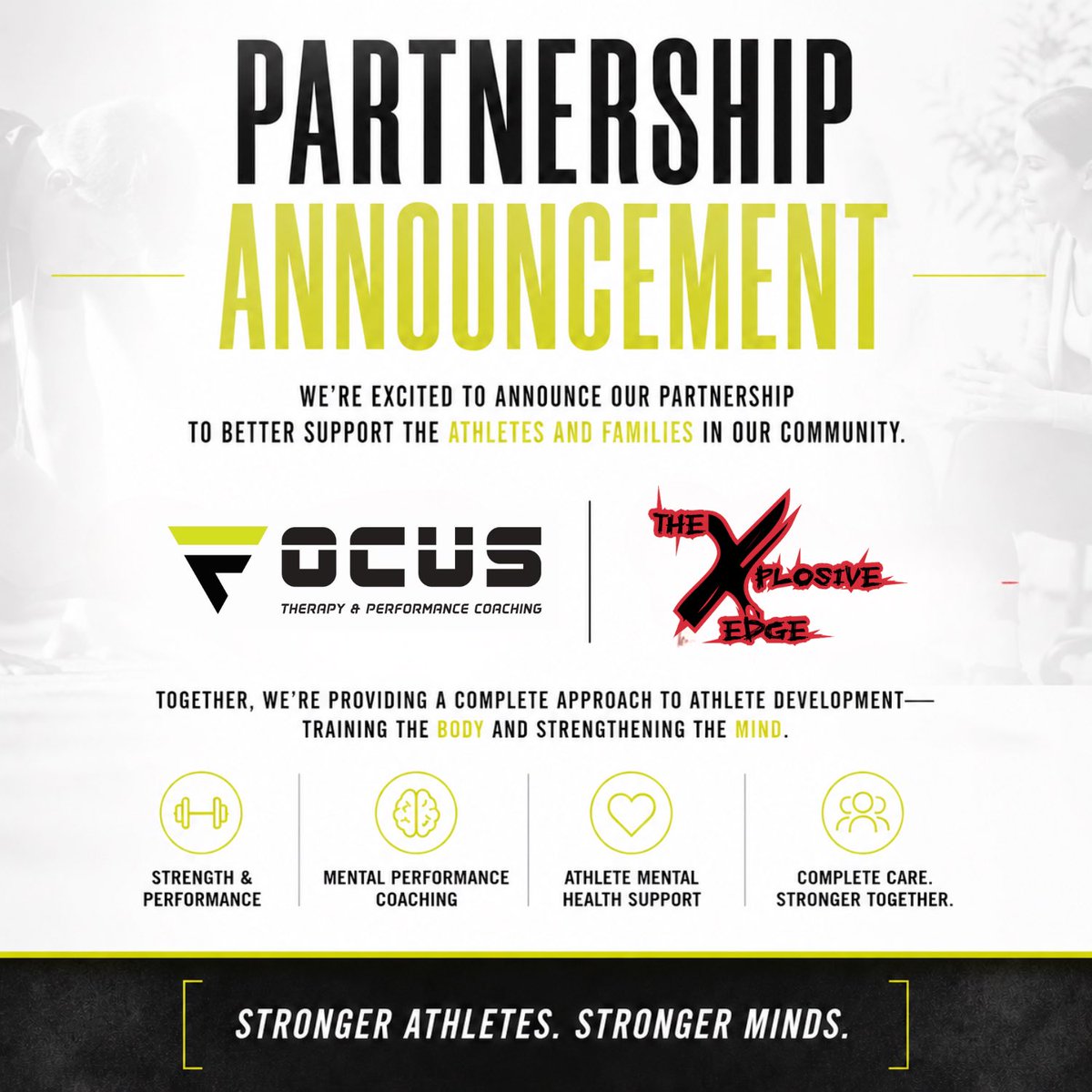
We’re proud to officially announce our partnership between FOCUS Therapy & Performance Coaching and The Xplosive Edge.
This partnership brings together performance training and mental performance support to create a more complete athlete development experience for our community. From strength, speed, and power training to confidence, mindset, and mental health support — we’re committed to helping athletes grow both physically and mentally.
Together, we believe stronger athletes are built through complete care. 💪🧠
This is about more than performance.
It’s about building confident, resilient athletes on and off the field/court.
We’re excited for what’s ahead and can’t wait to continue serving our athletes and families together.
#TheXplosiveEdge #FOCUSPerformance #AthleteDevelopment #SportsPerformance
1
5
657

Jan 16
Differentiation Strategies in the Layer 1 Competitive Landscape
Rialo’s Strategic Choice Compared with Move-Based Chains like Sui and Aptos
(From the Perspective of a Former Mysten Labs Team Member)
The Layer 1 market has largely moved beyond pure performance competition.
Metrics such as TPS, parallel execution, and low transaction fees are no longer sufficient differentiators on their own.
As demonstrated by Move-based chains like Sui and Aptos, it is becoming increasingly clear that technical superiority alone does not guarantee network effects.
This is precisely where Rialo’s strategy becomes interesting.
The fact that former Mysten Labs (the team behind Sui) engineers are involved suggests that Rialo is not simply replicating the Move ecosystem, but rather represents a different strategic choice—one shaped by firsthand experience with Move’s strengths and limitations.
1. Shared Strengths and Structural Limits of Move-Based Chains
Sui and Aptos are both built on the Move programming language and share several core advantages.
Strengths
Resource-oriented asset model, offering strong security guarantees and clear ownership semantics
Architectures optimized for parallel execution
Well-suited for Web3-native financial logic, such as DeFi and on-chain assets
However, these strengths also introduce structural constraints.
Limitations
While excellent at handling on-chain assets, Move-based systems are fundamentally less flexible when it comes to integrating Web2 data, real-world assets, and off-chain systems
Most applications converge on the same categories: DeFi, NFTs, and on-chain games
Despite technical excellence, they often lack a compelling non-technical narrative answering the question: “Why should the real world use this chain?”
Sui and Aptos are undeniably strong blockchains—but they are not necessarily blockchains designed to pull the real world on-chain.
2. Rialo’s Differentiation: Connectivity Over Performance
Rialo deliberately avoids competing head-to-head in the Move-based performance race.
It does not attempt to outperform Sui or Aptos on raw throughput or execution efficiency.
Instead, it reframes the core question:
“How can a blockchain connect naturally and natively with real-world systems?”
Rialo’s strategy can be summarized in three pillars.
① Native Web2–Web3 Integration
Rialo aims to minimize reliance on external bridges and traditional oracle layers by integrating Web2 APIs, data sources, and authentication systems directly into its execution environment.
This is an area where Move-based architectures face inherent structural friction.
② RWA-First Design Philosophy
In Rialo, real-world assets (RWAs) are not an optional extension—they are a design assumption.
Assets such as real estate, financial contracts, and access rights to physical services are treated not merely as transferable tokens, but as interfaces to real-world functionality.
③ Districts: Metaverse as UI, Not Speculation
While games and NFTs in the Sui and Aptos ecosystems remain asset-centric, Rialo’s Districts concept is closer to a user interface layer.
Virtual spaces are not positioned as stores of speculative value, but as visual gateways to real-world assets and services.
3. Why Would a Mysten Labs Engineer Choose Rialo?
This is the most important point to examine.
Mysten Labs sits at the forefront of Move language design and parallel execution research.
In other words, its engineers understand both the potential and the limits of Move better than anyone else.
When talent from this background joins Rialo, it suggests several underlying conclusions:
That performance-centric Layer 1 competition does not create durable differentiation in the long run
That Move-based architectures alone struggle to scale toward Web2 integration, RWAs, and enterprise adoption
That the next phase of blockchain evolution is not about being faster—but about being connected
This is not a retreat from advanced technology, but a strategic pivot informed by experience.
4. Positioning, Not Direct Competition
Rialo is not attempting to “defeat” Sui or Aptos.
It is simply not competing in the same arena.
CategorySui / AptosRialoCore FocusPerformance & scalabilityConnectivity & real-world integrationPrimary UsersWeb3-native developersWeb2 Web3 service buildersRWA ApproachAdd-on featureCore design principleMetaverse RoleAsset speculationService-oriented UI
The real question in the Layer 1 market is no longer:
“Which chain is the fastest?”
but rather:
“Which chain will the real world actually use?”
Rialo is one of the few projects explicitly built to answer the second question.
Conclusion
As Move-based chains continue to refine technical performance, Rialo is redefining what that performance is ultimately used for.
The involvement of former Mysten Labs engineers signals that this direction is not mere marketing, but a strategy shaped by internal experience at the cutting edge of Move-based systems.
The next phase of Layer 1 competition is likely to be decided not by speed, but by connectivity.
And Rialo is positioning itself at the forefront of that shift.
@RialoHQ
@RialoKorea
@itachee_x
@silverwave1000
12
15
97

2 Feb 2021
5

7 Jul 2020
4
8
23 Jun 2020
Great to meet professional football player Jamie Reynolds yesterday for some testing! #football #speed #focusperformance
1
28 May 2020
Day 2 for new recruit Jeremy 🏃🏾♂️
.
.
Time to explore the concept of acceleration. What it is, how it might look and how it could feel!
#focusperformance #trackandfield #teamsports #exploration
2
18 May 2020

2
3
17 Feb 2020
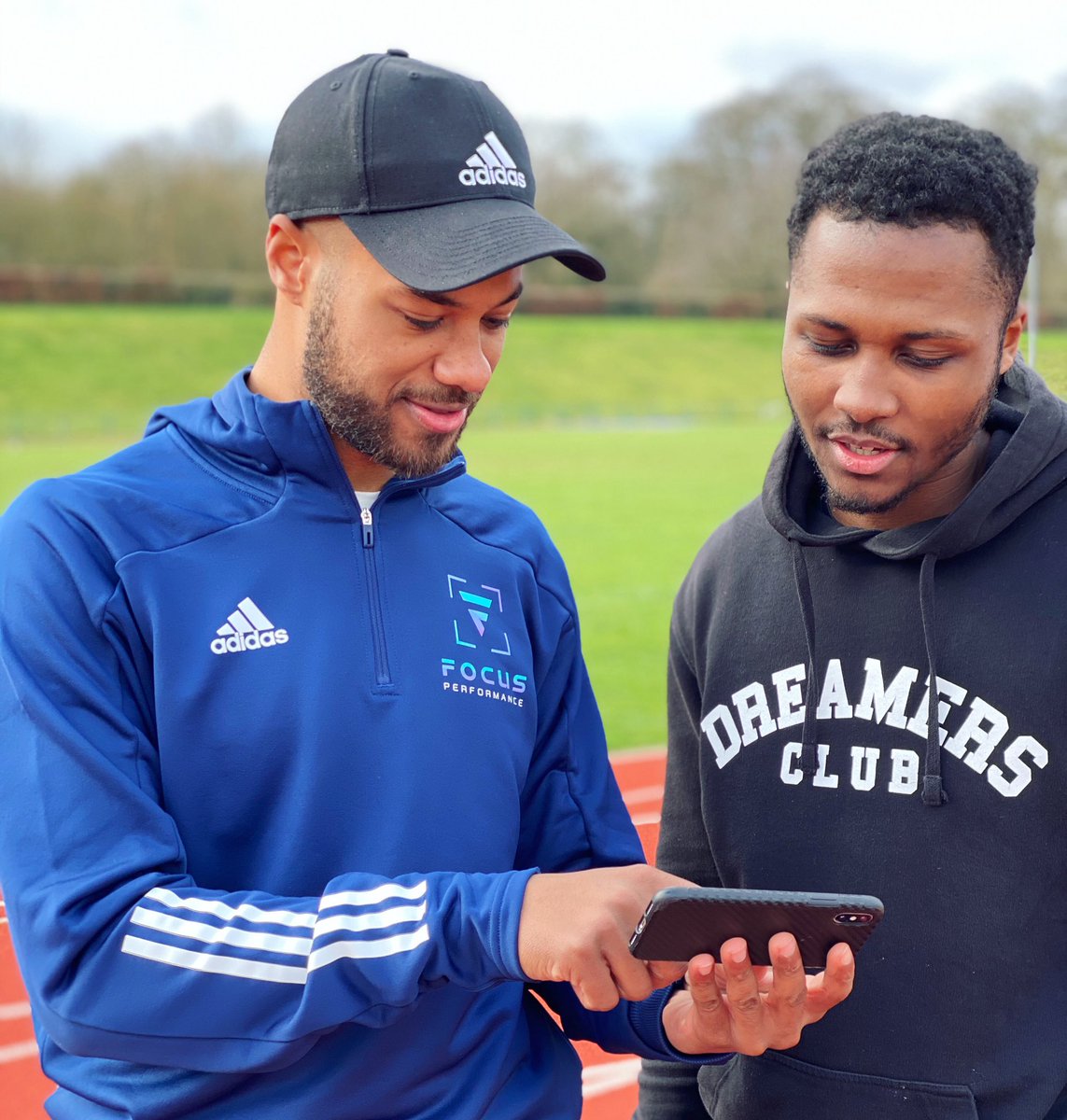
Head Coach Jake Awe and athlete @ASTNRCH going through some of today’s video 📹 .
.
.
Oh and we have new kit 😏
#trackandfield #tracknation #focus #focusperformance #adidas #Hertfordshire #StAlbans
1
5
2 Feb 2020
PB - 7.33m ✅
CPB - ✅
South of England Champ ✅
Euro youth qualifier ✅
Super day at the office for @BradDP123 🔥
#tracknation #trackandfield #longjump #oaklandswolves #focusperformance #athletics #jump
6
30 Nov 2019
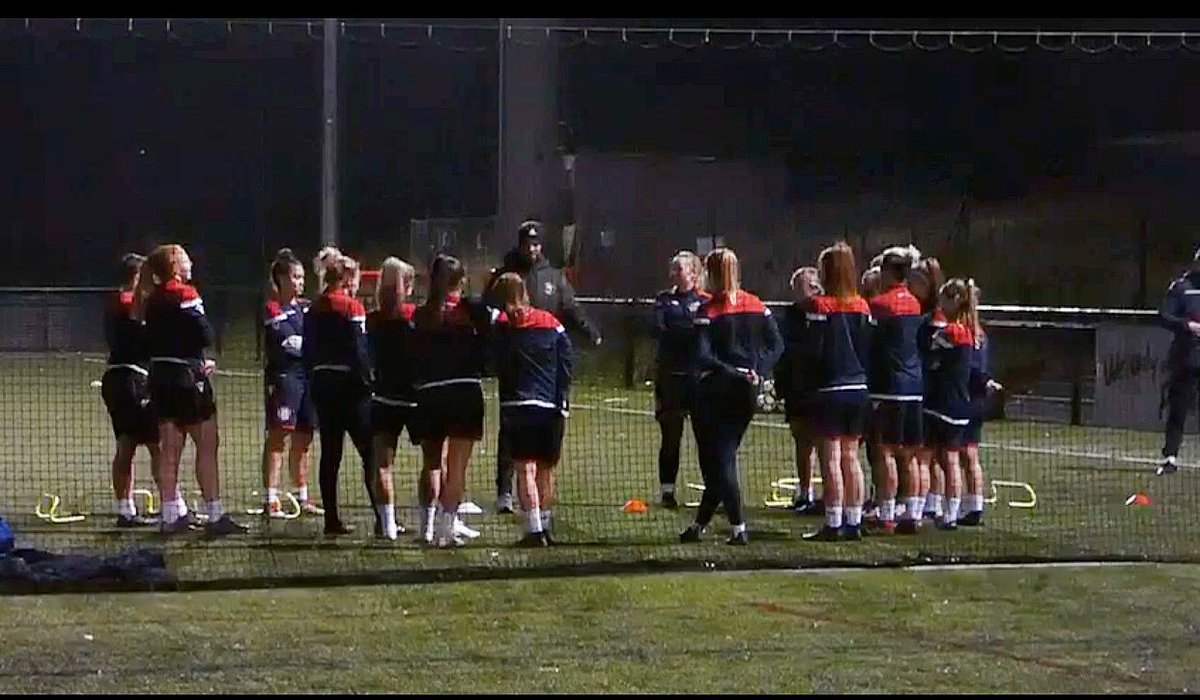
Had a great session with @StevenageFCW last week! We talked acceleration, Max V and plyos! Great squad of hard working women here ⚽️ 🏃🏼♀️ #performance #football #stevenagefc #womeninsports #thisgirlcan #focusperformance
2
13
24 Nov 2019
"Do your own thing. Focus on yourself. If you have time to think on other people, you're not focused enough " 👊🏾
#tracknation #trackandfield #focusperformance #focus @ Westminster Lodge Leisure Centre instagram.com/p/B5QPnYSHh0W/…
3

24 Sep 2019
Man.. lol. (‘22) Malachi Briscoe is adding some treats to his bag.. Shout out to his mom for rhe video that I snatched.. lol. Also shout out to Coach E at #FocusPerformance for the agility training.. His vertical has increased after just three weeks of training!!! 💪🏽💪🏽💪🏽
1
1
8
9 Sep 2019
The trainers at #FocusPerformance are making Malachi Briscoe (‘22) a monster!!! Smartest trainers in Southern MD...
1
4

🔎Décryptez les dessous de l'#ameliorationcontinue en étudiant notre guide complet ! Venez résoudre l’énigme de cette deuxième semaine. N'hésitez pas à partager vos moments #cahierdevacances #Focusperformance #pyx4 avec nous 🏄 ! buff.ly/2JxZ1Sw

2
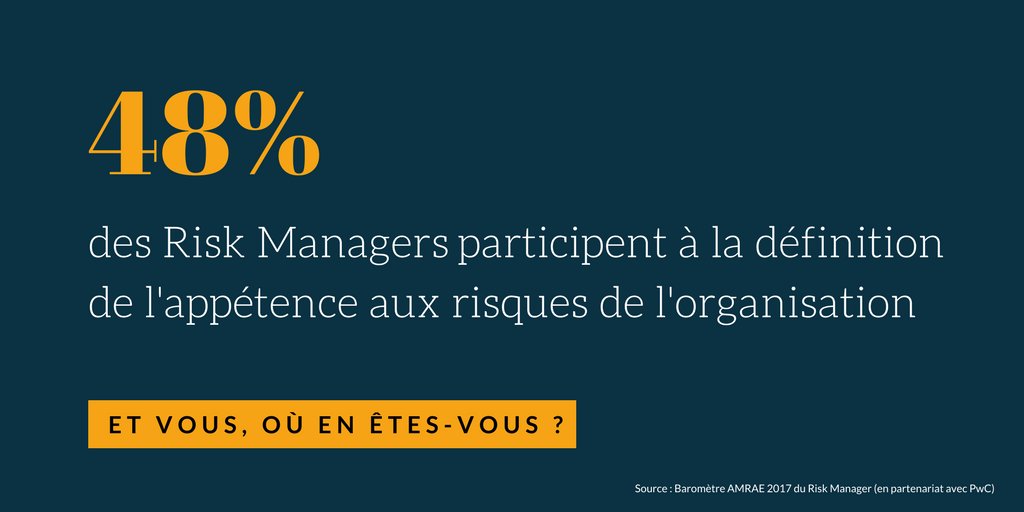
Pourquoi la profession de #RiskManager est de plus en plus reconnue dans les organisations ? buff.ly/2FMyvqx #PYX4 #FocusPerformance #Risk
1
2
Le #Système de #Management #Intégré : véritable outil de #performance. 📈 Découvrez notre dernier article sur notre blog #FocusPerformance ! buff.ly/2CmpNxV

2

25 Jan 2017
After racking up #20Miles in 3 days a @FocusPerform #ProteinShake is really needed! 💪🏼 #Training #FocusPerformance #Recovery
1
5

20 Jan 2017
#Repost @focusperform
・・・
Good thing I like coffee
#coffee #focus #perform #focusperformance… instagram.com/p/BPfIayUjCIx/

29 Sep 2016
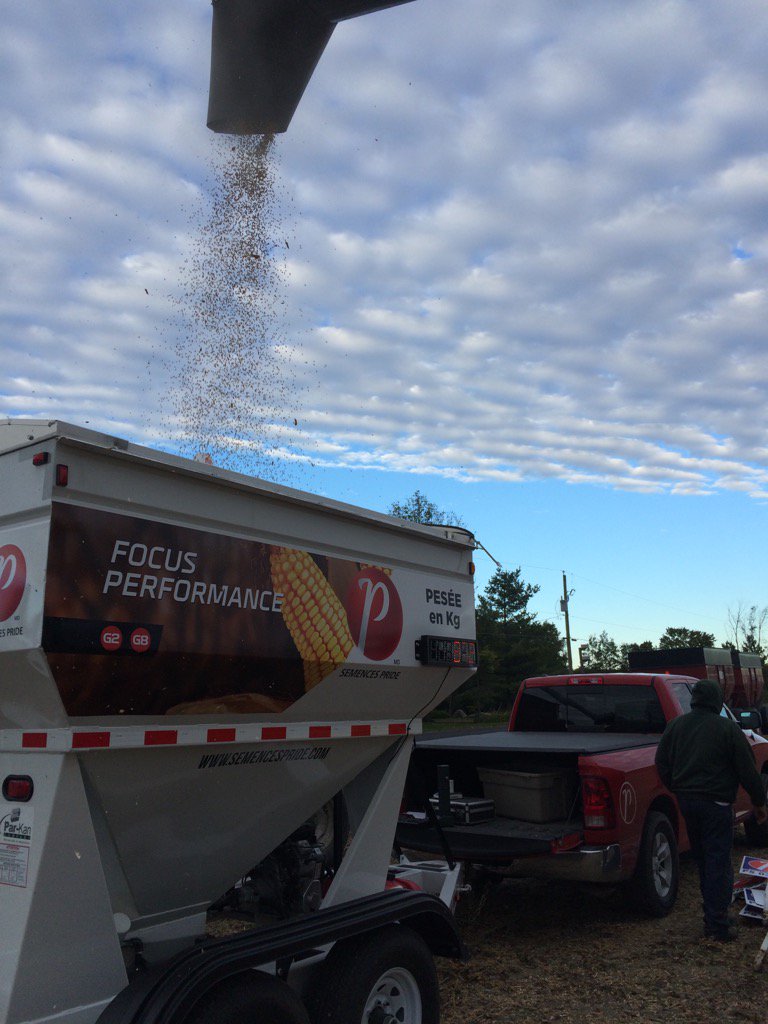
1re parcelle soya de la saison et avec une nouvelle balance! @SEMENCESPRIDE #focusperformance chez @christianca15
3
3
21 Sep 2016
Wow nouvel hybride @SEMENCESPRIDE A5914G2, super épis et belle verdeur chez @christianca15 #focusperformance

1
2