
Jun 16
The World Cup is supposed to be football's greatest celebration. A month where nations come together, cultures mix, underdogs dream, and fans create memories that last a lifetime.
Unless, of course, you're reading parts of the English press.
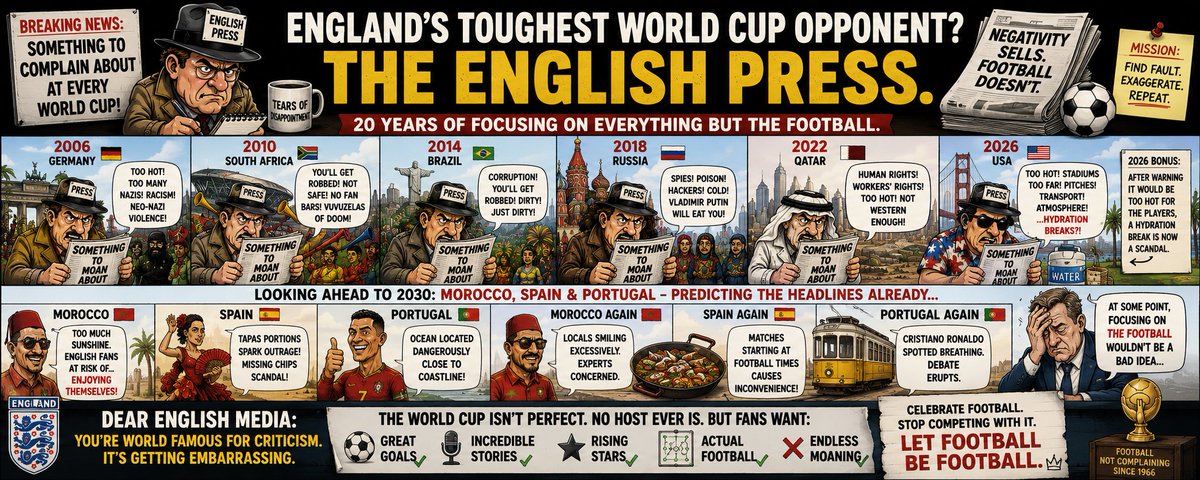
For the last twenty years, some sections of the English media have treated every World Cup like a disaster movie trailer. Before a ball is kicked, before a goal is scored, before England have found a new way to break their fans' hearts on penalties, there is apparently a much more important task at hand: finding something to complain about.
Let's take a quick trip down memory lane.
Germany 2006
Germany hosted what many still consider one of the greatest World Cups ever. The stadiums were packed, the atmosphere was electric, and fans from around the world partied together.
Yet much of the build-up from England focused on how hot Germany was apparently going to be and fears about neo-Nazi violence and racism. Reading some newspapers at the time, you'd have thought fans were travelling into a war zone rather than a football tournament.
South Africa 2010
The headlines were even more dramatic.
Fans were warned they would be robbed, mugged, kidnapped, or possibly all three before reaching the stadium. South Africa was portrayed as a country where stepping outside your hotel room was apparently a life-threatening activity.
And let's not forget the endless complaints about vuvuzelas.
The tournament ended up delivering one of the most colourful and memorable World Cups ever.
Brazil 2014
Then came Brazil.
Corruption stories dominated coverage. There were endless warnings about crime, robberies, and infrastructure concerns. Some reports made it sound as though every tourist would lose their wallet before making it through passport control.
Yet millions enjoyed a fantastic tournament filled with unforgettable football moments.
Russia 2018
Russia's turn brought another avalanche of doom.
Political tensions, hooliganism, security concerns, diplomatic disputes—you name it.
Again, legitimate concerns existed, but many headlines seemed determined to convince fans that attending the World Cup was equivalent to volunteering for a dangerous military operation.
Instead, many travelling supporters reported a surprisingly welcoming experience.
Qatar 2022
Now, to be fair, Qatar attracted criticism that went far beyond football. Questions surrounding migrant worker welfare, human rights, and freedoms were serious issues worthy of discussion.
But even then, some outlets seemed incapable of discussing football without searching for a fresh controversy every single day.
At times it felt like the tournament itself was almost an inconvenience getting in the way of the criticism.
USA 2026
And now we arrive in America.
The complaints have become almost performance art.
The weather is too hot.
The stadiums are too far apart.
The pitches aren't perfect.
The transport isn't perfect.
The atmosphere isn't perfect.
And perhaps my personal favourite: hydration breaks.
Remember, this was after months of warnings from the very same media that American heat could endanger players. Apparently players stopping briefly for water is now also a scandal.
The solution, it seems, would have been for the players to remain dehydrated. That would probably have generated fewer headlines.
Looking Ahead To 2030
The next World Cup will be hosted by Morocco, Spain, and Portugal.
So let's save everyone some time and predict the headlines now.
Morocco: "Too much sunshine. English fans at risk of enjoying themselves."
Spain: "Tapas portions spark outrage. UEFA urged to investigate missing chips."
Portugal: "Ocean located dangerously close to coastline."
Morocco again: "Local people smiling excessively. Experts concerned."
Spain: "Football matches starting at football times causes inconvenience."
Portugal: "Cristiano Ronaldo spotted breathing. Debate erupts."
You laugh, but after two decades of World Cup coverage, would anyone really be surprised?
It's Becoming Embarrassing
The truth is that criticism has its place. Host nations should be scrutinised. Genuine issues should be discussed. Journalism matters.
But somewhere along the line, parts of the English media seem to have confused journalism with an endless hunt for negativity.
Every tournament becomes less about football and more about finding the next outrage.
Meanwhile, supporters from other countries are enjoying the football.
Imagine if even half of that energy was directed toward discussing tactics, emerging stars, great goals, fascinating stories from smaller nations, or—radical idea—England's chances of actually winning the tournament.
The World Cup is not perfect. No host country ever is.
But football fans tune in to watch football.
Not to hear that the weather is hot in summer, that people speak foreign languages abroad, or that players occasionally need water.
At some point, perhaps the English media should ask themselves a simple question:
Do they actually like the World Cup?
Because from the outside looking in, they often seem far more interested in criticising the spectacle than celebrating the greatest sporting event on Earth.
And for a country that hasn't won the World Cup since 1966, perhaps focusing a little more on the football wouldn't be the worst idea.
#WorldCup2026 #EnglishMedia #FootballFirst #WorldCup #ThreeLions #FootballOpinion #MediaWatch #WorldCupCulture #FootballFans #ThePress #FootballDebate #SoccerTalk #WorldCupHosts #AstonSports #HydrationBreakGate #ComplaintCup #Moaniala2026 #FindSomethingToComplainAbout #PressVsWorldCup
163

Jun 12
RT @SwissValleyCP: Gwych Bl5! Some outstanding strikes on show in today’s #FootballFirst #SpeedshotChallenge! I’d feel sorry for any goalke…
1

Jun 12
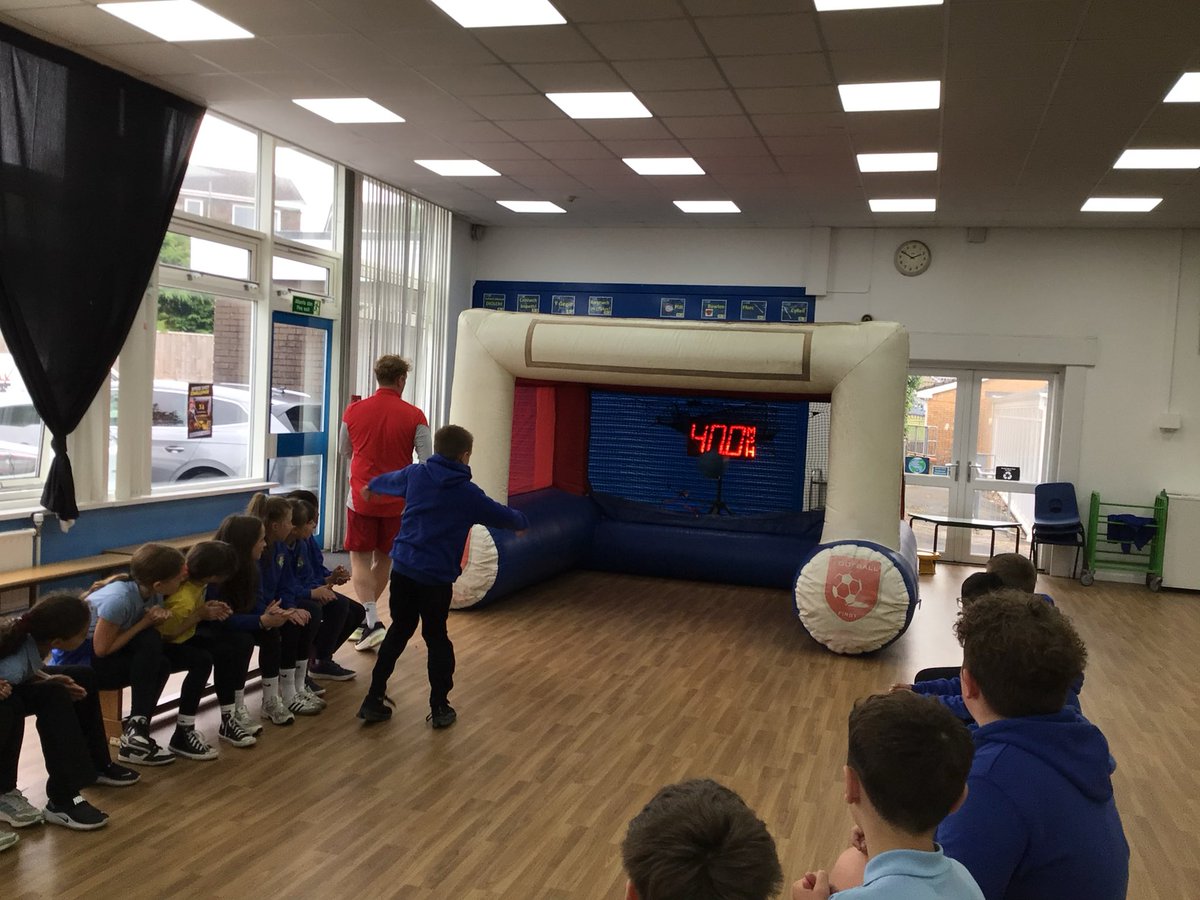
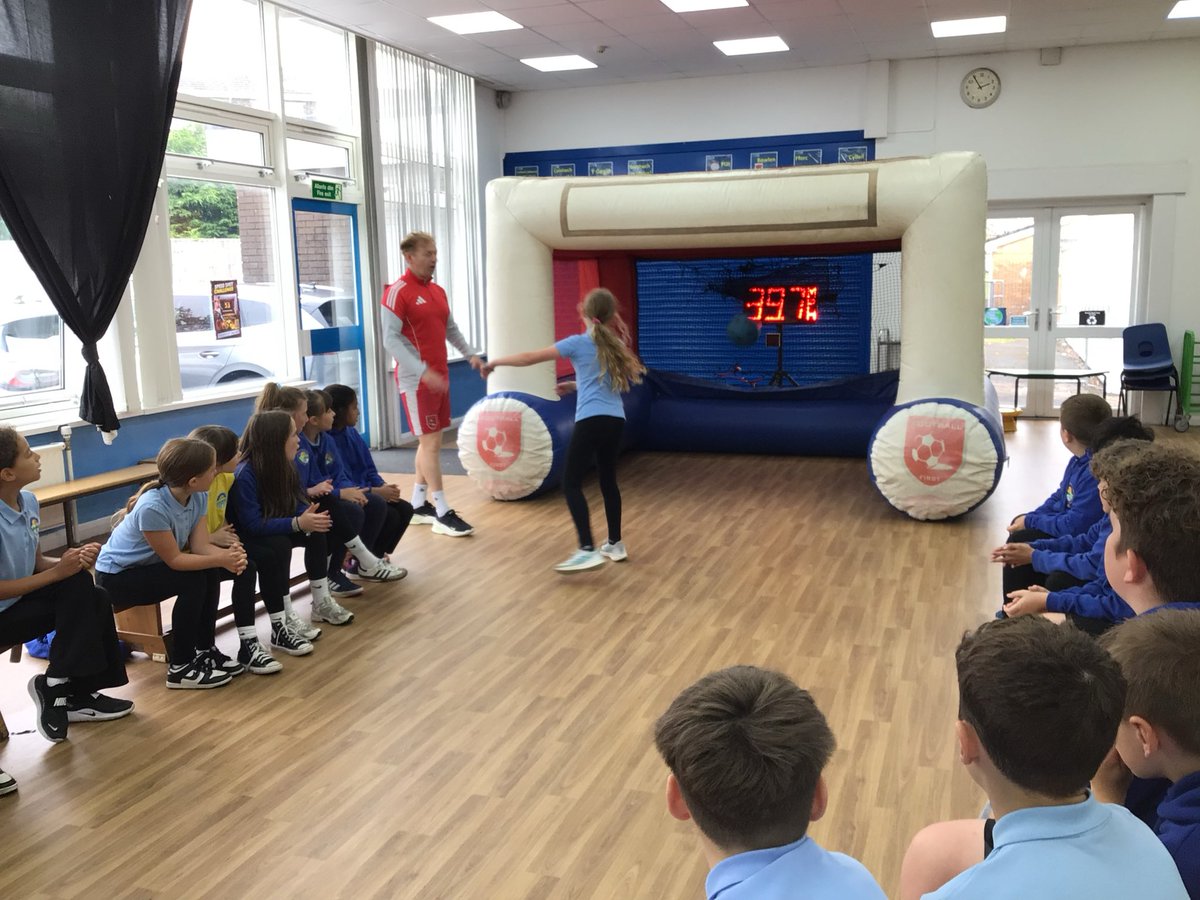
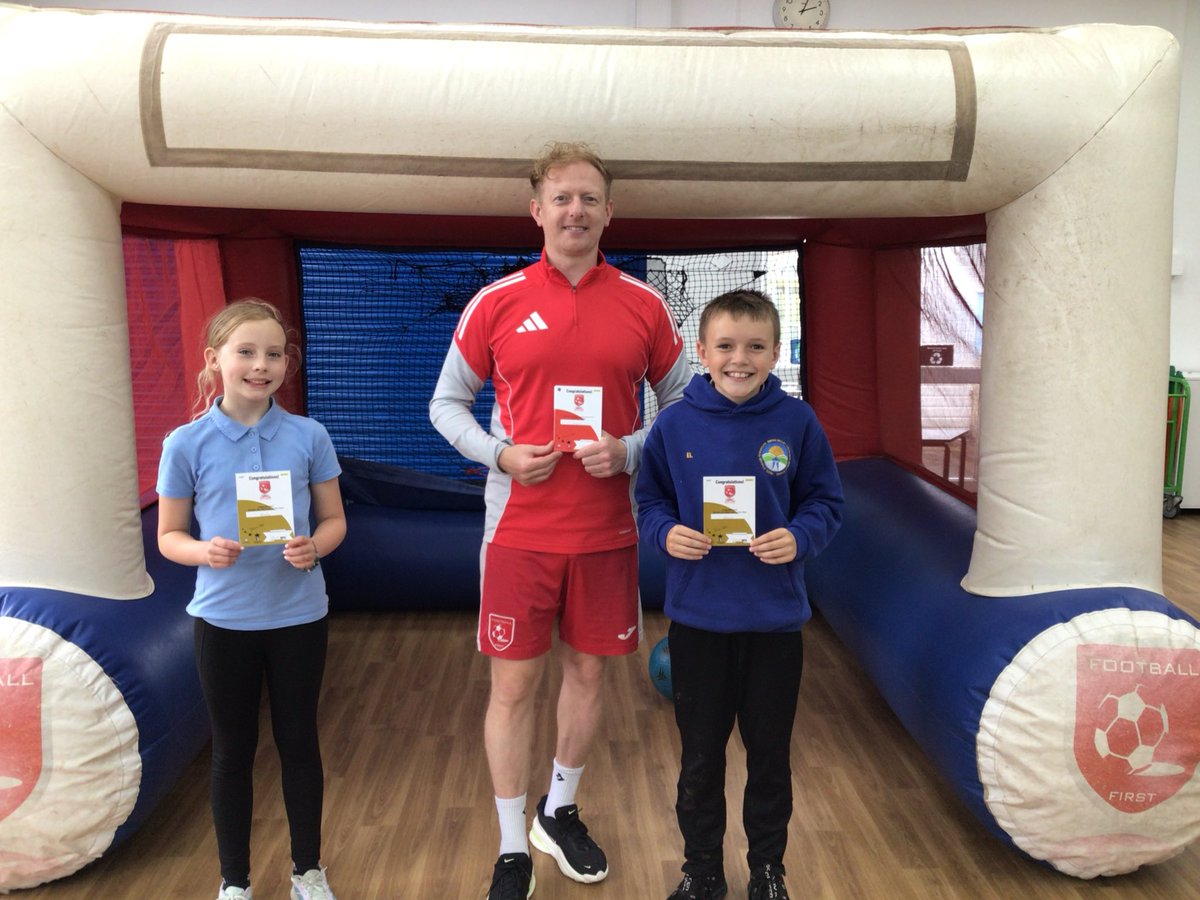
Gwych Bl5! Some outstanding strikes on show in today’s #FootballFirst #SpeedshotChallenge! I’d feel sorry for any goalkeeper trying to stop them! Da iawn AG EL for achieving the fastest shots in the class ⚽️
1
1
93

Jun 11
Thank you for giving #OmarArtan a right of place. It must always be sports over politics. The US must be snubbed from hosting major international sports events because of their indifferences to the event requirements.
#FootballFirstUSLast #FootballFirst #FIFAWorldCup #WorldCup
19

May 8
Cunha absolutely bodying the "United Strand" narrative in one quote. The man's out here fighting for Champions League qualification and people are asking him about some viral haircut bet. His response is basically "I'm here for the points, not the barber shop."
He's not wrong though. The whole Frank Illett haircut saga is good fun for social media, a bit of light relief during a chaotic season. But when you've got a dressing room trying to secure top four and build momentum under a new manager, the last thing they need is haircut motivation. Cunha's deadpan dismissal is exactly the mentality you want. Focus on what matters. Win games. The haircut will sort itself out.
Fair play to Frank Illett for the commitment. 576 days is mad. But Cunha just reminded everyone that the players are professionals, not content creators. Three points first, trim later.
#MUFC #Cunha #UnitedStrand #FootballFirst
2
712


Jan 15
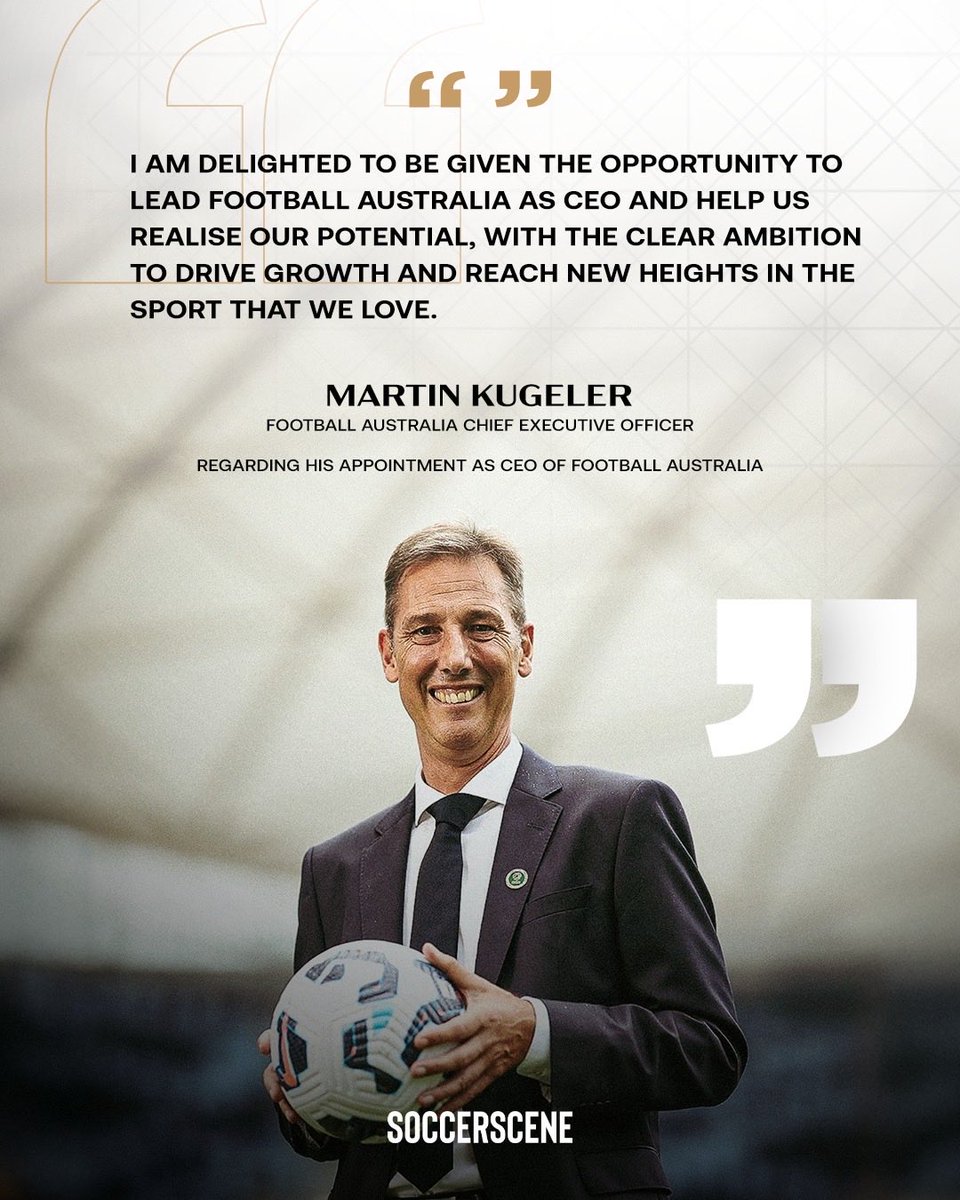
Football Over Politics: Kugeler Sets the Tone for Australian Football’s Next Chapter ⚽📊
Football first. Growth, governance and delivery now matter more than ever.
Read more 👉 soccerscene.com.au/bundeslig…
#FootballFirst #SportsBiz #AustralianFootball
4
157

22 Dec 2025
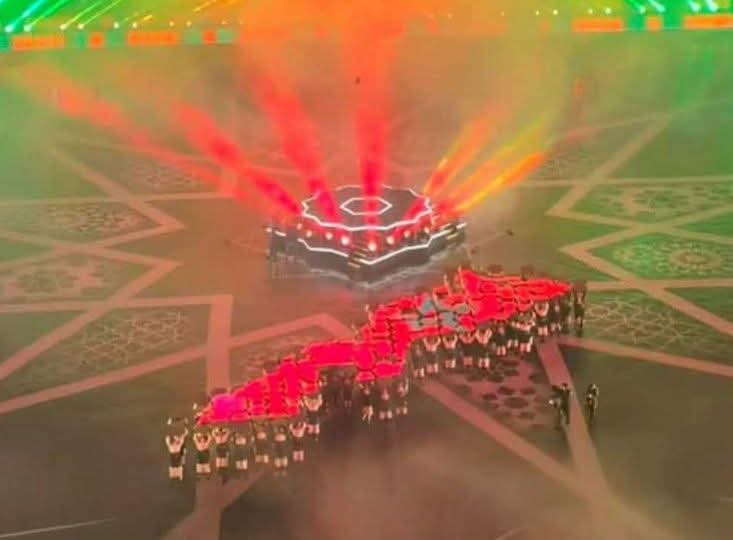
Au lieu de kiffer la #CAN2025 et vibrer foot, la "presse" 🇩🇿 compte les chaises vides comme des moutons perdus 🤣🤣🤣 Obsédés du fiasco imaginaire, pendant que le Maroc 🇲🇦 remplit les stades et l'histoire ! #FootballFirst #CAN2025 #Maroc #Algérie #ComptageDeSièges
4
300

13 Dec 2025
Heartbreaking blow for Terrell Jennings—another young gun sidelined by the NFL's hidden killer. 😔 Kickoff concussions exploded 5X this szn (1.48/100 returns vs 0.29 last yr), stealing futures before they shine. Patriots RB depth tested—can Stevenson carry us to playoffs? Fans, sound off! #Patriots #NFLSafety #ConcussionCrisis #FootballFirst
2
3
2,146

7 Dec 2025
For anyone wondering. James Cook had bottle service at vice Friday night. With everyone’s beloved Damar Hamlin #footballfirst
2
187

4 Dec 2025
Football should be about fun, competition, and celebrating skill, character, and talent. The game is at its best when it brings people together and stays focused on the sport rather than outside agendas n LGBT demonic aganda or politics.
Hashtags:
#FootballFirst #LoveTheGame #PureFootball #BeautifulGame #SportsUnites #LetTheGameSpeak
1
2
127

13 Nov 2025
The world’s biggest stage deserves world-class conditions ,not chaos under the spotlight.
The USA must learn from recent mistakes; football is about passion, not presentation.
When players suffer and stands stay empty, the soul of the game fades.
2026 should be about spirit, not spectacle.
#WorldCup2026 #FootballFirst #GameBeyondGlamour #RespectTheSport #TrueFootballSpirit
1
3
8,041

18 Oct 2025
Good call
Bigup to all involved 🙏🏻
Now let’s go support our teams in full force guys
#footballFirst
18 Oct 2025

FUFA Executive Committee suspends new format of the 2025/2026 StarTimes Uganda Premier League season
The FUFA Executive Committee has taken a decision to suspend the format of the 2025/2026 StarTimes Uganda Premier League season after consultations with the UPL clubs, league sponsors and the Uganda Premier League Board. Rule 14:4-12 of the FUFA Competition Rules 2025 will now not apply for this season.
The suspension will allow stakeholders more time to understand the new UPL reforms through various forms of sensitisation.
10
13
207
10,225

16 Oct 2025
Shocking!
This is in the UK?
So we are saying Jewish fans are not safe in Birmingham?
From the imaginary far-right?
What next ban Jewish Spurs fans?
This is 2025, not 1940, in the UK, right?
⚽️footballfirst
2
29
16 Oct 2025
Will they start banning Jewish Spurs fans next?
Absolutely shocking decision
⚽️footballfirst
2
5
150
16 Oct 2025
What next, will they be banning Spurs fans too?
⚽️footballfirst
2
2
452
16 Oct 2025
Starmer will tell us it was to protect the Israeli fans from the far right again…
🤡
⚽️ footballfirst
2
285

8 Oct 2025
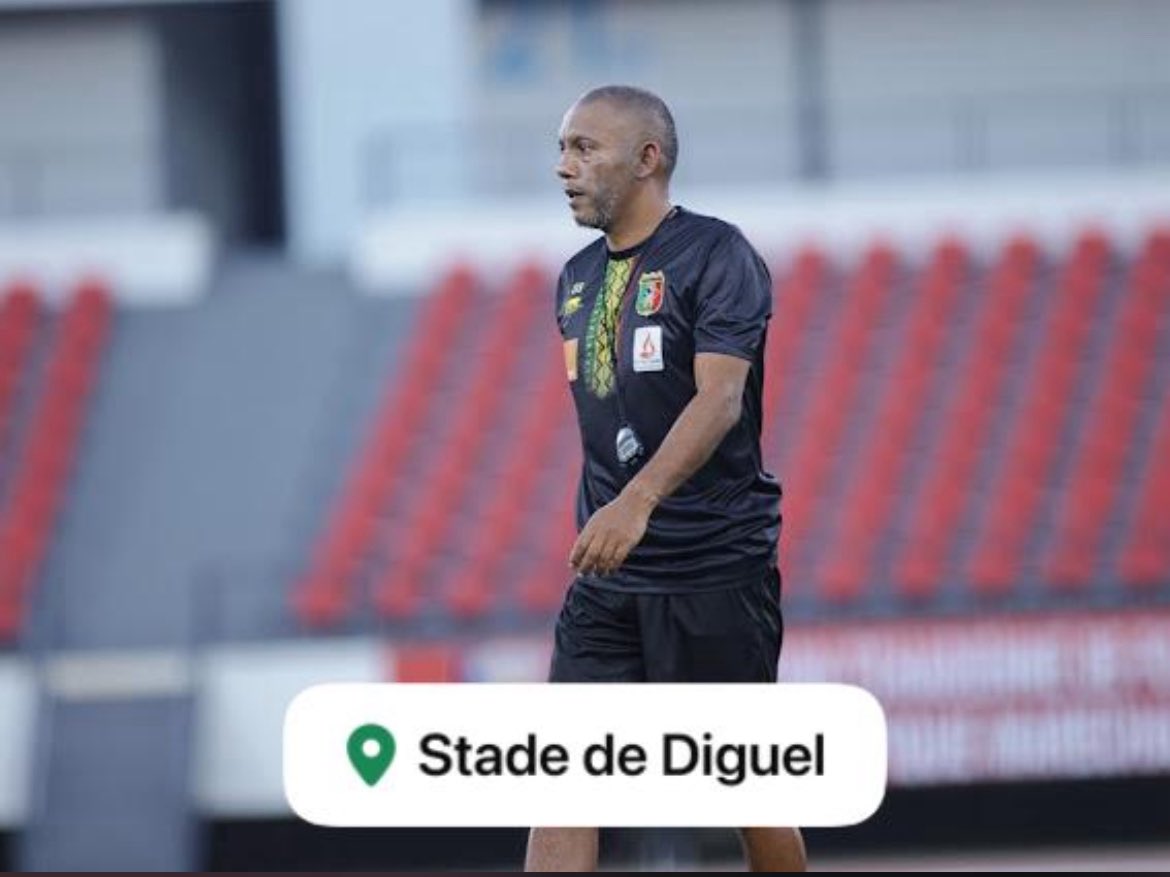
“Load Management within a National Team set up can be complexed but needs to be installed correctly.”
Riedoh Berdien
🇲🇱 Mali National Team
(Head of Performance)(Fitness Coach)
@fsitraining_ Masters in Strength&Conditioning/ReConditioning
fitogether.com Ambassador 📊🤝
#FootballScience
#FootballFirst
3
189

31 Aug 2025
And just like that the ‘Matchday Experience’ isn’t even a conversation.
Rest my case.
#FootballFirst

Might be getting ahead of my self but this season is starting to feel like Stendel, Duff era
Keep this squad and add a few more and it’s looking good. Oakwell is an enjoyable place to go again too 🤩
Ureds
#barnsleyfc
1
1
25
3,805