GOOD MORNING FRIENDS!! HOPE ALL OF YOU HAVE A GREAT DAY FORWARD1!1111!!1!1!!
1
2
59

Mar 3
Tonight at 7pm the next show drops with Pedro Serra (@serrapedro), Outreach Director for the Free State Project (@FreeStateNH).
We’re talking about where this thing is headed over the next five years, why New Hampshire is built different from the rest, and how libertarian legislation is being moved forward1 here every single day.
Catch it live at 7pm! Link in replies below! 👇🏻

2
6
28
2,904

Feb 25
Episode 6 gave me that satisfying feeling of a story deepening instead of just moving forward1
#CatForCashEP6
2
1
22

13 Sep 2025
まぁ、
列調整できない中でのBack9
Forward1だから呪いはやめておこう。
列調整して先頭狙う奴は呪うよ?
こんにちは😃
6
153

18 Jul 2025
Karachi Building Collapse: A Wake-Up Call for Institutional Reform
The recent building collapse in Karachi has once again exposed the chronic failure of our management institutions and the sheer negligence of the government. The loss of precious lives and the displacement of families are not isolated incidents, but symptomatic of a deeper structural rot that plagues our governance system.
Despite repeated identification of hazardous structures in the city, there is a glaring lack of enforcement mechanisms. Building inspections, where conducted, are either superficial or marred by corruption. Residents, often from low-income backgrounds, are forced to live in these precarious buildings due to the absence of safe and affordable alternatives. Tragically, they pay the price for institutional apathy.
The Way Forward1
1.Enforce Regular Structural Audits
All buildings, especially those older than 20 years, must undergo annual structural assessments by certified engineers. A transparent reporting system must be established to share findings with the public.
2.Emergency Facilities Must Be Ensured
It must be made mandatory for all residential buildings to have functional emergency exits, fire alarms, and evacuation plans. Strict penalties must be taken to follow safety rules.
3.Demolish Unsafe Structures Immediately
Once a building is declared unsafe ,it should be evacuated and demolished without any delay. Lives must be prioritized over legal formalities and private interests.
4.Government Must Provide Alternatives
For affected residents, the state must develop interim housing plans. Low-cost housing schemes should be revived and expanded to accommodate those displaced by demolitions.
5.Institutional Accountability
The Sindh Building Control Authority and other relevant bodies must be restructured for transparency and efficiency. Public servants found guilty of negligence or malpractice must face legal consequences.
To conclude this ,the Karachi building collapse is not just a tragedyor failure of bricks and cement ,it is a failure of the system . An urgent systemic reform is must. Without proactive governance, regular oversight, and a strong commitment to public safety, such disaster will continue to happen. It is time to prioritize human lives over political convenience and bureaucratic red tape. The state must act ,decisively and compassionately . Protecting human life must always come first.
Dr Fouzia Hameed
MPA, Sindh
1
4
98


11 Feb 2025
そのほか微妙に伸びたやつを供養
Take A Step Forward1サビ以降全パフェなのに開幕でグレ3個出る!!!!HELP



14
1,321


21 Oct 2024
FORWARD1!1!1!1!
Our space assassin from dune!!11!


3
318

31 Jul 2024
Birth, growth, death, and rebirth
Spiders have a spiritual meaning that represents birth, growth, death, and rebirth, spinning a web of evolution and spiritual transformation1. They represent the beautiful and inspiring part of creativity, but also the need to clean out the cobwebs and keep moving forward1. Among ancient Egyptians, Spider was sacred to Goddess, Neith, a mother figure. Similarly, Native Americans see Spider as a creator and a symbol of the divine Feminine aspect2.
The Meaning of a Spider: Its Symbolism & Spiritual Message
crystalclearintuition.com
crystalclearint…
2
Spider Symbo
2
33

Hi, we understand your concern. However, please note that our check-in counters close 60 minutes prior to domestic departure and 75 minutes prior to international departure. Further, please note that this information is mentioned in the itinerary as well. We look forward1/2
1
68

11 Mar 2024
1番やったのはFで2.0のエスピナスくらいの時からForward1か2のルコディオラらへんまでで3年くらい?
MHF-G6の天廊の番人で一瞬復帰した記憶
1
98

2 Mar 2024
Forward1年くらいやってない気がするな
ちょうどアナボ買えるしこれを機にやってみよ

2
77

7 Nov 2023
Crypto Landscape November 7, 2023: A Surge in Altcoins and AI Tokens, and the FedNow Debate
This morning, the crypto market continues to exhibit vibrant activity, with Bitcoin (BTC) maintaining its price around $35,000, a slight uptick by 1.4% from the previous week. The stability of BTC is particularly noteworthy, peaking close to $36,000, its highest price point this year1.
BTC's dominance has been a critical metric, showing a decrease after five weeks of growth. This shift suggests that new investors are entering the market, diversifying into altcoins, indicative of a riskier but potentially rewarding market stance1.
Particularly, the Total3 metric, excluding Bitcoin and Ethereum, has soared to approximately $383.7 billion, its zenith since mid-April, signaling a surge in altcoin investments1.
On the macroeconomic front, the Federal Reserve's decision to maintain interest rates has introduced a bullish sentiment in the financial markets, hinting at a possible peak in interest rates and thus, less aggressive monetary tightening moving forward1.
An interesting development is the impending decisions on BTC Spot ETF filings by the SEC, with a critical date set for January 10, 2024. The anticipation around these decisions is palpable, as approval could usher in substantial traditional finance investments into the digital assets sphere1.
In parallel, the fusion of AI and cryptocurrency is projected to catalyze significant growth. Post-Token 2049 conference, AI cryptocurrency tokens surged by 39%, with notable attention on decentralized computing and storage solutions like Render Network and Akash Network. These projects, and others like Bittensor, are providing decentralized infrastructure critical for AI development, which has seen dramatic price increases in response to the growing demand for AI capabilities2.
Amidst these advancements, there's a critical debate on the Federal Reserve's FedNow service, which has faced backlash from entities like Bitcoin Magazine, claiming it represents an overreach of control and surveillance over financial transactions. Conversely, the Fed promotes it as a step toward more efficient banking. The crypto community contrasts this with the decentralized nature of cryptocurrencies like Bitcoin, which offer an alternative to such centralized systems, emphasizing financial freedom and privacy3.
To conclude, the crypto market today stands at a juncture where altcoin growth, AI token momentum, and the debate over financial autonomy with FedNow are shaping its future. With the potential for regulatory acceptance and technological advancements converging, the landscape is ripe with opportunities for discerning investors and innovators alike.
#BTC
#NewCrypto
#X
#Crypto
#Today
18
2
7
1,065

3 Apr 2023
Real outcome of 2023 Nigerian election is intellectual change that has questioned the loyalty of the ruling APC govt to Nig & its corporate existence; could existence be tied to democratic or theocratic (Sharia) principles? There has to be a serious conversation on way forward1
1
4
5
152

13 Mar 2023
Breaking: @GaryLineker and BBC management have reached a deal to get the presenter back on air, after the weekend's disruption to Sport schedules.
Director General Tim Davie says: “Gary is a valued part of the BBC and I know how much the BBC means to Gary, and I look forward1/3
1
1
4
1,079


8 Feb 2023
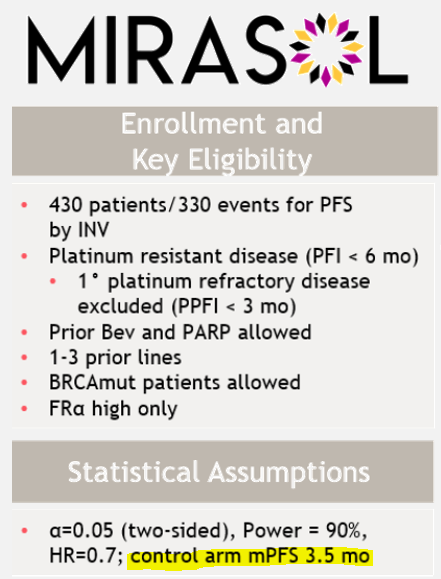
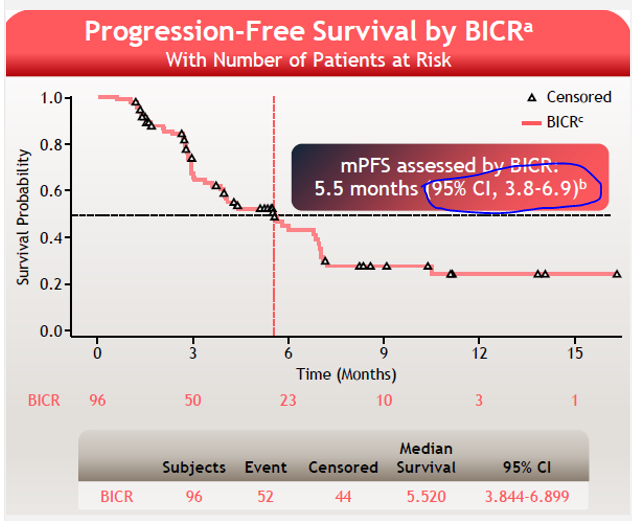
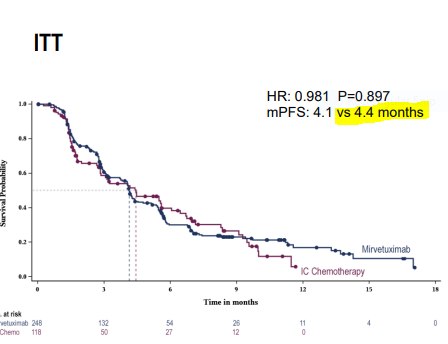
FORWARD1 ITT cnt arm came at 4.4m which happens to fall within the CI of SORAYA and no strong evidence supporting FR-alpha high patients underperforming. $IMGN's data seem within the normal standard deviation of last-line ovarian.
2
5
1,245