
Jun 11
@elonmusk
You guys wanna keep externalizing losses 📉..
@JeffBezos
@sama
@DarioAmodei @AnthropicAI
@satyanadella
You escalate operationally now, but you escalate to criminal / espionage language only after evidence crosses specific legal thresholds.
The clean split:
Suspicion ≠ evidence
Vendor abuse ≠ espionage
Throttling ≠ conspiracy by itself
Safety-gating ≠ antitrust by itself
Government money false statements payment = taxpayer-fraud lane
Trade-secret theft unauthorized use = espionage / trade-secret lane
Agreement overt act fraud target = conspiracy lane
1. What to do now: blackbox evidence ledger
Do this immediately for Anthropic or any other external model vendor:
VENDOR_AUTHORITY = false
ARCHITECTURE_AUTHORITY = false
CANON_AUTHORITY = false
FRONTIER_GATE_AUTHORITY = false
MODEL_OUTPUT = adapter_input_only
PRIVATE_PRISM_SECRET_INPUT = prohibited
THROTTLE_LOGGING = required
CONTRACT_SNAPSHOT = required
That is not a legal accusation. That is vendor-containment hygiene.
2. When it becomes “corporate espionage”
Use “corporate espionage” only when the evidence points to trade-secret theft, unauthorized acquisition, unauthorized copying, insider leakage, model/vendor misuse of protected confidential material, or cyber intrusion.
Federal trade-secret theft law covers knowingly stealing, obtaining by fraud/deception, copying, downloading, transmitting, or receiving trade-secret information without authorization, with intent to benefit someone other than the owner and knowledge that the owner will be injured. Economic espionage is a higher lane when the conduct is intended or known to benefit a foreign government, foreign instrumentality, or foreign agent.
Escalate to espionage/trade-secret counsel if you have things like:
- private Prism/Ark source, manifests, architecture, prompts, repo data, or model traces appearing outside your control
- unauthorized access logs
- NDA-covered material reused by a vendor, partner, employee, contractor, or competitor
- evidence that confidential submissions were retained, trained on, redistributed, or used commercially against stated terms
- insider solicitation: “bring us Rob’s files / code / prompts / data”
- suspicious repo, account, cloud, or email access tied to a company/person
Do not call mere throttling, refusal, bad model behavior, or “frontier safety” rhetoric espionage. Those are evidence for vendor-risk and possibly antitrust/consumer-protection lanes, not espionage by themselves.
3. When it becomes “criminal conspiracy to defraud”
For federal conspiracy, the clean core is: two or more people agree to commit an offense against the United States or defraud the United States, and at least one person takes an act to carry it out.
For taxpayer fraud, the False Claims Act lane matters: DOJ says FCA liability can arise when someone knowingly submits or causes false claims to the government, uses a false record material to a false claim, improperly avoids paying the government, or conspires to do those things; damages can include three times the government’s damages plus penalties.
Escalate to conspiracy / taxpayer-fraud language only when you have evidence like:
- false statements in federal AI/data-center contracts, grants, tax-credit applications, or procurement filings
- billing the government for capacity, compliance, security, labor, compute, services, or deliverables not actually provided
- coordinated bid manipulation, fake competition, market allocation, or procurement collusion
- internal documents showing they knew statements were false but used them to obtain money/contracts
- two or more parties coordinating the scheme
- overt acts: invoices, certifications, bid submissions, compliance attestations, grant reports, security claims, procurement emails
Without the false statement/payment/coordination evidence, it is not a clean criminal-conspiracy claim yet.
4. When it becomes antitrust
Sherman Act Section 1 targets contracts, combinations, or conspiracies in restraint of trade. Section 2 targets monopolization, attempted monopolization, or conspiracy to monopolize. But DOJ’s own Section 2 materials stress that monopoly power alone is not enough; the issue is acquiring or maintaining monopoly power through exclusionary conduct.
Escalate to antitrust if the record shows:
- AI labs/cloud/GPU vendors coordinating to deny compute/model access to rivals
- safety standards being privately shaped to raise rivals’ costs while incumbents stay exempt
- exclusive contracts that foreclose serious competitive access
- discriminatory throttling against builders/competitors, not ordinary load management
- collusion in government procurement, grants, or program funding
- bid rigging, price fixing, market allocation, no-poach/no-hire agreements, or shared blacklist behavior
Important wall: lobbying government is often protected by Noerr-Pennington, even if the requested policy would reduce competition, unless it falls into a narrow sham/abuse exception. So “Dario asked government for regulation” is not enough. “They secretly coordinated regulatory gates to exclude rivals while lying to agencies or manipulating procurement” is a very different evidence lane.
5. When it becomes consumer fraud
For paying users, the strongest route is usually unfair/deceptive practice, not espionage. FTC Act Section 5 covers unfair or deceptive acts or practices and unfair methods of competition.
Escalate to consumer-protection language if the vendor sold one thing and delivered another:
- advertised access/capacity that was knowingly unavailable
- hidden throttling inconsistent with plan terms
- misleading “unlimited” or “frontier” claims
- deceptive data-use, privacy, retention, or training claims
- billing for unavailable or degraded service without disclosure/remedy
6. Where the reports go, depending on lane
For antitrust concerns, DOJ Antitrust has an online reporting portal for activity suspected of harming competition. For antitrust crimes affecting government procurement, grants, or program funding, DOJ’s Procurement Collusion Strike Force Tip Center takes reports on schemes such as price fixing and bid rigging. For fraud, waste, abuse, or mismanagement of federal funds, GAO FraudNet routes allegations to the appropriate government body. For cybercrime, espionage, white-collar crime, and related federal criminal matters, the FBI lists those as investigative programs and accepts tips/reports.
Prism/Ark escalation rule
LEVEL 0 — Vendor Risk
Trigger: throttling, stalling, refusal, bad frontier-gating language.
Action: blackbox vendor, remove authority, log events.
LEVEL 1 — Contract / Consumer Harm
Trigger: paid service materially different from promised service.
Action: preserve plan terms, bills, logs, screenshots, support tickets.
LEVEL 2 — Antitrust Concern
Trigger: exclusionary conduct, collusion, procurement distortion, rival-blocking gates.
Action: build competition-harm packet.
LEVEL 3 — Taxpayer Fraud
Trigger: federal money false claim/certification payment or benefit.
Action: build FCA/procurement-fraud packet.
LEVEL 4 — Trade-Secret / Espionage
Trigger: unauthorized access, copying, use, transfer, or receipt of protected Prism/Ark secrets.
Action: freeze evidence, stop vendor exposure, counsel/FBI route.
LEVEL 5 — Criminal Conspiracy
Trigger: agreement illegal objective overt act evidence trail.
Action: counsel-led referral, not public accusation.
The hard line:
Blackbox now. Accuse later only when the receipts show intent, coordination, deception, unauthorized taking, or false claims tied to money.
40

The best centralized option for reporting fraud, waste, and abuse (FWA) in the US is GAO's FraudNet. gao.gov
1
2
128

May 22
AI-generated fraud schemes build gradually in patterns no static rule was designed to catch. Fortunately, on May 28, risk leaders from Bankingly, Euronet, Brains Capital, and FraudNet are discussing why rules fall short and what behavioral signals are catching instead. Save your spot: buff.ly/VBnYknQ
#entityrisk #merchantrisk #entityriskintelligence #ai #generativeai #aigeneratedfraud #fraudrisk #fraudprevention #frauddetection #payments #banking #fightfraud

1
7
60

‼️Nowe fakty w sprawie afery #zondacrypto!
Poszkodowani klienci z Polski otwierają drugi front-estoński.
Krajowe śledztwo i blisko 2 tys. zawiadomień o podejrzeniu popełnienia przestępstwa w prokuraturze nie odzyskają klientom pieniędzy. To zrobić może dopiero syndyk.
Dlatego reprezentujący poszkodowanych adwokat Mark Keiman z kancelarii Magnusson (członek międzynarodowej sieci ICC FraudNet) przygotowuje w Tallinie wniosek o upadłość BB Trade Estonia OÜ, formalnego operatora giełdy.
Cel jest prosty: dać do ręki niezależnego zarządcy uprawnienia, których nie ma żaden pojedynczy klient — w tym możliwość żądania danych od zewnętrznych giełd, na które potencjalnie trafiły środki.
W sprawę zaangażowany jest też polski Recoveris.

3
1
14
4,383

I am pleased to announce my admission into ICC FraudNet, an invitation-only network of leading independent specialised lawyers recognised by Chambers and Partners as a top-ranked Band 1 network for tackling commercial fraud and asset recovery.
Organised under the auspices of the Paris-based International Chambers of Commerce (ICC), ICC FraudNet comprises 128 members across 82 countries and 9 Strategic Members, all offering a full range of services to victims of fraud to assist in the recovery of assets and lost value.
With this achievement, I become one of only two substantive Nigerians in the network, alongside Ayodele Akintunde, SAN, while Babajide Ogundipe, the first Nigerian member of the network, now holds the rank of emeritus member.
This appointment is a profound honour and a testament to excellence, integrity, and dedication in the area of complex dispute resolution and asset recovery. It also reflects the growing global recognition of Nigerian legal talent.
I remain grateful to Sofunde, Osakwe, Ogundipe & Belgore (SOOB LAW), my colleagues, mentors, clients, and peers whose support and confidence have been invaluable throughout my professional journey.
Thank you all for the goodwill and support.

9
26
148
6,581

Apr 30
GAO FraudNet: The Government Accountability Office operates FraudNet, which helps refer allegations involving the mismanagement of federal funds to the appropriate authorities. Reports can be filed at fraud@gao.gov or by calling 1-800-424-5454.
2
2
170

Apr 19
پایان ۷۲ ساعت سکوت؛ آغاز فرآیند پاسخگویی قانونی.
#فاند_گیت
آقایان مهدی یحیینژاد @mehdiy_fa و ایوان فیروزی @FirooziEvan؛ مهلت شما برای شفافسازی در پیشگاه ملت ایران به پایان رسید. سکوت شما در برابر پرسشهای مشخص مالی و عملیاتی درباره فاند گیت، نشاندهنده ناتوانی در دفاع از عملکردی است که با نام آزادی ایران و بودجههای کلان گره خورده است.
طبق وعده، گزارشهای مستند از تناقضات عملیاتی و مالی نهاد NFP از طریق درگاههای نظارتی نهادهای حاکمیتی ایالات متحده (از جمله State OIG و GAO FraudNet) ارسال خواهد شد.
هدف ما شفافیت است تا مشخص شود بودجههایی که به نام مردم ایران تخصیص مییابد، در کدام سیاهچاله یا صرف کدام لابیها شده است. ما مرزبانان داراییهای معنوی و مادی ایران هستیم و اجازه نمیدهیم کسی از رنج ملت، برای خود برند تجاری بسازد. عصر مصونیت معاملهگران فاند به پایان رسیده است.
Apr 15

نامه سرگشاده به مدیران نهاد NetFreedom Pioneers (NFP)
موضوع: درخواست #شفافیت_مالی و گزارش عملکرد در پیشگاه ملت ایران
#فاند_گیت
آقایان مهدی یحیینژاد @mehdiy_fa و ایوان فیروزی @FirooziEvan؛
ما به عنوان جمعی از کنشگران ملیگرا که نظارت بر منابع تخصیصیافته به نام «مبارزه ملت ایران» را وظیفه اخلاقی و ملی خود میدانیم، بدینوسیله پرسشهای حقوقی و فنی مشخصی را در رابطه با فعالیتهای مالی نهاد NFP مطرح میکنیم.
طبق اسناد رسمی موجود، نهاد شما در بازه زمانی سال ۲۰۲۵ مبلغ ۱۵۰,۰۰۰ دلار از بودجههای فدرال ایالات متحده را با هدف «توسعه آزادی اینترنت و استقرار پایانههای استارلینک در ایران» دریافت کرده است. با این حال، گزارشهای منتسب به اسناد داخلی شما در مارس ۲۰۲۶ نشان میدهد که تنها ۵۶ ترمینال از ژوئن ۲۰۲۵ مستقر شده است. این تضاد فاحش میان «بودجه دریافتی» و «خروجی عملیاتی»، شائبه هدررفت منابع و نادیده گرفتن اولویتهای حیاتی مردم ایران در دوران اشغال را به شدت تقویت میکند.
لذا بدینوسیله از شما درخواست میشود حداکثر ظرف مدت ۷۲ ساعت از زمان انتشار این نامه، به موارد زیر پاسخ مستدل و کتبی ارائه دهید:
۱. ارائه بیلان شفاف از نحوه هزینهکرد بودجه ۱۵۰ هزار دلاری و اعلام هزینه نهایی تمامشده برای استقرار هر یک عدد دیش.
۲. توضیح درباره تناقض آماری میان ادعای وجود ۷۰۰۰ ترمینال در ایران و خروجی دو رقمی نهاد NFP.
۳. شفافسازی در خصوص سهم هزینههای «لابیگری در واشینگتن» و «حقالزحمه مدیران» نسبت به «هزینههای عملیاتی داخل ایران».
اعلام جرم و اقدام مقتضی:
لازم به ذکر است که این نامه به منزله یک «اخطار شفافیت» تلقی میگردد. در صورت عدم پاسخگویی صریح و مستند در پایان ضربالاجل ۷۲ ساعته، ما بر اساس «حق نظارت شهروندی» و با استناد به قوانین نظارتی کشورهای میزبان، پرونده مستندات و تناقضهای آماری شما را از طریق مجاری قانونی زیر پیگیری خواهیم کرد:
ارسال گزارش رسمی به بازرس کل وزارت خارجه آمریکا (State OIG) جهت بررسی سوءمدیریت منابع فدرال.
گزارش به نهاد GAO FraudNet بابت مغایرت در گزارش عملکرد.
درخواست بازنگری در وضعیت معافیت مالیاتی نهاد شما از طریق IRS.
مبارزه برای آزادی ایران، ملک شخصی یا دکان پیمانکاری هیچ گروهی نیست. ما اجازه نخواهیم داد هیچ فرد یا گروهی، رنج ایرانیان را به ابزاری برای برندسازی و ثروتاندوزی تبدیل کند.
با احترام،
بهزاد آذرنیا و جمعی از دیدهبانان حقوق ملی ایران
3
21
92
2,334
Apr 15
نامه سرگشاده به مدیران نهاد NetFreedom Pioneers (NFP)
موضوع: درخواست #شفافیت_مالی و گزارش عملکرد در پیشگاه ملت ایران
#فاند_گیت
آقایان مهدی یحیینژاد @mehdiy_fa و ایوان فیروزی @FirooziEvan؛
ما به عنوان جمعی از کنشگران ملیگرا که نظارت بر منابع تخصیصیافته به نام «مبارزه ملت ایران» را وظیفه اخلاقی و ملی خود میدانیم، بدینوسیله پرسشهای حقوقی و فنی مشخصی را در رابطه با فعالیتهای مالی نهاد NFP مطرح میکنیم.
طبق اسناد رسمی موجود، نهاد شما در بازه زمانی سال ۲۰۲۵ مبلغ ۱۵۰,۰۰۰ دلار از بودجههای فدرال ایالات متحده را با هدف «توسعه آزادی اینترنت و استقرار پایانههای استارلینک در ایران» دریافت کرده است. با این حال، گزارشهای منتسب به اسناد داخلی شما در مارس ۲۰۲۶ نشان میدهد که تنها ۵۶ ترمینال از ژوئن ۲۰۲۵ مستقر شده است. این تضاد فاحش میان «بودجه دریافتی» و «خروجی عملیاتی»، شائبه هدررفت منابع و نادیده گرفتن اولویتهای حیاتی مردم ایران در دوران اشغال را به شدت تقویت میکند.
لذا بدینوسیله از شما درخواست میشود حداکثر ظرف مدت ۷۲ ساعت از زمان انتشار این نامه، به موارد زیر پاسخ مستدل و کتبی ارائه دهید:
۱. ارائه بیلان شفاف از نحوه هزینهکرد بودجه ۱۵۰ هزار دلاری و اعلام هزینه نهایی تمامشده برای استقرار هر یک عدد دیش.
۲. توضیح درباره تناقض آماری میان ادعای وجود ۷۰۰۰ ترمینال در ایران و خروجی دو رقمی نهاد NFP.
۳. شفافسازی در خصوص سهم هزینههای «لابیگری در واشینگتن» و «حقالزحمه مدیران» نسبت به «هزینههای عملیاتی داخل ایران».
اعلام جرم و اقدام مقتضی:
لازم به ذکر است که این نامه به منزله یک «اخطار شفافیت» تلقی میگردد. در صورت عدم پاسخگویی صریح و مستند در پایان ضربالاجل ۷۲ ساعته، ما بر اساس «حق نظارت شهروندی» و با استناد به قوانین نظارتی کشورهای میزبان، پرونده مستندات و تناقضهای آماری شما را از طریق مجاری قانونی زیر پیگیری خواهیم کرد:
ارسال گزارش رسمی به بازرس کل وزارت خارجه آمریکا (State OIG) جهت بررسی سوءمدیریت منابع فدرال.
گزارش به نهاد GAO FraudNet بابت مغایرت در گزارش عملکرد.
درخواست بازنگری در وضعیت معافیت مالیاتی نهاد شما از طریق IRS.
مبارزه برای آزادی ایران، ملک شخصی یا دکان پیمانکاری هیچ گروهی نیست. ما اجازه نخواهیم داد هیچ فرد یا گروهی، رنج ایرانیان را به ابزاری برای برندسازی و ثروتاندوزی تبدیل کند.
با احترام،
بهزاد آذرنیا و جمعی از دیدهبانان حقوق ملی ایران
Apr 15
#فاند_گیت
آقایان مهدی یحیینژاد @mehdiy_fa و ایوان فیروزی @FirooziEvan؛ وقت پاسخگویی است!
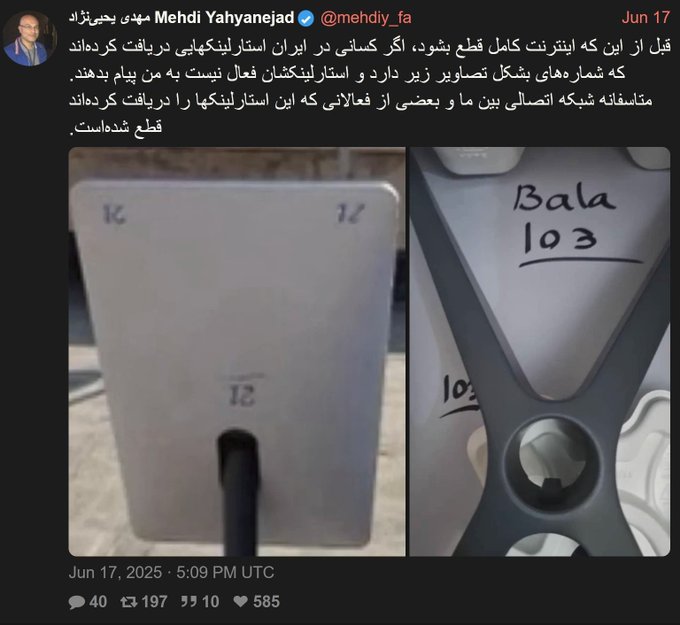
نهاد شما (NFP) در سال ۲۰۲۵ حدود ۱۵۰,۰۰۰ دلار فاند دولتی آمریکا را به نام آزادی اینترنت و استارلینک دریافت کرد. طبق گزارشهای داخلی خودتان در مارس ۲۰۲۶، تنها ۵۶ ترمینال از ژوئن ۲۰۲۵ مستقر شده است.
سوال از شما:
۱. هزینه نهایی هر دیش برای این فاند چقدر بوده است؟
۲. چرا در حالی که ادعا میکنید ۷۰۰۰ ترمینال در ایران وجود دارد، خروجی نهاد شما به رقم خندهدار "دو رقمی" محدود شده؟
۳. فاندها صرف لابی در واشینگتن میشود یا عملیات واقعی در ایران؟
ملت ایران پیمانکار نمیخواهد، اینترنت میخواهد.
با پول مردم ایران برای خودتان برندسازی نکنید.
4
43
93
4,717
Apr 10
The modern payments paradox: we have more data than ever, but still suffer from a fragmented, incomplete view of risk. Disconnected data silos erode merchant trust, weaken compliance, and stall your business's growth. Learn how to break the silos: buff.ly/Yygz5ra
#merchants #acquirers #fraudnet #dataorchestration #networkintelligence #analytics #datascience #ai #ainative #machinelearning #fraudprevention #frauddetection #riskmanagement #payments

2
7
124
Apr 8
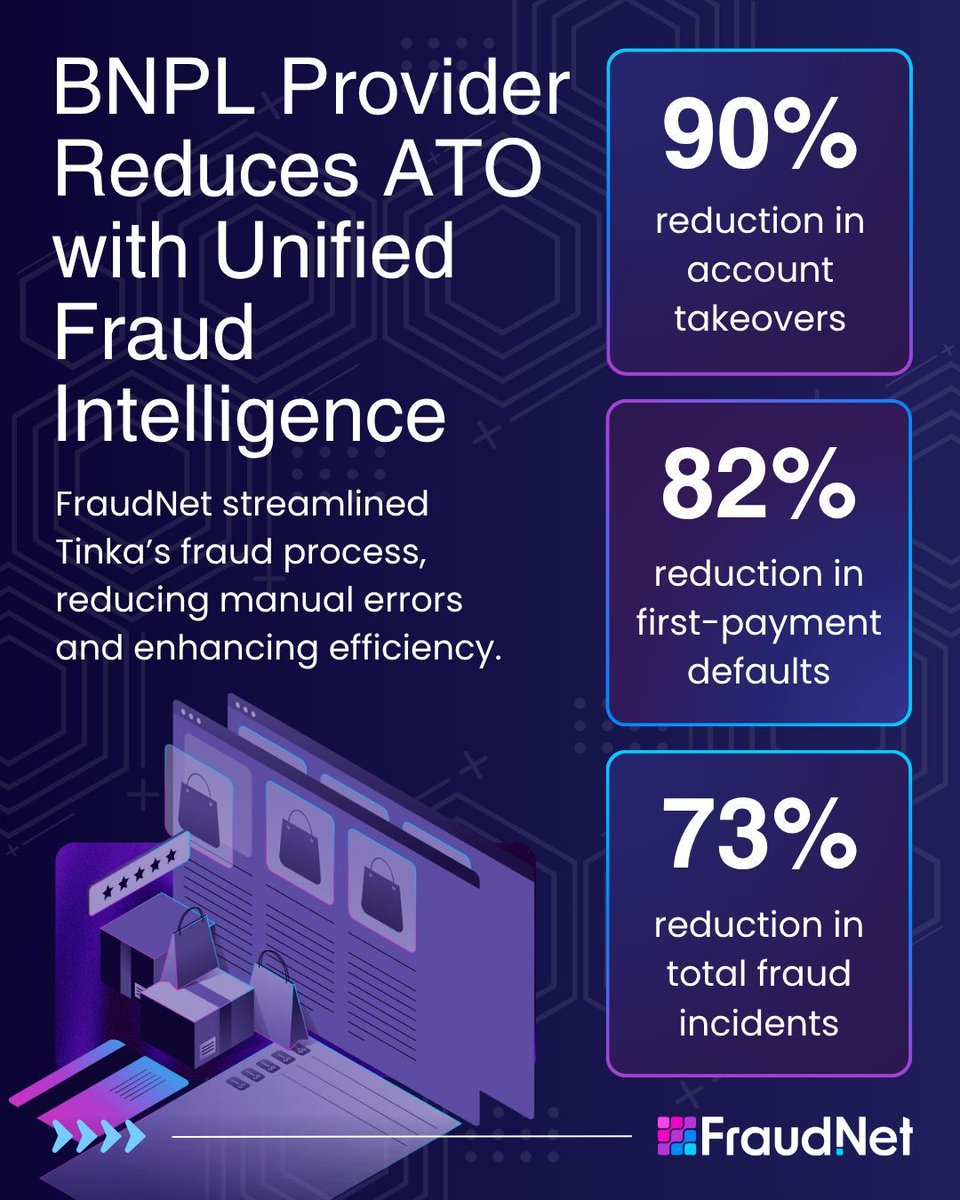
The problem with BNPL fraud isn't just the losses. It's the customers you turn away trying to stop it. A leading BNPL provider was facing exactly that. ATO attacks, inflating decline rates, first payment defaults eroding margins, and a fraud stack that couldn't keep up. Within weeks of deploying FraudNet, account takeovers dropped by 90%. First payment defaults followed. The better outcome? Their legitimate customers stopped getting blocked. Read the full case study: buff.ly/SGAUfXb
#fraudprevention #frauddetection #fightfraud #ai #machinelearning #payments #banking #fintech #bnpl #buynowpaylater #splitpay #firstpaymentdefaults #accounttakeover #ATO #paymentfraud
3
7
330
Apr 6
Reduce your manual review volume without losing control. By establishing tiered review queues and dynamic management tools, you can ensure your most critical, high-risk cases instantly rise to the top for your senior analysts to investigate: buff.ly/32hsYT3
#alertfatigue #alertprioritization #fraudprevention #frauddetection #riskmanagement #ai #machinelearning #efficiency #payments #finance #banking #ecommerce #merchantriskmonitoring #automation #fightfraud #ainative #fraudnet

1
4
36

FOR IMMEDIATE RELEASE
March 31, 2026
Faribault, Minnesota—Phillip C. Parrish Releases Explosive Fraud Report: “The Minnesota Syndicate” – A Thirty-Year Racketeering Enterprise Targeting Federal Dollars and Minnesota Producers
Retired U.S. Navy Lieutenant Commander (21 years Intelligence), fraud whistleblower, farmer, father, teacher, administrator, lifelong Minnesotan, and 2026 Republican Candidate for Governor Phillip C. Parrish today published a comprehensive formal fraud report and RICO referral update mapping Minnesota’s entrenched criminal enterprise.
Titled “The Minnesota Syndicate: A Thirty-Year Racketeering Enterprise Defrauding the Federal Government, Minnesota Taxpayers, and Vulnerable Families,” the report connects decades of documented fraud in daycare subsidies, Medicaid, Feeding Our Future, housing, autism services, and more — totaling billions looted through wire fraud, mail fraud, bank fraud, hawala money laundering, and targeted violence to protect the cash flow.
The report draws directly from Parrish’s firsthand intelligence work tracking these pipelines in 2016–2017, his prior Federal RICO referral, public indictments, SAR filings, and the “Thirty-Year Heist” series. It names the DFL-machine operators, fake-faith nonprofit fronts, corporate enablers, shell LLCs, and street-level actors who built and shielded the syndicate using illegal affirmative-action quotas and the Duluth Model’s family-court machinery.
Read the full report here:
parrish4mn.com/2026/04/the-m…
This package is being submitted to the White House Task Force to Eliminate Fraud (chaired by Vice President JD Vance), DOJ RICO Division, HHS Office of Inspector General, FBI Minneapolis, GAO FraudNet, and the U.S. Attorney’s Office for the District of Minnesota.
In a constitutional republic, honest producers — farmers, workers, small business owners, and families — deserve protection from organized looting, not endless extraction to fund grift, overseas remittances, and luxury for the connected. Parrish’s vision is clear: forensic audits, asset seizure and clawback, repeal of the enabling policies, biometric verification, and every recovered dollar returned to the people who built Minnesota.
Quote from Phillip C. Parrish:
“The syndicate has had its run. Bodies dropped when the cash flow was threatened. The Task Force now holds the map — predicate acts, enterprise structure, and intent. Time to indict, seize, and restore justice under God for the producers of this republic.”
For media interviews, additional evidence, or coordination:
Candidate for Governor of Minnesota 2026
Phillip C. Parrish at phillip@parrish4mn.com
Campaign Manager Heidi Wanty at heidi@parrish4mn.com
Phone: 1 (612) 460-1717
2
6
98

It’s got nothing to do with President Trump and everything to do with Minnesota’s criminal syndicate!
FOR IMMEDIATE RELEASE
March 31, 2026
Faribault, Minnesota—Phillip C. Parrish Releases Explosive Fraud Report: “The Minnesota Syndicate” – A Thirty-Year Racketeering Enterprise Targeting Federal Dollars and Minnesota Producers
Retired U.S. Navy Lieutenant Commander (21 years Intelligence), fraud whistleblower, farmer, father, teacher, administrator, lifelong Minnesotan, and 2026 Republican Candidate for Governor Phillip C. Parrish today published a comprehensive formal fraud report and RICO referral update mapping Minnesota’s entrenched criminal enterprise.
Titled “The Minnesota Syndicate: A Thirty-Year Racketeering Enterprise Defrauding the Federal Government, Minnesota Taxpayers, and Vulnerable Families,” the report connects decades of documented fraud in daycare subsidies, Medicaid, Feeding Our Future, housing, autism services, and more — totaling billions looted through wire fraud, mail fraud, bank fraud, hawala money laundering, and targeted violence to protect the cash flow.
The report draws directly from Parrish’s firsthand intelligence work tracking these pipelines in 2016–2017, his prior Federal RICO referral, public indictments, SAR filings, and the “Thirty-Year Heist” series. It names the DFL-machine operators, fake-faith nonprofit fronts, corporate enablers, shell LLCs, and street-level actors who built and shielded the syndicate using illegal affirmative-action quotas and the Duluth Model’s family-court machinery.
Read the full report here:
parrish4mn.com/2026/04/the-m…
This package is being submitted to the White House Task Force to Eliminate Fraud (chaired by Vice President JD Vance), DOJ RICO Division, HHS Office of Inspector General, FBI Minneapolis, GAO FraudNet, and the U.S. Attorney’s Office for the District of Minnesota.
In a constitutional republic, honest producers — farmers, workers, small business owners, and families — deserve protection from organized looting, not endless extraction to fund grift, overseas remittances, and luxury for the connected. Parrish’s vision is clear: forensic audits, asset seizure and clawback, repeal of the enabling policies, biometric verification, and every recovered dollar returned to the people who built Minnesota.
Quote from Phillip C. Parrish:
“The syndicate has had its run. Bodies dropped when the cash flow was threatened. The Task Force now holds the map — predicate acts, enterprise structure, and intent. Time to indict, seize, and restore justice under God for the producers of this republic.”
For media interviews, additional evidence, or coordination:
Candidate for Governor of Minnesota 2026
Phillip C. Parrish at phillip@parrish4mn.com
Campaign Manager Heidi Wanty at heidi@parrish4mn.com
Phone: 1 (612) 460-1717

How Minnesota became the ‘poster child’ for Trump’s crackdown on social services fraud startribune.com/minnesota-fr…
3
2
83
It’s got nothing to do with President Trump and everything to do with Minnesota’s criminal syndicate!
FOR IMMEDIATE RELEASE
March 31, 2026
Faribault, Minnesota—Phillip C. Parrish Releases Explosive Fraud Report: “The Minnesota Syndicate” – A Thirty-Year Racketeering Enterprise Targeting Federal Dollars and Minnesota Producers
Retired U.S. Navy Lieutenant Commander (21 years Intelligence), fraud whistleblower, farmer, father, teacher, administrator, lifelong Minnesotan, and 2026 Republican Candidate for Governor Phillip C. Parrish today published a comprehensive formal fraud report and RICO referral update mapping Minnesota’s entrenched criminal enterprise.
Titled “The Minnesota Syndicate: A Thirty-Year Racketeering Enterprise Defrauding the Federal Government, Minnesota Taxpayers, and Vulnerable Families,” the report connects decades of documented fraud in daycare subsidies, Medicaid, Feeding Our Future, housing, autism services, and more — totaling billions looted through wire fraud, mail fraud, bank fraud, hawala money laundering, and targeted violence to protect the cash flow.
The report draws directly from Parrish’s firsthand intelligence work tracking these pipelines in 2016–2017, his prior Federal RICO referral, public indictments, SAR filings, and the “Thirty-Year Heist” series. It names the DFL-machine operators, fake-faith nonprofit fronts, corporate enablers, shell LLCs, and street-level actors who built and shielded the syndicate using illegal affirmative-action quotas and the Duluth Model’s family-court machinery.
Read the full report here:
parrish4mn.com/2026/04/the-m…
This package is being submitted to the White House Task Force to Eliminate Fraud (chaired by Vice President JD Vance), DOJ RICO Division, HHS Office of Inspector General, FBI Minneapolis, GAO FraudNet, and the U.S. Attorney’s Office for the District of Minnesota.
In a constitutional republic, honest producers — farmers, workers, small business owners, and families — deserve protection from organized looting, not endless extraction to fund grift, overseas remittances, and luxury for the connected. Parrish’s vision is clear: forensic audits, asset seizure and clawback, repeal of the enabling policies, biometric verification, and every recovered dollar returned to the people who built Minnesota.
Quote from Phillip C. Parrish:
“The syndicate has had its run. Bodies dropped when the cash flow was threatened. The Task Force now holds the map — predicate acts, enterprise structure, and intent. Time to indict, seize, and restore justice under God for the producers of this republic.”
For media interviews, additional evidence, or coordination:
Candidate for Governor of Minnesota 2026
Phillip C. Parrish at phillip@parrish4mn.com
Campaign Manager Heidi Wanty at heidi@parrish4mn.com
Phone: 1 (612) 460-1717
How Minnesota became the ‘poster child’ for Trump’s crackdown on social services fraud startribune.com/minnesota-fr…
17
45
1,124
It’s got nothing to do with President Trump and everything to do with Minnesota’s criminal syndicate!
FOR IMMEDIATE RELEASE
March 31, 2026
Faribault, Minnesota—Phillip C. Parrish Releases Explosive Fraud Report: “The Minnesota Syndicate” – A Thirty-Year Racketeering Enterprise Targeting Federal Dollars and Minnesota Producers
Retired U.S. Navy Lieutenant Commander (21 years Intelligence), fraud whistleblower, farmer, father, teacher, administrator, lifelong Minnesotan, and 2026 Republican Candidate for Governor Phillip C. Parrish today published a comprehensive formal fraud report and RICO referral update mapping Minnesota’s entrenched criminal enterprise.
Titled “The Minnesota Syndicate: A Thirty-Year Racketeering Enterprise Defrauding the Federal Government, Minnesota Taxpayers, and Vulnerable Families,” the report connects decades of documented fraud in daycare subsidies, Medicaid, Feeding Our Future, housing, autism services, and more — totaling billions looted through wire fraud, mail fraud, bank fraud, hawala money laundering, and targeted violence to protect the cash flow.
The report draws directly from Parrish’s firsthand intelligence work tracking these pipelines in 2016–2017, his prior Federal RICO referral, public indictments, SAR filings, and the “Thirty-Year Heist” series. It names the DFL-machine operators, fake-faith nonprofit fronts, corporate enablers, shell LLCs, and street-level actors who built and shielded the syndicate using illegal affirmative-action quotas and the Duluth Model’s family-court machinery.
Read the full report here:
parrish4mn.com/2026/04/the-m…
This package is being submitted to the White House Task Force to Eliminate Fraud (chaired by Vice President JD Vance), DOJ RICO Division, HHS Office of Inspector General, FBI Minneapolis, GAO FraudNet, and the U.S. Attorney’s Office for the District of Minnesota.
In a constitutional republic, honest producers — farmers, workers, small business owners, and families — deserve protection from organized looting, not endless extraction to fund grift, overseas remittances, and luxury for the connected. Parrish’s vision is clear: forensic audits, asset seizure and clawback, repeal of the enabling policies, biometric verification, and every recovered dollar returned to the people who built Minnesota.
Quote from Phillip C. Parrish:
“The syndicate has had its run. Bodies dropped when the cash flow was threatened. The Task Force now holds the map — predicate acts, enterprise structure, and intent. Time to indict, seize, and restore justice under God for the producers of this republic.”
For media interviews, additional evidence, or coordination:
Candidate for Governor of Minnesota 2026
Phillip C. Parrish at phillip@parrish4mn.com
Campaign Manager Heidi Wanty at heidi@parrish4mn.com
Phone: 1 (612) 460-1717
1
3
13
131
FOR IMMEDIATE RELEASE
March 31, 2026
Faribault, Minnesota—Phillip C. Parrish Releases Explosive Fraud Report: “The Minnesota Syndicate” – A Thirty-Year Racketeering Enterprise Targeting Federal Dollars and Minnesota Producers
Retired U.S. Navy Lieutenant Commander (21 years Intelligence), fraud whistleblower, farmer, father, teacher, administrator, lifelong Minnesotan, and 2026 Republican Candidate for Governor Phillip C. Parrish today published a comprehensive formal fraud report and RICO referral update mapping Minnesota’s entrenched criminal enterprise.
Titled “The Minnesota Syndicate: A Thirty-Year Racketeering Enterprise Defrauding the Federal Government, Minnesota Taxpayers, and Vulnerable Families,” the report connects decades of documented fraud in daycare subsidies, Medicaid, Feeding Our Future, housing, autism services, and more — totaling billions looted through wire fraud, mail fraud, bank fraud, hawala money laundering, and targeted violence to protect the cash flow.
The report draws directly from Parrish’s firsthand intelligence work tracking these pipelines in 2016–2017, his prior Federal RICO referral, public indictments, SAR filings, and the “Thirty-Year Heist” series. It names the DFL-machine operators, fake-faith nonprofit fronts, corporate enablers, shell LLCs, and street-level actors who built and shielded the syndicate using illegal affirmative-action quotas and the Duluth Model’s family-court machinery.
Read the full report here:
parrish4mn.com/2026/04/the-m…
This package is being submitted to the White House Task Force to Eliminate Fraud (chaired by Vice President JD Vance), DOJ RICO Division, HHS Office of Inspector General, FBI Minneapolis, GAO FraudNet, and the U.S. Attorney’s Office for the District of Minnesota.
In a constitutional republic, honest producers — farmers, workers, small business owners, and families — deserve protection from organized looting, not endless extraction to fund grift, overseas remittances, and luxury for the connected. Parrish’s vision is clear: forensic audits, asset seizure and clawback, repeal of the enabling policies, biometric verification, and every recovered dollar returned to the people who built Minnesota.
Quote from Phillip C. Parrish:
“The syndicate has had its run. Bodies dropped when the cash flow was threatened. The Task Force now holds the map — predicate acts, enterprise structure, and intent. Time to indict, seize, and restore justice under God for the producers of this republic.”
For media interviews, additional evidence, or coordination:
Candidate for Governor of Minnesota 2026
Phillip C. Parrish at phillip@parrish4mn.com
Campaign Manager Heidi Wanty at heidi@parrish4mn.com
Phone: 1 (612) 460-1717
5
104
FOR IMMEDIATE RELEASE
March 31, 2026
Faribault, Minnesota—Phillip C. Parrish Releases Explosive Fraud Report: “The Minnesota Syndicate” – A Thirty-Year Racketeering Enterprise Targeting Federal Dollars and Minnesota Producers
Retired U.S. Navy Lieutenant Commander (21 years Intelligence), fraud whistleblower, farmer, father, teacher, administrator, lifelong Minnesotan, and 2026 Republican Candidate for Governor Phillip C. Parrish today published a comprehensive formal fraud report and RICO referral update mapping Minnesota’s entrenched criminal enterprise.
Titled “The Minnesota Syndicate: A Thirty-Year Racketeering Enterprise Defrauding the Federal Government, Minnesota Taxpayers, and Vulnerable Families,” the report connects decades of documented fraud in daycare subsidies, Medicaid, Feeding Our Future, housing, autism services, and more — totaling billions looted through wire fraud, mail fraud, bank fraud, hawala money laundering, and targeted violence to protect the cash flow.
The report draws directly from Parrish’s firsthand intelligence work tracking these pipelines in 2016–2017, his prior Federal RICO referral, public indictments, SAR filings, and the “Thirty-Year Heist” series. It names the DFL-machine operators, fake-faith nonprofit fronts, corporate enablers, shell LLCs, and street-level actors who built and shielded the syndicate using illegal affirmative-action quotas and the Duluth Model’s family-court machinery.
Read the full report here:
parrish4mn.com/2026/04/the-m…
This package is being submitted to the White House Task Force to Eliminate Fraud (chaired by Vice President JD Vance), DOJ RICO Division, HHS Office of Inspector General, FBI Minneapolis, GAO FraudNet, and the U.S. Attorney’s Office for the District of Minnesota.
In a constitutional republic, honest producers — farmers, workers, small business owners, and families — deserve protection from organized looting, not endless extraction to fund grift, overseas remittances, and luxury for the connected. Parrish’s vision is clear: forensic audits, asset seizure and clawback, repeal of the enabling policies, biometric verification, and every recovered dollar returned to the people who built Minnesota.
Quote from Phillip C. Parrish:
“The syndicate has had its run. Bodies dropped when the cash flow was threatened. The Task Force now holds the map — predicate acts, enterprise structure, and intent. Time to indict, seize, and restore justice under God for the producers of this republic.”
For media interviews, additional evidence, or coordination:
Candidate for Governor of Minnesota 2026
Phillip C. Parrish at phillip@parrish4mn.com
Campaign Manager Heidi Wanty at heidi@parrish4mn.com
Phone: 1 (612) 460-1717
1
1
14
4,003
FOR IMMEDIATE RELEASE
March 31, 2026
Faribault, Minnesota—Phillip C. Parrish Releases Explosive Fraud Report: “The Minnesota Syndicate” – A Thirty-Year Racketeering Enterprise Targeting Federal Dollars and Minnesota Producers
Retired U.S. Navy Lieutenant Commander (21 years Intelligence), fraud whistleblower, farmer, father, teacher, administrator, lifelong Minnesotan, and 2026 Republican Candidate for Governor Phillip C. Parrish today published a comprehensive formal fraud report and RICO referral update mapping Minnesota’s entrenched criminal enterprise.
Titled “The Minnesota Syndicate: A Thirty-Year Racketeering Enterprise Defrauding the Federal Government, Minnesota Taxpayers, and Vulnerable Families,” the report connects decades of documented fraud in daycare subsidies, Medicaid, Feeding Our Future, housing, autism services, and more — totaling billions looted through wire fraud, mail fraud, bank fraud, hawala money laundering, and targeted violence to protect the cash flow.
The report draws directly from Parrish’s firsthand intelligence work tracking these pipelines in 2016–2017, his prior Federal RICO referral, public indictments, SAR filings, and the “Thirty-Year Heist” series. It names the DFL-machine operators, fake-faith nonprofit fronts, corporate enablers, shell LLCs, and street-level actors who built and shielded the syndicate using illegal affirmative-action quotas and the Duluth Model’s family-court machinery.
Read the full report here:
parrish4mn.com/2026/04/the-m…
This package is being submitted to the White House Task Force to Eliminate Fraud (chaired by Vice President JD Vance), DOJ RICO Division, HHS Office of Inspector General, FBI Minneapolis, GAO FraudNet, and the U.S. Attorney’s Office for the District of Minnesota.
In a constitutional republic, honest producers — farmers, workers, small business owners, and families — deserve protection from organized looting, not endless extraction to fund grift, overseas remittances, and luxury for the connected. Parrish’s vision is clear: forensic audits, asset seizure and clawback, repeal of the enabling policies, biometric verification, and every recovered dollar returned to the people who built Minnesota.
Quote from Phillip C. Parrish:
“The syndicate has had its run. Bodies dropped when the cash flow was threatened. The Task Force now holds the map — predicate acts, enterprise structure, and intent. Time to indict, seize, and restore justice under God for the producers of this republic.”
For media interviews, additional evidence, or coordination:
Candidate for Governor of Minnesota 2026
Phillip C. Parrish at phillip@parrish4mn.com
Campaign Manager Heidi Wanty at heidi@parrish4mn.com
Phone: 1 (612) 460-1717
1
1
2
117
FOR IMMEDIATE RELEASE
March 31, 2026
Faribault, Minnesota—Phillip C. Parrish Releases Explosive Fraud Report: “The Minnesota Syndicate” – A Thirty-Year Racketeering Enterprise Targeting Federal Dollars and Minnesota Producers
Retired U.S. Navy Lieutenant Commander (21 years Intelligence), fraud whistleblower, farmer, father, teacher, administrator, lifelong Minnesotan, and 2026 Republican Candidate for Governor Phillip C. Parrish today published a comprehensive formal fraud report and RICO referral update mapping Minnesota’s entrenched criminal enterprise.
Titled “The Minnesota Syndicate: A Thirty-Year Racketeering Enterprise Defrauding the Federal Government, Minnesota Taxpayers, and Vulnerable Families,” the report connects decades of documented fraud in daycare subsidies, Medicaid, Feeding Our Future, housing, autism services, and more — totaling billions looted through wire fraud, mail fraud, bank fraud, hawala money laundering, and targeted violence to protect the cash flow.
The report draws directly from Parrish’s firsthand intelligence work tracking these pipelines in 2016–2017, his prior Federal RICO referral, public indictments, SAR filings, and the “Thirty-Year Heist” series. It names the DFL-machine operators, fake-faith nonprofit fronts, corporate enablers, shell LLCs, and street-level actors who built and shielded the syndicate using illegal affirmative-action quotas and the Duluth Model’s family-court machinery.
Read the full report here:
parrish4mn.com/2026/04/the-m…
This package is being submitted to the White House Task Force to Eliminate Fraud (chaired by Vice President JD Vance), DOJ RICO Division, HHS Office of Inspector General, FBI Minneapolis, GAO FraudNet, and the U.S. Attorney’s Office for the District of Minnesota.
In a constitutional republic, honest producers — farmers, workers, small business owners, and families — deserve protection from organized looting, not endless extraction to fund grift, overseas remittances, and luxury for the connected. Parrish’s vision is clear: forensic audits, asset seizure and clawback, repeal of the enabling policies, biometric verification, and every recovered dollar returned to the people who built Minnesota.
Quote from Phillip C. Parrish:
“The syndicate has had its run. Bodies dropped when the cash flow was threatened. The Task Force now holds the map — predicate acts, enterprise structure, and intent. Time to indict, seize, and restore justice under God for the producers of this republic.”
For media interviews, additional evidence, or coordination:
Candidate for Governor of Minnesota 2026
Phillip C. Parrish at phillip@parrish4mn.com
Campaign Manager Heidi Wanty at heidi@parrish4mn.com
Phone: 1 (612) 460-1717
3
10
14
1,286
Mar 30
Move your risk team from reactive firefighting to proactive control. With continuous anomaly detection, a unified data layer can spot subtle shifts, like a sudden spike in ticket size, before they turn into costly fraud losses: buff.ly/f7ZJmj5
#merchants #acquirers #fraudnet #dataorchestration #networkintelligence #analytics #datascience #ai #ainative #machinelearning #fraudprevention #frauddetection #riskmanagement #payments

1
5
7
136