
@AmandaHensman let’s just take 1 speciality - haematology.
Med Cons for Haem: MBBS, MRCP, FRCPath, /- PhD, CCT
AHP Cons for Haem: /- Nursing degree, /- MSc ACP or just a portfolio, a DPH on pencil sharpening in the workplace
Why is there any equivalence?
3
5
72

The College is accepting applications for overseas FRCPath Part 2 Histopathology exam centres. This is an exciting opportunity so please express your interest before Thursday 25 June 2026: ow.ly/E2VU50ZcEcV #Pathology #FRCPath #Histopathology
62

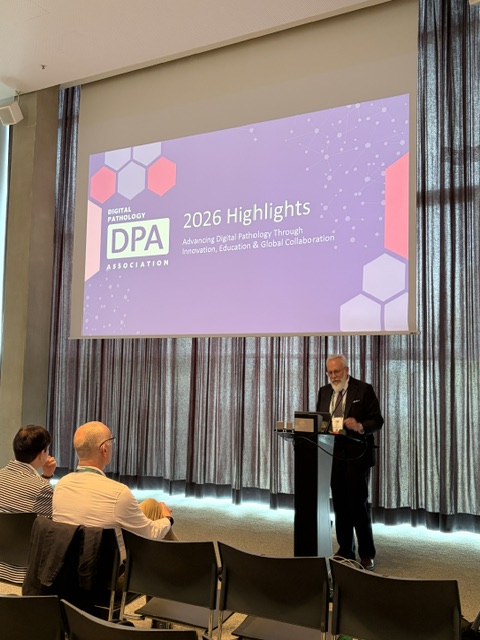
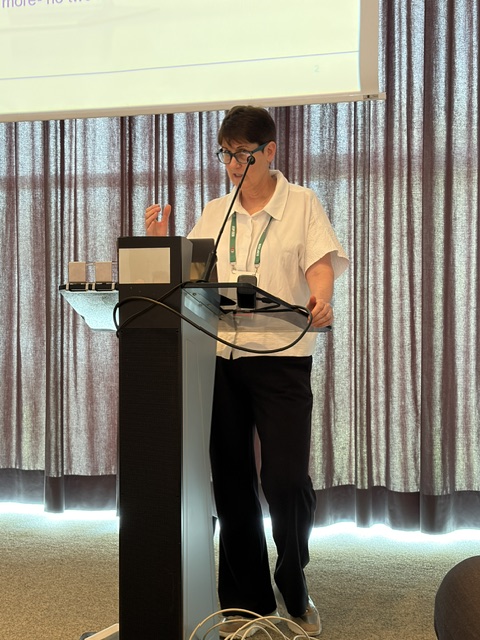
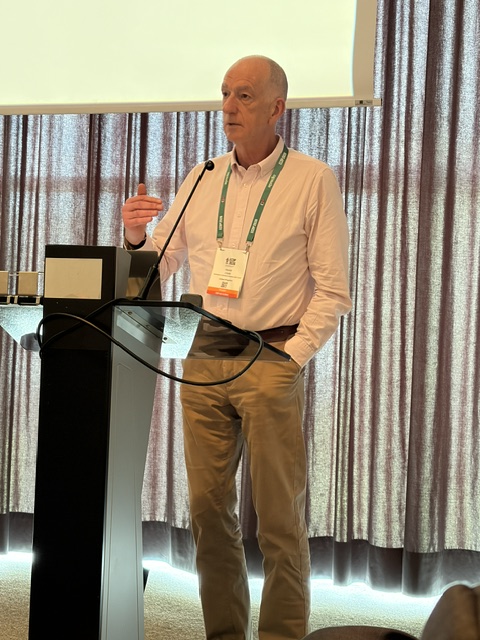
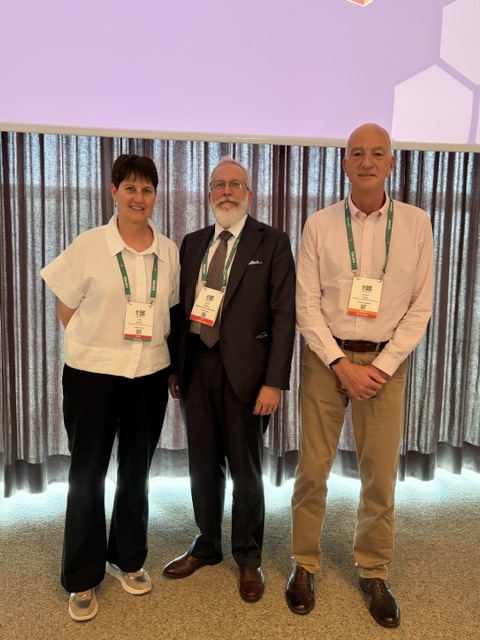
Today, the Digital Pathology Association was proud to take the global stage at #ECDP2026 in Graz, Austria, where leaders from across the digital pathology community gathered to share knowledge, foster collaboration, and explore the future of pathology in the AI era. During the DPA Companion Meeting, attendees gained practical insights on building sustainable, scalable, and AI-ready digital pathology programs through discussions on implementation strategies, financial stewardship, and real-world adoption experiences. Thank you to everyone who joined us as we continue working to advance digital pathology worldwide through education, innovation, and collaboration.
Speakers included: DPA President Scott Blakely, Orly Ardon, PhD, MBA and David Clark, MB BS, MD, MRCP(UK), FRCPath
#DigitalPathology #PathologyInnovation #ArtificialIntelligence #DigitalTransformation #DigitalHealth #Pathology #GlobalCollaboration #DP
83
Yahya G. Hummadi retweeted

Jun 16
chat.whatsapp.com/BXKWhJWOGX…
Hi. Join Our FRCPath Haematology Part 1 Exam Preparation Group!
This is Active and supportive study group!
Please share the group link with your colleagues who might be interested.
Thank you!
1
3
229
Jun 16
chat.whatsapp.com/BXKWhJWOGX…
Hi. Join Our FRCPath Haematology Part 1 Exam Preparation Group!
This is Active and supportive study group!
Please share the group link with your colleagues who might be interested.
Thank you!
18

Jun 16
Time to book FRCPath part 1 bc being jobless next year and a bum is not ever an option but why is it £749??? Kmt
5
1,896
Ash Paul retweeted

Jun 14
To do that, you have to be able to get to first principles.
Even in FRCPath, you had to know the guideline evidence pretty well and understand if/when you need to work around it.
I don’t understand why medically unqualified groups are so cavalier about something so complex
2/2
2
8
26
569

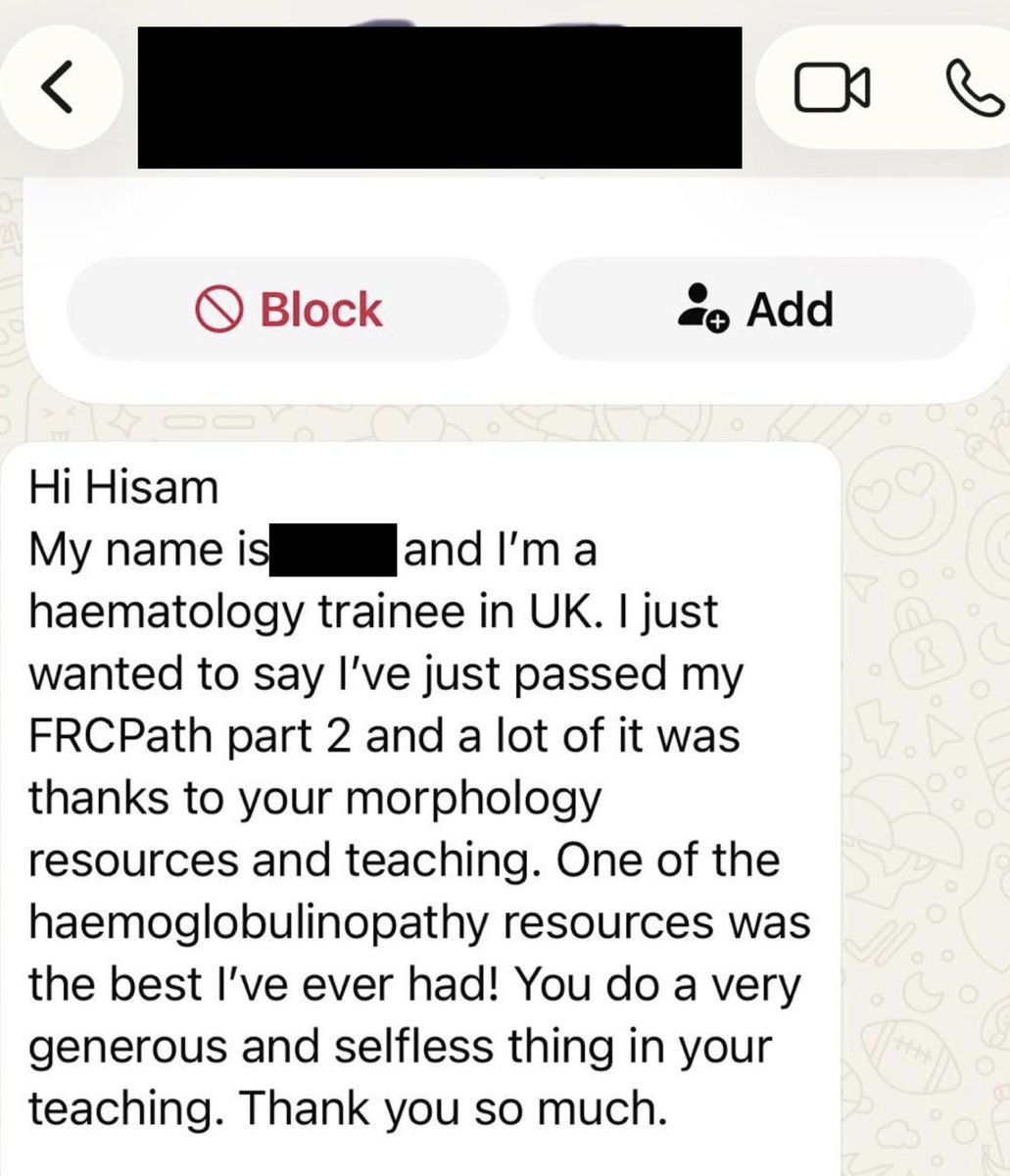
Social media teaching can feel like putting small things out into the void…
So hearing that it helped someone get through FRCPATH Part 2 is incredibly humbling.
Credit entirely to their effort .I’m just glad to play a tiny part.
#medtwitter #meded #hematology #blooducation
3
16
1,664

Jun 14
"Bill Gates has done more damage to the world's health than any other individual."
Professor Angus Dalgleish MBBS, MD, FRACP, FRCP, FRCPath, and FMedSci.
Bill Gates is NOT a doctor, NOT a scientist, NOT a climate specialist, NOT a biologist, NOT a philanthropist
2
29

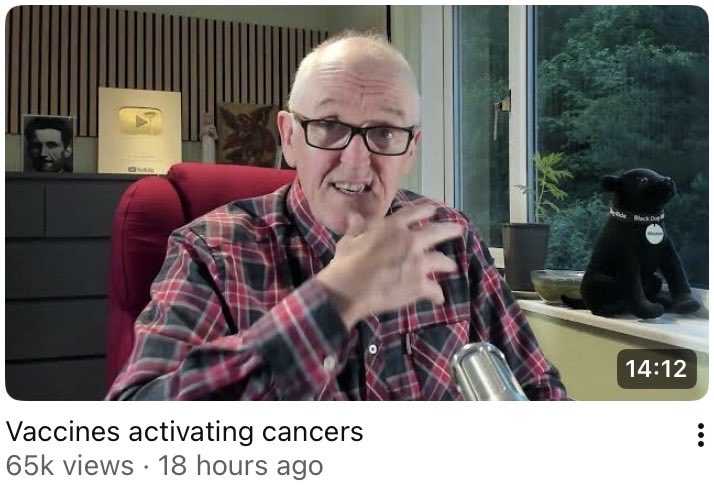
MUST SEE: Vaccines activating cancers. By Prof Angus Dalgleish MD FRCP FRACP FRCPath FMedSci
My name is Professor Angus Dalgleish. I am an oncologist and immunologist with decades of experience in cancer immunotherapy and HIV research, including early clinical use of cancer immunotherapy in the United Kingdom long before checkpoint inhibitors were approved. I am Professor Emeritus and Foundation Chair of Oncology at the University of London, and Principal of the Institute of Cancer Vaccines and Immunotherapy.
Beginning in late 2021, I observed a series of unexpected cancer relapses and unusually aggressive disease presentations among patients whose conditions had remained stable for years.
A consistent pattern quickly became apparent: these relapses followed repeated COVID booster administration.
These were patients in long-term remission who suddenly relapsed after being advised to receive additional doses of the vaccine.
Despite the seriousness of these observations, there was little willingness to openly investigate these potential safety signals.
From my background in HIV research and immunology, including early work involving the CD4 receptor, I was particularly sensitive to signals involving T-cell function and immune dysregulation. This led me to become concerned that repeated boosting strategies might contribute to impaired immune surveillance in vulnerable individuals, a concern later supported by evidence of exhausted T-cell responses following repeated vaccination.
Over time, however, it became increasingly clear that the pattern extended far beyond relapse in vulnerable cancer patients alone.
I began observing something far more alarming: unusually aggressive cancers, advanced-stage disease in younger individuals, and clinical presentations that differed sharply from what we would normally expect in routine oncology practice. Something broader — and far more concerning — appeared to be emerging.
In my own clinical practice, I observed a marked increase in unexpected cancers among boosted patients, including breast, prostate, pancreatic, lymphoma, gall bladder, glioma, and bladder cancers.
Some of the most striking observations came from colorectal cancer surgeons, who described a shift from earlier-stage, more routinely detected disease toward patients presenting with metastatic stage IV cancers and unusual thrombotic features.
Increasingly, these patterns extended beyond clinical settings and into personal lives. I watched close friends develop aggressive late-stage cancers and rapidly deteriorate following repeated booster administration.
At that point, the issue no longer felt purely academic or theoretical. It became deeply personal.
I became increasingly concerned by unresolved questions surrounding the biologic behavior of mRNA-based platforms.
Emerging literature proposed several biologically plausible mechanisms linking these vaccines to cancer progression, including immune dysregulation, vascular injury, and effects involving oncogenic and tumor-suppressor pathways.
Additional issues involved residual DNA fragments and SV40 promoter/enhancer sequence elements identified in certain vaccine lots, findings which I believe warranted far greater regulatory scrutiny and independent investigation given their potential oncogenic implications.
Through my previous work with mRNA experts and service on the Scientific Advisory Board of CureVac, I also became increasingly uneasy about questions involving biologic stability, genomic interaction, and the adequacy of long-term safety evaluation surrounding repeated mRNA exposure. For example, unresolved questions remain regarding potential interactions with cellular genetic processes, potentially activating cancer-promoting pathways while disrupting tumor suppression… more.
youtu.be/tYqvCbM82bw?si=kc7K… via @YouTube
1
3
5
603