
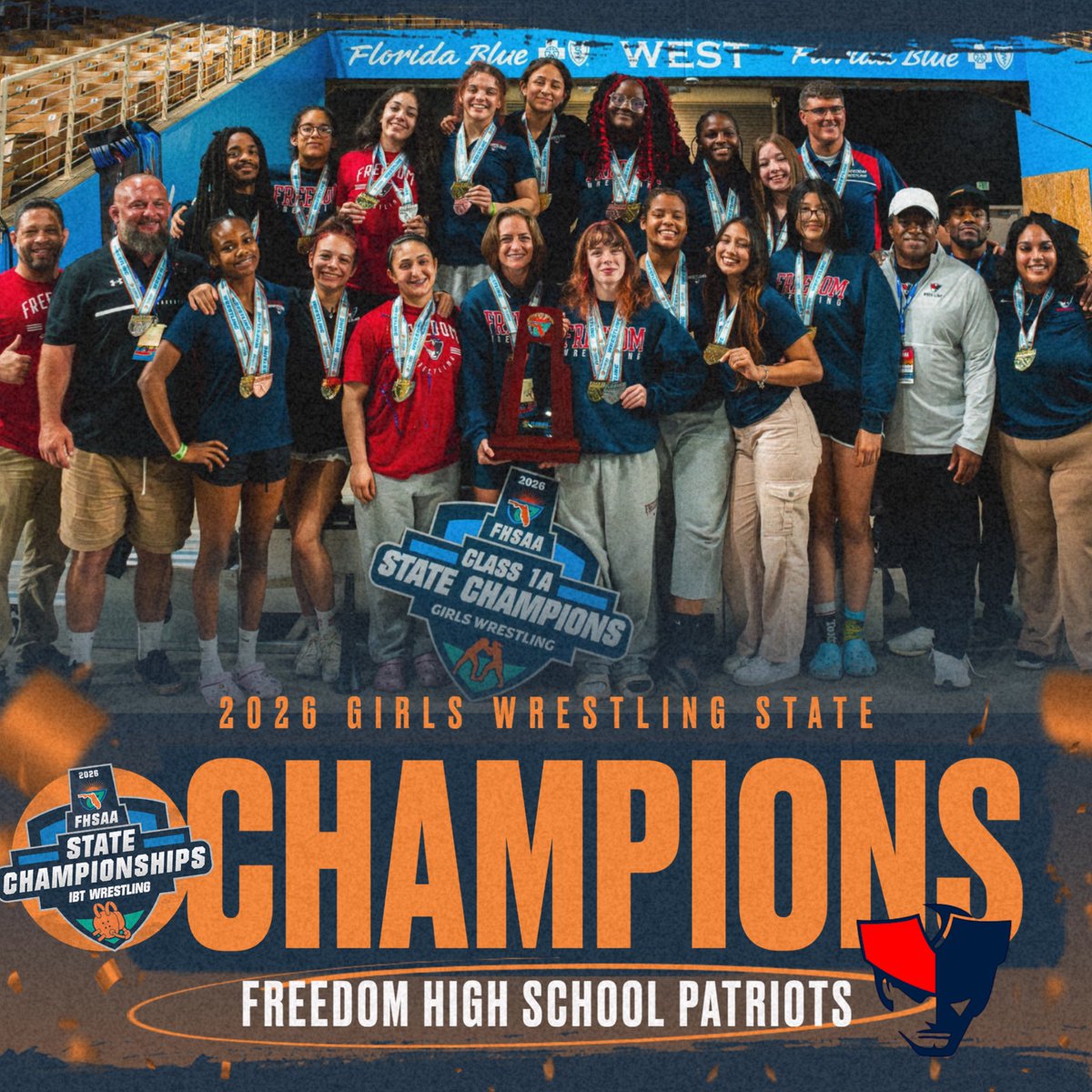
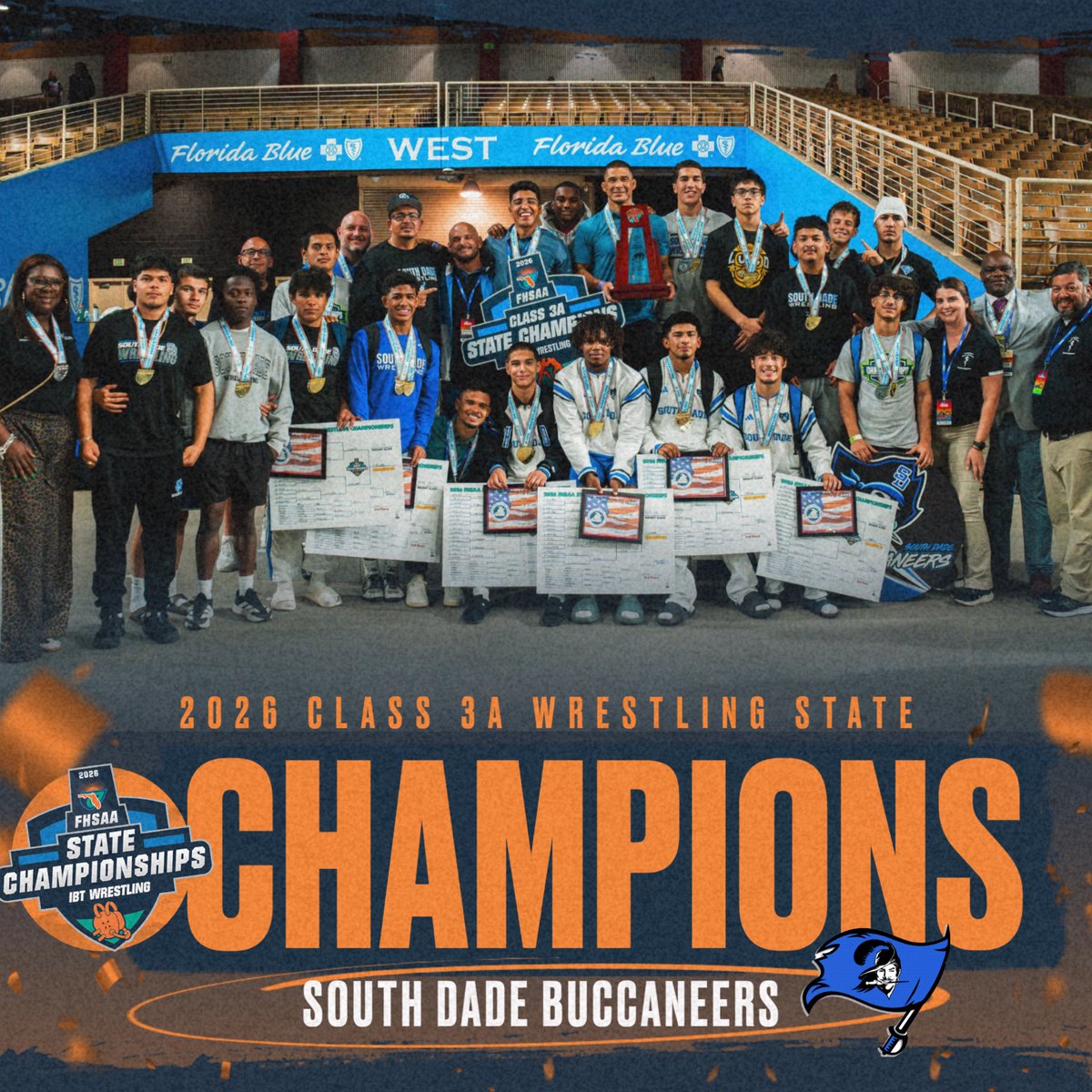
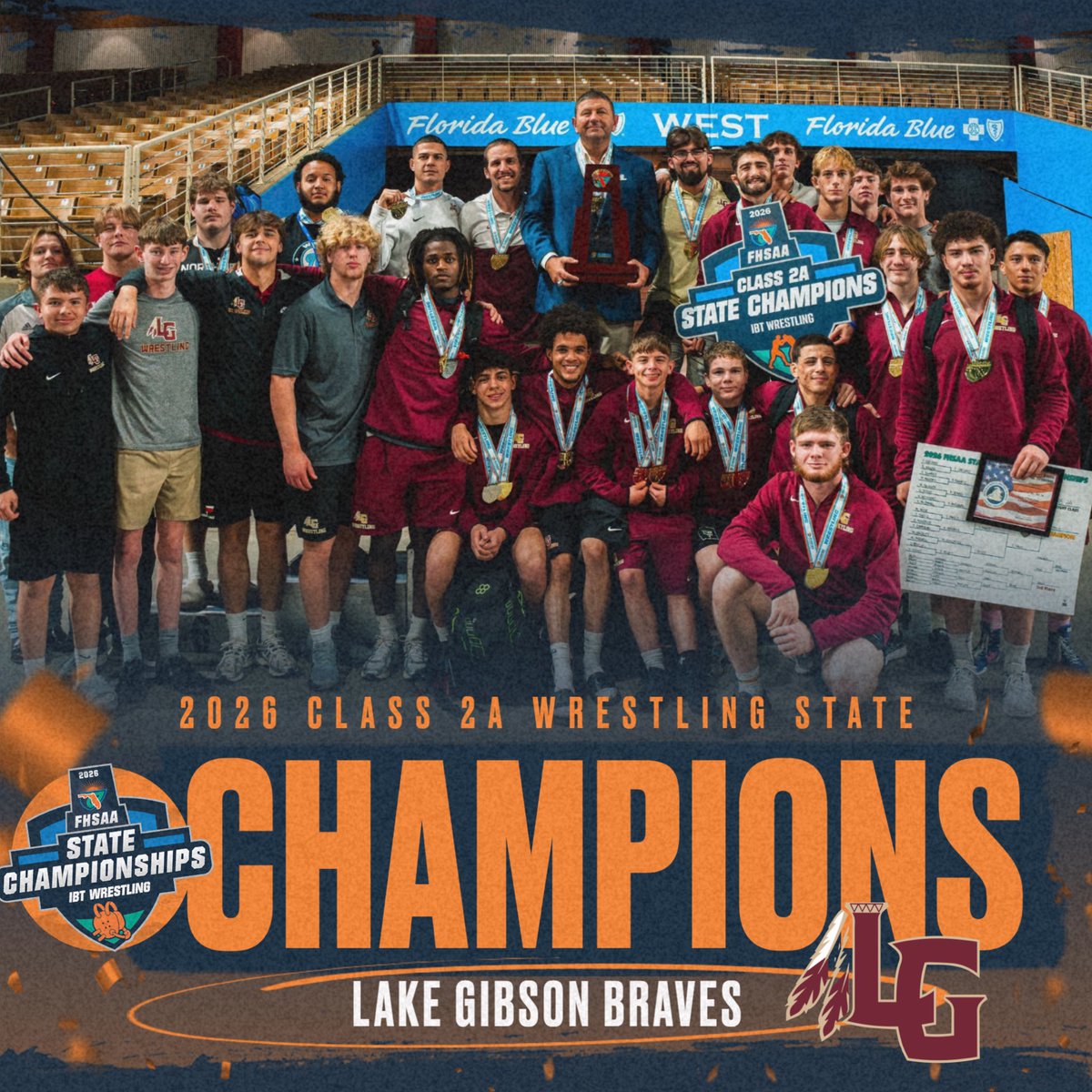
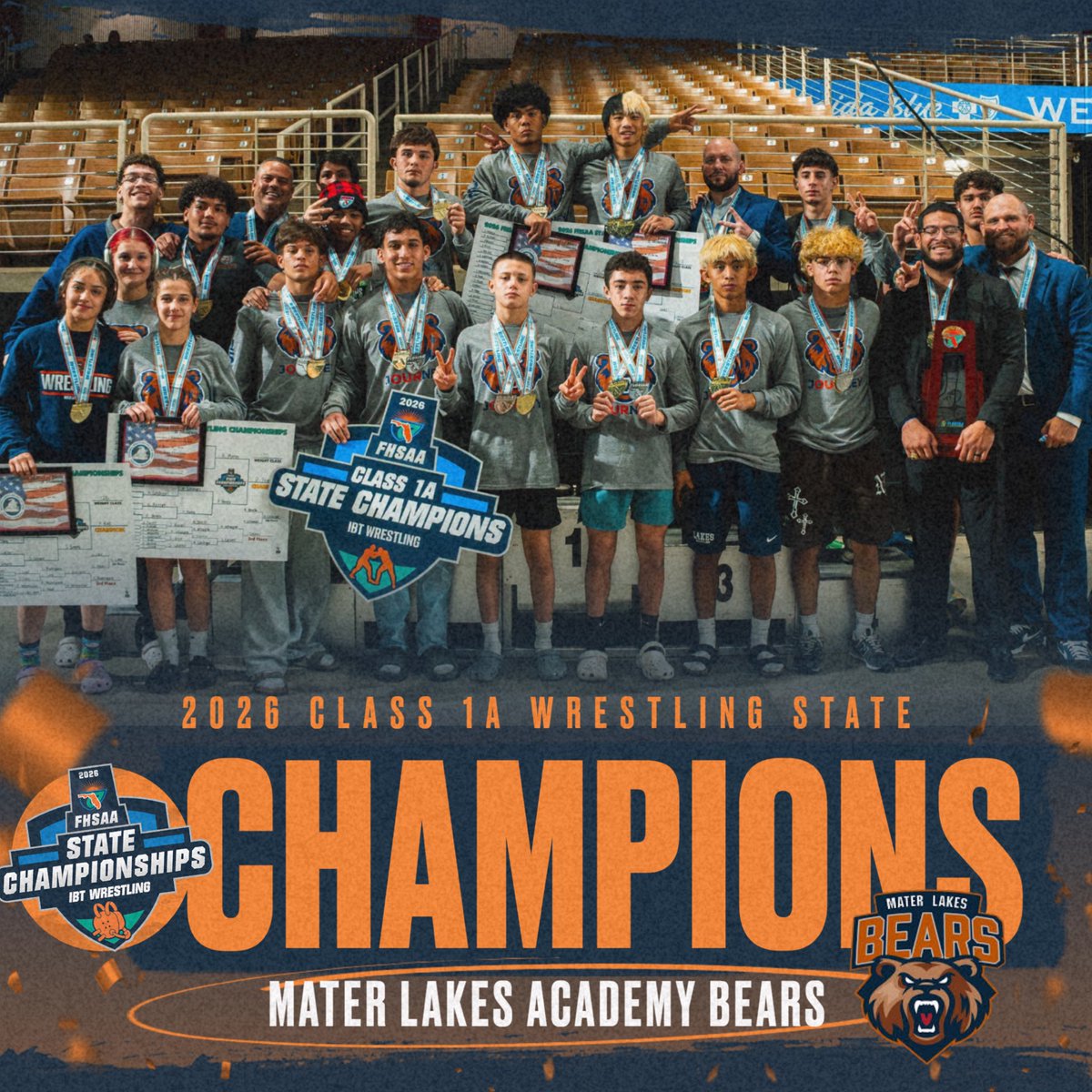
Congratulations to all of our 2026 Florida High School Wrestling IBT Team State Champions 🤼♂️🏆 🤼♀️🥇
-Girls @FreedomHigh
-Class 3A @SouthDadeHS
-Class 2A #LakeGibson
-Class 1A @MaterLakes
#KissimmeeSports #StateChampionships #FHSAA #Florida
Photo Credit: @wardwrestling
🚨PODIUM PHOTOS ARE FREE!🚨
When accessing your pics, you’ll see a down arrow and a shopping cart in the bottom right. No need to buy! Just click the down arrow to download directly to your phone or computer.
wardwrestling.smugmug.com/FH…
2
673

29 Dec 2025
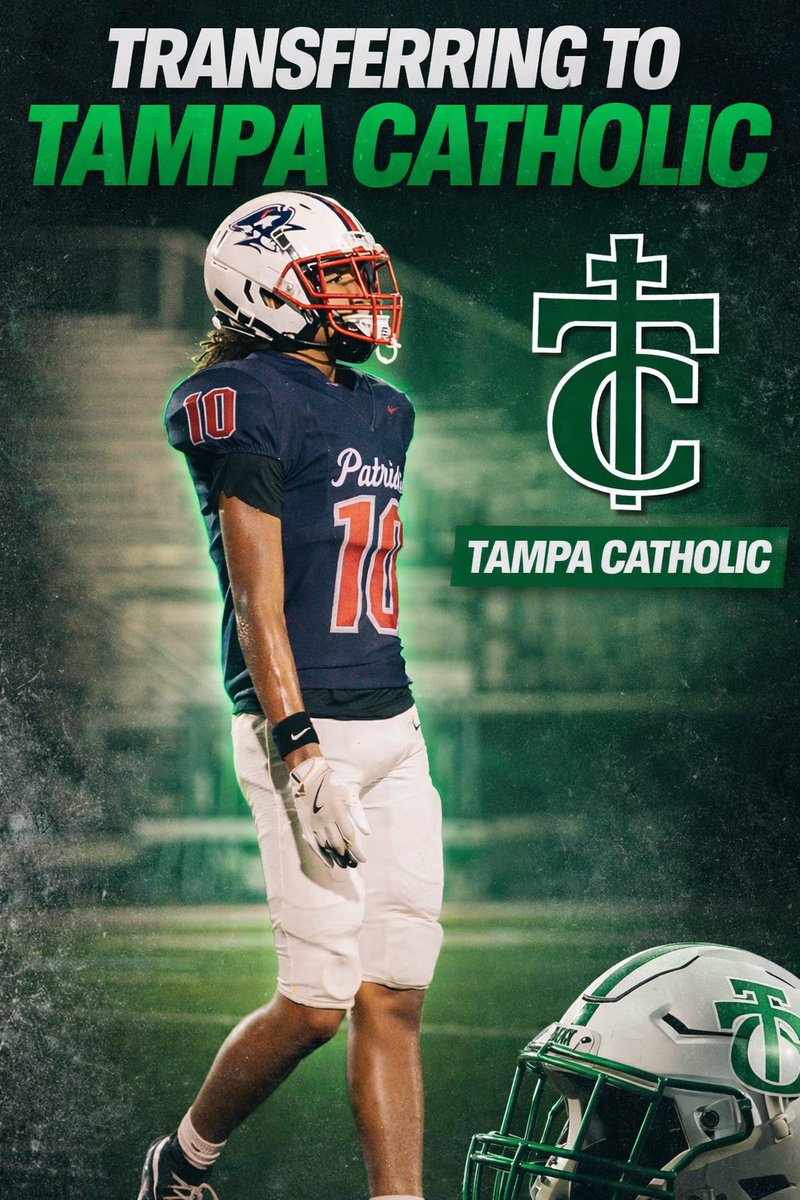
@jeanlebrun2028 will be transferring to @TC_Football. Thank you to the coaches and staff @FreedomHigh. We are excited and looking forward to the next chapter.
1
3
215

6 Nov 2025
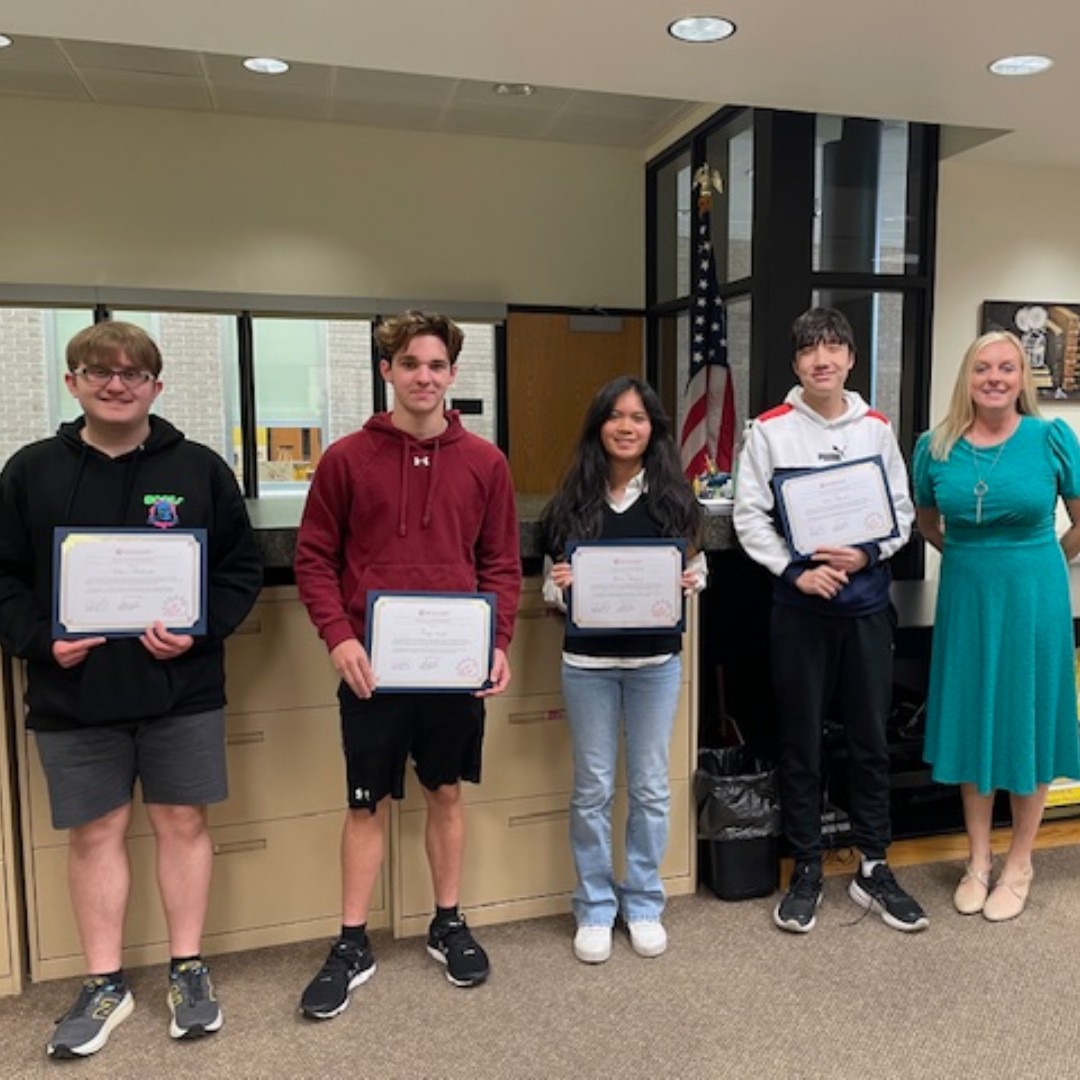
🎓 Four Freedom High School seniors were recognized in the National Merit Scholarship Program!
👏 Semifinalist: Ethan Fredericks
👏 Commended: Gwen Adriguez, Sean Blackton & Cody Smith
Proud of their academic excellence and dedication!
#BASDproud #BASDcommunity #FreedomHigh
4
3
486

25 May 2025
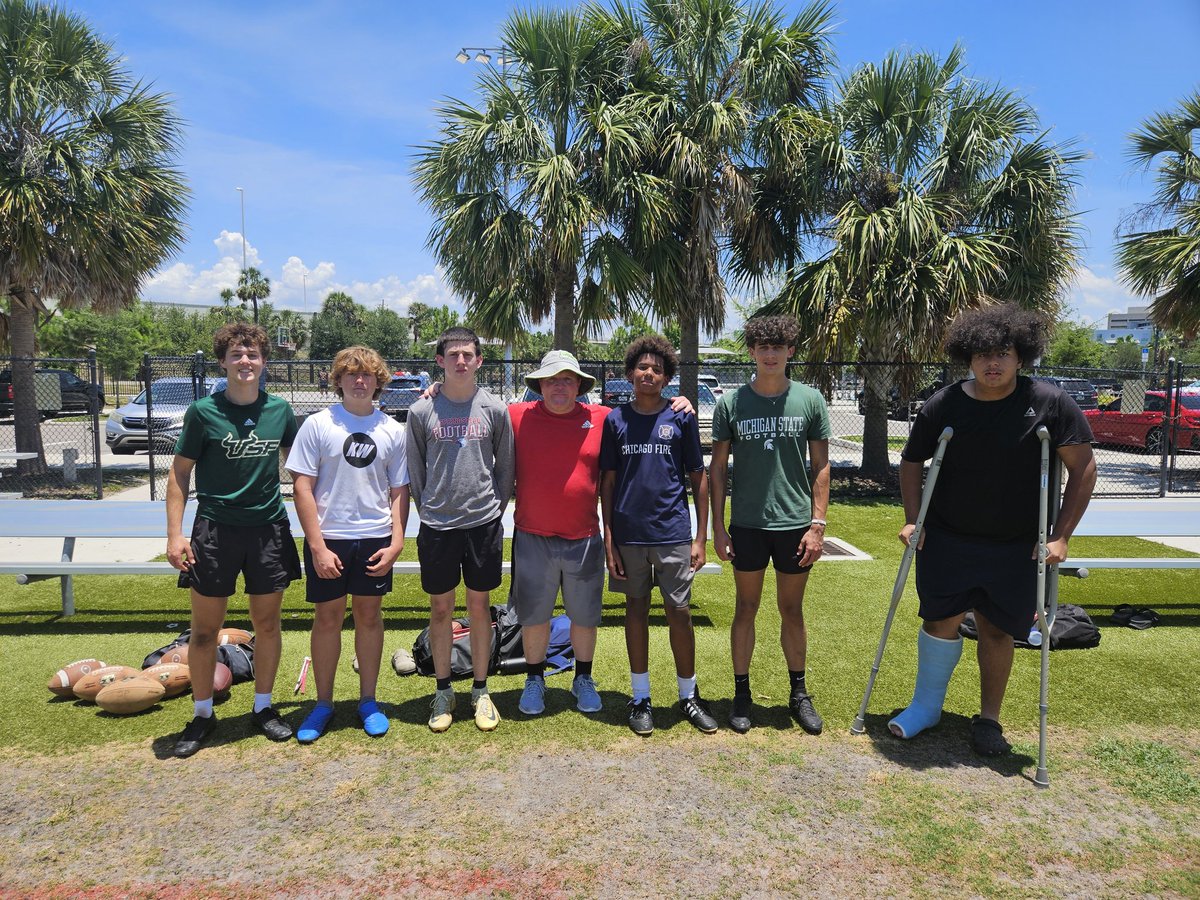
Great workout today as Summer 2025 starts in Tampa.. Freshman - class2026
Www.kickthefootball.com
@BerkeleyPrep
@FreedomHigh
@Springstead_Ath
#kickthefootball
#punting
#fieldgoals
@BucSidelineGuy
@bhyche22
@PressBoxRadio1
@1TomByrne
@pblake1003
1
1
3
50

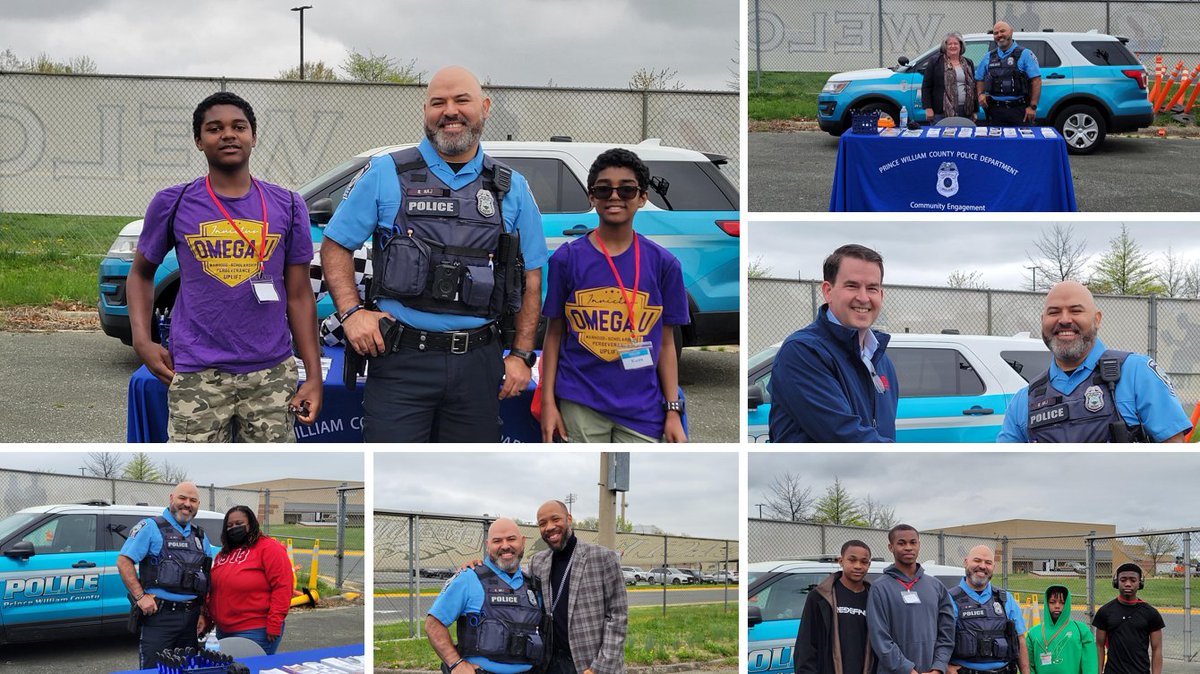
#PWCPD OFC Naj attended the PWCAC - EMBODI Grand PIT event at #FreedomHigh Sunday which represented Driving Personal Growth, Innovation & Technology & is designed to empower young men through auto education, personal development & hands-on learning experiences. #Successful day!
1
4
1,246

23 Feb 2025
I remember @Tim_Walz coming out in his rally at @FreedomHigh School #Bethlehem #PA to give a speech of hope and wanting the best for our families. Our Gen-Z daughter 1st rally. #Joy. The #Antichrist #Trump & @SenateGOP are #Evil. youtu.be/z2XD24mtTtQ?si=oCa5…

1
2
50
19 Feb 2025
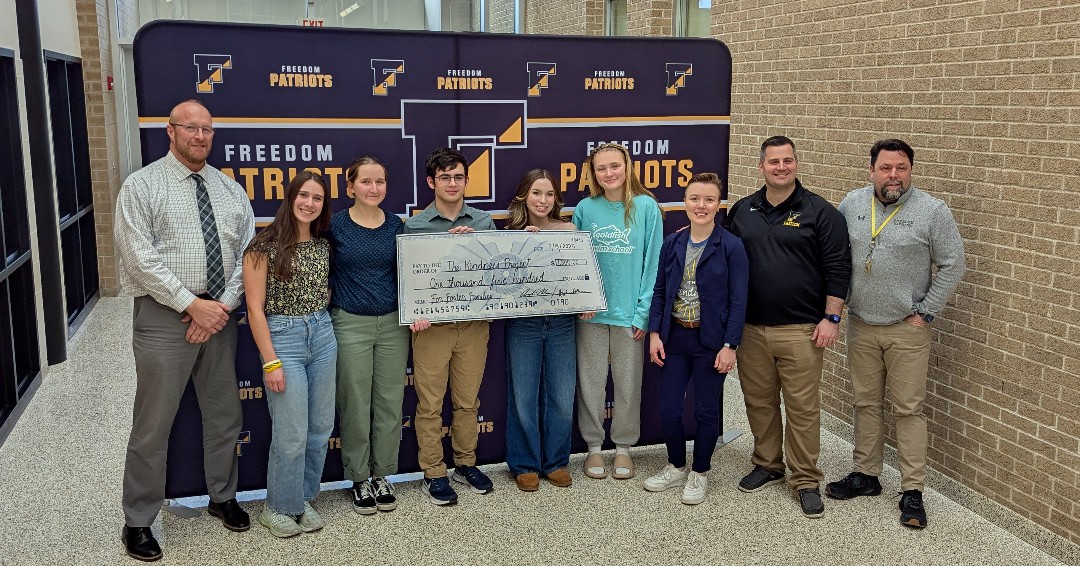
Freedom NHS students raised $1,500 for The Kindness Project supporting foster children & families! ❤️👏
Read more about their incredible effort: 🔗 wfmz.com/news/area/lehighval…
#FreedomHigh #BASDproud #TheKindnessProject
2
3
8
489
17 Dec 2024
Monday. 12.16.2024. My daughter and I have watched 3 episodes of Everyone Loves Ray on @IFC We have laugh so much. Daughter and Mami bonding time. We love comedy. She loves watching wrestling with her Daddy. 🥰
1
1
1
58
16 Dec 2024
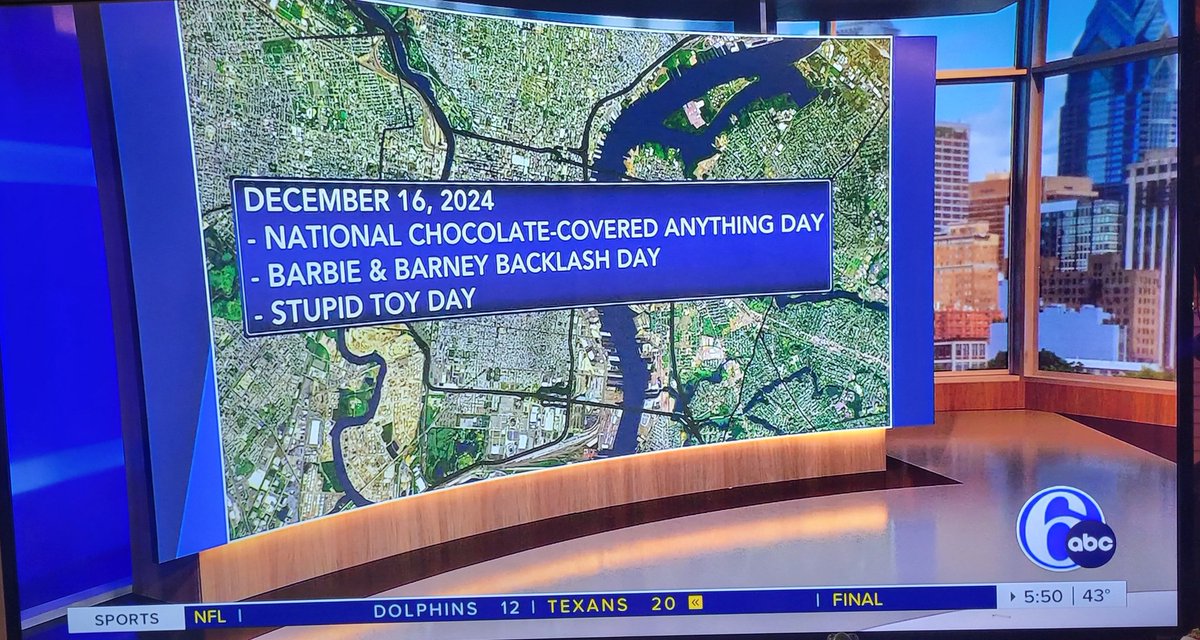
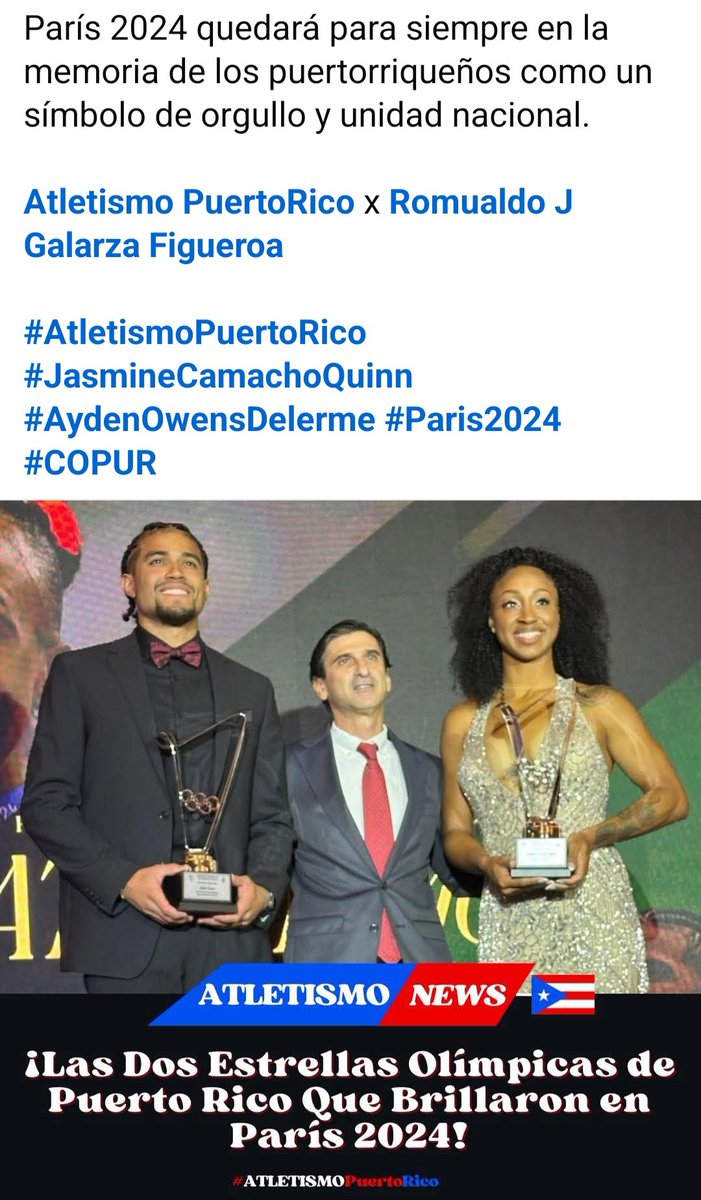
Happy. 12.16.2024. Congratulations to @JCamachoQuinn. Dessert: Chocolate-Covered Anything Day. Yummy Chocolate 🍫 #Lunch for our daughter:Grilled ChickenPesto and Vegetables: Zucchini, Spinach, and Basil.

1
1
1
26

6 Dec 2024
Social democracy, capitalism, and communism are distinct economic and political systems that differ in their approach to ownership, wealth distribution, and the role of government in society.
1. Capitalism
•Key Features:
•Private ownership of property and businesses.
•Market-based economy with supply and demand determining prices and production.
•Minimal government interference (in its pure form).
•Focus: Individual freedom and profit maximization.
•Advantages: Encourages innovation, competition, and economic growth.
•Criticism: Can lead to income inequality, exploitation, and lack of access to basic needs for some.
2. Communism
•Key Features:
•Collective ownership of the means of production (e.g., factories, land).
•Centralized planning replaces markets; the government decides what to produce, how, and for whom.
•Goal of a classless society with no private property.
•Focus: Equality and elimination of class distinctions.
•Advantages: Seeks to ensure basic needs for everyone and eliminate economic inequality.
•Criticism: Often leads to authoritarianism, inefficiency, and lack of personal freedoms in practice.
3. Social Democracy
•Key Features:
•A blend of capitalist and socialist principles.
•Market-based economy but with significant government regulation and intervention.
•Strong social safety nets (e.g., universal healthcare, education, and welfare programs).
•Focus: Reducing inequality while preserving individual freedoms and market efficiency.
•Advantages: Balances economic growth with social justice.
•Criticism: Higher taxes and potential inefficiencies in government programs.
Key Differences
AspectCapitalismCommunismSocial Democracy
OwnershipPrivateCollectiveMostly private, some public
Role of GovernmentMinimalCentralized controlActive, regulates markets
Economic SystemFree marketCommand economyMixed economy
Equality FocusLowHighModerate to High
FreedomHigh economic freedomLimited personal freedomBalances freedom and equity
Summary
•Capitalism emphasizes free markets and private ownership but risks inequality.
•Communism aims for equality but often sacrifices personal freedom and economic efficiency.
•Social Democracy seeks a middle ground, combining market dynamics with strong social protections.
3
3
176

7 Nov 2024
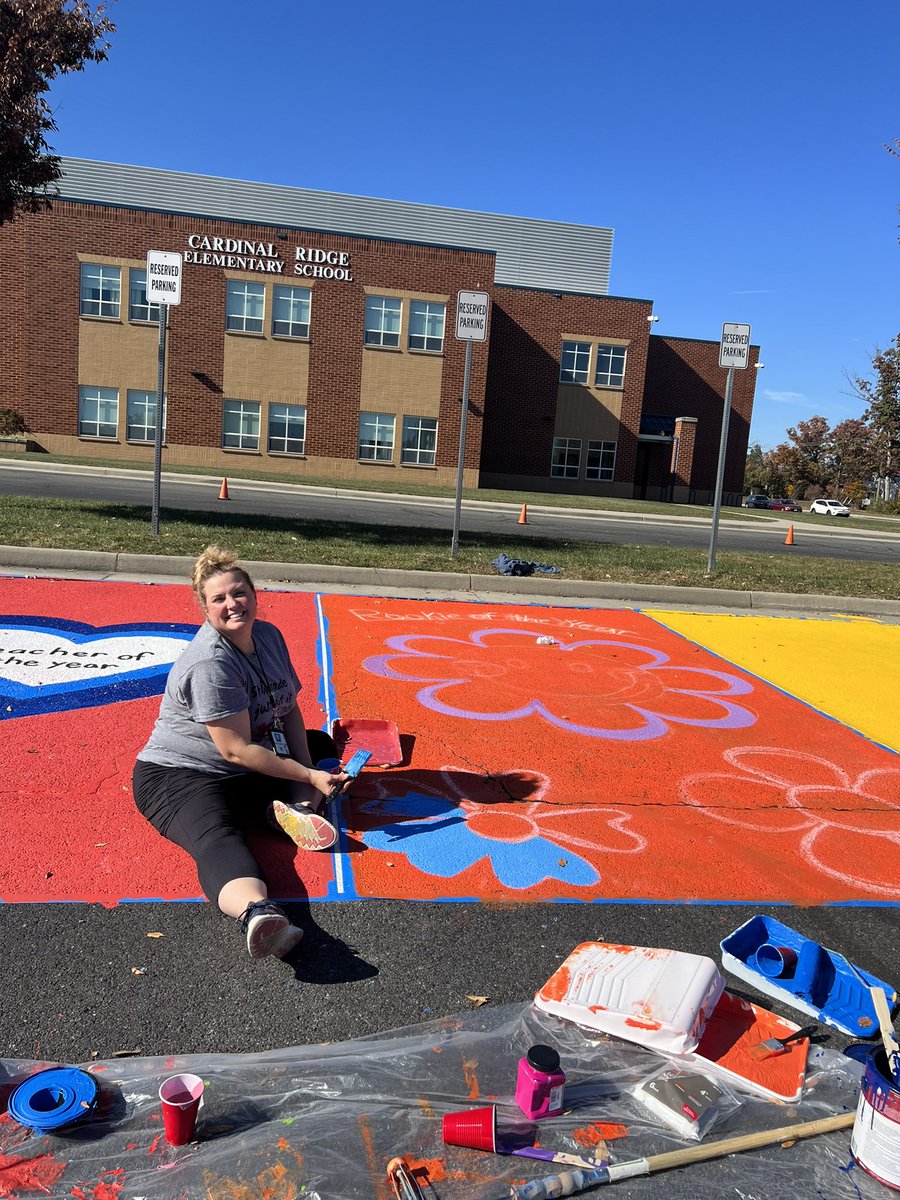
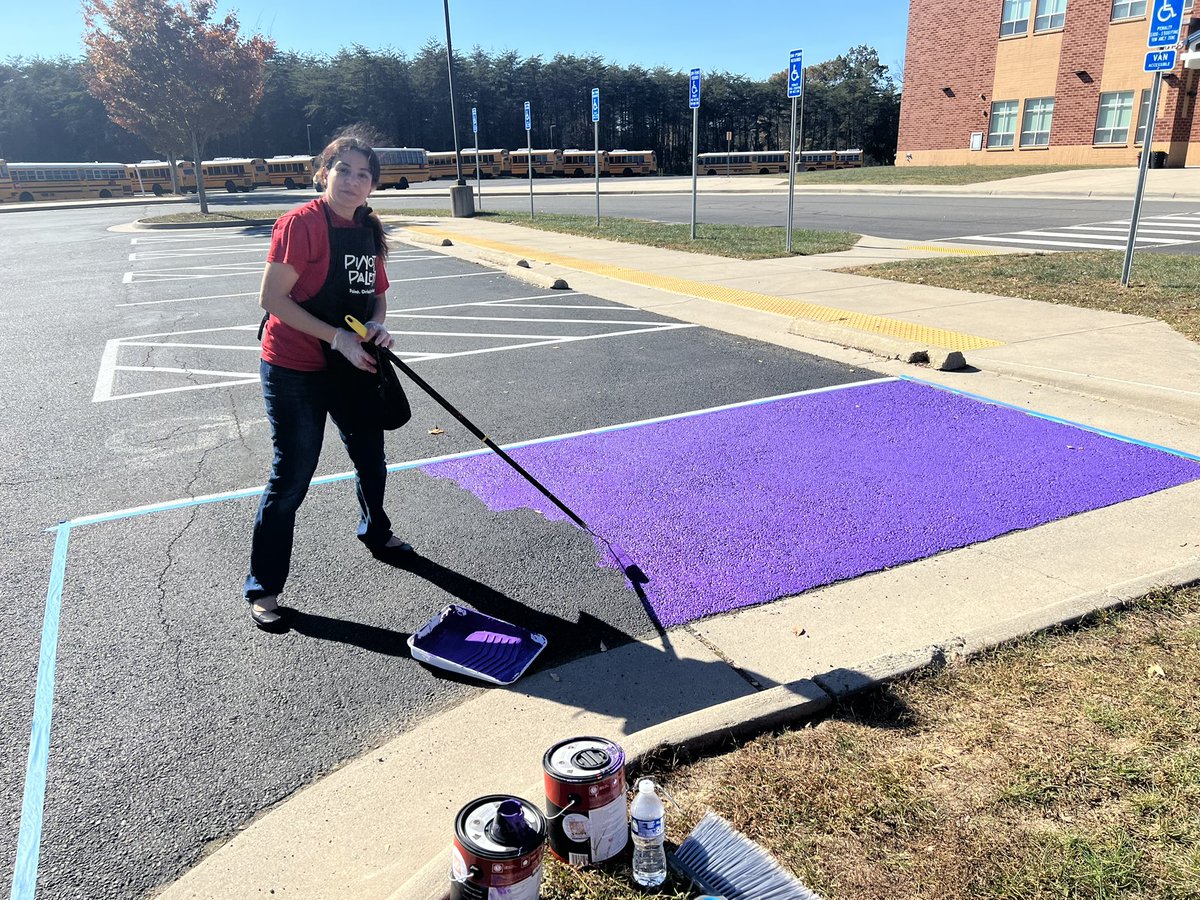
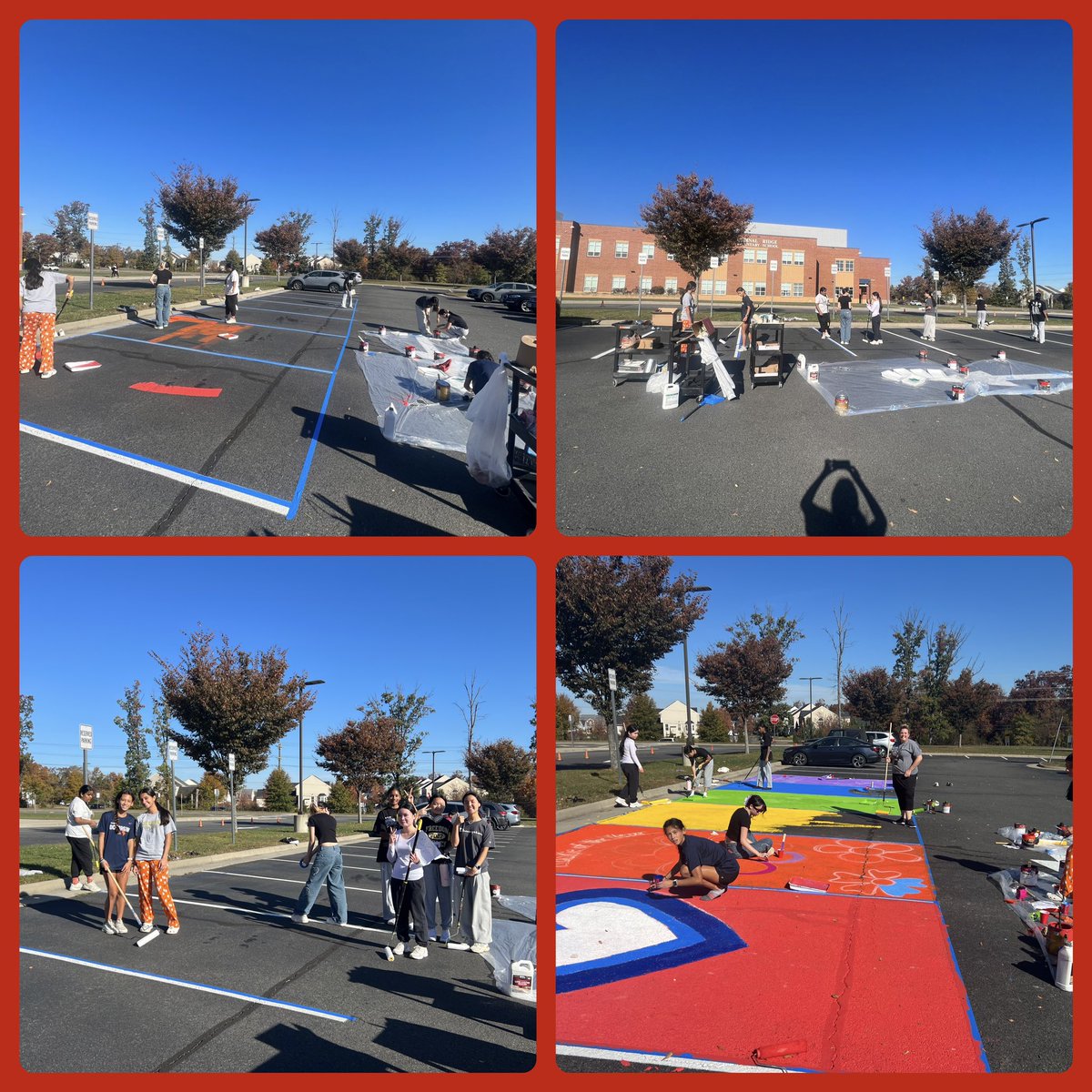
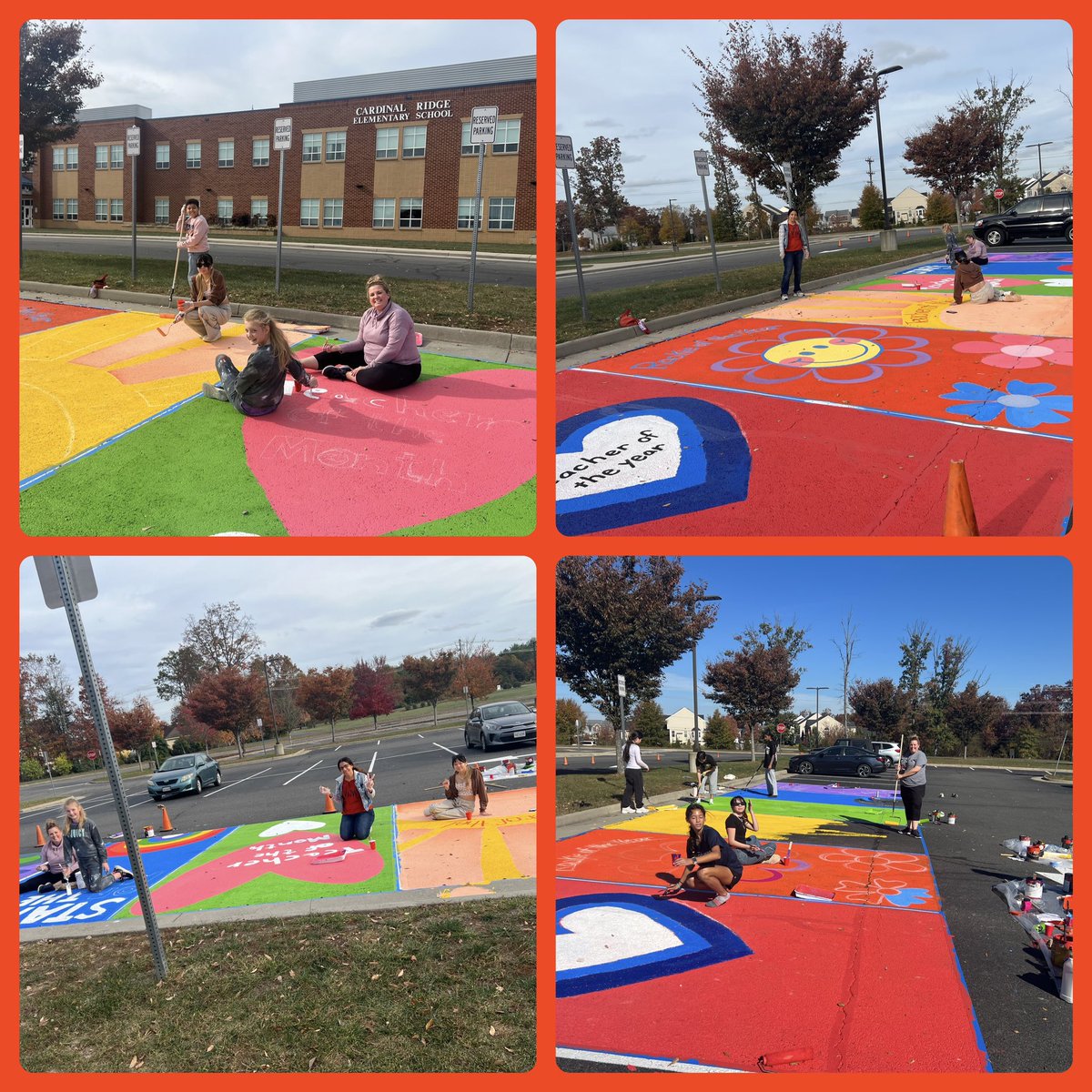
The parking lots painted for our special teachers and staff. Thank you to our amazing dean Mrs. Mosher, her daughter, and the Freedom High School students for their help and support. I’m very grateful to be part of this. @CardinalRidgeES @Dr_M_Adejumo @FreedomHigh @LCPSOfficial
3
11
490

28 Oct 2024
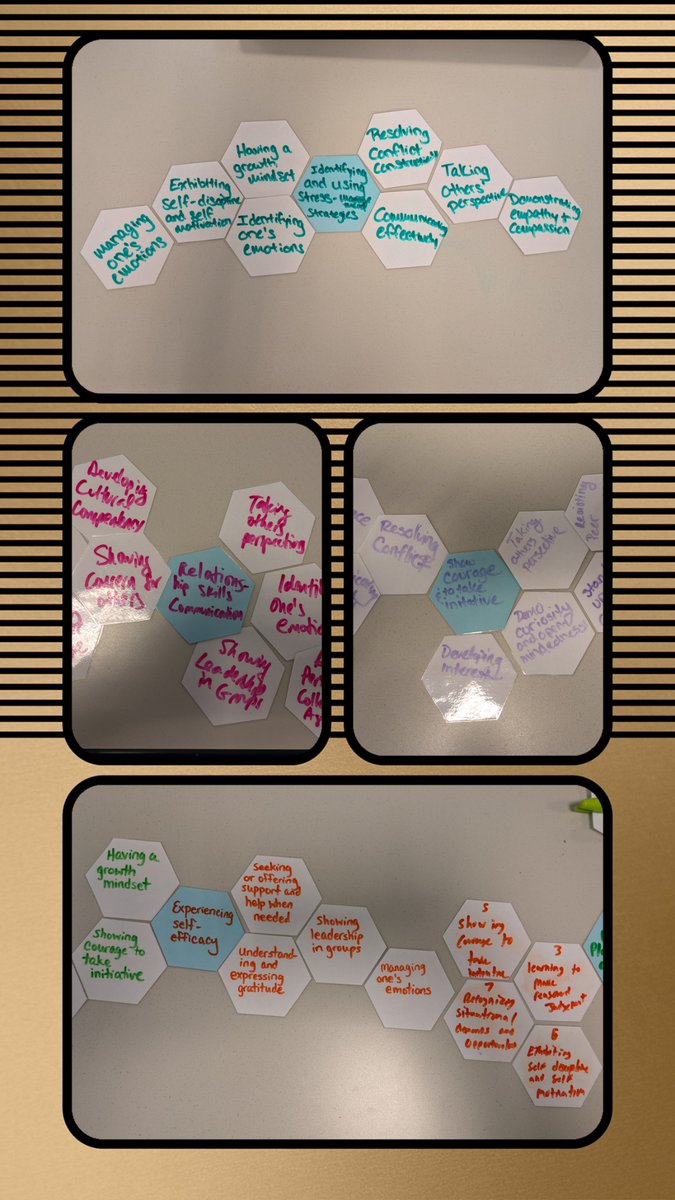
@FreedomHigh Cohort 2 dives into Social Emotional Learning with a hexagonal thinking activity
@basdjacksilva @Leesonscience @BASDClaireHogan @TraceyLHirner @BethlehemAreaSD
1
2
228
24 Oct 2024
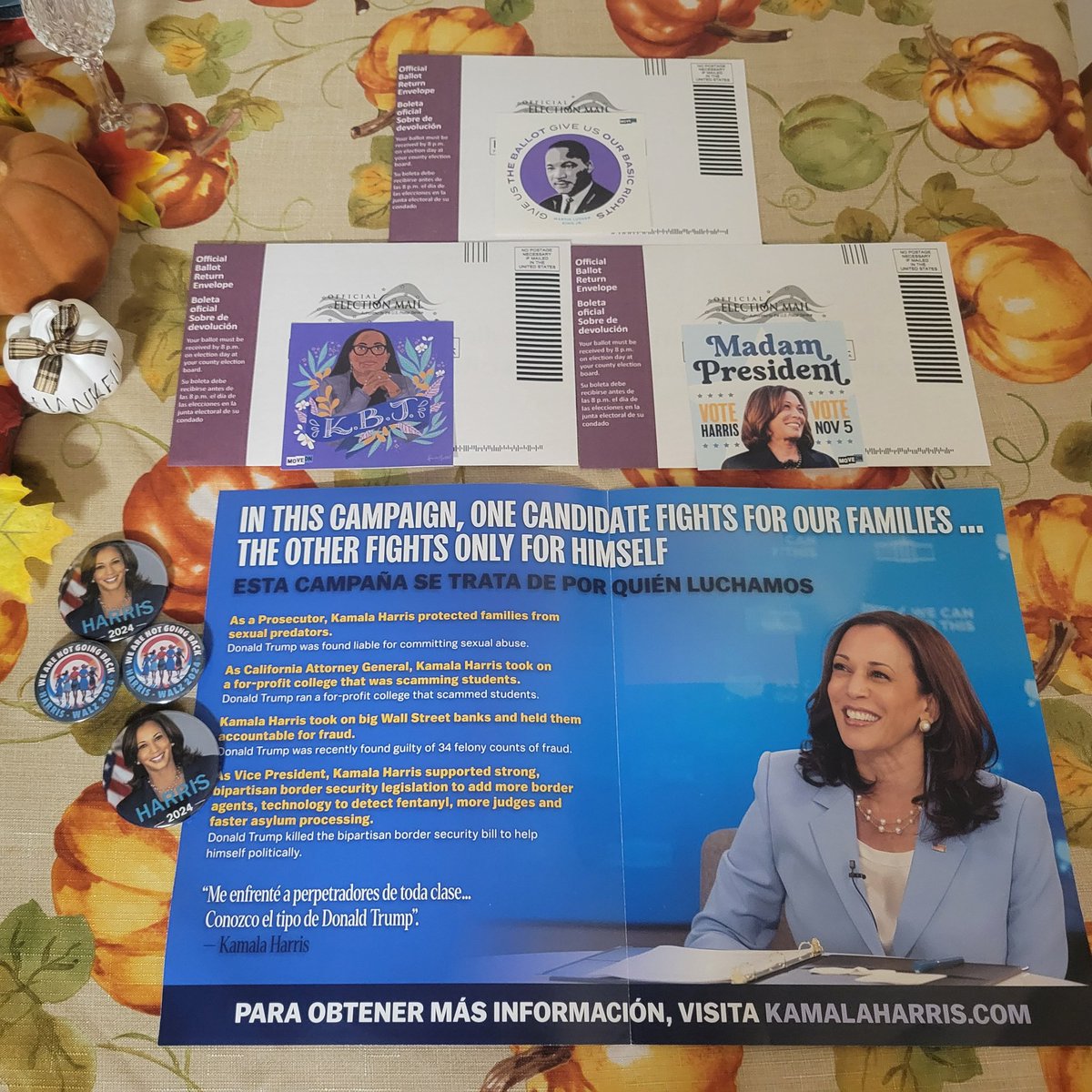
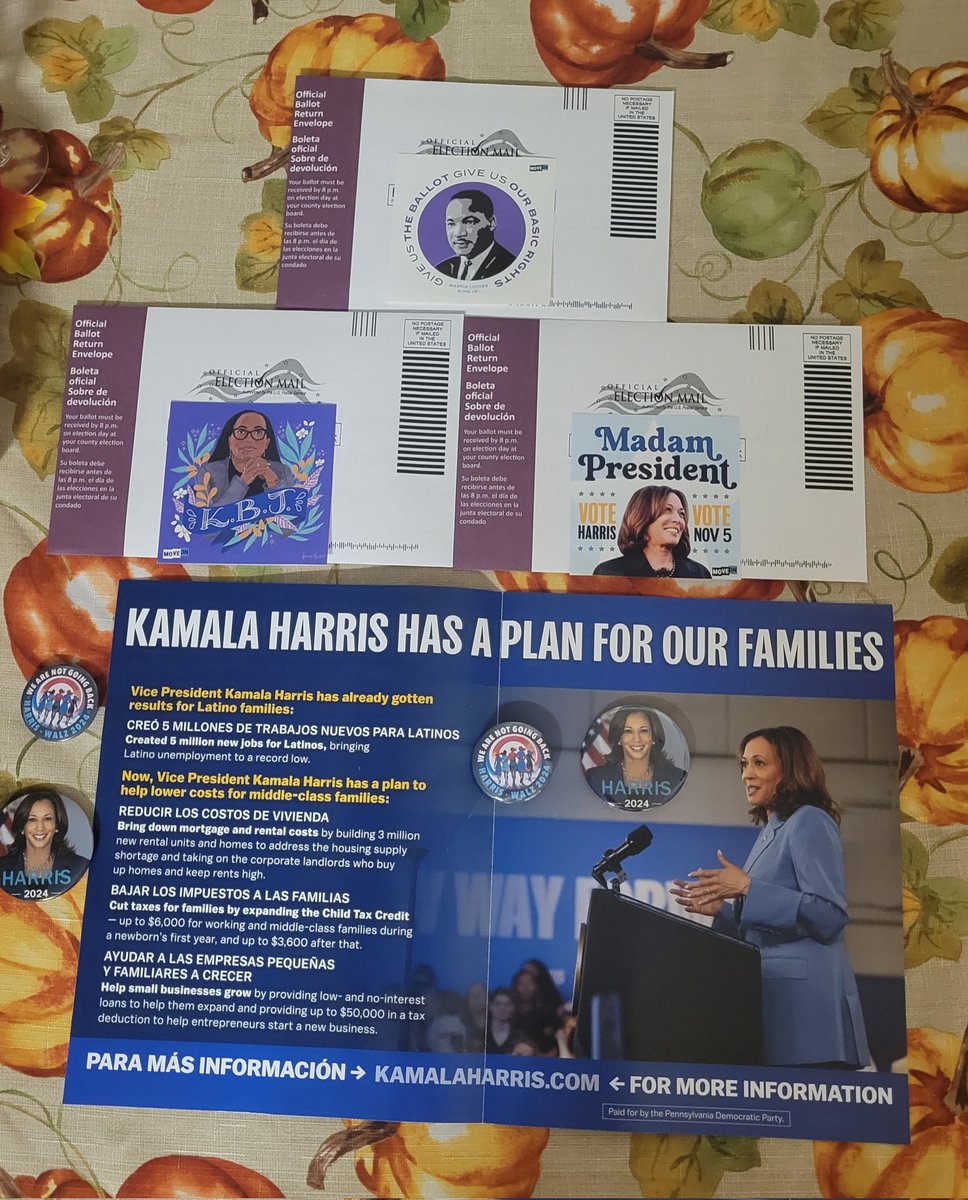
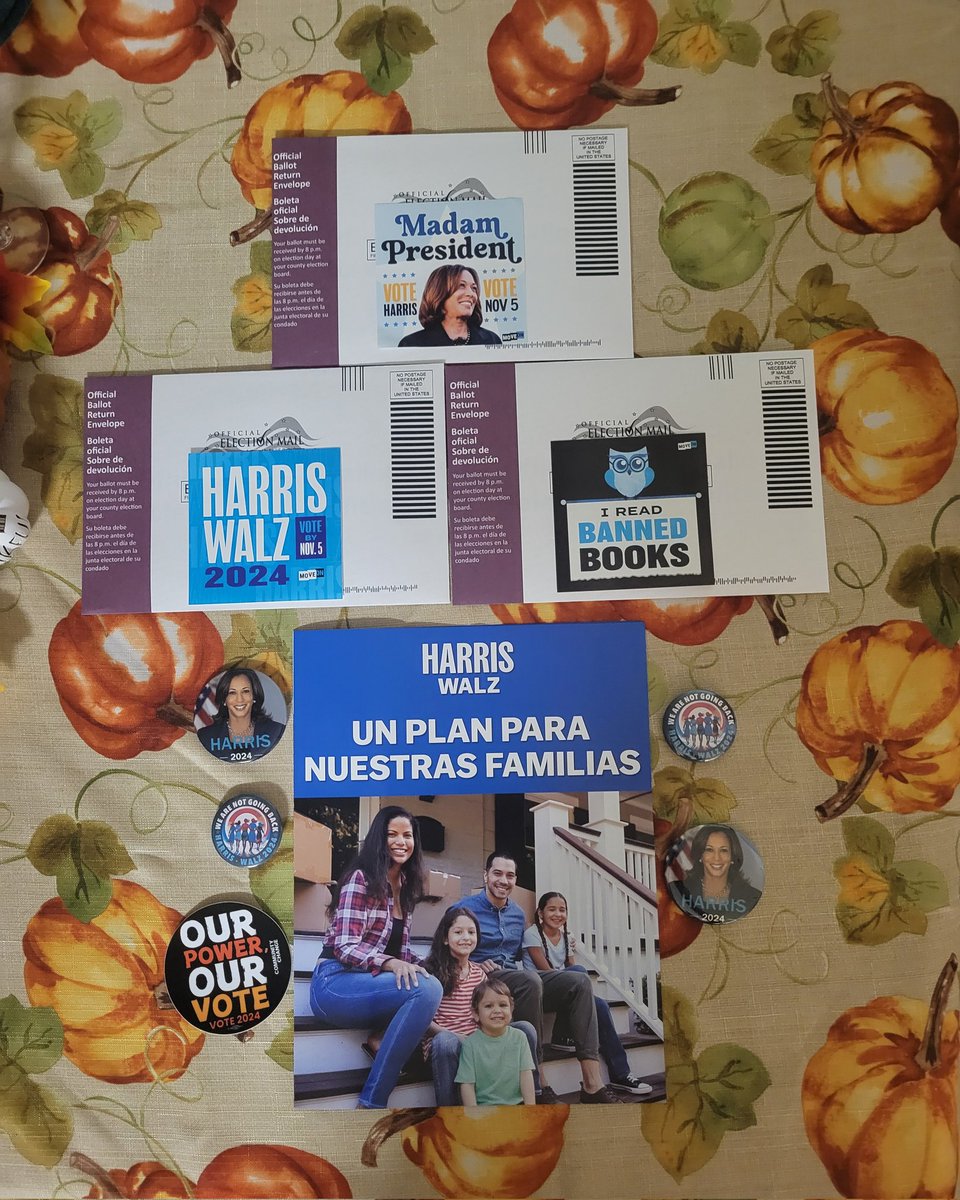
My husband, our #GenZ #Smart daughter, and I voted 🗳 for @KamalaHarris and @Tim_Walz @Bob_Casey Up & Down #Democrats on Friday October 18, 2024. My family and I saw your rally at @FreedomHigh. We left with hope, happiness and surrounded with love. 💖💞💖

2
4
63
3 Oct 2024
The Real @JDVance not the Wolf hiding in sheep clothing during the Vice President Debate against Coach @GovTimWalz. He answer the questions honestly. We saw him speaking at @FreedomHigh on 9.21.2024. youtu.be/2uQOb6hf8XE?si=IXY4…
2
2
24

1 Oct 2024
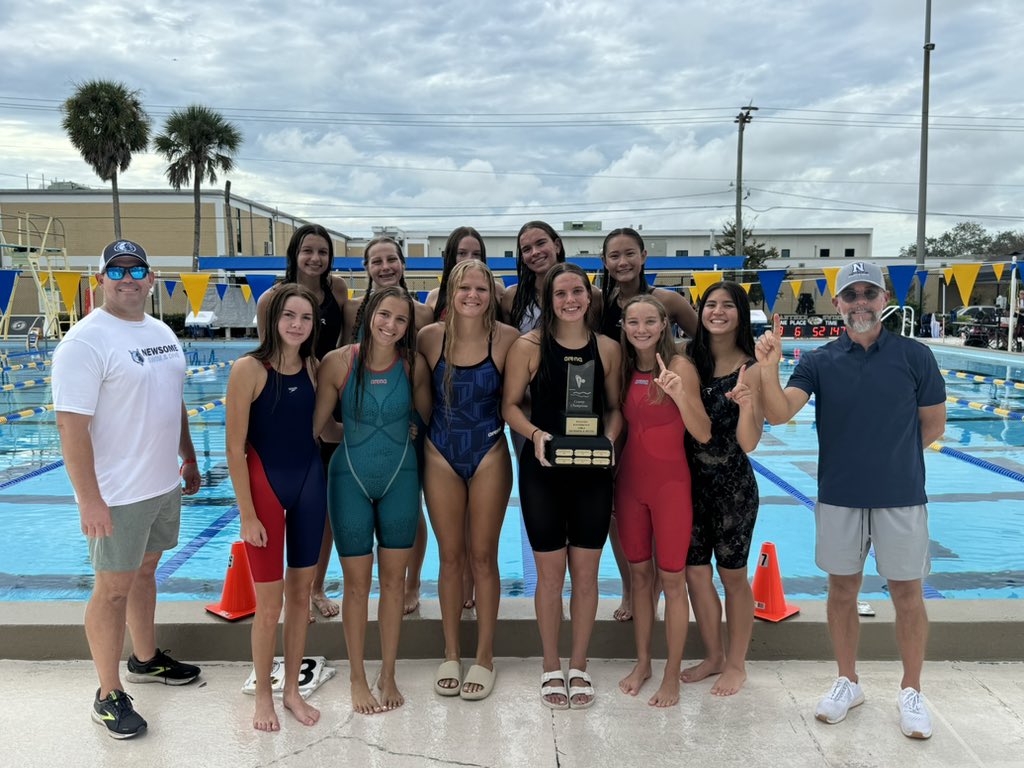
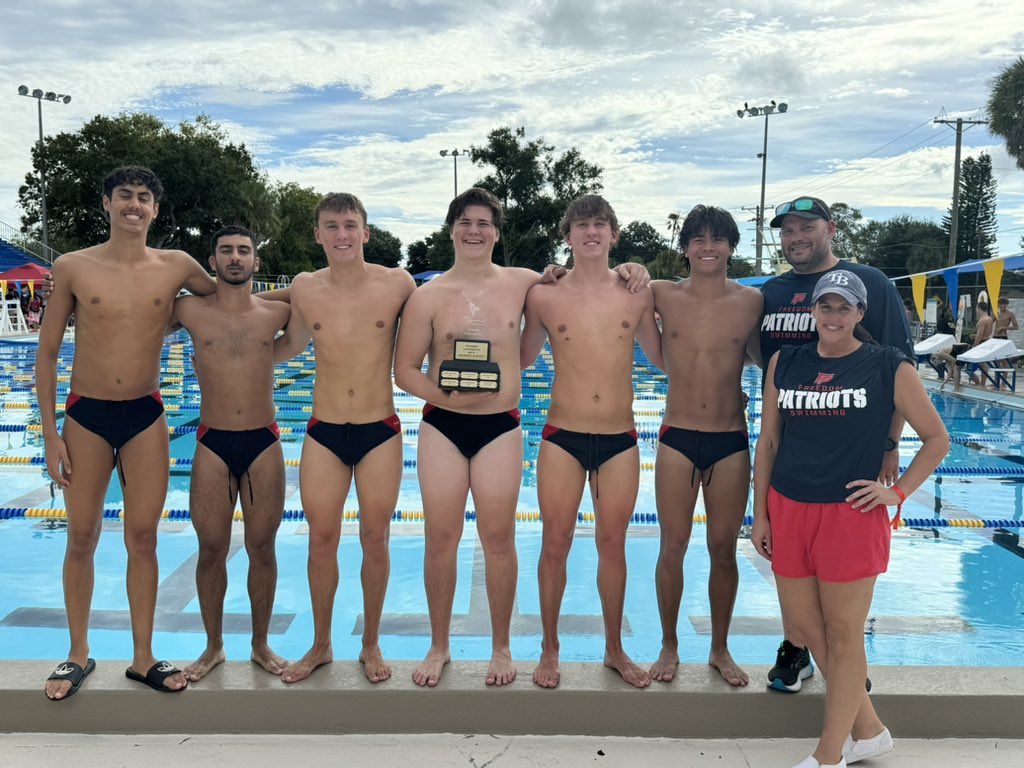
Congratulations to @Newsome_Ath Girls Swim and @FreedomHigh Boys Swim Teams. County Western Conference Champions! Repeat for both teams! Both teams repeat winners from last year! @NewsomeSwim
1
5
332

21 Sep 2024
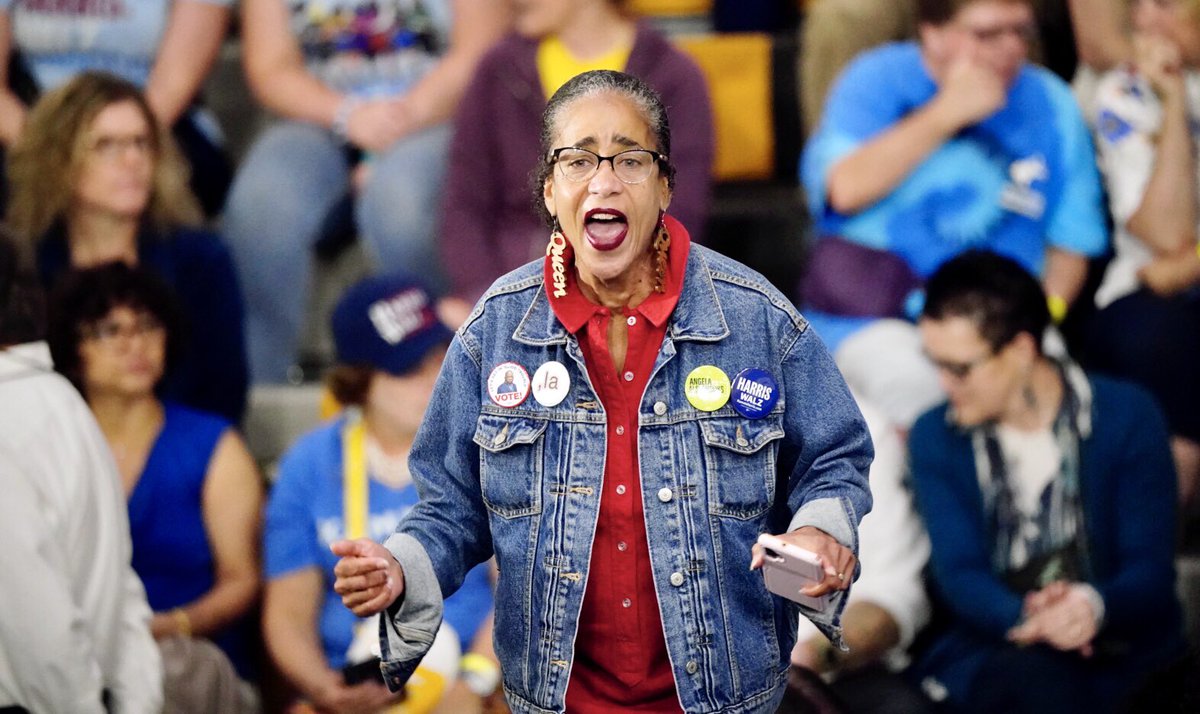
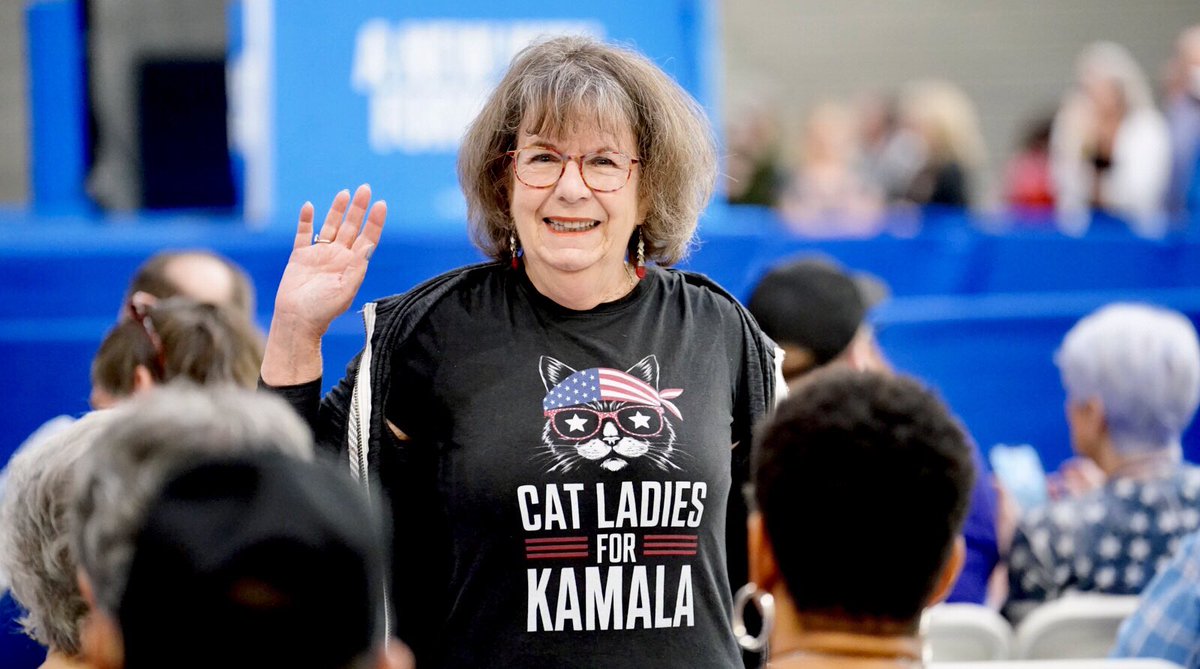
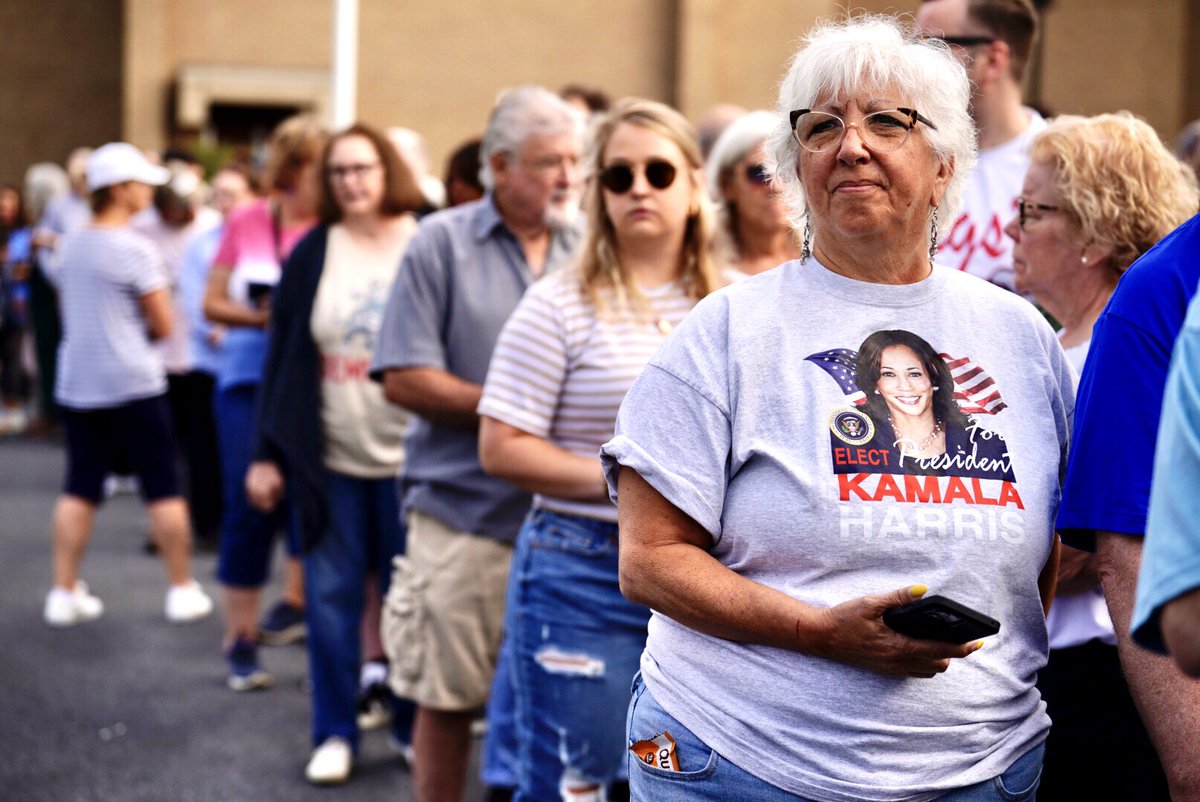
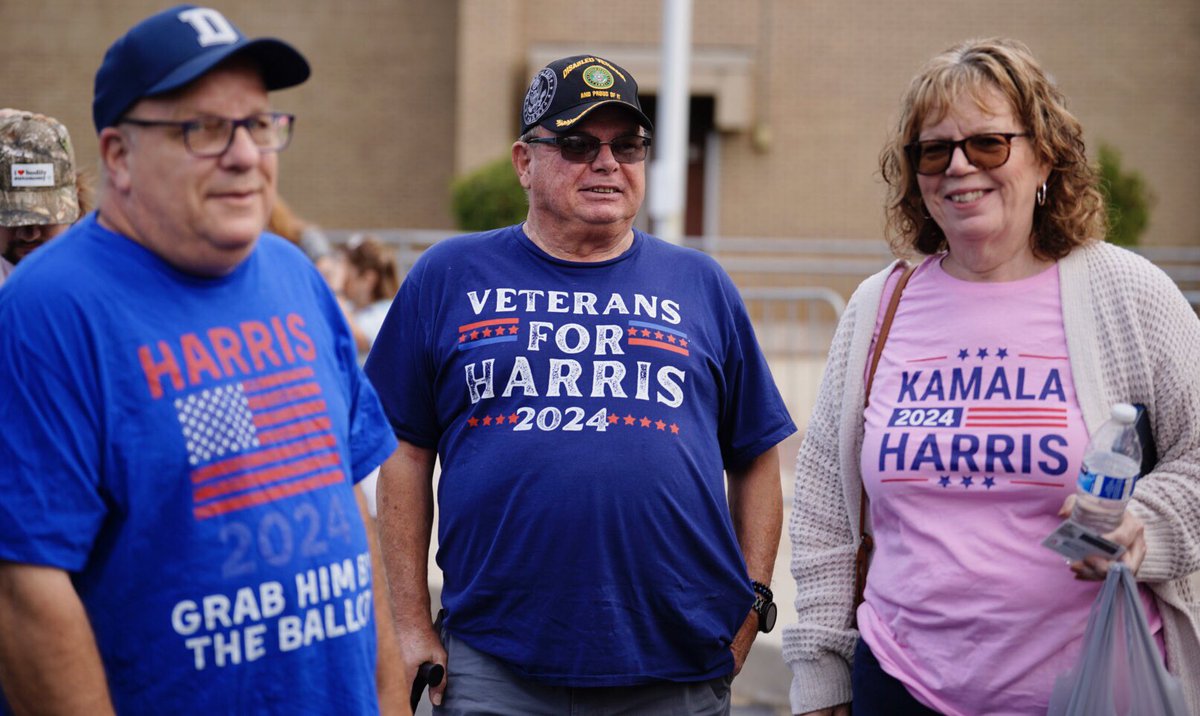
Waiting for #TimWalz at #FreedomHigh in #BethlehemPa. #LehighValley @LVNewsdotcom #Pa07 #PaDems donnafisherphoto.com
1
6
285

28 Jun 2024
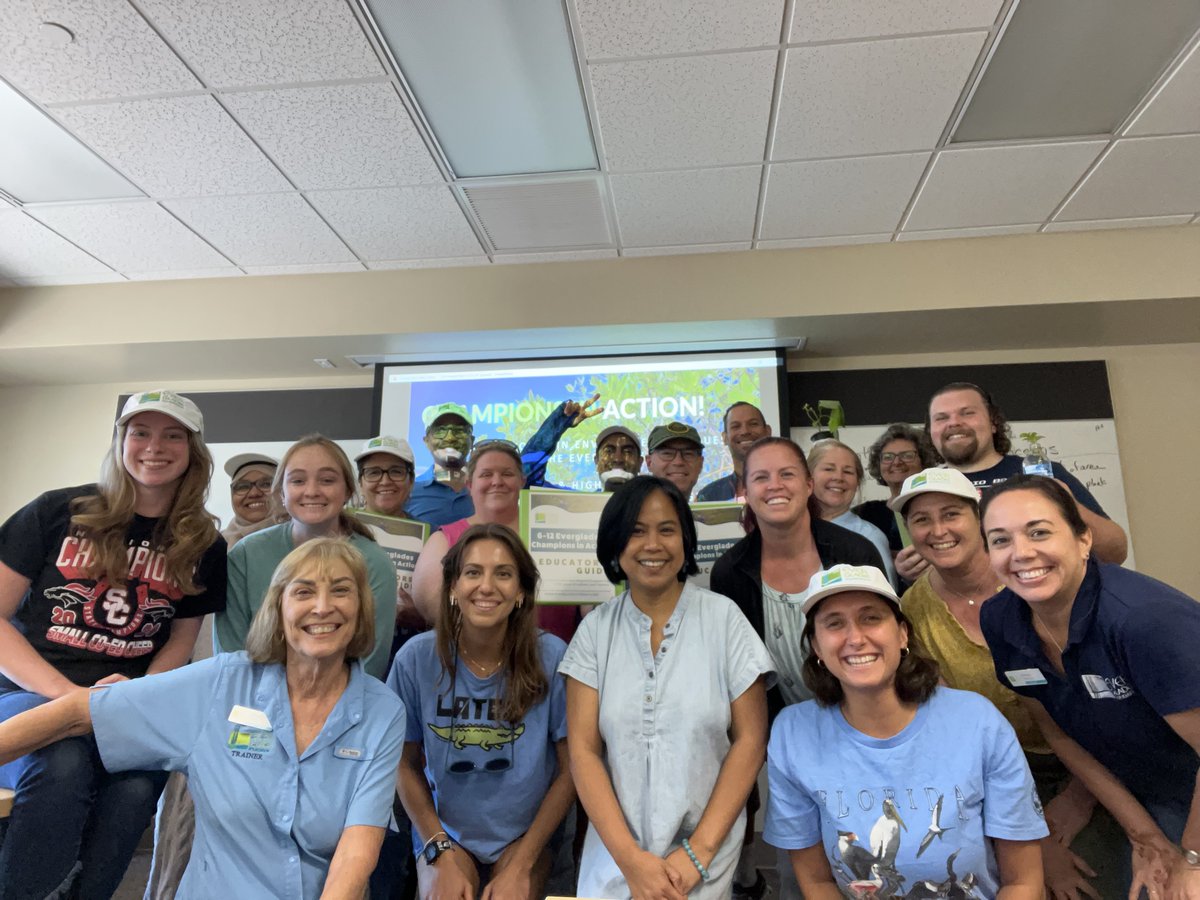
That's a wrap for the CIA Summit! Thanks to who joined us & shoutout to Jerry @WWMSBulldogs & Jimmi @CSNSeahawks returning Champions to share their insight @NewRiverMiddle @SASWhiteTigers @FreedomHigh @strawberrycrest @stjulianawpb @LWMSWarriors @NWSA_MIAMI @ThePineSchool @NFMAA1
3
12
348

28 Mar 2024
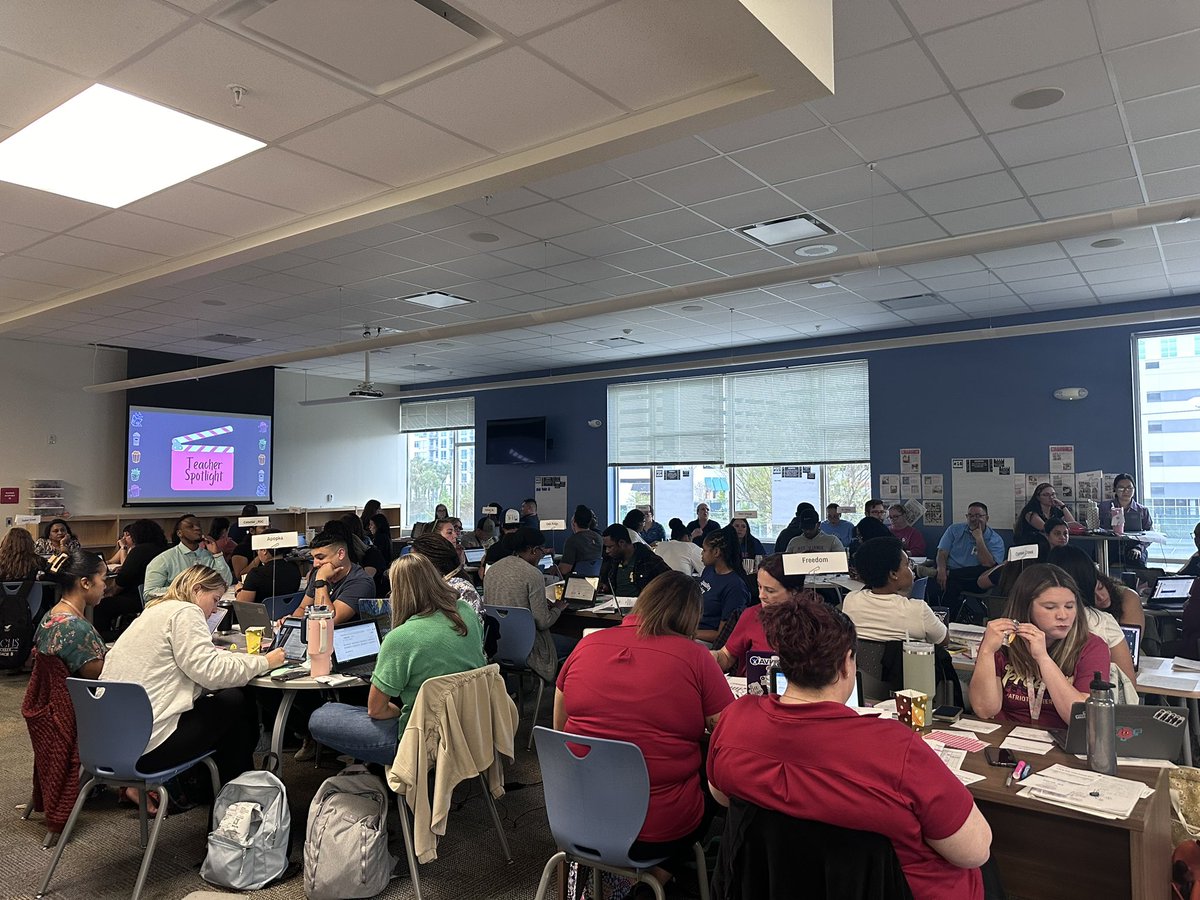
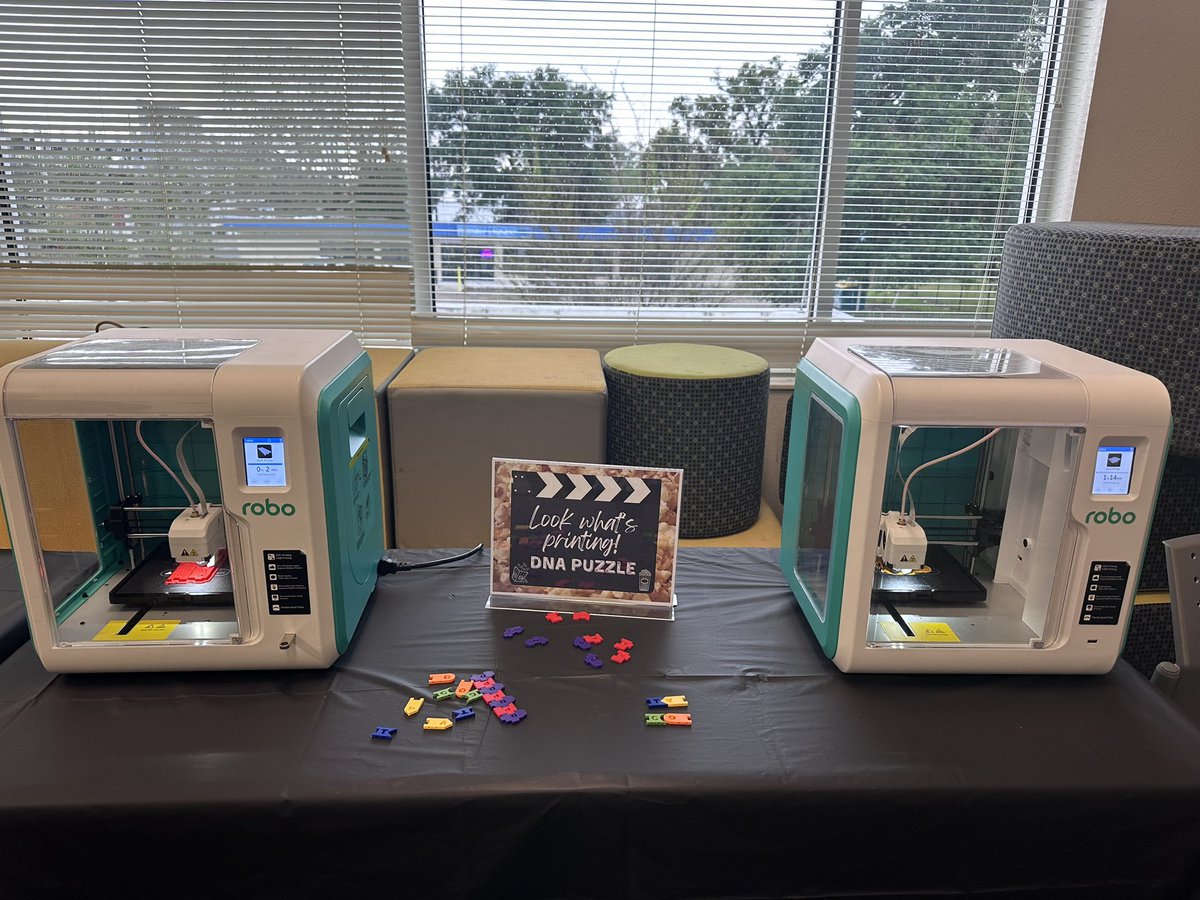
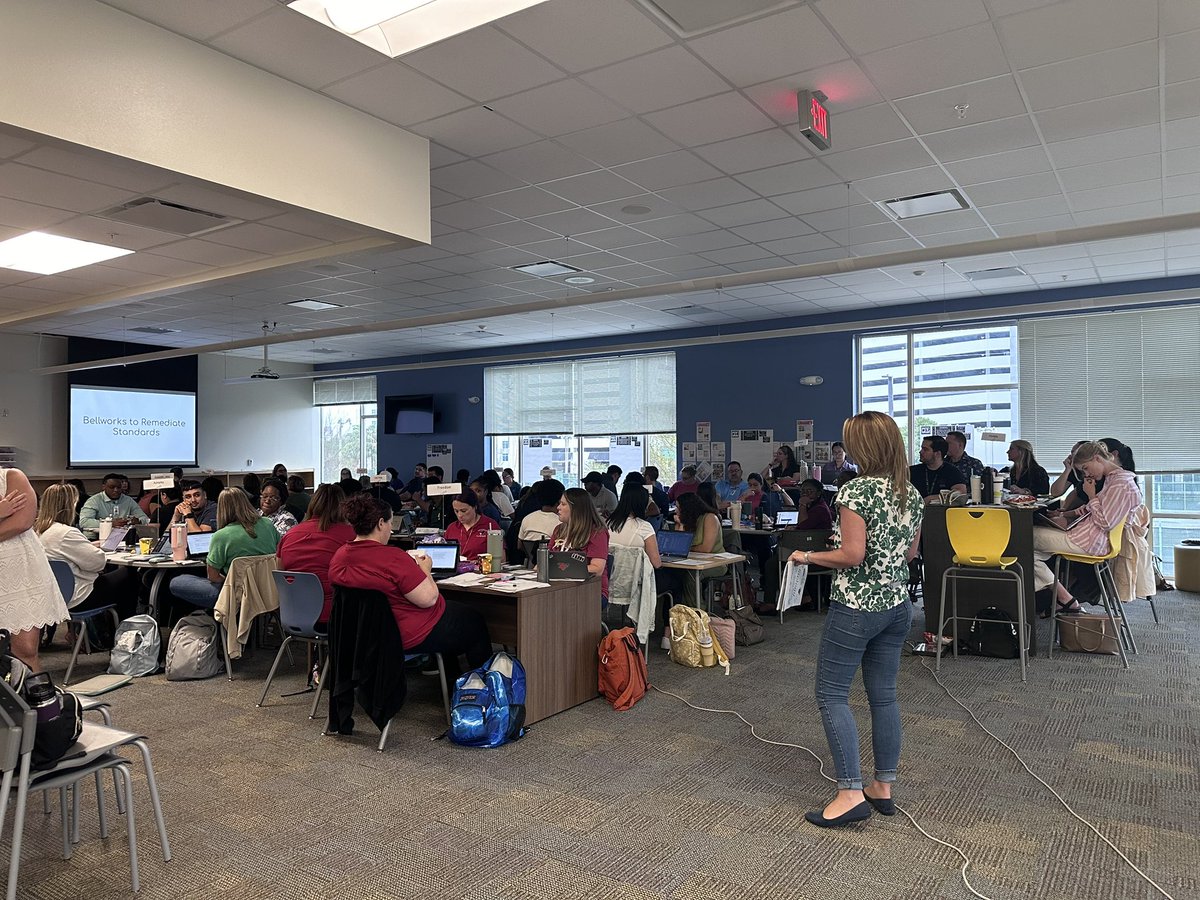
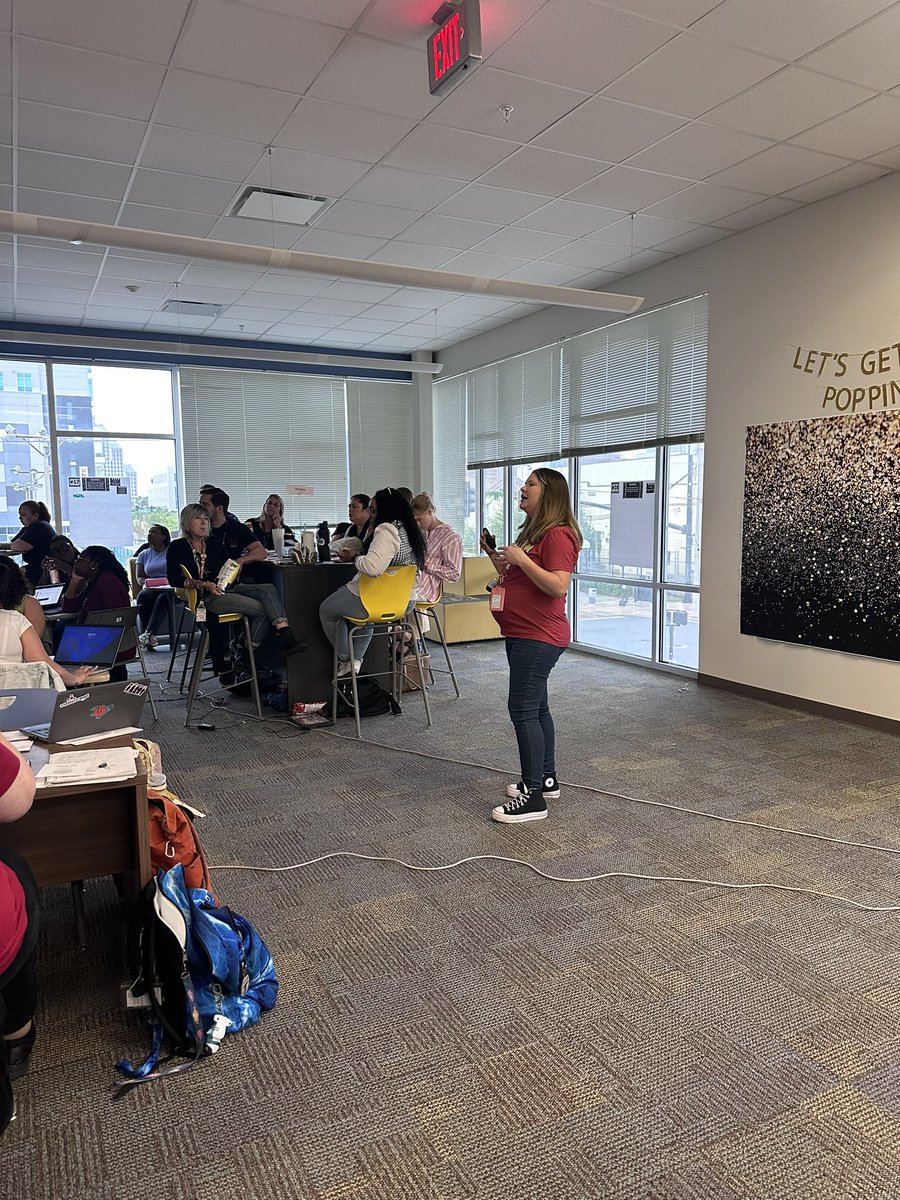
Another packed room for Biology PMA 3 PD! We were so excited to hear from Spotlight Teachers and their best practices from @UHScougars_OCPS and @FreedomHigh 🌟
1
3
208

@WVUSports @WVUfootball @FreedomHigh @WVUVarsityClub @BlueGoldNews @WVSIRecruiting Happy birthday to former WVU🏈gridder('06-'10), #3 DB Eddie Davis.
1
2
167

30 Jan 2024
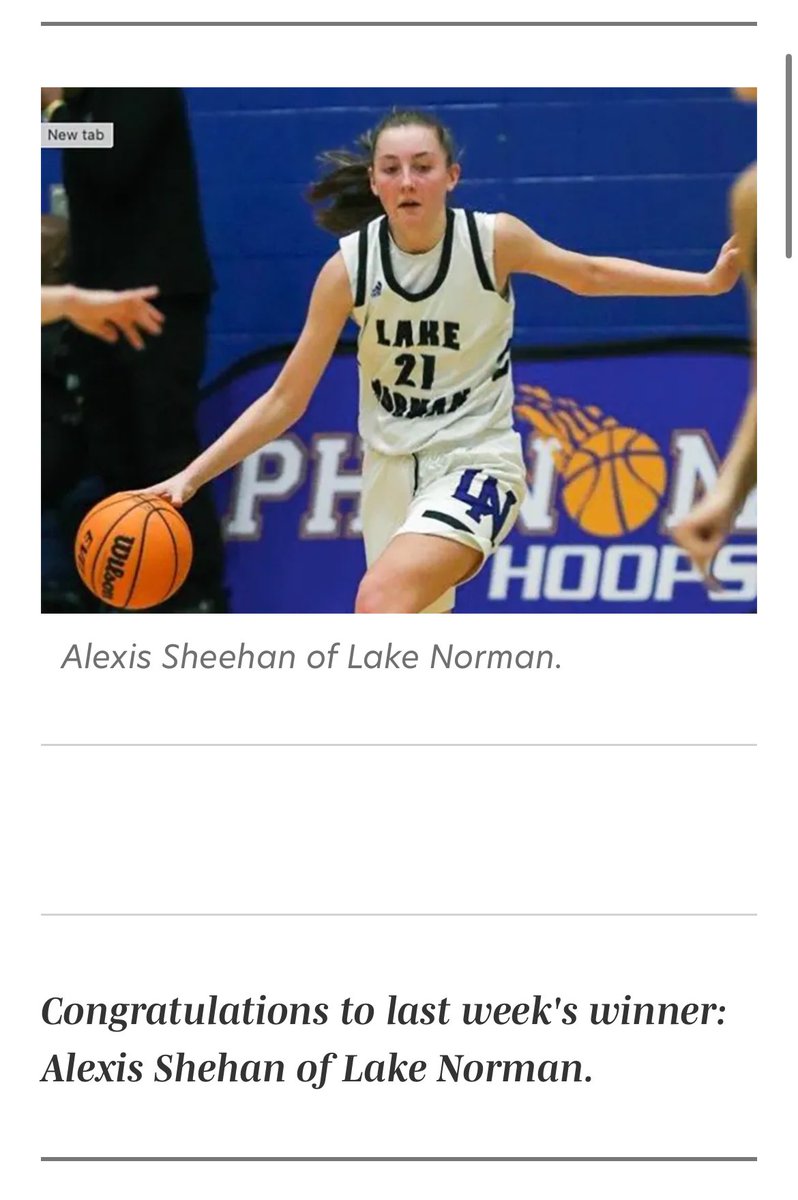
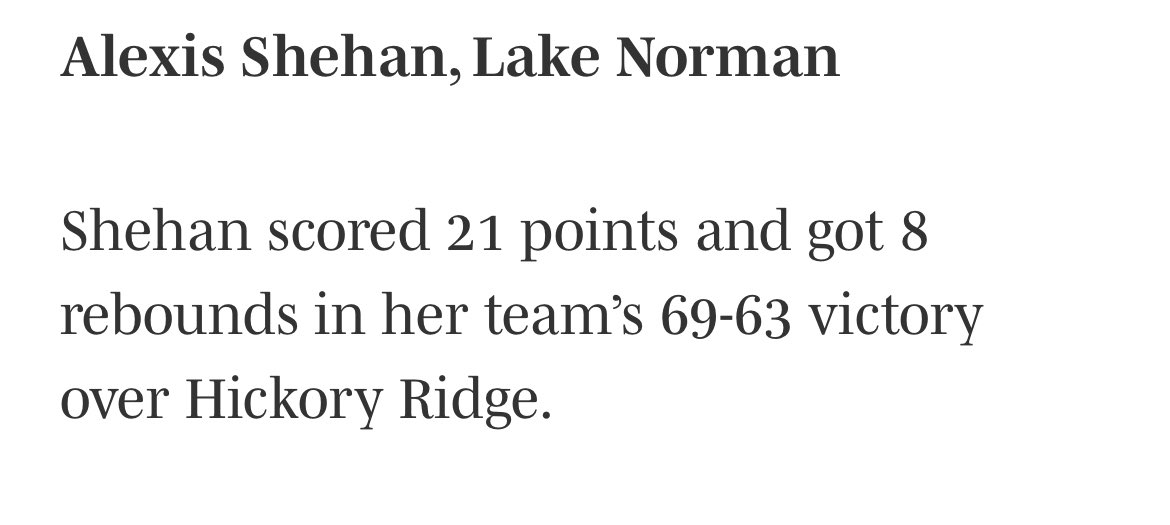
Congrats @AlexisShehan on last weeks winner and let’s roll it back this week! 💯💯💯
2
4
258