Lily retweeted

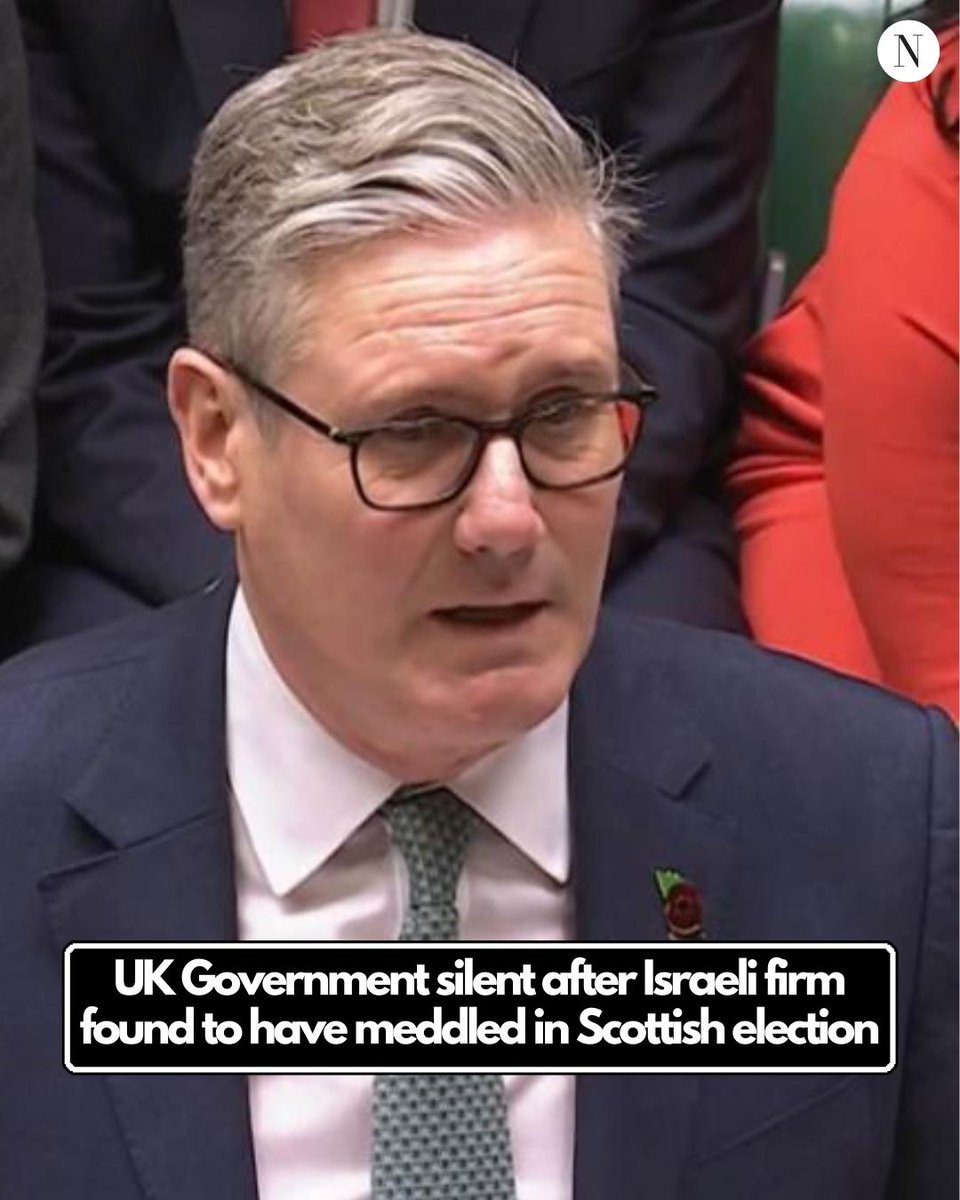
LATEST: The UK Government has refused to comment on the findings of a French government report stating that an Israeli firm attempted to meddle in the Scottish parliament elections
122
1,135
1,700
23,890
JHS⁷ 🇵🇸🇲🇦 retweeted

The same racists who spend their lives telling Moroccan diaspora kids they are not really Spanish, Belgian, French or Dutch are suddenly shocked when so many choose to represent Morocco and honour their parents.
What is it now? Are we European only when our talent benefits you?
32
146
1,266
20,603
Cis retweeted

FUCK YOU DONALD TRUMP FUCK THE FRENCH NEW YORK FORVER
1
16
203
3,959

Macius Omicius retweeted

Jun 12
HOLY SHIT 🇫🇷🇮🇱
French authorities exposed Israeli Mossad-linked firm BlackCore interfering elections across France, Scotland, Angola, Togo and New York City.
They flooded everywhere with fake accounts, AI bots and vicious smear campaigns to steal votes
 Drop Site
307
8,674
18,506
814,531
Ashok Kumar Jha retweeted

𝐏𝐌 𝐌𝐨𝐝𝐢 Ji 𝐚𝐫𝐫𝐢𝐯𝐞𝐬 𝐢𝐧 𝐍𝐢𝐜𝐞, 𝐅𝐫𝐚𝐧𝐜𝐞. 🇮🇳🤝🇫🇷
He will hold bilateral talks with French President Emmanuel Macron and jointly inaugurate the ‘Bharat Innovates’ event, showcasing India’s innovation and entrepreneurial spirit.
1
4
7
1,589

Model Latino retweeted

Picking up her French boyfriend 🇫🇷 😈😈🤫 part 1/2
onlyfans.com/danielknight
FIND MORE HERE☝
3
1,107
665
101,100

French Muslims are like this too 😭 I need someone to write a sociology report on this phenomenon (they also both fake extreme religiosity online)
2



Lú Za📝 retweeted

Dice la French poodle mini toy que somos bots
Jajajaja 🤣🤣 🤣🤣🤣🤣🤖
Hi pppendejaa con A
Jajajaja 🤣🤣🤣

1
1
1
Fans de Luigi Mangione Colombia 🇨🇴 🇵🇸 retweeted

the french used the guillotine for a lot less

30
358
8,372
73,382

37s
Bradley Barcola (Paris Saint-Germain): Arsenal is "serious" about the 23-year-old French winger, who is reportedly looking for a move away from PSG to secure more regular playing time. PSG values him at a steep £100 million.

I'm french, I stumbled on an upload of Sakura/桜 on youtube and i really liked their demo named Hannya

39s
Alain Juillet | Former French Spy Chief:
“We Prepared This War”
In this new interview, former French intelligence chief and economic intelligence pioneer Alain Juillet offers a stark warning: a Western—especially French—slide into open war with Russia would have no clear strategic objective for France and would likely end in profound economic and geopolitical loss for the country.
Who Is Alain Juillet—and Why He Matters
Alain Juillet served at the top of the French intelligence apparatus and later headed economic intelligence in the French Prime Minister’s office, before advising major French and foreign companies. Drawing on this dual background, he insists that today’s real power struggles are driven far more by economic dynamics than by classical military logic. That vantage point allows him to read current war rhetoric not as patriotic necessity but as the outcome of deeper strategic and economic miscalculations.
How We Got Here: Broken Promises and Manufactured Escalation
Juillet traces the current Russia–Ukraine war back to the post–Cold War settlement and its gradual unraveling. He recalls the informal understanding between Gorbachev and the West that NATO forces would not be pushed into the states bordering Russia, a buffer that was effectively erased as one country after another joined NATO and Western structures.
Key points he stresses:
• Between the early 1990s and 2010s, the U.S. and its allies progressively integrated the entire “buffer zone” around Russia—militarily, politically, and economically.
• Ukraine became a decisive battleground as Western governments and companies moved in, training Ukrainian forces, buying strategic assets, and establishing intelligence infrastructure along Russia’s border.
• The Maidan period, the reversal of Kyiv’s orientation toward the EU, and the refusal to implement the Minsk accords created a long, predictable path to war rather than a sudden, unforeseeable crisis.
For Juillet, this means that Western leaders—including French leaders—cannot credibly pretend to be surprised by the outcome; they helped shape the environment that made war almost inevitable.
Why a Wider War Serves No French Interest
From Juillet’s perspective, the crucial question is simple: what strategic objective would France actually achieve by escalating toward direct war with Russia? His answer is blunt—none that justifies the risks.
He emphasizes several core dangers:
• Military reality: Russia is better structured for a long, attritional, industrial war—cheap, simple, mass-producible weapons and high tolerance for losses—whereas Western systems are extremely costly, complex, and hard to replace. The fact that inexpensive drones can destroy multi-million-euro armored platforms illustrates how badly Western cost structures fit this type of conflict.
• Industrial weakness: The U.S. and Europe struggle even to supply Ukraine with enough basic ammunition; they lack the industrial depth for a prolonged, high-intensity war with Russia. France, with a smaller industrial base than the U.S., would be especially exposed.
• Economic self-harm: Juillet argues that this war has already been a disaster for European economies: energy shocks, deindustrialization pressure, and loss of competitive access to Eurasian markets. A further escalation would amplify these costs while offering no realistic prospect of “victory” that materially improves France’s position.
In other words, France would be risking its economic base and geopolitical flexibility to pursue Washington- or Brussels-driven objectives that do not align with French interests.
The Bigger Picture: Power Is Moving, and Europe Is Out of Position
As with our previous film, Planet Lockdown, we are releasing all interviews in full, providing the public with a collection of high level cinema interviews to better understand the events shaping our times. All interviews are freely available here.
This interview can be downloaded and reposted with attribution: [WWIII The Documentary directed by James Patrick, WorldWarThreeDocumentary.com]
worldwarthreedocumentary.com…
7

42s
Green chili burritos
Spaghetti
Pad Thai
French toast
Basically any breakfast food
1
Pape N. retweeted

Victor Wembanyama (in French) says he wasn’t ready to win a ring yet and made too many mistakes:
🇫🇷: Victor, first of all, congratulations on your season and your team's season. Looking back at the series, Mitch said just before that he felt you weren't ready to win a championship and that the other team was. Do you agree with that? And what exactly do you think was missing in this series?
👽: Obviously. Obviously we weren't ready. I wasn't ready to win a ring. That's obvious. I think in terms of desire to do well, intensity and effort, we were at a good level. I was at a good level. But experience... it's mistakes. We don't lack talent, we don't lack ability, we just make too many mistakes. And I make too many mistakes.
#GoSpursGo #PorVida
12
119
1,585
121,821
Gia Gregory retweeted

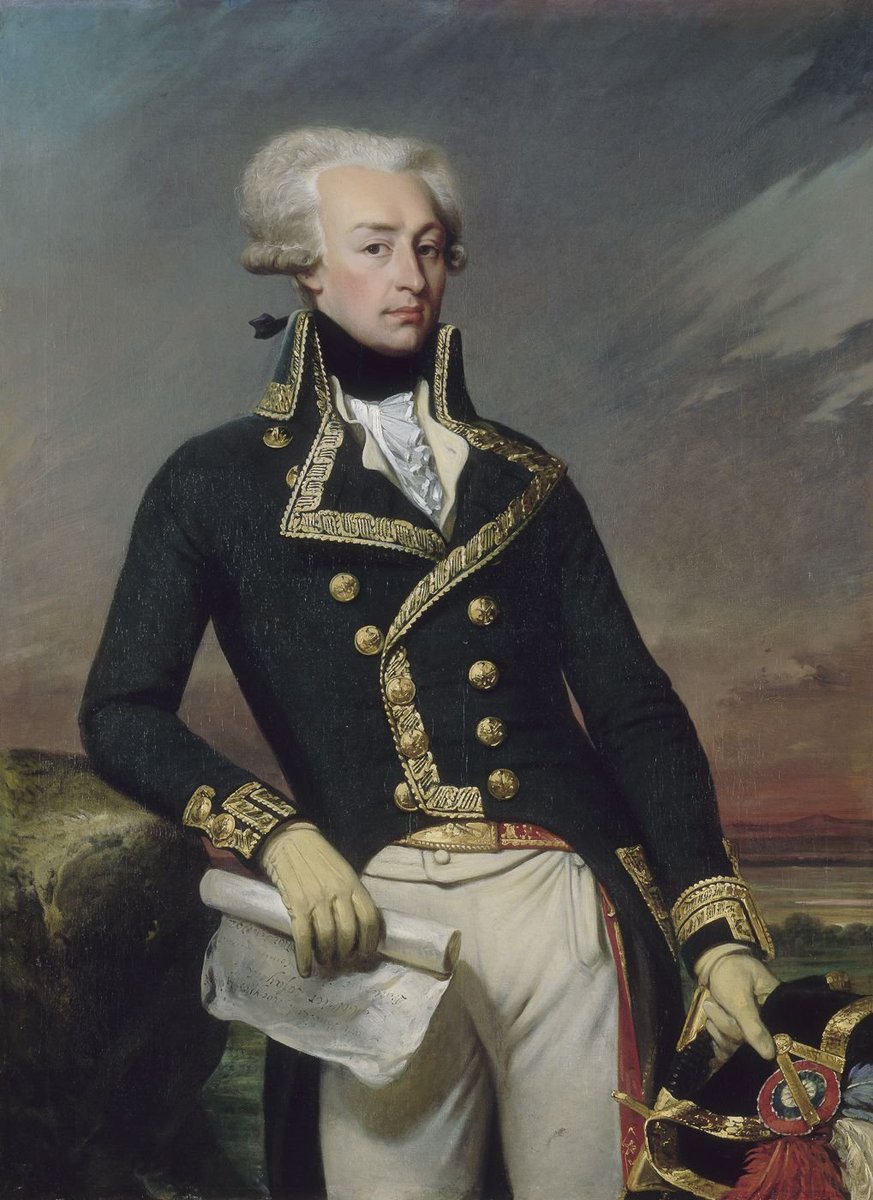
On June 13, 1777, a 19-year-old French teenager landed on a beach in South Carolina, uninvited, to fight in someone else's war. He would become one of the most important men in American history.
The Marquis de Lafayette was one of the richest young aristocrats in France. He had a beautiful wife, a fortune, and zero reason to risk any of it. But he believed in the American cause so fiercely that when the French king forbade him from going, Lafayette bought his own ship and sailed anyway. He literally went AWOL from a life of luxury to bleed for a country that didn't exist yet.
Congress was annoyed at first. Another foreign officer looking for a paycheck? Then Lafayette offered to serve for free and pay his own way. That got their attention.
He met Washington and the two formed one of the great father-son bonds in American history. Washington had no biological children. Lafayette named his only son George Washington Lafayette.
He took a bullet in the leg at Brandywine and kept rallying the retreat. He was instrumental at Yorktown, the battle that won the war. He went home a hero on two continents.
A foreign teenager believed in America before America did. 249 years ago today.
98
1,509
6,624
90,298