Bart Czernicki retweeted

Jun 11
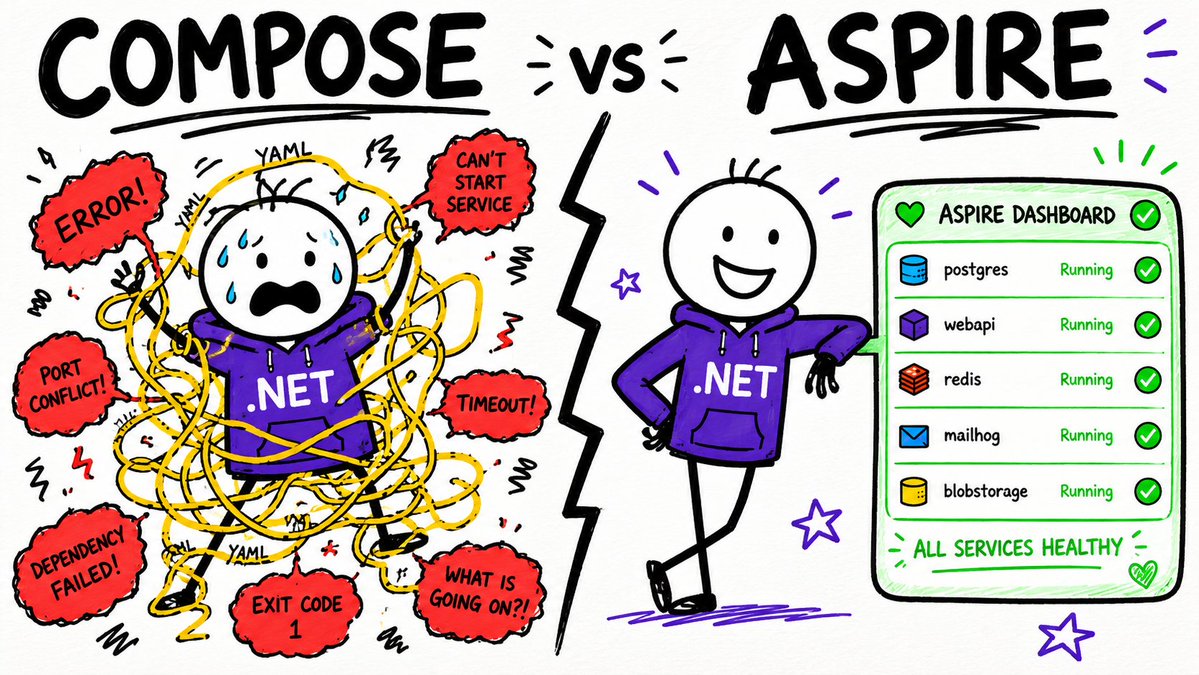
If you're still running .NET local dev through docker compose in 2026, here's what you missed.
I moved FullStackHero, my open-source .NET 10 starter kit, off compose.
Seven moving parts.
A Web API. Two React frontends. Postgres. Redis. Two database jobs.
All of it now starts with F5. Through Aspire.
The idea is simple.
No YAML file describing containers.
Instead, a small C# project that describes your whole system: the AppHost.
Three methods carry the whole model.
WithReference - how one service finds another.
The API references Postgres. Aspire generates the connection string and hands it in.
I used to copy that string into 5 files. Now it's typed zero times.
WaitFor - "don't start until that thing is healthy."
For stuff that stays up. Your database. Your cache.
WaitForCompletion - "wait until that thing finishes and exits."
For jobs.
My migration job runs to the end. Then the seeder. Then the API starts.
The API can never boot against an un-migrated database.
Compose can't do this.
depends_on orders startup. It can't say "run this job to completion first."
That's the gap I always scripted around by hand.
The part that surprised me?
The same file runs my React apps.
AddJavaScriptApp points at the client folder and runs my normal Vite dev script.
Same dashboard. Same logs.
Works for Node, Python, and Go too.
And the dashboard is the real win.
Every service on one screen.
Turning green in dependency order.
Live logs and request traces already wired up.
Compose starts your containers.
Aspire shows you your system.
I recorded the full migration as a video.
The real AppHost from FullStackHero, line by line, plus the dashboard tour.
It's live on my YouTube channel now, part of my free .NET Web API Zero to Hero course series.
Link in the comments.
Happy Coding :)
3
8
63
2,029
Jun 4
Here is a small teaser of fullstackhero v10!
.NET 10 WebAPI React Dashboard React Admin app.
Backed by Aspire for Local Dev.
Truly Saas, Modular Monolith.
This is my best open source project till date, over 6,500 stars on GitHub.
Releasing soon.
4
2
67
3,625
Jun 3
"Aspire only makes sense if your whole stack is .NET."
I believed that too, until I wired up the open-source fullstackhero .net 10 starter kit a few months ago.
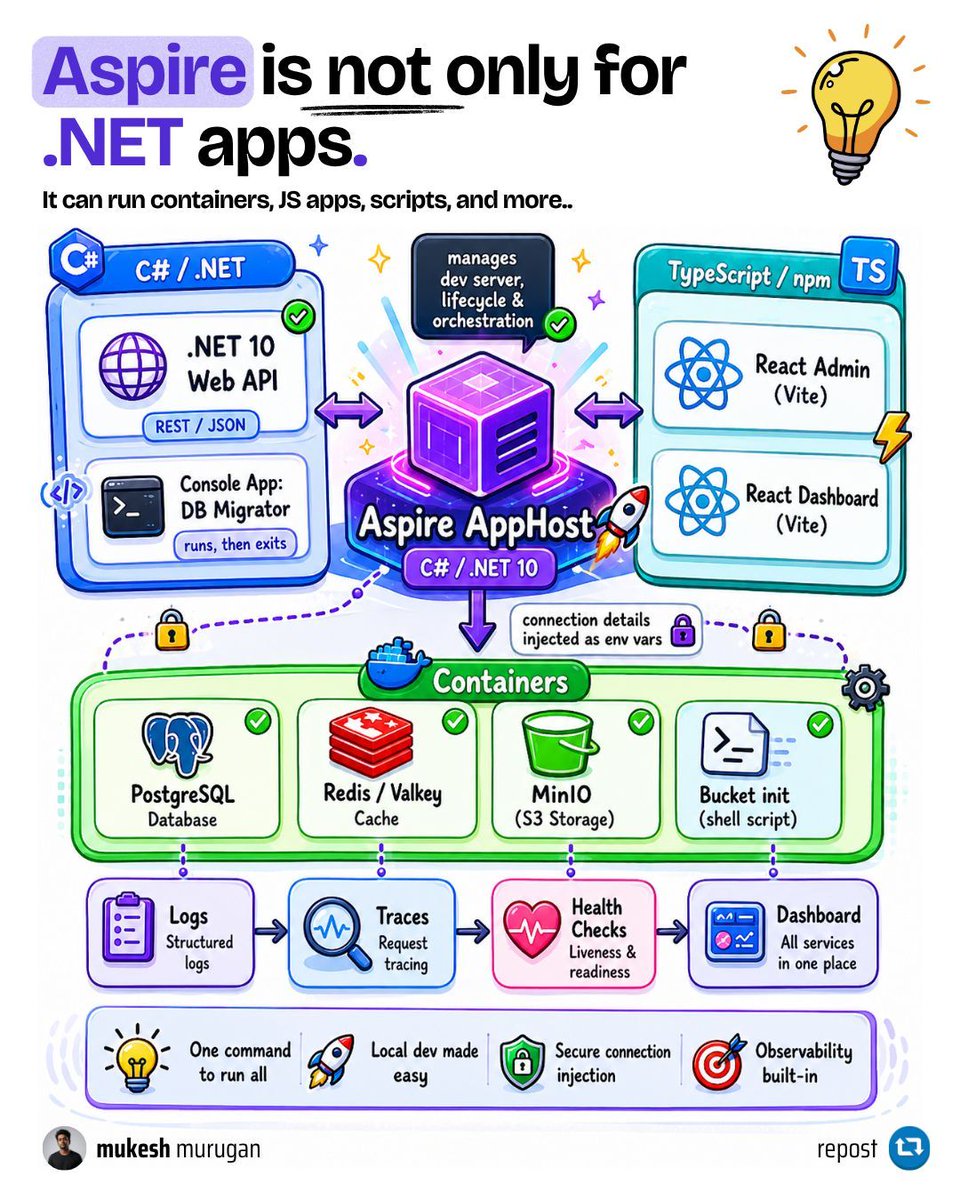
Now one command brings up a stack that is mostly not .NET, and all of it comes from a single AppHost.
Here is what spins up together:
A .NET 10 API.
Two React apps, an admin console and a dashboard, both TypeScript.
A small .NET console app that runs the database migrations and then exits.
Postgres, Redis, and MinIO for file storage, all as containers.
And a tiny shell script that creates the storage bucket before anything else is allowed to start.
The AppHost itself is a C# project, and that is the part that trips people up. They see C# and assume everything it runs has to be C# too. It doesn't.
For the React apps I just point Aspire at the folders and tell it to run them with npm. It handles the install and the dev server for me, no second terminal, no remembering which directory.
The API gets its Postgres, Redis, and storage details handed to it as environment variables, so there are no connection strings pasted into config by hand.
The migration app is set to wait for Postgres, run, and finish before the API is even allowed to boot, so the API never starts against a database that isn't ready.
The part that actually changed my day: all of it reports into one dashboard. One place for logs. One place for traces.
The same health checks for the React apps, the API, and the containers. I stopped juggling five terminals and a Docker window.
So yes, the AppHost is .NET. What it orchestrates is React, Postgres, Redis, object storage, and a shell script.
Different languages, different runtimes, one command, one dashboard.
If you skipped Aspire because your stack isn't pure .NET, that was never the requirement.
2
9
43
1,662
May 28
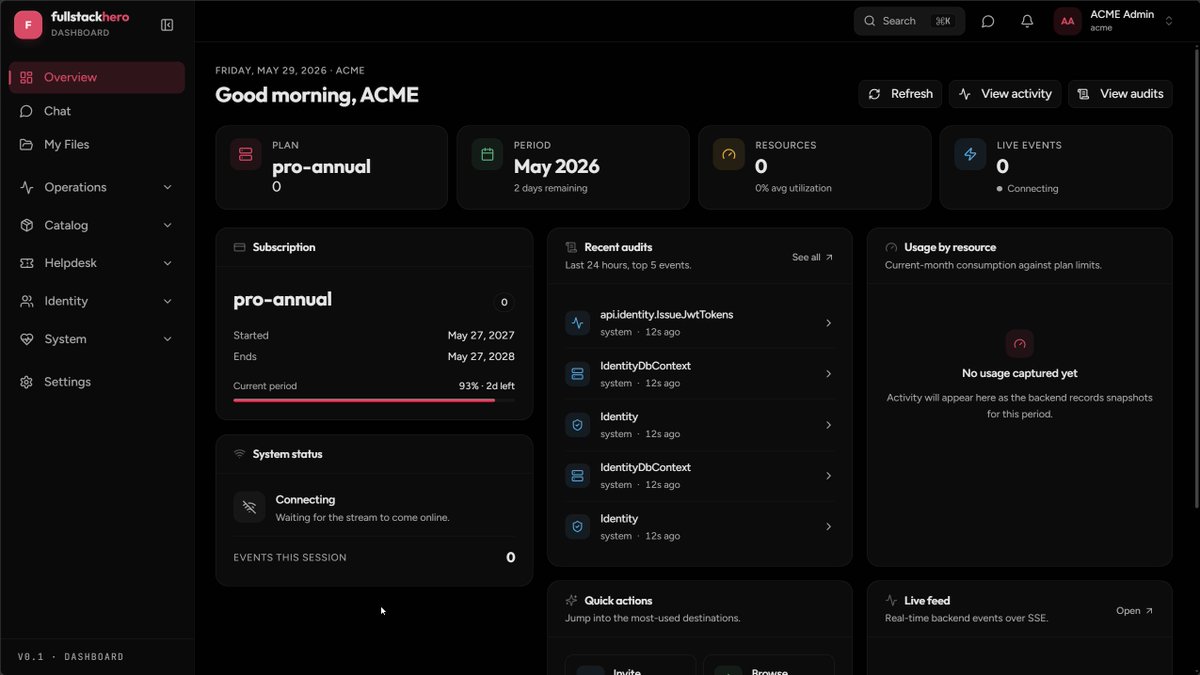
Trying to finish fullstackhero - .NET 10 Starter kit with all required enterprise features.
fullstackhero.net/
1
11
337
May 24
"Aspire only makes sense if your whole stack is .NET."
I believed that too, until I wired up the open-source fullstackhero .net 10 starter kit a few months ago.
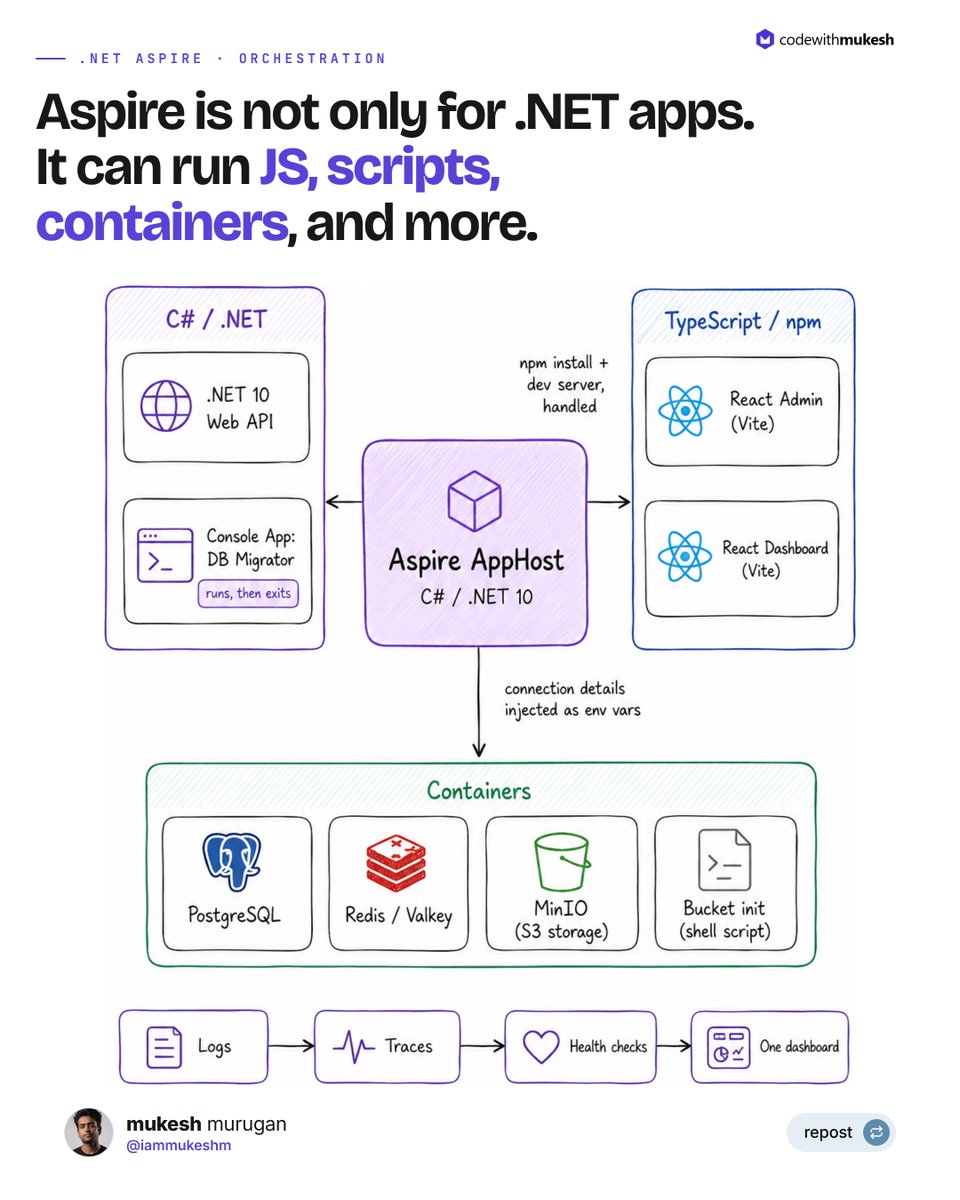
Now one command brings up a stack that is mostly not .NET, and all of it comes from a single AppHost.
Here is what spins up together:
A .NET 10 API.
Two React apps, an admin console and a dashboard, both TypeScript.
A small .NET console app that runs the database migrations and then exits.
Postgres, Redis, and MinIO for file storage, all as containers.
And a tiny shell script that creates the storage bucket before anything else is allowed to start.
The AppHost itself is a C# project, and that is the part that trips people up. They see C# and assume everything it runs has to be C# too. It doesn't.
For the React apps I just point Aspire at the folders and tell it to run them with npm. It handles the install and the dev server for me, no second terminal, no remembering which directory.
The API gets its Postgres, Redis, and storage details handed to it as environment variables, so there are no connection strings pasted into config by hand.
The migration app is set to wait for Postgres, run, and finish before the API is even allowed to boot, so the API never starts against a database that isn't ready.
The part that actually changed my day: all of it reports into one dashboard. One place for logs. One place for traces.
The same health checks for the React apps, the API, and the containers. I stopped juggling five terminals and a Docker window.
So yes, the AppHost is .NET. What it orchestrates is React, Postgres, Redis, object storage, and a shell script.
Different languages, different runtimes, one command, one dashboard.
If you skipped Aspire because your stack isn't pure .NET, that was never the requirement.
#aspire #dotnet #container
4
11
92
6,586
May 24
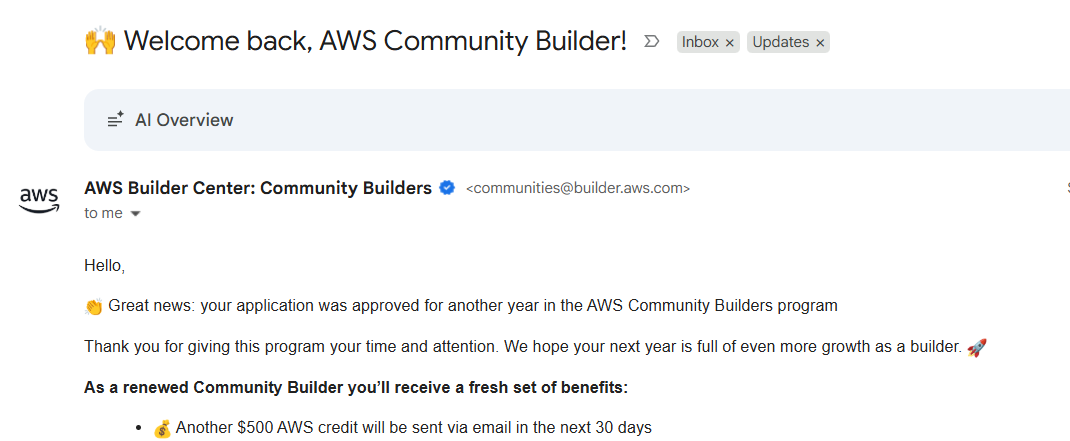
Extremely happy to be part of the AWS Community Builder Squad for one more year!
This year, I will focus on bringing my .NET on AWS articles up to date with the latest versions, best practices, and conventions.
Also, major focus will be to get fullstackhero's .NET 10 starter kit deployed into AWS with ease, using Terraform IAC, so that the adaptation can be more seamless if the community wants cloud deployment for their .NET APIs.
On a different note, fullstackhero .NET 10 (v10) is almost ready, and a major update will be released this week. Documentation is finally done, thanks to Claude! PS, it's going to be .NET 10 WebAPI with React Admin Dashboard apps, and a lot more exciting stuff. Stay tuned. Thanks to the community!
1
10
812
May 23
Working full swing on releasing fullstackhero v10 soon! Final stages of work are happening.
In case you have missed, we will have React frontend (admin dashboard apps), and a .NET 10 supercharged backend, all running seamlessly with aspire!
All of the latest work is on the develop branch: github.com/fullstackhero/dot…
Release soon!
3
8
44
2,959
Feb 27
I have been using .sln files for over a decade.
Not once did I enjoy opening one.
GUIDs everywhere. Merge conflicts every other PR. A format that only Visual Studio can truly parse.
When I first saw the new .slnx format, I was skeptical. "Just another file format change nobody asked for."
Then I actually migrated fullstackhero, a 15 project solution. One command. 250 lines of gibberish became 50 readable lines.
Clean XML that I could actually read in Notepad.
The moment I realized Git could auto-merge two developers adding projects to the same solution folder? That was it. No going back.
I just wrote a complete guide covering the migration, CI/CD compatibility, and how to roll this out across your team.
Here's how to do it: codewithmukesh.com/blog/slnx…
Repost this to help a fellow .NET dev.
1
1
29
1,382
Feb 27
I have been using .sln files for over a decade.
Not once did I enjoy opening one.
GUIDs everywhere. Merge conflicts every other PR. A format that only Visual Studio can truly parse.
When I first saw the new .slnx format, I was skeptical. "Just another file format change nobody asked for."
Then I actually migrated fullstackhero, a 15 project solution. One command. 250 lines of gibberish became 50 readable lines.
Clean XML that I could actually read in Notepad.
The moment I realized Git could auto-merge two developers adding projects to the same solution folder? That was it. No going back.
I just wrote a complete guide covering the migration, CI/CD compatibility, and how to roll this out across your team.
Here's how to do it: codewithmukesh.com/blog/slnx…
Repost this to help a fellow .NET dev.
1
8
621

26 Nov 2025
🌟 Hyderabad | Bengaluru | Chennai | Pune | Mumbai | Gurugram
Java Career Elevation with Big4 & Top Integration Firms!
Openings across:
• Backend Java wizards
• Full Stack architects
• Analytics integration specialists
Bring your expertise. Shape the digital era.
📩 DM for more details!
#DeveloperCareer #HyderabadHiring #BengaluruJobs #ChennaiTech #Big4 #FullStackHero
1
1
7
635

9 Jan 2025
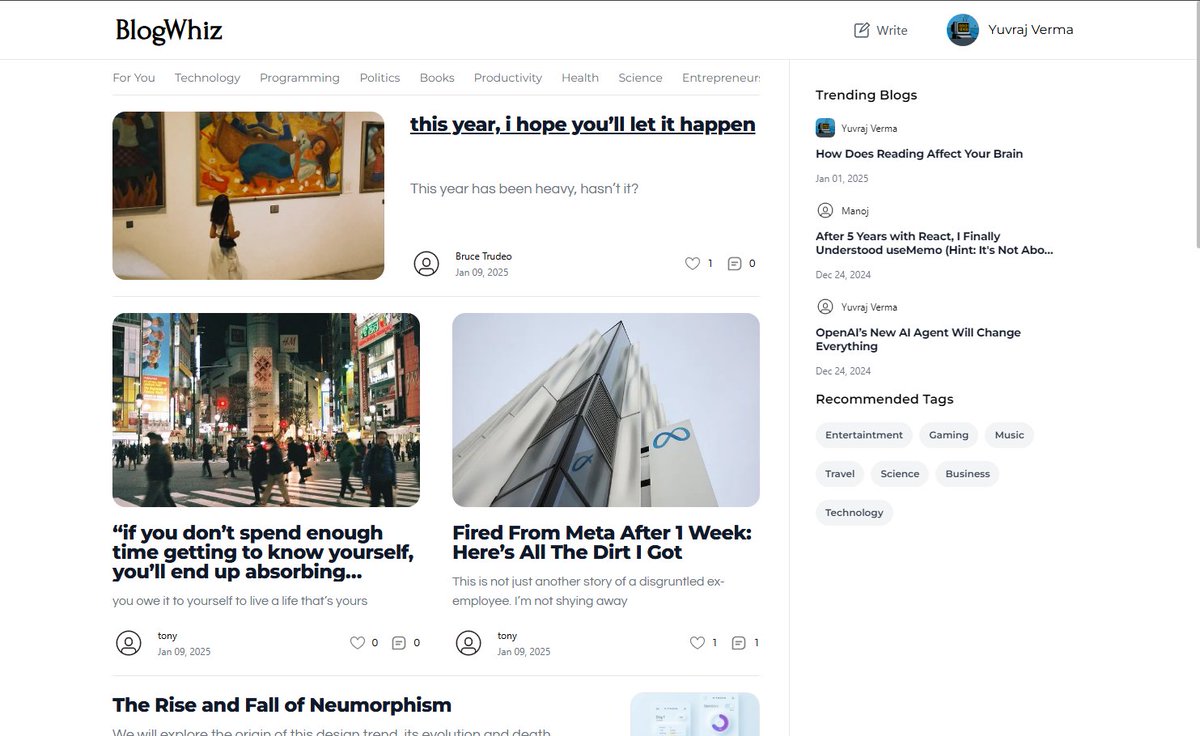
🚀 Excited to share my latest project: BlogWhiz! 🚀
blogwhiz.vercel.app/
🌐 Built with ReactJS, Firebase, and Tailwind
🔐 Secure authentication
📝 Write & read blogs effortlessly
👍 Like and comment on posts
✨ Clean and intuitive UI
#WebDevelopment #fullstackhero #blog
2
31
28 Aug 2024
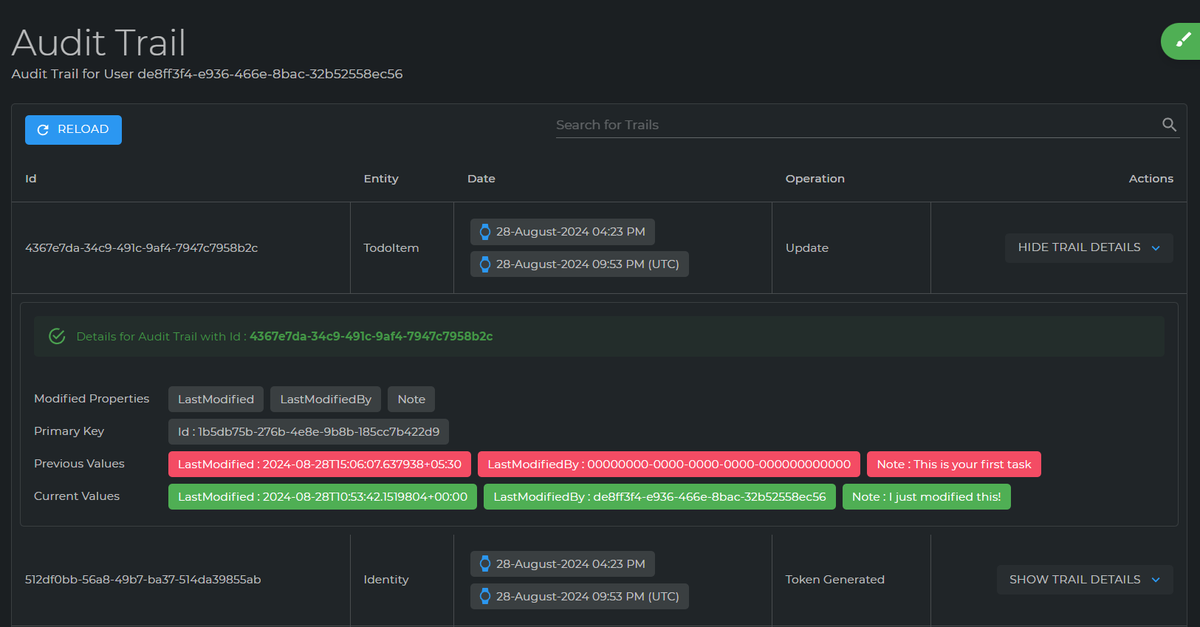
Audit Trails have been implemented in FullStackHero .NET Starter Kit! 🚀
Quick Brief:
Audit Trails help track the history related to a particular user. It can record any changes/additions/deletions to a database entity, or even log custom events like Token Generation, User Logout, or any other action defined by the developer. 💡
How it works:
1. I used EF Core's `SaveChangesInterceptor` to intercept any data-related action. 🔍
2. Whenever an entity is subject to addition/modification/deletion, the `SavingChangesAsync` method is overridden. Entity history is retrieved by the `DbContext`'s Change Tracker and published as a MediatR Notification. 📩
3. This Notification has a handler that accepts an incoming list of audit trails and saves it to the Identity Database. I felt Audit Trails are best suited to be placed within the Identity Database because of their connection with the User ID. 🗂️
4. Besides tracking history via ChangeTracker, you can also publish your notification whenever an action happens. For example, I wanted to record the time when the user generated a JWT token. The possibilities are endless! 🔄
5. Below is the implementation within the Blazor app. An admin can view the Audit Trails of any user that belongs to the tenant. 👨💻
Please pull the latest source code from the main branch to test this out! 🌟 Let me know your feedback! 🙌
Source Code: github.com/fullstackhero/dot…
---
Do not forget to star the repository!😊
1
2
33
1,644
23 Jul 2024
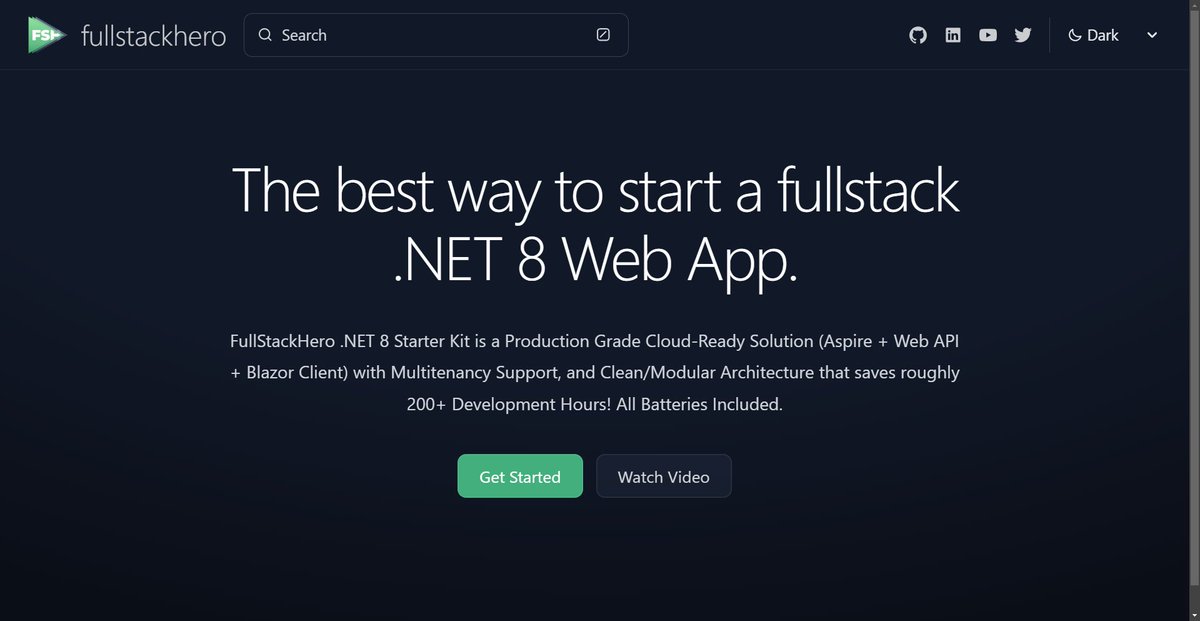
FullStackHero .NET 8 Starter Kit Beta Available!
The repository consists of 3 Projects.
Aspire Dashboard: Helps ease local development experience by visualizing metrics, logs, open telemetry data, and stats. Grafana / Prometheus integration also comes out of the box. Set the Aspire project as the default and run the application. Both WebAPI and Blazor would boot up. You will need Docker running on your machine since containers of Prometheus and Grafana would spin up too.
.NET 8 Web API: Follows Modular Architecture, with clean code separation. It is integrated with EF Core 8, PostgreSQL, Redis, FluentValidation, Serilog, Hangfire, MediatR, and Minimal APIs. It is truly an awesome development experience. Multi-tenancy is the USP of this project.
Blazor WASM Standalone: MudBlazor flavored Client Application that talks to the JWT-secured Web API.
My focus was not only on building an application, but also engineering a solution that exhibits even wider SDLC practices, right from Docker, Docker Compose, Terraform, CICD with GitHub Actions, and Performance & Metrics with Aspire.
FullStackHero is now available for testing purposes. I would consider the current version as Beta. Most of the Razor Pages are added. A few of the User Management Pages are yet to be added.
Quick Start Guide is available in the README file of this repository.
Let me know your feedback. Thanks!
Fork & Star the repository: github.com/fullstackhero/dot…
2
21
106
4,481
5 Jun 2024
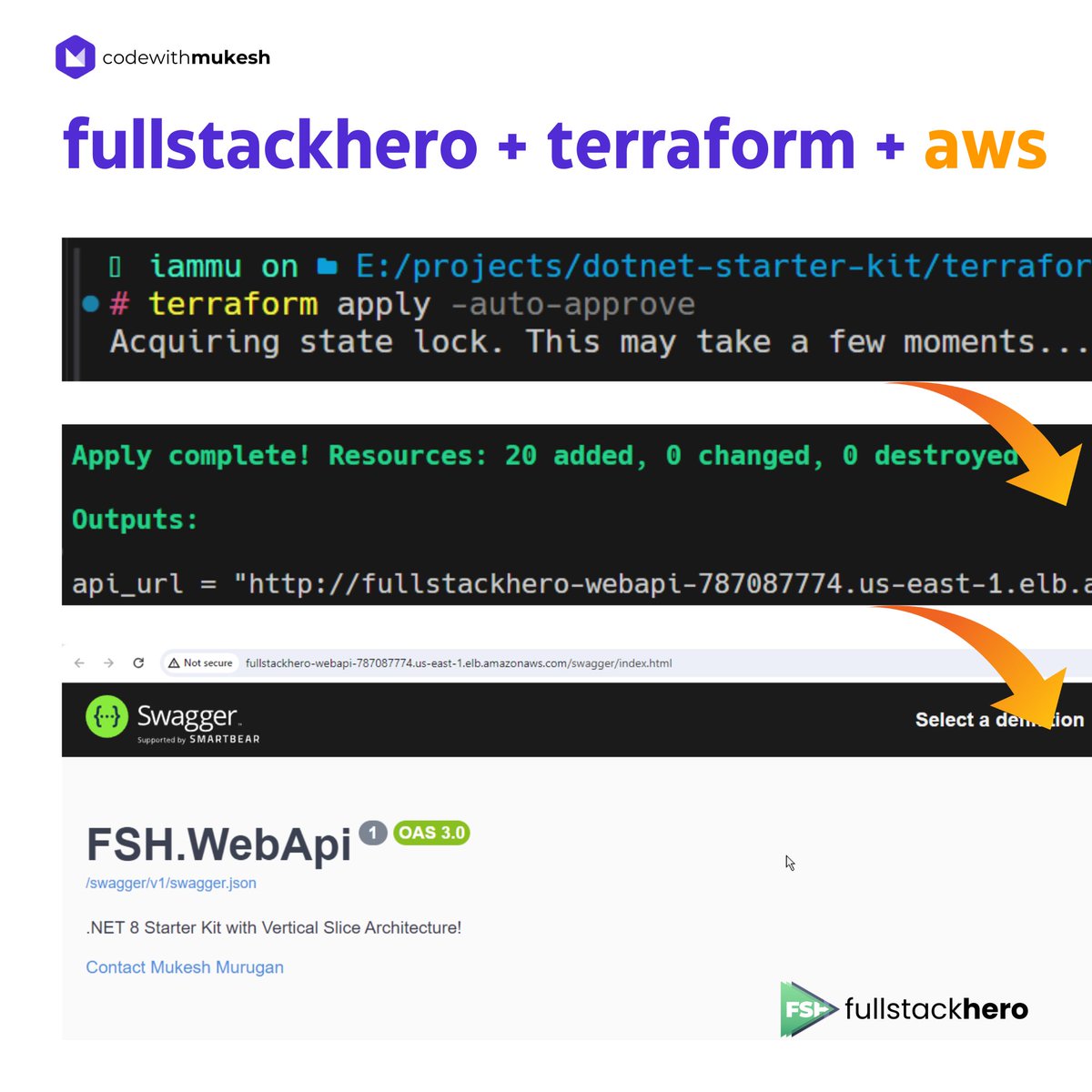
You can now deploy the .NET 8 Starter Kit to AWS with a single CLI command! 🌟
Today, I added the Terraform changes that make deploying the .NET 8 Web API in FullStackHero even more seamless. This can also be part of the CI/CD pipeline!
Basic Overview:
1. As soon as any new feature is merged into the branch, the CI/CD workflow (GitHub Actions) is triggered. It builds, tests, and publishes the latest container image to GitHub packages.
2. Navigate to the `terraform/environments/dev` folder and run `terraform init` and `terraform apply` to deploy the entire stack into AWS infrastructure. This would pull the latest image from GitHub packages, and deploy it through an ECS Fargate Container.
The deployment step takes under 10 minutes to provision the required resources!
With this, you can start testing and exploring the FullStackHero .NET Starter Kit repository. Your valuable feedback is greatly appreciated!
Check out the repository: github.com/fullstackhero/dot…
Leave a star to show your support and help us reach 5k stars soon! ⭐
Next Steps:
1. Blazor Client
2. Any API changes that come while developing the Blazor solution.
3. A few identity endpoints are still pending.
4. Documentation website.
5. Terraform Modularization.
6. Once all this is done, we will have a video walkthrough of the entire project.
A big thanks to those of you who have already raised PRs to add missing features. Your support is amazing, and I'm excited to see the community grow! 😊
#developer #dotnet #terraform #fullstackhero #aws #cloud
1
3
26
1,716