
29 Sep 2025
A few months ago, we wrote this thread about the biological contamination in the Citadel.. 🧬
What are your thoughts now that more clues are emerging in @playCITADELS ?
Could this mystery go deeper than we think? 👀👇
#GameOnUltra $ASH
16 Jan 2025

🧵 [Thread] : Biological Contamination in the Citadel
Let’s dive into one of the most intriguing mysteries in @AshesOfMankind_ the traces of biological contamination and quarantined zones seen in the Citadel.
Could there be more to this than meets the eye? 👇
#GameOnUltra $ASH
5
18
436

Ladies and gentlemen, $UOS is under 20M mcap. So I ask you: with a game of this quality (@playCITADELS) and among others @metahoof_game, @play_EMPIRES, V2, new games, tokenomics, DEX, @Ultra_TimesEN's program... what are you waiting for to accumulate more $UOS ? #GameOnUltra clip by @UltraGodGiven
11
21
76
4,807
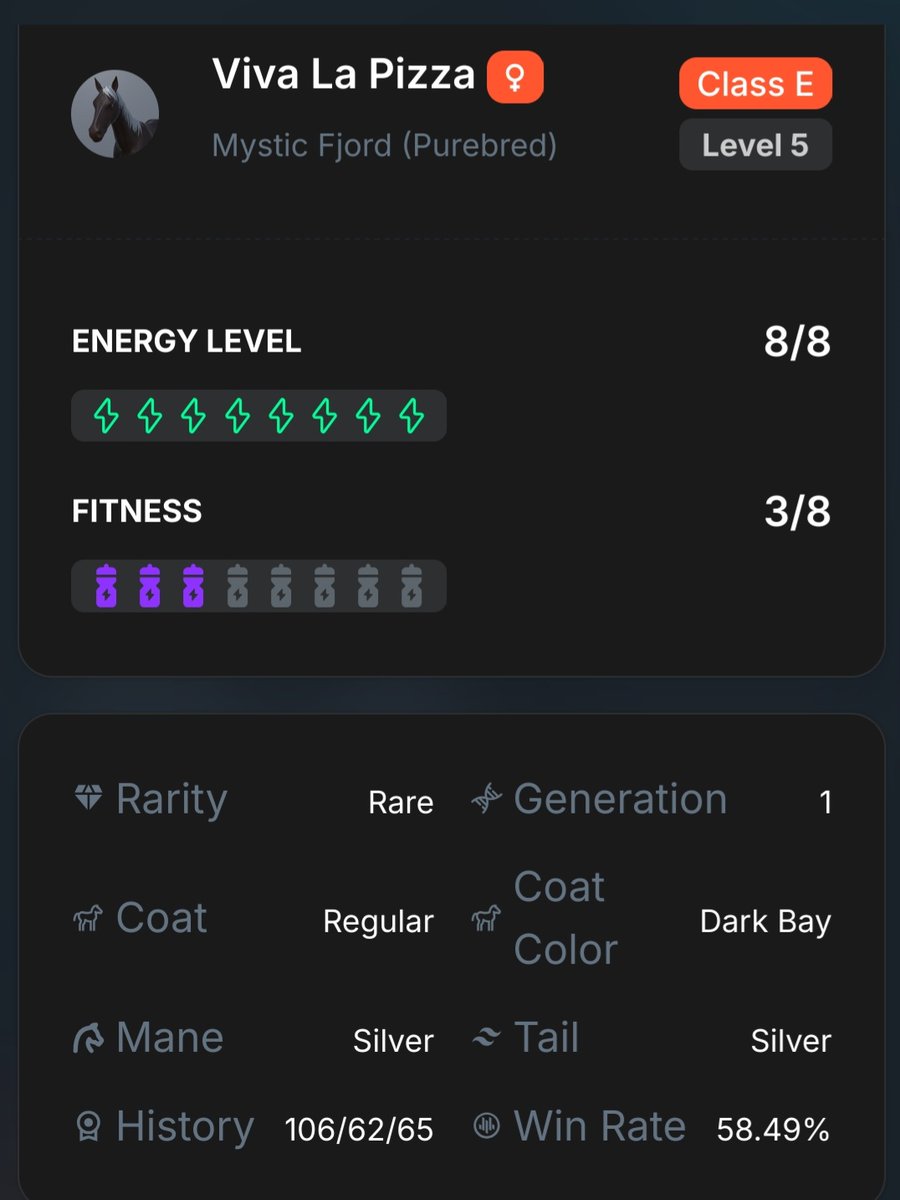
I still have to tell you about @metahoof_game, an exclusive game on @Ultra_io that you absolutely must try out !
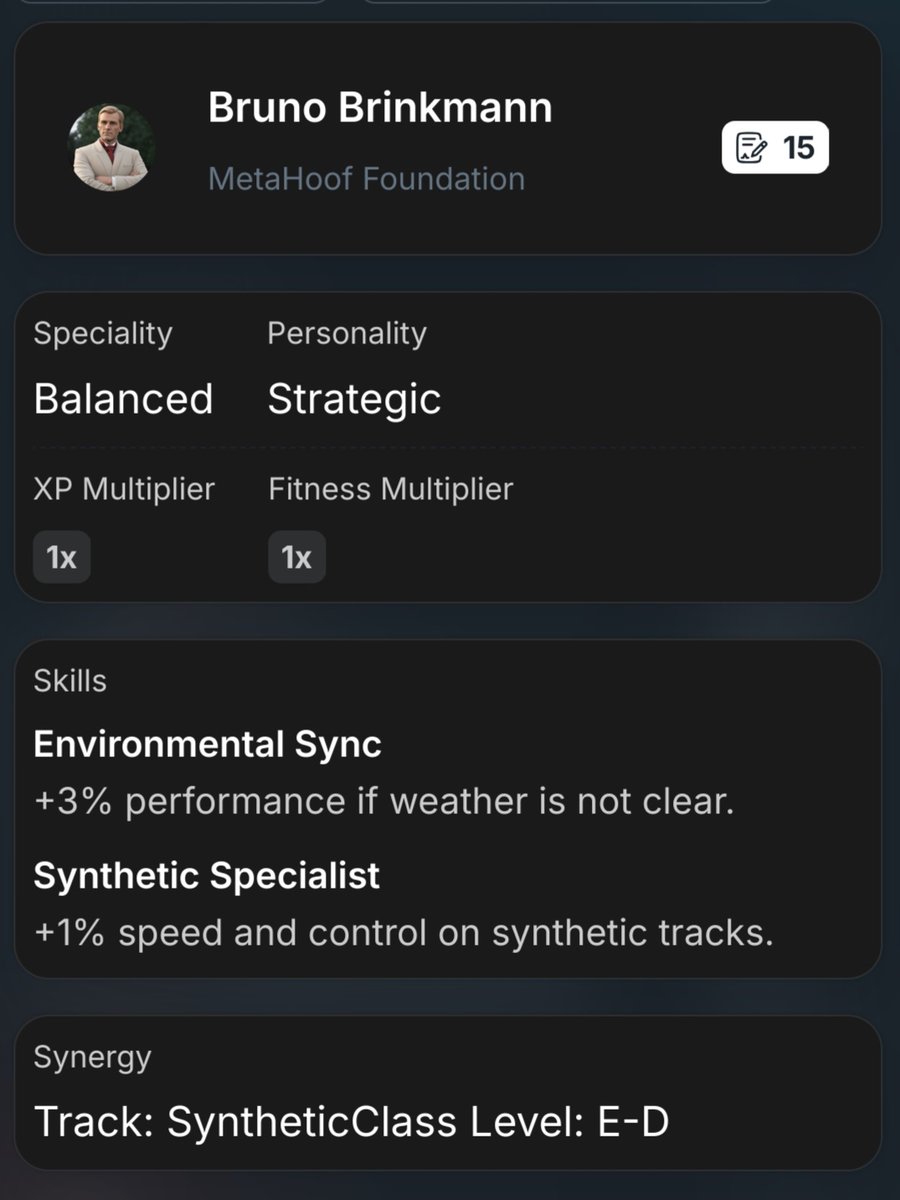
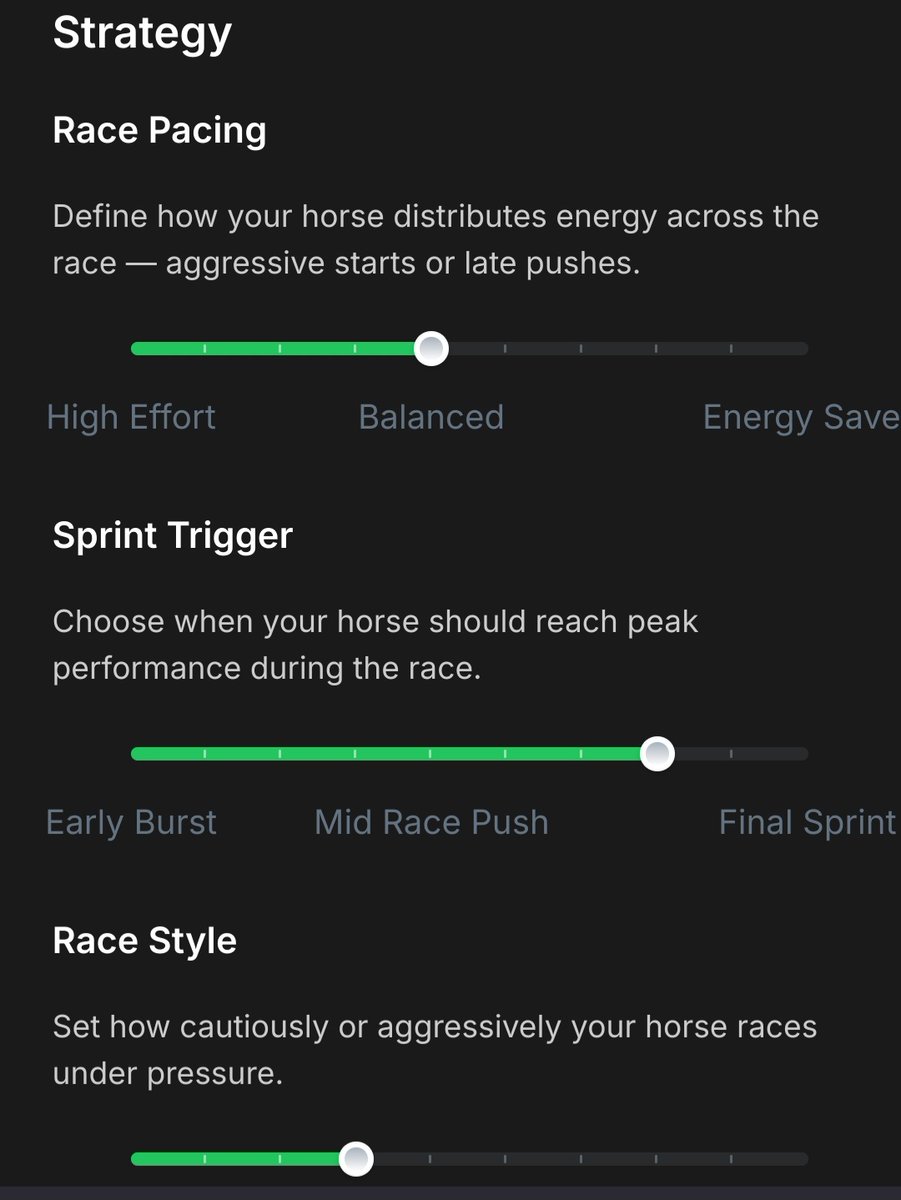
👉 What's it all about ? Mainly the strategic and management side: 1000 different race strategy possibilities, 3 types of horses with their own characteristics, lots of trainers, different racing surfaces and 4 types of weather, not forgetting energy and fitness... the possibilities are endless !
💰 Then there's the competitive side, with its exciting rewards: NFTs, $UOS tokens and more. Not forgetting stacking, which will also come later.
👉 The doors will reopen soon, so join the adventure !
#GameOnUltra
1
8
38
849

No plans for the weekend? MagicCraft’s got you covered. A pure PvP MOBA experience set in a rich fantasy universe. ⚔️🔥 #GameOnUltra
Play now! ➡️ bit.ly/MagicCraftOnUltra
31 Jul 2025

MagicCraft is where the hype meets the battlefield!
Epic battles, fierce rivalries, and a community that’s unstoppable.
The hype is real, the future is bright, and together, we’re destined for greatness.
Will you rise with us? Download NOW! 🔥
1
3
30
2,245

29 Jul 2025
🎮 @Ultra_io no longer wants to play small: a course for massive expansion and clear ambition against the giants.
#Web3 #Gaming $UOS #GameOnUltra
cointribune.com/en/ultra-gus…
2
4
40
1,785

29 Jul 2025
🎮 @Ultra_io ne veut plus jouer petit : cap sur une expansion massive et une ambition claire face aux géants.
#Web3 #Gaming $UOS #GameOnUltra
cointribune.com/ultra-la-str…
3
13
49
2,232


22 Jul 2025
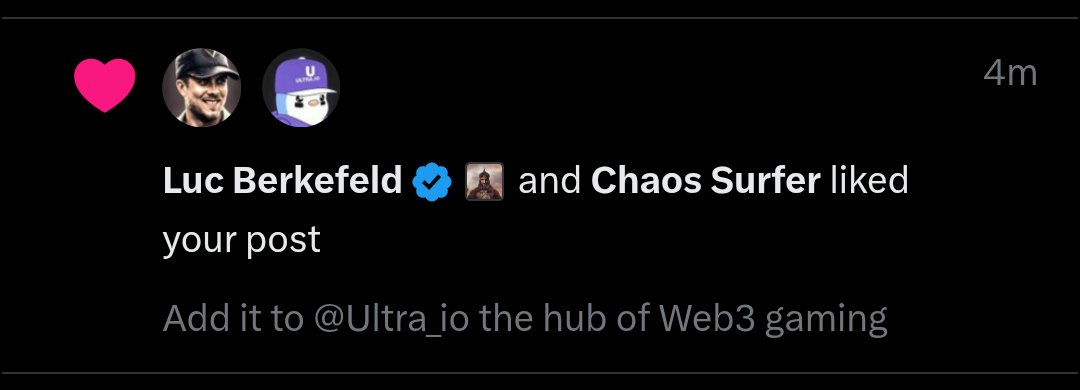
Luc Berkefeld is a powerhouse!
@IAMRodOliveira let me know if you need help with content acquisition
#GameOnUltra
22 Jul 2025

Add it to @Ultra_io the hub of Web3 gaming
4
191
That was Ultra loading your game and syncing your wallet in 0.2 seconds. ⚡🎮
#GameOnUltra
x.com/barryscott33338/status…
2
5
50
1,743
Medieval Empires is charging onto mobile. Go show them some love! ⚔️
If you’re more into that PC grind… you know what to do.
#GameOnUltra → bit.ly/MedievalEmpiresOnUltr…
22 Jul 2025

Medieval Empires is inviting the first battalion of warriors to enter and playtest its Mobile version this week! ⚔️
Next up: Landlords & VIP status players via $MEE staking
13
7
68
22,865
21 Jul 2025
A great reset in gaming is needed, because when great projects like @Ultra_io remain unknown it indicates there's a serious problem.... #GameOnUltra
19 Jul 2025

If I made an actual tier list for Crypto Gaming in 2025 many more of these would go in the “rug” tier
people being too kind, you can tell they’re new around here
we need the great reset of gaming before we can proceed forward
the greats will consolidate & lead, I’m a big believer that indie titles will be the new meta long term for investing into Gaming
Something that doesn’t cost much to produce, or a chain that has nothing to do with the game itself but uses it
1
5
213

20 Jul 2025
Marché haussier, @Ultra_io qui sort du lourd avec @metahoof_game, @playCITADELS et @play_EMPIRES que l'on a déjà pu tester... tout est réuni pour que $UOS explose dans les prochains jours 💥🚀 #GameOnUltra
2
2
21
384
20 Jul 2025
3
105
20 Jul 2025
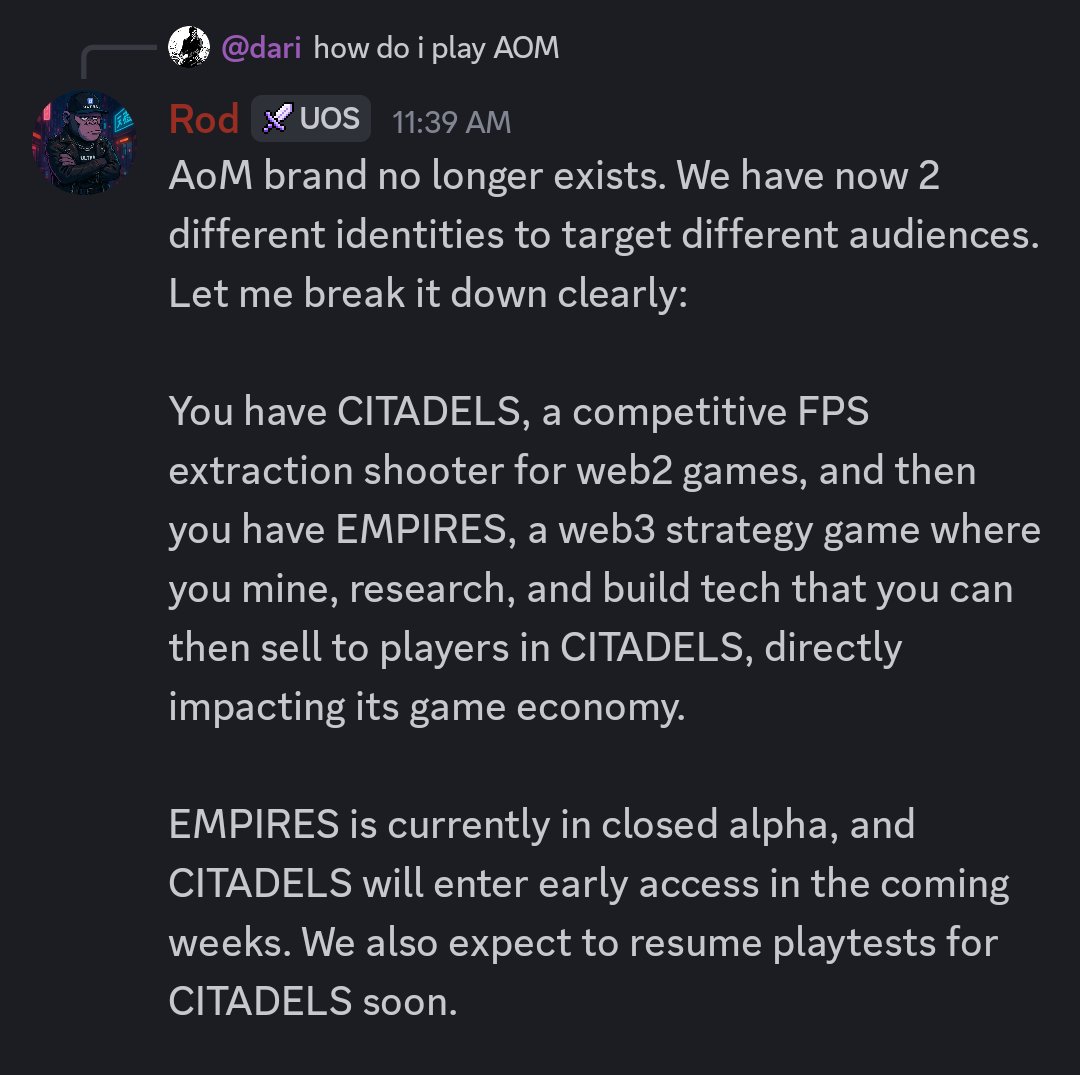
Thanks for the clarification @IAMRodOliveira let us know if you need more help with communication. We are here for the community...
#GameOnUltra #UniqRebels
19 Jul 2025
Does the "Ashes of mankind" title exist anymore moving forward?. I have a feeling its been dropped from the branding ... I think this has been hinted at but not explicitly stated... Anyone know?
4
187
MaW isn’t just a game, it’s a lifestyle. 🙌
Jump in now 👉 bit.ly/MemesAtWarOnUltra #GameOnUltra
1
2
6
49
19 Jul 2025
19 Jul 2025

Where are all the crypto games that said they were launching something this summer?
💀💀💀
7
180
18 Jul 2025
@Gusvanrijck do you realise @ultra_io not being a part of the web3 gaming conversation has been a meme for years, at this point its just fucking ridiculous that no one in the space talks about it! Its embarrassing, sort it out! #GameOnUltra
1
56
18 Jul 2025
This all changes with @playCITADELS #GameOnUltra
17 Jul 2025

Too much of Web3 gaming culture is approached like financial engineering.
We're caught up in a world obsessed with optimizing flow, tokenizing behavior, and monetizing (low-quality) attention.
The issues we face impact studios, marketers, players, well, everyone. The tragic irony here is that the things that are brutally misguided in application are the things that unify the dissatisfaction and difficulties we all face.
Products aren't designed to be entertaining; they’re built for extraction across the board.
We’ve all seen this playbook before. A game launches on a wave of speculation, but it lacks any emotional arc or tangible product.
A community forms, buzzing about potential profits instead of the joy of the game itself. We talk in tokenomics, not in player guides.
Engagement spikes, and then it inevitably collapses because once the financial incentives fade (actual or perceived), there is nothing left to anchor the experience.
It was all just air.
But this isn't just a Web3 problem. There has been a societal shift toward systems that simply trap time and spend, rather than inspiring exploration and meaning.
Retention is meticulously engineered and identity is ignored.
The gaming studios that endure won't be the ones that ship the fastest or raise the most money. They will be the ones that think like showrunners, who understand rhythm, character, puzzles, and payoff.
They will be the ones who design like world-makers, creating spaces that don’t just function, but inspire imagination, stories, curiosity.
Anything with feeling.
This is because so much of everything we see every day is based on algorithmic delivery of what normatively drives participatory response from the greatest amount of people most efficiently.
The machines are boring us to death... literally and figuratively.
Players don't return for reward structures. They return because of emotional resonance. They come back to chase a goal, to relive a moment, to feel agency in a space built for more than just functional benefit.
Great games are not content pipelines; they are emotional architecture. They give players a role, not just tasks.
So sure: Drop the NFT. Launch the pass. Automate the funnel.
But understand that without emotional stakes, narrative gravity, or imaginative space, none of it will last.
You can’t growth-hack belonging. You can’t token-gate wonder. You can’t airdrop meaning.
Never log out. Keep on gaming.
9
144
17 Jul 2025
16 Jul 2025

I need a #GAMING token that:
– Under $100M
– Actually has a player base
– Isn’t a VC exit pump
Is that too much to ask for?
Drop your most undervalued pick 👇
8
178
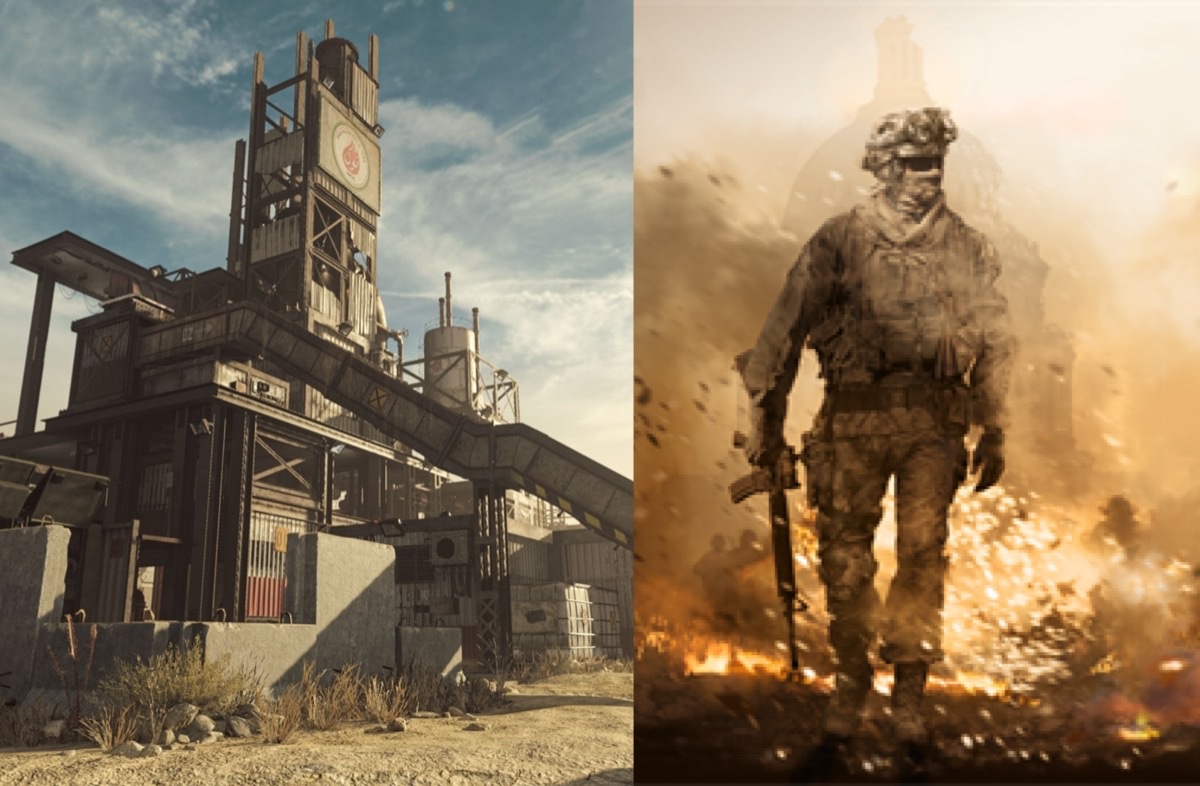
Gamers have spent more time playing @CallofDuty than humanity has existed. 👀
Humanity has peaked but the real grind hasn’t even started. 😏
#GameOnUltra @playCITADELS
15 Jul 2025

Gamers have logged more than 25 billion hours, equivalent to 2.85 million years, playing Call of Duty—surpassing the entire timeline of human history.
2
1
31
3,655