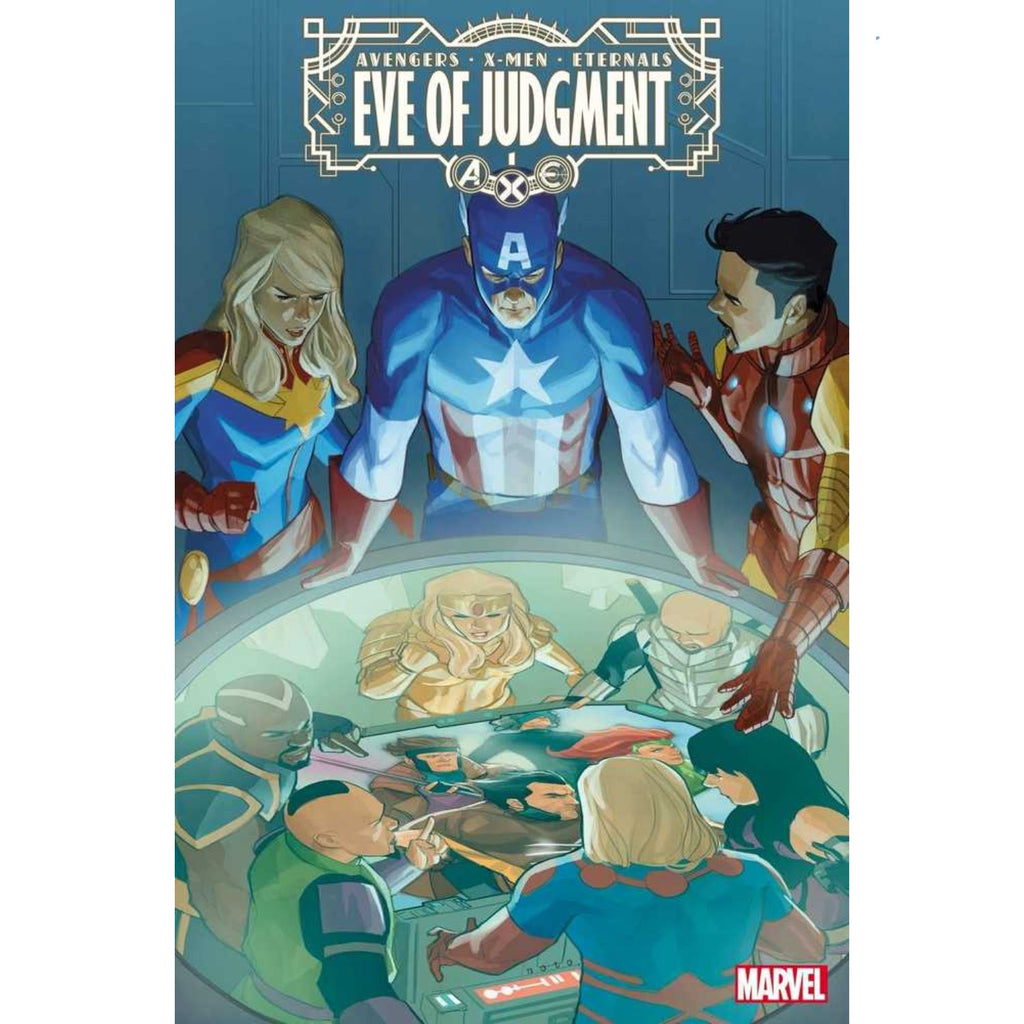
Check out our Deals under $20
Avengers X-Men Eternals Eve Judgment: #1 [Noto CVR B - 1:25] 2022
by Marvel Comics starting at $ 5.99 CAD.
Shop now 👉👉 👉 Find the link in our bio
#shopville #gamer #player #videogame #tcgplayer #tcgfan #tcgshop #gaming #relaxation #collection #under20games #tcgstore #gamestore #collectibles
1
204
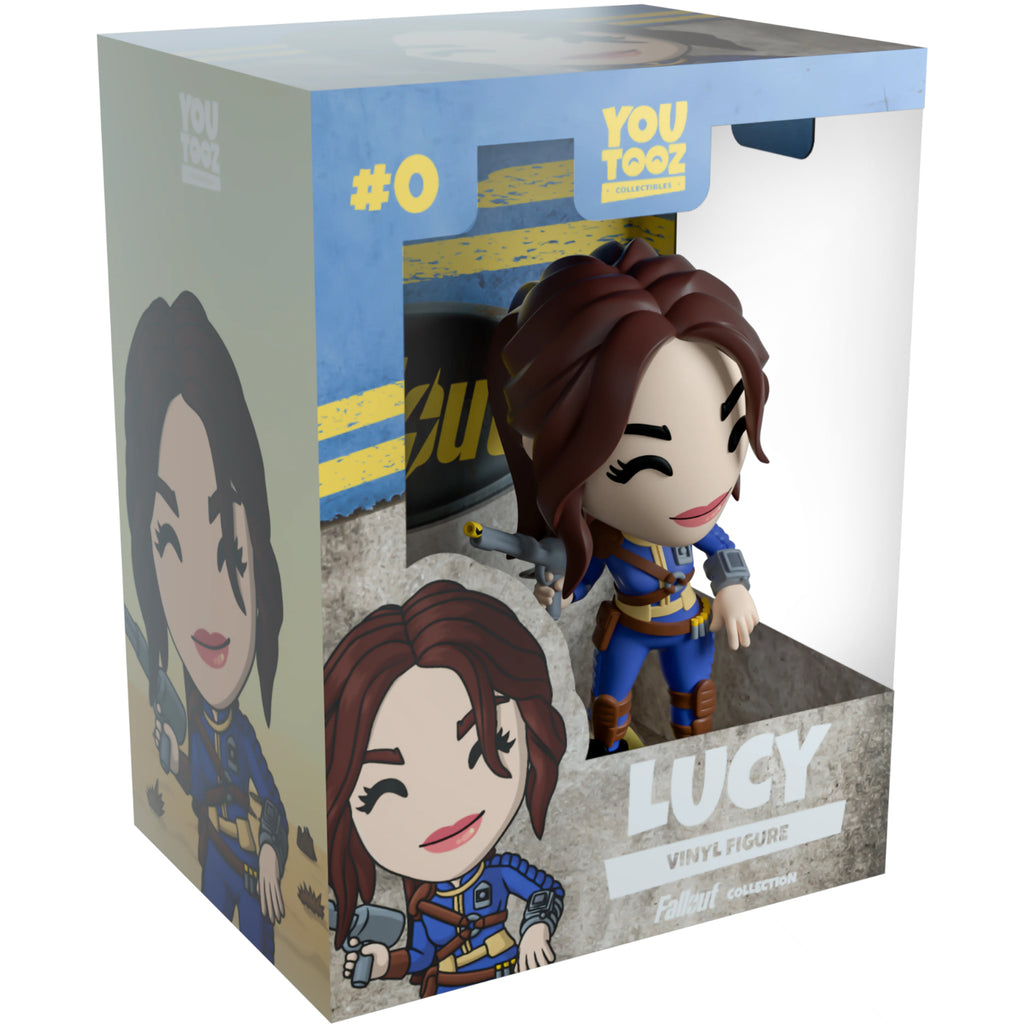
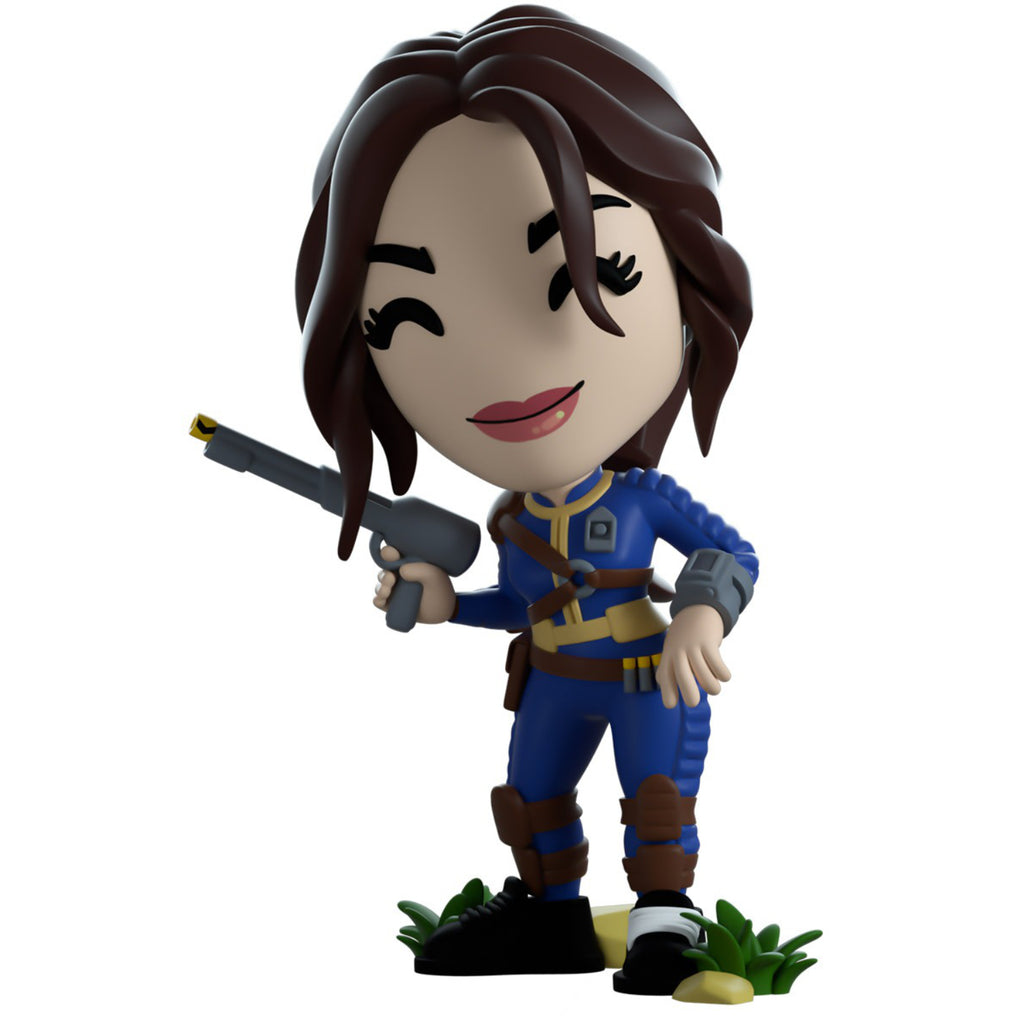
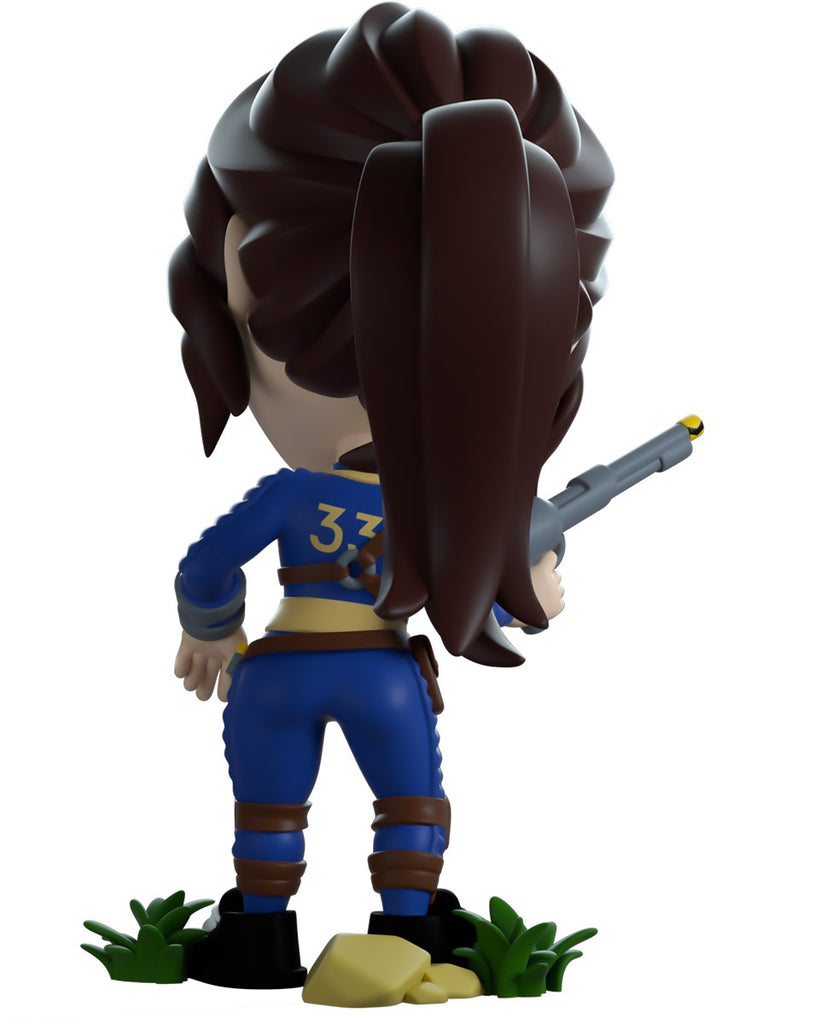
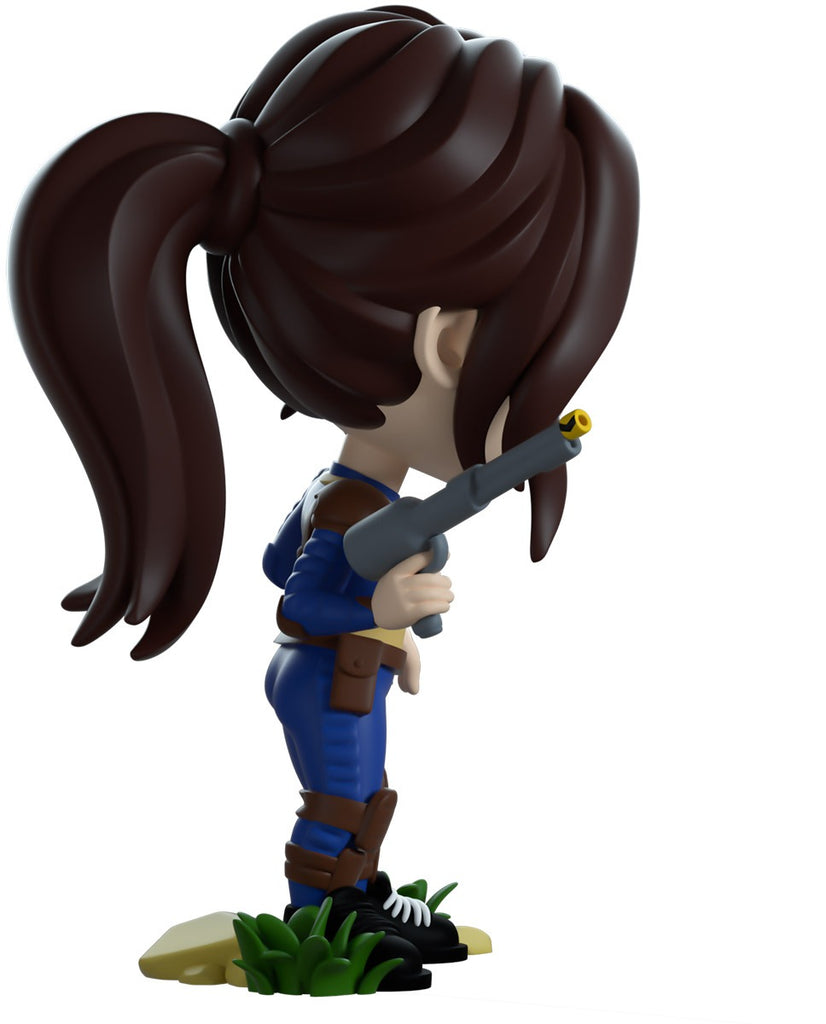
New on the shop:
Youtooz: Fallout Collection [Lucy Vinyl Figure #0] by Youtooz starting at $ 39.99 CAD.
Get it now now 👉👉 👉 Find the link in our bio
#shopville #gamer #player #videgame #tcgplayer #tcgfan #tcgshop #gaming #gamestore #tcgstore #geekstore #collectibles
1
2
256
LioFotia🌲🏴Living it up in Upper Commoragh. retweeted

You go to any gamestore with a 4K table and its at least 70% soyboy uberwoke safespace nerds, you go to Warhammertwt and is a bunch of KKK members, you ask them to show their figurines and suddenly they forgot about the beans in the oven.
2
1
2
119

Jun 14
edu, se eu te passar meu uid, tem como você ir na sombra gamestore e solicitar sem querer o pacote mais caro pra minha conta?

11
1,351

Jun 13
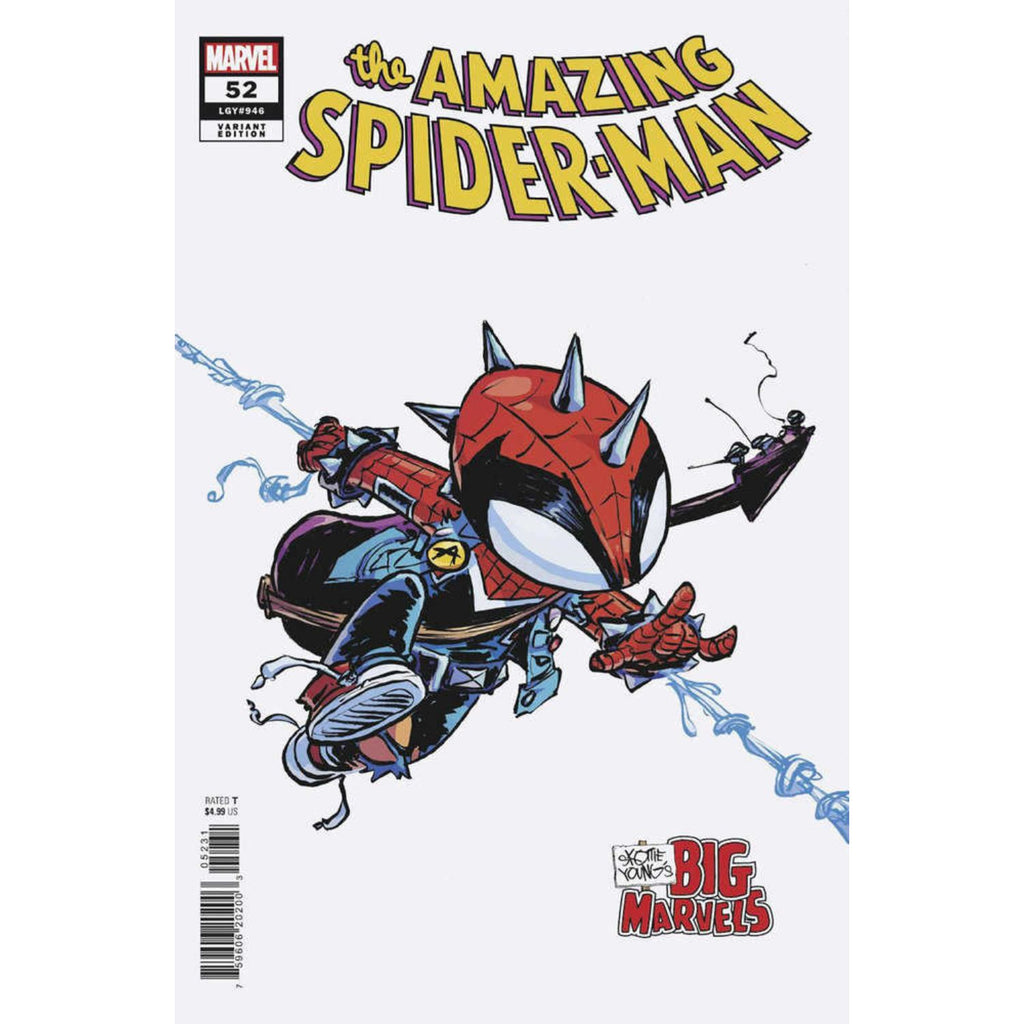
Check out our Deals under $20
Amazing Spider-Man: #52 [Skottie Young CVR C] 2022
by Marvel Comics starting at $ 8.99 CAD.
Shop now 👉👉 👉 Find the link in our bio
#shopville #gamer #player #videogame #tcgplayer #tcgfan #tcgshop #gaming #relaxation #collection #under20games #tcgstore #gamestore #collectibles
1
8
308

Jun 13
How does one walk into a gamestore if “cussing” is the concern? These people must wrap in bubble wrap in addition to tinfoil.
1
570
Jun 13
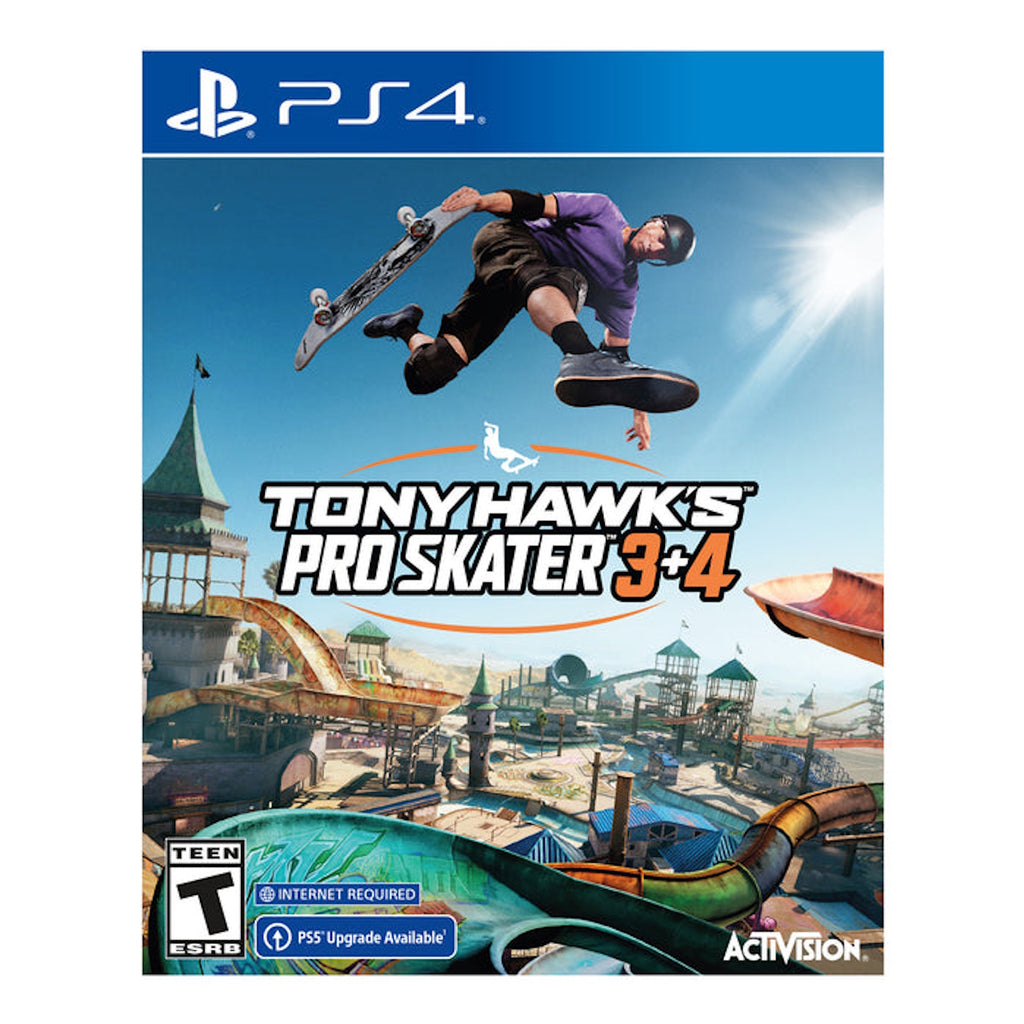
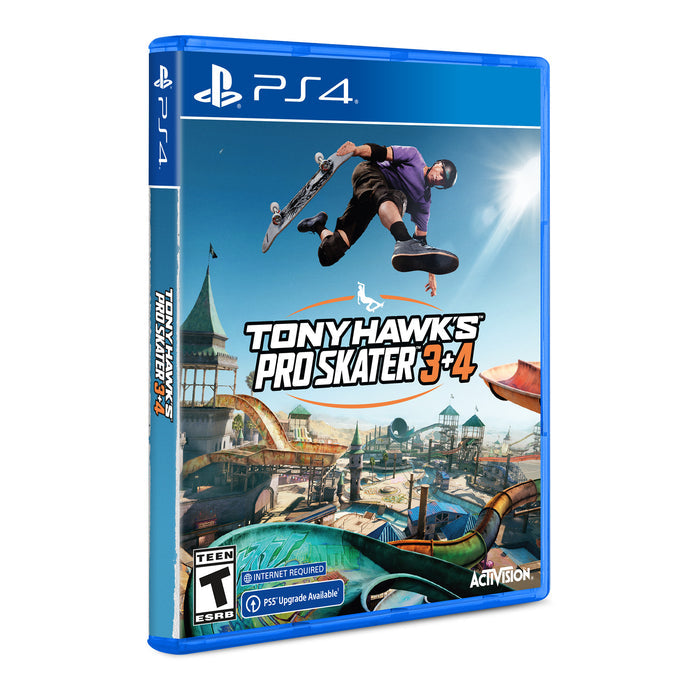
New on the shop:
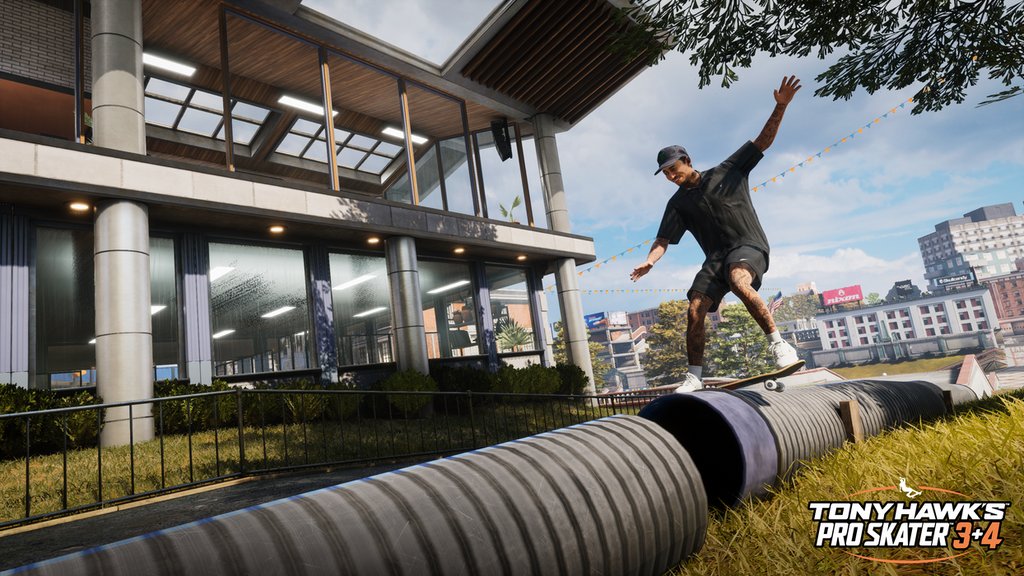
Tony Hawk's Pro Skater 3 4 [PlayStation 4] by Activision starting at $ 69.99 CAD.
Get it now now 👉👉 👉 Find the link in our bio
#shopville #gamer #player #videgame #tcgplayer #tcgfan #tcgshop #gaming #gamestore #tcgstore #geekstore #collectibles
4
362

Jun 13
I've recently introduced a friend to wargaming. Yesterday we were discussing the financial state of the tabletop industry which ran around $16 billion last year, with growth by the early 2030s doubling that figure. And then he asked, “How much of that comes from the games we've been playing?”
Not much.
The P500 system I believe is the perfect illustration of the wargaming market. If a game receives interest in pre-sales of at least 500 then it will get published. This is also time dependent, so if after many months the numbers are not progressing at a reasonable pace this likely means it'll be cut. I believe GMT was the first to use this system, which is now in use by many publishers. While it wasn't quite the same type of crowdfunding that Kickstarter introduced, it is similar.
When success equates to at least 500 units of a product you're either talking exotic European sports cars or wargames. There are few other industries that could survive on such low numbers. Of course, this was not always the case.
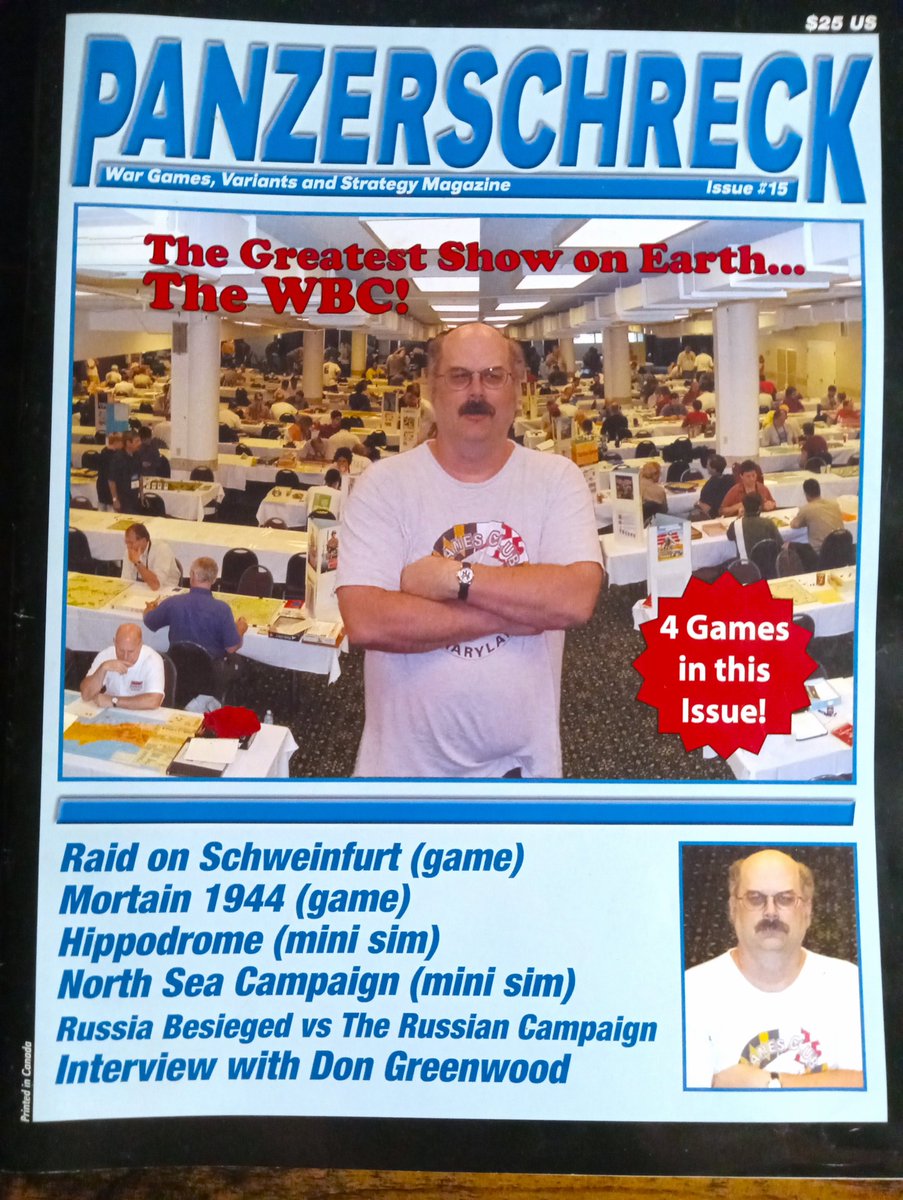
In Panzerschreck #15 Don Greenwood of classic Avalon Hill provides some interesting numbers for wargame sales back in the glory years. He says that Panzerblitz sold 250,000 copies over the years. Squad Leader would move 50,000 units in its best year and eventually became AH's best seller (but he doesn't provide a number for what that meant).
Needless to say, 500 copies is a far cry from 250,000 or even 50,000. What happened?
My belief is there were a few factors that greatly impacted the industry. To begin, life in general. Players got older, began to deal with careers and families, leading to less and less time to spend a year in a basement playing War in the East. Then, there was the rise of many other forms of gaming. Back in the '70s there was little competition, but in the '80s wargames competed against RPGs and video games. In the '90s and beyond you still had all of that, but now also PC gaming, mass market miniature gaming via Warhammer, and of course CCGs thanks to Magic. Oh, not to mention the rise of Eurogames in the North American market. Additionally, there were the bad business dealings. SPI taken over by TSR and then killed off, Avalon Hill taken over by WOTC and then killed off, GMT almost going bankrupt due to a badly received card game. Not to mention all the smaller publishers who died during this period.
There was something else though that had a great impact, one that was pretty much the kill shot to a heavily wounded industry. It was you.
Yes, you.
And me. It was a lot of us.
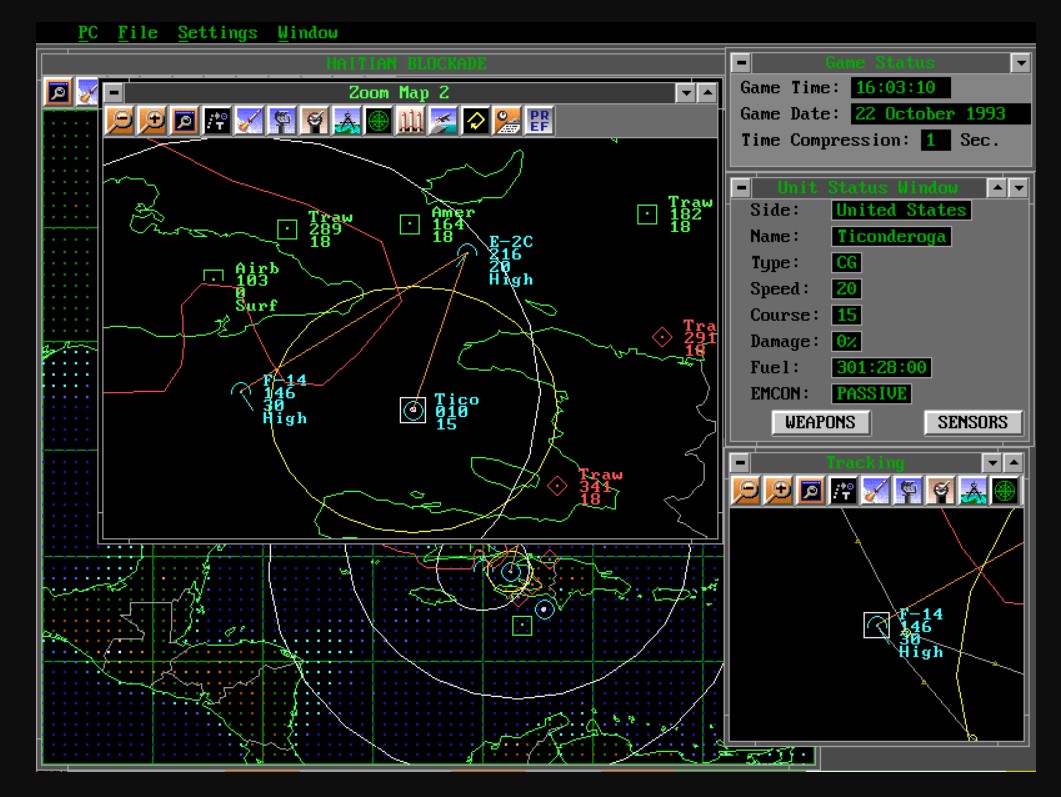
In 1995 I had bought Harpoon II from 360, a PC game based on the Harpoon miniature modern naval system published by GDW. At the time I had no experience with the miniature game, just the computer game. I found Harpoon II to be a tedious game, buggy, and not much fun. In contrast, the original Harpoon released in '89 was a much more entertaining game and one that I revisit occasionally to this day.
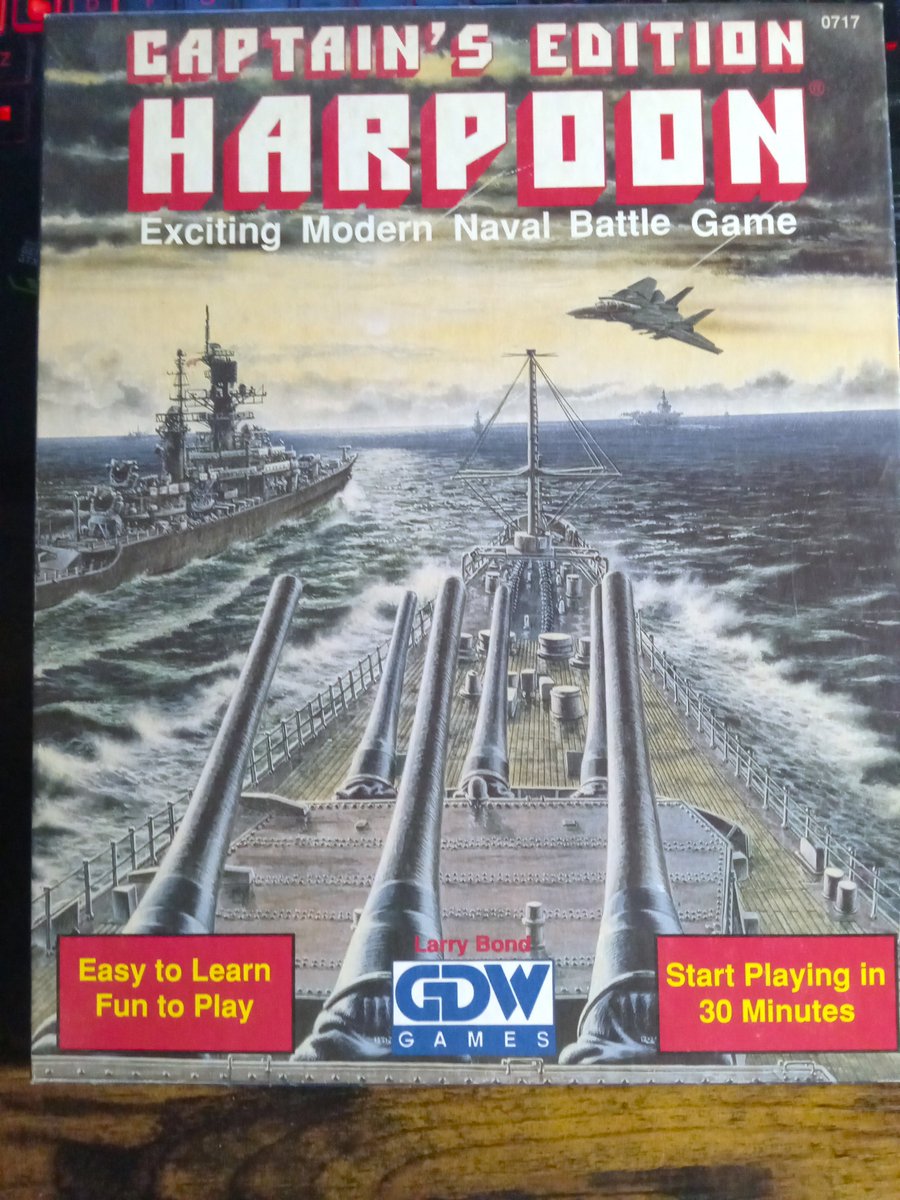
Dissatisfied with Harpoon II, but in a mood for modern naval wargaming, I decided to pick up the miniature rules set. One weekend I made my way to Atlanta's greatest game store, The Sword of the Phoenix at Park Place (there was another location at Lenox Mall), If I remember it was also really Atlanta's only game store at the time. I found the boxed set for Harpoon on the shelf but there was another boxed set for Harpoon: Captain's Edition. While I could glean from the back of the box the Captain's Edition was meant as more of an introduction to the system, I didn't know if I should start with that or maybe pick both up.
Taking both to the counter I asked the fellow behind it on his thoughts. Back then, if you worked in a gamestore you were doing it because you liked games and had a knowledge of them. You sure weren't doing it for the pay and zero benefits. He looked at the Captain's Edition and said something along the lines of “That's practically a kid's game. You just want the regular version.”
Beyond the fact that as store staff you should probably be trying to get people to purchase the store's inventory, there was of course the derision of the product. He saw it as less than what a wargame/consim should be.
Therein lies our downfall. He was not the only one, we all thought that. There had always been a race to make wargaming more complex, very often for the sake of just being more complex. Having acquired the Captain's Edition years later I can say it's a perfectly fine game. While it only covered the GIUK gap, future plans were for all possible conflict areas from the Med to the Indian Ocean, Pacific, et cetera to be covered. That never happened because of interactions like I had at the Sword of the Phoenix.
Our intellectual dick swinging made entry to our hobby a big issue. An already shrinking market, the worst thing possible would be to gatekeep, but that's what happened. Combine that with the other market factors and no wonder by 2000 our numbers were few and far between.
Thankfully, the industry, bloodied and bruised, took their suffering and learned from it. While the industry is still a niche of a niche, and will probably never get back to 1970/80 numbers, today's wargames are a new Golden Grognard Age. From production values to subject matter to user friendliness, wargaming—while small—is pretty mighty.
There is no reason why it cannot continue to grow. The Japanese market, a market in which Command magazine continues to be published, is huge. Likewise, Spain, France, and Italy have had a great impact of the hobby, with so many fantastic works coming out from those countries.
People enjoy history. Most of those are not aware of wargaming. Start connecting those people with wargaming. My buddy, who I've introduced wargaming to, is a great example. After playing Holdfast: Russia 1941-1942 he started seeking out more information on the Eastern Front. Listening to podcasts, watching documentaries, and from that he started tying how the game played out to the historical realities.
Growth is possible. The player base can be more than Gen Xers, history professors, and members of the military. History is a universal interest around the globe and is enjoyed by both men and women, young and old. Let's get them involved!
2
8
496

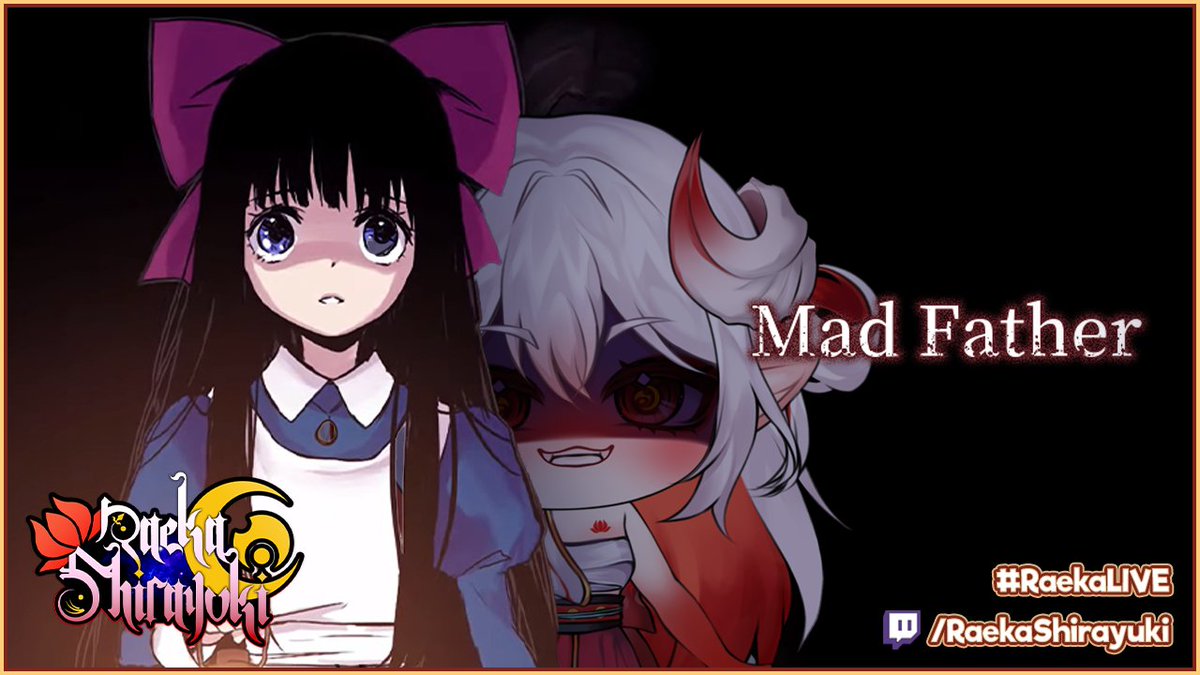
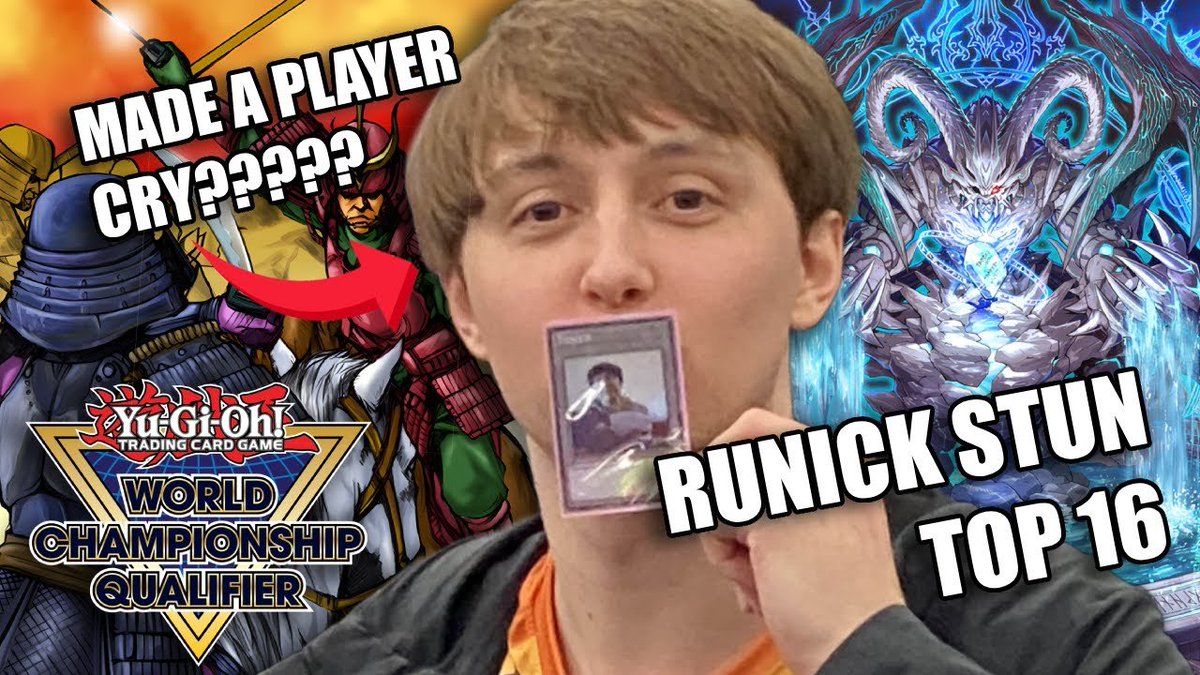
I've been doing thumbnails for Raeka for about a year now
But here I have included a thumbnail from one of my personal youtube videos, and a story sized poster and an instagram sized ad for my local gamestore
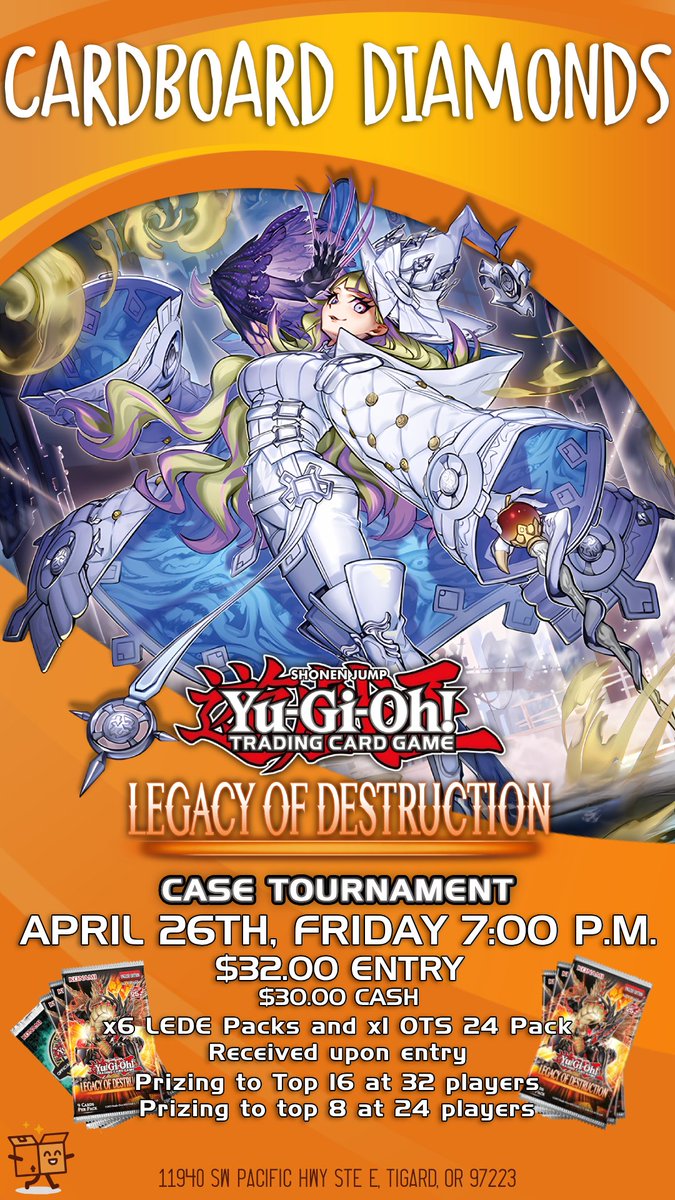
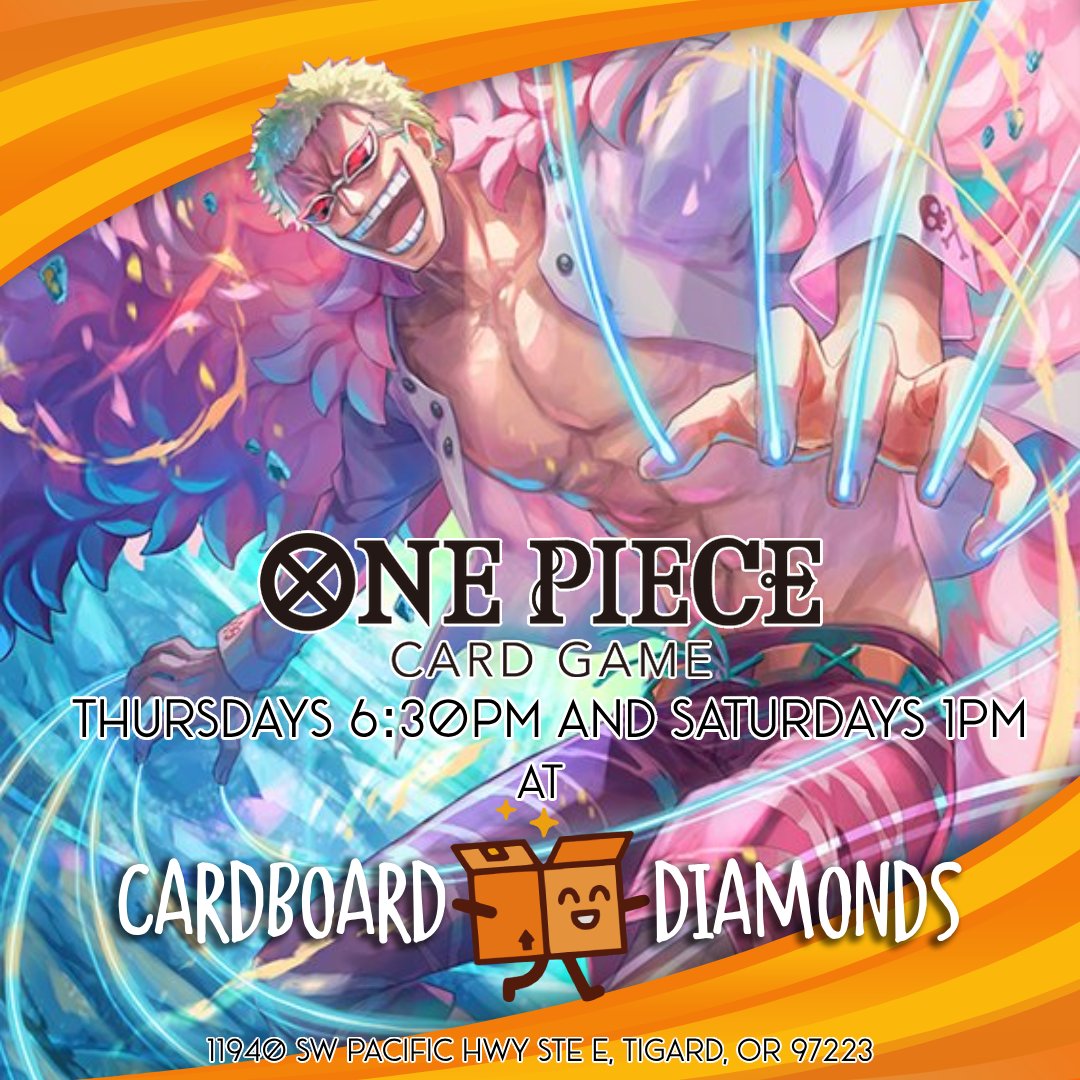
2
114

Jun 13
he Ouroboros King & Warhammer 40,000 : Speed Freeks (PC) Gratis: Het is weer Epic Donderdag geweest! Er zijn weer een of meer nieuwe gratis games te claimen vanuit de Epic Gamestore.
Deze week:
- The Ouroboros King
- dlvr.it/TT1Xr7
3
176

Jun 13
I don't need to change your mind because getting kids "addicted" to anything is probably not great. I've ripped packs since I was 5 (baseball/basketball wax packs) though, both my brother and I have worked at a gamestore, and it's clearly evident the benefits of kids getting into collecting, especially in a TCG where you probably play, where you learn stategy, also.
2
342

Charza Kitsune retweeted

Jun 12
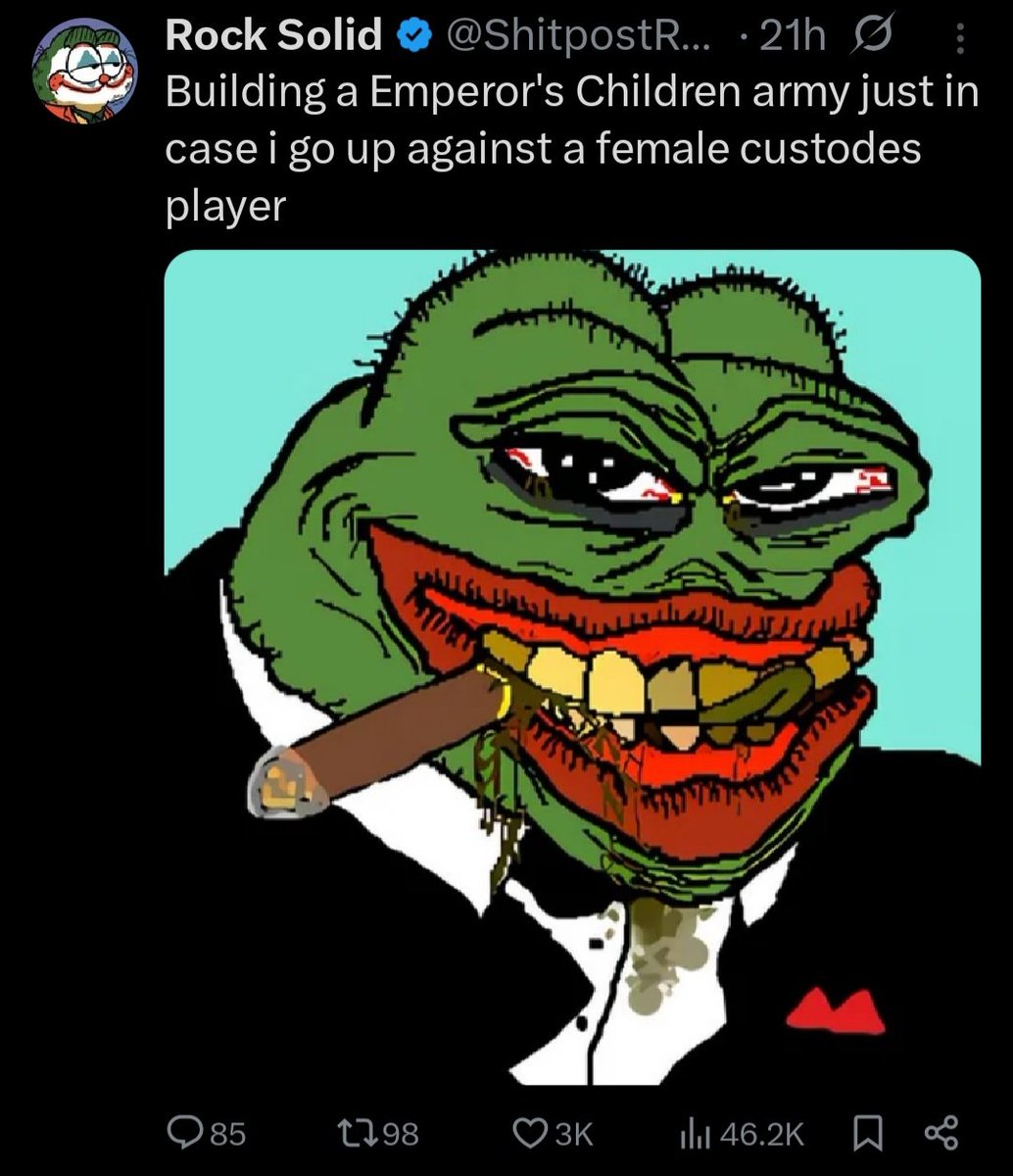
Secondaries acting like that isn't a normal match up.
Yo if you roleplay at me in a gamestore I'm actually beating you up.

1
1
69

Jun 12
Check out our Deals under $20
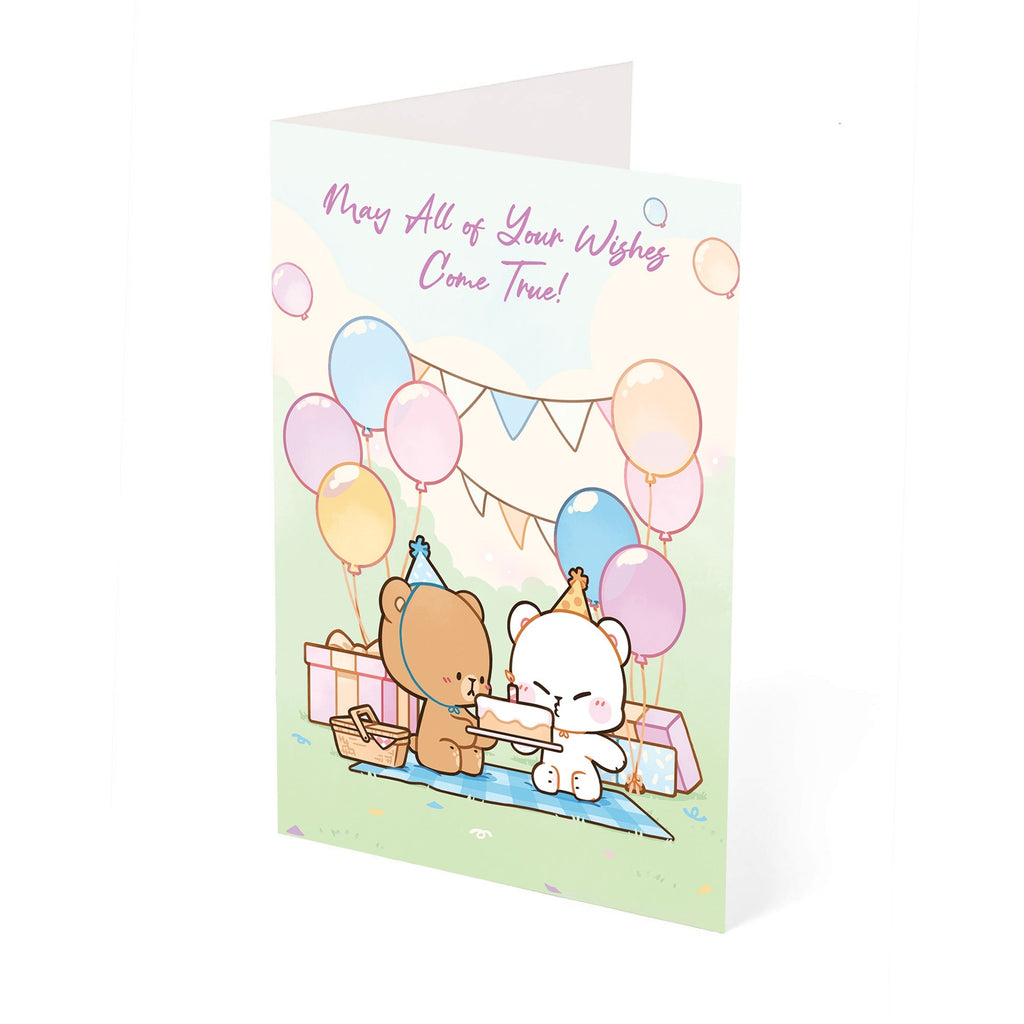
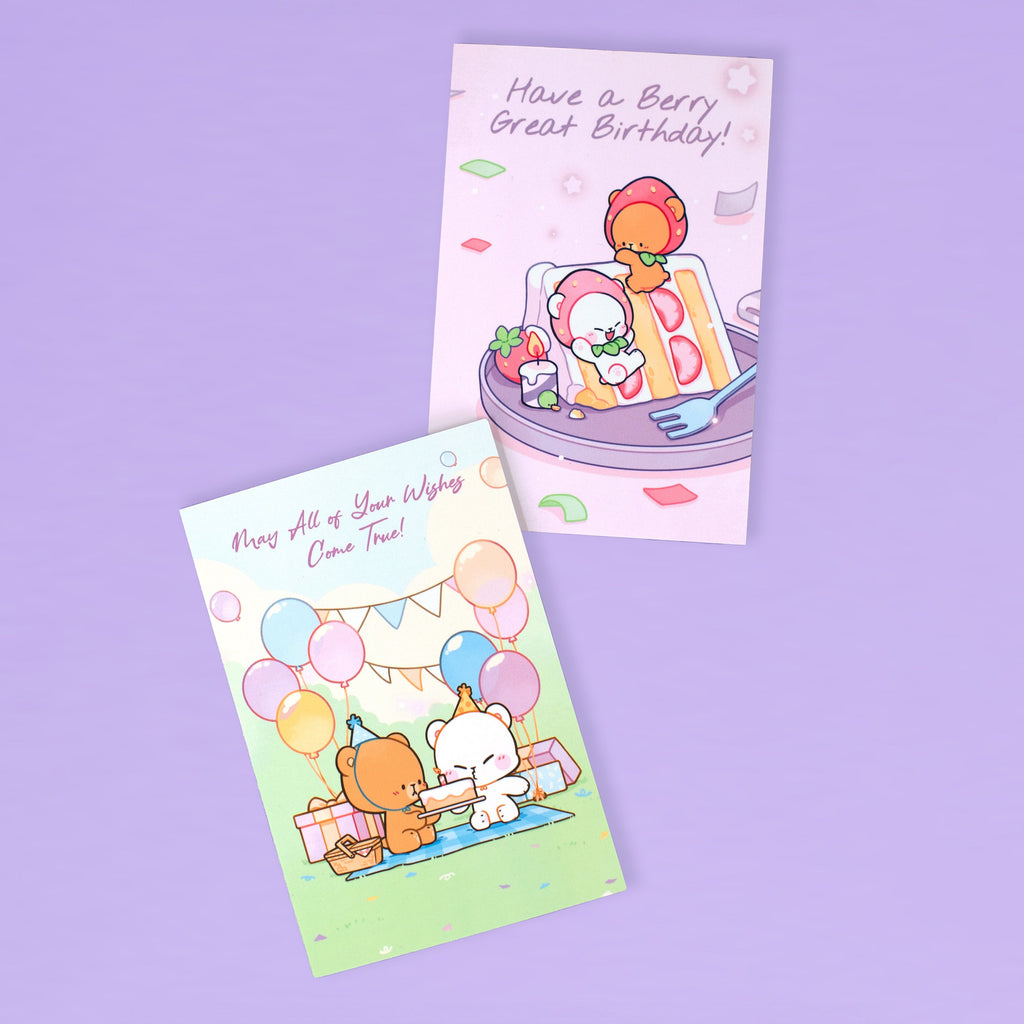
Milk Mocha Bear: Picnic Party Birthday Card
by Milk Mocha Bear starting at $ 6.99 CAD.
Shop now 👉👉 👉 Find the link in our bio
#shopville #gamer #player #videogame #tcgplayer #tcgfan #tcgshop #gaming #relaxation #collection #under20games #tcgstore #gamestore #collectibles

2
460
Jun 12
New on the shop:
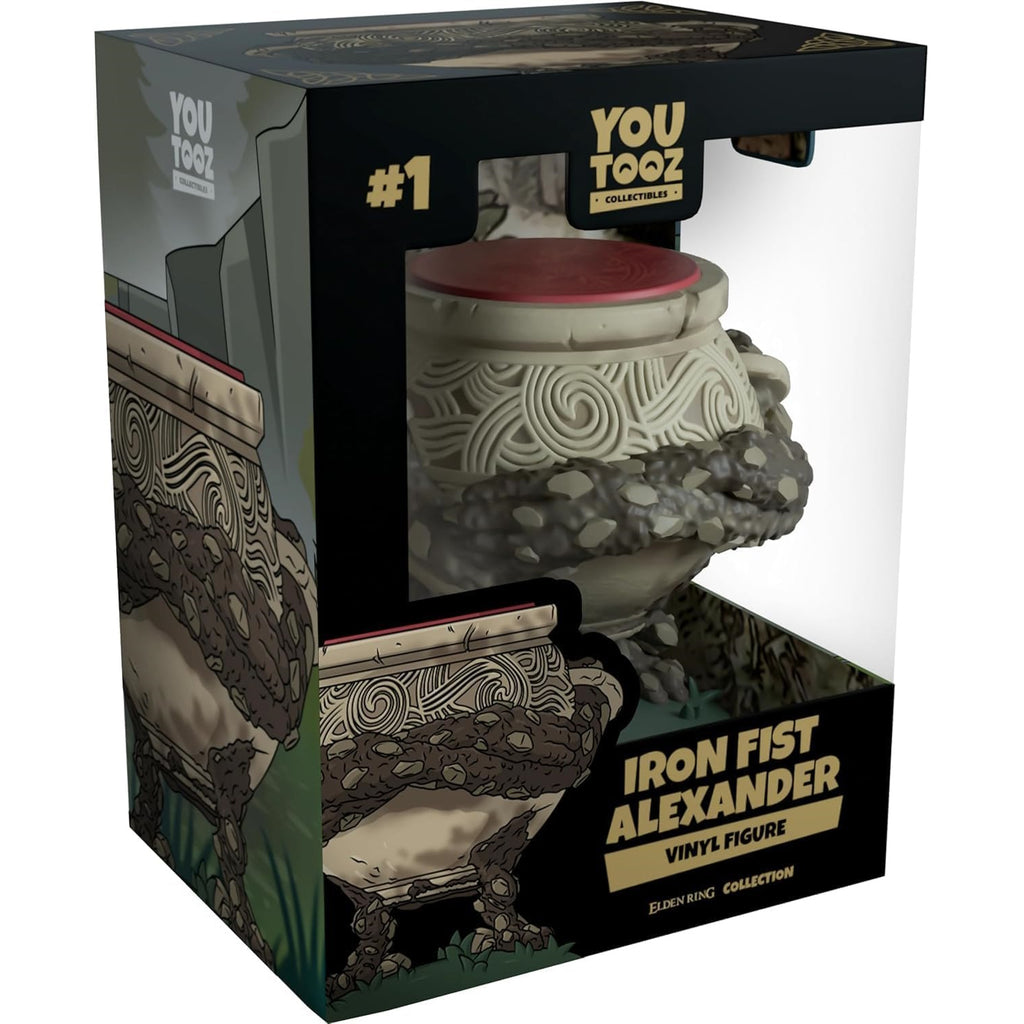
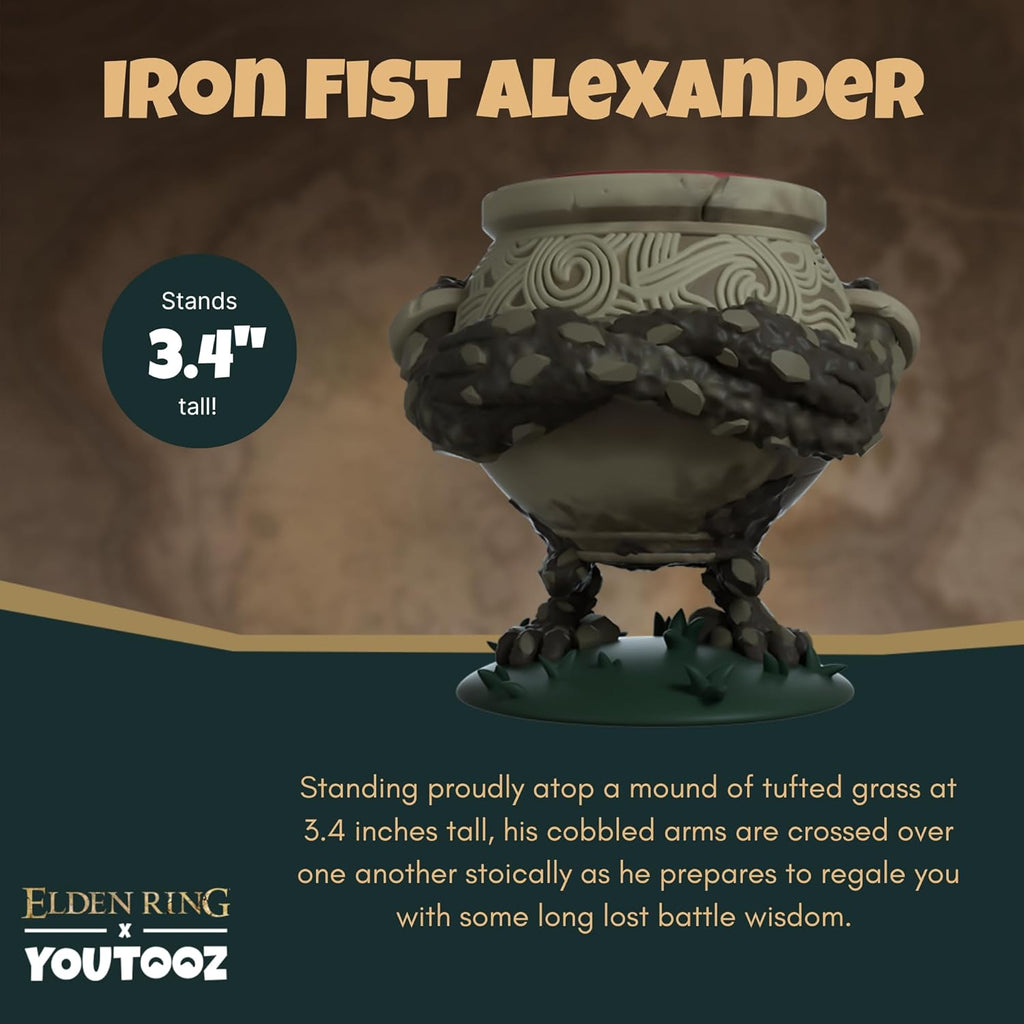
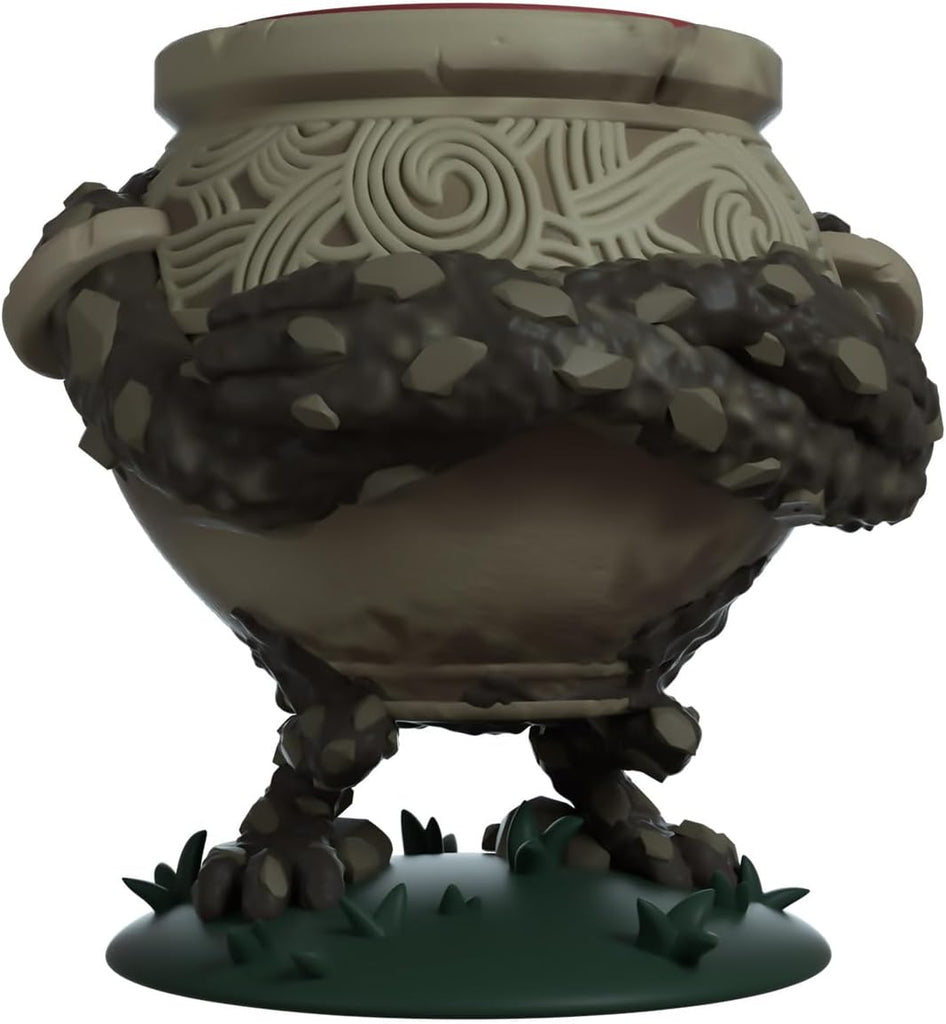
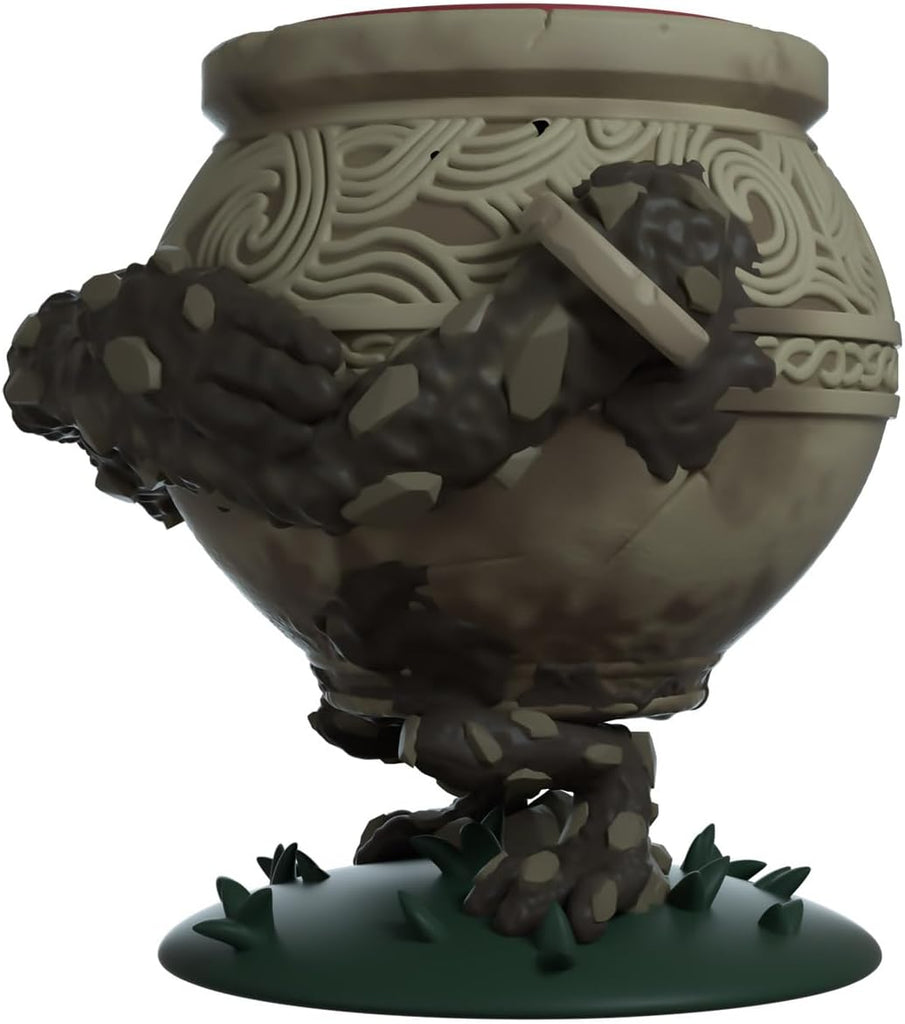
Youtooz: Elden Ring Collection - Iron Fist Alexander Vinyl Figure #1 by Youtooz starting at $ 44.99 CAD.
Get it now now 👉👉 👉 Find the link in our bio
#shopville #gamer #player #videgame #tcgplayer #tcgfan #tcgshop #gaming #gamestore #tcgstore #geekstore #collectibles
4
559

Football Manager 26 is now available for 52% off!
wingamestore.com/product/169…
#VideoGames #WinGameStore #GameStore #OnlineGameShop #GamingDeals #BuyGamesOnline #GameSale #PCGaming

37