FC Bayern Munich Wide Area Unit Work ⚽️
This U15 practice focuses on creating and exploiting 3v2 overloads in wide areas, with centre backs starting attacks and linking into wide channels. Players work on quick combinations, movement, decision making in the final third, and fast transitions when possession changes.
Grab more like this here ➡️ keepitonthedeck.com/members-…
#FootballCoaching #YouthDevelopment #WidePlay #SessionPlan #GameBasedLearning #SoccerDrills
7
53
5,445

Jun 13
Indonesian research validates oodlü-supported interactive maths game for primary fractions learning
tinyurl.com/3244yhys
#oodlü #EdTech #GameBasedLearning #MathsLearning #PrimaryEducation #EducationResearch #Fractions

8

Jun 13
🎮 From game development to cybersecurity awareness, digital skills can make online spaces safer.
Meet Aggelos Omeri!
#3DCircular #DigitalSkills #CybersecurityAwareness #DataProtection #DeepTech #UnityDevelopment #GameBasedLearning #DigitalEducation #EUProjects #EU_HADEA
2

Practice makes pitch-perfect. The more you pitch, the better you get. That's why we built a game where every round is a rehearsal for the real room. #StartupTips #GameBasedLearning #PitchPractice lifesapitchthegame.com
Practice makes pitch-perfect. Game-based learning removes the stakes so you can fail forward. #GameBasedLearning #Entrepreneurs lifesapitchthegame.com

And we enjoyed sharing your story on day one of our Frazier Kentucky History Museum workshop! Your students are lucky to have you @MrsGilleyUSHis!
More pics coming tomorrow!
#PolyhedralPedagogy #kyedrpg #gamebasedlearning

Have very much enjoyed today’s PD with @watsonedtech @colleysclass @KyEdRPG learning lots about TTRPGS in the classroom and vibrant learning!
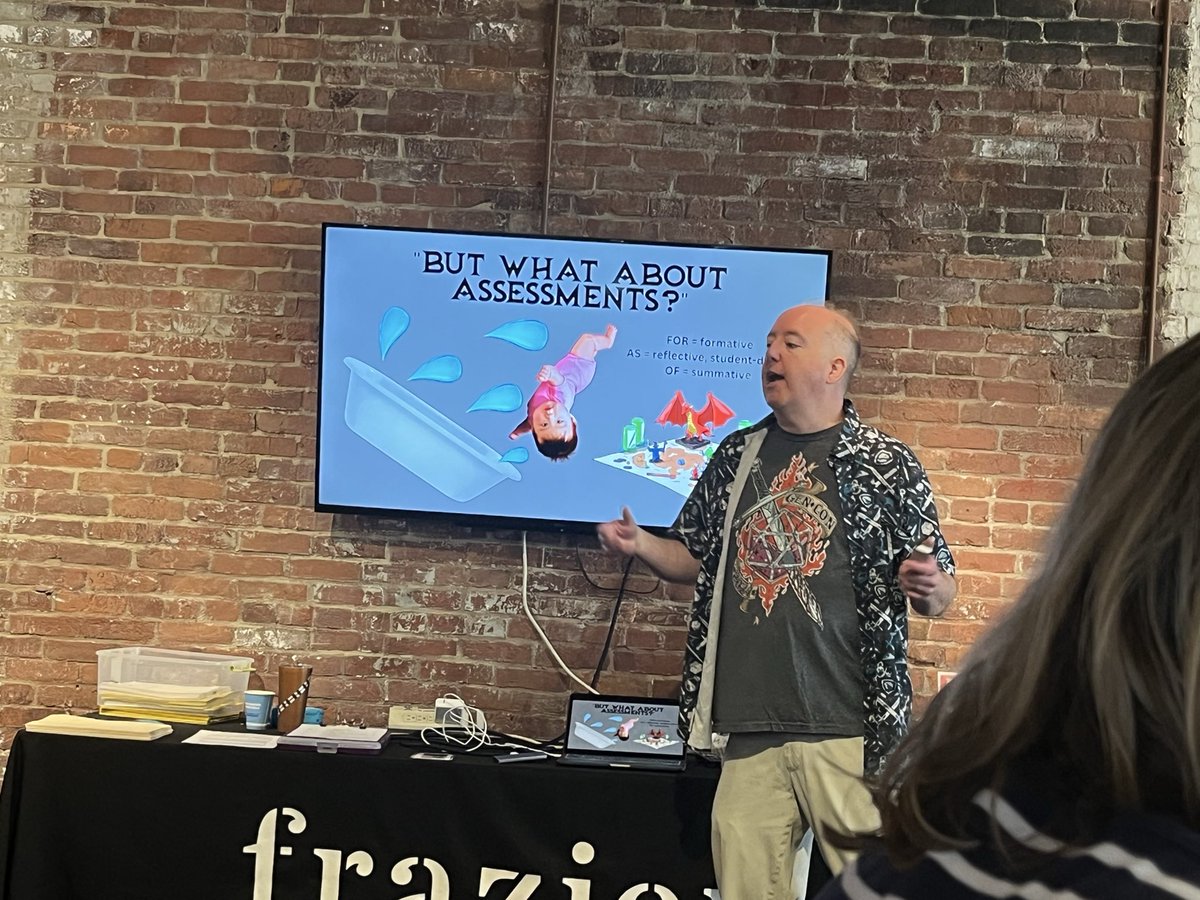
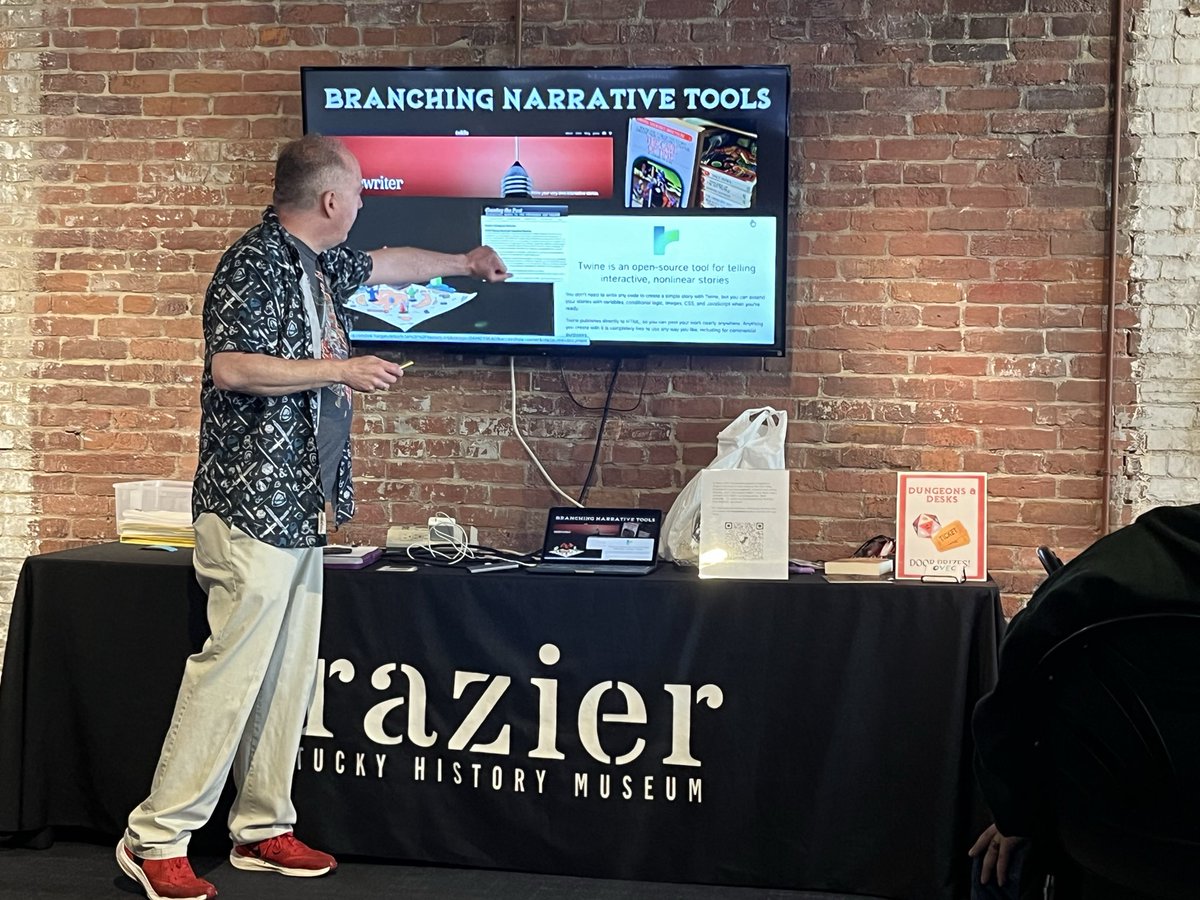
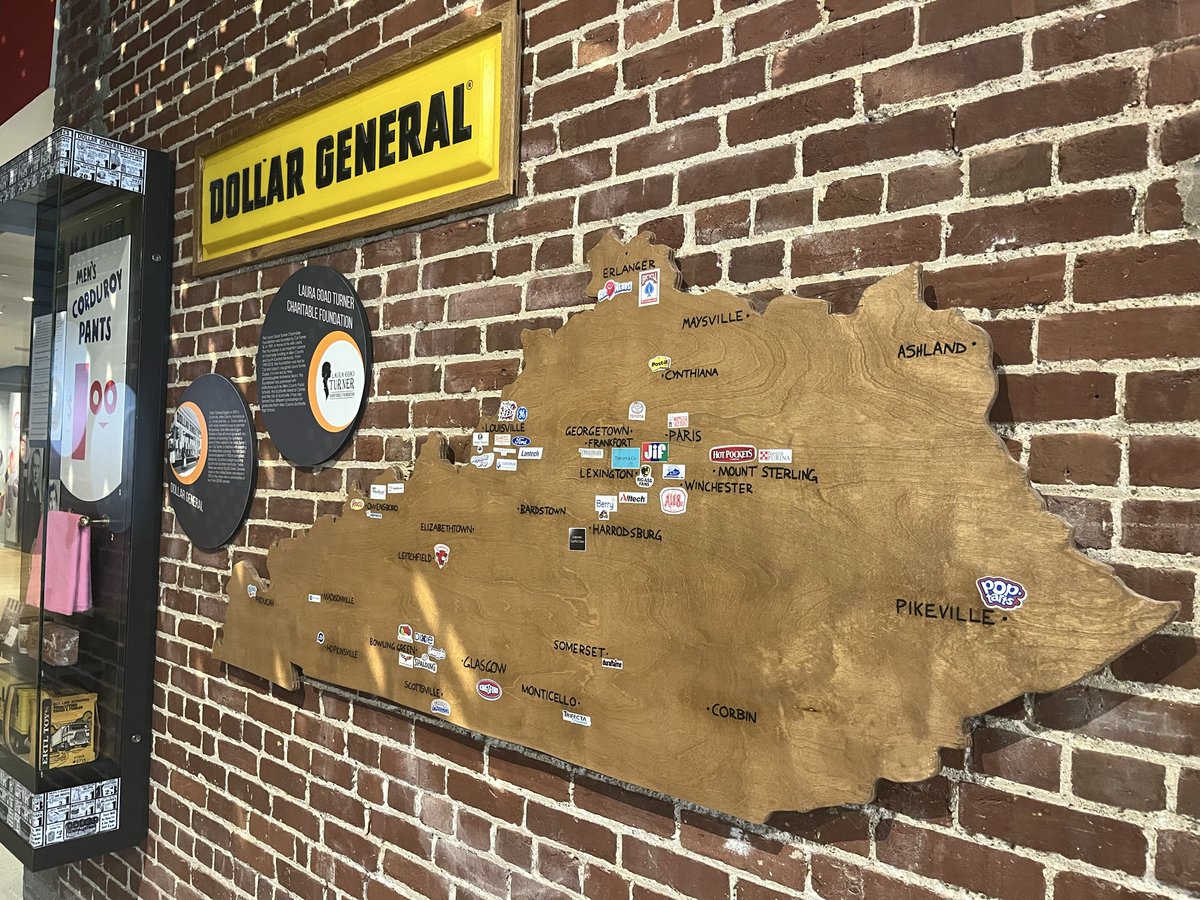
2
24

Jun 10
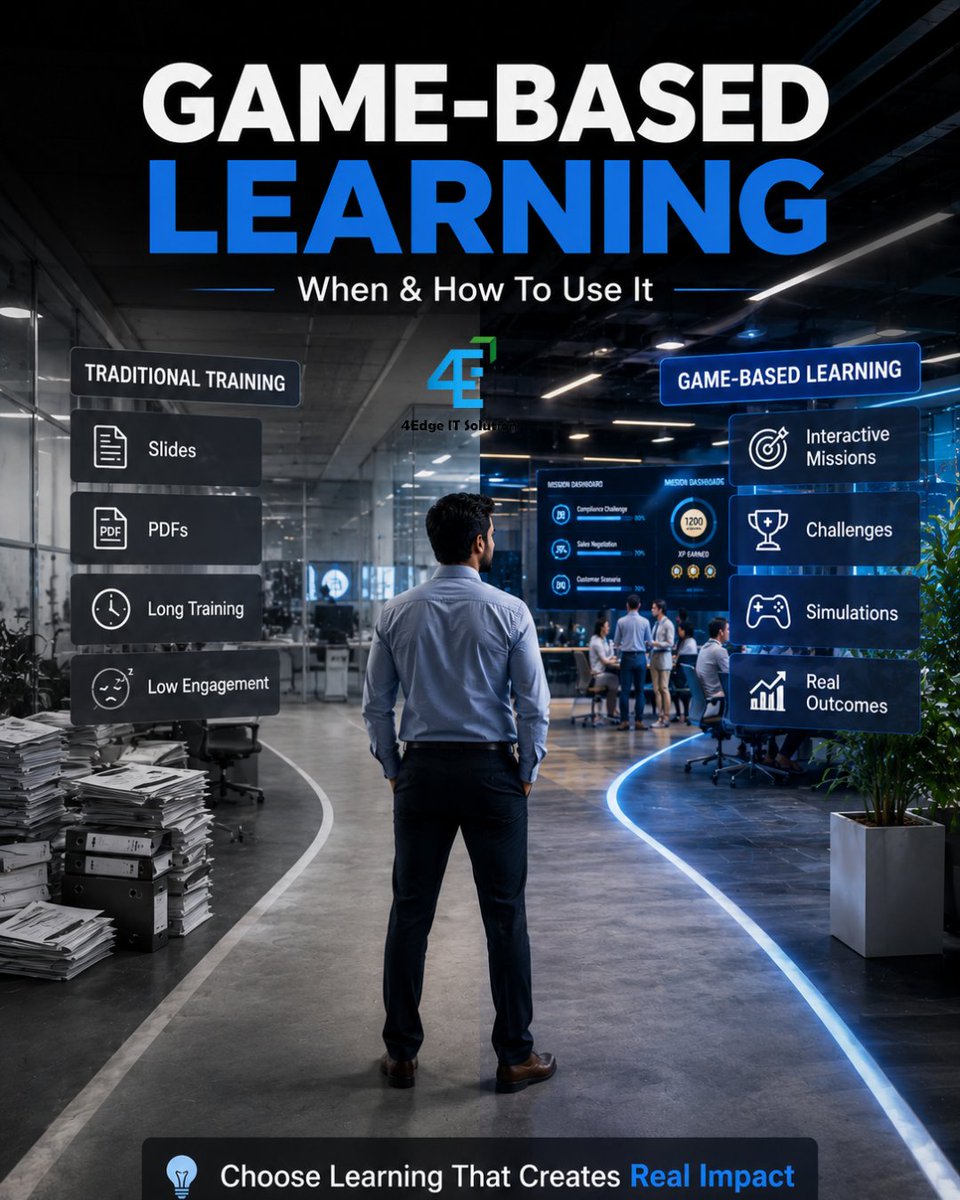
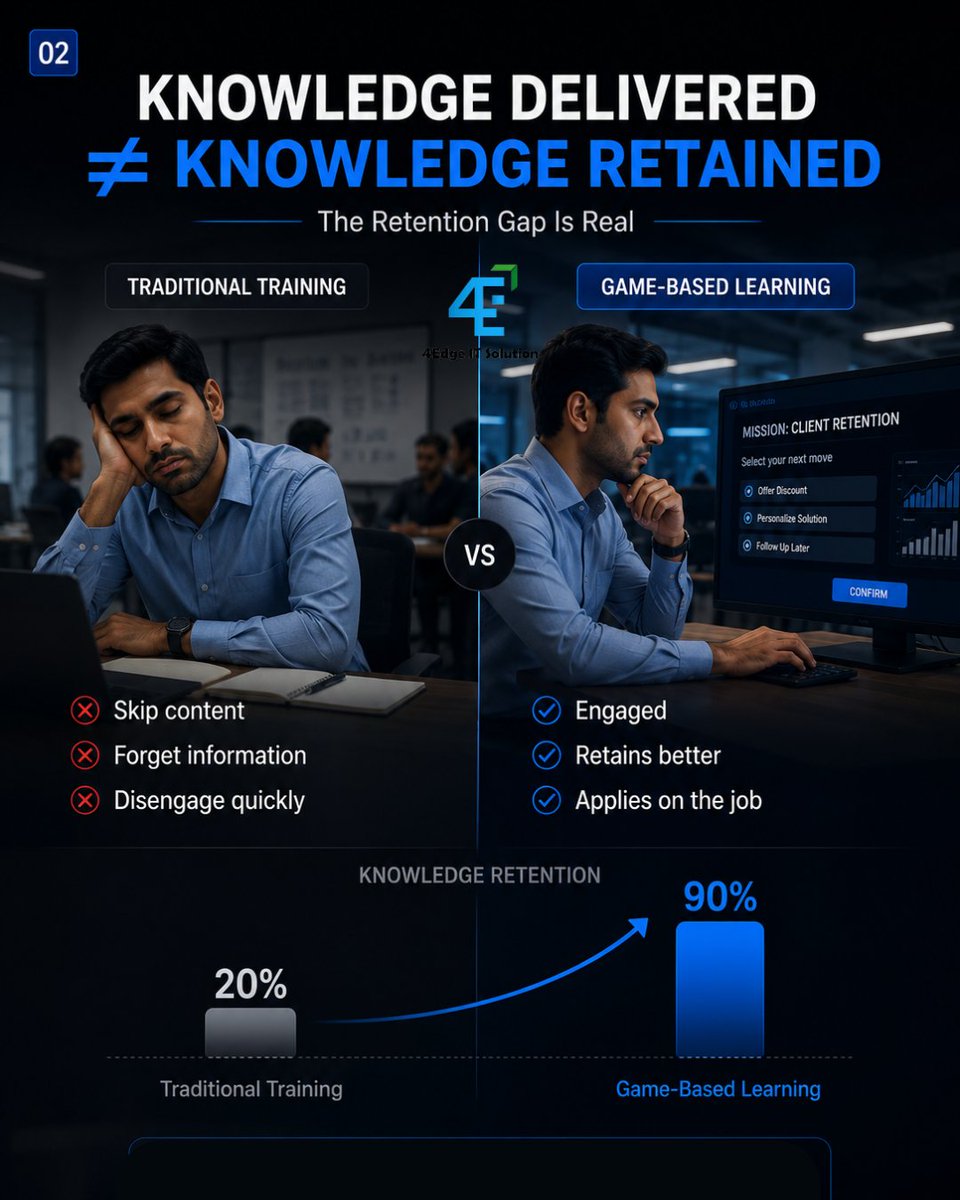
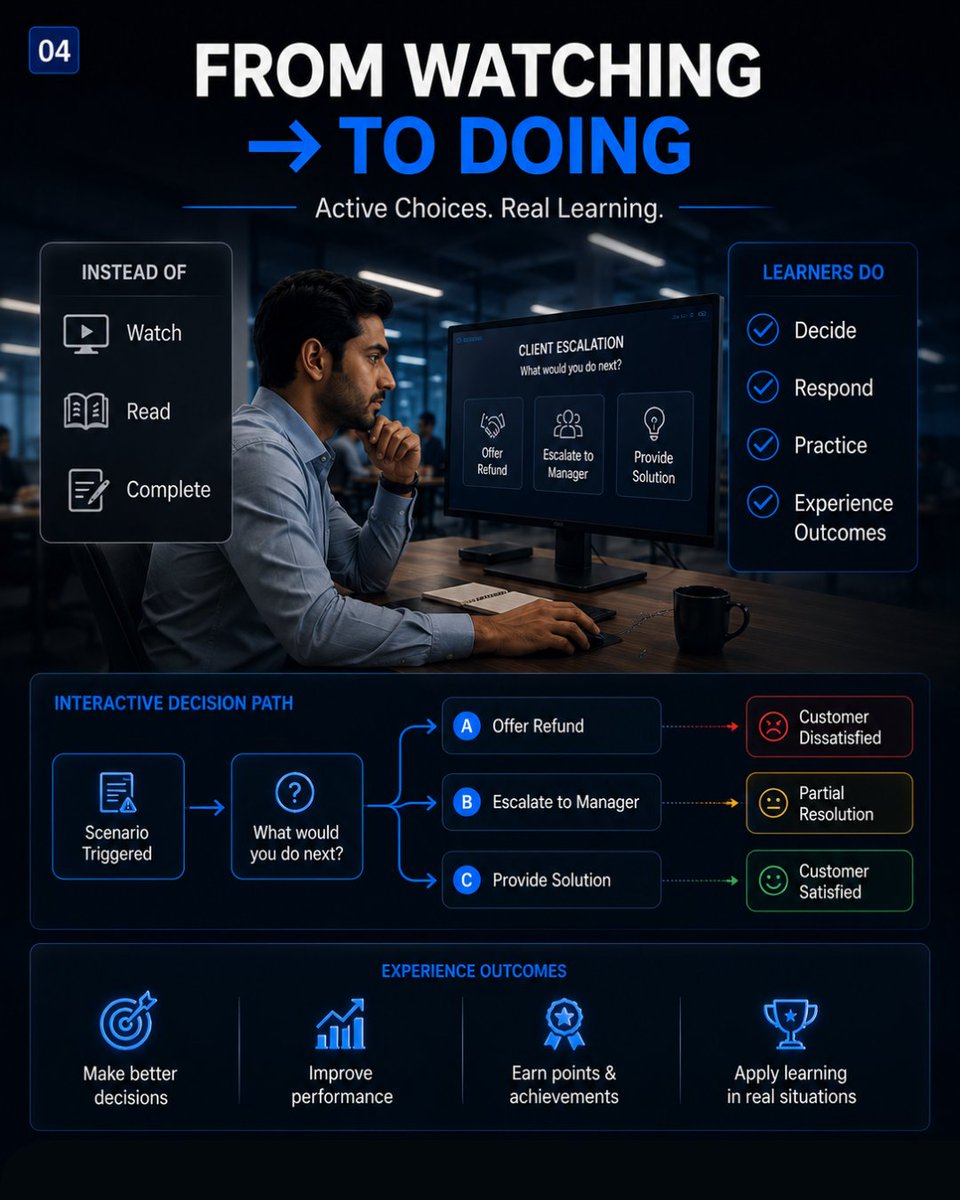
Most workplace training has a content problem.
Not because there isn’t enough content.
Because there’s too much passive content.
Employees sit through presentations.
Complete modules.
Pass assessments.
Yet weeks later, very little is applied.
#GameBasedLearning

2
4
Jun 9
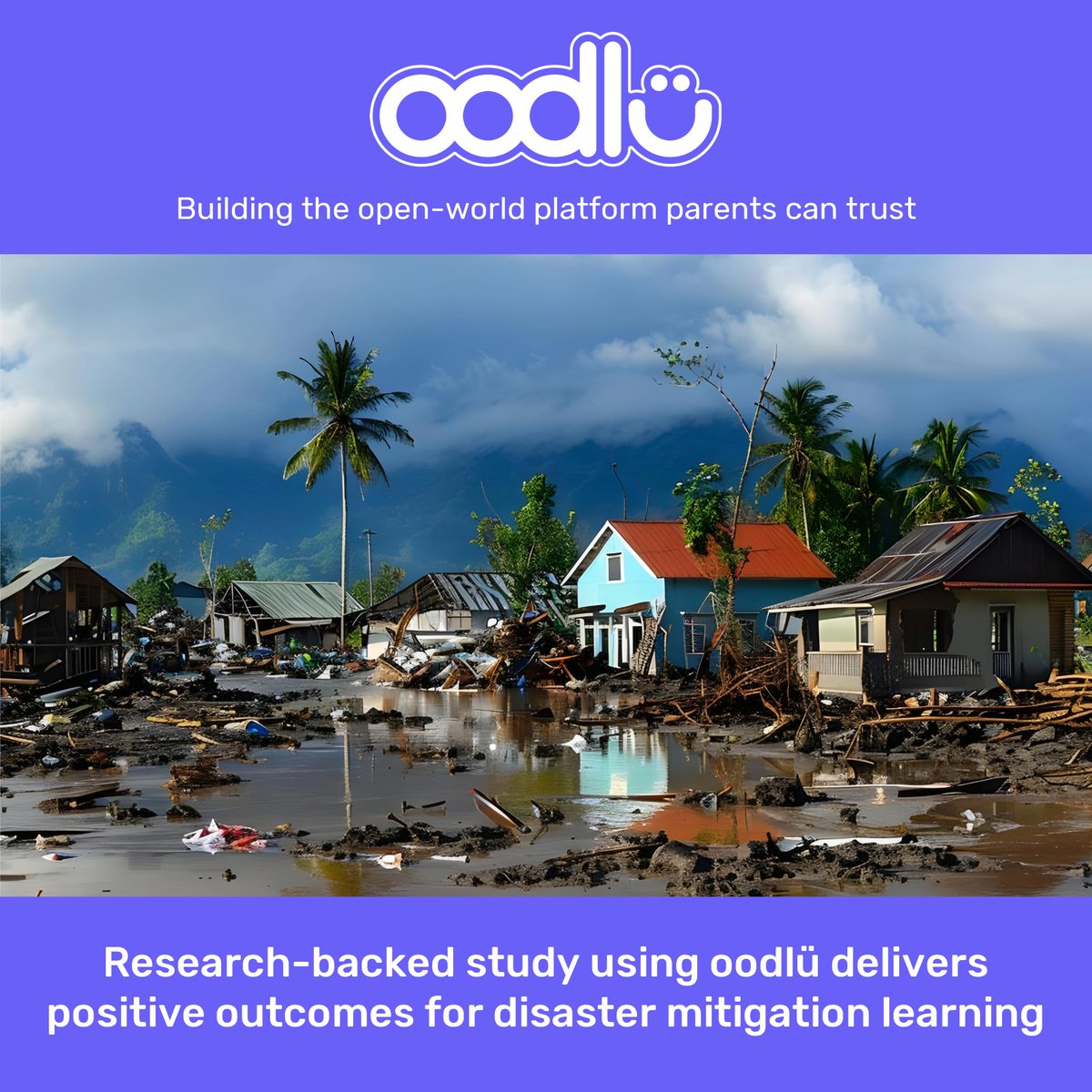
Research-backed study using oodlü delivers positive outcomes for disaster mitigation learning:
tinyurl.com/5ffhawnd
#EdTech #EducationResearch #GameBasedLearning #DisasterMitigation #PrimaryEducation #LearningGames #ResearchBacked #StudentEngagement
6

🤝 MEDICAL-X is thrilled to announce its partnership with Medu.game!
Together, we’re advancing medical education through the power of simulation and game-based learning.
#MedicalEducation #MedicalSimulation #GameBasedLearning #HealthcareTraining

40

Jun 4
One of the most energizing parts of @CVPR has been sharing GamEDAI.org and seeing people instantly connect with the idea:
The vision is simple: bring 🤖 AI Education Games (cv) 🎓🎮 together.
🚀 GamEDAI turns educational content into interactive, gamified learning visual experiences - moving beyond static assignments toward learning that is engaging, feedback-rich, AI-compatible, and integrity-aware.
🎮 Students love playing games.
👩🏫 Teachers need better tools.
🤖 AI can personalize and scale learning.
Excited to connect with educators, schools, collaborators, and investors thinking about responsible AI in education.🌱
🌐 gamedai.org (check it yourself)
📄 arxiv.org/html/2604.23947v1
🎥 youtube.com/watch?v=B3CvOw5_…
#AIinEducation #EdTech #GameBasedLearning #GenerativeAI #ResponsibleAI #CVPR2026 @CVPRConf
1
5
256

Featuring my latest blogpost, "The winning formula for edutainment games: Storytelling, design and user engagement" drawn from my latest research.
drmarkcamilleri.com/2026/06/… #edutainment #educationtech #games #educationalgames #digitalgames #gamebasedlearning #elearning #mlearning
2
3
42

May 30
Effective passing in rugby is about more than technique. Students also need to understand timing, control, and decision making across different distances.
This lesson helps students develop the ability to adapt their passing based on space, pressure, and game situations.
When structured effectively, students:
✔ Improve passing accuracy
✔ Develop better game awareness
✔ Build confidence under pressure
Clear progression helps students apply passing skills more effectively during gameplay.
Explore structured Rugby lessons and game-based teaching resources on Performance Pathways. Start your first 7 days FREE today.
#PETeachers #RugbyEducation #PhysicalEducation #GameBasedLearning #SkillDevelopment #PEPlanning #TeachingStrategies #PerformancePathways
2
183

May 29
PSG continue preparations for a major final tomorrow against Arsenal, with the chance to retain the UEFA Champions League and make it back to back titles.
⚽️ We noticed they incorporate matchday specific patterns of play into their combination setups. This example focuses on a half space runs, with identical areas set up side by side.
🏃 The first player from either group to sprint to the red mannequin wins the repetition, provided they score in the target goal. A simple competitive element that increases intensity while reinforcing key movements and actions for the game.
Access thousands more training session plans by clicking the link below 👇 keepitonthedeck.com/members-…
#FootballCoaching #PlayerDevelopment #SoccerTraining #PatternsOfPlay #CoachingSession #FootballTraining #GameBasedLearning
1
15
151
11,868

Join the Game-Based Conference by @LearningGuild and explore how to:
- Boost engagement with game elements
- Improve retention
- Integrate gamification into blended learning
📅 10–11 June 2026 | Online
Save your seat: hubs.la/Q04fn-6L0
#GameBasedLearning
79

¿Un juego educativo enseña… o solo entretiene? 🎲🧠
Muchos “juegos” de aula son solo ejercicios maquillados. La clave está en que lo que haces al jugar se parezca a lo que quieres aprender.
A eso lo llamo: resonancia ludocognitiva.
En este vídeo explico la diferencia con ejemplos muy claros 👇
📎 Te dejo también un artículo en el siguiente comentario donde desarrollo la idea en profundidad.
#Educación #Gamificación #Aprendizaje #Docentes #InnovaciónEducativa #ABJ #GameBasedLearning
3
10
17
1,706

May 6
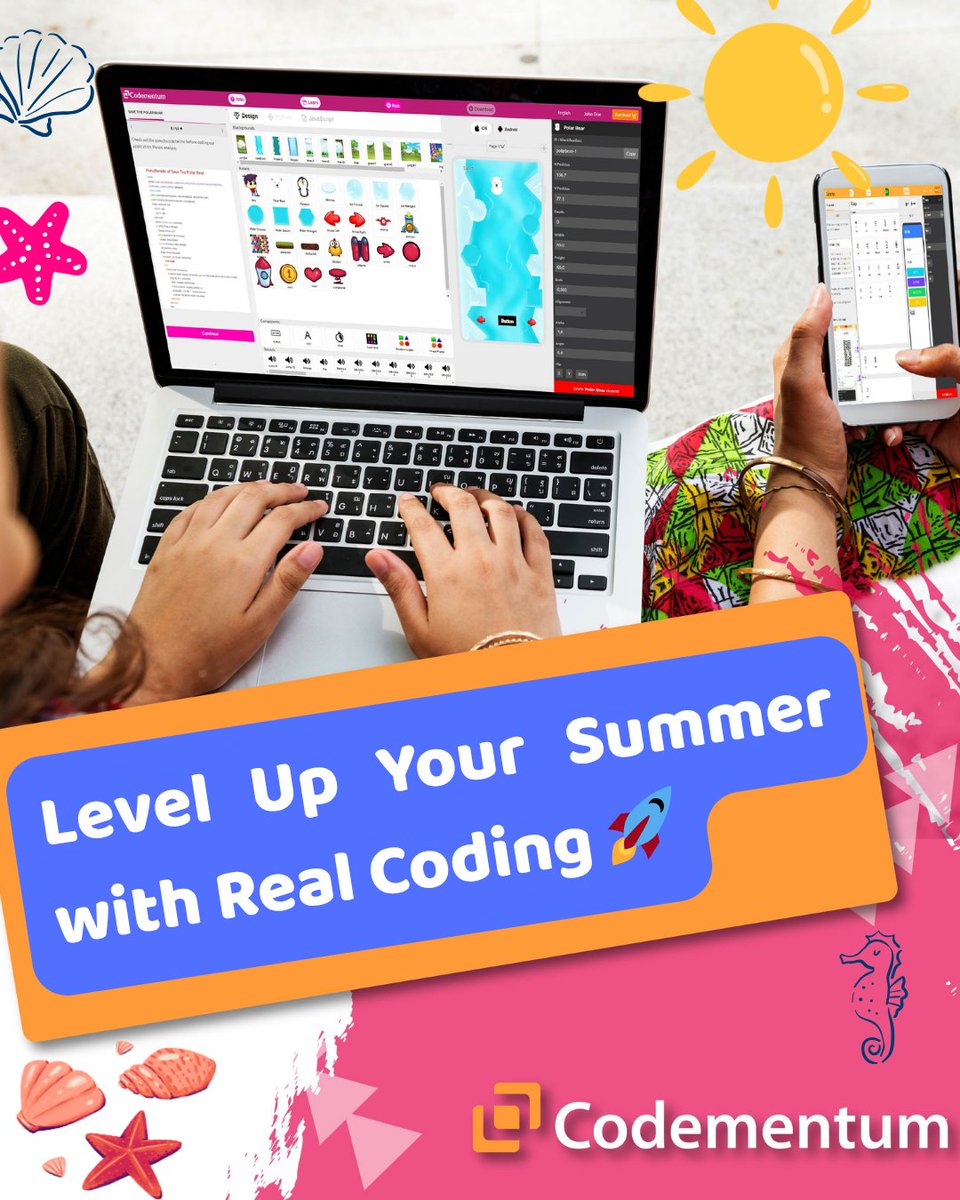
🎮Level Up Your Summer with Real Coding 🚀
This summer, don’t just play games👉 build them!
🧠 Turn screen time into real skills
🐍 Learn Python & JavaScript the fun way
🏆 Join challenges, earn rewards, and level up
#CodingForKids #GameBasedLearning #STEM #LearnToCode #Coding
2
159

Squid Game, but make it SAFE for kids
High-energy challenges, teamwork & nonstop fun — turning birthdays into unforgettable adventures!
No screens. Just action, learning & memories that last
#KreedaTantra #SquidGameTheme #KidsBirthday #GameBasedLearning #AhmedabadEvents
2
11

Apr 29
Theory is easy (ish).
Tuesday night on a wet pitch with 20 players and the dying light?
That’s where it gets real.
Part 2 of Environments Grow Behaviours moves from why to how — how you actually design training environments that develop complex skills. Not drills.
Not repetition for its own sake.
Environments that demand exploration, decision-making, and adaptation.
The game is still the teacher. Your job is to build the environment of learning. 🏟️
Read it on Substack 👇
kevinmulcahy.substack.com/p/…
#DesignTheGame #ComplexSystems #SportsCoaching #SkillAcquisition #GameBasedLearning
2
1,106

Apr 28
#ThePlayhouseExperience with Grain Pulse:
We kicked off with Play256 questions, creating a smooth and engaging start to the team-building session.
@GrainpulseUG x @playhouse_256
#teambuilding #gamification #gamebasedlearning #teambonding #gamebasedtraining #workshop
4
9
300
Apr 27
Environments don’t just shape behaviour — they grow it.
In Part 1 of this new series, I’m diving into complex systems in sport and what the work of Gibson, Newell, Davids’, Renshaw and more really means for how we design training.
Players don’t learn in isolation. They learn through interaction — with teammates, with space, with pressure, with the game itself.
If you’re still running drills that look nothing like the game, this one’s for you. 🎯
Read it on Substack 👇
kevinmulcahy.substack.com/p/…
#DesignTheGame #ComplexSystems #SportsCoaching #GaelicFootball #GameBasedLearning
1
1
10
1,405