#GamerData 🔍👾
◽La beta abierta de Mortal Shell II la está rompiendo por completo en Steam, acumulando miles de descargas! 🔥
#MortalShell2 #MortalShell #Soulslike #Steam
1
12

Jun 12
Analytical teams map distinct playstyles to separate the quick sessions of casual commuters from the long-term habits of dedicated web gamers. #WebGaming #PlayMetrics #GamerData
3

May 23
#GamerData 🔍👾
◽Tráiler final de lanzamiento del juego 007: First Light, preparándonos para el regreso definitivo de James Bond. 🤵🏻♂️🔥
#007 #JamesBond #007FirstLight #Juegos
1
4
196
May 9
#GamerData 🔍👾
◽Neon ha sido deshabilitada y recibirá ajustes en su movilidad y precisión con escopetas en el próximo parche 12.09 👀
- @Carlos22yg
#Valorant #Neon #Nvidia #Nerf
1
3
279
Apr 24
#GamerData 🔍👾
Invincible Vs. llega con trailer de su modo historia que sale en los próximos días 🦸🏻♂️🔥
¿Estás listo para demostrar quién es el más fuerte? 👊🏻
#Invincible #InvincibleVs #Mark #Skybound
4
131
Mar 25
#GamerData 🔍👾
◽FIFA Heroes nuevo juego de fútbol gratuito, estrena trailer y confirma su fecha de lanzamiento oficial.
¿Team Consola 🎮, Team PC 💻 o Team Móvil 📱?
📹: @fifaheroes
#FIFA #FIFAHeroes #FIFAWorldCup #FreeToPlay
1
2
105
Mar 11
#GamerData 🔍👾
¡Gana premios exclusivos en la Masters Santiago! 🎁
Participa con la extensión Shotcall en Twitch y asegura tus drops:
👍🏻 Bakán: Mira 30 min en vivo.
👁️ Visionario: 100 pts en Shotcall.
🧹 ¡Barrida! (Spray): Top 5% en un mapa.
⏳ Disponibles hasta el 15 de marzo!
1
3
159
Feb 20
#GamerData 🔍👾
¡Apunten la fecha! 🐭
◽El espectacular shooter tipo Mickey Mouse de los años 30, Mouse: P.I. For Hire, llegará el 19 de marzo de 2026. 🔫
◽Estará disponible en PC, PS5, Xbox Series y Nintendo Switch. 🎮
#MousePI #Gaming #Shooter #FPS
3
118

30 Sep 2025
Gm CT
Here’s A Breakdown of Oasis Node in @playAInetwork.
The Oasis Node is a decentralized node in the Play AI ecosystem (@playAInetwork), a blockchain based platform integrating AI with gaming using Polygon's CDK and AggLayer. It enables users to contribute computational power, storage, and data processing, supporting AI workflows and earning $PLAI tokens.
Points To Note
- Functionality: Oasis Nodes power AI tasks (e.g., training models, processing gamerdata via Play Buddy) and on-chain orchestration (e.g., token swaps on Katana). Built on a modular chain, they ensure scalability and cross chain composability.
- User Contributions: Node operators provide compute/storage, process gameplay data, and engage in the Play Collective, earning $PLAI rewards. Nodes are transferable, enhancing liquidity.
- Ecosystem Role: Nodes support PlayHub’s automation and the Play Collective’s data marketplace, enabling AI-driven gaming features like adaptive NPCs.
- Challenges: Resource intensity, data quality, and scalability are hurdles, mitigated by user-friendly interfaces and partnerships.
- Future Outlook: Post$PLAI launch, nodes may support expanded rewards, non gaming AI, and cross chain dApps.
Oasis Nodes drive Play AI’s decentralized AI gaming ecosystem, rewarding users for computational and data contributions while fostering innovation.
The future is plays
GPlay.
29 Sep 2025

Gm CT
Here’s a breakdown of the Demand Generation in Play AI Network.
Demand generation in Play AI Network focuses on creating and sustaining economic demand for data, AI models, agents, and compute resources within a blockchain ecosystem. It leverages tokenomics and infrastructure to incentivize user contributions and reward suppliers, establishing a self-sustaining supply-demand loop.
Key Components
1. Data Markets: Users contribute data (e.g., gameplay, transaction data) to create datasets for AI training. Contributors earn $PLAI based on data quality, while buyers (like game developers) purchase curated datasets, enhancing token demand and decentralizing data ownership.
2. PlayHub and PlayStudio:
- PlayHub: Facilitates AI-driven workflows via simple prompts, allowing users to stake/burn $PLAI for priority access.
- PlayStudio: Enables no-code creation of custom workflows, rewarding creators with fees. Both platforms amplify demand for data and compute.
3. Oasis Nodes and Modular Chain
- Oasis Nodes: Validate data and execute workflows, with operators staking $PLAI for rewards.
- Modular Chain: Supports low-cost, cross-chain AI dApps, attracting projects that increase demand for Play AI’s offerings.
Network Effects and Impact
- Flywheel Effect: Plays generate data that is sold, improving AI agents and attracting more users, thus increasing $PLAI demand.
- Growth: Recent integrations and token claims are significantly increasing user activity.
- Future Outlook: Plans for modular rollups and potential IoT/AI hardware expansions. Challenges include privacy and competition.
Play AI's approach transforms passive data into a dynamic economy, making on-chain AI accessible and profitable.
gPlay.
10
19
700

23 Aug 2024
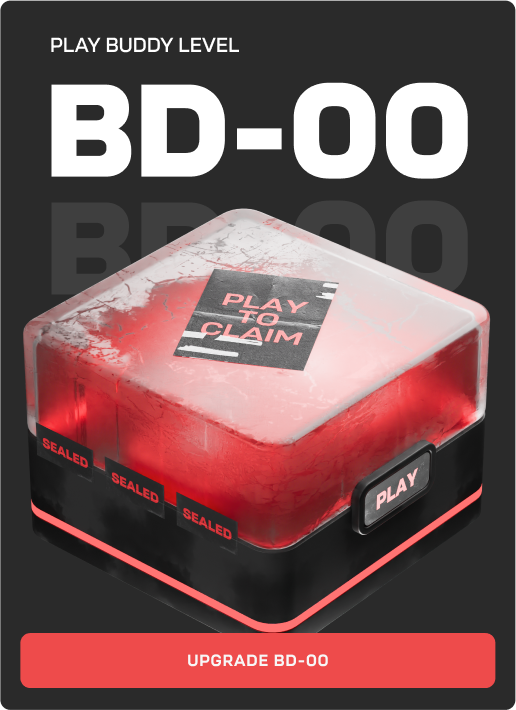
Got your Play Buddy yet?
Jump on the Play Collective site to claim yours & start mastering your territory!
🎲 Play Buddy tracks your contributions to our AI ecosystem by collecting your gamerdata - making your data even more valuable.
Up for the challenge?
Learn more below ↓
ALT https://collective.playai.network/games
5
7
23
8,000

2. The CARV Protocol’s modular design manages the entire data lifecycle seamlessly. 🔄 #TechInnovation
🎮 For gamers, CARV offers personalized, secure experiences, enhancing privacy and control. 🕹️✨ #Gaming #GamerData
2
16


Our recent article is packed with data about Elder Scrolls players (including buying intentions for next-gen consoles)!
Read it here: hubs.ly/H0y1m770
#ConsumerData #GamerData #GameFranchises #Bethesda #ElderScrolls #Xbox