
Mar 1
GLOBAL NEWSWIRE: China Expands Space Facilities in Latin America And Alarming USA National Security Agencies
DUAL USE FACILITIES: China is rapidly expanding space facilities across Latin America, prompting U.S. concerns about potential military surveillance and dual-use capabilities in the Western Hemisphere.
INTELLIGENCE COLLECTING: A new analysis reveals China is rapidly expanding a network of space facilities across Latin America, raising significant concerns in Washington about Beijing’s potential to enhance military surveillance and warfighting capabilities in the Western Hemisphere.
POTENTIAL SPY NETWORK: At least eleven Chinese-linked ground stations, radio telescopes, and satellite ranging sites have been identified in Argentina, Venezuela, Bolivia, Chile, and Brazil.
These installations are flagged by a House Select Committee on the Chinese Communist Party as having possible dual-use military applications, threatening U.S. interests.
The core concern stems from China’s “military-civil fusion” strategy, which makes it challenging to distinguish between academic or commercial space cooperation and its potential military uses.
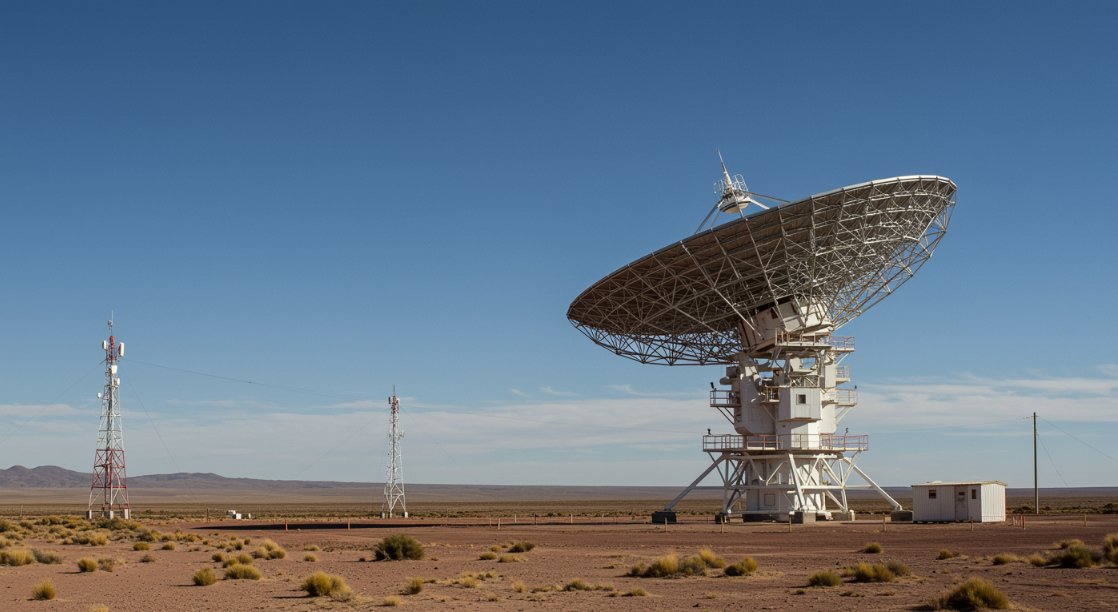
For instance, a closely watched deep space station in Argentina’s Neuquén province, established under a 50-year lease, is officially described as civilian research.
However, it is operated by an entity linked to China’s satellite launch and tracking network, with questions persisting about host-nation oversight and inspection access.
U.S. defense officials acknowledge China’s growing space infrastructure in the region almost certainly provides enhanced surveillance against U.S. military assets.
Beijing, through its embassy, pushes back on these characterizations, emphasizing that its space cooperation with Latin American countries is purely for peaceful development, scientific advancement, and improving livelihoods
China is asserting that the region belongs to its people, not to geopolitical spheres of influence.
Nevertheless, lawmakers are urging the U.S. to halt this expansion and review existing cooperation agreements, noting that diplomatic pressure has previously influenced host governments, as seen with a paused project in Chile.
This all fueling U.S. concerns over potential military espionage, satellite interference, and intelligence collection in the Western Hemisphere.
These installations, often linked to the People's Liberation Army (PLA), are viewed as part of a "dual-use" strategy to enhance Beijing's global space monitoring capabilities and assert influence.
Key Aspects of China's Space Expansion in Latin America...
>>> Strategic Facilities: The most significant, a 494-acre deep-space tracking station in Argentina's Neuquén Province, is managed by the China Satellite Launch and Tracking Control General and operates with minimal oversight from local officials.
>>> Dual-Use Concerns: While officially for civilian space research, these facilities can track, intercept, or neutralize U.S. and partner satellites, according to U.S. officials and analysts.
>>> Military-Civil Fusion: China's activities are driven by a strategy that blends civilian and military sectors, using space infrastructure to bolster PLA capabilities and secure data.
>>> Regional Footprint: Beyond tracking stations, China is deepening its space ties by assisting with satellite launches and engaging in lunar project partnerships with nations like Venezuela.
>>> Strategic Objective: The expansion is seen as part of a broader push by China to secure, monitor, and influence critical infrastructure (space, energy, and ports) in the U.S. Southern Command's area of responsibility.
>>> The U.S. Southern Command has highlighted these developments as a growing challenge to regional security.
FILED UNDER:
#ChinaSpaceExpansion, #LatinAmericaSpace, #ChinaLatinAmerica, #USNationalSecurity, #DualUseFacilities, #MilitaryCivilFusion, #DeepSpaceStation, #NeuquenArgentina, #PeoplesLiberationArmy, #PLA, #SpaceSurveillance, #SatelliteTracking, #ChinaInArgentina, #ChinaInVenezuela, #ChinaInBolivia, #ChinaInBrazil, #ChinaInChile, #WesternHemisphere, #USSOUTHCOM, #HouseSelectCommittee, #CCPSelectCommittee, #ChinaThreat, #GeopoliticalInfluence, #SpaceDomainAwareness, #IntelligenceCollection, #BeltAndRoadSpace, #SpaceDiplomacy, #LunarProjects, #SatelliteLaunches, #GroundStations, #RadioTelescopes, #SatelliteRanging, #EspionageConcerns, #MilitaryApplications, #USChinaRivalry, #TrumpAdministration, #RegionalSecurity, #PeacefulDevelopment, #BeijingEmbassy, #StrategicInfrastructure, #GlobalSpaceNetwork, #SpaceWarfighting, #CounterspaceCapabilities, #SouthernFlank, #MalignInfluence, #LatinAmericaOrbit, #ChinaOrbit, #SpaceSilkRoad, #PRCExpansion, #AlarmingUSAgencies
1
1
6
232

18 Nov 2025
પોતાના હિતોને સાધવા માટે વિશ્વના દેશોના સિંહાસન ડોલાવી દેનાર અમેરિકાની ‘ડીપ સ્ટેટ’ થિયરી છે શુ? કોના ઈશારે અને કેવી રીતે કામ કરે છે ?-વાંચો
#DeepState #covertoperations #CIA #interventions #geopoliticalinfluence #Irancoup #ColdWar #JagdeepDhankhar #USforeignpolicy #globalstability #intelligence #breakdown
tv9gujarati.com/internationa…
274
17 Nov 2025
પોતાના હિતોને સાધવા માટે વિશ્વના દેશોના સિંહાસન ડોલાવી દેનાર અમેરિકાની ‘ડીપ સ્ટેટ’ થિયરી છે શુ? કોના ઈશારે અને કેવી રીતે કામ કરે છે ?-વાંચો
#DeepState #covertoperations #CIA #interventions #geopoliticalinfluence #Irancoup #ColdWar #JagdeepDhankhar #USforeignpolicy #globalstability #intelligence #breakdown
tv9gujarati.com/internationa…
270

27 Oct 2025
पर्यटन केवल एक आर्थिक गतिविधि नहीं है; यह सॉफ्ट पावर का एक रणनीतिक उपकरण है। विविध संस्कृति, समृद्ध इतिहास, आध्यात्मिक परंपराएँ और प्राकृतिक सौंदर्य से सम्पन्न भारत पर्यटन के माध्यम से अपने मूल्य, विरासत और वैश्विक छवि का प्रभावी प्रदर्शन करता है।
.
#TourismAsSoftPower #IncredibleIndia #CulturalHeritage #SpiritualIndia #NaturalBeauty #GlobalImage #SoftPowerStrategy #InternationalGoodwill #GeopoliticalInfluence #IndiaTourism #RuralDevelopment #JobsThroughTourism #DrishtiIAS
1
9
1,001

4 Dec 2024
📨 Just in 📄
**BRICS Countries Control Over 20% of World's Gold Reserves**
The BRICS nations (Brazil, Russia, India, China, and South Africa) have collectively surpassed the threshold of holding over 20% of the world's gold reserves. This significant milestone is largely driven by the gold accumulation strategies of Russia and China, which together account for 74% of the BRICS bloc's gold reserves. According to data from the World Gold Council, Russia leads with 2,340 tons, representing 8.1% of global reserves, followed closely by China with 2,260 tons.
This development marks a notable shift in global economic power dynamics, emphasizing the strategic importance of gold not only as a financial asset but also as a tool for geopolitical leverage. The increase in gold reserves within BRICS countries coincides with discussions about creating a new gold-backed currency to challenge the dominance of the U.S. dollar in international trade.
However, despite these significant holdings, the BRICS countries' gold reserves are still outmatched by the United States alone, which holds the world's largest gold reserve at 8,133 tons. This puts the U.S. in a dominant position when it comes to gold-backed financial strategies or currency stability.
The control of such a substantial portion of global gold reserves by the BRICS nations could have implications for global financial markets, particularly in terms of currency valuation, inflation protection, and investment opportunities. It also underscores the ongoing trend of de-dollarization, where countries seek to reduce reliance on the U.S. dollar.
#BRICS #GoldReserves #EconomicPower #GoldStandard #DeDollarization #GeopoliticalInfluence #WorldGoldCouncil
3
3
48

9 Nov 2024
تُعدّ الولايات المتحدة الأمريكية القوة الاقتصادية الأكبر في العالم، ووفقاً للمؤشرات الحالية يمكن القول بأن الاقتصاد الأمريكي بعيدٌ عن الانهيار، فقد يتراجَع أو يشهد بعض التحديات، لكنّه بعيد عن السقوط؛ وذلك بسبب عوامل عدة؛ منها: معدل النمو المرتفع، والمرونة الاقتصادية العالية، وارتفاع مستوى الدخل.... نعم قد يَفقد مكانته كالاقتصاد العالمي الأول، لكنّه بالتأكيد لن ينهار بسهولة.
#الاقتصاد_الأمريكي
#أمريكا_الاقتصادية
#مستقبل_الاقتصاد
#تراجع_الاقتصاد_الأمريكي
#أزمة_الاقتصاد_الأمريكي
#التأثير_الاقتصادي_العالمي
#شمس_أمريكا_الاقتصادية
#الدولار_والاقتصاد
#الأسواق_العالمية
#الركود_الاقتصادي
#IranAlliance
#IranianPolitics
#PoliticalBargaining
#GeopoliticalInfluence
#IranAndRegion
#IranianImpact
#RegionalAlliances
#IranianInfluence
4
264
7 Nov 2024
الأحداث الأخيرة والضربات القاسية والمتتالية التي تلقَّاها حلف طهران، والتي اعتمدت على معلومات استخبــ…اراتية دقيقة؛ تشير هذه الضربات إلى وجود خَرْق كبير وخطير في الحلف، من الصعب تحديد مكانه ومسؤوليته، فقد يكون داخل طهران أو دمشق أو حـ….ــــزب الله. وهناك فرضية أخرى مَفادها أنَّ هناك مقايضة سرية بين المـ….ـــــــوساد والدولة العميقة في طهران، أو لدى أحد أطراف الحلف.
عدم تحديد مسؤولية الخرق قد يؤدّي لتراشق التُّهَم بين الحلفاء، ما يعني تراجُع تماسكه وربما انهياره، خاصةً في ظل برود العلاقة بين دمشق من جهة، وطهران وحــ….ــــــــزب الله من جهة أخرى.
قد تتصاعد التوترات بين أطراف الحلف، ويبدو أن النظام السوري أضعف هذه الأطراف، ونتيجة خشيته من رفع دعم الحلفاء عنه، قد يبادر للمصالحة مع تركيا؛ وذلك لضمان بقائه في حال خرج من الحلف.
#الحلف_الإيراني
#السياسة_الإيرانية
#الاختراق_السياسي
#المقايضة_السياسية
#إيران_والمنطقة
#التأثير_الإيراني
#التحالفات_الإقليمية
#النفوذ_الإيراني
#الصراع_السياسي
#IranAlliance
#IranianPolitics
#PoliticalBargaining
#GeopoliticalInfluence
#IranAndRegion
#IranianImpact
#RegionalAlliances
#IranianInfluence
2
4
1,614
5 Nov 2024
التوترات المتصاعدة في الشرق الأوسط تُنذر بمخاطر توسُّع الصراع وتحوُّله لحرب إقليمية قد تكون نواة لحرب عالمية كبرى، لكن وفي الوقت ذاته المؤشّرات الدولية تشير إلى عدم رغبة القوى الدولية بتوسُّع نطاق الحرب، وذلك أن مصلحة الدول الكبرى في التهدئة، لا سيما أن منطقة الشرق الأوسط باتت أولوية اقتصادية أكثر منها جيوسياسية، خاصةً بالنسبة للولايات المتحدة الأمريكية.
وهناك ضغوط تُمارَس بشكلٍ رئيسٍ على الكيان وإيران؛ لعدم الانخراط في صراعٍ مباشرٍ، ويظهر ذلك من خلال الضربات المتبادَلة التي لم يكن لها أثر عسكري واضح، بل كانت نوعاً من ردّ الاعتبار لا أكثر. وهنا من الممكن أن تَضغط الدول الكبرى لإنهاء التوتُّر بالمنطقة من خلال حلّ جذريّ يشمل حلّ كل الجماعات المسلَّحة بغضّ النظر عن مرجعيتها السياسية، وإبقاء السلاح بيد الحكومات فقط.
#صراع_الشرق_الأوسط
#الميزان_الدولي
#التوازن_الدولي
#السياسة_الدولية
#الصراع_الإقليمي
#الأمن_الدولي
#التوترات_الإقليمية
#التأثير_العالمي
#الشرق_الأوسط_والعالم
#MiddleEastConflict
#GlobalBalanceOfPower
#InternationalPolitics
#RegionalTensions
#GlobalSecurity
#MiddleEastAndWorld
#GeopoliticalInfluence
#GlobalImpact
#MiddleEastInFocus
3
2
449

23 Oct 2024
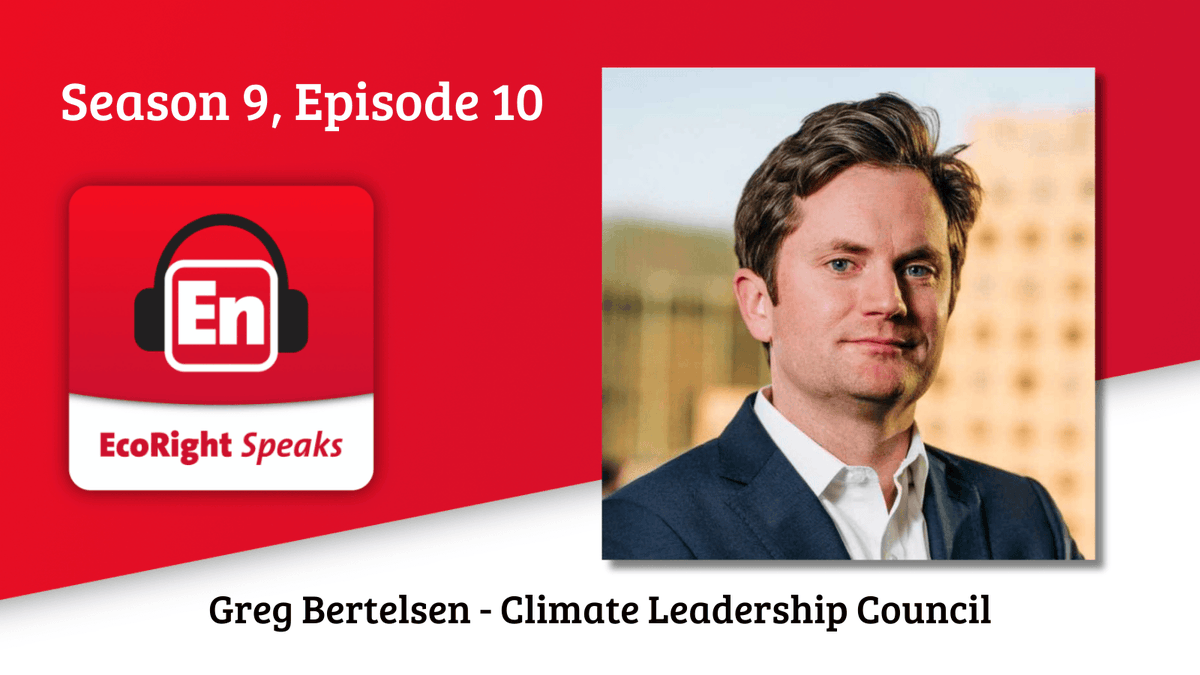
#EcoRight Speaks, Season 9, Episode 10: Climate Leadership Council CEO Greg Bertelsen. @TheCLCouncil @Greg_Bertelsen
Listen:open.spotify.com/episode/6Wc…
Host Chelsea Henderson talks to Climate Leadership Council CEO Greg Bertelsen about the Council’s latest research report, Prioritizing American Interest: A New Strategy for Global Decarbonization. The report lays out the challenges and opportunities encountered in reducing global emissions worldwide by advancing an intentionally pro-U.S. agenda on competitiveness, economic growth, resource security, and geopolitical influence.
#ProUSAgenda #ClimateLeadership #GlobalDecarbonization #AmericanInterests #EconomicGrowth #ResourceSecurity #GeopoliticalInfluence #ClimateAction #DecarbonizationStrategy #ClimatePolicy #CleanEnergyFuture #EmissionsReduction #LeadershipInClimate
2
2
273

1 May 2024
The Confederation of Iranian Students (CIS) was a significant political force in the 1960s and 1970s, primarily comprised of Iranian students abroad who vehemently opposed the Shah’s regime in Iran. They adopted a mix of nationalist, leftist, and socialist ideologies, aiming to replace the authoritarian government with one that was more democratic and independent from Western influence. The Confederation was very active in countries with large Iranian student populations, such as the United States, France, and Germany, organizing protests, publishing critical articles, and raising international awareness about Iran’s political repression and human rights issues.
Today, the echoes of such student-led activism can be seen in the pro-Hamas and pro-Palestine movements across American universities. These movements, which frequently organize demonstrations and various campaigns, mirror the methods previously used by the CIS, employing student activism to influence public opinion and policy. This suggests a recurring pattern where student groups are used as vehicles for larger geopolitical objectives, indicating that the forces which once sought to subvert foreign governments—including Iran's during the 1970s—are now aiming to wield influence within the United States through Subversion.
This continuity of tactics underlines the persistent use of student movements in global political strategies, where educational institutions become arenas for ideological and political influence to demolish civilization and weaken the democracy.
#StudentActivism
#GeopoliticalInfluence
#Subversion
1
2
385

25 Jan 2024
OnlineFirst - "Vertical expansion in the making: Planning against deindustrialization by promoting “Industry’s Going Upstairs” in Shenzhen" by Qianqian Wei and Yong Zhang:
#deindustrialization #geopoliticalinfluence #manufacturing #urbanverticality
journals.sagepub.com/doi/abs…
1
3
756

25 Jan 2024
Palestine in the Unipolar World: my question to @angeloinchina about the US and China’s position in the conflict.
Brilliant space by @DD_Geopolitics 👏
vt.tiktok.com/ZSFJ6BPpb/
#FreePalestine #PalestineInMultipolarWorld
#USChinaRelations
#PalestineUSChina
#GlobalPowerPlay
#MiddleEastDiplomacy
#USChinaCooperation
#PalestineForeignPolicy
#GeopoliticalInfluence
#USChinaRivalry #PalestineInternationalRelations
1
7
25
5,998

23 Jan 2024
🌐 #IndustryInsights: The impact of geopolitical stability on aviation logistics.
Discover how #FlyCraft navigates global dynamics to maintain a reliable supply chain.
🌍 #GlobalLogistics #GeopoliticalInfluence
4
14

4 Jan 2024
For chip manufacturing at the microscopic level, chemicals and gases demand purification rates of up to 99.99999%.
Single atoms can introduce defects, and notably, China's annual spending on chip imports equals its oil imports.
The hardware supply chain shaping AI subtly influences geopolitics; explore more at the intersection of technology and global dynamics at moneycontrol.com/msite/globa…
@PaloAltoNtwks @EY_India @EYnews @YottaInfra @GoogleIndia | #TechPrecision #AIInnovation #GeopoliticalInfluence
1
1
11
79,320

29 Aug 2023
The concept of the BRICS alliance is indeed a transformative force in global geopolitics, emphasizing cooperative growth and stability. However, Ethiopia’s position on the Renaissance Dam is already grounded in principles of mutual interest and fairness. The dam serves the developmental needs of Ethiopia without significantly impairing downstream nations.
As for the Saudi-Iran peace deal facilitated by China, it’s essential to remember that Ethiopia has been consistently open to fair negotiations. The difference lies in the approach: a deal must be based on a balanced sharing of resources and not under presumptive historical entitlements. Ethiopia’s rights to the Nile waters are backed not just by the project’s near completion but also by frameworks like the Nile Basin Initiative and the Entebbe Agreement.
It’s crucial to note that alliances like BRICS are primarily focused on economic growth and global stability. Their influence on highly specialized regional issues like the Renaissance Dam may be limited. Ethiopia shouldn’t be expected to compromise its hard-won advantages, especially when the potential for Western support for Egypt is decreasing and regional agreements already lean in Ethiopia’s favor.
#Ethiopia #RenaissanceDam #BRICS #MutualInterest #GeopoliticalInfluence

Have you considered the effect of the BRICS alliance and its potential messaging for the partner countries? IMO the BRICS alliance has the potential to significantly impact the countries involved. From what I gathered, unlike historical colonial approaches, this alliance aims to foster cooperation, respect, and mutual interest among its members. By emphasizing these principles, the alliance seeks to create a more balanced and equitable global order, promoting economic growth, development, and stability. The messaging surrounding this alliance is likely to highlight the importance of collaboration, shared goals, and a departure from the colonial mindset. For instance, Egypt and Ethiopia could resolve their issues based on mutual interest and benefit. Additionally, the recent facilitation of a Saudi-Iran peace deal by China demonstrates the unexpected possibilities that can arise in a short amount of time from this new ideology push.
2
2
6
2,667

26 Aug 2021
How many seats does the EU (as an organisation, rather than nations forming part of the EU) have on the UN Security Council?
How many EU Member States are part of 5 Eyes?
#GeopoliticalInfluence
1
2