
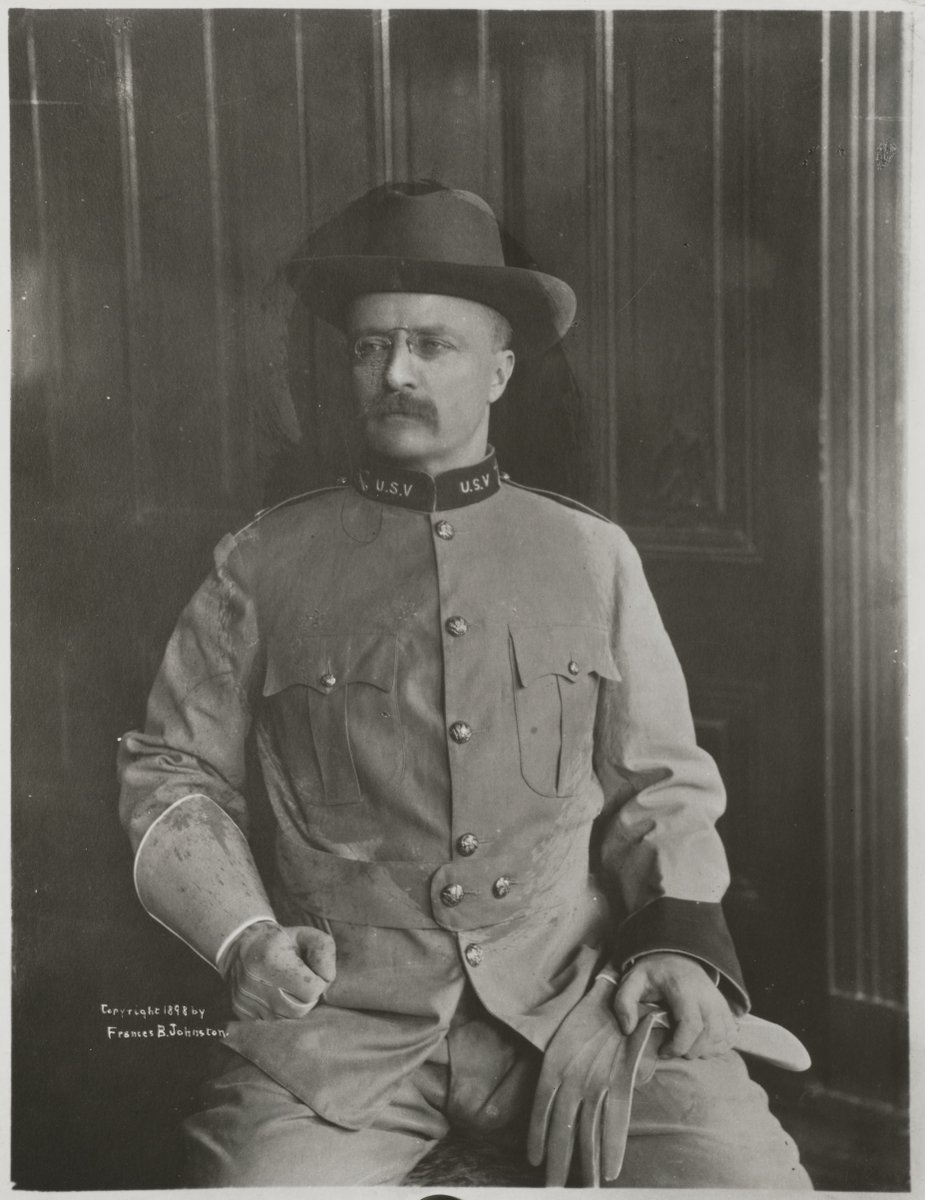
#OTD in 1898, Congress formally declared war on Spain — and Theodore Roosevelt, sitting at his desk as Assistant Secretary of the Navy, began making plans to leave it.
Roosevelt had spent months pushing for this war. He believed the United States had a moral obligation to act in Cuba. He'd maneuvered the Navy into readiness, positioned Admiral Dewey's fleet for action in the Pacific, and lobbied anyone who would listen. He had done, by every measure, exactly what his job required.
Now the war was real. And Roosevelt had a problem.
He had preached this fight loudly and publicly for more than a year. He had argued that American men had a duty to serve when their country called. If he stayed at his comfortable desk in Washington while others went to Cuba, he would be, in his own words, "distinctly ashamed." So on April 25, as the declaration was being signed, Roosevelt began organizing what would become the First U.S. Volunteer Cavalry — the regiment history would call the Rough Riders.
He wouldn't resign from the Navy until May 6. He wouldn't reach San Antonio to begin training until May 7. The commission, the uniform, the charge up Kettle Hill — all of that was still weeks away. But the decision was made on this day. The desk job was over.
"I should feel distinctly ashamed," he wrote to a friend, "if I now failed to practice what I preached."
#OTD #OnThisDay #TheodoreRoosevelt #TeddyRoosevelt #TRHistory #RoughRiders #SpanishAmericanWar #GetInTheArena #AmericanHistory
1
23
103
2,745
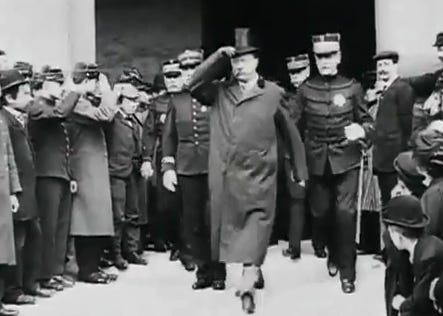
#OTD in 1910, Theodore Roosevelt stood before a packed amphitheater at the Sorbonne in Paris and delivered what would become one of the most quoted speeches in American history.
Roosevelt was an ex-president now, one year removed from the White House, fresh from an eight-month safari across East Africa. He was 51 years old and already thinking about coming home and getting back into the arena.
He spoke about citizenship, about courage, about the difference between the critic and the doer. And then he arrived at the passage that would echo for more than a century:
"It is not the critic who counts; not the man who points out how the strong man stumbles, or where the doer of deeds could have done them better. The credit belongs to the man who is actually in the arena, whose face is marred by dust and sweat and blood; who strives valiantly; who errs, who comes short again and again, because there is no effort without error and shortcoming; but who does actually strive to do the deeds; who knows great enthusiasms, the great devotions; who spends himself in a worthy cause; who at the best knows in the end the triumph of high achievement, and who at the worst, if he fails, at least fails while daring greatly, so that his place shall never be with those cold and timid souls who neither know victory nor defeat."
The hall erupted. The speech was printed and distributed in 57,000 copies across Europe and America.
More than a century later, it's still being read, quoted, and lived.
#OTD #OnThisDay #TheodoreRoosevelt #TeddyRoosevelt #TRHistory #ManInTheArena #DareGreatly #GetInTheArena #Leadership #AmericanHistory
7
48
165
3,526
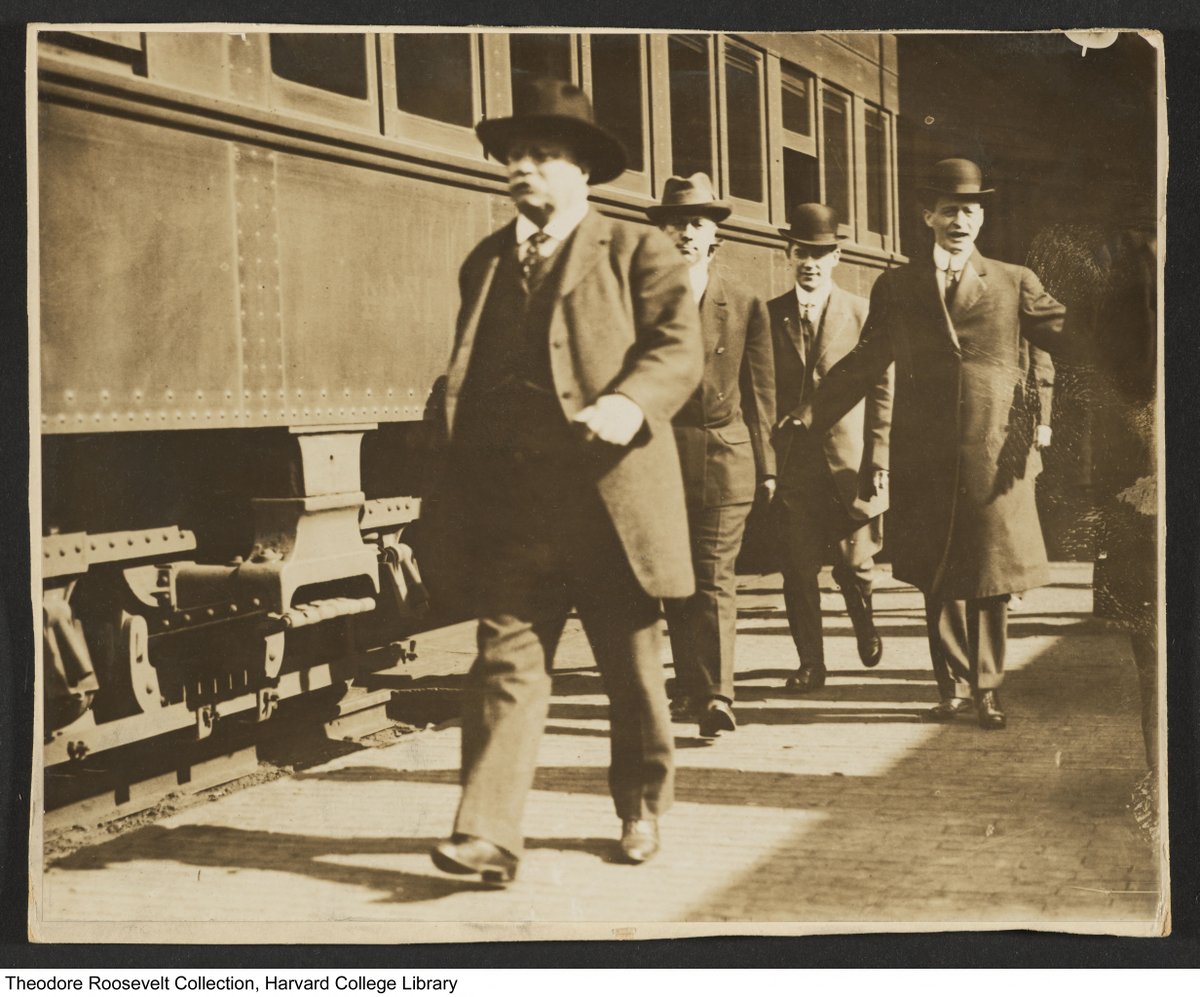
It's #NationalVolunteerWeek — and Theodore Roosevelt has something to say about the power of showing up.
Roosevelt didn't just talk about civic duty. He lived it — loudly, relentlessly, and from a very young age. Before he was president, before he was governor, before he led the Rough Riders up San Juan Hill, he was a 23-year-old New York State Assemblyman who believed the most important thing a citizen could do was participate.
That belief never left him. Roosevelt championed what he called "the doctrine of the strenuous life" — the idea that the health of a democracy depends on citizens who are willing to do hard things, not just for themselves, but for their communities. Public service, in his view, wasn't something you outsourced to politicians. It was everyone's responsibility.
His most famous call to action still resonates: the "Man in the Arena" speech, delivered at the Sorbonne in Paris in 1910, which celebrated not the critic on the sidelines but the person who shows up, who strives, who gives their effort to a worthy cause — even when the outcome is uncertain.
Volunteering is one of the purest ways to get in the arena. Whether you're coaching a youth team, cleaning up a trail, mentoring a student, or serving meals — you're doing what Roosevelt believed was the highest form of citizenship. The Library is looking for volunteers who want to support our mission: trlibrary.com/volunteer
This week, find your arena. Show up.
#NationalVolunteerWeek #NVW #TheodoreRoosevelt #TeddyRoosevelt #GetInTheArena #Citizenship #Service #TRPL
6
36
481
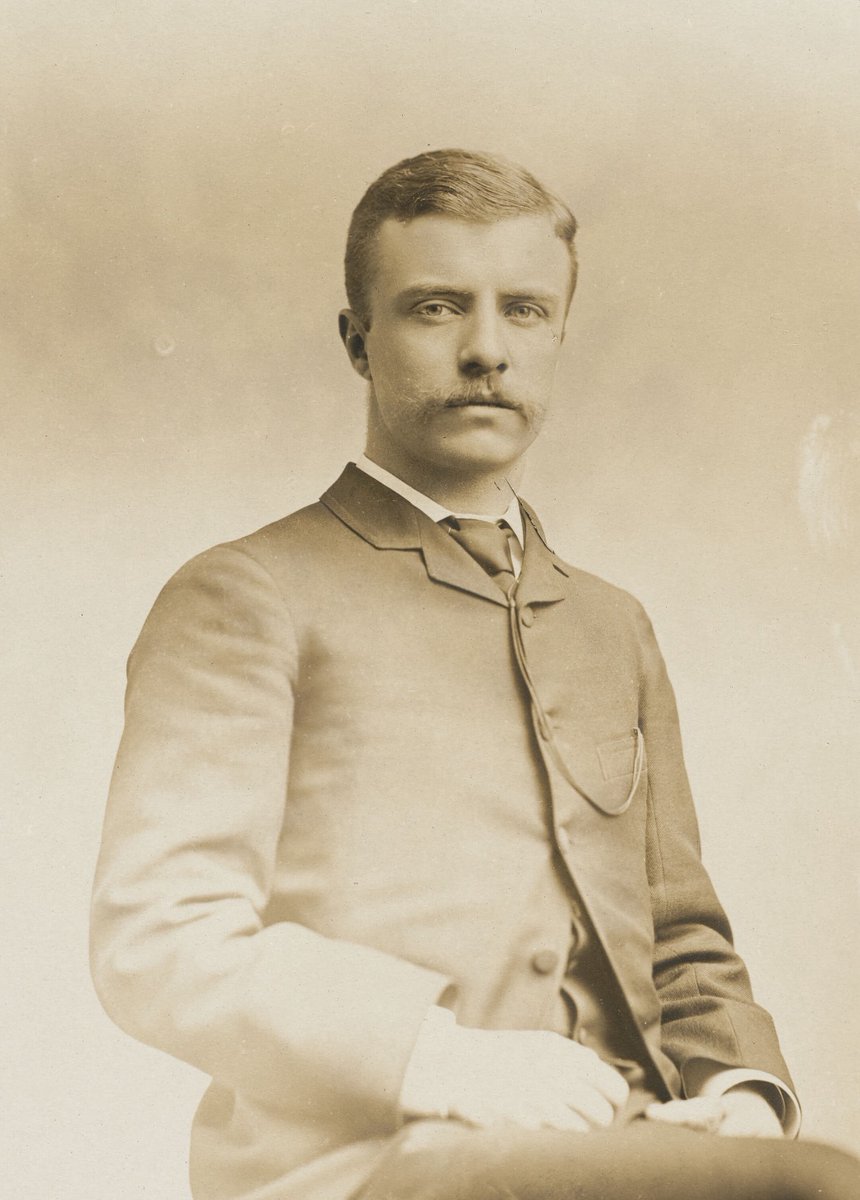
#OTD in 1884, Theodore Roosevelt's six municipal reform bills passed the New York State Assembly by "very large majorities."
Roosevelt was 25 years old and in the middle of the worst year of his life. In February, his mother and his wife had died on the same day in the same house. He was raising an infant daughter. And yet here he was, on the floor of the Assembly, fighting to clean up New York City's government.
The bills were the culmination of Roosevelt's dogged investigation into corruption across the city's departments. He'd held hearings, grilled officials, and built a case that embarrassed the political establishment. Not everyone was pleased — Governor Grover Cleveland declined to sign all of them.
But the passage of those reform bills mattered enormously. They were a first real glimpse of the fiery reformer who would not bend to corruption or convenience — and who would not let personal tragedy become an excuse to stop fighting.
Two months later, grieving and restless, Roosevelt would head west to the Badlands of Dakota Territory — a journey that would transform him in ways he couldn't yet imagine.
#OTD #OnThisDay #TheodoreRoosevelt #TeddyRoosevelt #TRHistory #GetInTheArena #Reform #AmericanHistory
12
50
1,241
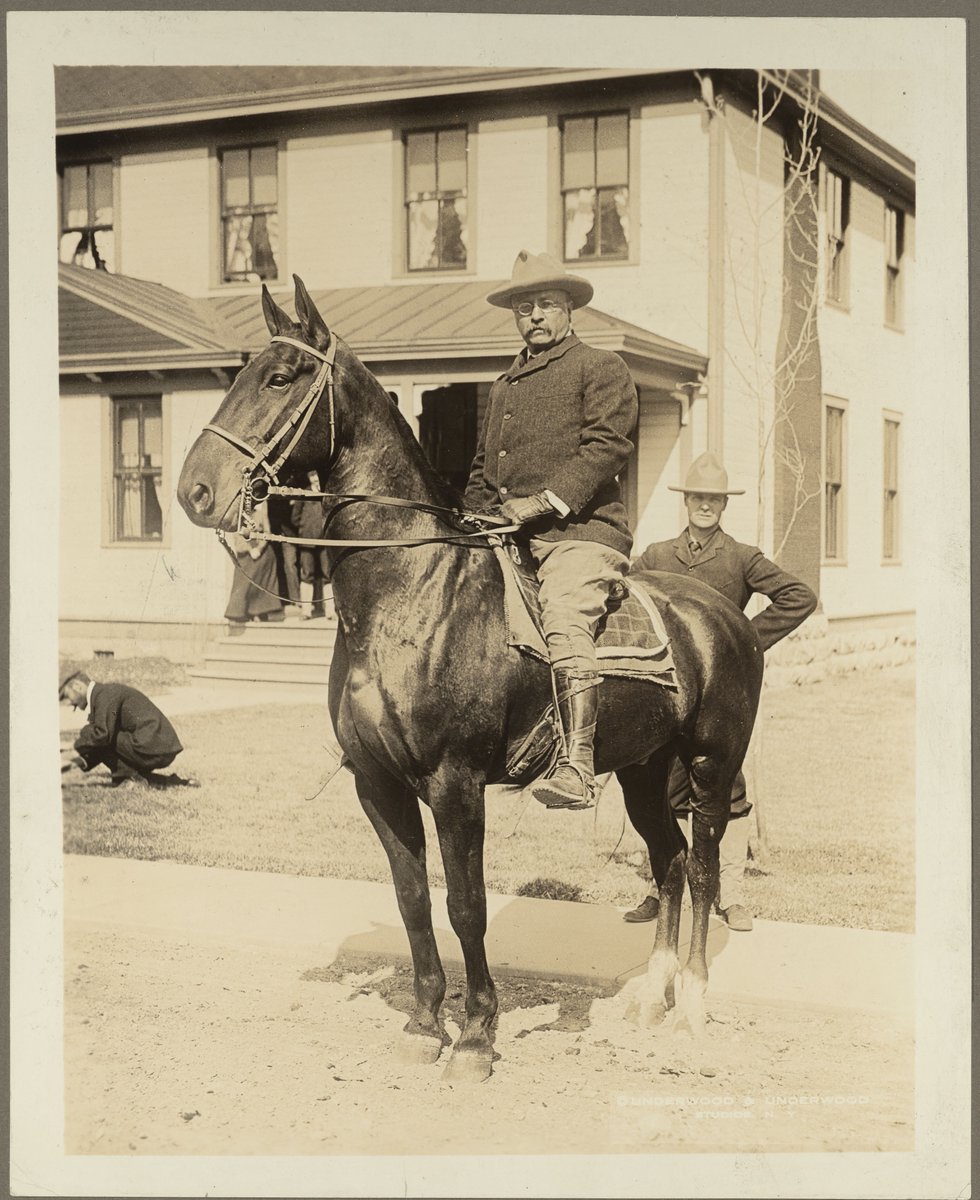
Easter Sunday, 1903. While most of America was in church, President Theodore Roosevelt was alone in the Yellowstone backcountry — walking.
Not a guided nature walk. Not a presidential stroll for the cameras. A solitary 20-mile trek through the mountains, deep in the interior of the park, by himself.
Roosevelt was 44. He was the most powerful man in America. He could have spent Easter morning at a carefully arranged service, receiving distinguished guests, being seen to observe the holiday correctly.
Instead he walked. Alone. For 20 miles. In the snow.
This was not unusual behavior for TR. Solitude in the wild was, for him, a form of prayer — a way of returning to something essential that the noise of public life could obscure. His father had told him as a boy: "You have the mind, but you haven't the body. You must make your body." He had never stopped making it.
Some leaders govern from behind desks. Roosevelt governed from inside the arena — and sometimes, on a spring Sunday in Yellowstone, from twenty miles of mountain trail.
#OTD #OnThisDay #TheodoreRoosevelt #TeddyRoosevelt #TRHistory #Yellowstone #GetInTheArena #StrenousLife
4
28
199
4,509
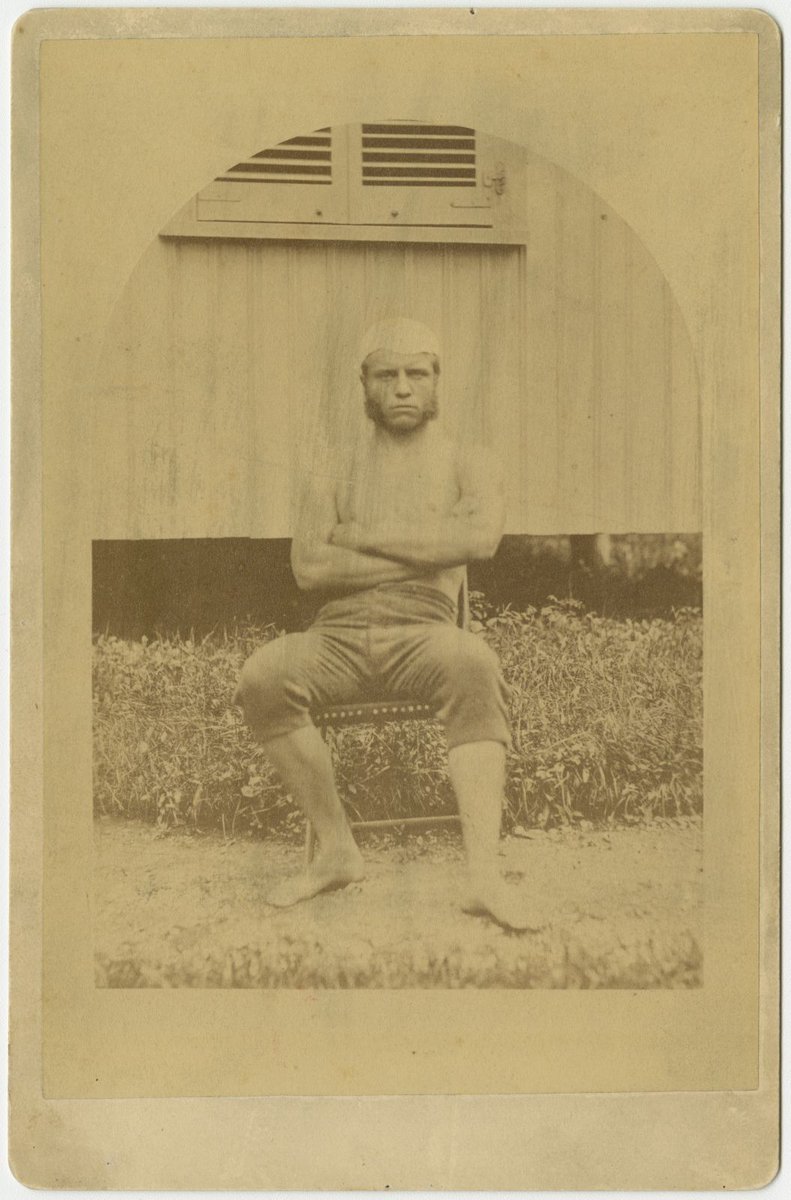
Today the world celebrates the #InternationalDayOfSport — and there may be no American president who embodied the connection between sport and character more than Theodore Roosevelt.
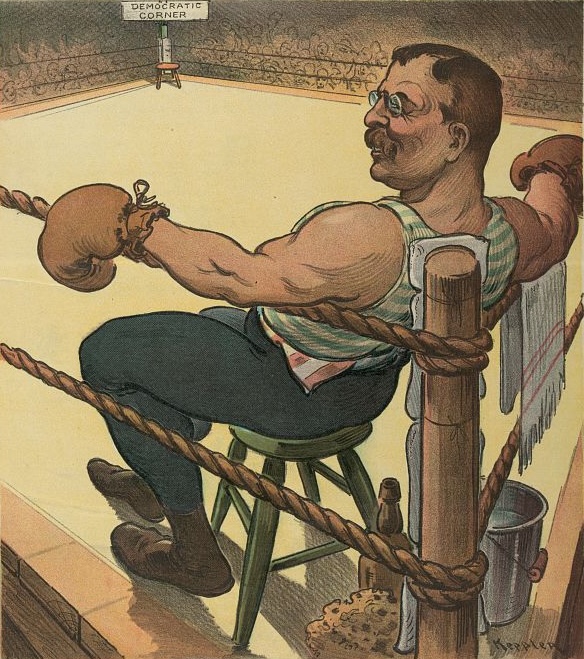
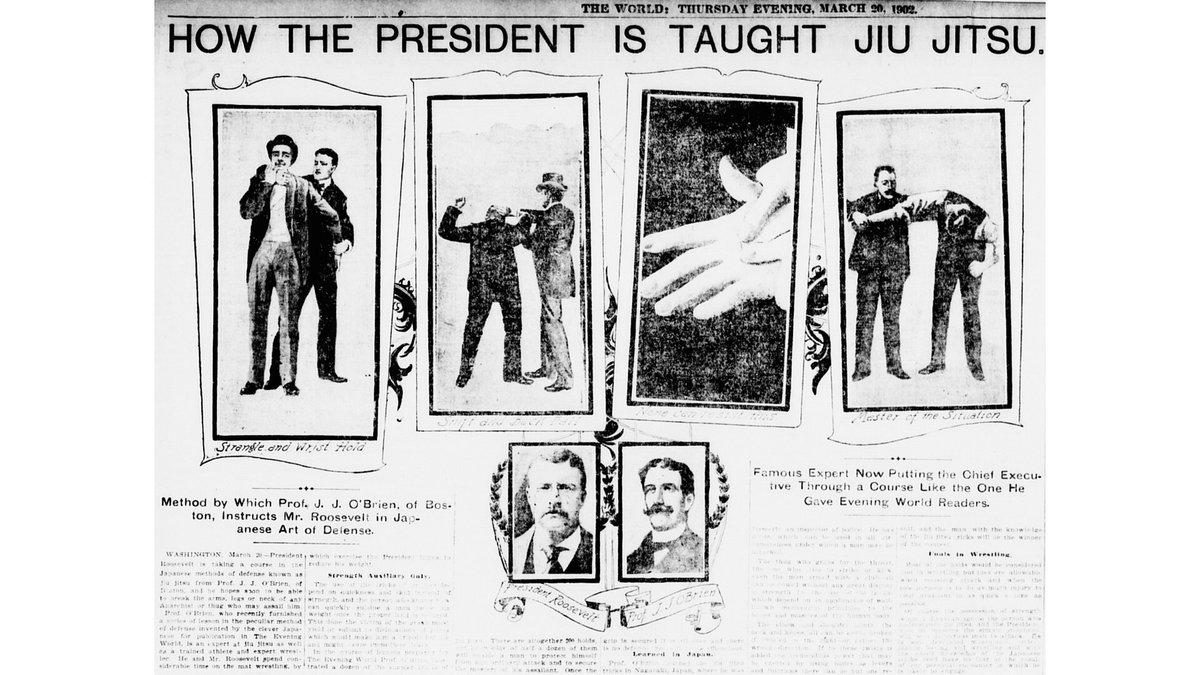
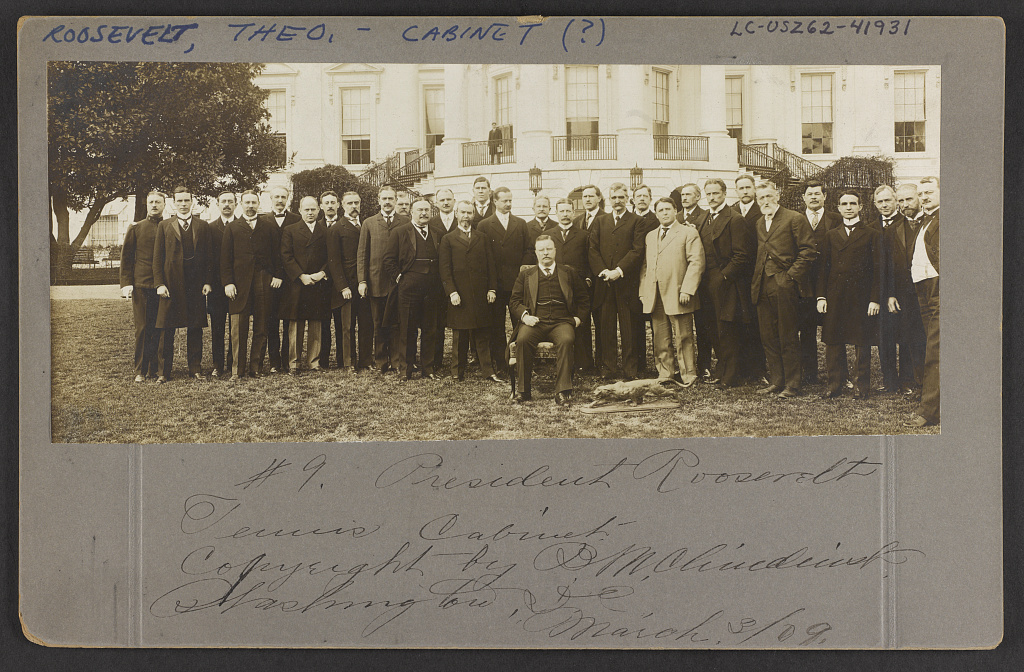
Roosevelt boxed. He wrestled. He rowed at Harvard. He rode broncos in the Dakota Badlands. He hiked, swam, played tennis (his "Tennis Cabinet" of advisors famously met on the White House courts), and even practiced judo while in office — becoming one of the first Americans to earn a brown belt.
But for TR, sport was never just about competition or fitness. He saw physical challenge as a training ground for the qualities a democracy needs from its citizens: courage, discipline, teamwork, resilience, and fair play.
This wasn't abstract philosophy for Roosevelt. He lived it. As an asthmatic child who could barely climb a flight of stairs, he built himself into an athlete through sheer will — answering his father's challenge to "make your body." That transformation shaped everything that followed: a rancher who could outride his cowboys, a colonel who charged up San Juan Hill, a president who believed the strenuous life wasn't a luxury but a civic duty.
Today, as we celebrate sport's power to build bridges and break barriers, Roosevelt's example still resonates: the arena isn't just for athletes. It's for all of us.
#SportDay #IDSDP #TheodoreRoosevelt #TeddyRoosevelt #StrenuousLife #GetInTheArena #TRPL
2
5
13
524
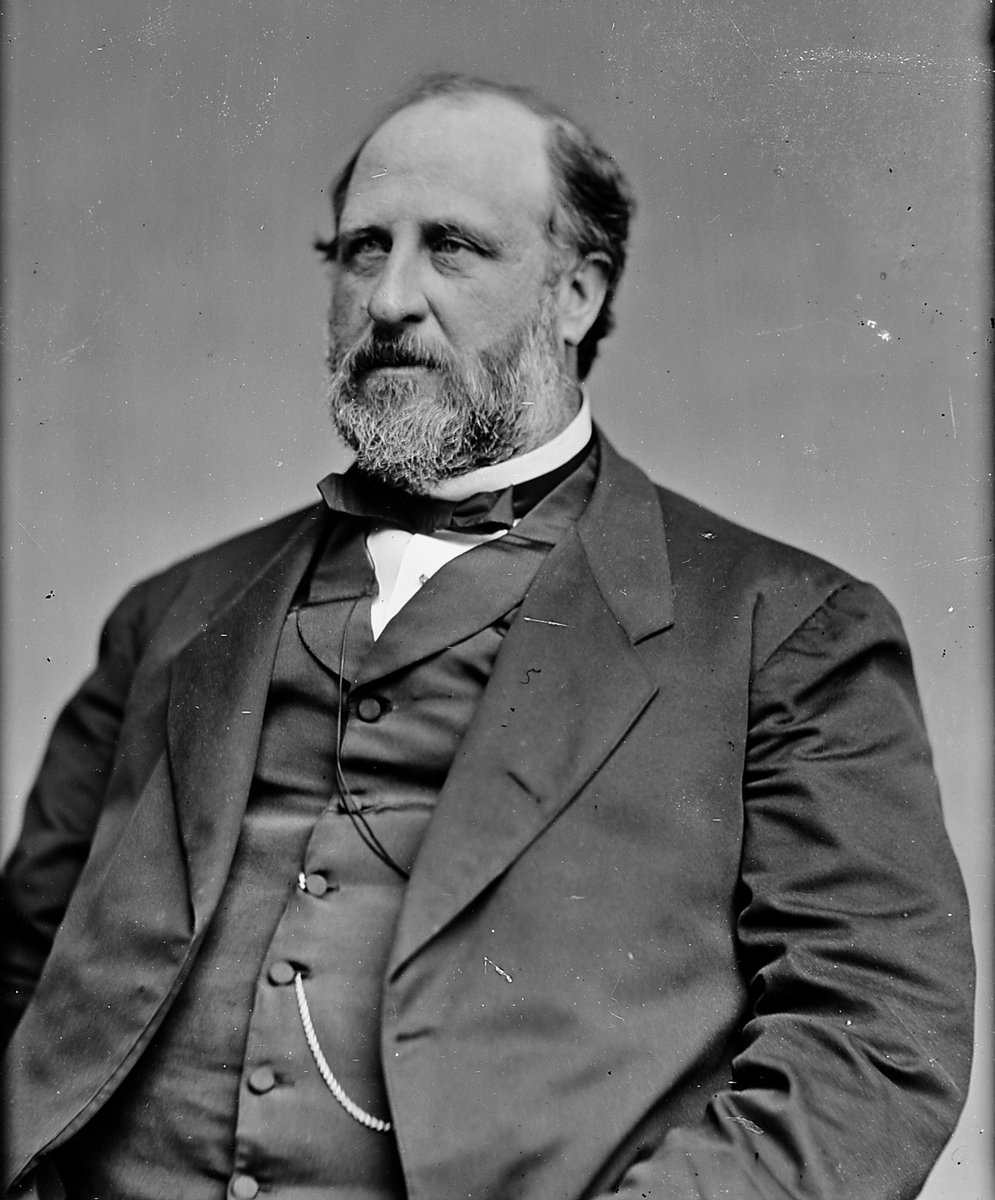
Today is #TweedDay — a celebration of the classic tweed fabric. But for us, the name also calls to mind a different kind of Tweed: Boss Tweed, the notorious political boss whose Tammany Hall machine dominated New York City politics through corruption and backroom deals.
And that's where a young Theodore Roosevelt enters the story.
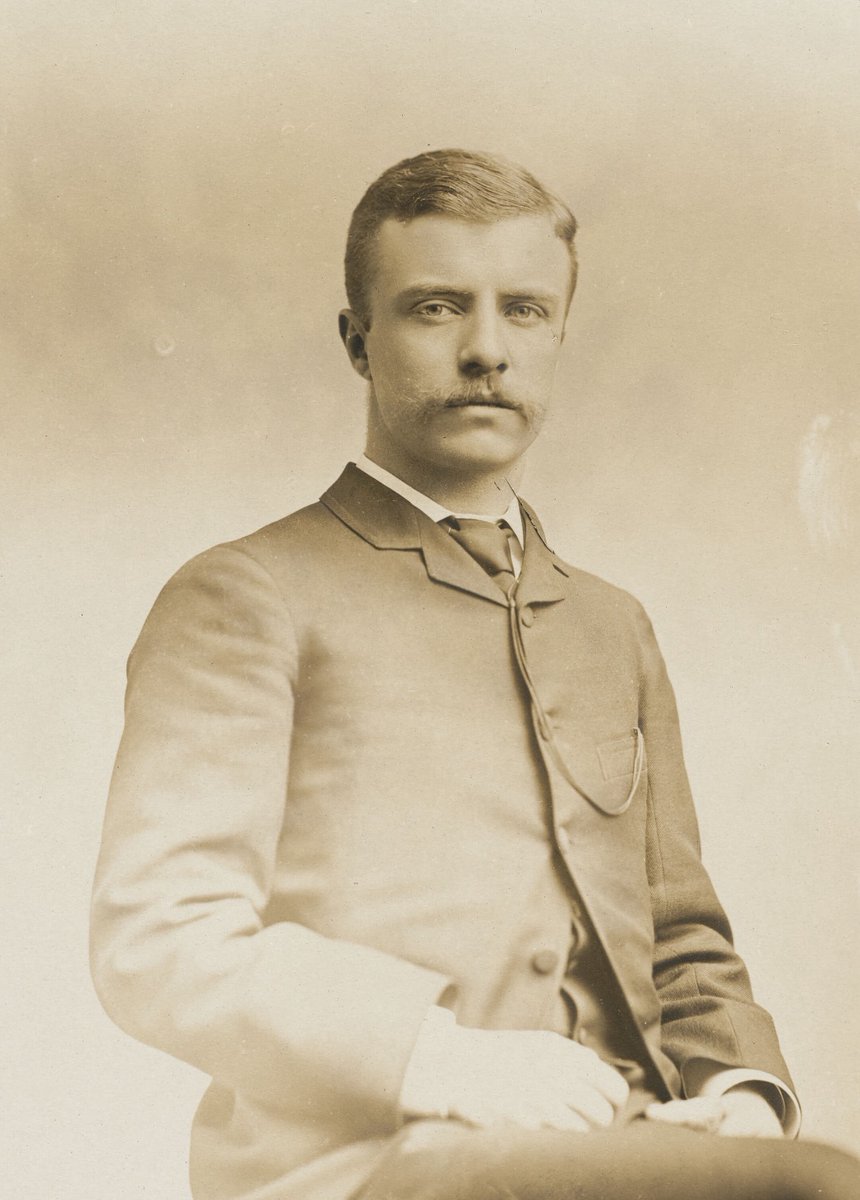
In 1882, at just 23 years old, Roosevelt won election to the New York State Assembly — and immediately made enemies. While other freshmen legislators learned to go along to get along, Roosevelt loudly challenged the political machines of both parties. He fought against corrupt judges, demanded investigations into crooked deals, and earned a reputation as a fearless reformer who couldn't be bought or bullied.
The old bosses didn't know what to make of him. One Tammany politician reportedly dismissed him as "a brilliant madman." Roosevelt didn't care. He believed public office was a public trust, and he spent his entire career — from the New York Assembly to the Police Commissioner's office to the White House — fighting to make government work for the people, not the bosses.
It's a reminder that reform doesn't wait for the right moment. Sometimes it just takes someone willing to get in the arena.
#TweedDay #TheodoreRoosevelt #TeddyRoosevelt #GetInTheArena #Leadership #AntiCorruption #TRPL
3
5
255
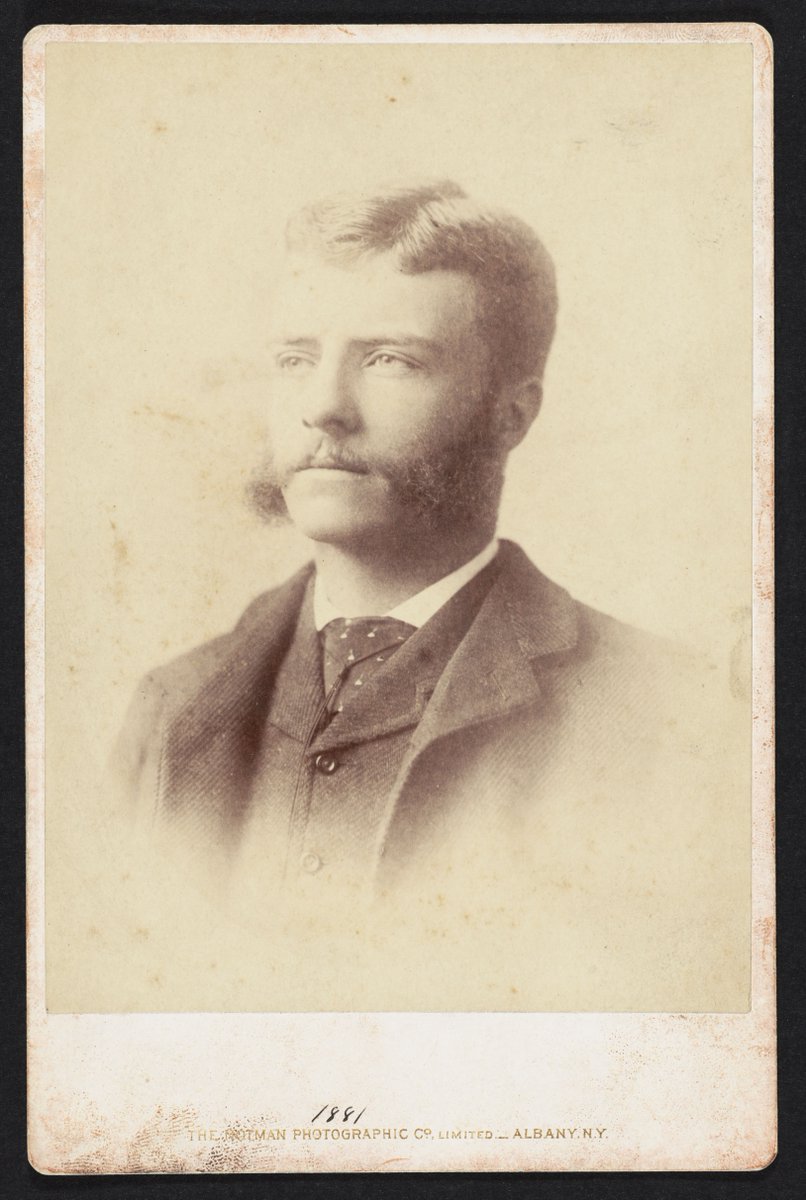
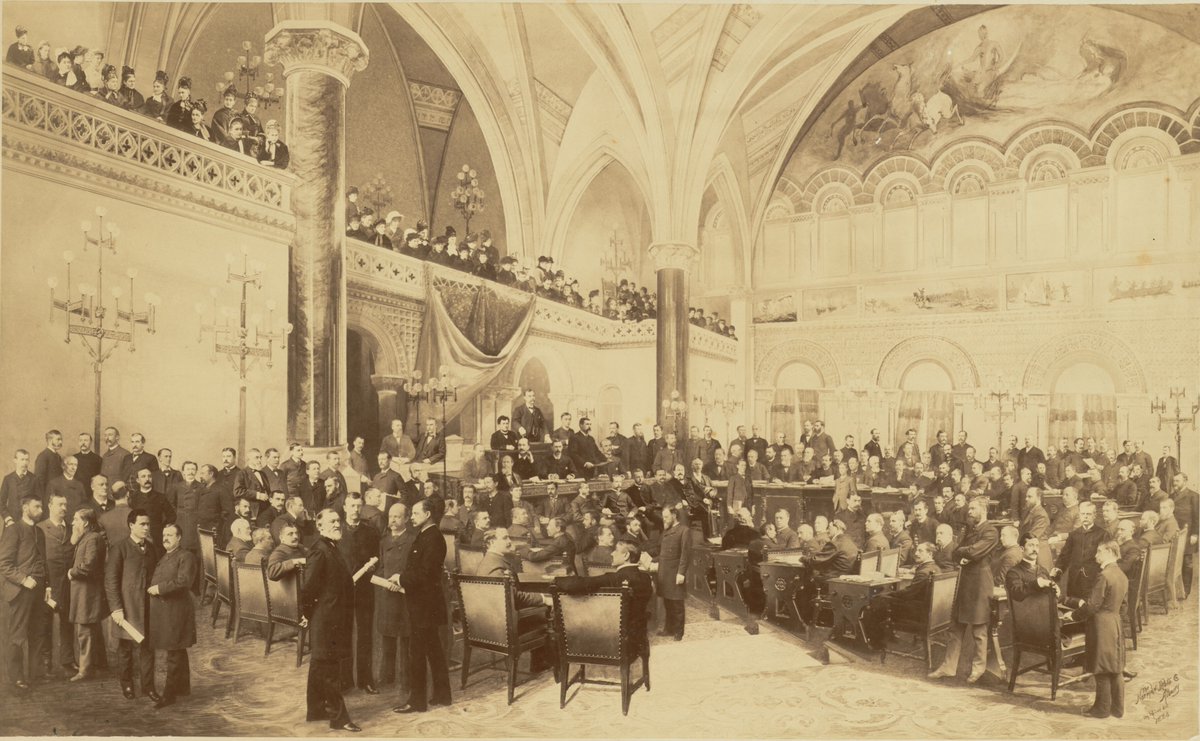
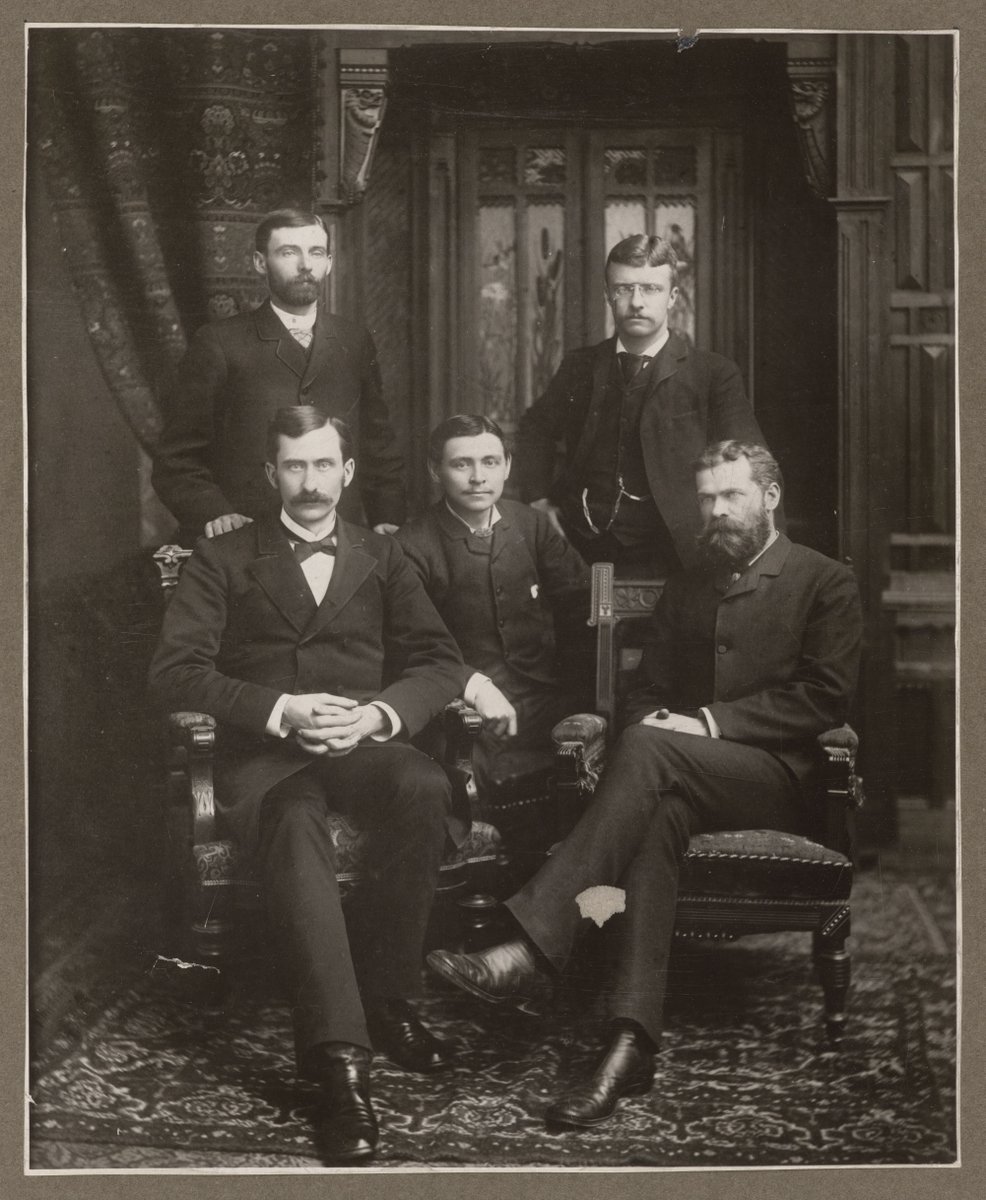
#OTD we remember Theodore Roosevelt's early days as a young reformer in the New York State Assembly, where he served from 1882 to 1884.
Roosevelt was just 23 when he arrived in Albany — the youngest member of the legislature, fresh from Harvard, and bursting with idealism. His fellow assemblymen didn't know what to make of him at first. He wore fancy clothes, spoke with an upper-class accent, and had a habit of pounding his fist on his desk when he got passionate.
But Roosevelt quickly proved he was no dilettante. He threw himself into investigating corruption in New York City's government, pushing a series of municipal reform bills that exposed crooked dealings and demanded accountability. As he wrote to his sister, "This winter my main work has been pushing the Municipal Reform bills for New York City."
By 1884, a newspaper would note that "the six Roosevelt reform bills were passed by very large majorities." Not bad for a kid barely old enough to grow a mustache.
These early fights in Albany planted the seeds for everything that followed — from police commissioner to governor to president. Roosevelt learned young that fighting corruption meant getting your hands dirty in the arena.
#OTD #OnThisDay #TheodoreRoosevelt #TeddyRoosevelt #TRHistory #AmericanHistory #GetInTheArena
3
8
239
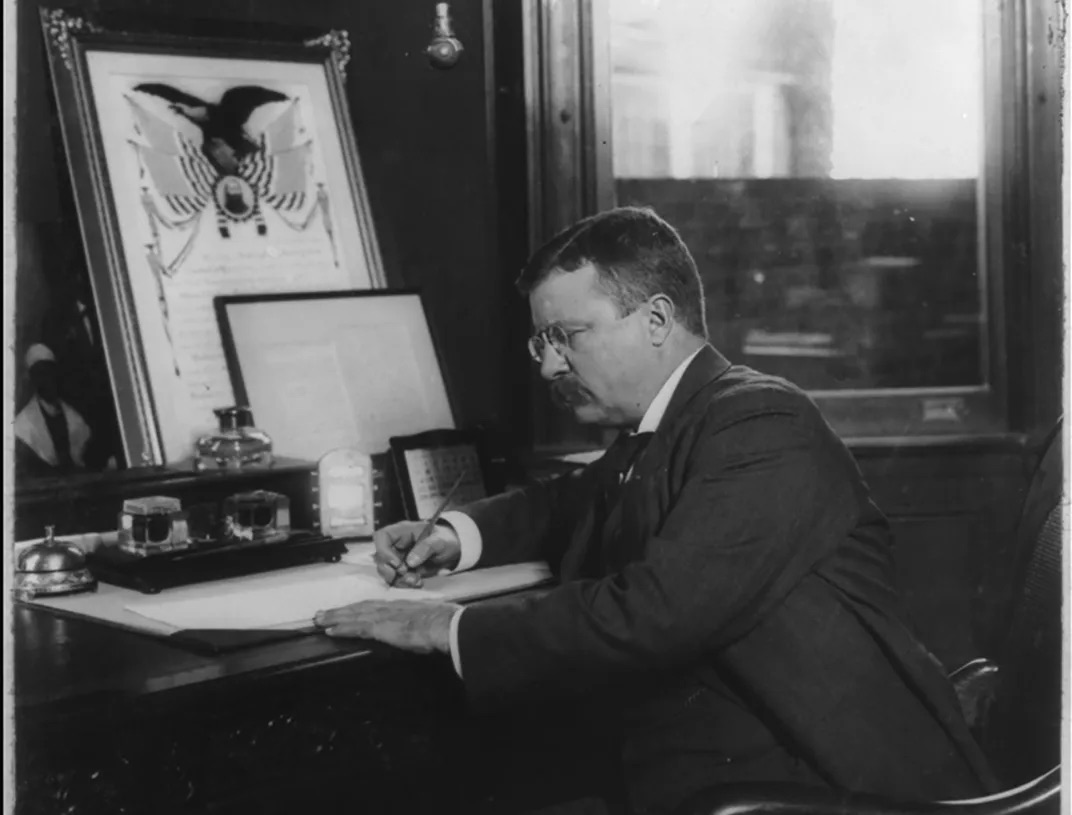
🏛️ On This Day: January 31, 1902 — Roosevelt Draws the Line on Lobbying
On this day in 1902, President Theodore Roosevelt signed Executive Order No. 163, forbidding federal employees from directly or indirectly lobbying Congress on their own behalf—including for raises or favorable legislation.
“All officers and employees of the United States… are hereby forbidden… to solicit an increase of pay, or to influence… any legislation whatever… on penalty of dismissal.”
— Executive Order 163, January 31, 1902
This bold directive reinforced Roosevelt’s commitment to clean government and civil service reform, distancing the federal workforce from the partisan patronage system that had long dominated Washington.
Roosevelt believed in a merit-based civil service, one where public servants worked not for personal gain, but for the greater good. He saw self-lobbying as a threat to both governmental integrity and democratic accountability.
🔎 While controversial at the time—especially among employee associations—this order helped define the ethical boundaries of federal service and asserted the President’s expectation of nonpartisan, professional conduct in public administration.
Roosevelt’s executive leadership continued to transform the presidency into a moral compass for federal governance—fighting corruption, reforming the spoils system, and restoring public trust in American institutions.
#OnThisDay #TRPL #TheodoreRoosevelt #ExecutiveOrder163 #CivilServiceReform #ProgressiveEra #PresidentialHistory #PublicTrust #GovernmentIntegrity #GetInTheArena
6
33
653
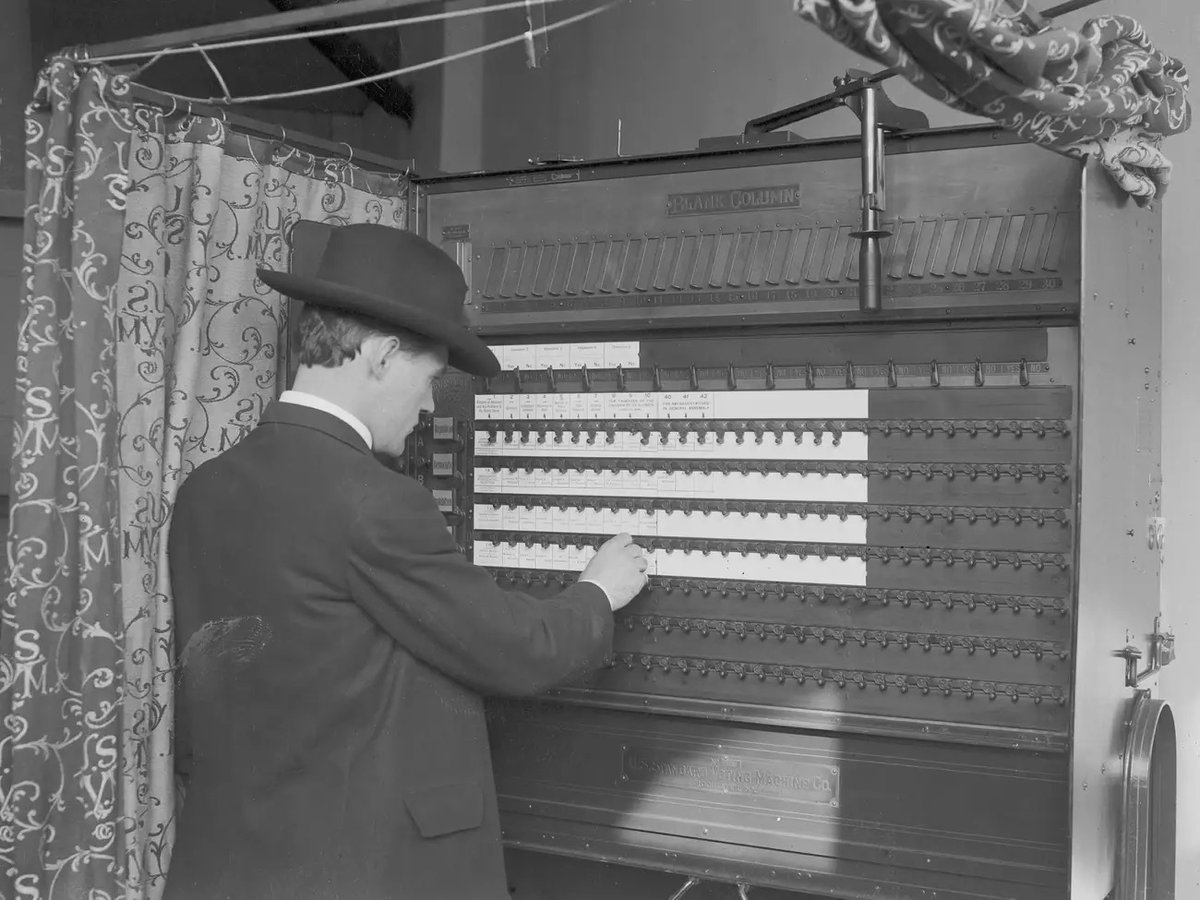
🏛️ On This Day: January 26, 1907 — Roosevelt Signs the Tillman Act
On this day in 1907, President Theodore Roosevelt signed the Tillman Act into law — the first federal campaign finance law in U.S. history.
The law banned corporations and national banks from contributing money to federal election campaigns, a bold step toward curbing the overwhelming influence of industrial wealth in American politics.
Sponsored by Senator Benjamin Tillman of South Carolina, the Act responded to growing public concern over the role corporate money played in shaping policy — especially following Roosevelt’s own efforts to break up monopolies and restore fairness through the Square Deal.
While the Tillman Act lacked strong enforcement mechanisms, it set a precedent that would echo through the next century of reform — laying the groundwork for future campaign finance laws and the broader principle that democracy must be protected from corruption.
🗣️ As Roosevelt declared in his 1905 message to Congress:
“All contributions by corporations to any political committee or for any political purpose should be forbidden by law.”
— Theodore Roosevelt, Annual Message to Congress, December 5, 1905
This was Roosevelt in the arena — using the presidency as a bully pulpit to fight for integrity, accountability, and trust in public life.
#OnThisDay #TRPL #TheodoreRoosevelt #TillmanAct #CampaignFinance #PresidentialHistory #SquareDeal #GetInTheArena #CraftedToEndure
2
4
178
🌍 Big news from the Badlands!
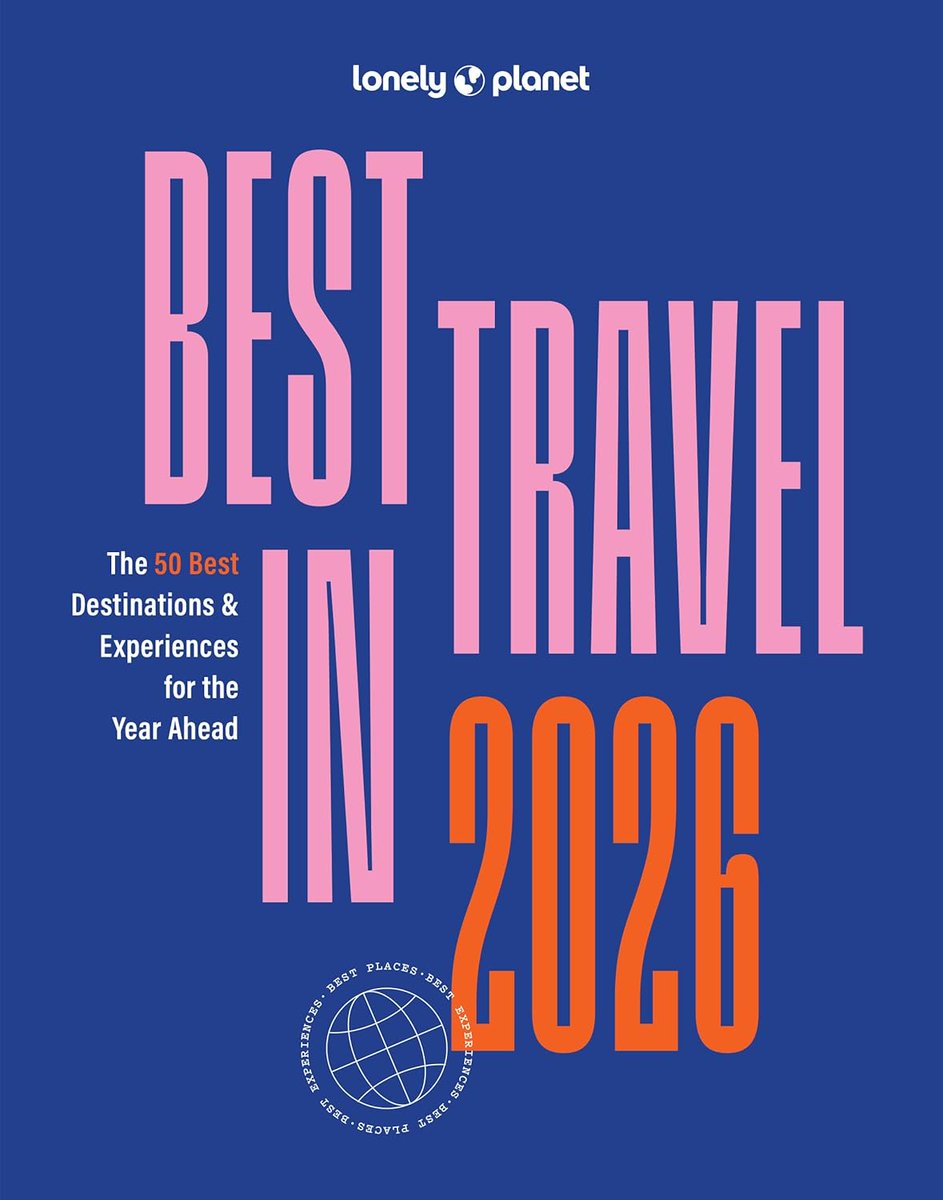
We’re honored to share that Theodore Roosevelt National Park—and the soon-to-open Theodore Roosevelt Presidential Library—have been named one of @lonelyplanet’s Best in Travel 2026 destinations! 🏞️📚
This recognition comes from Lonely Planet’s global community of 750 contributors, with special thanks to Kelsey Chauvin for nominating our corner of North Dakota. Her accompanying guide to the Park highlights not just its sweeping landscapes—but also our Library’s July 4, 2026 grand opening in Medora. 🇺🇸
Set just outside the park’s South Unit, the TRPL rises from the earth with an earthen roof, a mile-long boardwalk loop, and immersive exhibits that invite guests to walk in Roosevelt’s footsteps—and find their own path into the arena. 🌿
✨ A call to adventure awaits. ✨
🔗 Explore the TR National Park guide: ow.ly/CUvf50XT2hH
📘 Order Best in Travel 2026: ow.ly/WcQ250XT2hG
#TRPL #TheodoreRoosevelt #BestInTravel #LonelyPlanet #TRNationalPark #MedoraND #Badlands #PresidentialLibrary #SustainableDesign #GetInTheArena
1
6
178
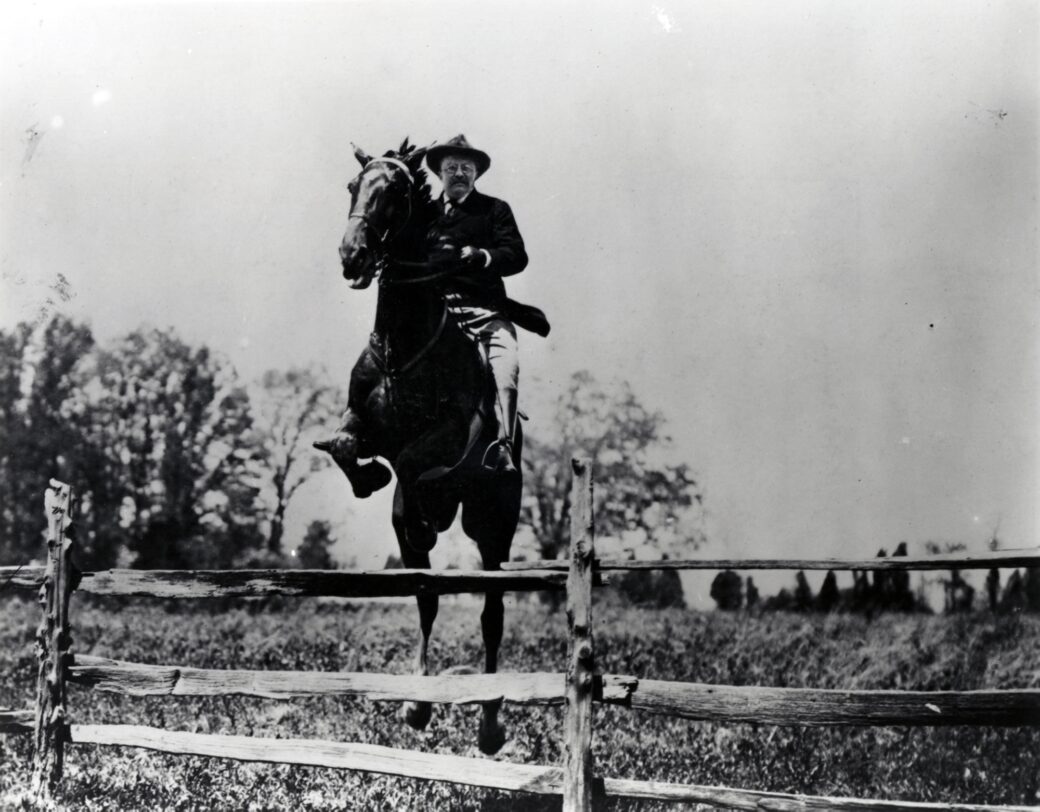
📅 January 13, 1909 — Roosevelt’s 100‑Mile Ride
On this day in 1909, President Theodore Roosevelt undertook one of his most remarkable displays of physical endurance: he rode nearly 100 miles on horseback—round trip from Washington, D.C. to Warrenton, Virginia, and back—in less than a single day.
Accompanied by a small party that included his military aide and physicians, Roosevelt set out before dawn, rode through winter weather, and returned to the White House that evening. While the press credited him with “only” 98 miles, Roosevelt reportedly simply smiled and said, “It was bully.”
🐎 Why This Matters
This ride wasn’t just about stamina—it was Roosevelt living the philosophy he preached: the strenuous life. For TR, physical vigor and personal courage were inseparable from moral strength and national character. Even in the final months of his presidency, he demonstrated that leadership was about example as much as policy.
That same year, Roosevelt would leave office after two terms and continue an extraordinary post‑presidential life of exploration, writing, and advocacy—culminating in legendary expeditions to Africa and South America.
🌟 Roosevelt’s Legacy of Action
Roosevelt’s 100‑mile ride reflects a broader truth about his life: he believed that leadership requires engagement, effort, and resilience—physically, intellectually, and morally. More than a bold stunt, it was a lived embodiment of the values he championed at home and abroad.
Today we remember this feat as part of a life lived with purpose, intensity, and joy.
#OnThisDay #TRPL #TheodoreRoosevelt #StrenuousLife #Leadership #RooseveltLegacy #GetInTheArena
1
4
16
270
🇺🇸📅 On This Day: January 12, 1912 — Roosevelt and the Road to New Nationalism
January 12, 1912, marked a pivotal moment in the post‑presidential life of Theodore Roosevelt. In early January of that year, Roosevelt seriously contemplated launching a new bid for the presidency — responding to letters from Republican governors and supporters urging him to run again.
Though he had left the White House in 1909 and supported his hand‑picked successor William Howard Taft, progressive dissatisfaction with Taft’s policies was mounting. On January 12, Roosevelt weighed whether to respond to drafts and invitations that would eventually lead him back into the political arena — this time not as an incumbent, but as the leader of a movement.
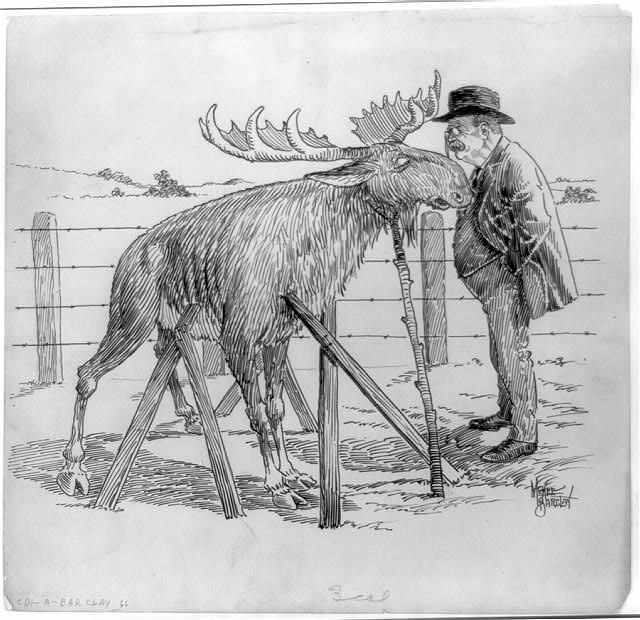
🐃 The 1912 Campaign and the Bull Moose Party
Roosevelt’s decision to re‑enter the fray became one of the most dramatic political turns of the early 20th century:
•He challenged Taft for the Republican nomination, arguing that the party had strayed from progressive reform.
•After losing the nomination, Roosevelt formed the Progressive Party, famously declaring himself “as fit as a bull moose.”
•His campaign championed New Nationalism — bold government action on trust regulation, labor rights, conservation, and democratic reform.
Though Roosevelt did not win in 1912, his campaign reshaped American politics, influenced future reform agendas, and left an enduring imprint on the idea of presidential leadership and civic engagement.
Roosevelt’s activity around January 12 reminds us that even after leaving office, he remained in the arena — pushing for justice, innovation, and a government that worked for the many, not just the powerful.
#OnThisDay #TRPL #TheodoreRoosevelt #ProgressiveEra #BullMooseParty #NewNationalism #1912Election #RooseveltLegacy #GetInTheArena
3
12
253
🏞️ On This Day: January 11, 1908 — Roosevelt Protects the Grand Canyon
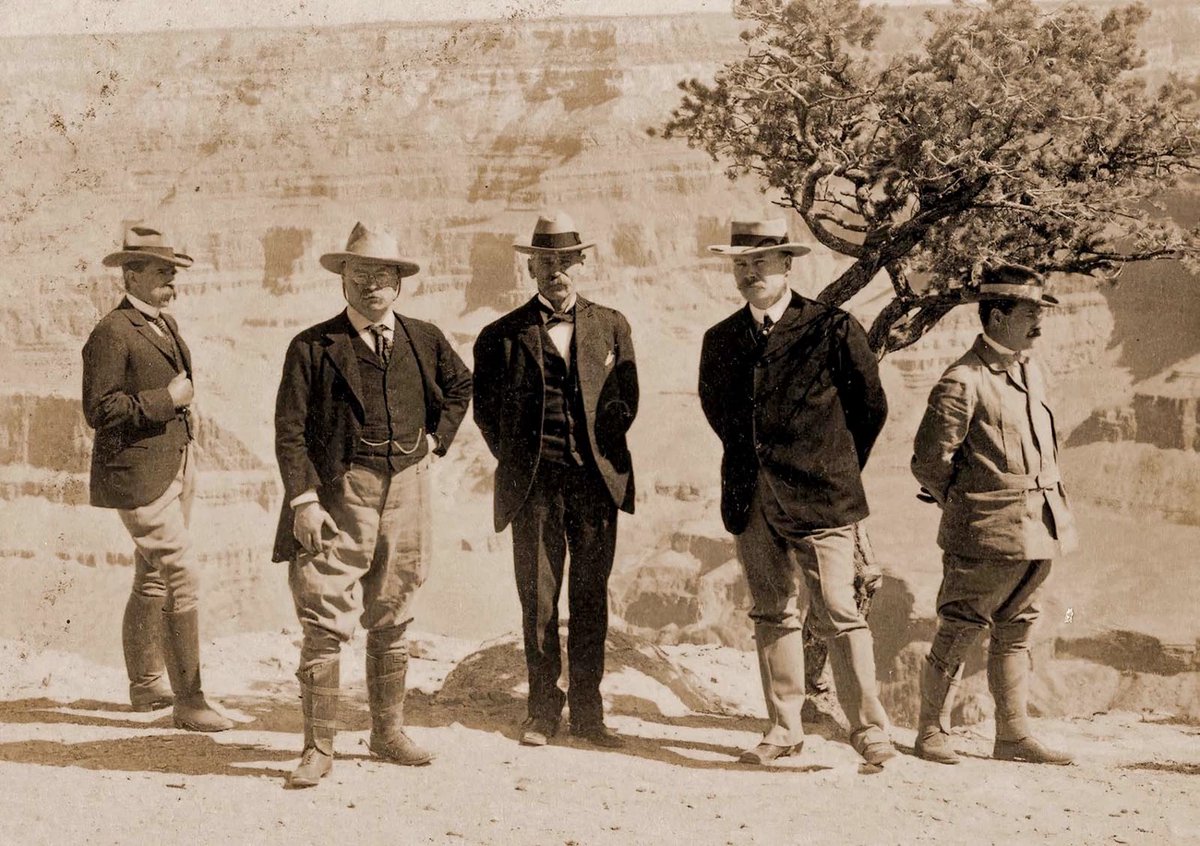
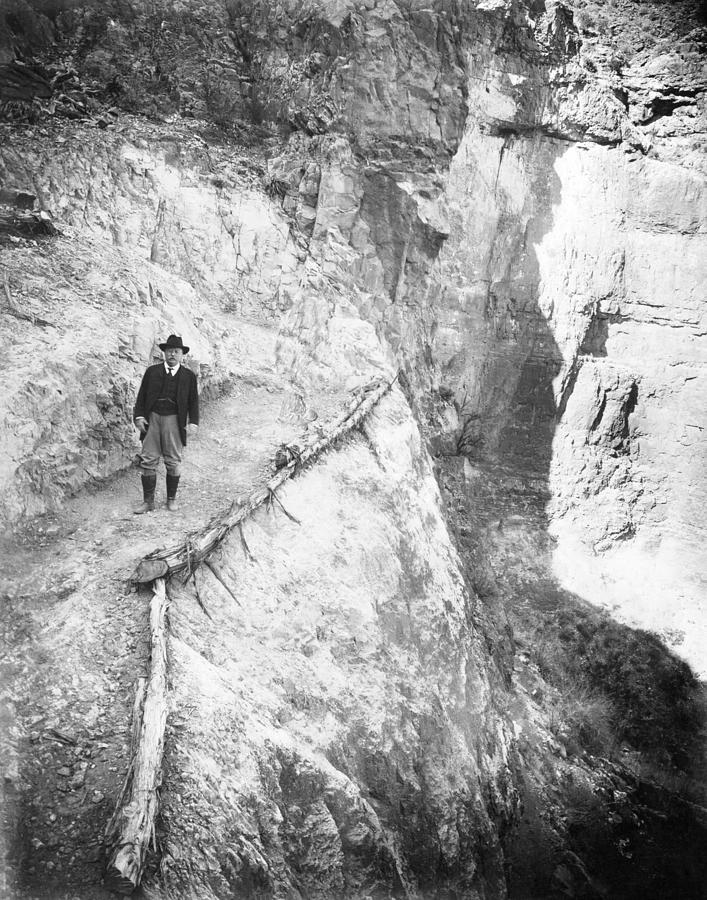
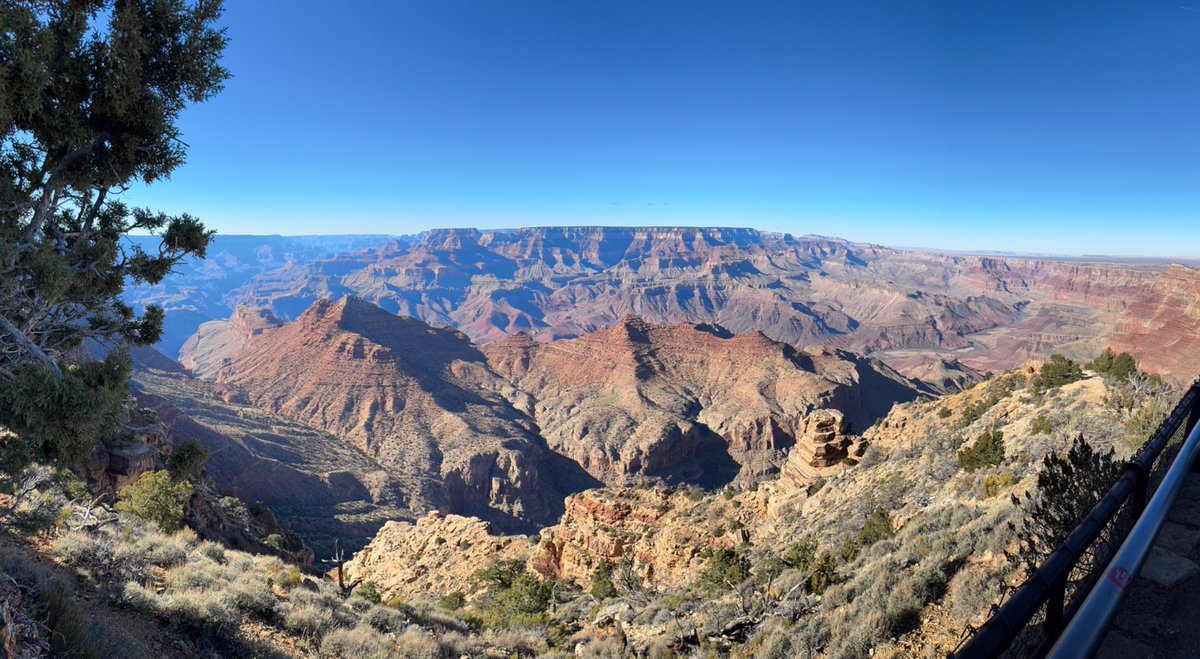
On this day in 1908, President Theodore Roosevelt used the power of the Antiquities Act to declare the Grand Canyon a national monument—protecting over 800,000 acres from mining, development, and private exploitation.
Though not yet a national park (that would come in 1919), Roosevelt’s bold action ensured one of the most awe-inspiring landscapes in North America would be preserved for future generations.
🌄 He had visited the canyon in 1903 and stood at the South Rim in wonder. His words from that trip endure as some of the most iconic in American conservation history:
“Leave it as it is. You cannot improve on it. The ages have been at work on it, and man can only mar it.”
— Theodore Roosevelt, Grand Canyon, May 6, 1903
Roosevelt’s designation of the Grand Canyon was part of a much larger vision. During his presidency, he protected over 230 million acres of public land, established 5 national parks, 18 national monuments, and 150 national forests. He transformed conservation into a core presidential priority.
His visit to the canyon, and the words he left behind, reflected both awe and urgency: this was not just scenery — it was a national inheritance, and it needed a fierce protector.
Today, the Grand Canyon is one of the most visited natural wonders in the world, and its protection stands as a towering legacy of Roosevelt’s belief that “the nation behaves well if it treats its natural resources as assets…”
#OnThisDay #TRPL #GrandCanyon #ConservationPresident #AntiquitiesAct #TheodoreRoosevelt #NationalMonuments #GetInTheArena #CraftedToEndure #LeaveItAsItIs
13
49
1,139
📽️ On This Day: January 8, 1919 — A Nation Bids Farewell
On a cold winter morning in Oyster Bay, New York, the 26th President of the United States was laid to rest.
Theodore Roosevelt’s funeral was as humble as the man himself. No state funeral. No great parade. Just a quiet procession through the small town he loved, witnessed by mourners who lined the streets with heavy hearts.
🎞️ This rare film captures solemn moments at Christ Episcopal Church, where Rev. George E. Talmadge led the simple service, followed by Roosevelt’s casket carried up the steep path to Youngs Memorial Cemetery.
Among the pallbearers and mourners:
🇺🇸 Vice President Thomas R. Marshall
🎖️ Gen. Peyton C. March, Army Chief of Staff
⚓ Rear Admiral Cameron Winslow
👔 Oscar Straus, Roosevelt’s former cabinet member
👨👦 His son Archie Roosevelt, in uniform
🪖 Major General Leonard Wood, his Rough Rider comrade
No other U.S. president had lived such a life of action—and no other would be laid to rest so simply.
On that day in 1919, the world said goodbye to more than a president. It said goodbye to a symbol of courage, conservation, and conviction.
🎥 Watch the footage and remember the man who always chose to get in the arena.
#OnThisDay #TheodoreRoosevelt #TRPL #TRLegacy #PresidentialHistory #OysterBay #StrenuousLife #AmericanHistory #GetInTheArena #CraftedToEndure
35
460
2,357
80,684
🌿 “Healed in the Badlands.” Now, Building for the Future. ⚡
“Theodore Roosevelt is known as the conservation president. Part of the legacy of the Theodore Roosevelt Presidential Library is really building on the sustainability goals that have been set.”
— Tony Erickson, Director of Construction Services, TRPL
In one of the most remote and ambitious electrical builds in the country, the Theodore Roosevelt Presidential Library is becoming more than a building — it’s becoming part of the landscape.
Located in Medora, North Dakota, the Library is being constructed to meet the Living Building Challenge, one of the most rigorous sustainability standards in the world. It will be net-positive, blending into the prairie with a green roof planted with over 200 native species, solar panels, a battery system, and low-impact electrical infrastructure that disappears into the land.
This milestone wouldn’t be possible without the skilled craftsmanship of the IBEW Local 714, and the visionary work of NECA contractors ArchKey Electric and North Valley Electric. Their union-built legacy is powering an institution designed to educate, inspire, and endure.
📽️ Watch the full story from ElectricTV, showcasing the power of partnership, sustainability, and purpose-built innovation. youtube.com/watch?v=Z-QSHj7V…
🎯 Opening July 4, 2026 | trlibrary.com
#TRPL #ElectricTV #NECA #IBEW #LivingBuildingChallenge #UnionBuilt #SustainableArchitecture #TRLegacy #MedoraND #CraftedToEndure #TheodoreRoosevelt #GetInTheArena
3
10
283
🕯️ On This Day: January 6, 1919
“Death had to take Roosevelt sleeping, for if he had been awake, there would have been a fight.”
— Vice President Thomas R. Marshall
At approximately 4:15 a.m. on January 6, 1919, Theodore Roosevelt died in his sleep at Sagamore Hill, his beloved home in Oyster Bay, New York. He was 60 years old, his life ended by a coronary embolism—but his legacy had already taken root in the American landscape, in both spirit and soil.
In the months leading up to his death, Roosevelt’s health had sharply declined. He was still recovering from a severe leg infection and ongoing complications from a 1914 expedition to the Amazon River’s “River of Doubt”—a harrowing journey that had left him forever changed, both physically and emotionally.
Yet, even in his final weeks, Roosevelt remained as vigorous in mind as ever. He was writing, corresponding with global leaders, preparing to testify before Congress, and shaping what he hoped would be a new political realignment in post-war America. He had also just submitted an editorial opposing the League of Nations as then conceived.
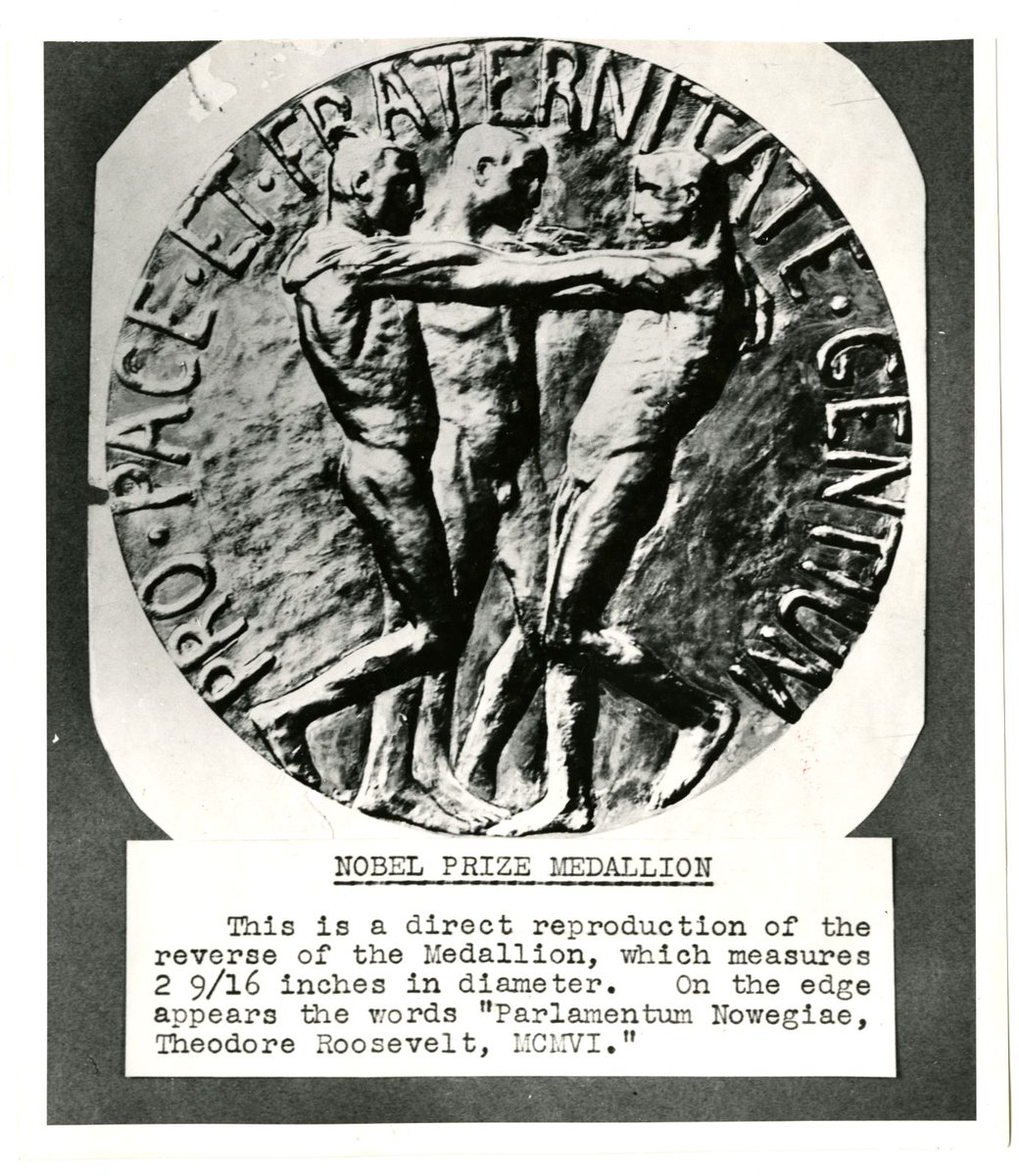
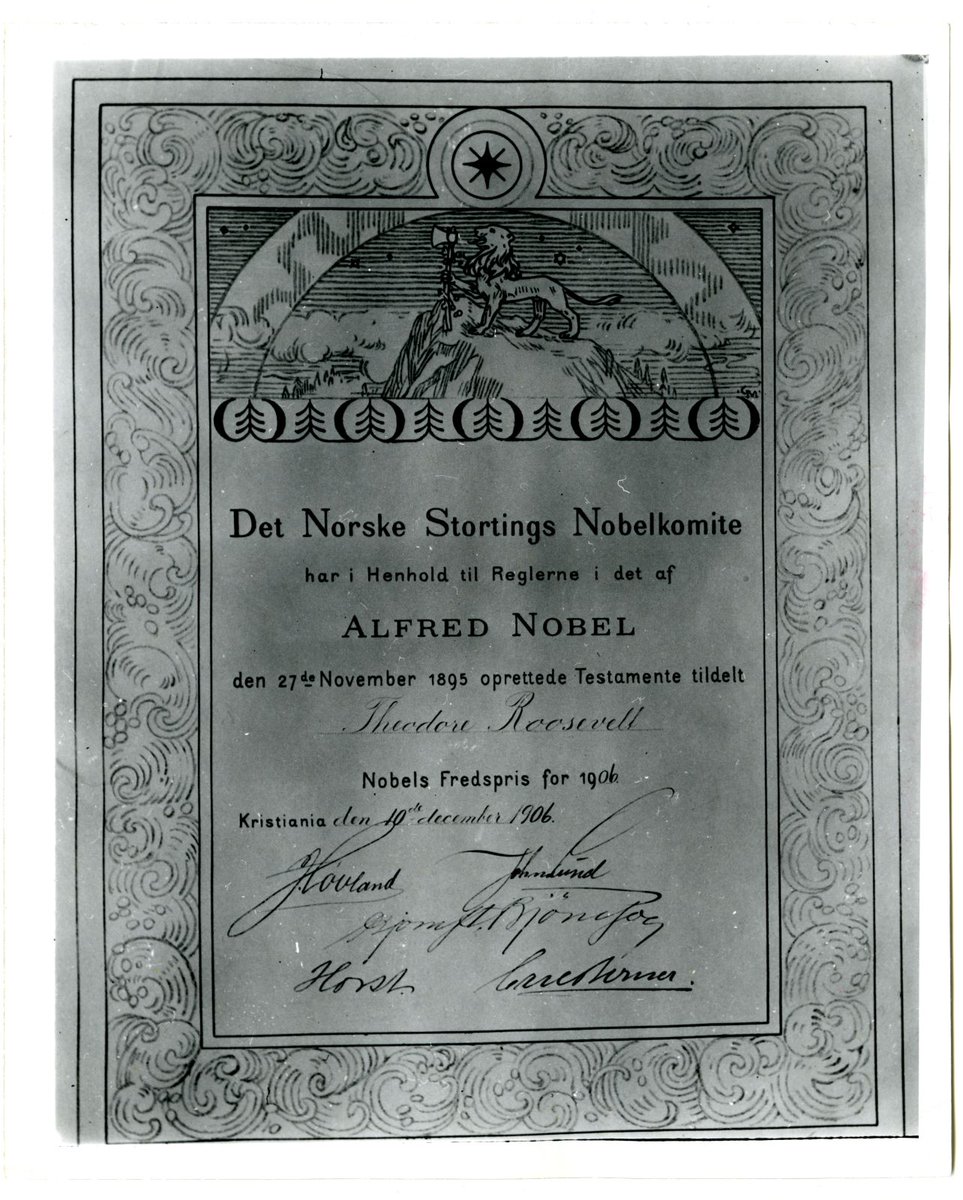
Theodore Roosevelt’s passing marked the end of a life lived in relentless pursuit of purpose: as a rancher in the Badlands, a reformer in New York politics, a Rough Rider, a trust-buster, a Nobel Peace Prize laureate, and the youngest President in U.S. history.
He redefined the presidency—not just as an office, but as a bully pulpit for moral leadership, civic courage, and environmental stewardship.
🌲 He preserved over 230 million acres of public lands.
📜 He gave Americans a modern vision of the federal government as a force for fairness.
💬 And he taught generations to embrace “the strenuous life.”
Roosevelt’s death sent shockwaves through the nation. Flags flew at half-staff. Newspapers declared a day of mourning. Yet his story—like the Library being built in his honor—was never meant to be a monument to the past.
At the Theodore Roosevelt Presidential Library, we remember January 6 not just as the day Roosevelt died—but as the day his legacy became our responsibility to carry forward.
🎖️ Live courageously. Conserve fiercely. Enter the arena.
#OnThisDay #TRPL #TheodoreRoosevelt #SagamoreHill #PresidentialHistory #LegacyOfLeadership #GetInTheArena #TheStrenuousLife #AmericanHistory #ConservationPresident #CraftedToEndure
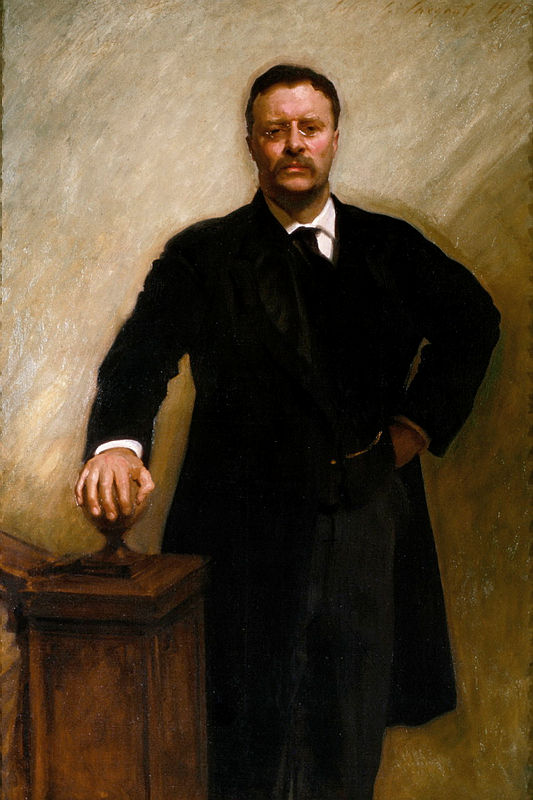
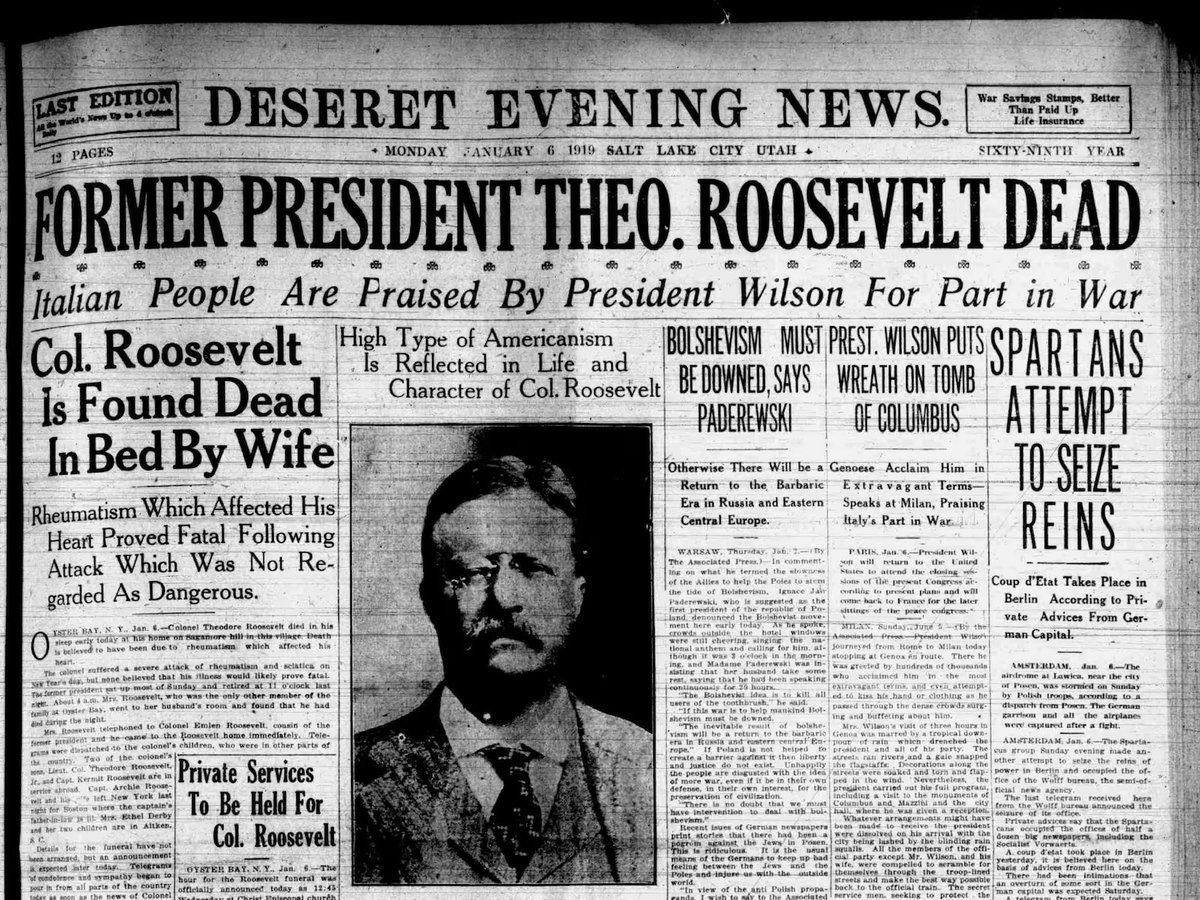
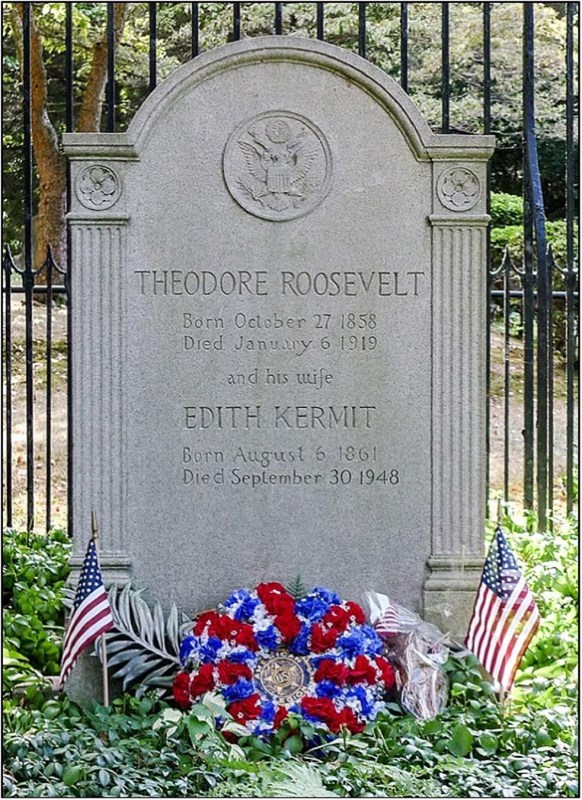
2
10
25
1,824
🇺🇸 On This Day: January 5, 1906 — Roosevelt Launches the Jamestown Tercentennial Commission
On this day in 1906, President Theodore Roosevelt issued Executive Order 389½, formally creating the Jamestown Tercentennial Commission to oversee the upcoming 300th anniversary of the 1607 founding of Jamestown, Virginia—the first permanent English settlement in North America.
Acting under congressional authority, Roosevelt appointed senior cabinet officials to lead the national commemoration:
•Leslie M. Shaw, Secretary of the Treasury
•William H. Taft, Secretary of War
•Charles J. Bonaparte, Secretary of the Navy
The 1907 celebration, held on the waters of Hampton Roads, would become a major international naval and military exposition, showcasing U.S. strength while honoring America’s colonial origins.
🛶⚓ Why It Mattered
The Jamestown Tercentennial was not just about the past. For Roosevelt, it was a moment to:
•Celebrate the roots of American democracy and perseverance
•Honor the growth of an English-speaking republic forged by endurance
•Assert the United States’ rising global stature on the world stage
Roosevelt himself spoke at the exposition on April 26, 1907, calling Jamestown “the cradle of the Republic,” and reminding Americans that “the greatness of a nation is measured by its ability to use its past as a springboard—not a resting place.”
In creating the commission, Roosevelt emphasized history as a living force, one that inspires civic responsibility and national unity.
#OnThisDay #TRPL #TheodoreRoosevelt #Jamestown #ExecutiveOrder #PresidentialHistory #AmericanOrigins #1907Exposition #CraftedToEndure #GetInTheArena
3
8
290
📜 On This Day: January 3, 1902 — Alice Roosevelt Takes the Stage
At the age of 17, Alice Lee Roosevelt, the eldest daughter of President Theodore Roosevelt, made her official debut into Washington society. It was the first White House debut since the days of President Grant—and a national sensation.
The event marked Alice’s formal entrance into public life during the height of the Gilded Age. Held during the winter social season, her debut drew diplomats, politicians, and the press, all eager to catch a glimpse of the president’s striking and self-assured daughter.
The debut was more than ceremonial—it launched Alice into the American spotlight, where she would remain for decades.
Outspoken, whip-smart, and unafraid of controversy, Alice Roosevelt Longworth became one of the most famous women in America.
🪄 She smoked on the White House roof.
🧳 Traveled to Asia as part of a diplomatic delegation.
🗣️ Played politics like a pro—and on her own terms.
🖋️ Once wrote: “If you haven’t got anything nice to say about anybody, come sit next to me.”
Alice was more than a socialite—she was a political force, a cultural icon, and the embodiment of Rooseveltian defiance and wit. She remained a Washington powerbroker well into the 20th century, spanning the eras of her father, cousin Franklin, and even JFK.
🦁 Born into the Roosevelt legacy, she carved her own path—bold, brilliant, and entirely unforgettable.
#OnThisDay #TRPL #AliceRoosevelt #TheodoreRoosevelt #WhiteHouseHistory #AmericanWomen #Debutante #GildedAge #RooseveltLegacy #GetInTheArena
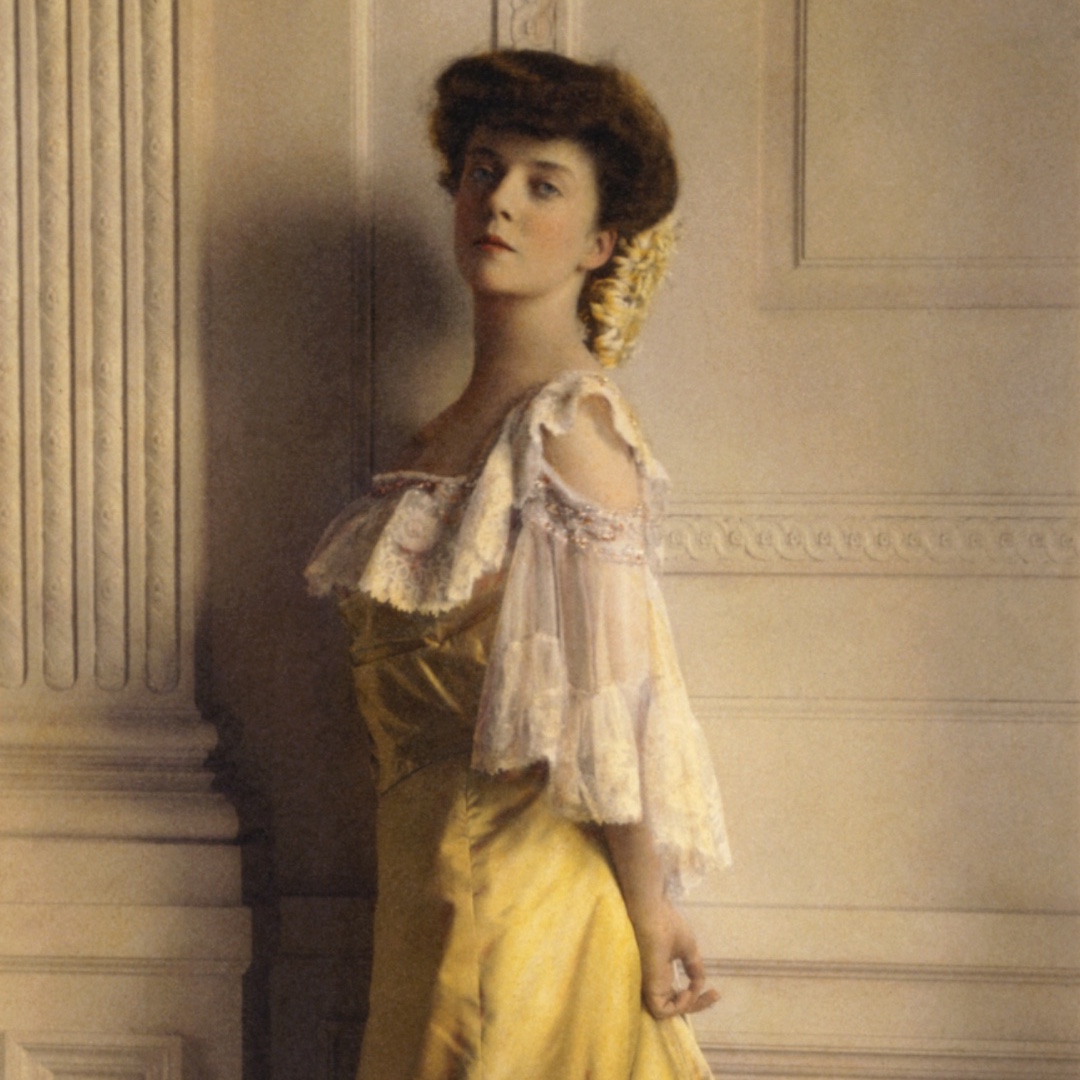
1
2
10
351
🕊️🌍 On This Day: January 3, 1908 — Roosevelt Clarifies Diplomatic Rank
On this day in 1908, President Theodore Roosevelt issued Executive Order 724, amending the Instructions to Diplomatic Officers of 1897 and Consular Regulations of 1896 to formally define the relative rank of U.S. diplomatic officers.
Why? Because clarity mattered. As the United States stepped confidently onto the global stage in the early 20th century, Roosevelt knew that well-defined protocol and professionalism were vital tools of diplomacy.
🏛️ Diplomatic Ranks of the Era
The order helped codify the hierarchy of U.S. diplomats, including:
•Ambassador Extraordinary and Plenipotentiary – the highest representative of the U.S. abroad
•Envoy Extraordinary and Minister Plenipotentiary – often used when ambassadorial status was not exchanged
•Minister Resident – a lower, declining rank
•Chargé d’Affaires – accredited to the foreign minister, often temporarily in charge
•Secretary of Legation – the essential supporting diplomat
Roosevelt’s reform brought order to ceremony, clarified who spoke for the U.S., and strengthened the standing of American missions worldwide—particularly as more nations demanded clarity in international representation.
This executive order reflects TR’s larger commitment to making the U.S. foreign service more professional, efficient, and globally respected—hallmarks of his progressive era leadership.
#OnThisDay #TRPL #TheodoreRoosevelt #ExecutiveOrder724 #DiplomaticHistory #ForeignService #RooseveltLegacy #GetInTheArena #CraftedToEndure
1
6
252