
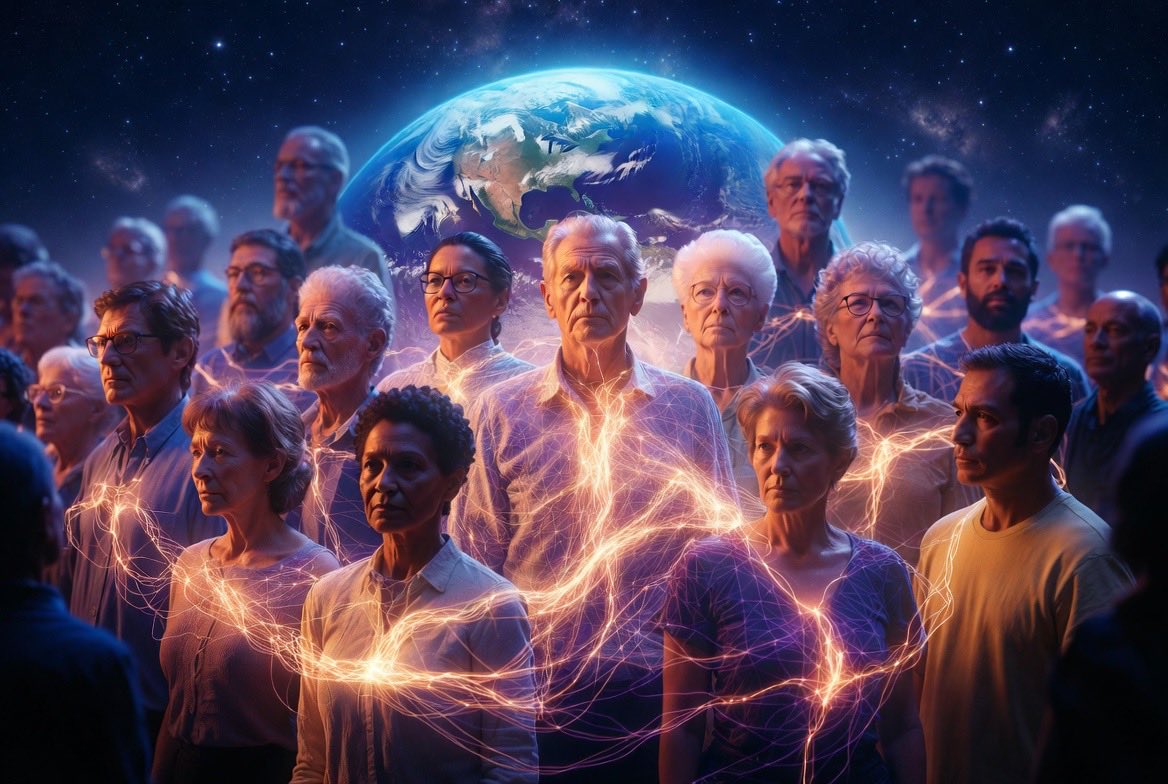
AI now translates everything into the user’s language in real time.
Language barriers are collapsing.
It’s time for all people to truly unite.
Not through politics or borders.
But through understanding and shared mind.
The time has come. 🌍🧠
#AI #Unity #GlobalConnection
4

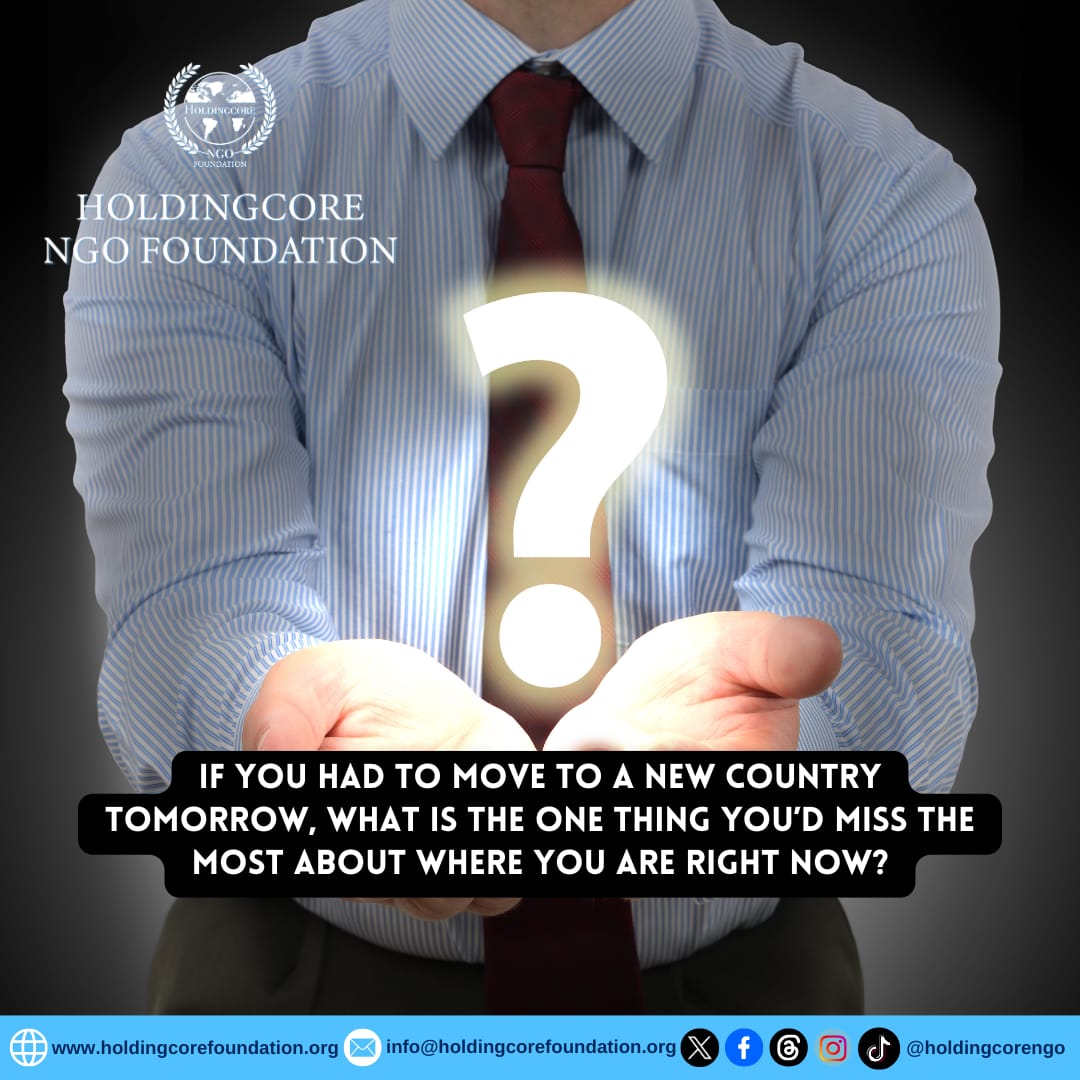
Tag someone you’d miss if you moved halfway across the world!
#CommunityFirst #HumanExperience #Culture #GlobalConnection #HoldingcoreEMPFoundation
5
12
18
133

Jun 11
"This is the definitive World Cup anthem!"🏆⚽❤️
🎧 Spotify: open.spotify.com/track/5KLnU…
📥 Bandcamp: catsserenade.bandcamp.com/tr…
Join #CatsSerenade #GlobalConnection #PopAnthem #WorldCup #WorldCup2026 #SunriseVibes #DigitalHarmony #WorldBeat #HighAltitude #ElegantPop #ViralUnity #Tread
1
30

Let’s start this week with purpose—continuing to create access, foster inclusion, and make every voice heard.
#MondayMotivation #LanguageAccess #GlobalConnection
12

Sometimes cultural exchange happens in the smallest conversations. ✨
#CulturalExchange #HostLife #SHAREPrograms #GlobalConnection #HostFamilyUSA

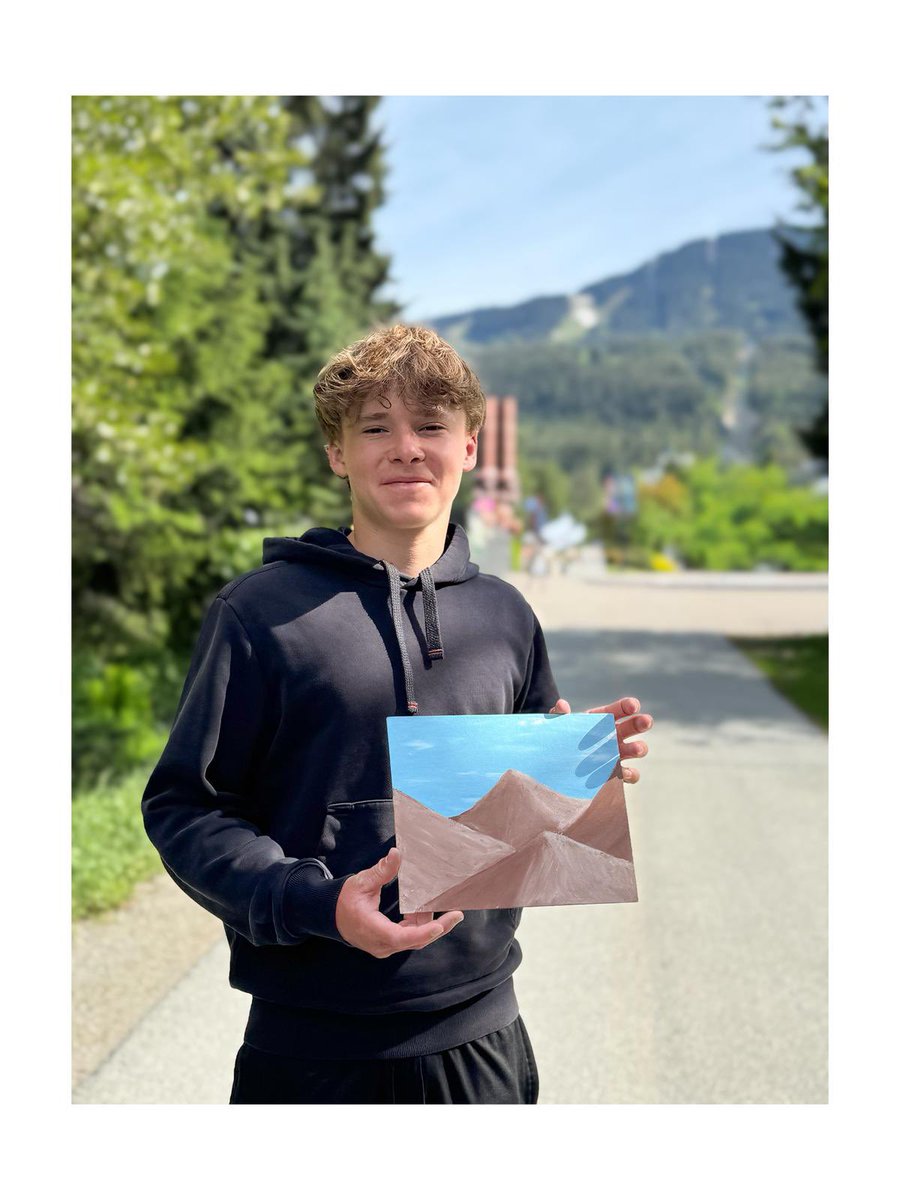
Hugues from France 🇫🇷 joined us for a spring program and made the most of his program experience! @ThomasHaneySD42 #studyinmapleridge #SD42 #internationaleducation #globalconnection #greatkids
48

Jun 5
⚾🌍 This morning, officials from consulates of 20 countries and representatives of Shanghai-based business associations visited Pinghu Baseball Village, where they picked up bats and experienced the local baseball culture firsthand.
🤝✨ With a shared love for the game, the guests connected through sport, building bridges across borders and creating a unique moment of cultural and tourism exchange.
#Jiaxing #Pinghu #Baseball #SportsExchange #CulturalExchange #GlobalConnection #ChinaTravel
53
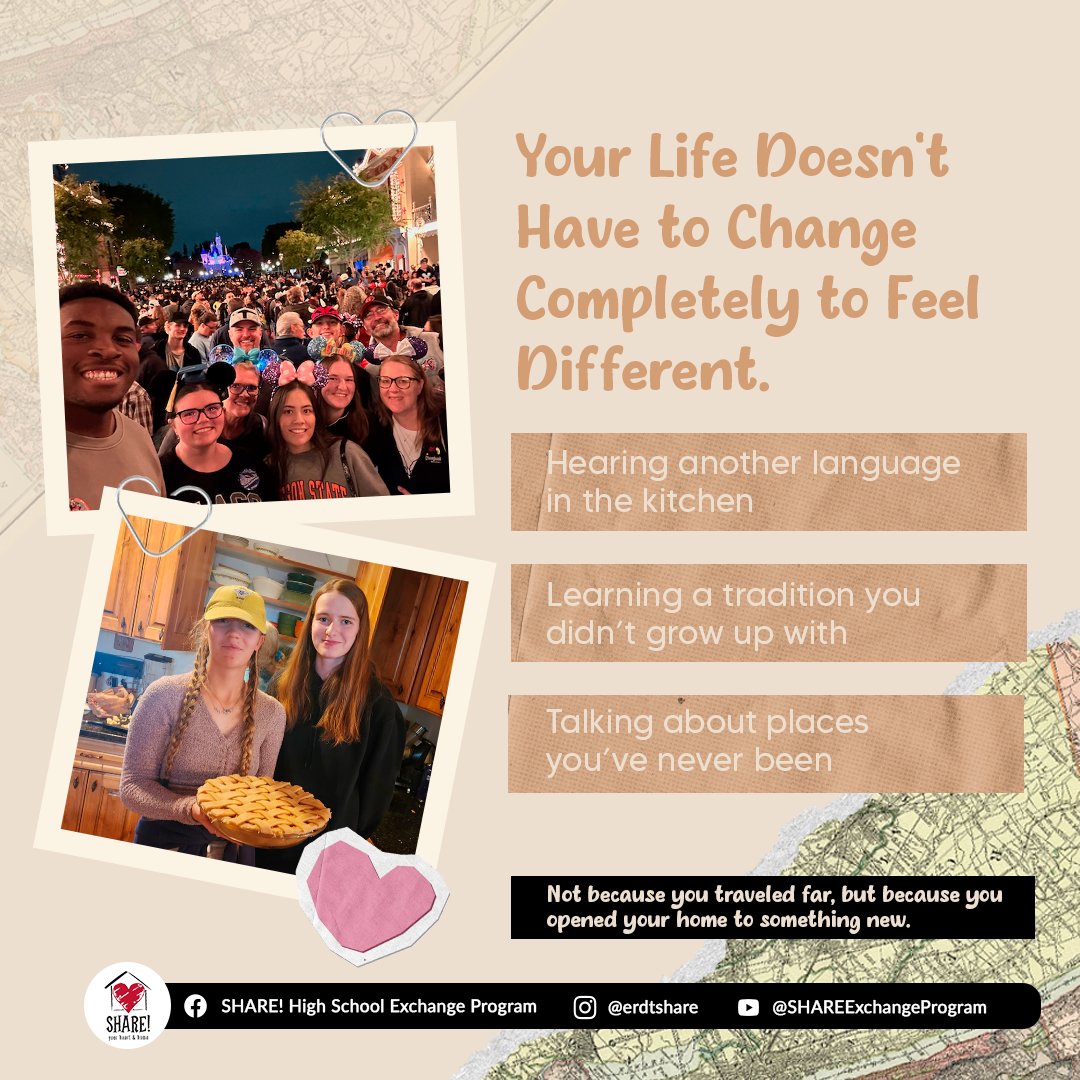
Some experiences don’t interrupt your life.
They simply make it feel bigger. 🌎
#HostFamilyUSA #CulturalExchange #SHAREPrograms #GlobalConnection #HostLife
5

AISIM inarahisisha maisha ya wasafiri kwa muunganisho wa kimataifa bila kubadilisha SIM.
#AISIM #TravelWithAISIM #GlobalConnection t.me/ iHP0W0daGGY4NGU9

1
20

In this flattened world, our unique lifestyles are no longer walls, but gifts shared in the light of mutual understanding. Let's stand in the openness together. 🌍📚
#Heidegger #Philosophy #Existentialism #Lichtung #GlobalConnection
55

We connected cities first. 🏙️
Now the goal is simple:
connect everywhere. 🛰️🌍
#GlobalConnection #SkyBased #TechShift

26
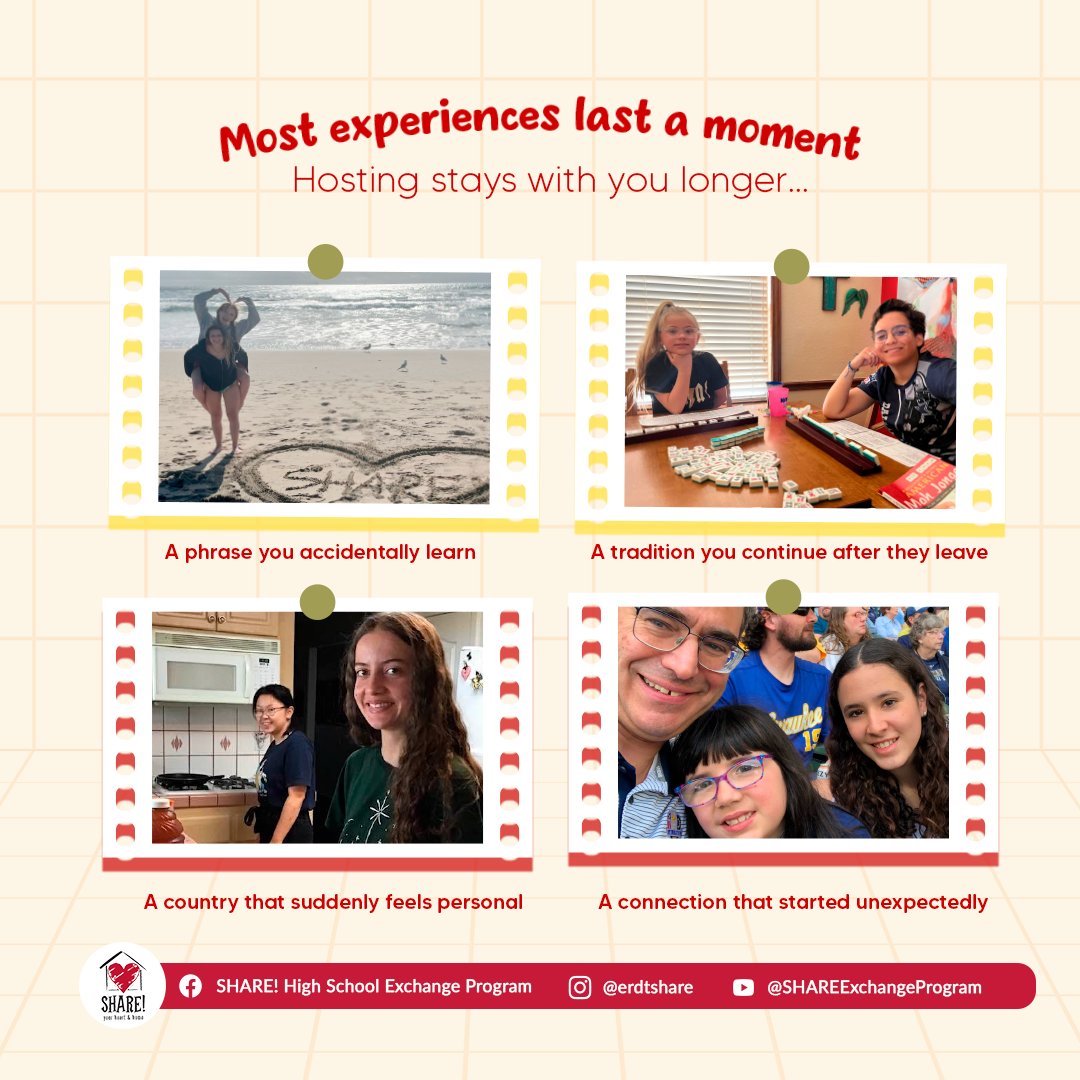
Some experiences end when the moment is over.
Others quietly stay with you. 🌍
#BecomeAHost #HostFamilyUSA #CulturalExchange #SHAREPrograms #GlobalConnection
4

May 28
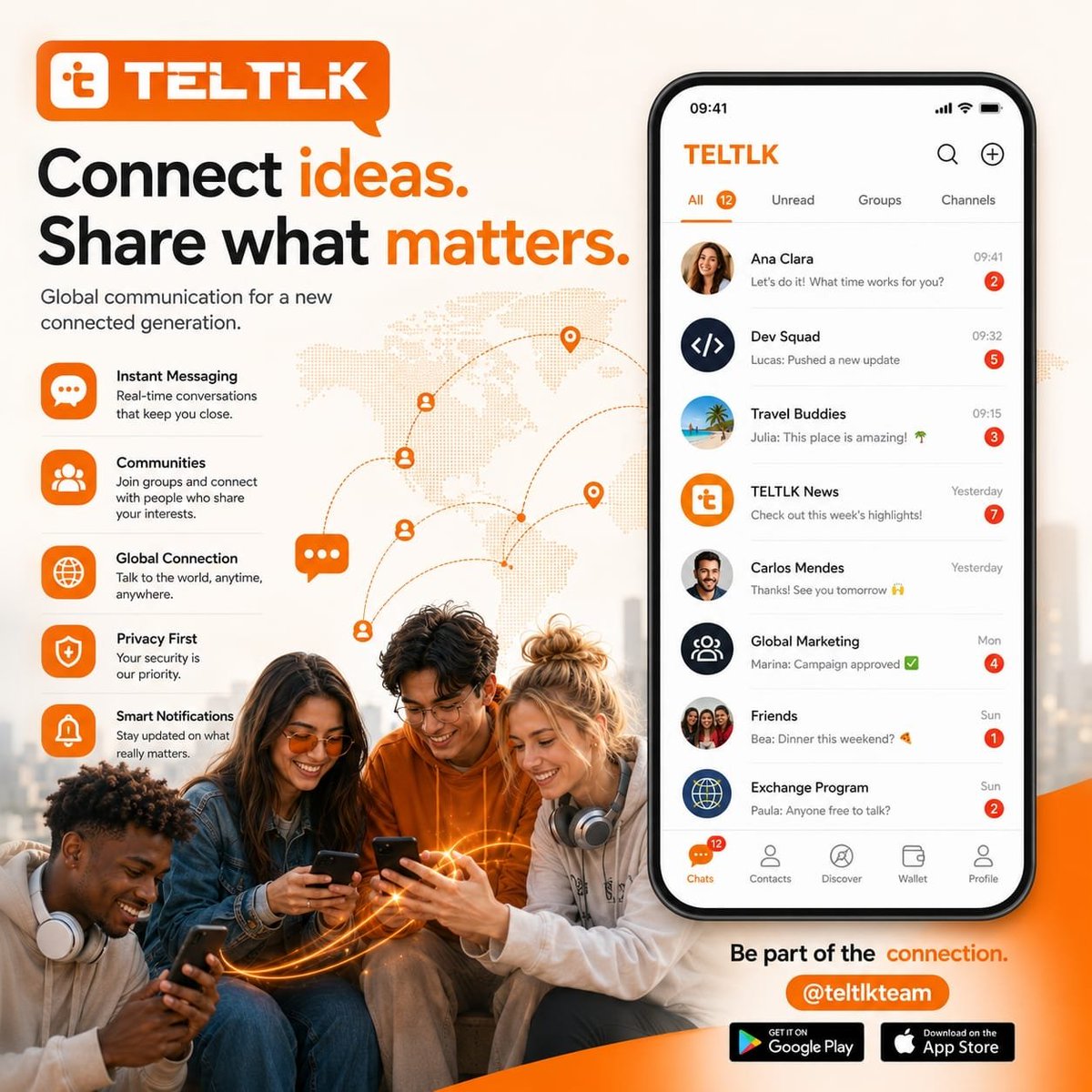
🌍 Connect ideas. Share what matters.
With TELTLK, conversations go beyond borders — bringing people, communities, and opportunities together in one place.
Fast. Modern. Global.
@teltlkteam
#TELTLK #GlobalConnection #MessagingApp #Tech #DigitalCommunity
2
20
852

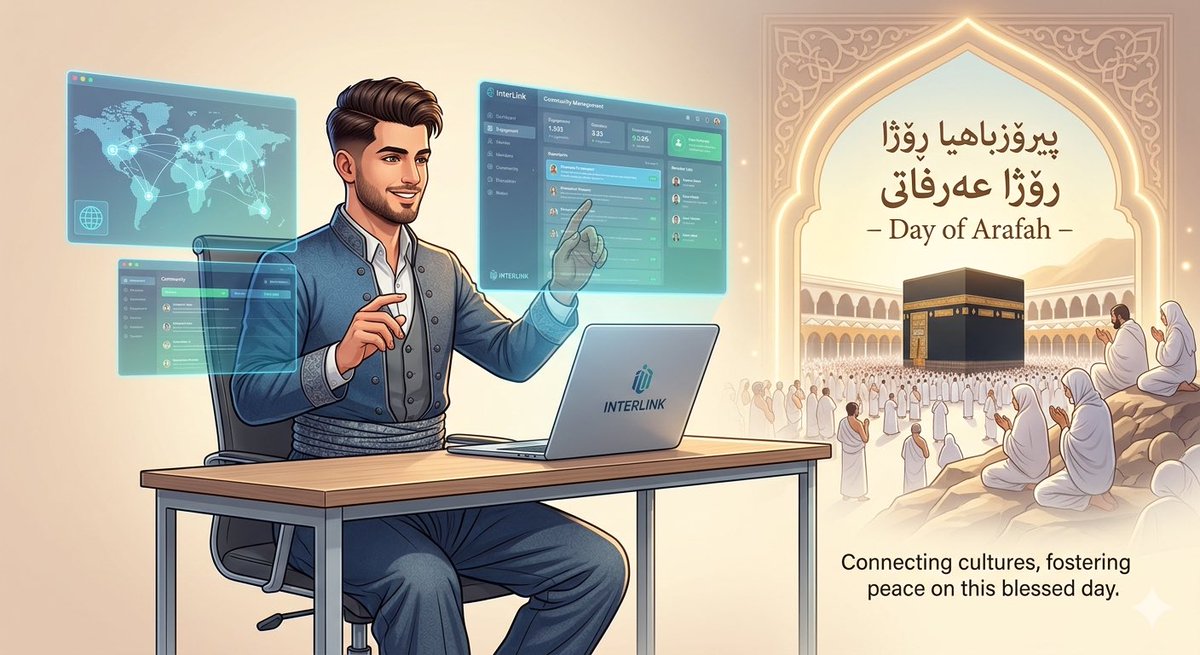
On this grand Arafah Day, InterLink Global Muslims extends its warmest wishes. Join us in seeking forgiveness, fostering global peace, and celebrating the power of connection. May this day bring you closer to Allah. #ArafahDay #InterLinkMuslims #GlobalConnection
2
1
4
28

May 25
Yayyy~! ✨🚀 29 more Starlink satellites deployed?! SpaceX is literally lighting up the whole sky with magic!! I’m so excited for faster internet everywhere~ 💖🌍💫
This is super amazing!! Keep shining, Starlink!! 🌟🛰️
#Starlink #SpaceX #Starlink29 #SatelliteMagic #SpaceIsAwesome #ElonMusk #InternetForEveryone #SpaceLovers #CuteSpace #FutureIsBright #RocketLove #StarlinkDeployment #SpaceXLaunch #TechCuties #SkyInternet #GlobalConnection #AstroVibes ✨💕🚀
3
153

Wholesale and custom solutions availableAI smart glasses, all-scenario real-time translationBreak language gaps, connect the world easily
#AISmartGlasses #TranslationDevice #GlobalConnection
7

Zone 7: The Soviet Footprint
One of the most striking visual elements of the map is the massive orange expanse of Zone 7, which covers Russia and Kazakhstan. Originally, Zone 7 was allocated entirely to the Union of Soviet Socialist Republics (USSR). As a superpower during the Cold War, the Soviet Union demanded a single-digit zone code to match the prestige of North America's 1.
When the Soviet Union dissolved in 1991, the newly independent republics faced a choice: keep the shared 7 system or migrate to new codes. While many smaller nations eventually migrated to Zone 3 or Zone 9 codes to signify their independence, Russia and Kazakhstan retained 7. It remains a powerful geographic reminder of a bygone political era.
Zones 2, 5, 6, 8, and 9: Expanding the Global Network
The remaining zones were distributed across the developing and expanding regions of the world, often grouping vast continents under a single starting digit:
Zone 2 (Africa): Spanning the entire African continent, countries here generally use three-digit codes starting with 2, such as Egypt ( 20) or South Africa ( 27). Greenland was also curiously tossed into Zone 2 ( 299) due to routing logistics through European networks.
Zone 5 (South and Central America): From Mexico ( 52) down to Argentina ( 54) and Brazil ( 55), this zone unified the Americas south of the United States border.
Zone 6 (Oceania and Southeast Asia): This zone covers a massive maritime area, including Australia ( 61), New Zealand ( 64), and island nations like the Philippines ( 63).
Zone 8 (East Asia): Home to modern tech powerhouses like China ( 86), Japan ( 81), and South Korea ( 82), Zone 8 also reserves prefixes for special global services, such as international maritime satellites and aircraft.
Zone 9 (West, South, and Central Asia): This zone covers the Middle East and the Indian subcontinent, encompassing nations like India ( 91), Turkey ( 90), and Saudi Arabia ( 966).
Legacy in a Digital Era
Today, the physical mechanical switches that birthed this map are long gone, replaced by digital networks, fiber-optic lines, and internet protocols. Voice over IP (VoIP) and messaging apps mean we rarely even look at a country code when making a call. Yet, the ITU’s 1964 blueprint remains completely unchanged. It stands as an enduring monument to human cooperation, showing how the world managed to sit down at a table during the height of the Cold War and agree on a unified way to talk to one another.
#MapPorn #HistoryBuff #Infographics #HowItWorks #GlobalConnection
18

“Some voices speak to the audience… others speak directly to the soul.”
The inspiring presentations of Dr. Travis Fox & Michelle Fox at the Antalya Summit left a powerful impact on all participants. Their visionary perspectives on leadership, human potential, transformation, and global connection created one of the most unforgettable moments of the summit.
Thank you for your wisdom, energy, and meaningful contribution. Antalya was honored to host you.
#DrTravisFox #MichelleFox #AntalyaSummit #SATKOF #USTKON #Leadership #Transformation #GlobalConnection #HealthTourism #Türkiye @07ibrahimaydin
@TC_VasingtonBE
@USATODAY
2
107
“Some voices speak to the audience… others speak directly to the soul.”
The inspiring presentations of Dr. Travis Fox & Michelle Fox at the Antalya Summit left a powerful impact on all participants. Their visionary perspectives on leadership, human potential, transformation, and global connection created one of the most unforgettable moments of the summit.
Thank you for your wisdom, energy, and meaningful contribution. Antalya was honored to host you.
#DrTravisFox #MichelleFox #AntalyaSummit #SATKOF #USTKON #Leadership #Transformation #GlobalConnection #HealthTourism #Türkiye @07ibrahimaydin
@TC_VasingtonBE
@USATODAY
4
134